
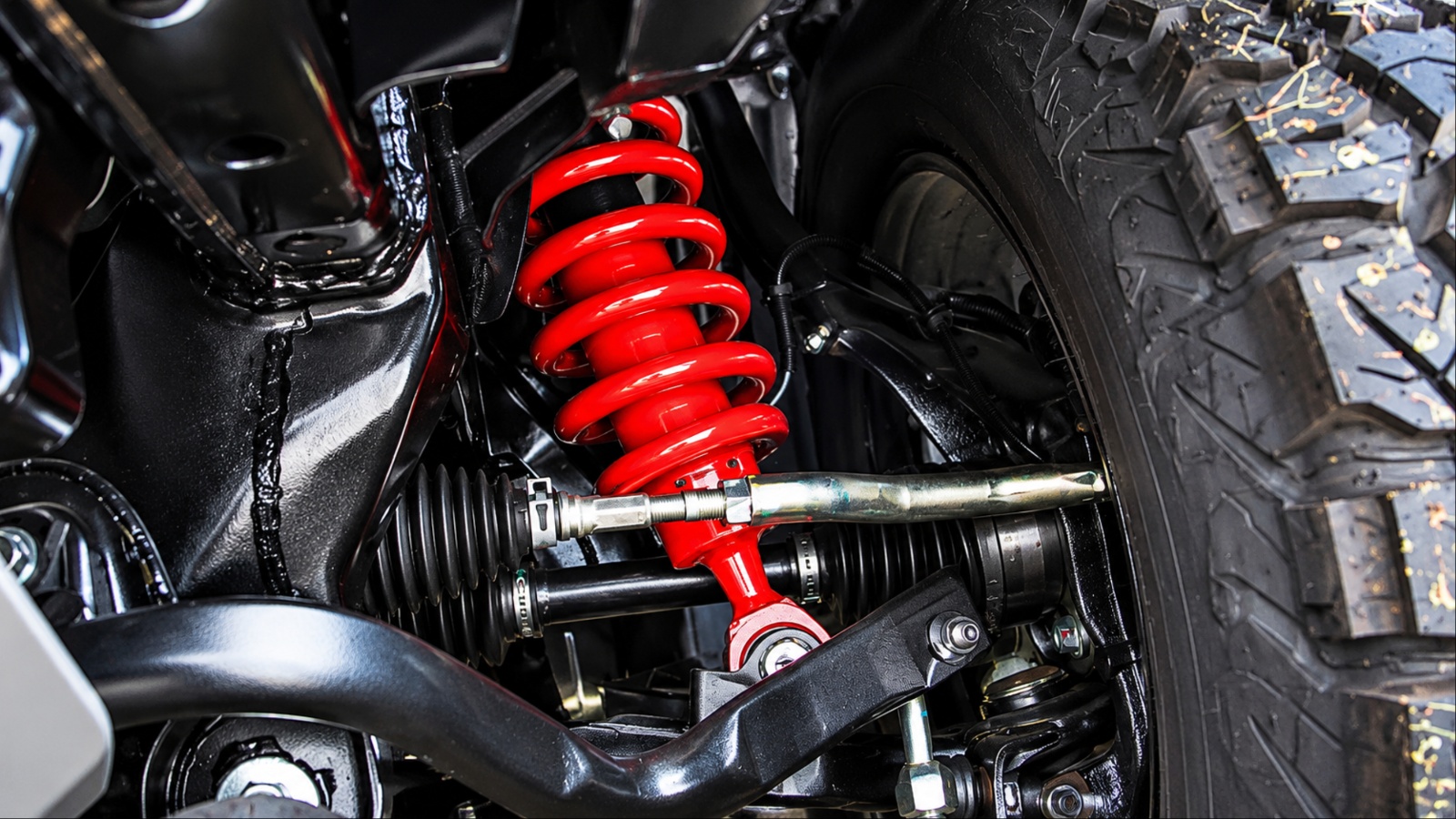
Car repairs can become expensive long before you buy a replacement part. Specialty tools can add even more cost, especially when a particular job may happen only once during your ownership. Renting a tool gives DIY car owners access to equipment designed for difficult repairs without filling the garage with items that may sit unused for years.
From ball joint presses to compression testers, many auto parts stores offer loaner programs for specialty equipment. Choosing a rental can save money, reduce storage problems, and make challenging repairs more manageable when the correct equipment is needed.
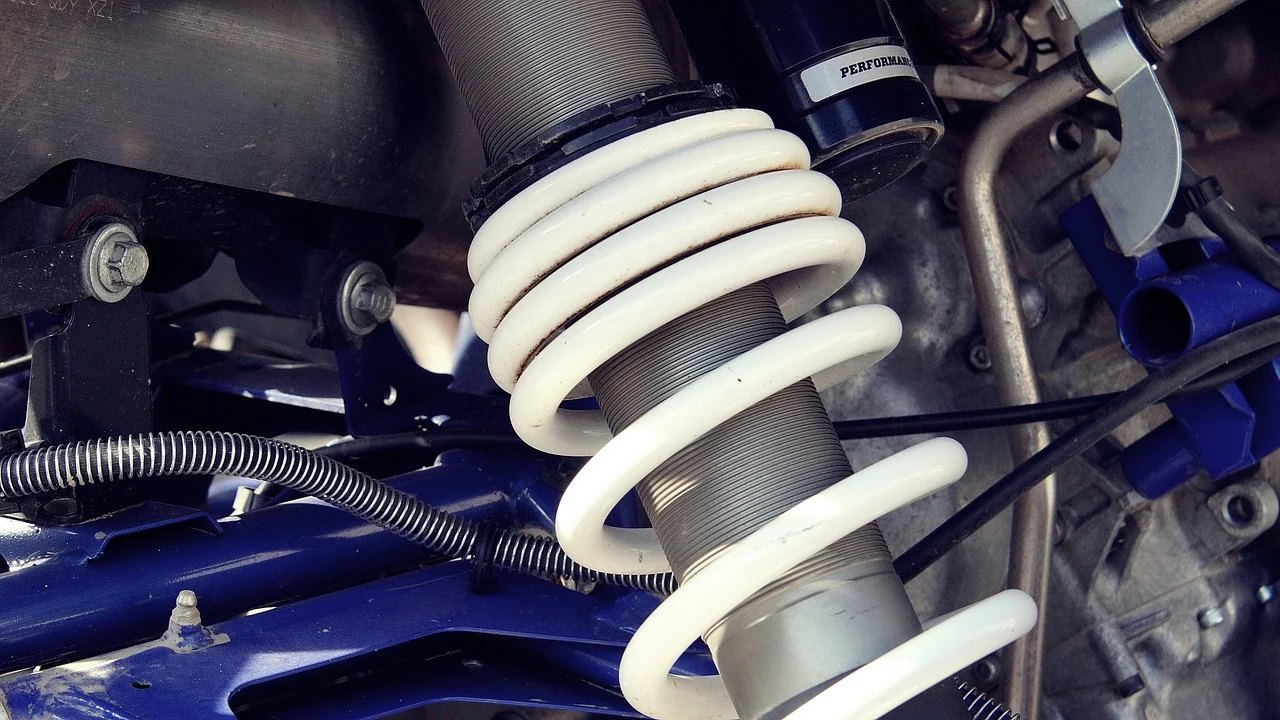
1. Replacing Ball Joints
Ball joint replacement is a repair where the right tool can make a dramatic difference. Depending on the vehicle, a ball joint may be pressed into the steering knuckle or control arm, meaning a basic socket set may not be enough to remove the old component.
A ball joint press provides the force and controlled positioning needed to push the worn joint out and install the replacement. Auto parts stores commonly include ball joint presses among their specialty loaner tools.
Buying a professional-grade ball joint press can be difficult to justify for a vehicle owner who performs occasional repairs. The tool is large, heavy, and designed for a specific category of work.
If your vehicle needs ball joint replacement once every several years, the press could spend most of its life sitting on a shelf. Renting gives you access to the equipment when the repair actually requires it, without making the garage responsible for long-term storage.
A rental press can also provide several adapters that make the tool useful across different applications. Some loaner programs offer master sets containing multiple receiving cups and adapters.
This matters because ball joints differ in size and design between cars, trucks, SUVs, and model years. Using the correct adapter helps distribute pressure properly and reduces the chance of damaging surrounding components. The correct combination should always be confirmed against the vehicle’s repair instructions.
There is also a practical advantage to renting specialty equipment from an established automotive parts retailer. Many loaner programs operate through a deposit system. You receive the tool, use it for the repair, and return it in acceptable condition to recover the deposit, subject to the store’s specific terms.
A ball joint press is especially worth renting when the repair is limited to a single vehicle. If you regularly repair several vehicles or work on cars professionally, purchasing a quality press may eventually make financial sense.
For an occasional DIY repair, rental is usually the smarter approach. You pay for access rather than ownership, avoid storing a bulky tool, and still get the equipment required to complete a difficult suspension job properly.
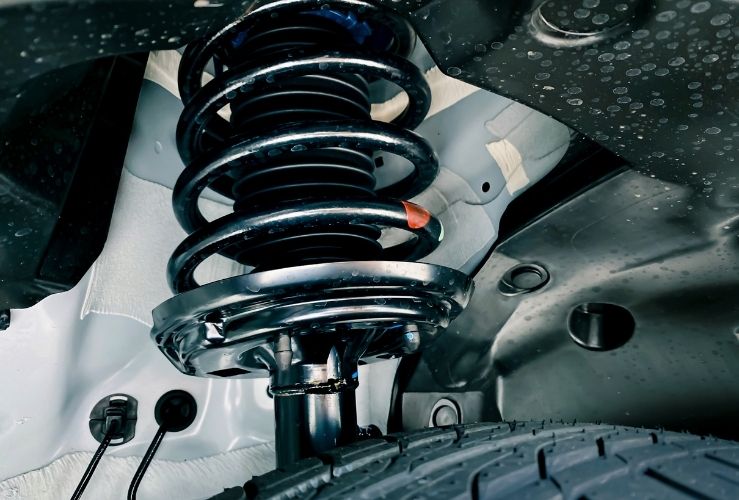
2. Replacing Struts or Coil Springs
Strut replacement can appear simple until you reach the spring. A compressed coil spring stores a substantial amount of energy, which means removing it requires appropriate equipment and careful handling.
A strut spring compressor holds the spring while the assembly is disassembled. Rental programs commonly carry spring compressors and related suspension tools because many home mechanics do not perform strut work often enough to justify purchasing professional equipment.
Spring compressors come in several designs, and their quality varies considerably. A basic external compressor may be suitable for certain jobs when used exactly as instructed, while professional shops often use larger wall-mounted or hydraulic equipment. Vehicle design also affects which compressor is appropriate.
Before renting anything, identify the suspension arrangement and confirm that the tool is compatible with the spring and strut assembly being serviced.
The cost of buying a good spring compressor can be difficult to justify for a driver who replaces struts only once or twice during several years of ownership. A cheap compressor may appear attractive, but suspension springs require equipment that can hold them securely.
Saving money on a poorly constructed tool is not worth increasing the risk associated with compressed spring energy. Renting a suitable tool can provide access to better equipment without forcing a homeowner to purchase it permanently.
Preparation is important before beginning this repair. Read the vehicle’s service instructions, understand how the strut assembly is arranged, and inspect the rental tool before using it.
Look for damaged threads, worn hooks, bent components, or missing hardware. If the equipment appears questionable, return it and request another unit. Rental tools should never be modified to make them fit a vehicle.
For a DIY owner replacing worn struts on a single car, renting is often the practical choice. Some parts retailers specifically list MacPherson strut compressors and coil spring compressors among their loaner equipment.
If you plan to perform suspension repairs regularly, buying a high-quality compressor may eventually be worthwhile. For occasional maintenance, however, borrowing or renting the appropriate tool keeps the project focused on the repair rather than building a specialty-tool collection.
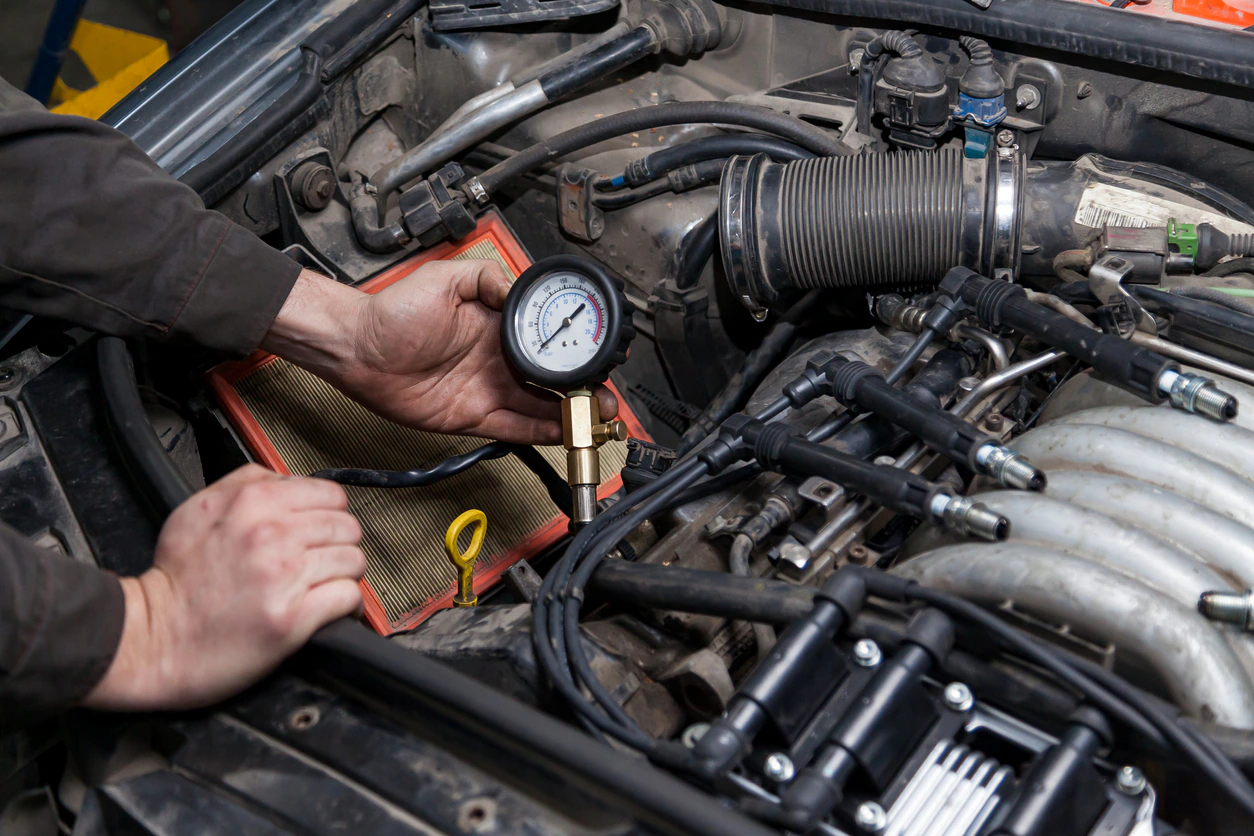
3. Diagnosing Engine Compression Problems
A compression test is useful when an engine develops symptoms such as hard starting, poor performance, rough running, or uneven power.
The test measures cylinder pressure and can help identify potential problems involving valves, piston rings, head gaskets, or other internal components. A compression tester is relatively specialized equipment, so renting one can be more sensible than purchasing a tester that may be used only a few times during the life of a vehicle.
The exact adapter requirements depend on the engine, so confirming compatibility before taking the tool home can prevent an unnecessary trip back to the store.
The value of a compression tester becomes clear when an engine problem is difficult to diagnose from symptoms alone. A misfire, for example, can come from ignition, fuel delivery, vacuum leaks, sensor problems, or mechanical issues.
If one cylinder shows significantly different compression from the others, that information can change the direction of the diagnosis. It does not automatically identify the exact failed component, but it can provide useful evidence.
Testing should be performed according to the manufacturer’s recommended procedure. Battery condition, throttle position, engine temperature, ignition or fuel-system disabling procedures, and tester installation can affect results.
The readings should be compared between cylinders rather than judged by a single number without context. Factory specifications are the best reference when available.
Buying a compression tester may make sense for an enthusiast who frequently diagnoses engines. For a driver who suspects an internal engine problem on a single vehicle, renting can be far more economical.
You gain access to the equipment needed to collect useful information before spending money on major repairs. That can help prevent replacing expensive parts based on a guess.
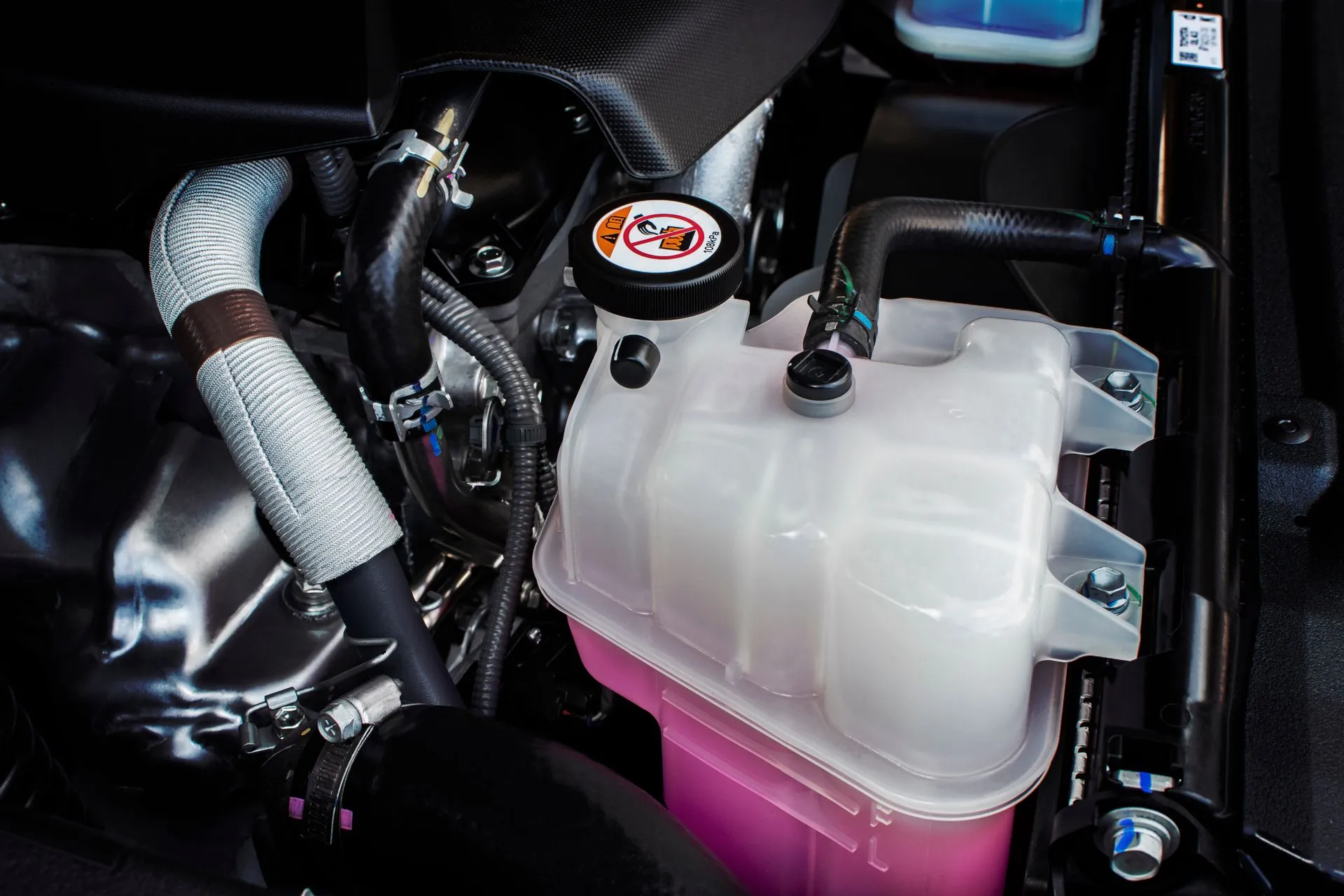
4. Testing the Cooling System
Cooling-system problems can be difficult to diagnose because a leak may occur only when the engine reaches operating temperature.
A pressure tester allows the system to be pressurized while the engine is off, helping reveal leaks around hoses, radiator connections, the water pump area, the thermostat housing, or other components. Loaner programs commonly include cooling-system pressure testing equipment.
A pressure tester is especially useful when coolant seems to disappear without an obvious puddle under the vehicle. A small leak may evaporate from a hot engine or leave residue in a difficult-to-see location.
Pressurizing the cooling system can make the source easier to identify. The radiator cap may also need to be tested separately, depending on the equipment and vehicle design.
Buying a complete cooling-system pressure tester can be unnecessary for a typical household. The tool may spend years unused between repairs. Rental makes more sense when you have a specific problem to investigate. The equipment is usually used for a limited period, so ownership offers little advantage unless you regularly maintain multiple vehicles.
The test should be performed carefully and within the pressure limits specified for the vehicle. Excessive pressure can cause damage, particularly on an older cooling system with weakened components.
The engine should also be allowed to cool appropriately before opening the cooling system. Hot coolant can cause severe burns, so basic safety precautions are essential throughout the process.
A rental pressure tester can turn a vague overheating or coolant-loss problem into a more focused repair. Instead of replacing several components simply because they seem suspicious, you can test the system and look for evidence.
This is a good example of why specialty tools can save money even when they are not purchased. Paying a small rental or deposit amount may prevent unnecessary parts purchases and repeated repair attempts.
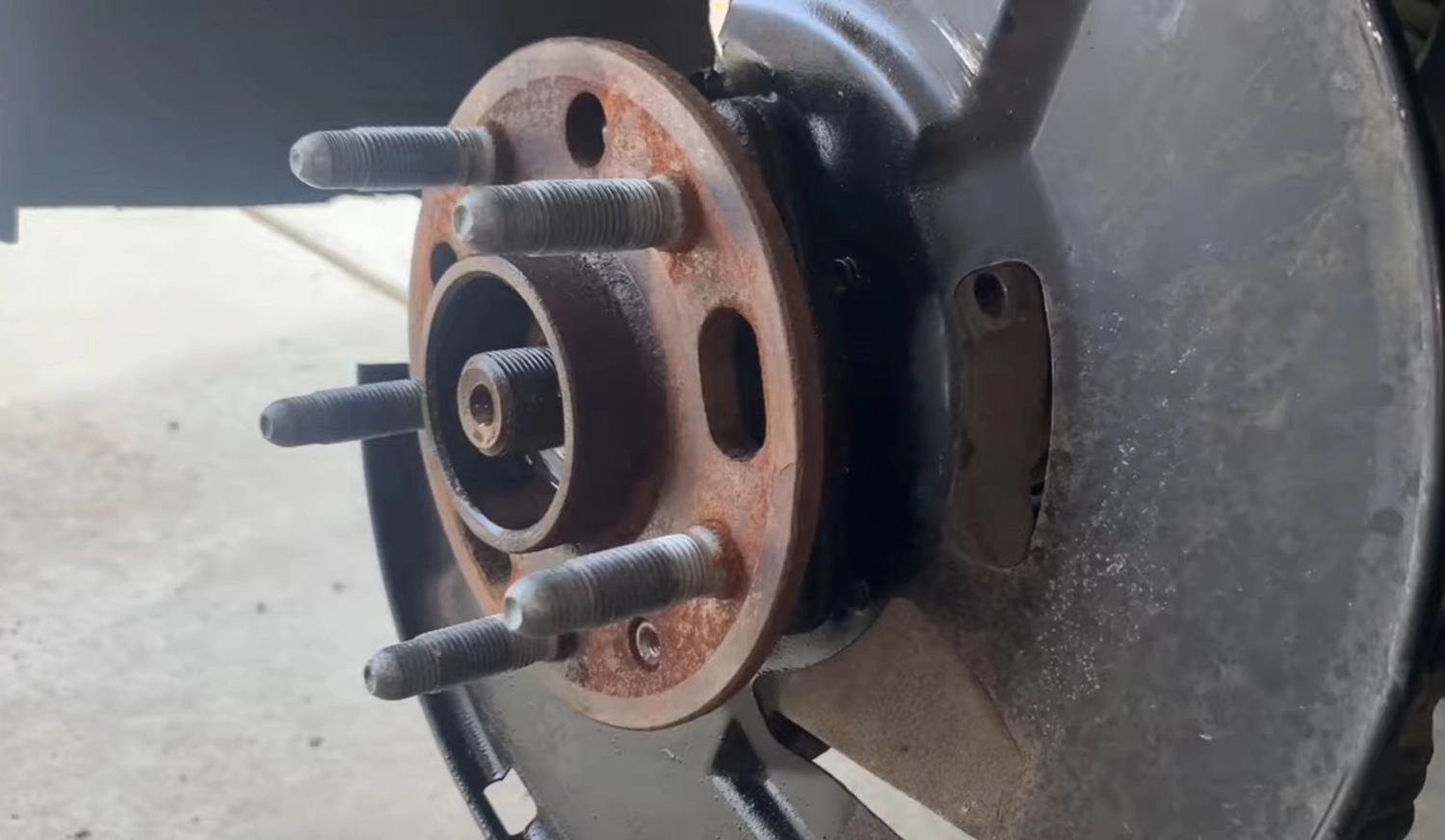
5. Removing a Stubborn Wheel Hub
Wheel hub and bearing repairs can become frustrating when components have remained in place for years. Corrosion and repeated exposure to heat, water, dirt, and road salt can make a hub extremely difficult to separate from the steering knuckle.
A hub puller or wheel hub remover provides mechanical force that is much more controlled than repeatedly striking components with a hammer.
A good puller can also reduce the chance of damaging nearby parts. Random hammering can create problems if force is transferred into a bearing, knuckle, axle shaft, brake, and many pieces that a typical driver will never need. If you maintain several vehicles or regularly work on suspension and drivetrain components, ownership may become worthwhile.
For occasional work, a rental gives you access to components or threaded areas that should not receive impact. A purpose-designed puller applies force through specific contact points. The tool still needs to be installed correctly, but its design makes controlled removal much easier.
Before renting a hub tool, check the vehicle’s exact hub design. Some vehicles use press-fit bearings, while others use complete bolt-on hub assemblies. Front-wheel-drive vehicles may have different arrangements from rear-wheel-drive cars and trucks. A tool that works perfectly on one platform may be unsuitable for another. Vehicle-specific repair information should guide the selection.
For a single wheel bearing repair, renting is usually easier than buying a large hub service kit. Professional kits can contain many pieces that a typical driver will never need.
If you maintain several vehicles or regularly work on suspension and drivetrain components, ownership may become worthwhile. For occasional work, a rental gives you access to the pulling force you need without turning the garage into a workshop.
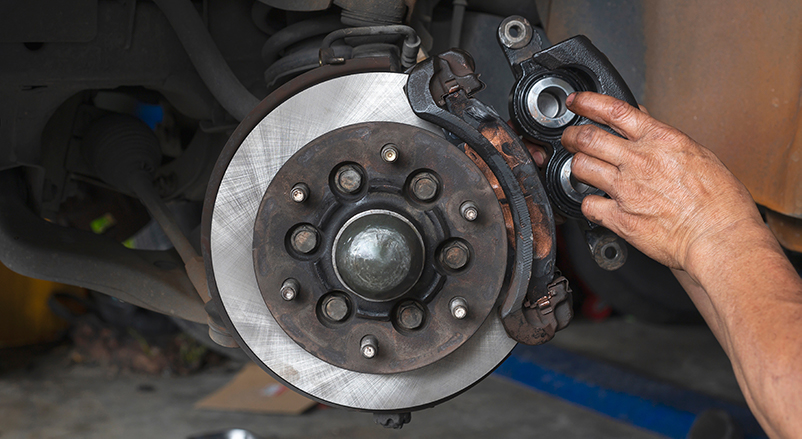
6. Working on Brake Calipers and Brake Lines
Brake repairs are common DIY projects, but certain vehicles require tools beyond a standard socket set. Rear calipers with integrated parking-brake mechanisms may require a rewind tool to retract the piston correctly.
Some brake jobs also involve replacing damaged brake lines, which can require specialized flaring equipment. These tools are useful but may not be needed frequently enough to justify permanent ownership.
Loaner programs commonly include brake caliper service tools, brake line flaring kits, and other brake-related equipment.
A flaring tool can be particularly useful when repairing or fabricating sections of hydraulic brake line. The correct flare type must match the vehicle and replacement components, because an incorrect connection can leak under pressure.
A caliper rewind tool can also prevent unnecessary damage during brake service. Forcing a piston backward with an unsuitable clamp or improvised tool may damage the mechanism on certain calipers. A dedicated tool applies pressure while allowing the piston to rotate when the design requires rotation. The specific procedure depends on the vehicle, so the repair instructions should be followed closely.
Brake work deserves extra attention because mistakes can have serious consequences. After completing a repair, inspect every connection, confirm that brake fluid is at the appropriate level, bleed the system when required, and check pedal feel before driving normally.
Any sign of a fluid leak or abnormal pedal behavior should be treated as a reason to stop and diagnose the system before using the vehicle.
If you perform basic brake jobs regularly, purchasing common brake tools may be reasonable. For unusual repairs involving specialized calipers or brake-line fabrication, renting makes more financial sense. You get the correct equipment for the particular task without paying for a tool that might not be used again for years.
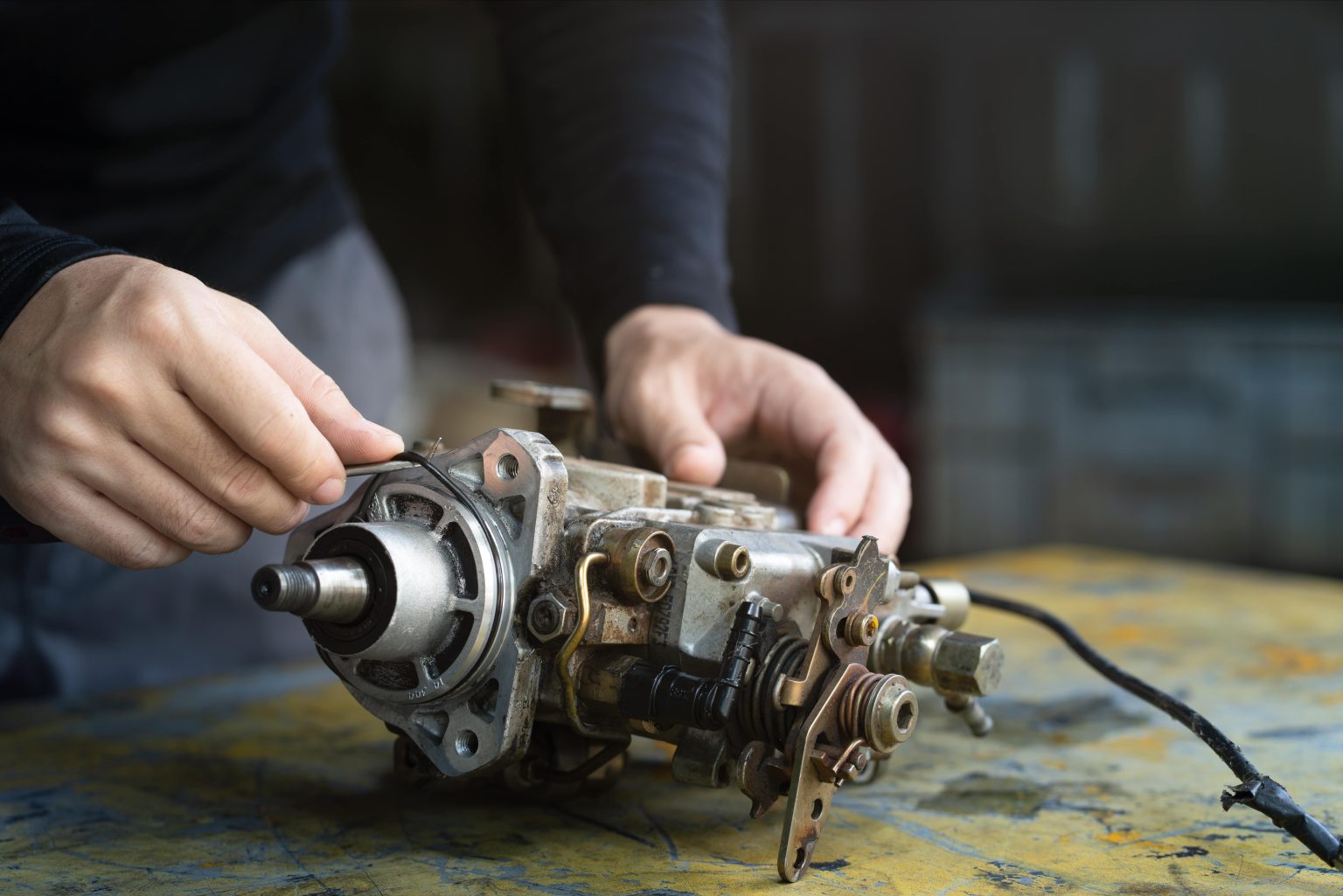
7. Diagnosing Fuel System Problems
Fuel-system diagnosis is another area where a rental tool can save money. A fuel-pressure tester can help determine whether the fuel system is delivering pressure within the required range.
Symptoms such as hard starting, hesitation, stalling, poor acceleration, or certain misfires can sometimes be related to fuel pressure. Manufacturer’s specification. A number that looks reasonable by itself may still be wrong for a particular engine.
The test may also need to be performed under specific conditions, such as key-on pressure or idle pressure. Testing can provide useful information before replacing expensive components.
A pressure reading should always be compared with the manufacturer’s specification. A number that looks reasonable by itself may still be wrong for a particular engine.
The test may also need to be performed under specific conditions, such as key-on pressure, idle pressure, or pressure during cranking. Some systems require additional procedures for checking pressure retention after the engine is switched off.
Buying a professional fuel-pressure kit may be excessive for a vehicle owner who has more valuable time than guessing. Replacing a fuel pump simply because the engine is hard to start can become an expensive mistake if the real issue is electrical. A rented tester can help establish facts before parts are ordered.
For occasional DIY repairs, especially if you have never needed the tool before, renting can be a practical option. It allows you to investigate a suspected problem without spending a large amount of money on equipment you may rarely use. This is particularly useful when the diagnosis could involve several different components, such as a pump, regulator, filter, injector system, or electrical supply.
The best reason to rent diagnostic tools is that testing is usually more valuable than guessing. Replacing a fuel pump simply because the engine is hard to start can become an expensive mistake if the real issue is electrical.
A rented tester can help establish facts before parts are ordered. For occasional DIY repairs, that combination of lower cost and better diagnosis makes a strong case for borrowing instead of buying.
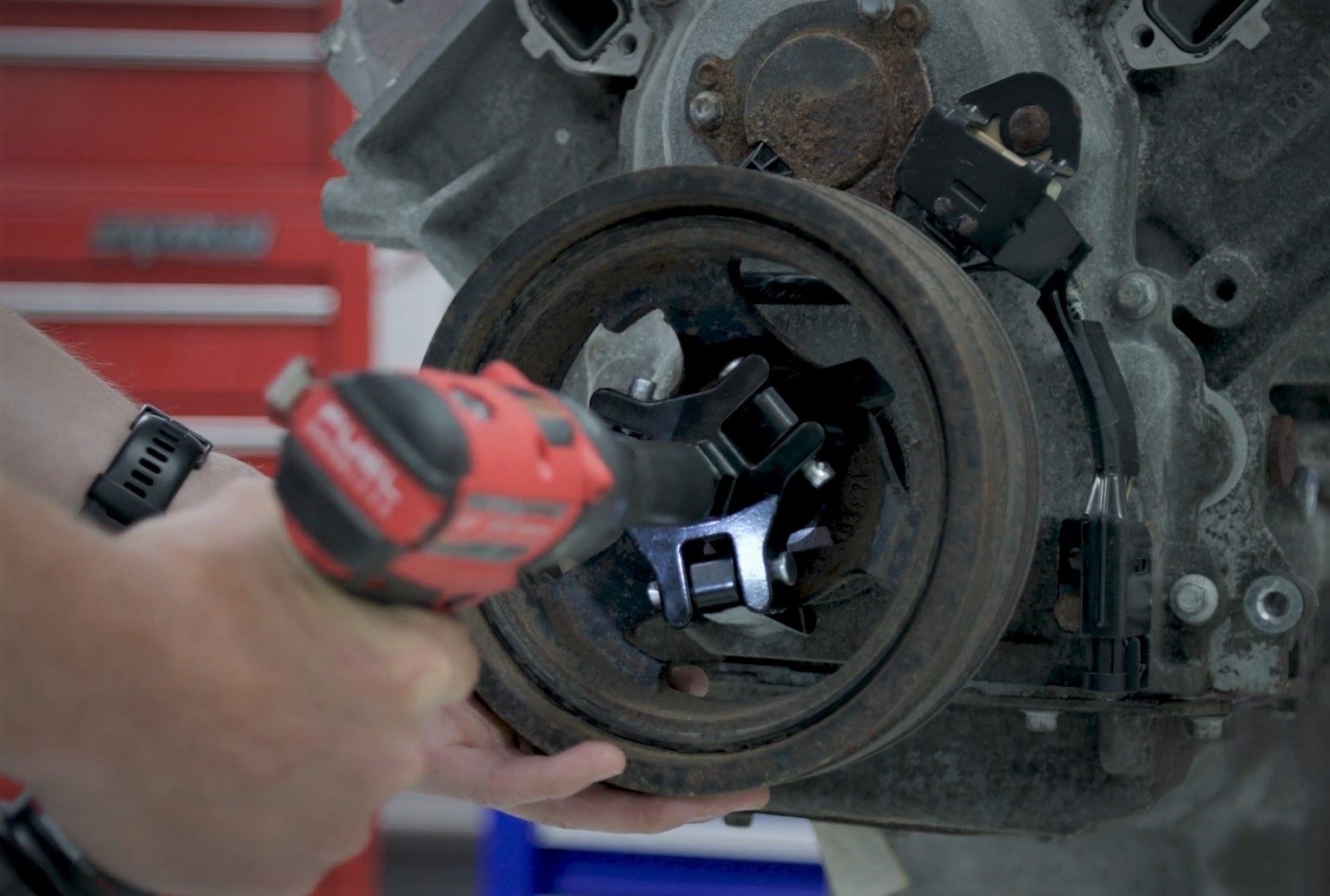
8. Removing Harmonic Balancers and Pulleys
Harmonic balancers, crank for engine repairs. These tools can be extremely useful during jobs involving timing components, front engine seals, shaft pulleys, and other pressed or tightly fitted components that can be difficult to remove without the correct puller.
A regular pry bar or hammer may damage the component or nearby engine parts. A harmonic balancer puller is designed to apply force through mounting points while allowing the component to move away from the crankshaft in a controlled manner.
The installation side can be just as important as removal. A harmonic balancer must generally be installed correctly and seated to the manufacturer’s specification. Improper installation can create alignment problems, vibration, or damage.
Some engines require a dedicated installation tool to apply force to the correct location. Using the crankshaft bolt as an improvised installation method may not be appropriate for every engine.
A professional puller and installer can be expensive compared with the number of times a typical vehicle owner will need it. Most drivers are unlikely to choose based on appearance alone. Pullers may look similar while having different capacities, attachment arrangements, and intended applications.
Before starting the repair, review the engine’s service information and confirm that the required rental tool is suitable for the job. Renting specialized equipment can be a practical choice when a repair is uncommon, the tool is costly to purchase, and you are unlikely to need it again.
Tools such as ball joint presses, spring compressors, hub pullers, and fuel pressure testers may sit unused for long periods between repairs. In those situations, renting the equipment for a specific project can save money and avoid the need to store tools that will rarely be used.
This repair also demonstrates why specialty tools should be selected according to the vehicle rather than appearance alone. Pullers may look similar while having different capacities, attachment arrangements, and intended applications.
Check the service information for the engine and verify the rental tool before beginning. When the correct equipment is available, renting can provide the capability of a professional workshop without the cost and storage demands of professional ownership.
