

If you drive a truck, SUV, or modified vehicle with tires that extend beyond the factory bodywork, fender flare laws can become important. Many states require tires to remain properly covered by fenders, body panels, mudguards, or similar equipment. In some situations, aftermarket fender flares are the simplest way to meet that requirement.
The exact rules vary according to vehicle type, tire position, modifications, weight, and road use. This guide examines ten states where tire coverage or fender protection requirements can make fender flares necessary. The key point is that the law usually requires adequate coverage, rather than specifically requiring a product called a fender flare.

1. California
California has a clear vehicle equipment rule concerning fenders and tire coverage. California Vehicle Code Section 27600 states that a motor vehicle with three or more wheels, as well as certain trailers and semitrailers, must have fenders, covers, devices, flaps, splash aprons, or body construction that provides adequate protection against water or mud being thrown toward the rear.
The relevant equipment must be at least as wide as the tire tread.
This rule matters for trucks and SUVs fitted with wider aftermarket wheels and tires. A factory fender may provide sufficient coverage when the vehicle has its original wheel and tire configuration.
Changing the wheel offset, increasing tire width, or installing spacers can move the tread farther outward. If the tire extends beyond the available body protection, an owner may need a wider fender or an appropriate fender extension.
California law does not simply say that every modified truck must have aftermarket fender flares. Instead, the requirement focuses on whether the vehicle has adequate equipment to protect against spray and whether that protection reaches at least the width of the tire tread.
A properly designed fender flare can therefore be a practical solution when the original bodywork no longer provides sufficient coverage.
This distinction is especially important for lifted trucks and off-road vehicles. A lift kit by itself does not necessarily mean that a particular flare is legally required.
The issue becomes more significant when the modification changes wheel position or tire width. Owners should check the actual tread coverage rather than assuming that any aftermarket flare automatically makes a vehicle compliant.
California’s rule also illustrates why the phrase “fender flare law” can be misleading. The statute gives several ways to achieve the required protection, including fenders, covers, flaps, splash aprons, or suitable body construction. The legal requirement concerns the protective result.

2. Oregon
Oregon has particularly clear requirements for fenders and mudguards. The Oregon Department of Transportation states that noncommercial vehicles weighing under 8,000 pounds need fenders or mudguards within the specified distance from the pavement behind the tire.
Commercial vehicles have different requirements. Oregon also states that fenders and mudguards must cover the entire tread width of the tire.
For a modified pickup, this can make fender flares important when wider tires extend outside the factory fenders. If the original bodywork no longer covers the entire tread, an extension may be needed.
The law does not necessarily require a specific brand, material, or style of flare. What matters is whether the vehicle has protection that satisfies the state’s requirements for tire coverage and debris control.
Oregon’s rules are particularly relevant to owners who install aftermarket wheels with aggressive offsets. A tire can remain physically safe while still creating a legal equipment problem if too much tread is exposed. The state’s guidance specifically addresses how far tires can extend and explains that the fender or mudguard must cover the complete width of the tire tread.
Vehicle owners should also pay attention to the vertical position of the protective equipment. Oregon’s requirements contain measurements concerning how far the fender or mudguard can be above the highway surface.
This means that simply attaching a small strip of plastic to the outer edge of a wheel opening may not necessarily satisfy every requirement.
The practical lesson for Oregon drivers is straightforward. If larger tires or wheel changes cause tread to extend beyond the original fenders, measure the vehicle before assuming it is legal. A properly installed fender flare can restore the necessary coverage, while mudguards may provide another compliant solution depending on the vehicle and circumstances.

3. Washington
Washington has explicit fender requirements for certain vehicles, including requirements stating that fenders must cover the entire tread width that contacts the road surface. Washington rules also specify the portion of the tire circumference that must receive coverage in the applicable vehicle categories.
This becomes significant for customized trucks and SUVs because tire tread can extend beyond the original wheel opening after a wheel or suspension modification.
When that happens, the factory fender may no longer provide the coverage contemplated by the state’s equipment rules. A correctly designed fender flare can extend the wheel opening and provide the additional coverage needed.
Washington’s regulations show why tire sidewall and tread should not be treated as exactly the same thing. A tire may have a sidewall that visually extends beyond the body while much of the tread remains covered. The legal question can depend on the portion of the tire that contacts the road and the specific regulation applying to the vehicle.
The state also has particular provisions for kit vehicles. Washington law requires fenders on all wheels for certain kit vehicles and specifies coverage of the entire tread width. There are limited exceptions for qualifying older collector vehicles used under particular conditions.
For a modified street vehicle, the safest approach is to assess the actual tire coverage after modifications are completed. If the tread projects beyond the factory fender, an owner should not assume that the vehicle remains compliant simply because the modification is common.
Fender flares, wider replacement fenders, or another approved protective arrangement may be necessary depending on the vehicle and applicable rule.
4. Utah
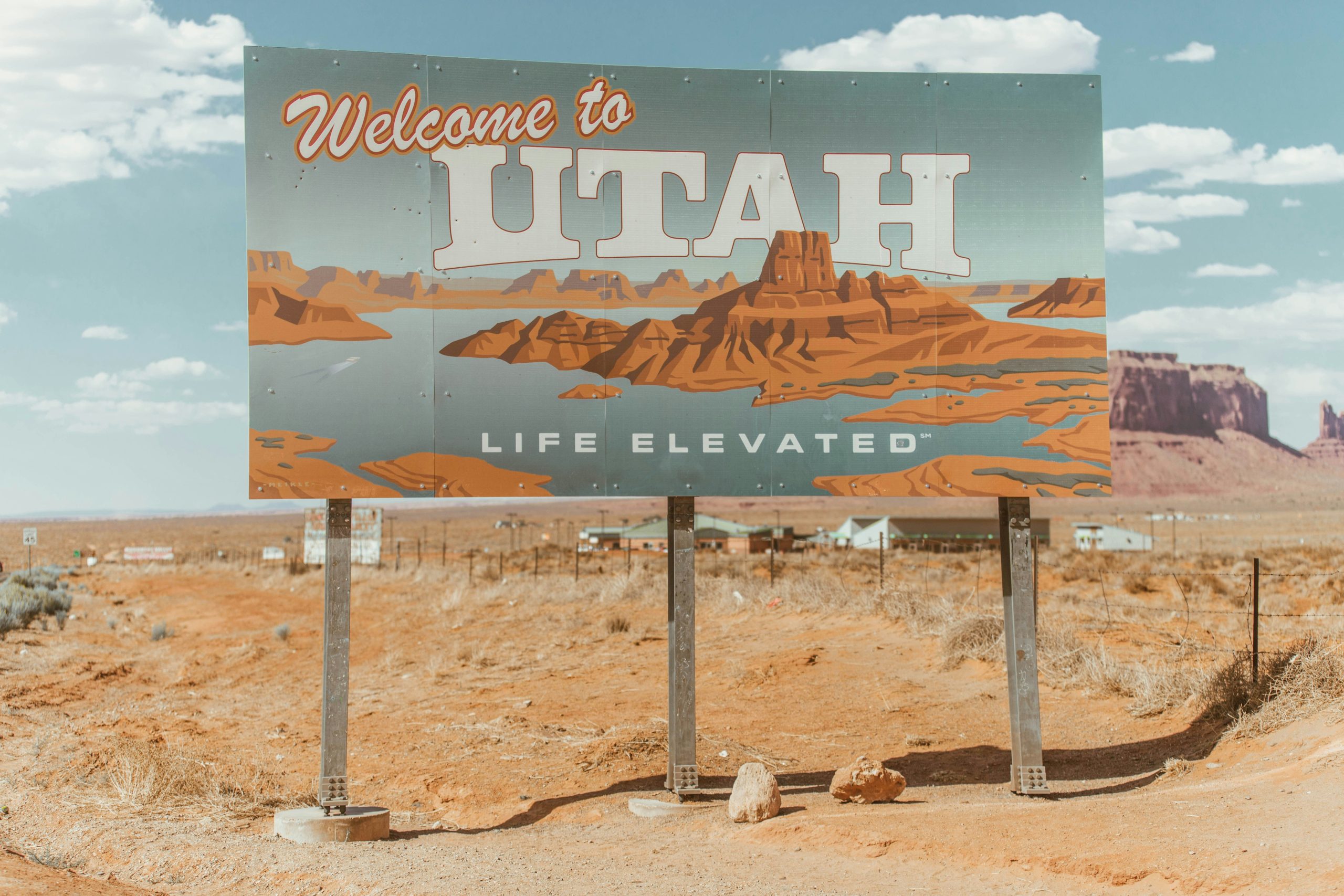
Utah has detailed inspection rules that are particularly relevant to altered vehicles. State inspection regulations address fenders, fender extenders, tire tread, and mudflaps.
The rules have treated tire tread extending beyond the original fender or fender extender as a reason for inspection rejection in applicable circumstances.
Utah’s rules are important for truck owners because aftermarket modifications are specifically considered during inspection. Larger tires, altered suspension systems, and other changes can affect the vehicle’s compliance. If the tire tread is not fully covered by the existing fender or fender extender, the vehicle can face an inspection problem under the applicable standards.
A fender flare can therefore become a practical necessity when an owner installs wider tires. The legal requirement is not simply “install fender flares.” Instead, the vehicle needs sufficient protection and coverage. A suitable fender flare or extender can provide the additional width required when the original bodywork is too narrow.
Utah regulations have also addressed vehicles modified from original manufacturer specifications and requirements concerning mudflaps. Depending on the vehicle and modification, rear mudflaps can be relevant as well. This means that adding flares may not be the only compliance issue for a heavily modified truck.
Utah illustrates an important point for anyone researching state fender laws. Regulations can distinguish between a factory vehicle and an altered vehicle.
A setup that works on a stock truck may create inspection problems after larger tires, different wheels, spacers, or suspension modifications are installed. Owners should therefore assess tire coverage after every major modification rather than relying on the vehicle’s original configuration.

5. Montana
Montana has a direct statute covering fenders, splash aprons, and flaps on certain vehicles. Montana Code Annotated Section 61-9-407 requires applicable vehicles to have the rearmost wheels equipped with fenders, splash aprons, or flaps. The equipment must be designed to arrest and deflect dirt, mud, water, rocks, and similar material thrown by the rear wheels.
The Montana statute contains specific dimensions. For vehicles equipped with fenders, the fenders must extend in full width from above and forward of the tire center over and behind the tires.
Splash aprons or flaps have their own dimensional requirements. Vehicles over 8,000 pounds have a different maximum ground clearance than vehicles at or below that weight.
The law also requires the protective equipment to reach the width of the tire or combined tires being protected. That makes Montana relevant to owners of trucks with wider rear tires. If factory fenders no longer provide the necessary width, a suitable extension or alternative protective device may be needed.
Montana provides certain exceptions, including specific treatment for street rods and vehicles that were not originally equipped with fenders, splash aprons, or flaps under applicable federal requirements at the time of manufacture.
Because exemptions can change the result, owners of specialty or older vehicles should examine the exact language applicable to their vehicle.
For ordinary modified trucks, the important point is that Montana regulates the protective coverage rather than requiring a particular aftermarket product. Fender flares may be an effective way to achieve the required width, but the vehicle owner remains responsible for ensuring that the installed equipment meets the state’s dimensional and protective requirements.

6. Rhode Island
Rhode Island has a particularly direct rule involving fenders and tires extending beyond the vehicle body. State law requires motor vehicles to have fenders covering the front wheels. It also addresses passenger vehicles equipped with tires that extend beyond the fenders or body. In that situation, flaps or suitable guards are required to reduce spray or splash toward the rear and sides.
This makes Rhode Island important for drivers with aftermarket wheels and tires. If a tire extends beyond the original fender or bodywork, the vehicle may need additional protective equipment.
A fender flare can help address the exposed-tire issue by extending the body’s coverage, while suitable flaps or guards can provide an alternative form of protection where permitted.
The wording also demonstrates why simply asking whether “fender flares are legal” is not enough. The law can focus on the relationship between the tire, the fender, the vehicle body, and splash protection. An aftermarket flare that does not provide appropriate coverage may not solve the underlying compliance issue.
Truck owners should inspect the front and rear wheel openings after changing wheel offset or tire width. Even a modest increase in outward tire position can change whether the tread remains under the fender. Measurements should be made with the vehicle in its normal operating configuration rather than relying solely on photographs or visual estimates.
Rhode Island’s law is therefore best understood as a tire protection requirement with direct consequences for modified vehicles. Fender flares can become necessary when factory bodywork does not provide sufficient coverage, but suitable flaps or guards may also play a role depending on the circumstances.

7. New Jersey
New Jersey has detailed vehicle inspection regulations concerning fenders and tire coverage. The applicable regulations state that fenders must cover the width of the tire tread, while rear fenders must be designed and installed to help prevent wheels from throwing dirt, water, or other material onto other vehicles. Fender flaps may be attached to provide the necessary wheel coverage.
New Jersey also has inspection requirements stating that tire tread must not protrude beyond the fenders in the applicable vehicle categories.
This is particularly relevant when a vehicle has aftermarket wheels, wider tires, or other modifications that change the position of the tread relative to the factory bodywork.
For lifted or modified trucks, the state’s elevated vehicle approval requirements provide further detail. Those requirements call for fenders extending across the full width of the tire tread and allow suitable metal protectors or substantial flexible flaps where rear wheels are not covered by fenders, bodywork, or other parts.
This means a vehicle owner may have several ways to address inadequate coverage. A wider fender, a properly fitted fender flare, or an appropriate protective flap may solve the issue depending on the vehicle and applicable inspection standard. The important factor is whether the chosen equipment actually satisfies the applicable requirements.
New Jersey therefore has meaningful implications for anyone considering an aggressive wheel-and-tire setup. Before installing wider tires or wheels with significant outward offset, owners should determine whether the resulting tread position will remain within the required coverage.

8. Vermont
Vermont requires certain buses, trucks, trailers, and semitrailers to have suitable metal protectors or substantial flexible flaps behind their rearmost wheels. The purpose is to reduce the amount of dirt, water, and other material thrown toward vehicles following or approaching them.
Vermont’s vehicle inspection materials also address fenders and tire tread. The inspection manual states that a vehicle can be rejected when a fender fails to cover the tread portion of a tire. This makes tire coverage an important consideration for modified vehicles, even when the exact solution is not necessarily an aftermarket fender flare.
For truck owners, the practical concern arises when wheel and tire changes move the tread outside the original fender line. If the factory body no longer covers the tread adequately, the owner may need to install an appropriate extension or protective device. Depending on the vehicle and applicable rules, mudflaps may also be required.
Vermont’s rules also demonstrate the importance of distinguishing between wheel flares used for roadside emergencies and automotive fender flares. Vermont law contains a separate requirement involving emergency flares carried by certain commercial vehicles. That requirement has nothing to do with fender extensions or tire coverage.
For people researching fender flare requirements, this distinction can prevent considerable confusion. Search results can mix emergency flares with fender flares because both terms appear in vehicle statutes. The relevant issue for modified trucks is whether the tires remain properly covered and whether required rear-wheel protection is present.

9. Minnesota
Minnesota law requires passenger automobiles to have fenders or other devices designed to prevent, as far as practicable, water, dirt, or other material from being thrown upward and rearward by the vehicle’s wheels. The state also separately regulates wheel flaps for trucks and trailers.
This requirement can matter when a vehicle’s original fender configuration is changed. If wider wheels or tires create additional exposure, the owner should consider whether the modified vehicle still has adequate protective equipment. A fender flare can provide additional body coverage, while other approved devices may address the spray and debris concern.
Minnesota’s wording is somewhat broader than a rule that simply says every tire must be completely hidden by a fender. The law focuses on preventing material from being thrown by the wheels.
That means vehicle owners should not automatically assume that every visible section of tire creates a violation without considering the actual equipment and vehicle configuration.
The distinction between passenger vehicles and commercial trucks is also important. Truck and trailer operators can encounter additional wheel-flap requirements that do not necessarily apply in the same manner to an ordinary passenger vehicle. Vehicle classification can therefore affect what equipment is required.
For modified pickups, the safest approach is to evaluate the entire wheel area after making changes. If the original fenders no longer provide adequate protection, an extension or other protective device may be appropriate. Owners should confirm the exact requirement applicable to their vehicle before treating a particular flare as legally sufficient.

10. Maryland
Maryland has specific fender coverage requirements in its vehicle inspection regulations, including standards applicable to certain trailers and low-speed vehicles. Maryland inspection rules examine the condition, mounting, and coverage of wheels and tires.
Where the body or fenders do not provide the required coverage, suitable metal protectors or substantial flexible flaps may be required behind the rearmost wheels.
Maryland’s rules for low-speed vehicles are especially specific. They require fender coverage for front and rear wheels and allow fenders to be extended outward to compensate for tire or wheel changes when the extensions provide the required coverage, use substantial materials, are securely attached, and meet other safety conditions.
This language is highly relevant to the idea of a fender flare. An extension can be used to compensate for a wheel or tire modification when the original body does not provide sufficient coverage.
However, the extension needs to be properly constructed and attached. A decorative piece that does not provide genuine coverage may not satisfy the applicable inspection standard.
Maryland also considers the physical condition of fenders. Sharp or jagged edges, loose attachments, missing components, and inadequate coverage can create inspection problems. This means installing a flare is not simply a matter of adding width. The finished installation needs to remain secure and safe during normal vehicle operation.
The Maryland example reinforces the larger principle behind fender flare laws. Most regulations are concerned with safety and tire coverage rather than a particular aftermarket accessory.
If a factory fender already covers the tire adequately, a flare may not be needed. If a modification causes the tire to extend beyond the required coverage, an appropriately designed extension may become necessary.
