
Buying car parts can become surprisingly expensive, especially when you purchase everything through a traditional repair shop or local parts counter. Online shopping has changed how drivers compare prices, research brands, and find replacement components for their vehicles.
Many common car parts are available online at significantly lower prices, with savings sometimes reaching 50 percent or more. From brake components and air filters to headlights and sensors, there are plenty of opportunities to reduce maintenance costs.
The key is knowing which parts are worth buying online, checking compatibility carefully, and comparing quality before placing an order. Smart research can keep your car reliable while protecting your budget.
1. Brake Pads
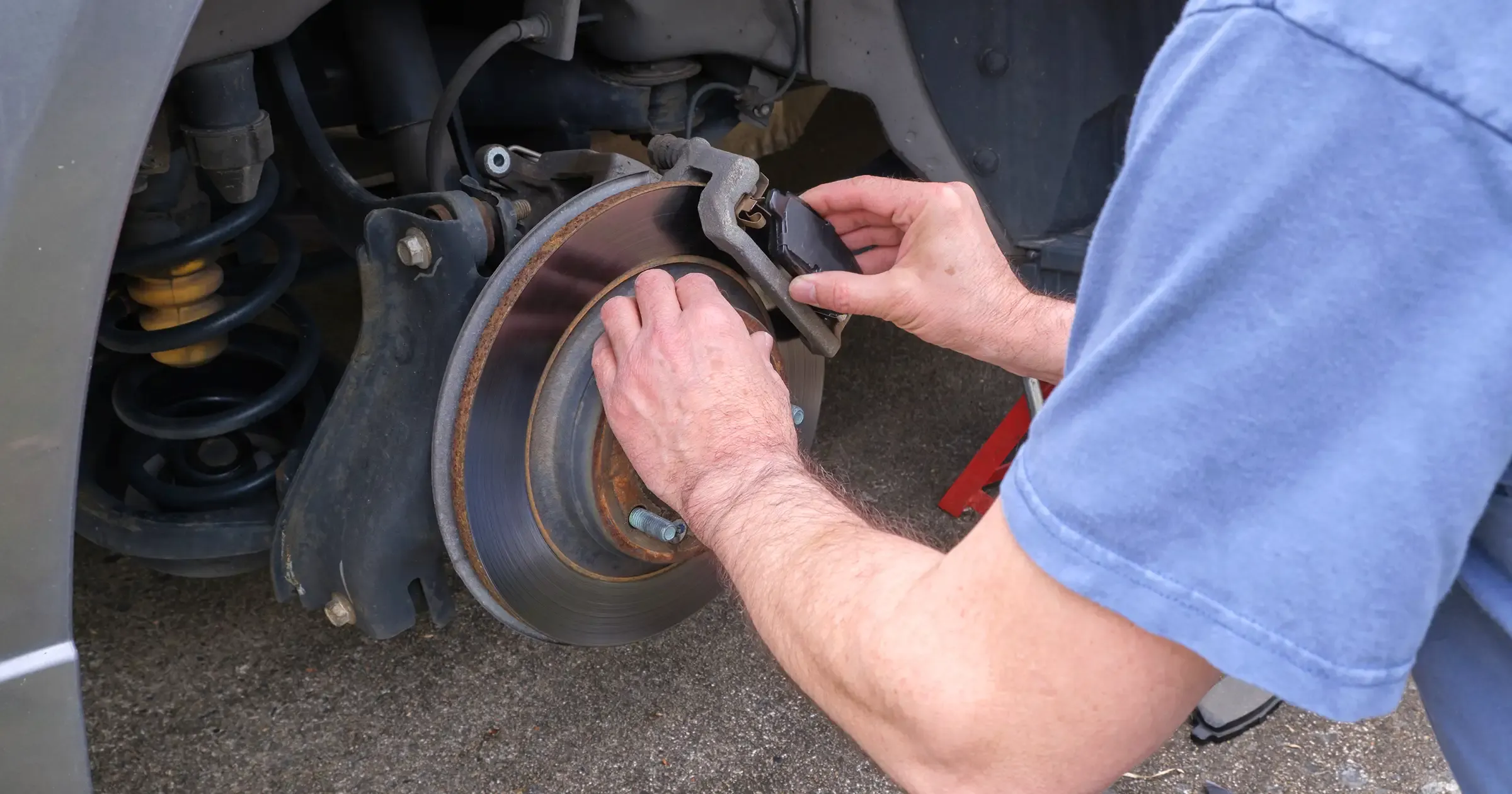
Brake pads are among the most frequently replaced car components, making them an important area for potential savings. Local repair shops often charge considerably more for brake pads because the final bill may include parts, labor, shop overhead, and a markup on the components themselves.
Online retailers frequently sell brake pad sets from established manufacturers at lower prices. Depending on the vehicle, brand, material, and retailer, shoppers may find substantial differences between local prices and online prices. This makes brake pads a practical component to research before scheduling routine brake service.
When shopping for brake pads online, compatibility should be your first concern. Brake pads are not universal, and the correct set depends on factors such as vehicle make, model, model year, engine configuration, and sometimes the specific brake system installed.
A product that looks similar to the correct part may still be incompatible. Entering the vehicle identification number, commonly called a VIN, into a reputable parts catalog can provide additional confirmation. Checking the manufacturer’s part number against the vehicle requirements provides another useful layer of protection before purchasing.
The material used in brake pads also affects price and performance. Ceramic brake pads are often marketed for quiet operation and reduced dust, while semi-metallic pads can provide strong braking performance and heat resistance. Organic pads may be less expensive but can have different characteristics in terms of wear and heat tolerance.
Online stores usually provide product specifications that make it easier to compare these options. Instead of automatically choosing the cheapest listing, drivers should compare the construction, warranty, manufacturer reputation, and stated application.
Another advantage of buying brake pads online is the ability to purchase complete axle sets. A front brake pad set normally contains enough pads for both front wheels, while rear sets are sold according to the vehicle’s braking arrangement.
Some listings may include additional hardware, while others sell it separately. This distinction matters because old clips, shims, or other hardware may need replacement during brake service. Reading the complete product description before ordering can prevent unexpected expenses after the package arrives.
2. Engine Air Filters
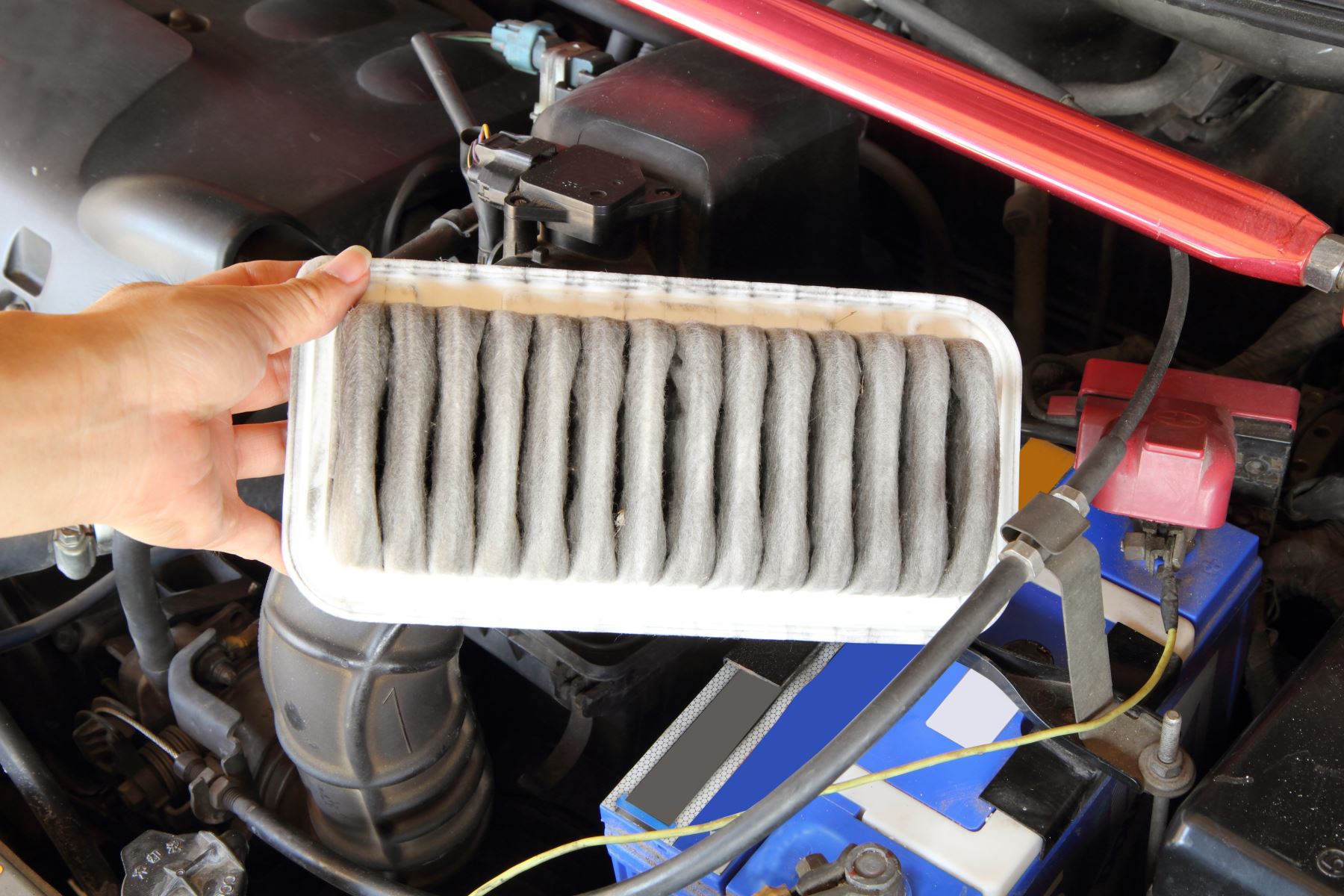
Engine air filters are relatively simple components, yet they can carry surprisingly different prices depending on where they are purchased. Their purpose is to prevent dust, dirt, insects, and other airborne particles from entering the engine’s intake system.
Because air filters are replaced periodically, the cost can add up over the life of a vehicle. Online retailers often stock filters for a wide range of cars, allowing consumers to compare several brands before purchasing. A filter that costs considerably more at a dealership may be available online for much less.
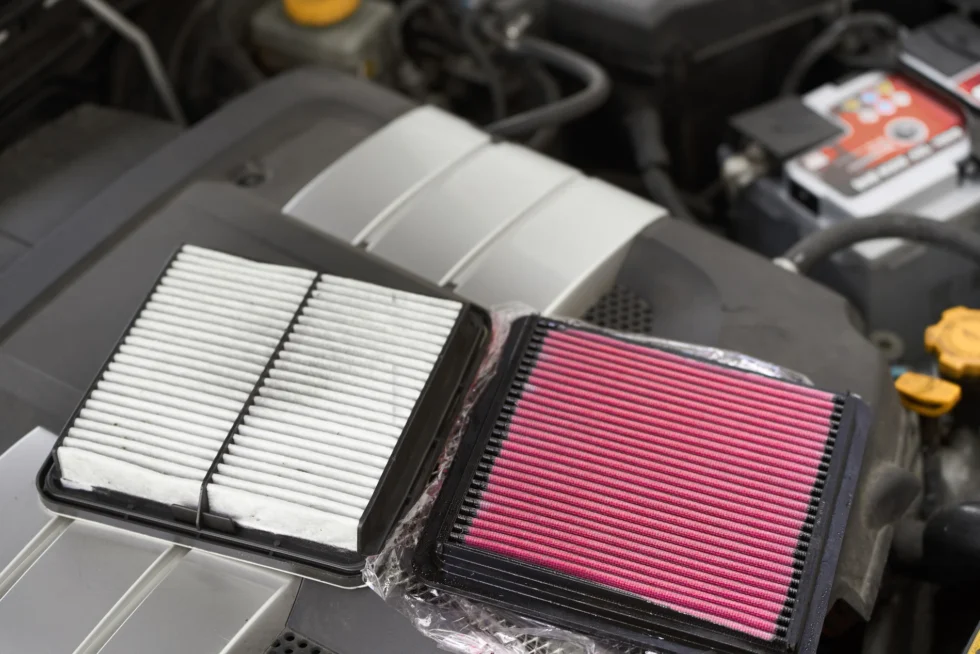
The biggest advantage of purchasing an engine air filter online is the large selection. Drivers can compare original equipment filters with aftermarket alternatives from established manufacturers. Many aftermarket companies produce filters designed to meet or exceed the requirements of specific vehicle applications.
Product descriptions often include dimensions, filtration information, cross-reference numbers, and compatible vehicle lists. This information can help shoppers make an informed purchase rather than relying solely on a salesperson’s recommendation.
Replacing an engine air filter is also relatively straightforward on many vehicles. The filter is generally housed inside an airbox connected to the engine’s intake system. Depending on the design, the cover may be secured with clips, screws, or other fasteners.
However, some newer vehicles have more complicated intake arrangements, so drivers should consult the vehicle’s service information before attempting replacement. A properly fitted filter should sit securely within its housing, with no gaps that could allow unfiltered air to bypass the filter material.
Reusable performance filters are another category that frequently appears in online searches. These products are designed to be cleaned and reused rather than discarded after a single service interval. Their long-term value depends on the vehicle, filter design, maintenance requirements, and purchase price.
Not every driver needs a performance filter, and a standard replacement filter from a reputable manufacturer may be perfectly suitable for normal driving. Claims about increased horsepower should also be evaluated carefully because real-world gains vary considerably by vehicle and application.
3. Cabin Air Filters
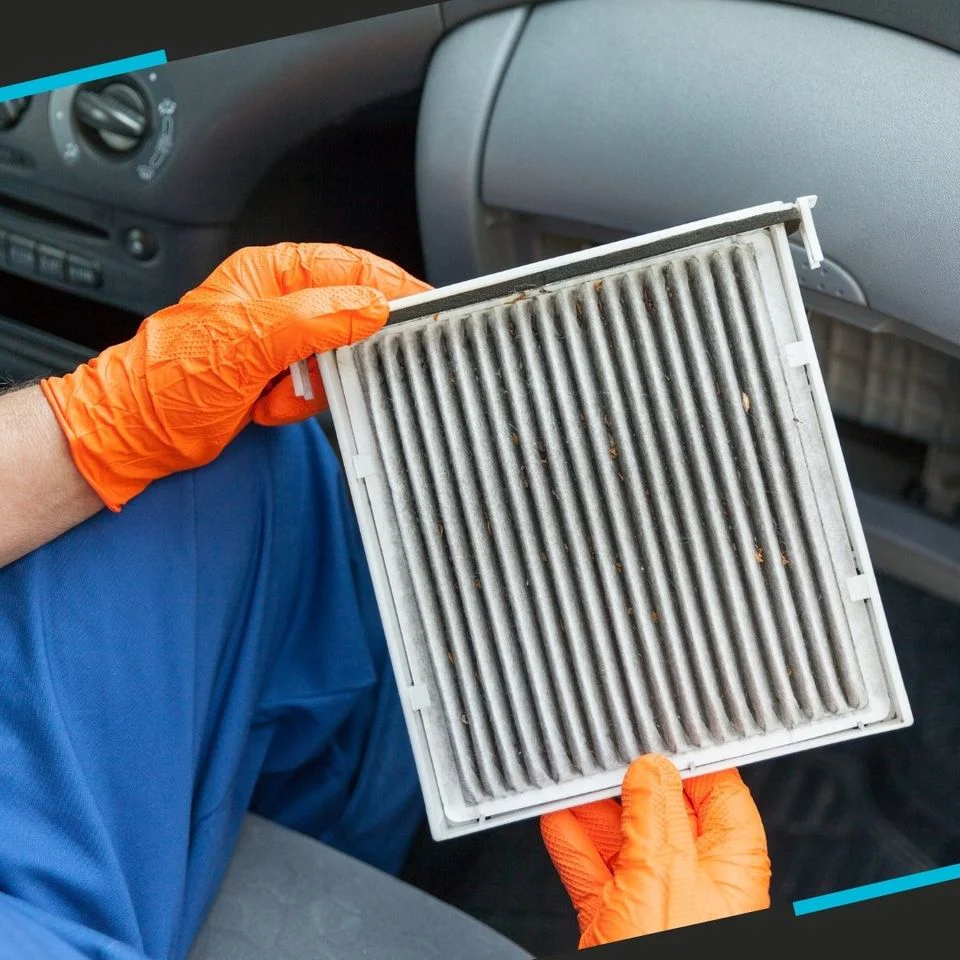
Cabin air filters are another inexpensive maintenance item that can cost much more when purchased as part of a dealership service package. These filters help remove dust, pollen, debris, and other particles from the air entering the passenger compartment.
Some vehicles use standard particulate filters, while others use activated carbon or similar materials designed to help reduce odors and certain airborne contaminants. Since replacement intervals vary by vehicle and driving conditions, checking the manufacturer’s recommendations is important before deciding when to replace the filter.
Online marketplaces and automotive retailers frequently offer cabin filters in multiple quality levels. A basic filter may provide adequate particle filtration for everyday driving, while a carbon-based filter may offer additional odor control.
Premium products can cost more, but the price difference is often easier to evaluate online because shoppers can compare specifications side by side. Buyers should pay attention to the actual filter type rather than assuming that a higher price automatically means better performance.
The installation process is simple on many cars, although the filter location differs. Common locations include behind the glove compartment or underneath the dashboard. Some vehicles require the glove box to be lowered or removed, while others provide direct access through a small panel.
Installation instructions can often be found in the owner’s manual or manufacturer service information. Drivers should avoid forcing panels or electrical connectors because interior trim components can be delicate.
Online prices for cabin air filters can be dramatically lower than prices included in dealership maintenance services. A filter that is inexpensive as a standalone product can become considerably more expensive when bundled into a service appointment.
Buying the component separately gives consumers the opportunity to choose the brand and filter type that suits their needs. It can also make routine maintenance more predictable because the driver knows exactly which component is being installed.

4. Headlight and Taillight Bulbs
Lighting components are another category where online shopping can produce major price differences. Conventional halogen bulbs are widely available, and replacement bulbs for common vehicles are often sold in multipacks or at competitive prices.
LED replacement products are also widely marketed, although compatibility and legality can vary depending on the vehicle and jurisdiction. Local repair facilities may charge additional labor for installation, while online shoppers can sometimes purchase the component separately and arrange installation at a lower total cost.
The correct bulb type is critical. Automotive bulbs have different bases, sizes, wattages, connector designs, and beam characteristics.
A bulb that physically fits into a housing may still be unsuitable if its electrical specifications are incorrect. Vehicle manuals and manufacturer catalogs typically provide the recommended bulb number. Checking this number before purchasing is much safer than selecting a bulb based only on appearance.
LED conversions require additional care because vehicle lighting systems are designed around specific optical and electrical characteristics. Replacing a halogen bulb with an aftermarket LED does not automatically guarantee a better beam pattern or improved road illumination.
Some LED products may also create compatibility problems with vehicle electronics, including warning messages or flickering. Drivers should check local regulations and the manufacturer’s specifications before installing non-original lighting equipment.
For standard replacement bulbs, online retailers often provide a broad range of brands and price points. Buying a pair can make sense when both bulbs have similar operating hours, especially if the vehicle uses the same bulb type on both sides.
However, drivers should inspect the product details carefully because inexpensive listings may contain lower-quality components. Packaging, warranty information, manufacturer identification, and technical specifications are useful indicators when comparing products.

5. Windshield Wipers
Windshield wipers are inexpensive compared with many mechanical components, but they are frequently marked up when installed through a service center. Online stores offer wiper blades for a wide variety of vehicles, often at prices significantly below dealership or installation-service rates.
Since wipers are replaced periodically due to rubber deterioration, repeated savings can become meaningful over several years. The large selection available online also makes it easier to compare conventional blades, beam-style blades, and hybrid designs.
Correct sizing is essential when buying wipers. Many vehicles use different lengths for the driver and passenger sides, and some models use a specialized rear blade.
Using an incorrect length can reduce windshield coverage or cause the blade to interfere with surrounding components. Vehicle-specific lookup tools can help determine the correct sizes. Buyers should also verify whether the selected blade includes the correct adapter for the vehicle’s wiper arm.
Beam-style blades have become increasingly common because their flexible frame can maintain contact with curved windshields. Traditional framed blades use multiple pressure points and may perform well under normal conditions. Hybrid designs combine characteristics of both approaches.
Price differences between these categories can be substantial, but the most expensive blade is not necessarily required for every vehicle. Driving conditions, weather, windshield shape, and personal preferences can influence which design works best.
Online wiper purchases can be particularly convenient because the products are easy to ship and generally require minimal installation. Most modern wiper blades use adapters that allow the old blade to be released and the new blade to be attached without special tools.
Drivers should make sure the blade locks securely into position before operating the wipers. If the connection is loose, the blade could detach while driving, creating a serious visibility problem.
6. Spark Plugs
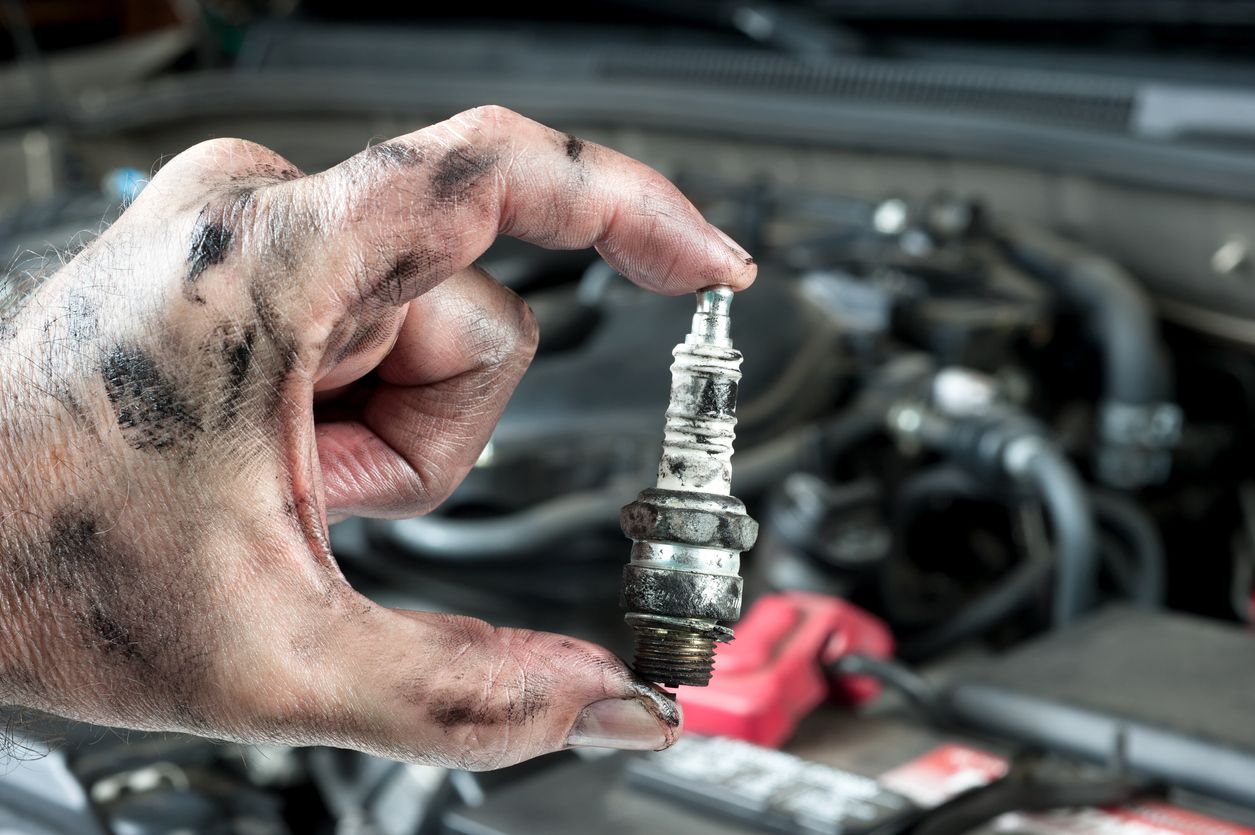
Spark plugs are small components with an important role in gasoline-powered engines. They create the electrical spark required to ignite the air-fuel mixture inside each cylinder.
Different engines require different spark plug designs, heat ranges, electrode configurations, and thread specifications. Online retailers often carry a wide selection from major manufacturers, making it easier to compare prices and specifications than at some physical stores.
The price difference can be particularly noticeable for vehicles that require several spark plugs. A four-cylinder engine commonly uses four plugs, while six-cylinder and eight-cylinder engines require more.
Replacing the full set means that even a small difference per plug can produce meaningful savings. However, buyers should always follow the vehicle manufacturer’s specification rather than choosing a plug solely because it is inexpensive.
Iridium and platinum spark plugs often cost more than conventional nickel-alloy designs, but they may have longer service intervals depending on the application. Modern engines are frequently designed around specific plug materials and designs, so substituting a cheaper plug can be inappropriate.
The correct specification should come from the vehicle manufacturer or a trusted parts catalog. Product descriptions should then be checked against that specification before purchase.
Spark plug installation requires more care than replacing a wiper blade or cabin filter. Incorrect installation torque can damage threads or cause other problems, while improper handling of ignition components can create reliability issues. Some engines also require specialized tools because of limited access.
Anyone without suitable mechanical experience should consider having a qualified technician install the plugs, even if the components themselves were purchased online.
7. Oil Filters
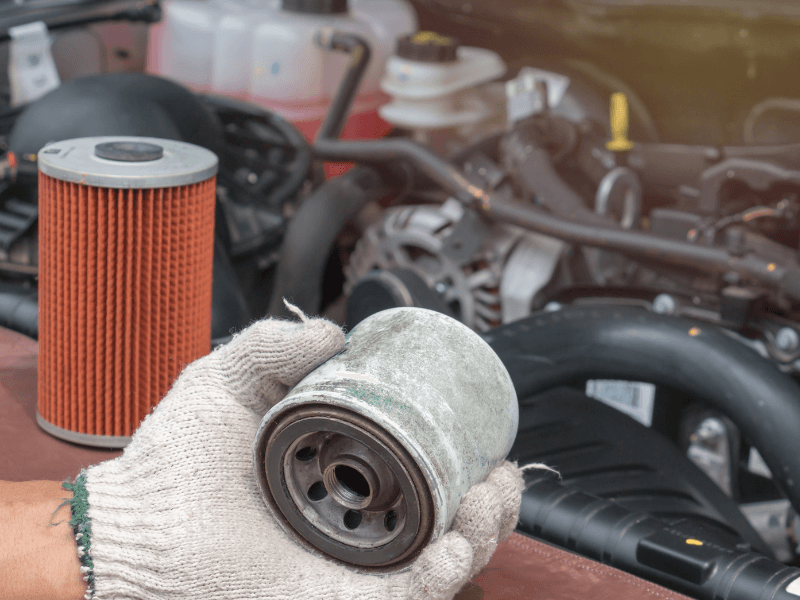
Oil filters are replaced during routine oil changes, which makes them another component worth comparing online. Their job is to remove contaminants from engine oil before that oil circulates through critical engine components.
Filter construction varies by manufacturer, with differences in filtration media, housing design, pressure-relief mechanisms, anti-drainback valves, and construction. These details can affect both price and suitability.
Many drivers purchase oil filters directly from service centers because they are already paying for an oil change. However, the filter itself can often be purchased for considerably less through online automotive retailers.
This is especially relevant for vehicles with premium or specialized filters. Buying filters in multipacks can reduce the per-unit cost further, provided the driver expects to use the same filter specification for future service intervals.
Correct fitment is essential because oil filters come in many sizes and thread configurations. Some vehicles use cartridge-style filters housed inside a reusable cover, while others use spin-on filters.
A filter that appears similar to the required component may have different internal specifications. Buyers should use the manufacturer’s part number or a trusted cross-reference system when selecting a replacement.
8. Brake Rotors
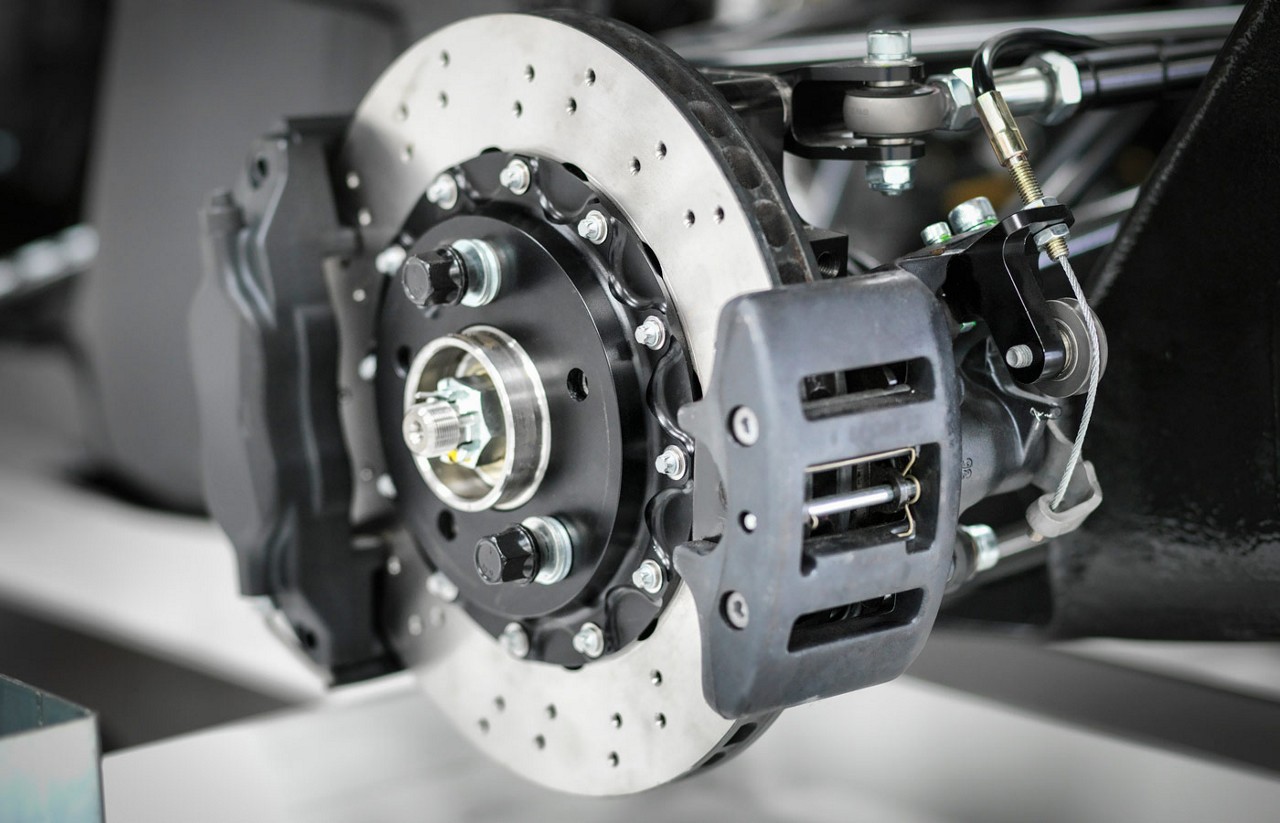
Brake rotors can represent a larger expense than brake pads, particularly on vehicles with larger braking systems. Online retailers frequently offer replacement rotors from several manufacturers, allowing shoppers to compare dimensions, coatings, materials, and warranties.
Local repair facilities may add a parts markup to the rotor price, so purchasing the components separately can sometimes reduce the repair bill substantially.
A rotor must match the vehicle’s braking system precisely. Important specifications can include diameter, thickness, height, bolt pattern, center bore, and ventilation design. Some vehicles use different rotors depending on trim level, engine configuration, towing equipment, or performance packages.
This makes careful fitment research especially important. The vehicle’s VIN or vehicles, while drilled or slotted designs are marketed for specific performance applications.
Coated rotors can offer corrosion resistance in areas where road salt and moisture are common. Buyers should consider how the vehicle is used rather than selecting a design based only on the exact factory part number can help narrow the selection.
Rotors are also available in several styles. Standard blank rotors are suitable for many everyday vehicles, while drilled or slotted designs are marketed for specific performance applications. Coated rotors can offer corrosion resistance in areas where road salt and moisture are common. Buyers should consider how the vehicle is used rather than selecting a design based only on appearance.
Shipping is an important consideration when purchasing rotors online because they are heavy. A product that appears much cheaper may become less attractive once delivery charges are added.
Some retailers offer free or discounted shipping above a certain order value. Comparing the final checkout price is therefore more useful than comparing the advertised product price alone.
9. Serpentine Belts
Serpentine belts are relatively inexpensive compared with major engine components, yet replacing a worn belt can prevent a roadside breakdown.
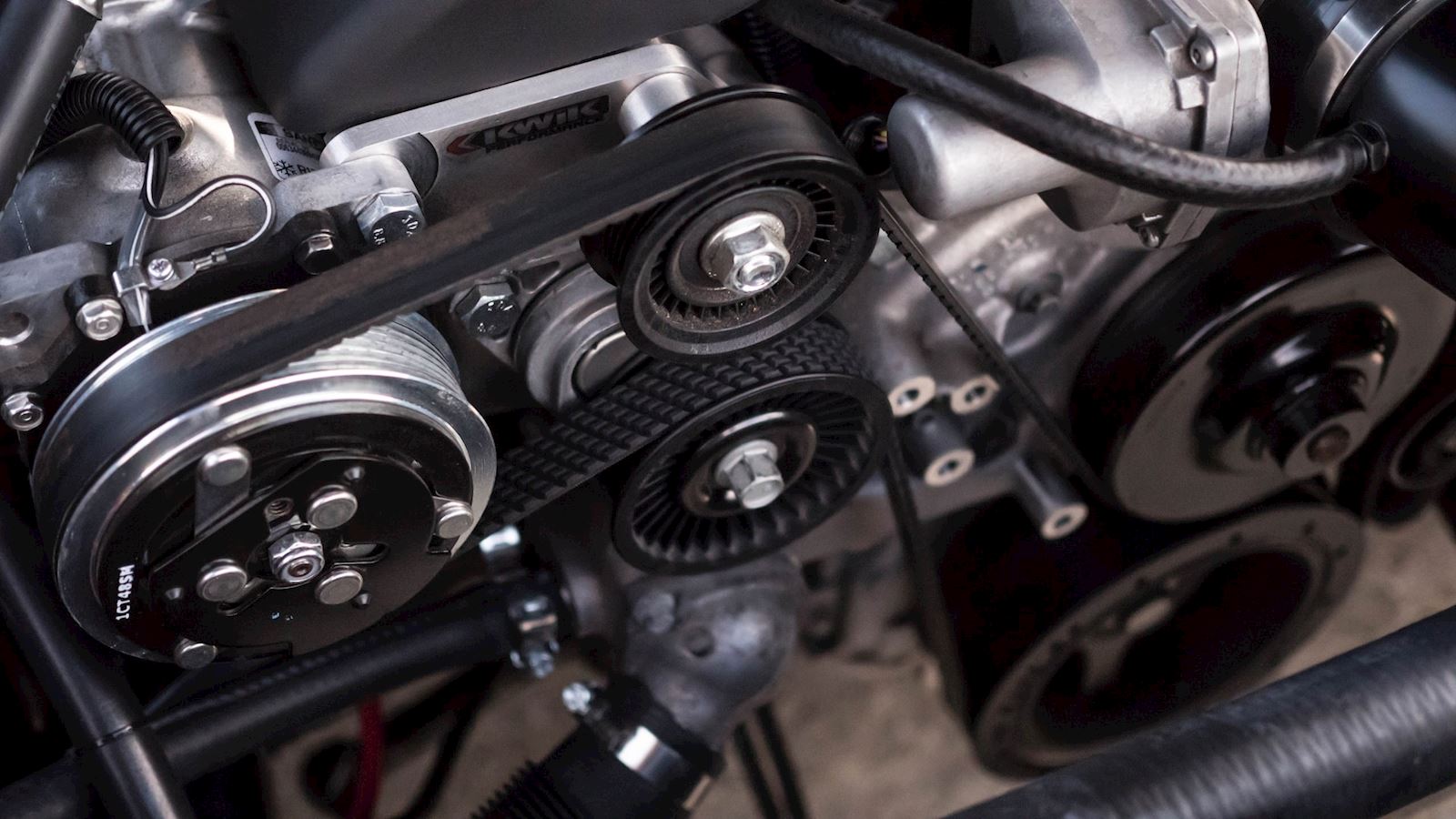
The belt transfers power from the engine’s crankshaft to accessories such as the alternator, air-conditioning compressor, power steering system on some vehicles, and other components depending on the design. Online stores frequently sell replacement belts at lower prices than dealership parts departments.
A serpentine belt must have the correct length, rib count, width, and construction. Some vehicles use different belt configurations depending on engine size or accessories.
Checking the manufacturer’s part number or a trusted application catalog is essential. A belt that is only slightly different in length may not maintain proper tension, while an incorrect rib configuration can prevent the belt from seating correctly on the pulleys.
Belt replacement can often be performed with basic tools, but access varies significantly by vehicle. A belt tensioner normally needs to be released to remove and install the belt. The routing pattern is important because installing the belt incorrectly can cause accessories to rotate in the wrong direction or leave components without proper drive.
Many. Some drivers replace the belt based on visible wear, while others follow a preventive maintenance schedule. Cracks, fraying, missing ribs, glazing, or unusual noises can indicate a problem, though not every belt failure can be predicted visually. A qualified technician can inspect vehicles have a belt-routing diagram, but the correct service information should always be followed.
Online prices can make serpentine belts an attractive purchase for planned maintenance. Some drivers replace the belt based on visible wear, while others follow a preventive maintenance schedule.
Cracks, fraying, missing ribs, glazing, or unusual noises can indicate a problem, though not every belt failure can be predicted visually. A qualified technician can inspect the belt and related pulleys if there is uncertainty.
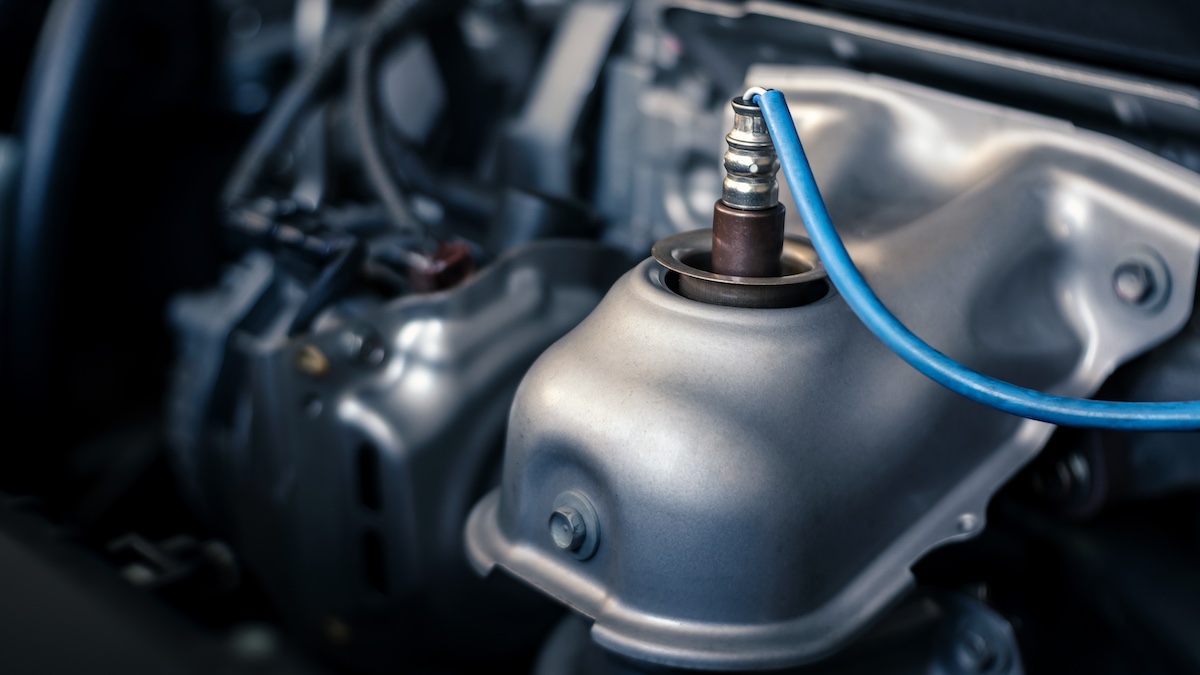
10. Oxygen Sensors
Oxygen sensors are electronic components installed in a vehicle’s exhaust system to help the engine control module monitor oxygen levels in exhaust gases.
They play an important role in fuel control and emissions management. When a sensor fails or produces an incorrect signal, the vehicle may display a warning light, experience changes in fuel economy, or produce emissions-related problems.
Replacement oxygen sensors can be considerably cheaper online than through dealership parts departments. However, this category requires careful research because vehicles can have multiple oxygen sensors in different positions. A car might have upstream and downstream sensors, with different part numbers and connectors. Engine configuration and emissions equipment can also influence the required sensor.
Direct-fit sensors are generally easier to install because they are designed for a specific vehicle application and usually include the appropriate connector. Universal sensors may require transferring connectors or performing additional wiring work.
For many vehicle owners, a direct-fit component is more convenient even if the purchase price is somewhat higher. The correct choice depends on the vehicle and the buyer’s mechanical experience.
