
Floodwater can cause serious damage to a car even when the vehicle appears to drive away normally. Water can enter electrical connectors, wheel bearings, engine components, transmission systems, brakes, and other parts that are not designed for prolonged exposure.
The depth of the water, speed of the vehicle, duration of exposure, and condition of the car all affect the risk of damage. Some problems appear immediately, while others develop days or weeks later as corrosion spreads through electrical connections and mechanical components.
Understanding which car parts are vulnerable to floodwater can help drivers recognize warning signs, avoid costly repairs, and respond safely after a flooded road encounter.
1. Engine Air Filter and Air Intake System
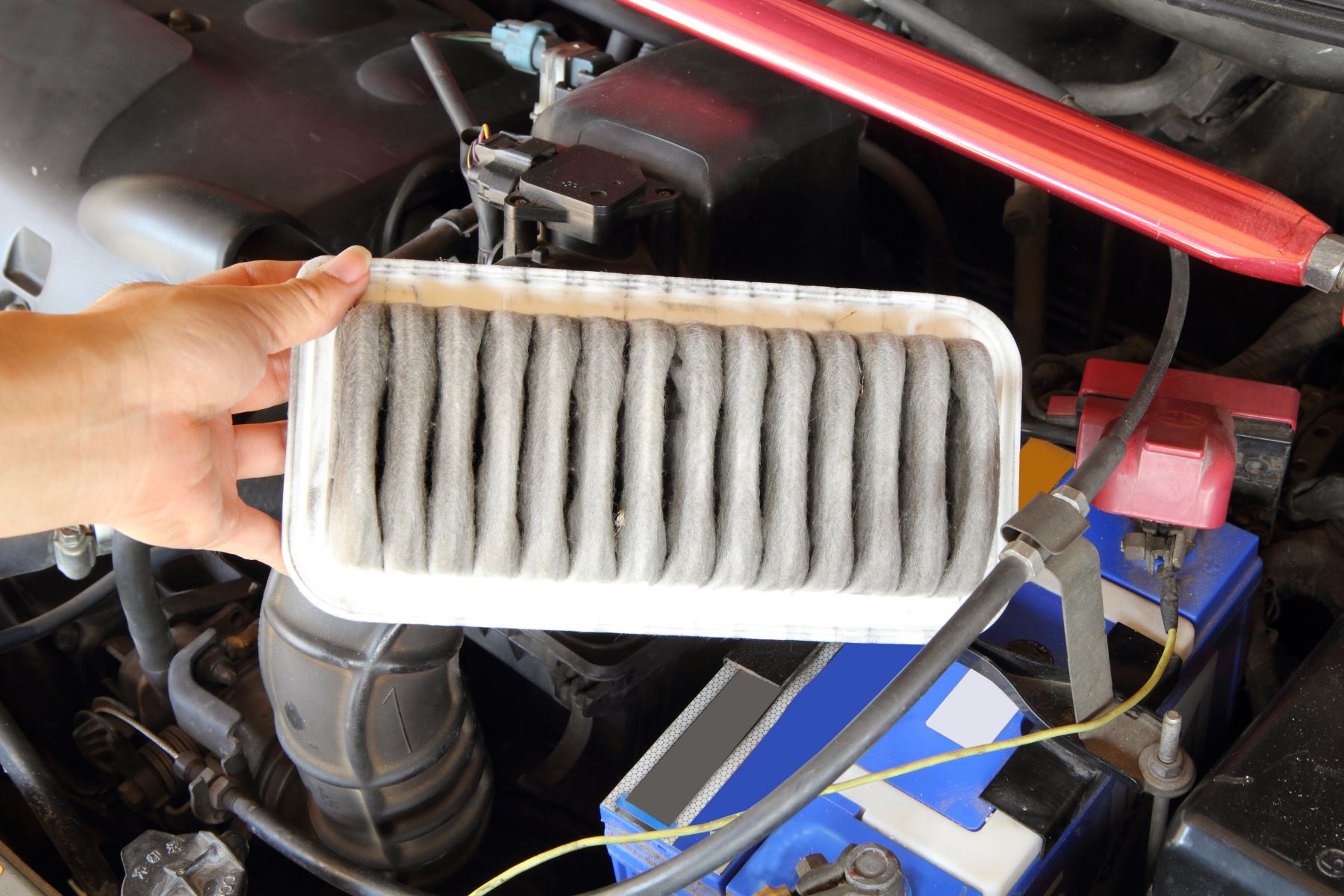
The engine air intake system is among the first areas that can be affected when a car travels through deep water. Its job is to supply clean air to the engine while keeping dust, dirt, and other contaminants away from sensitive internal components.
When floodwater rises high enough to reach the air intake opening, water can be pulled toward the engine. This creates a serious risk because engines are designed to compress air, not liquid.
A wet air filter may become restricted and prevent the engine from receiving the airflow it needs. Drivers may notice rough running, reduced power, hesitation, or difficulty starting the vehicle.
A filter that has absorbed muddy water should not simply be dried and reused without inspection. Dirt and contaminants carried by floodwater can remain trapped in the filter material and may affect engine operation.
The greater concern comes when water travels beyond the filter and enters the engine cylinders. Water cannot be compressed in the same way as air.
If enough water enters a cylinder while the engine is running, the piston can encounter resistance that may bend connecting rods or damage other internal engine components. This condition is commonly known as hydraulic lock or hydrolock.
The risk depends heavily on water depth and the vehicle’s air intake design. Some cars have intake openings positioned relatively low in the engine compartment.
Driving quickly through standing water can also create a wave that raises the effective water level around the front of the vehicle. A vehicle that normally handles shallow puddles can therefore face serious problems when confronted with deeper floodwater.
After driving through significant floodwater, the air filter and intake system should be inspected before continued driving if there is any suspicion that water reached the intake. Starting an engine that may have ingested water can make the damage worse. A professional inspection is particularly important when the engine has stalled in floodwater or shows unusual sounds, poor performance, or starting problems.
2. Engine Oil and Internal Engine Components
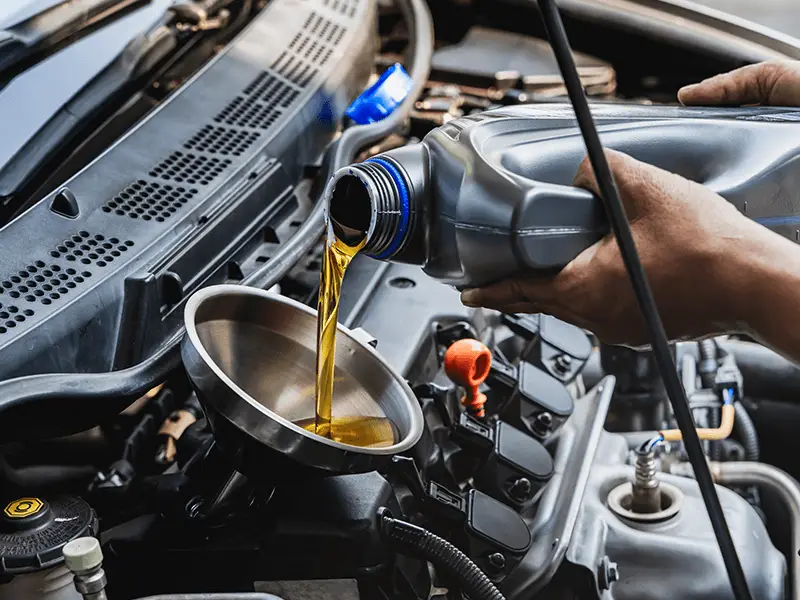
Engine oil is designed to lubricate moving components and reduce friction inside the engine. Floodwater can compromise that protection if water enters the engine through seals, breathers, the intake system, or other openings. When water mixes with engine oil, the oil can lose important lubricating properties and become contaminated.
Contaminated oil may appear unusually cloudy, pale, or creamy. This appearance can indicate that water has mixed with the oil, though visual inspection alone cannot always determine the extent of contamination.
Water inside an engine can promote corrosion on internal metal surfaces and reduce the oil’s ability to protect bearings, journals, cylinder walls, and other moving components.
Floodwater can also carry mud, sand, chemicals, and debris. If contaminated water enters the engine, these materials may remain inside the lubrication system. Running the engine can circulate contaminated fluid through passages and components, increasing the opportunity for abrasive particles and moisture to cause damage.
A vehicle may continue running after exposure to floodwater while still having contaminated engine oil. That can make the problem easy to overlook. A lack of immediate symptoms does not necessarily mean that the engine escaped damage. Some corrosion and lubrication problems become noticeable only after the vehicle has been driven for a period of time.
If the vehicle has been submerged significantly or the engine oil is suspected of containing water, the oil and filter should be inspected and replaced as appropriate. A technician may also need to examine the engine for signs of water entry.
Continuing to drive without checking the lubrication system can turn a manageable maintenance issue into a major engine repair.
3. Transmission System
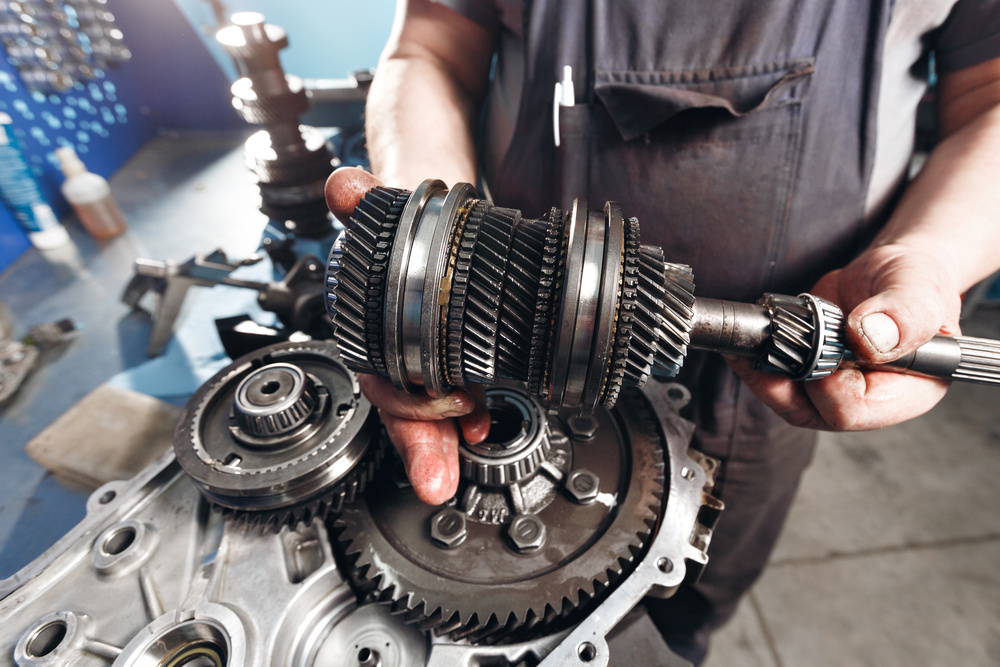
The transmission is another major component that can suffer from floodwater exposure. Automatic and manual transmissions rely on specialized fluids to lubricate internal parts, control temperatures, and maintain proper operation. Water contamination can interfere with these functions and accelerate wear.
Floodwater may enter a transmission through vents, seals, breathers, or other openings. The exact vulnerability depends on the vehicle’s design and the depth and duration of water exposure. Once water enters the transmission, it can mix with the fluid and reduce its protective properties.
Automatic transmissions can be particularly sensitive to contaminated fluid because they depend on precise hydraulic pressure and friction characteristics.
Water contamination can affect clutch materials, bearings, gears, valves, and other internal parts. Drivers may later notice delayed engagement, slipping, harsh shifting, unusual noises, or difficulty selecting gears.
Manual transmissions can also suffer damage. Water contamination can affect gears, bearings, synchronizers, and other components. Even when the vehicle continues to shift normally after a flood, moisture trapped inside the transmission can contribute to corrosion over time.
A vehicle that has traveled through deep floodwater should have its transmission system checked when significant exposure is suspected. The correct inspection procedure depends on the transmission type and manufacturer. Replacing contaminated fluid may be necessary, but a technician may also need to inspect internal components if water exposure was substantial.

4. Braking System
Brakes are critical safety components, and floodwater can affect several parts of the braking system. Brake discs and drums can become wet quickly when a vehicle travels through standing water. Temporary changes in braking performance can occur because water reduces friction between certain braking surfaces until it is cleared.
A small amount of water on brake components is usually removed through normal braking after leaving a puddle. Floodwater creates greater concern when it contains mud, sand, road debris, or chemicals. These contaminants can remain around braking components and contribute to accelerated wear or corrosion.
Brake fluid can also be affected under certain circumstances. The braking system is generally sealed, but damaged components, compromised seals, or prolonged submersion can create opportunities for contamination. Brake fluid itself also absorbs moisture over time, which is why regular maintenance is important even without flood exposure.
Electronic braking components may present additional concerns in modern vehicles. Anti-lock braking systems and electronic stability systems depend on sensors, wiring, connectors, and control modules.
Water or corrosion affecting these components can trigger warning lights or interfere with system operation.
Drivers should pay attention to changes such as a soft brake pedal, unusual noises, reduced braking response, pulling to one side, or warning lights after flood exposure. Any major braking problem requires prompt inspection. A car that appears to drive normally can still have a safety-related braking issue that should not be ignored.
5. Wheel Bearings
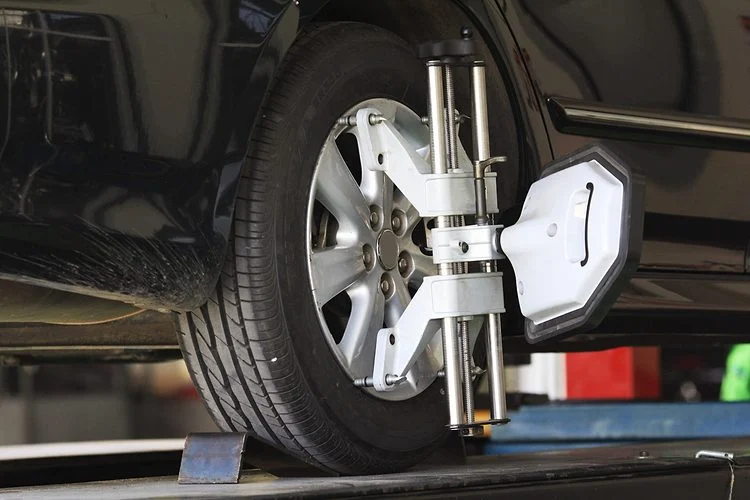
Wheel bearings allow the wheels to rotate smoothly while supporting the vehicle’s weight. They contain precision-machined surfaces and lubrication that help reduce friction. Floodwater can create problems when moisture and contaminants reach the bearing assembly.
Modern wheel bearings are designed with seals to help keep contaminants away from internal components. These seals provide protection but are not necessarily intended for prolonged immersion in deep, contaminated floodwater. High-pressure water movement and debris can increase the possibility of contamination.
When water enters a bearing, it can mix with or displace lubricant. Rust and corrosion may then develop on internal surfaces. Sand and fine particles carried by floodwater can also contribute to abrasive wear. The resulting damage may not be noticeable immediately after the vehicle leaves the flooded area.
A damaged wheel bearing may produce a humming, growling, grinding, or rumbling sound that changes with vehicle speed. In some cases, the noise may become more noticeable when the vehicle turns.
Excessive play or looseness around a wheel can also indicate a bearing problem, though proper diagnosis requires inspection.
Drivers who have traveled through deep floodwater should pay attention to new wheel noises in the following days or weeks. A bearing that has suffered water contamination may continue working for a period before symptoms become obvious. Early inspection can help identify wear before it develops into a more serious wheel or suspension problem.
6. Electrical Wiring and Connectors
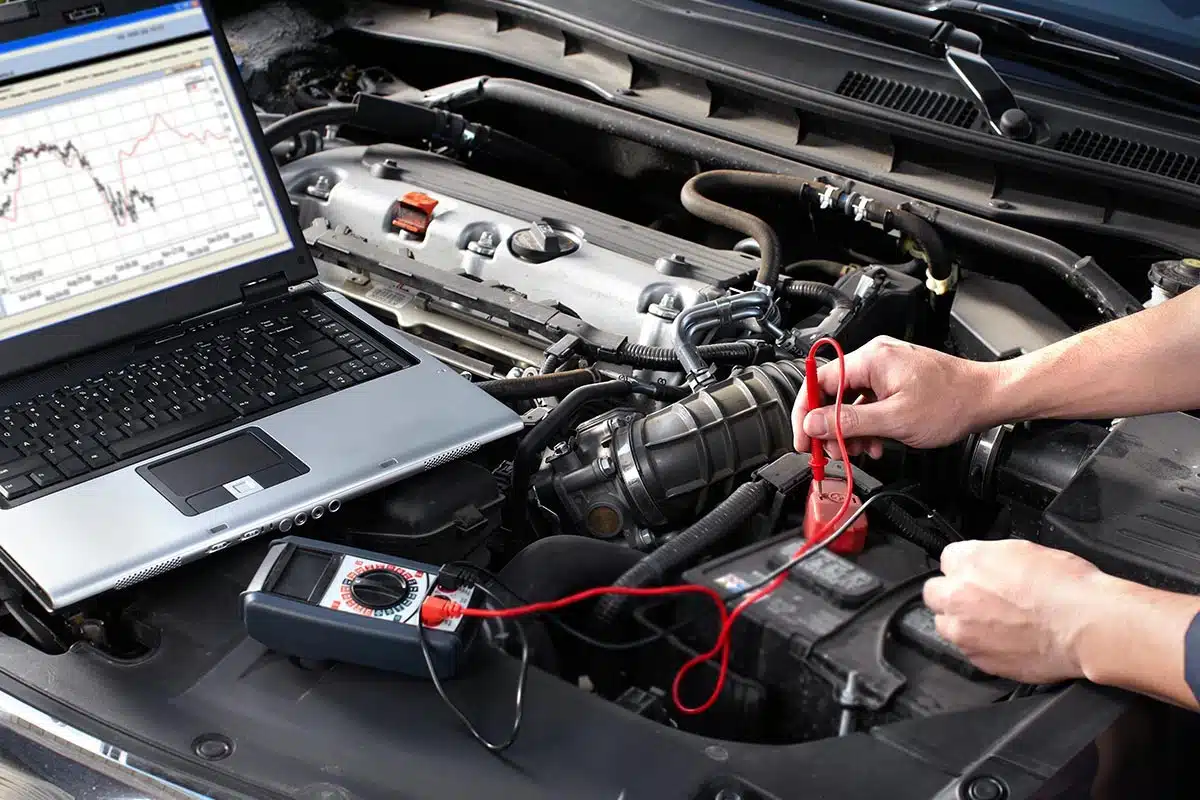
Modern cars depend heavily on electrical wiring and electronic control systems. Floodwater can reach connectors, wiring harnesses, sensors, and control units located throughout the vehicle.
Water exposure becomes particularly concerning when moisture remains trapped inside connectors after the exterior of the vehicle has dried.
Electrical connectors are designed with seals and protective features, but their resistance to water varies by location and vehicle design. Some connectors are positioned in areas that can experience splashes during normal driving. Prolonged immersion in floodwater is a different situation and can exceed the conditions the components were designed to handle.
Corrosion is a major concern after water exposure. A vehicle may start and operate normally immediately after a flood, then develop electrical problems later. Moisture trapped inside a connector can slowly corrode terminals and increase electrical resistance. This can cause intermittent faults that are difficult to diagnose.
Potential symptoms include flickering lights, warning indicators, malfunctioning windows, central locking problems, sensor faults, starting difficulties, and unexpected electrical behavior.
Modern vehicles can display several seemingly unrelated problems when moisture affects a shared wiring harness or control system.
Flood-damaged electrical systems require careful inspection rather than simply drying visible areas. Technicians may need to inspect connectors, wiring, grounds, fuses, and control modules. If corrosion is found, cleaning or component replacement may be necessary depending on the severity of the damage.
7. Alternator and Starter Motor
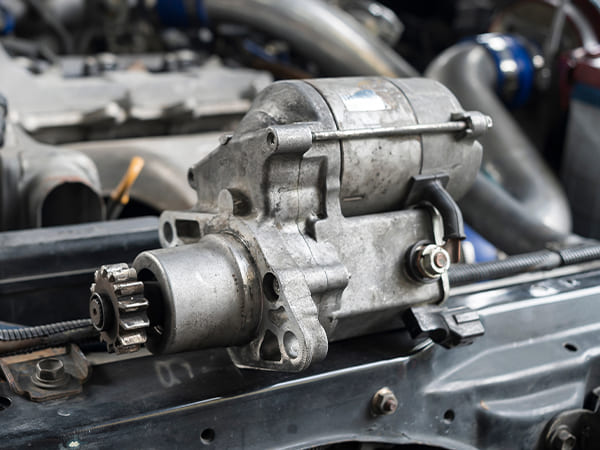
The alternator and starter motor are positioned in the engine compartment, where they can be exposed to water thrown upward by the wheels or passing vehicles. Their electrical and mechanical construction makes prolonged water exposure a concern.
An alternator generates electrical power while the engine is running and helps maintain the vehicle’s battery charge. Water contamination can affect internal electrical components, bearings, and connections. A wet alternator may continue working temporarily, then develop charging problems as moisture causes corrosion or bearing damage.
A failing alternator can produce symptoms such as a battery warning light, dimming headlights, electrical malfunctions, or repeated battery discharge.
These symptoms can appear after the vehicle has already left the flooded area. The battery itself may be healthy while the charging system is failing.
The starter motor is also vulnerable because it combines electrical components with mechanical parts. If it becomes heavily contaminated with water and debris, its operation may become unreliable. A driver might hear clicking, slow cranking, or no cranking when attempting to start the engine.
A vehicle that has been through substantial floodwater should have these components checked when symptoms occur. Simply replacing the battery may not solve a charging or starting problem if the alternator or starter has suffered water damage.
Proper diagnosis can identify whether the fault comes from the battery, wiring, starter, alternator, or another electrical component.
8. Fuel System Components
The fuel system is designed to keep fuel separated from water and contaminants. Flood exposure can create problems when water reaches the fuel tank, fuel lines, fuel pump, or related components. The level of risk depends on the vehicle’s construction and how deeply it was submerged.
Water can enter a fuel system through damaged components, compromised seals, or other openings. Modern fuel systems are generally well protected, but significant flooding can create conditions that exceed normal operating environments. Contaminated fuel can affect combustion and fuel delivery.
A vehicle with water-contaminated fuel may experience rough running, hesitation, poor acceleration, difficult starting, or stalling. Water in fuel can interfere with combustion because gasoline and diesel fuel are not intended to contain significant amounts of free water.
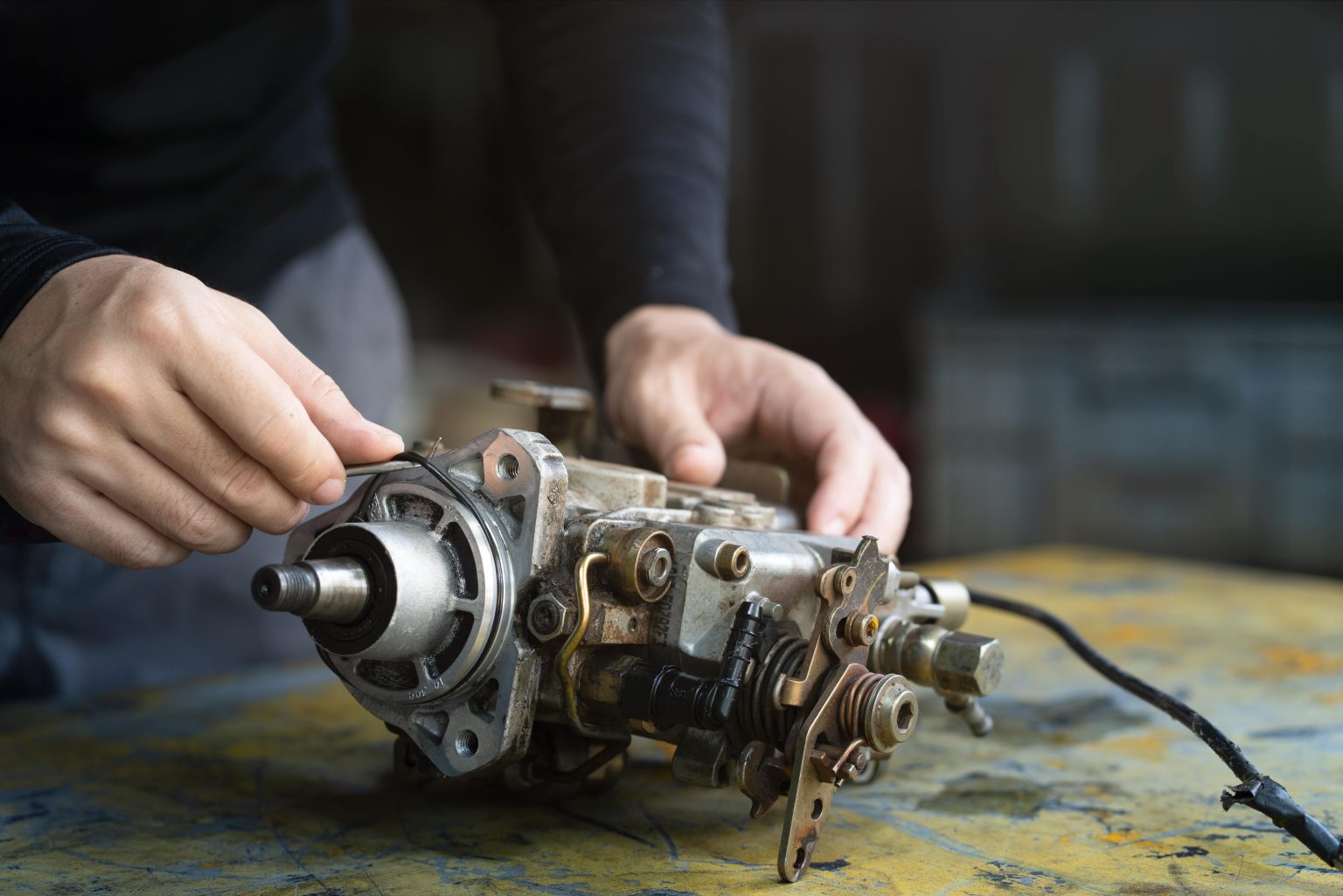
The fuel pump can also be affected by contamination. Depending on its design and location, exposure to water or debris may contribute to premature wear or electrical problems. Fuel injectors and other precision components can also be affected if contaminated fuel reaches them.
If fuel contamination is suspected after flooding, the system should be professionally inspected. Testing the fuel can help determine whether water is present. In serious cases, the contaminated fuel may need to be removed and affected components inspected before the vehicle is returned to normal use.
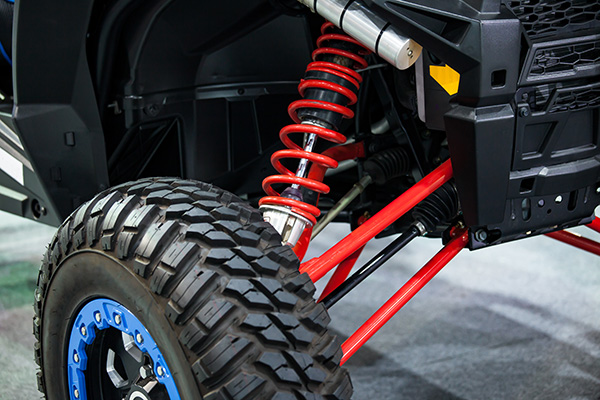
9. Suspension and Steering Components
Suspension and steering systems contain numerous components that can be affected by water and contaminants. Ball joints, tie rod ends, bushings, seals, and other parts may be exposed when a vehicle travels through deep floodwater.
Many suspension components are protected by rubber boots or seals. These parts help keep grease inside and contaminants outside. If a protective boot is damaged, water and dirt can reach the joint more easily. Floodwater containing sand and mud can accelerate wear when it enters an exposed joint.
Power steering systems can also be affected depending on the vehicle design. Hydraulic systems use fluid, hoses, seals, and pumps that must remain properly protected. Electric power steering systems have their own electrical components and sensors that can be vulnerable to water intrusion.
Symptoms of water-related suspension or steering problems may include unusual noises, looseness, vibration, uneven tire wear, or changes in steering feel. A vehicle may continue to drive normally while a component is beginning to deteriorate, making regular inspection important after serious flooding.
Because steering and suspension directly affect vehicle control, unusual behavior should be treated seriously. A technician can inspect joints, boots, bearings, steering components, and mounting points for water contamination or physical damage. Replacing a damaged protective boot or worn joint early may prevent more extensive repairs.

10. Cabin Electronics, Airbags, and Control Modules
The passenger compartment can provide substantial protection from ordinary weather, but floodwater can enter through doors, floor areas, vents, damaged seals, and other openings. Once water reaches the cabin floor, electrical components located underneath seats or carpets may become vulnerable.
Many vehicles have wiring harnesses and electronic modules positioned beneath carpeting or seats. Depending on the vehicle, these systems can include airbag-related components, body control modules, seat electronics, communication wiring, and other important equipment.
Water damage to airbag wiring or control components is particularly important because these systems are designed to operate during a crash. A malfunction indicator may appear when a fault is detected, but electrical corrosion can also create intermittent problems. Any airbag warning light that appears after flooding should be investigated promptly.
Other cabin electronics can also fail after water exposure. Power seat controls, window switches, audio equipment, parking sensors, lighting systems, and central locking components may experience faults. Moisture trapped under carpets can remain for a long time even when the visible cabin appears dry.
Drying the interior thoroughly is therefore an important part of flood recovery. Removing standing water from carpets is not always enough because padding and wiring beneath the carpet can retain moisture. Professional inspection may be necessary when water reaches the floor or seats, particularly in vehicles with extensive electronic equipment.
