
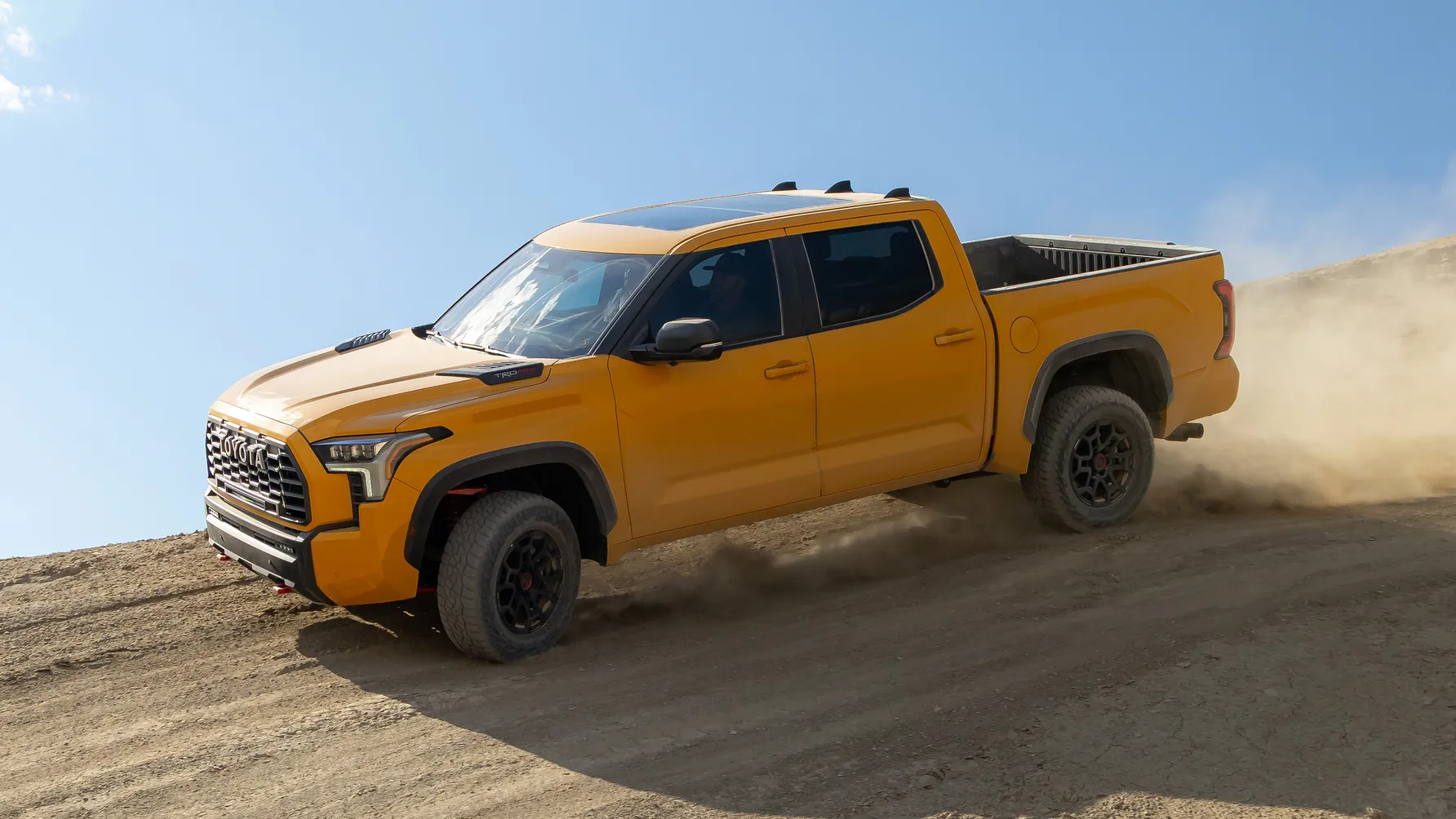
Some cars are replaced after only a few years, while others remain trusted transportation long after their warranties expire. iSeeCars studied more than 660,000 vehicles to identify models whose original owners were most likely to keep them for at least 15 years.
The results show a strong connection between long-term ownership, durability, practicality, operating costs, and owner satisfaction. Toyota dominates the list, while Honda and Subaru also appear among the leading names.
This analysis looks at the ten models with the highest 15-year retention among original owners, explaining what makes each vehicle suitable for extended ownership and why longevity remains important to car buyers today.
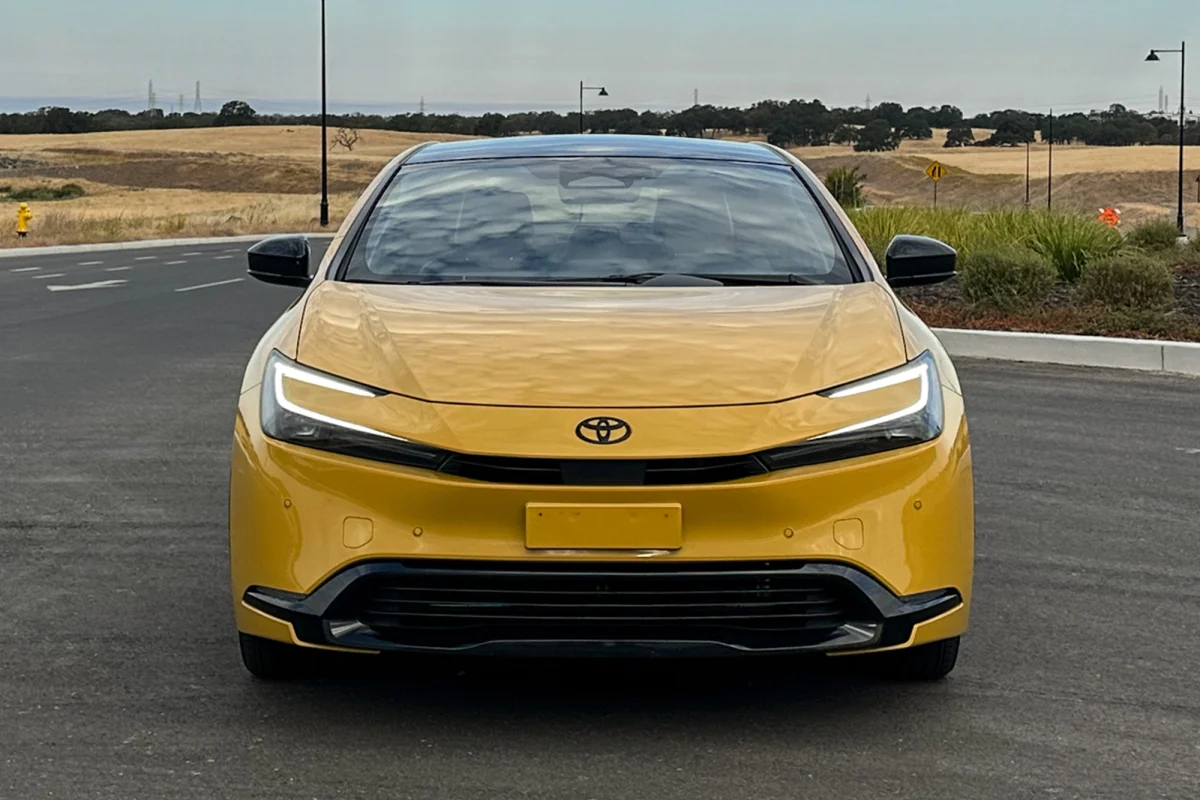
1. Toyota Prius
The Toyota Prius ranks first in iSeeCars’ 15-year ownership study, with 13.7 percent of vehicles reaching the 15-year mark while remaining with their original owners. That figure is more than twice the 6.1 percent average for all vehicles in the study.
The Prius therefore stands out not simply because it can remain on the road for a long time, but because a relatively high percentage of its original buyers chose to continue owning it well beyond the point when many drivers would normally replace a vehicle.
Fuel economy is an important part of the Prius ownership story. The model was designed around reducing fuel consumption, making it attractive to drivers who put substantial mileage on their vehicles. Lower fuel use can have a meaningful effect over many years, particularly for owners who drive frequently.
The economic benefit becomes more relevant when the vehicle is kept for a decade and a half because fuel savings accumulate across thousands of trips.
iSeeCars also noted that Prius owners who retain their vehicles for 15 years may be motivated by practical considerations, including fuel economy and ownership costs. Keeping the same vehicle for many years also allows the owner to avoid repeatedly taking on payments associated with newer cars.
The Prius also benefited from a reputation for efficient operation and practical transportation. Its hatchback design gave owners useful cargo flexibility, while its hybrid system allowed it to perform well in urban and suburban driving.
For families, commuters, and drivers seeking lower fuel consumption, those qualities can make an older Prius remain useful even when newer models offer more technology. Long-term ownership is rarely determined by a single component.
A vehicle needs to remain useful, affordable to operate, reasonably comfortable, and capable of meeting its owner’s daily needs. The Prius combined several of those characteristics, helping explain its position at the top of the iSeeCars study.
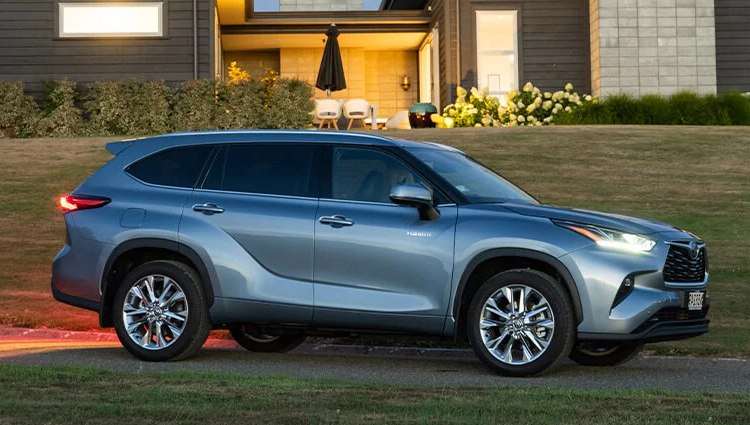
2. Toyota Highlander
The Toyota Highlander takes second place, with 12.4 percent of vehicles reaching 15 years while remaining with their original owners. That puts the midsize SUV at roughly twice the study average. The Highlander’s position illustrates the importance of practicality in long-term ownership.
Buyers who choose an SUV often need additional passenger space, cargo capacity, and everyday flexibility, so replacing the vehicle can be inconvenient when it continues to perform its intended role. iSeeCars specifically identified the Highlander as a spacious three-row crossover that appeals to practical family buyers.
The Highlander also benefited from Toyota’s established reputation for durability. Long ownership requires more than a strong engine. Suspension components, transmission systems, cooling systems, electronics, interior materials, and other parts must remain serviceable as the vehicle ages.
Maintenance naturally becomes more important as a car gets older, but owners are more likely to continue investing in a vehicle when the basic platform remains dependable. A vehicle that meets family transportation needs year after year can become familiar and trusted, reducing the motivation to replace it simply because a newer model is available.
Space is another factor that can support long-term retention. A vehicle used for family transportation may carry children, luggage, groceries, sports equipment, and other belongings. If the interior continues to meet those requirements, the owner may see less practical value in moving to a different vehicle.
The Highlander’s three-row configuration gives it a broader range of uses than a smaller passenger car. That versatility can become especially valuable as household needs change over time. A vehicle that works for commuting, school runs, road trips, and family errands has a strong practical case for extended ownership.
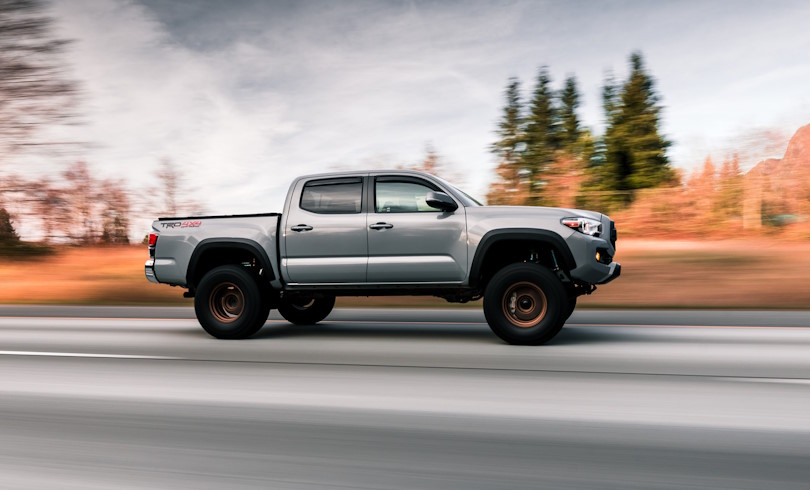
3. Toyota Tacoma
The Toyota Tacoma records a 15-year original-owner retention rate of 11.6 percent, placing it third in the iSeeCars analysis. Pickup trucks often have demanding workloads, making this result important.
A truck can accumulate substantial mileage while carrying equipment, towing trailers, traveling on rough roads, or serving as a daily commuter. Long-term retention therefore requires a vehicle that can continue meeting a wide range of needs over many years. The Tacoma’s result was approximately 1.9 times the average rate for vehicles in the study.
The Tacoma’s appeal is closely connected to utility. A pickup can perform jobs that a sedan or hatchback cannot handle easily. Owners may use it for work during the week and personal transportation on weekends.
That broad functionality can make replacement less urgent when the existing truck remains dependable. If the truck still provides the required bed space, towing ability, passenger capacity, and road capability, an owner may choose continued maintenance rather than purchasing a newer vehicle.
Toyota’s reputation for durable trucks also plays a role in the Tacoma’s long-term appeal. Pickup buyers frequently place value on mechanical durability because repairs or downtime can affect work and daily responsibilities.
A dependable truck can remain financially useful even as it ages. The value of continued ownership becomes stronger when the owner already knows the vehicle’s maintenance history and driving characteristics. Familiarity can make an older vehicle easier to manage than an unknown used truck.
The Tacoma’s 11.6 percent figure also shows that long-term ownership is not restricted to fuel-efficient passenger cars. The model sits near the top of the study while serving a completely different purpose from the Prius.
The Prius emphasizes efficiency and everyday transportation, while the Tacoma emphasizes utility and versatility. Their shared position on the list suggests that different vehicle types can support extended ownership when they meet owners’ needs and remain dependable enough to justify continued use.
4. Toyota Sienna
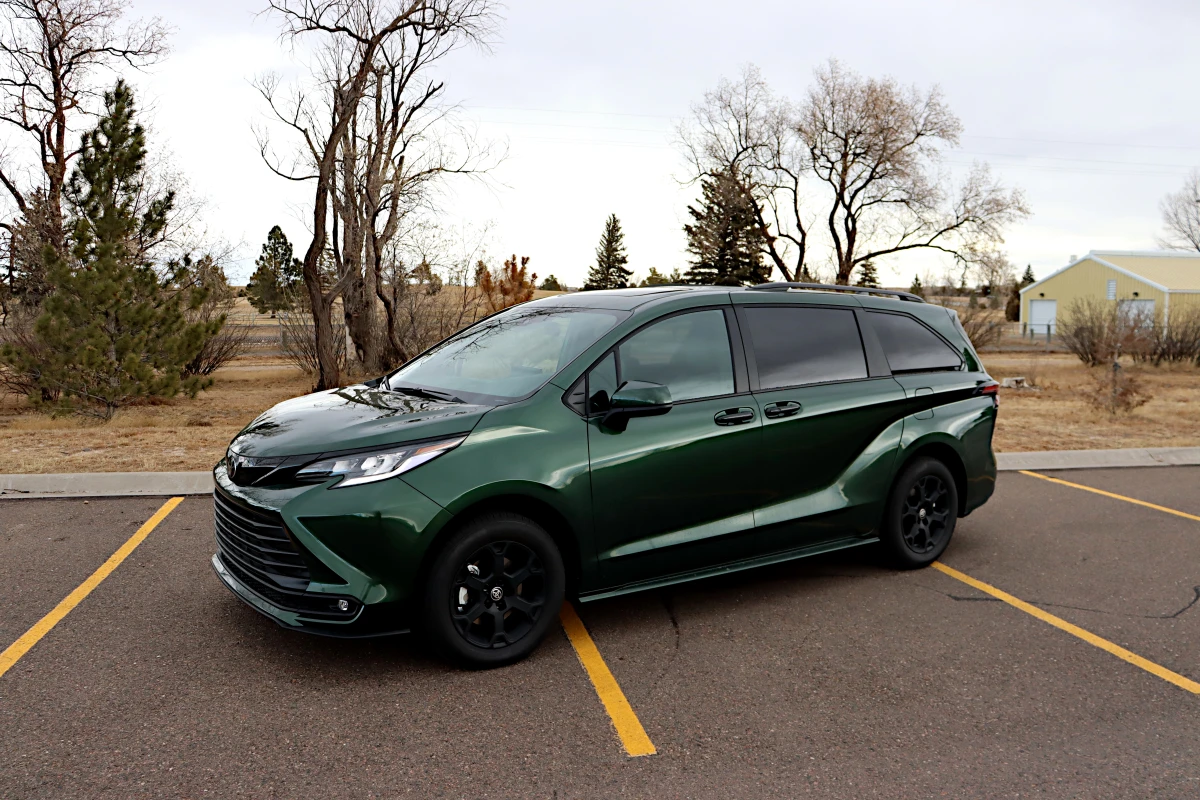
The Toyota Sienna ranks fourth, with 11.5 percent of vehicles remaining with their original owners for at least 15 years. The minivan’s position is significant because family vehicles often experience extensive use.
A Sienna may serve as a school vehicle, commuter car, road-trip machine, grocery hauler, and family shuttle throughout its life. That range of responsibilities can produce substantial wear, yet the model still recorded a 15-year retention rate nearly twice the study average.
The Sienna’s strongest long-term advantage is functionality. Minivans are designed around passenger and cargo flexibility, with seating configurations that can adapt to changing family requirements. Parents may need space for young children, car seats, luggage, bicycles, sports equipment, and other bulky items that add up over time.
Once a vehicle loan has been paid off, keeping a reliable older vehicle can allow a household to redirect money toward other priorities. iSeeCars noted that keeping a car for 15 years can reduce ownership expenses by eliminating loan payments for much of the vehicle’s later life, though maintenance costs generally rise as vehicles age. items.
Long-term ownership can also make financial sense for a family vehicle. Buying a new vehicle involves more than the purchase price. Financing costs, registration, insurance, depreciation, and other expenses can add up over time.
Once a vehicle loan has been paid off, keeping a reliable older vehicle can allow a household to redirect money toward other priorities. iSeeCars noted that keeping a car for 15 years can reduce ownership expenses by eliminating loan payments for much of the vehicle’s later life, though maintenance costs generally rise as vehicles age.
The Sienna’s fourth-place result also reinforces Toyota’s strong presence in the study. Seven of the ten models on the original iSeeCars list were Toyotas, including the Prius, Highlander, Tacoma, Sienna, Tundra, 4Runner, and Sequoia.
This concentration suggests that Toyota models in the data were particularly common among households that continued owning their vehicles for 15 years or more. A long-lived minivan can provide value in a way that is not captured by horsepower or styling. Its usefulness comes from carrying people and belongings efficiently for years.
The Sienna’s 11.5 percent retention rate demonstrates that buyers were willing to keep the vehicle far beyond the typical ownership period. For households that prioritize space and practicality, that type of long-term performance can be more important than having the newest features.
5. Toyota Tundra
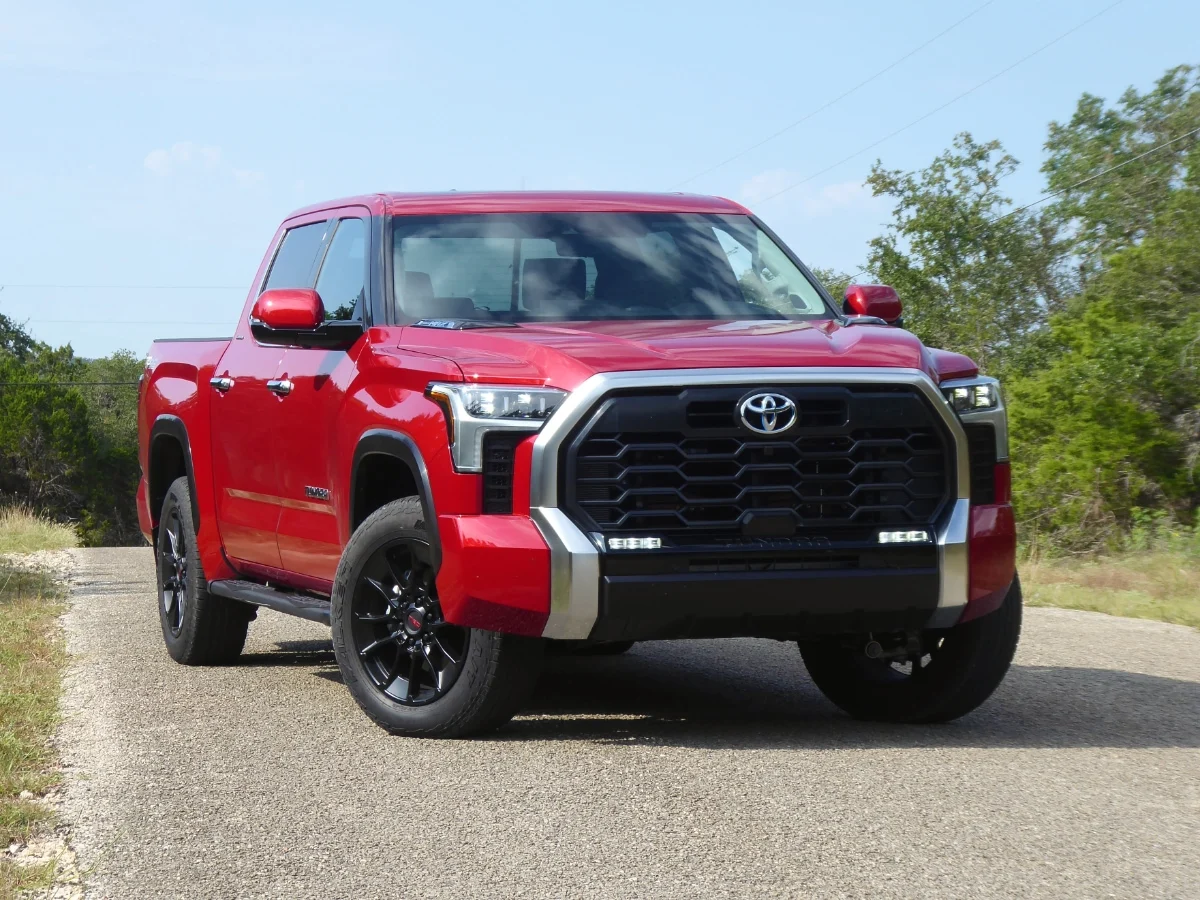
The Toyota Tundra records an 11.3 percent 15-year retention rate, ranking fifth among all vehicles in the iSeeCars analysis. Like the Tacoma, the Tundra is a pickup, but it serves buyers who need a larger full-size truck.
Its presence near the top of the study reinforces the idea that truck owners can have strong incentives to retain a vehicle when it remains capable of handling work and personal transportation. The Tundra’s rate was approximately 1.8 times the 6.1 percent average across the study.
Full-size pickups often have a broad range of responsibilities. They can tow recreational equipment, transport materials, carry large loads, and serve as family vehicles. This versatility gives owners multiple reasons to continue using the same truck.
A vehicle that can support both work and personal activities may be difficult to replace with a smaller or less capable model. As long as the mechanical condition remains acceptable, maintaining the existing truck can be preferable to changing to a different vehicle.
The Tundra’s long-term ownership result is also connected to the broader perception of Toyota trucks as durable vehicles. iSeeCars specifically described Toyota’s truck-based SUVs as being known for durability, and its separate longevity research has repeatedly placed Toyota trucks and SUVs among vehicles capable of very high mileage.
Such research uses a different methodology from the 15-year ownership study, so the measurements should not be treated as interchangeable. They do, however, provide additional context for understanding why Toyota trucks frequently appear in long-term vehicle research.
6. Honda CR-V
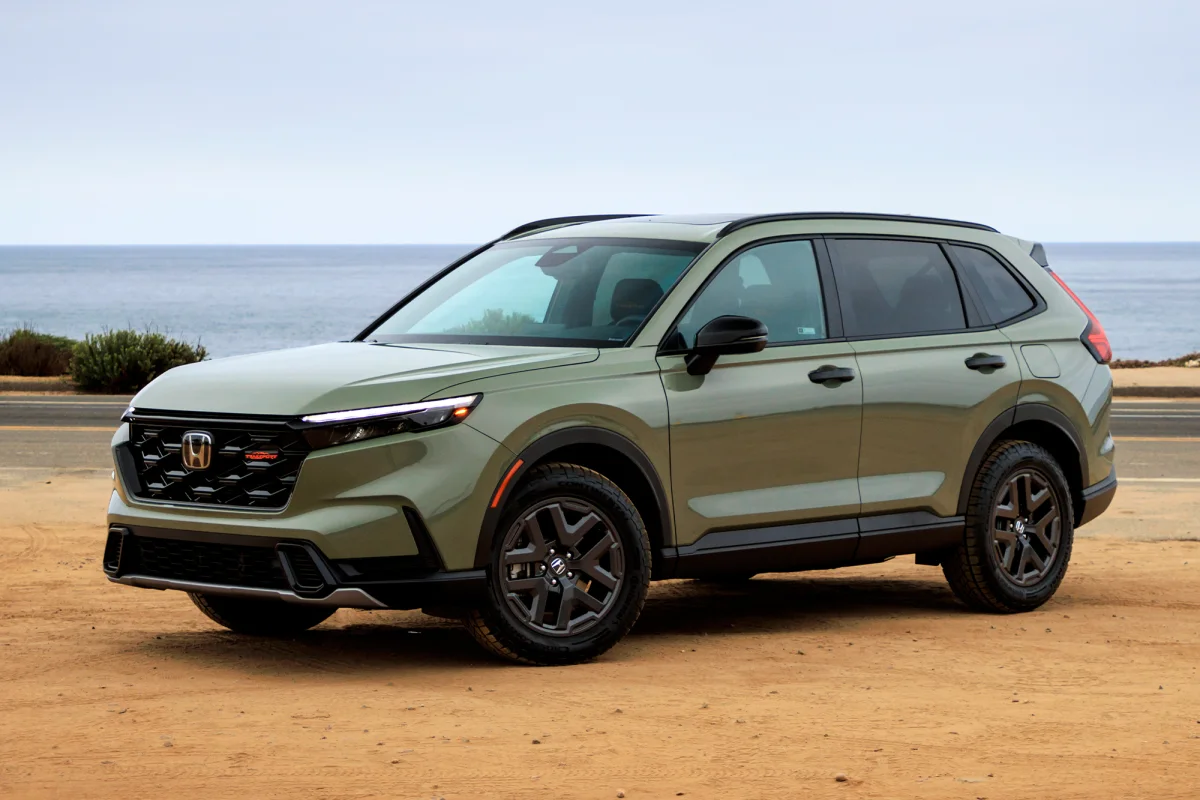
The Honda CR-V ranks sixth, with 10.7 percent of vehicles remaining with their original owners for at least 15 years. That figure places the compact SUV well above the 6.1 percent average. The CR-V’s position reflects the appeal of a vehicle that balances manageable size, passenger space, cargo flexibility, fuel efficiency, and everyday usability.
Compact SUVs became increasingly popular because they offered many of the practical features buyers wanted without the physical size of a full-size SUV.
Honda has also developed a long-standing reputation for producing vehicles that can remain useful as they age. The CR-V’s design focuses heavily on everyday transportation rather than specialized performance.
That can be an advantage for long-term owners because the vehicle is likely to continue serving the same basic purpose throughout its life. A commuter can use it for work, a family can use it for errands, and travelers can use it for road trips. Its broad usefulness gives owners several incentives to maintain it.
The CR-V also benefits from a practical body style. The raised seating position provides an SUV-like driving experience, while the compact footprint makes the vehicle easier to maneuver and park than larger utility vehicles.
Cargo space is sufficient for common household needs, and the interior can adapt to different combinations of passengers and luggage. These characteristics help explain why the CR-V appears in iSeeCars’ list of vehicles that owners are particularly likely to keep for 15 years or more.
7. Honda Pilot
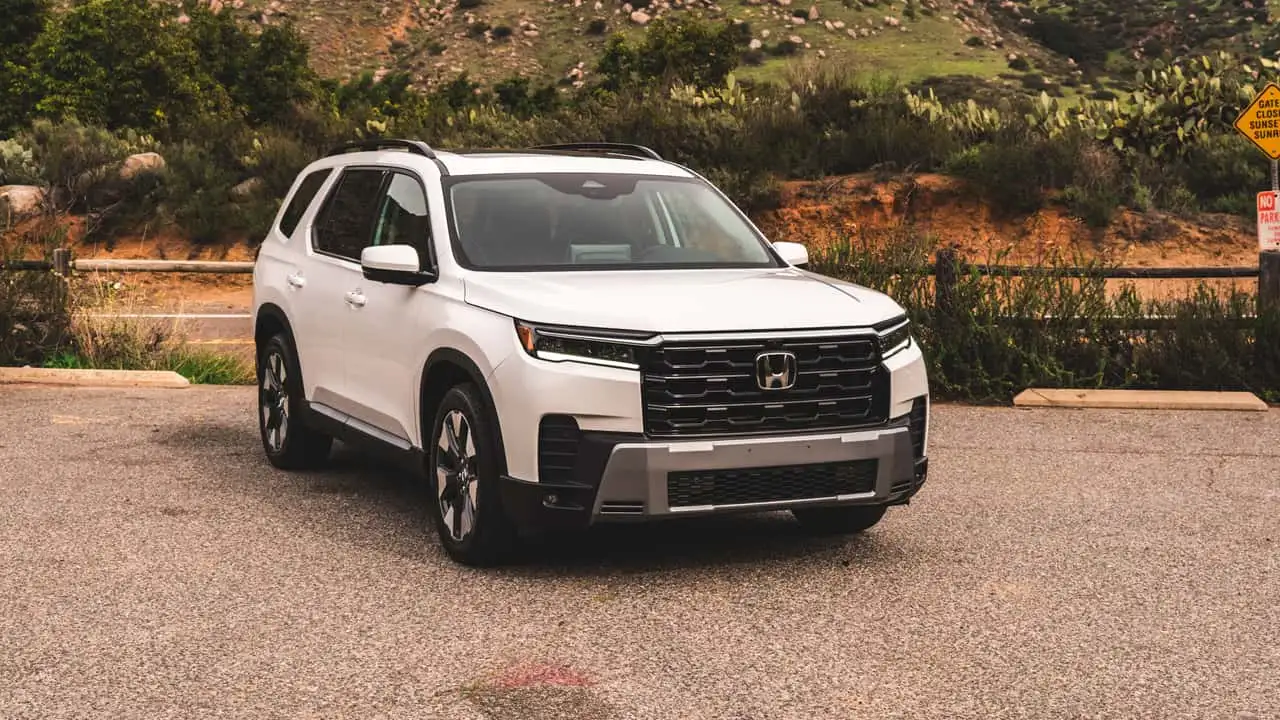
The Honda Pilot takes seventh place, with 10.4 percent of vehicles remaining with their original owners for at least 15 years. Like the Highlander, the Pilot provides three-row seating and family-oriented practicality.
Its position near the top of the iSeeCars study indicates that owners frequently continued using the vehicle long after the typical new-car ownership period. The model’s retention rate was about 1.7 times the study average. Three-row vehicles can have a natural advantage in long-term usefulness because household transportation needs can change over time. Families may require additional seating for children, relatives, friends, or carpools.
A vehicle with multiple rows can accommodate these situations without requiring a replacement. Even when the vehicle becomes older, its basic passenger capacity remains useful. This can make continued ownership a practical choice if maintenance costs remain manageable.
The Pilot also combines SUV proportions with family-oriented interior space. It is larger than a compact crossover such as the CR-V, giving owners additional room for passengers and cargo.
That added capacity can be important during road trips and large family activities. Buyers who select a Pilot because of its versatility may have fewer functional reasons to replace it as the years pass. A newer vehicle may have improved technology, but the older vehicle can still accomplish the primary transportation tasks.
8. Subaru Forester
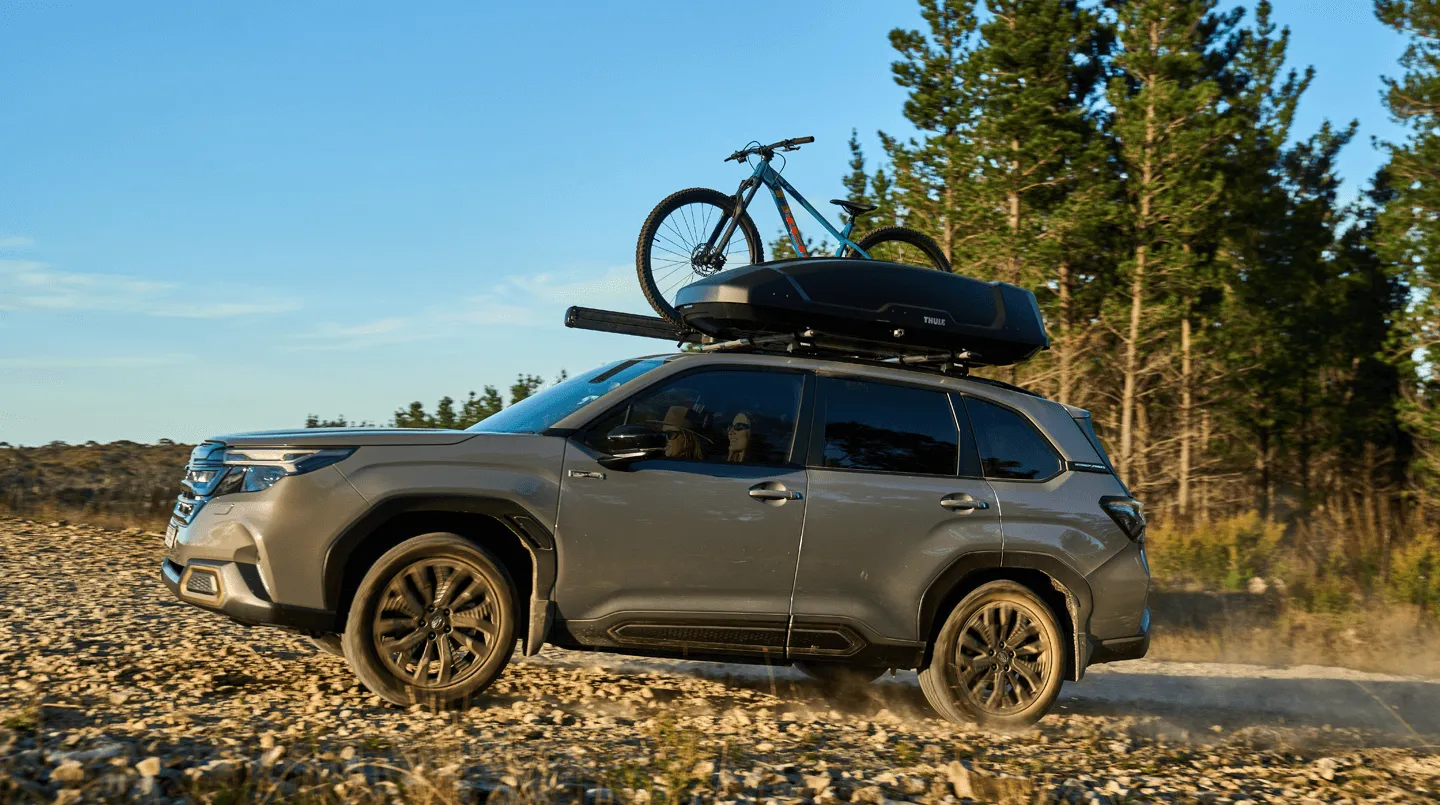
The Subaru Forester ranks eighth, with 9.8 percent of vehicles remaining with their original owners for at least 15 years. The figure places it around 1.6 times the average for all vehicles in the iSeeCars study.
The Forester’s inclusion adds another manufacturer to a list dominated by Toyota and supported by Honda. Subaru has traditionally appealed to buyers who value practical utility, all-weather capability, and a durable approach to everyday transportation.
The Forester’s compact dimensions make it useful for daily driving, while its SUV-style body provides additional cargo and passenger flexibility.
This combination can work well for households that need more space than a traditional sedan but do not want a large SUV. Owners can use the vehicle for commuting, shopping, family activities, travel, and outdoor recreation. A vehicle with such broad functionality can remain relevant for many years because its basic role does not become obsolete quickly.
Subaru’s reputation for all-wheel-drive capability also contributes to the Forester’s practical appeal. Drivers who live in areas with challenging weather may value additional traction and predictable handling.
The exact benefits depend on tires, road conditions, maintenance, and driving technique, but the vehicle’s design gives it a clear utility-focused identity. That identity can encourage owners to retain the vehicle when it continues to meet their transportation requirements.
9. Toyota 4Runner
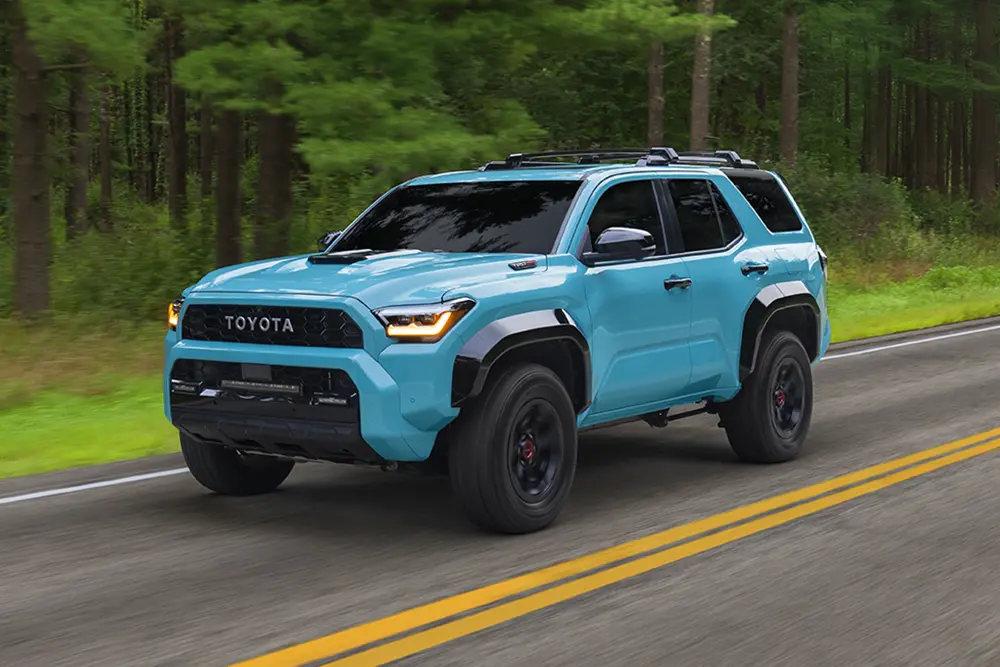
The Toyota 4Runner ranks ninth, with 9.4 percent of vehicles remaining with their original owners for 15 years or longer. Its result is about 1.5 times the average for all vehicles in the study.
The 4Runner has long been positioned as a rugged SUV with a strong focus on utility and off-road capability. Its presence in a long-term ownership study fits the needs of buyers who select vehicles for durability and functional versatility rather than short-term trends.
The 4Runner’s body-on-frame construction has historically differentiated it from many crossover SUVs. That architecture is associated with traditional truck-based utility and can appeal to drivers who need greater capability.
Owners may use such vehicles for towing, outdoor recreation, rough roads, and everyday transportation. When a vehicle continues to meet those requirements after many years, replacing it may not provide enough practical benefit to justify the cost.
The model also has a strong connection with outdoor lifestyles. Owners may use it for camping trips, trail access, carrying equipment, and travel in areas where road conditions are less predictable.
A vehicle chosen for those purposes can become a long-term tool rather than simply a means of commuting. The owner becomes familiar with its capabilities, storage arrangements, and maintenance needs. That familiarity can reinforce the decision to keep it rather than switch to a different vehicle.
10. Toyota Sequoia
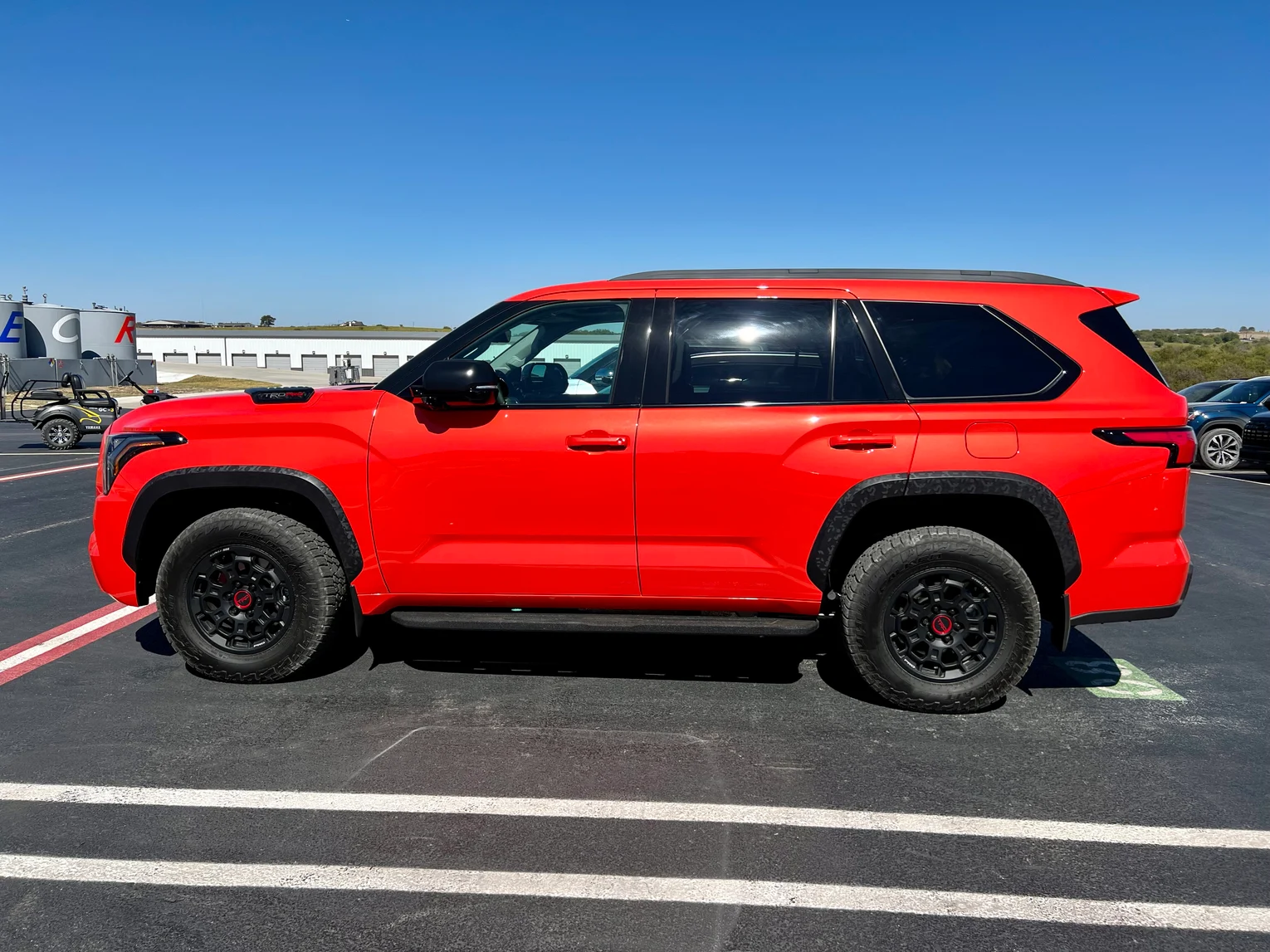
The Toyota Sequoia completes the top ten with a 9.1 percent 15-year original-owner retention rate. That means nearly one in eleven vehicles in the study remained with their original owners at age 15 or older. The figure is about 1.5 times the 6.1 percent average for all vehicles.
The Sequoia is a large SUV designed to provide substantial passenger and cargo capacity, making it especially relevant to families and drivers who need a high level of utility.
The Sequoia’s size gives it a different ownership profile from smaller models such as the Prius or CR-V. It can transport larger groups and carry more equipment, while its truck-based architecture gives it additional capability.
Owners who purchase such a vehicle may have specific transportation needs that do not disappear simply because the vehicle becomes older. If the SUV continues to provide adequate space and capability, there can be strong practical motivation to keep it.
Toyota’s reputation for durable truck-based vehicles also appears relevant. iSeeCars noted that both the 4Runner and Sequoia are truck-based SUVs known for durability.
The company’s separate mileage research has also identified Toyota SUVs and trucks among vehicles with particularly high potential mileage. The methodologies differ, so the findings should not be combined into a single statistic. Still, the two sets of research point toward a recurring pattern of strong long-term performance among several Toyota utility vehicles.
