

A car battery can last for years when it receives proper care, yet everyday driving habits can gradually reduce its service life. Short trips, electrical loads, poor maintenance, extreme temperatures, and leaving accessories running can place unnecessary strain on the battery.
Battery Council International and vehicle manufacturers provide guidance that highlights the importance of correct charging, secure connections, suitable battery selection, and regular vehicle maintenance.
Understanding the habits that contribute to premature battery wear can help drivers reduce starting problems and avoid unnecessary replacement costs. This guide covers twelve common practices that can shorten battery life and explains practical ways to prevent them.

1. Taking Too Many Short Trips
Frequent short trips can place a significant burden on a car battery. Starting an engine requires a substantial amount of electrical energy, and the alternator needs driving time to replace the charge used during startup.
When a vehicle is driven for only a few minutes before being switched off, the charging system may not have enough time to restore the energy consumed during the starting process. Repeating this pattern regularly can gradually leave the battery at a lower state of charge.
A battery that frequently operates below a full state of charge can experience accelerated wear. Lead-acid batteries rely on chemical reactions between lead plates and the electrolyte to store and deliver electrical energy.
When the battery remains partially discharged for extended periods, sulfate crystals can form on the plates. This process, known as sulfation, can reduce the battery’s ability to accept and deliver charge efficiently.
Short journeys can be particularly demanding during cold weather. Engine oil becomes thicker at lower temperatures, increasing the effort required from the starter motor.
At the same time, a cold battery cannot deliver current as effectively as it can under warmer conditions. The combination means the battery may have to provide more energy precisely when its performance is reduced.
Drivers who regularly make very short journeys can reduce the strain by combining several errands into a longer trip. A longer drive gives the alternator more time to replenish the battery after repeated starts.
The exact charging performance varies according to the vehicle, battery condition, driving speed, electrical load, and charging-system design, so driving for a specific number of minutes should not be treated as a universal charging rule.
If a vehicle is used mainly for short journeys, periodic battery testing can provide useful information about its condition. A technician can check voltage, starting performance, and charging-system operation.
For vehicles that sit unused for extended periods, an appropriate battery maintainer may also be useful when permitted by the vehicle and battery manufacturer. These steps can help prevent a repeated low-charge condition from becoming a starting problem.

2. Leaving Lights and Accessories Running
Leaving headlights, interior lights, infotainment systems, chargers, or other electrical accessories operating after the engine is switched off can discharge the battery.
Modern vehicles often include automatic shutoff systems, yet drivers should not assume that every electrical device will turn itself off. Even a relatively small electrical load can drain a battery if it remains active for several hours.
The amount of energy available from a car battery depends on its capacity, condition, temperature, and design.
A healthy battery can provide substantial electrical power, but its primary purpose in a conventional vehicle is to supply a high current for engine starting. It is not designed to operate as a deep-cycle energy source for long periods without recharging.
Repeated deep discharges can shorten the service life of a conventional starting battery. Each discharge and recharge cycle places chemical and physical stress on the battery.
A battery that is accidentally drained once may recover after proper charging, but repeated incidents can contribute to permanent capacity loss.
Modern vehicles can also consume electricity when parked even when the driver believes everything has been switched off. Security systems, control modules, keyless-entry systems, clocks, and other electronics may continue using small amounts of power.
This normal parked consumption is generally accounted for in vehicle design, but an additional accessory or fault can increase the drain.
Drivers should check that lights and accessories are switched off before leaving the vehicle. If a battery repeatedly becomes discharged without an obvious reason, replacing it immediately may not solve the problem.
The vehicle should be inspected for excessive parasitic draw, charging problems, wiring faults, or electronic modules that fail to enter their normal sleep state.
3. Ignoring Battery Corrosion
Corrosion around battery terminals can interfere with the electrical connection between the battery and the vehicle. A car depends on a strong connection to deliver the high current required by the starter.
Corrosion can increase electrical resistance, which may lead to slow cranking, intermittent starting problems, or excessive voltage drop.
Terminal corrosion can appear as a white, blue, green, or powdery deposit, depending on the materials and conditions involved. It can be associated with electrolyte vapors, moisture, terminal reactions, overcharging, or battery leakage.
The appearance of corrosion does not automatically identify the cause, so repeated corrosion should be investigated rather than simply cleaned each time.
A poor connection can also create heat when high current passes through the affected area. Excessive resistance at the terminal or cable connection can interfere with starter performance and may make the battery appear weaker than it actually is. This can result in unnecessary battery replacement when the underlying problem is the connection.
Battery maintenance should follow the vehicle and battery manufacturer’s recommendations. If terminal cleaning is required, use the appropriate protective equipment and procedures. Care is important because lead-acid batteries contain corrosive electrolyte, and accidental contact with skin, eyes, clothing, or painted surfaces can cause damage.
A visual inspection can be included during routine vehicle maintenance. Look for loose terminals, damaged cables, swelling, cracks, leakage, or unusual deposits.
A technician should handle batteries showing physical damage or signs of leakage. Keeping electrical connections clean and secure helps the charging and starting systems operate as intended.
4. Driving With a Weak or Failing Charging System
A car battery and alternator work together, but they perform different jobs. The battery supplies electrical energy for starting and helps support electrical loads when necessary.
The alternator generates electricity while the engine is running and helps recharge the battery. If the charging system is not working correctly, the battery may gradually become discharged.
A worn alternator, damaged belt, faulty voltage regulator, poor wiring connection, or other charging-system problem can reduce the amount of energy reaching the battery.
Continuing to drive under these conditions can place repeated stress on the battery. A battery that repeatedly operates without receiving sufficient charge may eventually lose capacity.
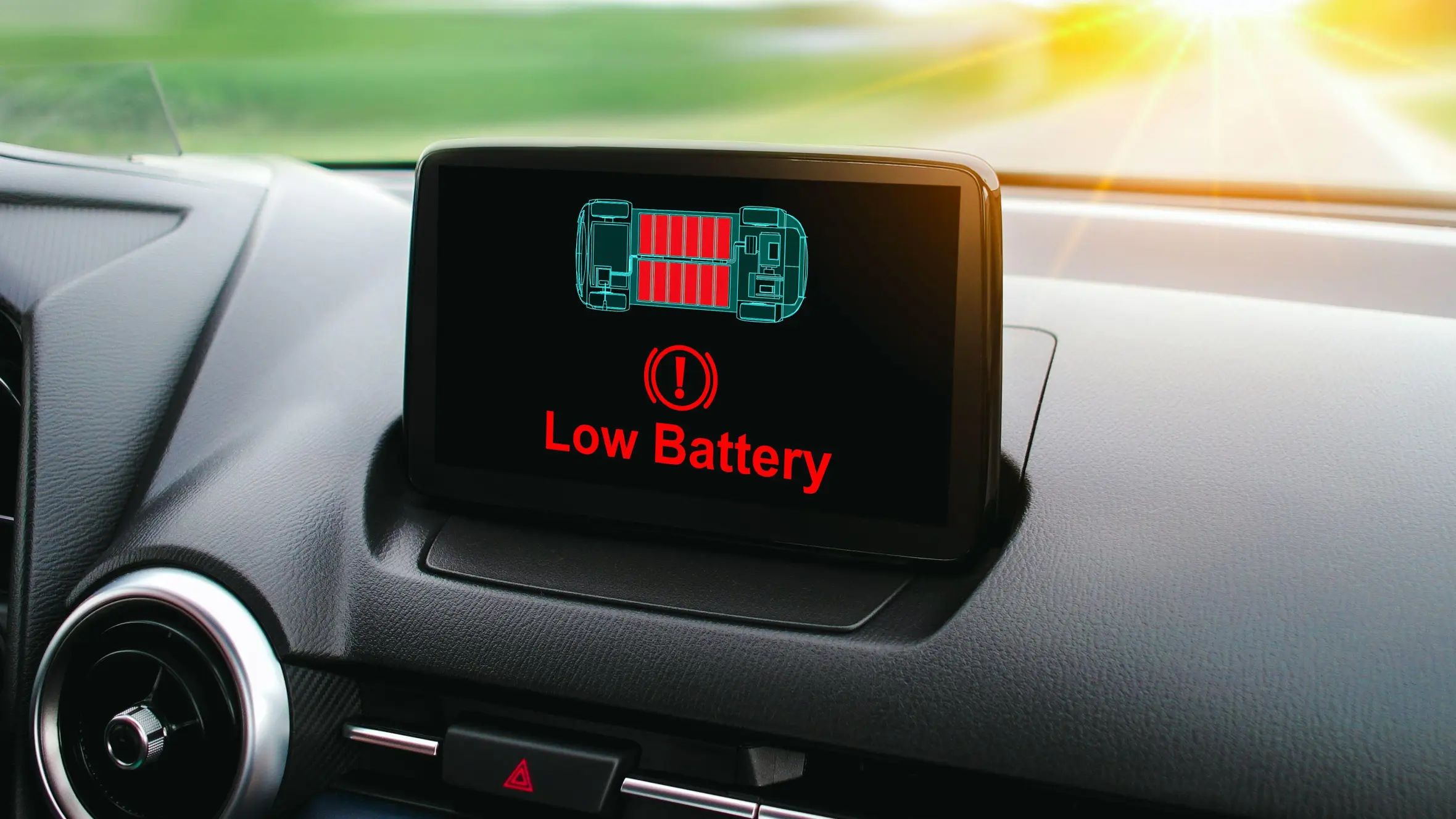
Some vehicles provide a battery or charging-system warning light when a problem is detected. This warning should not be ignored. The symbol does not necessarily mean the battery itself has failed. It can indicate that the vehicle’s charging system is not producing the expected electrical output.
Modern vehicles can have charging strategies that vary alternator output according to operating conditions. As a result, a simple voltage reading taken at a particular moment may not tell the complete story. Proper diagnosis may require testing under specified conditions using equipment appropriate for the vehicle.
If the vehicle becomes increasingly difficult to start, electrical systems behave unusually, or a charging warning appears, professional inspection is sensible.
Replacing the battery without checking the charging system can result in the new battery being exposed to the same fault. Correct diagnosis helps protect both the battery and other electrical components.
5. Neglecting the Battery During Extreme Temperatures
Temperature has a major effect on lead-acid battery performance and service life. Cold temperatures can reduce a battery’s ability to deliver starting current, while high temperatures can accelerate chemical reactions that contribute to battery aging. This means climate can influence how long a battery remains dependable.
During cold weather, engine oil becomes more viscous, and the starter may require more effort to turn the engine. Battery output also decreases as temperatures fall. A battery that is already weakened may therefore show symptoms during winter that were less noticeable during warmer conditions.
Heat creates a different problem. High under-hood temperatures can accelerate internal battery degradation. The combination of heat, vibration, charging conditions, and normal chemical activity gradually affects the internal components. In hot climates, battery service life can therefore be shorter than drivers might expect.
Vehicle manufacturers design battery compartments and charging systems to operate within particular conditions. Some vehicles use thermal management systems or battery insulation to help control operating temperatures.
The effectiveness of these systems depends on the vehicle design and the surrounding conditions.
Drivers in regions with very hot or very cold weather should pay attention to signs of battery weakness before seasonal temperature extremes arrive.
Regular inspection and appropriate testing can identify reduced capacity. Keeping the battery correctly charged is also important because a low state of charge can make cold-weather starting more difficult.
6. Using the Wrong Replacement Battery
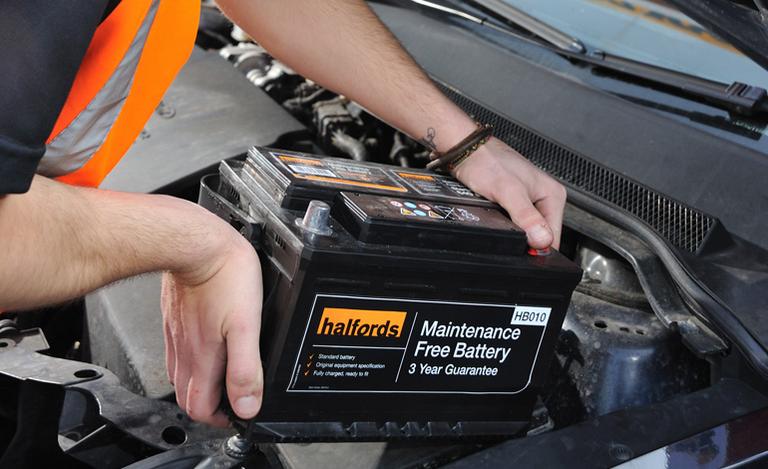
A replacement battery should meet the vehicle manufacturer’s requirements for size, capacity, terminal arrangement, starting performance, and battery technology. Installing a battery simply because it physically fits the battery tray can create problems if its specifications do not match the vehicle.
Modern cars can use different battery technologies, including conventional flooded lead-acid, enhanced flooded batteries, and absorbed glass mat batteries.
Vehicles equipped with start-stop systems often require a battery designed for frequent starting and the vehicle’s specific electrical demands. Installing an unsuitable type can affect battery life and vehicle operation.
Battery capacity is also important. A battery’s specifications determine how much electrical energy it can store and how much starting current it can provide under specified testing conditions. The correct specification varies by engine, climate, electrical equipment, and vehicle design.
Some modern vehicles also require battery registration or adaptation after replacement. This process allows the vehicle’s energy-management system to recognize the new battery and adjust its charging strategy. The exact procedure varies by manufacturer and model.
Following the vehicle owner’s manual or manufacturer’s service information is therefore important when selecting a replacement. Battery labels can contain useful technical information, but the vehicle’s specifications should take priority. A correctly matched battery provides the starting and electrical performance the vehicle was designed to use.
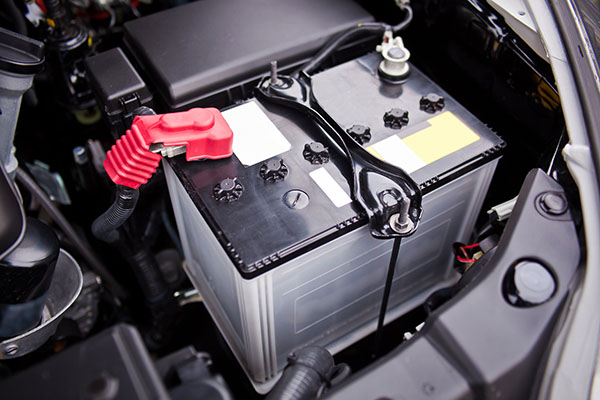
7. Failing to Secure the Battery Properly
A battery that is not securely mounted can experience excessive movement and vibration. Automotive batteries are designed to withstand normal vehicle vibration, but unnecessary movement can place additional stress on the case, internal components, terminals, and cable connections.
Repeated vibration can contribute to physical deterioration inside the battery. It may also loosen electrical connections or damage mounting components. A loose battery can move when the vehicle accelerates, brakes, or travels over rough roads.
The battery hold-down mechanism should be correctly installed and tightened according to the manufacturer’s specifications. Excessive tightening is also undesirable because it can damage the battery case. The goal is a secure installation without applying unnecessary force.
Battery cables should also have enough support to prevent excessive strain on the terminals. A cable that pulls against a terminal can create mechanical stress while the vehicle is moving. Good installation involves both secure battery mounting and properly positioned electrical connections.
Drivers who notice movement from the battery compartment should have the mounting system inspected. A technician can check the battery tray, hold-down bracket, cables, and terminals. Correct installation reduces mechanical stress and supports reliable electrical connections.

8. Ignoring Warning Signs From the Battery
A battery rarely becomes unreliable without giving some indication that its condition has changed. Slow engine cranking, repeated clicking during startup, dimming electrical equipment, or inconsistent starting can indicate a battery or charging-system problem.
Slow cranking is particularly important because the starter requires substantial current. A weak battery may struggle to provide enough current, especially when temperatures are low. However, slow cranking can also result from poor cable connections, starter problems, or engine-related issues.
Physical changes should also be taken seriously. Battery swelling, cracks, leakage, or damaged terminals can indicate internal or external problems. A damaged battery should not simply be placed back into service without assessment.
Modern vehicles may display messages related to battery condition or energy management. These messages can vary by manufacturer.
Drivers should consult the owner’s manual when a battery-related warning appears rather than assuming that every warning has the same meaning.
Early testing can help determine whether the battery is losing capacity. Professional battery testers can assess starting capability and, depending on the equipment, provide information about battery health and charge condition. Addressing warning signs early can reduce the chance of being stranded with a vehicle that will not start.

9. Leaving a Vehicle Parked for Long Periods
A vehicle that remains parked for weeks can gradually discharge its battery. Even when the engine is off, modern vehicles use small amounts of electrical power for security systems, computers, memory functions, and other equipment.
The longer a vehicle remains stationary, the greater the opportunity for its battery’s state of charge to decline. A healthy battery may tolerate periods of inactivity, but its ability to do so depends on battery age, temperature, condition, and the vehicle’s normal electrical consumption.
Long-term parking can become more problematic when the battery is already partially discharged. A low state of charge combined with extended inactivity can increase the risk of sulfation in conventional lead-acid batteries.
Drivers who know their vehicle will remain unused for an extended period should follow the manufacturer’s storage recommendations. Depending on the vehicle, an approved battery maintainer may be appropriate.
Disconnecting the battery is not automatically suitable because some vehicles depend on continuous electrical power for memory functions and security systems.
Before returning a long-stored vehicle to regular use, checking the battery condition and charging system can be useful. Simply jump-starting a heavily discharged battery and immediately returning to normal driving may not restore its full capacity. Proper charging and testing provide a clearer picture of its condition.
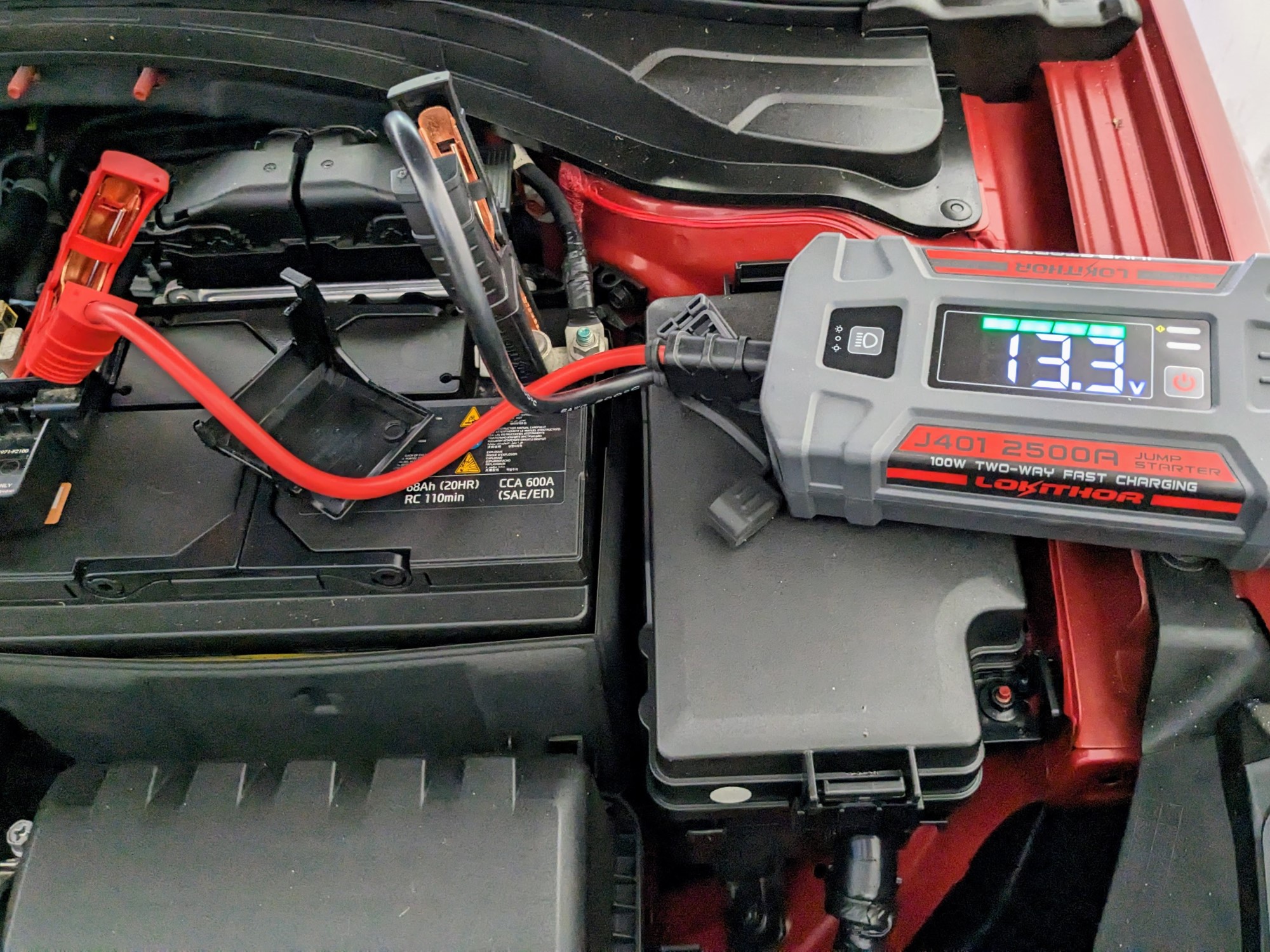
10. Repeatedly Jump-Starting the Car
A jump start can be an effective way to get a vehicle running when the battery does not have enough energy to start the engine. It should not be viewed as a substitute for diagnosing why the battery became discharged.
Repeated jump starts may indicate that the battery has lost capacity or that the vehicle has a charging-system or electrical-drain problem. Each incident provides a reason to investigate rather than simply relying on another jump start.
Correct jump-starting procedures are important because modern vehicles contain sensitive electronic systems. Incorrect cable connections can create sparks, electrical surges, or damage to components. Vehicle manufacturers often provide specific instructions and connection points for jump-starting.
After a jump start, the alternator may replenish some of the energy used during starting, but the amount of recovery depends on the battery’s condition, charging system, electrical load, and driving conditions. A deeply discharged battery may require controlled charging with a suitable charger rather than relying solely on driving.
If jump-starting becomes a recurring event, the battery and vehicle electrical system should be tested. Replacing a battery without identifying the cause of repeated discharge can leave the same problem unresolved.

11. Using Excessive Electrical Loads
Modern vehicles contain many electrical systems, including heated seats, climate controls, entertainment equipment, driver-assistance systems, lighting, navigation, phone chargers, and electronic control modules. These systems can create a substantial electrical demand.
When the engine is running, the alternator generally supplies the vehicle’s electrical requirements while also maintaining battery charge. The exact balance changes according to vehicle design and operating conditions.
At idle, during heavy electrical use, or under particular charging strategies, available electrical output can differ from what the vehicle produces at higher engine speeds.
High electrical demand is particularly relevant when a vehicle is stationary with the engine off. Using accessories for long periods can draw energy directly from the battery without the alternator operating.
Repeatedly operating large electrical loads while the vehicle is not running can reduce the battery’s state of charge. This can increase the chance of a weak start later, particularly when combined with an aging battery or cold temperatures.
Drivers should avoid unnecessary electrical use when the engine is switched off. If accessories must be used for an extended period, the vehicle’s owner’s manual should be consulted for appropriate operating procedures. Efficient electrical use helps preserve the energy needed for reliable engine starting.

12. Skipping Regular Battery and Vehicle Maintenance
Battery condition is closely connected to the condition of the vehicle’s electrical and mechanical systems. A battery may appear to be the source of a starting problem when the actual cause involves the alternator, starter, wiring, electrical drain, or poor connections.
Routine maintenance gives technicians an opportunity to inspect battery terminals, cables, mounting hardware, charging performance, and physical battery condition. This is particularly useful as the battery becomes older.
The maintenance requirements depend on the type of battery. Many modern automotive batteries are designed to be maintenance-free in the sense that routine electrolyte topping-up is not required. Drivers should not open or modify a sealed battery unless the manufacturer specifically provides such instructions.
Battery testing is especially valuable before periods when starting demands are higher. Cold weather can expose a marginal battery, while very hot conditions can accelerate aging. Testing provides information that a visual inspection alone cannot provide.
Following the maintenance schedule in the owner’s manual is the safest approach. Battery service should also follow the battery manufacturer’s instructions.
Proper maintenance does not guarantee a specific service life, since battery longevity depends on climate, vehicle use, charging conditions, driving patterns, and battery design, but it can reduce avoidable sources of stress.
