
Vehicle redesigns often bring more than fresh styling, updated technology, and new engines. They can also change how a car performs in crash tests. The Insurance Institute for Highway Safety, or IIHS, regularly evaluates vehicles using demanding crashworthiness and crash avoidance tests.
When manufacturers respond to weaknesses found in earlier models, a redesigned vehicle can show measurable gains from one model year to the next. This article looks at eight vehicles that improved their IIHS performance following a redesign or significant safety-related update.
The comparisons focus on documented IIHS results, changes between model years, crash-test categories, and the safety features behind those improvements for buyers.
1. Honda Accord
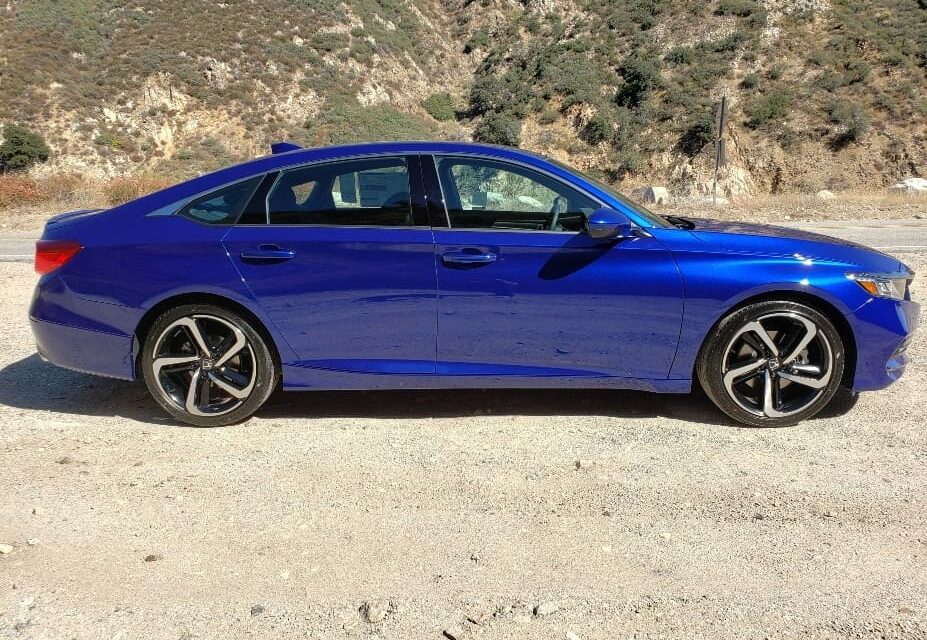
The redesigned 2023 Honda Accord delivered a clear year-over-year improvement in IIHS side crash performance. The 2022 Accord received a marginal rating in the updated side test, while the redesigned 2023 model earned a good rating.
That change was particularly important because IIHS had introduced a tougher side evaluation using a heavier striking barrier traveling at a higher speed. The updated test was designed to represent more severe real-world side impacts and place greater demands on the vehicle structure.
The 2023 Accord also benefited from changes to its safety equipment. IIHS reported that all trims received good-rated LED reflector headlights, addressing a requirement that had become more important in the 2023 award criteria.
The vehicle also had a standard front crash prevention system that earned a superior daytime pedestrian rating and an advanced nighttime pedestrian rating. These results helped the redesigned Accord qualify for the 2023 Top Safety Pick+ award.
The improvement in the side test is particularly useful for a year-over-year comparison because it shows how a redesign can address a specific weakness rather than simply add technology.
The previous Accord had already performed well in several traditional crashworthiness evaluations, but the newer side test exposed a limitation in the older design. Honda’s redesign provided a stronger response to that evaluation, giving the 2023 car a good rating where the 2022 model had been marginal.
The Accord also performed strongly in the updated moderate overlap front evaluation. IIHS described the 2023 model as the only midsize car in its test group to earn a good rating in that tougher assessment at the time.
The test adds a rear-seat dummy and places more emphasis on protection for occupants in the second row. This reflects a broader change in vehicle safety testing, where manufacturers are being pushed to protect rear passengers more effectively.
For consumers comparing the 2022 and 2023 Accord, the important point is that the redesign produced measurable changes in multiple safety areas. The strongest documented year-over-year gain was the updated side crash rating, which moved from marginal to good.
The newer model also brought standard good-rated headlights and strong pedestrian crash prevention results. The Accord therefore provides a useful example of how a redesign can improve a vehicle’s position under newer and more demanding IIHS testing standards.
2. Honda Pilot
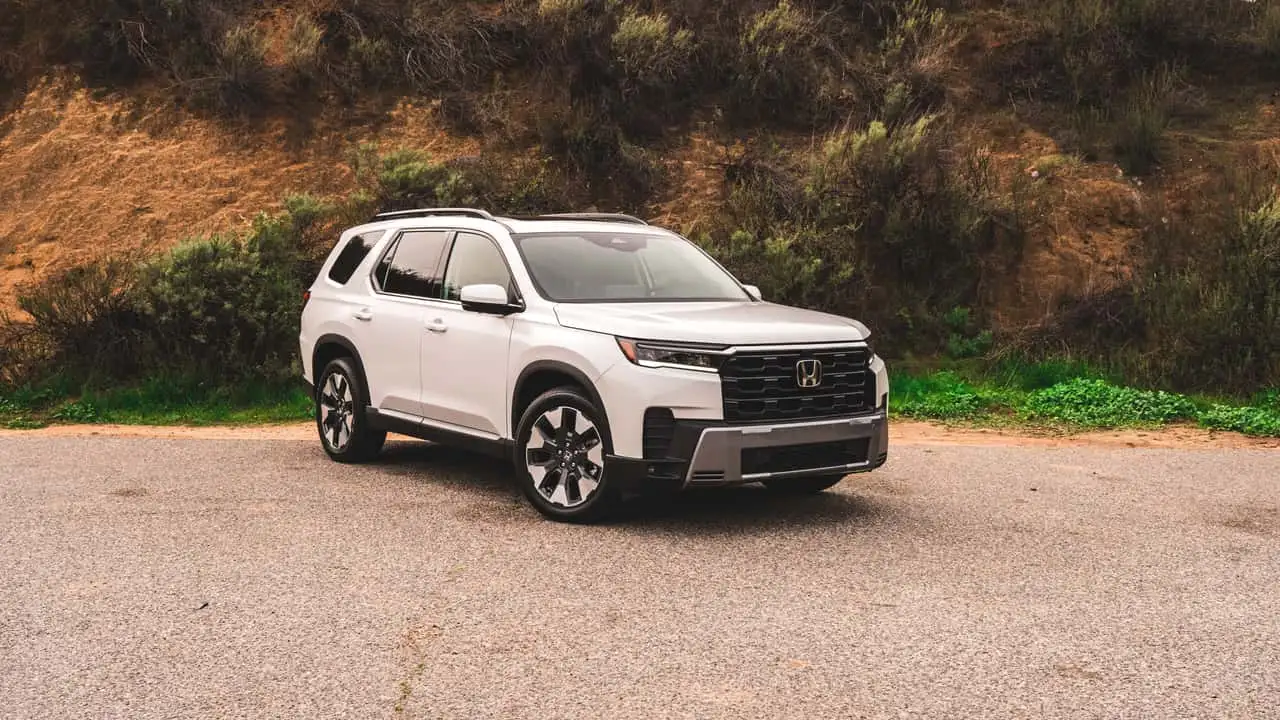
The Honda Pilot provides another clear example of safety improvement following a redesign. The 2022 Pilot missed out on an IIHS award because it received an acceptable rating in the passenger-side small overlap front test. The redesigned 2023 Pilot improved that performance and earned a good rating, allowing it to meet the crashworthiness requirements for the 2023 Top Safety Pick+ award.
The passenger-side small overlap test is important because it examines what happens when a vehicle’s front corner strikes another vehicle, object, or similar obstacle. The impact concentrates energy over a relatively small section of the vehicle.
A strong result requires the structure and restraint systems to work together effectively. In the 2023 Pilot, the redesign addressed the previous weakness and produced a good result in the passenger-side evaluation.
The redesigned Pilot also performed well in the updated side crash evaluation. For the 2023 Top Safety Pick+ criteria, IIHS required good ratings in the driver-side small overlap, passenger-side small overlap, updated side, and original moderate overlap front tests.
The Pilot met those requirements. It also came with good-rated headlights across all trims, while its standard front crash prevention system earned superior ratings in both daytime and nighttime pedestrian evaluations.
This represents a meaningful year-over-year change because the 2022 Pilot did not qualify for either IIHS award. Its passenger-side small overlap rating was acceptable, and it received no credit in the pedestrian front crash prevention evaluations used for the award criteria at that time.
The 2023 redesign therefore did more than change the exterior appearance. It addressed specific areas that affected the vehicle’s safety evaluation.
The Pilot also illustrates why consumers should not assume that an older vehicle’s IIHS reputation automatically carries over to a redesigned model. Safety ratings can change when vehicle structures, restraint systems, headlights, and crash avoidance technology are modified.
In this case, the 2023 Pilot moved from missing an IIHS award to earning Top Safety Pick+. The year-over-year comparison makes the improvement easy to identify.
3. Toyota Tacoma
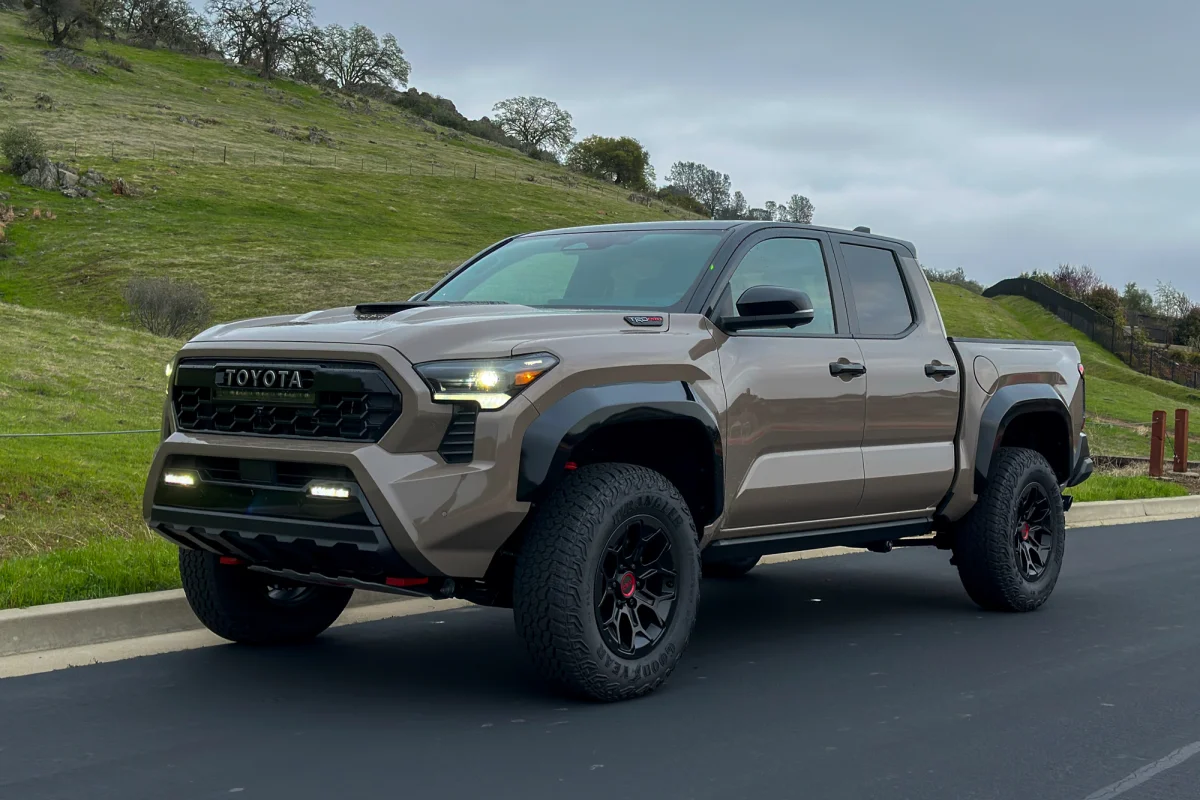
The redesigned 2024 Toyota Tacoma demonstrated a direct improvement in the small overlap front crash test. The 2023 model fell short of the required good rating, while the redesigned 2024 Tacoma earned a good rating in the same key evaluation. IIHS said the new Tacoma qualified for a Top Safety Pick award as a result of the improved small overlap performance.
The small overlap test places significant demands on the front corner of a vehicle. In the 2024 Tacoma, measurements from the driver dummy did not indicate heightened injury risk, while the occupant compartment maintained its integrity during the crash.
These findings contributed to the good rating. For a pickup truck, structural performance in this type of impact is particularly relevant because the front corner must manage crash energy without excessive intrusion into the passenger compartment.
The 2024 Tacoma also met other requirements for the Top Safety Pick award. Its original moderate overlap front and updated side ratings were good, while its headlights were rated acceptable across all trims.
The standard front crash prevention system received a good rating in the revised pedestrian evaluation. The revised pedestrian test included both daylight and dark conditions, making it more demanding than the earlier approach.
The year-over-year comparison is especially straightforward with the Tacoma because IIHS specifically stated that the 2023 model fell short while the redesigned 2024 version earned a good small overlap rating.
This is a useful example of a redesign producing a measurable improvement in a particular crash test rather than simply gaining an award because of changes to the award formula. The stronger result was tied directly to improved crashworthiness.
The Tacoma did not qualify for the higher Top Safety Pick+ award because it had not been evaluated in the updated moderate overlap front test required for that higher award in 2024.
That distinction matters when comparing vehicles because an IIHS award level can depend on both test performance and which evaluations have been completed. Still, the movement from falling short to good in the small overlap test represents a documented safety improvement following the redesign.
4. Lincoln Nautilus
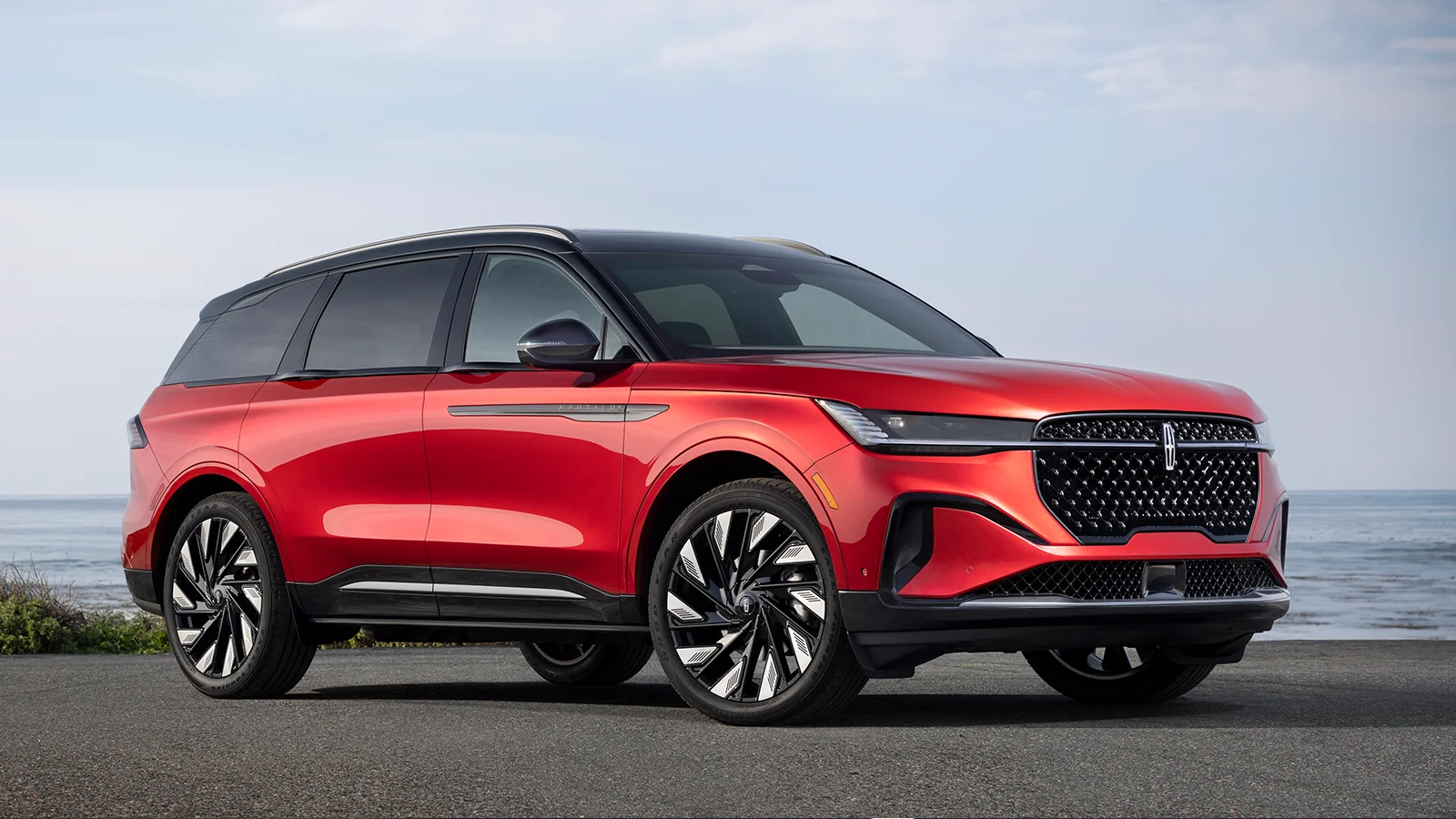
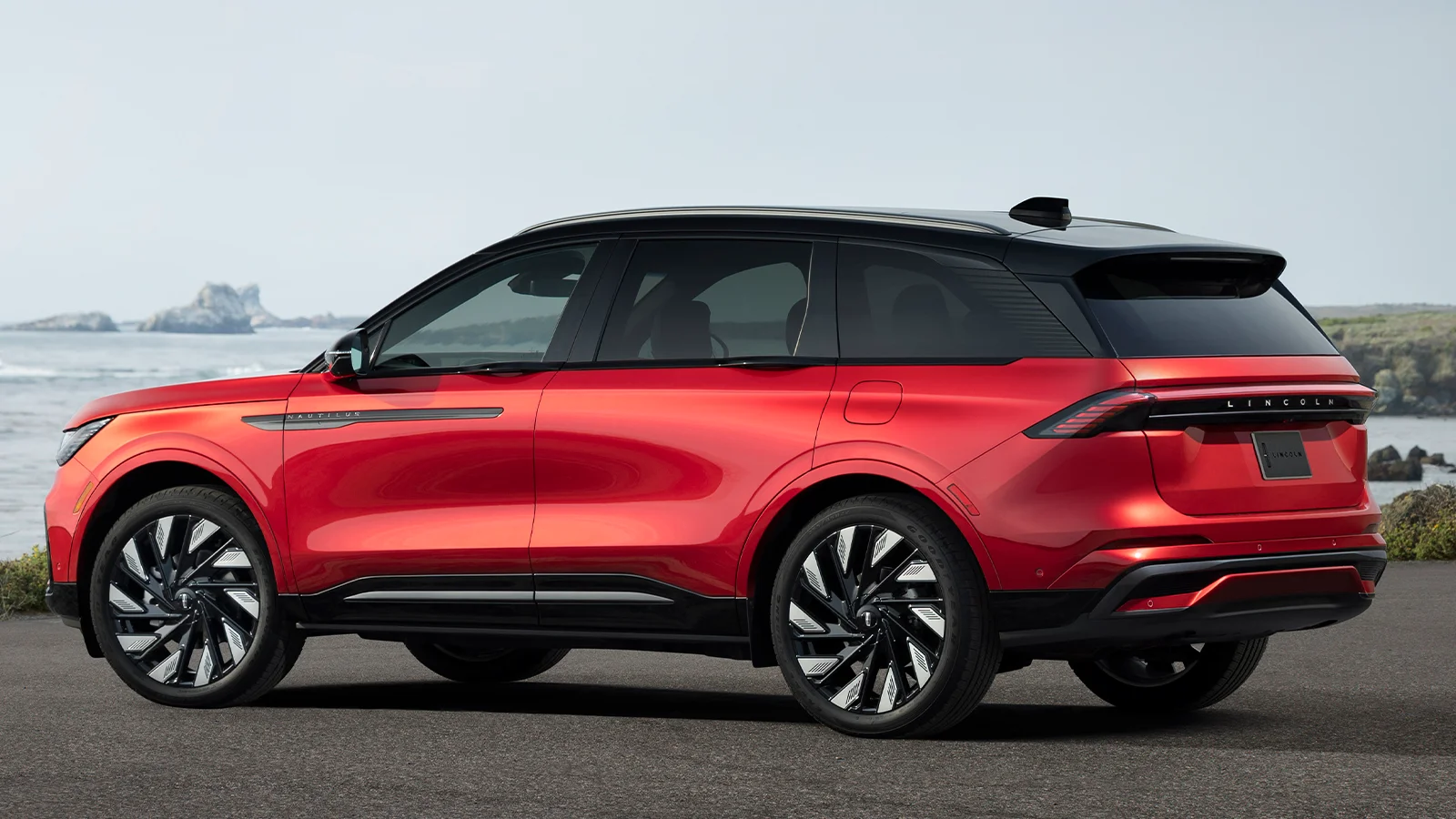
The 2024 Lincoln Nautilus provides a different type of year-over-year story. The vehicle was completely redesigned for 2024 and earned the IIHS Top Safety Pick+ award. Its performance was particularly strong in the updated moderate overlap front test, which places additional emphasis on protection for rear-seat occupants.
IIHS reported that the redesigned Nautilus satisfied the requirements for the highest award available under the 2024 criteria. It earned good ratings in the small overlap front and updated side tests and an acceptable or good rating in the updated moderate overlap front test.
The vehicle also came with good-rated headlights across all trims and a standard front crash prevention system that received a good pedestrian rating.
The moderate overlap test was especially important because it examined both the driver and a rear passenger. The Nautilus performed strongly in this assessment. IIHS reported that the structure held up well, and measurements from both the driver and rear passenger dummies showed no heightened risk of injury. The rear restraint system also kept the shoulder and lap belts in effective positions during the crash.
The Nautilus demonstrates how redesigns can address changing safety priorities. Earlier generations of vehicles were often engineered around protecting people in the front seats.
IIHS’s newer testing places greater emphasis on the second row, meaning a new generation must account for a broader range of occupants and crash conditions. The 2024 Nautilus was developed during this period of more demanding rear-seat safety expectations.
For shoppers researching IIHS ratings, the Nautilus is useful because its 2024 redesign coincided with stronger performance under the updated testing framework. It is not simply a case of receiving a higher score under an unchanged test.
The vehicle had to meet requirements that emphasized modern crash protection, headlights, and pedestrian crash prevention. Its Top Safety Pick+ result reflects that combination.
5. Mercedes-Benz C-Class
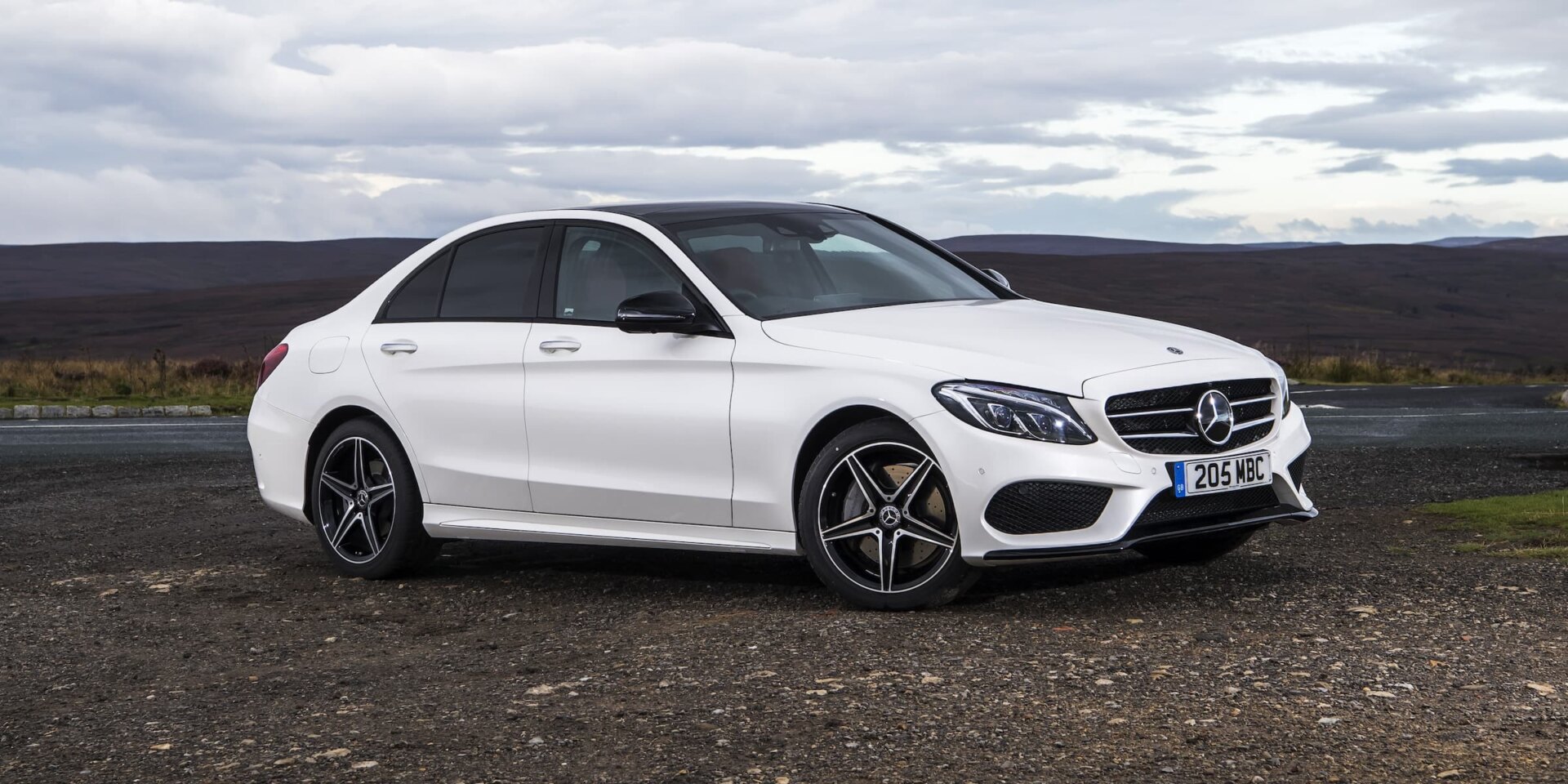
The redesigned 2022-23 Mercedes-Benz C-Class also recorded a strong IIHS improvement. The midsize luxury sedan earned a Top Safety Pick+ award after its redesign. The result reflected good crashworthiness performance along with standard safety equipment that met the applicable IIHS requirements.
The C-Class was redesigned for the 2022-23 model year. Under the IIHS criteria used at the time, qualifying for Top Safety Pick+ required good ratings across six crashworthiness evaluations, including the driver-side and passenger-side small overlap front tests, moderate overlap front, original side, roof strength, and head restraints.
The C-Class met those requirements while also providing the necessary crash prevention technology.
Headlight performance was another important factor. The standard static LED headlights earned a good rating, while the optional curve-adaptive headlights were rated acceptable.
Because the standard system achieved a good result, the vehicle could satisfy the headlight requirement without requiring customers to select an expensive package. That distinction matters because IIHS award eligibility has often depended on what equipment is standard across a vehicle’s trim range.
The redesigned C-Class also used standard Active Brake Assist for front crash prevention. IIHS rated the standard system superior in vehicle-to-vehicle testing and advanced in daytime pedestrian testing. An optional system with cross-traffic functionality received superior ratings in both evaluations. These technologies gave the redesigned sedan a strong crash avoidance profile in addition to its crashworthiness results.
The C-Class shows that a redesign can improve IIHS results through a combination of structural engineering and standard safety technology. Its achievement should also be viewed in the context of the testing year, since IIHS requirements have changed substantially since 2022.
When comparing model years, buyers should therefore check the specific IIHS test results, and the HR-V was redesigned and earned a Top Safety Pick+ award from IIHS. That made the new generation a notable safety improvement when compared with the previous HR-V generation.
The award required strong crashworthiness performance, with award criteria rather than relying solely on the vehicle’s reputation or the presence of a familiar safety badge.
6. Honda HR-V
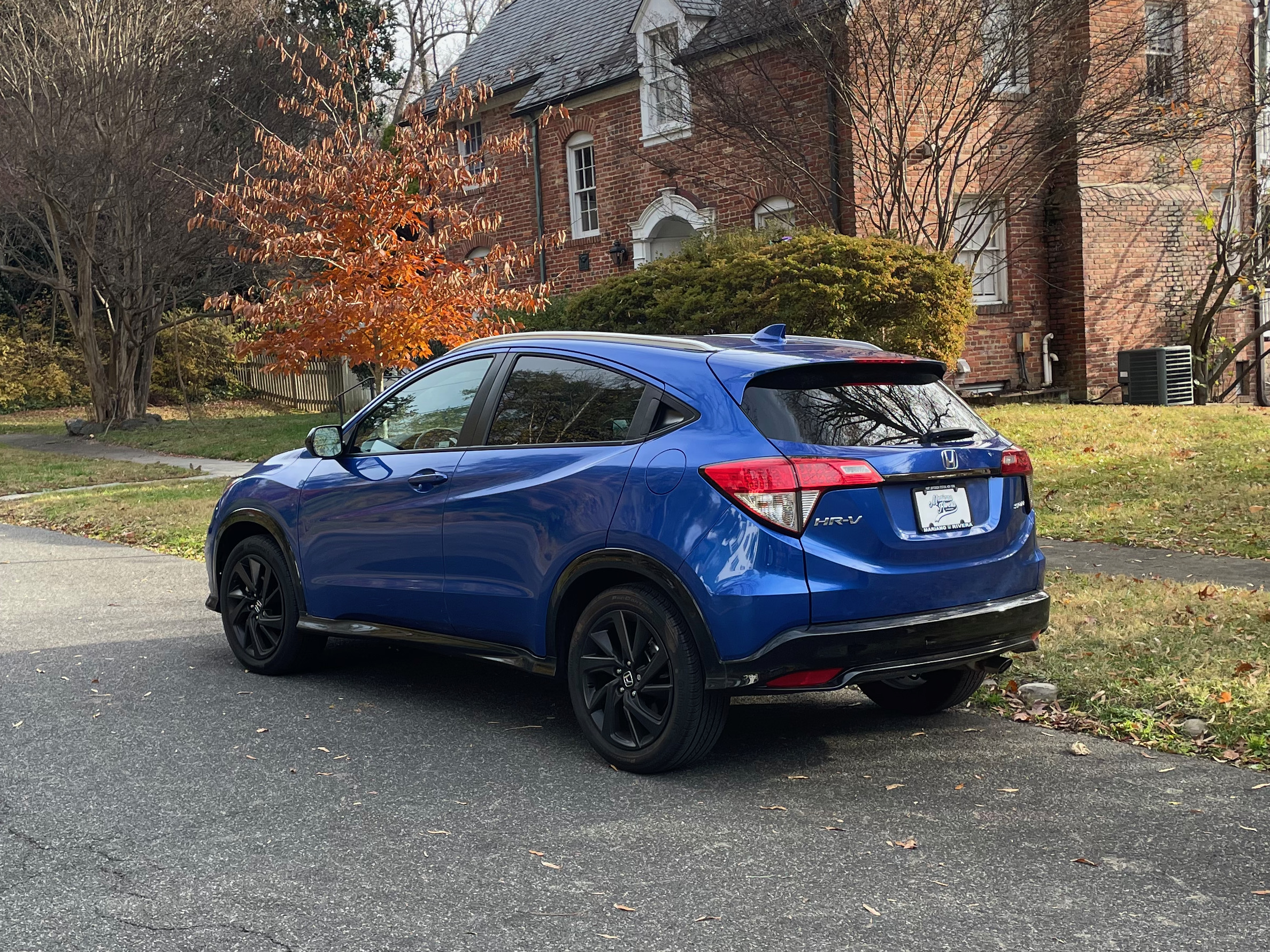
The 2023 Honda HR-V was redesigned and earned a Top Safety Pick+ award from IIHS. That made the new generation a notable safety improvement when compared with the previous HR-V generation.
The award required strong crashworthiness performance, acceptable or good headlights across the range, and advanced or superior pedestrian crash prevention performance under the criteria used that year.
The redesign was significant because the 2023 HR-V was evaluated as a new generation rather than simply receiving a minor equipment update. IIHS reported that the vehicle qualified for the higher award with acceptable-rated headlights on all trims and a standard front crash prevention system that earned superior ratings in both vehicle-to-vehicle and daytime pedestrian evaluations.
The HR-V’s result also highlights the growing importance of standard safety equipment. IIHS award requirements were becoming stricter, and manufacturers could no longer rely solely on optional technology if they wanted the highest recognition across the range.
The 2023 HR-V supplied the necessary crash prevention technology as standard equipment, giving buyers access to the safety system without having to move to a particular premium trim.
The year-over-year comparison should be made carefully because changes in IIHS testing and award criteria can influence whether an older vehicle qualifies for an award.
Still, the redesigned HR-V’s Top Safety Pick+ result shows that Honda developed the new generation to meet a more demanding safety environment. The vehicle combined crashworthiness performance with crash avoidance features and headlights that satisfied the requirements across the lineup.
For people comparing small SUVs, the HR-V demonstrates why a redesign can be a major safety milestone. A new generation can introduce structural changes, updated restraints, improved sensors, revised headlights, and better crash avoidance software at the same time.
The 2023 HR-V’s IIHS recognition reflects this broader approach to vehicle safety rather than relying on a single crash-test result.
7. Subaru Impreza
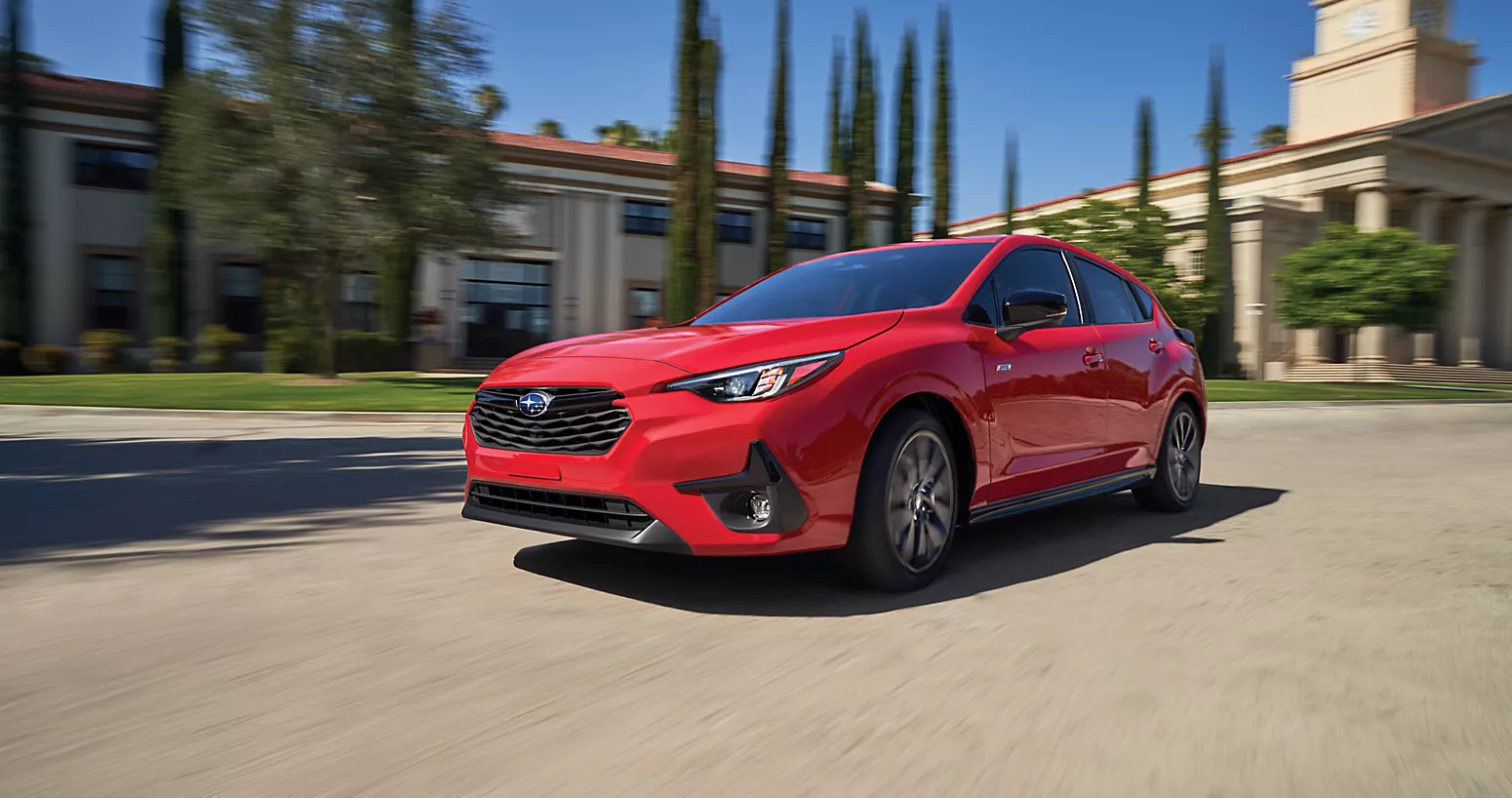
The 2024 Subaru Impreza offers a particularly clear example of year-over-year improvement. The redesigned 2024 model earned a good rating in the updated IIHS side test, while the 2023 model had received a poor rating in that newer evaluation. That represents a substantial movement across the IIHS rating scale following the redesign.
The updated side test had been introduced because IIHS wanted to make side-impact testing more representative of severe crashes. The newer evaluation uses a heavier striking barrier and a higher impact speed. IIHS has stated that the updated test delivers 82% more crash energy than the original side evaluation. This change created a much tougher engineering challenge for newer vehicles.
The redesigned 2024 Impreza responded with stronger side crash performance and earned a Top Safety Pick+ award. The vehicle also received good-rated headlights across the lineup.
Its standard front crash prevention system earned superior ratings in both daytime and nighttime pedestrian evaluations under the criteria used for the award. These additional results helped the redesigned model meet the full award requirements.
The previous 2023 Impreza had a poor rating in the updated side test. The movement to good in 2024 therefore stands out as a direct year-over-year safety gain.
Subaru was not simply benefiting from a different vehicle category or a new naming strategy. The new generation had improved performance in the same updated side evaluation that exposed weaknesses in the previous model.
The Impreza is also a useful reminder that safety ratings can change quickly when manufacturers respond to new testing methods. IIHS ratings have evolved significantly over the past three decades, with test procedures becoming more demanding as crash research has identified new areas of risk.
The redesigned Impreza shows how a vehicle can move from poor to good when engineers adapt the structure and safety systems to those changing requirements.
8. Subaru Crosstrek
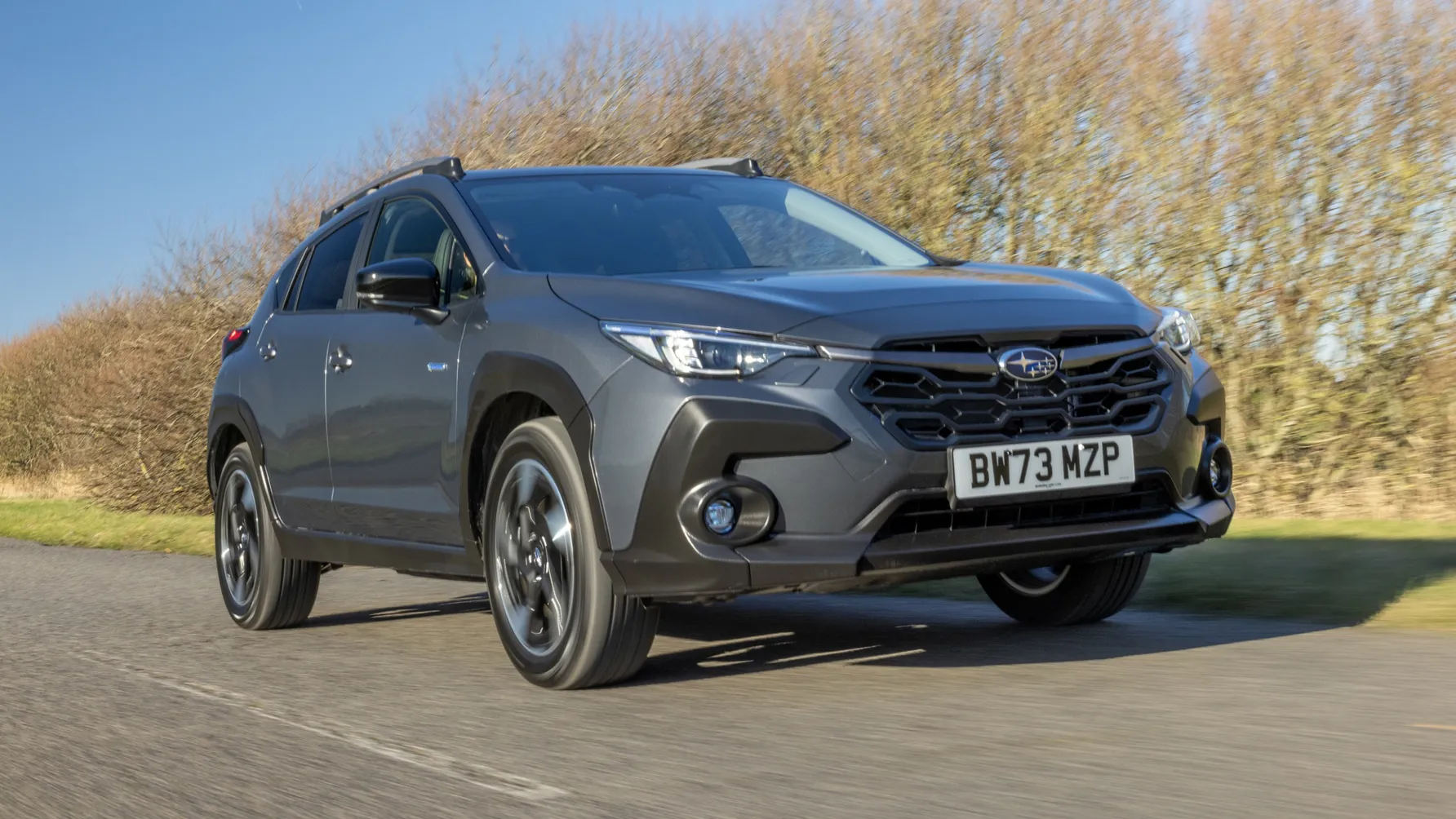
The redesigned 2024 Subaru Crosstrek also improved its IIHS side crash performance compared with the 2023 model. The 2023 Crosstrek received a poor rating in the updated side evaluation, while the redesigned 2024 model earned an acceptable rating. That improvement was enough for the new Crosstrek to qualify for the lower-tier Top Safety Pick award under the criteria used at the time.
The Crosstrek shared a broader redesign effort with the Impreza. IIHS reported that both models received improved side protection and standard good-rated headlights.
Their redesigned versions were developed after the updated side test exposed shortcomings in their earlier generations. The Crosstrek’s move from poor to acceptable demonstrates a meaningful improvement, even though its result did not reach the good rating achieved by the redesigned Impreza.
The redesigned Crosstrek also benefited from standard crash avoidance equipment. Its front crash prevention system earned superior ratings in both daytime and nighttime pedestrian tests.
The headlights were good across the lineup, eliminating some of the headlight weaknesses found on certain versions of the previous generation. These changes helped the vehicle qualify for an IIHS award even though its updated side rating remained below the Impreza’s result.
The year-over-year comparison is particularly useful here because it demonstrates that improvement does not always mean jumping directly from poor to good. Moving from poor to acceptable is still a measurable change in IIHS testing.
It can also help show why buyers should examine individual test categories rather than relying solely on an award label. Two vehicles can both receive IIHS recognition while having different results in specific evaluations.
The Crosstrek also shows how safety development can happen across related models. Subaru improved the side protection of both the Impreza and Crosstrek as part of their redesigns.
The two vehicles did not receive identical results, but both moved upward from poor ratings in the updated side evaluation. That makes the 2024 Crosstrek a useful example of measurable progress following a generational change.
