
Modern cars are packed with airbags, but that does not mean every seating position receives the same protection. Front occupants have benefited from decades of development in frontal airbags, side airbags, knee airbags, crash tensioners, and force limiters.
Rear passengers often received fewer of these technologies. This article examines 10 cars whose specifications show front airbags and no rear seat-mounted side airbags, and it explains the important distinction between those airbags and side-curtain airbags.
The data helps explain why front-seat safety advanced faster than rear-seat protection and why safety researchers began paying greater attention to second-row occupants in newer crash tests.
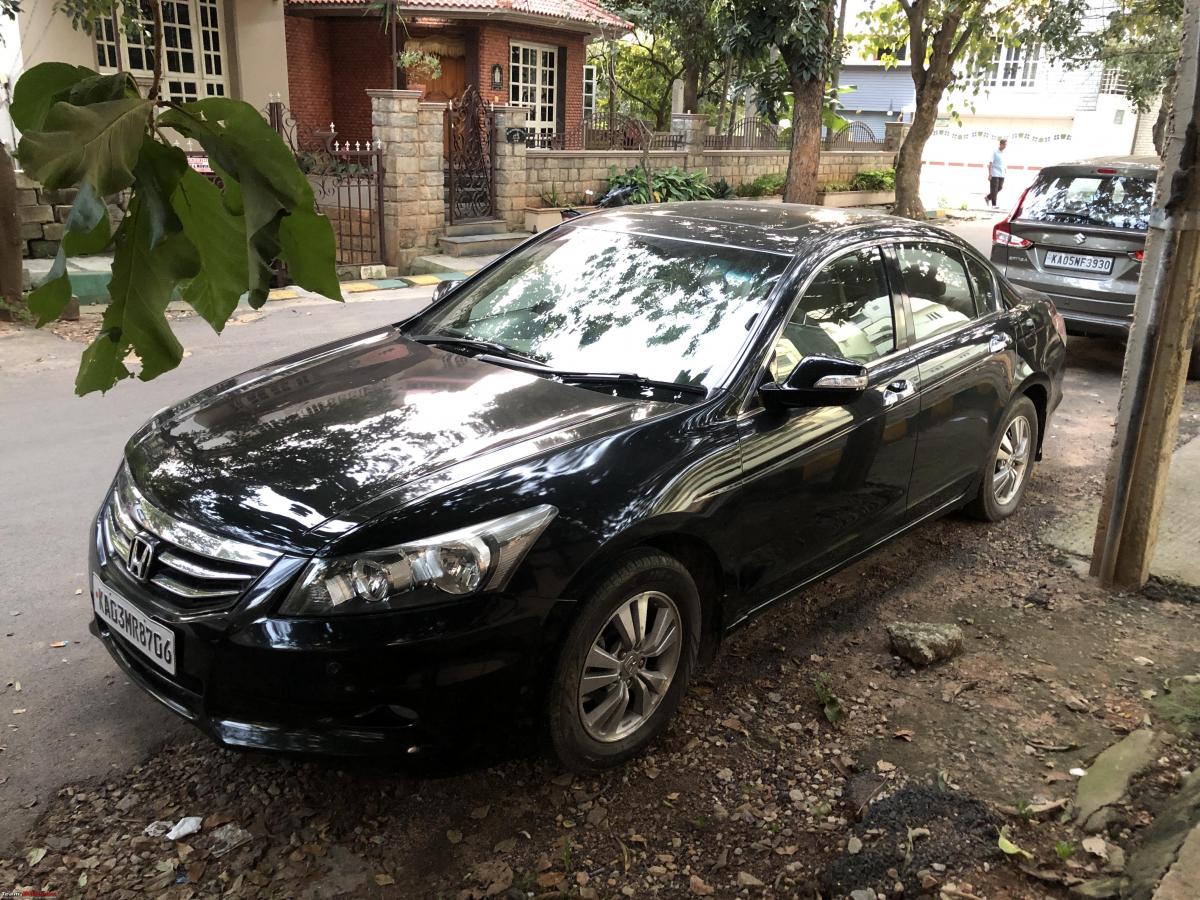
1. 2012 Honda Accord
The 2012 Honda Accord is a useful example because its documented safety equipment clearly separates front and rear restraint features. The specifications list driver and front-passenger frontal airbags, front side airbags and front and rear side-curtain airbags. The same data lists the rear side-body airbag as absent.
That equipment meant the driver and front passenger received airbags specifically positioned around their seating locations. The front airbags provided frontal protection, while the front side airbags addressed side impacts. The curtain system extended protection toward the rear seating area, but it was not a rear seat-mounted airbag positioned beside each rear passenger.
The Accord also shows why simply counting airbags can be misleading. A vehicle can have several airbag modules and still have a meaningful difference between the front and rear restraint systems.
In the 2012 Accord, the documented equipment included three-point belts in all seating positions, but the more sophisticated airbag arrangement was concentrated around the front occupants.
This distinction matters when discussing older cars. Calling the Accord a vehicle with “no rear airbags” would incorrectly suggest that rear passengers had no inflatable protection at all. The specifications show rear side-curtain coverage. What the car lacked was a dedicated rear side-body airbag and a dedicated rear frontal airbag.
The Accord therefore fits the broader pattern identified by IIHS. Its front occupants received direct frontal and side airbag protection, while rear occupants relied on belts and the curtain system for much of their supplemental protection. That arrangement was common across the industry during this period.
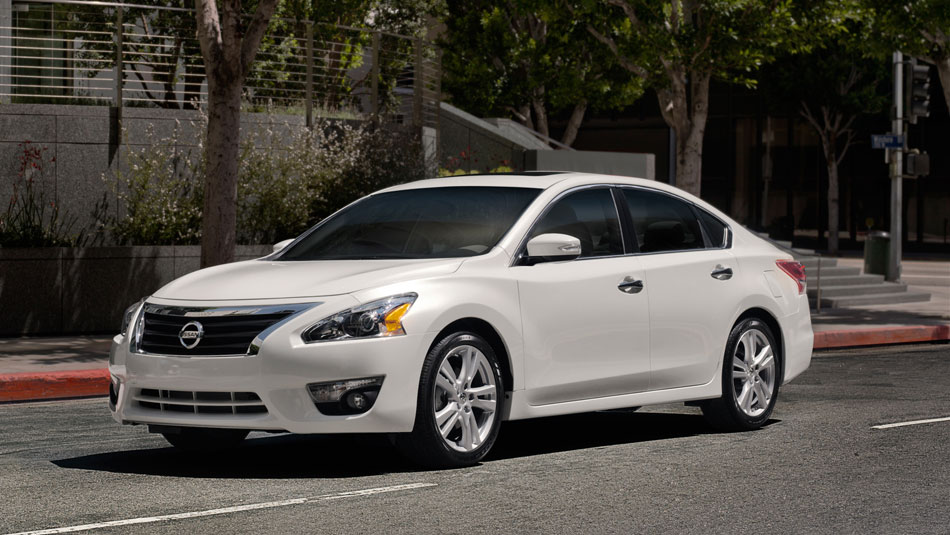
2. 2013 Nissan Altima
The 2013 Nissan Altima provides another documented example. Its specifications identify driver and passenger frontal airbags, front side-impact airbags, and roof-mounted side-curtain airbags for the front and rear. The rear side-body airbag field is listed as “No.”
Nissan therefore gave the people sitting in front a dedicated combination of frontal and side-impact airbags. Rear occupants benefited from the roof-mounted curtain system, which is designed primarily for side-impact and rollover protection rather than serving as a rear frontal airbag.
The Altima’s restraint specifications also show a difference in seat-belt technology. The front belts included pretensioners and load limiters, while the listed rear belts were conventional three-point belts with the appropriate locking systems. That distinction is important because airbags are only part of the occupant-restraint system.
The model illustrates a period when manufacturers were already using sophisticated restraint equipment in the front while treating the rear differently. This was not unique to Nissan. IIHS research from the period found that rear passengers frequently lacked the crash tensioners and force limiters that had become common in front seats.
For shoppers researching a used 2013 Altima today, the equipment data provides a fairly clear picture. The car came with frontal airbags for the front occupants, front side-impact airbags, and curtain airbags that extended coverage to the rear seating area. However, the listed equipment did not include dedicated rear side-body airbags or rear frontal airbags.
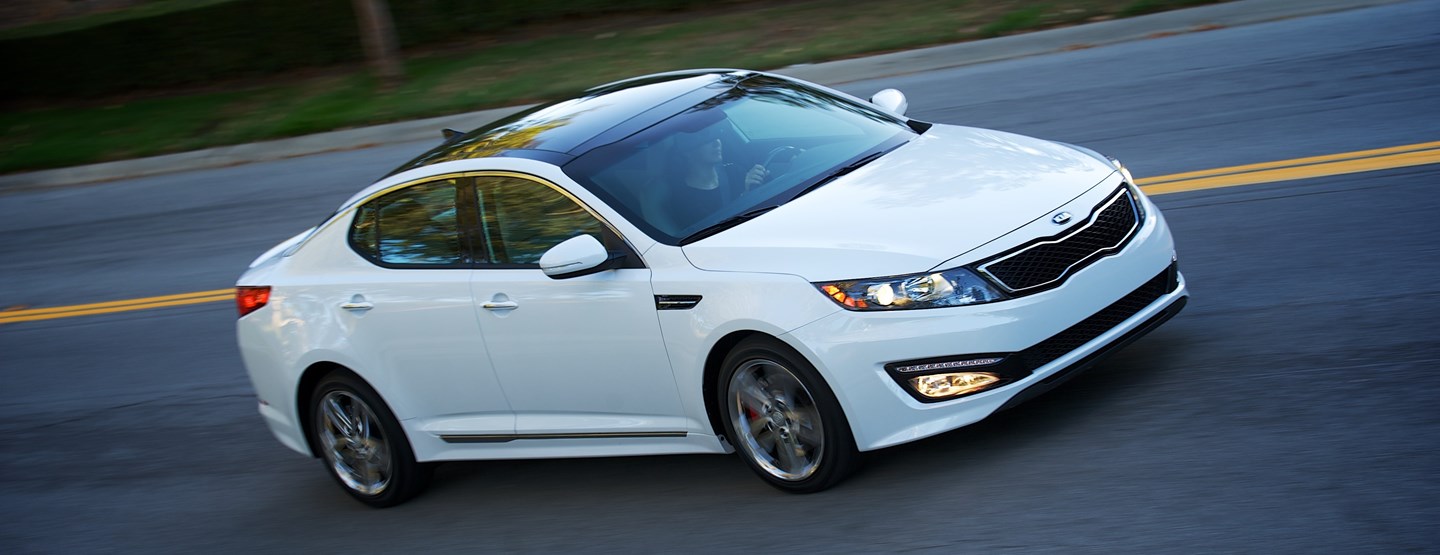
3. 2013 Kia Optima
The 2013 Kia Optima came with driver and front-passenger advanced frontal airbags, front seat-mounted side airbags and first- and second-row side-curtain airbags. Kia’s own media material describes these as standard safety equipment across the Optima range.
The detailed vehicle specifications also list the rear side-body airbag as absent. That makes the Optima a clear example of the difference between rear curtain protection and a dedicated rear side airbag. Rear passengers were covered by the curtain system in appropriate side impacts, but there was no separate side-mounted airbag specified for the rear seating area.
The front seat belts received more advanced equipment. The specification lists pretensioners and force limiters for the front belts, while the rear belts are listed as three-point belts with emergency locking retractors. That difference is exactly the type of restraint-system gap that IIHS later highlighted in its rear-occupant research.
The Optima is particularly useful for this discussion because it shows that the issue was not simply about whether an automaker installed airbags. Kia had already fitted several airbags and modern restraint technologies. The distinction was where those technologies were positioned and which occupants they were designed to protect.
So the accurate description of the 2013 Optima is not that its rear passengers had no airbag protection. They had first- and second-row side-curtain coverage. The front seats, however, received dedicated frontal and side airbags that the rear seats did not receive.
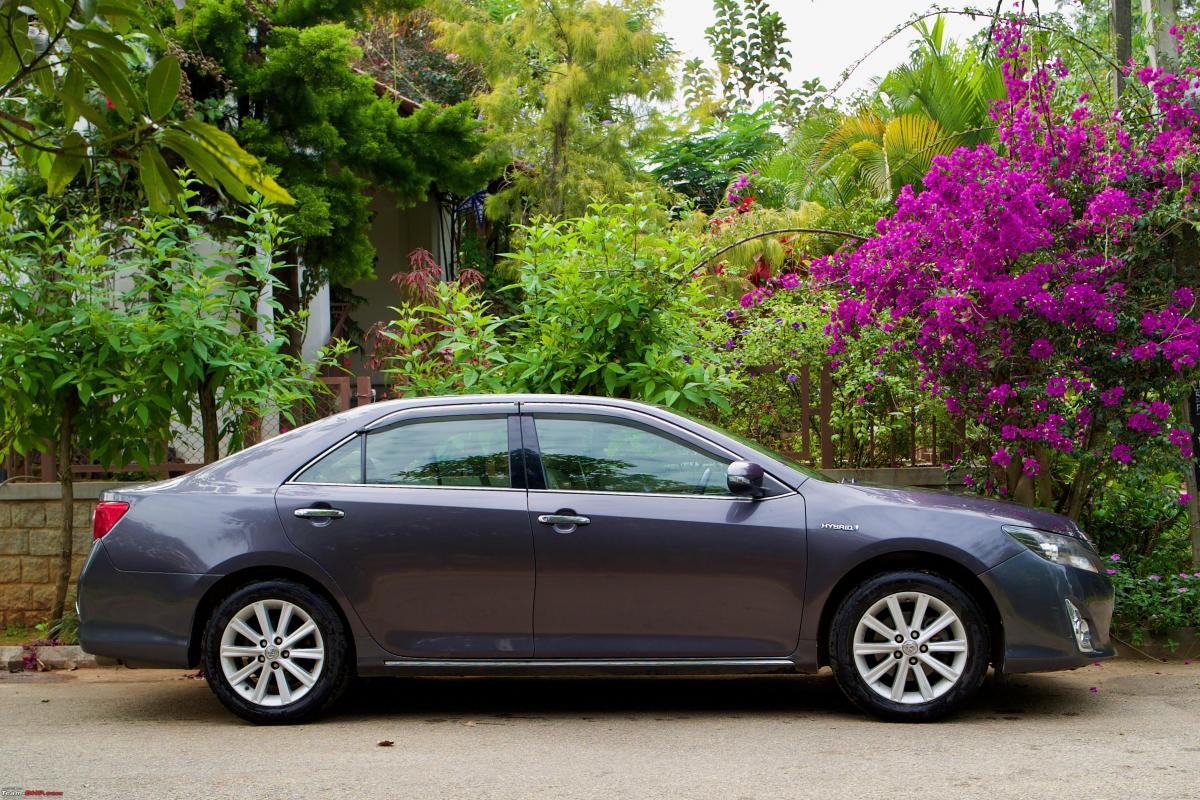
4. 2013 Toyota Camry
The 2013 Toyota Camry demonstrates how extensive front and rear curtain protection could coexist with a different airbag arrangement for rear passengers. Its specifications list driver and front-passenger advanced airbags, front and rear seat-mounted side airbags, and front and rear side-curtain airbags.
This model requires a slightly different interpretation from several cars on this list. The specifications actually show rear seat-mounted side airbags. Therefore, it should not be described as having no rear airbags. It is useful here because it shows why vehicle research must distinguish between types of airbags rather than making a simple front-versus-back claim.
The Camry had dedicated front frontal airbags and knee airbags for the driver and front passenger. It also listed side airbags for both rows. This was more comprehensive rear airbag coverage than some competitors offered during the same period.
However, it still did not have dedicated rear frontal airbags. The rear passenger restraint system relied on seat belts and the vehicle’s side-impact systems rather than a frontal airbag mounted specifically for the second row.
That distinction is important for the article’s central point. The Camry shows that rear protection was developing, but rear frontal airbags remained absent. Dedicated rear frontal airbags were still a niche technology, and IIHS stated in 2019 that no production vehicle had yet introduced such an airbag for full-front crash protection.
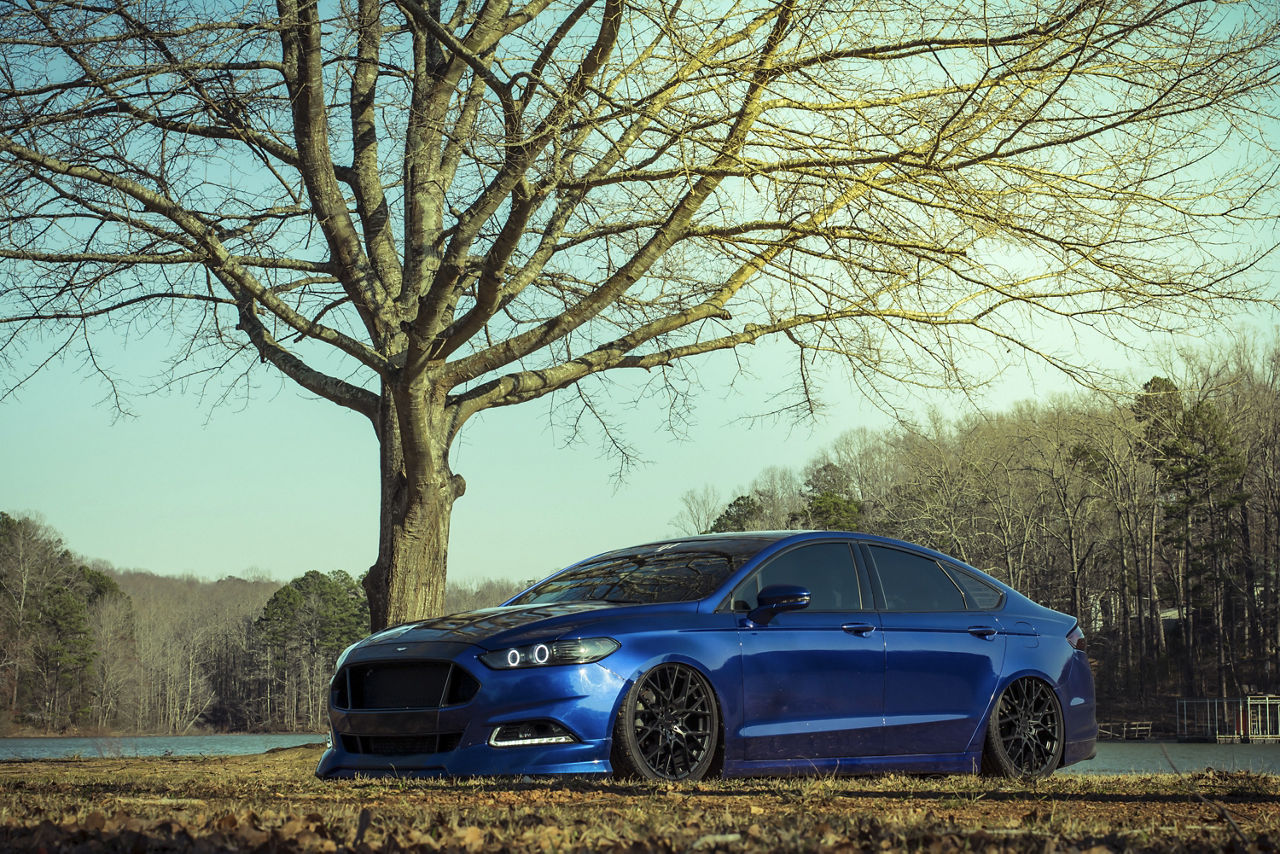
5. 2014 Ford Fusion
The 2014 Ford Fusion had dual-stage driver and passenger frontal airbags, front seat-mounted side airbags, curtain airbags covering the first and second rows, and knee airbags for the driver and passenger. Its specifications list the rear side-body airbag as “No.”
This configuration gave front occupants several layers of supplemental restraint. The frontal airbags addressed forward motion, side airbags addressed side impacts, and knee airbags were designed to manage lower-body movement. Rear passengers did not receive the same collection of dedicated seat-mounted airbags.
The second row was still covered by curtain airbags. This matters because curtain airbags can provide substantial protection for rear occupants during certain side impacts. They should not be confused with a rear frontal airbag or a rear side-body airbag.
The Fusion’s equipment also demonstrates how front restraint engineering had become more complex by the mid-2010s. Front occupants had multiple airbag modules positioned around their seating locations, while rear occupants continued to rely more heavily on three-point belts and the vehicle structure.
IIHS later identified this type of difference as a safety concern. The institute’s research found that many rear-seat occupants lacked the pretensioners and force limiters that had become commonplace in front seats. The problem was therefore not simply the number of airbags, but the entire restraint system.
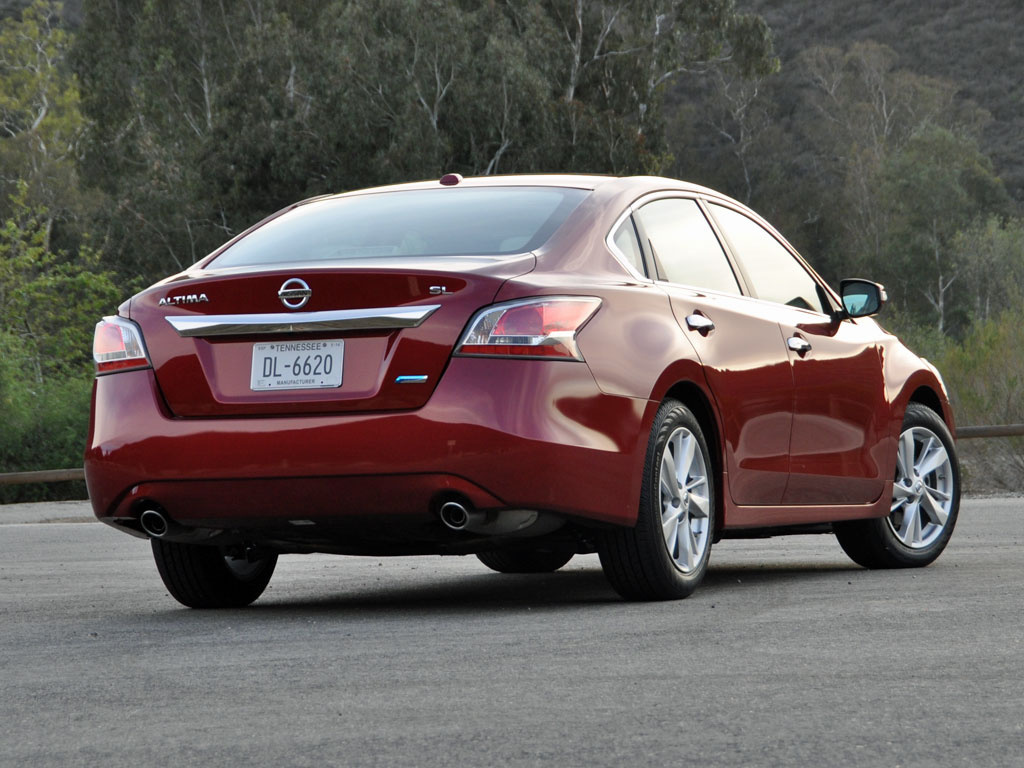
6. 2014 Nissan Altima
The 2014 Nissan Altima followed a similar pattern to the 2013 model. Its specifications list frontal airbags for the driver and front passenger, front side-body airbags, and side-head airbags for both the front and rear seating areas. The rear side-body airbag field is listed as “No.”
That means the front seats received dedicated side-body airbags, while rear occupants received side-curtain protection instead. The distinction is significant because the two systems deploy from different locations and are designed around different occupant movements during a crash.
The Altima also demonstrates the importance of looking beyond the headline phrase “airbags.” A specification sheet can list multiple airbags while still showing that the front and rear seating positions are equipped differently. A simple total-airbag count cannot reveal this difference.
The vehicle’s safety system also included front seat-belt technology that was more sophisticated than a basic three-point belt. The specifications identify front seat-mounted side airbags, dual-stage frontal airbags, and front restraint equipment, while the rear seating positions used three-point belts.
For a used-car safety article, the Altima is therefore a good example of the transition period. Airbags were widespread throughout the vehicle, but dedicated rear seat-mounted airbags were not yet standard. IIHS research from this era was increasingly focused on whether rear occupants were receiving the same restraint advances as people in front.
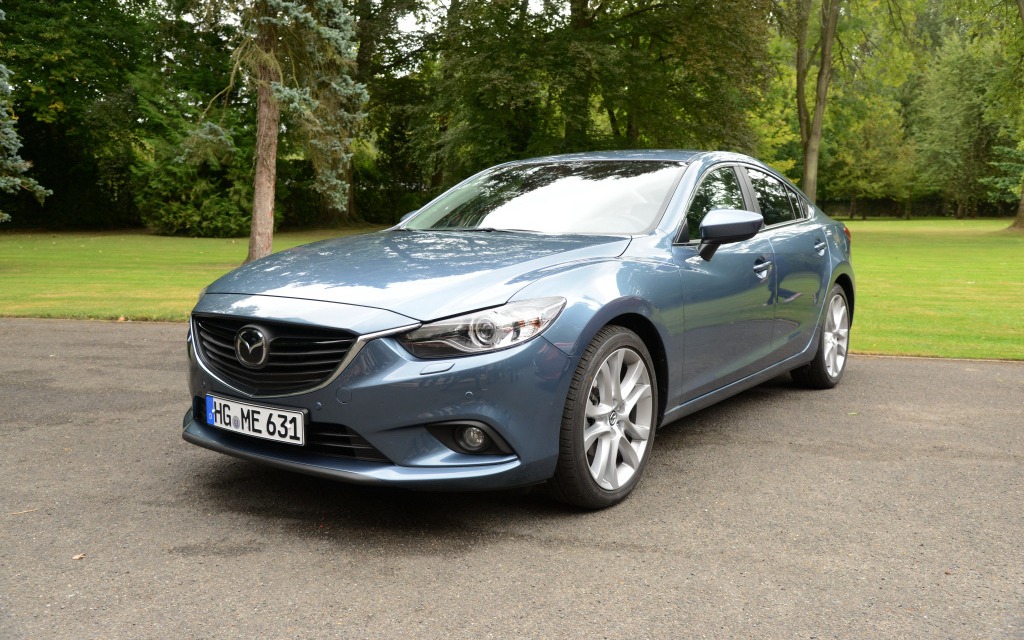
7. 2014 Mazda6
The 2014 Mazda6 had dual-stage frontal airbags for the driver and passenger, front seat-mounted side airbags, and curtain airbags covering both rows. Its specifications list the rear side-body airbag as absent.
This arrangement was typical of the period. The front occupants received airbags positioned close to their bodies, while the rear occupants had the benefit of the curtain system. The curtain airbags were designed to cover the side-window area rather than function as frontal airbags.
The Mazda6 also shows why a distinction should be made between side protection and frontal protection. A rear passenger could receive airbag protection during a side-impact event through the curtain system while having no dedicated airbag to manage forward movement in a frontal collision.
That difference became increasingly important as front crash protection improved. IIHS explained that modern front seats had benefited from crash tensioners and force limiters that helped control occupant movement and reduce injury loads. These technologies were less common in the rear.
The 2014 Mazda6 therefore represents the central safety trend accurately. The car had extensive airbag technology, but that technology was not distributed equally between seating rows. The front occupants had dedicated frontal and side airbags, while rear occupants depended on the vehicle belt system and curtain airbags for much of their supplemental protection.
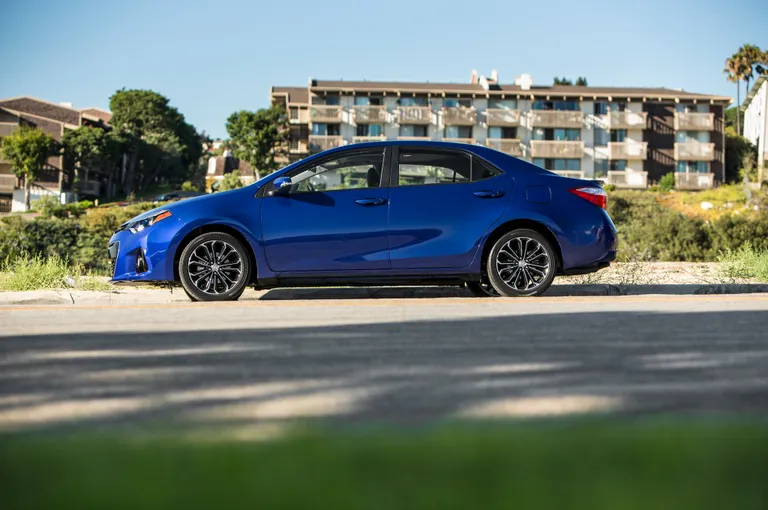
8. 2014 Toyota Corolla
The 2014 Toyota Corolla came with dual-stage driver and front-passenger frontal airbags, front seat-mounted side airbags, curtain airbags for the first and second rows, and additional front occupant protection. The specifications list the rear side-body airbag as “No.”
The Corolla therefore fits the specific definition used for this article. Its rear passengers had curtain-airbag coverage, but the specifications did not show dedicated rear seat-mounted side airbags. There was also no rear frontal airbag listed.
The vehicle’s equipment demonstrates how automakers could provide broad side-impact coverage without giving each seating position its own airbag module. Curtain airbags could stretch across both seating rows, making them a practical way to protect multiple occupants from side-window and intrusion hazards.
The front seats, meanwhile, had airbags specifically designed around the driver’s and front passenger’s positions. The Corolla also had a driver knee airbag and passenger cushion airbag listed in its safety equipment, further increasing the difference between the front and rear restraint environments.
The Corolla’s specifications support the broader IIHS finding that front-seat safety technology advanced faster than rear-seat technology. The car was not lacking safety equipment. Instead, its safety equipment was concentrated in different forms depending on where an occupant was sitting.
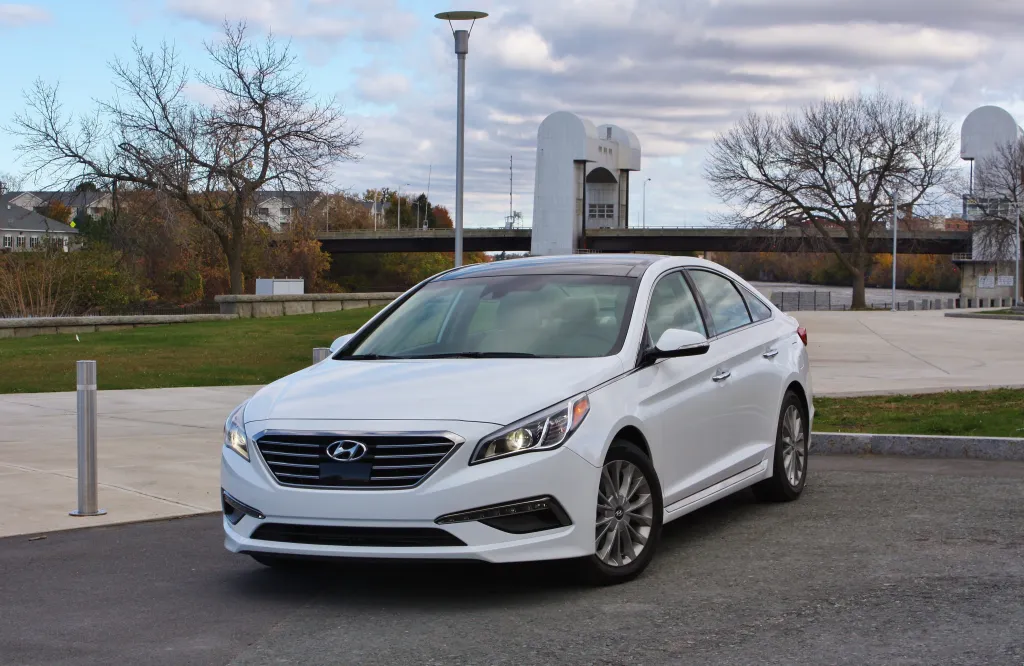
9. 2015 Hyundai Sonata
The 2015 Hyundai Sonata had dual-stage front airbags, front seat-mounted side airbags, and curtain airbags covering the first and second rows. The documented specifications list the rear side-body airbag as “No.”
The Sonata also had a driver knee airbag, giving the driver an additional restraint element that was not mirrored by a dedicated rear passenger frontal airbag. The front passenger also had a dedicated frontal airbag and occupant sensing technology.
Rear passengers were not left without supplemental protection. The curtain airbags extended through the second row, providing coverage during qualifying side-impact events. The important distinction is that these curtains were not designed as rear frontal airbags.
The Sonata illustrates the same engineering pattern seen across many midsize cars. The front compartment had become a highly engineered occupant-protection zone, with airbags, sensors, and advanced belts working together. Rear occupants relied more heavily on the belt system, vehicle structure, and side curtains.
That gap eventually became a major focus of IIHS testing. When the institute introduced its updated moderate-overlap test with a rear passenger dummy, the goal was to identify injuries that were not being adequately addressed by restraint systems designed primarily around front occupants.
