
The 2026 Top Safety Pick+ awards from the Insurance Institute for Highway Safety reflect tougher requirements for crash protection and crash avoidance.
This year, qualifying vehicles must perform well in several crash tests, provide acceptable or good headlights across their trims, and meet stronger standards for pedestrian and vehicle-to-vehicle crash prevention. Here are 12 U.S.-market vehicles that earned the highest IIHS award under the 2026 rules, covering cars, SUVs, and a pickup.
The list is not a complete ranking of winners. It highlights a representative group of models that met the more demanding requirements for the 2026 award cycle.
1. Kia K4
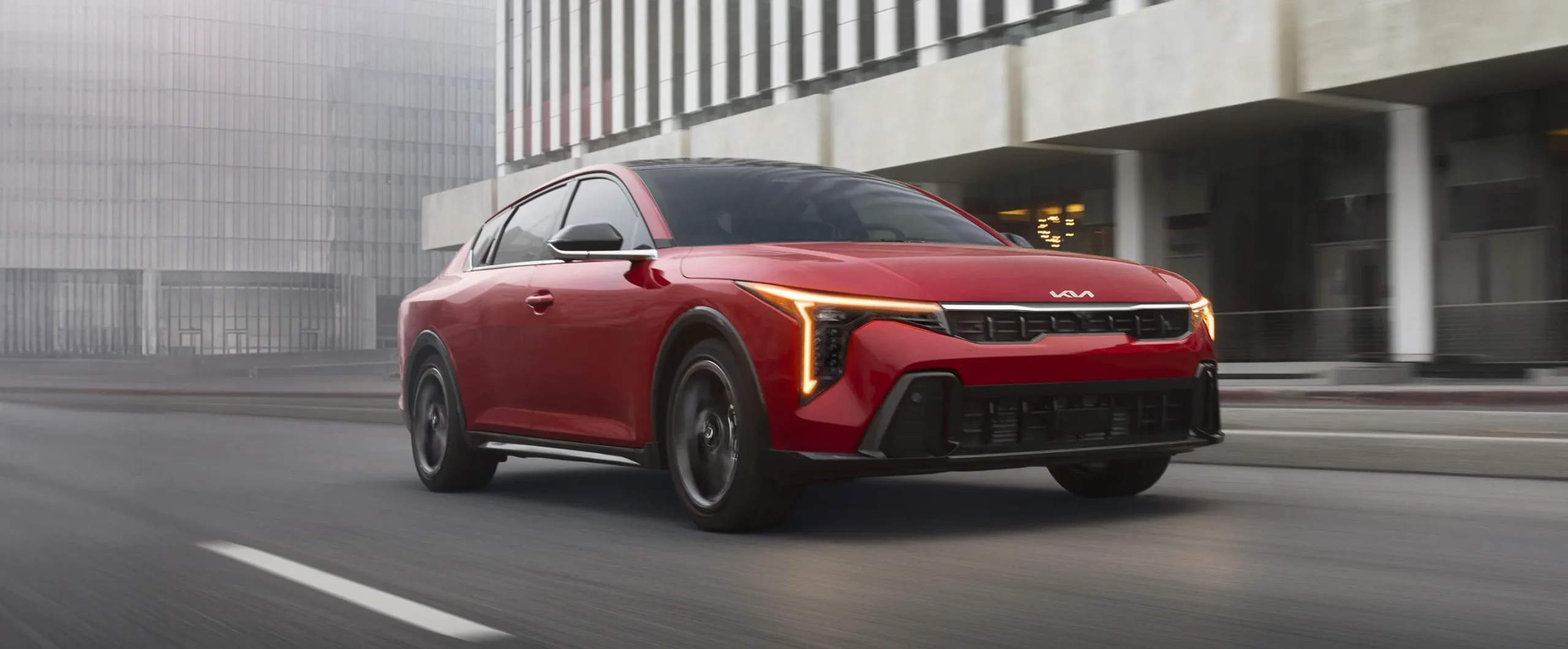
The 2026 Kia K4 is among the compact cars that achieved Top Safety Pick+ under the new requirements. The K4 earned its place after meeting the required crashworthiness and crash avoidance standards.
The model appears in the IIHS small-car category alongside the Mazda 3, Nissan Sentra, and Subaru Crosstrek Hybrid. This is significant for shoppers looking at smaller sedans because the 2026 award requirements demand Good ratings in the key crash tests rather than allowing a weaker result in the moderate overlap front evaluation.
The K4 also illustrates how the 2026 requirements extend beyond crash-test structure. The Top Safety Pick+ designation requires Good pedestrian front crash prevention and an Acceptable or Good vehicle-to-vehicle front crash prevention 2.0 result.
Those systems must be standard for the qualifying vehicle. This means the award is tied to the equipment available across the qualifying configuration rather than simply being available as an expensive option on a higher trim.
The K4 is also important because the IIHS reported that its starting price was $22,290 when discussing the initial 2026 awards. That made it the lowest-priced Top Safety Pick+ winner mentioned in that announcement. Price can change with model-year updates, destination charges, and equipment, so that figure should be treated as the MSRP cited by IIHS at the time rather than a universal current transaction price.
For buyers considering a compact sedan, the K4 demonstrates how the new award system can recognize relatively affordable vehicles alongside expensive luxury models.
The award itself does not mean the K4 provides the same physical protection as a much larger vehicle. IIHS specifically notes that larger, heavier vehicles generally provide greater occupant protection in crashes than smaller, lighter vehicles. The award should therefore be read within the vehicle’s size class.
The K4’s 2026 Top Safety Pick+ status is best understood as a statement about meeting the IIHS criteria for its class during the applicable model year. It does not constitute a prediction about future crash performance, insurance costs, or long-term ownership.
It does establish that the vehicle met the institute’s demanding combination of crashworthiness, lighting and crash avoidance requirements for the award.
2. Mazda 3
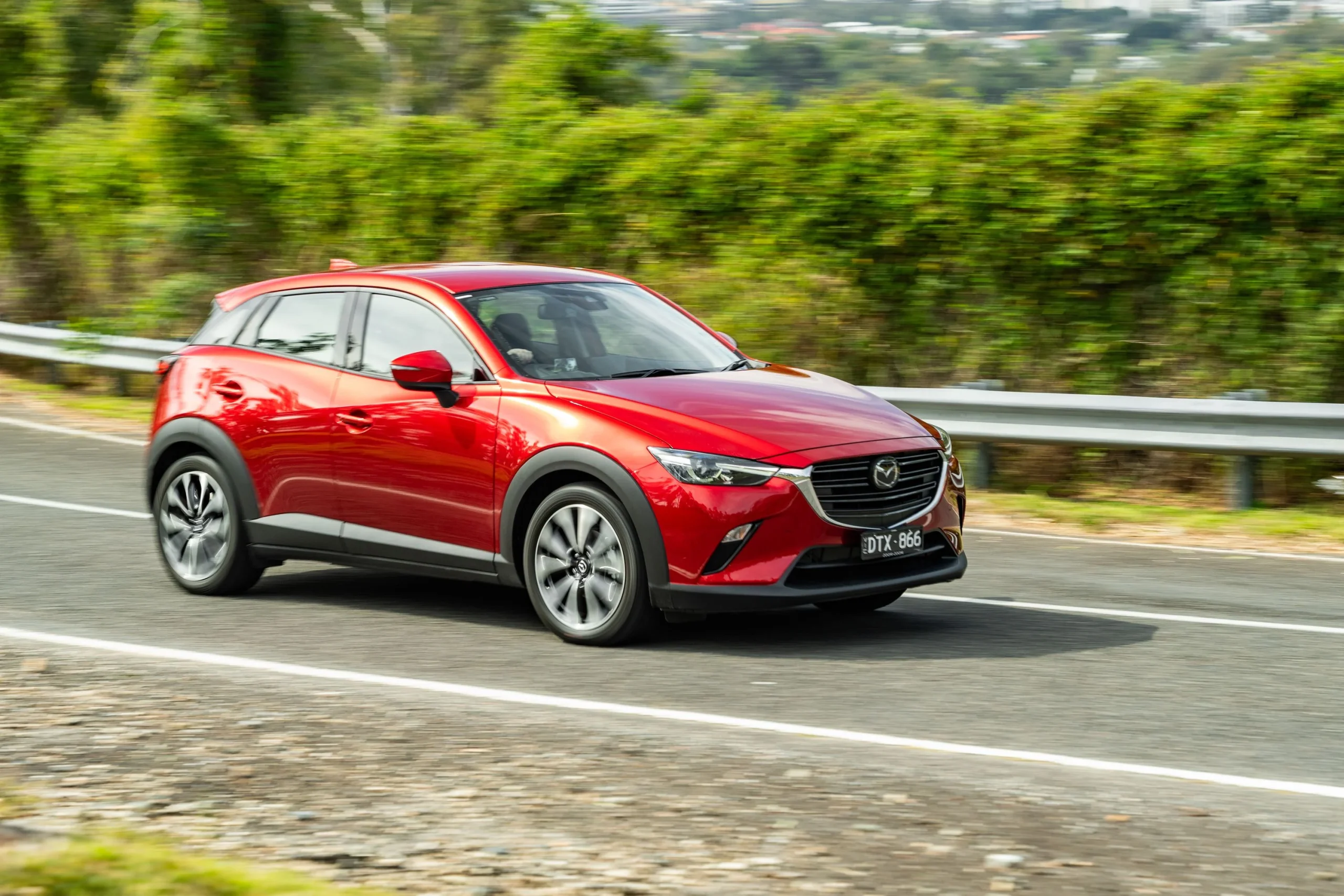
The Mazda 3 earned the 2026 Top Safety Pick+ designation in both sedan and hatchback configurations. The IIHS lists the two body styles separately in its small-car results. That distinction matters because safety awards are assigned to specific vehicle configurations and model years, rather than automatically applying to every vehicle carrying the same nameplate.
The Mazda 3 had to meet the 2026 crashworthiness requirements that apply to Top Safety Pick+ vehicles. Those include Good ratings in the small overlap front, moderate overlap front, and side tests. The vehicle also needs qualifying headlights and the required crash prevention performance. The combination makes the award broader than a single crash-test result.
The pedestrian crash prevention requirement is particularly relevant to the 2026 program. The IIHS requires a Good rating in this evaluation for Top Safety Pick+. The organization also requires an Acceptable or Good rating in vehicle-to-vehicle front crash prevention 2.0. Both systems need to be standard for the qualifying vehicle.
This represents a clear shift toward evaluating technologies that can help avoid crashes as well as structures that protect occupants once a collision occurs.
The Mazda 3 also shows why buyers should check the exact body style and model year when researching safety awards. The IIHS identifies the sedan and hatchback as separate award entries. A safety award for a particular configuration should not automatically be transferred to a different body style or a different model year without checking the current IIHS listing.
For U.S. shoppers who prefer a smaller vehicle, the Mazda 3’s Top Safety Pick+ result provides a useful reference point. It demonstrates that a compact car can satisfy the same 2026 award framework used for much larger vehicles.
At the same time, IIHS cautions that crash comparisons between vehicles of substantially different weights can be misleading, so the Mazda 3 should be evaluated against vehicles in a similar size class when considering crash protection.
3. Nissan Sentra
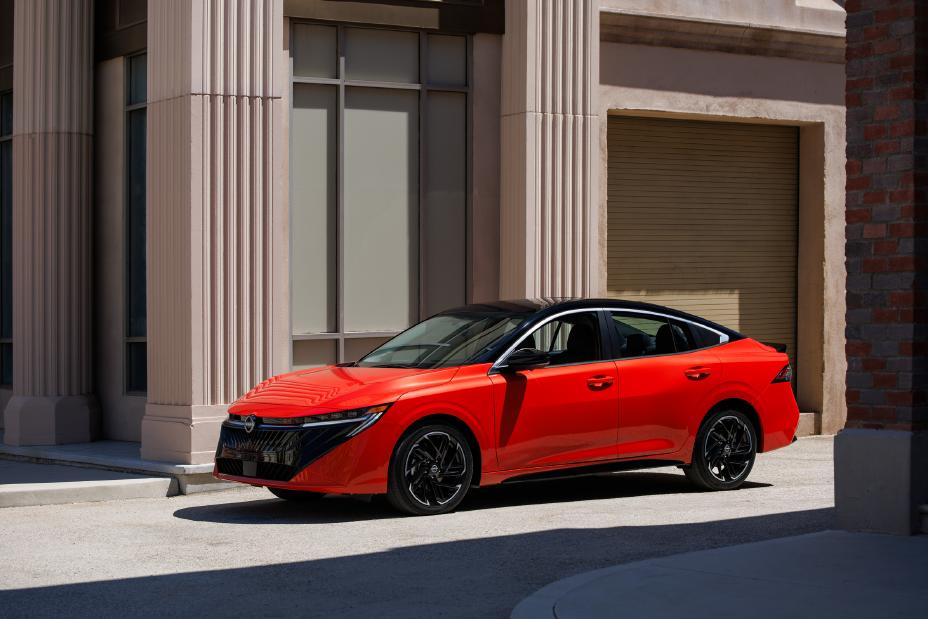
The 2026 Nissan Sentra is another small car that earned Top Safety Pick+. The IIHS currently lists the Sentra as a 2026-27 award vehicle, meaning its award coverage extends across those model years in the institute’s current listing. The model appears in the small-car category with the Kia K4, Mazda 3 and Subaru Crosstrek Hybrid.
The Sentra’s award reflects the same demanding framework applied to the other 2026 Top Safety Pick+ winners. Good results are required in the small overlap front, moderate overlap front, and side crash tests. Acceptable or Good headlights are required across the qualifying trims, while the vehicle must also meet the stronger crash avoidance requirements.
The 2026 award system is especially relevant to vehicles such as the Sentra because compact cars have historically faced a difficult balance between occupant protection, vehicle size, and modern crash avoidance technology.
The IIHS does not suggest that a small car provides the same crash protection as a larger vehicle. Instead, the award identifies vehicles that perform well against the institute’s criteria within their respective categories.
The Sentra’s inclusion also reinforces the importance of standard safety technology. For 2026, the IIHS requires the qualifying front crash prevention systems to be standard rather than limited to optional equipment. That requirement prevents an automaker from earning the award based solely on a technology package that only some buyers select.
For buyers comparing compact sedans, the Sentra’s Top Safety Pick+ result is therefore useful as a verified safety benchmark. It does not answer every purchasing question, including fuel economy, reliability, price, or driving characteristics. It specifically confirms that the qualifying vehicle met the IIHS requirements for the highest award during the 2026 award cycle.
4. Toyota Camry
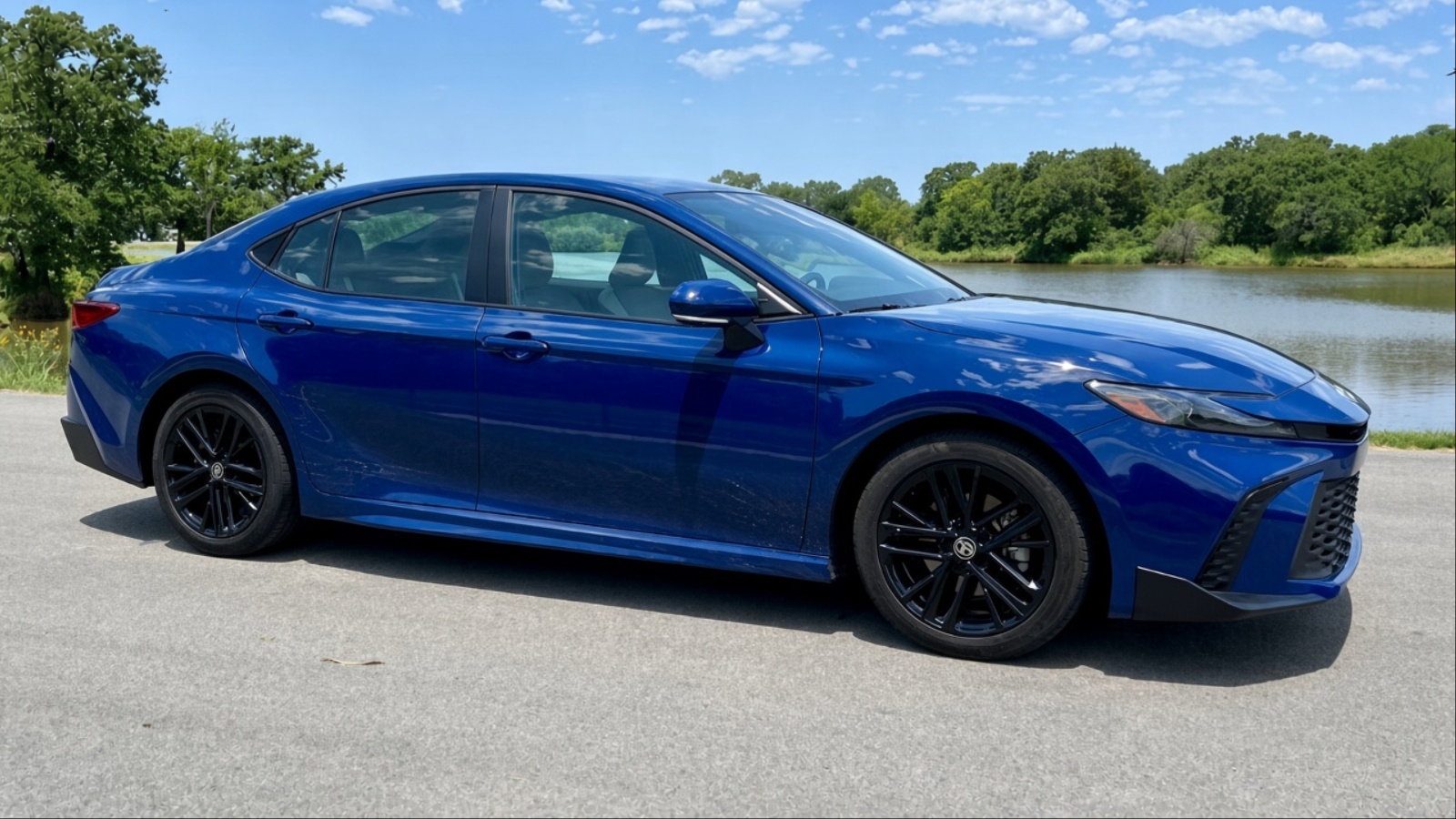
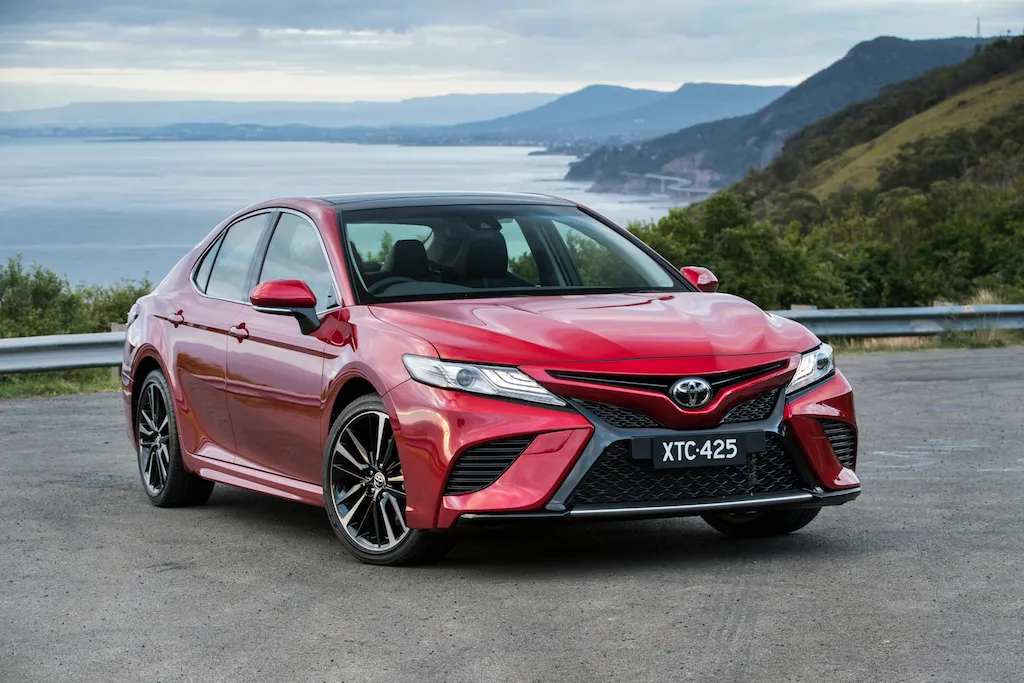
The 2026 Toyota Camry earned Top Safety Pick+ in the midsize-car category. The Camry shares that category with the Hyundai Sonata, which also achieved the highest IIHS award. The award requires the same core crashworthiness and crash prevention standards used throughout the 2026 program.
The Camry’s result is significant because the 2026 rules require a Good rating in the moderate overlap front test for both Top Safety Pick and Top Safety Pick+. This requirement places additional emphasis on occupant protection in the second row. The IIHS introduced its revised moderate overlap test in 2022 specifically to increase attention to rear-seat safety.
The vehicle also has to satisfy the new crash avoidance requirements for the plus designation. Good pedestrian front crash prevention is required, as is an Acceptable or Good result in the vehicle-to-vehicle front crash prevention 2.0 test. The qualifying systems must be standard.
These requirements help explain why the 2026 award should not be compared directly with older Top Safety Pick+ results without considering changes in the testing methodology.
The Camry’s presence among the 2026 winners also illustrates the continuing role of traditional passenger cars in a market increasingly dominated by SUVs.
IIHS reported that SUVs made up 35 of the 45 Top Safety Pick+ winners in its March 2026 announcement. Cars therefore represented a smaller portion of the initial group, making the Camry and other sedan winners relevant for shoppers who prefer a lower-riding body style.
The award should still be interpreted as a safety assessment rather than a complete vehicle recommendation. IIHS awards are based on defined tests and criteria. Buyers should check the exact model year, equipment, and applicable IIHS listing when shopping, especially when a vehicle has undergone a midyear change or when a new model generation has been introduced.
5. Hyundai Sonata
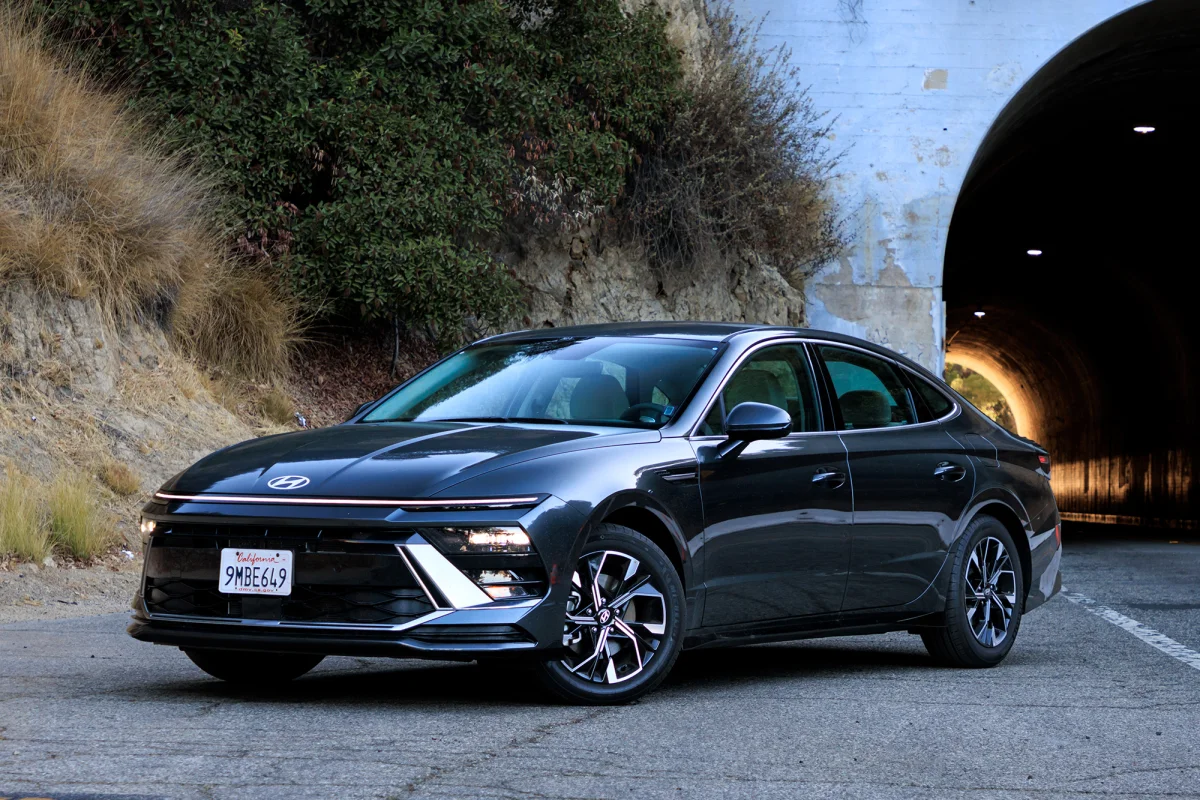
The 2026 Hyundai Sonata earned Top Safety Pick+ in the midsize-car category. It joins the Toyota Camry as a sedan meeting the tougher requirements. The IIHS lists the Sonata as a 2026 Top Safety Pick+ winner, making its award directly applicable to the current model-year listing.
The Sonata had to satisfy the three core crashworthiness requirements for the plus award. The IIHS requires Good ratings in the small overlap front, moderate overlap front, and side tests. The vehicle also needs Acceptable or Good headlights across its qualifying trims. This prevents a strong crashworthiness result from being enough by itself.
The crash prevention requirements raise the bar further. The pedestrian front crash prevention evaluation must receive a Good rating, while the vehicle-to-vehicle front crash prevention 2.0 evaluation must receive an Acceptable or Good rating.
IIHS also requires the qualifying systems to be standard. These criteria were part of the institute’s effort to push automakers toward stronger crash avoidance performance in 2026.
The Sonata is also included on the IIHS’s 2026 list of vehicles considered for its Safe Vehicles for Teens program, where the Sonata, including its hybrid version, appears among recommended new vehicles meeting that program’s separate requirements.
That program uses additional criteria beyond simply having a Top Safety Pick or Top Safety Pick+ award, so the two designations should not be treated as identical.
For consumers, the key point is that the Sonata’s Top Safety Pick+ designation is tied to the 2026 IIHS testing framework. The award provides a documented safety benchmark for the model, but it should not be interpreted as a guarantee that occupants will avoid injury in every crash. Crash severity, collision direction, occupant position, restraint use, and many other factors affect real-world outcomes.
6. Audi A5
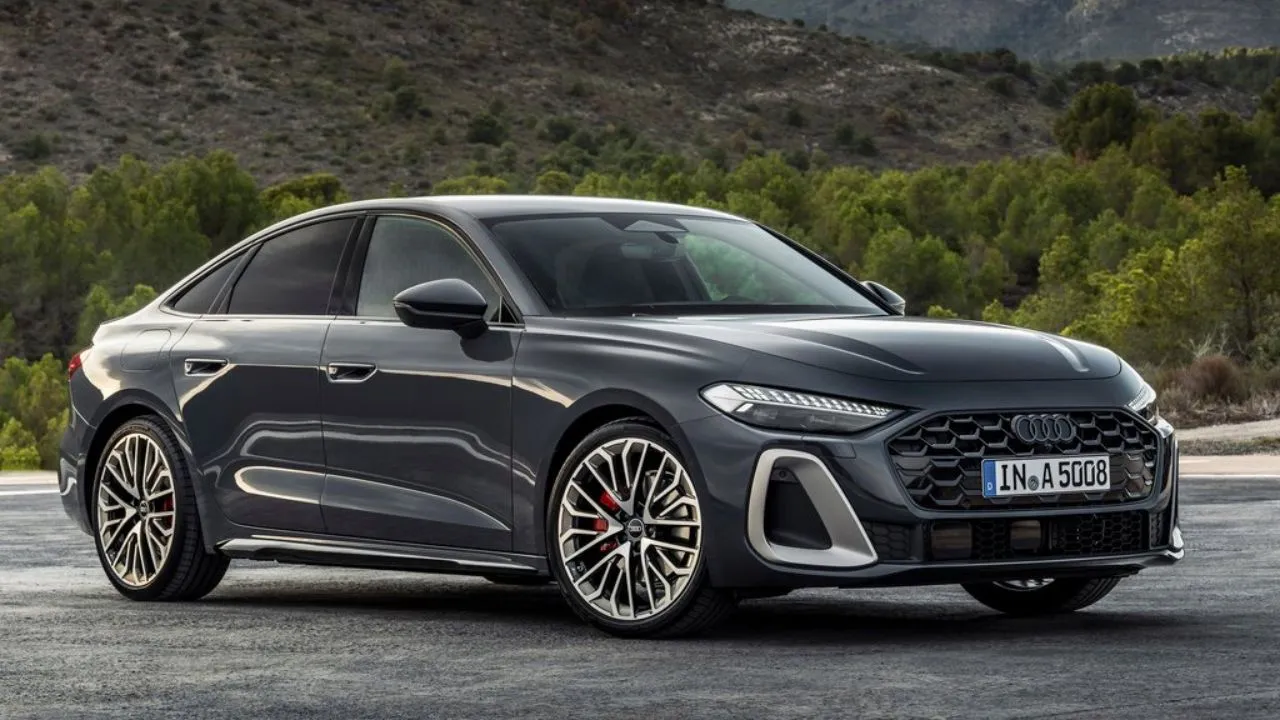
The 2026 Audi A5 earned Top Safety Pick+ in the midsize luxury car category. The IIHS lists the A5 as a 2026 winner, while the Mercedes-Benz C-Class in the same category received the lower Top Safety Pick designation. The distinction reflects the specific requirements each vehicle met under the 2026 testing program.
The A5 had to meet Good ratings in the small overlap front, moderate overlap front, and side crash evaluations. Like every Top Safety Pick+ vehicle, it also needed qualifying headlights across its trims and the required crash prevention performance. These conditions make the award dependent on a broad collection of test results rather than a single standout performance.
The A5 is useful for understanding the distinction between Top Safety Pick and Top Safety Pick+. For the 2026 base award, IIHS requires an Acceptable or Good pedestrian front crash prevention result.
The plus award requires Good pedestrian performance and adds the vehicle-to-vehicle front crash prevention 2.0 requirement. That extra crash avoidance hurdle is a central feature of the 2026 program.
The luxury-car category also shows that the 2026 program is not limited to mainstream brands. IIHS evaluates vehicles according to its testing procedures and award criteria across numerous market segments. The A5’s award places it among luxury vehicles that met the same fundamental requirements for occupant protection, lighting, and crash avoidance.
Consumers considering the A5 should still examine the exact vehicle configuration and model year. Safety technology can change when vehicles are refreshed, redesigned, or modified during a model-year cycle.
The IIHS award is tied to its listed vehicle configuration and applicable production information, making the institute’s current model-specific listing the appropriate reference point when verifying an individual vehicle.
7. Genesis G80
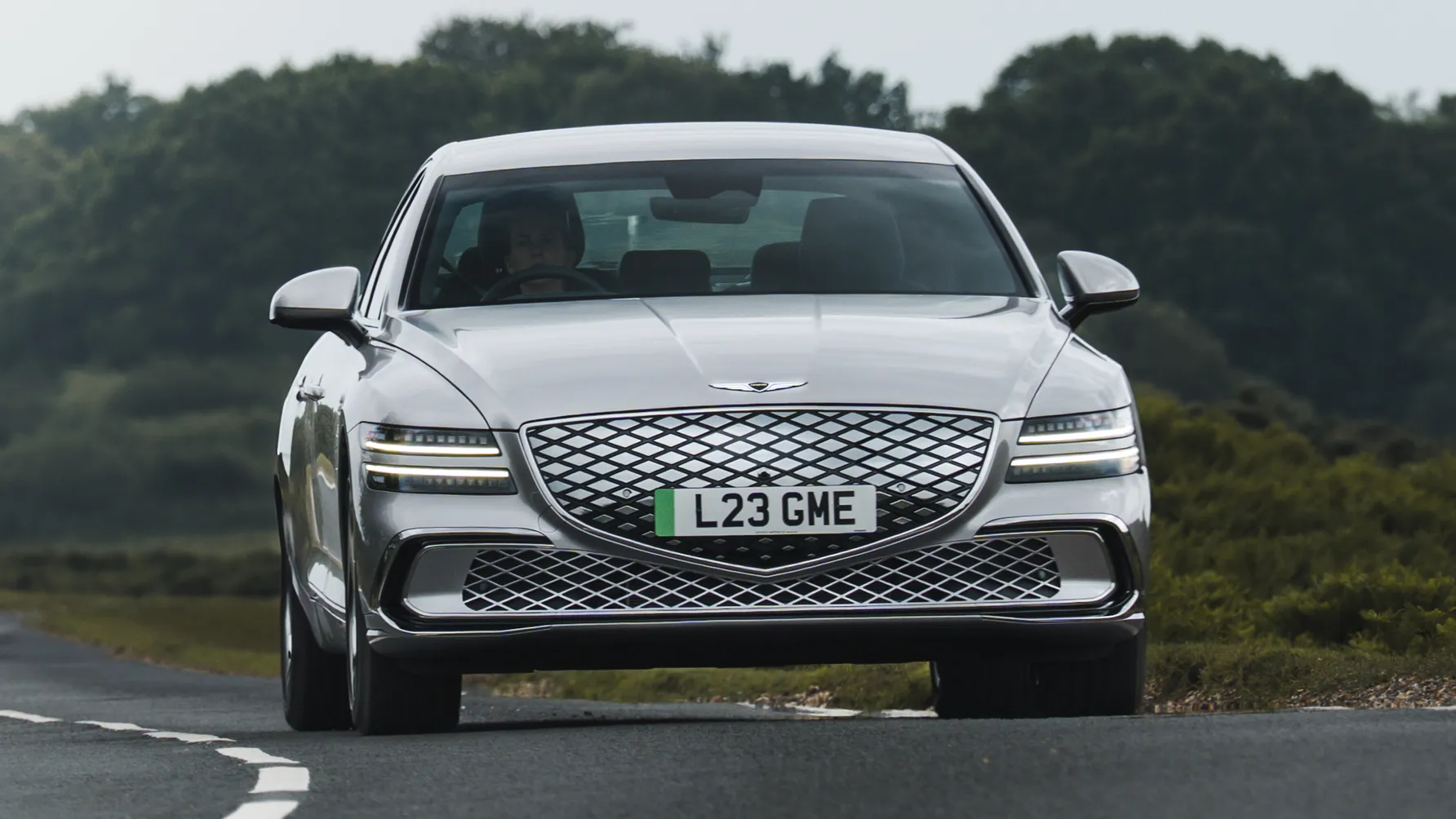
The 2026 Genesis G80 earned Top Safety Pick+ in the large-car category, with an important production-date qualification. The IIHS states that the award applies to G80 vehicles built after June 2025. That detail is essential because not every G80 from the broader model year automatically carries the same award status.
The G80’s qualification demonstrates why model-year labels alone are not always enough when checking safety awards. IIHS sometimes specifies a production cutoff when a manufacturer makes a change affecting a safety result. Buyers looking at inventory should therefore pay attention to build information when the IIHS award listing contains a production-date restriction.
The G80 is also an example of how the Top Safety Pick+ award operates across different vehicle sizes. IIHS warns that crash-test comparisons involving vehicles of substantially different weight should be made carefully. A large luxury sedan and a compact sedan can both earn Top Safety Pick+, yet the award does not mean their physical crash protection is identical in every type of collision.
8. Hyundai Ioniq 5
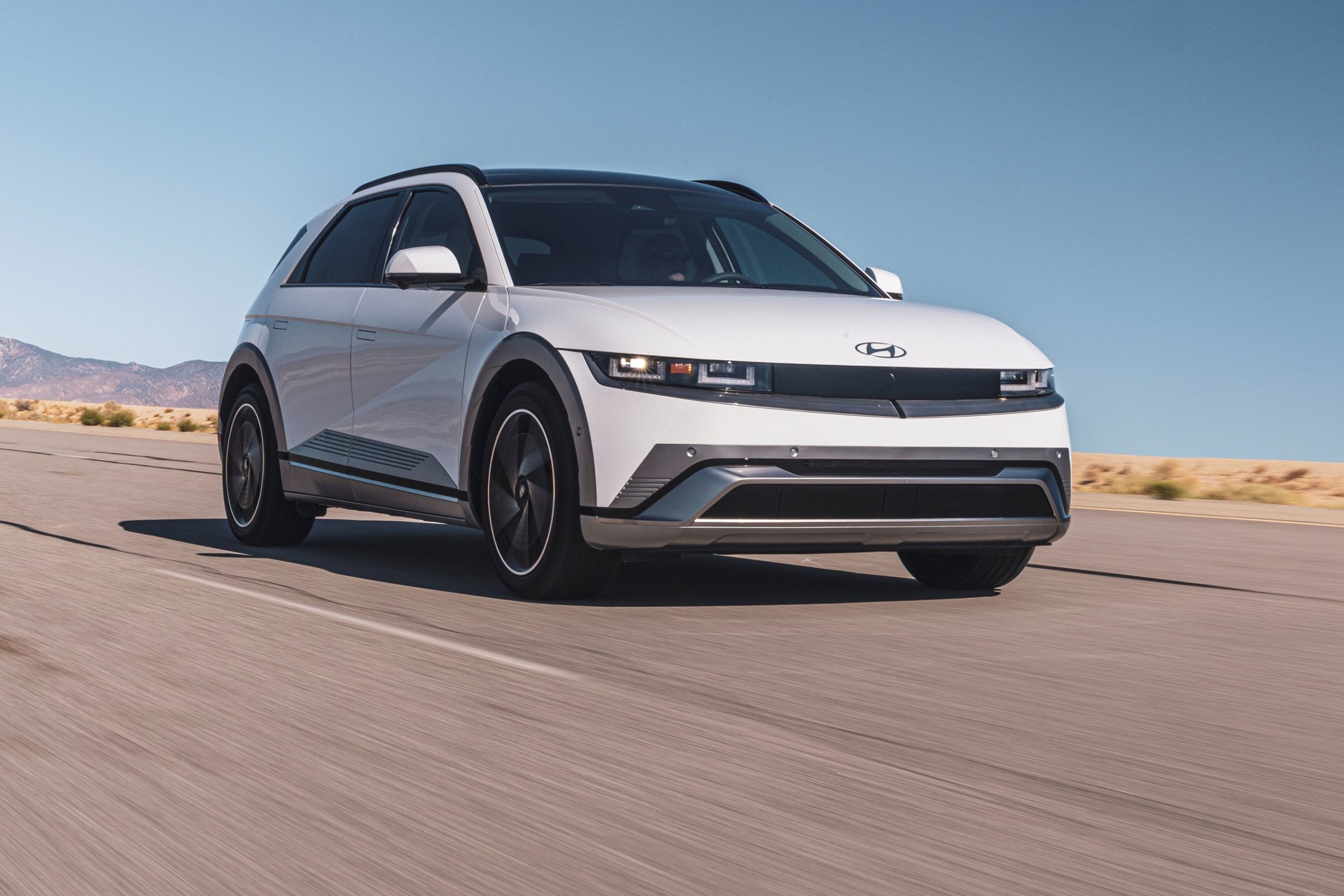
The 2026 Hyundai Ioniq 5 earned Top Safety Pick+ in the small SUV category. The IIHS lists it among several small SUVs that achieved the highest award, including the Hyundai Kona and Tucson, Honda HR-V, Mazda CX-30 and CX-50, Subaru Forester, and other models.
The Ioniq 5’s qualification shows that electric vehicles are evaluated through the same fundamental IIHS award framework. The award is based on crash-test performance, headlights, and crash prevention systems rather than the vehicle’s powertrain alone. An electric vehicle must therefore satisfy the relevant occupant protection and crash avoidance criteria just as a gasoline-powered vehicle does.
For Top Safety Pick+, Good pedestrian front crash prevention is mandatory. The vehicle also needs an Acceptable or Good rating in the vehicle-to-vehicle front crash prevention 2.0 evaluation. These technologies are required to be standard on the qualifying vehicle. This makes the award relevant to the complete safety equipment package rather than merely a high-end option group.
The Ioniq 5 also demonstrates the diversity of the 2026 winners. The award list includes conventional sedans, hybrid vehicles, battery-electric SUVs and large pickups. IIHS is not restricting its highest award to a particular type of propulsion. Instead, the institute is applying its safety tests and criteria to vehicles across the U.S. market.
9. Mazda CX-5
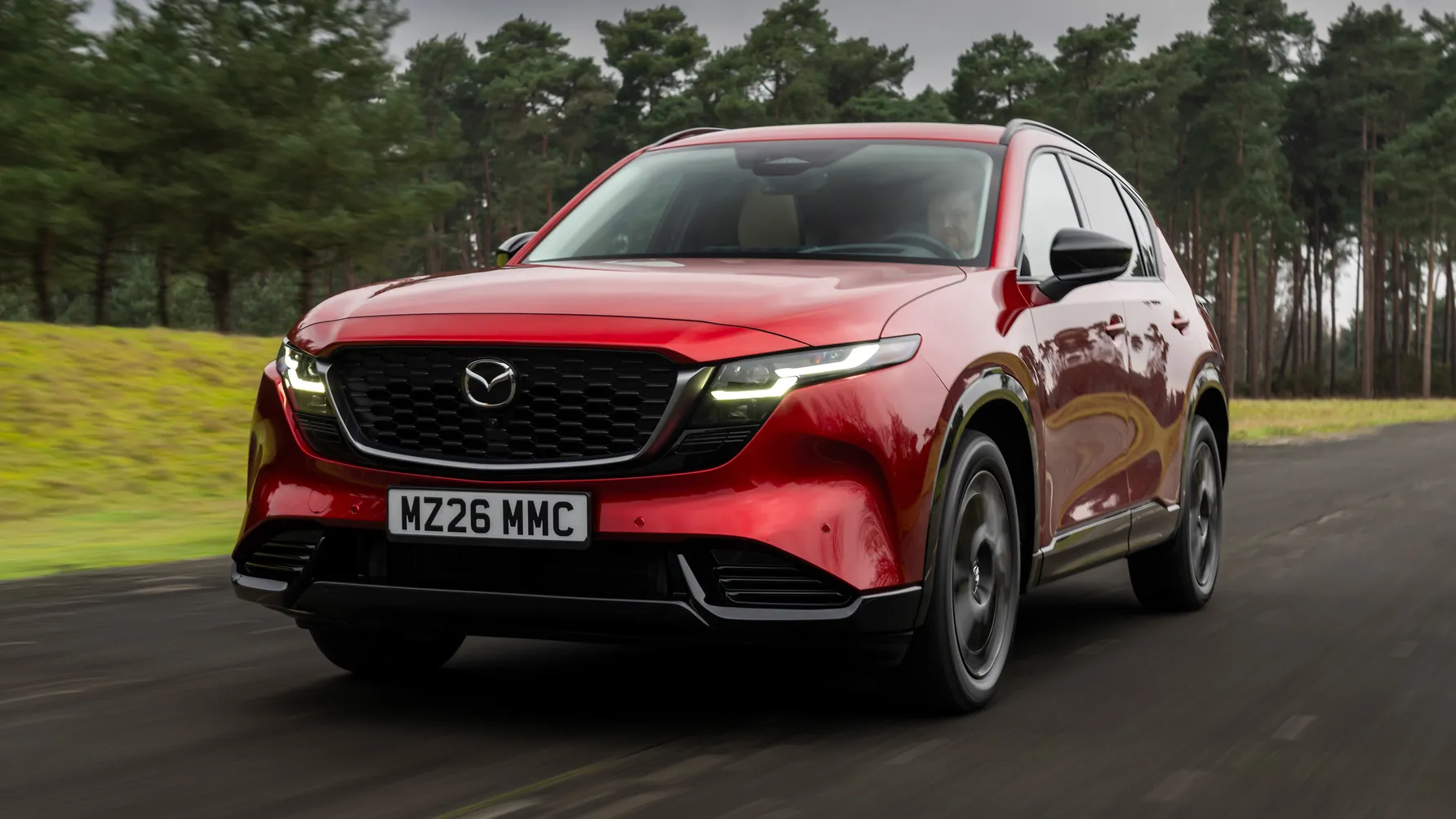
The redesigned 2026 Mazda CX-5 earned Top Safety Pick+ in the small SUV category. The IIHS reported that the new CX-5 achieved Good ratings in the relevant crash tests and performed well in both the vehicle-to-vehicle and pedestrian crash prevention evaluations.
The institute specifically noted that the 2025 model had received a Poor rating in the vehicle-to-vehicle evaluation, making the new model’s result particularly notable.
The CX-5 is a good example of why safety ratings need to be attached to specific model years. The 2025 and 2026 versions cannot simply be treated as equivalent because they share the same nameplate. The 2026 redesign brought a different safety-test outcome, and the IIHS evaluated it under the tougher 2026 requirements.
The 2026 CX-5 received Good ratings in the small overlap front, moderate overlap front, and side tests. Its headlights also received qualifying ratings, while both the vehicle-to-vehicle and pedestrian front crash prevention systems met the required standards and were listed as standard. These combined results allowed the vehicle to receive the plus award.
The CX-5 was among four additional models announced as Top Safety Pick+ winners by IIHS in July 2026. That later announcement is important when compiling a current 2026 list because it demonstrates that the award roster continued to change after the initial March announcement. The other newly announced winners at that time included the Audi A6, BMW X1, and Subaru Crosstrek Hybrid.

10. Honda Passport
The 2026 Honda Passport earned Top Safety Pick+ in the midsize SUV category. It appears on the current IIHS award list alongside vehicles such as the Hyundai Ioniq 9, Hyundai Santa Fe, Kia EV9, Mazda CX-70, Nissan Murano, and Subaru Outback.
The Passport had to meet the same core crashworthiness standards as other 2026 Plus winners. Good ratings are required in the small overlap front, moderate overlap front, and side evaluations. The vehicle must also have qualifying headlights and meet the enhanced crash prevention requirements.
The IIHS has highlighted the large number of SUVs among the 2026 Top Safety Pick+ winners. In its March announcement, 35 of the first 45 Top Safety Pick+ winners were SUVs. The Passport therefore sits within the dominant vehicle category among the award recipients, reflecting the prevalence of SUVs in the U.S. market as well as the number of SUV models being tested.
The Passport’s award does not mean that every SUV will offer the same level of protection simply because SUVs have received many awards.
IIHS explicitly cautions that vehicle size and weight affect occupant protection, particularly when comparing crash-test results between different classes. The award should be considered alongside the vehicle’s size category and individual test results.
