
Vehicle safety has become a major factor for American drivers choosing a new car, and independent crash testing provides useful information beyond a manufacturer’s safety claims.
The Insurance Institute for Highway Safety, commonly known as IIHS, is among the most recognized organizations testing vehicles sold in the United States. Its Top Safety Pick+ designation reflects strong performance across several areas, including crash protection, pedestrian safety, headlights, seat belt reminders, and crash avoidance technology.
The vehicles discussed here represent models associated with high-level IIHS safety recognition and show how modern engineering can help protect occupants during different types of collisions on American roads.
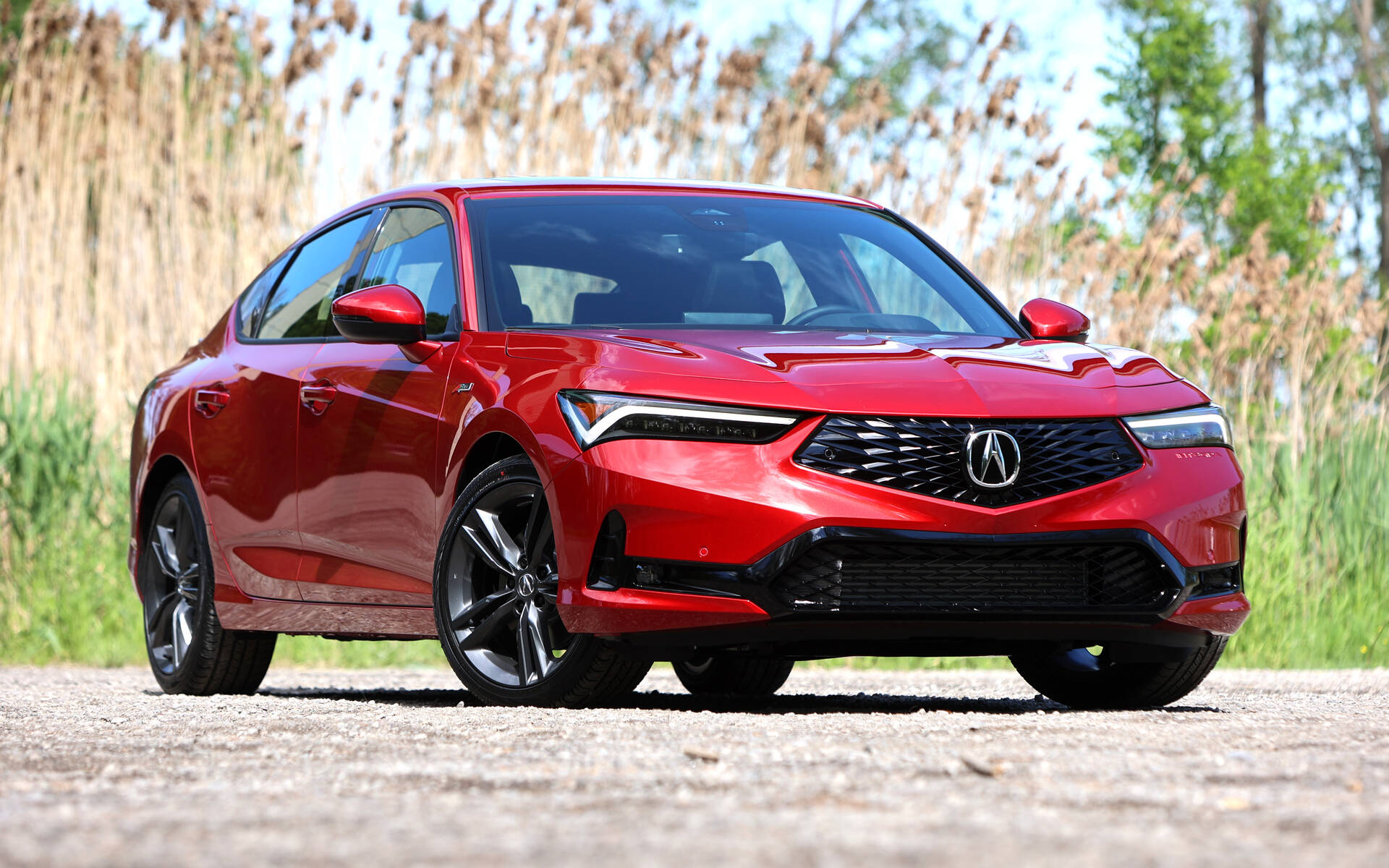
1. Acura Integra
The Acura Integra has earned attention in the U.S. market for combining a practical hatchback design with a strong collection of modern safety technologies. Its safety appeal comes from more than structural crash protection.
Acura equips the Integra with a range of driver-assistance features designed to help detect potential hazards and reduce the chance of a collision. Features such as forward collision warning, automatic emergency braking, lane-keeping assistance, and adaptive cruise control can provide additional support during everyday driving.
These technologies are particularly useful in situations involving traffic changes, sudden braking, or an unintended departure from a lane.
The Integra is also important because compact vehicles have historically faced challenges when competing with larger SUVs in crash situations. Modern engineering has narrowed some of those differences by improving passenger compartments, restraint systems, airbag deployment, and crash-energy management.
The Integra uses a reinforced body structure designed to direct crash forces away from the occupants. Strong structural components work together with seat belts and airbags to create several layers of protection. This approach reflects the broader direction of vehicle safety, where passive and active systems increasingly operate as a combined package.
Driver visibility also plays an important part in preventing accidents. A vehicle can have a strong crash structure, but avoiding a collision in the first place remains valuable. The Integra’s driver-assistance equipment is intended to provide warnings and automated intervention when certain risks are detected.
These systems are not substitutes for an attentive driver. Weather, road markings, lighting, traffic behavior, and other factors can affect their operation. Still, they provide an additional safety layer that can become valuable during routine trips, particularly on busy roads and highways.
The Integra’s safety profile also demonstrates how expectations have changed for compact premium cars. Buyers increasingly expect safety equipment to be included as part of the vehicle rather than treated as an optional luxury.
Automatic emergency braking, lane assistance, and other technologies have become increasingly common across the automotive industry. Their presence in smaller cars means buyers do not necessarily need to move into a large SUV to obtain advanced driver-assistance equipment.
For American shoppers, the Integra provides an example of how safety can be combined with a smaller body style and everyday practicality. It offers passenger protection, crash avoidance technology, and the versatility of a hatchback.
Safety ratings should still be checked for the exact model year and configuration being considered because equipment and testing procedures can change. For buyers comparing compact vehicles, independent IIHS results can provide useful information alongside government testing, reliability data, pricing, and ownership costs.
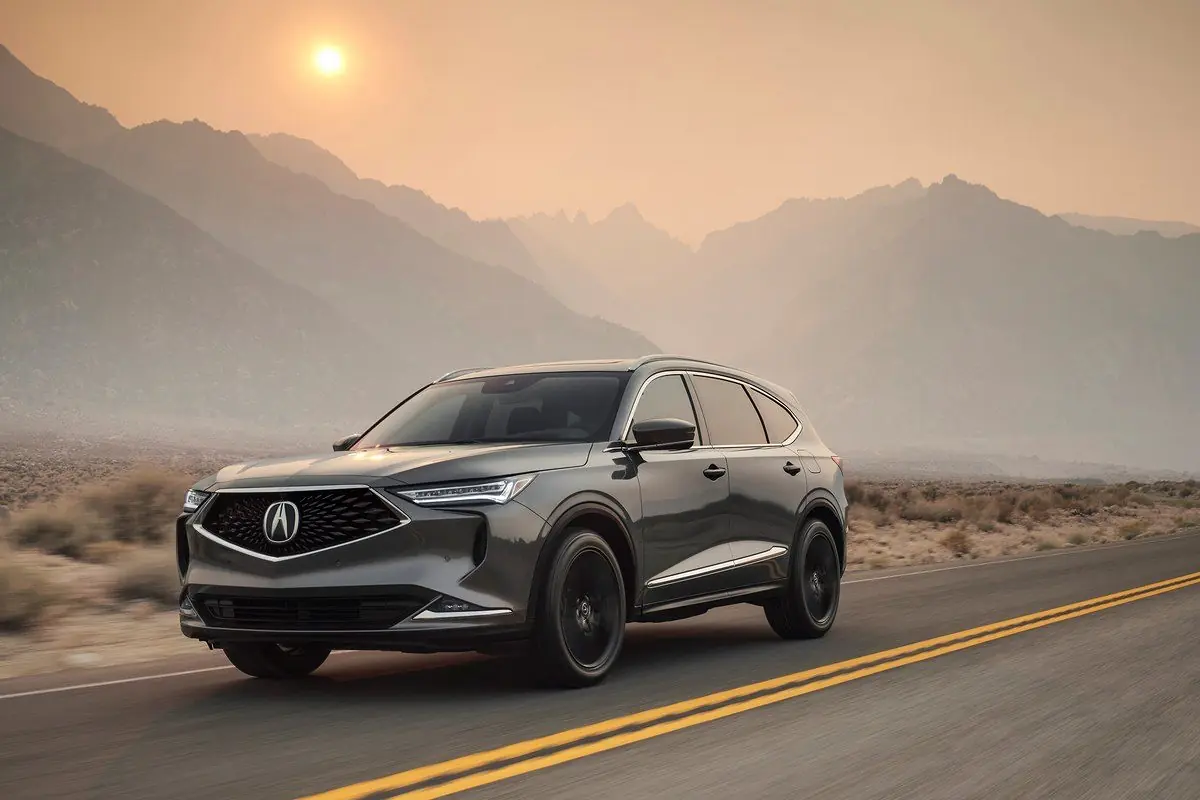
2. Acura MDX
The Acura MDX occupies a very different part of the American vehicle market from the Integra. It is a midsize luxury SUV designed to provide additional passenger and cargo space while incorporating a broad set of safety technologies.
Its larger body gives engineers more space for structural components, restraint systems, and crash-management features. Modern SUVs such as the MDX also benefit from extensive electronic driver assistance, helping the vehicle monitor traffic conditions and respond to certain potential hazards.
A major part of the MDX safety package is AcuraWatch, a collection of driver-assistance technologies offered by Acura. Depending on model year and configuration, the system can include features designed to monitor vehicles ahead, lane position, and surrounding traffic.
Automatic emergency braking can help reduce the severity of certain frontal crashes, while lane-related assistance can help keep the vehicle positioned within its lane. These technologies are designed to support the driver rather than replace active attention behind the wheel.
The MDX also illustrates why vehicle size alone should not be treated as a complete measure of safety. A larger vehicle may provide certain advantages in a crash, but safety depends on many factors.
Crash structure, seat belt performance, airbags, head restraints, roof strength, headlights, and crash avoidance systems all contribute to the final safety picture. Independent testing helps bring those elements together instead of relying on a single specification such as curb weight or vehicle height.
Families may find safety testing particularly relevant when choosing an SUV. The MDX can accommodate several passengers, making restraint-system performance important for different seating positions.
Parents should also pay attention to child-seat compatibility, rear-seat space, and the ease of properly installing child restraints. A high safety rating does not eliminate the need for correct seat belt use or appropriate child-seat installation.
For U.S. buyers, the MDX demonstrates the broad safety capabilities now available in midsize luxury SUVs. Its combination of structural protection and electronic assistance reflects the direction of current automotive engineering.
Anyone considering an MDX should compare the precise safety equipment included with the model year they intend to purchase. IIHS and National Highway Traffic Safety Administration information can provide additional context when evaluating a vehicle’s crash performance and safety equipment.
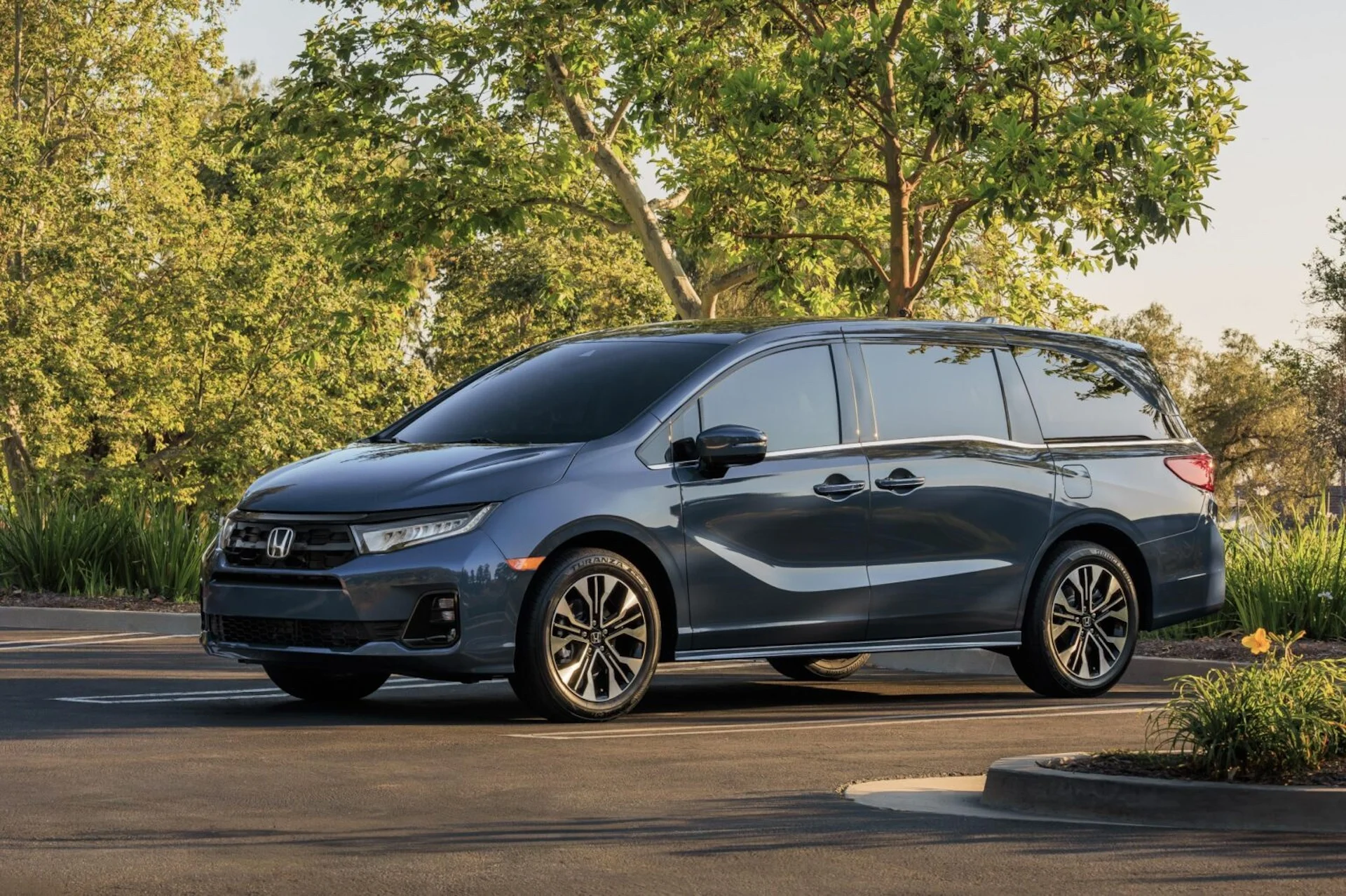
3. Honda Odyssey
The Honda Odyssey has long served American families that need substantial interior space, and its safety equipment is an important part of its appeal.
Minivans have a particular responsibility because they are frequently used to transport children and several passengers. The Odyssey combines a large passenger compartment with modern restraint systems and electronic driver assistance. This creates a safety package designed around both crash protection and accident avoidance.
The Odyssey’s size provides engineers with significant space to incorporate structural reinforcement around the passenger compartment.
In a collision, the body structure is designed to absorb and redirect energy while maintaining the integrity of the cabin. Seat belts and airbags then work together to manage occupant movement. Proper belt positioning remains essential because airbags are designed to function as part of a complete restraint system rather than as independent protection.
Modern driver-assistance systems add another layer. Depending on model year, Honda’s safety suite can include automatic emergency braking, lane departure warning, lane-keeping assistance, adaptive cruise control, and other technologies.
These features are intended to help drivers respond to situations that might otherwise develop quickly. Their effectiveness depends on road conditions and system limitations, so drivers still need to remain attentive.
The Odyssey also provides an important lesson about family vehicle safety. Parents often focus on crash-test ratings, but everyday safety includes factors such as visibility, access to the second and third rows, seat belt availability, child-seat installation, and the ability to keep passengers properly restrained.
A vehicle that accommodates several occupants can make proper seating arrangements easier when the interior is designed thoughtfully.
For American families, the Odyssey remains a useful example of how a practical minivan can incorporate sophisticated safety engineering. Its family-focused design does not mean safety is limited to crash protection.
Preventing a collision, reducing occupant movement during impact, and providing suitable restraint systems all contribute to a safer transportation environment. Buyers should verify the exact model-year ratings and standard equipment before making a purchase because safety specifications can change.
4. Honda Pilot
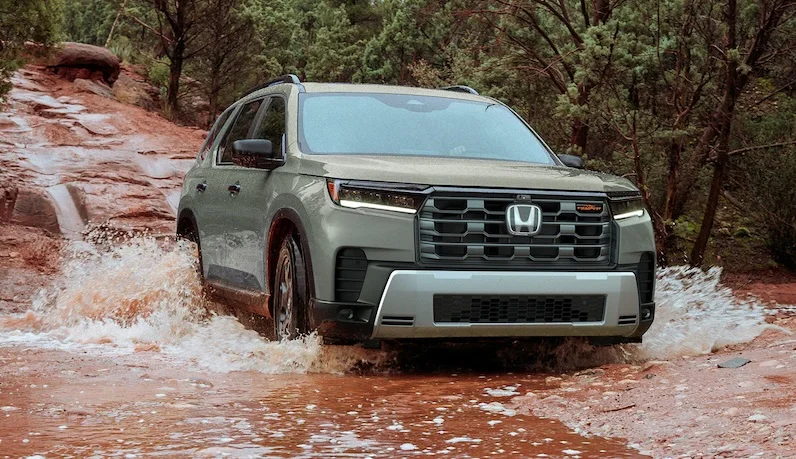
The Honda Pilot is a three-row SUV designed for families that want more ground clearance and cargo flexibility than a traditional sedan.
Its safety design combines a reinforced passenger compartment with electronic systems intended to help drivers avoid collisions. Three-row vehicles face additional challenges because they must provide appropriate protection across several seating positions while maintaining useful interior space.
Honda’s driver-assistance technology forms an important part of the Pilot’s safety package. Systems can monitor the road ahead, identify potential frontal collisions, assist with lane positioning, and maintain a set following distance under suitable conditions.
Automatic emergency braking is particularly important because reducing vehicle speed before an impact can reduce crash severity. These systems are most useful when combined with a driver who remains alert and prepared to intervene.
The Pilot also benefits from modern crash-structure design. Engineers use carefully designed deformation zones to absorb energy during certain collisions while working to preserve the passenger compartment.
The effectiveness of that structure is evaluated through controlled crash tests. These tests do not reproduce every possible real-world collision, but they provide standardized conditions that allow vehicles to be compared using consistent procedures.
Three-row SUVs also require attention to rear-seat safety. Families should make sure passengers in every seating position use appropriate restraints. Children should be placed in suitable seating positions based on their age, size, and restraint requirements. A strong crash rating cannot compensate for an improperly used seat belt or incorrectly installed child restraint.
5. Subaru Outback
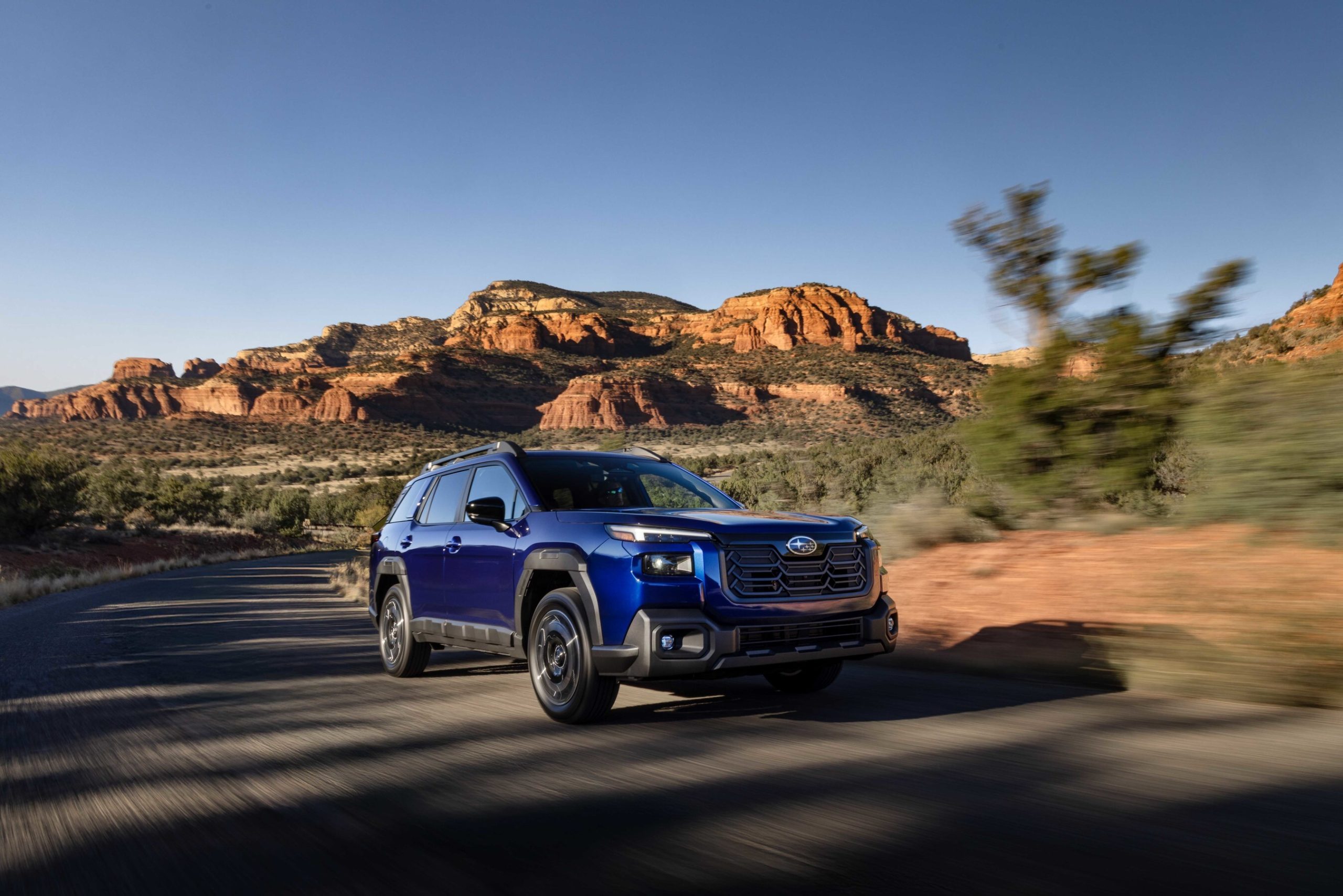
The Subaru Outback has developed a strong reputation among American drivers who value all-weather capability and practical transportation.
Its safety technology is closely connected to Subaru’s EyeSight driver-assistance system, which uses cameras and software to monitor traffic conditions. The system can provide assistance with functions such as forward collision prevention and adaptive cruise control, depending on the model and equipment.
The Outback’s body structure is designed to protect occupants by managing crash energy around the passenger compartment. Structural engineering becomes particularly important in frontal and side impacts, where forces can enter the vehicle from different directions.
Airbags and seat belts complement that structure by controlling occupant movement. Modern vehicles use several interconnected safety systems rather than depending on a single protective component.
Subaru also emphasizes accident prevention through electronic assistance. Forward-facing cameras can identify certain vehicles, pedestrians, and lane markings under appropriate conditions. Automatic braking can intervene when the system determines that a collision may be imminent.
These technologies have become increasingly important in safety testing because modern evaluations examine not only what happens during a crash but also how effectively a vehicle can help avoid one.
The Outback’s wagon-like design gives it a different profile from many compact SUVs. It offers useful cargo capacity while maintaining a relatively manageable footprint.
For drivers in regions that experience snow and rain, the available all-wheel-drive system can provide additional traction. However, all-wheel drive should not be confused with a complete safety system. It can help with traction but cannot overcome excessive speed, poor tires, limited visibility, or unsafe driving behavior.
6. Subaru Forester
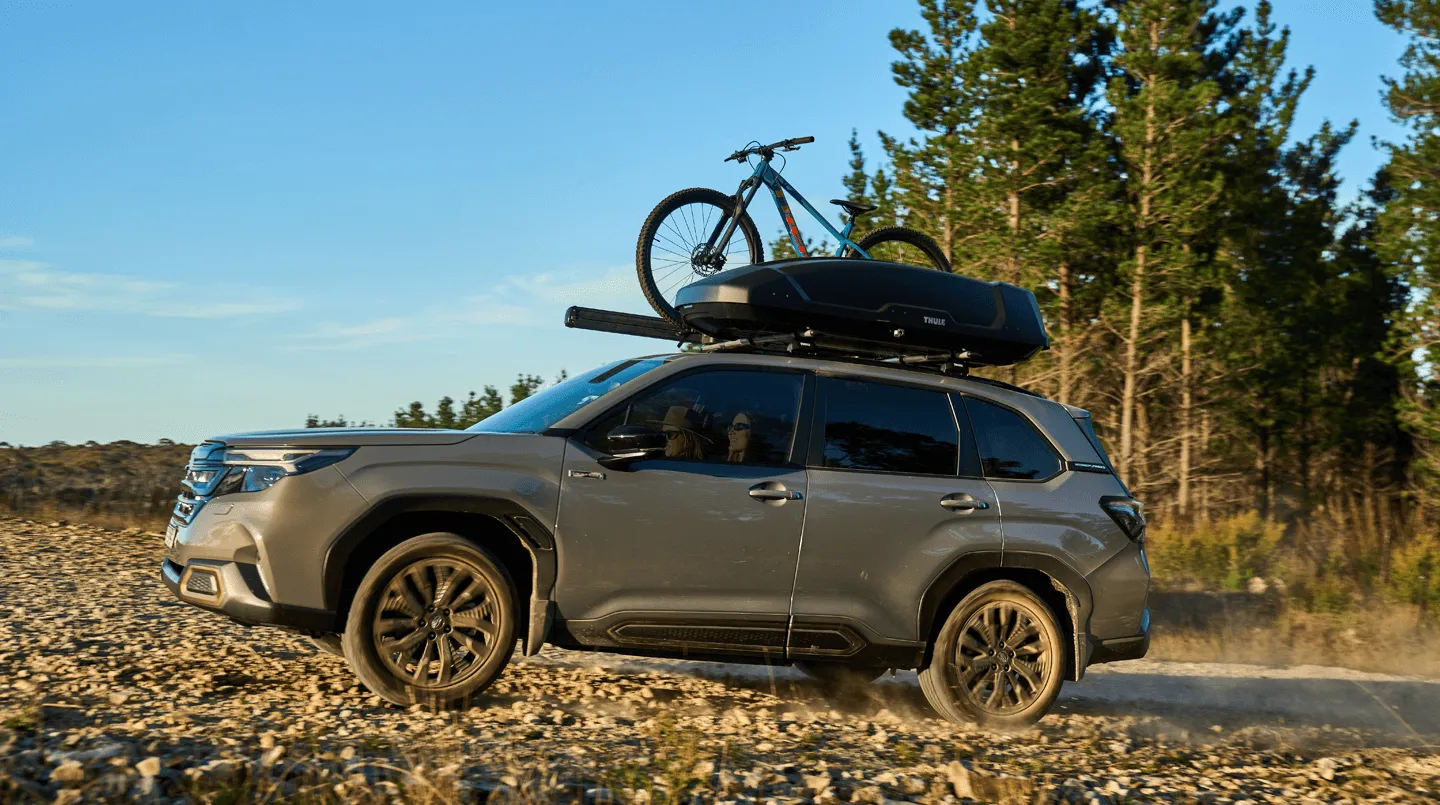
The Subaru Forester is a compact SUV with a design that places considerable emphasis on visibility and driver assistance. Its upright body provides a broad view of the road, while the EyeSight system adds electronic monitoring capabilities. For drivers who spend considerable time commuting, these features can provide useful assistance during highway travel and stop-and-go traffic.
The Forester’s safety design starts with its passenger compartment. Engineers use high-strength materials and controlled deformation zones to manage energy during crashes. The cabin is supported by seat belts, airbags, head restraints, and other occupant-protection components.
Crash testing evaluates how these systems work under specific conditions and provides standardized evidence about the vehicle’s protective performance.
Accident avoidance technology has become particularly important in compact SUVs. Systems that monitor the area ahead can warn drivers of potential hazards and, in certain situations, apply the brakes automatically.
Lane assistance can also help when a vehicle begins moving away from its intended path. These technologies have limitations, particularly in poor weather or when lane markings are unclear, so they should be considered supplementary tools.
The Forester’s relatively compact dimensions may also appeal to drivers who spend time in urban areas. Smaller exterior dimensions can make parking and maneuvering easier than with a large three-row SUV.
Good outward visibility can also help drivers identify pedestrians, cyclists, and nearby vehicles. Safety is affected by these everyday characteristics as well as formal crash-test performance.
7. Mazda CX-30
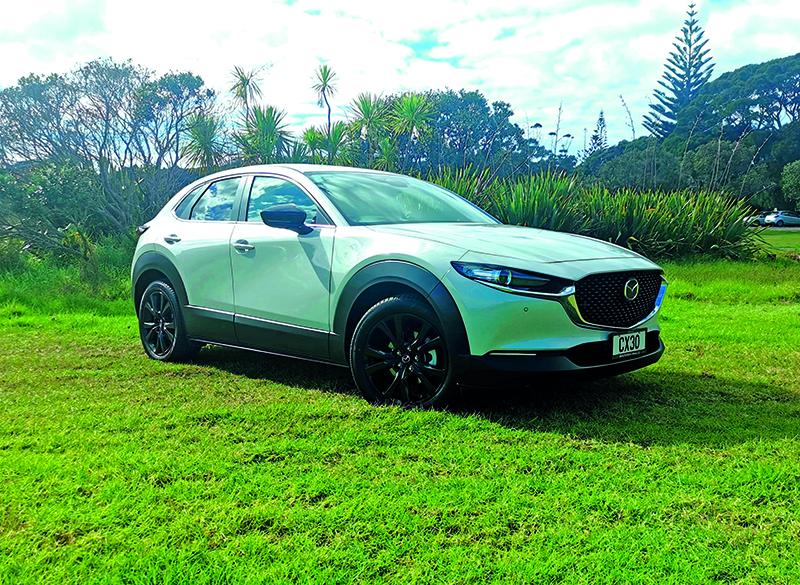
The Mazda CX-30 is a compact crossover aimed at drivers who want a relatively small vehicle with modern technology and a more premium interior.
Its safety equipment includes systems intended to monitor traffic and assist with collision avoidance. Compact crossovers have become especially important in the U.S. market because they offer a balance between passenger space, maneuverability, and fuel economy.
Mazda’s approach to safety includes both active and passive systems. Active technologies can warn drivers about potential hazards and provide assistance in certain emergency situations.
Passive systems include the body structure, airbags, seat belts, and head restraints that protect occupants when a collision occurs. The interaction of these systems is what makes a modern vehicle’s safety package more comprehensive.
The CX-30 also demonstrates the value of independent testing for smaller vehicles. Consumers sometimes assume that a compact vehicle cannot provide high levels of occupant protection. Modern engineering has challenged that assumption. Engineers can use sophisticated materials, carefully designed crash structures, and address common collision scenarios.
Driver-assistance technology can also help address common collision scenarios. Forward collision warning and automatic emergency braking are designed to respond to certain hazards ahead.
Blind-spot monitoring can provide additional information when changing lanes. These technologies work within defined operating conditions, meaning drivers still need to check mirrors, maintain awareness, and make their own decisions.
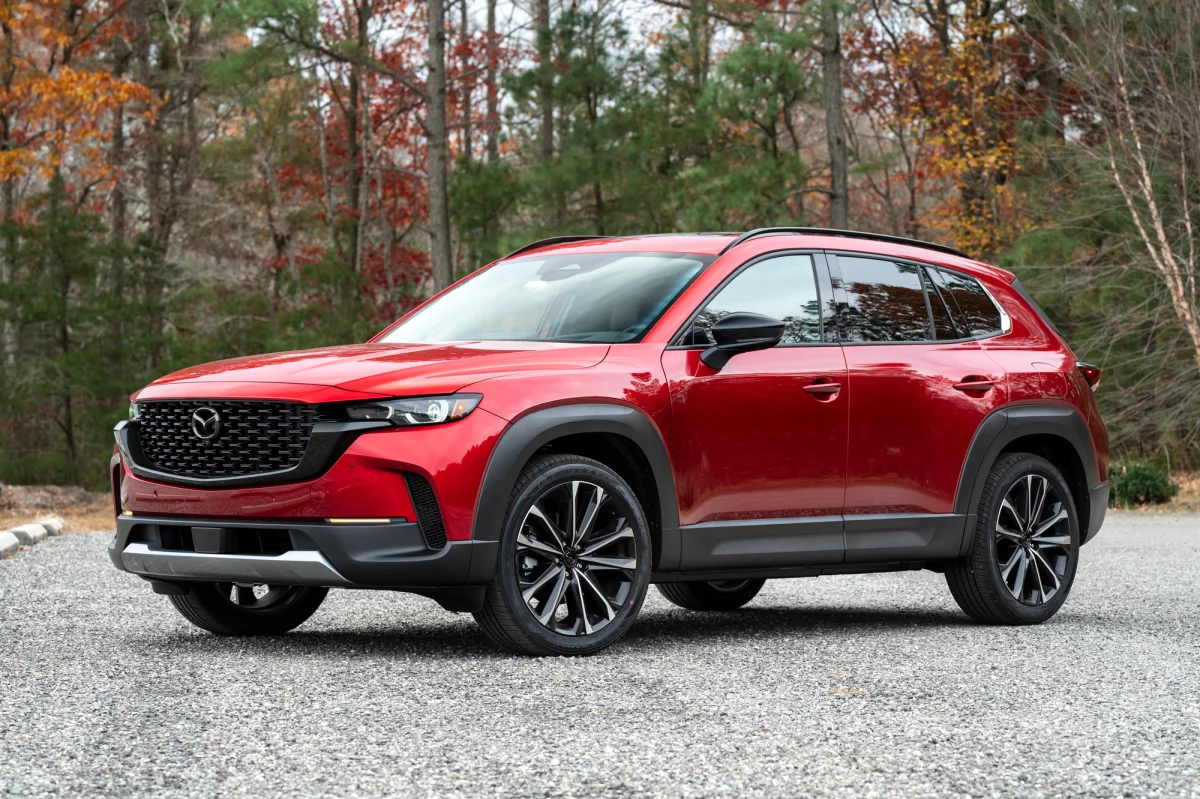
8. Mazda CX-50
The Mazda CX-50 is a larger crossover designed with a rugged appearance and practical utility. Its safety equipment reflects the broader trend toward combining electronic collision avoidance with carefully engineered occupant protection.
The vehicle is aimed at American buyers who want additional cargo space and an elevated driving position without moving into a full-size SUV.
Structural safety is equally important. During a crash, a vehicle’s structure needs to manage energy while protecting the passenger compartment. Engineers use different materials and structural shapes to create controlled deformation areas. The result is intended to keep damaging forces away from occupants as much as practical.
The CX-50 also highlights the importance of headlights in safety evaluations. Being able to see the road clearly at night can affect a driver’s ability to recognize pedestrians, animals, debris, curves, and stopped vehicles. Modern safety assessments therefore pay attention to lighting performance rather than focusing exclusively on crash-test results.
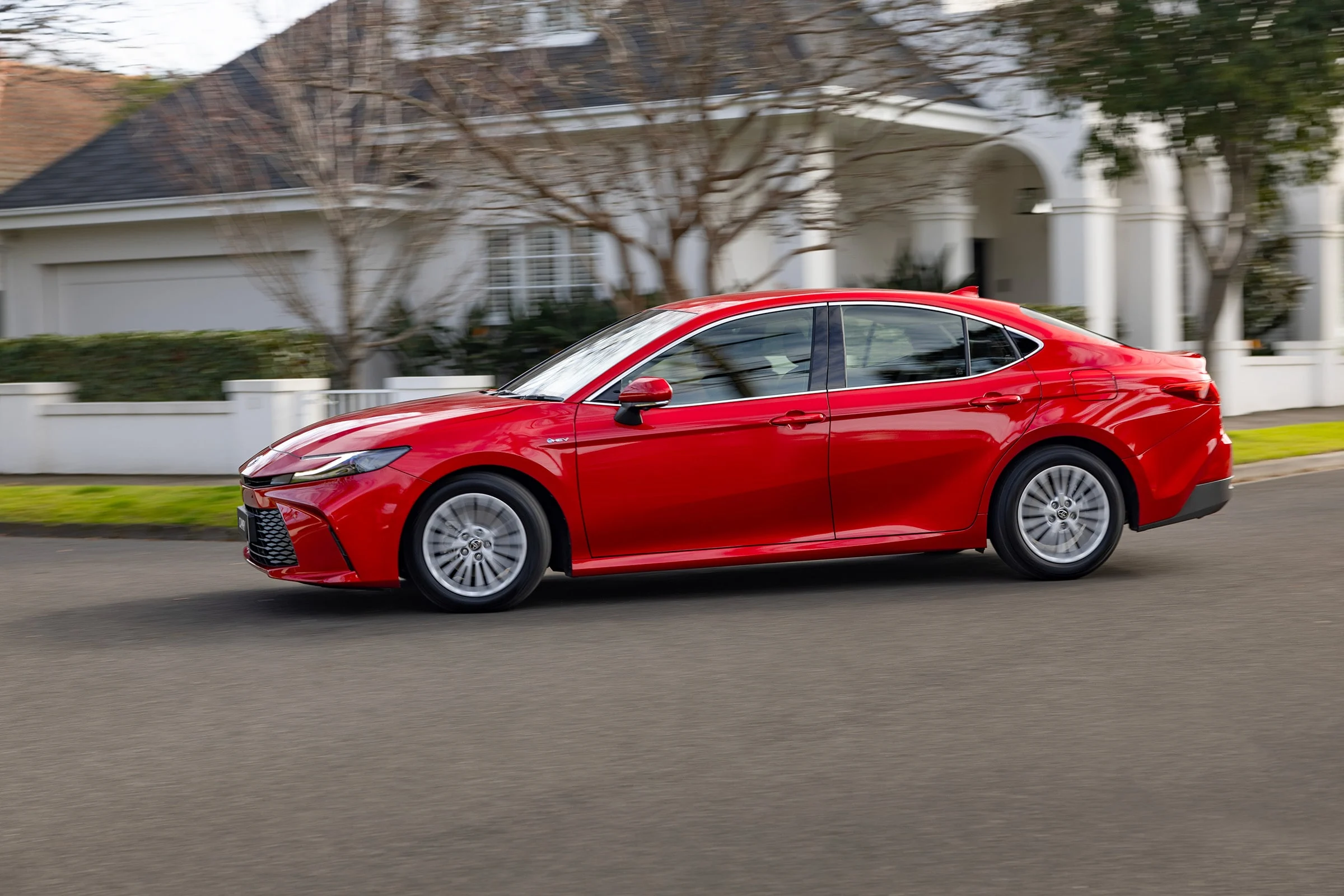
9. Toyota Camry
The Toyota Camry remains a significant name in the American midsize sedan market, and its long production history has allowed Toyota to refine its approach to occupant protection and accident avoidance.
Modern Camry models incorporate Toyota Safety Sense technology, providing several driver-assistance functions intended to reduce the likelihood or severity of common collisions.
Toyota’s safety suite can include automatic emergency braking, pedestrian detection, lane departure assistance, adaptive cruise control, and automatic high beams, depending on the specific model year and system generation.
These technologies address different driving situations. Forward collision systems focus on hazards ahead, while lane-related systems address unintended movement away from the intended path.
The Camry also uses a reinforced body structure designed to manage crash energy. In a collision, the vehicle’s structure and restraint systems work together to protect occupants. Seat belts remain particularly important because they hold passengers in the correct position for airbags to operate effectively. A high safety rating assumes proper use of these restraint systems.
The sedan body style can also provide practical benefits for visibility and vehicle control. Its lower center of gravity compared with many SUVs can contribute to different handling characteristics, while the longer passenger compartment can provide useful interior space. These features do not determine safety on their own, but they can influence how the vehicle feels and behaves on the road.
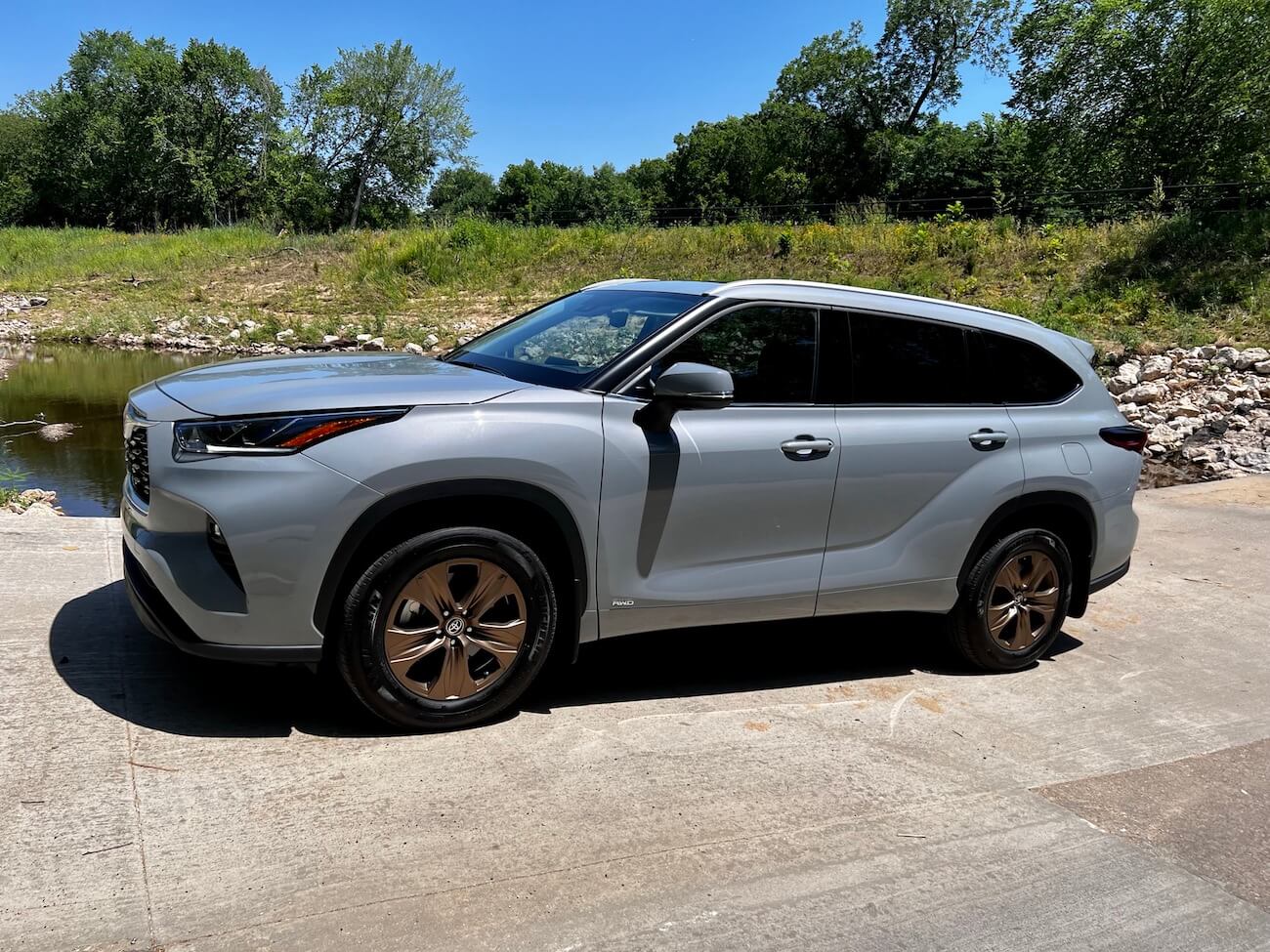
10. Toyota Highlander
The Toyota Highlander is a three-row SUV designed for families and everyday American transportation. Its safety package combines Toyota Safety Sense technology with a body structure designed to protect occupants. Because the Highlander can carry several passengers, its safety systems have relevance across a range of seating positions.
Automatic emergency braking and forward collision warning can help address certain frontal collision scenarios. Lane-related assistance can provide support when the vehicle begins drifting from its intended path.
Adaptive cruise control can also help maintain a selected distance from traffic ahead under appropriate conditions. These systems are designed to support drivers rather than remove the need for active supervision.
The Highlander’s structural design is another key component of its safety profile. The passenger compartment needs to remain sufficiently intact during crashes while deformation zones absorb energy. Airbags and seat belts then provide additional protection. The combination illustrates why a safety award cannot be reduced to a single feature.
Family buyers should pay special attention to the third row. Children and adults need to use the appropriate restraints for their seating position and size. Parents should also check the compatibility and accessibility of child safety seats. Even an advanced vehicle cannot compensate for improper restraint use.
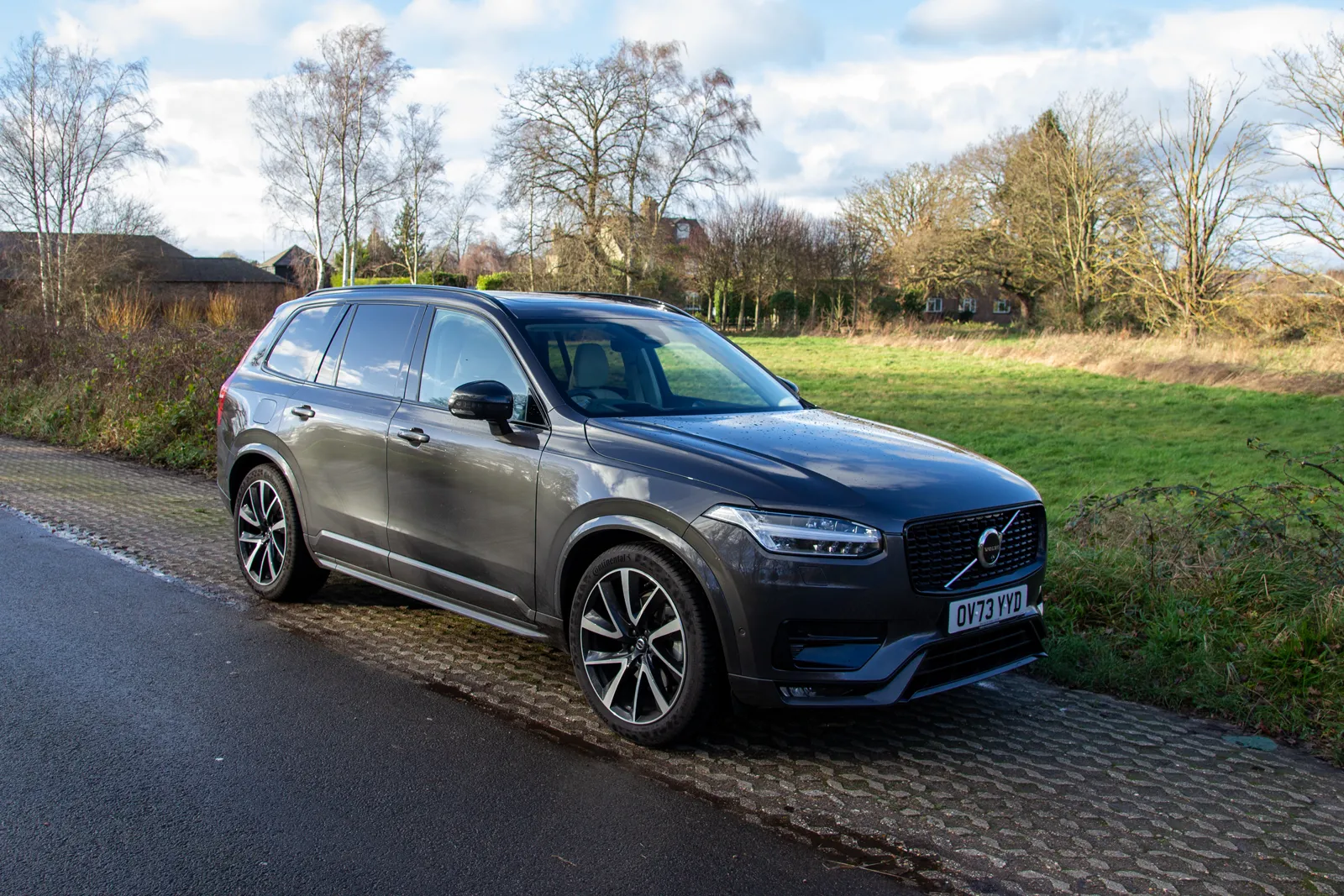
11. Volvo XC90
Volvo has built much of its brand identity around vehicle safety, and the XC90 represents its approach to protecting occupants in a large luxury SUV. The model incorporates numerous systems intended to prevent crashes and reduce injury when accidents occur. Its size also gives engineers substantial room for structural design and occupant protection technology.
The XC90 includes advanced driver-assistance systems designed to monitor the road and surrounding traffic. Depending on model year and configuration, these technologies can provide warnings and braking assistance in certain situations. Lane assistance and adaptive cruise control can also help reduce driver workload during highway travel.
Volvo’s safety philosophy places strong emphasis on crash compatibility and occupant protection. The passenger compartment is engineered to maintain space around occupants while controlled deformation absorbs crash energy. Seat belts, airbags, and head restraints work with the structure to reduce injury risk. These elements are evaluated through standardized safety tests.
Large SUVs also have responsibilities toward people outside the vehicle. Pedestrian and cyclist detection systems can help drivers respond to certain hazards. Automatic braking may intervene under suitable conditions when a potential collision is detected. Such systems are not infallible, so drivers must remain prepared to brake and maneuver themselves.
