
Car owners in the United States can report safety problems directly to the National Highway Traffic Safety Administration, creating a large public record of complaints about vehicles on American roads. In 2026, several major automakers accumulated thousands of consumer complaints during the first eight months of the year.
Ford, Honda, Chevrolet, Hyundai, Toyota, Jeep, Kia, GMC, Ram, and Nissan recorded the highest raw complaint totals during the period examined. These numbers do not prove that every vehicle from these companies is unreliable or unsafe.
Sales volume, vehicle age, model mix, and the number of vehicles on the road can affect complaint totals. Still, the data provides a useful starting point for examining recurring concerns reported by U.S. vehicle owners.
1. Ford
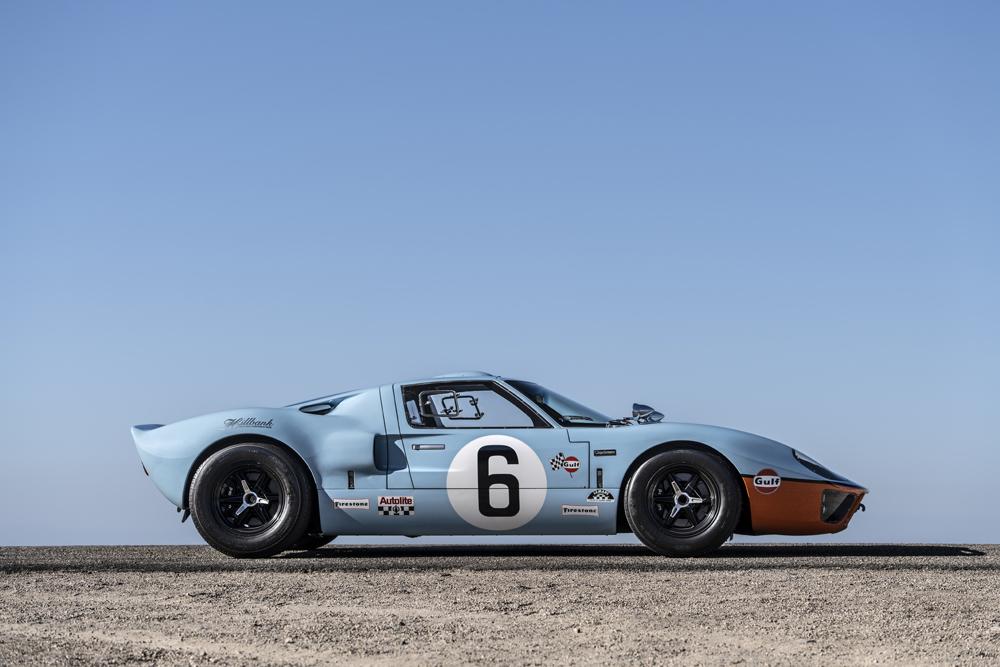
Ford recorded approximately 8,672 NHTSA complaints from January 1 through August 24, 2026, placing it at the top of the raw complaint-count table for the period. The figure comes from a compilation of NHTSA’s Office of Defects Investigation complaint records.
Ford’s enormous presence in the American market is important context because the company sells a broad range of cars, trucks, SUVs, and commercial vehicles.
Its F-Series pickup trucks alone represent a substantial portion of the U.S. vehicle market, while models such as the Explorer, Escape, Bronco, Mustang, Maverick, and various Transit products add millions of vehicles to the population being driven and potentially reported.
A raw complaint total should therefore not be interpreted as a direct reliability score. NHTSA itself explains that consumer complaints are used with other information to identify potential safety issues and determine whether a trend may warrant investigation.
A complaint represents an owner’s report of a problem, rather than a federal finding that a vehicle has a confirmed defect. This distinction matters when discussing Ford or any other manufacturer.
A company with more vehicles on American roads has more opportunities for consumers to submit complaints. Complaint numbers can also increase when a particular model receives significant public attention or when owners become aware of a reporting process.
Ford’s large product portfolio also creates many different categories of potential complaints. Owners can report problems involving electrical systems, steering, brakes, engines, transmissions, airbags, seat belts, vehicle structure, visibility equipment, tires, and other components.
A complaint may describe a minor malfunction, a serious safety concern, or an incident involving a crash. NHTSA stores these reports as part of its broader vehicle safety information system.
The agency can combine complaint information with crash reports, manufacturer communications, warranty information, field reports, recalls, and other evidence when examining possible defects.
The company’s complaint total also needs to be considered alongside the age and sales history of its vehicles. A vehicle that has been sold in large quantities for many years can accumulate considerably more complaints than a newer or low-volume product.
This is why raw counts are most useful for identifying where large numbers of consumer reports are concentrated, rather than declaring a manufacturer universally unreliable.
Edmunds uses a different methodology in its NHTSA complaint analysis, weighting complaints against vehicle sales and presenting results as complaints per 100,000 vehicles sold. That approach illustrates how the picture can change when sales volume is considered.
2. Honda
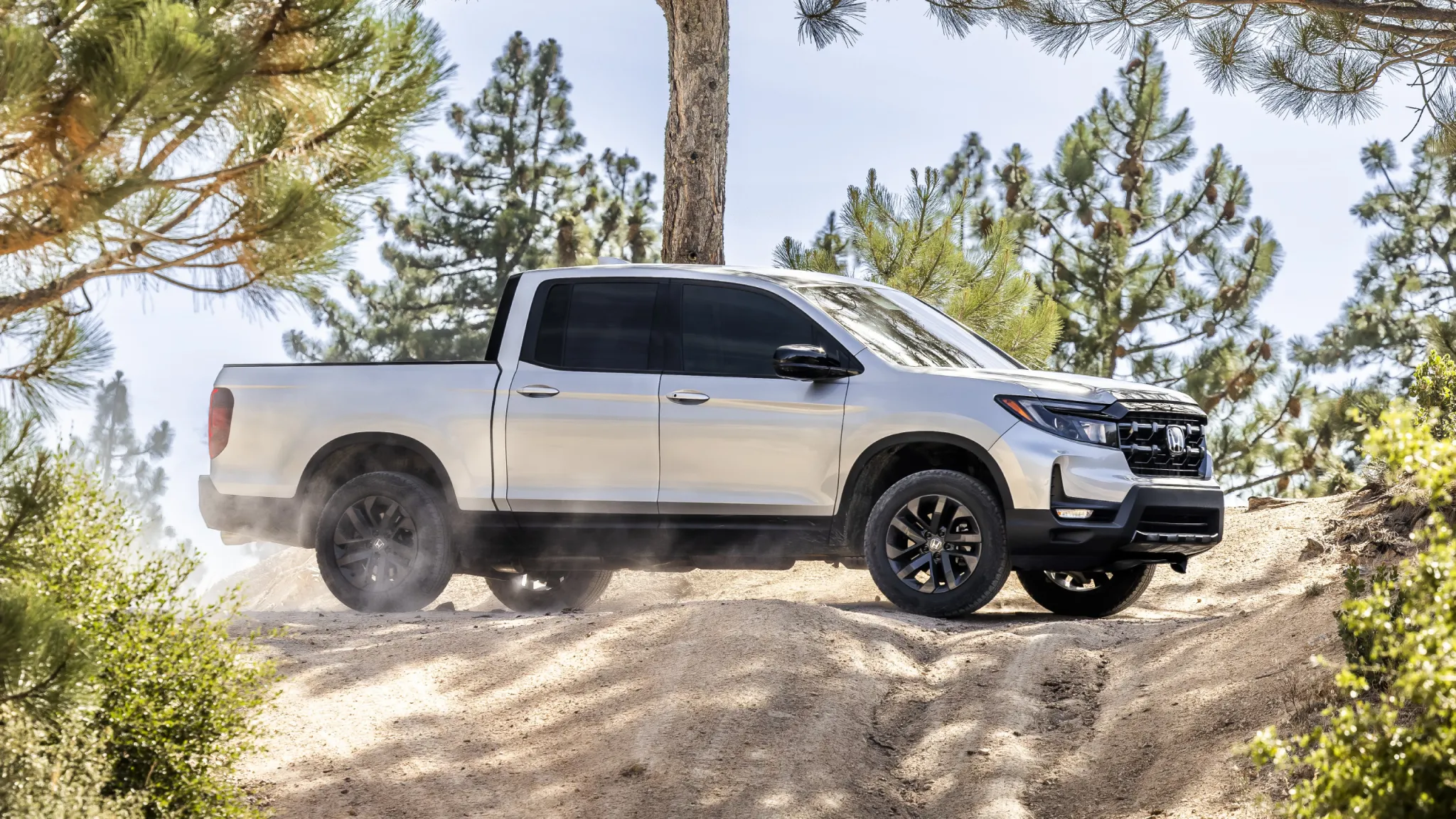
Honda recorded approximately 5,036 complaints during the same January through August 2026 period, according to the NHTSA complaint compilation. Honda’s position near the top of the raw count is significant because the company has a large installed base in the United States.
Popular vehicles such as the CR-V, Civic, Accord, Pilot, Odyssey, and other models have been sold in substantial numbers over many years. More vehicles in circulation create more opportunities for owners to encounter problems and report them to federal regulators.
Honda’s complaint count should therefore be read as a measurement of reported problems rather than a direct measure of vehicle quality. NHTSA states that its complaint database contains information submitted by vehicle owners and other members of the public.
The agency uses those reports as part of its process for identifying potential safety issues. A complaint can help investigators recognize a pattern, but the filing itself does not establish that the automaker caused the reported problem or that a defect exists across all vehicles of the same model.
Model-specific analysis becomes particularly important with a manufacturer that sells several high-volume vehicles. A large number of complaints against a popular crossover, for example, can influence a manufacturer’s raw total even if other vehicles in its lineup generate relatively few reports.
The same principle applies to older vehicles. A vehicle with a long production history has had more time to accumulate complaints than a recently introduced model. Complaint databases therefore need to be interpreted with the model year, vehicle population, and reporting period in mind.
Consumers can also encounter complaints involving completely different systems within the same brand. Electrical issues, braking concerns, engine problems, infotainment failures, transmission behavior, airbag systems, and body-related concerns may all appear in federal complaint records.
That variety makes it difficult to summarize an automaker’s entire complaint history with a single description. A better reading of the data asks which models generate the reports, which model years are involved, how frequently particular components appear, and whether regulators or manufacturers have taken action.
3. Chevrolet
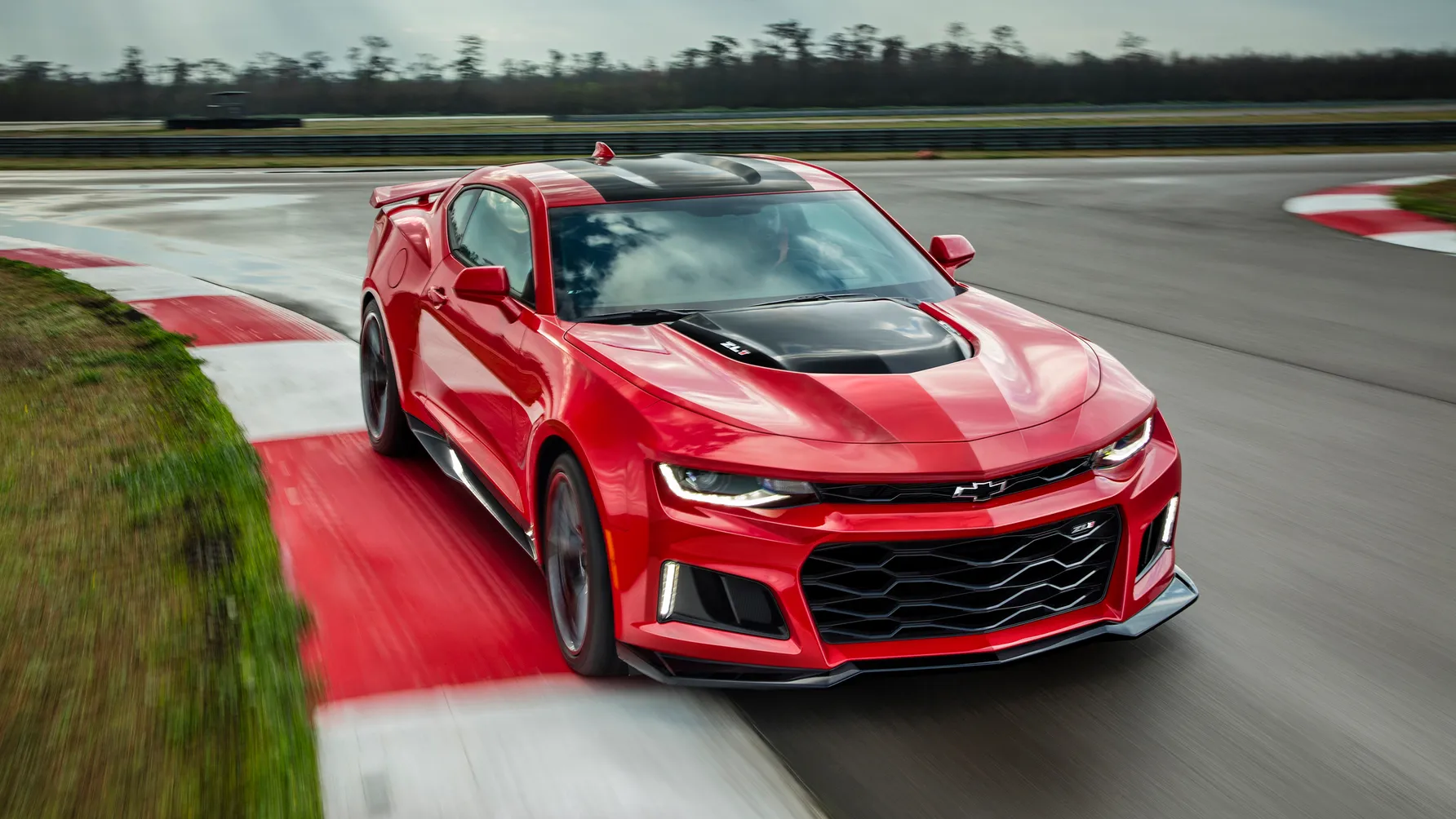
Chevrolet generated approximately 4,205 NHTSA complaints from January 1 through August 24, 2026. The brand has a particularly broad footprint in the United States, selling passenger cars, crossovers, SUVs, pickup trucks, and electric vehicles.
Models such as the Silverado, Equinox, Traverse, Tahoe, Suburban, Colorado, and other products contribute to a large vehicle population. Raw complaint totals can rise simply because a manufacturer has many vehicles operating on American roads.
Chevrolet’s position also shows why comparing brands requires careful methodology. A complaint count does not account for how many vehicles a manufacturer sells. It also does not automatically account for vehicle age.
A brand with millions of older vehicles may generate more reports than a smaller company with fewer vehicles, even if the rate of complaints per vehicle is lower. This is why analysts sometimes normalize complaint numbers against sales or vehicle populations when trying to compare manufacturers more directly.
Another factor is the diversity of Chevrolet’s lineup. A pickup truck and a compact crossover have different mechanical systems, different use cases, and different operating conditions. Trucks may accumulate high mileage, carry heavy loads, tow trailers, or operate in demanding environments.
Family SUVs may spend much of their time in urban traffic. Electric vehicles have different propulsion and charging systems. Treating all these products as if they were a single mechanical design can obscure useful details within the complaint data.
NHTSA’s complaint system can help separate these categories because records can be queried according to model year, make, and model. Consumers researching a Silverado, for example, can look at Silverado-specific complaints instead of relying on Chevrolet’s total.
The same applies to the Equinox, Traverse, or any other vehicle. This model-level approach is particularly useful when a company has a large lineup because the corporate figure can conceal substantial differences between individual products.
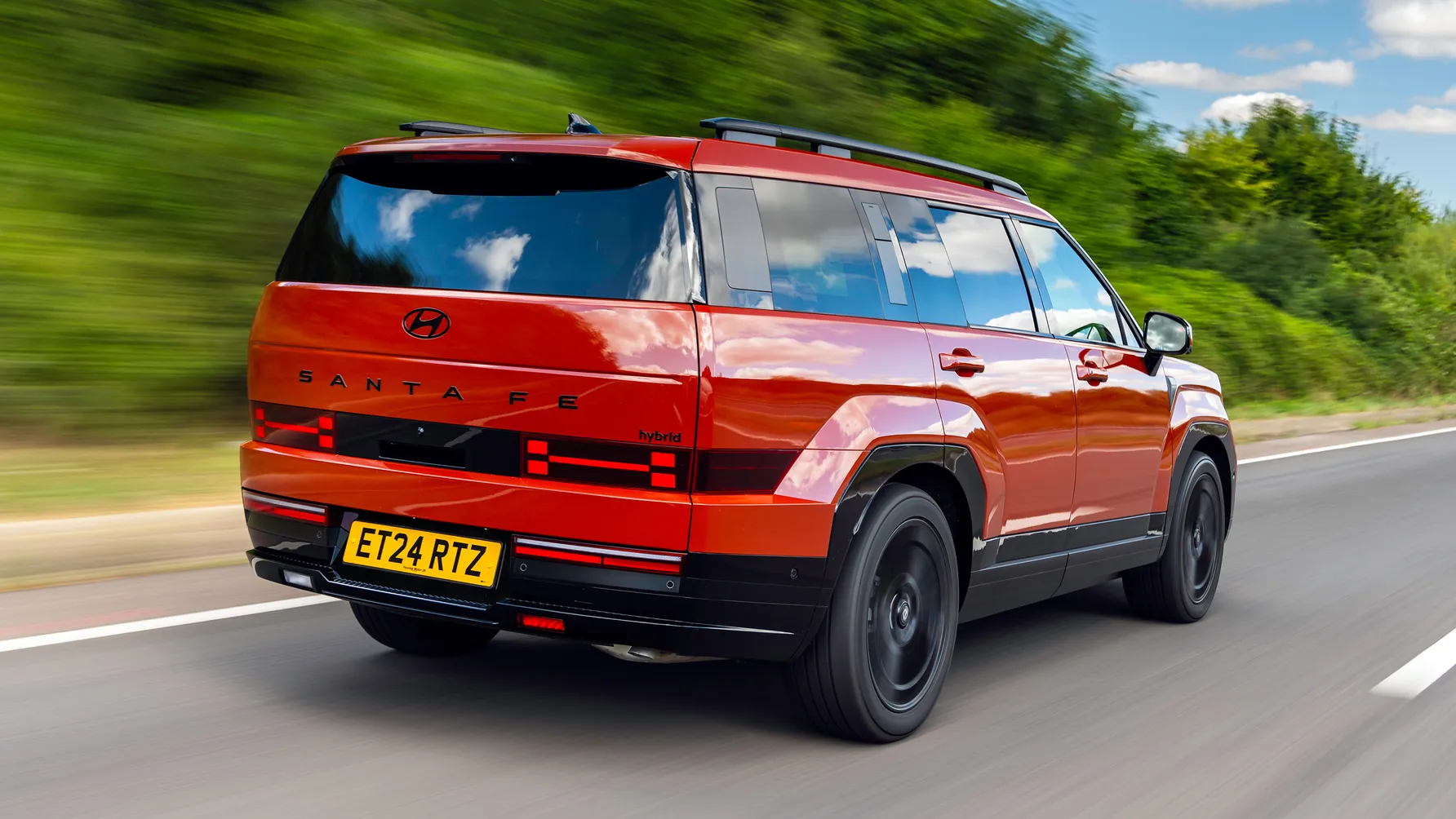
4. Hyundai
Hyundai recorded about 3,768 complaints in the first eight months of 2026, according to the NHTSA-based data compilation. The figure represented an increase compared with the corresponding period of 2025 in the same analysis.
Hyundai has expanded its U.S. presence significantly through a wide lineup covering compact cars, SUVs, hybrids, and electric vehicles. Models including the Tucson, Santa Fe, Palisade, Elantra, Sonata, Ioniq 5, and other products contribute to the brand’s large American vehicle population.
Hyundai’s complaint data demonstrates how rapidly changing vehicle technology can affect the types of reports submitted by owners. Modern vehicles contain extensive electronic controls, driver assistance features, touchscreen systems, software-controlled components, complex sensors, and advanced powertrains.
Problems involving these systems may not resemble traditional mechanical failures. An owner can experience a warning light, software malfunction, loss of a vehicle function, charging problem, or electronic control issue without experiencing a conventional engine or transmission failure.
The company’s individual models can also show very different complaint patterns. A high complaint count for a particular SUV does not automatically mean that another Hyundai model shares the same problem.
NHTSA’s database is structured to allow complaints to be examined at the model-year level, which is essential when researching a specific vehicle. Buyers should therefore look for patterns involving the exact generation and model year they intend to purchase rather than assuming that a brand-wide number applies equally across the lineup.
Recent complaint activity can also lead to regulatory attention. Hyundai vehicles have appeared in NHTSA recall and investigation records, but a recall and a complaint are different things.
A recall is a manufacturer’s or regulator’s formal action addressing a safety defect, while a complaint is a consumer report describing an alleged problem. NHTSA can use complaints as part of the evidence considered when examining whether a safety-related defect may exist.
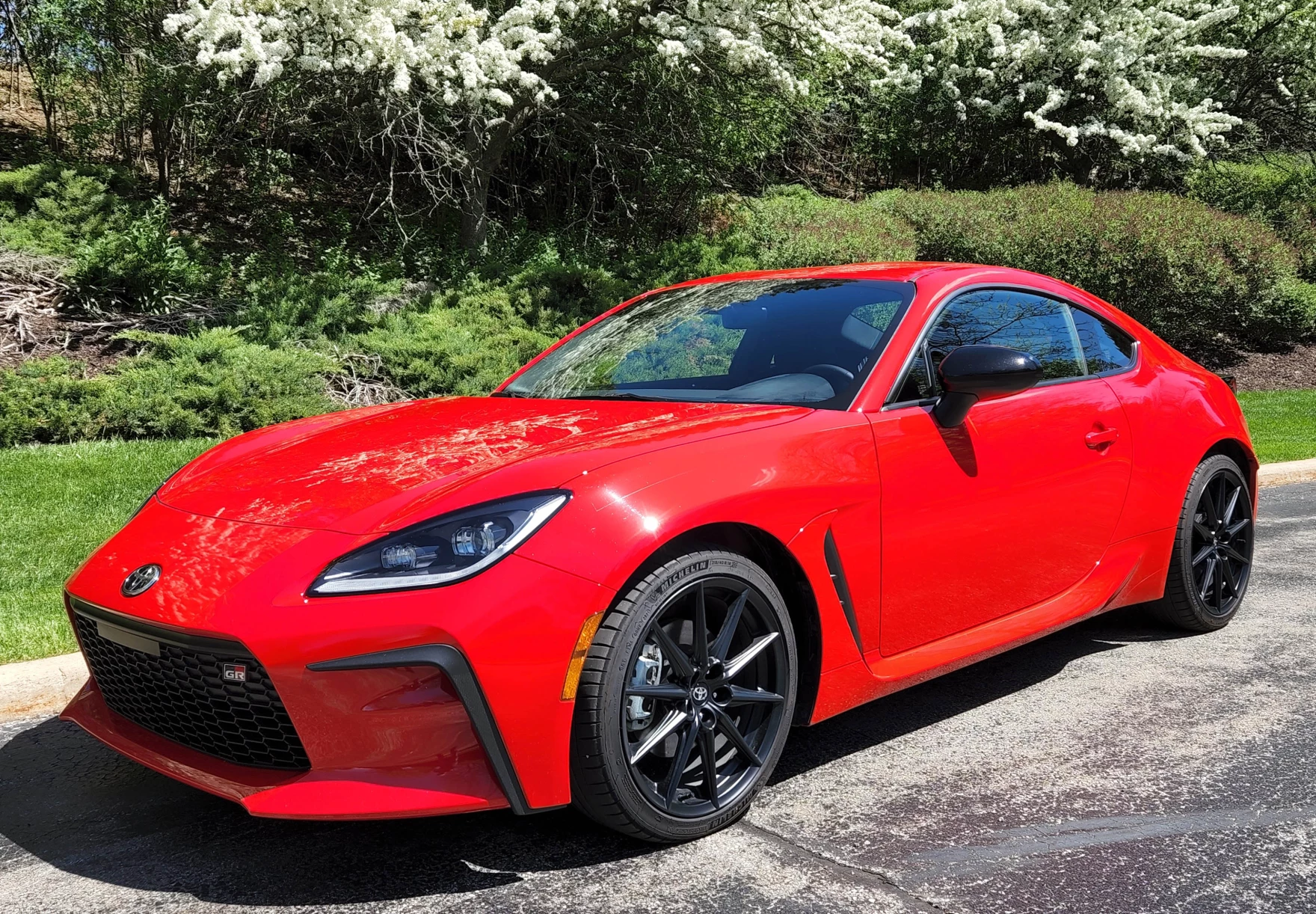
5. Toyota
Toyota recorded approximately 3,446 complaints through August 24, 2026, placing the brand among the highest-volume manufacturers by raw NHTSA complaint count during the period.
Toyota has an exceptionally large U.S. vehicle population, with long-running nameplates such as the Camry, Corolla, RAV4, Tacoma, Tundra, Highlander, Sienna, and 4Runner. The size and age of that population are important factors when interpreting raw complaint totals.
A large number of vehicles on the road naturally creates a larger pool of potential complaint reports. If two manufacturers had identical complaint rates but vastly different numbers of vehicles in service, the larger manufacturer could still produce the greater number of complaints.
This is why raw rankings should not be described as direct reliability rankings. Edmunds’ approach provides a useful example of an alternative methodology because it adjusts complaint frequency according to vehicle sales.
Toyota’s broad range of vehicles also means that its complaint total encompasses very different technologies. Conventional gasoline vehicles, hybrids, trucks, SUVs, and newer electric products have different components and operating characteristics.
A complaint involving a hybrid battery system does not carry the same technical meaning as a complaint involving a truck’s suspension or an SUV’s infotainment system. Looking at the individual component and model information provides much more useful context.
NHTSA makes this model-level information available through its complaint database and API. Users can search complaints by model year, make, and model, allowing individual vehicles to be investigated. The agency also provides downloadable complaint datasets covering multiple years. This makes it possible to study historical trends rather than looking only at a short period.
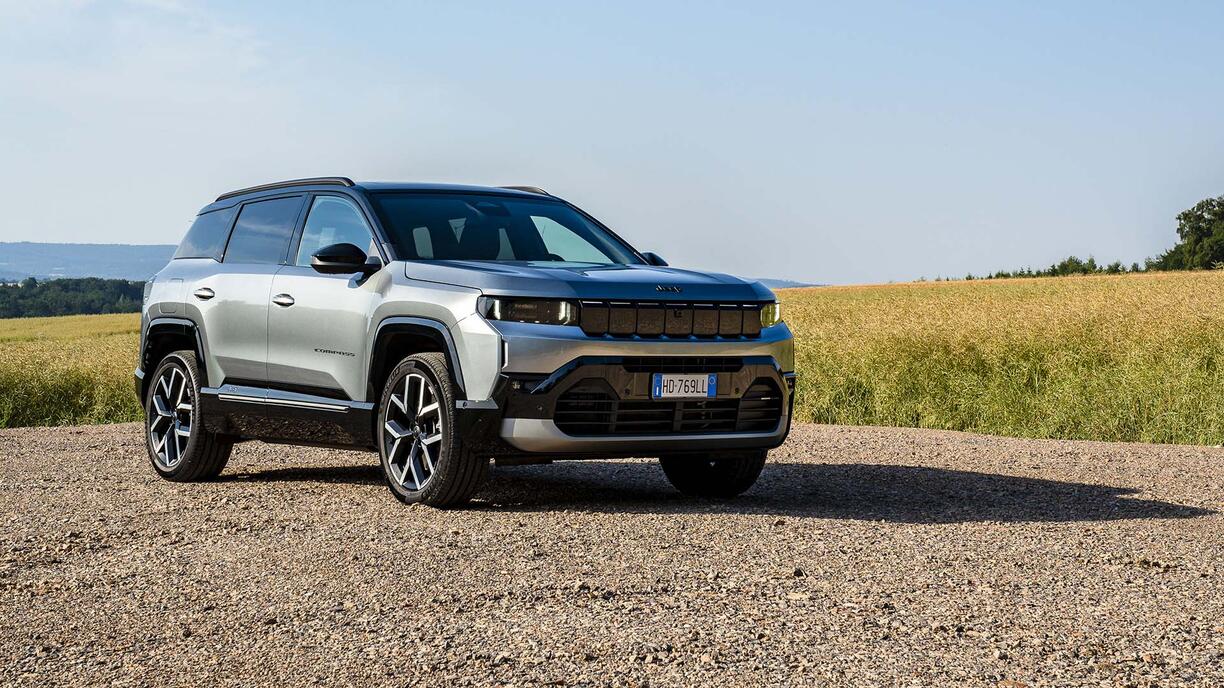
6. Jeep
Jeep recorded roughly 2,919 NHTSA complaints during the January through August 24, 2026 period. The brand has a large U.S. customer base and a lineup centered heavily on SUVs and off-road-oriented vehicles.
Models such as the Wrangler, Grand Cherokee, Compass, Gladiator, and Grand Cherokee L serve different groups of consumers, but they share the fact that their vehicles can accumulate substantial mileage and exposure to varied driving conditions.
Raw complaint numbers can be especially difficult to interpret for a brand with vehicles that have been produced across many generations. Older vehicles remain represented in NHTSA’s complaint records, meaning a company’s historical total can include reports involving vehicles that have been on the road for many years. Current buyers are generally more interested in the complaint history of the specific generation or model year they are considering.
Jeep’s lineup also includes vehicles with different engineering layouts and intended uses. A Wrangler used frequently for off-road driving can experience different stresses from a Grand Cherokee used mainly for commuting.
Owners may report problems involving suspension components, electrical systems, steering, braking, drivetrain components, body equipment, or electronic features. These reports need to be examined individually before concluding a vehicle.
NHTSA’s complaint database is particularly useful for this type of research because it permits searches by model year, make, and model. Consumers can therefore move from the broad Jeep figure to a much more specific record.
The agency notes that complaints form part of the information used by the Office of Defects Investigation to identify possible safety-related trends. Complaints can contribute to an investigation, but a complaint itself is not confirmation of a defect.
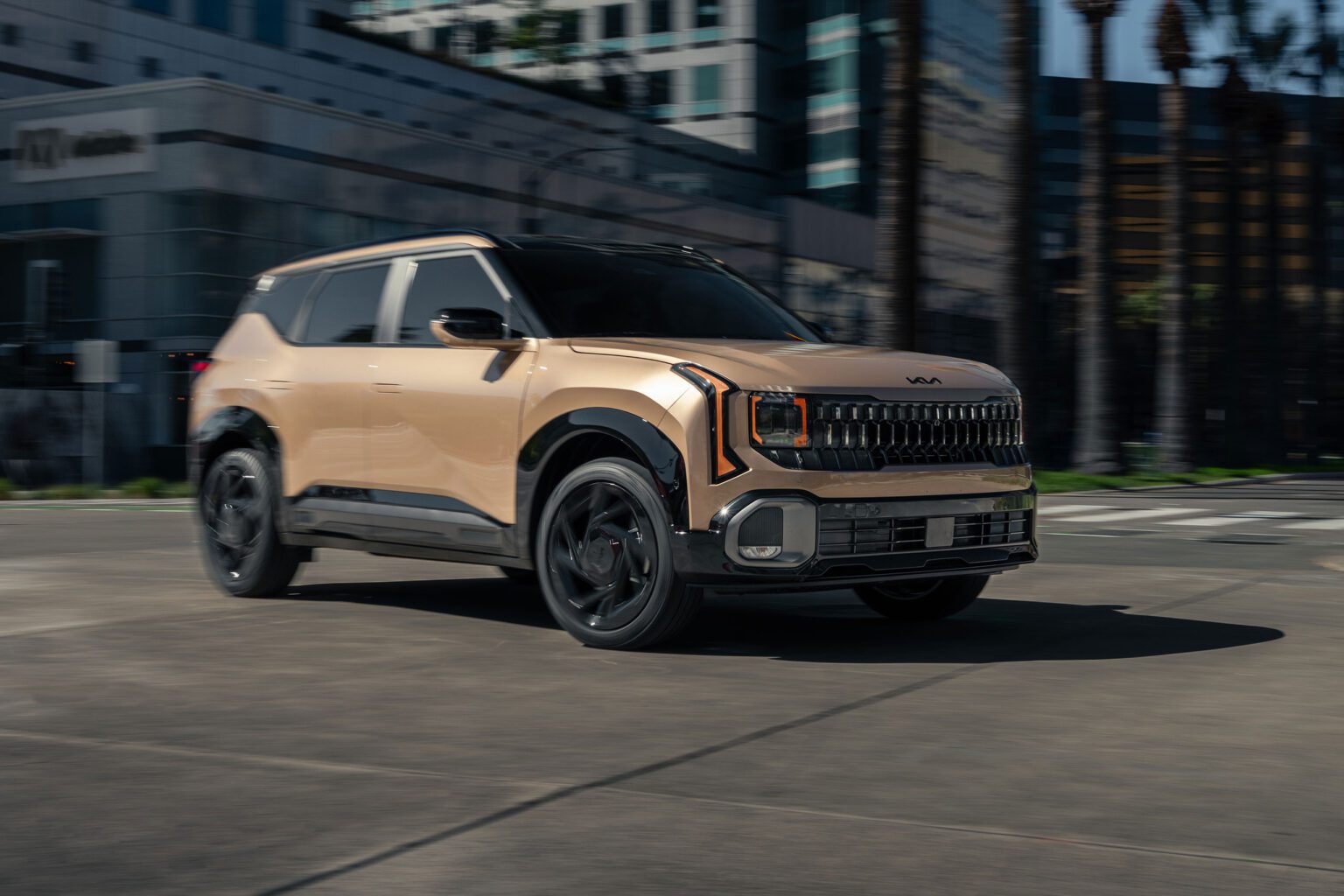
7. Kia
Kia recorded approximately 2,842 complaints through August 24, 2026. The brand has become a significant player in the U.S. market, with models ranging from compact cars to three-row SUVs and electric vehicles.
Its U.S. lineup includes products such as the Sportage, Sorento, Telluride, Forte, K5, Carnival, and EV models. As with other high-volume manufacturers, the size of the vehicle population affects the number of complaints that can be generated.
Complaint numbers also vary substantially by model year. A vehicle introduced recently may have relatively few reports simply because owners have had less time to experience and report problems.
NHTSA complaint totals for newer vehicles can continue increasing as more owners accumulate mileage. Third-party analyses of NHTSA data warn that newer model years should not be compared directly with older model years without accounting for this difference in exposure time.
Kia’s expanding electric and hybrid offerings introduce additional categories of potential consumer reports. Charging equipment, battery systems, software, electronic controls, and conventional vehicle components can all generate different kinds of complaints.
This makes brand-level totals less informative than model-specific data when someone is investigating a purchase. The type of problem can matter just as much as the number of reports.
Consumers can also check whether a particular complaint pattern is connected to an official recall or investigation. NHTSA maintains separate datasets for recalls, investigations, complaints, and manufacturer communications.
The agency explains that manufacturers must submit certain communications concerning defects, failures, malfunctions, or deviations from specifications. These records can provide additional context when a pattern appears in owner complaints.
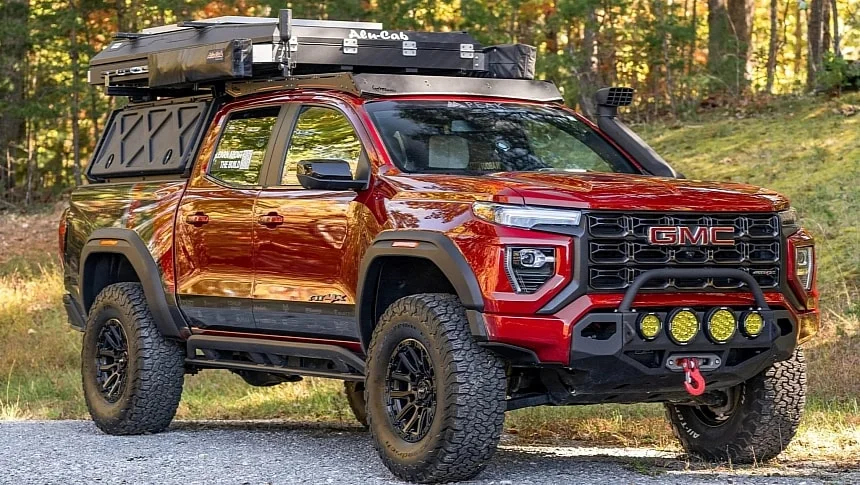
8. GMC
GMC recorded around 2,296 complaints during the first eight months of 2026, according to the NHTSA-based compilation. GMC’s American lineup is concentrated heavily around trucks and SUVs, including the Sierra, Canyon, Yukon, Acadia, and Terrain.
These vehicles often serve as family transportation, work vehicles, towing vehicles, or combinations of those roles. Their wide range of uses means that complaints can involve many different vehicle systems.
The GMC figure should also be viewed alongside the relationship between GMC and General Motors. GMC and Chevrolet are separate vehicle brands but operate under the same corporate parent.
Their products can share platforms, engines, transmissions, electronic architecture, and other components. That means certain technical issues may appear across multiple GM brands, while other problems can remain specific to a particular model or production configuration.
The distinction matters when reading complaint statistics. A complaint associated with a GMC Sierra does not automatically apply to every GMC vehicle.
Even within a single nameplate, a particular engine, transmission, model year, trim, or production period may be relevant. This is why NHTSA’s model-specific complaint system is more useful for researching a potential purchase than a single company-wide figure.
Truck and SUV owners can also use their vehicles differently from owners of compact cars. High annual mileage, towing, hauling, off-road use, extreme temperatures, and heavy urban traffic can all place different demands on mechanical systems.
Such factors do not prove that a component is defective, but they demonstrate why complaint data needs to be interpreted within the context of vehicle use.
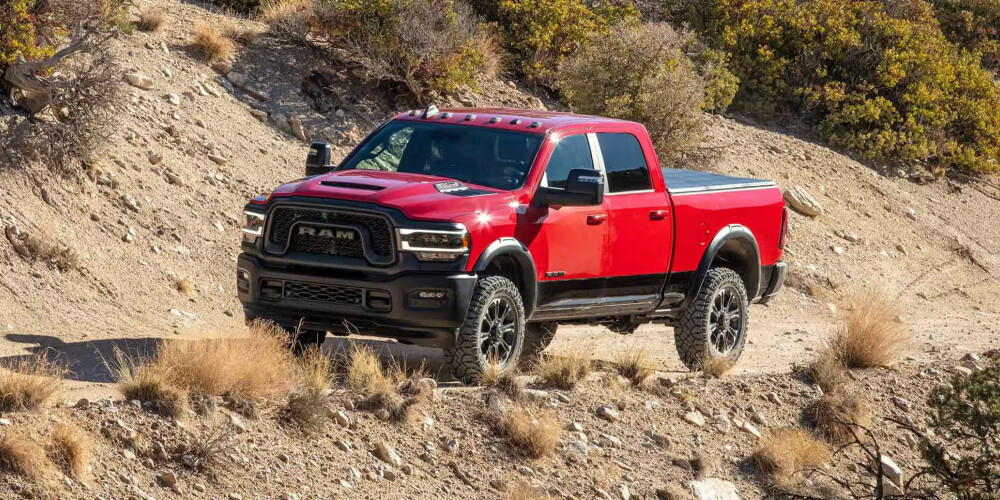
9. Ram
Ram recorded approximately 2,097 NHTSA complaints from January 1 through August 24, 2026. The brand has a strong presence in the American pickup market, with the Ram 1500 and larger heavy-duty trucks forming a major part of its lineup.
Commercial use, towing, hauling, long-distance driving, and high mileage can all be common among truck owners. Those usage patterns can affect how vehicles age and the types of problems owners report.
The Ram 1500 has also appeared prominently in recent NHTSA complaint data at the individual vehicle level. A compilation of complaints for 2025 model-year vehicles showed the Ram 1500 near the top of the model-specific list, with hundreds of complaints recorded in the dataset available in September 2026.
That finding concerns a particular model year and should not be generalized to every Ram truck or every model year.
Model-specific complaint counts are particularly valuable for trucks because the lineup can span different engine options, drivetrain configurations, cab styles, payload capacities, and electrical systems.
A problem reported by owners of a particular configuration may not affect another version of the same nameplate. Buyers should therefore pay attention to the exact configuration of a vehicle rather than relying only on the brand’s headline complaint number.
NHTSA’s complaint database can also be used alongside recall information. A complaint may precede a formal investigation or recall, but there is no automatic progression from complaint to recall.
NHTSA reviews consumer complaints with other sources of information when determining whether a possible safety trend warrants further analysis. This process is designed to identify potential safety defects through multiple forms of evidence.
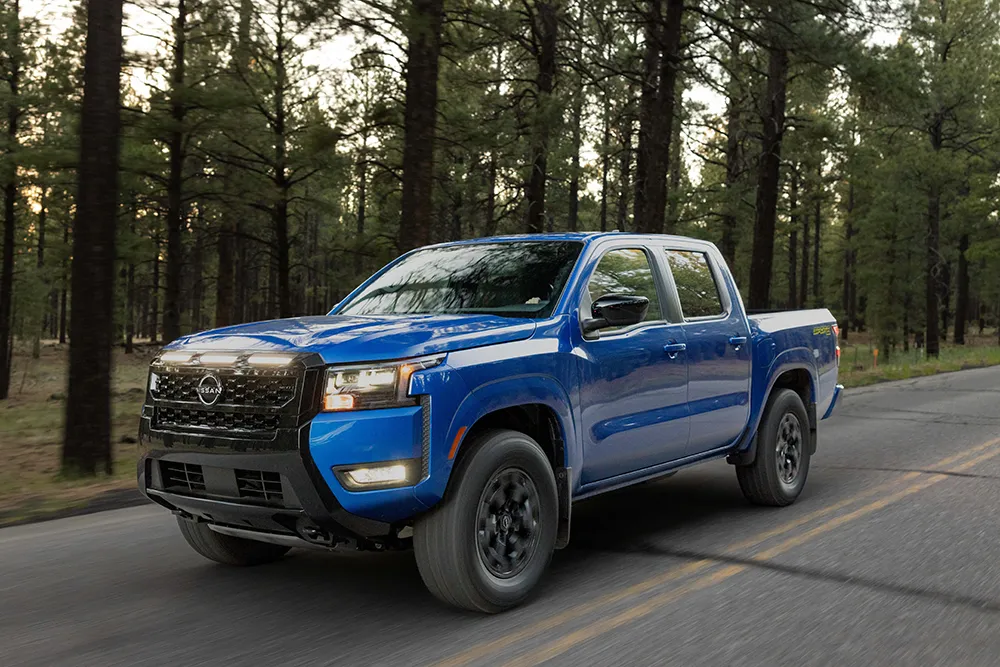
10. Nissan
Nissan recorded approximately 1,914 NHTSA complaints through August 24, 2026, completing the top ten brands in the raw complaint-count comparison. Nissan has a substantial U.S. vehicle population, including cars, crossovers, SUVs, and trucks. Models such as the Rogue, Altima, Sentra, Pathfinder, Frontier, and Murano have contributed to the company’s long-running American presence.
The company’s complaint total is affected by the same statistical factors that influence every manufacturer in this list. Sales volume, the number of vehicles currently operating, vehicle age, model mix, and how long owners have had to report problems can all affect the raw number. A raw total therefore cannot determine the probability that a particular Nissan vehicle will experience a problem.
The Rogue, for example, appeared among the highest-complaint 2025 model-year vehicles in a separate NHTSA data analysis, with 179 complaints in the dataset examined through September 18, 2026.
That is a model-year-specific statistic, not a measurement of every Rogue ever produced. Separating individual model years is essential because vehicle designs, powertrains, software, components, and manufacturing processes can change over time.
Consumers considering a Nissan can search NHTSA records for the exact model year and vehicle. The federal agency’s complaint API allows users to retrieve complaints by model year, make, and model.
This can reveal the kinds of problems owners have reported and provide a basis for further research. NHTSA also maintains investigation and recall information, giving consumers several sources to consult when evaluating a vehicle.
