
America’s next major vehicle safety requirement is already shaping cars sold today. Federal Motor Vehicle Safety Standard 127, created by the National Highway Traffic Safety Administration, requires automatic emergency braking, pedestrian automatic emergency braking, and forward collision warning on new light vehicles by September 1, 2029.
Several U.S.-market models already offer advanced systems that address major parts of this requirement. However, having AEB does not automatically prove full FMVSS 127 compliance.
The standard sets demanding performance tests at higher speeds and in nighttime pedestrian situations. This guide examines 11 cars with strong existing safety technology and explains what current evidence actually shows today.
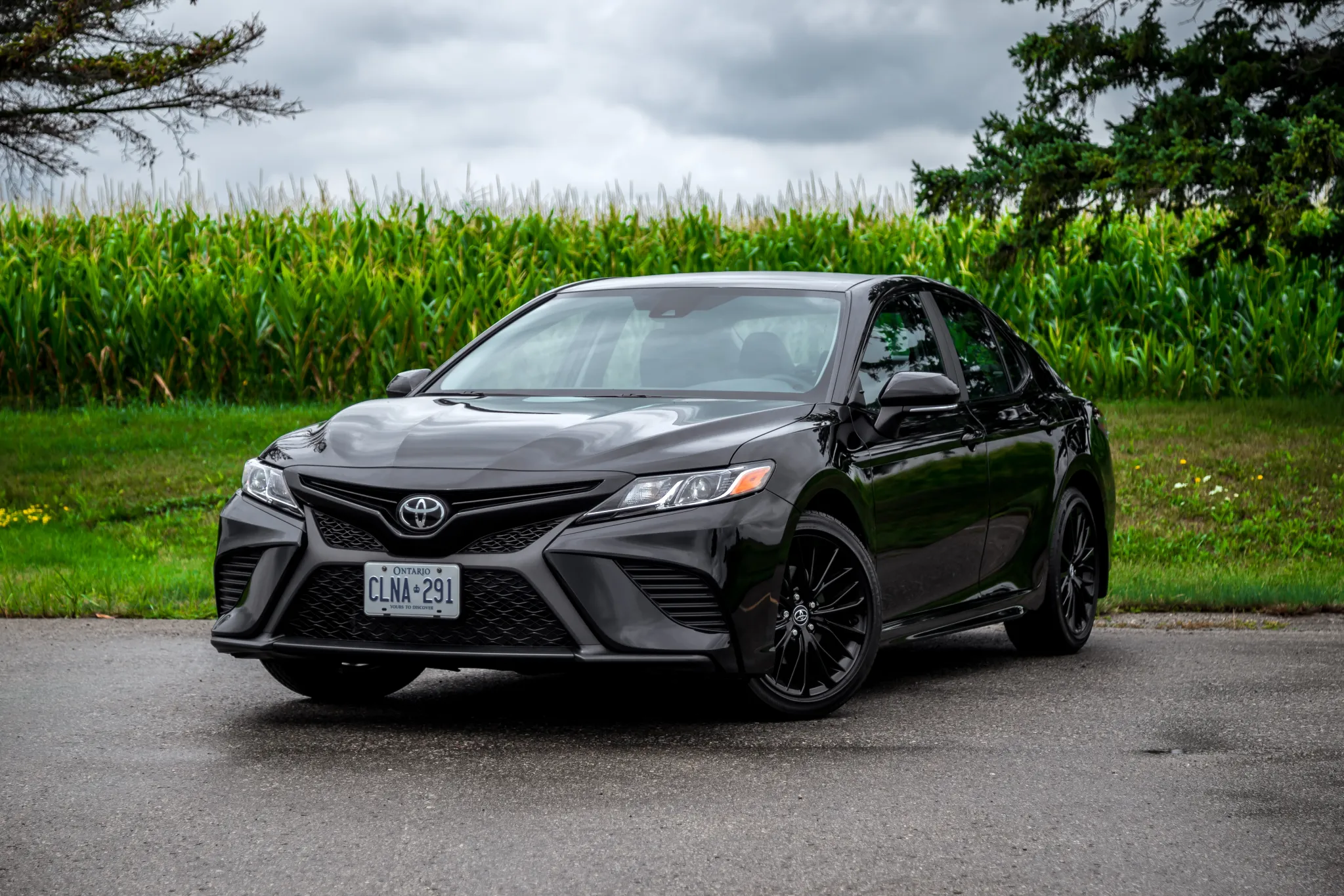
1. Toyota Camry
The 2025 Toyota Camry is a particularly relevant example because Toyota Safety Sense 3.0 is standard across the model line. The system includes technology designed to detect potential frontal collisions and pedestrians.
IIHS gave the Camry a Good rating for its standard pedestrian front crash prevention system and recorded successful collision avoidance in several pedestrian test situations.
The Camry’s pedestrian system performed especially well in the IIHS evaluation. It avoided a collision with a child crossing the road at 12 mph, while its performance at 25 mph varied by scenario.
During nighttime testing, the Camry avoided collisions with an adult pedestrian in several conditions. Its results demonstrate that pedestrian detection is already integrated into the vehicle rather than being an unusually high-cost option.
The sedan also received a Good rating for IIHS vehicle-to-vehicle front crash prevention 2.0. That system is standard rather than restricted to a premium package. The testing includes stationary and moving target scenarios at several speeds, providing evidence that the Camry’s forward collision technology can operate effectively in situations more demanding than low-speed city driving.
FMVSS 127 requires significantly more than the IIHS tests performed on the Camry, including higher-speed requirements and specific federal test procedures.
There is no basis for saying the 2025 Camry has officially been certified as meeting every 2029 requirement. What can be stated accurately is that its standard safety technology already addresses several major areas covered by the future rule.
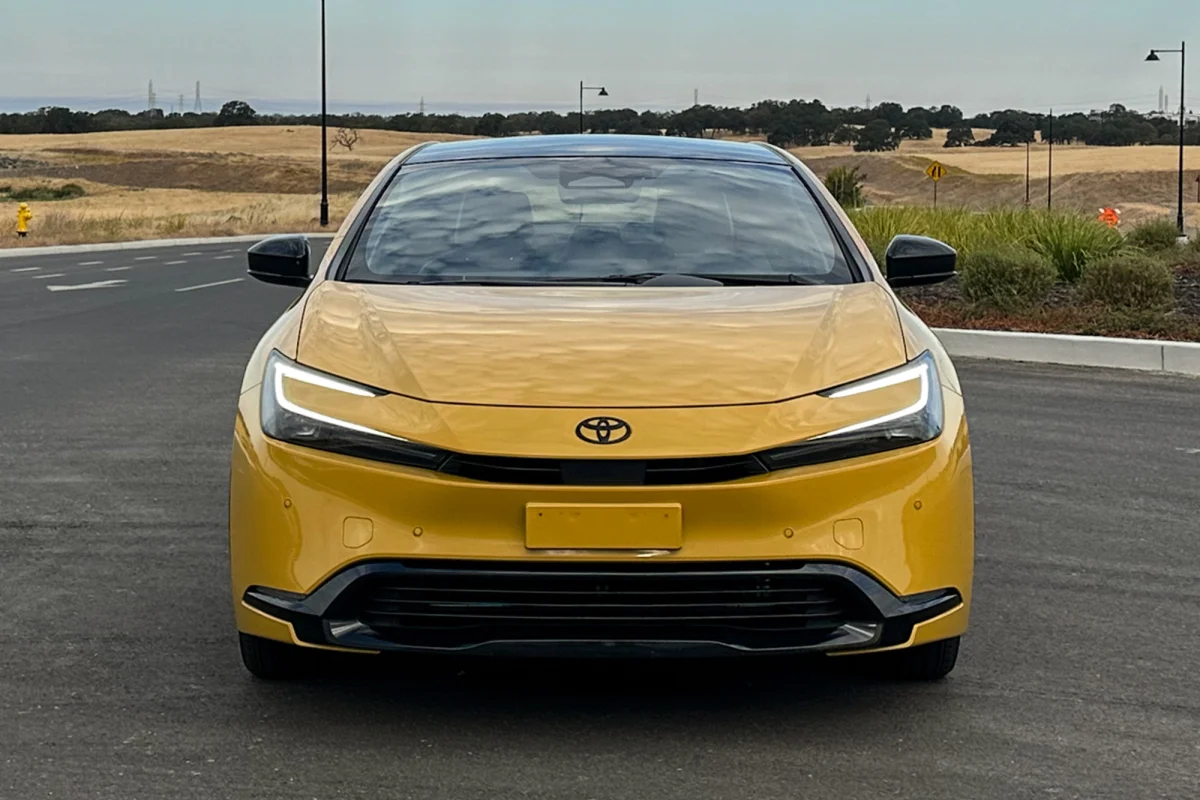
2. Toyota Prius
The Toyota Prius has long been associated with efficiency, but its current safety technology is also significant. The 2025 Prius comes with Toyota Safety Sense 3.0 and a standard pre-collision system that includes pedestrian detection. IIHS rated its pedestrian front crash prevention system Good.
In IIHS testing, the Prius avoided collisions with a child pedestrian at both 12 mph and 25 mph. Its nighttime performance was also strong in several situations.
During the 37 mph parallel adult test, the system reduced speed substantially when operating with low beams and provided a warning before the potential impact. Those results show that pedestrian detection is not limited to bright daytime conditions.
The Prius is also significant because its safety equipment is incorporated into a relatively mainstream passenger car rather than being limited to a large luxury vehicle. Buyers do not need to choose a specialized performance model to access automatic braking and pedestrian detection. The technology is integrated into the car’s standard driver-assistance package.
The evidence still has to be interpreted carefully. IIHS tests do not duplicate every FMVSS 127 requirement, and the Prius has not been publicly identified by NHTSA as a vehicle officially certified against the entire 2029 federal test procedure.
The correct description is that the Prius already has technology that addresses several major elements of the upcoming regulation.
For people researching cars with forward collision and pedestrian protection already built in, the Prius provides a clear example. Its current system demonstrates how automatic braking has moved into ordinary passenger cars. The 2029 rule will establish a common federal performance floor, while vehicles such as the Prius already offer several relevant functions today.
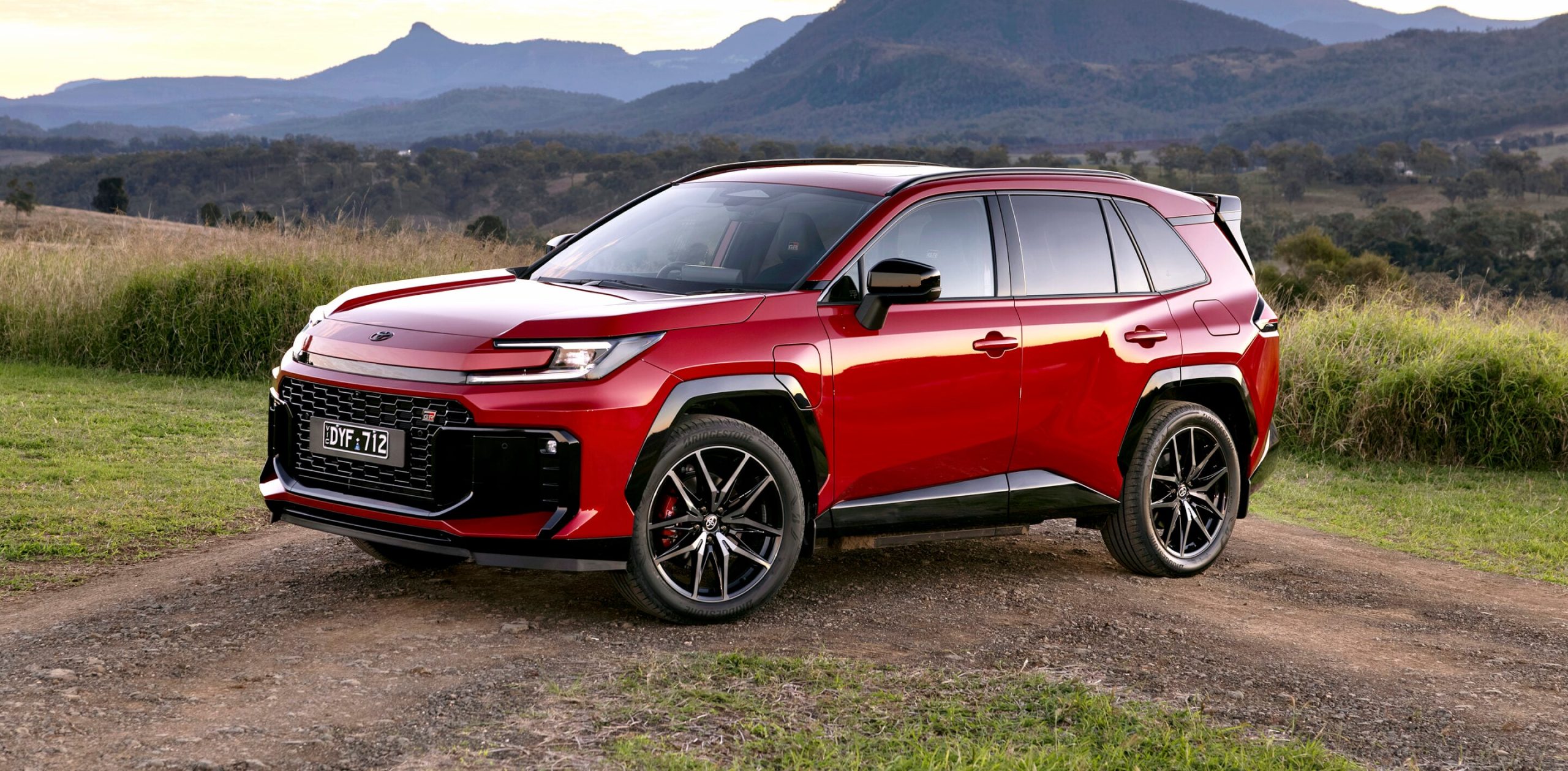
3. Toyota RAV4
The Toyota RAV4 is another U.S.-market vehicle with standard automatic emergency braking and pedestrian detection. The 2025 model uses Toyota Safety Sense 2.5 and includes a pre-collision system with pedestrian detection. IIHS gave its vehicle-to-vehicle front crash prevention system an Acceptable rating and its pedestrian system a Good rating.
During IIHS vehicle-to-vehicle testing, the RAV4 avoided collisions in several scenarios at 31 mph and 37 mph. At 43 mph, performance varied depending on the target position, which illustrates why an IIHS result should not be interpreted as proof that the vehicle passes every future federal test. The system nevertheless provides substantial automatic braking capability.
Pedestrian testing produced stronger results. The RAV4 avoided collisions with a child during the daytime tests and avoided collisions with an adult during nighttime testing at the tested speeds.
The system also showed useful performance against a parallel adult pedestrian at higher test speeds, including substantial speed reduction when low beams were used.
These results are relevant because FMVSS 127 specifically includes pedestrian automatic emergency braking and nighttime detection. The RAV4 therefore has several pieces of technology that are central to the future requirement. The federal standard, however, uses its own test equipment, procedures, speeds, and pass criteria.
Calling the RAV4 “already compliant” would go beyond the evidence available publicly. Calling it a current U.S. vehicle with standard AEB and pedestrian detection is accurate. Its recent IIHS performance also makes it a useful example of how existing systems are moving toward the type of functionality regulators will require from new light vehicles by September 2029.
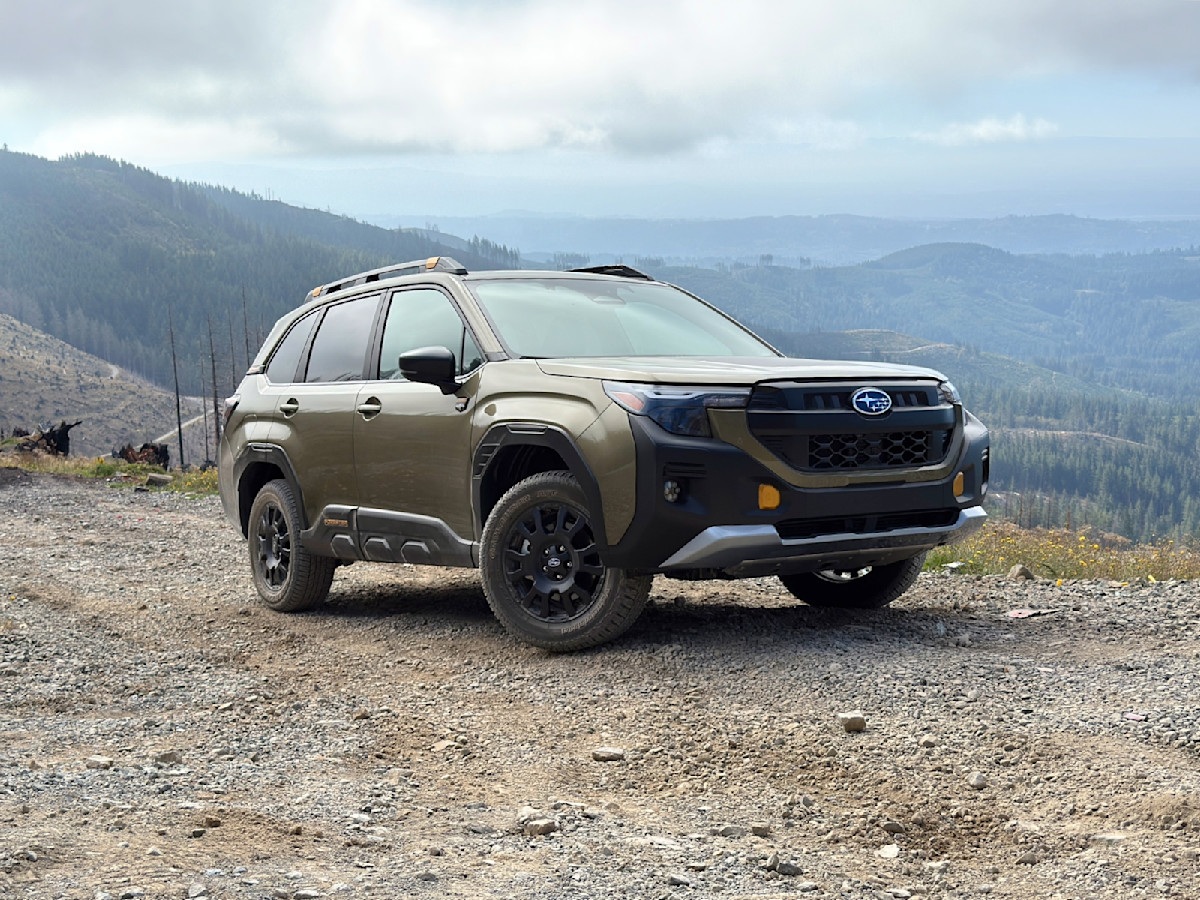
4. Subaru Forester
The 2025 Subaru Forester uses the latest version of Subaru EyeSight as standard equipment across several trim levels. IIHS awarded the Forester a Good rating for vehicle-to-vehicle front crash prevention and a Good rating for pedestrian front crash prevention. These systems provide both automatic braking and pedestrian detection functions.
The Forester’s vehicle-to-vehicle system performed well during IIHS testing. At 31 mph and 37 mph, the tested system avoided collisions with the passenger-car target in both centered and offset configurations. At 43 mph, the system still reduced speed significantly in the motorcycle-target evaluations, showing that the system does more than operate only at low urban speeds.
Pedestrian testing also produced useful results. The Forester avoided collisions with a child in daytime testing and avoided several nighttime adult pedestrian collisions.
IIHS tested both high-beam and low-beam conditions, which is particularly relevant because FMVSS 127 includes nighttime pedestrian detection requirements.
There is still a gap between strong independent testing and federal certification. FMVSS 127 establishes its own exact performance criteria, and NHTSA has not publicly designated the Forester as having completed all those federal tests. The IIHS results should therefore be used as supporting evidence of advanced capability rather than as a federal compliance certificate.
The Forester is nevertheless a strong illustration of how a mainstream SUV can already offer a sophisticated safety package. EyeSight is not restricted to a top-tier trim in the tested range. That means the technology is available to a broad group of U.S. buyers rather than being reserved for a small number of expensive configurations.
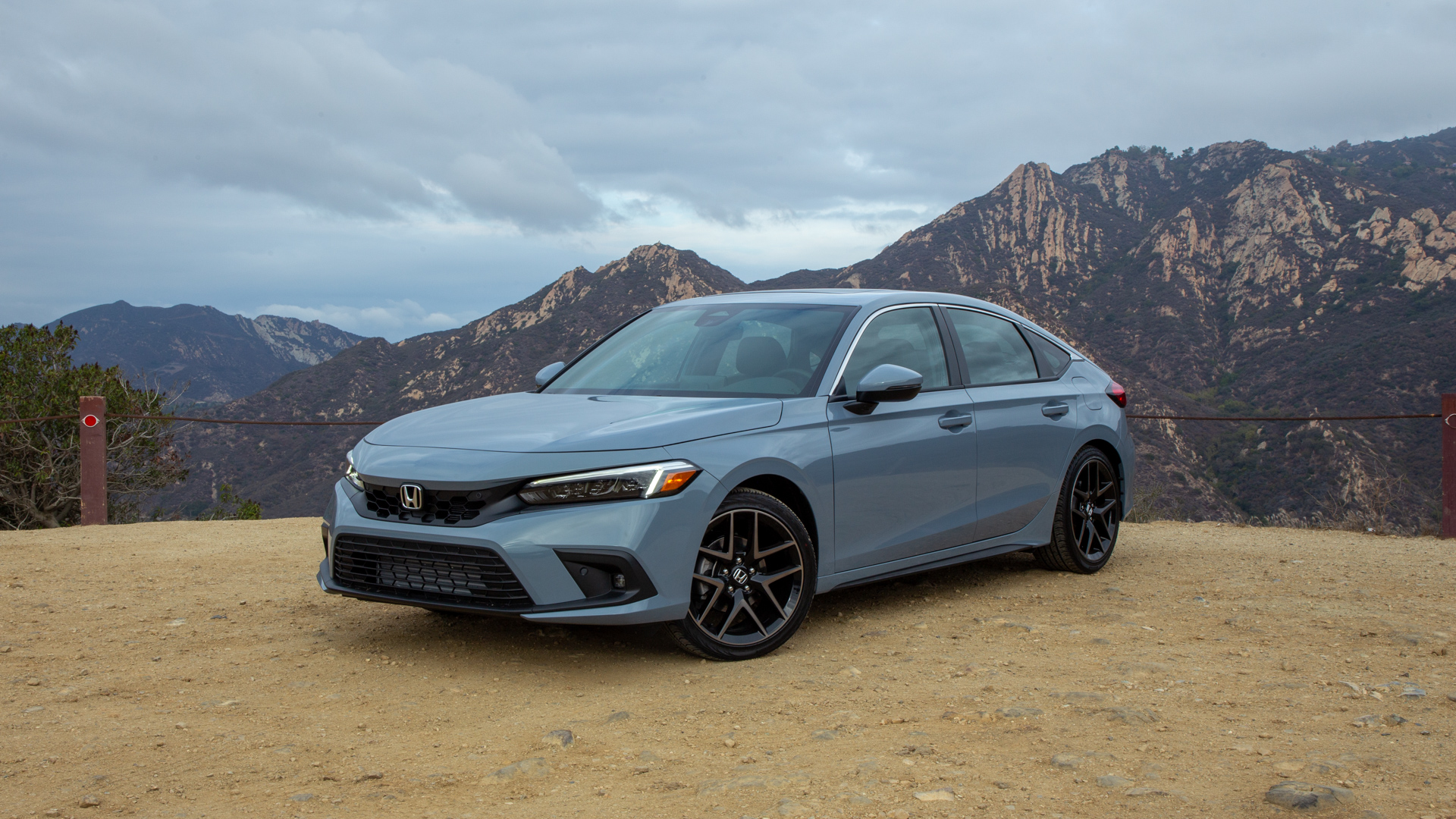
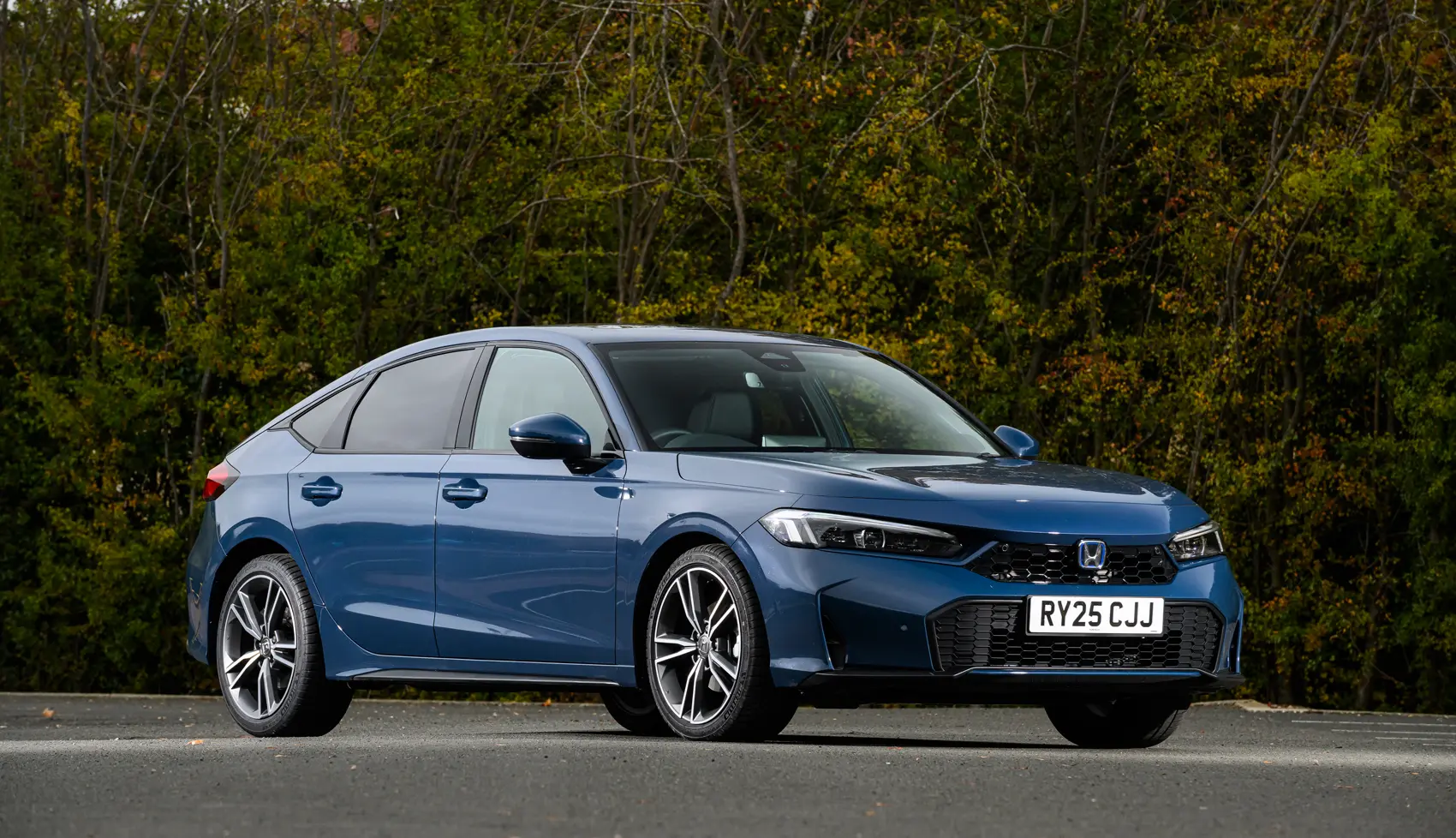
5. Honda Civic
The Honda Civic has become another mainstream car with extensive driver-assistance technology. The 2025 Civic includes Honda’s Collision Mitigation Braking System as standard equipment. IIHS rated its vehicle-to-vehicle front crash prevention system Acceptable and its pedestrian front crash prevention system Acceptable.
The Civic’s pedestrian system avoided a child target at 12 mph and 25 mph during IIHS testing. It also avoided several nighttime adult pedestrian collisions.
In some tests where a collision was not completely avoided, the system still reduced impact speed substantially. That ability to reduce speed is an important function of automatic emergency braking.
The vehicle-to-vehicle system also showed useful results in the IIHS evaluation. The Civic provides automatic braking as part of its standard Collision Mitigation Braking System rather than making the feature exclusive to a high-end package. This reflects the broader trend toward making collision avoidance technology common across mainstream cars.
The Civic should not be described as officially certified for FMVSS 127 based solely on these IIHS results. The federal rule contains more demanding conditions, including a requirement for activation at speeds up to 90 mph and collision avoidance at speeds up to 62 mph under specified circumstances. Those tests are different from IIHS’s current procedures.
Still, the Civic belongs on a list of cars already equipped with technology that addresses important portions of the 2029 requirement. Its standard AEB and pedestrian detection show that the equipment needed for future compliance is already present in a widely sold U.S. passenger car.
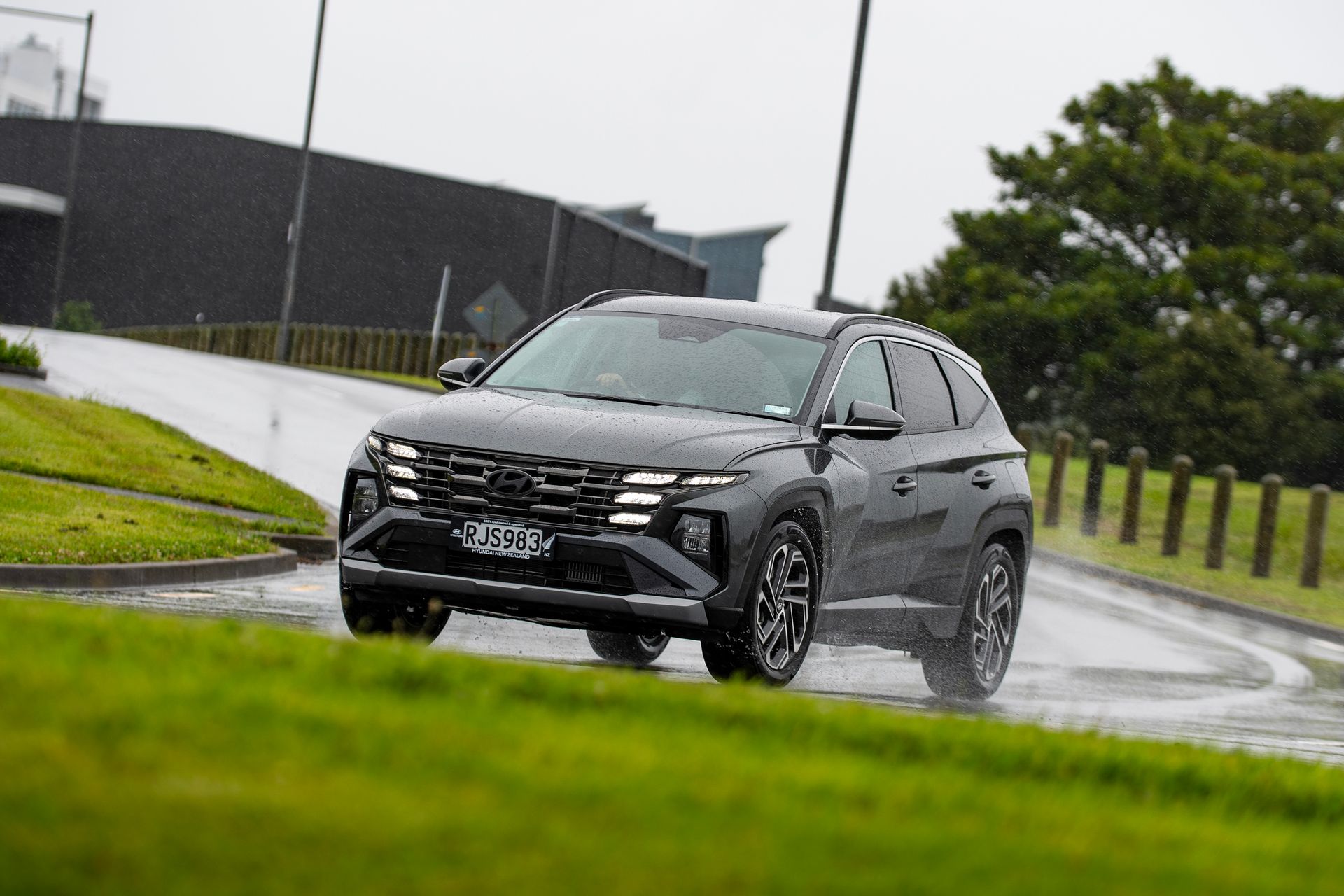
6. Hyundai Tucson
The Hyundai Tucson uses Forward Collision-Avoidance Assist as part of its standard safety technology. The 2025 Tucson received a Good rating from IIHS for pedestrian front crash prevention. Its pedestrian system is designed to recognize people in the vehicle’s path and provide automatic braking when necessary.
IIHS testing showed that the Tucson avoided a child pedestrian collision at 25 mph. It also avoided several nighttime adult pedestrian collisions, including situations tested with both high beams and low beams.
At higher speeds in the parallel pedestrian scenario, the system was able to reduce impact speed substantially. The Tucson’s vehicle-to-vehicle front crash prevention result was less impressive in the same IIHS evaluation, receiving a Marginal rating.
That detail is important because it prevents an exaggerated description of the vehicle. Strong pedestrian performance does not automatically mean that every aspect of the future federal AEB requirement has already been demonstrated.
FMVSS 127 evaluates the complete system using federal procedures. A vehicle can have excellent performance in a particular independent test while still requiring additional development to satisfy the entire federal standard. The Tucson therefore represents a car with meaningful existing technology, not a vehicle publicly confirmed as fully compliant with every future test.
For U.S. consumers, the Tucson shows why safety equipment should be considered in detail rather than reduced to a simple “AEB available” label.
Its standard pedestrian protection system has already demonstrated useful capability in independent testing. The remaining question is whether future software and hardware revisions will satisfy the full federal performance requirements.
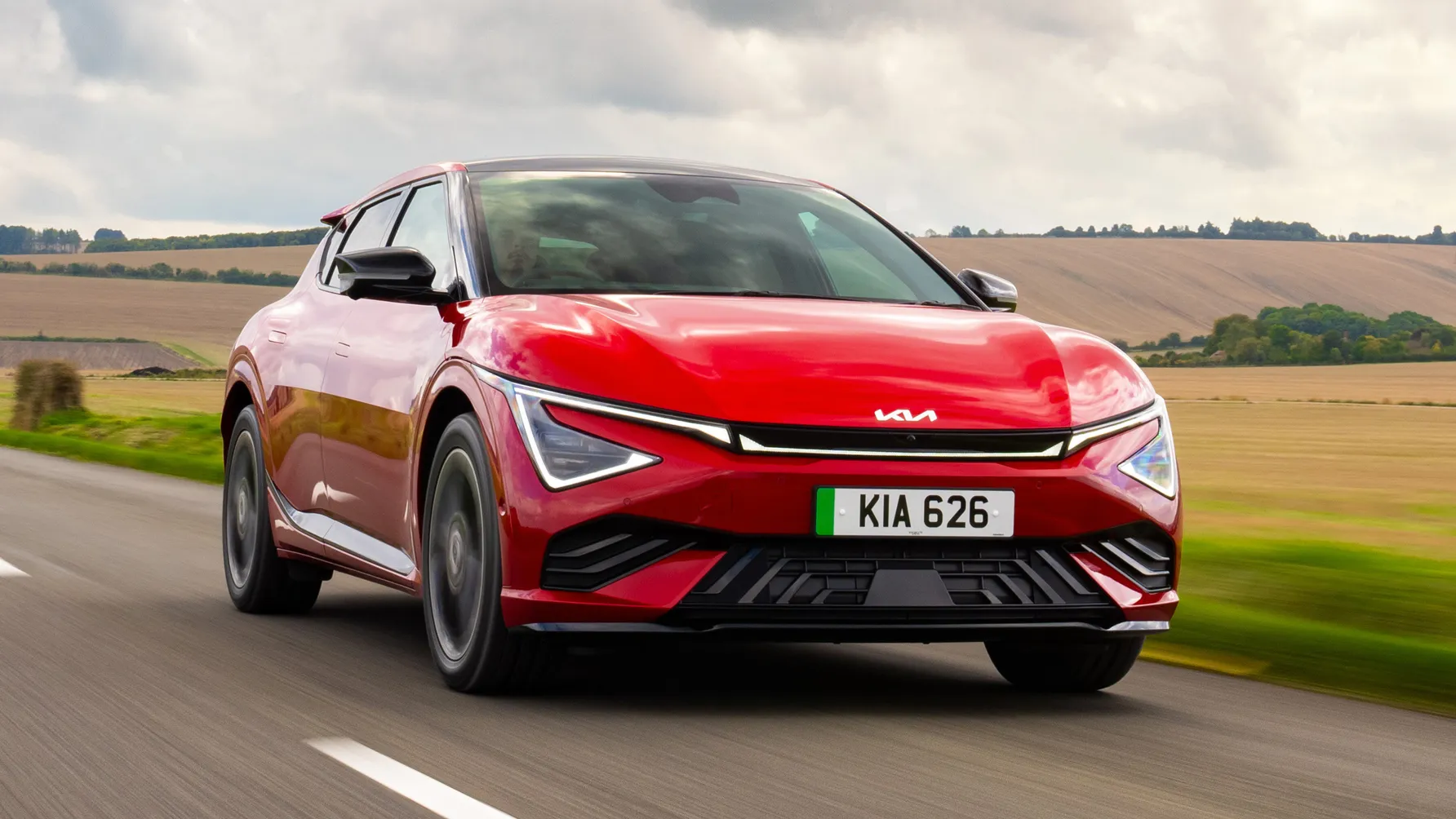
7. Kia EV6
The Kia EV6 brings advanced automatic braking technology to an electric crossover. The 2025 EV6 has standard automatic emergency braking with pedestrian, cyclist, and junction-turning detection. IIHS rated its vehicle-to-vehicle front crash prevention system Acceptable and its pedestrian system Good.
The EV6 avoided collisions with passenger-car targets in all of the IIHS vehicle-to-vehicle test runs at 31 mph and 37 mph. At 43 mph, its results varied by target type.
The system also demonstrated strong pedestrian performance, avoiding several child and adult pedestrian collisions in both daytime and nighttime scenarios.
Its pedestrian technology is particularly relevant to the coming federal requirement. FMVSS 127 requires pedestrian automatic emergency braking and specifies performance during nighttime conditions.
The EV6 already has a system that combines pedestrian recognition with automatic braking, giving it a technological foundation related to that portion of the rule.
The available evidence still does not establish full FMVSS 127 compliance. The federal requirement reaches speeds and test conditions that go beyond the IIHS evaluation. A vehicle passing an IIHS test at 43 mph, for example, should not automatically be described as having passed a federal 62 mph collision-avoidance requirement.
The EV6 is therefore best described as an advanced current system rather than a confirmed early certification case. Its combination of vehicle detection, pedestrian detection, cyclist recognition, and automatic braking shows how modern electric vehicles can incorporate extensive active safety functions well before the federal deadline.
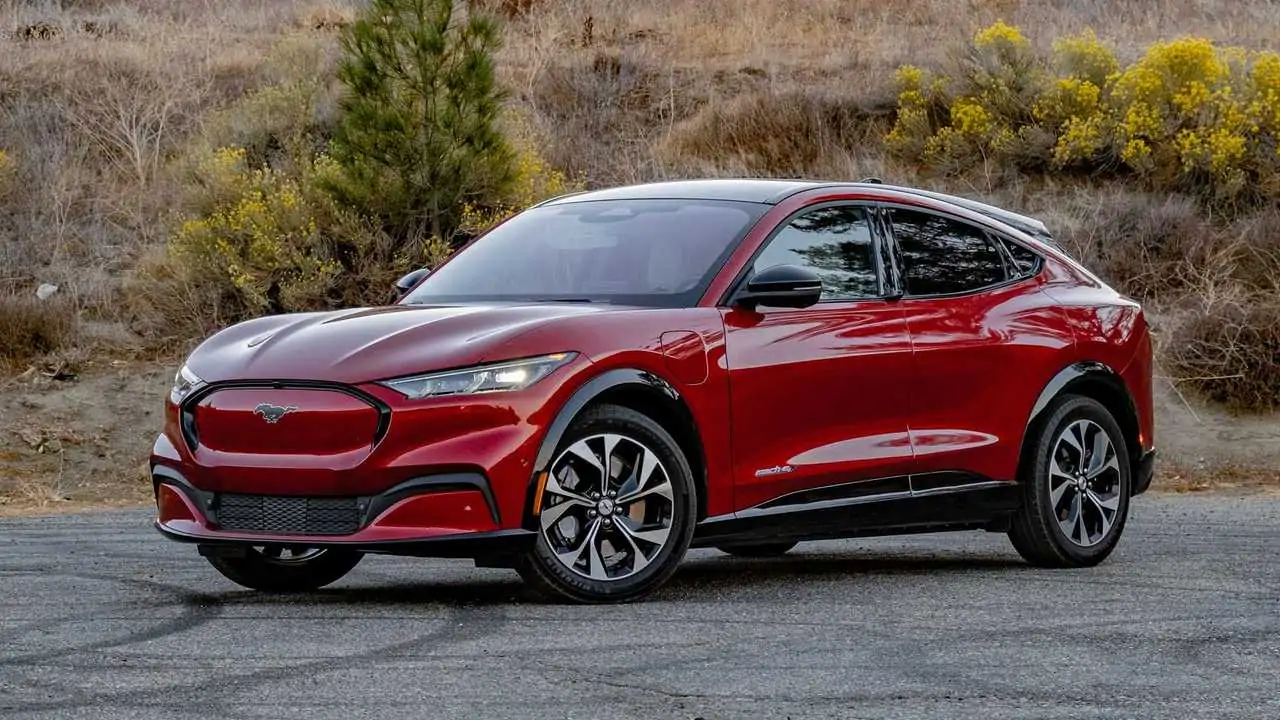
8. Ford Mustang Mach-E
The Ford Mustang Mach-E is another electric vehicle with standard driver-assistance technology relevant to the 2029 requirement. The 2025 model uses Ford Co-Pilot360, with pedestrian front crash prevention included as standard equipment. IIHS rated its pedestrian front crash prevention system Good.
The Mach-E performed strongly in IIHS pedestrian testing. It avoided collisions with a crossing child at both 12 mph and 25 mph. It also avoided collisions with an adult pedestrian during nighttime testing, including tests conducted with low beams.
In the 37 mph parallel adult test, the vehicle avoided the collision while providing a warning before the theoretical impact.
That nighttime capability matters because FMVSS 127 specifically requires pedestrian detection during darkness. The Mach-E’s results show that its sensors and software can recognize pedestrians in conditions that are more difficult than simple daytime driving. The technology therefore addresses an important area of the upcoming regulation.
However, these tests do not establish that every Mach-E currently sold has already passed the complete federal standard. FMVSS 127 contains its own test procedures and speed requirements, including lead-vehicle performance at speeds up to 62 mph for collision avoidance and activation requirements reaching 90 mph.
The Mach-E remains a useful example because it demonstrates how advanced pedestrian protection is already available in a U.S.-market electric vehicle. Its strong IIHS results suggest that modern software, cameras, and other sensing technologies can provide substantial automatic braking capability before the federal compliance deadline arrives.
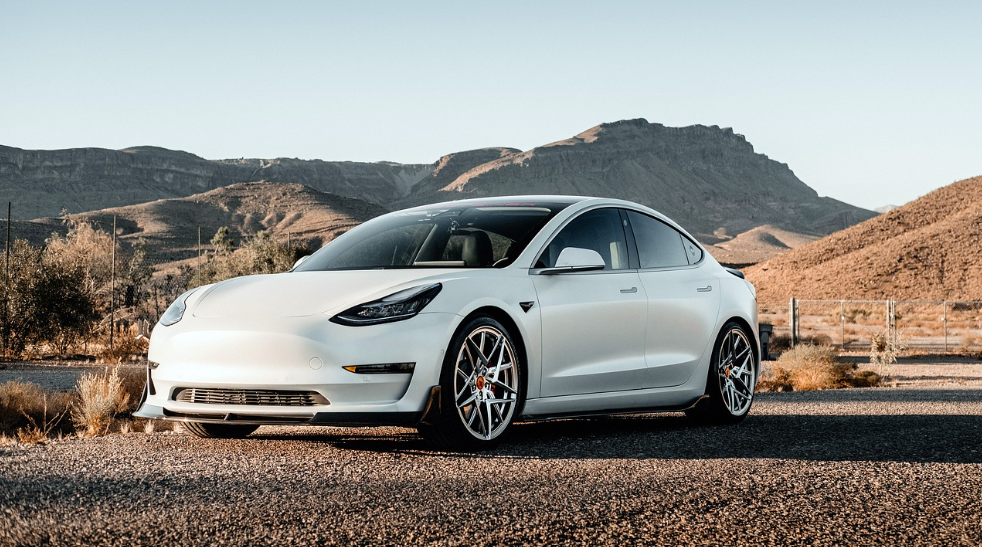
9. Tesla Model 3
The Tesla Model 3 has standard Collision Avoidance Assist and automatic emergency braking functionality. The 2025 model received a Good IIHS rating for both vehicle-to-vehicle front crash prevention and pedestrian front crash prevention.
In IIHS vehicle-to-vehicle testing, the Model 3 avoided every passenger-car target collision at 31 mph, 37 mph, and 43 mph in both centered and offset configurations.
It also avoided the tested motorcycle-target collisions at those speeds. These results show strong performance within the conditions of that evaluation.
Pedestrian testing also produced a Good result. The Model 3 avoided collisions with a crossing child at 12 mph and 25 mph. During nighttime testing, the vehicle avoided several adult pedestrian collisions using both high-beam and low-beam conditions. Its 37 mph parallel adult test also produced substantial performance under the IIHS procedure.
Even with those results, it would be inaccurate to say that IIHS testing proves full FMVSS 127 compliance. NHTSA’s rule goes beyond the speeds and scenarios used in the IIHS evaluation. The federal standard also specifies requirements for forward collision warning and system behavior under defined operating conditions.
The Model 3 is therefore a strong example of technology that already exists ahead of the deadline. Its current automatic braking system has demonstrated impressive performance in independent testing, including pedestrian situations at night.
Whether a particular production configuration officially satisfies every FMVSS 127 requirement is a separate federal compliance question.
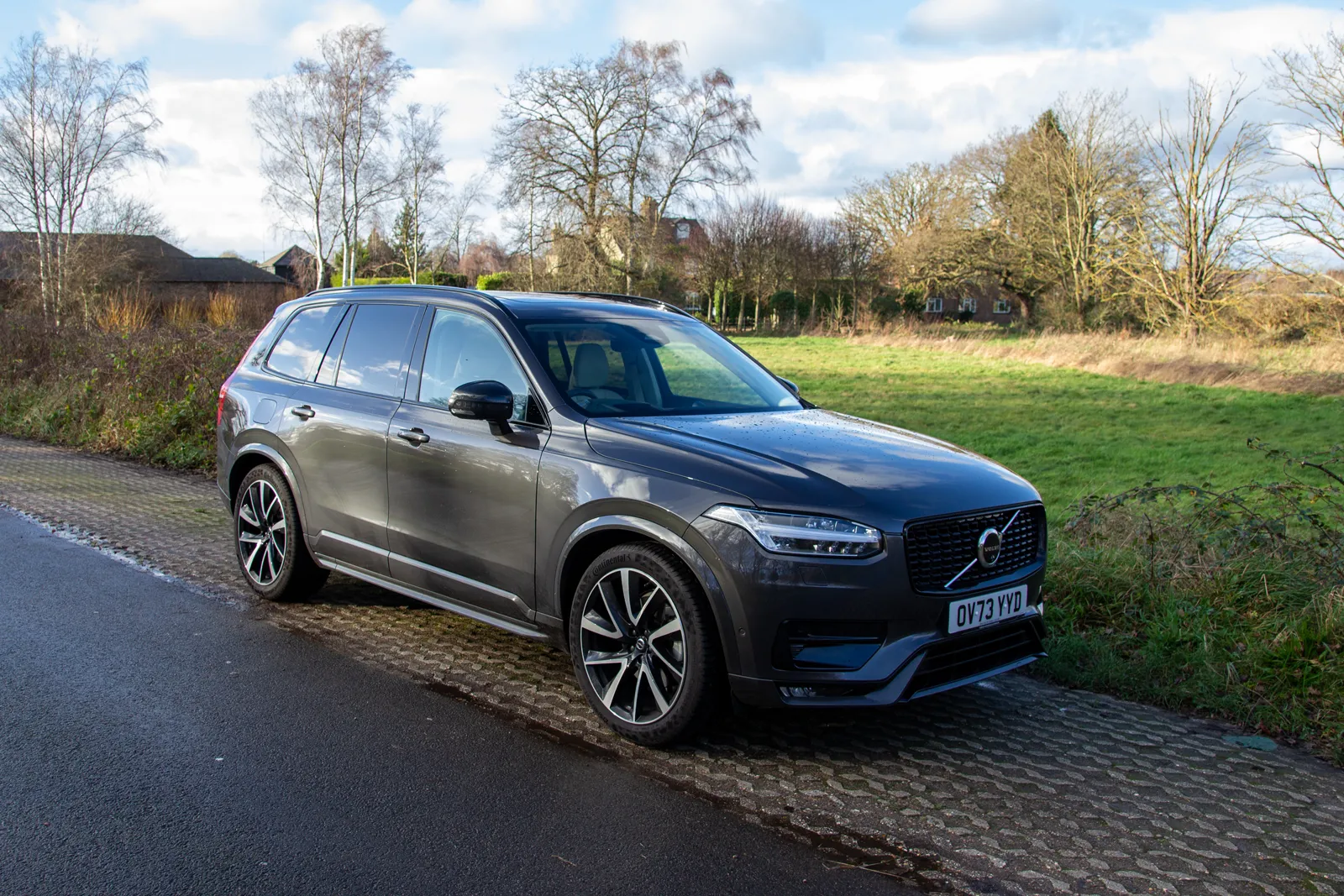
10. Volvo XC90
The Volvo XC90 has long featured automatic braking technology as part of Volvo’s broader driver-assistance approach. The 2025 XC90 received an Acceptable IIHS rating for pedestrian front crash prevention and an Acceptable rating for vehicle-to-vehicle front crash prevention. Its standard system is called Collision Warning with Full Autobrake.
The XC90’s pedestrian system demonstrated several useful capabilities. During daytime testing, it avoided a collision with a child at 12 mph and reduced speed at 25 mph. At night, the system avoided some adult pedestrian collisions and reduced speed significantly in other scenarios.
Volvo’s Full Autobrake terminology reflects the basic principle behind AEB. Sensors and software monitor the area ahead, warn the driver about an impending collision, and can apply the brakes when the driver does not respond. FMVSS 127 takes that familiar concept and establishes specific federal performance requirements.
The XC90’s current IIHS results should not be confused with an official federal compliance determination. The Acceptable ratings show that its system has meaningful capabilities, but FMVSS 127 requires specific performance against lead vehicles and pedestrians at speeds and conditions that are not fully represented by IIHS testing.
The XC90 remains relevant to the 2029 discussion because automatic braking is already deeply integrated into its safety architecture. Volvo has developed this type of technology for years, giving the XC90 a mature foundation. Future software or hardware changes can further adapt such systems as manufacturers work toward the federal requirements.
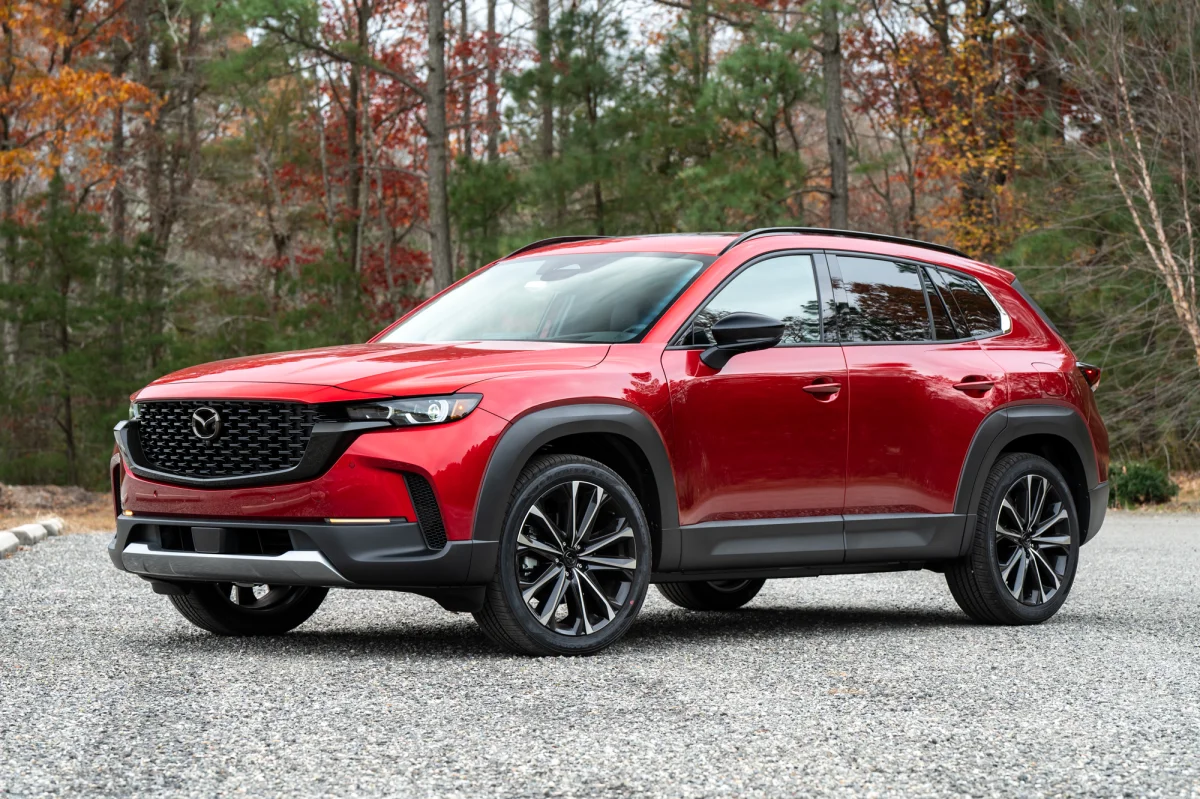
11. Mazda CX-50
The Mazda CX-50 is another U.S.-market vehicle with standard automatic braking technology. The 2025 CX-50 uses Smart Brake Support, while IIHS gave its vehicle-to-vehicle front crash prevention system an Acceptable rating and its pedestrian front crash prevention system a Good rating.
During vehicle-to-vehicle testing, the CX-50 avoided collisions with passenger-car targets at 31 mph and 37 mph. At 43 mph, it avoided the passenger-car collision in the tested scenarios.
Its motorcycle-target results showed meaningful speed reductions at several speeds, demonstrating that the system can respond to different road users.
The pedestrian results were also strong. The CX-50 avoided collisions with a child during daytime testing and avoided several adult pedestrian collisions during nighttime conditions. At the 37 mph parallel adult test, the system reduced impact speed substantially while providing a warning.
Those results are relevant to FMVSS 127 because the federal standard covers both vehicle and pedestrian automatic emergency braking. Yet the federal rule is not simply a repeat of IIHS testing. NHTSA uses defined test procedures and requirements, so a Good IIHS result cannot by itself establish that the CX-50 meets every federal requirement.
The CX-50 therefore belongs on this list as a vehicle already carrying meaningful AEB technology rather than as a confirmed federal early-compliance model.
Its standard Smart Brake Support system and strong pedestrian test performance show that the basic technology needed for future requirements is already available in mainstream U.S. vehicles.
