
Automatic emergency braking has become a major safety feature in modern cars, but claims about its operating speed need careful wording. A common statement says that a standard requires AEB to engage at speeds as high as 90 mph when a collision with a lead vehicle is imminent.
That figure is not an accurate description of the current U.S. federal requirement. The U.S. rule for automatic emergency braking requires vehicle-to-vehicle AEB performance at speeds up to 62 mph.
The 90 mph figure can arise from manufacturer system capabilities, testing conditions, or confusion between mph and km/h. This article examines nine cars with sophisticated AEB technology.
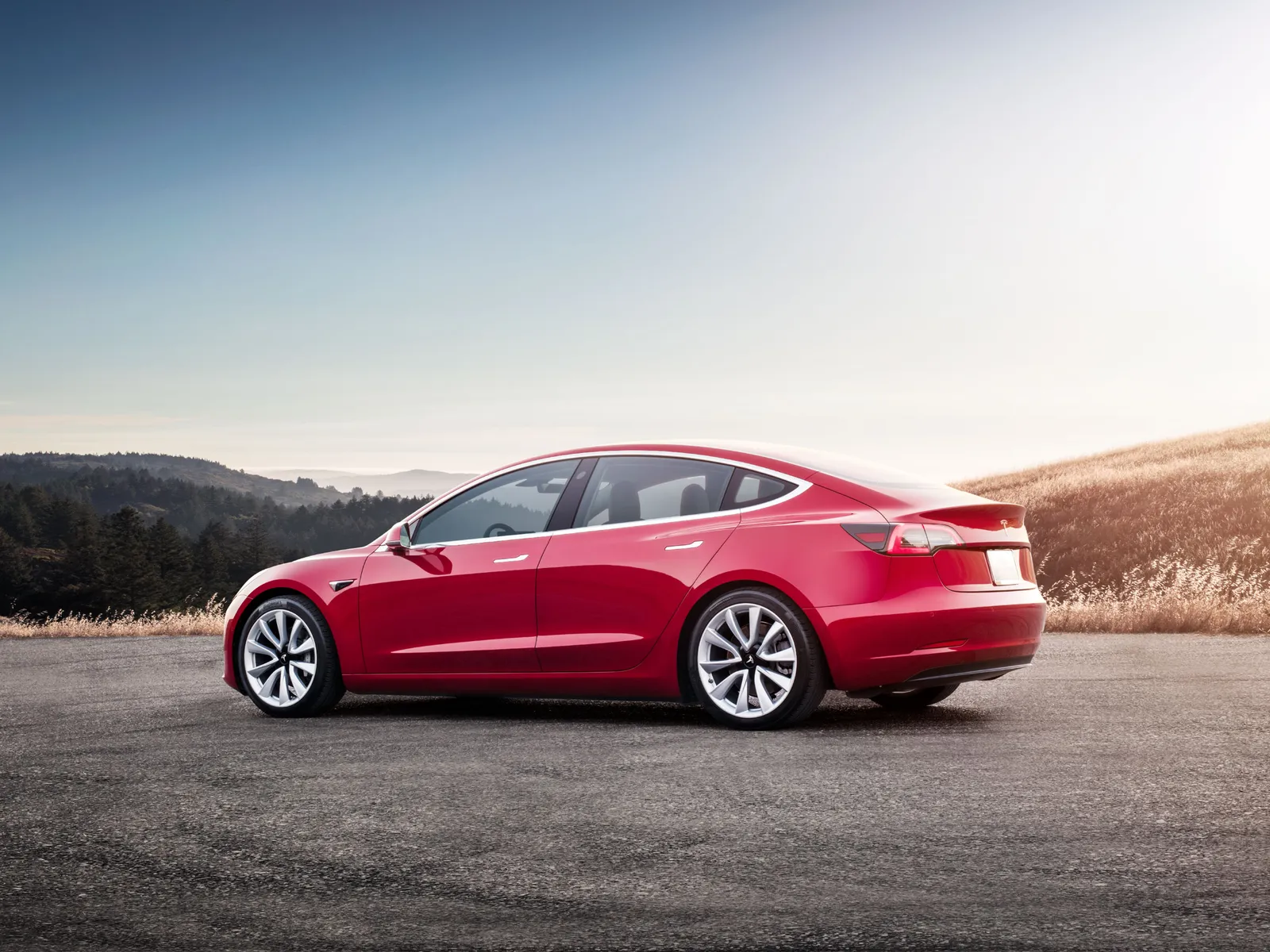
1. Tesla Model 3
The Tesla Model 3 is equipped with a suite of active safety technologies that can detect vehicles, pedestrians, and other potential hazards. Tesla has incorporated automatic emergency braking into its Autopilot-related safety hardware and software package.
The system is designed to warn the driver when a forward collision appears likely and can apply the brakes when the driver does not respond adequately. Its exact operating behavior can vary according to road conditions, vehicle speed, sensor visibility, and software version.
Tesla’s approach relies heavily on cameras and computer vision. Modern Model 3 vehicles use a camera-based perception system to identify objects around the vehicle and estimate their movement.
The system can react when the trajectory of another vehicle indicates a potential crash. Automatic braking is intended as a supplemental safety measure rather than a replacement for attentive driving. Tesla states that drivers must remain responsible for controlling the vehicle and monitoring its surroundings.
The Model 3 has received substantial attention for its active safety performance. Its electronic safety systems can provide forward collision warnings and automatic braking when certain conditions are met. The effectiveness of any AEB system depends on several variables, including the type of target, closing speed, visibility and road surface.
AEB also cannot guarantee that a crash will be avoided. In some situations, the technology may reduce impact speed rather than stop the vehicle completely.
It is important to separate a manufacturer’s maximum system capability from a government performance requirement. Saying that a Model 3 has AEB does not establish that its emergency braking system will always stop the car from a lead-vehicle collision at 90 mph. High-speed operation involves considerably more distance and reaction time.
At 90 mph, a vehicle travels about 132 feet every second, meaning even a short delay can consume a substantial portion of the available stopping distance.
The Model 3 therefore fits into a broader group of vehicles with sophisticated forward collision avoidance technology, rather than serving as proof of a universal 90 mph AEB requirement. Buyers should examine the exact model year, software configuration, and published safety documentation when comparing systems.
Tesla can change system behavior through software updates, so specifications that apply to a particular vehicle may not describe every Model 3 produced during a different period.
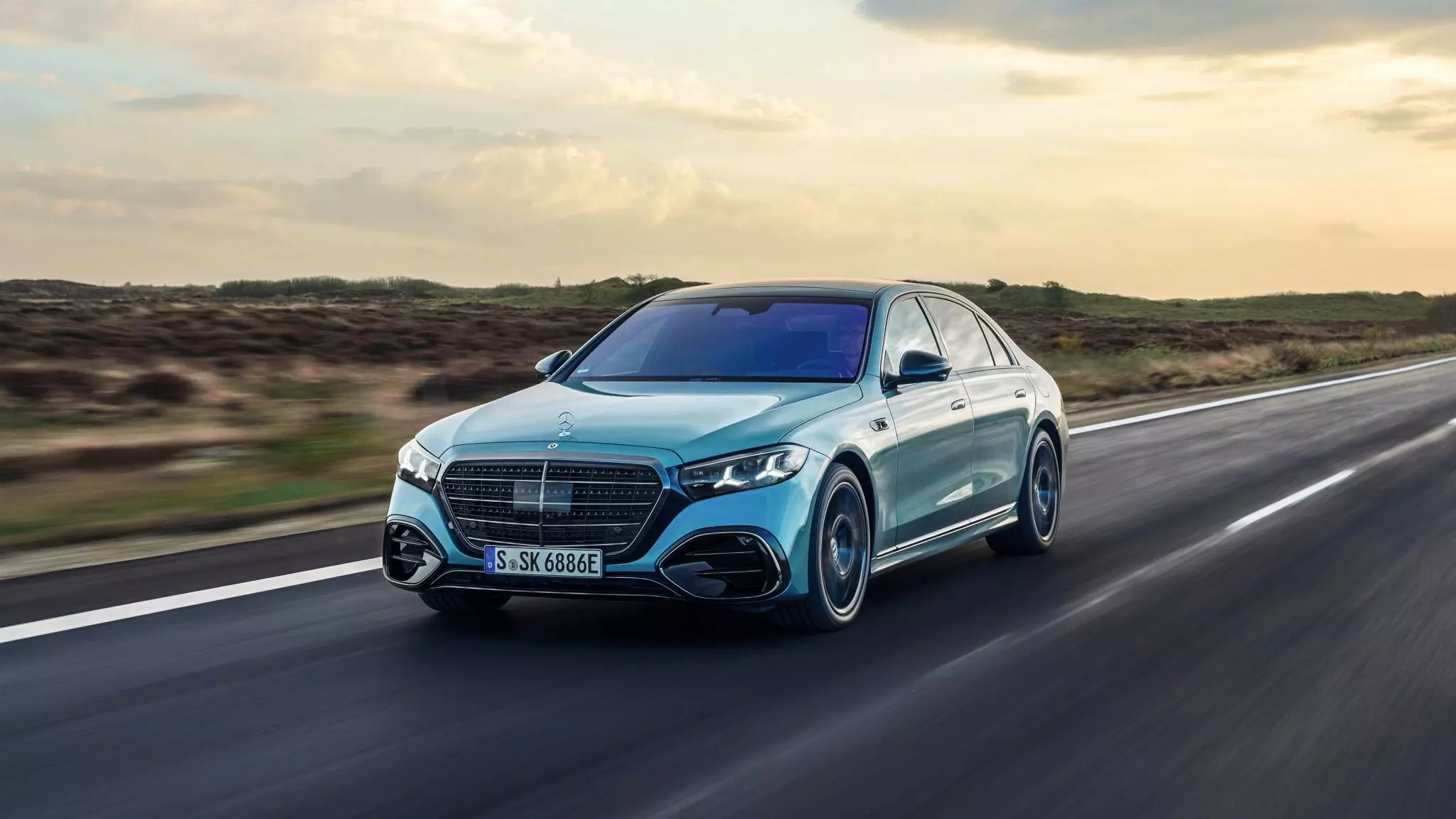
2. Mercedes-Benz S-Class
The Mercedes-Benz S-Class has long been associated with advanced driver assistance technology. Its active brake assist system can monitor traffic ahead and provide warnings or braking assistance when a forward collision is detected.
Depending on the vehicle configuration, the system can work with radar, cameras, and other sensors to assess traffic conditions. Mercedes-Benz has also developed increasingly sophisticated assistance functions for highway driving and congested traffic.
Active Brake Assist is designed to reduce the consequences of a collision or help prevent one when the driver fails to react. The system can detect certain vehicles and other road users and determine whether braking intervention may be necessary.
Its operation is not equivalent to a fully autonomous driving system. The driver remains responsible for maintaining awareness, steering the vehicle, and responding to changing traffic conditions.
The S-Class illustrates why modern AEB systems should not be judged solely by a single speed number. Detection range, object recognition, road geometry, weather, lighting, and sensor performance all influence how much time the system has to respond.
A vehicle traveling at highway speed needs considerably more space to stop than a vehicle traveling through city traffic. AEB technology therefore uses algorithms that consider the developing situation rather than relying on speed alone.
Mercedes-Benz has offered different generations of driver assistance hardware and software, so equipment can vary by market and model year. Some vehicles may have optional packages containing additional driver assistance functions.
This makes it important to check the specifications of the particular S-Class being discussed. A statement about the entire S-Class range can be misleading if it ignores differences between versions.
The S-Class can reasonably be included among vehicles featuring sophisticated automatic braking technology, but its inclusion should not be interpreted as confirmation that a federal standard mandates braking at 90 mph.
The U.S. regulatory requirement and the capabilities of an individual manufacturer’s system are separate subjects. A car may have an AEB system capable of operating in circumstances beyond the minimum regulatory test conditions.
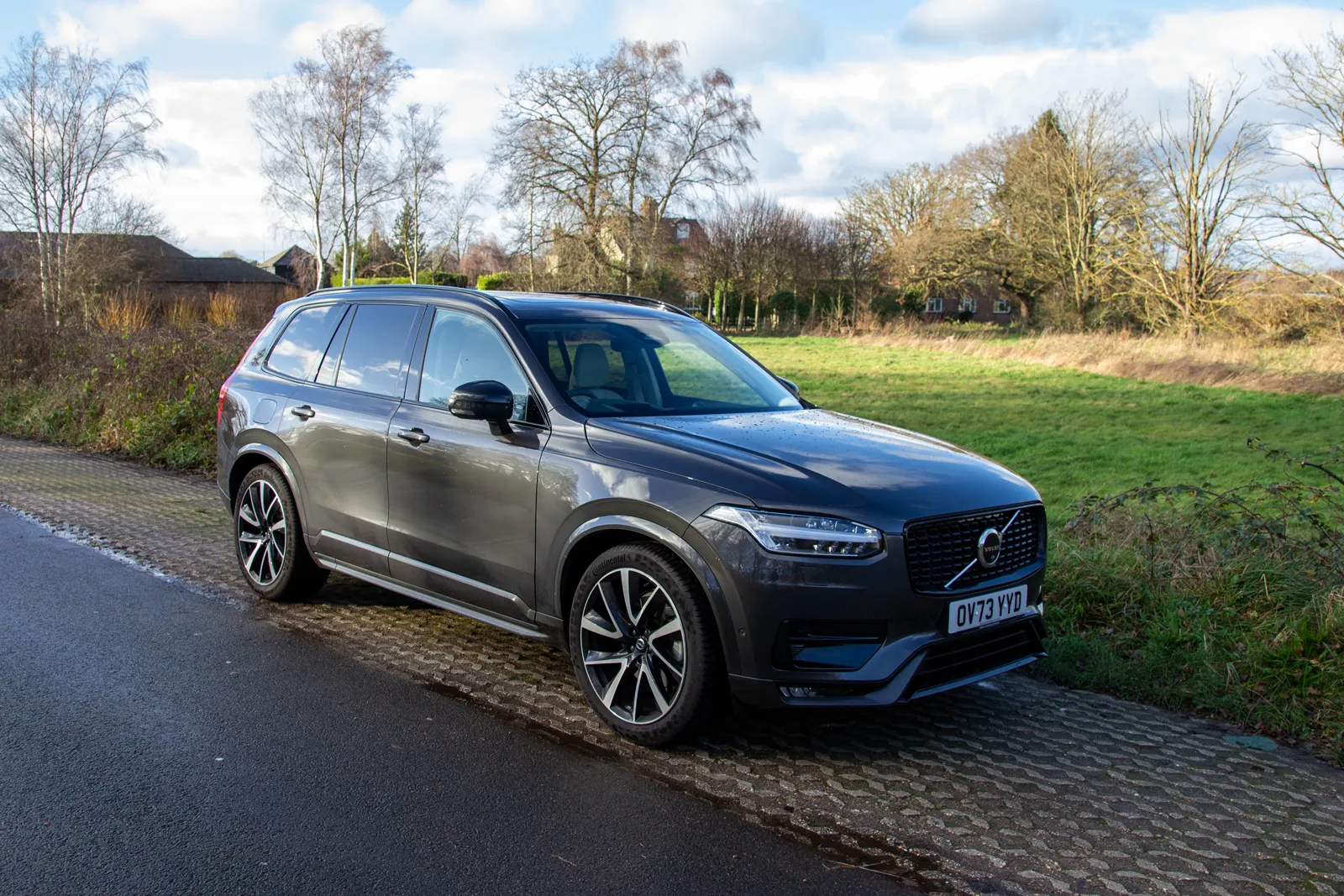
3. Volvo XC90
Volvo has built much of its modern safety identity around collision avoidance and driver assistance. The XC90 includes automatic emergency braking through Volvo’s City Safety technology.
The system is designed to monitor the area ahead and can warn the driver or apply the brakes when a collision becomes imminent. Depending on model year and equipment, the system can recognize vehicles, pedestrians, cyclists, and other hazards.
The name City Safety can sometimes create confusion because the technology is not restricted to slow urban driving. Volvo has progressively expanded the operating range and detection capabilities of its collision avoidance systems.
The exact functionality varies according to vehicle generation, market and software. Drivers should therefore consult the documentation for the specific XC90 rather than assuming that every vehicle has identical performance.
AEB is particularly useful when a driver fails to react to a developing hazard. Human reaction time can vary substantially, and distraction can leave a driver with little time to respond.
An automated braking system can begin intervention more quickly in some situations. Even when a collision cannot be avoided, reducing the vehicle’s speed before impact can potentially reduce crash severity.
The physics of high-speed driving remains important. At 90 mph, the vehicle is covering approximately 132 feet each second. A collision involving a stationary or slower lead vehicle can develop extremely quickly.
An AEB system needs sufficient sensor detection distance, processing time, and available braking distance to intervene effectively. No manufacturer can guarantee that automatic braking will prevent every collision at every speed.
The XC90 demonstrates the practical value of a broad collision avoidance package, but it should not be presented as evidence of a 90 mph federal AEB mandate.
Regulatory standards establish minimum performance requirements under defined conditions. Manufacturers can develop systems that operate differently or provide additional functionality. This distinction is essential for accurate automotive safety reporting.
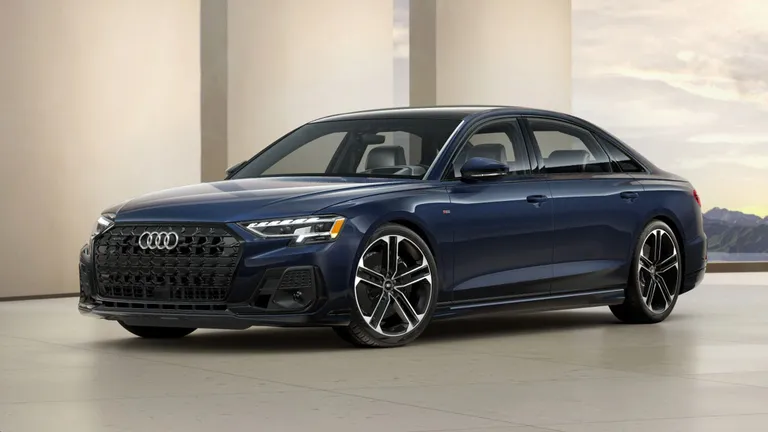
4. Audi A8
The Audi A8 features advanced driver assistance technology designed to help identify hazards and support the driver during potentially dangerous situations. Audi’s pre-sense systems can provide warnings and initiate braking or other protective actions depending on the situation and vehicle configuration. The exact equipment depends on the model year and market.
Audi’s driver assistance systems can use multiple sensors to understand traffic conditions. Radar and camera information can be combined to detect objects and estimate their movement.
A system that recognizes a vehicle ahead can compare its trajectory with the Audi’s path and determine whether the closing situation presents a potential collision. Automated braking can then become part of the response when the required conditions are satisfied.
AEB systems are not designed to encourage drivers to travel faster. Their purpose is to provide an additional layer of protection when a driver does not respond quickly enough.
The technology operates within physical and technical limitations. Poor weather, obscured sensors, unusual objects, road curvature, and other factors can influence detection and braking performance.
The distinction between “can operate at” and “is required to operate at” is particularly important with the A8. A manufacturer’s system may have an operating envelope that extends beyond the minimum conditions required by a safety regulation.
A federal rule does not automatically tell consumers the highest speed at which every AEB system can intervene. Conversely, a published maximum operating speed does not mean the system will successfully avoid every crash at that speed.
The Audi A8 therefore represents a high-end vehicle with extensive collision avoidance technology, but the 90 mph claim should not be attached to it without manufacturer-specific evidence.
A responsible comparison should identify the exact system, model year, market, and operating conditions. That approach provides consumers with useful information without turning a regulatory specification into a broader claim than the evidence supports.
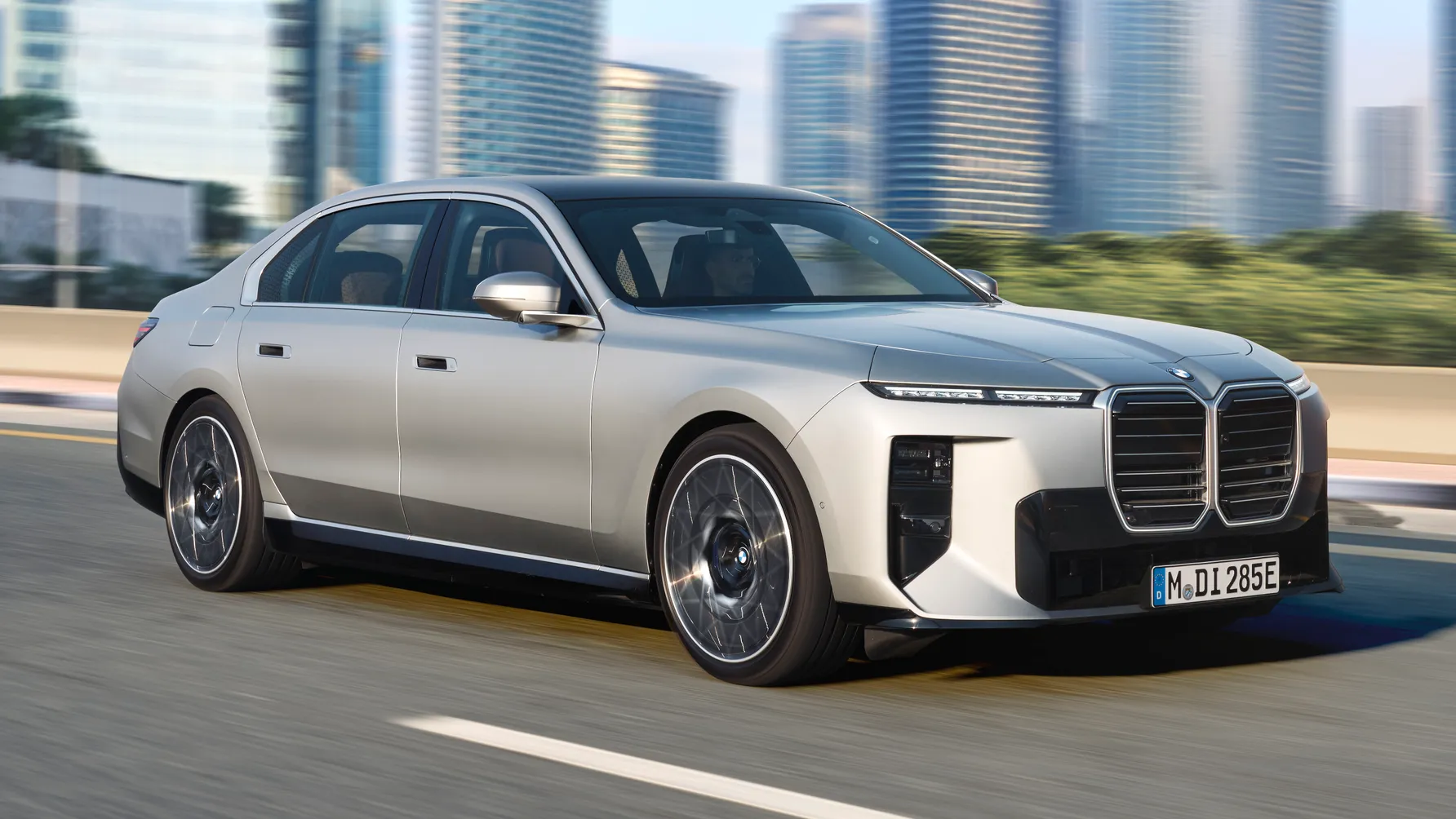
5. BMW 7 Series
The BMW 7 Series includes sophisticated driver assistance functions, including forward collision warning and automatic braking technology.
BMW’s driver assistance systems are designed to help monitor traffic and warn the driver when a potential collision is detected. Automatic braking can intervene in qualifying situations when the driver does not respond sufficiently.
The 7 Series is available with different assistance packages depending on market and model year. Equipment can include cameras, radar, and other sensing technologies.
These systems work together to estimate the position and movement of nearby objects. The vehicle’s software then evaluates whether the situation presents a meaningful collision risk.
AEB intervention is not simply a matter of pressing the brakes whenever another car is detected. Traffic frequently involves vehicles traveling at different speeds, lane changes, merging, and temporary closing distances.
An effective system needs to distinguish ordinary traffic behavior from an imminent collision. Excessive intervention could itself create safety problems, so the software must balance sensitivity with appropriate restraint.
At higher speeds, the amount of time available for intervention becomes smaller. A car traveling at 90 mph covers roughly 1,000 feet in less than eight seconds.
That illustrates why highway collision avoidance depends on early detection and accurate prediction. Even a technologically advanced system cannot overcome the laws of physics if a hazard appears too close to the vehicle.
The BMW 7 Series can therefore be discussed as an example of advanced AEB technology without claiming that a 90 mph operating requirement applies to it.
The U.S. federal requirement establishes a minimum performance level under specified test conditions. Manufacturers remain free to offer systems with broader capabilities. Consumers should use the manufacturer’s current documentation when determining how a particular BMW assistance system operates.
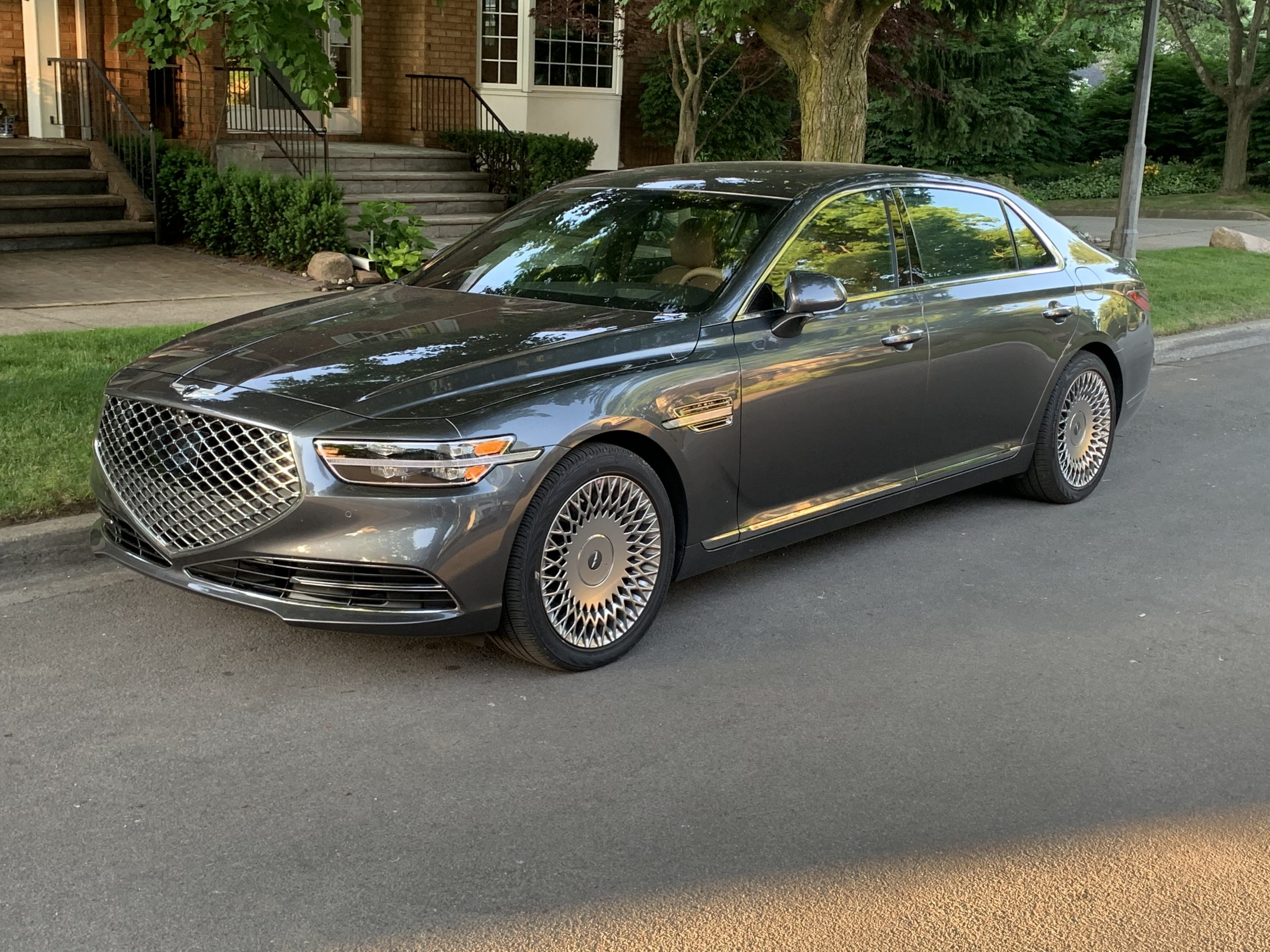
6. Genesis G90
The Genesis G90 combines luxury equipment with a broad collection of driver assistance features. Its forward collision avoidance technology can monitor the road ahead and provide warnings or braking intervention when a collision risk is detected. Depending on the version and market, the system can incorporate cameras and radar to identify vehicles and other road users.
Genesis has developed its safety systems as part of a larger driver assistance package. Forward collision avoidance can work alongside lane assistance, blind-spot monitoring, adaptive cruise control, and other technologies.
These systems have different purposes, even though they can share sensors and computing hardware. AEB specifically addresses situations in which braking may be necessary to reduce or prevent a forward collision.
AEB can be especially valuable when the driver becomes distracted or does not recognize a rapidly developing hazard. The system can calculate closing speed and distance more quickly than a driver who has not yet recognized the danger.
If intervention conditions are met, braking can begin without waiting for the driver’s reaction. The technology still has limitations and should never be treated as a guarantee against collisions.
The 90 mph figure deserves special attention because it can be misunderstood in automotive articles. Some testing standards and vehicle safety discussions use kilometers per hour rather than miles per hour.
A speed of 90 km/h is about 56 mph, which is substantially lower than 90 mph. Confusing these measurements can turn a technically reasonable statement into a major factual error.
The G90 provides a useful example of why safety specifications should be written precisely. It has advanced collision avoidance equipment, but that fact does not establish that the vehicle’s AEB must engage at 90 mph.
A reliable article should identify whether a figure describes a federal requirement, a manufacturer’s operating range, a test condition, or a specific feature’s capability.
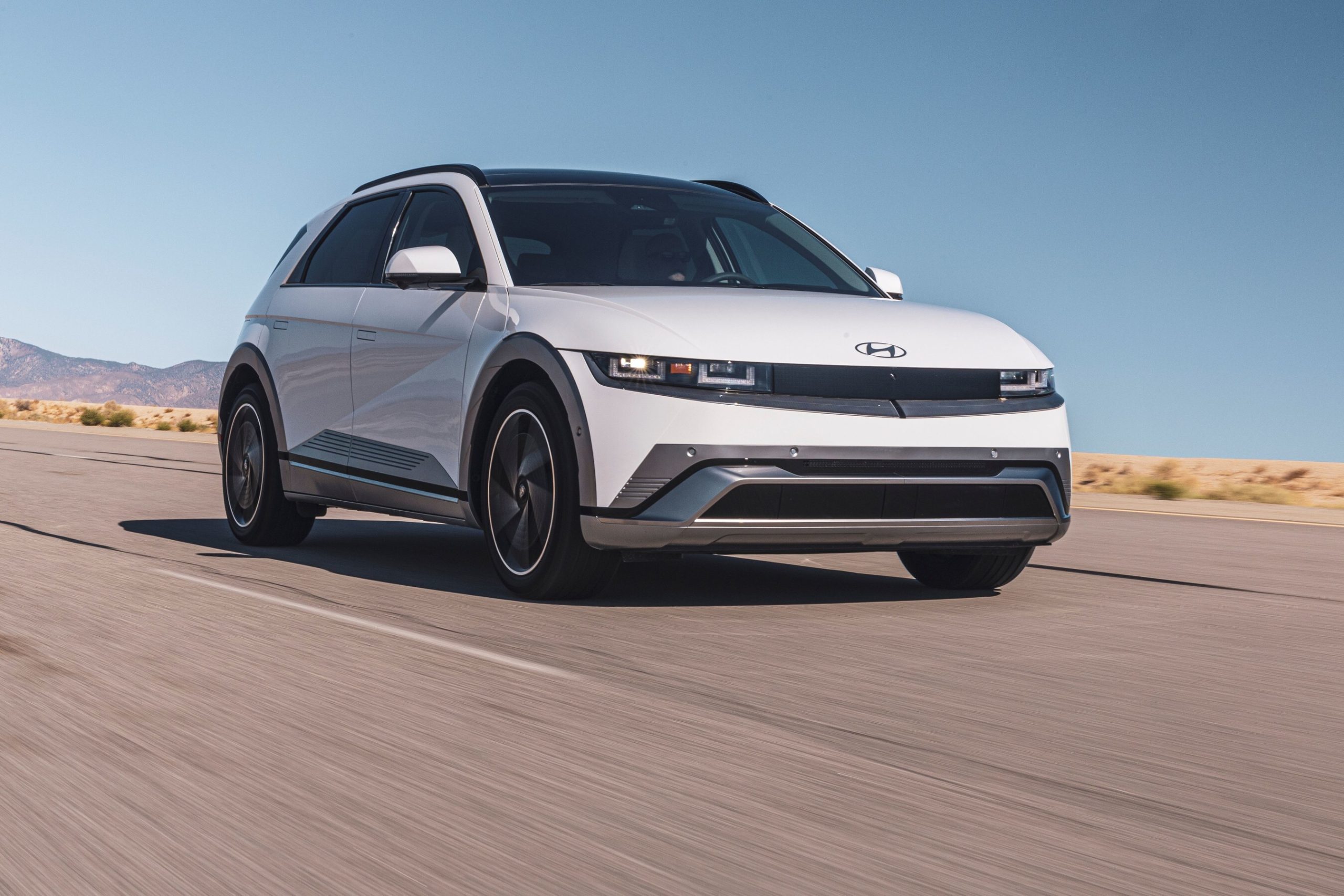
7. Hyundai Ioniq 5
The Hyundai Ioniq 5 features Forward Collision-Avoidance Assist, a system designed to detect potential forward collisions and provide warnings or braking intervention. Depending on the vehicle configuration, the technology can identify vehicles and other road users. Hyundai has incorporated increasingly advanced driver assistance features into its electric vehicle lineup.
The system’s purpose is straightforward. If the vehicle detects a potential collision and determines that the driver has not responded appropriately, it can provide an alert and, under qualifying conditions, apply braking.
The system may also provide steering assistance in certain circumstances on compatible versions. These functions are designed to support the driver rather than remove the driver’s responsibility.
Electric vehicles can benefit from sophisticated electronic control because braking and powertrain systems can be integrated closely with computer-controlled safety functions.
That does not mean an electric vehicle has unlimited emergency braking capability. Tires, road surface, vehicle mass, available traction, and stopping distance remain important factors. Software cannot eliminate the physical limitations of the vehicle.
The Ioniq 5 also illustrates why safety technology should be discussed by model year. Hyundai frequently updates its systems, and different markets can receive different equipment.
A specification for a newer vehicle may not apply to an earlier version. Buyers interested in AEB should examine the equipment list and owner’s manual for the exact vehicle.
Calling the Ioniq 5 a 90 mph AEB vehicle would therefore require evidence for that specific claim. It is more accurate to state that the vehicle provides advanced forward collision avoidance and automatic braking technology. This wording reflects the feature without attaching an unsupported speed threshold to it.
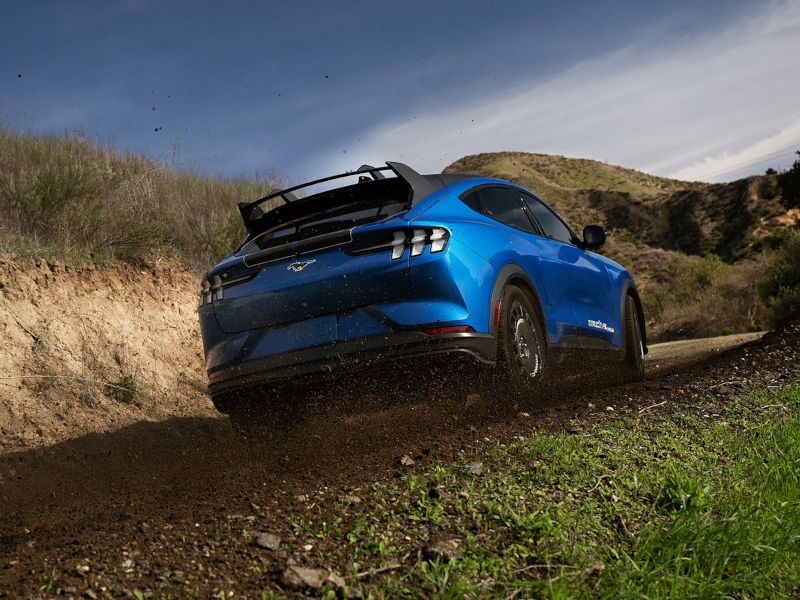
8. Ford Mustang Mach-E
The Ford Mustang Mach-E is equipped with Ford’s Co-Pilot360 driver assistance technologies, including Pre-Collision Assist with Automatic Emergency Braking.
The system is designed to monitor the road ahead and can warn the driver about certain potential collisions. Under qualifying conditions, automatic braking can help reduce the severity of an impact or potentially prevent it.
Ford’s system can identify certain vehicles and pedestrians depending on the vehicle’s configuration and system generation. Forward collision warning gives the driver an opportunity to respond, while automatic braking can intervene if the driver fails to react appropriately. These technologies operate within specific conditions and are not designed to replace attentive driving.
The Mach-E also offers highway-focused driver assistance technology in compatible configurations. It is important to distinguish automatic emergency braking from adaptive cruise control and hands-free driving assistance.
Adaptive cruise control manages speed and following distance under certain conditions. AEB is a collision mitigation function. Hands-free assistance can help with vehicle control in defined circumstances but does not transform the car into a fully autonomous vehicle.
At 90 mph, the stopping challenge becomes substantial. A vehicle traveling at that speed has considerable kinetic energy, and emergency braking requires traction and distance.
AEB software must detect a threat early enough for braking to make a meaningful difference. If the lead vehicle suddenly cuts into the Mach-E’s path at very close range, there may not be enough physical distance for any automated system to prevent impact.
The Mustang Mach-E belongs on a list of modern cars with advanced automatic braking technology, but a 90 mph requirement should not be attributed to it without a specific source. The more accurate description is that Ford provides AEB as part of its collision avoidance package, with functionality dependent on vehicle specifications and operating conditions.
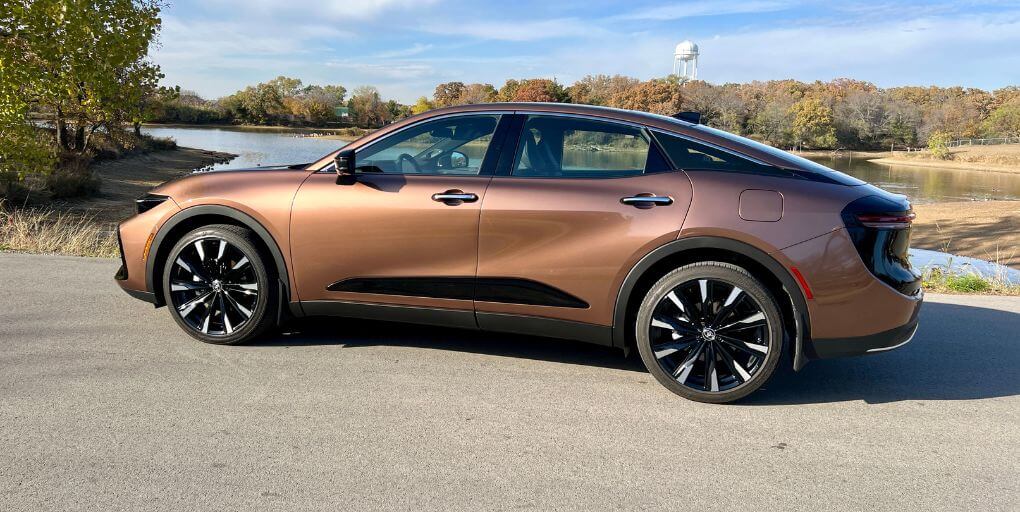
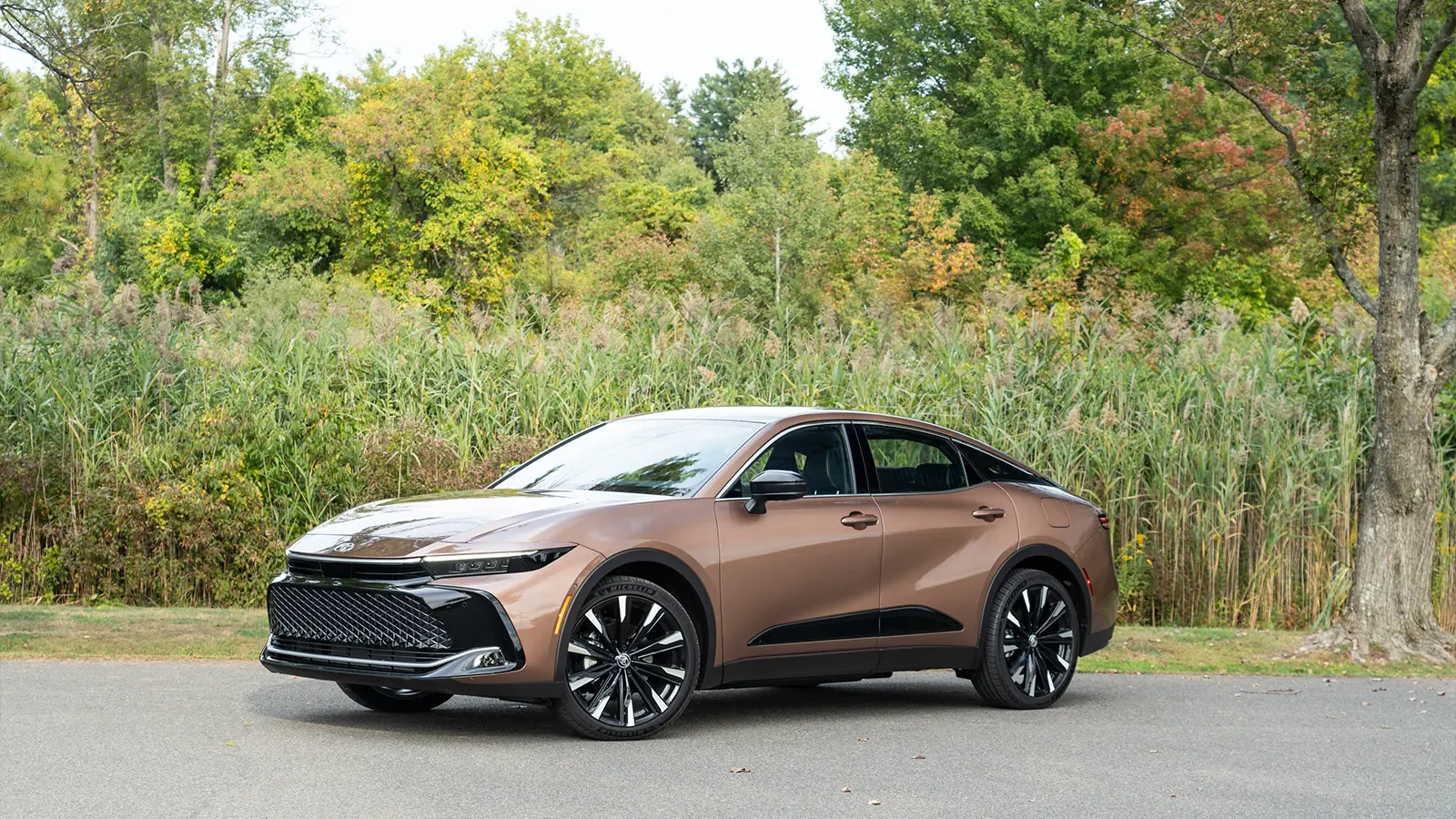
9. Toyota Crown
The Toyota Crown includes Toyota Safety Sense, which incorporates Pre-Collision System technology. The system is designed to detect certain vehicles, pedestrians, and other hazards ahead and provide warnings and braking assistance when a collision is considered likely. Toyota has progressively expanded the functionality of its safety systems across its vehicle lineup.
Pre-Collision System technology can provide an alert before intervention and can apply braking under qualifying circumstances. Its purpose is to help drivers respond to hazards and reduce the likelihood or severity of a collision.
Toyota emphasizes that the system has limitations and should not be treated as a substitute for attentive driving.
Modern Toyota safety systems use camera- and radar-based sensing on compatible vehicles. The sensors provide information about objects and their movement, allowing the system to estimate whether a collision could occur.
Road conditions, lighting, weather, and the behavior of other vehicles can affect the system’s ability to detect and respond to hazards.
The Crown is a good example of how advanced safety technology has moved beyond luxury vehicles. Automatic braking is now widely available across mainstream vehicle segments, meaning buyers do not necessarily need a flagship model to obtain collision avoidance assistance.
Still, equipment and functionality can differ by country and model year, so a general statement should not be treated as a specification for every Crown.
The Crown can be described accurately as a vehicle with sophisticated forward collision avoidance and automatic emergency braking technology.
It should not be described as being subject to a blanket requirement that AEB engage at 90 mph. The distinction matters because federal safety rules establish defined minimum performance requirements, while manufacturers can create systems with different operating envelopes
