
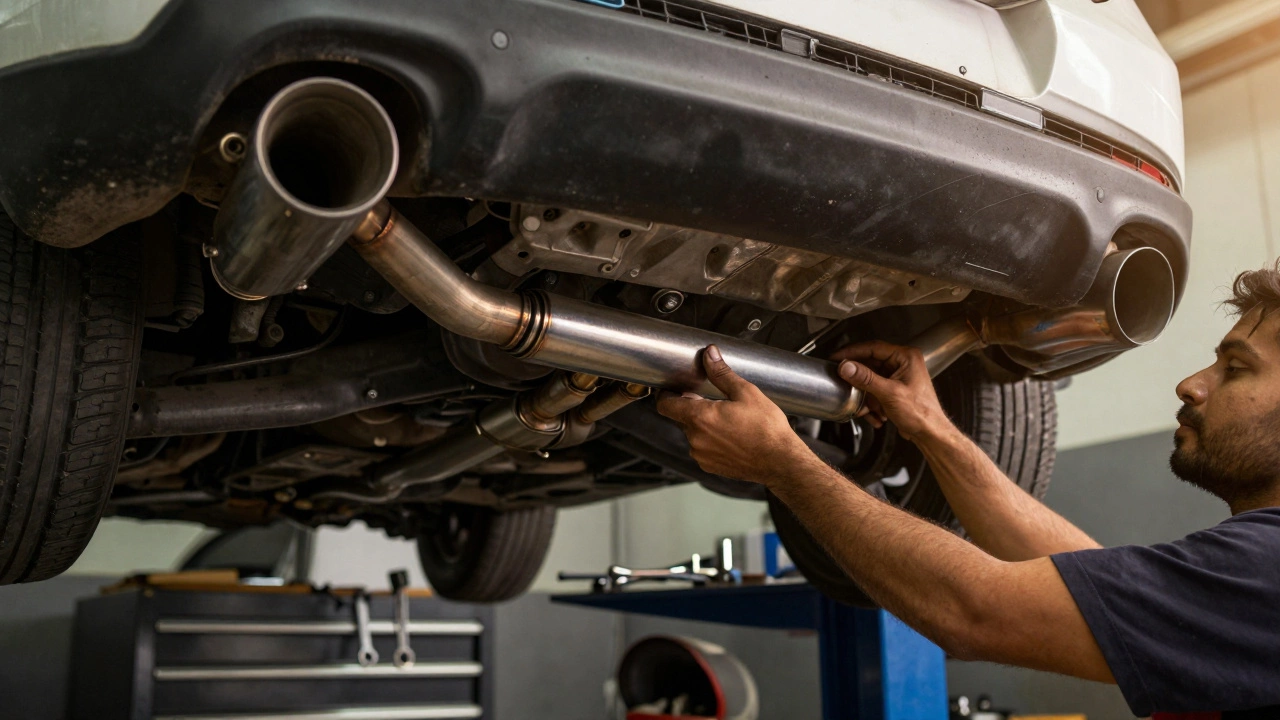
Saltwater can be far more damaging to a car than ordinary freshwater because dissolved salt increases electrical conductivity and speeds up corrosion. Vehicles exposed to ocean spray, coastal flooding, or repeated saltwater contact can develop problems in places that may remain unaffected after occasional freshwater exposure. The damage is not limited to visible body panels.
Brake parts, electrical connectors, suspension hardware, fuel system components, and underbody protection can all suffer when salt and moisture remain trapped against metal surfaces. This article examines eight car components that face particularly serious risks from saltwater exposure, with a focus on vehicles operated in the United States and coastal regions.
1. Brake Lines and Brake Components
Brake lines are among the most important components to protect from saltwater corrosion. Many vehicles use steel brake lines that run underneath the body, where they are exposed to road moisture, dirt, and debris.
Freshwater can cause surface rust when it remains on these lines for extended periods, but saltwater creates a more aggressive environment. Chloride ions in saltwater interfere with the protective oxide layer that naturally forms on many metals, allowing corrosion to progress more rapidly.
The danger becomes greater when saltwater reaches fittings and connection points. Brake lines often have threaded fittings made from materials that can corrode at different rates. Salt deposits can collect around these joints and retain moisture long after the visible water has disappeared.
Over time, corrosion can weaken the metal or make a fitting difficult to service. A component that appears acceptable from a distance may have significant corrosion around a connection.
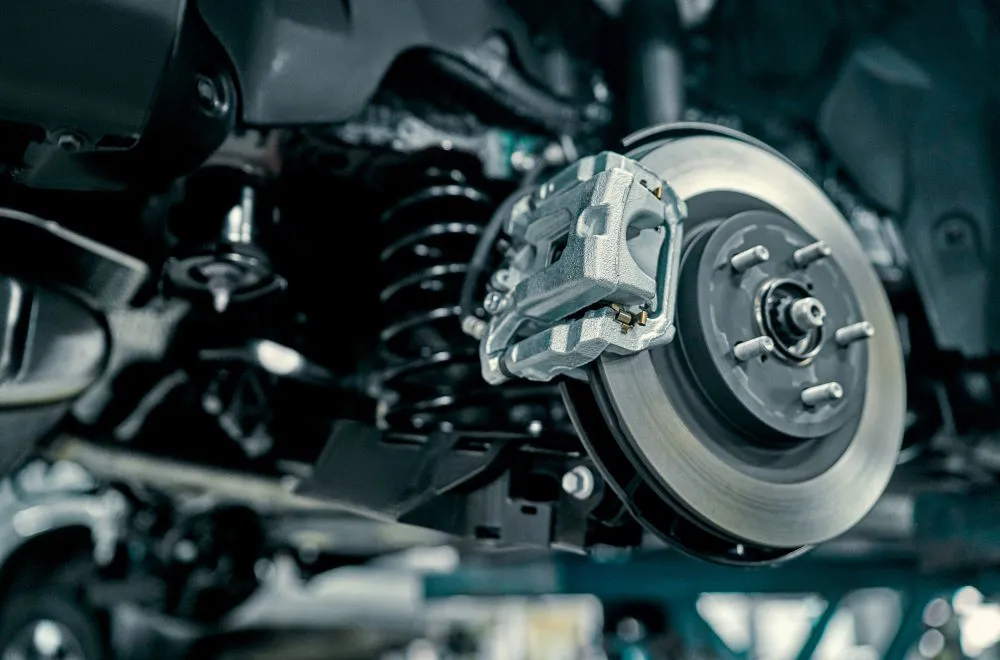
Brake calipers, brackets, rotors, and other brake hardware can also suffer. Brake rotors naturally develop surface rust after exposure to moisture, and ordinary freshwater usually dries without leaving a large quantity of conductive residue behind.
Saltwater leaves salt deposits that can continue attracting moisture from the surrounding air. This allows corrosion to continue even after the original exposure has ended.
The location of brake components makes the problem harder to prevent. They sit close to the road and receive spray from tires, puddles, and flooded surfaces.
During coastal flooding, saltwater can reach areas that normally remain protected. Once saltwater gets into small gaps around brackets, clips, and fittings, removing every trace of contamination becomes difficult without thorough cleaning.
Drivers should treat signs such as heavily rusted brake lines, flaking metal, unusual brake behavior, or severe corrosion around fittings seriously. Brake system corrosion is not merely a cosmetic issue.
A damaged line can eventually affect hydraulic pressure and braking performance. After significant saltwater exposure, a qualified technician should inspect the complete brake system rather than relying on a visual check of the wheels and rotors.
2. Electrical Connectors and Wiring
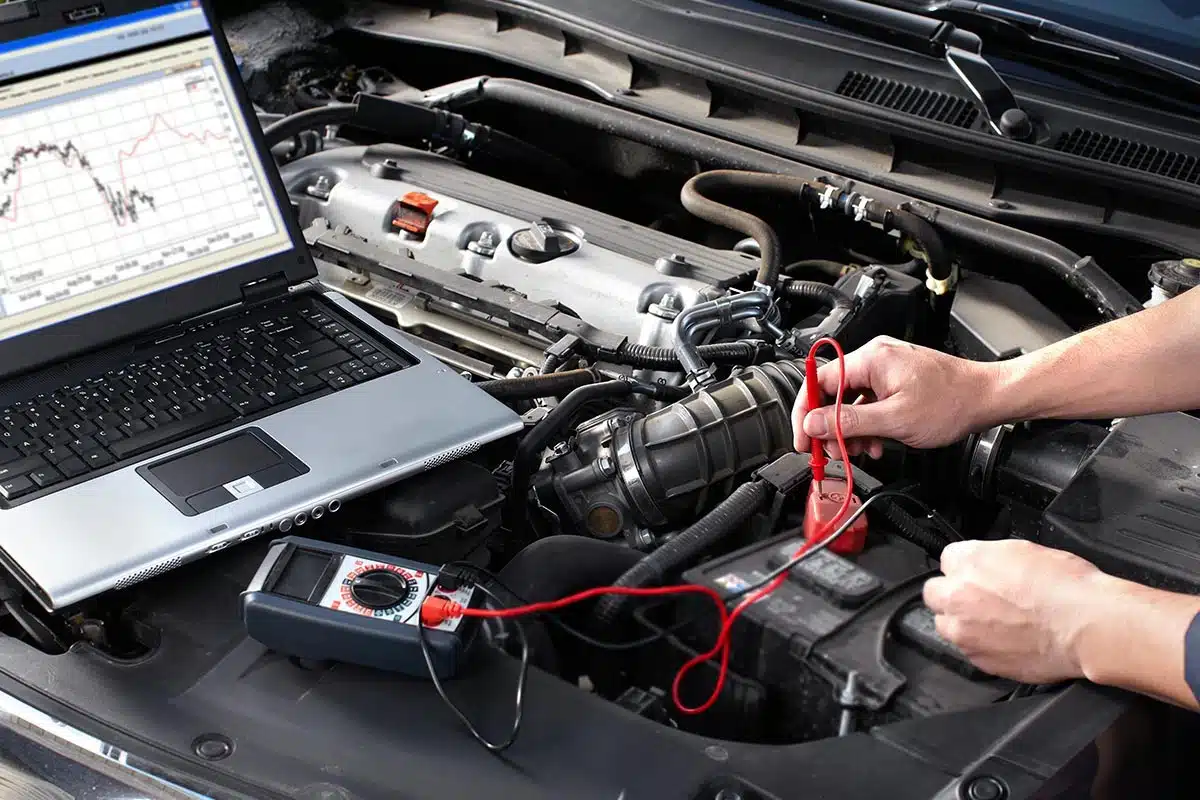
Modern cars contain hundreds of electrical connections. Sensors, lighting systems, control modules, safety equipment, fuel systems, and communication networks all depend on wiring and connectors.
Many connectors have seals designed to resist normal moisture, but those seals are not necessarily intended to withstand prolonged immersion in saltwater. Once saltwater enters a connector, corrosion can begin on the metal terminals.
Freshwater exposure can also cause electrical problems, particularly if water reaches an unprotected connector. The difference is that saltwater is highly conductive compared with relatively pure water. Its dissolved ions allow electrical current to travel more easily through unwanted paths. This can contribute to short circuits, electrical leakage, and accelerated corrosion of exposed contacts.
Saltwater can create problems even when a vehicle continues operating normally after exposure. Corrosion inside a connector may initially produce only a small increase in electrical resistance.
The driver might not notice anything unusual. As corrosion progresses, the connection can become intermittent. That can lead to warning lights, sensor faults, lighting failures, starting problems, or communication errors between electronic control modules.
Connectors underneath the vehicle are particularly vulnerable. Wheel speed sensors, transmission wiring, oxygen sensor wiring, parking sensors, and other components may be located close to areas where water and road contaminants accumulate. Saltwater can also travel through wiring harnesses and reach connection points that were not directly submerged.
Proper cleaning after saltwater exposure can reduce the risk, but aggressive spraying can sometimes push water deeper into connectors and seals. A professional inspection may be appropriate after substantial exposure, especially if the vehicle was flooded.
Warning lights, electrical glitches, unusual battery drain, or intermittent accessories should not be dismissed after a saltwater event because corrosion can continue developing internally for weeks or months.
3. Fuel Tank and Fuel System Hardware
The fuel system contains several metal components that can be affected by saltwater. The fuel tank itself may be protected from direct exposure during normal driving, but the tank, straps, fuel lines, brackets, and associated hardware are located beneath the vehicle. Saltwater flooding or repeated coastal spray can reach these areas and create corrosion.
Freshwater can cause rust on exposed steel fuel system components, particularly where protective coatings have been damaged. Saltwater increases the corrosion rate because dissolved salts make the surrounding moisture more chemically aggressive. The effect can become especially serious when salt deposits remain on metal surfaces after the water evaporates.
Fuel tank straps deserve attention because they support the tank and are often exposed underneath the vehicle. Corrosion can weaken these straps over time.
Mounting brackets, fasteners, and fuel lines can also deteriorate. The visible fuel tank may appear intact while supporting hardware develops significant rust.
Fuel system corrosion can be difficult to identify without raising the vehicle. Many affected components are hidden from normal view.
A vehicle that has driven through saltwater flooding may therefore appear fine during a basic exterior inspection. The damage can become apparent later when a corroded fastener breaks during service or a weakened component requires replacement.
A fuel system inspection is particularly important after substantial flooding. Technicians can examine the tank, fuel lines, straps, connectors, and mounting hardware for corrosion or contamination.
If saltwater entered the fuel system itself, the situation becomes more serious because water contamination can affect fuel delivery and other components. Flood-damaged vehicles should be assessed carefully before being returned to normal operation.
4. Suspension Springs, Control Arms, and Fasteners
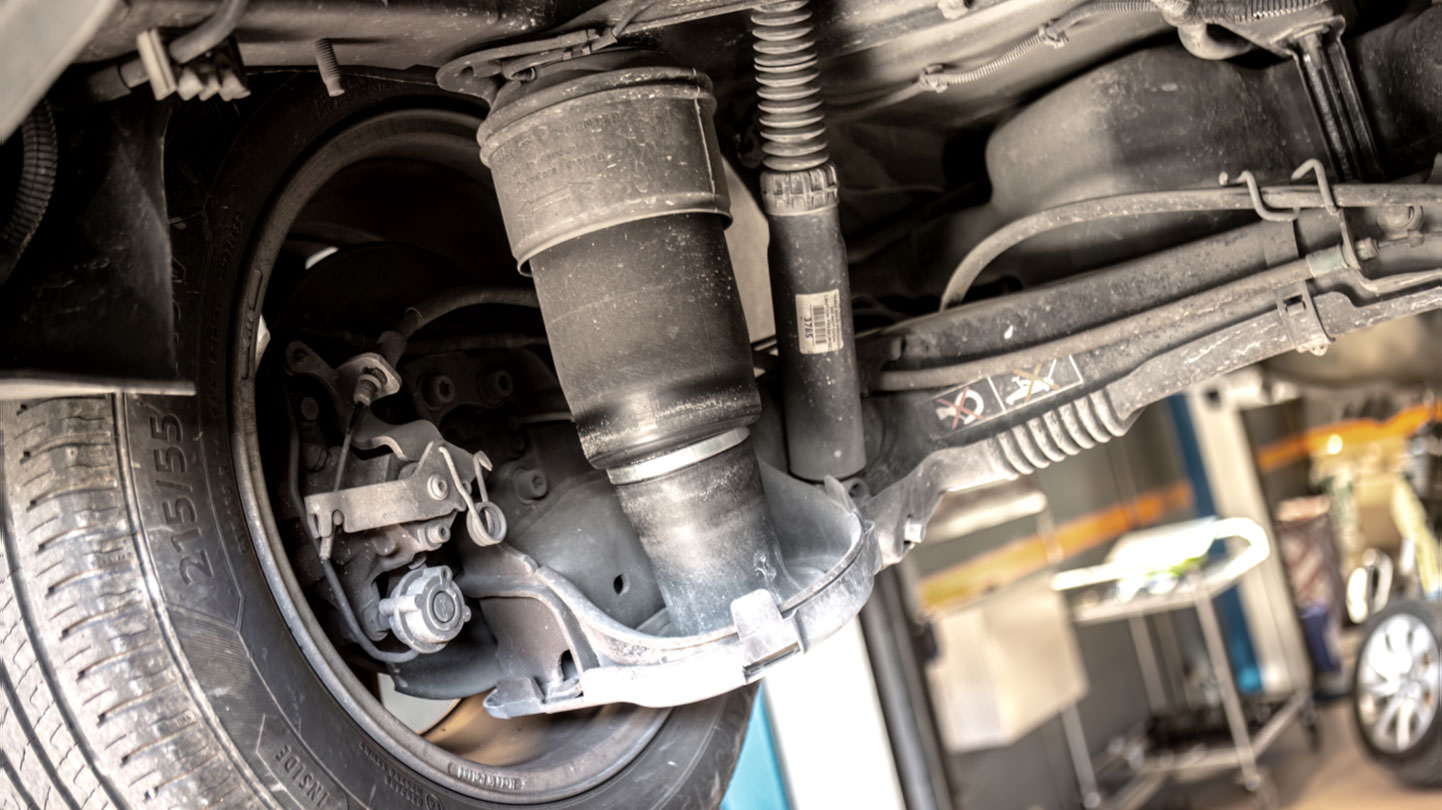
Suspension components endure harsh conditions even during ordinary driving. Springs, control arms, ball joint hardware, bolts, brackets, and other parts sit close to the road, where they encounter water, mud, gravel, and road chemicals. Saltwater adds another corrosion risk because it can remain on metal surfaces after the water has evaporated.
Freshwater exposure can produce rust, especially on steel components with chipped paint or damaged protective coatings. Saltwater accelerates this process and can create deeper corrosion.
The problem becomes more concerning when rust develops around areas that carry structural loads. Suspension components need to maintain their strength while dealing with constant vibration and movement.
Fasteners can become particularly troublesome. Salt deposits can collect around bolts and nuts, allowing corrosion to develop in the threads and contact surfaces.
This may make future repairs more difficult. A suspension repair that would normally require removing a bolt can become much more complicated when the hardware has seized because of corrosion.
Coastal vehicles may experience repeated exposure rather than a single major event. Driving near beaches, launching boats, or regularly traveling on roads exposed to sea spray can put saltwater residue underneath the vehicle. The repeated wetting and drying cycle can leave salt deposits behind and allow corrosion to continue between trips.
Suspension corrosion should be assessed based on the affected component and the depth of the damage. Light surface discoloration is not necessarily an immediate structural problem, but deep pitting, severe flaking, or weakened metal requires professional attention.
Washing the underside with fresh water after saltwater exposure can help remove residue, but cleaning does not restore metal that has already lost significant strength.
5. Exhaust System Components
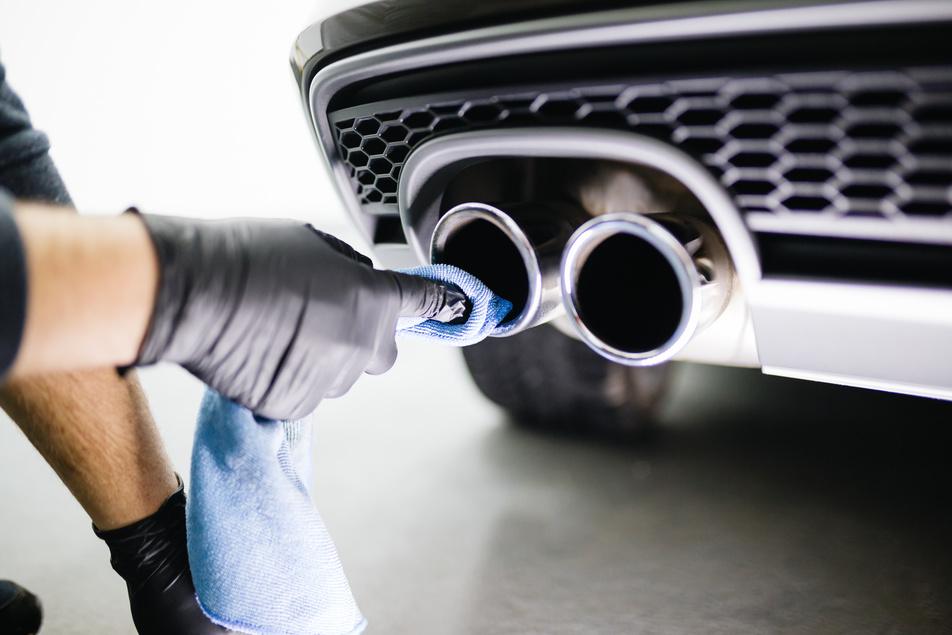
The exhaust system is particularly vulnerable because it operates in a hot, damp, and chemically demanding environment. Exhaust pipes, mufflers, catalytic converter housings, clamps, brackets, and heat shields are commonly made from steel or other metals that can corrode. Saltwater can speed up external corrosion when it reaches these components.
Freshwater already creates a corrosion risk because the exhaust system experiences repeated heating and cooling. Water can condense inside the exhaust, while moisture from outside can collect underneath the vehicle. Saltwater adds chloride ions that promote corrosion and can undermine protective surfaces more aggressively.
Exhaust clamps and brackets are common trouble spots. These parts may be relatively thin compared with major exhaust components and can receive direct spray from the road.
Salt deposits can build around seams and mounting points, where moisture remains trapped. Corrosion may eventually weaken a bracket or cause an exhaust connection to deteriorate.
Heat shields can also develop corrosion around their mounting points. A loose heat shield may produce a metallic rattling sound, particularly at certain engine speeds. While a noisy shield may not immediately affect engine performance, severe corrosion can cause sections to break away. Exhaust leaks can also develop if corrosion creates holes or damages joints.
After saltwater exposure, an underside inspection can reveal whether corrosion is limited to surface staining or has progressed into deeper deterioration.
Exhaust components operate at high temperatures, so repair decisions should account for both corrosion and the normal wear associated with the system. Replacing a badly corroded clamp or bracket may prevent a larger repair later.
6. Wheel Bearings and Hub Assemblies
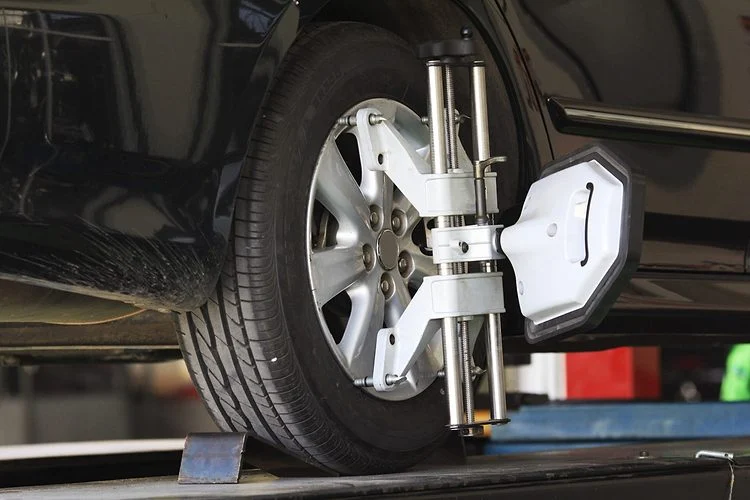
Wheel bearings are designed to operate with lubrication and seals that keep contaminants away from their internal surfaces. Saltwater exposure can threaten those protective seals, particularly when a vehicle passes through deep water or experiences flooding. Once contaminated water reaches the bearing area, corrosion can develop on internal metal surfaces.
Freshwater can also damage bearings when it enters through a compromised seal. Saltwater creates a more aggressive condition because the dissolved salts can promote corrosion and leave deposits after drying. Repeated exposure increases the likelihood of problems, particularly on vehicles frequently driven through coastal areas.
Wheel hubs contain several components that may also be affected by corrosion. Depending on the vehicle design, wheel speed sensors and their wiring may be positioned near the hub assembly. Salt residue can collect around mounting points and connectors, potentially contributing to sensor problems.
A damaged wheel bearing can produce symptoms such as humming, growling, or grinding noises that increase with vehicle speed. Some vehicles may also develop wheel play or vibration when a bearing becomes severely worn. These symptoms can have multiple causes, so diagnosis should be performed by a qualified technician.
Wheel bearing problems should not be ignored. A bearing that has experienced corrosion may continue operating for some time before becoming noticeably noisy. Regular inspection is particularly useful after significant water exposure. Cleaning the
exterior of a hub assembly can remove salt deposits, but it cannot reverse internal bearing corrosion that has already occurred.

7. Steering and Chassis Hardware
Steering systems contain numerous metal components and fasteners that must withstand considerable forces. Tie rods, steering knuckles, mounting bolts, brackets, and other hardware can be exposed to road moisture. Saltwater can accelerate corrosion on these parts, especially when protective coatings have been damaged.
Freshwater can create rust on exposed steel, but saltwater tends to make the process faster. The problem is not simply the presence of water. Salt increases conductivity and can interfere with protective surface films on certain metals. When salt remains on the vehicle after water evaporates, the corrosion process can continue whenever humidity returns.
Steering hardware deserves particular attention because corrosion can affect both serviceability and component condition. A heavily corroded fastener may become difficult to remove, complicating repairs. Severe corrosion on a structural or steering component can also require replacement rather than simple cleaning.
Vehicles exposed to coastal environments may develop corrosion gradually. Drivers may notice small patches of rust on visible suspension or steering parts without realizing that similar corrosion is occurring in less accessible areas. Underside inspections can help identify the problem before it becomes severe.
Any change in steering feel should be investigated rather than automatically blamed on corrosion. Pulling, looseness, unusual noises, vibration, or inconsistent steering response can have several causes. If these symptoms appear after saltwater exposure, an inspection of steering and suspension components is appropriate.
8. Underbody Fasteners, Clips, and Mounting Brackets
A car’s underbody contains countless small components that are easy to overlook. Bolts, nuts, clips, brackets, shields, retainers, and mounting hardware help secure larger systems in place. Saltwater can attack these small pieces quickly because many are made from coated steel and have areas where the protective coating is thin or damaged.
Freshwater exposure can cause similar rust, but saltwater leaves behind a persistent residue. When the water evaporates, salt remains on the metal. Humidity can dissolve that residue again, creating a repeated wetting cycle. This means corrosion can continue even when the vehicle is no longer visibly wet.
Underbody clips and fasteners can become brittle or seize in place. Plastic clips may also be affected indirectly when surrounding metal brackets corrode. During later repairs, a technician may find that removing an apparently simple fastener requires extra work because rust has bonded components together.
Mounting brackets are also important because they secure parts such as fuel lines, brake lines, exhaust components, electrical wiring, and protective panels. If a bracket corrodes badly, the component it supports may move, sag, or become vulnerable to additional damage.
Regular underbody cleaning is a practical way to reduce salt accumulation. A thorough rinse with fresh water can remove deposits before they have time to cause additional corrosion. Owners of vehicles frequently exposed to coastal spray should pay particular attention to the underside rather than concentrating only on painted exterior surfaces.
