
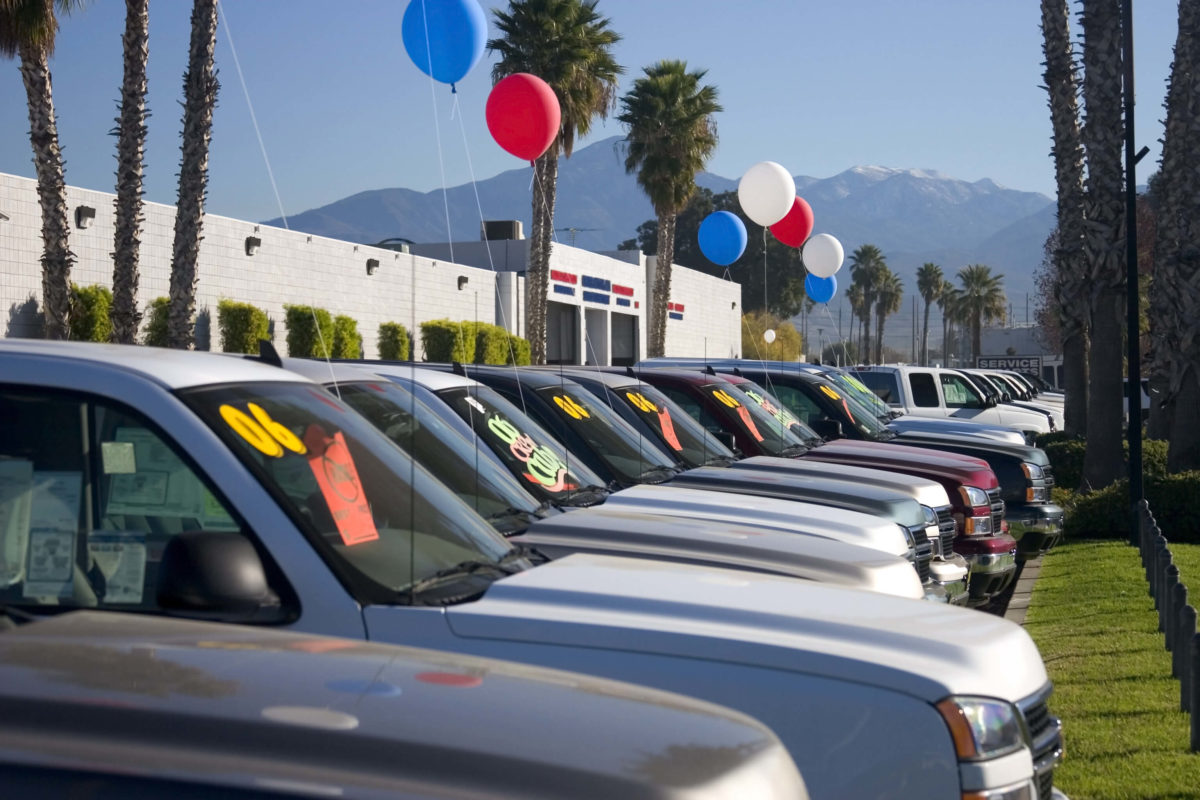
A used car can look clean, drive well, and still have a mileage problem hidden in its history. An odometer rollback occurs when the displayed mileage is reduced to make a vehicle appear less used than it really is. In the United States, buyers can often spot warning signs by comparing several records rather than trusting the dashboard alone.
Title documents, maintenance invoices, inspection reports, registration records, emissions tests, dealership service histories, vehicle history reports, and mileage disclosures can create a timeline that reveals inconsistencies. When the numbers do not follow a logical progression, the vehicle deserves closer inspection before money changes hands.
1. Title Records Can Reveal Mileage Problems
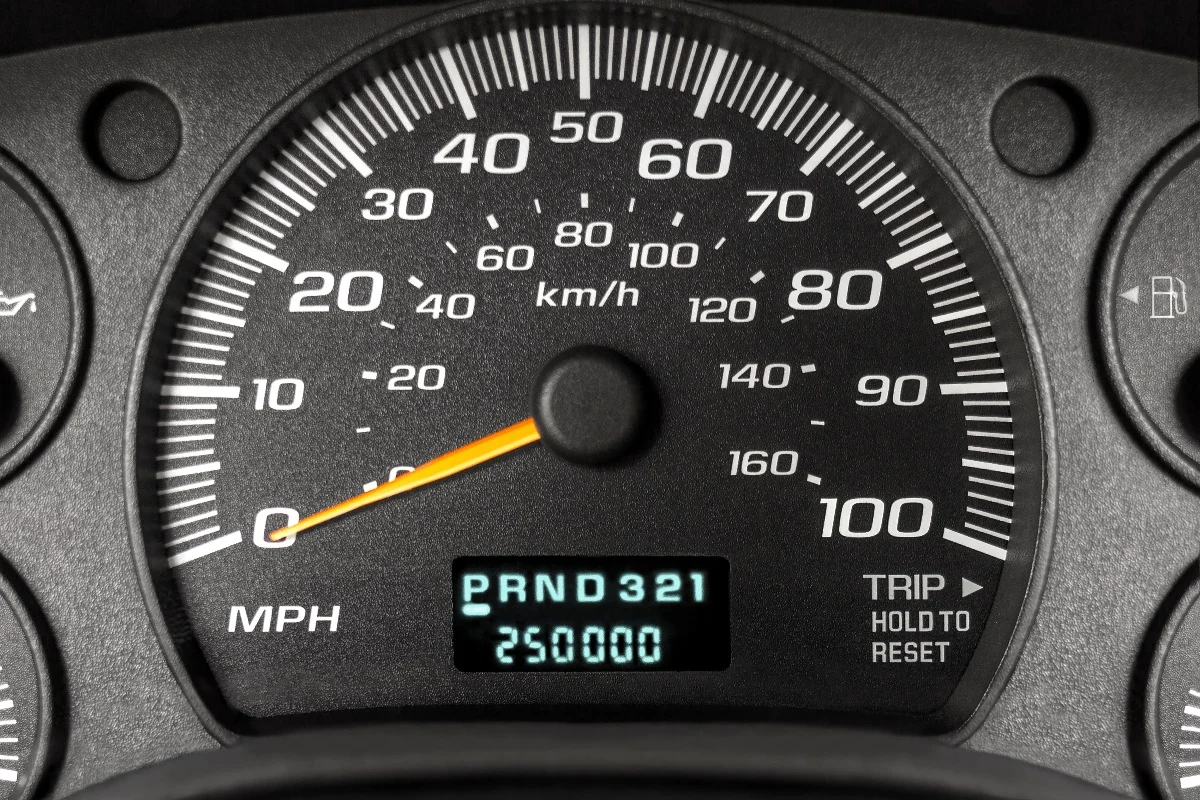
A vehicle title is a key document when checking whether the mileage displayed on a used car makes sense. Depending on the state and the circumstances surrounding the transaction, a title may contain an odometer reading or an odometer disclosure associated with a transfer.
When reviewing a title, buyers should compare the recorded mileage with the number shown on the dashboard. A significant difference does not automatically prove fraud, but it creates a reason to investigate the vehicle’s history before completing the purchase.
Title records become more useful when several ownership transfers are available. Suppose a vehicle was recorded at 92,000 miles during a previous transaction, while the current dashboard shows 71,000 miles.
That change runs backward rather than forward. Normal driving should cause mileage to increase over time. A lower current reading can indicate a rollback, a replacement instrument cluster, a data entry mistake, or another documented event. The explanation should be supported by paperwork rather than a verbal statement from a seller.
Buyers should also pay attention to odometer disclosures connected with title transfers. Federal and state rules govern odometer disclosures, and requirements can vary based on vehicle age and circumstances.
Modern federal rules generally require certain sellers to provide mileage information during ownership transfers. A buyer should read the disclosure carefully and compare the recorded number with other documents. Missing, altered, inconsistent, or suspicious mileage information deserves additional attention before the transaction moves forward.
Title brands can also provide useful context. Terms such as salvage, rebuilt, flood, or odometer-related branding can appear in state records under applicable circumstances.
The exact terminology varies by state. A branded title does not automatically mean the odometer has been changed, but it can signal that the vehicle experienced an event that deserves deeper investigation. Buyers should determine why the title received its current status and whether the mileage history continued normally through that period.
The strongest approach is to treat the title as a timeline rather than a single document. Write down every available mileage figure and the date connected with it.
Then compare those figures with service receipts, inspections, registration information, and vehicle history reports. A credible mileage history should generally move forward in a reasonable pattern. If the title shows 115,000 miles from several years ago while the car now displays 83,000 miles, the difference should be explained with reliable documentation before purchase.

2. Maintenance Records Can Create a Mileage Timeline
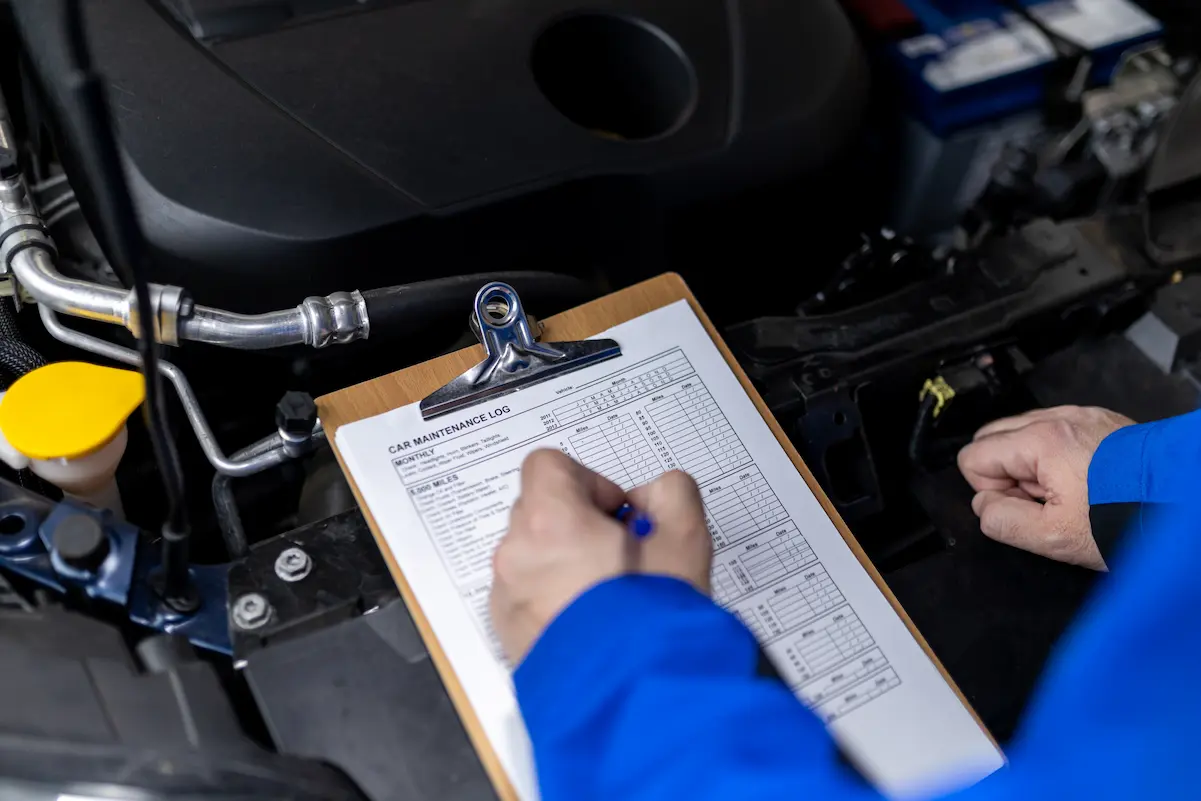
Maintenance records can be extremely useful because they often contain mileage written down when work was performed. Oil changes, brake repairs, tire replacements, transmission service, timing belt work, battery replacement, and other repairs may include the vehicle’s mileage at the time of service.
A single invoice may not prove anything about the odometer, but a collection of records can establish a pattern that is difficult to ignore.
Imagine a service invoice showing 104,500 miles from two years ago. If the vehicle currently displays 78,000 miles, the numbers deserve immediate attention. A car cannot normally travel backward from 104,500 miles to 78,000 miles.
The seller may have a legitimate explanation, such as an instrument cluster replacement, but that event should have supporting documentation. Without documentation, the mileage shown on the dashboard should not simply be accepted as accurate.
Maintenance records from different businesses can be particularly helpful. A vehicle may have been serviced at a dealership during its early years and later maintained at independent repair shops. Each business can create a separate mileage record.
When these records are placed in chronological order, they may show steady mileage growth. If a later invoice suddenly reports fewer miles than an earlier invoice, the discrepancy becomes a clear point for further investigation.
Buyers should also examine service intervals. Manufacturers often recommend maintenance at specific mileage points. For example, a vehicle might have recommended services at 30,000, 60,000, 90,000, or 120,000 miles, depending on the model.
If paperwork shows major services that normally occur at higher mileage but the dashboard currently shows a much lower figure, the maintenance history may contradict the displayed odometer.
Digital service histories deserve attention as well. Many dealerships store repair information electronically. A service department may have records showing the mileage when the vehicle entered the shop. Buyers can ask whether the dealership can provide historical service information using the vehicle identification number.
Records from different dates can then be compared with the current odometer. A consistent upward pattern supports the displayed mileage, while unexplained backward movement raises a serious question about the vehicle’s history.
3. Inspection Records Can Expose an Inconsistent Odometer
Vehicle inspections provide another useful source of mileage information. State inspection programs vary considerably across the United States, and not every state requires the same type of inspection.
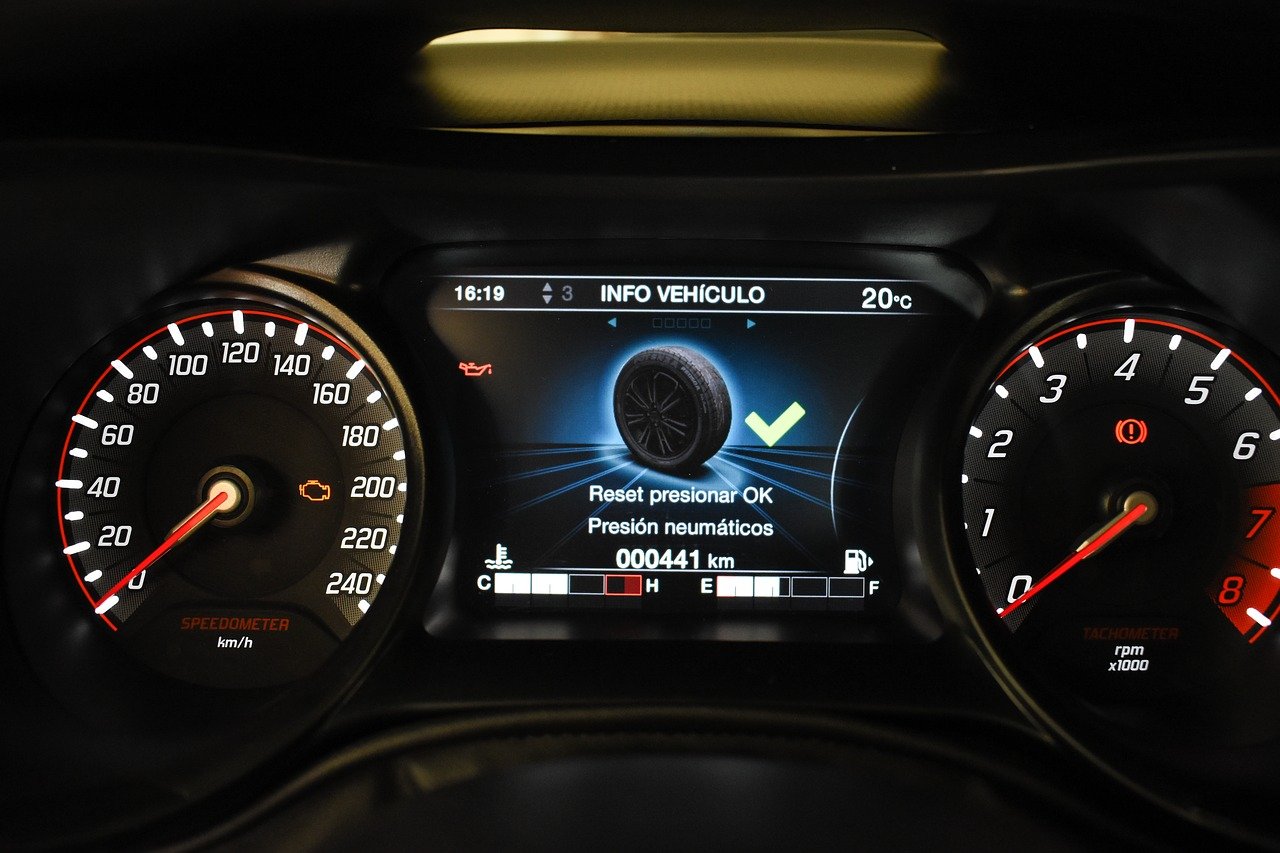
Where mileage is recorded during an inspection, those records can become valuable evidence when reconstructing a vehicle’s history. The mileage from an inspection can be compared with the dashboard reading and other documents.
A simple comparison can reveal a major inconsistency. Suppose an inspection record from 2021 lists 88,000 miles, while the car’s current odometer reads 74,000 miles. The vehicle would appear to have lost 14,000 miles.
There may be an explanation involving an instrument replacement or a reporting mistake, but the buyer should not assume that explanation without documentation. The discrepancy should be investigated before relying on the current mileage.
Inspection records can also reveal unusually small mileage increases. A car that travels very little may legitimately accumulate only a few thousand miles over several years. However, the pattern should make sense when compared with its age, service history, ownership records, and condition.
If the car reportedly traveled 2,000 miles per year but maintenance records show extensive mileage increases, the records may tell a different story.
Emissions testing records can provide additional information in states or jurisdictions where mileage is captured during testing. Such records may be stored electronically or appear in paperwork provided to the vehicle owner.
The exact availability of these records depends on state requirements and the vehicle’s location. Buyers should ask whether historical inspection or emissions records can be obtained for the vehicle before purchasing it.
The important point is consistency. No single inspection document should be treated as absolute proof of a rollback. Data entry mistakes can happen, and vehicles can undergo legitimate instrument cluster replacements.
However, multiple inspection records that establish a steadily increasing mileage history are useful when evaluating the dashboard reading. When the inspection timeline conflicts with the current mileage, buyers should request documentation that explains the difference.

4. Registration Records Can Show How Mileage Changed
Vehicle registration records can help establish how mileage changed during different periods of ownership. The amount of information available varies by state, and some records may not be easily accessible to a private buyer. Still, registration documents, renewal paperwork, and related state records can sometimes contain mileage information or details that help identify ownership dates.
A buyer should compare the dates associated with registration records against mileage figures from other sources. If the vehicle was registered for several years and records indicate a higher mileage than the current dashboard, there is a clear inconsistency.
The buyer can then ask whether the vehicle received a replacement cluster, whether a mileage correction was documented, or whether an error occurred when the figure was entered.
Registration history can also help establish how long a vehicle was owned by different people. If a car supposedly had very low mileage but changed hands frequently, buyers may want to examine the records more closely.
Frequent ownership changes do not prove an odometer problem. They simply provide additional dates that can help organize the vehicle’s history and identify periods that need verification.
State procedures differ, so buyers should avoid assuming that every registration record will contain mileage. Some states collect more vehicle information than others, while certain records may be restricted for privacy or legal reasons.
A dealer, licensed vehicle history provider, or appropriate state agency may be able to provide information that helps reconstruct the vehicle’s history under applicable rules.
Registration information becomes much more useful when combined with title and maintenance documents. For example, a title could show 70,000 miles, an inspection could show 82,000 miles, and a repair invoice from the same period could show 85,000 miles.
Those numbers create a timeline that conflicts with the dashboard. Looking at the records together gives the buyer a clearer basis for questioning the mileage claim.

5. Vehicle History Reports Can Connect Multiple Records
Vehicle history reports are commonly used by US used-car buyers to check a vehicle’s past. Services such as CARFAX and AutoCheck may compile information from various sources, including title records, reported service events, accidents, inspections, auctions, and other available data.
Coverage varies, so a clean report does not guarantee that every event in a vehicle’s history has been captured.
Mileage information in a history report can be especially useful. A report may list several mileage entries collected at different dates.
Buyers should read these entries chronologically rather than focusing only on the latest figure. If the recorded mileage rises from 40,000 to 60,000 to 85,000 miles, the pattern is generally easier to understand than a record showing 90,000 miles followed later by 65,000 miles.
A history report can also help identify gaps. If records appear regularly for several years and then stop for a long period, the missing period deserves attention.
A gap does not establish fraud because records are not guaranteed to be reported from every service provider or transaction. Still, buyers should ask what happened during the undocumented period and seek additional paperwork from the seller.
Auction records can be especially important for certain used vehicles. Cars can pass through wholesale auctions before reaching a retail dealership. Mileage may be recorded when a vehicle enters an auction or is listed for sale. If an auction record shows a higher mileage than the current dashboard, the buyer should request an explanation and supporting documents.
History reports work best as part of a larger investigation. Buyers should compare the report with physical paperwork, service invoices, title documents, and inspection records.
If every source supports the same mileage progression, confidence in the timeline becomes stronger. If several independent records contradict the dashboard, the buyer should treat the displayed mileage as questionable until the discrepancy is explained.

6. Dealer Service Records Can Reveal the Real Mileage
Dealership service departments often maintain detailed records for vehicles that return for scheduled maintenance or repairs. These records may include the vehicle identification number, service date, repair description, technician information, and mileage recorded when the vehicle arrived. For buyers checking a used car, dealer service records can provide valuable historical mileage data.
A buyer can ask the selling dealer whether the vehicle was previously serviced through its network. Some manufacturers maintain service information electronically, while individual dealerships may retain records according to their own systems and policies.
Access to older records can vary. The buyer should request whatever documentation is available and compare the mileage against the current dashboard.
Service records can also reveal maintenance performed at mileage levels that conflict with the seller’s claims. If a manufacturer dealership replaced brake components at 112,000 miles several years ago, a current odometer reading of 89,000 miles requires an explanation.
The seller may legitimately have documentation showing an instrument cluster replacement, but the buyer should verify that claim rather than relying on a casual explanation.
Digital records can sometimes be more difficult to alter than a handwritten service note, but buyers should still consider the source and context. A mileage entry could contain a typing mistake.
That is why several records are more valuable than a single number. If dealership records, inspection documents, and title information all follow the same progression, the timeline becomes easier to validate.
Buyers should also pay attention to the type of maintenance recorded. A vehicle showing very low mileage but having extensive high-mileage maintenance documented in earlier years presents a contradiction.
Certain components may wear based on age rather than mileage, so the maintenance itself does not establish the odometer reading. The mileage attached to the service event is the more useful piece of information.
7. Mileage Disclosures and Federal Records Matter
Mileage disclosure requirements play an important role in used-vehicle transactions in the United States. Federal law contains requirements designed to protect buyers from odometer fraud, while state laws can impose additional requirements.
The exact paperwork and exemptions can depend on vehicle age, transaction type, and other circumstances. Buyers should review the disclosure information associated with their particular transaction.
An odometer disclosure normally records the mileage reported by the seller or transferor. The buyer should compare that figure with the dashboard and available historical records. If the seller is asked to sign a mileage statement and the numbers do not match the vehicle’s documented history, the buyer should stop and resolve the discrepancy before completing the paperwork.
Certain older vehicles may be treated differently under federal odometer disclosure rules, and state requirements can vary. This means buyers should not assume that the absence of a particular federal form proves a vehicle has a mileage problem. The correct approach is to understand which requirements apply to the specific vehicle and transaction.
Odometer statements can become particularly valuable when a vehicle has changed hands several times. Each transaction may produce a new mileage disclosure or related title documentation.
Comparing those records can reveal whether mileage progressed normally. A sequence such as 52,000 miles, 73,000 miles, and 101,000 miles makes chronological sense. A later statement showing 81,000 miles creates a clear inconsistency.
Buyers should keep copies of all signed documents connected with the purchase. This includes the title, odometer disclosure, bill of sale, inspection documents, and any written statements concerning the vehicle’s mileage. If a discrepancy becomes apparent later, having the original paperwork can help establish what information was provided during the transaction.
8. Compare the Physical Vehicle With the Recorded Mileage
Records tell an important story, but the physical condition of a vehicle can provide additional clues. Mileage should be considered alongside wear on the steering wheel, pedals, driver’s seat, door controls, buttons, floor mats, and other frequently used components.
A heavily worn interior does not prove that the odometer was rolled back, because driving habits, replacement dates, and mileage information written on invoices can help establish how the vehicle was being used. A car advertised with 45,000 miles may have records showing several complete sets of tires and high-mileage maintenance.
That situation deserves questions. Tire age also matters because tires can be replaced based on time, condition, or damage, and vehicle use varies. Still, excessive wear can conflict with a very low mileage claim.
Tires can provide useful context as well. Tire replacement dates and mileage information written on invoices can help establish how the vehicle was being used. A car advertised with 45,000 miles may have records showing several complete sets of tires and high-mileage maintenance.
That situation deserves questions. Tire age also matters because tires can be replaced based on time, condition, or damage rather than mileage.
Brake components can provide similar clues, though they should never be used as a precise mileage calculator. Driving conditions have a major effect on brake wear. City driving, highway driving, and purchase inspection can bring together the mechanical and documentary sides of the investigation.
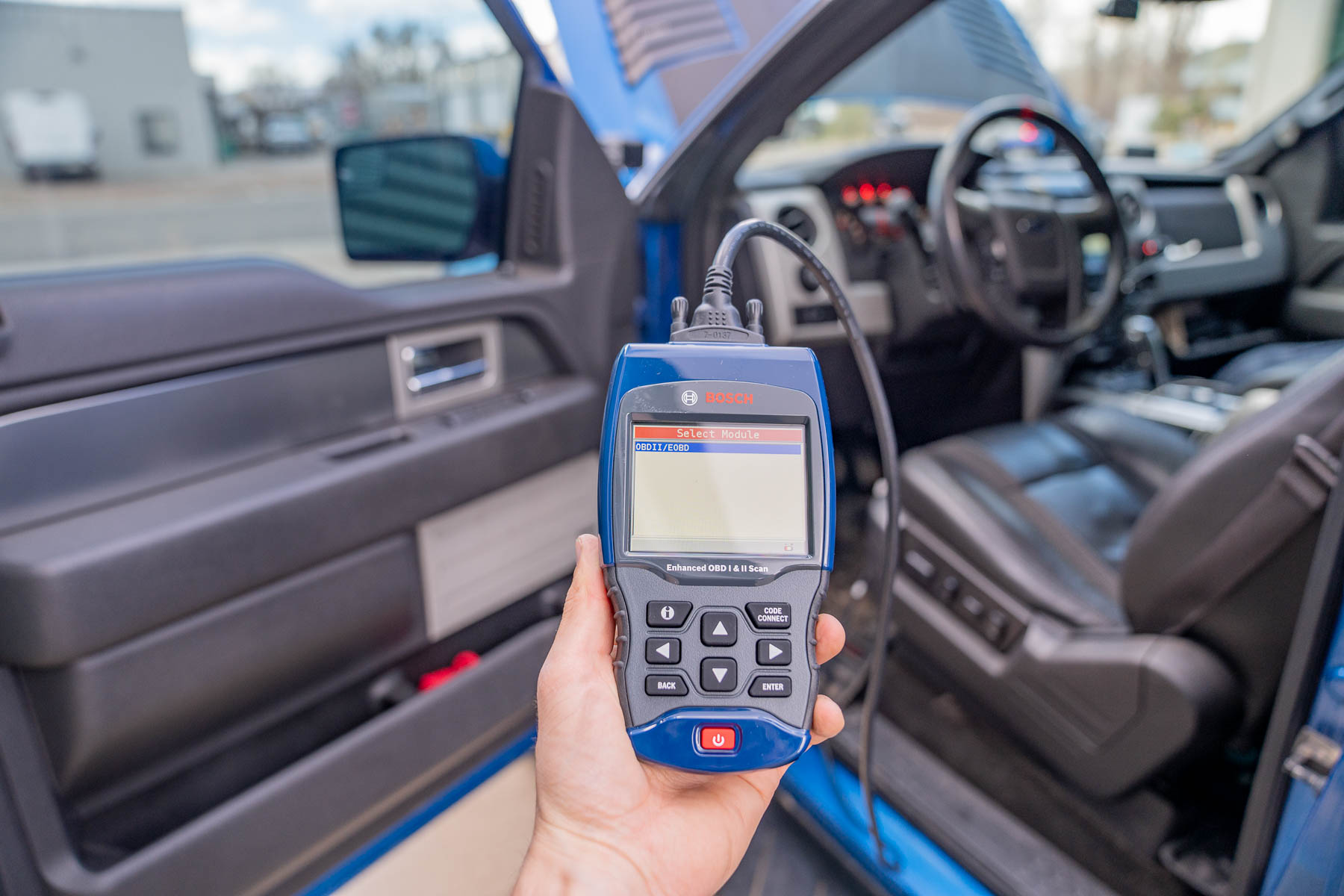
An independent mechanic can examine the vehicle for signs of wear, inspect electronic systems where appropriate, and identify components that may have been replaced. The mechanic may also notice inconsistencies that a casual buyer would miss.
A written inspection report can be useful when use, towing, terrain, and driving habits can produce very different wear rates. Physical inspection should therefore support documentary evidence rather than replace it.
A professional pre-purchase inspection can bring together the mechanical and documentary sides of the investigation. An independent mechanic can examine the vehicle for signs of wear, inspect electronic systems where appropriate, and identify components that may have been replaced.
The mechanic may also notice inconsistencies that a casual buyer would miss. A written inspection report can be useful when deciding whether to continue negotiations.
The strongest mileage check comes from combining every available source. Compare the dashboard with the title, maintenance invoices, inspection records, registration information, vehicle history report, dealership service records, mileage disclosures, and physical condition.
Look for a logical chronological pattern. If the records repeatedly show higher mileage than the dashboard, create a simple mileage timeline. Write down the date of every available record and the mileage reported at that time.
Include title transfers, inspections, maintenance visits, dealership repairs, registration documents, emissions testing, and auction differences as a serious warning, and request documentation before purchasing the vehicle.
