
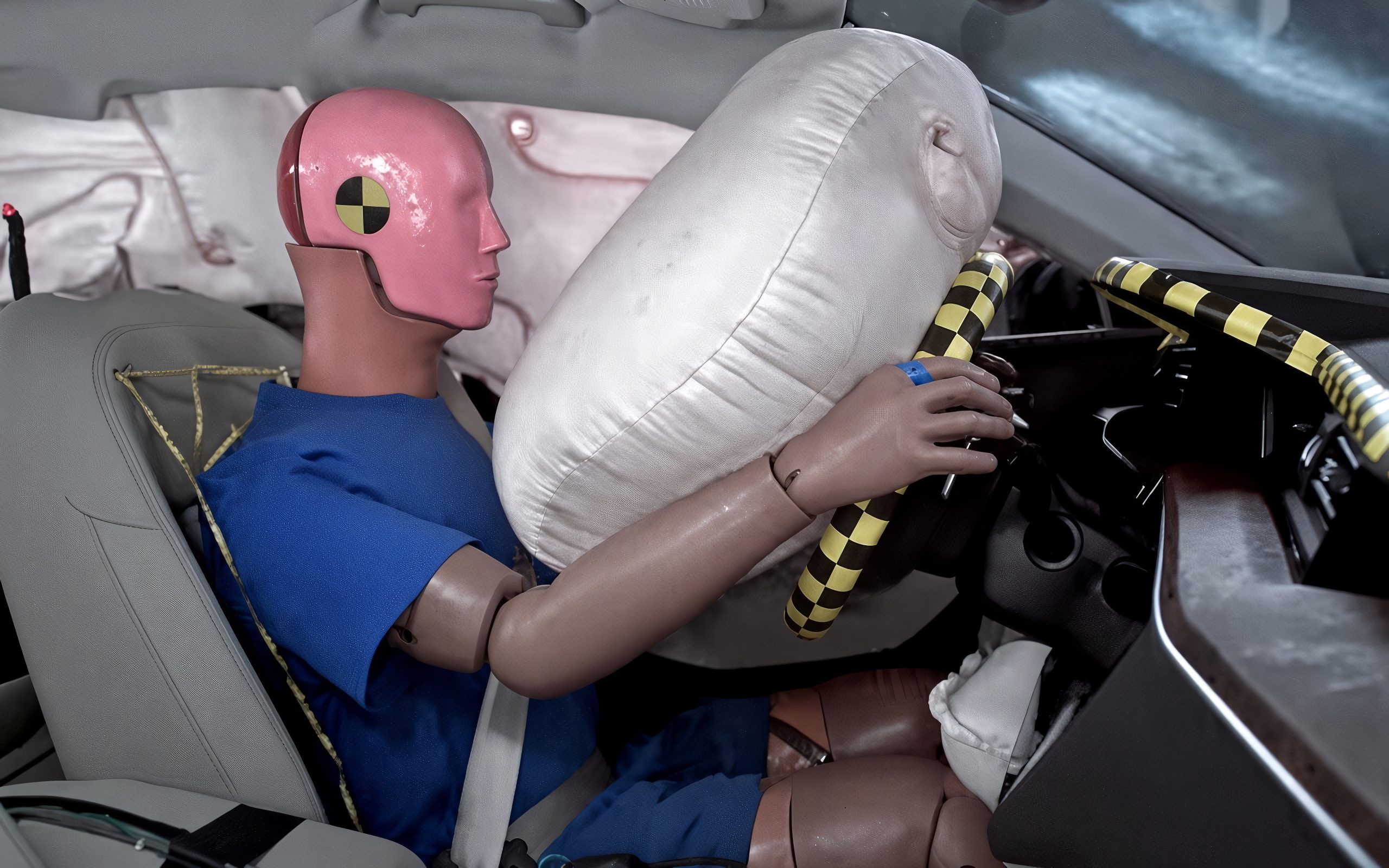
Buying a used car can save money, but hidden repairs can create serious safety concerns. Airbags are designed to work with the vehicle’s crash sensors, seat belts, control module, wiring, and interior components. If a previous owner or repair shop installed a low-quality replacement, identifying the problem before purchase becomes important.
A cheap or counterfeit airbag may look correct from outside while having questionable construction or poor compatibility with the vehicle. This guide explains ten warning signs that can indicate an improperly replaced airbag. These clues cannot prove an airbag is unsafe by themselves, so a qualified inspection should confirm any concerns before you buy the car.

1. The Airbag Warning Light Behaves Strangely
The airbag warning light is among the first things to check when inspecting a used vehicle. When you turn the ignition on, the warning light should normally illuminate briefly as the vehicle performs a system check.
It should then go out if the restraint system does not detect a fault. A light that stays illuminated can indicate a problem with the airbag system, sensors, wiring, control module, or another restraint component. It does not automatically prove that a cheap airbag has been installed, but it deserves careful attention.
Pay attention to what happens immediately after starting the car. Some sellers may attempt to hide a warning light by disconnecting a bulb, altering the instrument cluster, or using other improper methods.
A warning light that never appears during the initial ignition cycle can therefore be worth investigating. Modern vehicles often perform several electronic checks before the engine starts, making the behavior of dashboard warning indicators useful during a pre-purchase inspection.
A seller might also mention that the warning light recently appeared or that it is only a minor electrical issue. Treat such explanations carefully. Airbag systems are safety-critical, and a fault can prevent a restraint component from functioning as intended during a collision.
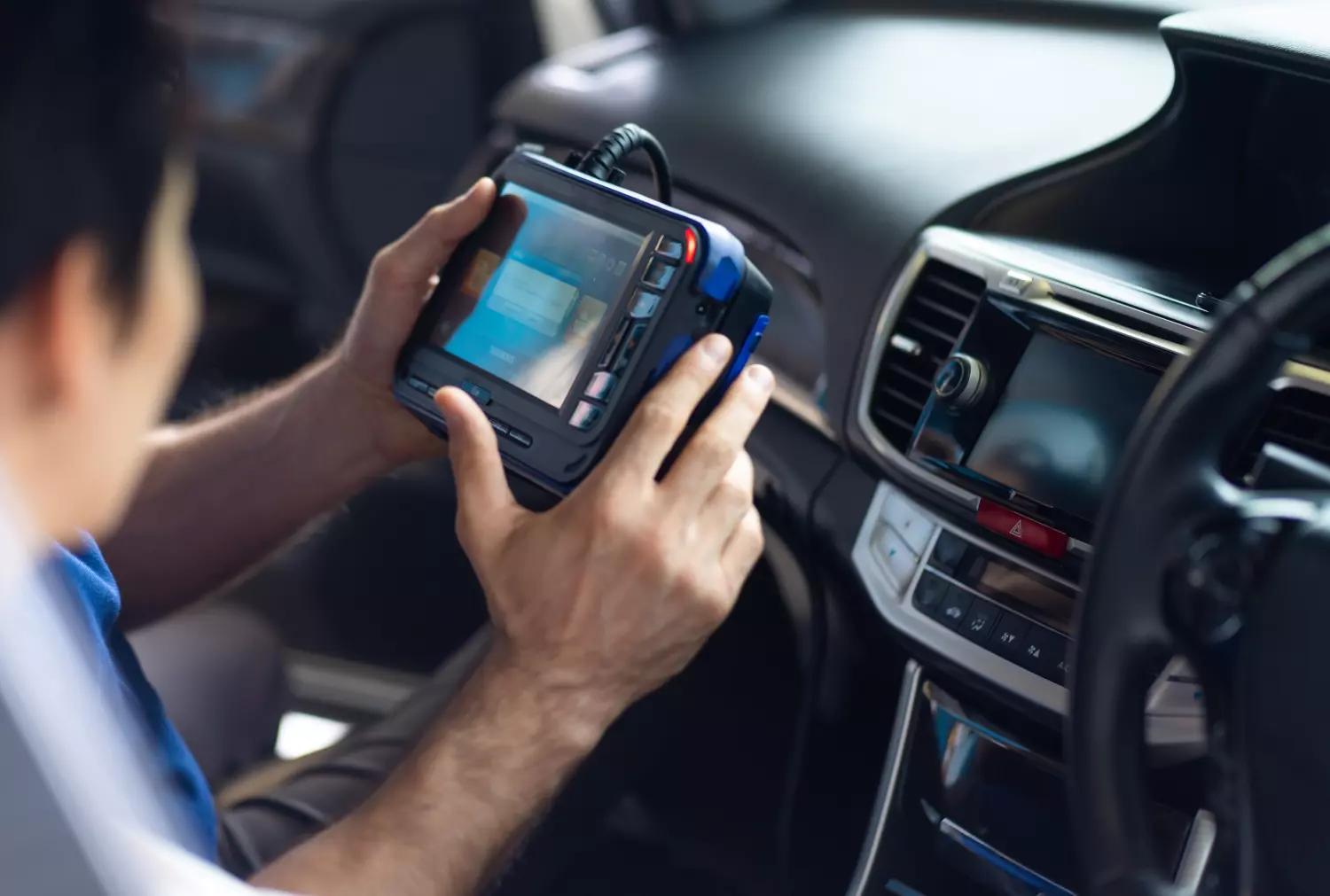
Diagnostic equipment designed for the vehicle can often retrieve fault codes from the supplemental restraint system. Those codes may identify problems involving an airbag circuit, impact sensor, clock spring, wiring connection, or control module.
A particularly important clue is a system that has clearly been tampered with. Signs of disturbed wiring, non-factory connectors, loose electrical connections, or unusual resistance components near an airbag circuit can justify further inspection. Some improper repairs use electrical components intended to imitate the resistance of an airbag. Such modifications can interfere with proper system operation and should not be treated as a normal repair.
The warning light is therefore a starting point rather than a final diagnosis. A car can have a functioning dashboard light while still containing an incorrect replacement part.
Before buying a vehicle with questionable airbag history, ask for a diagnostic scan performed by a qualified technician who understands the manufacturer’s restraint system. The scan should be combined with a physical inspection and a review of the vehicle’s accident and repair history.

2. The Steering Wheel or Dashboard Looks Recently Repaired
A fresh-looking steering wheel can be an important clue when the rest of the vehicle shows normal signs of age. Driver airbags are usually located in the steering wheel, while passenger airbags are commonly integrated into the dashboard.
If the surrounding trim looks noticeably newer than nearby components, the vehicle may have received previous collision repairs. A replacement is not necessarily a problem because airbags can be legitimately replaced after a crash. The concern arises when the replacement appears poorly fitted or lacks credible documentation.
Inspect the steering wheel carefully from different angles. Look for uneven gaps around the airbag cover, differences in texture, unusual stitching, mismatched colors, or sections that appear newer than the rest of the wheel.
Factory components are generally designed to fit specific vehicle interiors, so significant irregularities can suggest that a component was replaced with a non-original part or repaired using questionable methods.
The dashboard deserves similar attention. Check the passenger airbag cover for differences in grain, color, finish, and alignment. Look around the edges for adhesive residue, scratches, damaged clips, tool marks, or signs that the dashboard has been removed.
A previous accident may have required replacement of several interior parts. If the seller cannot provide information about why those components were replaced, further inspection is sensible.
It is also useful to compare the interior with photographs of the same vehicle model in similar condition. This can help you recognize what the factory steering wheel and airbag cover should look like.
Differences in appearance are not proof of a counterfeit component, since manufacturers sometimes change interior materials between production years or trim levels. The purpose of this comparison is to identify areas that deserve professional attention.
A professionally repaired vehicle should have a clear repair story whenever possible. Ask whether the car has been involved in a crash, which airbags deployed, which components were replaced, and where the repairs were performed.
If the seller claims that an airbag was replaced but cannot provide a receipt, repair record, or other supporting information, consider having the restraint system inspected before making a purchase.
3. The Airbag Cover Has Poor Fit or Finish
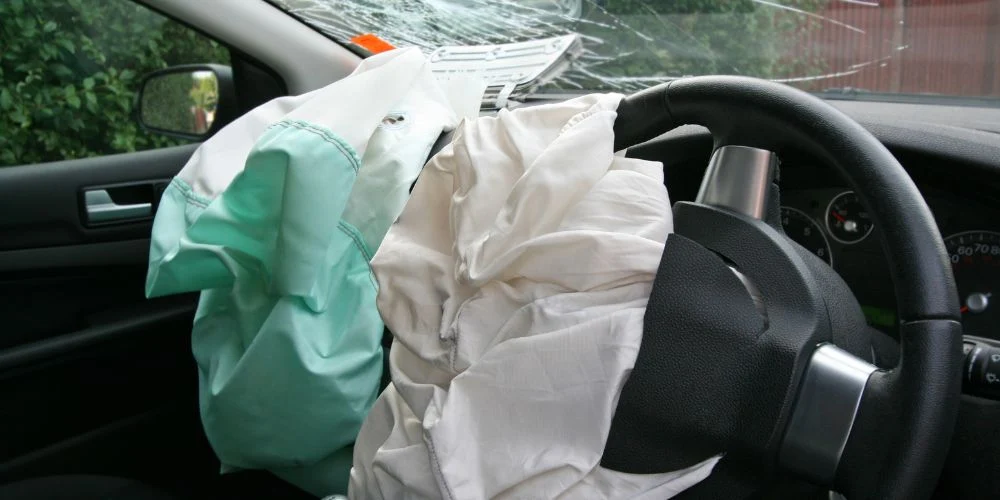
Airbag covers are designed to open in a controlled manner during a collision. Their appearance and fit can provide useful clues about replacement work.
Examine the cover for uneven seams, excessive gaps, raised edges, rough surfaces, or unusual panel alignment. A poorly fitted cover does not automatically mean the airbag itself is counterfeit, but it can indicate that the assembly has been replaced, repaired, or modified.
Pay attention to the material and texture. A steering wheel airbag cover that feels significantly different from the surrounding factory material may deserve investigation.
The same applies to a passenger airbag cover that has a different surface finish from the dashboard. Manufacturers use specific materials and construction methods for restraint components, and obvious differences can suggest that the interior has been repaired using parts from a different source.
Look closely at the seams and molded areas. Some replacement covers may have inaccurate logos, poor lettering, incorrect colors, or markings that do not match the vehicle. Spelling mistakes, distorted branding, rough molding, and unusually thin-looking plastic are especially worth documenting.
These visual clues are not enough to establish whether the airbag is safe, but they can provide a reason to stop and obtain professional verification.
Do not press, pull, pry, or attempt to open an airbag cover yourself. An airbag contains a pyrotechnic inflator that can deploy with considerable force. A visual inspection should remain external. If the cover looks damaged, loose, modified, or badly installed, let a trained technician inspect it using the correct procedures and equipment.
A clean appearance should not automatically reassure you either. Counterfeit or poor-quality components can sometimes look convincing from a distance.
The absence of obvious cosmetic defects does not establish that an airbag is genuine or correctly matched to the vehicle. Documentation, diagnostic testing, part verification, and a professional inspection provide much stronger evidence than appearance alone.
4. The Airbag Logo or Markings Look Incorrect
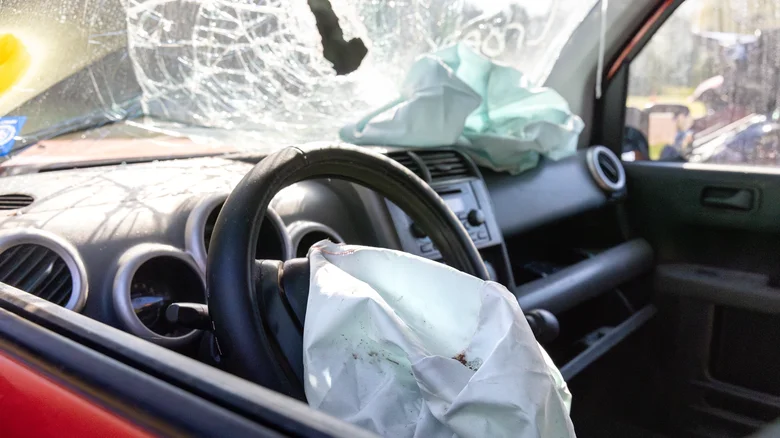
Airbag assemblies normally contain identifying information, labels, markings, molded details, or manufacturer-specific information.
These markings can help technicians determine whether a component appears appropriate for the vehicle. When inspecting a used car, check for visible inconsistencies in logos, lettering, labels, and other identifying details without removing the airbag.
A questionable component may have a logo that looks poorly printed, distorted, unusually large, or incorrectly positioned. Lettering may have inconsistent spacing or a different font from the original equipment used in the same model. These details can be difficult for an ordinary buyer to evaluate, so photographs of a known factory component can help with comparison.
Part numbers can be particularly useful when they are accessible without dismantling anything. A technician or authorized parts department may be able to determine whether a number corresponds to the vehicle’s specific configuration.
Keep in mind that a part number can change during production, and different markets or trim levels can use different components. A mismatch should therefore be verified rather than immediately treated as proof of a counterfeit.
Labels may also provide clues about manufacturing information and component identity. Missing labels, damaged identification plates, suspicious stickers, or information that does not correspond with the vehicle should receive attention.
A professional inspection can determine whether the markings are consistent with the manufacturer’s parts and repair procedures.
Avoid treating a suspicious marking as an evidence on its own. Counterfeit products can sometimes copy legitimate-looking labels, while genuine replacement parts can have markings that differ from the original component installed at the factory.
The safest approach is to combine visual evidence with the vehicle identification number, manufacturer information, diagnostic results, and repair documentation.

5. The Car Has Signs of a Previous Collision
A previous collision is not automatically a reason to reject a used car. Many vehicles are repaired correctly after accidents and continue to operate normally.
However, a crash history matters when evaluating airbags because deployed restraint components generally need proper replacement. If the repair was carried out cheaply, the vehicle may contain incorrect or poorly sourced components.
Look for signs such as mismatched paint, uneven panel gaps, overspray, replacement headlights, repaired bumper areas, different fasteners, or inconsistent welds.
These clues can indicate that the vehicle has undergone bodywork. Again, none of them proves that a cheap airbag was installed. They simply help establish whether the car may have experienced an event that could have activated its restraint system.
The interior can provide additional evidence. Replaced seat belts, freshly installed seats, new steering wheel trim, dashboard work, or unusually clean sections around the airbags may indicate previous repair activity. A vehicle with extensive exterior damage repairs and fresh interior components deserves closer attention to the entire restraint system.
Ask the seller direct questions about the accident history. Find out what was damaged, whether airbags deployed, which parts were replaced, and whether the repairs were completed by a recognized repair facility.
Written invoices and parts records are much more useful than a general statement that the vehicle was repaired properly.
A qualified technician can inspect the vehicle for structural and restraint-system concerns. The inspection should cover more than the airbag module itself.
Seat belts, sensors, wiring, control modules, steering components, and body repairs can all affect occupant protection. A car with previous accident damage can still be worth considering, but its repair quality should be established before purchase.
6. The Airbag System Contains Unusual Wiring or Connectors
Modern airbag systems rely on carefully designed electrical circuits. The restraint control module communicates with airbags, crash sensors, seat belt pretensioners, and other components through vehicle-specific wiring and connectors.
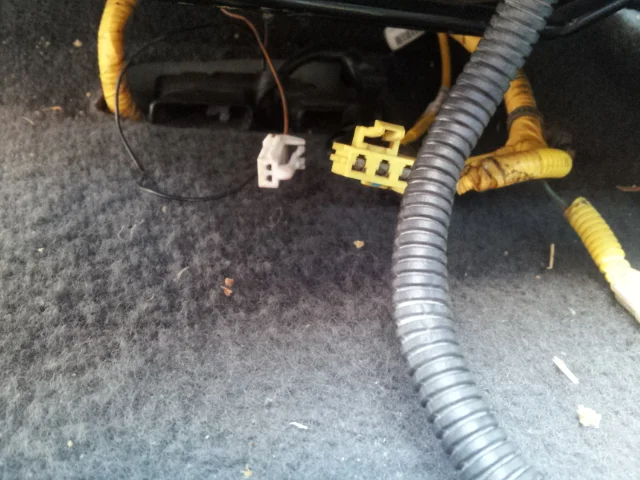
Unusual wiring under the seats, around the dashboard, or near the steering column can therefore be an important warning sign.
Look for wires that appear freshly installed, poorly secured, cut, twisted together, taped excessively, or connected with non-standard electrical connectors. Factory wiring typically has organized routing and purpose-designed connectors. Improvised electrical work may suggest that someone has attempted to repair, bypass, or modify part of the restraint system.
Do not assume that every non-standard-looking wire is connected to an airbag. Used cars can have aftermarket stereos, parking sensors, dash cameras, alarm systems, lighting equipment, and other accessories.
Pay special attention to wiring around seats. Many vehicles have electrical connections beneath the front seats for seat belts, occupancy sensors, airbags, and other equipment. Moving seats can sometimes expose or damage wiring. A loose connector or damaged wire can trigger a restraint-system warning, but determining the exact cause requires proper diagnostic testing.
Do not attempt to probe airbag wiring with ordinary electrical testing equipment. Improper testing can create safety risks. If unusual wiring is found, take photographs and ask a qualified technician to identify it.
A professional can determine whether the wiring follows the manufacturer’s repair method and whether any component has been improperly bypassed.
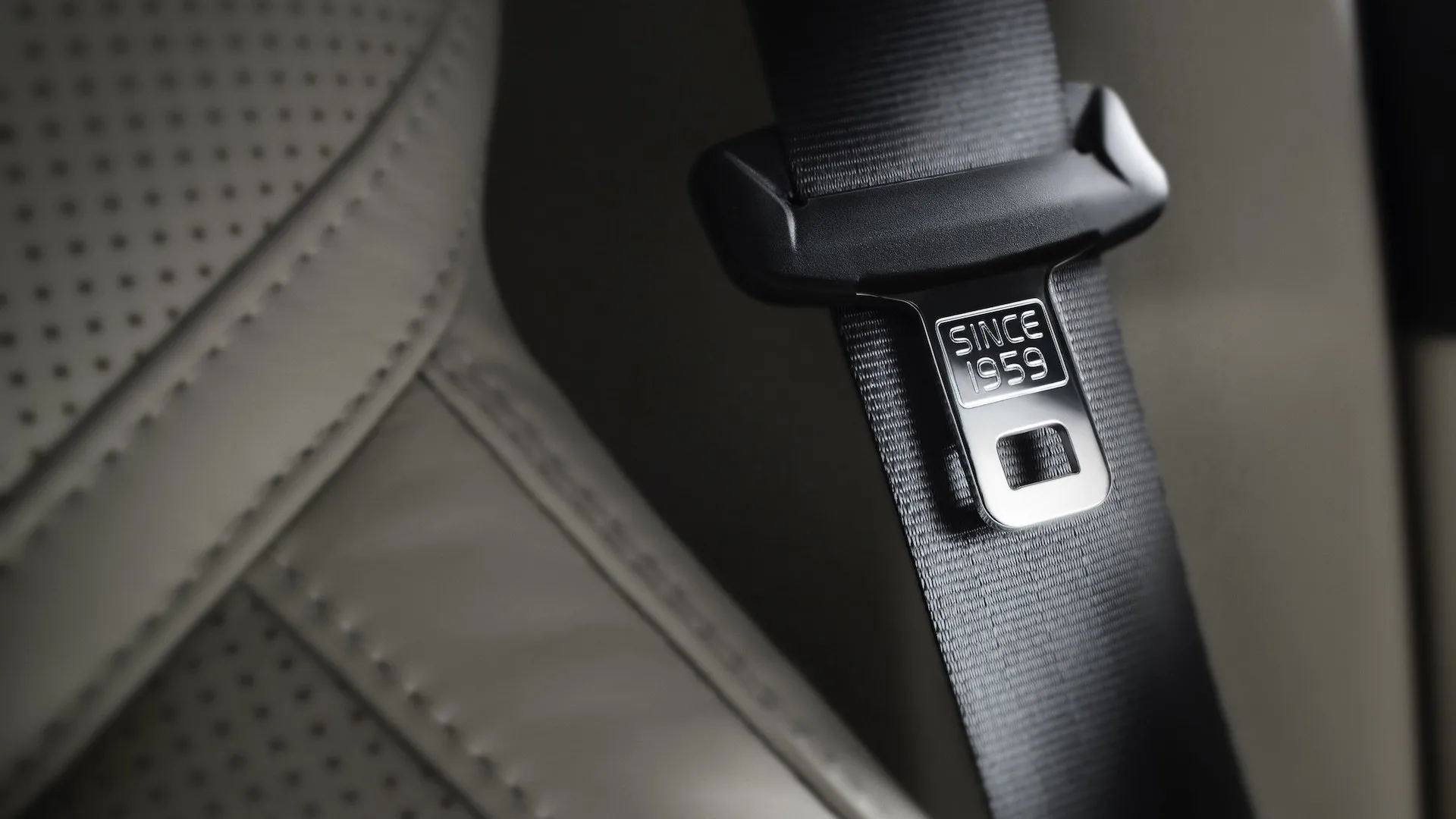
7. The Seat Belts Look New While the Interior Looks Old
Seat belts can provide useful clues about a vehicle’s accident history. In some collisions, seat belt pretensioners activate along with airbags.
Depending on the vehicle and the severity of the event, the belts or related components may require replacement. Fresh seat belts inside an otherwise heavily worn interior can therefore be worth investigating.
Compare the driver’s and passenger’s belts with the rest of the cabin. Look at the webbing, buckle condition, labels, stitching, and general wear. If one side looks substantially newer than the other, ask why. A replacement may have been necessary for an entirely legitimate reason, so the observation itself should not be treated as evidence of improper repairs.
The condition of the steering wheel and dashboard should also be considered at the same time. If several restraint-related components appear unusually new while the vehicle has significant mileage and interior wear, there may have been previous collision repairs.
A technician can determine whether the components appear appropriate for the vehicle and whether the restraint control system reports stored faults.
Seat belt pretensioners are part of the overall restraint system. They work with airbags and occupant protection systems during certain collisions.
Replacing an airbag while ignoring other activated restraint components can leave the system improperly repaired. This is why inspecting a single airbag without checking the rest of the system may provide an incomplete picture.
Ask for repair records if the belts have been replaced. A legitimate repair may include invoices showing the replacement of belts, airbags, sensors, or other components. If the seller has no explanation for obvious restraint-system replacements, arranging an independent inspection before purchase can help establish what happened.
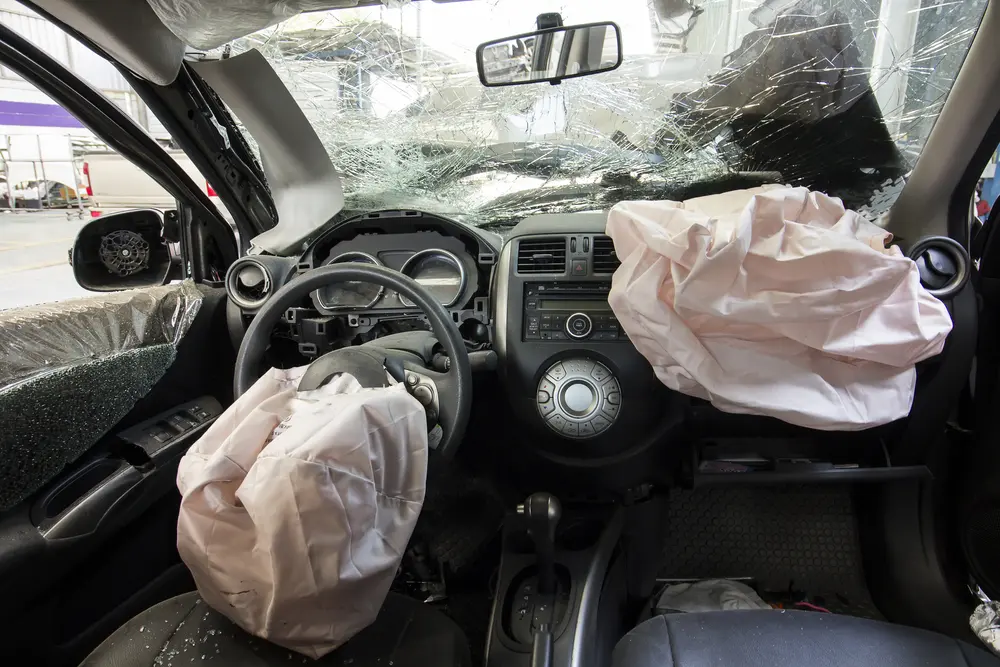
8. The Car’s History Shows an Airbag Deployment
Vehicle history information can sometimes reveal a previous accident or airbag deployment. Sources can include insurance records, auction records, inspection documents, service records, and previous repair invoices.
The information available varies by country and vehicle, so a clean history report should not be treated as proof that the vehicle has never been damaged.
If records show that airbags deployed, ask for documentation describing how the vehicle was repaired. A quality repair should address the components affected by the collision rather than simply making the dashboard warning light disappear. Depending on the crash, repairs can involve airbags, pretensioners, sensors, control modules, wiring, steering components, and structural areas.
Be careful with phrases such as “airbag repaired” or “airbag reset.” These terms can mean different things in different repair settings. An airbag module that has deployed is generally not something a buyer should assume has been restored safely just because the warning light is off. The exact repair method and replacement parts matter.
Auction photographs can sometimes be particularly informative. They may show damage that was repaired before the current owner purchased the vehicle. Images can reveal deployed airbags, broken dashboards, damaged steering wheels, or major body damage. If the current car looks dramatically different from its earlier condition, ask questions about the repairs.
A vehicle with a recorded deployment is not necessarily unsafe today. Properly repaired cars can have replacement restraint components installed according to manufacturer procedures.
The key issue is whether there is credible evidence that the repair was completed correctly. Independent inspection and documentation are more reliable than verbal assurances.
9. The Price Seems Suspiciously Low Compared With Similar Cars
Price alone cannot tell you whether a vehicle has a cheap airbag. A used car may be inexpensive because of mileage, age, condition, ownership history, market demand, or urgent circumstances. Still, a large price difference combined with other warning signs can justify additional scrutiny.
Compare the vehicle with similar cars using the same model year, engine, mileage range, trim level, transmission, and general condition. If the asking price is significantly lower, ask the seller why.
A legitimate explanation may exist, but an evasive response can make it more important to investigate the car’s accident and repair history.
Cheap repairs can sometimes be associated with vehicles that have suffered substantial collision damage. Airbag components are safety-critical, and replacing several restraint parts can be expensive. A seller who purchased a badly damaged vehicle and repaired it for resale may have had a strong financial incentive to reduce repair costs.
That does not mean a low-priced car automatically contains counterfeit equipment. Some owners use reputable aftermarket components where legally and technically appropriate, while others use genuine manufacturer replacement parts.
The important question is whether the installed component is compatible, properly certified where required, correctly installed, and appropriate for the vehicle.
Use the price as a reason to investigate rather than as evidence of wrongdoing. If the car appears unusually cheap, spend the savings on a thorough independent inspection before completing the purchase. A modest inspection cost can provide valuable information about accident repairs and restraint-system condition.
10. The Seller Cannot Provide a Clear Repair History
A missing repair history can be the most frustrating problem for a used-car buyer. Sellers may not have every invoice, especially when the vehicle has changed hands several times. However, major repairs involving airbags and collision damage are important enough that supporting documentation is valuable whenever it exists.
Ask for records showing where the repairs were performed and what components were replaced. Useful documents can include body shop invoices, parts receipts, insurance estimates, inspection reports, and manufacturer service records. These documents may help establish whether genuine or properly specified components were used.
Pay attention to inconsistencies between the seller’s story and the vehicle’s physical condition. For example, a seller might say the car only received cosmetic bumper repairs while the interior shows evidence of steering wheel or dashboard replacement. That does not prove deception, but the difference should be investigated before purchase.
A seller who willingly allows an independent inspection provides a buyer with a better opportunity to verify the vehicle’s condition. You should ideally choose the inspection facility yourself rather than relying solely on a shop recommended by the seller. The technician should be capable of diagnosing supplemental restraint systems and identifying collision-repair concerns.
