
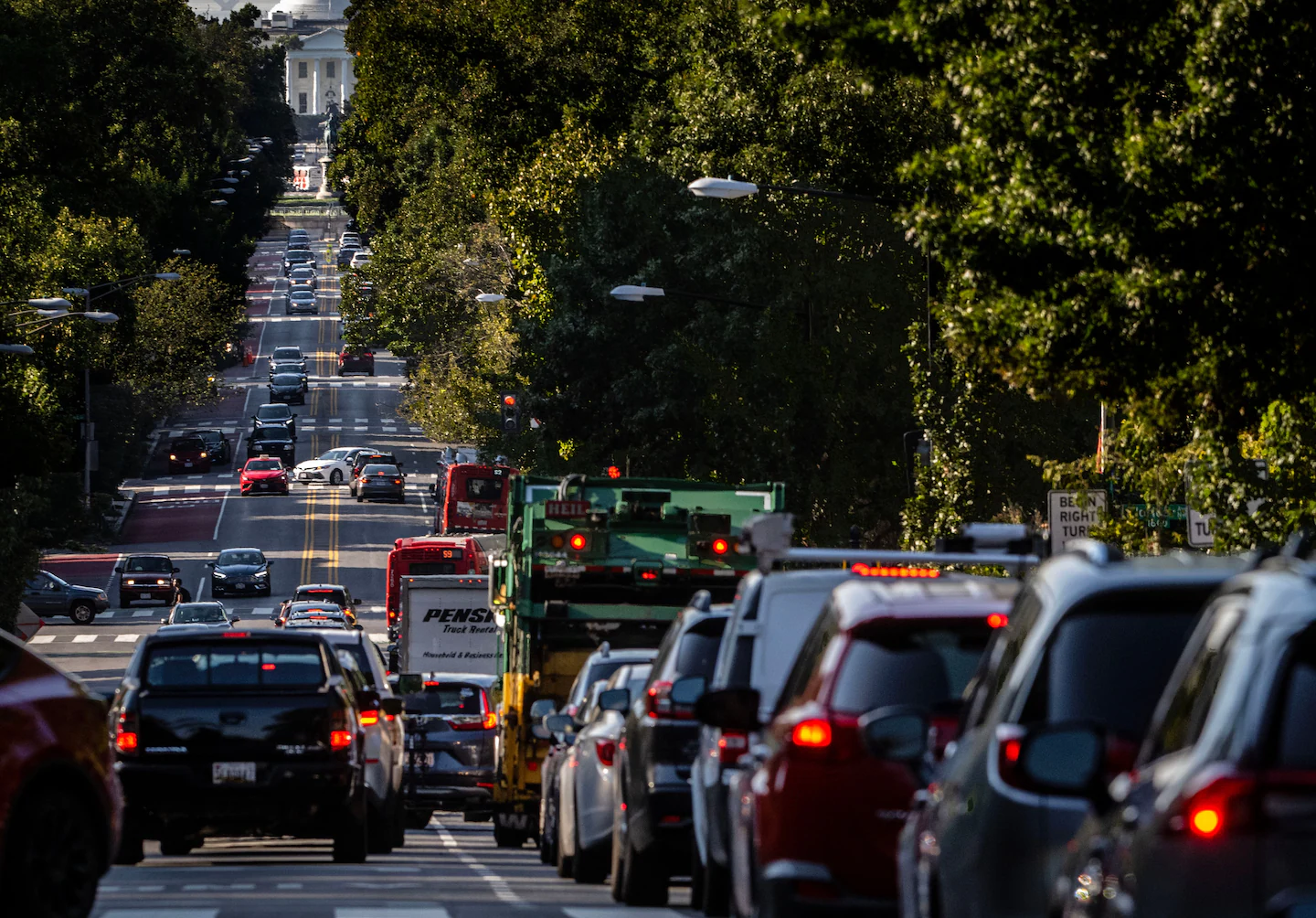
Car ownership varies sharply across the United States, reflecting differences in housing, transportation, population density, and daily travel needs. Washington, DC, stands apart from many states because a substantial share of households can live without owning a private vehicle.
About 36% of DC households are reported to have no car, while the share is below 5% in Idaho and Utah. This striking gap highlights how transportation choices are shaped by local conditions.
In dense urban areas, residents may have access to public transit, walkable neighborhoods, and nearby services. In less dense states, private vehicles often play a larger role in everyday travel, work, errands, and family activities.
Washington, DC Has a Distinct Transportation Pattern
Washington, DC has a transportation profile that differs considerably from many parts of the United States. The district is compact, densely populated, and served by an extensive public transportation network.
These conditions allow many households to manage daily activities without a personal vehicle. The reported figure of 36% of households without a car illustrates how common car-free living can be in the nation’s capital.
For households in DC, proximity can reduce the need for driving. Grocery stores, restaurants, schools, workplaces, parks, medical facilities, and other services can often be reached within a relatively short distance.
Walking becomes a practical transportation option rather than simply a recreational activity. Public transportation also provides connections between residential neighborhoods and major employment centers, giving households alternatives to driving.
The absence of a car does not necessarily mean that residents lack access to transportation. A household may rely on Metro rail, Metrobus, walking, cycling, taxis, ride-hailing services, or a combination of these options. Some residents may also use rental cars when needed for occasional trips.
This creates a different relationship with transportation, where mobility can be treated as a service rather than something that requires ownership of a vehicle.
Household characteristics can also influence car ownership. People living alone may have different transportation needs than families with several children. Younger adults, students, renters, and residents who work close to home may be less likely to consider a private vehicle essential.
Housing costs and parking availability can matter as well. In dense neighborhoods, keeping a car can involve additional expenses, including parking fees, insurance, maintenance, fuel, and registration.
The 36% figure therefore represents more than a simple statistic about vehicles. It provides an indication of how transportation infrastructure and urban form influence household decisions.
DC’s experience shows that car ownership is closely connected to the environment in which people live. Where alternatives are convenient, and destinations are close together, households may have more practical opportunities to remain car-free.
Why Idaho and Utah Show Much Lower Rates
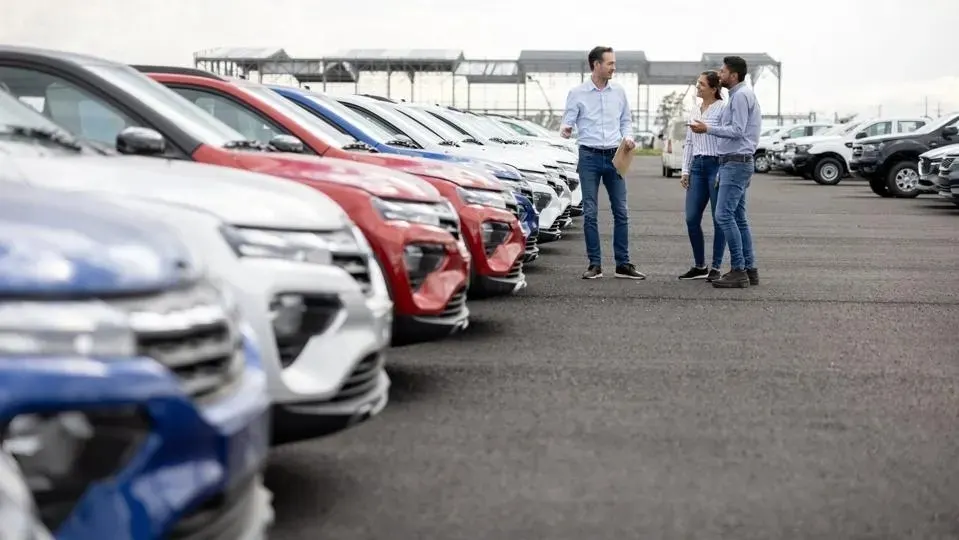
Idaho and Utah present a very different transportation setting. The reported share of households without a car is below 5% in both states, meaning that private vehicle ownership is far more common.
Several factors can contribute to this pattern, including population distribution, urban development, commuting distances, and the availability of transportation alternatives outside major population centers.
Much of Idaho has communities separated by significant distances. Residents may need to travel farther for employment, shopping, healthcare, education, or entertainment.
In such circumstances, a private vehicle can provide flexibility that public transportation may not consistently offer. Rural areas also tend to have fewer transit routes and longer distances between stops, making regular car ownership more practical for many households.
Utah has growing metropolitan areas, including the Salt Lake City region, but large portions of the state remain less densely populated than Washington, DC.
Even where transit services exist, residents may have commutes or daily responsibilities that make automobile ownership useful. Families may also need vehicles for school activities, work schedules, recreational trips, and errands across several locations.
Geography is particularly important when comparing car ownership statistics. A household in a compact urban neighborhood may have several destinations within walking distance, while a household in a lower-density community may need to travel several miles simply to reach a supermarket or workplace. The same transportation decision can therefore have very different practical consequences depending on location.
The comparison should also be interpreted carefully. A low rate of car-free households does not mean every resident drives for every trip, just as a high rate of car-free households does not mean people never use automobiles.
These statistics measure household vehicle ownership rather than the complete range of transportation behavior. They are useful indicators of mobility patterns, but they do not capture every reason behind an individual’s travel choices.
What the Difference Says About American Mobility
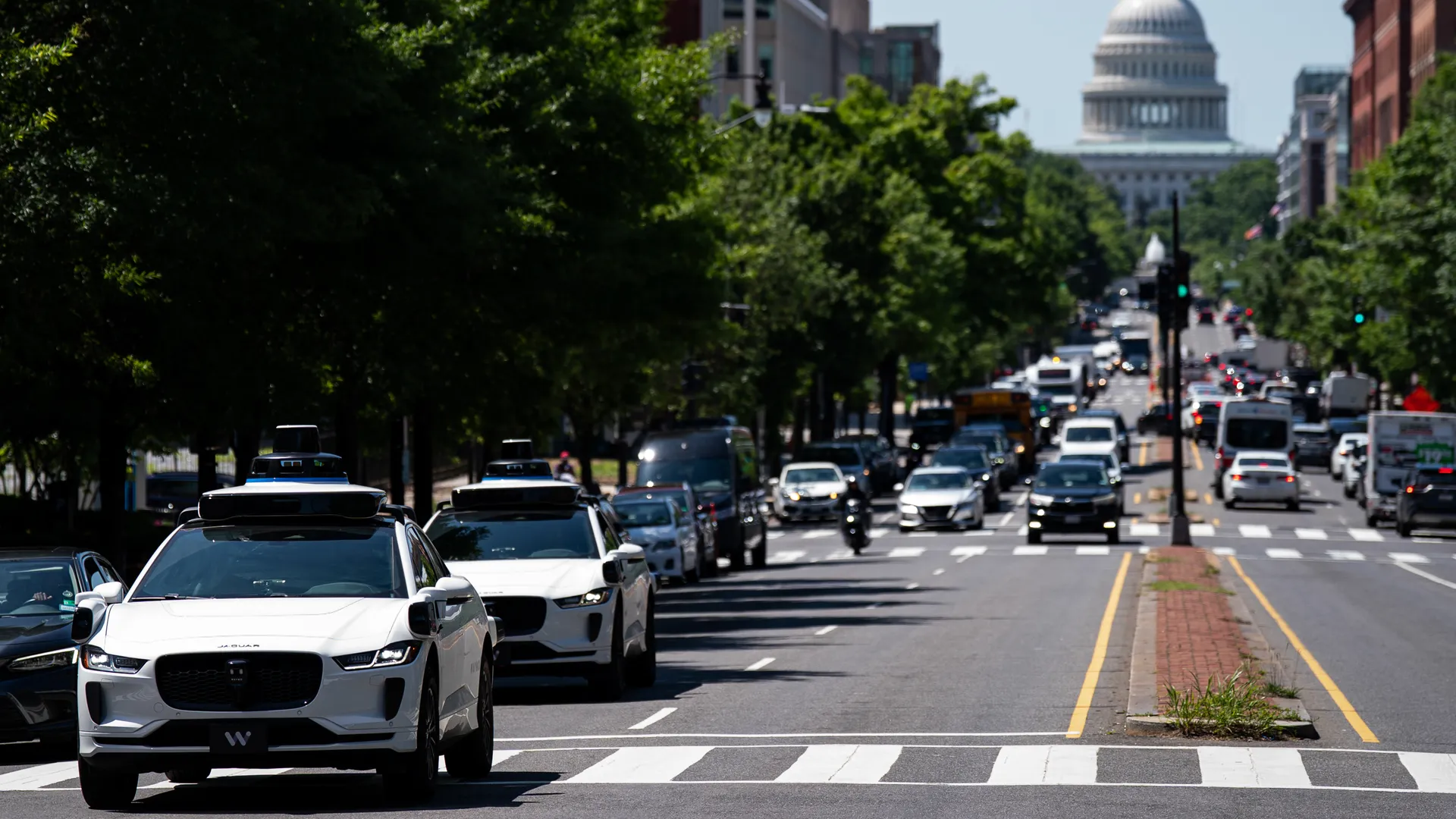
The gap between Washington, DC, and states such as Idaho and Utah demonstrates the diversity of transportation conditions across the United States.
There is no single pattern of mobility that applies equally to every community. Transportation choices are influenced by population density, land use, infrastructure, employment centers, household income, family structure, and local geography.
Public transportation plays an especially important role in places where car-free households are common. Reliable rail and bus networks can allow residents to reach employment centers and essential services without owning a vehicle.
Walking and cycling infrastructure can further expand those options. When several transportation modes are available, households can select different methods depending on distance, cost, weather, schedule, and personal preference.
For households that own cars, transportation costs can extend well beyond the purchase price. Fuel, repairs, insurance, parking, registration, and depreciation can add substantially to the cost of maintaining a vehicle.
A household that can meet its transportation needs without ownership may avoid many of these expenses. At the same time, car-free living can create challenges when public transportation is limited or when trips require carrying large items or traveling outside established transit corridors.
The contrast also shows why national averages can hide significant local differences. A nationwide car ownership statistic may provide useful context, but it cannot fully explain the transportation experience of residents in a particular city or state.
Washington, DC has conditions that support car-free households at a scale that is uncommon in many less densely populated areas. Idaho and Utah demonstrate how different circumstances can produce much higher levels of vehicle ownership.
These figures provide a window into the relationship between transportation and community design. Where people live affects how far they travel, which options are available, and whether owning a vehicle is necessary for everyday life.
Washington, DC’s comparatively high share of households without cars reflects an urban environment where multiple transportation choices are accessible. Idaho and Utah, with car-free household shares below 5% according to the figures cited, illustrate the stronger role that private vehicles can play in lower-density settings.
