
Cars are usually associated with petrol or diesel, but automotive history contains many machines powered by fuels that seem surprising today. Engineers have experimented with steam, wood gas, alcohol, vegetable oil, hydrogen, coal gas, and other alternatives at different points in history.
Some experiments were driven by fuel shortages, while others came from efforts to reduce running costs or develop new technology. A few ideas achieved practical success for limited periods, while others remained experimental.
These unusual cars reveal how manufacturers, inventors, and drivers have repeatedly searched for alternatives to conventional fuels and adapted vehicles to changing economic, technological, and environmental conditions throughout automotive history.

1. Stanley Steam Cars That Used Water to Create Steam
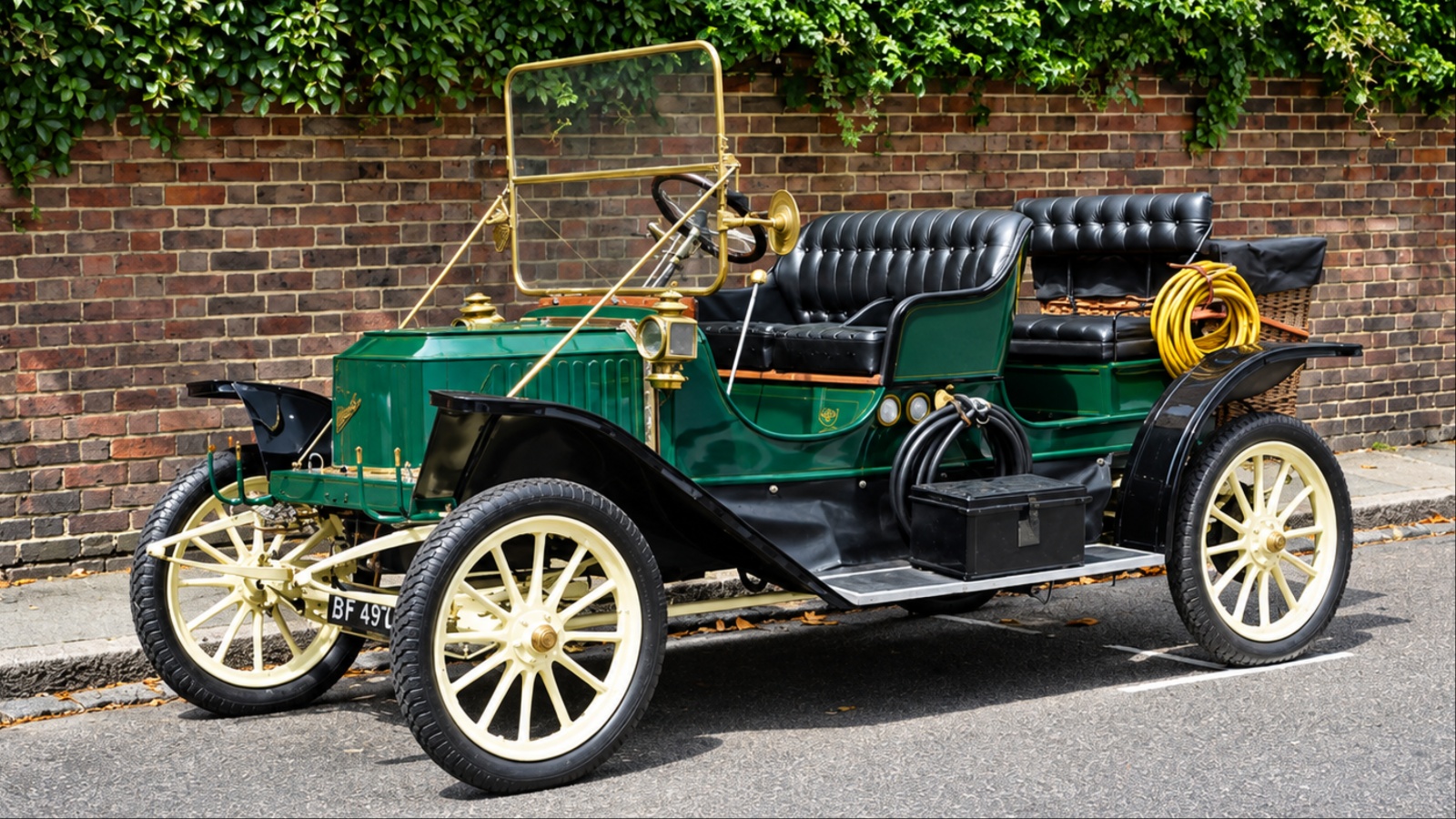
The Stanley Steamer is among the most recognizable examples of an automobile powered without a conventional gasoline engine. Built by the Stanley brothers, Francis and Freelan, these cars used steam engines rather than the internal combustion engines that later became dominant.
The basic principle was fairly simple. Water was heated in a boiler to produce steam, which then drove pistons connected to the drivetrain. However, water itself was not the fuel. The boiler needed a combustible fuel to generate heat, and early Stanley cars typically used gasoline or kerosene for this purpose.
Steam automobiles appeared during the earliest years of motoring, when engineers had not yet settled on a single dominant method of propulsion. Steam engines had already demonstrated their usefulness in locomotives, industrial machinery, and other applications.
Adapting the technology to a car seemed reasonable. Stanley Steam Cars could deliver strong torque and impressive acceleration, and they did not require a conventional gearbox in the same way many gasoline cars did. Their operation could also be remarkably smooth because the steam engine produced power in a different manner from a typical piston engine.
The technology had several drawbacks that limited its long-term appeal. A steam car needed time to build up pressure before it could operate, although improved designs reduced this waiting period considerably. The vehicle also needed water, and the boiler system required careful engineering.
Drivers had to understand pressure, heat, water levels, and burner operation. Safety became an important consideration because the boiler contained pressurized steam. Engineers developed automatic controls and improved boiler designs to make these cars easier to operate, yet gasoline vehicles continued to become more convenient.
Stanley cars became famous for their performance as well as their unusual engineering. In 1906, a specially prepared Stanley Rocket reportedly reached 127.66 mph on Daytona Beach, setting a land-speed record for automobiles at the time.
The achievement showed that steam power was not automatically associated with slow transportation. The record car was highly specialized, and its technology differed from an ordinary road-going Stanley, but the achievement attracted attention to the possibilities of steam propulsion.
The Stanley Steamer eventually disappeared from the mainstream automobile market as gasoline engines became easier to start, refuel, and maintain. Electric starters further improved gasoline cars by eliminating the need for difficult hand cranking. Fuel stations also became widespread, creating a convenient infrastructure for gasoline-powered vehicles.
Steam technology therefore lost much of its practical advantage. The Stanley story remains important because it shows that early automotive development was not simply a straight path toward the modern gasoline engine. Several propulsion systems competed for attention before the industry settled into a familiar pattern.

2. Volkswagen Beetles Converted to Wood Gas
During periods of severe fuel shortages, drivers have sometimes turned to materials that would normally have nothing to do with automobiles. Wood gas is an example. During the Second World War and the years surrounding it, shortages of petrol encouraged the development and use of gasifier systems.
These devices heated or partially burned wood, charcoal, or other biomass under controlled conditions to produce a combustible gas. Vehicles equipped with gasifiers could then use that gas in modified internal combustion engines.
A wood-gas-powered car does not burn logs directly inside its engine. Instead, pieces of wood or charcoal are placed inside a gasifier. Limited oxygen and high temperatures cause the material to produce a mixture containing combustible gases such as carbon monoxide and hydrogen.
After cooling and cleaning, the gas can be fed into an engine. The process sounds complicated, and it was. Gasifier systems required additional equipment, including the gas-producing unit, filters, piping, and cooling components.
Volkswagen Beetles were among the vehicles that could be adapted to operate with alternative gases. Their simple air-cooled engines made them suitable candidates for various modifications, and photographs from wartime Europe show numerous vehicles fitted with gasifier equipment.
Similar conversions were applied to trucks, buses, tractors, and passenger cars across Europe. The systems helped keep transportation moving when liquid fuels were difficult to obtain or reserved for military purposes.
Wood gas came with significant compromises. A gasifier could be bulky and heavy, reducing available cargo space and changing the appearance of the vehicle. Drivers needed a supply of suitable fuel, and the gasifier often had to be started before the car could be driven normally.
Power output was generally lower than when the engine ran on petrol. The gas also needed to be cleaned because ash, tar, and other contaminants could damage engine components or interfere with combustion.
The revival of wood-gas technology has occasionally attracted interest from enthusiasts and engineers seeking alternative energy systems. Modern gasification equipment can be considerably more sophisticated than wartime designs, yet the basic chemistry remains similar.
Wood gas demonstrates how an ordinary material can become an emergency automotive fuel through thermochemical conversion. Its historical significance comes less from becoming a mainstream replacement for petrol and more from showing how motorists adapted existing vehicles when conventional fuel supplies became scarce.

3. Cars Powered by Coal Gas
Coal gas has a long history as a manufactured fuel, particularly before natural gas became widespread for many domestic and industrial applications. It was produced by heating coal and collecting the gases released during the process.
The resulting gas contained several combustible compounds and could be used for lighting, heating, and industrial purposes. Engineers also investigated its potential for transportation, including use in internal combustion engines.
Early gas-powered vehicles faced a major storage problem. Petrol is a liquid with relatively high energy density by volume, while manufactured gases require much larger storage containers for an equivalent amount of usable energy. A car designed to run on coal gas therefore needed a large gas bag, tank, or similar storage arrangement. Such equipment could make the vehicle look unusual and occupy valuable space.
The basic engine concept remained familiar. An internal combustion engine could burn the gas-air mixture inside its cylinders, producing mechanical power. The major difference was the fuel delivery system.
Gas had to be stored safely and supplied to the engine at an appropriate pressure. Engineers experimented with various arrangements, while some vehicles relied on gas containers mounted above or behind the passenger compartment.
Coal gas became particularly relevant during periods when petrol was expensive or difficult to obtain. Its use was not limited to automobiles, since stationary engines and industrial machinery had already demonstrated that manufactured gas could provide useful energy.
For road vehicles, however, storage and distribution created serious practical barriers. A petrol car could carry a comparatively compact tank, while a gas vehicle needed much more physical volume.
The history of coal-gas cars highlights a recurring challenge in automotive engineering. A fuel can be technically viable without being practical enough for widespread use. Burning gas was not the main obstacle. The greater challenge was storing and transporting enough fuel safely and affordably while still providing a useful driving range.
As liquid fuels became easier to produce, transport, and distribute, gaseous alternatives lost much of their early appeal for passenger cars. Modern compressed and liquefied gas vehicles solve some of these problems through improved storage technology, but the fundamental challenge of energy density remains relevant.
4. Ford Cars That Could Run on Ethanol
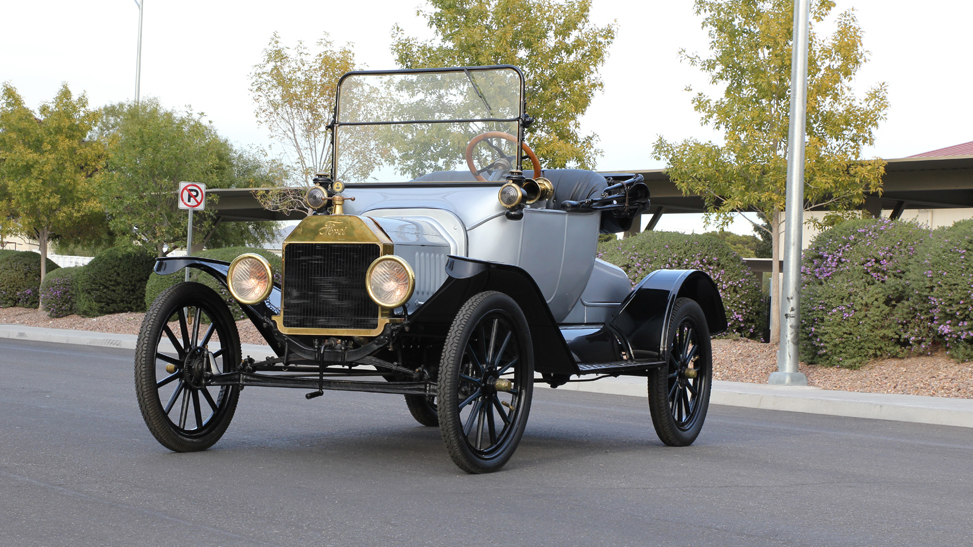
Ethanol may sound like a modern alternative fuel, but its connection with automobiles goes back to the earliest years of the industry. Henry Ford supported the idea that agricultural products could provide fuel for engines.
The Ford Model T, introduced in 1908, was designed with a flexible fuel approach in mind and could operate on gasoline, ethanol, or mixtures of the two. This made the Model T particularly interesting during an era when fuel standards and supply networks were still developing.
Ethanol is an alcohol that can be produced through fermentation of plant-derived sugars and starches. It can be blended with gasoline or used in engines designed for higher alcohol concentrations.
Early automotive engines could tolerate ethanol, though fuel quality and engine calibration were not standardized in the way they are today. The Model T’s relatively simple engine design gave it considerable flexibility.
Ford’s interest in ethanol also reflected the agricultural economy of the period. The United States had extensive farming activity, and producing fuel from crops offered a potential market for agricultural products. Ethanol could be made from materials such as corn and other biomass. Supporters viewed this as a way to reduce dependence on petroleum while creating another use for farm production.
The rise of cheap petroleum changed the situation. As oil production expanded and gasoline became widely available, gasoline gained a major economic advantage. Fuel infrastructure developed around petroleum products, making gasoline increasingly convenient for motorists. Ethanol did not disappear entirely, but its role in mainstream automotive fuel became much smaller for several decades.
Ethanol later returned to automotive discussions as governments, manufacturers, and researchers examined renewable fuels, emissions, energy security, and agricultural markets. Modern gasoline blends containing ethanol are common in several countries.
The Model T therefore represents an interesting point in automotive history because it demonstrates that alcohol-based fuel is not a new concept. Early motorists had already encountered the idea of using plant-derived fuel in an ordinary passenger car long before modern fuel blends became common.

5. Diesel Cars Running on Vegetable Oil
Vegetable oil is another unusual automotive fuel with a surprisingly old connection to diesel engines. Rudolf Diesel, whose work led to the development of the diesel engine, demonstrated an engine at the 1900 Paris Exposition that reportedly operated using peanut oil.
The demonstration helped illustrate that engines using compression ignition could operate with fuels derived from agricultural sources.
A diesel engine works differently from a gasoline engine. Instead of using a spark plug to ignite the fuel-air mixture, it compresses air until it becomes hot enough to ignite fuel injected into the cylinder.
This method gives diesel engines considerable flexibility in the types of fuel they can potentially use. Vegetable oils contain energy-rich molecules that can burn, but their physical properties differ from those of conventional diesel fuel.
Straight vegetable oil is thicker than petroleum diesel, particularly at lower temperatures. It can therefore create difficulties with fuel injection, atomization, deposits, and long-term engine operation if an engine is not designed or modified for it.
Biodiesel provides a different approach. Vegetable oils or animal fats can be chemically processed into fatty acid alkyl esters, producing a fuel with properties much closer to conventional diesel.
Enthusiasts have experimented with vegetable oil conversions in older diesel cars, particularly models known for relatively robust mechanical fuel systems. Used cooking oil has also been filtered and processed for fuel applications.
Such projects require careful preparation because impurities, water, and unsuitable viscosity can cause mechanical problems. Simply pouring unprocessed kitchen oil into every diesel car is not a reliable method of conversion.
The broader significance of vegetable-oil-powered cars is connected to fuel diversity. Petroleum is not the only source of combustible energy suitable for compression-ignition engines. Agricultural products can also serve as feedstocks for alternative fuels.
Modern biodiesel production is more controlled than the informal conversion projects associated with hobbyists, and fuel standards matter greatly. The story of vegetable oil and diesel engines demonstrates how a century-old idea continues to influence discussions about renewable and alternative transportation fuels.

6. Hydrogen Cars and Their Unusual Fuel
Hydrogen-powered cars represent a more technologically advanced approach to alternative propulsion. Hydrogen can be used in an internal combustion engine, or it can supply a fuel cell that generates electricity to drive an electric motor.
These systems are fundamentally different from conventional gasoline vehicles because hydrogen contains no carbon. When hydrogen is used in a fuel cell, the primary direct products are electricity, heat, and water.
BMW spent years experimenting with hydrogen internal combustion vehicles. The BMW Hydrogen 7, introduced in limited production in 2006, used liquid hydrogen as its fuel.
Based on the 7 Series, it retained an internal combustion engine but modified the system to burn hydrogen. Liquid hydrogen requires extremely low temperatures to remain in that state, creating major storage and engineering challenges.
Hydrogen fuel-cell vehicles use a different approach. Toyota, Honda, Hyundai, and other manufacturers have developed vehicles in which hydrogen reacts electrochemically with oxygen inside a fuel cell stack.
The resulting electricity powers electric motors. The process avoids the combustion of hydrogen inside cylinders and can provide a driving experience similar to that of a battery-electric vehicle, including quiet operation and instant motor response.
Hydrogen storage remains a significant engineering issue. Compressed hydrogen tanks require strong materials and careful pressure management. Liquid hydrogen creates cryogenic storage requirements.
Hydrogen also has a low energy density by volume when compared with liquid gasoline, meaning that substantial storage volume or high pressure is required to carry useful quantities.
Hydrogen cars show that the idea of an alternative fuel can involve much more than replacing one liquid with another. The entire vehicle architecture can change depending on how the fuel is stored and converted into motion.
Hydrogen has been tested in several forms over many decades, from experimental combustion engines to modern fuel-cell vehicles. Its history illustrates the complexity of creating a transportation fuel system that must address production, storage, distribution, vehicle cost, infrastructure, and efficiency at the same time.
7. The Ford Model A and Other Cars Using Wood Alcohol
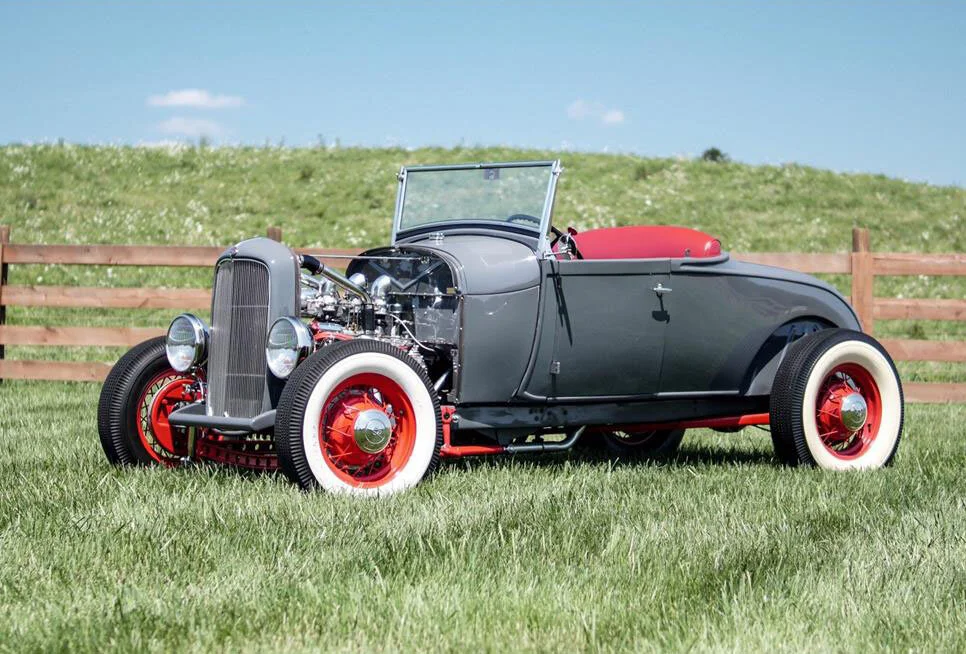
Methanol, sometimes called wood alcohol, has also appeared in automotive fuel experiments. Methanol is a simple alcohol that can be produced through several industrial processes.
Historically, it was associated with destructive distillation of wood, which explains the older name. Like ethanol, methanol can burn in an internal combustion engine, but it has different chemical and physical properties from gasoline.
Racing provided a particularly important environment for methanol. High-performance engines can be designed around fuels with different combustion characteristics, and methanol has been used in various forms of motorsport.
It can provide useful cooling effects because of its high latent heat of vaporization, and racing engines can be configured to take advantage of its properties. Fuel systems must be designed accordingly because methanol can be corrosive to certain materials and requires appropriate handling.
Passenger cars have also been tested with methanol blends and high-methanol fuels. During periods of oil-price concern in the twentieth century, researchers and policymakers investigated alcohol fuels as possible alternatives to petroleum. Methanol could be manufactured from natural gas, coal, biomass, or other feedstocks, depending on the production process.
The advantages of methanol come with important limitations. It has lower energy content per unit volume than gasoline, meaning that more fuel is needed to travel the same distance.
It can also absorb water and interact with certain materials. Engine and fuel-system compatibility therefore matters. Fuel availability presents another challenge because drivers need a reliable distribution network before an alternative fuel can become convenient.
Methanol’s automotive history demonstrates why fuel selection involves more than asking whether a substance can make an engine run. Engineers have to consider energy density, materials compatibility, combustion behavior, emissions, storage, safety, production costs, and infrastructure.
Methanol has found uses in specialized automotive applications, particularly motorsport and experimental programs, but it has not displaced gasoline as the dominant fuel for ordinary passenger vehicles.

8. Cars Fueled by Compressed Natural Gas
Compressed natural gas, or CNG, may seem less exotic than wood gas or hydrogen, but it is still unusual compared with traditional petrol and diesel.
Natural gas consists mainly of methane and can be used in specially designed or converted internal combustion engines. Instead of storing the fuel as a liquid, CNG vehicles carry natural gas in high-pressure cylinders.
CNG-powered cars have been produced by several manufacturers, especially in regions where natural gas infrastructure is available. The fuel has been used in passenger cars, taxis, buses, commercial vehicles, and fleet applications. Its popularity has often depended heavily on local fuel prices, government policies, and the availability of filling stations.
Storage is the major difference between CNG and conventional liquid fuels. The gas must be compressed to high pressure so that a practical quantity can be carried aboard a vehicle.
This requires specially engineered tanks and fuel systems. Modern CNG tanks use advanced materials and safety systems, while older designs could be heavier and more cumbersome.
CNG has also been considered attractive because its combustion characteristics can result in lower emissions of certain pollutants compared with conventional gasoline or diesel under suitable operating conditions.
The exact environmental benefit depends on the vehicle, engine technology, fuel source, methane leakage, and broader fuel-production system. Natural gas remains a fossil fuel in most conventional applications, so CNG should not be treated as equivalent to a zero-emission energy source.
