
Reaching 250,000 miles is a serious test of automotive durability, maintenance, engineering, and owner care. For U.S. drivers planning to keep a sedan for many years, some models have a much stronger record of surviving extreme mileage than others.
This ranking examines 22 sedans and passenger cars using the latest available iSeeCars longevity data, which analyzed more than 395 million vehicles. The figures represent estimated chances of reaching at least 250,000 miles, rather than guarantees.
Maintenance history, driving conditions, repairs, rust, accident damage, and ownership habits can significantly change an individual car’s lifespan.
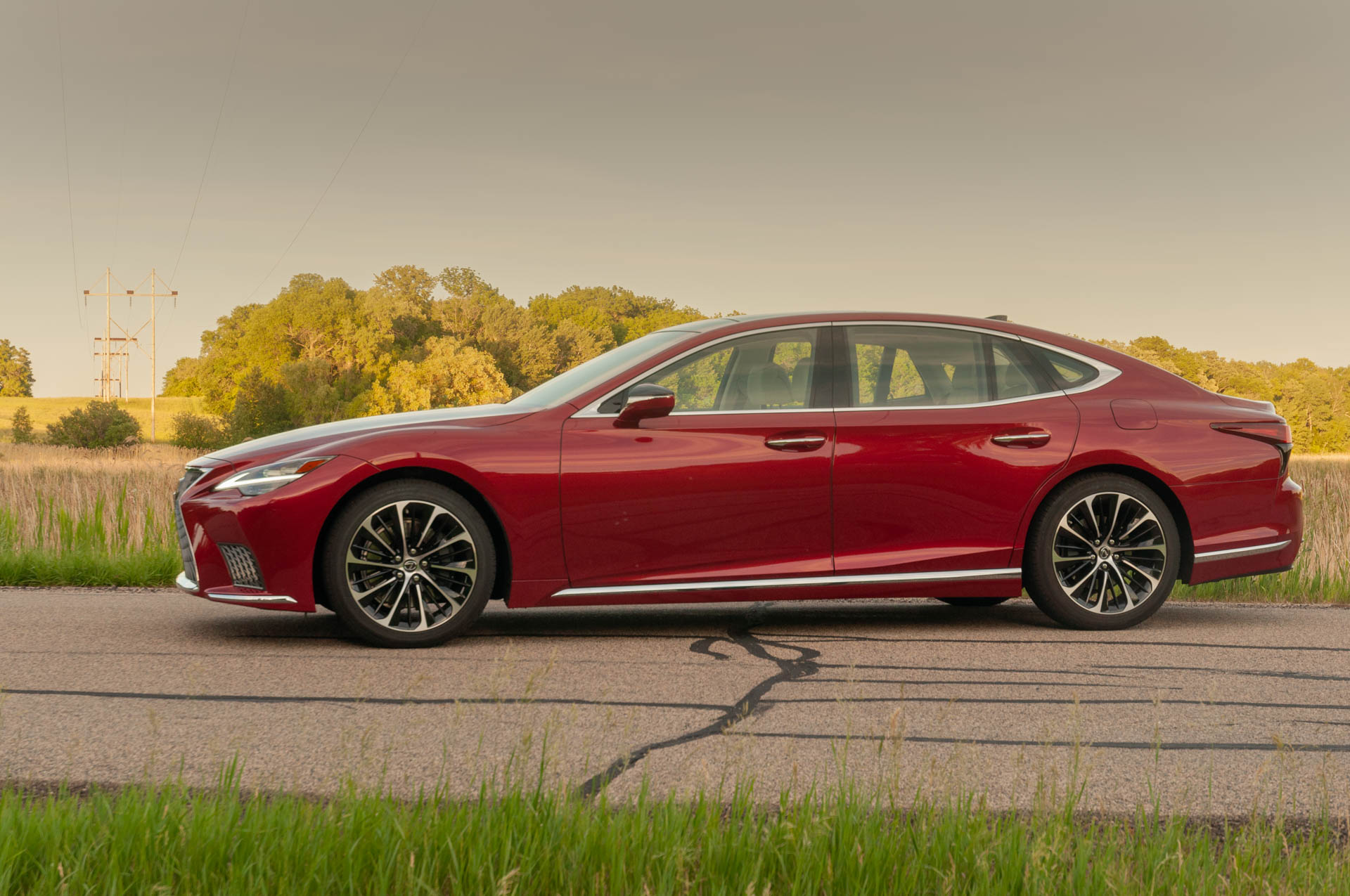
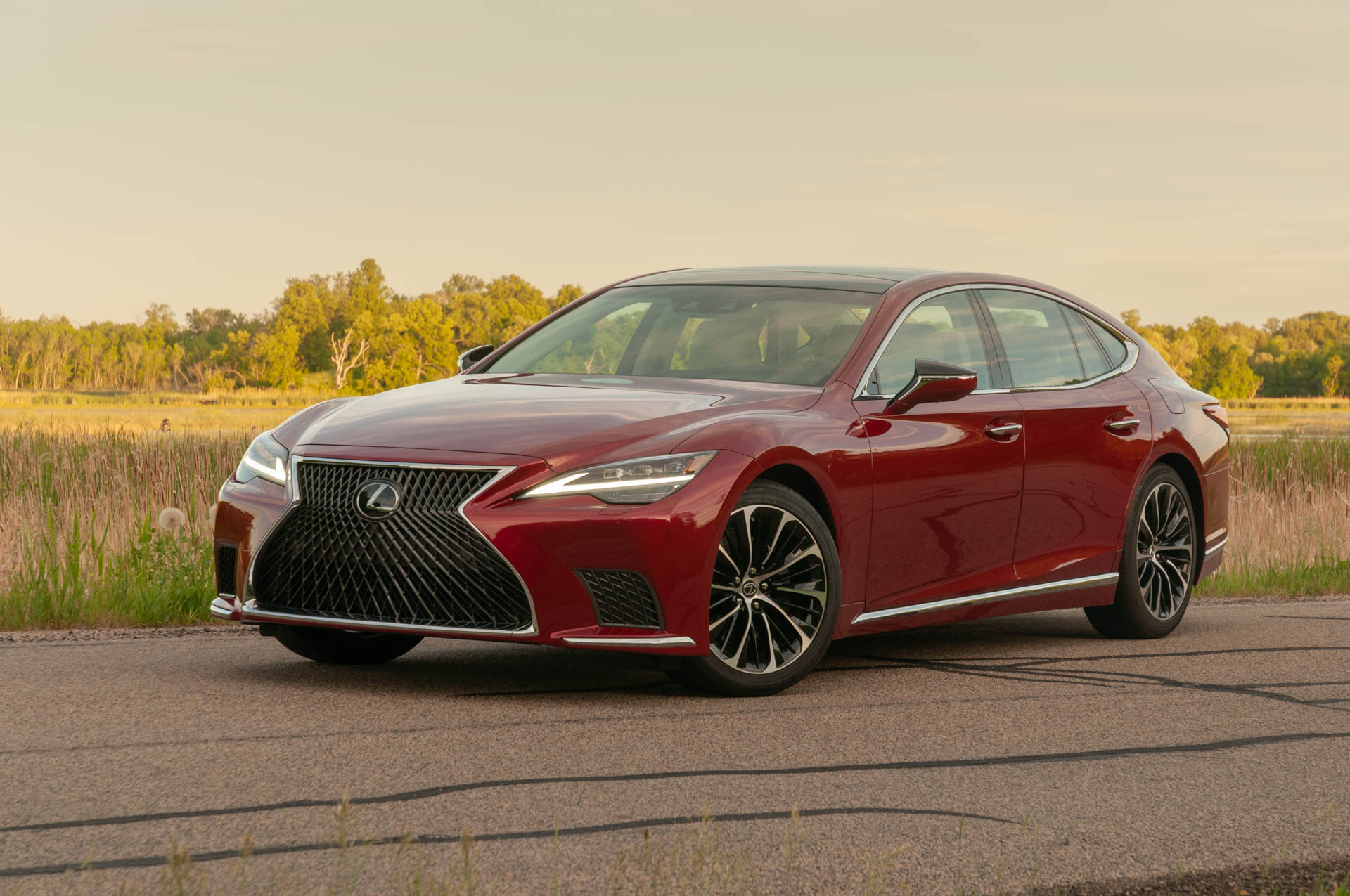
1. Lexus LS
The Lexus LS takes the top position among passenger cars in the latest iSeeCars study, with an estimated 38.8% chance of reaching at least 250,000 miles. That figure is remarkable when compared with the 3.4% average for passenger cars in the same study.
The LS has long occupied a distinctive position in the Lexus lineup, combining a large luxury sedan format with Toyota-developed engineering. The latest study places the LS well ahead of every other passenger car measured, making it the clearest example in this group of a luxury sedan capable of extremely high mileage.
Long-term durability does not mean the LS is inexpensive to maintain. A luxury sedan contains more equipment, electronic systems, comfort features, and specialized components than a basic commuter car.
As mileage climbs, items such as suspension components, climate-control equipment, electronics, and interior mechanisms can require attention even when the primary powertrain remains healthy. Buyers considering a high-mileage LS should therefore judge the entire vehicle rather than focusing solely on its engine and transmission.
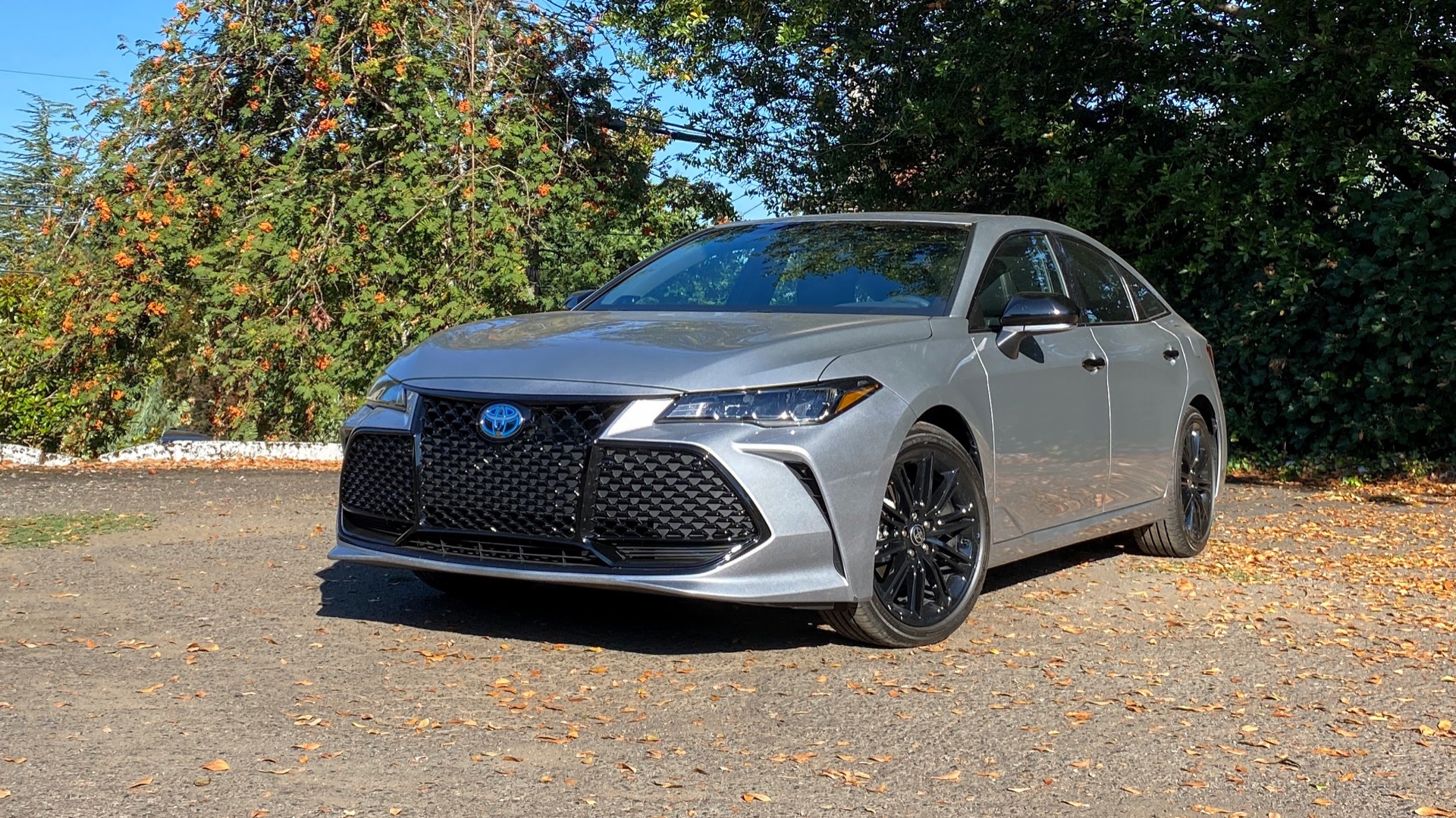
2. Toyota Avalon
The Toyota Avalon ranks second among passenger cars with a 23.2% estimated chance of reaching 250,000 miles. That is nearly seven times the 3.4% passenger-car average reported by iSeeCars.
The Avalon was discontinued after the 2022 model year in the United States, so buyers today must shop the used market. Its large cabin, comfortable ride, naturally practical design, and established Toyota powertrain make it especially interesting for drivers who value longevity over having the newest model.
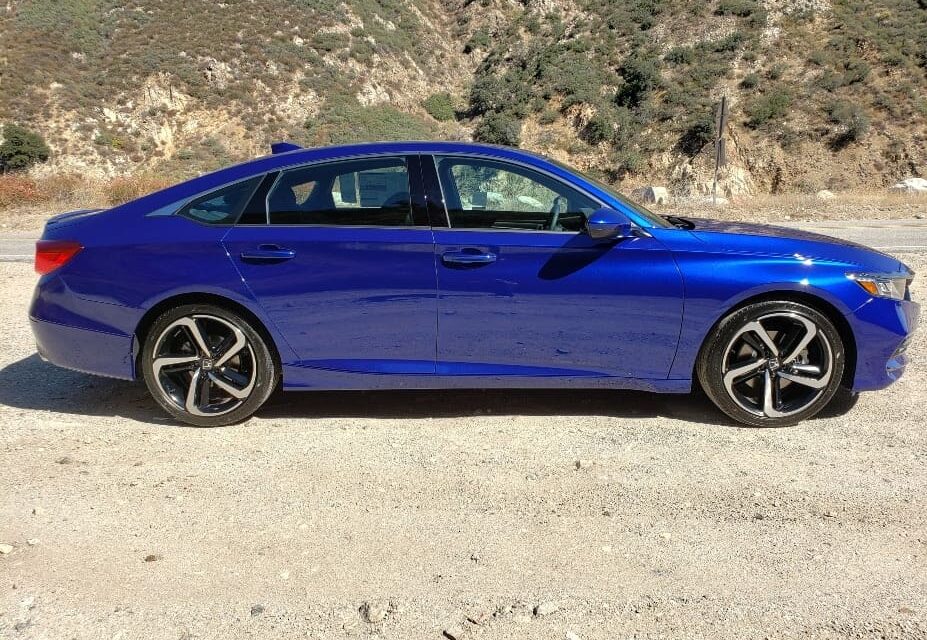
3. Honda Accord Hybrid
The Honda Accord Hybrid ranks third among passenger cars, with an estimated 18.5% chance of reaching 250,000 miles. The result is particularly important because the Accord is a mainstream midsize sedan rather than a luxury model.
The hybrid version combines an efficient gasoline engine with Honda’s hybrid system, giving buyers a vehicle designed for daily transportation while also showing strong long-term mileage potential in the iSeeCars data.
The Accord has been a major part of the U.S. sedan market for decades, giving it a large population of vehicles on American roads. That matters when assessing longevity because high-mileage examples have had years to accumulate real-world experience.
4. Lexus IS
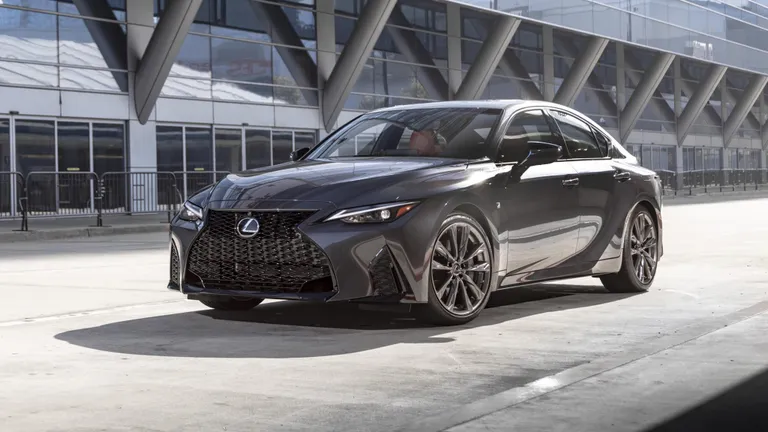
The Lexus IS has an estimated 17.5% chance of reaching 250,000 miles, placing it fourth among passenger cars. The IS combines a relatively compact luxury-sedan footprint with Lexus engineering, giving drivers a sportier alternative to the larger LS and ES.
The model’s position also fits with broader reliability information. Consumer Reports continues to maintain extensive reliability histories covering Lexus vehicles and numerous potential trouble areas, including engines, transmissions, electrical systems, brakes, suspension, and climate equipment.
Such data does not predict a specific car’s future, but it provides useful context when evaluating the brand’s long-term track record.
5. Toyota Avalon Hybrid
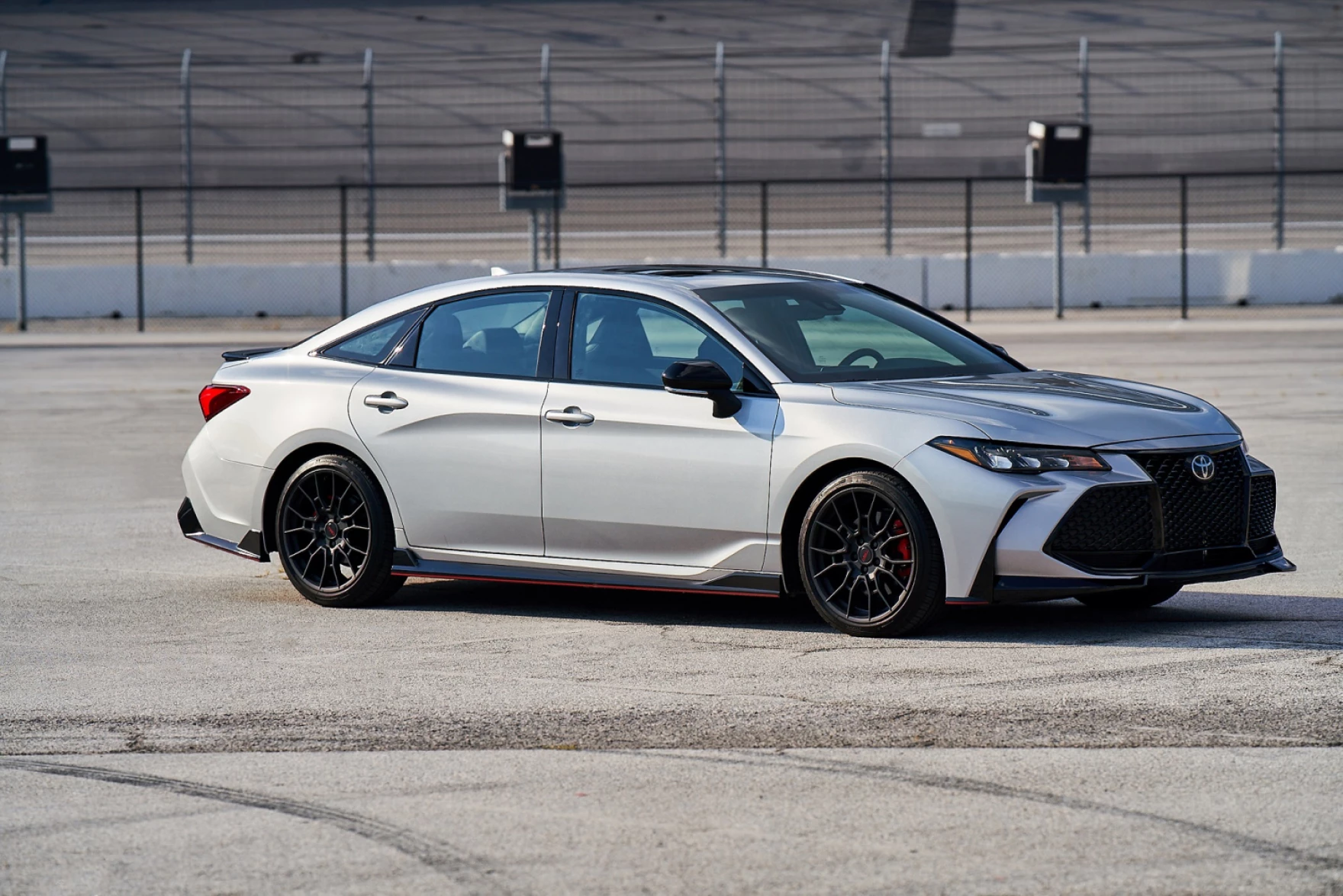
The Toyota Avalon Hybrid records a 17.4% estimated chance of reaching 250,000 miles, placing it just behind the Lexus IS. Like the conventional Avalon, it is no longer sold new in the United States, but used examples remain relevant for buyers seeking a spacious sedan. Its hybrid system adds fuel-efficiency benefits while maintaining a strong position in the extreme-mileage data.
Toyota’s hybrid experience is an important part of the discussion. The company has produced high-volume hybrid vehicles for many years, giving its hybrid technology a substantial U.S. presence.
The iSeeCars study found that hybrids as a group had an 8.2% average chance of reaching 250,000 miles, higher than the broader vehicle average, though that category includes different vehicle types and should not be used as a guarantee for the Avalon Hybrid.
Battery condition is still an important consideration when shopping for an older Avalon Hybrid. A hybrid powertrain can be durable while individual components eventually require replacement. Prospective buyers should check warning lights, hybrid-system operation, cooling equipment, service records, and diagnostic information before purchasing a high-mileage example.
6. Honda Civic
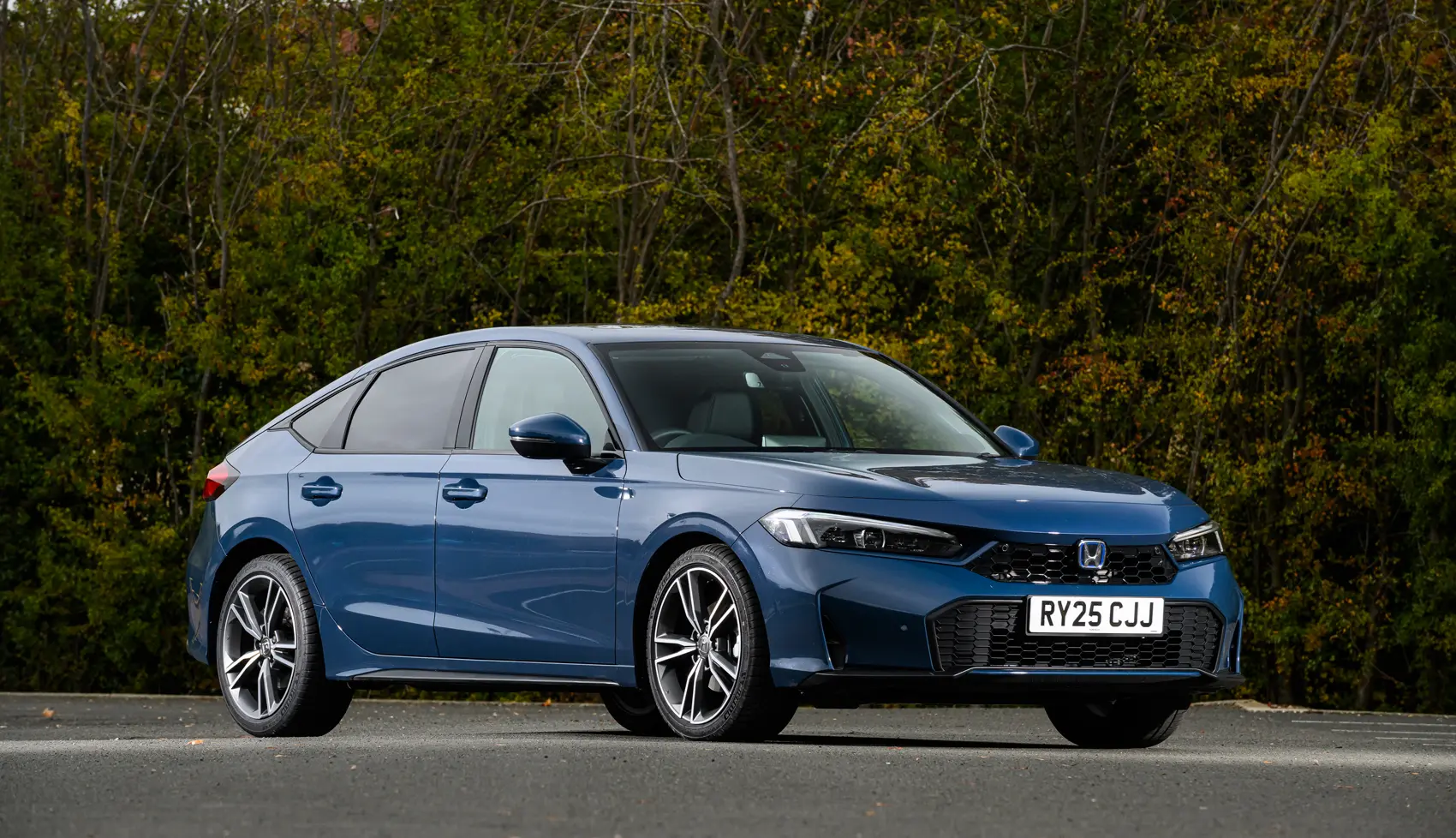
The Honda Civic has an estimated 15.0% chance of reaching 250,000 miles, putting it sixth in the current passenger-car ranking. The Civic has spent decades as a major U.S. compact car, and its relatively simple packaging, broad parts availability, and large population of vehicles make it a familiar choice for long-term ownership. Its 250,000-mile estimate is more than four times the passenger-car average.
Civic longevity can vary considerably by generation and powertrain. A well-maintained older Civic can accumulate very high mileage, while a neglected example can develop expensive problems much sooner. Buyers should pay attention to oil-change history, transmission servicing, cooling-system maintenance, suspension wear, rust, and accident repairs.
The Civic’s smaller size also creates practical advantages for long-term ownership. Fuel consumption is generally manageable, replacement parts are widely available, and many independent repair shops are familiar with the model. These factors can reduce the financial burden of keeping an older vehicle operational.
7. Honda Civic Hatchback
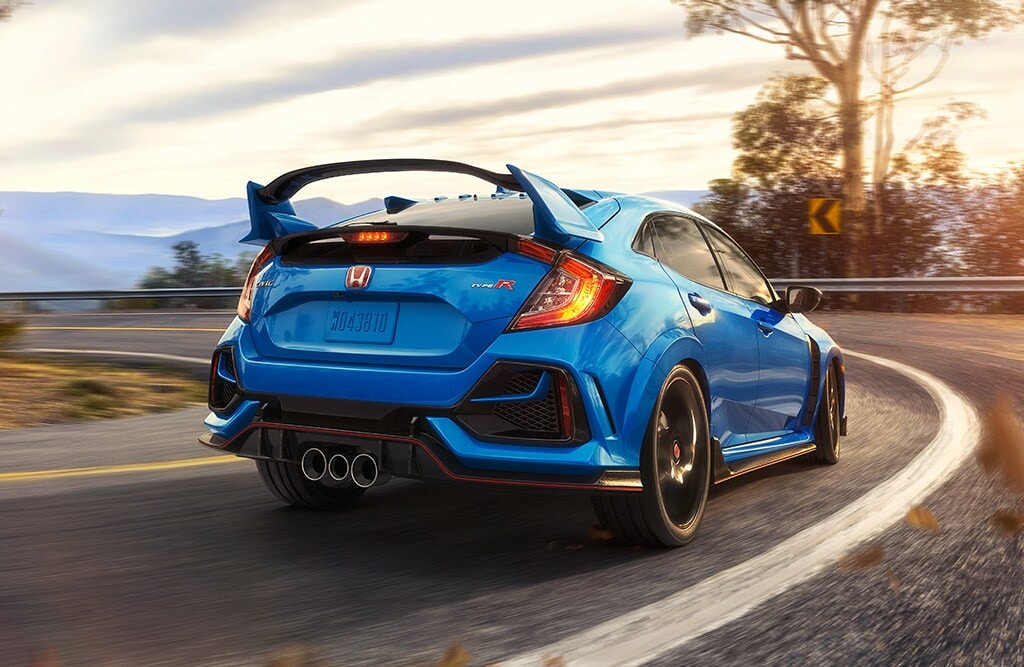
The Civic Hatchback has a 13.2% estimated chance of reaching 250,000 miles, placing it seventh in the passenger-car ranking. While it shares the Civic name and much of its engineering with sedan versions, iSeeCars tracks the hatchback separately. Its result remains considerably above the passenger-car average, showing that the body configuration does not eliminate the model’s high-mileage potential.
The hatchback format adds useful cargo flexibility without requiring an SUV. For urban drivers, commuters, and smaller families, that can make it an appealing long-term vehicle. Its compact dimensions also make parking and daily driving easier than with larger sedans or crossovers.
As with the sedan, the specific generation matters. Engine choices, transmissions, electronics, suspension designs, and safety equipment have changed over time. A buyer should research the exact model year and powertrain before assuming that a high-mileage reputation applies equally to every version.
8. Acura ILX
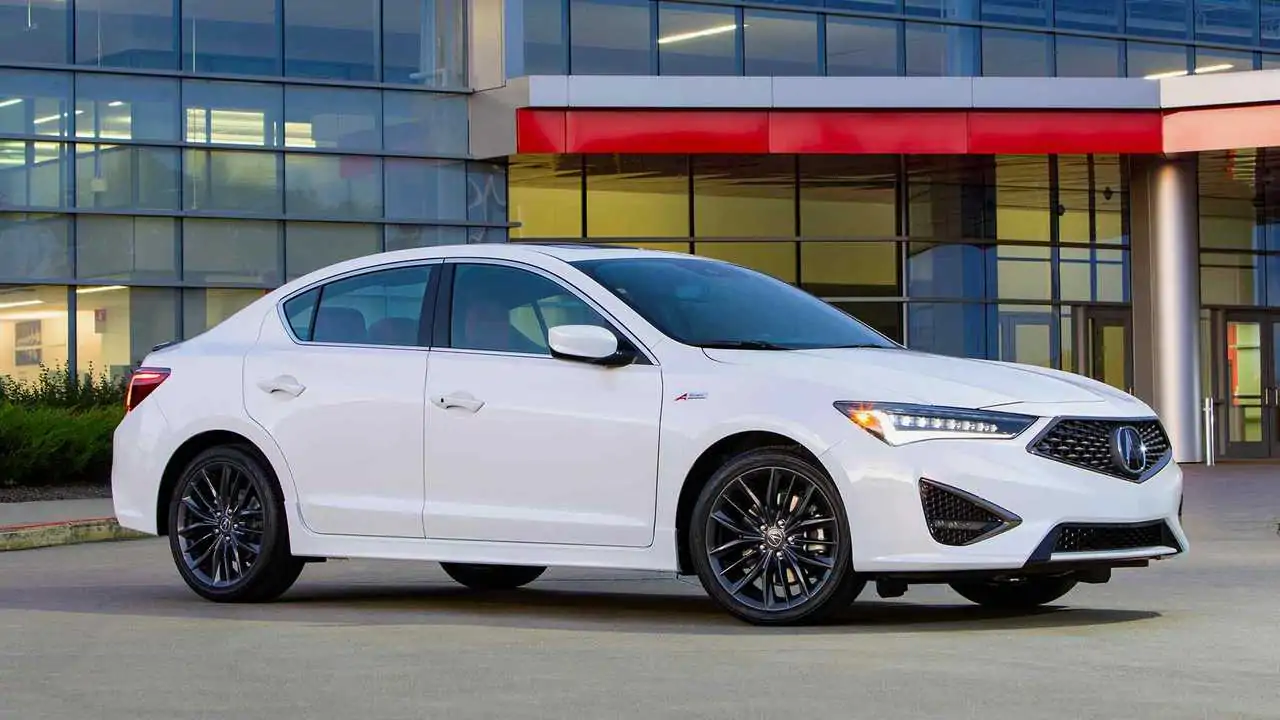
The Acura ILX has an estimated 12.4% chance of reaching 250,000 miles. It occupies an interesting position because it combines Honda-related engineering with a premium Acura badge and compact luxury-sedan packaging. Its ranking places it ahead of several mainstream models that have traditionally been associated with durability.
The ILX can appeal to buyers who want a smaller luxury car without moving into a larger, more complex vehicle. Its compact size keeps the vehicle relatively easy to maneuver, while its Acura positioning provides additional equipment and a more upscale cabin than many mainstream compact sedans.
Used ILX shoppers should still consider luxury-car ownership costs. Leather interiors, power accessories, infotainment systems, suspension components, and other equipment can age independently of the engine and transmission. A vehicle that reaches 250,000 miles may require significant spending along the way.
9. Toyota Prius
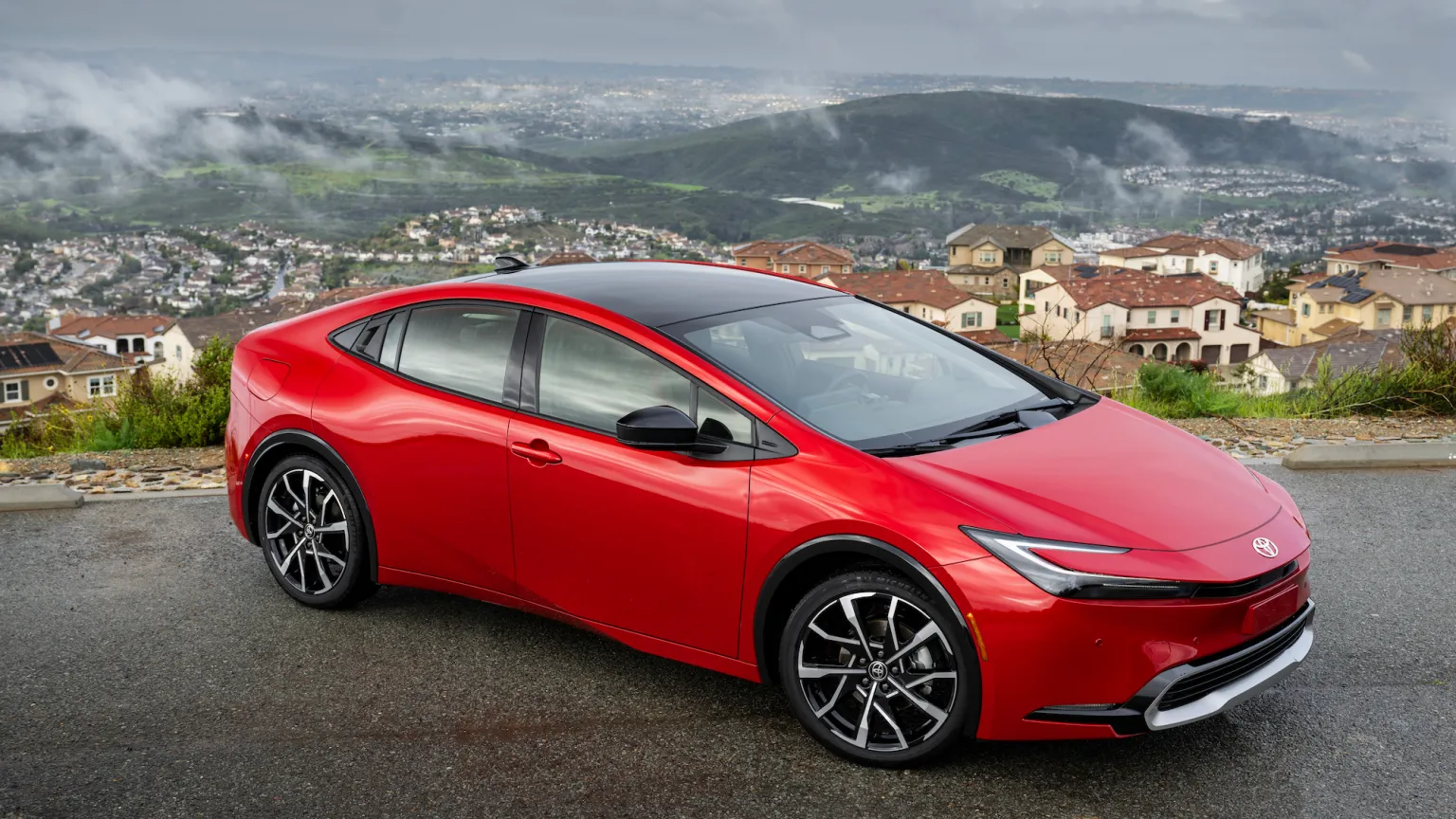
The Toyota Prius records an estimated 11.5% chance of reaching 250,000 miles. It is technically a hybrid liftback rather than a conventional sedan, but iSeeCars includes it within its passenger-car analysis, making it relevant to a list focused on sedan-like vehicles and long-distance ownership. Its position reflects Toyota’s extensive hybrid experience and the Prius’s widespread use as a high-mileage commuter.
The Prius has become closely associated with fuel-efficient transportation, especially among drivers who accumulate substantial annual mileage. Its hybrid system allows the gasoline engine and electric motor system to work together, reducing fuel consumption in many driving conditions. High annual mileage can also make preventative maintenance especially important.
Used Prius buyers should pay attention to hybrid-system condition, battery health, cooling systems, brakes, suspension, and the vehicle’s service records. A high-mileage Prius can remain useful for years, but an older vehicle may require repairs unrelated to its basic hybrid durability.
10. Toyota Camry Hybrid
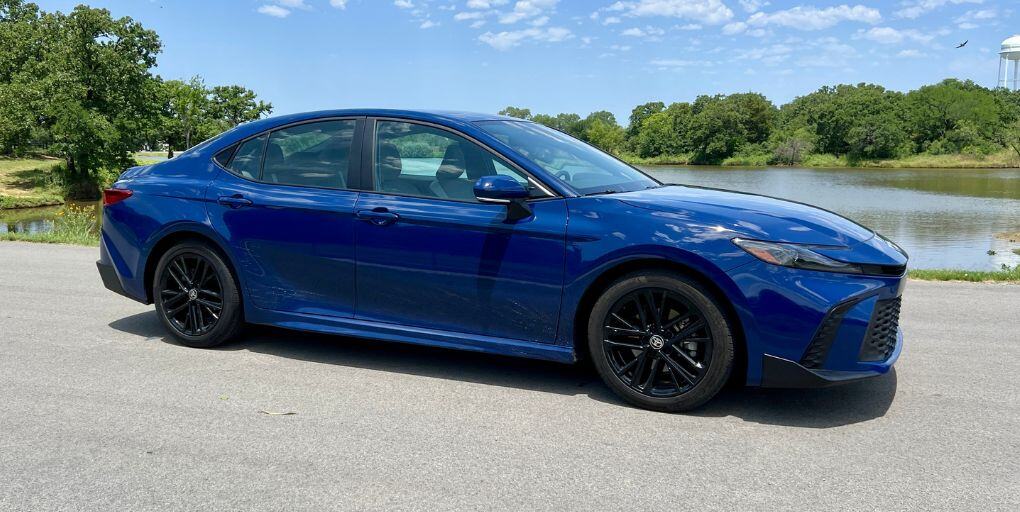
The Toyota Camry Hybrid also records an estimated 11.5% chance of reaching 250,000 miles. It ties the Prius in the latest passenger-car data and provides a more traditional midsize-sedan experience. Buyers get a larger cabin and conventional sedan shape while retaining Toyota’s hybrid system and the efficiency benefits associated with electrified powertrains.
The Camry has a long history in the U.S. market, with large numbers of vehicles sold across multiple generations. That broad presence means there are many examples with substantial mileage, giving buyers plenty of used-market choices. Condition still varies dramatically, so a popular model should never be treated as automatically reliable.
The latest Consumer Reports reliability information also illustrates why model year matters. The 2025 Camry underwent a redesign, and its reliability rating changed substantially in recent survey results. Consumer Reports reported a move from an earlier score of 56 to 74, tying the Accord for second in its category behind the Toyota Crown.
11. Lexus RC
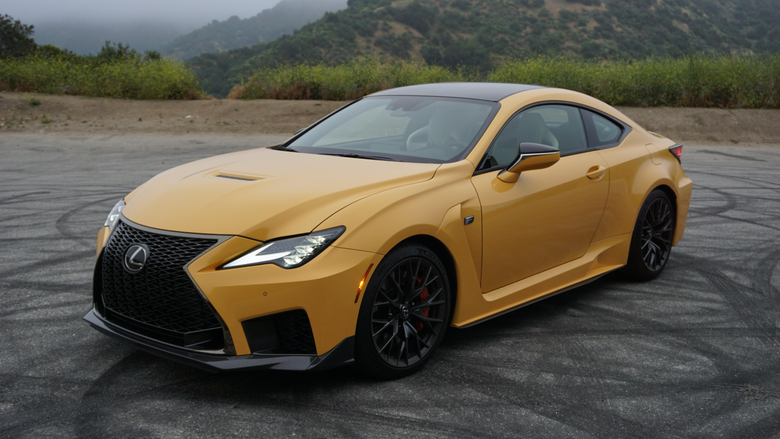
The Lexus RC has an estimated 10.3% chance of reaching 250,000 miles. Although it is a coupe rather than a sedan, it appears in the passenger-car longevity data and fits the broader question of passenger vehicles capable of extreme mileage. Its position shows that Lexus durability extends beyond its traditional sedan lineup.
The RC is aimed at buyers who want a more stylish and performance-oriented vehicle. That can mean different ownership patterns compared with a family sedan. Driving style, tire choices, maintenance schedules, and modifications can influence long-term durability, so used examples should be evaluated individually.
Lexus’s strong reliability standing provides supporting context. Consumer Reports’ used-car reliability rankings placed Lexus first among brands, with a reliability verdict of 77 in its cited data. That score measures a broader collection of used-car reliability factors rather than the probability of reaching 250,000 miles, so the two measurements should not be confused.
12. Toyota Camry
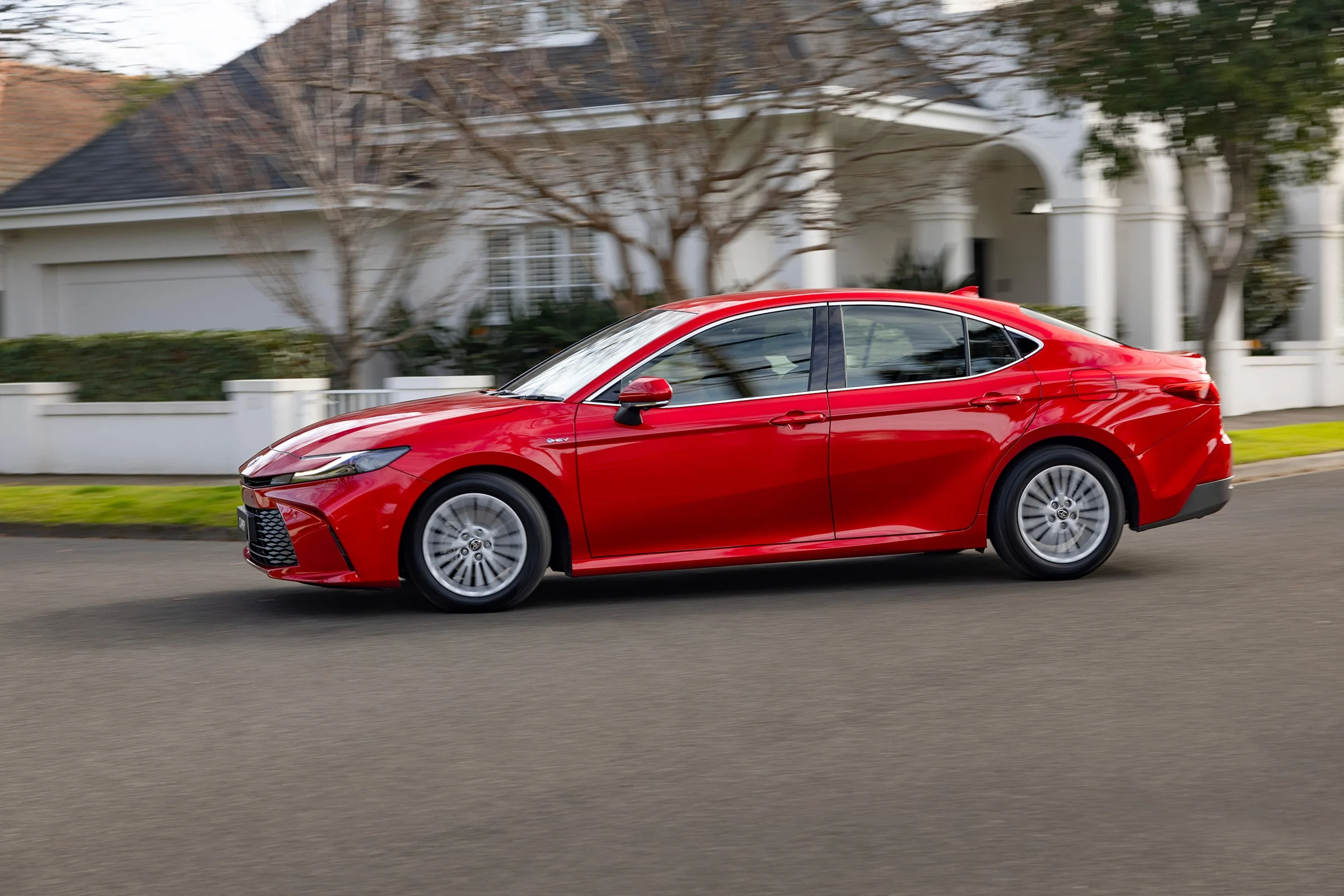
The Toyota Camry has an estimated 8.8% chance of reaching 250,000 miles in the latest iSeeCars study. That puts it well above the 3.4% passenger-car average. The Camry has been a staple of the U.S. midsize-sedan market for decades, giving buyers a broad selection of used examples across multiple generations.
Camry ownership is strongly influenced by model year and engine choice. Different generations have used different engines, transmissions, and electronic systems, meaning buyers should not assume that every Camry carries identical durability characteristics. Researching the exact year is essential when shopping for a high-mileage example.
The model’s current reliability information also shows why longevity rankings and new-car reliability ratings answer different questions.
Consumer Reports reported that the 2025 Camry’s reliability rating improved substantially after a redesign-related decline in the previous survey. That demonstrates how a single nameplate can experience meaningful changes between generations.
13. Honda Accord
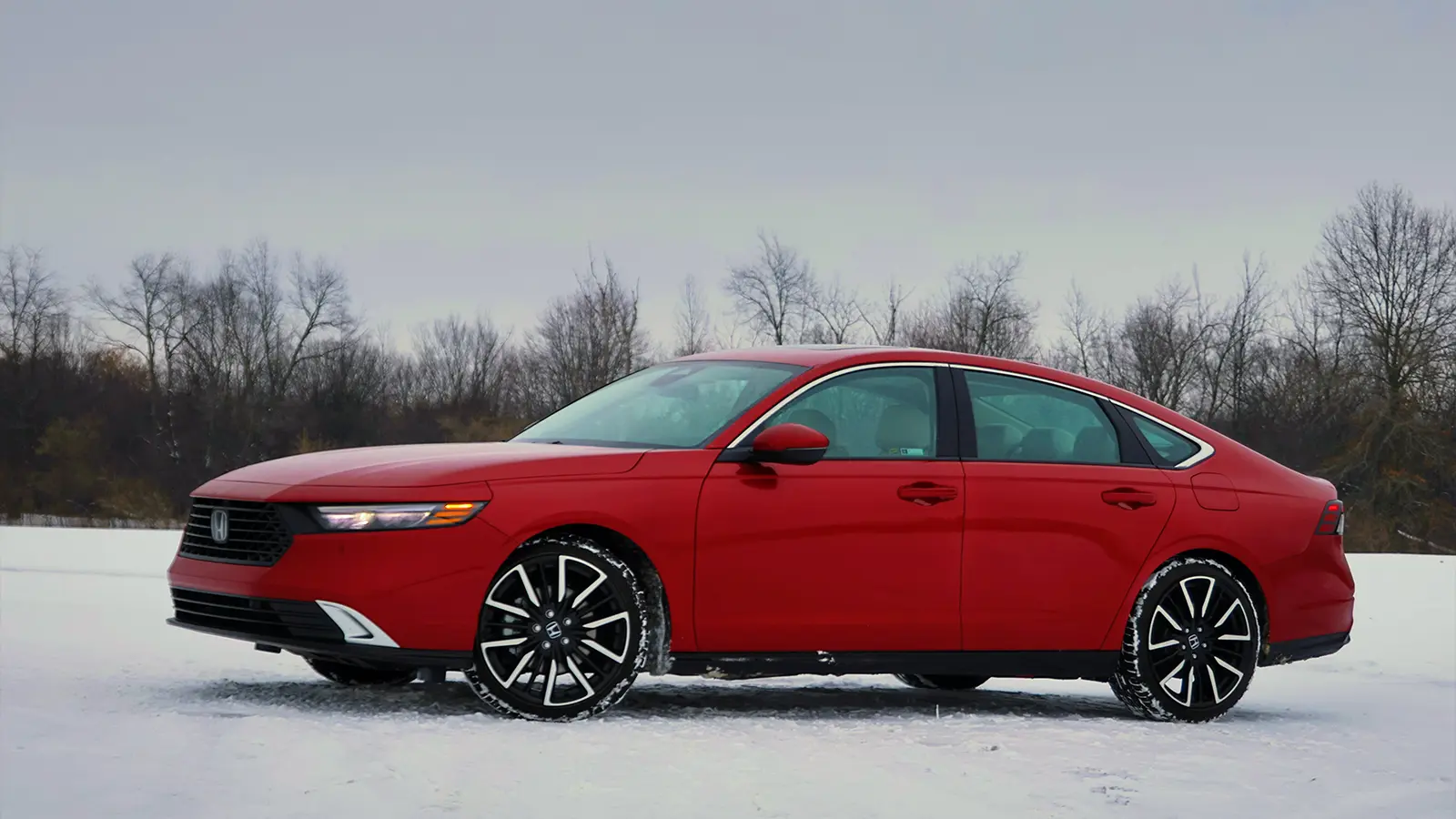
The Honda Accord has an estimated 8.4% chance of reaching 250,000 miles, placing it just behind the Camry. Like its Toyota rival, the Accord has spent decades as a major U.S. midsize sedan. That long production history gives buyers many generations to choose from, but it also means reliability can vary depending on the exact year and drivetrain.
The Accord’s broad U.S. presence is valuable for long-term ownership because parts, repair knowledge, and used examples are widely available. A driver planning to keep a car for 15 or 20 years may benefit from choosing a model with an established service network and strong parts availability.
Consumer Reports currently describes the 2025 Accord as much more reliable than other cars from the same model year, based on its latest owner survey. Its reliability system considers numerous potential trouble spots, so buyers can use that information alongside long-term mileage research when comparing model years.
14. Mercedes-Benz E-Class
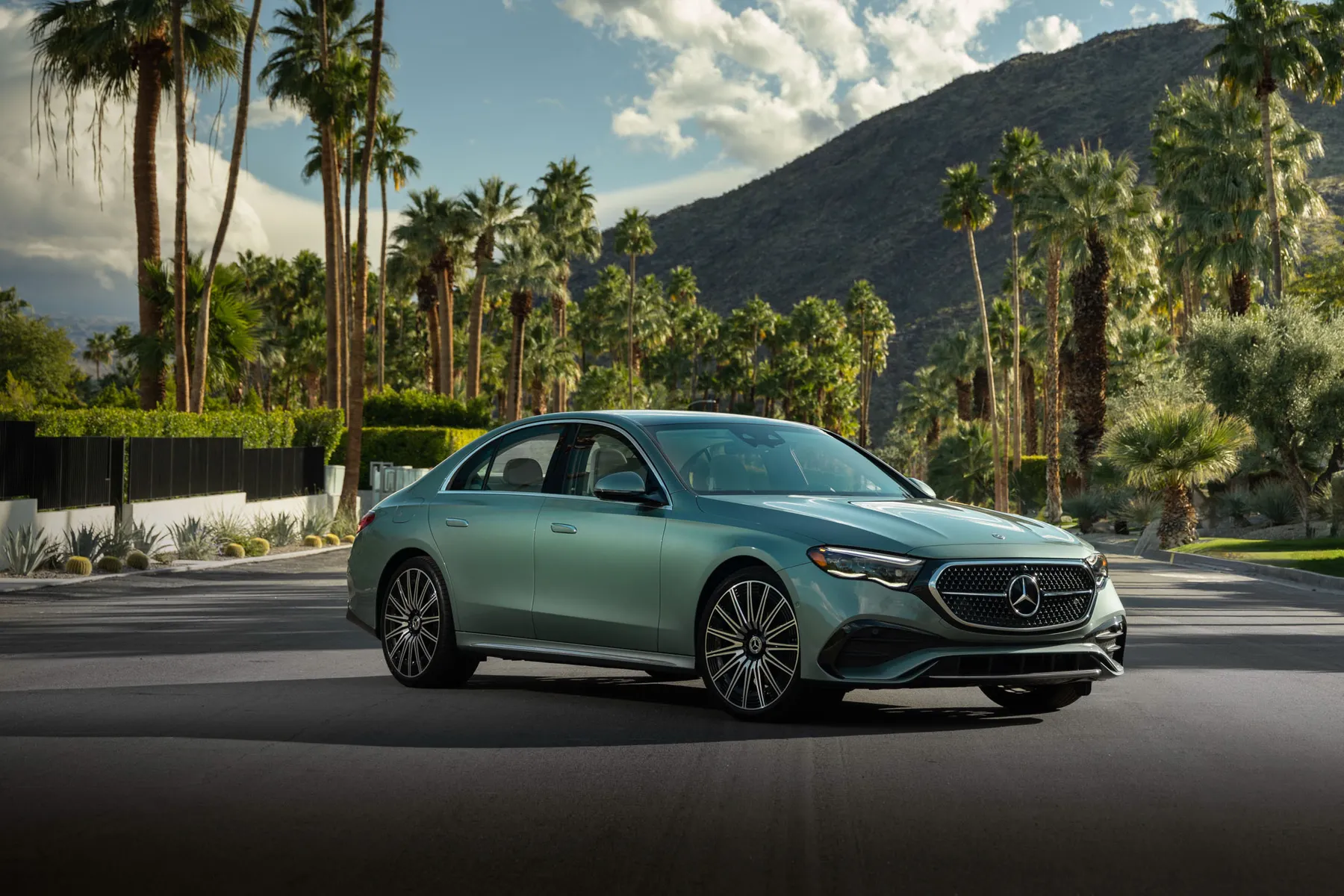
The Mercedes-Benz E-Class has an estimated 7.0% chance of reaching 250,000 miles in the current passenger-car study. It ranks well above the passenger-car average and demonstrates that a luxury European sedan can accumulate very high mileage. The E-Class has been sold in numerous generations and body styles, so individual reliability can differ considerably.
Long-term E-Class ownership requires a different financial approach from owning a basic compact sedan. Luxury vehicles contain more systems and components, and replacement parts or specialized labor can cost more. A vehicle that remains mechanically sound at 200,000 miles may still require significant spending on suspension, electronics, climate systems, and interior equipment.
The model’s presence in the ranking is still highlighted because it demonstrates that extreme mileage is not limited to Japanese passenger cars. The iSeeCars study found Toyota, Lexus, Honda, and Acura occupying most of the top positions, but the E-Class provides a European exception with a 7.0% estimate.
15. Toyota Corolla
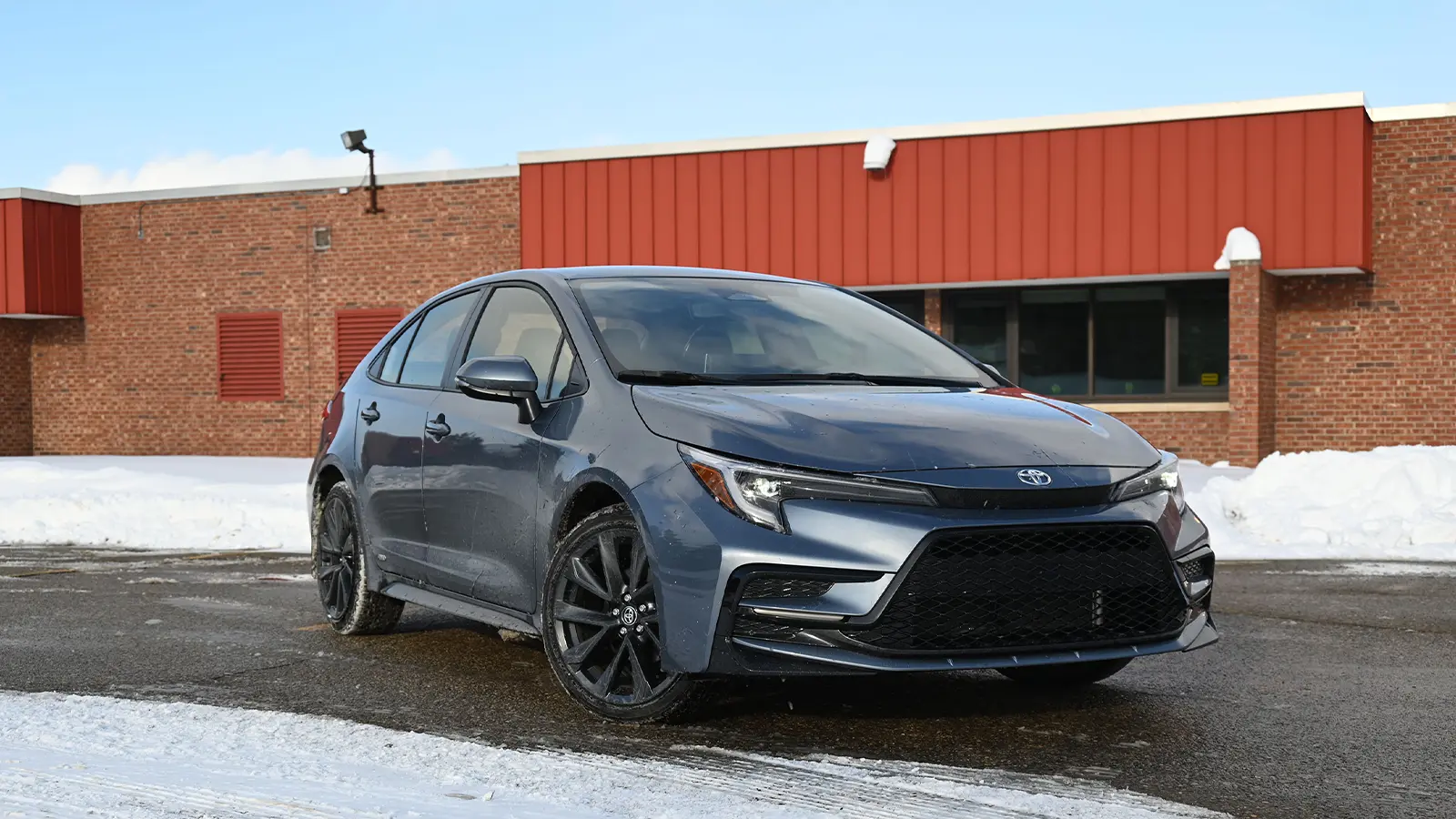
The Toyota Corolla has an estimated 5.4% chance of reaching 250,000 miles. That places it above the 3.4% passenger-car average but below the higher-performing Toyota models in this ranking. The Corolla has long been associated with affordable transportation, simple ownership, and broad availability in the U.S. market.
Its smaller size can help keep operating expenses manageable. Fuel use, tire costs, and routine maintenance can be relatively reasonable compared with larger vehicles. Those factors matter when a car is expected to remain in service for many years because the owner must afford not only repairs but also routine upkeep.
The Corolla has been produced across numerous generations, and each generation should be evaluated independently. Engine technology, transmissions, safety systems, infotainment equipment, and suspension designs have changed significantly. A used-car buyer should therefore focus on a specific model year rather than relying entirely on the nameplate’s reputation.
16. Lexus ES Hybrid
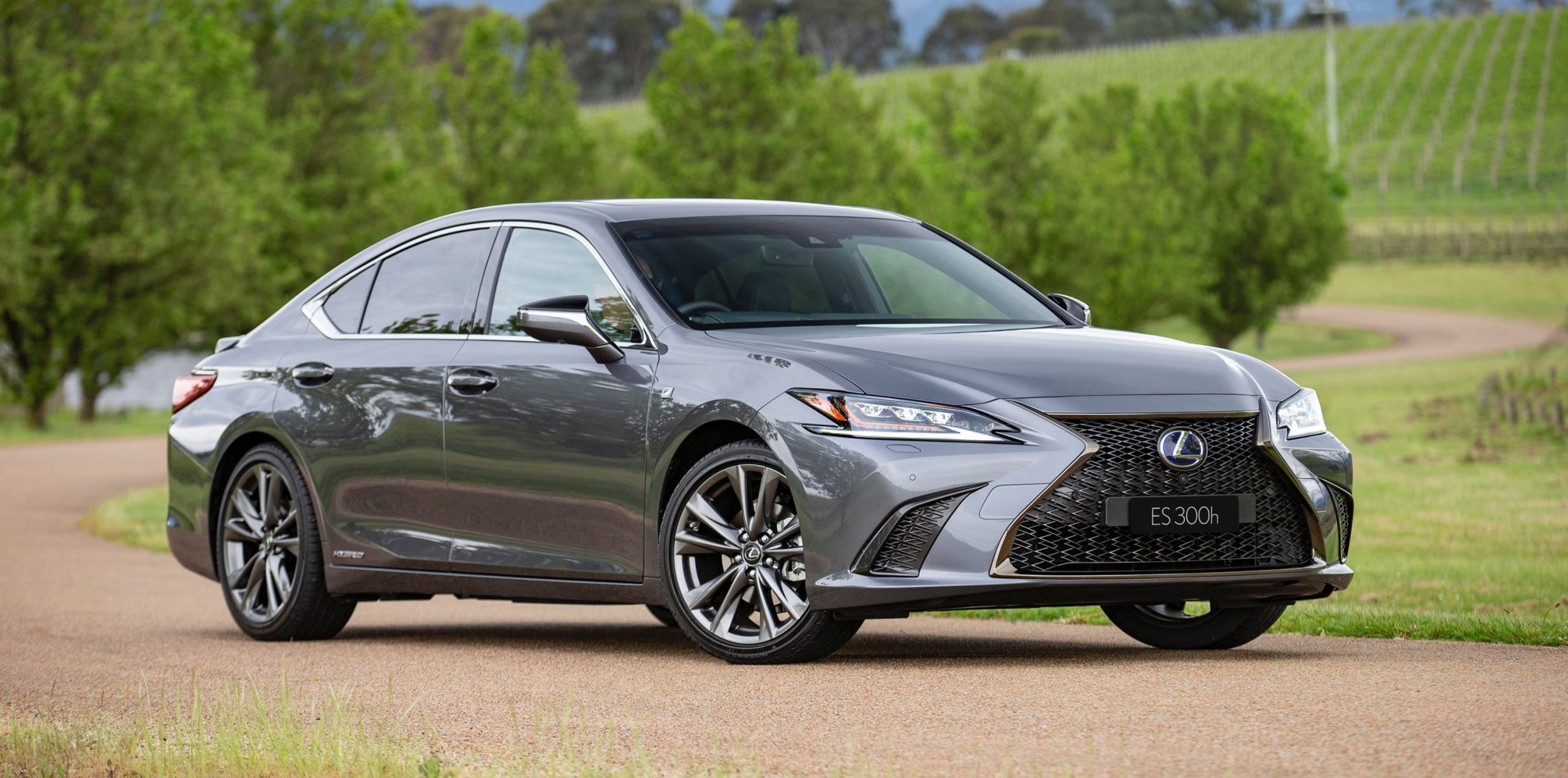
The Lexus ES Hybrid appears at 5.1% in the passenger-car longevity table. Its ranking places it close to the Corolla and above several other mainstream and luxury models. The ES Hybrid’s appeal comes from its combination of Lexus comfort, midsize-sedan practicality, and hybrid efficiency.
Luxury hybrid ownership still requires attention to both conventional and electrified components. Buyers should verify battery condition, inspect the gasoline engine and cooling system, and make sure electronic equipment works correctly. Maintenance records are especially valuable for an older premium hybrid.
The model’s position should also be interpreted carefully because 5.1% is not an especially high absolute probability. It is above the 3.4% passenger-car average, but most vehicles do not reach 250,000 miles. That distinction is important when using longevity statistics for purchasing decisions.
17. Volkswagen Jetta
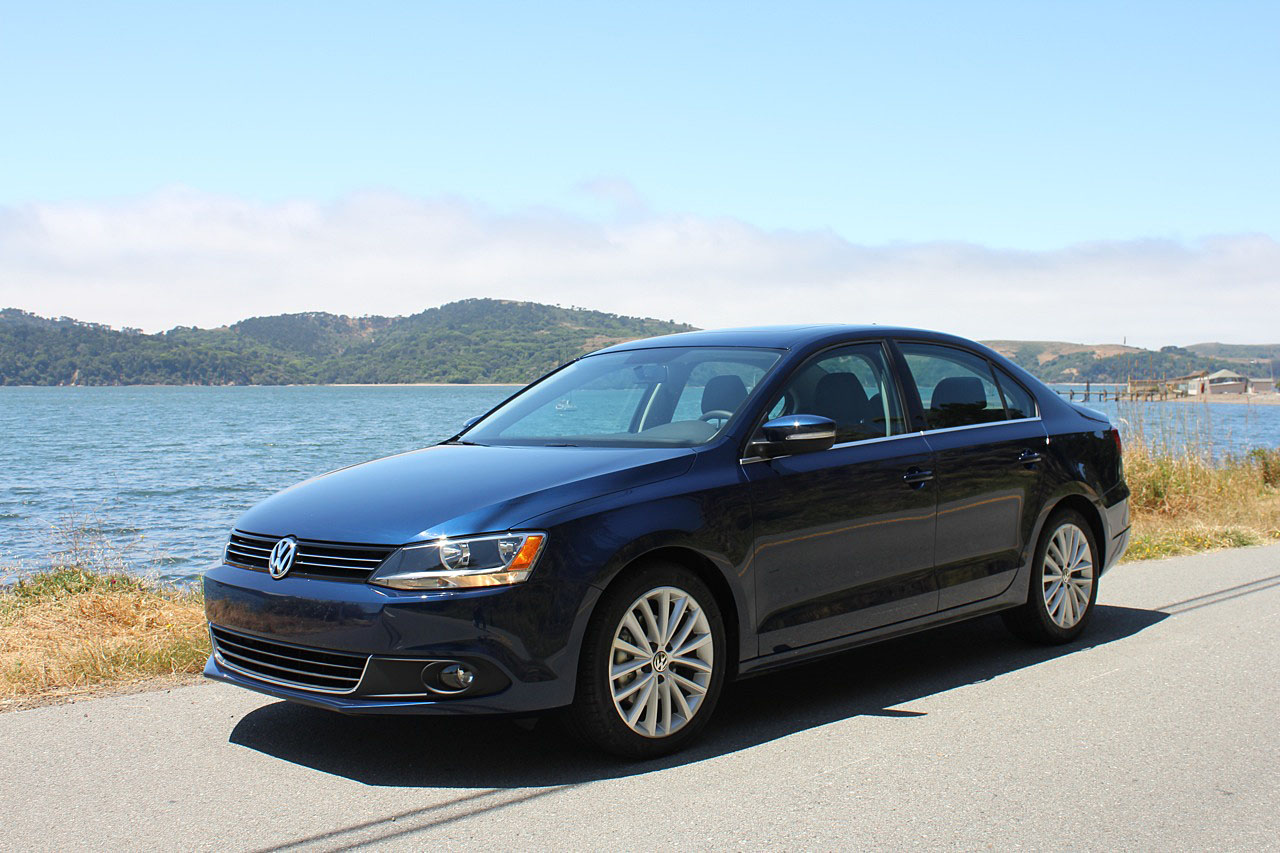
The Volkswagen Jetta has an estimated 5.1% chance of reaching 250,000 miles, tying the Lexus ES Hybrid in the current passenger-car study. The Jetta has been a long-running presence in the U.S. compact sedan market and offers a European alternative to the Japanese models dominating this ranking.
Jetta ownership varies significantly by generation and powertrain. Some versions have used turbocharged engines, different automatic transmissions, and varying electronic systems. That makes the exact model year particularly important when assessing long-term durability.
A Jetta intended for extreme mileage should receive consistent maintenance and careful attention to fluid services. Turbocharged engines and complex transmissions can require more specialized care than simpler powertrains. Independent service from a shop familiar with Volkswagen products can also help keep repair costs under control.

18. Kia Rio 5-Door
The Kia Rio 5-Door has an estimated 4.4% chance of reaching 250,000 miles. It ranks below the passenger-car average, only slightly above the 3.4% benchmark. The Rio is a small vehicle designed around affordability and practicality, and its compact format can help keep certain operating expenses under control.
The Rio’s ranking is interesting because its 250,000-mile estimate exceeds that of several larger and more expensive vehicles. Size and price alone do not determine longevity. Engineering, maintenance, driving patterns, and the age distribution of vehicles in the dataset all contribute to the result.
Used buyers should research the specific Rio generation carefully. A small inexpensive car can become uneconomical if major repairs accumulate, especially when the vehicle has significant cosmetic wear or corrosion. A professional inspection can help determine whether a high-mileage example has enough useful life remaining to justify its price.
19. Nissan Altima
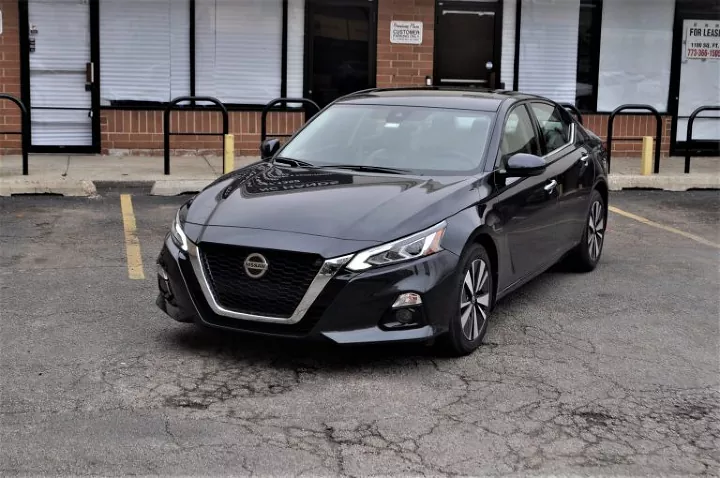
The Nissan Altima has an estimated 4.4% chance of reaching 250,000 miles, matching the Kia Rio 5-Door. The Altima has been a major midsize sedan in the U.S. market for years, giving buyers a large pool of used examples.
Its ranking indicates that a meaningful share of vehicles can reach very high mileage, though its estimated probability remains considerably below the leading models.
The Altima’s exact generation and transmission configuration deserve close attention when shopping used. Nissan has used continuously variable transmissions in many Altima applications, making transmission condition particularly relevant to buyers seeking very high mileage. Service history can provide important clues about how the vehicle was treated.
20. Lexus ES
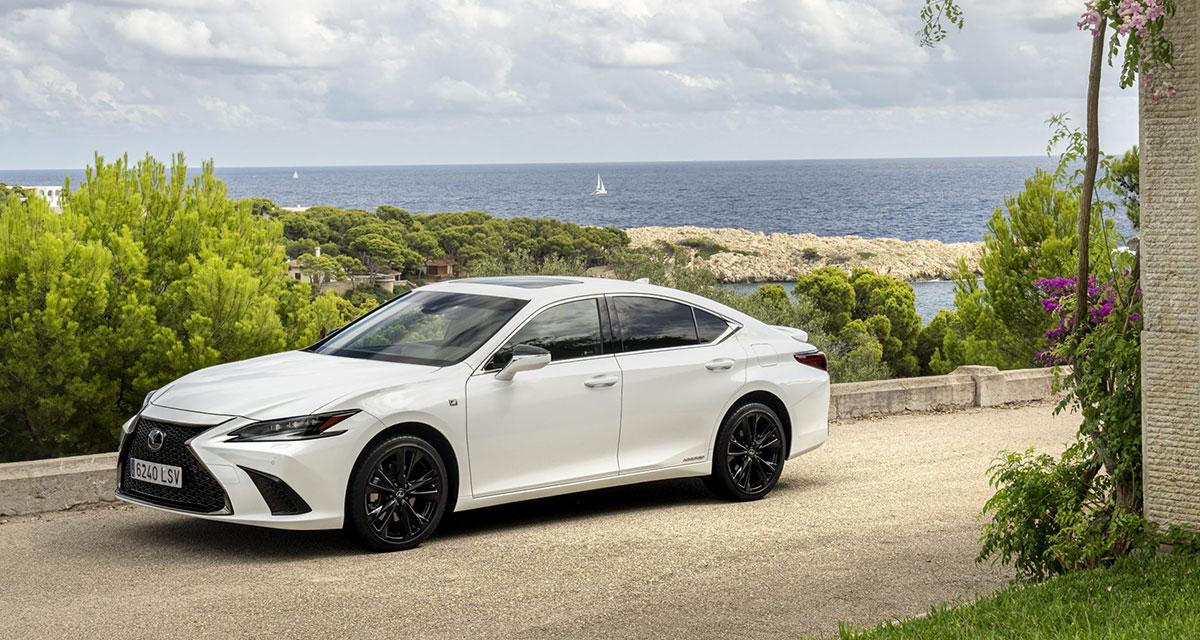
The conventional Lexus ES has an estimated 4.1% chance of reaching 250,000 miles. That figure places it above the 3.4% passenger-car average but below the ES Hybrid and other Lexus vehicles in this ranking. The ES is built around comfort, quietness, and traditional luxury-sedan usability.
The ES has used several different engines and technologies across its generations, so the exact vehicle matters. Older examples can have different maintenance requirements from newer versions, while higher-mileage luxury equipment can require attention even when the primary powertrain remains functional.
A well-maintained ES can still provide a comfortable long-term ownership experience. Lexus’s strong brand reliability data also provides useful supporting context, with Consumer Reports ranking Lexus first in its cited used-car reliability analysis.
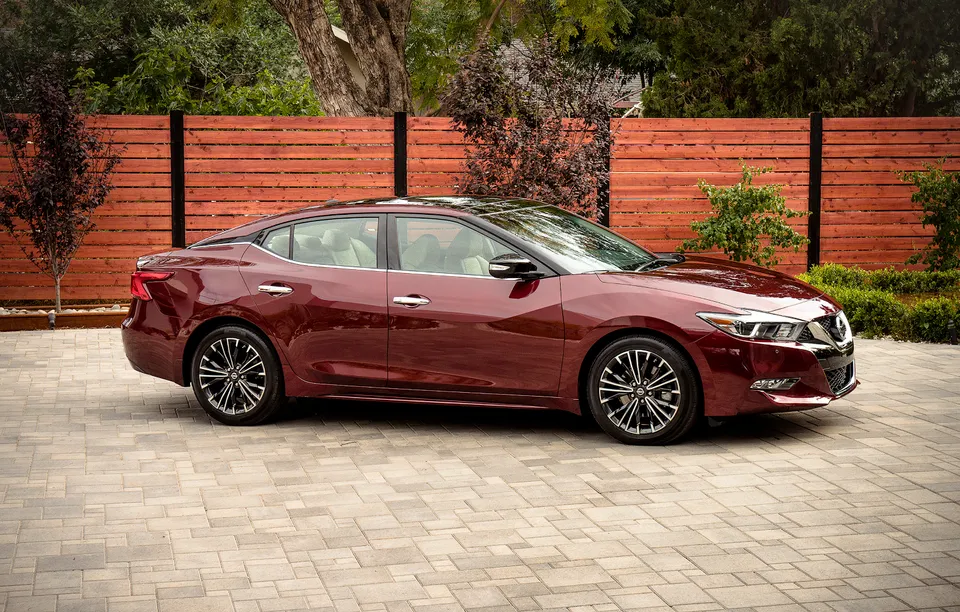
21. Nissan Maxima
The Nissan Maxima has an estimated 4.0% chance of reaching 250,000 miles. The model was discontinued in the U.S. after the 2023 model year, meaning used examples are now the primary option for shoppers interested in the nameplate. The Maxima combines a larger sedan body with a more performance-oriented character than many traditional family sedans.
Its relatively high position compared with some larger vehicles reflects the fact that longevity does not always follow vehicle size or price. Still, buyers should pay careful attention to the specific powertrain and maintenance history, particularly when evaluating older examples with substantial mileage.
The Maxima’s sporty character can also influence how individual vehicles were driven. Aggressive acceleration, hard braking, poor road conditions, and neglected maintenance can accelerate wear on engines, transmissions, suspension components, and brakes. A gentle, well-maintained example can have a substantially different future.
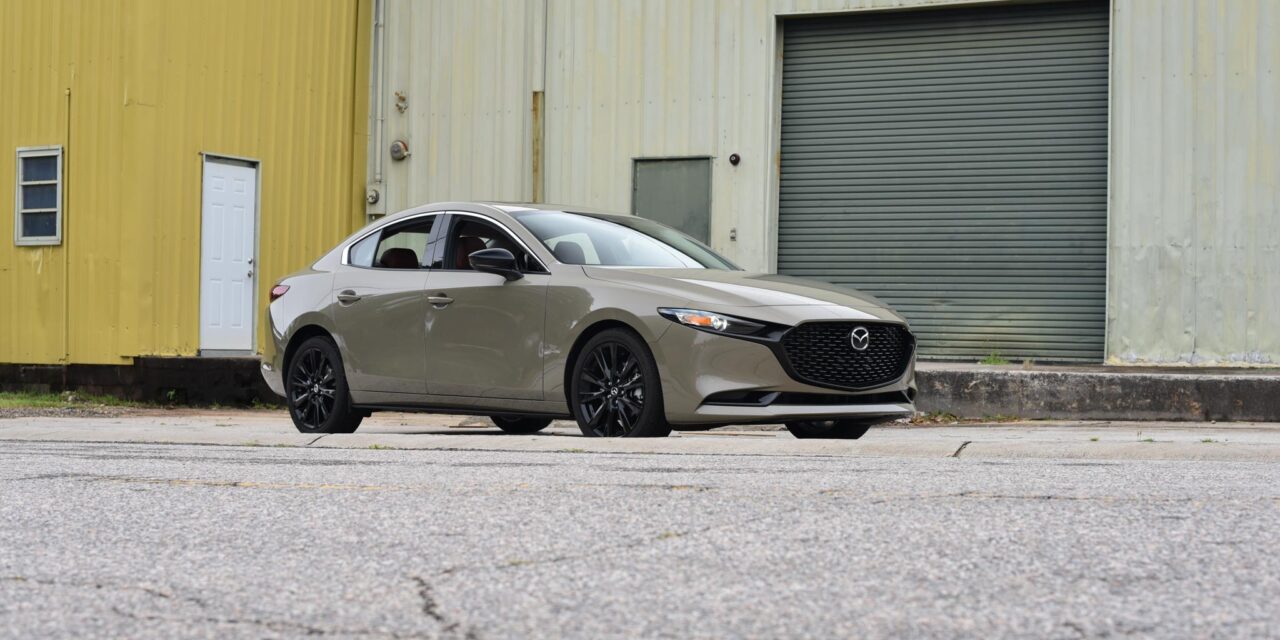
22. Mazda3 Sedan
The Mazda3 Sedan ranks 22nd in the latest passenger-car longevity table, with an estimated 3.9% chance of reaching 250,000 miles. That figure is slightly above the 3.4% passenger-car average, making the Mazda3 a near-average candidate for extreme mileage according to this particular measure.
The Mazda3 has traditionally appealed to drivers who want a compact sedan with a more engaging driving experience. Its position near the bottom of this ranking should not be interpreted as evidence that every Mazda3 is unreliable. A 250,000-mile probability is only one measure, and it is influenced by many factors beyond short-term mechanical reliability.
Maintenance remains critical for any Mazda3 intended for very high mileage. Oil changes, cooling-system maintenance, transmission service where appropriate, suspension repairs, rust prevention, and timely replacement of worn components can all influence its long-term survival. Rust deserves particular attention for vehicles operated in areas that use road salt during winter.
