
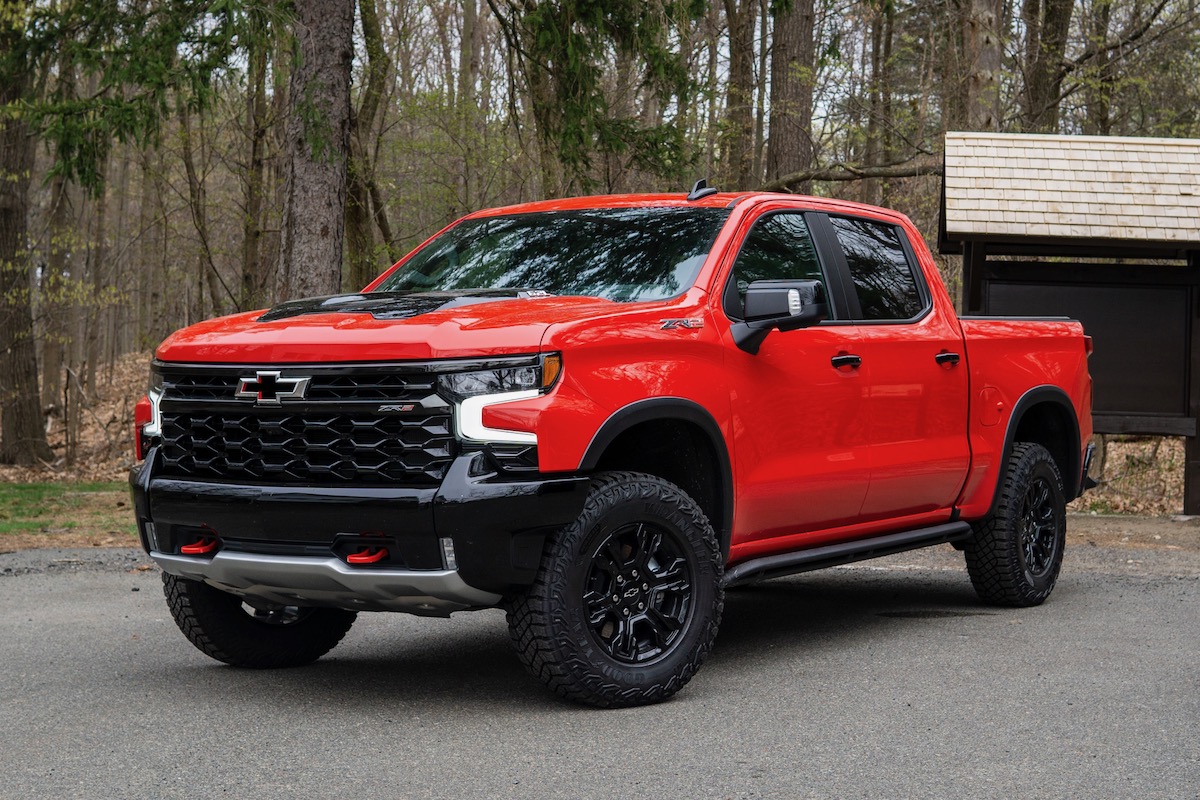
The automotive market provides a clear picture of consumer preferences, purchasing power, and changing transportation needs. Sales figures recorded during the first nine months of a year help identify which vehicles attract the most buyers and how demand compares with the same period previously.
Ranking the 10 best-selling vehicles by units sold and year-over-year change offers valuable insight into market performance, brand competition, and customer priorities. These figures also help manufacturers, dealerships, analysts, and prospective buyers understand emerging trends.
Examining sales volume alongside annual changes reveals which models maintain strong demand and which experience meaningful shifts in popularity.
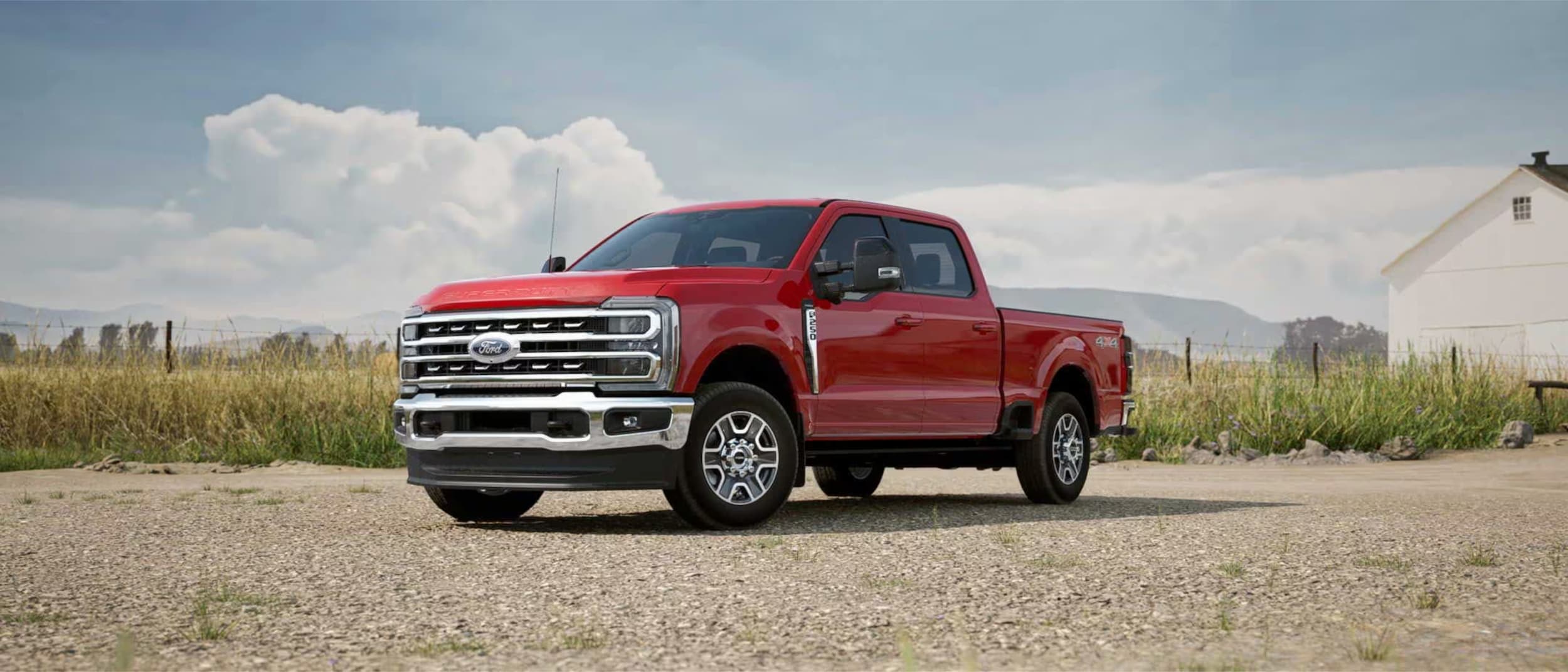
1. Ford F-Series
Sales category: Full-size pickup trucks
The Ford F-Series has maintained a leading position in the U.S. vehicle market for decades. Its appeal comes from a broad lineup designed for personal transportation, work, recreation, and commercial use.
Buyers can select different cab configurations, bed lengths, engines, and equipment levels to suit their budgets and requirements. This range gives Ford access to customers with very different needs, helping the nameplate generate substantial sales across economic conditions.
Unit volume is particularly important for the F-Series because its sales extend beyond private households. Contractors, construction companies, small businesses, and large fleets purchase pickups for demanding daily tasks. These commercial buyers may replace vehicles according to operating schedules, maintenance costs, and business investment plans.
Strong replacement demand can support volume, while weaker construction activity or tighter business budgets may reduce orders. Consequently, year-over-year changes often reflect economic conditions alongside consumer preferences.
The F-Series lineup also benefits from a wide range of prices and capabilities. Entry-level configurations appeal to buyers who need dependable transportation or a work vehicle, while premium versions target customers who prioritize comfort, technology, and distinctive styling.
Higher-priced models can increase revenue per vehicle, though affordability remains important to buyers facing elevated borrowing costs. A strong mix of work-oriented and luxury-oriented configurations allows the nameplate to serve multiple segments without relying on a single customer group.
Year-over-year growth or decline should be evaluated alongside inventory, production, and model availability. Limited dealer stock can restrict sales even when customer interest remains healthy. Conversely, attractive incentives and improved supply can boost deliveries without indicating a lasting change in preference.
Comparing several quarters helps establish whether a change is temporary or part of a sustained trend. For the F-Series, maintaining leadership requires Ford to balance production capacity, pricing, product updates, and competition from other major pickup manufacturers.
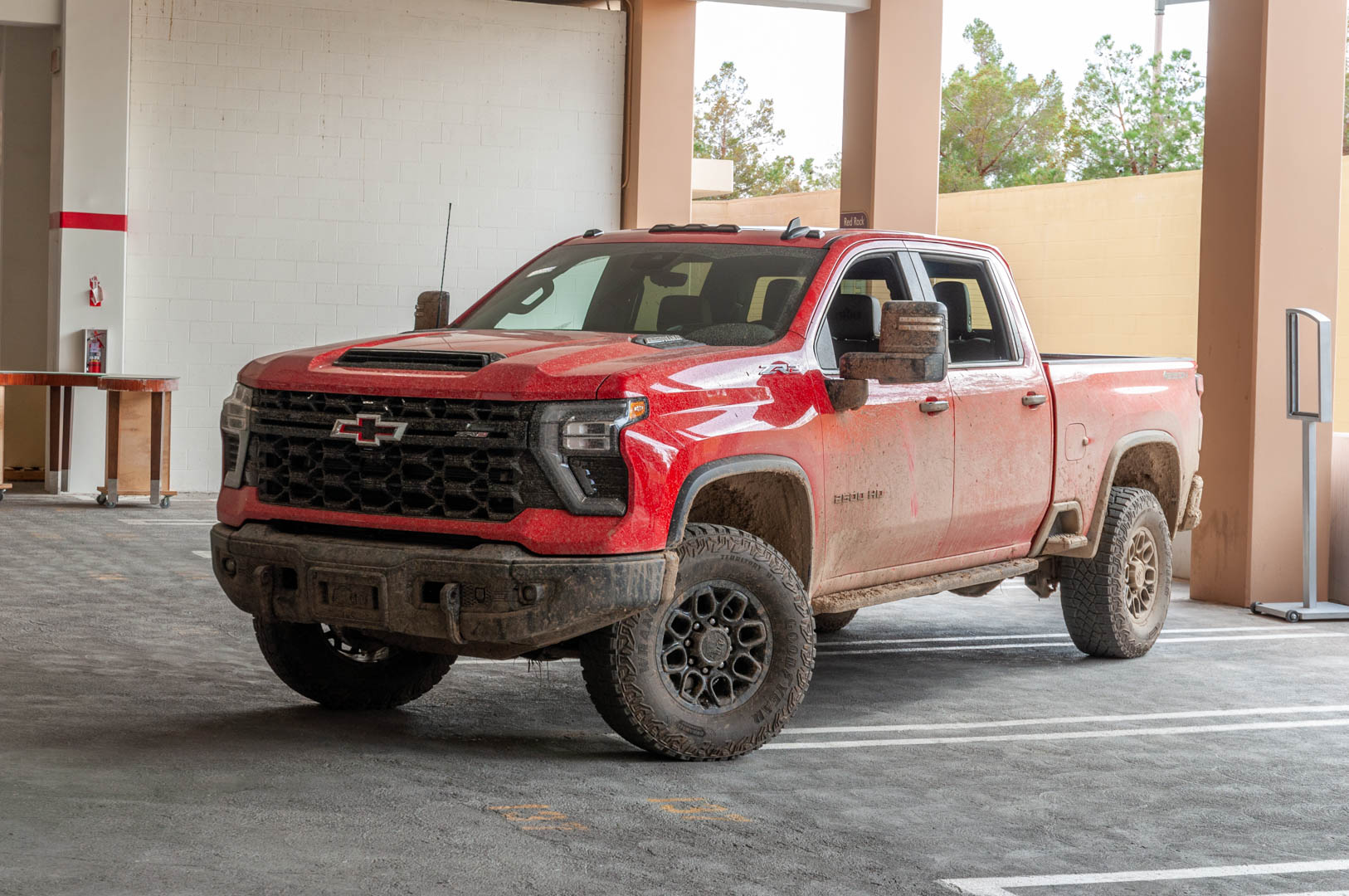
2. Chevrolet Silverado
Sales category: Full-size pickup trucks
The Chevrolet Silverado is a major competitor in the full-size pickup segment. It attracts buyers who need towing ability, cargo capacity, practical cabin space, and a range of configurations. Its customer base includes individual owners, tradespeople, agricultural businesses, and commercial operators.
This combination supports demand across multiple uses, making the Silverado an important nameplate in any assessment of U.S. vehicle sales through September.
The number of Silverados sold depends on several factors, including model availability, transaction prices, incentives, and the strength of the pickup market. Buyers often compare engine choices, towing ratings, payload capacity, cabin features, and long-term ownership expenses before making a purchase.
Fleet customers may place greater emphasis on acquisition costs and service requirements, while private buyers may prioritize comfort and convenience. The breadth of these requirements means that sales performance cannot be explained by styling or advertising alone.
Year-over-year changes are particularly revealing when the Silverado is compared with competing full-size pickups. If its sales rise while the broader segment remains stable, Chevrolet may be gaining ground through stronger availability, attractive pricing, or a more appealing product mix.
If sales fall across several competing brands, broader economic pressures may be responsible. A sound analysis compares individual performance with the segment’s direction instead of assuming that every increase or decrease results from a specific product decision.
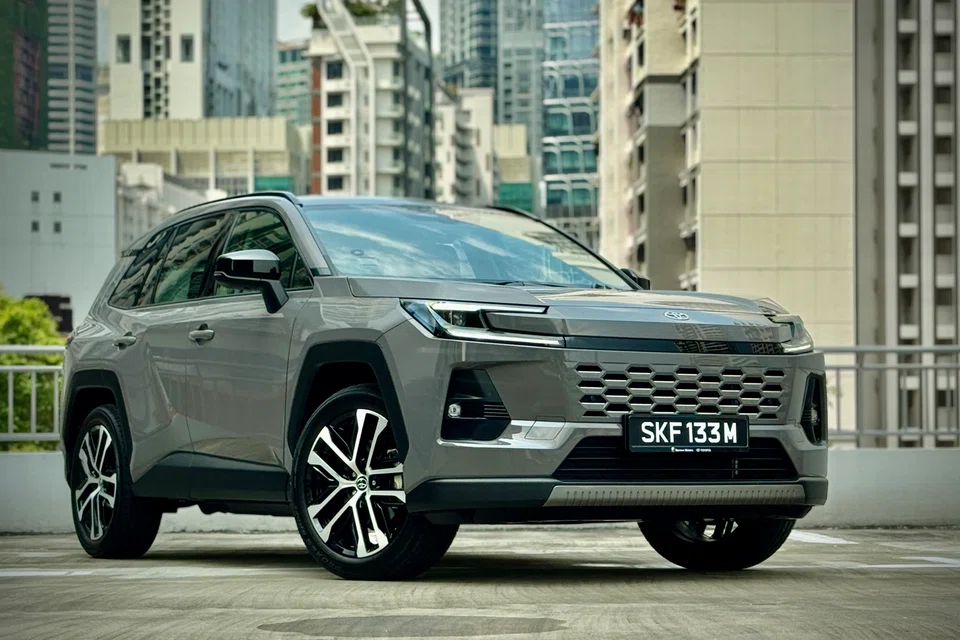
3. Toyota RAV4
Sales category: Compact SUVs
The Toyota RAV4 has established itself as a leading choice among compact SUVs. Its appeal reflects a practical combination of passenger space, everyday usability, manageable exterior dimensions, and a reputation for dependable ownership.
Compact SUVs often suit households that want more cargo flexibility than a traditional sedan provides without moving to a larger, more expensive vehicle. These characteristics help explain why the RAV4 deserves close attention in discussions of high-volume vehicles.
Sales volume depends on how effectively the RAV4 meets a broad range of household requirements. Buyers may use it for commuting, school runs, shopping, road trips, and outdoor activities.
Its seating position and cargo area provide flexibility, while available powertrain choices can appeal to customers with different fuel-consumption priorities. Purchase decisions also depend on the price of competing models, insurance costs, financing terms, and the availability of preferred trims at local dealerships.
Year-over-year performance can reveal changes in demand for practical crossovers. Growth may indicate stronger consumer interest, improved supply, or the success of updated equipment and powertrain options.
A decline may reflect production constraints, competition, pricing pressure, or buyers delaying major purchases. The percentage change is most meaningful when paired with the actual number of units sold, since a large existing sales base can make even a modest percentage movement commercially significant.
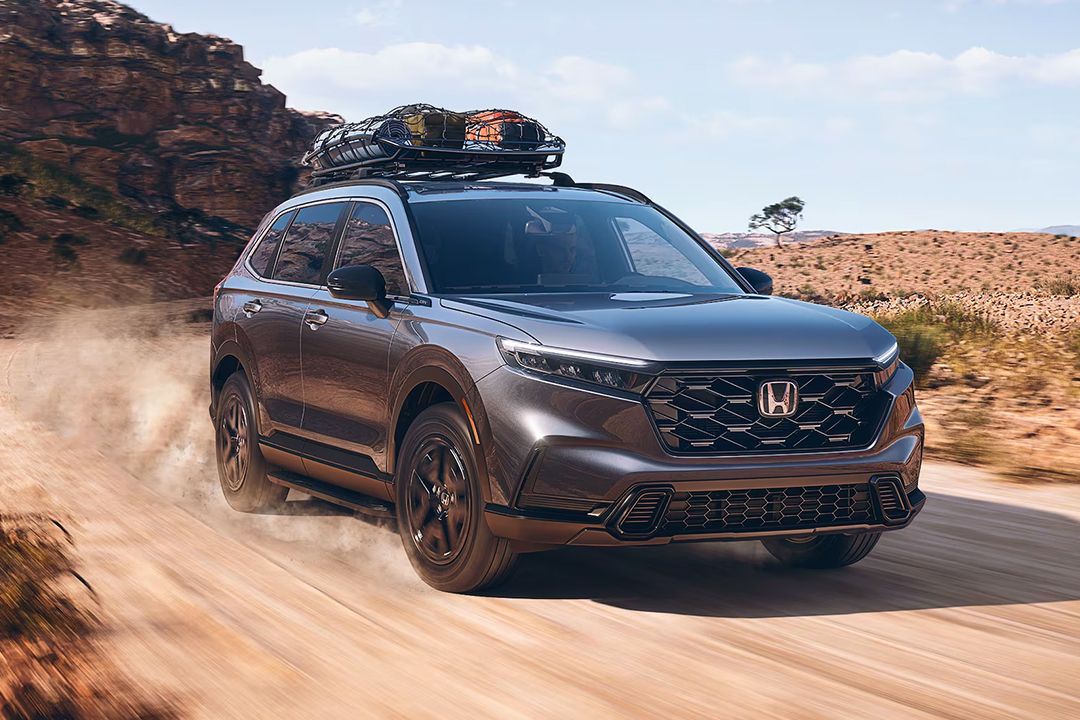
4. Honda CR-V
Sales category: Compact SUVs
The Honda CR-V is another major participant in the compact SUV segment. Its reputation for practical packaging, comfortable everyday driving, and useful passenger space has helped it appeal to families and individual commuters.
Many customers want a vehicle that can handle routine travel during the week and longer journeys on weekends. The CR-V addresses these needs through a versatile cabin, flexible cargo capacity, and a product range designed for mainstream buyers.
Its sales performance is closely connected to the strength of the compact crossover category. Buyers frequently compare the CR-V with the Toyota RAV4 and other vehicles offering similar dimensions and functionality.
Small differences in pricing, fuel efficiency, cabin design, safety equipment, and dealer availability can influence the final decision. Brand loyalty also plays a role, particularly among households that have owned previous Honda vehicles and feel comfortable with the company’s product and service network.
Year-over-year change helps show whether the CR-V is maintaining its competitive position. Increasing unit sales can indicate stronger demand, improved availability, or greater success in attracting customers from competing models.
Lower sales may result from supply limitations, shifting buyer preferences, promotional activity elsewhere in the segment, or a change in the timing of purchases. It is important to compare the CR-V’s performance with the market because a decline in a growing category may indicate a different challenge than a decline during a broader slowdown.
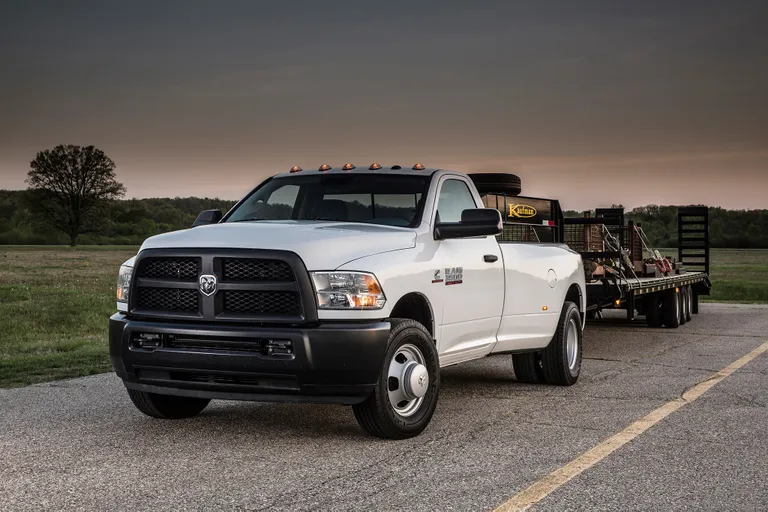
5. Ram Pickup
Sales category: Full-size pickup trucks
The Ram Pickup competes in a segment where capability and comfort are both important. Many customers use pickups for work during the week and personal transportation outside working hours.
Ram has positioned its trucks to appeal to buyers who appreciate interior refinement alongside towing and hauling capability. This combination gives the nameplate a distinct place in a market dominated by established manufacturers with extensive dealer networks and broad model ranges.
The number of units sold depends on more than the truck’s specifications. Transaction prices, financing offers, fleet demand, inventory levels, and the availability of popular configurations can influence monthly results.
Pickup customers may be particularly sensitive to payment changes because full-size trucks can carry substantial purchase prices. Higher interest rates or reduced promotional support can therefore affect demand, especially among households and businesses working within fixed budgets.
Year-over-year changes deserve careful attention when evaluating Ram’s competitive position. A decline may reflect changing demand, a difficult comparison with a stronger previous year, production issues, or differences in incentives.
Growth may signal improved availability or renewed customer interest. Neither outcome should be interpreted in isolation. Sales trends across competing pickups, retail transaction prices, and commercial fleet orders provide useful context for deciding whether the nameplate is gaining or losing momentum.
Ram’s product strategy also matters because the pickup segment contains customers with different priorities. Some buyers need basic transportation for job sites, while others want premium interiors, advanced driver assistance, and convenience features.
Manufacturers must offer enough variety to meet these expectations without making the lineup difficult to produce or price competitively. Maintaining a clear distinction between work-focused and premium configurations can help protect sales across changing economic conditions.
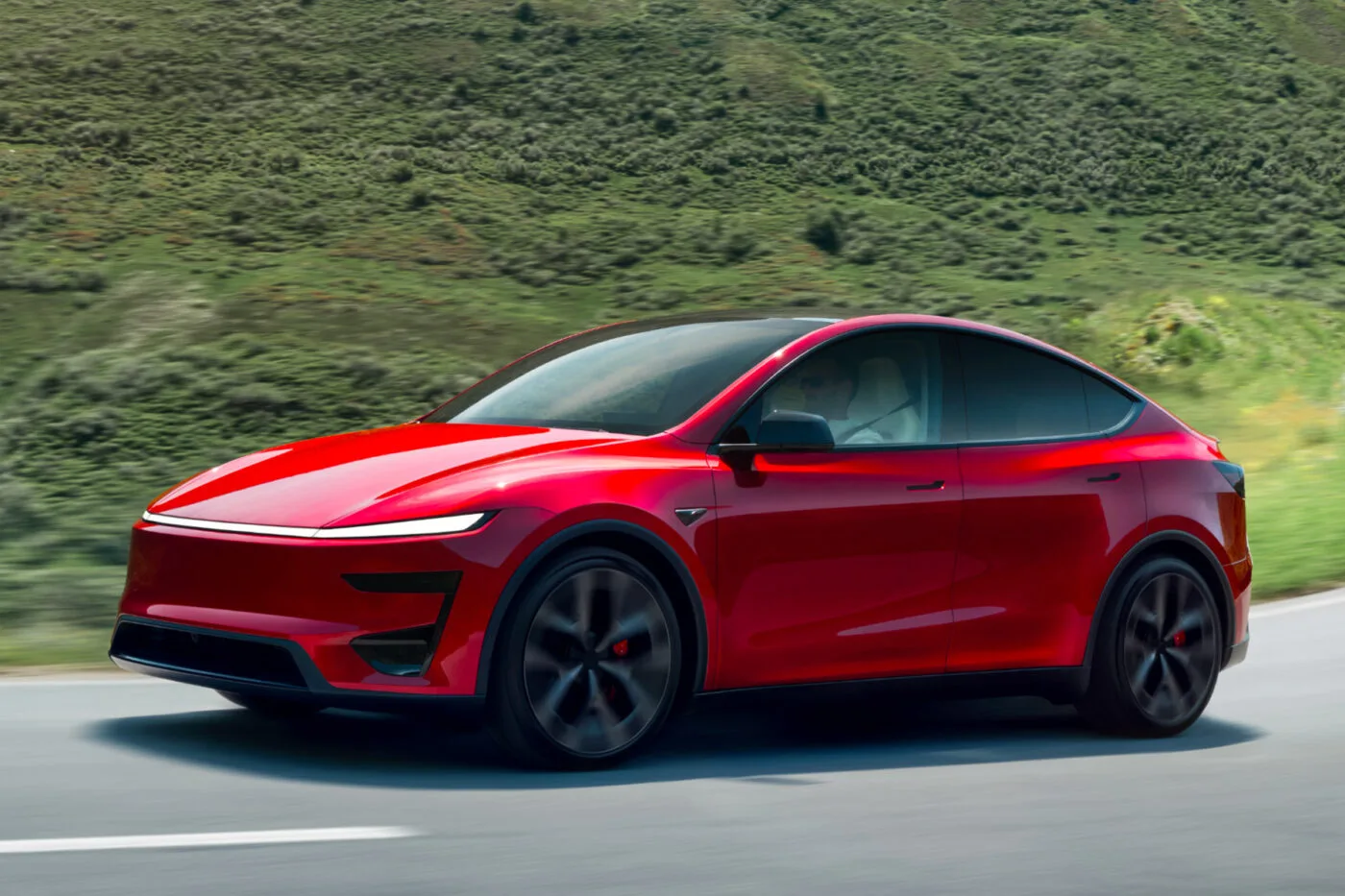
6. Tesla Model Y
Sales category: Electric crossover SUVs
The Tesla Model Y represents the growing importance of electric vehicles in the passenger car market. Its crossover design combines a raised seating position, flexible cargo space, and electric propulsion.
Buyers considering the Model Y often evaluate driving range, charging access, electricity costs, technology features, and the availability of public charging networks. These factors distinguish its purchasing process from that of conventional gasoline-powered SUVs and influence demand across different regions.
Unit sales for electric vehicles can respond quickly to pricing decisions. Changes in purchase prices, financing offers, government incentives, and manufacturer discounts may affect demand within a relatively short period.
Tesla’s direct sales model and periodic pricing adjustments can also influence the timing of purchases. Some customers may bring forward a buying decision when a favorable offer is available, while others may postpone a purchase if they expect prices or financing conditions to improve.
Year-over-year performance is especially important for understanding the Model Y’s position in the electric vehicle market. Growth may reflect wider EV adoption, improved affordability, new product updates, or stronger demand in markets with convenient charging access.
A decline can reflect increased competition, changing incentives, consumer concerns about charging, or buyers choosing different vehicle types. Regional differences are significant because EV ownership is more convenient where charging infrastructure and home charging options are readily available.
Competition has intensified as traditional automakers and newer electric vehicle manufacturers introduce additional models. Buyers can compare electric crossovers according to range, charging speed, interior space, software features, warranty coverage, and price.
Hybrid vehicles also provide an alternative for customers who want improved fuel economy without depending entirely on charging infrastructure. Tesla’s ability to retain customers therefore depends on more than its electric powertrain. Product quality, service access, pricing, and ownership convenience all contribute to its appeal.
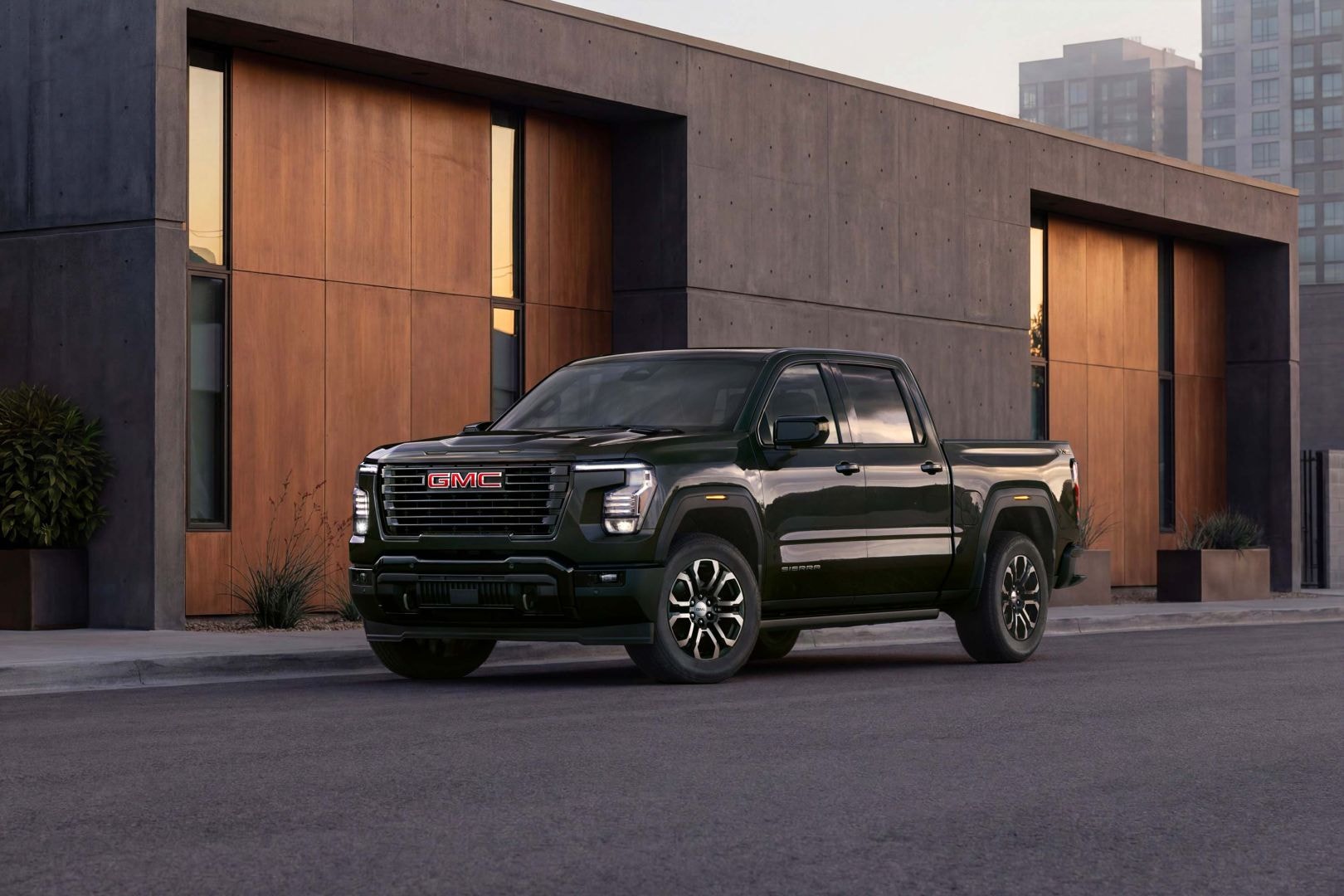
7. GMC Sierra
Sales category: Full-size pickup trucks
The GMC Sierra occupies an important position in the full-size pickup segment. It shares certain underlying engineering elements with related General Motors trucks while maintaining its own styling, trim structure, and brand identity.
The Sierra attracts customers seeking towing capability, practical utility, and a more premium presentation in selected configurations. Its customer base includes private owners, business operators, and buyers who use a pickup for both work and leisure.
Sales volume depends on how successfully GMC balances capability with price. Buyers may compare payload capacity, towing equipment, engine choices, interior materials, technology, and long-term ownership costs.
Higher trim levels can appeal to customers who want additional comfort and convenience, while work-oriented versions serve practical commercial requirements. A varied lineup helps the Sierra reach several price points, though higher transaction prices can become a challenge when borrowing costs rise or household budgets tighten.
Year-over-year changes can reveal whether demand is strengthening relative to other large pickups. An increase may reflect better dealer inventory, attractive offers, product improvements, or stronger interest in premium truck configurations.
A decline may result from production limitations, economic weakness in commercial industries, or competition from closely related models. Since the Sierra operates in a crowded segment, its performance should be compared with both the Chevrolet Silverado and rival trucks from Ford, Ram, and Toyota.
The Sierra’s relationship with the Silverado makes its sales figures particularly interesting. Although the two vehicles share important mechanical foundations, their different branding and equipment choices can appeal to distinct buyers.
Some customers may place greater value on price and work-oriented functionality, while others may prioritize styling or premium features. This overlap can affect how General Motors allocates production, positions its products, and uses incentives to maintain demand across its truck portfolio.
8. Toyota Camry
Sales category: Midsize sedans
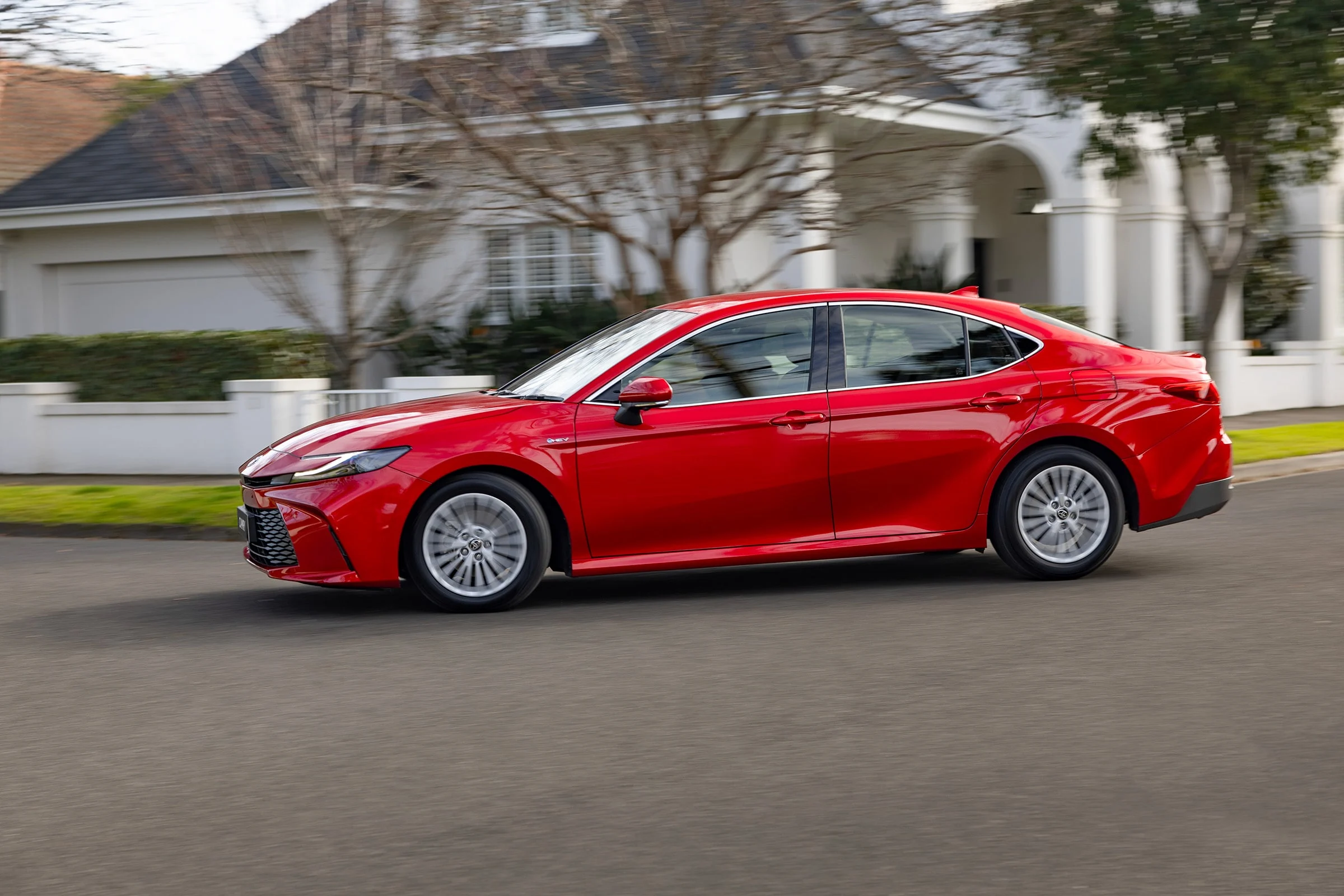
The Toyota Camry remains a recognizable name in the midsize sedan market. It appeals to commuters, families, and buyers who prefer a traditional passenger car to a larger crossover.
Sedans can offer a lower seating position, predictable road manners, and efficient use of interior space. For many households, the Camry provides a practical balance between daily comfort, passenger capacity, running costs, and the familiarity of a long-established vehicle nameplate.
Lower purchase costs in selected configurations, good fuel economy, and manageable dimensions can appeal to buyers who do not require the cargo height or ground clearance of an SUV. These advantages remain relevant for urban commuters and households seeking a straightforward daily vehicle.
Year-over-year performance can indicate whether the Camry is benefiting from product updates and changing preferences. A redesigned model may attract buyers who have delayed replacing an older vehicle, while improvements in efficiency or equipment can make the car more competitive.
Sales may also be affected by dealer inventory, promotional offers, and the availability of preferred versions. Comparing results with other sedans helps show whether a change is specific to the Camry or reflects wider demand for passenger cars.
Hybrid powertrains have become an important consideration for sedan shoppers. They can reduce gasoline consumption in many driving conditions without requiring owners to charge the vehicle externally.
This can be appealing to people who want better fuel efficiency but do not have convenient access to home charging. The value of a hybrid depends on purchase price, annual mileage, fuel prices, and driving patterns, so buyers should compare estimated ownership costs rather than relying on efficiency claims alone.
9. Toyota Corolla
Sales category: Compact passenger cars
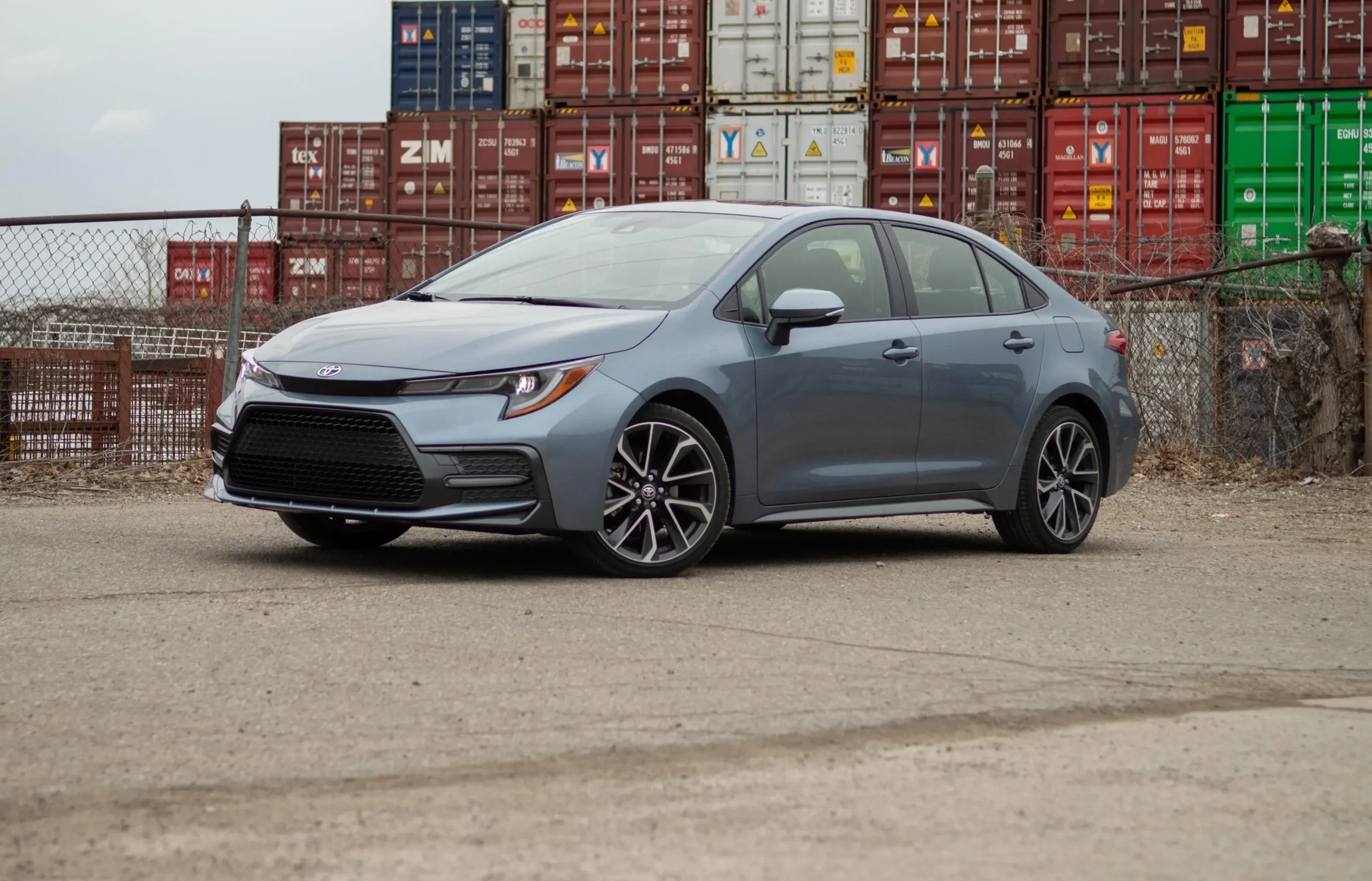
The Toyota Corolla has long served buyers seeking accessible, practical transportation. Its appeal includes compact dimensions, everyday usability, and a range of versions designed for drivers with different needs.
Smaller cars can be easier to park and maneuver in busy urban areas, while their purchase prices may be more manageable than those of larger SUVs. These characteristics help the Corolla remain relevant to students, commuters, first-time buyers, and households seeking a second vehicle.
Unit sales reflect the importance of affordability in the entry-level passenger car market. Buyers commonly evaluate the purchase price alongside insurance, fuel consumption, maintenance, financing, and expected resale value.
A vehicle that keeps routine expenses within reach can attract customers who are especially sensitive to monthly payments. However, affordability varies by market and trim, and rising vehicle prices can place pressure on the budgets of buyers who previously favored compact cars.
Year-over-year changes help reveal how the Corolla competes with other compact vehicles and smaller crossovers. Growth can reflect attractive pricing, product updates, favorable availability, or renewed interest in fuel-efficient transportation.
A decline may result from customers moving to SUVs, changing household needs, or tighter financing conditions. These factors should be assessed against the performance of the wider compact car category to determine whether the Corolla is losing ground or responding to a general market shift.
Fuel efficiency remains an important factor for many compact car buyers. Drivers with long commutes may calculate how much they can save through lower fuel consumption, while urban households may value the convenience of a smaller vehicle.
Safety equipment, infotainment systems, passenger comfort, and warranty coverage also influence decisions. Buyers should examine the equipment included in each trim because the least expensive advertised version may not provide all the features they want.
10. Honda Civic
Sales category: Compact passenger cars
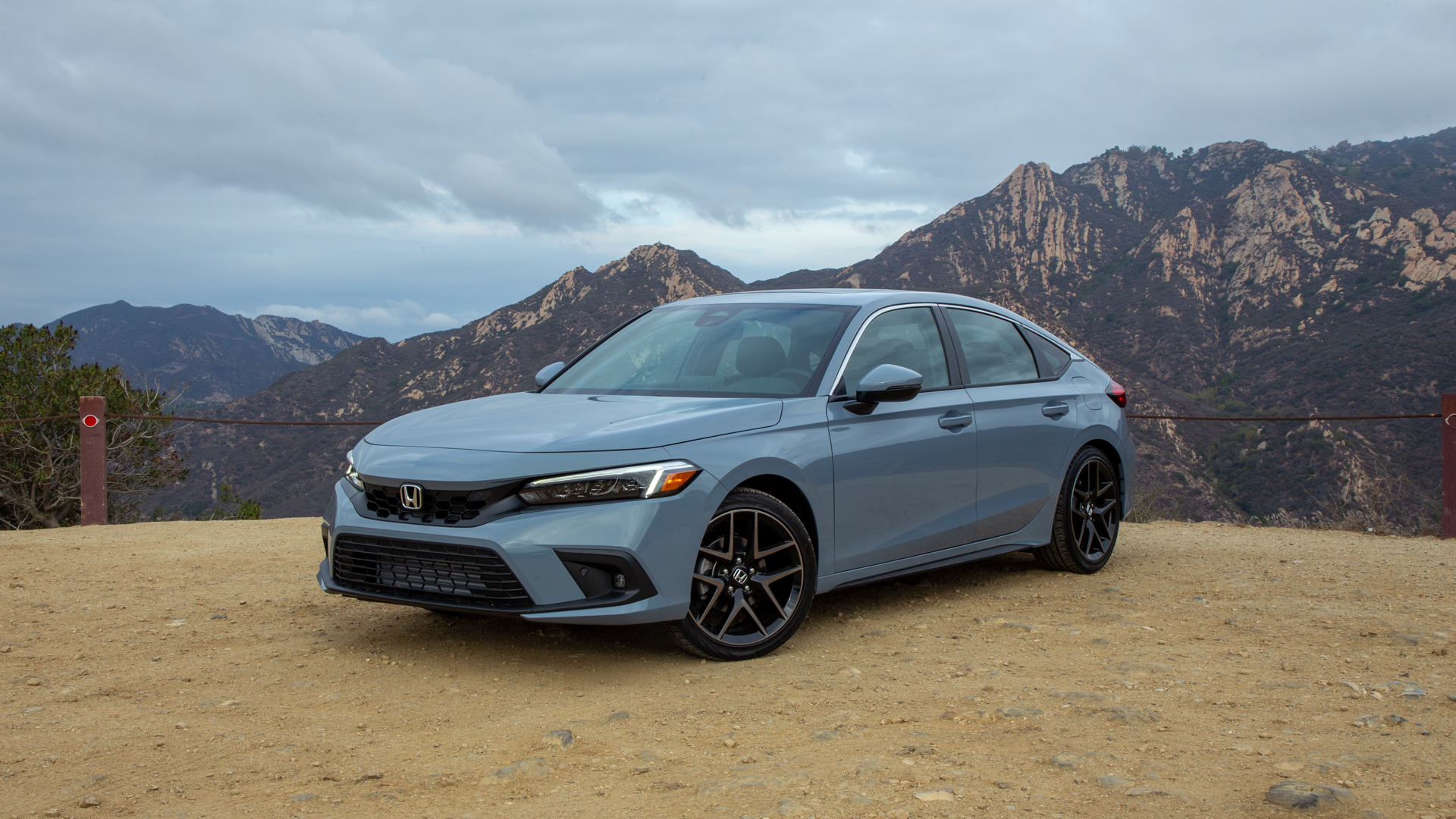
The Honda Civic is a major competitor in the compact car segment. It attracts buyers who want efficient daily transportation, useful interior space, and a driving experience that feels composed on city streets and highways.
Its range has traditionally served first-time buyers, commuters, small households, and drivers who prefer a compact vehicle to a larger crossover. The Civic’s long market presence also gives it strong name recognition among people replacing older cars.
Sales volume depends on its ability to remain competitive on price, equipment, efficiency, and practical usability. Buyers compare the Civic with the Toyota Corolla and a range of compact sedans and hatchbacks.
Small differences in passenger comfort, cargo access, technology, and financing offers can influence the decision. Dealership inventory also matters because customers may choose a readily available alternative when their preferred trim or color is difficult to obtain.
Year-over-year changes can help identify how effectively the Civic responds to changing preferences. Higher sales may reflect stronger supply, an appealing model update, competitive pricing, or customers returning to compact cars after considering larger vehicles.
Lower sales can result from a shift toward SUVs, affordability pressures, or increased competition. A fair analysis examines the Civic’s performance relative to the Corolla and other compact models instead of using its annual change as an isolated measure of success.
Compact cars can provide practical advantages for drivers who spend much of their time in urban areas. Their dimensions can simplify parking, and their lower weight may support efficient fuel consumption compared with some larger vehicles.
The Civic’s value proposition also depends on seating comfort, visibility, safety equipment, maintenance requirements, and the features available at different price levels. Prospective buyers should test the vehicle under their typical driving conditions and review total ownership expenses before making a decision.
