
Classic cars hold a special place in automotive history, celebrated for their timeless designs, distinctive engineering, and connection to a golden era of motoring. However, owning an older vehicle can become a major challenge when replacement parts are scarce or no longer available on the market.
Some discontinued models now suffer from limited component availability, making even routine repairs expensive and time-consuming. From rare European sports cars to forgotten American sedans, these vehicles require patience, specialist knowledge, and creative restoration methods.
Understanding which classic cars face serious parts shortages helps collectors make informed decisions, protect their investments, and appreciate the challenges of keeping automotive history alive.
1. Tucker 48
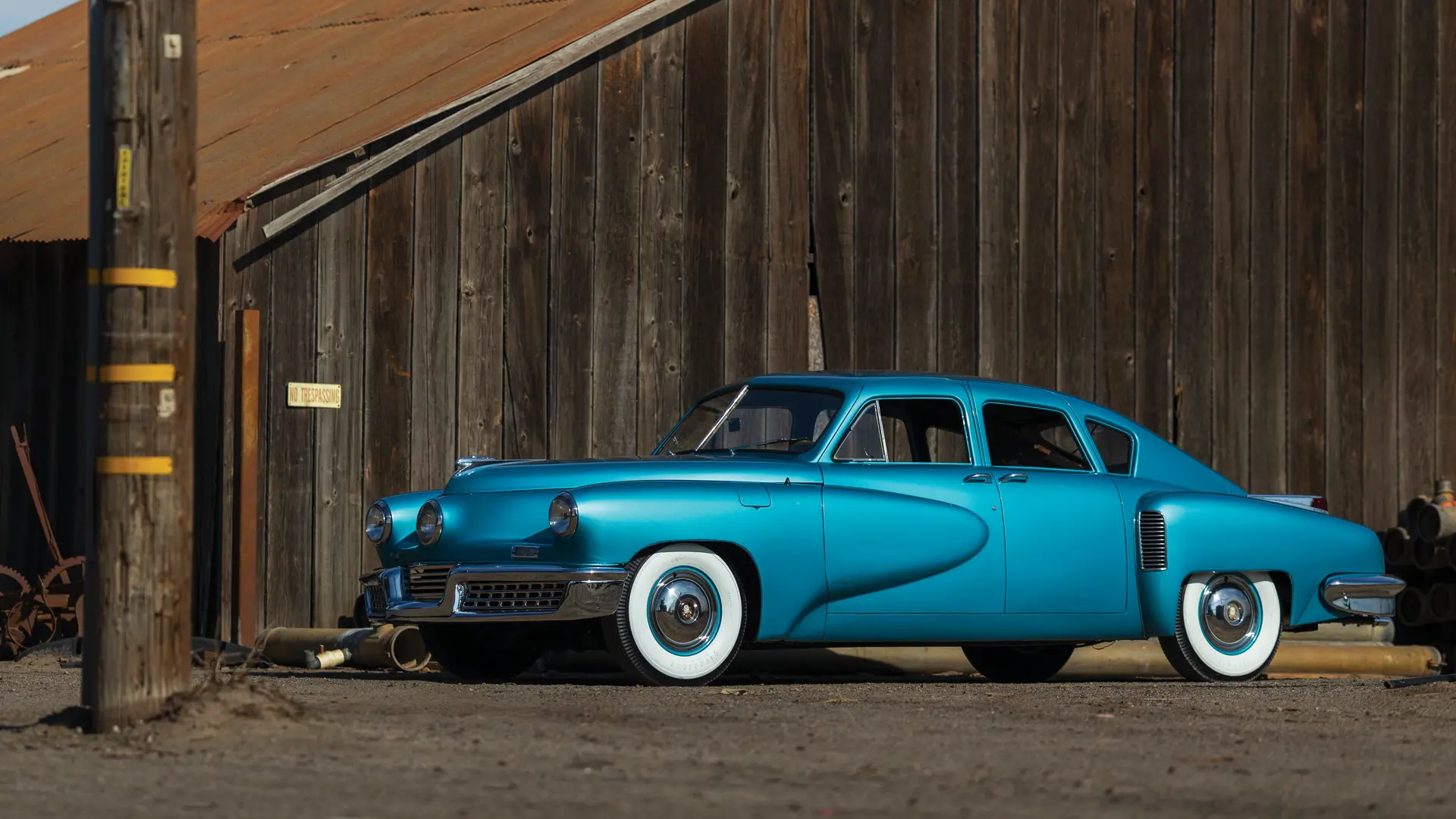
The Tucker 48 remains among the most unusual American automobiles ever produced. Introduced in 1948 by Preston Tucker, this innovative sedan featured advanced safety concepts, distinctive styling, and engineering ideas that were ahead of their time.
Only 51 examples were built, including the prototype, making surviving cars exceptionally rare. Its short production run created an immediate challenge for owners because the company never established a conventional, long-term replacement parts network. Today, maintaining a Tucker 48 requires access to specialist restorers, carefully preserved components, and reproduction parts manufactured in very small quantities.
The car’s engineering presents several difficulties for modern restorers. Tucker originally developed a rear-mounted engine, independent suspension, and a central headlight designed to illuminate the direction of a turn.
Many of these systems differed significantly from those found in mainstream American vehicles of the period. As a result, owners cannot simply visit an ordinary parts supplier and expect to find compatible replacements.
Certain mechanical components can be repaired or fabricated, but producing accurate substitutes requires technical expertise, appropriate materials, and detailed knowledge of the original design.
Bodywork creates a separate challenge. The Tucker 48 has distinctive body panels, trim pieces, lighting assemblies, and interior fittings that were never manufactured in large quantities. Original components may survive in private collections or specialist inventories, but finding them can take months or longer.
Damaged pieces sometimes require careful restoration rather than replacement. Fabricating a missing component also involves studying surviving examples, historical photographs, and engineering drawings to preserve the vehicle’s authenticity.
The limited number of surviving cars has encouraged a specialist restoration community. These experts understand the Tucker’s unusual construction and may have access to technical documentation that is difficult for ordinary workshops to obtain. Nevertheless, specialist knowledge does not guarantee immediate access to parts.
A small workshop might need to create a component specifically for a single restoration project, increasing labour costs and extending the repair schedule. Owners also need to consider whether modifications will affect historical accuracy or collector value.
2. De Tomaso Mangusta
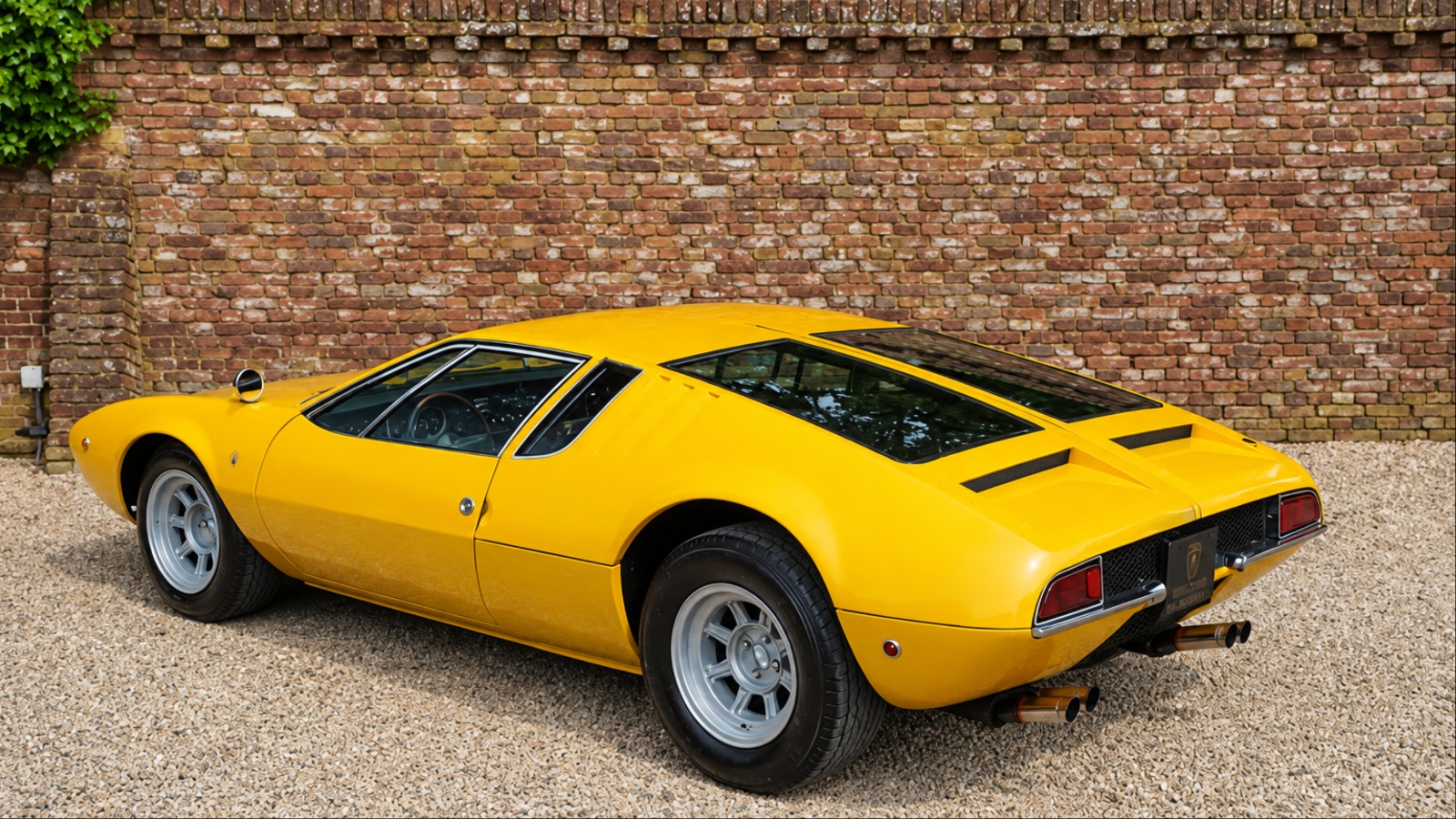
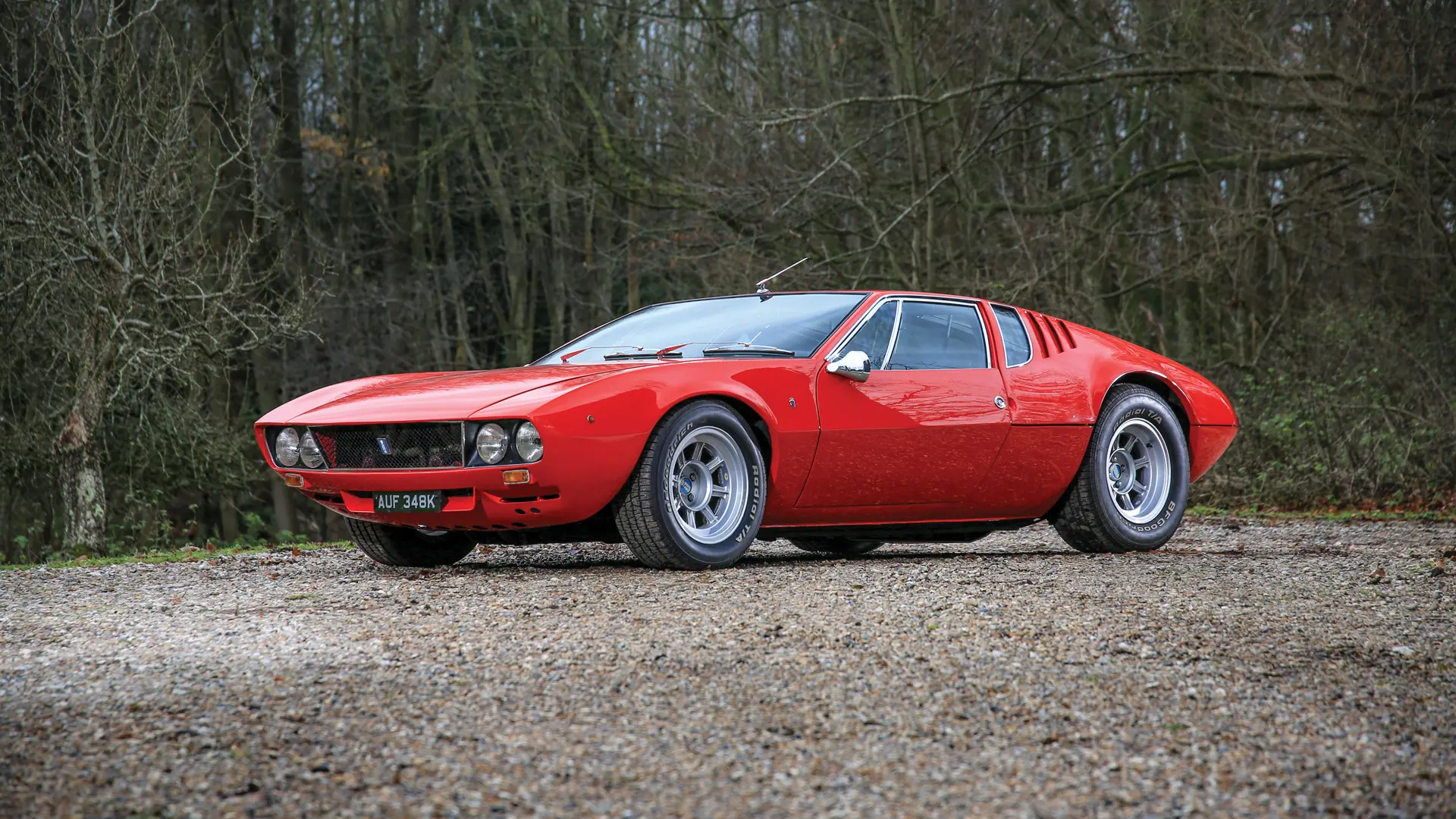
The De Tomaso Mangusta is a striking Italian sports car introduced during the late 1960s. Designed by Giorgetto Giugiaro, it combined dramatic proportions with a mid-engine layout and American V8 power. Its distinctive rear engine covers, low profile, and aggressive styling helped establish its reputation among enthusiasts.
Production remained limited, with approximately 400 examples built, depending on the production records used. The small production volume means that many original body, trim, and model-specific mechanical components are far less accessible than ordinary replacement parts for mass-produced sports cars.
The Mangusta’s Ford V8 engine offers a practical advantage because certain engine components can be sourced through established American automotive suppliers. This reduces the difficulty of maintaining the basic powertrain compared with a car built around an entirely unique engine.
However, the same cannot be assumed for every component. Mounting arrangements, cooling systems, exhaust components, and installation-specific fittings may require specialist solutions. A part that fits a contemporary Ford engine may not fit the Mangusta’s original configuration without modification.
Its Italian bodywork and cabin fittings present a more serious challenge. Specially shaped panels, distinctive lighting details, original instruments, and interior trim were produced for a small number of vehicles. Replacing damaged parts with modern alternatives may compromise the car’s original appearance.
Even seemingly minor details can become expensive when an owner needs a correctly shaped component finished to match the surviving factory specification. Restoration specialists may need to repair the existing part or commission a replacement from a skilled fabricator.
Another concern is the condition of the chassis and structural components. The Mangusta uses a distinctive backbone-style chassis arrangement, and deterioration in important structural areas can demand extensive work.
Rust, previous accident repairs, and poorly executed modifications may complicate restoration. A replacement component is useful only when it fits correctly and restores the vehicle’s intended strength. Consequently, a thorough inspection before purchase is essential, particularly for cars that have spent decades in storage or undergone incomplete restoration.
3. Jensen Interceptor
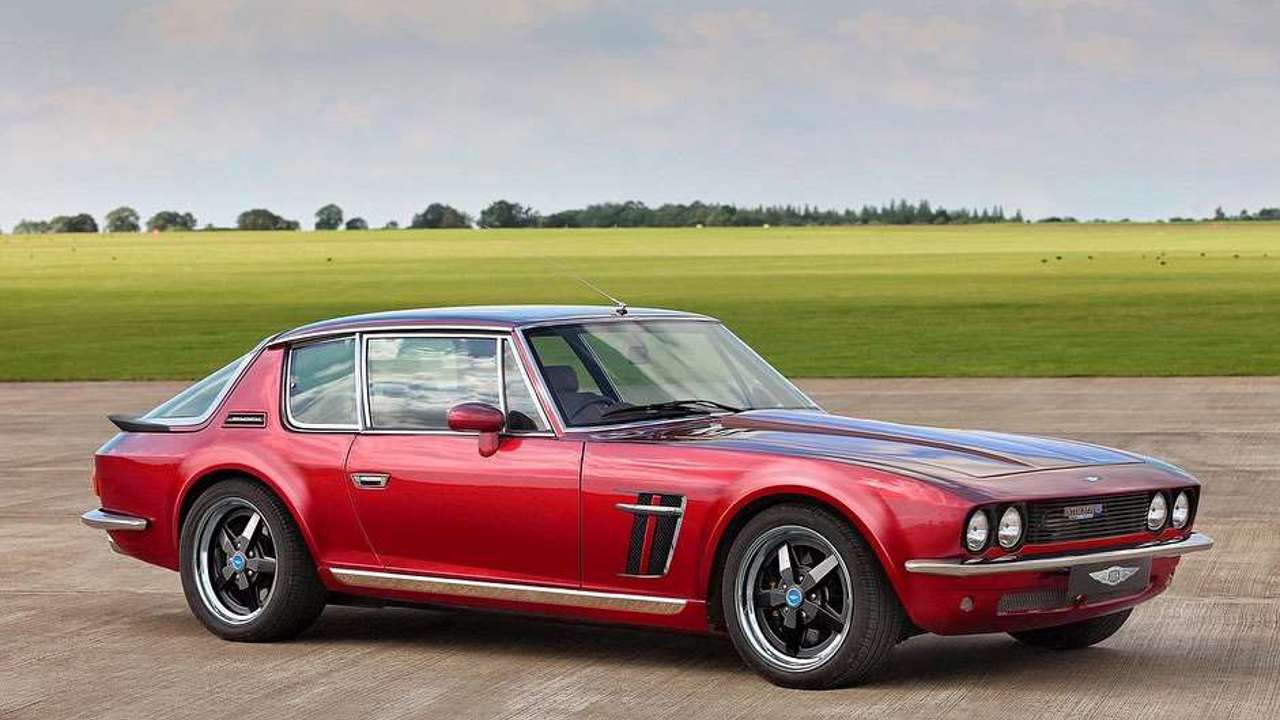
The Jensen Interceptor became a recognisable British grand tourer after its introduction in 1966. It combined elegant Italian-influenced styling with a powerful Chrysler V8 engine, creating a comfortable performance car suited to long-distance travel.
Its large curved rear window, spacious cabin, and muscular proportions distinguished it from many British sports cars of the same period. Production ended in the mid-1970s, and the company later faced serious financial difficulties. These circumstances contributed to a fragmented supply network, especially for components designed specifically for the Interceptor.
The Chrysler V8 engine is a significant benefit for owners because many engine parts remain obtainable through specialist American V8 suppliers. Routine servicing can therefore be more straightforward than the car’s age and rarity might suggest.
Some transmission components and other mechanical items may also be available through established specialist channels. However, availability varies according to the precise engine, gearbox, production year, and installed equipment. Buyers should never assume that every Interceptor uses interchangeable components simply because several versions share the same general design.
Bodywork can be considerably more difficult to maintain. The Interceptor’s distinctive rear glass, exterior trim, specialised panels, and model-specific fittings are not ordinary catalogue items.
Replacement glass is particularly important because its shape contributes to the vehicle’s recognisable appearance. Original pieces can be scarce, and damage may require locating a specialist supplier or arranging a carefully engineered reproduction. Repairs to rusted bodywork can also become expensive if corrosion has affected multiple connected panels.
4. Iso Grifo
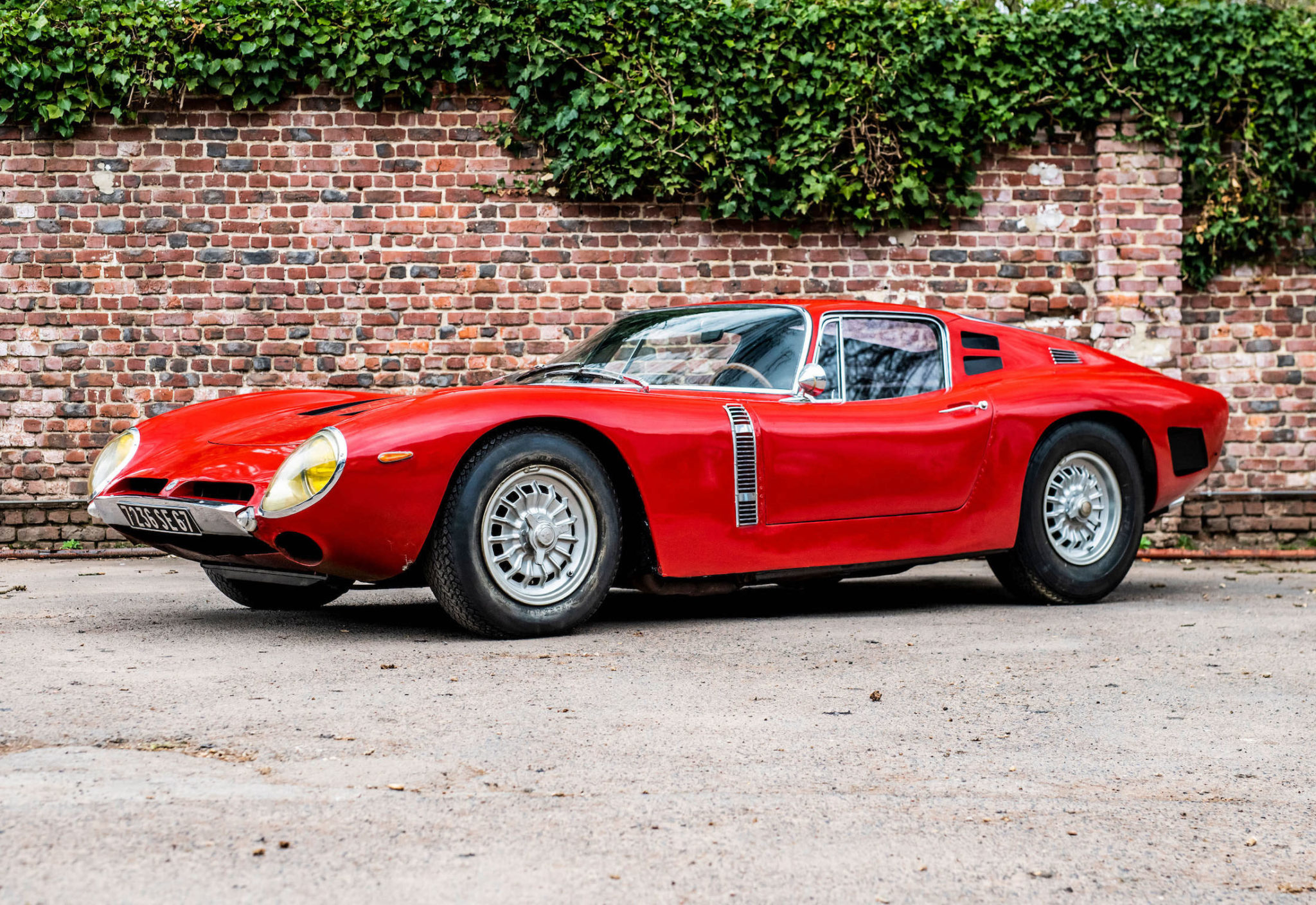
The Iso Grifo was an Italian grand touring car produced by Iso Rivolta during the 1960s and 1970s. It combined Italian styling and chassis engineering with powerful American V8 engines, creating a rare mixture of European craftsmanship and American performance.
Its low production numbers and exclusive positioning ensured that it was never supported by the extensive parts infrastructure enjoyed by popular contemporary cars. When the original manufacturer ceased operations, owners became increasingly dependent on specialist suppliers, restoration workshops, and the limited stock of surviving original components.
The use of Chevrolet-derived V8 engines in many Grifo examples can simplify certain mechanical repairs. Common service items and some internal engine components may be sourced through American performance suppliers.
This is a valuable advantage because an owner does not necessarily need a rare, model-specific part for every engine repair. However, engine availability should not be confused with complete vehicle support. Mountings, cooling arrangements, exhaust systems, and other installation details may differ from those used in ordinary Chevrolet applications.
The Grifo’s exterior components are more challenging. Its carefully shaped bodywork, unique bumpers, lighting assemblies, badges, and trim pieces were produced for a relatively small production run. Even where an equivalent component appears to exist on another vehicle, small differences can prevent direct installation.
Damaged body panels may need extensive hand fabrication, while rare exterior fittings may require months of searching through specialist networks. The cost of this work depends heavily on the condition of the surviving component and the standard of restoration required.
The interior also deserves careful attention. Original instruments, switches, seats, dashboard trim, and other cabin fittings help define the Grifo’s character. Missing pieces can be difficult to replace accurately because different production versions may use different equipment.
A generic replacement can restore basic functionality but may reduce originality. For high-value examples, owners often prefer repairing the original item or commissioning a faithful reproduction, even when this approach requires more time and expense.
5. Bricklin SV-1
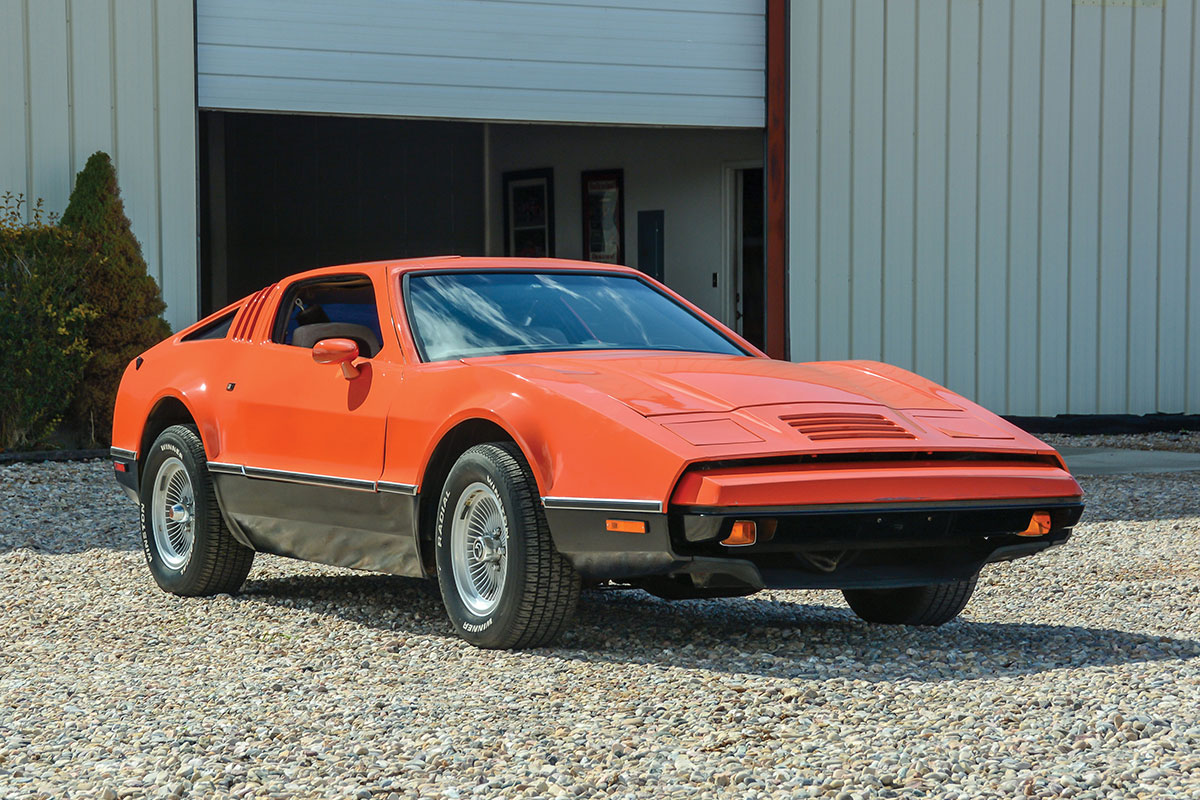
The Bricklin SV-1 was an unusual Canadian-built sports car introduced in the mid-1970s. Developed under the direction of Malcolm Bricklin, it emphasised safety and distinctive styling rather than conventional sports-car priorities. Its fibreglass-acrylic body panels, integrated bumpers, and gullwing doors created an unmistakable appearance.
Production was brief, with approximately 2,854 cars manufactured before the company ceased operations in 1975. That short history left owners without the extensive factory-supported parts network normally associated with long-running automotive models.
The SV-1’s gullwing doors are among its most memorable features and one of its most challenging systems to maintain. Their hydraulic mechanisms, hinges, seals, and associated electrical controls can require specialist attention. When a door fails to open or close properly, the fault may involve several connected components rather than a single defective part.
Original replacement pieces can be difficult to locate, and poorly designed substitutes may introduce further problems. Experienced specialists often have an advantage because they understand the particular adjustments and repair methods required by the door system.
The car’s unusual body construction creates a separate supply problem. Its coloured acrylic panels were designed to provide a distinctive appearance without conventional paintwork, but age, damage, and previous repairs can complicate restoration.
Finding an exact replacement for a cracked or badly damaged panel may be much harder than repairing ordinary steel bodywork. Modern fabrication techniques can sometimes produce suitable alternatives, yet matching the original appearance, fit, and material characteristics requires careful work.
Mechanical components are somewhat less problematic because the SV-1 used familiar American V8 engines and other components derived from established suppliers. Depending on the production year and specification, owners may find suitable engine parts through specialist American-car channels.
Nevertheless, model-specific installation details and the condition of the original systems still matter. Age-related wiring problems, cooling issues, worn suspension components, and neglected brakes can create substantial restoration bills even when individual replacement parts remain available.
6. DeLorean DMC-12
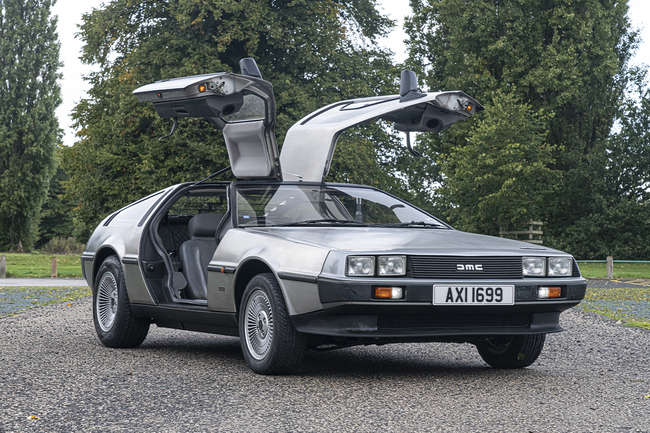
The DeLorean DMC-12 became famous for its brushed stainless-steel body, gullwing doors, and appearance in the Back to the Future film series. Produced in Northern Ireland during the early 1980s, the car had a relatively short manufacturing life before the original company collapsed.
Its combination of unusual materials, distinctive styling, and limited production initially created concerns about long-term replacement-part availability. However, the DeLorean differs from several other cars on this list because an established specialist support network has developed around the model.
Its stainless-steel exterior creates a unique maintenance challenge. Unlike conventional painted bodywork, the stainless panels cannot simply be repainted to conceal damage in the usual manner. Dents, scratches, and surface irregularities may require specialised techniques to preserve the original brushed finish.
Structural sections beneath the panels can also suffer from corrosion, meaning the presence of stainless steel does not make the entire vehicle rustproof. Replacing a damaged panel can be difficult, particularly when the required shape and surface finish must match the original design.
The gullwing doors are another important consideration. Their hinges, torsion bars, weather seals, and associated hardware require careful adjustment and maintenance. Ageing seals can allow water into the cabin, while damaged or incorrectly adjusted door mechanisms can create expensive repair work.
Some replacement parts are available through dedicated suppliers, but buyers should verify that the components fitted to an individual car are compatible with its production specification. Improvised repairs may affect reliability and can complicate later maintenance.
7. Lamborghini Islero
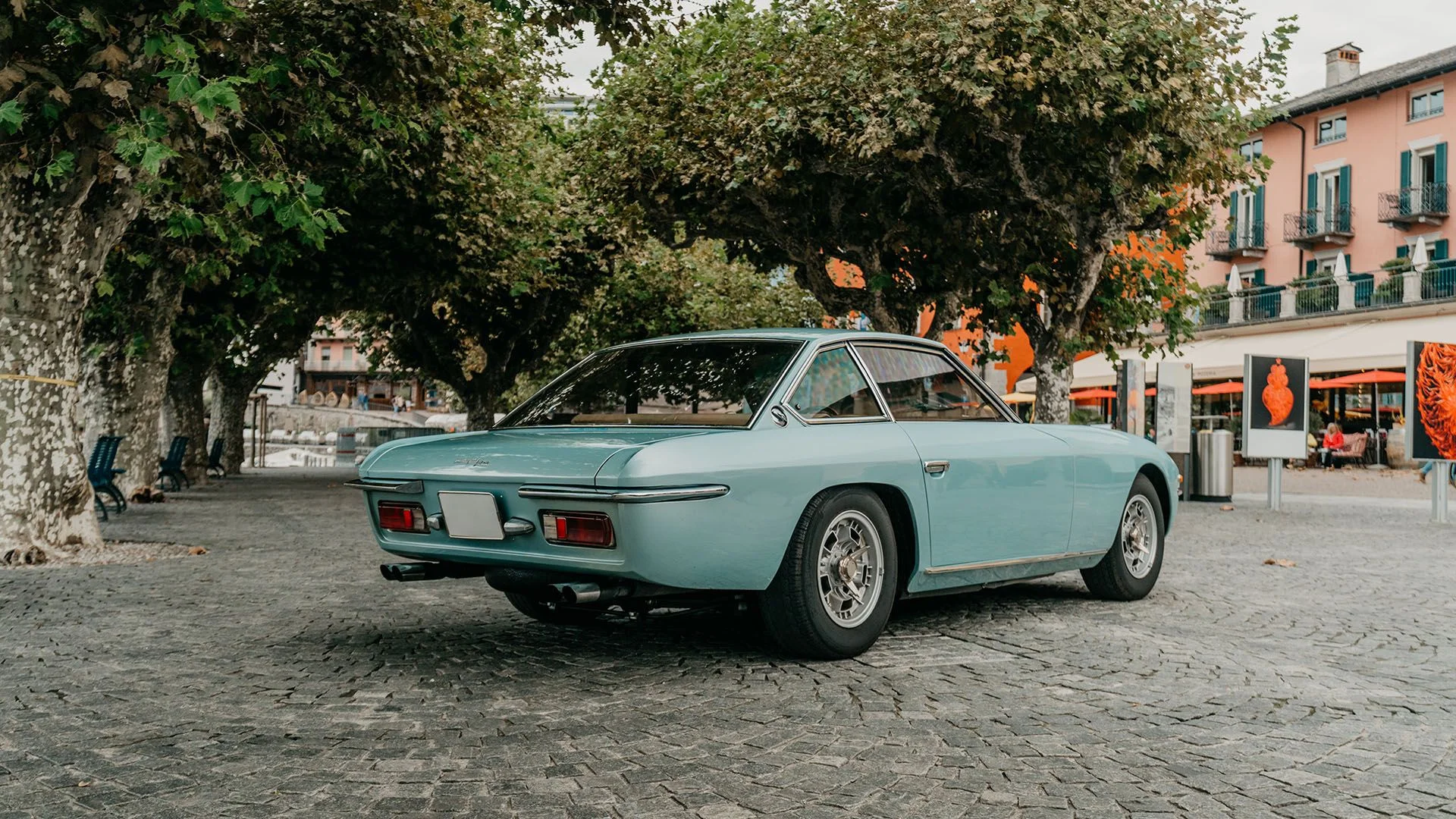
The Lamborghini Islero was introduced in 1968 as a relatively understated grand touring car from the Italian manufacturer. Unlike the more dramatic Miura, the Islero featured a restrained body design, a front-mounted V12 engine, and seating suitable for longer journeys.
Production numbers were very low, with approximately 225 examples built across the Islero and Islero S versions. Its rarity makes model-specific components difficult to source, particularly for owners seeking to preserve the car in factory-correct condition.
The V12 engine is an important part of the Islero’s appeal, but maintaining it requires specialist knowledge. Some engine components share engineering relationships with other early Lamborghini models, which can help experienced workshops identify compatible parts.
However, shared engine architecture does not mean that every component is interchangeable. Production differences, revised specifications, and model-specific fittings may affect compatibility. Internal engine work can also require specialist machining and careful assembly, making it essential to choose a workshop familiar with classic Lamborghini powertrains.
The body presents significant restoration challenges. Its panels, bumpers, exterior trim, glass, and lighting details were manufactured for a very limited production run. Accident damage can be particularly costly when a rare panel must be reshaped or fabricated from scratch.
Finding the correct original fittings may require contact with collectors, specialist restorers, or international parts networks. Even small differences in trim can matter to owners who want to maintain the vehicle’s authenticity.
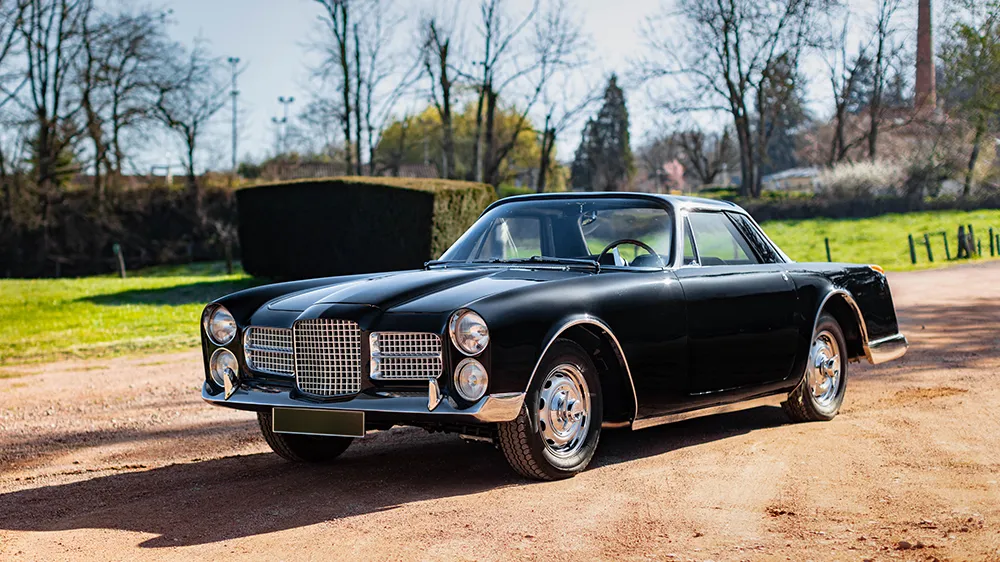
8. Facel Vega Facel II
The Facel Vega Facel II was a French luxury grand tourer introduced in 1961. It combined elegant European coachwork with powerful Chrysler V8 engines, creating a distinctive alternative to British and Italian luxury cars. Production was extremely limited, with only around 180 Facel II examples built.
The company behind the car eventually ceased operations in the mid-1960s, leaving owners dependent on independent specialists and the broader classic-car community for long-term support. Its rarity makes certain original components particularly difficult to find.
The Chrysler V8 provides some practical advantages because many engine service parts can be obtained through American automotive suppliers. This can make basic mechanical maintenance more manageable than it would be for a car with a wholly unique powertrain.
However, the Facel II’s installation details, transmission configuration, cooling system, and associated hardware still require careful attention. An available engine component is not necessarily a direct replacement for every original fitting, so compatibility must be checked before ordering parts.
The car’s bodywork is a greater concern. Facel Vega developed a distinctive design language that included a prominent grille, elegant body lines, specialised bumpers, and carefully finished exterior details.
Replacement panels and trim pieces were never mass-produced, and surviving original components may be held by collectors or specialist workshops. If a rare fitting is missing, an owner may need to commission a reproduction. Achieving the correct dimensions, finish, and fit requires skilled craftsmanship, which can add significantly to the restoration budget.
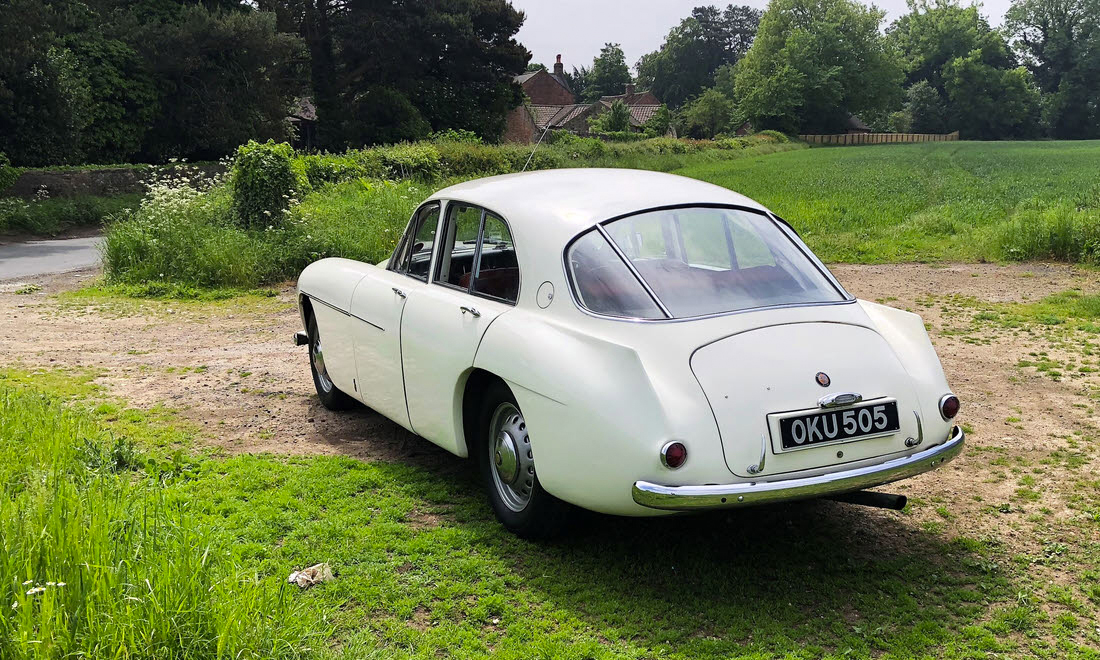
9. Bristol 405
The Bristol 405 was a British luxury saloon and drophead coupé produced during the mid-1950s. Built by Bristol Cars, it combined aircraft-inspired engineering principles with restrained styling and a reputation for careful craftsmanship. Production remained low compared with mainstream British vehicles, leaving relatively few cars in circulation today.
The company’s distinctive manufacturing methods and limited output created a parts-supply challenge that has continued as these vehicles have aged. Certain components require specialist sourcing, while others may need repair or custom fabrication.
The 405’s mechanical design includes components related to Bristol’s aircraft-engineering heritage and BMW-derived engine architecture. This background can provide useful technical clues when researching replacement parts, but it does not guarantee that modern suppliers will stock everything required.
Particular engine fittings, specialised fasteners, transmission parts, and model-specific accessories may be difficult to locate. Compatibility also depends on the exact production specification, meaning that an owner must research the individual car rather than relying on a broad model designation alone.
Bodywork and structural repairs can become expensive when the original aluminium panels have suffered damage. Aluminium requires different repair techniques from conventional steel, and incorrect methods can compromise the finish or the integrity of a repair.
Original exterior trim, badges, window components, and other fittings may be scarce because of the small number of cars manufactured. A competent restorer may be able to repair a damaged piece, but creating an accurate replacement can require substantial time and specialised craftsmanship.
The interior brings its own difficulties. Original instruments, switches, seat materials, dashboard fittings, and trim components were produced in relatively small quantities. Some parts can be restored, but missing items may require custom work to reproduce their original appearance.
Owners should also inspect the electrical system, brakes, suspension, and cooling arrangements because ageing components may have deteriorated even when the car has covered relatively few miles. A vehicle that has spent decades unused can require extensive recommissioning before it is safe for regular road use.
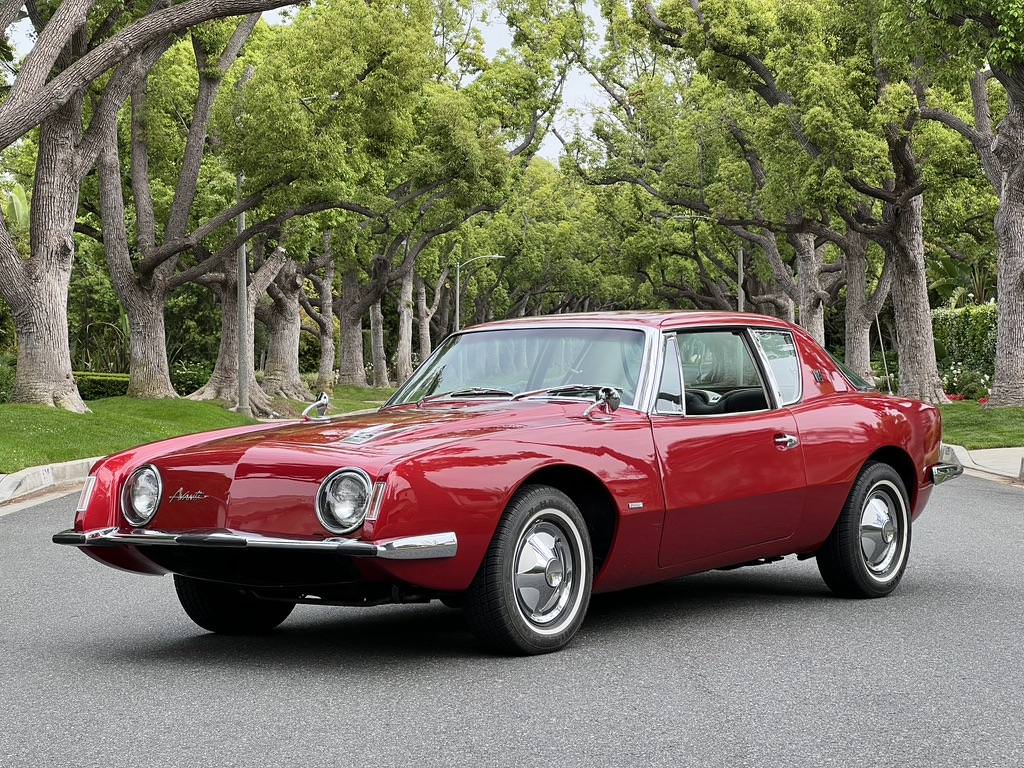
10. Studebaker Avanti
The Studebaker Avanti was introduced in 1962 as an unconventional American sports-oriented personal luxury car. Its fibreglass body, distinctive front-end design, and performance-focused engineering made it stand apart from conventional American vehicles of the period.
Studebaker’s original production ended after the company withdrew from automobile manufacturing in 1966. Subsequent production by other organisations helped extend the Avanti name, but the earliest Studebaker-built examples retain their own distinctive specifications and component requirements.
The original Avanti used Studebaker engines, including the company’s supercharged V8 in certain performance versions. Maintaining these powertrains can be more difficult than servicing a common contemporary Chevrolet or Ford engine because specialist Studebaker components are not universally stocked.
Some replacement parts remain available through enthusiast suppliers, while others may require rebuilding, machining, or careful searches through specialist inventories. Supercharger components and certain model-specific fittings can be particularly important when restoring a car to its original performance specification.
The fibreglass body introduces a different set of maintenance considerations. Unlike steel panels, fibreglass can crack, delaminate, or suffer damage around mounting points. Repairs require appropriate materials and techniques to maintain the correct shape and structural strength.
Finding a replacement for a badly damaged body section may be difficult, while poorly executed repairs can affect the alignment of doors, bonnet panels, and other components. Owners should inspect the body carefully because cosmetic damage can sometimes indicate more extensive problems beneath the surface.
