
Car accessories can make daily travel more comfortable, convenient, and enjoyable, but some items can pose serious safety risks during a collision. Objects that seem harmless while a vehicle is parked or moving normally may become dangerous when sudden braking or an impact occurs.
Loose decorations, electronic devices, heavy organizers, and unsecured personal belongings can move through the cabin with considerable force.
Understanding which car accessories can become projectiles in a crash helps drivers make safer choices, protect passengers, and reduce preventable injuries. A few simple changes to how items are stored can improve vehicle safety significantly.
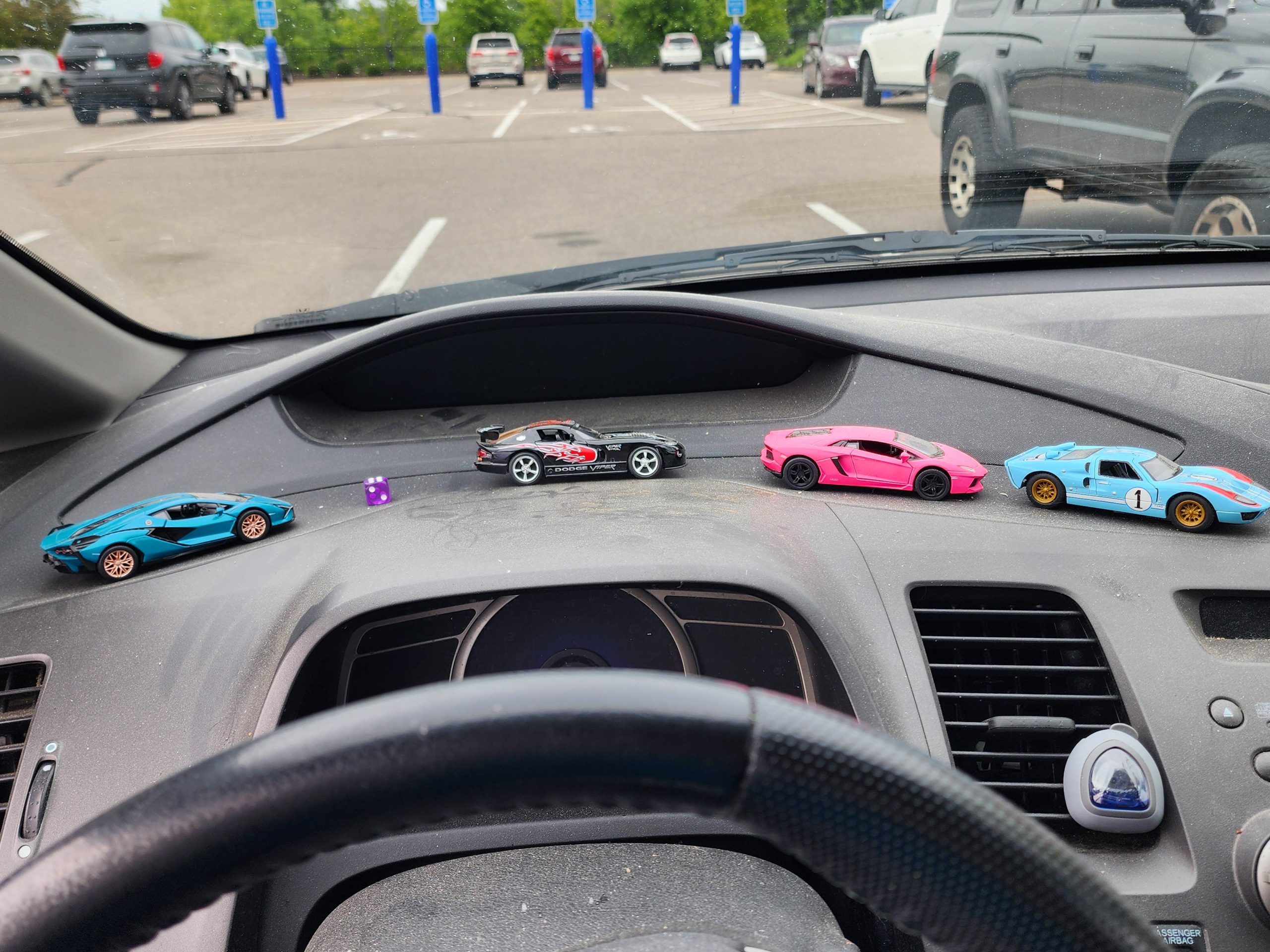
1. Dashboard Decorations and Figurines
Dashboard decorations are popular among drivers who want to personalize their vehicles. Small idols, miniature figures, decorative stones, and other ornaments are commonly placed near the windshield or above the glove compartment.
These objects may appear harmless during routine journeys, but their position makes them a potential hazard during an emergency stop or collision. Unless they are secured properly with a suitable mounting system, they can slide, bounce, or fly toward the driver and passengers when the vehicle experiences a sudden change in speed.
The danger comes from inertia, the tendency of an object to maintain its motion unless an external force acts on it. When a moving car suddenly stops, an unsecured decoration continues moving forward until it strikes something or is redirected.
A lightweight plastic figure may cause a painful impact, while a heavier metal ornament or solid decorative statue can inflict more serious injuries. The severity depends on factors such as the object’s mass, speed, shape, and the part of the body it strikes.
Dashboard accessories can also interfere with safe driving before a crash occurs. Large figurines may obstruct the driver’s view of the road, pedestrians, traffic signals, or nearby vehicles.
Decorations placed close to the windshield can create distracting reflections, especially in bright sunlight or at night when headlights illuminate the dashboard. If an ornament moves unexpectedly while driving, the driver may instinctively reach for it instead of maintaining control of the steering wheel.
Airbags introduce an additional concern. Front airbags deploy rapidly during certain collisions, creating a high-force inflation zone in front of the occupant. An unsecured object resting on the dashboard may be thrown toward the passenger compartment or interfere with the airbag’s deployment path.
This can increase the risk of injury. Drivers should therefore avoid placing objects over airbag covers or anywhere near the marked deployment zones identified by the vehicle manufacturer.
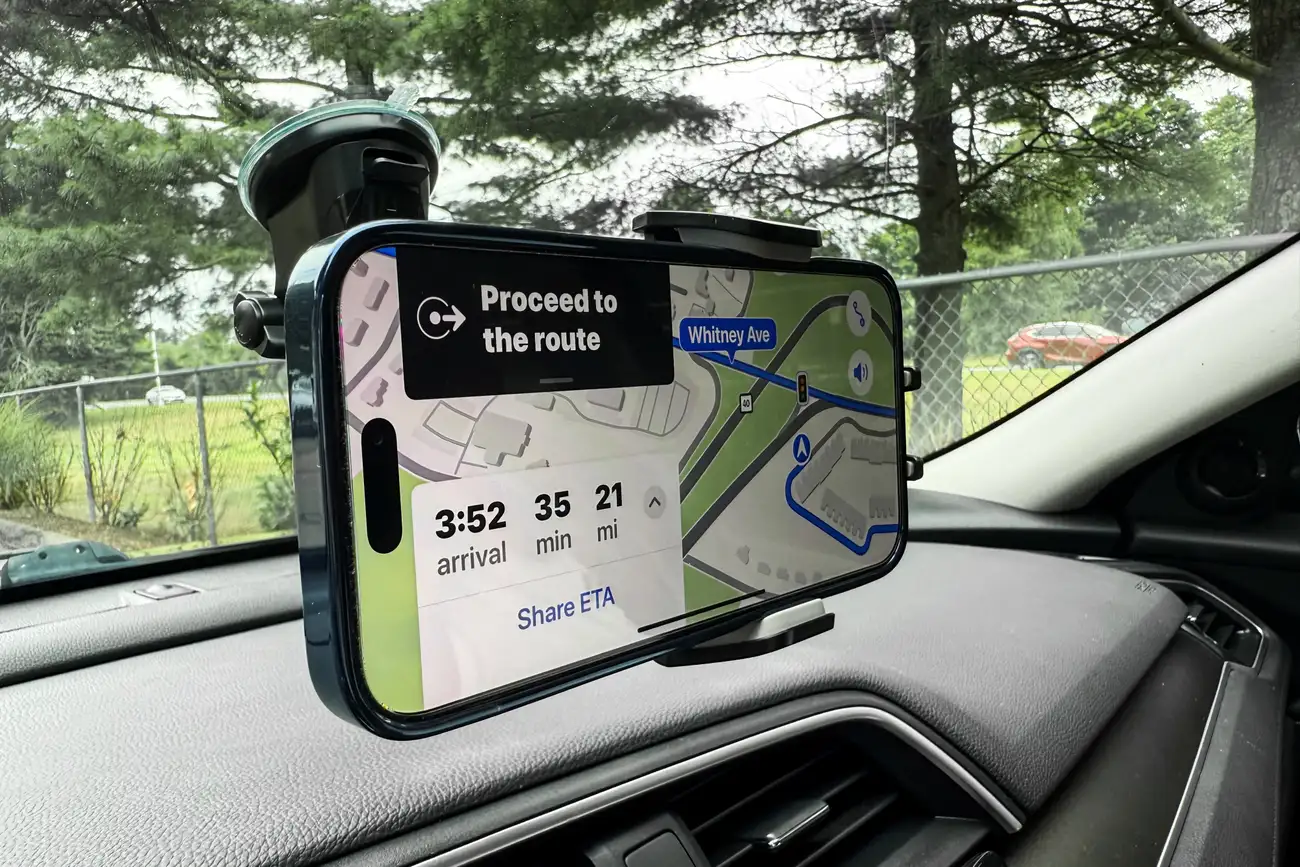
2. Mobile Phones and Phone Holders
Smartphones are essential tools for navigation, communication, and emergency assistance. Many drivers use dashboard mounts, windshield holders, or air vent clips to keep their devices accessible.
A properly installed phone holder can make navigation easier, but a poorly secured device or mount can become a projectile during a collision. Phones are relatively compact, yet their hard edges and concentrated weight can cause injuries if they strike the face, eyes, or other vulnerable areas of the body.
A phone does not need to be particularly heavy to cause harm. During a sudden stop, its existing forward motion can carry it across the cabin if the holder fails or the device is left on a seat.
In a collision, the forces involved can be much greater than those experienced during ordinary braking. A phone that comes loose may strike the driver, hit a passenger, or land near the pedals and interfere with vehicle control.
The mounting equipment itself can present a separate risk. Some holders use strong clamps, suction cups, magnets, or adhesive pads to keep devices in place. If the attachment is unsuitable for the dashboard material, installed incorrectly, or weakened by heat and repeated use, it may release unexpectedly.
Heavy phone mounts with rigid arms can also become dangerous if their attachment points fail during an impact. The safety of the complete setup depends on both the device and its mounting system.
Phone placement matters for visibility and airbag operation. A device mounted high on the windshield may obstruct part of the driver’s field of view, while a mount positioned over an airbag cover can interfere with deployment.
Windshield mounts may also violate local rules governing visibility or accessory placement. Drivers should consult their vehicle manual and applicable traffic regulations before deciding where to install a holder.
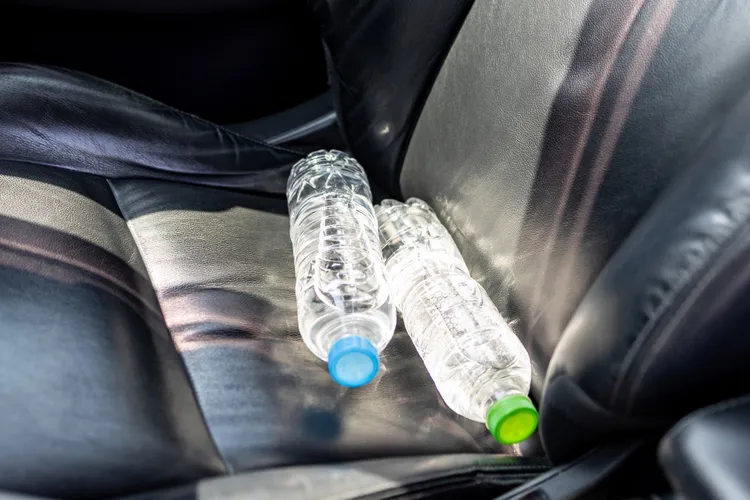
3. Loose Water Bottles and Travel Mugs
Water bottles and reusable travel mugs are common companions on daily commutes and long road trips. Drivers frequently keep them in door pockets, on seats, beside the center console, or on the floor.
While these locations may seem convenient, containers that do not fit securely into a designated holder can move suddenly during sharp turns, hard braking, or a collision. Metal bottles, glass containers, and large insulated mugs deserve particular attention because their weight or rigid construction can increase the potential for injury.
A full bottle can weigh considerably more than an empty one. When a vehicle decelerates abruptly, an unsecured container may continue moving forward and strike an occupant.
Its contents can spill across the cabin, creating additional hazards by wetting clothing, distracting the driver, or affecting nearby electrical equipment. Glass bottles present an extra concern because they can break on impact and produce sharp fragments that may injure passengers.
Containers on the floor can create problems even without a crash. A bottle that rolls beneath the driver’s seat or pedals may interfere with braking or acceleration.
This can prevent the driver from responding correctly to a developing hazard. A loose travel mug can also slide into the footwell during a turn, forcing the driver to divide attention between controlling the vehicle and dealing with the obstruction.
Storage location makes a meaningful difference. A properly sized cup holder can keep many bottles and mugs stable during routine driving, but not every holder is designed to secure every container.
Oversized bottles may sit loosely, while narrow containers may tip over when the vehicle changes direction. Door pockets can be useful for small items, but their shape and retention features vary by vehicle. Drivers should not assume that a container is secure simply because it fits inside a storage area.

4. Hanging Air Fresheners and Decorative Charms
Hanging air fresheners and decorative charms are inexpensive accessories used to personalize vehicle interiors. They are often suspended from rearview mirrors, attached to dashboard hooks, or hung from other convenient points.
Their light weight may make them appear harmless, but their movement can distract the driver, and some designs contain hard, sharp, or relatively heavy components. During sudden braking or a collision, an accessory that swings freely can strike an occupant or become detached from its mounting point.
The position of a hanging accessory is particularly important. Items suspended from the rearview mirror move as the vehicle accelerates, brakes, and turns. Large or bulky decorations can interfere with the driver’s view of pedestrians, motorcycles, cyclists, and vehicles approaching from different directions.
Even when an accessory does not physically block a major portion of the windshield, its movement can draw the driver’s attention away from changing road conditions.
Some hanging accessories contain wooden beads, metal ornaments, glass bottles, or rigid plastic components. These materials can create a harder impact than a soft fabric decoration.
If the string, cord, or attachment breaks during an abrupt maneuver, the object may move freely through the cabin. The potential for injury depends on its size, weight, shape, attachment strength, and the circumstances of the collision.
Air fresheners may also leak, especially when their containers are damaged or exposed to unsuitable temperatures. Liquid fragrance can stain surfaces or irritate the skin and eyes.
Glass fragrance bottles are particularly concerning because breakage may create sharp fragments. Drivers should follow the product instructions and avoid hanging products where they can interfere with the windshield, mirrors, airbags, or the driver’s normal movements.
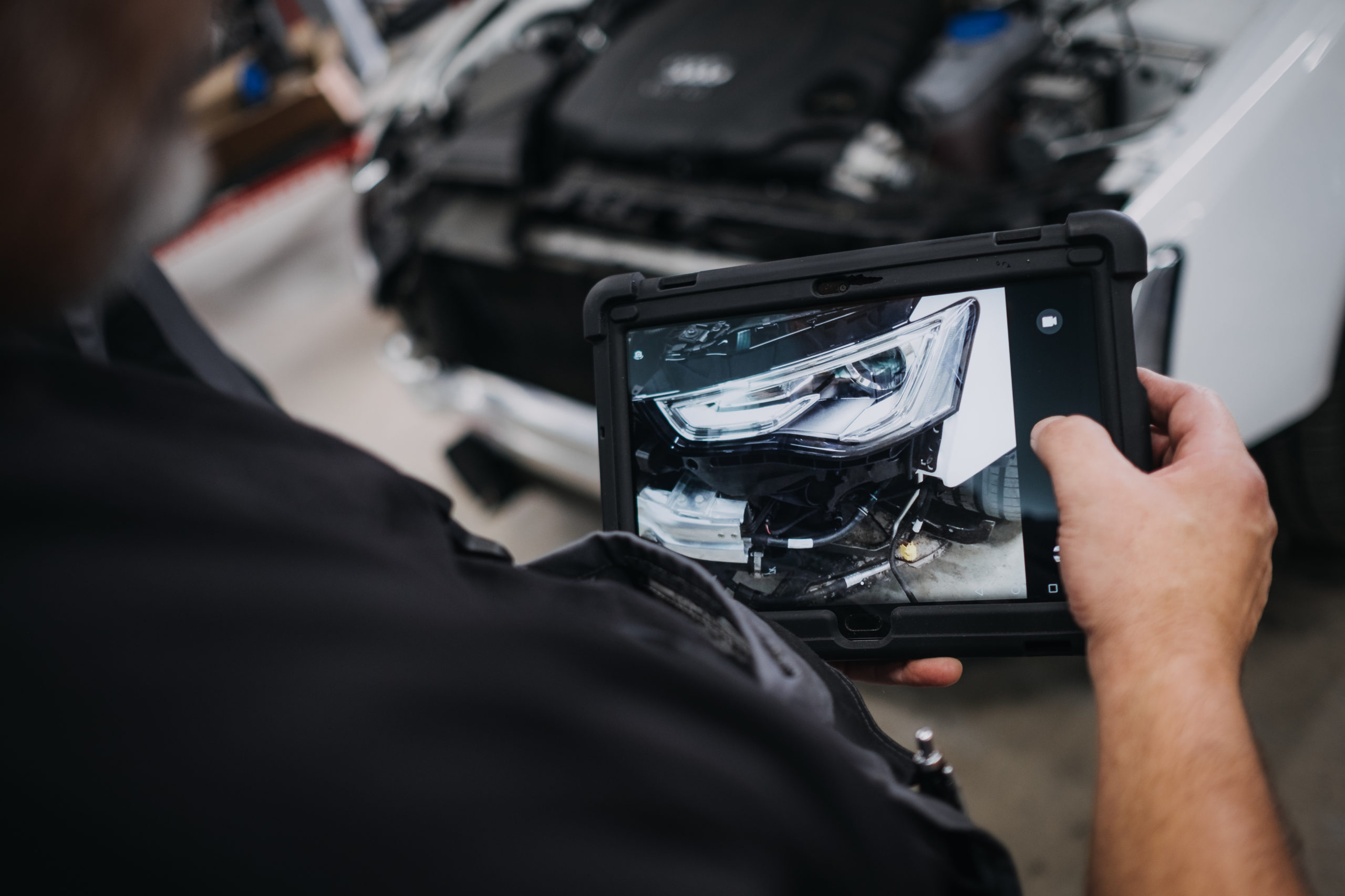
5. Unsecured Tablets and Laptops
Tablets and laptops are frequently carried in cars by students, office workers, families, and people who travel for business. They may be placed on passenger seats, left on the dashboard, or stored loosely on the floor.
During routine driving, these devices may remain stationary for long periods, creating a false sense of security. In a sudden stop or collision, however, an unsecured electronic device can move rapidly through the passenger compartment and cause serious injuries.
The risk increases with device size and weight. A large laptop, particularly one stored in a rigid protective case, can deliver a forceful impact if it strikes an occupant.
Tablets may be lighter, but their hard surfaces and edges can still injure the face, chest, or arms. The outcome depends on the speed of the vehicle, the severity and direction of the impact, the device’s movement, and whether the occupant is properly restrained.
Passenger seats are not reliable storage locations for loose electronics. A laptop placed on a seat can slide forward during braking, move sideways during a turn, or be thrown toward the dashboard in a collision.
Even a device resting on the rear seat can travel into the front passenger area if it is not secured. Seat belts are designed primarily to restrain people, so they should not be assumed to provide appropriate protection for loose equipment.
Electronics can also create hazards when stored close to airbags. A laptop or tablet resting on the passenger’s lap, dashboard, or an area in front of an airbag may alter how the device moves during deployment or impact.
Keeping a device in an airbag deployment zone is particularly unsafe. Electronic equipment should never be positioned where it can interfere with the protective systems installed by the vehicle manufacturer.
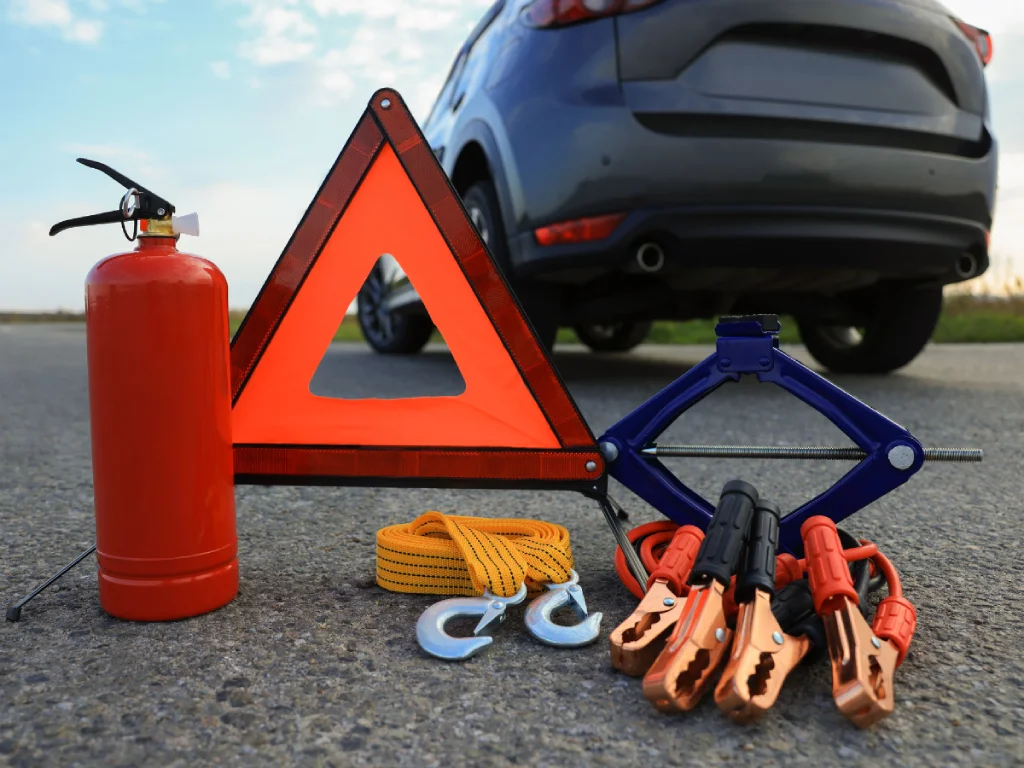
6. Loose Tools and Emergency Equipment
Many drivers keep tools, tire repair kits, flashlights, jumper cables, and other emergency supplies in their vehicles. These items can be extremely useful during a breakdown, but improper storage creates a serious safety concern.
Metal tools, heavy toolboxes, and rigid emergency equipment can become dangerous projectiles during sudden deceleration. Their purpose is to help drivers respond to unexpected situations, so storing them securely is essential.
Hand tools such as wrenches, screwdrivers, pliers, and hammers often have hard surfaces and concentrated weight. If they are scattered across the trunk or left on the rear floor, a collision can send them moving in unpredictable directions.
A heavy toolbox may also slide into the rear seats or strike the interior panels. Depending on its size and the forces involved, the resulting impact can injure occupants or damage the vehicle’s interior.
Emergency equipment can create similar hazards when it is not properly restrained. A portable air compressor, battery booster, or heavy roadside assistance kit may shift during a sharp maneuver.
Even a first aid kit can become a problem if it contains rigid objects and is left unsecured near passengers. Equipment that is designed for emergencies should remain accessible without being free to move around the cabin.
The trunk is generally a more suitable storage location than the passenger compartment, but it does not automatically make every item safe. Heavy objects can move forward during a collision, especially when they are stored in an open cargo area without suitable restraints.
Drivers should use built-in compartments, secure storage boxes, cargo nets, or appropriate tie-down points where available. The restraint should be suitable for the item’s size and weight.

7. Unsecured Groceries and Shopping Bags
Shopping bags and grocery items are common sights in cars, particularly after trips to supermarkets, shopping centers, and local markets. Drivers may place them on the rear seat, in the passenger footwell, or beside the center console.
These arrangements can seem practical when the journey is short, but bags and their contents can shift during sudden braking or a collision. Heavy cans, glass jars, bottles, and packaged goods can become hazardous when they are not properly contained.
A shopping bag is not necessarily safe just because its contents are soft or lightweight. A bag containing canned food, large bottles, cleaning products, or glass containers may weigh several kilograms.
If it slides off a seat, its contents can strike occupants or spill into the footwell. A bag with broken glass can create additional injuries, while spilled liquids may make the cabin slippery or damage upholstery.
Items stored on the rear seat can also move forward during a frontal collision. The backrest does not guarantee that loose cargo will remain behind it under crash forces.
Shopping bags may tumble into the space between the front seats or strike the backs of occupants. Heavy purchases can cause significant harm when they move at speed, particularly if they have hard corners or rigid packaging.
Groceries can create a driving hazard before an impact occurs. A bag that falls over may distract the driver, while a rolling bottle or can can become trapped near the pedals.
Perishable food and liquid products may also leak when containers are damaged by movement. The resulting distraction can increase the risk of a collision, especially in heavy traffic where the driver must respond quickly to other road users.
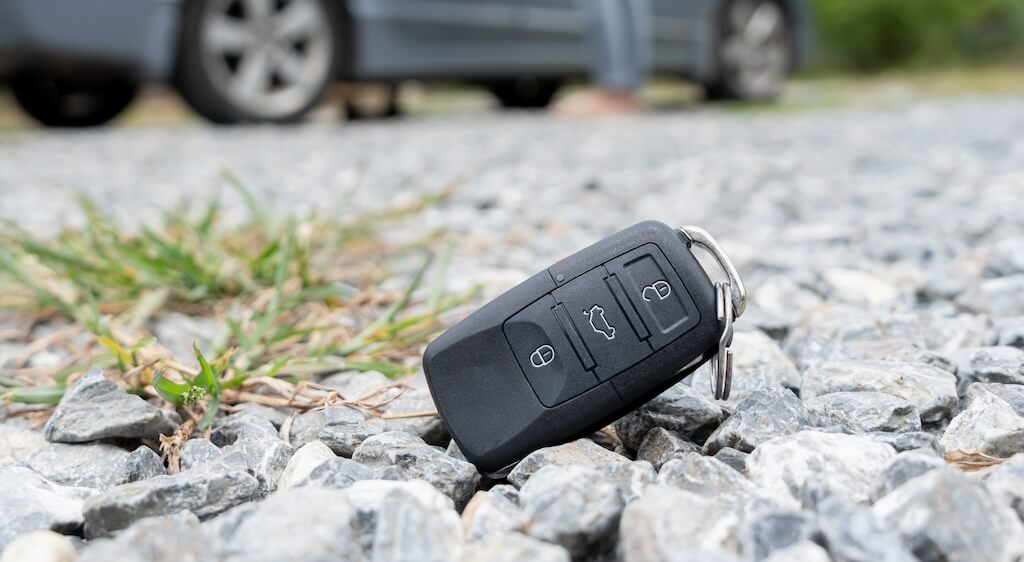
8. Loose Coins, Keys, and Small Metal Objects
Coins, keys, pens, and other small objects often accumulate in vehicle cabins. Drivers may leave them in open cup holders, dashboard trays, door pockets, or the space between the seats.
These items are easy to overlook because they are small and familiar. Yet their movement can create distractions, and certain objects may become hazardous when a car brakes suddenly or experiences a collision.
The danger varies according to the object’s size, weight, and shape. A loose key ring with several metal keys may cause a painful impact if it strikes the face or another sensitive area.
Metal pens and small tools have rigid edges that can injure skin. Coins generally pose a lower direct-impact risk than heavier objects, but they can still move unexpectedly and become lodged in places where they interfere with vehicle controls.
Loose objects can also cause problems during everyday driving. A coin that falls into the driver’s footwell may roll beneath a pedal, while a key ring can slip into the gap beside the seat. Retrieving an item while the car is moving takes attention away from the road.
A driver who bends down to find a dropped object may miss a traffic signal, fail to notice a braking vehicle, or drift out of the intended lane.
The interior design of a car can make small objects difficult to retrieve safely. Narrow gaps between seats and center consoles may allow keys, coins, and pens to disappear from view.
Drivers may instinctively reach into these spaces while driving, even when traffic conditions require their full attention. This behavior can turn a minor inconvenience into a serious distraction.
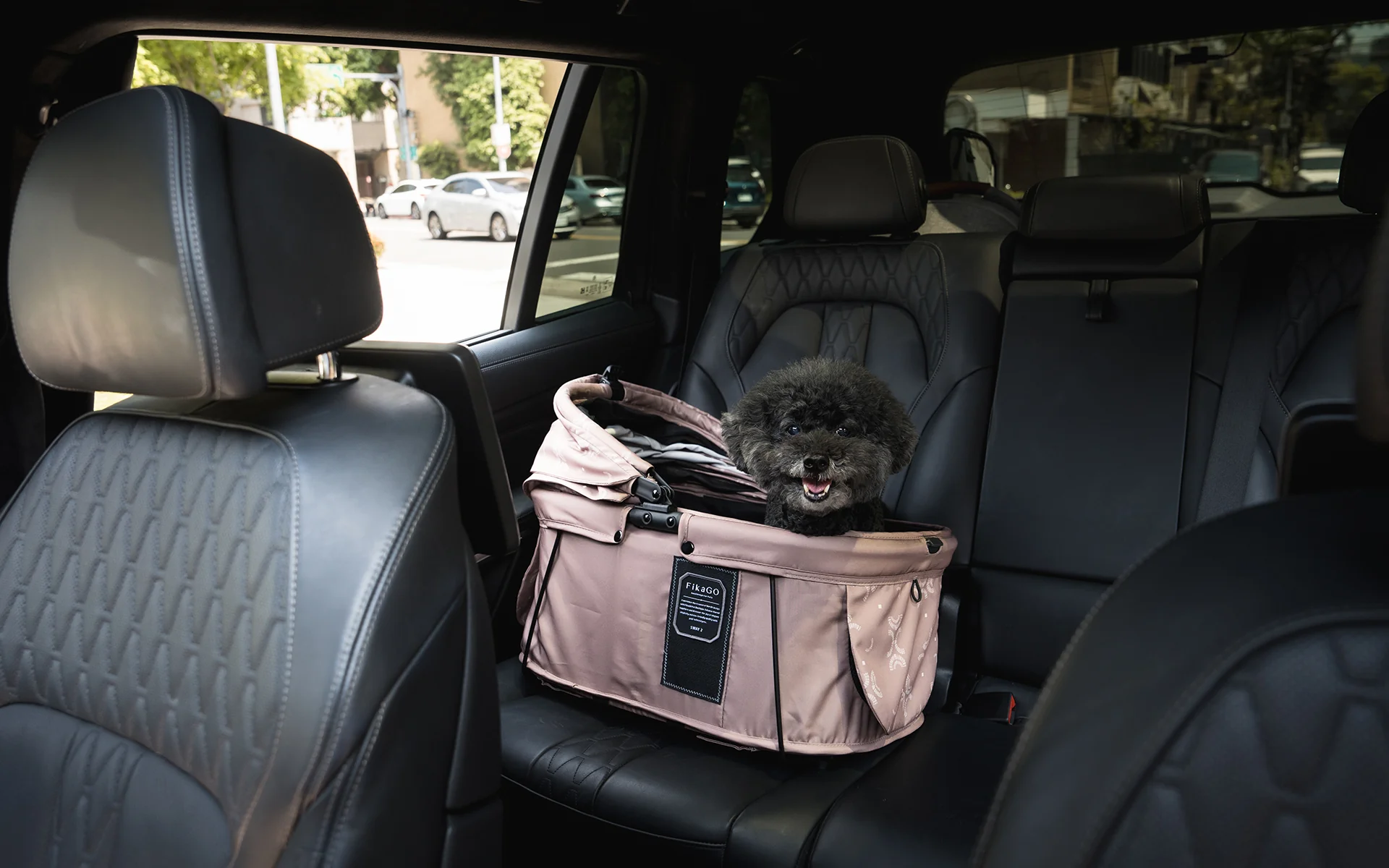
9. Unsecured Pet Carriers and Pet Accessories
Pets often travel with their owners for veterinary visits, holidays, and everyday outings. Some animals ride in carriers, while others travel on seats with harnesses or in the cargo area. Without appropriate restraints, both animals and their accessories can become dangerous during a collision.
A pet may be thrown forward, while an unsecured carrier, food container, water bowl, or toy can move through the cabin and injure people or the animal itself.
An unrestrained animal can be injured severely during sudden deceleration. Even a small dog or cat can strike the dashboard, windshield, door, or another occupant.
Larger animals may exert substantial force when their bodies continue moving during a crash. A frightened pet may also interfere with steering, block the driver’s view, or move near the pedals while the vehicle is in motion.
Pet carriers need particular attention because their construction and attachment methods vary. A carrier placed loosely on the rear seat may slide or tip over, while one positioned on the floor can move during a severe impact.
A carrier’s handle should not be treated as a crash restraint unless the manufacturer specifically identifies it for that purpose. The carrier should be secured according to its design and the vehicle’s instructions.
Other pet accessories can also become projectiles. Metal bowls, rigid toys, grooming tools, and heavy food containers may move around the cabin if left loose. A water bowl can spill, making the floor slippery, while a loose leash may become tangled around a passenger or driver.
Pet blankets and soft toys generally present less direct-impact risk than hard equipment, but they should still be positioned so they cannot obstruct the driver.
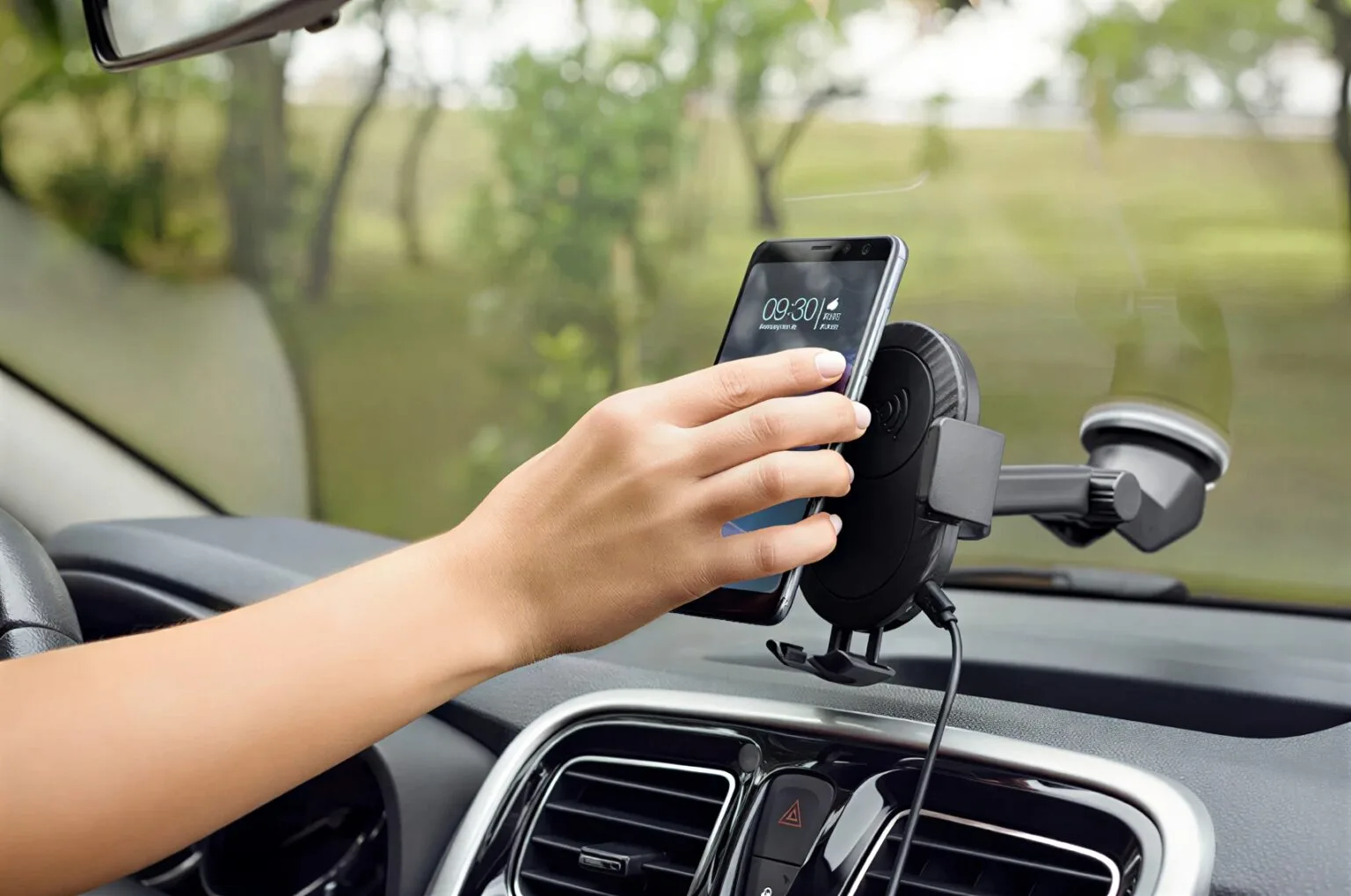
10. Loose Phone Chargers, Power Banks, and Electronic Accessories
Charging cables, power banks, adapters, earbuds, and portable electronic accessories are frequently carried in modern cars. These items are small enough to be forgotten in door pockets, on the center console, or beside the gear selector.
While a cable alone may have limited impact potential, a collection of accessories, especially when it includes a heavy power bank or rigid charging adapter, can become a hazard if it moves freely during a collision.
Power banks can be heavier than they appear, particularly high-capacity models designed to charge tablets or multiple devices. If one is left on a seat or dashboard, it may slide or fly forward when the car stops abruptly.
Its hard casing can cause injuries on impact. Charging adapters and metal cable ends may also strike occupants, while a bundle of tangled cords can create additional clutter around the center console.
Loose charging cables present a separate concern because they can become entangled with vehicle controls. A cable hanging near the gear selector, steering column, or pedals may interfere with the driver’s movements.
If a connected phone is pulled from its mount, the cable can snag on nearby objects and distract the driver. Poorly routed wires may also become damaged through repeated pinching or contact with moving seat mechanisms.
Electronic accessories should be positioned carefully around airbags and other safety equipment. A power bank placed on the dashboard or on a passenger’s lap may move unpredictably during a crash.
Devices should not be stored on top of airbag covers or in areas where their movement could interfere with airbag deployment. Drivers should also avoid using damaged charging cables or adapters that show signs of overheating, fraying, or exposed wiring.
