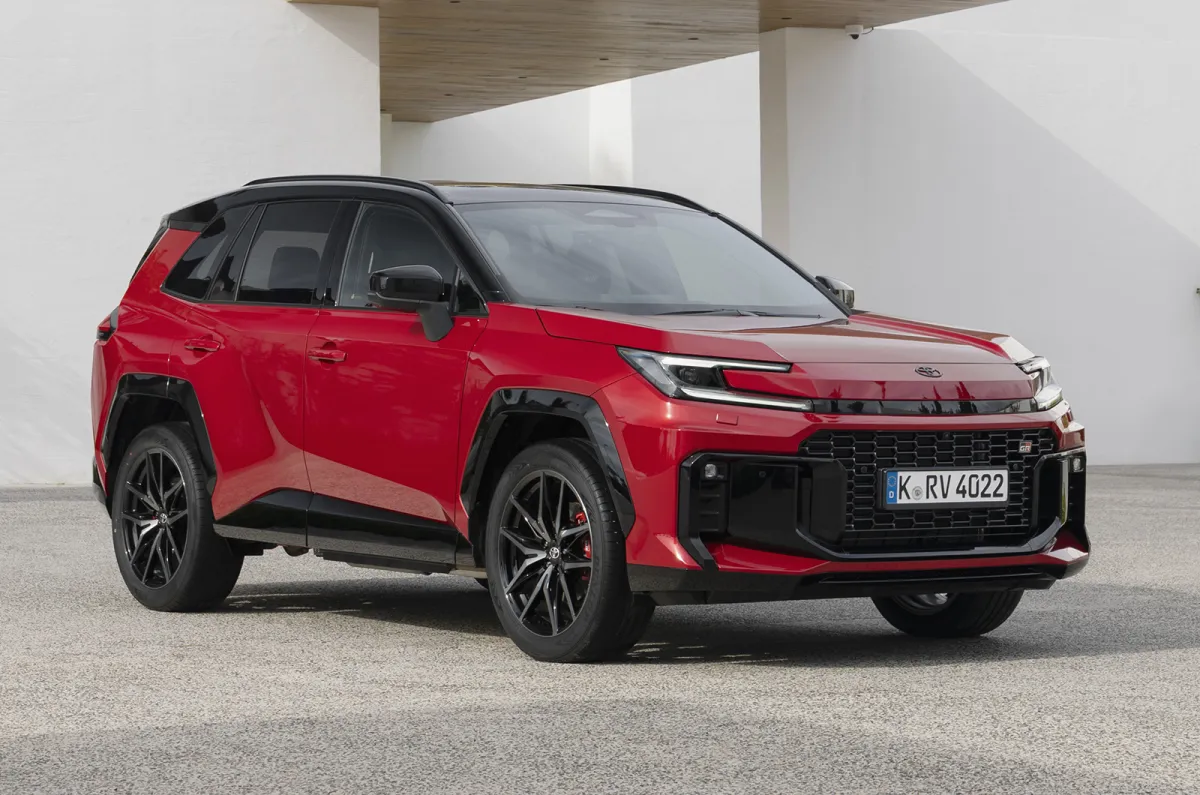
Choosing a vehicle that can accommodate a wheelchair or walker can make daily travel safer and less stressful. The right option depends on whether mobility equipment needs to be folded and stored, or whether a passenger must remain seated in a wheelchair during the journey.
Interior height, door opening, seat position, cargo space, and loading ease all matter. This guide reviews ten vehicles worth considering, from family minivans with conversion potential to compact SUVs suited to walkers and folded chairs. Always check the exact model year, local equipment options, and accessibility modifications before buying, because standard vehicles differ considerably.

1. Honda Odyssey
The Honda Odyssey is a family minivan worth considering for households that regularly transport a wheelchair user or someone who relies on a walker.
Its spacious cabin, sliding side doors, and flexible seating arrangement make everyday travel more manageable. Families can use the available interior space for passengers, bags, and mobility equipment without needing a large commercial vehicle.
One of the Odyssey’s practical advantages is its wide side-door opening. Sliding doors require less clearance than conventional hinged doors, which helps when parking in a narrow garage or busy car park. Caregivers can also find it easier to assist a passenger with entering and leaving the vehicle. The exact ease of access depends on the passenger’s mobility, seat position, and the height of the entry step.
For people who use a folding wheelchair, the Odyssey offers useful cargo flexibility. Depending on the seating configuration, a folded wheelchair can be stored behind the rear seats or in a larger cargo area when some seats are adjusted.
A compact walker generally requires less room, leaving more space for shopping, luggage, or other daily essentials. Measure the folded equipment before deciding where it will fit.
The Odyssey may also be a suitable starting point for a professionally modified accessible vehicle. Certain specialist conversions can provide a ramp, lowered floor, and additional room for a wheelchair user to enter and travel while remaining seated in the wheelchair. These modifications are not standard features of every Odyssey, and availability varies by country, model year, and conversion provider.
Before purchasing, check the distance between the ground and the cabin floor, the usable door opening, and the cargo dimensions. Ask the seller to demonstrate loading your actual wheelchair or walker.
If a passenger needs to remain in a wheelchair during the journey, confirm that an approved conversion provides suitable wheelchair restraints and occupant protection. A spacious cabin alone does not make a vehicle wheelchair accessible.
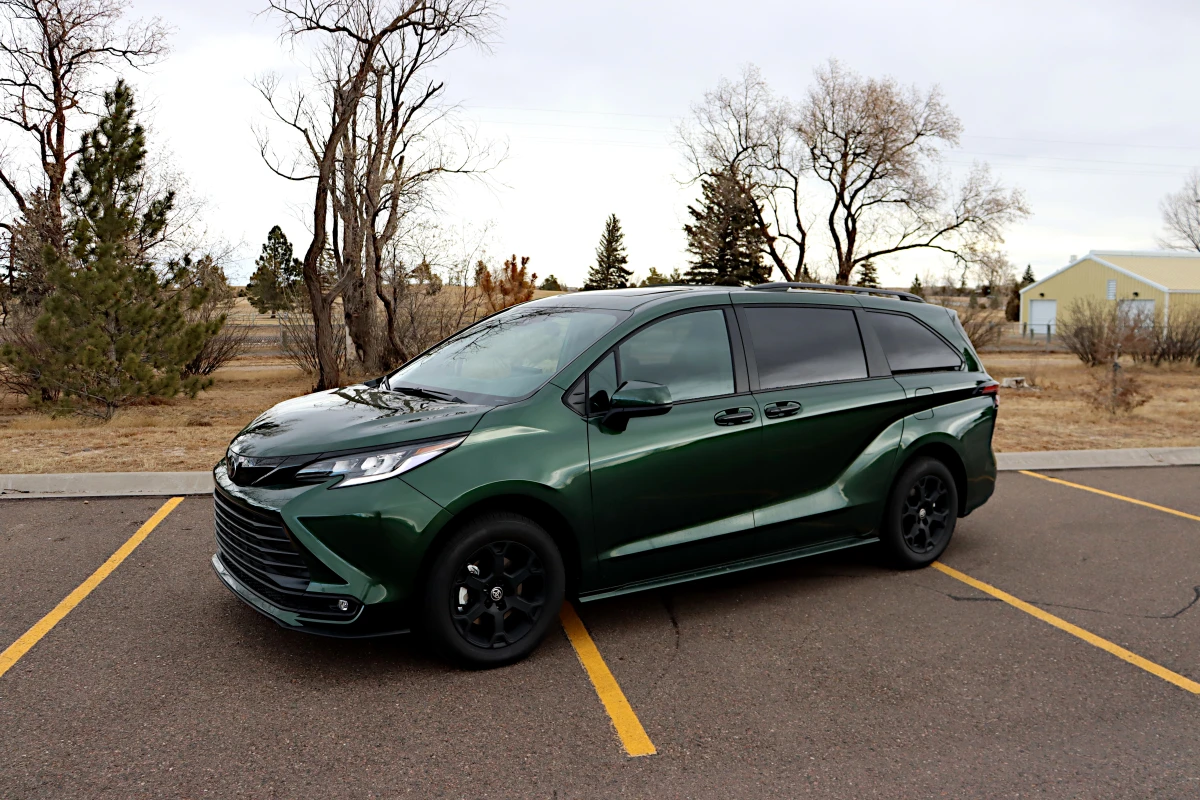
2. Toyota Sienna
The Toyota Sienna is another family minivan worth examining for households that need room for mobility equipment. Its three-row layout can accommodate several passengers while providing storage space for a folded wheelchair, rollator, or walking frame.
The minivan format can be especially useful for families who combine medical appointments with school runs, shopping, and longer journeys.
Sliding rear doors help reduce the space needed beside the vehicle when passengers enter or exit. This feature can be useful for a person who needs assistance standing up, transferring from a mobility aid, or moving slowly into the cabin.
The height of the floor and the position of the seats still matter, so the door design should be assessed alongside the person’s specific needs.
A folded manual wheelchair can often be carried in the rear cargo area, but the amount of available space depends on the seating arrangement and the size of the chair. Larger power wheelchairs can be much heavier and bulkier, making loading more difficult. Buyers should also consider whether lifting the equipment into the vehicle could strain a caregiver’s back or shoulders.
Certain Sienna model years have been used as the basis for wheelchair-accessible conversions. Depending on the conversion, a modified vehicle may include a ramp or lift, a lowered floor, and designated space for a wheelchair user. Buyers must confirm which configurations are available locally, as a standard Sienna does not automatically allow a person to travel while seated in a wheelchair.
Fuel economy, passenger capacity, and routine servicing are also worth considering when comparing the Sienna with other family vehicles.
Hybrid powertrains are available in many recent versions, which may appeal to households that make frequent trips. Compare the vehicle’s specifications and operating costs in your market, and test the loading process before making a final decision.
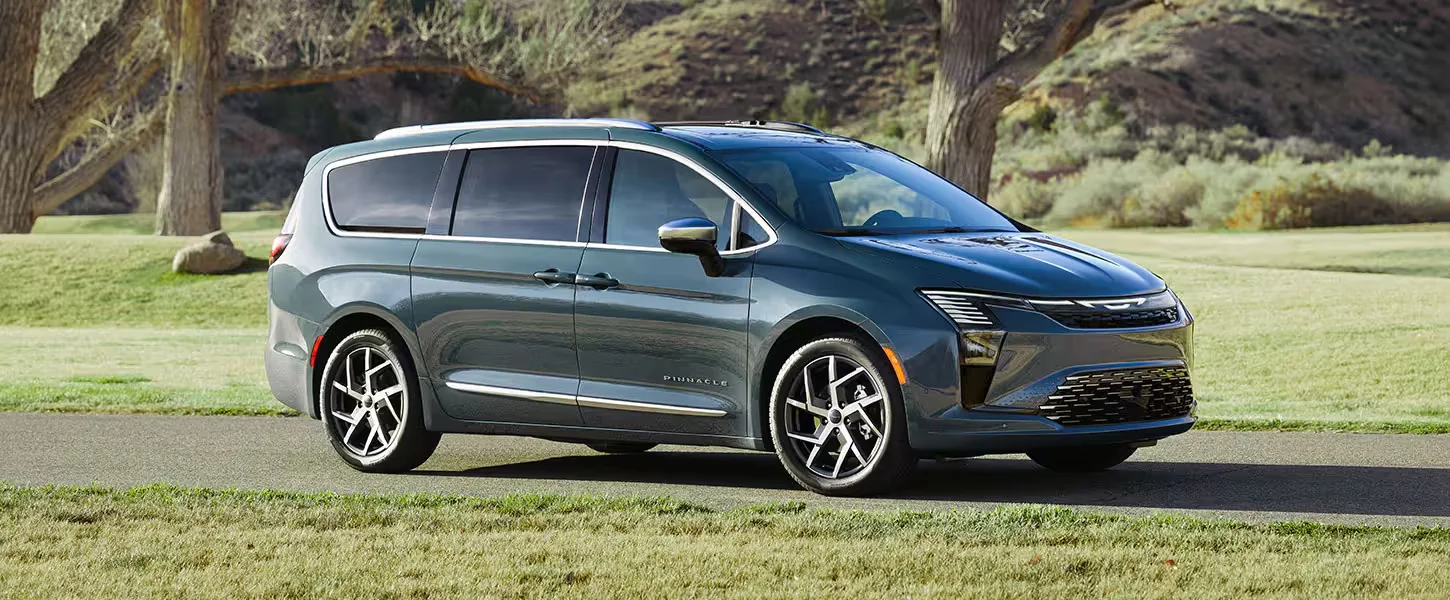
3. Chrysler Pacifica
The Chrysler Pacifica is a family minivan that offers a spacious passenger cabin and a flexible layout. It may suit people who need to transport a wheelchair or walker while keeping room for other family members. Its broad body and practical doors can make it easier to organise passengers and equipment than in a small hatchback or sedan.
The Pacifica’s sliding doors are particularly useful in confined parking spaces. A passenger who walks slowly with a frame may benefit from having a wider, unobstructed entrance.
Caregivers also have more room to stand beside the vehicle when assisting someone. However, a wide doorway does not eliminate the need to check entry height, seat access, and the passenger’s ability to transfer safely.
For a folding wheelchair or walker, the Pacifica’s rear cargo space can be useful for regular travel. Available storage varies with the seating configuration, trim, and powertrain. Some versions have different underfloor storage arrangements, so buyers should inspect the exact vehicle rather than assume that every model provides identical room for mobility aids and luggage.
The Pacifica has also been offered in specialist wheelchair-accessible configurations through conversion companies. Such vehicles may include a ramp, a modified floor, and secure wheelchair positions.
These features depend on the conversion rather than being standard equipment across the model range. Anyone considering this route should check the ramp angle, doorway dimensions, wheelchair capacity, and restraints.
The Pacifica is most attractive for buyers who value a family-oriented cabin and need flexibility for several kinds of journeys. It may be less practical if the vehicle is difficult to find or service in the buyer’s region.
Before purchasing, confirm local parts availability, maintenance support, conversion certification, and the total price after accessibility modifications.
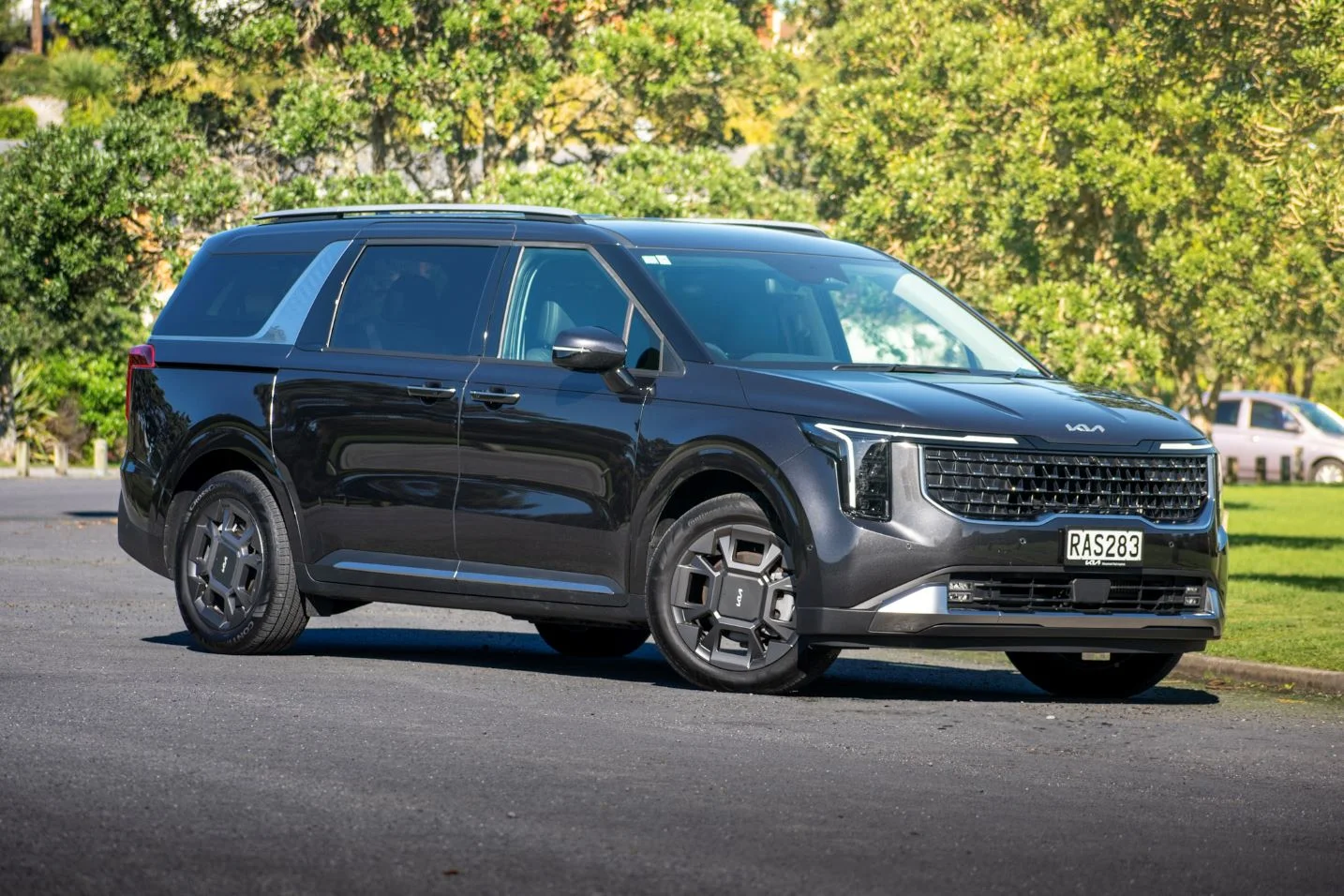
4. Kia Carnival
The Kia Carnival combines the general usefulness of a minivan with styling that resembles a large sport utility vehicle. Its roomy cabin makes it worth considering for families who transport a walker, folded wheelchair, or several passengers. A tall body and multiple seating rows can offer more practical flexibility than many smaller passenger cars.
The Carnival’s sliding side doors can be helpful for people who struggle with tight doorways or need a caregiver’s assistance. A person using a walker may find it easier to approach a broad entrance than to manoeuvre around a narrow car door. The entry step, however, may still present a challenge for passengers with limited leg strength or balance.
Cargo capacity depends on the seating configuration and the model year. A folded wheelchair or walker may fit in the rear luggage area, but buyers should assess the equipment’s dimensions alongside the available space for other bags.
Large mobility devices can occupy a significant part of the cargo area, particularly when all passenger seats remain in use.
In selected markets, the Carnival may serve as a platform for specialist accessibility conversions. Depending on the conversion, features can include a wheelchair ramp, a lowered floor, and space for a passenger to remain in their wheelchair.
Buyers should obtain written confirmation of the conversion’s specifications and ensure the finished vehicle meets relevant safety and registration requirements.
The Carnival can be a sensible option for families seeking a vehicle that serves both everyday needs and mobility-related travel. Its suitability depends on the passenger’s physical requirements, the equipment being carried, and the support available in the local market. A test with the actual wheelchair or walker is more useful than relying solely on published luggage capacity.
5. Toyota RAV4
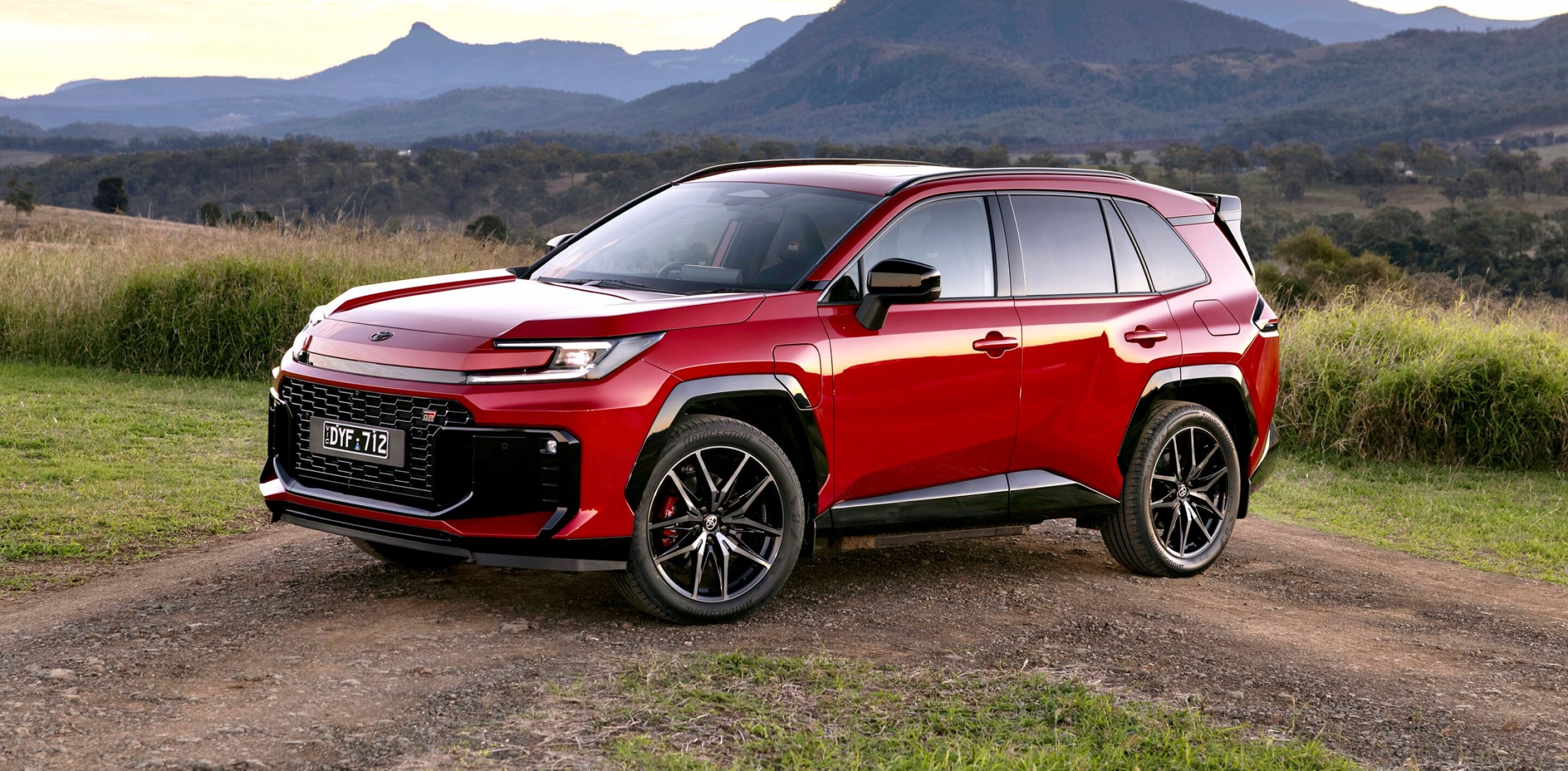
The Toyota RAV4 is a compact SUV that may work well for people who use a folding wheelchair or walker. It offers a raised body, a practical rear cargo area, and a seating position that some drivers and passengers find convenient. Its size can be easier to manage than a large minivan, especially for urban driving and everyday errands.
The higher seating position may help certain passengers get into and out of the vehicle. However, a taller vehicle can also create a more difficult step for people with limited balance, hip movement, or leg strength.
Buyers should check the actual seat height and door opening rather than assuming that every SUV offers easier access than a regular car.
The RAV4’s rear luggage area can hold many folded walkers and compact manual wheelchairs, depending on their size. Some power wheelchairs may be too heavy or bulky to lift safely into the cargo area. A suitable loading aid or vehicle-mounted system may help, but any equipment must be selected for the wheelchair’s weight and the vehicle’s design.
Unlike a purpose-built accessible van, a standard RAV4 generally does not provide space for a wheelchair user to remain seated in the wheelchair while travelling. A passenger would normally transfer to an approved vehicle seat, while the mobility aid is stored separately. Buyers should understand this distinction before choosing a vehicle based on its cargo capacity.
The RAV4 may appeal to individuals and small families who need everyday transportation without a full-size minivan. Check rear-seat room, boot dimensions, the loading lip height, and the ease of securing equipment.
If frequent lifting is involved, arrange a practical demonstration to determine whether the vehicle supports a safe routine for both the passenger and caregiver.
6. Honda CR-V
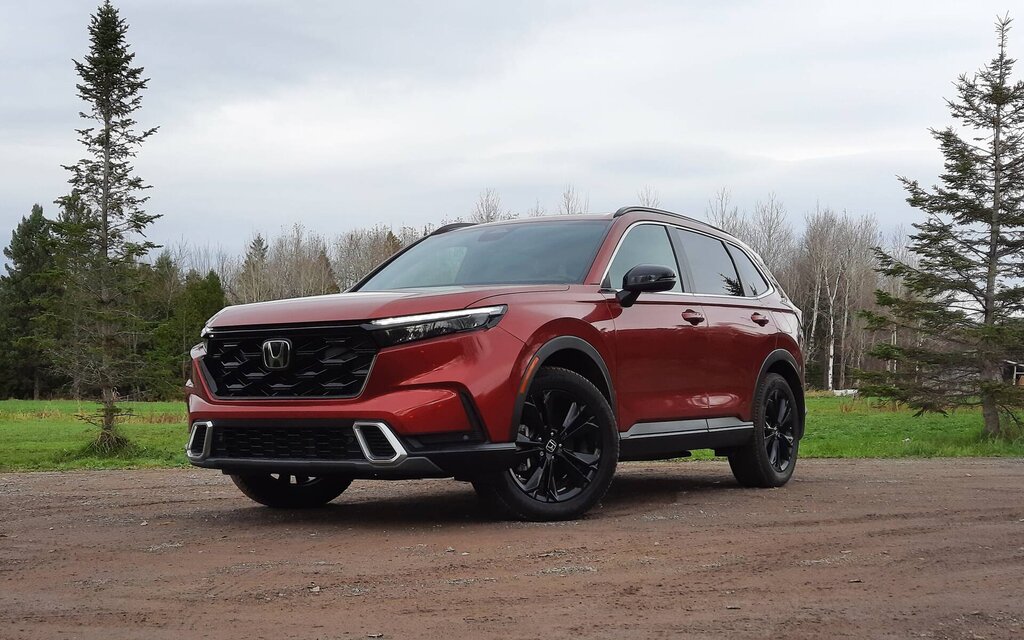
The Honda CR-V is a compact SUV with a roomy interior and a useful rear cargo area. It may be appropriate for people who use a folding wheelchair, walking frame, or rollator and still want a vehicle suitable for commuting and family travel.
Its passenger-focused design can offer a comfortable balance between cabin space and manageable exterior dimensions.
The rear doors and passenger compartment should be checked carefully by anyone who has difficulty bending, turning, or moving between a mobility aid and a seat. The height of the seat can affect how easily a person transfers into the vehicle. A short test drive should include entering and leaving the car, not just assessing comfort while seated.
A folded manual wheelchair can fit in the CR-V’s cargo area in many configurations, while a compact walker usually presents fewer storage challenges.
The exact result depends on the equipment’s folded size and whether the rear seats need to remain upright. Buyers should test the layout with their regular shopping bags, medical supplies, or luggage if these will share the space.
The CR-V is not ordinarily a wheelchair-in-place travel solution in its standard form. A passenger who cannot transfer out of a wheelchair will generally need a specialist accessible vehicle with appropriate floor modifications and restraints. The CR-V’s usefulness therefore depends largely on whether the mobility aid can be folded and loaded separately.
For households that want a conventional SUV, the CR-V deserves consideration for its practical interior and everyday versatility. Compare the boot opening, cargo floor height, rear passenger space, and local servicing costs.
If a caregiver must lift the wheelchair frequently, pay special attention to the combined weight of the equipment and the height at which it must be placed.
7. Subaru Forester
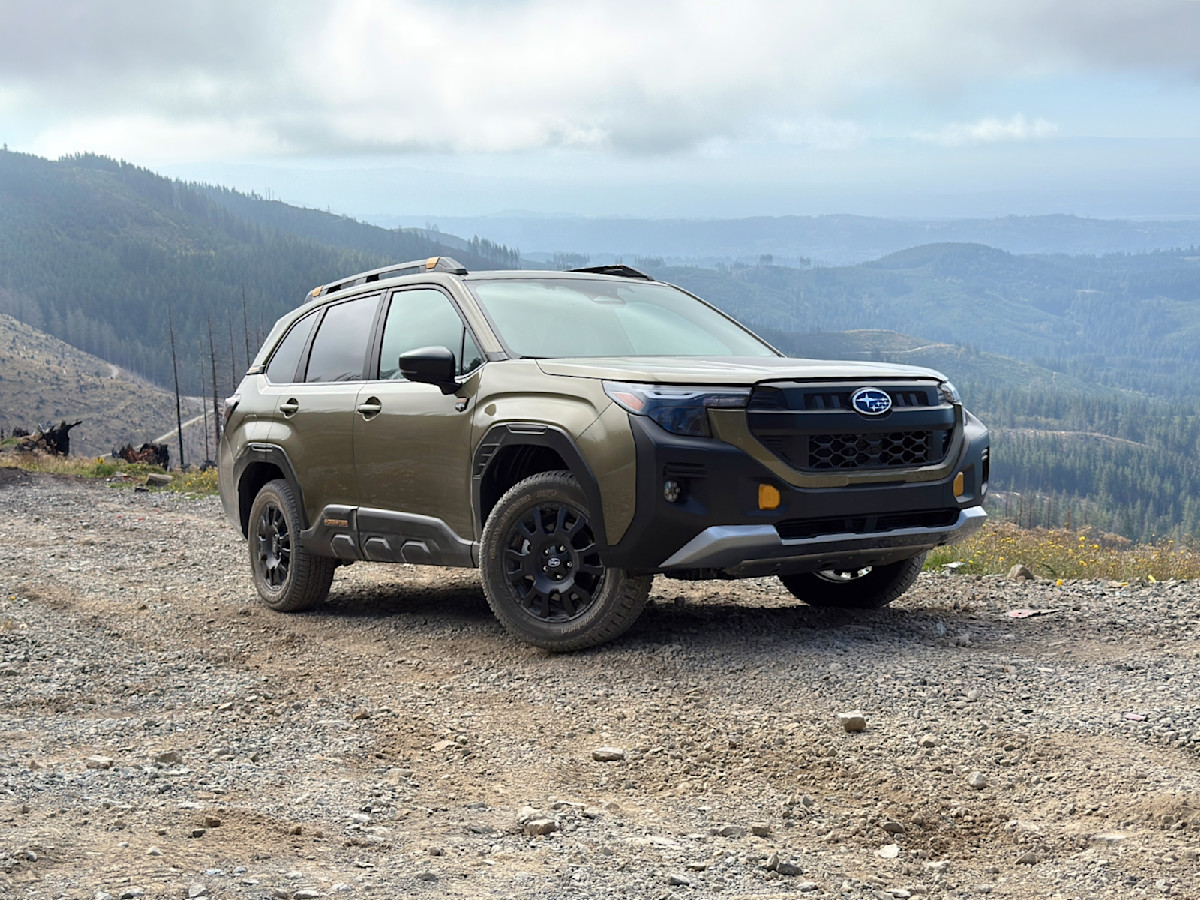
The Subaru Forester is a compact SUV known for its upright cabin design and useful visibility. It may suit drivers and passengers who use a walker or need to carry a folded wheelchair during regular journeys. Its boxier shape can make the cabin feel open, though exact interior measurements vary by model year and market.
The upright seating position may be helpful for some people who find low sedans uncomfortable to enter. A person using a walker may also appreciate having a reasonably accessible rear passenger area.
However, anyone with reduced mobility should check whether the seat height, sill, and step into the cabin are suitable for their individual range of movement.
A folded wheelchair or walker can often be transported in the rear cargo area, depending on the equipment’s dimensions and the vehicle’s seating arrangement. Buyers should pay attention to the height of the loading surface and the shape of the boot opening. A chair that technically fits may still be difficult to lift or position without assistance.
The Forester’s standard cabin is not designed to let a wheelchair user remain seated in their wheelchair while travelling. That requirement normally calls for a specialised vehicle conversion. Anyone considering a modified SUV should consult a qualified conversion provider and confirm that the resulting design meets the passenger’s needs and applicable safety rules.
The Forester is worth comparing with other compact SUVs when ease of entry, visibility, and storage matter. Take measurements before purchasing and test the vehicle with the mobility aid in its folded position.
A suitable car should make daily travel easier without requiring awkward lifting, excessive bending, or repeated rearrangement of the cabin.
8. Kia Soul
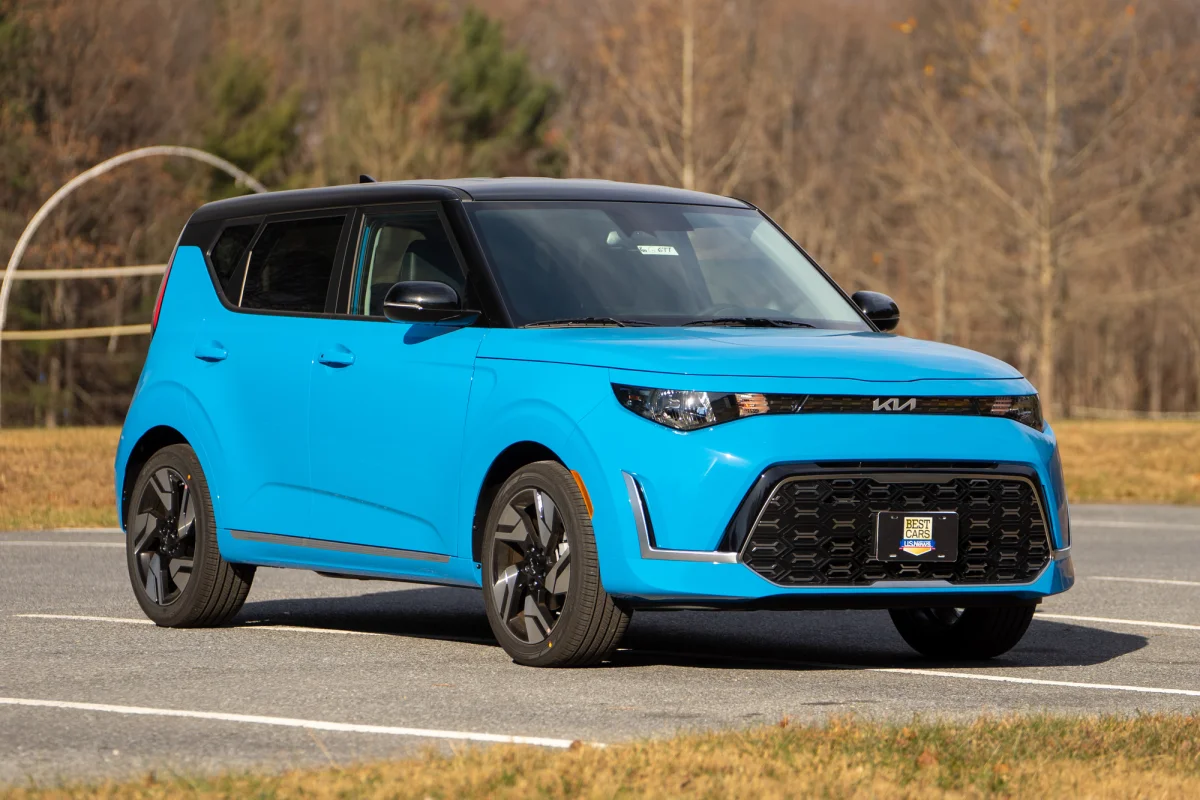
The Kia Soul is a compact vehicle with a relatively upright body and a distinctive square profile. Depending on the model year and market, it can be a useful choice for individuals who need to carry a walker or folded wheelchair without moving to a large SUV. Its compact footprint may also suit urban drivers who regularly park in tight spaces.
The upright roofline can provide a more open feeling than the sloping roof of some hatchbacks. This can be useful when placing bags or a folded mobility aid in the rear. The actual height and width of the boot opening still determine what can be loaded, so measurements should be checked before relying on the shape of the vehicle alone.
A compact folding walker will often be easier to accommodate than a large powered wheelchair. Manual wheelchairs vary considerably in folded width, wheel size, and frame design, so a physical fit test remains important.
Buyers should also check whether the rear seats must be folded to make enough room and whether doing so leaves sufficient space for passengers.
The Soul is a standard passenger vehicle, not a purpose-built wheelchair-accessible van. It generally requires wheelchair users to transfer into a vehicle seat and store their mobility equipment separately.
A person who cannot transfer safely should investigate a suitable accessible vehicle rather than choosing a compact car solely because the boot appears spacious.
For a driver or family that values compact dimensions, the Soul may offer a useful combination of everyday practicality and cargo flexibility. Its availability varies by market, and some model generations may no longer be sold new in certain countries. Consider used examples only after checking condition, maintenance history, boot dimensions, and the availability of replacement parts.

9. Volkswagen Golf
The Volkswagen Golf is a hatchback that may work for people who use a compact walker or folding manual wheelchair. It is smaller than the minivans described above, which can make parking and routine driving easier.
For individuals who do not need to carry large equipment or several passengers, a hatchback can provide sufficient practical space.
The rear hatch opening gives access to the luggage compartment from the back of the vehicle. This can make it simpler to place a folded walker inside than it would be in a sedan with a small boot opening.
Nevertheless, the Golf’s lower body and seating arrangement may be less convenient for people who have difficulty bending or transferring between a wheelchair and a car seat.
Storage capacity varies by generation, body style, and powertrain. A folded wheelchair may fit with the rear seats upright if it is compact enough, while larger chairs could require the seats to be folded. Anyone who regularly carries groceries, luggage, or medical equipment should check how much room remains after the mobility aid is loaded.
The Golf is not generally suitable for a passenger who must stay seated in a wheelchair during travel unless a specific, professionally engineered accessibility solution has been approved for that vehicle.
In most standard configurations, the wheelchair is transported separately. This makes the model better suited to people who can transfer safely or who use a walker.
A Golf may be a practical choice for someone who values a smaller vehicle and has relatively modest storage requirements. Check the exact cargo measurements, rear door access, seat height, and the ease of lifting the equipment. If the mobility aid is heavy, consider whether a hatchback’s loading height and available space make daily use comfortable over the long term.
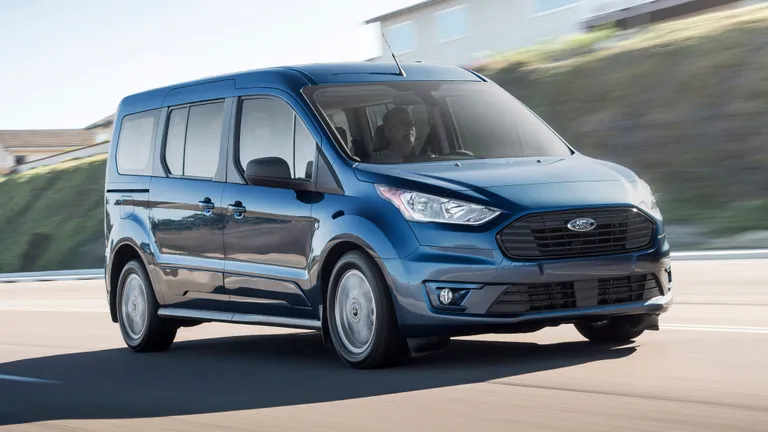
10. Ford Transit Connect
The Ford Transit Connect is a compact van that has been used for both passenger transportation and specialist mobility conversions in selected markets.
Its van-like body can provide a more upright interior and a different approach to carrying mobility equipment than a conventional passenger car. It is worth investigating in the used market where suitable versions and conversion support remain available.
The relatively tall body can offer practical headroom, while the sliding side doors can help when passengers need additional room to enter. These characteristics may benefit people who use walkers or need caregiver assistance. Still, access depends on the specific seating arrangement, floor height, doorway dimensions, and any changes made during a conversion.
For folded wheelchairs and walkers, the Transit Connect’s cargo area may provide more flexibility than a small hatchback. The amount of space depends on whether the vehicle is a passenger version, a cargo version, or a modified model. Buyers must also consider how equipment will be secured and whether loading requires a ramp, lift, or additional assistance.
Certain Transit Connect vehicles have been adapted for wheelchair access with ramps, lowered floors, and designated wheelchair positions. Such features are conversion-specific and must not be assumed to exist in an ordinary model.
Anyone who needs to travel while remaining seated in a wheelchair should obtain details about restraints, occupant protection, permitted passenger capacity, and conversion certification.