Buying a used SUV that is more than ten years old can be a smart way to save money without sacrificing practicality, comfort, or everyday dependability. However, not every older SUV ages equally well.
Some models develop expensive engine problems, transmission failures, or persistent electrical faults, while others continue serving their owners reliably with proper maintenance. Understanding which vehicles have earned a reputation for long-term durability can help buyers make informed decisions.
This guide highlights eleven used SUVs worth considering, along with their strengths, potential weaknesses, and essential inspection tips before purchasing a vehicle.
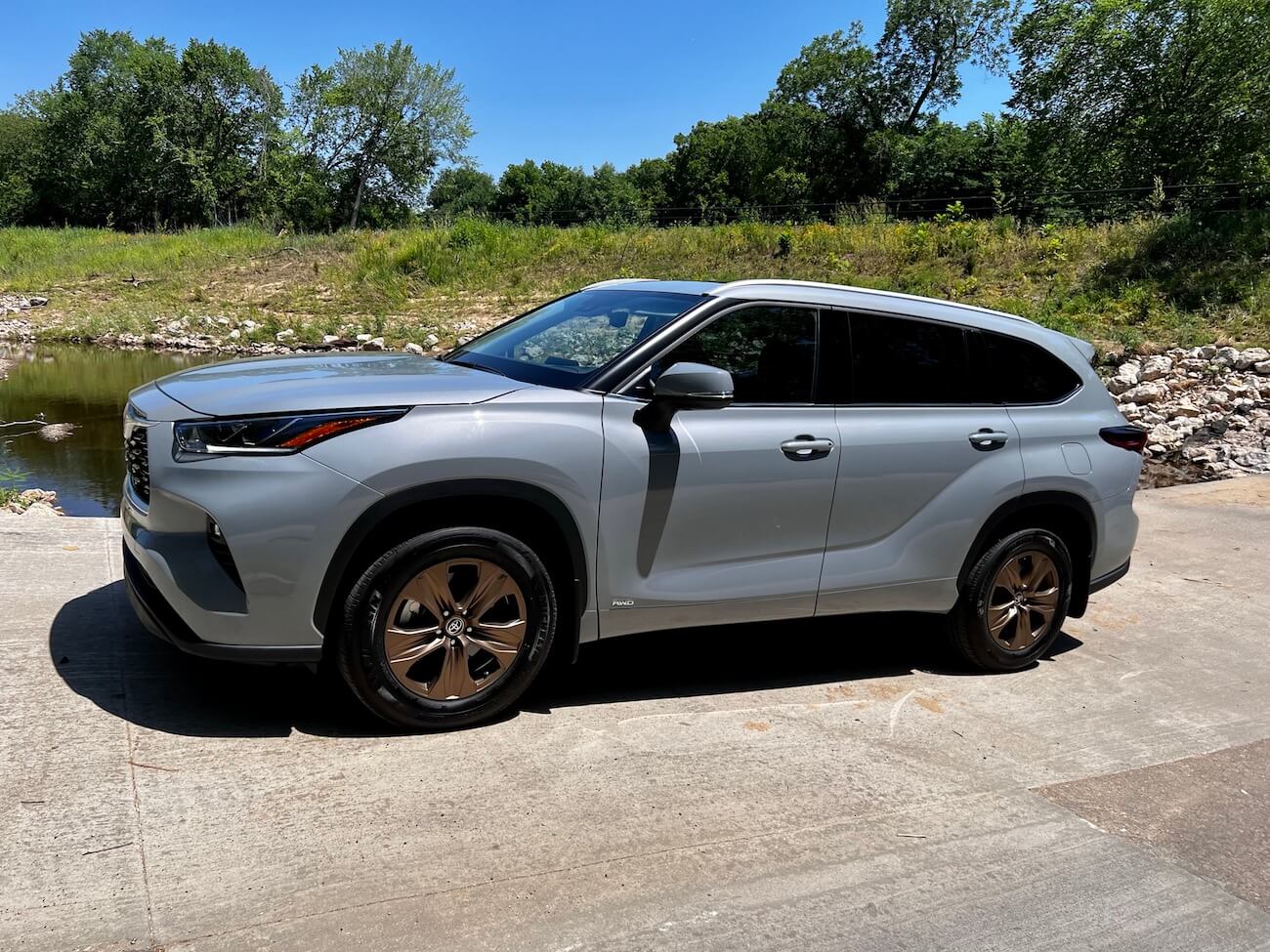
1. Toyota Highlander (2011 to 2016)
The Toyota Highlander has built a strong reputation for long-term dependability, making it an appealing choice for families searching for a used midsize SUV. Models from the early to mid-2010s offer comfortable seating, a practical cabin, and a reputation for durable mechanical components. Buyers who prioritize predictable ownership costs often place this vehicle on their shortlist.
The 3.5-liter V6 engine available in many Highlander models delivers smooth acceleration and has a history of lasting well when maintained correctly.
Regular oil changes, timely coolant replacement, and attention to the transmission fluid can help preserve its performance. Some versions also offer a four-cylinder engine, which may appeal to drivers who prefer lower fuel consumption.
Inside, the Highlander provides generous passenger space, useful storage compartments, and a comfortable driving position. Certain configurations include three rows of seats, making the SUV suitable for larger households. Its suspension generally favors comfort over aggressive handling, which works well for commuting, highway travel, and long family journeys.
Prospective owners should inspect the cooling system, suspension components, brakes, and transmission operation before buying. Some older examples may have oil leaks, worn engine mounts, or aging electronic components. Service records are particularly valuable because a well-documented vehicle can offer greater confidence than a neglected SUV with lower mileage.
For buyers seeking a dependable family vehicle after ten years, the Highlander deserves serious consideration. Its practical layout and established reputation make it attractive in the used market.
Choose an example with consistent maintenance, a clean vehicle history, and a successful independent mechanical inspection rather than relying on the Toyota badge alone.
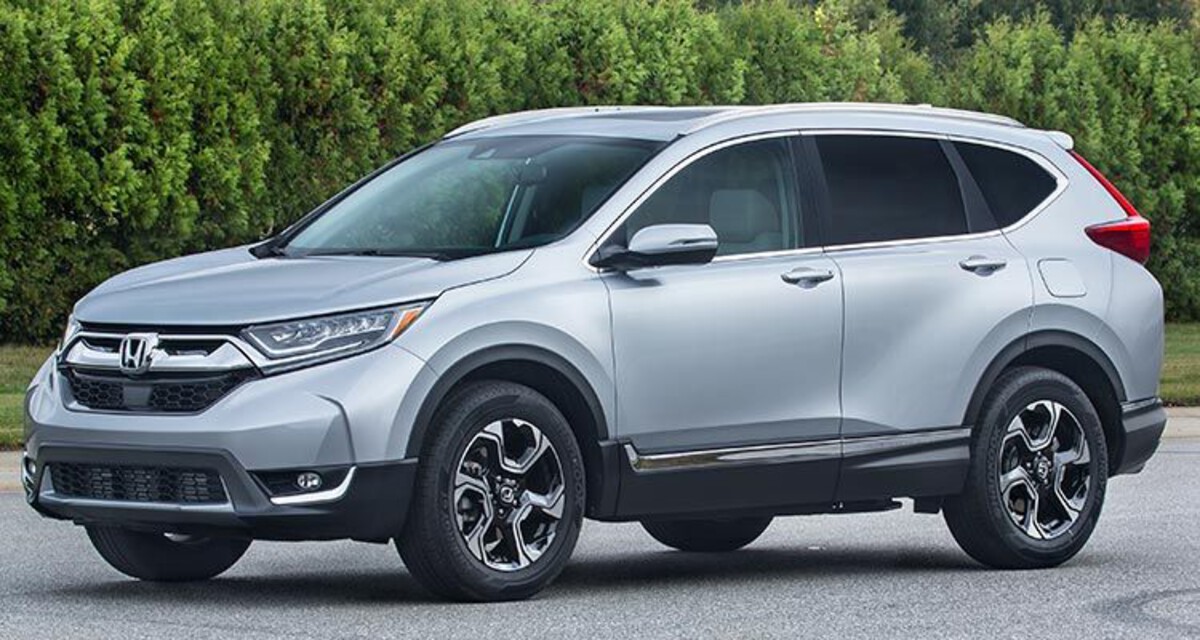
2. Honda CR-V (2012 to 2016)
The Honda CR-V is a popular compact SUV known for practicality, sensible engineering, and relatively straightforward ownership. Models from this period offer a useful balance of interior space, manageable dimensions, and everyday comfort. A properly maintained example can remain a capable commuter or family vehicle well beyond its first decade on the road.
Engine options vary by model year and market, but many CR-Vs feature four-cylinder petrol engines designed for everyday efficiency and dependable operation.
Routine oil changes, proper air-filter replacement, and regular fluid checks are essential to preserving engine health. Buyers should confirm that the specific vehicle has received the maintenance recommended for its engine and transmission.
Cabin design is a major strength of the CR-V. The rear seats provide useful legroom, while the cargo area accommodates groceries, luggage, and family equipment. Its relatively compact exterior makes parking easier than with many larger SUVs, and its comfortable ride suits urban driving as well as longer highway trips.
Used buyers should pay attention to transmission behavior, air-conditioning performance, suspension noises, and signs of accident repairs.
Certain model years and engine configurations have reported issues that require closer inspection, so reliability should never be assumed across every version. Check for relevant recalls by vehicle identification number and verify that applicable repairs have been completed.
A ten-year-old CR-V can be a sensible purchase for someone who needs a practical SUV without excessive size. Its versatile cabin and established ownership appeal are major advantages. Prioritize a vehicle with clear service documentation, healthy tires, smooth gear changes, and no warning lights before agreeing to the asking price.
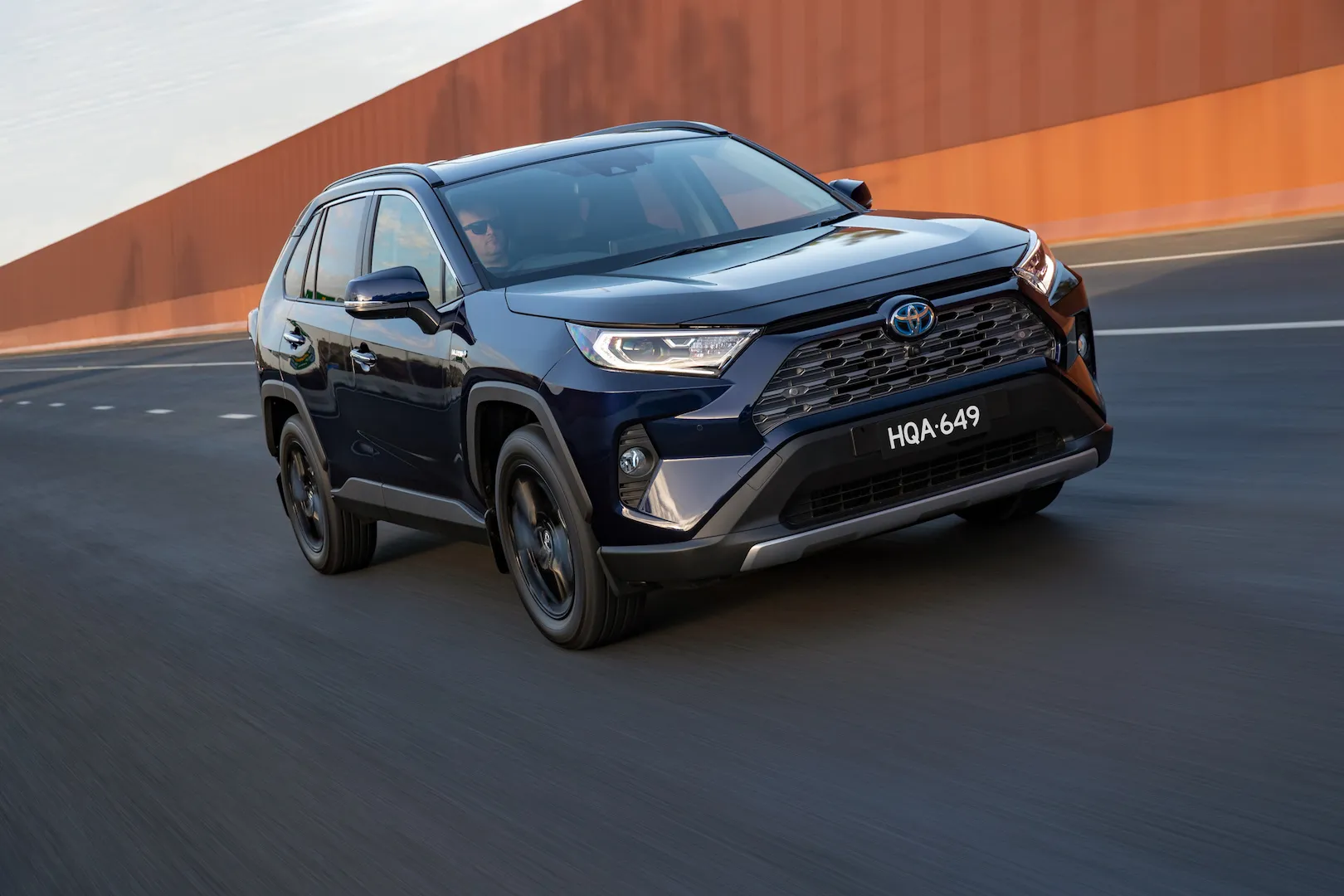
3. Toyota RAV4 (2012 to 2016)
The Toyota RAV4 is widely recognized for its practical design and strong reputation for durability. Used examples from this period attract buyers who want a compact SUV suitable for commuting, family responsibilities, and occasional road trips.
Its combination of useful cargo capacity and familiar mechanical engineering helps explain its continued popularity in the secondhand market.
Many versions use four-cylinder petrol engines that provide adequate performance for daily driving. Some markets also offered diesel or hybrid variants in particular model years, so buyers should verify the exact engine and drivetrain. Regular maintenance, correct fluid specifications, and prompt attention to unusual engine noises can make a meaningful difference to long-term performance.
The RAV4 offers a raised driving position, flexible luggage space, and a cabin designed around everyday convenience. Depending on the year and trim, equipment may include a reversing camera, touchscreen infotainment, climate control, and advanced safety features.
Buyers should check which features are actually fitted because equipment differs substantially between markets and specifications.
Inspection should include the transmission, steering, suspension, cooling system, and underbody. Look for corrosion in regions where roads are salted during winter, and check the vehicle for evidence of water damage or poorly repaired collision damage. On all-wheel-drive models, listen for drivetrain noises and ensure that the system operates as intended.
For drivers who want a compact SUV with a strong reputation for lasting ownership, the RAV4 is a compelling option. Its practical proportions suit a wide range of lifestyles, and parts availability is generally favorable in many markets. A carefully maintained vehicle with sensible mileage can be a better investment than a newer example with an uncertain history.
4. Lexus RX (2010 to 2015)
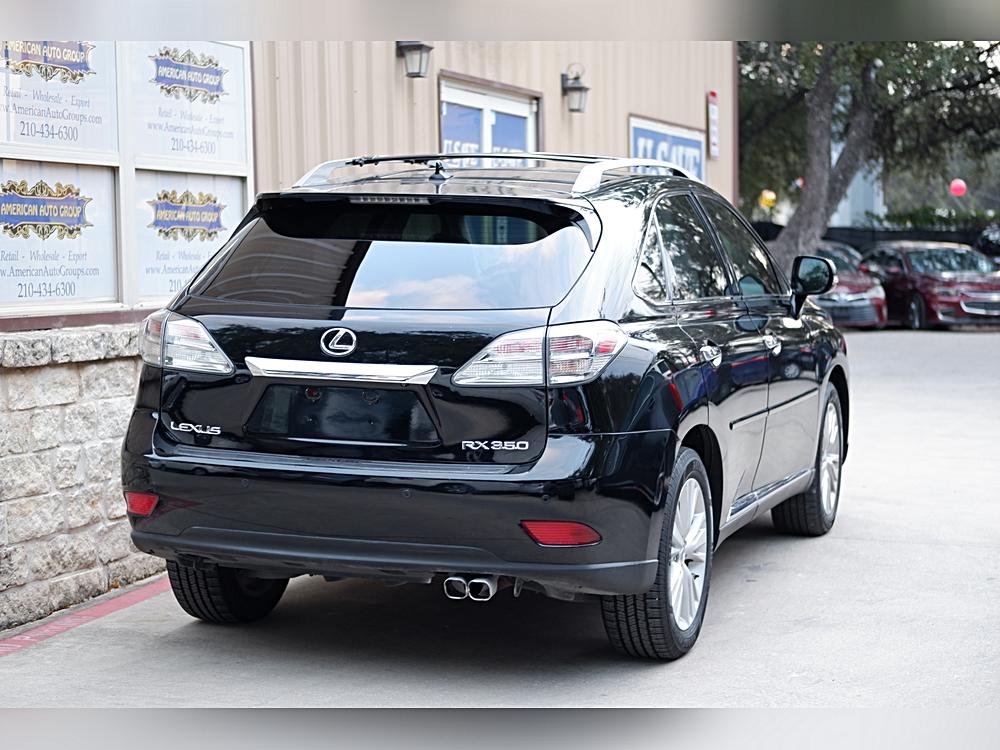
The Lexus RX combines premium comfort with Toyota-related engineering and a reputation for dependable ownership. Older examples appeal to buyers who want an upscale cabin, a quiet ride, and useful passenger space without purchasing a new luxury vehicle. The RX can remain comfortable and capable after a decade, provided its maintenance needs have been addressed.
Many RX models from this period feature V6 petrol engines paired with automatic transmissions. These powertrains generally deliver smooth performance and relaxed highway cruising.
However, luxury vehicles have more systems and equipment to maintain, so engine condition is only one part of the purchasing decision. Cooling components, fluid leaks, and transmission performance deserve careful attention.
The cabin is a particular attraction, with supportive seats, quality materials, and a refined driving experience. Depending on the trim, buyers may find leather upholstery, heated seats, a premium audio system, and additional convenience features. These amenities can make an older RX feel substantially more luxurious than many similarly priced mainstream SUVs.
Potential repair costs deserve careful consideration. Aging suspension parts, electronic controls, air-conditioning components, and powered accessories can require expensive work.
Buyers should test every button, window, seat adjustment, and climate setting. A comprehensive inspection by a technician familiar with Lexus vehicles can identify faults that a short test drive may not reveal.
The Lexus RX suits buyers who value comfort and refinement alongside long-term dependability. It is important to budget for premium-vehicle maintenance rather than expecting the same expenses as a basic compact SUV. A well-maintained example with complete records can provide years of comfortable transportation, while a neglected one may quickly become costly.
5. Honda Pilot (2011 to 2015)
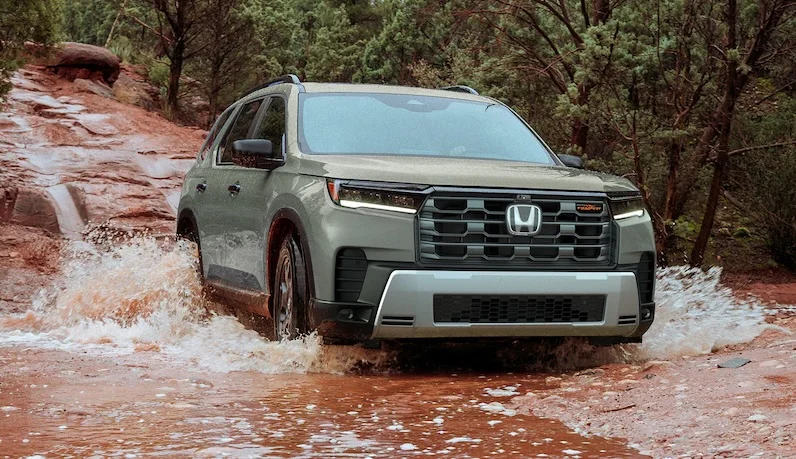
The Honda Pilot is a practical choice for households needing substantial passenger capacity and a spacious interior. Its three-row layout makes it suitable for larger families, and its broad cabin offers room for passengers and everyday cargo. Older examples can provide considerable utility for their purchase price when their mechanical condition is sound.
Many Pilots from this period use a 3.5-liter V6 engine. This engine provides useful power for carrying passengers and luggage, though fuel consumption is generally higher than that of smaller four-cylinder SUVs. Regular servicing is essential, including attention to the timing belt where fitted and replacement intervals specified by Honda.
The Pilot’s interior emphasizes space and functionality. Depending on the configuration, owners benefit from multiple storage areas, flexible rear seating, and a useful cargo compartment when the third row is folded. Its comfortable ride makes it suitable for road trips, school transportation, and daily errands.
Before purchasing, inspect the automatic transmission, cooling system, steering components, and suspension. Verify that timing-belt maintenance has been completed at the appropriate interval for the specific model. Examine the underside for corrosion, check for fluid leaks, and ensure that the air-conditioning system cools properly throughout the cabin.
For buyers who need more room than a compact SUV can provide, the Pilot deserves attention. Its seating capacity and practical design remain useful after ten years. The best choice is a vehicle with a complete maintenance history, a healthy drivetrain, and sufficient room in the budget for routine servicing and age-related repairs.
6. Subaru Forester (2011 to 2016)
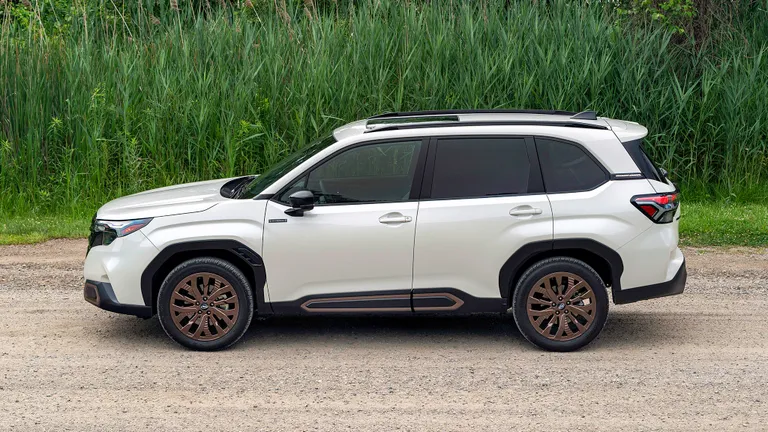
The Subaru Forester stands out for its practical body shape, good outward visibility, and available all-wheel-drive system. It appeals to drivers who regularly encounter rain, uneven roads, or winter conditions. Older models can remain useful daily vehicles, but buyers should pay close attention to engine history and the specific powertrain fitted.
Forester engines differ by generation and market, with four-cylinder petrol engines being common. Some versions use a continuously variable transmission, while others have conventional automatic or manual gearboxes.
Reliability varies by year and configuration, making a model-specific inspection important rather than assuming every Forester shares identical mechanical strengths.
Its upright cabin provides a good view of surrounding traffic, while the rear seats and cargo area support everyday family needs. The available all-wheel-drive system can improve traction on slippery surfaces when paired with suitable tires. It does not eliminate the need for careful driving, and it cannot compensate for worn tires or unsafe road conditions.
Buyers should inspect the engine for leaks, overheating evidence, and unusual noises. Check the transmission for hesitation, judder, or abnormal operation, and verify that any recommended repairs or recalls have been addressed.
Suspension bushings, wheel bearings, exhaust components, and underbody corrosion also deserve attention on vehicles that have covered substantial distances.
A well-kept Forester can suit people who need useful ground clearance and traction in challenging weather. However, maintenance records matter greatly, especially for older examples with complex drivetrain systems.
Choose a vehicle that passes a specialist inspection and has a documented service history instead of buying solely because it offers standard or widely available all-wheel drive.
7. Mazda CX-5 (2013 to 2016)
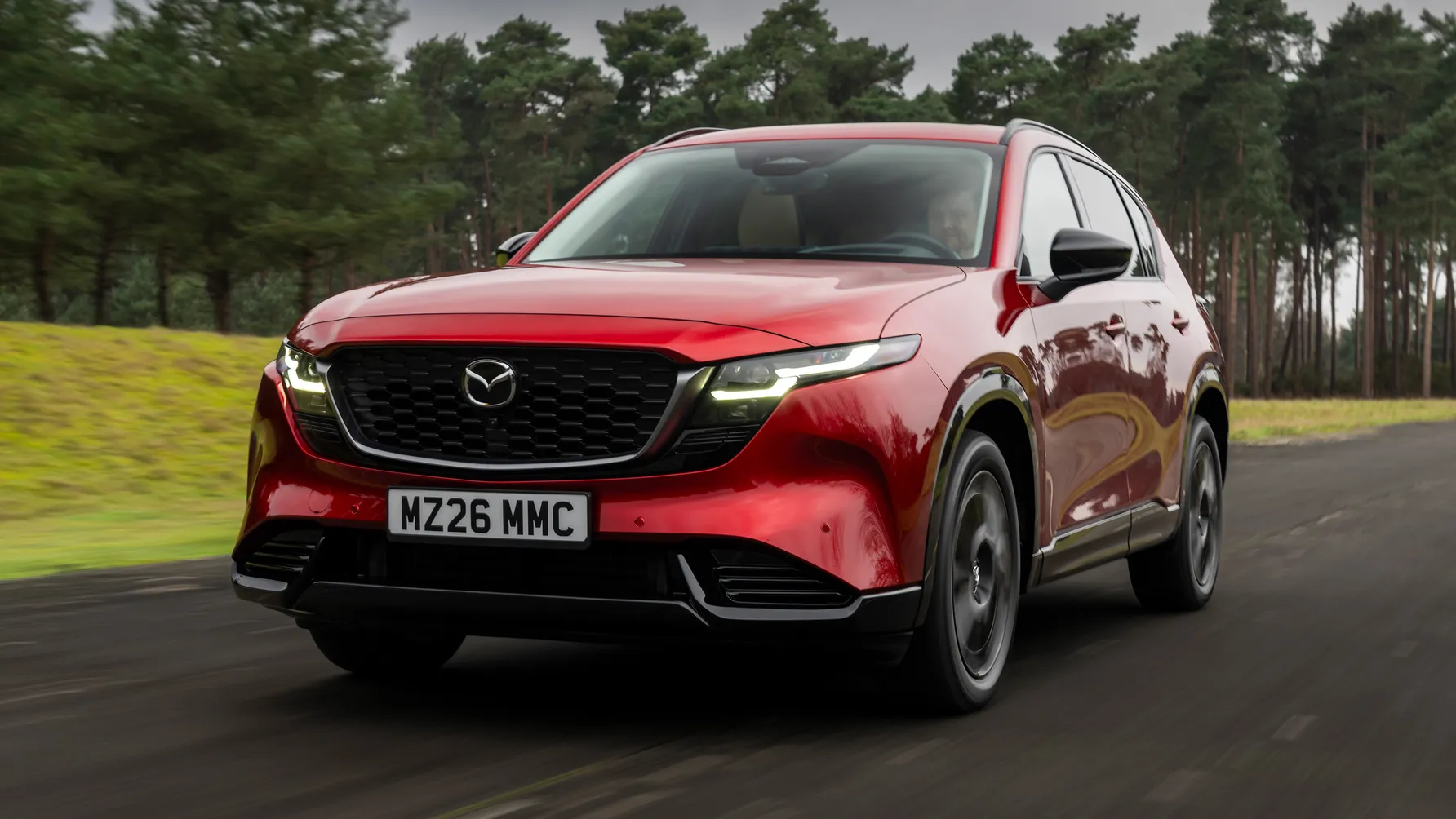
The Mazda CX-5 introduced a combination of attractive styling, responsive handling, and practical SUV packaging that made it a strong competitor in the compact segment. Early examples can be appealing used purchases for drivers who want something comfortable and enjoyable without moving into a premium price category.
Many petrol versions use Mazda’s Skyactiv-G four-cylinder engines, which focus on efficient combustion and balanced performance. These engines can provide dependable service with correct maintenance.
Diesel versions are available in some markets, but their emissions equipment and engine-specific maintenance requirements make careful research particularly important before choosing an older diesel model.
The CX-5 generally offers a well-designed cabin, supportive front seats, and useful luggage space. Its steering and suspension provide a more engaging driving experience than some comfort-focused rivals. This balance makes it suitable for commuting, family travel, and highway driving without feeling unnecessarily bulky in crowded streets.
During an inspection, check the engine, automatic transmission, suspension, brakes, and electronic systems. Diesel buyers should pay particular attention to the diesel particulate filter, exhaust-gas recirculation system, and service history. Vehicles used mainly for short urban journeys may have experienced conditions that are less favorable for diesel emissions equipment.
For buyers seeking an older SUV with sensible practicality and enjoyable road manners, the CX-5 is worth considering. Petrol versions may be simpler choices for drivers who mainly take short trips, though the best option depends on local availability and usage. A careful inspection and verified maintenance records should guide the final decision.
8. Ford Escape (2012 to 2016)
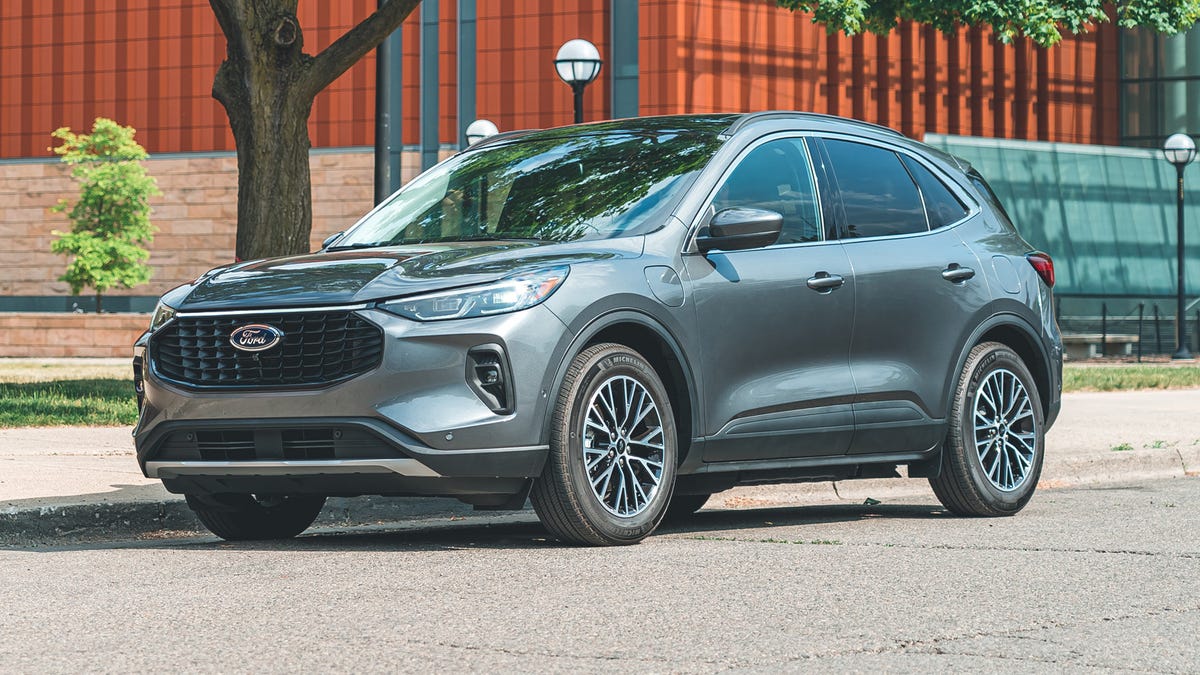
The Ford Escape offers compact dimensions, comfortable seating, and useful everyday versatility. Depending on the market, related models may be sold under different names, including the Ford Kuga in many regions. Its mix of available engines and features gives used buyers several choices, but reliability can vary significantly by model year and engine specification.
Powertrain options include naturally aspirated and turbocharged petrol engines, with availability depending on the year and country. These engines do not have identical maintenance requirements or reliability histories. Buyers should research the exact engine code and review any known service campaigns before committing to a particular example.
Inside, the Escape provides a practical layout, a raised driving position, and cargo space suitable for ordinary family needs. Some versions include useful technology and driver-assistance features.
Test the infotainment system, climate controls, windows, door locks, and other electrical equipment because age can affect even systems that worked correctly when the SUV was new.
Mechanical inspection is especially important for older Escapes. Look for coolant loss, overheating evidence, transmission irregularities, engine warning lights, and signs of previous repairs.
Turbocharged versions require particular attention to engine maintenance and the condition of associated components. A diagnostic scan and a road test under different driving conditions can help reveal problems.
The Escape may offer good value for buyers willing to research the exact version carefully. It should not automatically be treated as equally reliable across every engine and production year. Choose a model with a documented service history, a clean inspection report, and no unresolved mechanical symptoms, even if that means paying more for a better example.
9. Nissan X-Trail (2011 to 2016)
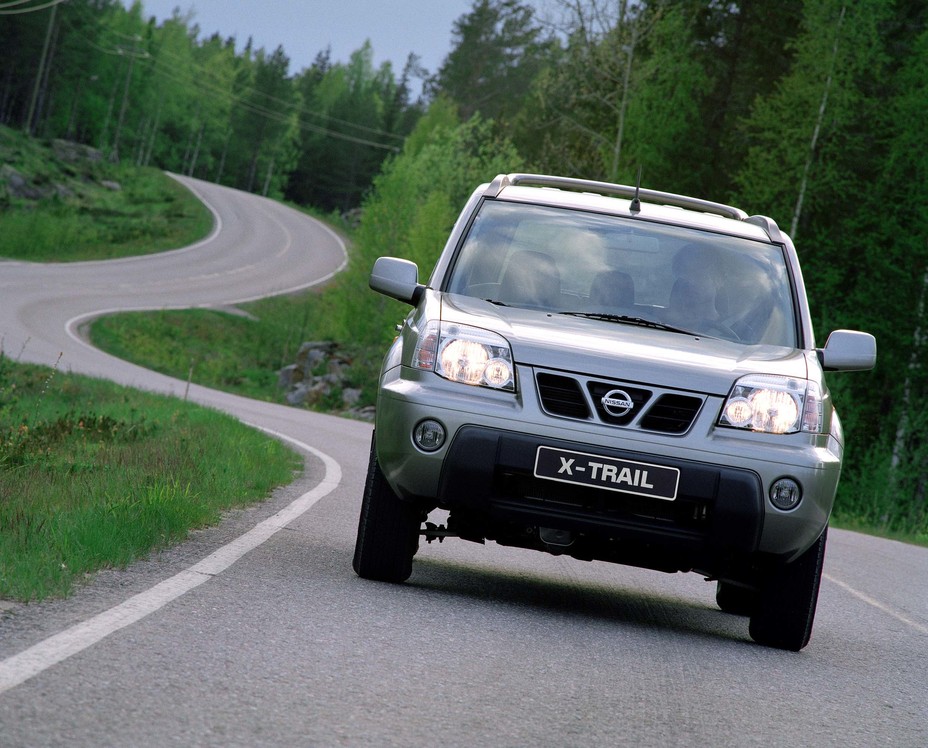
The Nissan X-Trail is a practical SUV that appeals to drivers seeking passenger space, useful cargo capacity, and a comfortable driving position. Model availability and specifications differ between markets, so the exact generation matters when evaluating a vehicle more than ten years old.
Depending on the market and model year, the X-Trail has been offered with petrol and diesel engines, along with manual and automatic transmission options. Some versions use a continuously variable transmission, commonly called a CVT. These gearboxes require careful evaluation because repair costs can be high if the unit has been neglected or has developed internal faults.
Its spacious cabin and useful rear seating make the X-Trail suitable for family duties. Some versions offer all-wheel drive, which can help improve traction on loose or slippery surfaces. Cargo flexibility is another advantage, particularly for people who regularly carry luggage, shopping, sports equipment, or other bulky items.
During a used-vehicle inspection, check transmission behavior, engine temperature, suspension noises, and signs of oil or coolant leaks. For diesel versions, inspect the emissions system and check whether the vehicle has been used regularly on longer journeys. Confirm that the all-wheel-drive system works properly if fitted.
The X-Trail can be a sensible purchase when the specific vehicle has been maintained correctly. Buyers should avoid making decisions based only on mileage or exterior condition. A detailed service history, a specialist inspection, and a thorough transmission test provide a much stronger basis for choosing an older X-Trail confidently.
10. Mitsubishi Outlander (2011 to 2016)
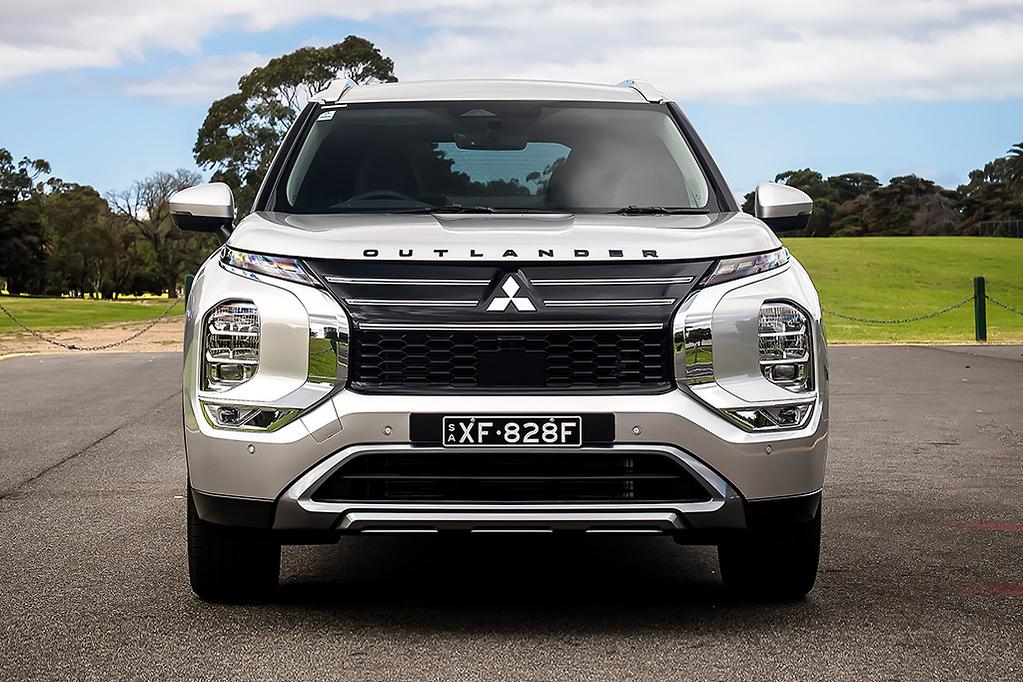
The Mitsubishi Outlander offers a useful blend of family practicality, flexible seating in selected versions, and straightforward everyday transportation. Its reputation and mechanical characteristics vary by generation, engine, and market, so buyers should identify the exact configuration before comparing it with competing used SUVs.
Petrol versions are available with different four-cylinder and V6 engines depending on the year and country. Some models use a CVT, while others offer different transmission arrangements.
Correct servicing is important for any configuration, and prospective owners should verify that transmission-fluid maintenance follows the manufacturer’s specifications.
The cabin offers practical storage, a comfortable driving position, and useful luggage capacity. Certain versions include a third row, though this is generally better suited to occasional use than to carrying adults on long journeys. Equipment varies, making a physical inspection important if features such as rear air vents, reversing cameras, or all-wheel drive are priorities.
Before buying, check for fluid leaks, suspension wear, steering issues, and abnormal transmission behavior. Inspect the cooling system and electrical equipment, and review any maintenance invoices.
If considering an Outlander PHEV from a relevant market and model year, the battery condition and hybrid-system diagnostics require additional specialist attention.
The Outlander can represent a sensible used SUV for families who prioritize space and practical features. Its long-term dependability depends on the particular powertrain and the quality of previous maintenance. Compare several examples, verify their histories, and select the vehicle that demonstrates the strongest mechanical condition rather than the lowest advertised price.
11. Chevrolet Tahoe (2011 to 2016)
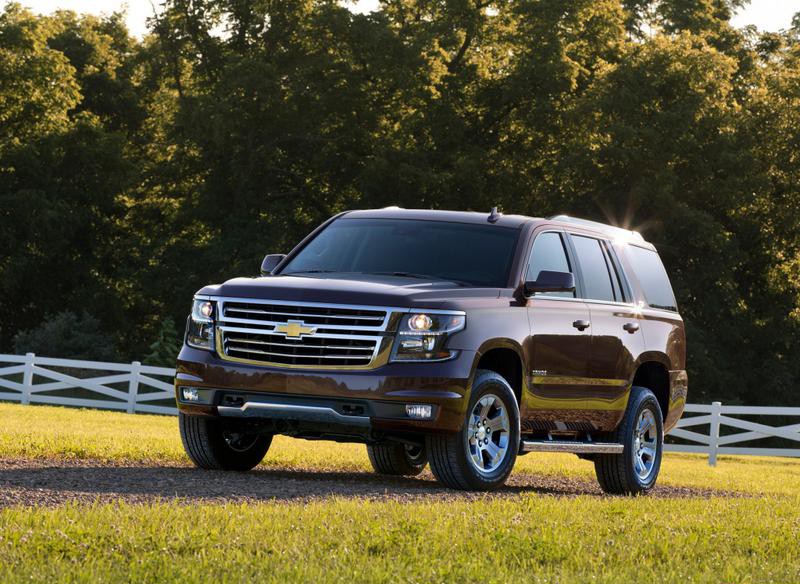
The Chevrolet Tahoe is a full-size SUV designed for buyers who need substantial passenger room, towing capability, and a powerful engine. It is particularly relevant in North American markets, where full-size SUVs are common. A well-maintained older Tahoe can remain useful for demanding duties, but its size and running costs deserve careful consideration.
Many models from this period feature a 5.3-liter V8 petrol engine paired with an automatic transmission. This combination provides strong low-speed pulling power and suits highway travel with passengers or a trailer. Fuel consumption is considerably higher than most compact SUVs, and you should examine the engine-specific maintenance history carefully.
The Tahoe’s spacious cabin, large cargo area, and substantial towing capacity are key advantages. Depending on the configuration, it can accommodate families and substantial luggage while offering a commanding view of the road. Its dimensions, however, make parking and navigating narrow streets more difficult than with smaller vehicles.
Inspection should focus on engine condition, transmission shifts, suspension wear, cooling-system performance, and the operation of four-wheel-drive equipment where fitted.
Some engines from this era can experience issues involving active fuel management, oil consumption, or valvetrain components. Repair expenses can be substantial, so a specialist inspection is especially valuable.
The Tahoe is best suited to buyers who genuinely need full-size capability and can afford its fuel and maintenance costs. Its durable construction does not make every example trouble-free, particularly after a decade of use. A documented service history, a healthy drivetrain, and an inspection covering both mechanical and structural condition are essential before purchase.