A small engine oil leak may seem harmless at first, especially when a vehicle runs smoothly and leaves only a few drops on the driveway. However, even a minor leak can develop into a costly mechanical problem if left unchecked. Engine oil protects moving components, controls heat, and helps maintain reliable performance during daily driving.
When oil escapes from its intended passages, essential parts may receive less lubrication than they need. Understanding the engine problems associated with oil leaks helps drivers recognize early warning signs, avoid unnecessary repair expenses, and protect their vehicles through timely maintenance and professional inspection.
1. Low Engine Oil Levels and Poor Lubrication
A small oil leak can gradually lower the engine’s oil level without producing obvious changes in vehicle performance. Oil may escape through a worn gasket, a damaged seal, a loose drain plug, or a poorly fitted oil filter. In many cases, the leak develops slowly, allowing the engine to continue operating normally for days or weeks.
Drivers may notice a few dark spots beneath the vehicle after parking, yet assume the issue is too minor to require attention. This assumption can be costly because an engine depends on a sufficient supply of clean oil to lubricate moving components and prevent excessive friction during operation.
Engine oil forms a protective film between parts such as crankshaft bearings, camshafts, pistons, and other moving surfaces. This film reduces direct metal contact and helps components move smoothly under pressure.
When the oil level falls below the recommended range, the lubrication system may struggle to maintain adequate protection, particularly during hard acceleration, high-speed driving, or extended journeys.
The problem can become more serious when the oil pump draws in air instead of a steady supply of oil. Even brief interruptions in lubrication can increase wear on precision-engineered components, making a minor leak a potential threat to long-term engine reliability.
Drivers should pay attention to the oil level rather than relying entirely on dashboard warnings. Many vehicles use an oil pressure warning light, which indicates a potentially serious problem rather than serving as an early reminder to add oil. By the time this light appears, lubrication may already be inadequate.
Checking the dipstick according to the manufacturer’s instructions can reveal a gradual decline before the situation becomes critical. Vehicles equipped with electronic oil level monitoring also require regular checks through the appropriate dashboard menu, as not every system continuously measures oil quantity or detects small leaks.
The consequences of low engine oil extend beyond simple maintenance concerns. Insufficient lubrication can increase friction, generate additional heat, and accelerate the deterioration of bearings and other internal components. As wear progresses, drivers may notice ticking sounds, unusual knocking, rough operation, or reduced engine performance.
These symptoms do not automatically prove that an oil leak is responsible, but they warrant prompt investigation. Continuing to drive an engine with dangerously low oil levels can turn an inexpensive seal replacement into a major repair involving internal engine components.

2. Engine Overheating and Excessive Operating Temperatures
Engine oil contributes to temperature control by carrying heat away from lubricated surfaces and reducing friction between moving parts. The cooling system remains primarily responsible for regulating engine temperature, yet oil provides an important supporting function. When a small leak reduces the available oil supply, internal friction can increase and heat may accumulate in areas that depend on consistent lubrication.
This effect becomes particularly concerning during hot weather, heavy traffic, towing, or prolonged highway driving. A driver may initially notice nothing unusual, but continued oil loss can gradually reduce the engine’s ability to operate within its intended temperature range.
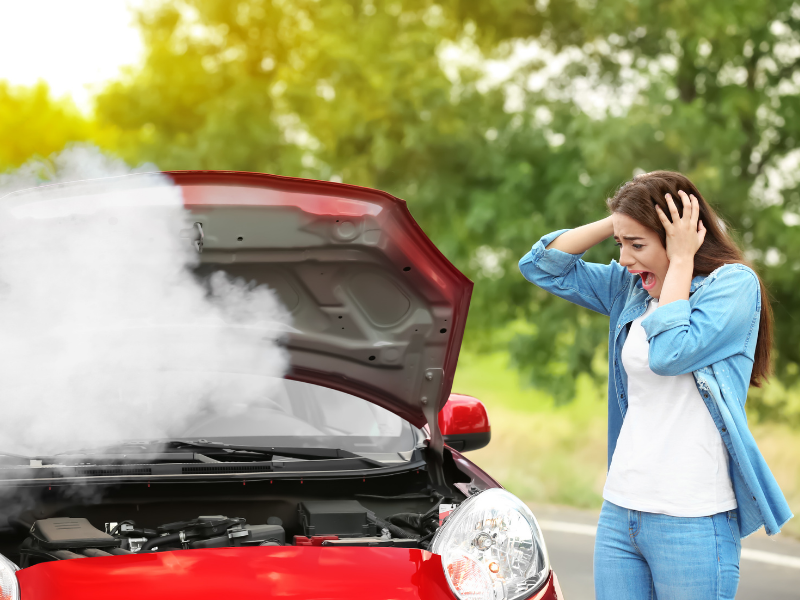
An oil leak can also create problems when escaping oil reaches hot engine surfaces. Oil dripping onto an exhaust manifold, turbocharger housing, or other heated component may produce smoke and a noticeable burning smell. This smoke can sometimes be mistaken for steam from an overheating cooling system. The distinction matters because the appropriate repairs differ significantly.
Coolant leaks, malfunctioning thermostats, blocked radiators, and failing water pumps can all contribute to overheating, while an oil leak may aggravate operating temperatures through reduced lubrication or contact with hot surfaces. Accurate diagnosis helps prevent unnecessary replacement of unrelated components.
Drivers should watch for changes in the temperature gauge, unusual smells, smoke from the engine compartment, and warning messages displayed on the dashboard. A rising temperature reading does not establish that an oil leak is the primary cause, but it signals a condition that requires immediate attention.
If the engine temperature reaches the danger zone or an overheating warning appears, pull over safely and switch off the engine according to the vehicle manufacturer’s guidance. Never remove a hot radiator cap, since pressurized coolant can escape and cause severe burns. Allow the engine to cool before inspecting anything under the hood.
The risk becomes greater when an oil leak occurs alongside another mechanical fault. For example, a cooling fan that fails to operate correctly may cause the engine to overheat in slow traffic, while low oil levels increase the stress placed on internal components.
Similarly, a vehicle with a damaged oil cooler or oil cooler seal may lose oil and, depending on the design, experience additional cooling system complications. Some oil cooler failures can also allow oil and coolant to mix.
These situations require proper testing because different faults can produce similar symptoms, and replacing a gasket without identifying the underlying cause may not resolve the problem.

3. Damaged Engine Bearings and Internal Component Wear
Engine bearings support rotating components and help maintain the precise clearances needed for reliable operation. Crankshaft bearings, connecting rod bearings, and camshaft bearings depend on a consistent supply of pressurized oil to reduce friction and carry away heat.
When an external oil leak remains untreated, the falling oil level can compromise this protective system. The problem may develop gradually, particularly when the leak is small enough to escape notice between scheduled services. However, bearing damage can progress quickly if oil pressure drops significantly or the engine continues running with inadequate lubrication.
Early bearing wear does not always produce clear symptoms. In some cases, the engine may sound normal while internal surfaces begin to deteriorate. As clearances increase, drivers may hear metallic knocking, tapping, or rumbling noises that change with engine speed.
Oil pressure may also fall because worn bearing clearances allow more oil to escape through internal passages. These symptoms are not exclusive to bearing failure, since other mechanical problems can produce similar sounds and pressure changes. A professional inspection may include checking oil pressure, examining the drained oil, inspecting the oil filter, and performing additional tests to determine whether internal damage has occurred.
The relationship between an external oil leak and bearing damage depends on the amount of oil lost, the engine’s operating conditions, and how quickly the driver responds. A slight seep that leaves the oil level within the recommended range may not cause immediate bearing damage.
By contrast, a persistent leak that allows the sump level to drop below the safe limit can create a serious lubrication problem. Engines operating at high speeds or under heavy loads may be especially vulnerable because their bearings experience substantial forces. Maintaining the correct oil level is therefore essential, even when a vehicle appears to perform normally.
Once bearing surfaces become badly damaged, simply adding fresh oil will not restore their original condition. Worn bearings may require substantial engine disassembly, accurate measurement of internal clearances, and replacement of damaged components.
If the crankshaft or connecting rods have suffered secondary damage, the repair can become considerably more expensive. In severe cases, replacing or rebuilding the engine may be more practical than repairing individual parts. These outcomes explain why prompt attention to a relatively inexpensive oil leak can prevent repair bills that are disproportionate to the original fault.
4. Timing Chain and Valve Train Problems
The timing chain and valve train rely on proper lubrication to operate correctly. A timing chain connects the crankshaft and camshaft, helping maintain the precise timing required for the engine’s valves to open and close at the correct moments.
Depending on the engine design, oil also supplies hydraulic timing chain tensioners, variable valve timing systems, camshaft actuators, and other components.
When a leak gradually reduces the engine’s oil supply, these systems may struggle to maintain the pressure and lubrication required for consistent operation. The resulting symptoms can range from unusual rattling to warning lights and reduced engine performance.
A hydraulic timing chain tensioner uses engine oil pressure to maintain appropriate chain tension. If oil pressure becomes inadequate, the tensioner may not function as intended, potentially allowing the chain to develop excessive slack. Drivers may hear a brief rattle during startup or a more persistent metallic noise as the engine runs.
However, timing chain noise can also result from chain wear, a defective tensioner, damaged guides, or oil draining away while the engine is switched off. An oil leak should therefore be investigated alongside other possible causes instead of being treated as definitive proof of timing chain failure.
Valve train components, including camshafts, lifters, rocker arms, and hydraulic lash adjusters, also depend on suitable lubrication. Low oil levels or insufficient oil pressure can interfere with their operation and accelerate wear on contact surfaces. Some engines may develop ticking sounds, rough idling, reduced power, or fault codes related to variable valve timing.
These symptoms can overlap with ignition, fuel delivery, and sensor problems, so a complete diagnostic assessment is necessary. Restoring the oil level may improve symptoms caused by low oil supply, but it cannot reverse damage that has already developed in worn mechanical components.
Severe timing system problems can affect engine operation far beyond noise and reduced efficiency. If valve timing shifts significantly, the engine may run poorly, fail to start, or trigger a warning light. In interference engines, certain timing failures can allow pistons and valves to collide, causing extensive internal damage.
Not every timing chain issue leads to this outcome, and a small external oil leak does not automatically indicate imminent timing failure. The risk depends on the engine design, the condition of its timing components, the extent of lubrication loss, and the driver’s response to early symptoms.
5. Turbocharger Damage and Reduced Engine Performance
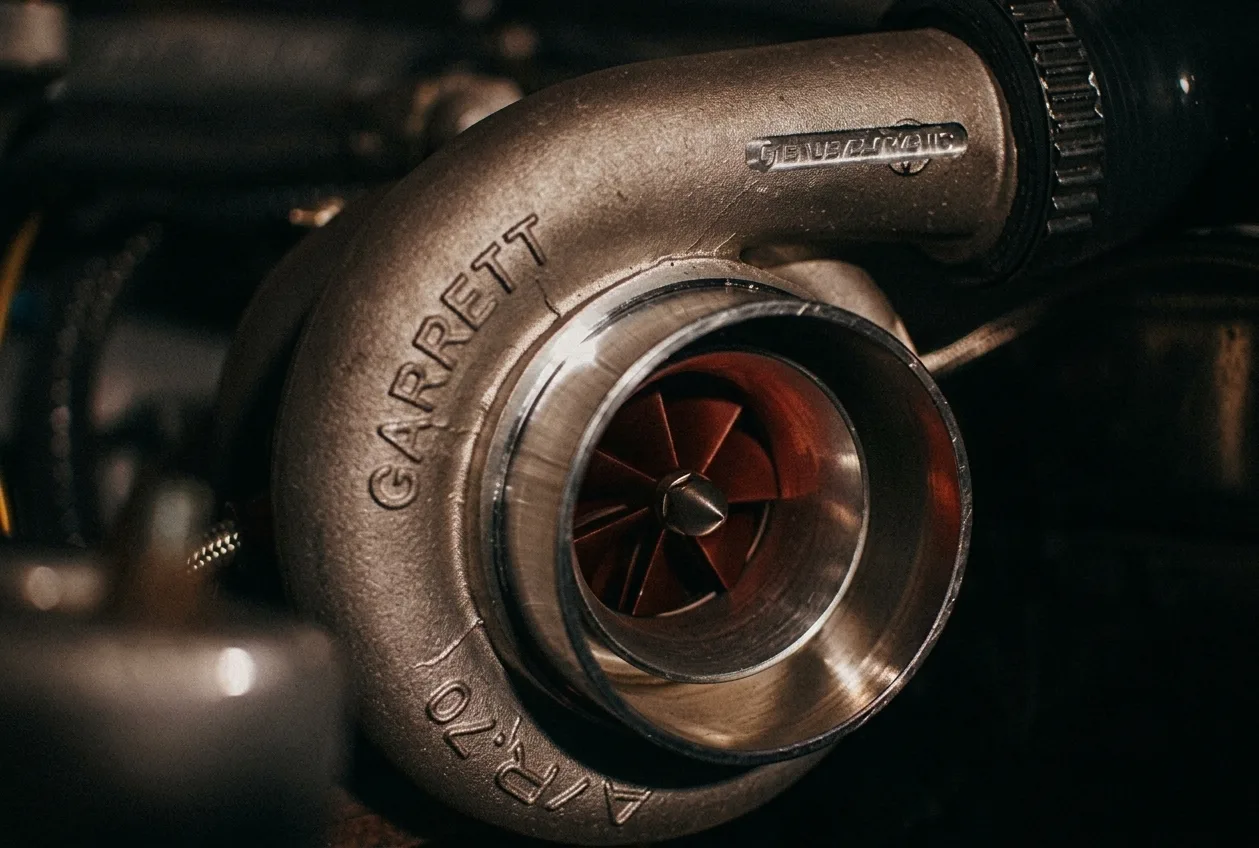
Turbocharged engines depend heavily on engine oil because the turbocharger contains a shaft that rotates at extremely high speeds. Oil lubricates the shaft bearings and helps carry heat away from the assembly during operation.
When an engine develops an oil leak, the resulting loss may reduce the amount of oil available to the turbocharger, especially if the level becomes dangerously low or oil pressure falls. This can increase friction, raise operating temperatures, and accelerate wear.
The risk varies by engine design and leak severity, but turbocharged vehicles deserve particular attention because their forced induction systems operate under demanding thermal and mechanical conditions.
A turbocharger experiencing lubrication problems may produce unusual whining, scraping, or siren-like noises. Drivers might also notice reduced acceleration, a lack of boost, excessive exhaust smoke, or a warning light. These signs can indicate turbocharger trouble, but they may also arise from boost leaks, damaged intake hoses, faulty sensors, restricted exhaust systems, or other engine faults.
Oil escaping from the turbocharger’s seals or oil feed connections can create symptoms that resemble an external engine oil leak. Correct diagnosis requires determining whether the oil originates from the engine, the turbocharger lubrication circuit, or another nearby component.
Oil leaks near turbocharger oil feed and return lines deserve prompt inspection. A damaged feed line can interfere with lubrication, while a restricted return line may prevent oil from draining properly from the turbocharger housing. Depending on the circumstances, either problem can contribute to oil leakage or turbocharger malfunction.
Some turbocharger designs may allow oil to enter the intake or exhaust system when internal conditions are abnormal, leading to visible smoke and increased oil consumption. Replacing the turbocharger without identifying the reason for the failure can leave the original problem unresolved and expose the replacement unit to similar damage.
6. Oil Contamination of Belts, Hoses, and Electrical Components
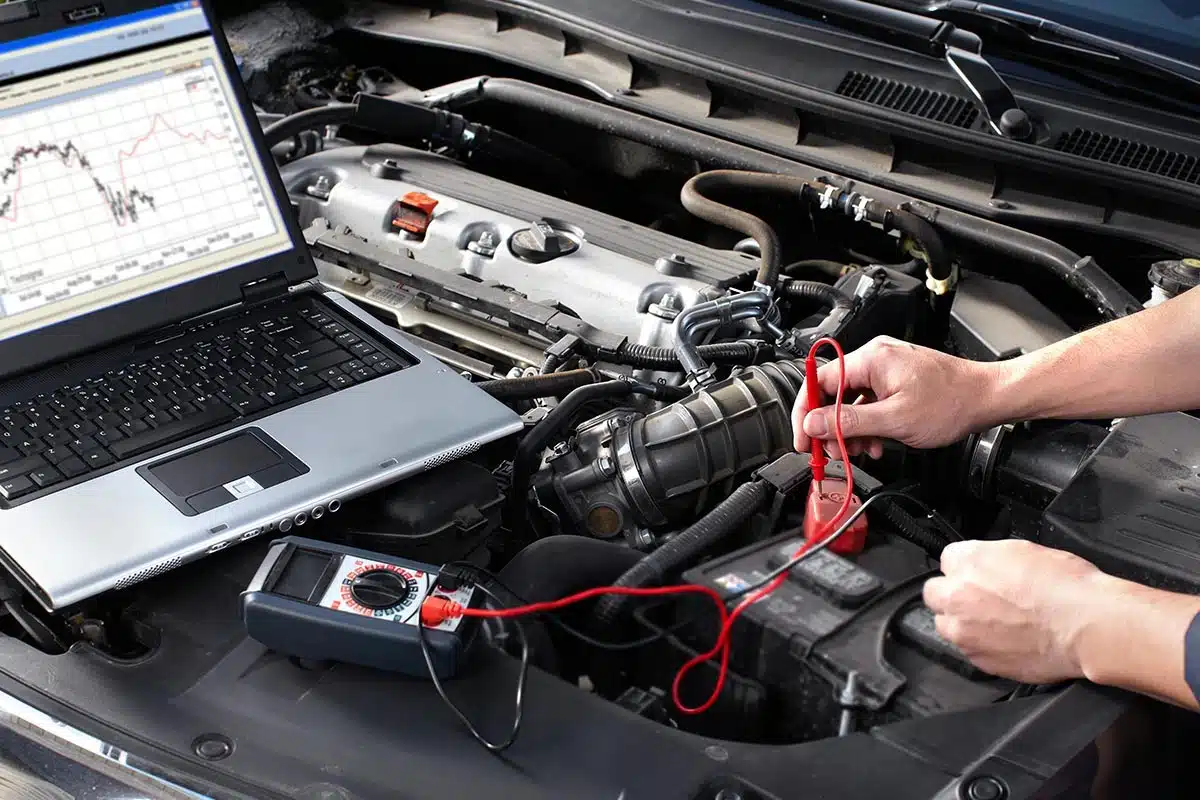
Engine oil can damage nearby components when it escapes from a leaking gasket or seal. Rubber belts, hoses, wiring insulation, and electrical connectors may sit close to common leak points, leaving them exposed to repeated contact with oil. The effects depend on the material, the type of oil, the duration of exposure, and the temperature around the affected area.
Some components may tolerate limited contact, while others can soften, swell, deteriorate, or lose their intended properties. A leak that appears to be a simple engine maintenance issue can therefore create additional repair needs if the oil spreads beyond its original source.
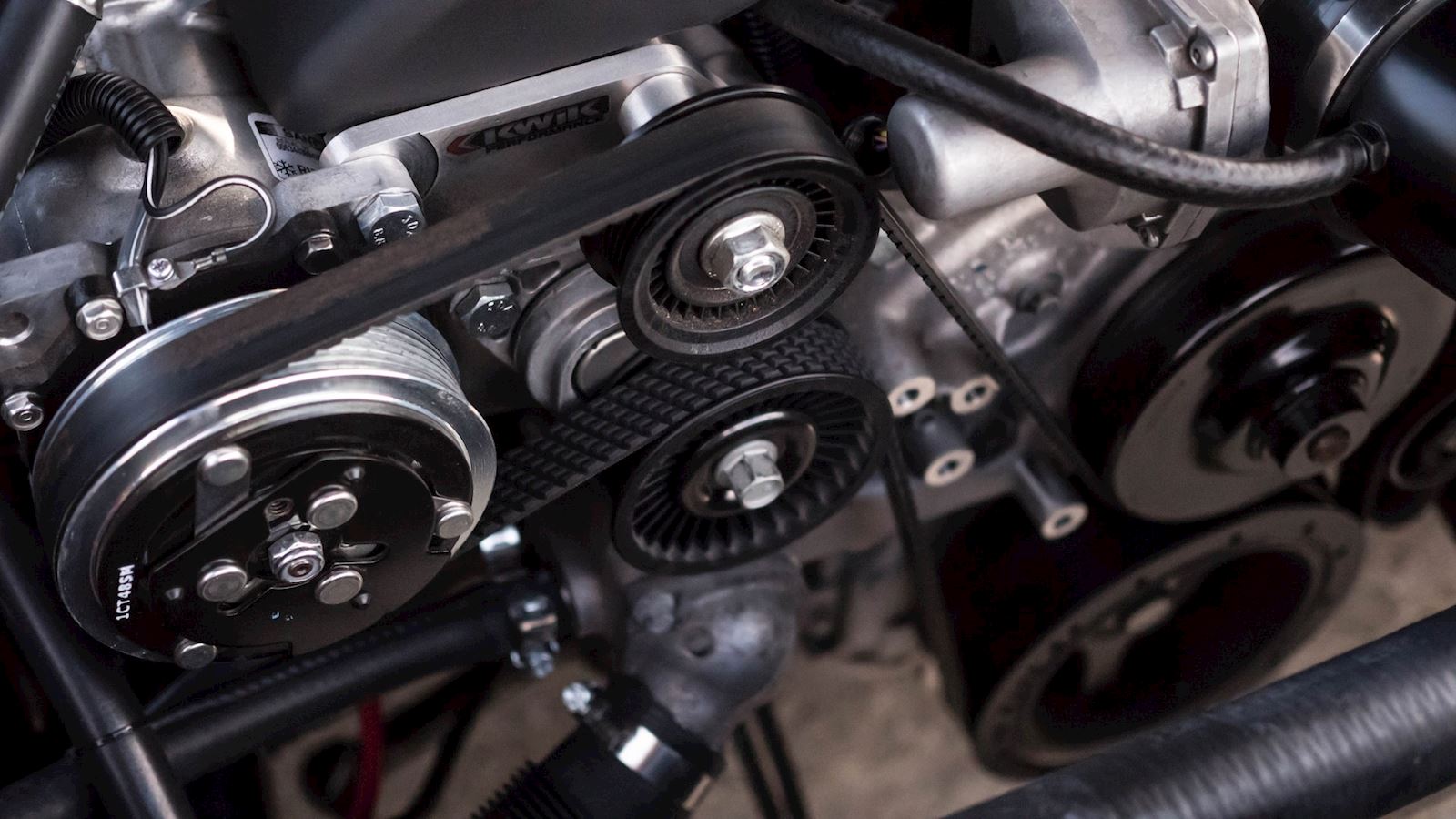
Serpentine belts are particularly important because they drive accessories such as the alternator, air conditioning compressor, and, on some engines, the water pump. Oil contamination can reduce belt grip and contribute to slipping, squealing, or premature deterioration.
A belt that slips may prevent an accessory from operating correctly, potentially causing charging problems or affecting engine cooling, depending on the vehicle’s design. Not every belt noise comes from an oil leak, since worn pulleys, incorrect tension, and damaged belt surfaces can create similar symptoms. Nevertheless, an oily belt should be inspected, and the source of contamination should be corrected before a replacement is fitted.
Rubber hoses and seals can also suffer when exposed to fluids they were not designed to withstand. Oil reaching a coolant hose, for example, may gradually affect its material, depending on the hose construction and exposure. Electrical wiring presents a different concern.
Oil can collect around connectors and attract dirt, making inspection and cleaning more difficult. While engine oil does not automatically destroy electrical insulation, contamination may contribute to connector problems in some circumstances, particularly when heat, aging, or existing damage is present. Careful cleaning and inspection can help determine whether affected components remain serviceable or require replacement.
7. Catalytic Converter Problems and Exhaust System Damage
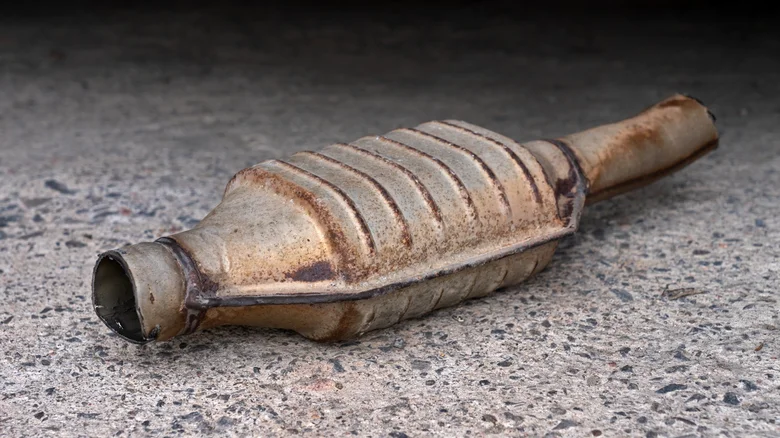
An engine oil leak can affect exhaust components when escaping oil reaches hot surfaces or when oil enters the combustion chambers and passes into the exhaust stream. External leaks may allow oil to drip onto the exhaust manifold, downpipe, or other heated parts, producing smoke and a burning smell.
Internal oil consumption can have different consequences because oil entering the exhaust may expose emissions control components to contaminants. These two situations should not be confused. An external oil leak does not automatically damage the catalytic converter, but unresolved oil consumption or repeated contamination can contribute to exhaust system problems.
The catalytic converter helps reduce harmful pollutants in exhaust gases by facilitating chemical reactions within its internal structure. When excessive engine oil burns during combustion, some of its components can leave deposits that interfere with the catalyst’s performance over time.
This may reduce emissions control efficiency and contribute to a failed emissions test or a diagnostic trouble code. The severity depends on the quantity of oil entering the exhaust, how long the condition continues, and the engine’s operating characteristics. A small external leak that never reaches the exhaust stream is unlikely to have the same effect as sustained internal oil burning.
Drivers may notice blue or blue-gray exhaust smoke when an engine burns oil, particularly during acceleration or after certain periods of engine operation. However, smoke color alone cannot establish the exact cause. Worn piston rings, damaged valve stem seals, faulty crankcase ventilation systems, and turbocharger problems can all contribute to oil entering the combustion process.
A catalytic converter fault may also produce a warning light without visible smoke. Proper diagnosis may involve checking oil consumption, examining spark plugs, reading diagnostic codes, and evaluating the exhaust system rather than replacing the converter based on a single symptom.
Catalytic converter replacement can be expensive, especially when the vehicle requires a specific emissions-compliant part. Replacing the converter without correcting the source of excessive oil consumption may lead to recurring problems.
In addition, oil dripping onto a hot exhaust manifold or other heated surfaces can create a fire hazard under certain conditions. Visible smoke from the engine compartment, a strong burning odor, or oil collecting near the exhaust system warrants prompt inspection.
If smoke is heavy or there are signs of fire, stop safely, switch off the engine, move away from the vehicle, and contact emergency services when necessary.
8. Engine Failure and Expensive Mechanical Repairs
Engine failure is among the most serious consequences of ignoring a persistent oil leak. The risk does not come from every minor seep or occasional drop beneath a parked vehicle. Instead, the danger develops when oil loss becomes substantial enough to compromise lubrication, reduce oil pressure, or allow internal components to overheat and wear rapidly.
Because many leaks progress gradually, drivers may become accustomed to topping up the oil without arranging a permanent repair. Over time, this habit can conceal a worsening fault and increase the likelihood of serious mechanical damage.
Several internal failures can result from prolonged operation with insufficient lubrication. Crankshaft bearings may wear or seize, pistons can suffer damage from excessive friction and heat, and camshaft components may deteriorate. In extreme circumstances, a connecting rod bearing can fail and cause catastrophic damage to the engine block or other internal parts.
Such outcomes are not inevitable when an oil leak appears, but they become more plausible when the vehicle continues running with critically low oil levels or inadequate pressure. The distinction between a manageable leak and an emergency often depends on how quickly the problem is recognized.
Drivers sometimes assume that adding a litre of oil will solve the issue permanently, especially when the engine continues to start and accelerate normally. Topping up can restore the correct level temporarily, provided the engine has not suffered damage and the correct oil is used.
However, it does not stop oil from escaping through a failed gasket, cracked component, or damaged seal. Frequent top-ups can also make it harder to track how much oil the engine is losing. Recording the amount added and the distance travelled can help a technician assess the severity of the problem, but persistent oil loss still requires diagnosis and repair.