
A high safety rating can give car buyers confidence, but it does not guarantee that every component will perform as expected under every driving condition. The National Highway Traffic Safety Administration (NHTSA) evaluates vehicles through crash tests, safety investigations, consumer complaints, and defect recalls.
These processes can reveal concerns that a star rating alone may not communicate. For buyers, understanding the difference between crash-test performance and a specific safety defect is essential.
This article examines six vehicles associated with documented safety concerns, explains what those concerns mean, and outlines how owners can check their vehicles for outstanding recalls.

1. 2018 Volkswagen Tiguan: A Door That Opened During a Side-Impact Test
The 2018 Volkswagen Tiguan attracted attention after NHTSA identified a safety concern involving the driver’s door during a side-impact crash test. According to reporting by Consumer Reports, the door unlatched and opened during the test.
That finding was significant because a door that opens during a collision can increase the possibility of an occupant being ejected from the vehicle. The concern illustrated how a car’s star rating may not communicate every detail of its performance in a particular crash scenario.
A side-impact test is designed to reproduce a collision in which another vehicle strikes the side of a stationary car. Such crashes can place substantial loads on the doors, side structure, seat belts, and occupant restraints. Door latches and hinges are important parts of this protective system because they help keep occupants inside the passenger compartment.
When a door opens unexpectedly under impact forces, it raises questions about containment and the protection offered by the vehicle’s structure. The finding does not mean that every Tiguan door would open in a real-world collision, but it identifies a specific performance issue that deserved investigation.
A separate safety warning, by contrast, draws attention to a result that may require additional explanation. NHTSA’s guidance confirms that a safety concern can involve unintended component behavior, including a door opening, without being fully represented in the vehicle score. The warning adds context rather than replacing the rating.
For a prospective used-car buyer, the practical lesson is to identify the exact model year and check the vehicle’s history. The 2018 Tiguan’s reported test finding should not be treated as proof that every Tiguan from every year has the same problem.
Vehicle redesigns, production changes, and different equipment can affect results. Buyers should review NHTSA’s records for the particular model and check the vehicle identification number for outstanding recalls. If a concern is associated with a particular test, the underlying report can help explain the nature and scope of the issue.
Owners should also pay attention to recalls and manufacturer communications rather than relying solely on the original window sticker. A recall is a formal action intended to address a safety-related defect or noncompliance, while a crash-test warning identifies a specific result that deserves attention.
These are related but distinct forms of safety information. NHTSA maintains separate resources for ratings, complaints, investigations, and recalls, allowing consumers to review several types of evidence before making a decision.
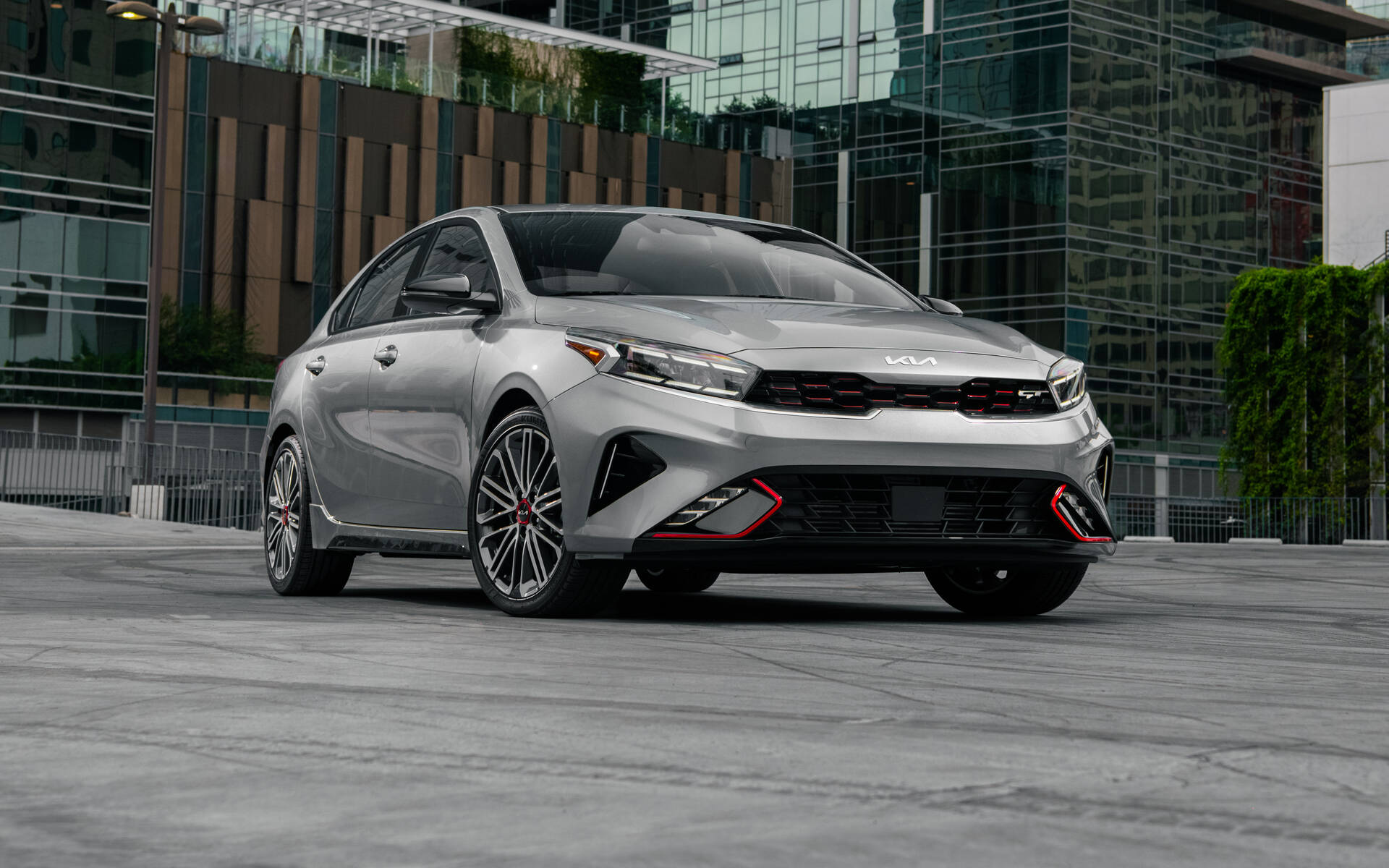
2. 2022 Kia Forte: Elevated Lower-Spine Readings in a Side Crash
The 2022 Kia Forte provides a clear example of why a strong result in one crash category does not settle every question about occupant protection. MotorTrend’s review of the car’s safety performance reports that NHTSA assigned it four stars, with four stars in frontal crash and rollover testing and five stars in side-crash testing.
The agency also identified a separate concern involving the rear passenger during the side-impact test. This finding focused on a specific injury measurement rather than generally that the vehicle performed poorly in every category.
The reported issue involved intrusion by the left rear door during the side-impact test. The interior door panel struck the torso of the rear-seat crash-test dummy, producing a high lower-spine acceleration reading. This matters because crash forces travel through the body in complex ways.
An occupant may experience forces in the torso and lower spine that are not fully captured by the headline measurements used to calculate the rating. A vehicle can perform well on several injury measures and still produce an elevated reading in a particular body region.
NHTSA’s testing guidance explains that lower-spine acceleration is measured during side-impact tests, but it is not included in the star-rating calculation in the same way as the principal injury measures.
The agency reports excessive lower-spine readings separately, with rear-passenger results potentially identified as a safety concern. The threshold described in NHTSA’s guidance is greater than 82 times the acceleration due to gravity. A separate warning therefore communicates information that the star rating alone could miss.
The finding should be interpreted carefully. It does not establish that every rear passenger in every Forte will suffer a spinal injury, nor does it mean the car offers no protection in a side collision. Crash tests use instrumented dummies and repeatable conditions to estimate how vehicle structures and restraints perform.
These measurements help safety regulators determine which areas need further evaluation. However, the outcome of an actual crash depends on several factors, including the angle and speed of impact, occupant size, seating position, and proper seat-belt use. The key takeaway is that the test revealed a rear-passenger injury measurement that prospective buyers should take into account.
Anyone considering a used Forte should examine the NHTSA rating record for the exact model year and check for outstanding recalls using the VIN. Buyers can also compare results with vehicles in the same class and review independent crash-test assessments.
The four-star result and the separate concern should both be part of the decision. Reading only the highest score would omit relevant information, while focusing only on the warning would overlook the car’s other test results. A balanced assessment considers the complete evidence and confirms whether any applicable safety action remains outstanding.
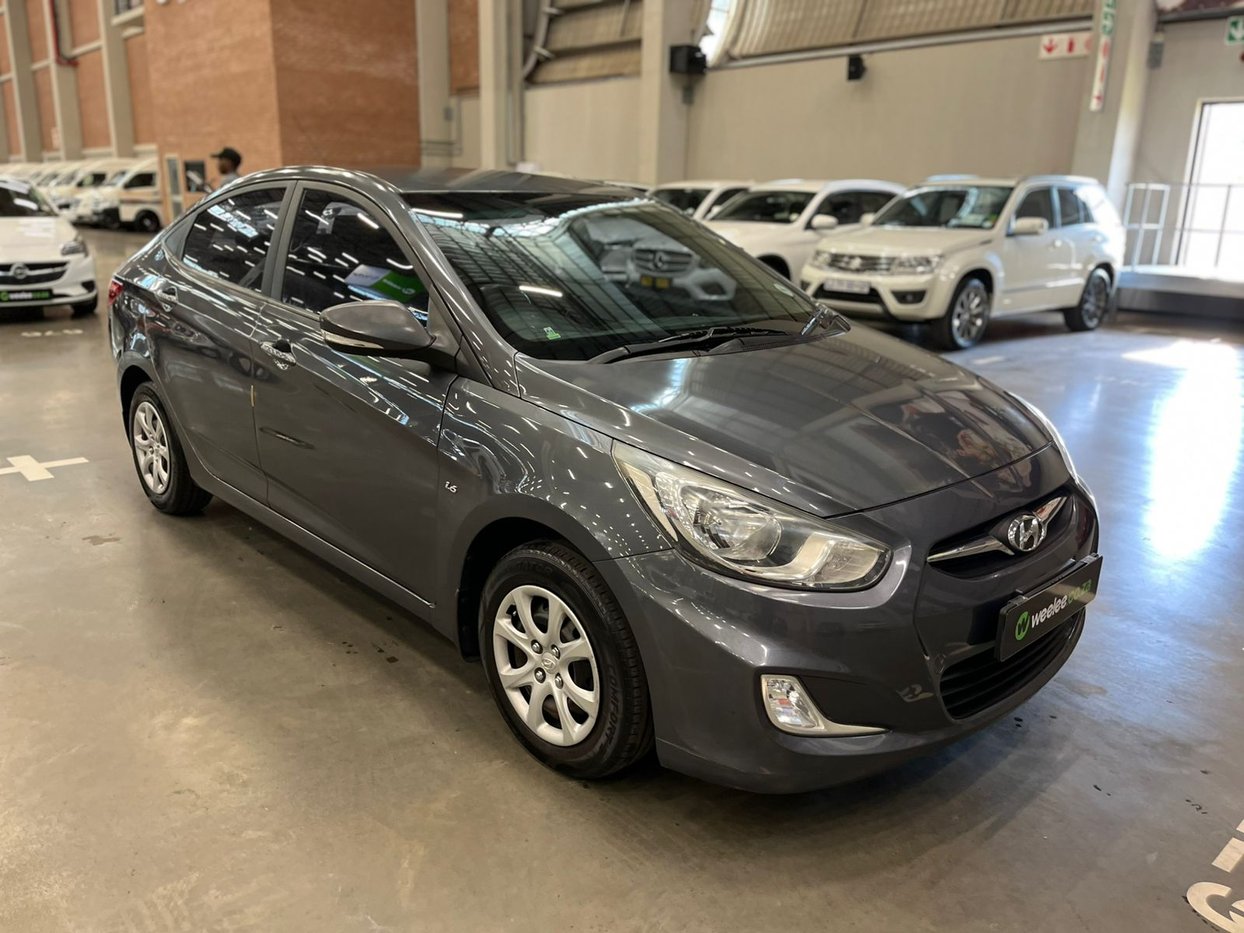
3. 2012 Hyundai Accent: Rear-Door Intrusion During a Side Collision
The 2012 Hyundai Accent was another vehicle for which a side-impact test raised a concern beyond the headline star rating. Cars.com reported in March 2015 that NHTSA had highlighted the Accent after the left rear door intruded during the side-impact barrier test.
The finding was important because the agency identified a potential hazard involving the rear passenger, even though the vehicle still received star ratings in the main crash categories. This is precisely the type of result that makes the details behind a rating worth reading.
Door intrusion occurs when the force of a collision pushes a door or part of the vehicle’s side structure into the passenger compartment. In a side-impact crash, the distance between the exterior bodywork and an occupant can be limited, leaving less room to absorb energy than in some frontal collisions.
A door panel that moves inward can contact an occupant and transfer force to the torso or other parts of the body. The severity of the outcome depends on several factors, including the impact location, the amount of intrusion, the occupant’s position, and the performance of the restraint system.
The Accent example highlights the difference between a general rating and an individual test observation. A star rating combines specified measurements into a simplified score. A particular structural movement or contact event may deserve attention even when it does not change that score.
NHTSA’s explanation of its safety-concern symbol specifically identifies structural failure and unintended component behavior as possible reasons for an alert. Such a designation gives consumers information that may not be obvious from the number of stars alone.
It is important to keep the model year in view. The 2012 Accent is an older generation, and its test result should not be applied automatically to later versions of the Accent or other Hyundai vehicles. Automakers change body structures, restraint systems, materials, and manufacturing processes across generations.
Even when a vehicle keeps the same name, its crash performance can change significantly after a redesign. Shoppers evaluating an older used Accent should therefore consult the rating for that exact year instead of assuming that newer models share the same weakness.
For owners, this historical test finding is a reason to review safety information, not a substitute for checking the car’s current condition. Inspect the vehicle for previous collision damage and poorly completed body repairs, since damaged or altered structural components can affect crash protection.
Confirm that the seat belts work correctly and that any recall repairs have been completed. NHTSA’s VIN lookup provides information about unrepaired recalls, while its ratings database provides model-specific crash-test results. These checks answer different questions and are most useful when considered together.
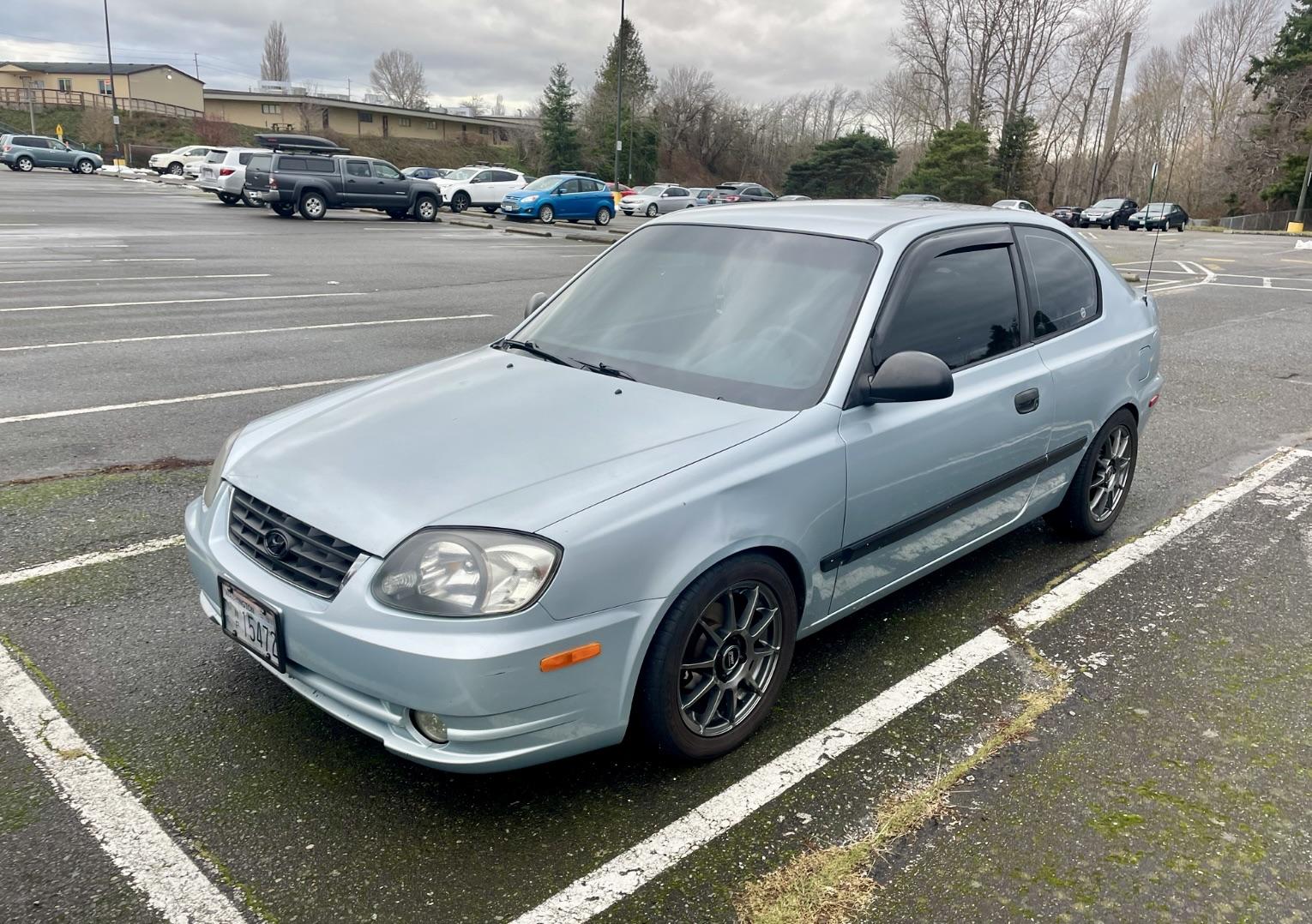
4. 2003 Hyundai Accent: A Rear-Passenger Head-Injury Concern
An earlier Hyundai Accent also appeared in NHTSA safety reporting. A historical report published by the Crittenden Automotive Library, the agency’s crash-test information for 2003 vehicles, identified a concern involving the Accent’s rear passenger in the side-impact test.
The reported head measurement indicated an increased likelihood of serious head injury for the rear-seat occupant represented by the crash-test dummy. This was a distinct concern from the later Accent’s reported rear-door intrusion, demonstrating that different test results can reveal different potential weaknesses even within the same model line.
Head protection is a central part of side-impact safety because the distance between an occupant’s head and the side of a vehicle can be small. During a collision, the head may move toward the window, door structure, or other interior surfaces.
The outcome depends on the way the vehicle absorbs energy, the amount of passenger-compartment intrusion, the available cushioning, and the movement of the occupant. Crash-test dummies contain sensors that help engineers measure the forces experienced during a controlled impact, allowing a particular result to be compared with established criteria.
A safety concern based on a head-injury measurement does not mean that every real-world side collision will produce a serious injury. It signals that the tested configuration produced a result requiring attention. Real crashes differ in speed, direction, vehicle size, point of contact, and the characteristics of the people inside the vehicle.
Nevertheless, a concerning test measurement can be valuable because it identifies a potential vulnerability before individual consumers experience a similar event. Public crash-test information helps buyers understand that protection can vary across occupant positions, not just between vehicles.
The 2003 Accent should also be viewed in its historical context. Side-impact protection technology has changed over the years, including improvements in side airbags, curtain airbags, body structures, and energy management. Equipment varies by model, trim, and market, so buyers should never assume that a particular older vehicle includes modern safety features.
When examining a used car from this period, it is sensible to verify its original equipment, check for evidence of crash repairs, and inspect the condition of seat belts and airbag warning systems. A dashboard warning light that remains illuminated deserves professional diagnosis.
This example reinforces the importance of comparing vehicles from the same era and checking the exact test record. A high rating, where available, is useful information, but the underlying measurements can reveal limitations that matter to a buyer’s needs.
Families who regularly carry rear-seat passengers should pay close attention to rear-occupant protection rather than focusing exclusively on the driver’s score. The age of the vehicle, its maintenance history, any prior structural damage, and the availability of safety equipment should all be considered before purchasing an older model.

5. 2014 MINI Cooper Hardtop: A Side-Impact Measurement That Raised Questions
The 2014 MINI Cooper Hardtop provides a related example of NHTSA identifying a concern through vehicle safety testing. A federal investigation document describes a side-impact compliance test involving a 2014 MINI Cooper two-door Hardtop. In the test, the lower-spine acceleration measurement for the small female crash-test dummy exceeded the applicable limit.
The document also explains that BMW of North America argued that its certification was based on testing a Cooper S variant with a different weight configuration. This record concerns regulatory compliance testing, which is distinct from the consumer star-rating program.
An issue identified in a compliance test is not automatically a final determination that every example of a model violates a standard. NHTSA’s compliance database explains that an identified issue is an initial indication of possible noncompliance that can lead to further analysis. The investigation record, its findings, and any subsequent regulatory action must be considered together.
Lower-spine acceleration is relevant because the forces measured in a crash dummy help researchers identify loading that may be associated with injury. In side impacts, the vehicle’s side structure and interior surfaces can transmit forces to the occupant’s torso and lower body.
NHTSA’s testing guidance explains that lower-spine readings are measured separately from several of the injury measures used in star ratings. A high reading can therefore merit attention even when the main rating does not tell the full story. The measurement is one piece of evidence, not a direct prediction of what will happen in every collision.
The MINI investigation also demonstrates why consumers should distinguish an initial concern from a confirmed defect and a completed recall. A compliance test may lead to requests for information, further tests, or additional analysis. The manufacturer’s explanation may become part of the record, and the agency may conclude after reviewing the evidence.
It would be inaccurate to treat the existence of an investigation document as proof that every vehicle of that model year was defective. The responsible approach is to read the final findings and check whether any recall or corrective action applies to the particular vehicle.
For used-car shoppers, the MINI’s compact size and distinctive design should not distract from basic safety checks. Verify the vehicle’s year, variant, and equipment, then review the available NHTSA records for that precise configuration.
If the vehicle has been involved in a collision, ask whether repairs affected the door structure, seats, restraints, or airbags. Have any unexplained airbag warning lights inspected by a qualified technician. These steps help turn a historical regulatory record into useful purchasing information without exaggerating what a single test can establish.
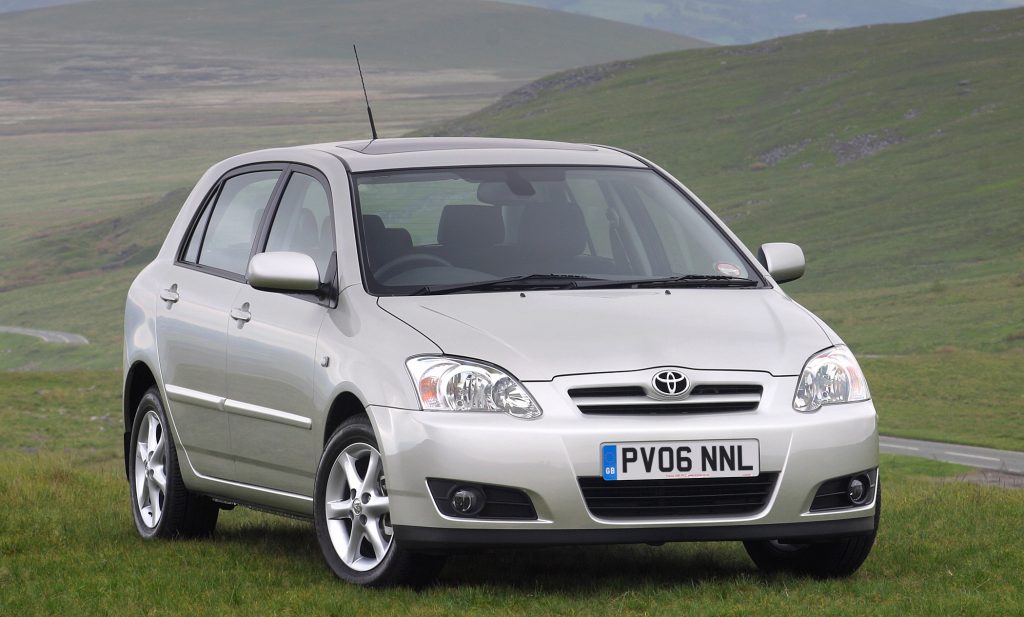
6. 2005 Toyota Corolla: Why Side-Impact Testing Can Reveal Hidden Weaknesses
The 2005 Toyota Corolla illustrates how NHTSA’s technical testing can identify injury-related concerns that a simple star rating may not communicate. A federal regulatory document discussing side-impact protection standards lists the 2005 Corolla among vehicles whose test measurements showed elevated loading conditions.
The document describes lower-spine acceleration as an important indicator that can help reveal potentially injurious forces on the body during a side collision. This evidence belongs to the agency’s technical and regulatory work, rather than proving that every Corolla from that year carried a specific warning on its consumer rating label.
A side-impact collision presents a difficult engineering challenge. The vehicle has less distance between its outer panels and the occupants than it typically has in front of them. Doors, side rails, pillars, seats, and restraint systems must work together to absorb energy and manage the movement of the people inside.
A car may achieve acceptable results on some measurements and still show elevated forces in a particular body region. This is why crash protection cannot be reduced to a single number, especially when the test includes several occupant positions and different injury measurements.
The Corolla example also shows why the date and purpose of a report matter. A document discussing proposed or existing safety standards may include technical test results used to assess a regulation. That is not the same as a consumer-facing star rating or a formal recall notice.
A test result may contribute to engineering decisions and regulatory changes without establishing that every vehicle tested must be recalled. Readers should distinguish a measured concern, a confirmed standards violation, an official defect determination, and a repair campaign because each represents a different stage or type of safety information.
For buyers looking at an older Corolla, the practical priority is the condition of the individual vehicle. More than two decades of use can mean substantial differences in maintenance, corrosion, crash history, and the quality of previous repairs. Check the VIN for outstanding recalls, review service records, and arrange a professional inspection before purchase.
Confirm that seat belts retract and latch correctly, that airbag warning lights behave as specified, and that the vehicle has not undergone unapproved modifications to its safety systems. A model’s historical test result is useful context, but the condition of the actual car matters too.
The wider lesson is to use historical testing records alongside current, vehicle-specific information. NHTSA’s ratings program provides standardized comparisons, while its compliance and recall resources answer different questions about regulatory requirements and repairs.
The Corolla example should not be presented as proof of a current recall or a universal defect. Instead, it shows why informed buyers benefit from reading beyond a star graphic and understanding exactly what a test measured. For an older used car, documented maintenance, sound structural repairs, functioning restraints, and a clear recall history all deserve attention.