The Honda Accord has earned its reputation as one of the most dependable and well-rounded midsize cars ever produced. Since its introduction in 1976, the Accord has evolved from a compact hatchback into a sophisticated family sedan with impressive performance, practical interiors, and modern technology.
Each generation brought meaningful changes, yet some stand out more than others for their reliability, driving experience, value, and long-term appeal. Ranking all eight generations requires considering their historical importance, engineering, styling, and ownership costs. Here is how the eight generations compare, from the least impressive to the most memorable.
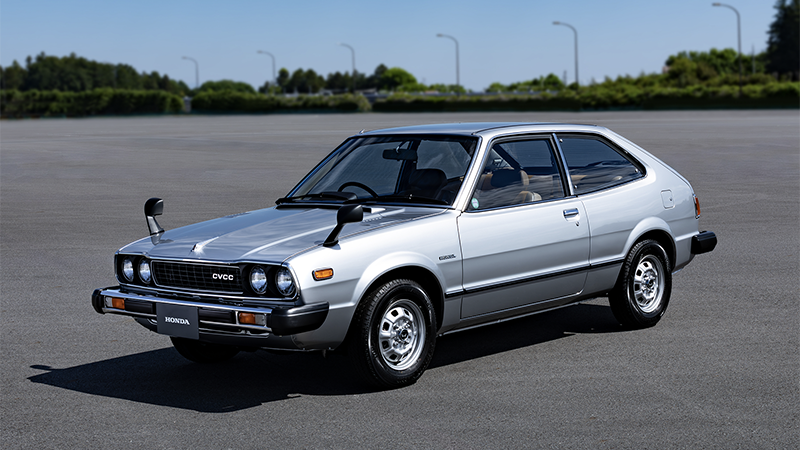
8. First-Generation Honda Accord (1976 to 1981)
The first-generation Honda Accord earns the eighth position because its basic performance and safety features cannot match later models. However, judging this car by modern expectations would be unfair.
Launched in 1976, the first Honda Accord set the foundation for the model’s long-standing reputation for practical design, fuel efficiency, reliable engineering, and everyday comfort. It initially came as a three-door hatchback, followed by the introduction of a four-door sedan in 1979.
Under the hood, early examples used a 1.6-liter four-cylinder CVCC engine producing approximately 68 horsepower. That output appears modest today, yet the first Accord was a relatively lightweight car, allowing it to perform adequately in everyday traffic.
Honda’s Compound Vortex Controlled Combustion technology also helped the engine meet stringent American emissions requirements without relying on the conventional catalytic converter arrangement commonly associated with contemporary cars. Fuel economy was a major selling point during an era when rising fuel prices encouraged buyers to consider smaller, more efficient vehicles.
The original Accord also established a practical cabin philosophy that continued through subsequent generations. Its controls were straightforward, the seating was comfortable for its size, and the hatchback body provided useful cargo flexibility. Honda offered equipment that helped the car feel more complete than its compact dimensions might suggest.
Later versions added features such as power steering, a larger engine, and more upscale trim. These improvements helped the Accord appeal to drivers seeking dependable transportation without the expense of a larger American sedan.
Its biggest limitation today is the difficulty of finding a well-preserved example. Age brings challenges involving rust, deteriorated rubber components, electrical faults, worn suspension parts, and the availability of original trim. Performance and crash protection also fall far short of modern standards.
Collectors may appreciate the simple mechanical layout, but buyers seeking an inexpensive daily driver will generally find a newer Accord more practical. Maintenance history and structural condition matter enormously when considering a vehicle that has been on the road for several decades.
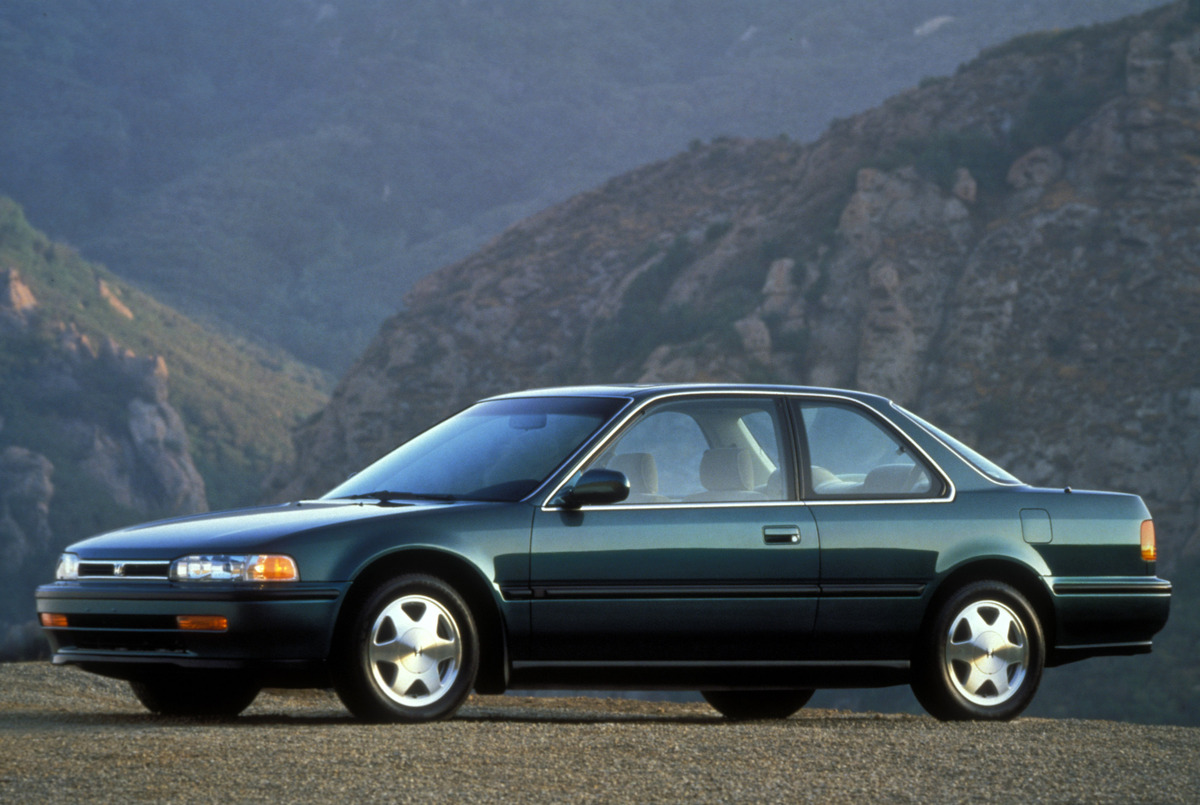
7. Second-Generation Honda Accord (1982 to 1985)
The second-generation Honda Accord takes seventh place because it improved the original formula without delivering the major advances that would distinguish some later models. Introduced for the 1982 model year, it featured revised styling, a more substantial body, and a stronger focus on the four-door sedan.
Honda had recognized that buyers increasingly wanted practical family transportation, and this generation moved the Accord closer to the conventional sedan format that would eventually define its identity.
A major milestone came in November 1982, when Honda began producing the Accord at its Marysville, Ohio, facility. It became the first Japanese-brand passenger car manufactured in the United States, marking an important change in the company’s relationship with the American market.
Local production also helped Honda respond to regional demand and strengthen its manufacturing presence. This achievement extended beyond the car itself, establishing a foundation for the company’s long-term investment in American automotive production.
The second-generation Accord retained a four-cylinder engine, with displacement and output increasing during its production run. The original 1.8-liter unit produced modest power, while fuel injection arrived on the SE-i trim for 1985, raising output to approximately 101 horsepower.
Transmission choices also improved, including the introduction of a four-speed automatic in 1983. These changes made the Accord more convenient to operate and helped it remain competitive with other economical compact cars sold during the early 1980s.
Inside, the car offered an uncomplicated layout, usable seating, and a comfortable ride for its class. Its larger body gave occupants a more accommodating environment, while the available hatchback added flexibility for carrying luggage and household items.
The sedan was increasingly important to the lineup, appealing to small families, commuters, and professionals who wanted efficient transportation without giving up everyday comfort. Compared with the original model, the second generation felt more mature, even if its performance and equipment remained basic by current standards.
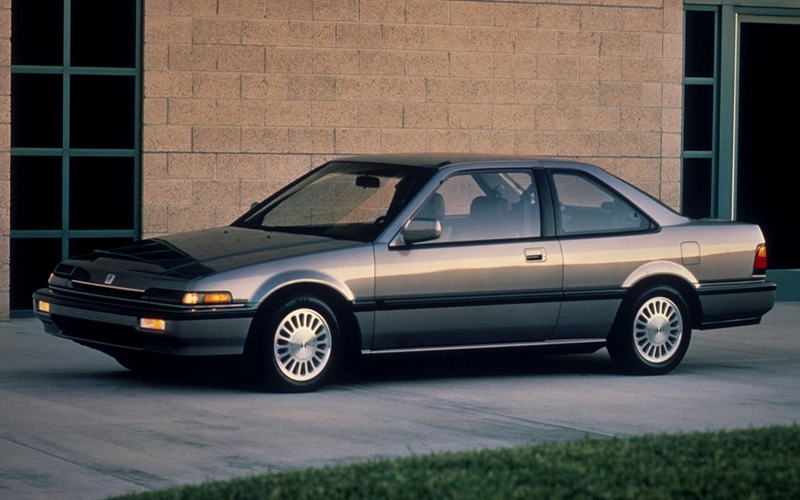
6. Third-Generation Honda Accord (1986 to 1989)
The third-generation Honda Accord deserves a higher position because it introduced a stronger visual identity and meaningful engineering improvements. Sold in North America for the 1986 through 1989 model years, it looked sharper and sportier than its predecessor.
Its low hood, clean body lines, and distinctive pop-up headlights gave it an appearance that still appeals to classic Japanese-car enthusiasts. The styling reflected a period when manufacturers were beginning to combine family-car practicality with a more driver-focused personality.
Its engineering was just as important as its appearance. Honda adopted a double-wishbone suspension design at both the front and rear, an unusual arrangement for a mainstream front-wheel-drive car at the time. This configuration helped engineers manage wheel movement and tire contact through corners, supporting responsive handling and a composed ride.
The result was a family car that felt more precise than many buyers expected from a conventional four-door sedan. For enthusiasts, this generation represents a particularly appealing balance between uncomplicated mechanical design and engaging road manners.
Power came from four-cylinder engines, including fuel-injected versions that delivered stronger performance than earlier Accords. The engine range varied by market and trim, so buyers should check the exact specification of an individual car.
In the North American lineup, the LXi models offered fuel injection, while entry-level versions kept equipment and pricing more accessible. The hatchback body remained available alongside the sedan, giving customers a choice between a traditional family layout and a more versatile cargo area.
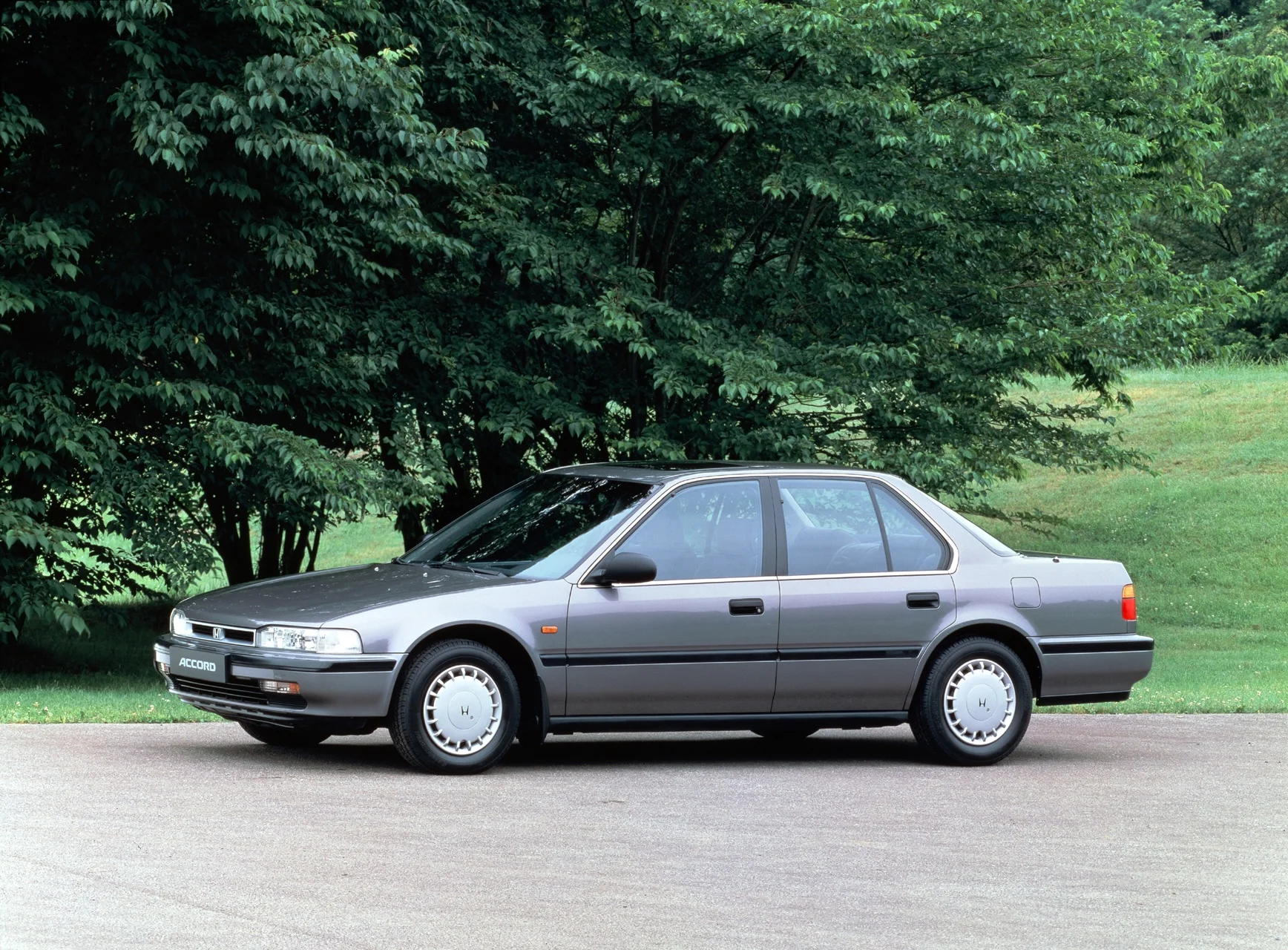
5. Fourth-Generation Honda Accord (1990 to 1993)
The fourth-generation Honda Accord reaches fifth place because it refined the model’s strengths and introduced a more substantial, mature driving experience. Launched for the 1990 model year, it featured smoother styling, a wider stance, and a more spacious cabin.
The pop-up headlights disappeared, replaced by conventional lighting that gave the car a cleaner and more restrained appearance. Honda was moving the Accord toward the comfortable, well-equipped family sedan formula that would become its signature in the 1990s.
The double-wishbone suspension continued to play a central role in the car’s road manners. Steering felt precise for the class, and the chassis offered a useful balance between comfort and control. The Accord could handle everyday commuting without feeling cumbersome, yet it remained composed on winding roads.
This generation appealed to drivers who wanted something more engaging than basic transportation. Its predictable handling and sensible proportions made it easy to live with, particularly for households that needed a dependable car for work, school, and longer journeys.
Four-cylinder engines remained the mainstay of the lineup, providing reasonable acceleration and economical operation. Engine output and equipment differed according to trim and market, but the general formula prioritized smoothness and useful everyday performance rather than outright speed.
Manual and automatic transmissions offered different ownership experiences, with the manual appealing to drivers who preferred greater control. The car’s mechanical simplicity compared with modern vehicles can be attractive, though age and previous maintenance have a much greater influence on reliability than the model’s original reputation.
Inside, the fourth generation offered a practical dashboard, supportive seating, and good visibility. Its cabin was not luxurious by modern standards, but the layout was intuitive, and the materials were generally suited to regular use.
Passenger space and luggage capacity made it a sensible choice for families, while the sedan’s understated styling helped it fit a range of settings. Compared with earlier Accords, the car felt more established and less like a compact economy vehicle, reflecting the nameplate’s growing success in the North American market.
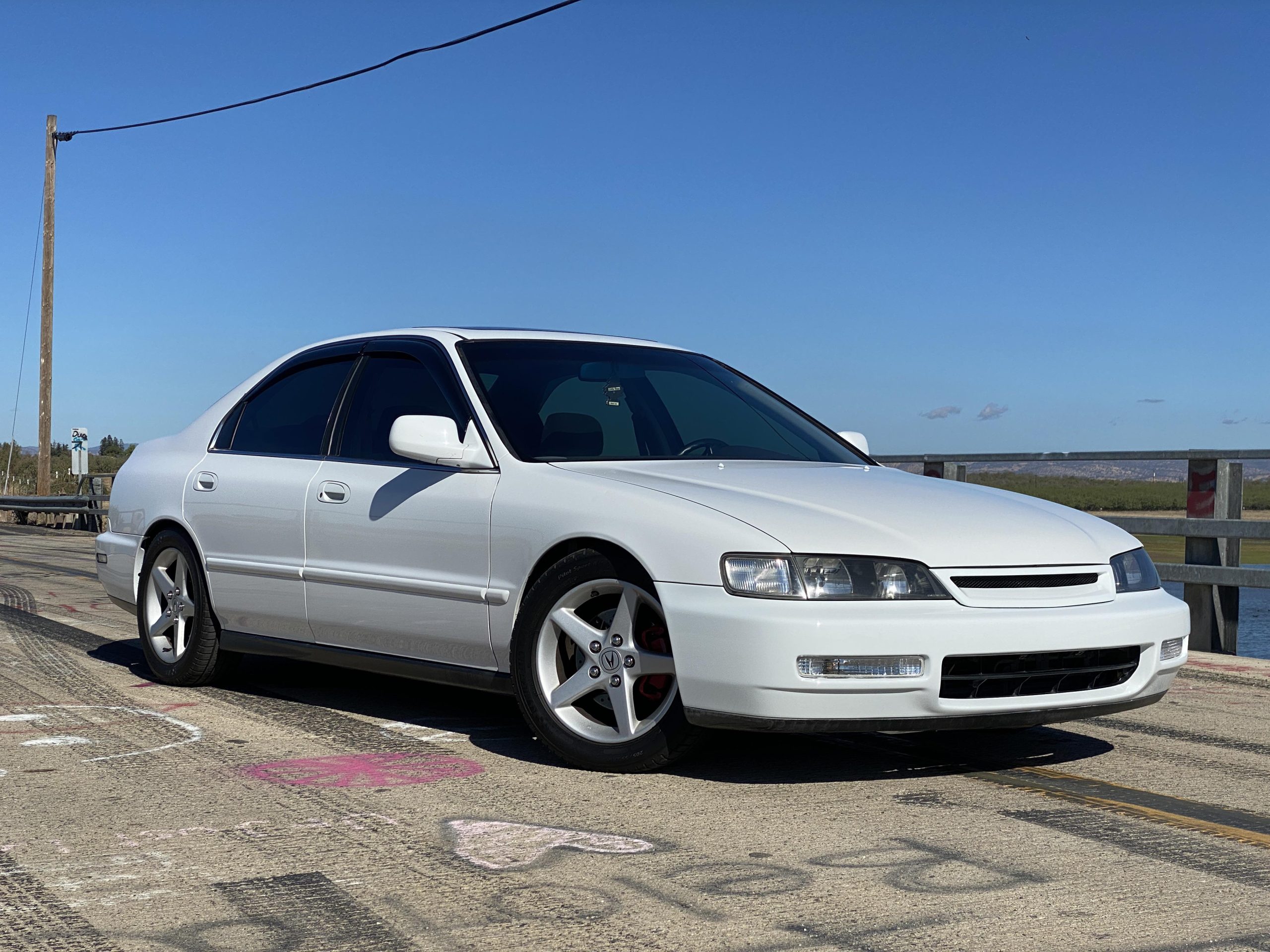
4. Fifth-Generation Honda Accord (1994 to 1997)
The fifth-generation Honda Accord earns fourth place for its impressive balance of reliability, comfort, practicality, and everyday performance. Introduced for the 1994 model year in North America, it featured a more rounded exterior, a roomier interior, and improvements that made it feel like a well-developed family sedan.
Honda refined the formula rather than making unnecessary changes, producing a car that appealed to commuters, young families, and drivers who wanted sensible transportation with a touch of refinement.
The four-cylinder engine remained a central part of the lineup. North American models used a 2.2-liter engine, with power and equipment varying by trim. Selected versions featured Honda’s VTEC variable valve timing technology, helping improve the balance between everyday efficiency and engine performance.
The available five-speed manual transmission provided an engaging driving experience, while automatic versions suited drivers who prioritized convenience. The Accord did not need extraordinary horsepower to succeed because its predictable responses and smooth operation made it easy to drive in a wide range of conditions.
A significant development arrived in 1995, when Honda introduced a V6 engine to the North American Accord lineup for the first time. The 2.7-liter V6 produced approximately 170 horsepower, giving buyers a more powerful alternative to the four-cylinder versions.
This addition helped broaden the model’s appeal and established a direction that would continue through later generations. Drivers seeking stronger acceleration could choose the V6, while those prioritizing running costs could remain with the smaller engine. The choice made the Accord more versatile without abandoning its practical foundations.
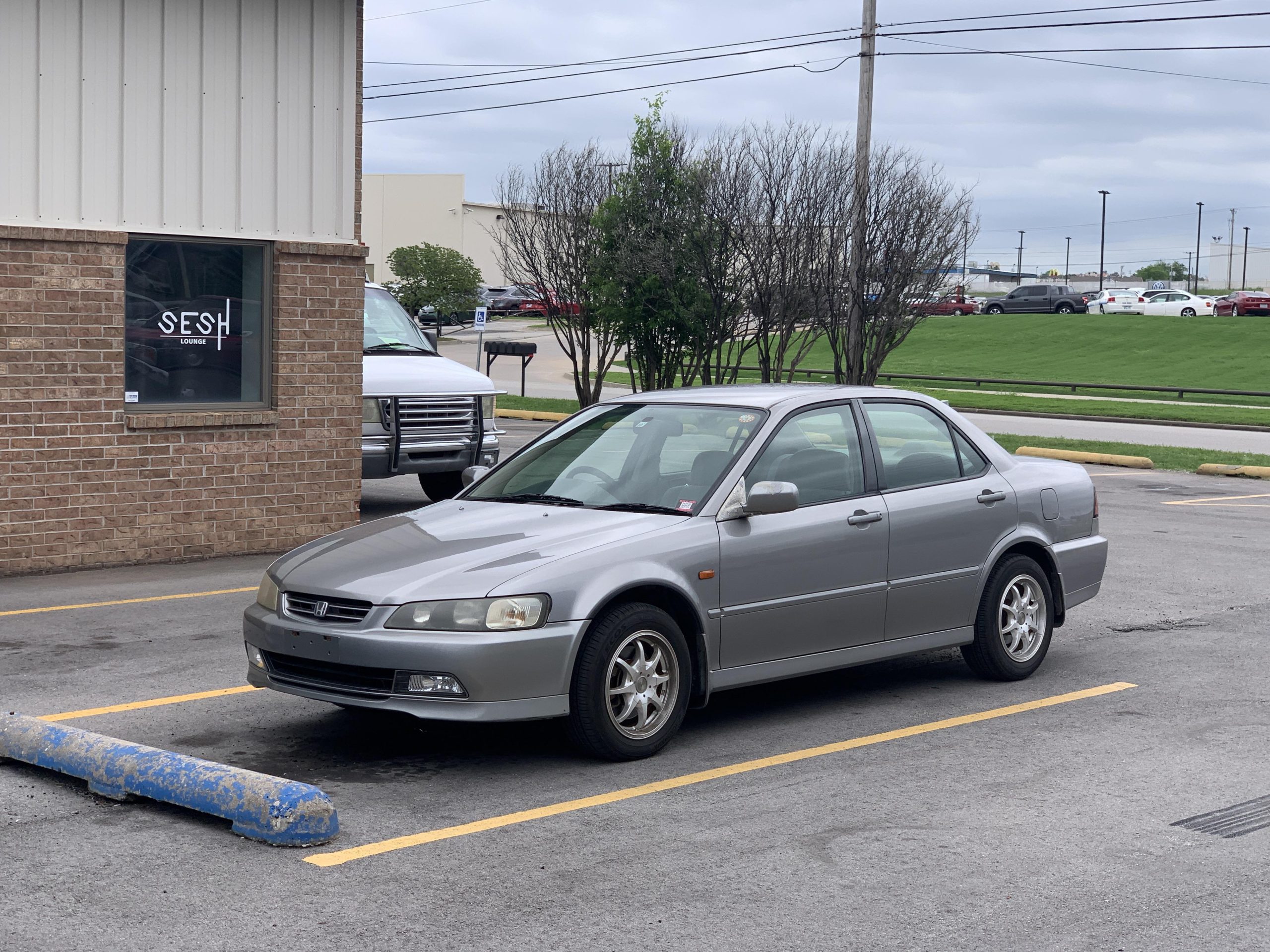
3. Sixth-Generation Honda Accord (1998 to 2002)
The sixth-generation Honda Accord takes third place because it offers a strong combination of everyday usability, attractive styling, and useful engine choices. Introduced for the 1998 model year in North America, it arrived with a redesigned body, updated chassis, and revised powertrains.
Its proportions remained conservative, yet the exterior looked more substantial and modern than the outgoing model. Honda also developed different regional versions of the Accord, meaning that vehicles sold in Japan, Europe, and North America could differ significantly in body design and mechanical specification.
North American four-cylinder models used a 2.3-liter engine, while V6 versions featured a 3.0-liter powerplant. This range gave buyers the choice between sensible daily performance and stronger acceleration for highway driving. The four-cylinder engine suited commuters who wanted manageable fuel consumption and relatively straightforward maintenance.
The V6 made the Accord feel more powerful and refined, particularly during passing maneuvers. Manual transmissions were available on selected configurations, making certain coupes especially appealing to enthusiasts who wanted a family-derived car with a more engaging driving experience.
Styling was a major strength. The sixth generation had a clean profile, a well-proportioned front end, and a restrained design that has aged reasonably well. The North American coupe received distinctive bodywork, setting it apart from the sedan rather than simply shortening the same shape.
Inside, the cabin emphasized usable space, comfortable seating, and clear controls. The Accord remained easy to operate, and its dimensions worked well for both urban driving and longer trips. These qualities helped preserve its appeal as a practical vehicle that did not feel dull behind the wheel.
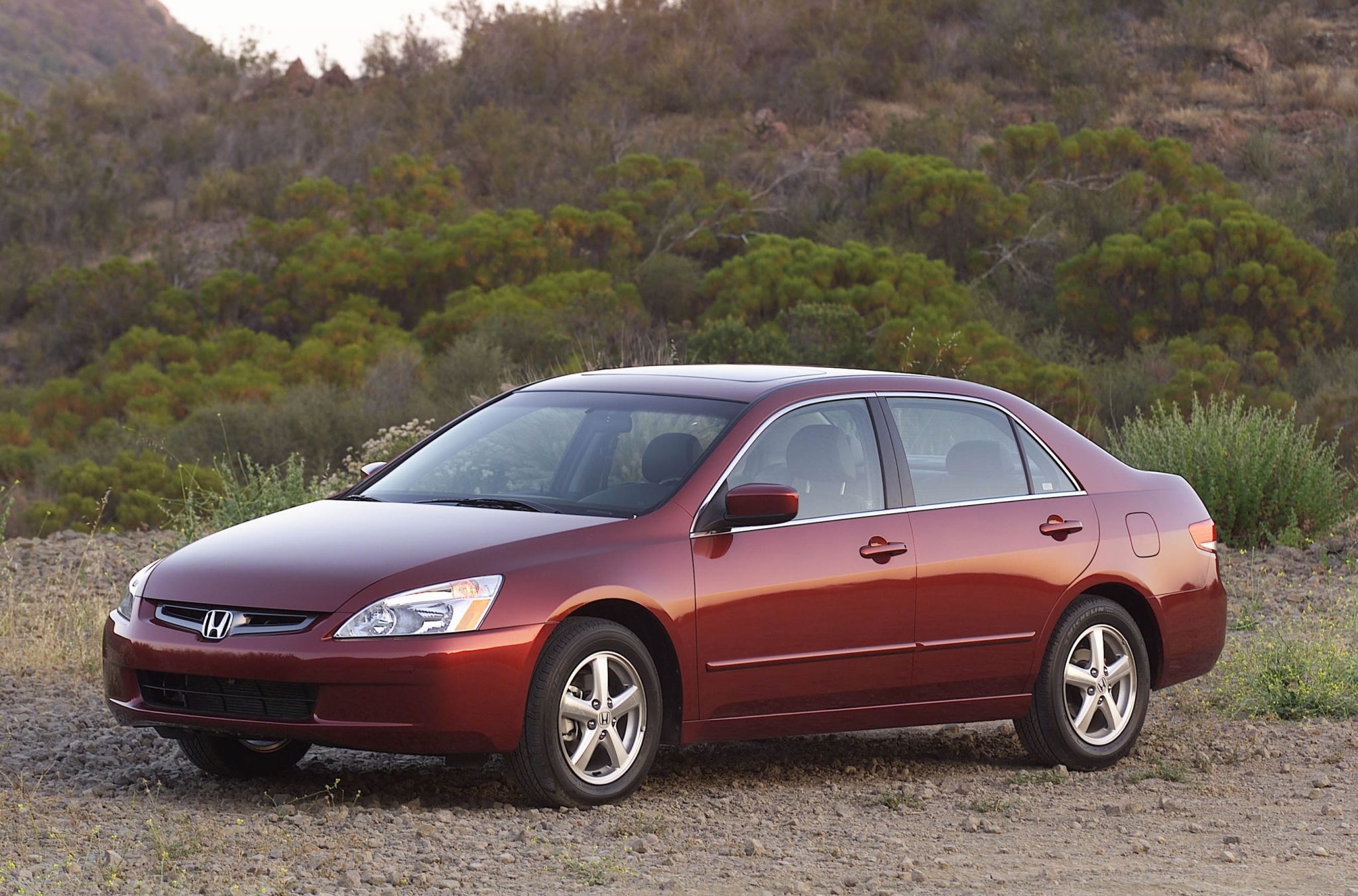
2. Seventh-Generation Honda Accord (2003 to 2007)
The seventh-generation Honda Accord finishes in second place because it combines strong performance, spacious seating, and excellent everyday usability. Introduced for the 2003 model year in North America, it adopted a more angular exterior and a larger body than its predecessor.
Honda focused on improving refinement without abandoning the responsive handling that had helped the Accord stand out. The result was a family sedan that felt equally comfortable on a daily commute and during a longer highway journey.
The engine lineup was a major advantage. Four-cylinder models received a 2.4-liter DOHC i-VTEC engine producing approximately 160 horsepower at launch, paired with manual or automatic transmissions. The engine delivered useful acceleration while maintaining the efficient character expected from the Accord.
Buyers seeking more power could choose the 3.0-liter V6, which produced approximately 240 horsepower in many North American configurations. This gave the car performance that rivaled considerably sportier vehicles, particularly when paired with the available manual transmission in selected coupe models.
The seventh generation also benefited from a spacious cabin and a comfortable driving position. The sedan offered generous room for passengers, while the coupe appealed to buyers who wanted a sportier appearance. Controls were easy to operate, and the layout reflected Honda’s preference for practical design.
Equipment varied by trim, but buyers could find features such as leather upholstery, upgraded audio systems, and additional convenience equipment on higher-specification models. The combination of useful space and a strong engine lineup helped the Accord remain competitive with established midsize sedan rivals.
Honda also introduced an Accord Hybrid for the 2005 model year in North America. It combined a V6 gasoline engine with the company’s Integrated Motor Assist hybrid system, creating a model that emphasized performance alongside improved fuel efficiency.
It was a distinctive approach for a hybrid vehicle, as the system was designed to supplement the engine rather than deliver the driving experience associated with later hybrid powertrains. Buyers considering a used example should investigate the condition of the hybrid components and the availability of appropriate specialist servicing.
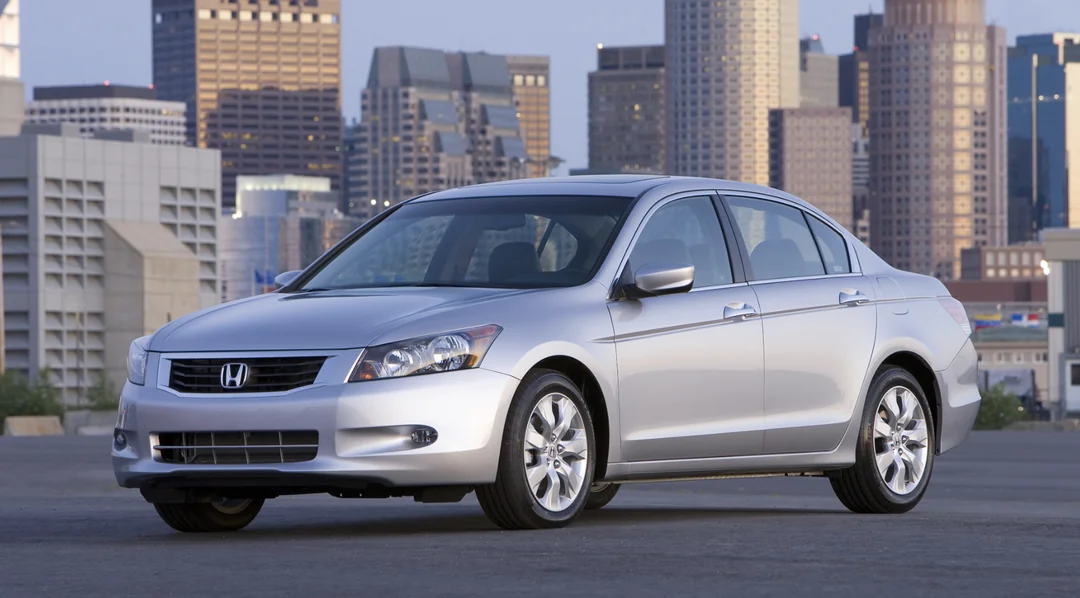
1. Eighth-Generation Honda Accord (2008 to 2012)
The eighth-generation Honda Accord takes first place in this ranking because it offers a compelling blend of space, power, comfort, and modern safety engineering for its era. Introduced for the 2008 model year in North America, it grew substantially compared with its predecessor, giving passengers more room and making the cabin feel closer to that of a larger family car.
Its bolder exterior styling gave it a more substantial road presence, while the familiar Accord emphasis on sensible engineering remained at the center of its design.
The engine options are a major reason this generation stands out. Four-cylinder models used a 2.4-liter engine producing approximately 177 horsepower in standard sedan configurations, with higher-output versions reaching around 190 horsepower.
Buyers seeking stronger performance could choose a 3.5-liter V6 producing approximately 268 horsepower in many North American versions. The V6 delivered brisk acceleration and made highway overtaking effortless. Meanwhile, the four-cylinder models remained capable daily drivers, giving buyers a useful choice between stronger performance and more economical operation.
Ride comfort and interior space also helped the eighth generation earn its high ranking. The wider body and longer dimensions provided a roomier cabin, making it suitable for families and drivers who frequently traveled with passengers. The suspension was tuned to balance comfort with predictable handling, and the car felt stable during highway driving.
Available features included modern conveniences for the period, while the cabin layout remained practical. Sedan and coupe versions gave customers different styling options, allowing the Accord to appeal to both traditional family-car buyers and enthusiasts seeking a more distinctive body style.