Car recalls can leave vehicle owners worried about safety, repair costs, and the time required to visit a dealership. Some recall-related problems involve simple components or adjustments that owners may be able to address at home when the manufacturer specifically permits it.
Others require professional tools, replacement parts, or specialized training. Understanding the difference can save time while protecting everyone on the road. This guide covers ten recall-related issues, practical inspection tips, and important safety precautions to help drivers identify problems and choose the right solution for their vehicles.
1. Loose or Incorrectly Installed Floor Mats
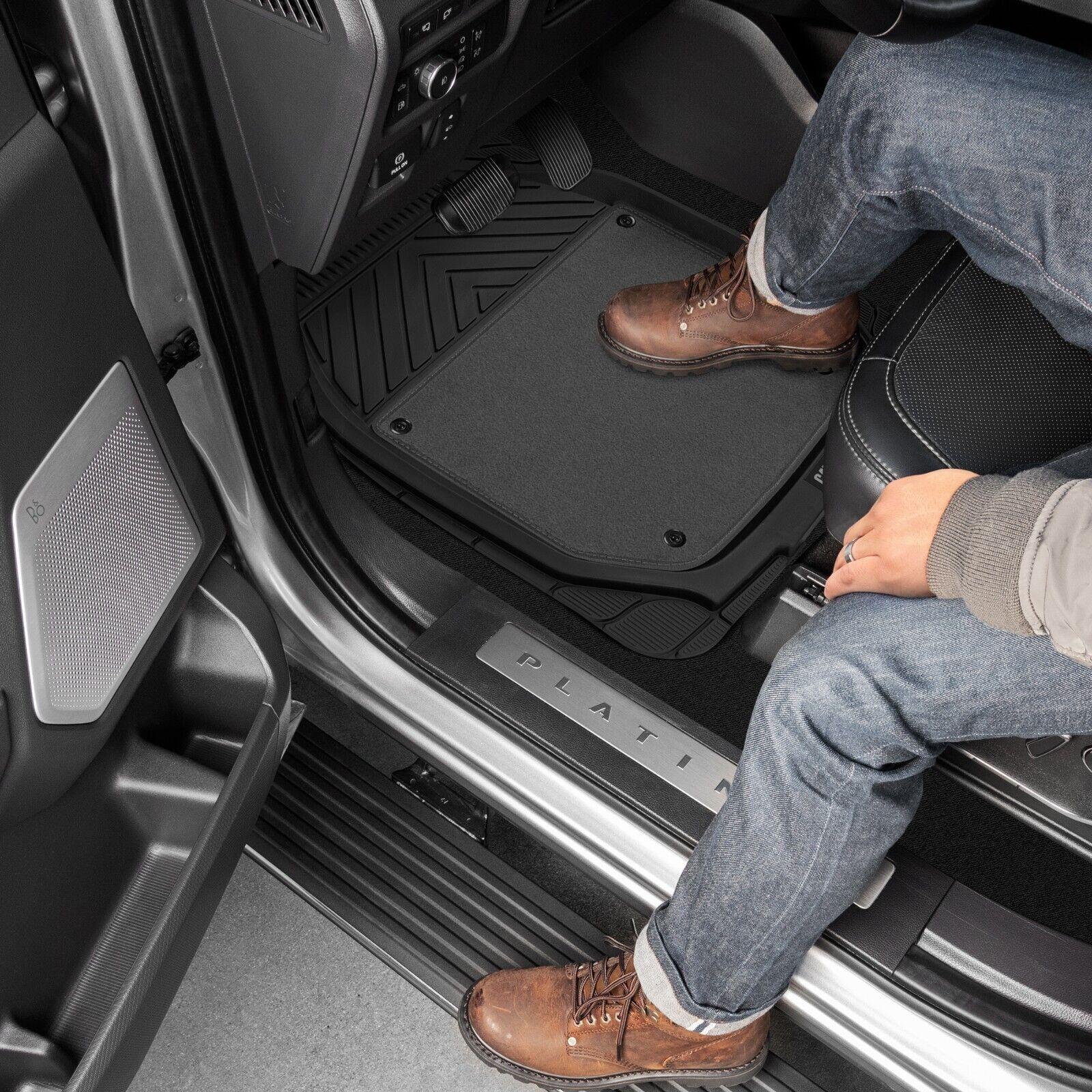
Floor mats may seem like minor accessories, yet their position can affect the safe operation of a vehicle. Incorrectly sized mats, mats installed without proper retention clips, or stacked mats can slide toward the accelerator or brake pedal.
If a mat interferes with pedal movement, the driver may struggle to slow down or control the vehicle. Some manufacturers have issued safety recalls involving floor mats and accelerator pedal interference, making this an important area for owners to inspect.
The first step is to check whether the vehicle has an open recall involving its floor mats. Owners should use the vehicle identification number, or VIN, to confirm that the notice applies to their particular car. A recall affecting a particular model does not necessarily cover every vehicle from that model year. The manufacturer’s instructions identify the affected equipment and explain the approved corrective action.
A basic driveway inspection involves removing loose objects from the driver’s footwell and checking whether the mat is designed for the vehicle. Look for missing clips, damaged retainers, curled edges, and mats placed on top of each other.
Confirm that the accelerator and brake pedals move freely through their full travel without contacting the mat. Never test pedal operation while the engine is running or the vehicle is moving.
Some manufacturers may permit owners to remove an affected accessory mat or install a specified replacement mat themselves. Others require a dealer to modify the floor covering, replace components, or verify the repair. Follow the actual recall notice rather than assuming that removing a mat completes the official remedy. If the notice identifies a vehicle-mounted carpet or pedal issue, an inspection alone is not sufficient.
The safest approach is to stop driving if a mat obstructs a pedal. Remove the obstruction only when it is safe to do so, and arrange the manufacturer-approved remedy.
Keep the recall documentation with your vehicle records. A quick inspection can identify a visible hazard, but only the specified corrective action can establish that the recall has been properly addressed.
2. Incorrectly Positioned or Loose Head Restraints
Head restraints help reduce the risk of neck injuries during certain rear-end collisions. Their effectiveness depends on suitable positioning, secure attachment, and correct installation.
A restraint that is installed backward, sits too low, or moves unexpectedly may not provide the intended support. Vehicle manufacturers sometimes issue safety notices or recalls concerning seat components, including head restraints, locking mechanisms, and assembly defects.
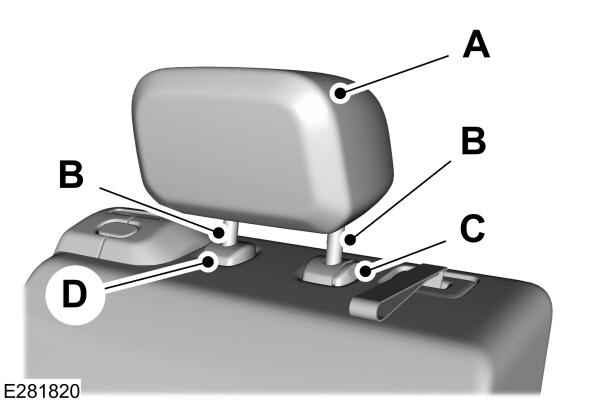
Owners can begin by examining the front and rear seats for visibly loose or incorrectly installed head restraints. Check whether each restraint sits securely in its supports and whether its adjustment mechanism works as described in the owner’s manual.
Do not assume that a head restraint is defective simply because it can move up and down. Many designs intentionally allow adjustment to accommodate different occupants.
If a recall notice concerns a removable restraint or an incorrectly installed component, the manufacturer may provide instructions for checking its orientation or arranging an approved replacement.
Some remedies may be straightforward, while others require removing seat trim, replacing locking hardware, or inspecting internal structures. The distinction depends on the specific defect and the official repair procedure.
For a permitted owner-level correction, park the car on level ground and switch off the ignition. Adjust the restraint according to the vehicle manual, making sure the locking mechanism engages correctly.
Never improvise with household fasteners, adhesive, or aftermarket parts to secure a restraint. These components must withstand forces during a collision, so a repair that feels firm by hand may still be unsafe.
After following the approved instructions, verify that the restraint remains secure and can be adjusted as intended. If the locking mechanism fails, a support post is damaged, or the recall calls for dealer-installed components, arrange professional service.
A head restraint is part of the vehicle’s occupant protection system, and its condition should never be judged by appearance alone.
3. Loose Battery Covers and Terminal Protection
A vehicle’s battery terminals carry electrical current that powers starting systems and other equipment. Missing or improperly fitted protective covers can leave terminals exposed to accidental contact with metal objects.
Depending on the vehicle’s design, an electrical short can damage components, cause burns, or contribute to a fire. Certain recall campaigns involve battery connections, cable routing, mounting brackets, or protective covers.
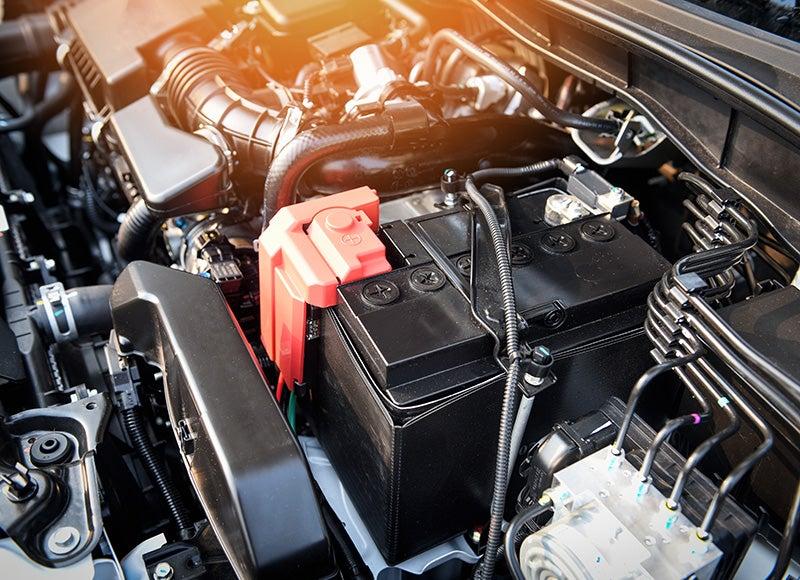
Owners can visually inspect the battery area with the vehicle switched off and the key removed. Look for a missing plastic cover, an unsecured battery hold-down, visibly damaged wiring insulation, or signs of corrosion.
Do not touch exposed terminals or attempt to reposition damaged electrical cables. Hybrid and electric vehicles may contain high-voltage components that require specialized handling.
A simple replacement cover may be suitable for owner installation if the manufacturer specifically authorizes that remedy and provides clear instructions. The replacement must match the required component and fit securely. A universal cover that appears to fit may not provide the protection or clearance specified by the vehicle manufacturer.
Before doing any permitted work, consult the owner’s manual for the correct procedure. Avoid placing tools, jewellery, or loose metal objects near battery terminals. Do not disconnect a battery unless the official instructions require it and explain how to do so safely. Disconnecting power can affect electronic settings and may create additional hazards on some vehicles.
If the recall involves a battery cable, high-current connector, mounting structure, or risk of fire, let an authorized technician perform the repair.
A protective cover cannot correct a loose connection or damaged cable beneath it. After the approved remedy, retain the service record and check whether the manufacturer requires any follow-up inspection.
4. Windshield Wiper Blade and Wiper Arm Problems
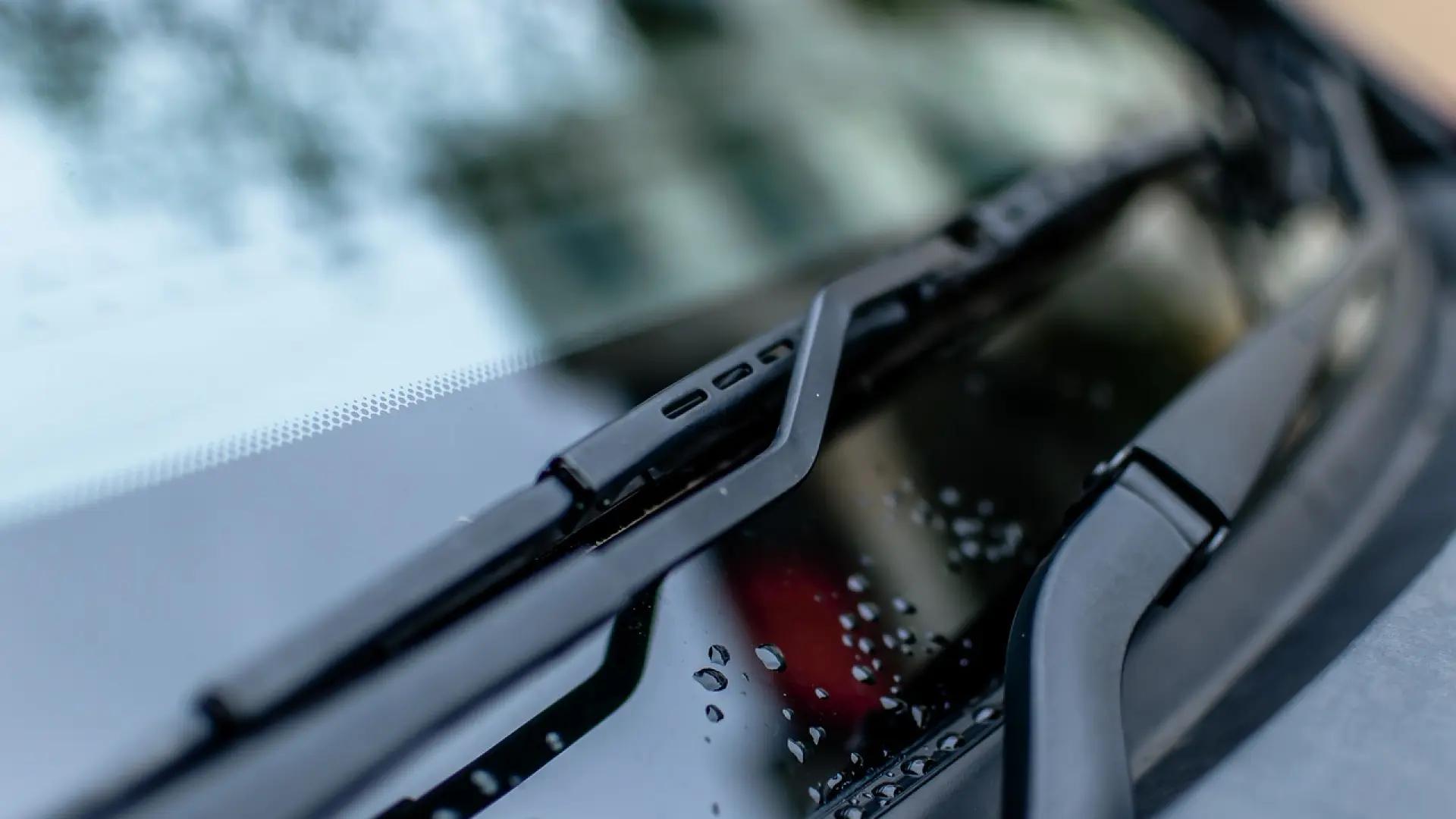
Windshield wipers are essential for maintaining visibility during rain, snow, and road spray. Problems involving wiper blades, arm attachments, motors, or electrical connections can reduce their effectiveness.
Some vehicles have been recalled because wiper components could loosen, detach, or stop operating under certain conditions. The exact defect matters because a worn blade is not the same as a recalled wiper mechanism.
Owners can inspect the blades for torn rubber, uneven contact, cracks, and excessive movement. They can also check whether the wipers park correctly and whether the windshield washer system works.
Conduct these checks with the vehicle stationary. If a recall notice identifies an unsafe wiper arm or motor assembly, do not rely on a simple visual inspection to determine that the problem has been corrected.
Replacing ordinary worn wiper blades is a common driveway maintenance task. However, routine blade replacement does not automatically satisfy a safety recall. If the manufacturer specifies a particular blade, adapter, or owner-installed component, follow its instructions exactly. Some campaigns require a technician to inspect the arm connection or replace the entire mechanism.
Never force a wiper arm into position or operate it by hand against a locked mechanism. Wiper arms can spring back and damage the windshield, while incorrect installation can cause the blade to detach. Keep fingers clear of moving linkages, and switch off the wipers before inspecting their mounting points.
A recall involving the wiper motor, linkage, or structural attachment should be handled according to the manufacturer’s remedy.
If the wipers fail during wet weather, avoid driving until visibility can be maintained safely. Once the repair is completed, check that the work has been recorded against the recall campaign rather than assuming that new blades alone resolve the issue.
5. Exterior Trim Pieces and Loose Body Panels
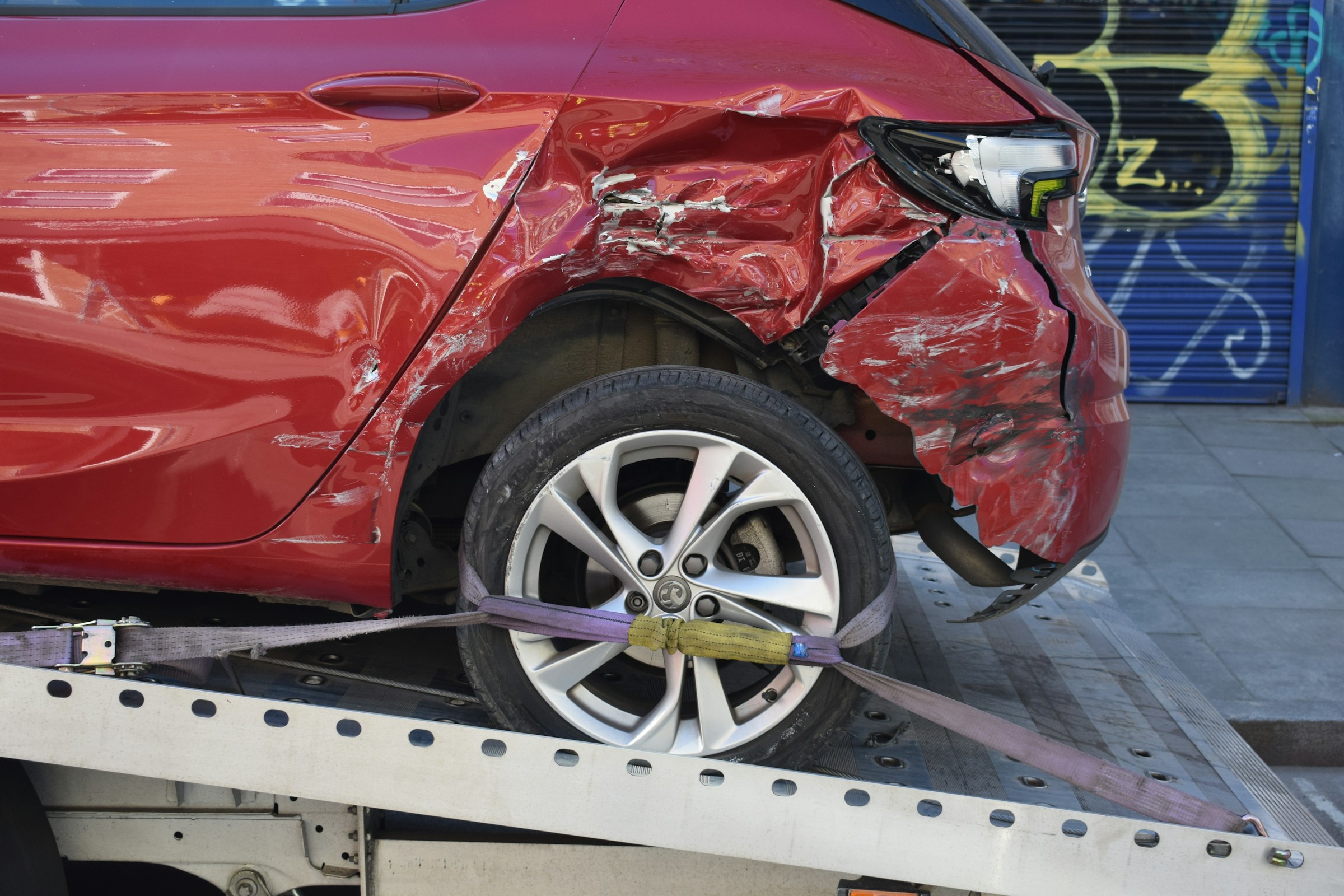
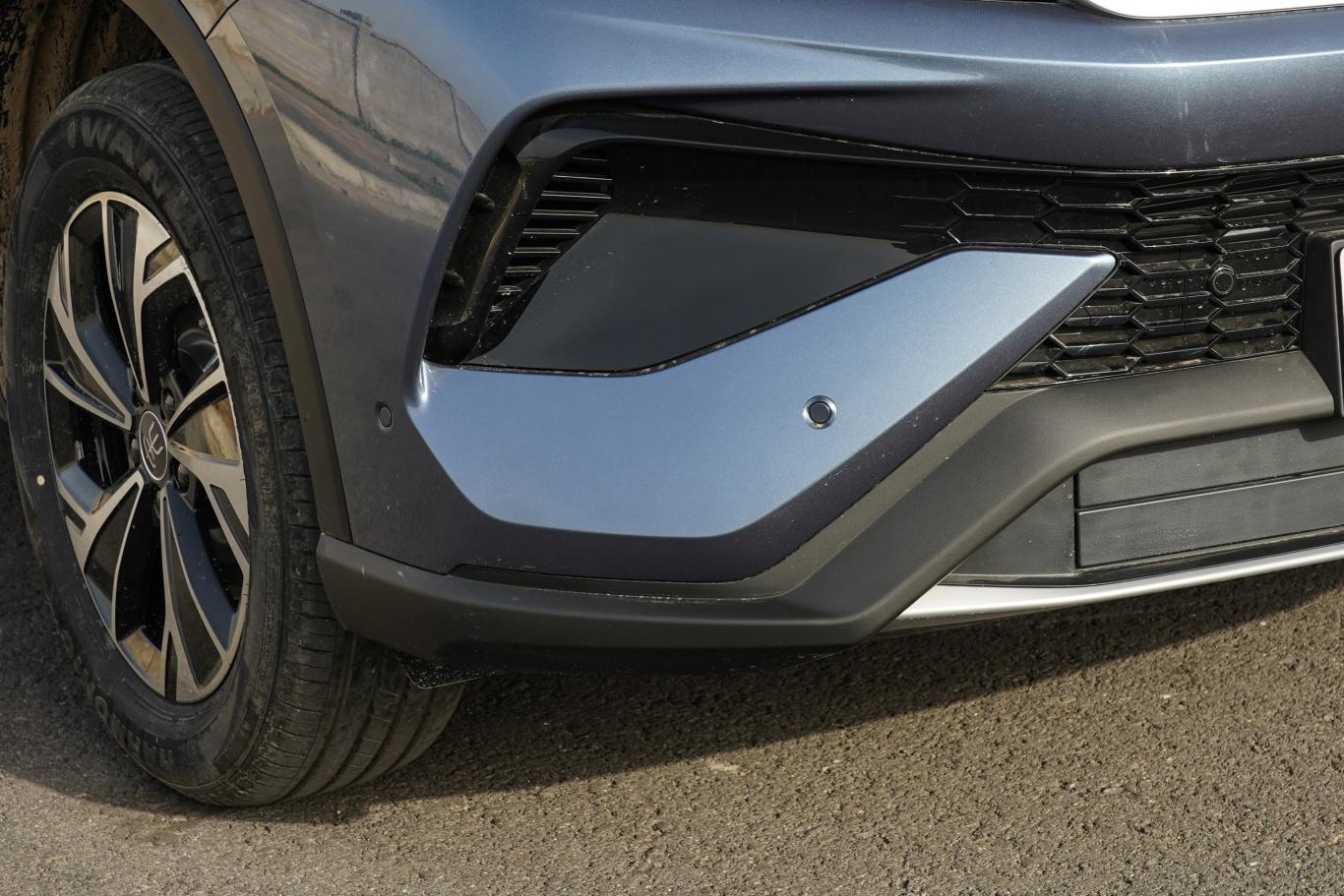
Exterior trim includes decorative moldings, bumper covers, wheel-arch pieces, and other panels attached to the body. A poorly secured component may loosen during normal driving and create a road hazard if it detaches. Some recall campaigns involve incorrectly installed or defective exterior parts, particularly when the component can separate at speed or interfere with vehicle operation.
During a driveway inspection, walk around the parked vehicle and look for gaps, missing clips, unusual movement, or panels hanging away from their mounting points. Check the recall notice to determine which component is affected. A loose decorative strip may have different safety implications from a bumper component that protects underlying structures or contains sensors.
Certain recalls may permit owners to install replacement clips or remove a specified accessory. Such work should only be undertaken when the manufacturer expressly allows it. The correct fasteners, attachment points, and installation sequence matter. Improvised screws, household adhesives, and cable ties are not reliable substitutes for approved automotive mounting hardware.
If the affected panel is close to a wheel, lighting unit, camera, radar sensor, or bumper reinforcement, professional assessment is especially important. Modern vehicles may contain electrical connections and driver-assistance equipment behind apparently simple exterior parts. Pulling a panel away to inspect the back can damage clips or wiring and make the problem worse.
When the recall requires panel replacement, structural inspection, or sensor calibration, arrange service with an authorized repair facility. Do not drive a vehicle with a panel that is likely to detach.
Photograph visible damage before the repair if you need a record for the manufacturer, and ask the service provider to confirm that the recall remedy has been completed.
6. Loose Fuel Filler Caps and Fuel Door Components
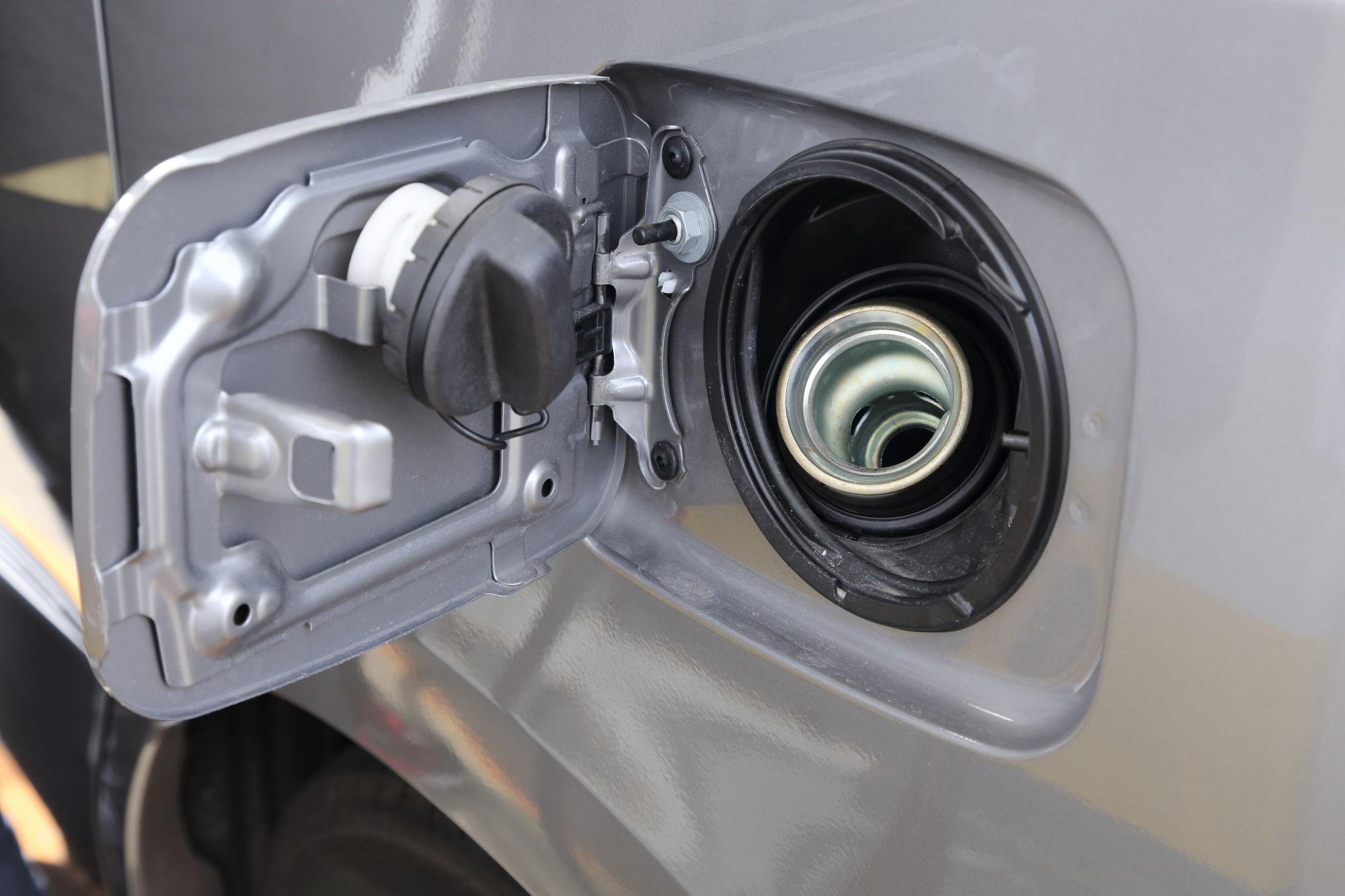
Fuel filler components help contain fuel vapour and, depending on the vehicle, support the operation of emissions-control systems.
A damaged cap, defective seal, or improperly fitted filler component can lead to fuel odours, warning lights, or emissions problems. Certain vehicle campaigns may concern fuel-system components, but a warning light or loose cap does not automatically indicate a recall.
Owners can check whether the vehicle uses a conventional screw-on cap or a capless filler design. For a conventional cap, examine the seal for visible damage and confirm that the cap is fitted according to the owner’s manual. Never inspect the fuel system near an open flame, lit cigarette, or other ignition source. Stop if there is a strong fuel smell or visible leakage.
If a recall specifically involves a removable cap or a simple owner-replaceable component, the manufacturer may supply instructions for fitting the approved replacement. Use only the part specified for the vehicle. A generic cap may not provide the correct seal or pressure characteristics, even if its threads appear compatible.
More complex defects can involve the filler neck, fuel lines, tank, pump, or evaporative emissions system. These repairs may require specialized equipment, pressure testing, or replacement procedures designed to prevent leaks. Owners should not loosen fuel lines, dismantle the tank, or attempt to seal a leaking component with adhesive.
A fuel leak or persistent fuel odour deserves prompt attention. Park in a safe, well-ventilated outdoor location when appropriate, keep ignition sources away, and contact the manufacturer or a qualified repair facility for guidance. If the recall instructs owners not to drive, follow that instruction. A simple cap check is useful for basic inspection, but it cannot replace the official repair of a defective fuel-system component.
7. Loose Interior Panels and Dashboard Trim
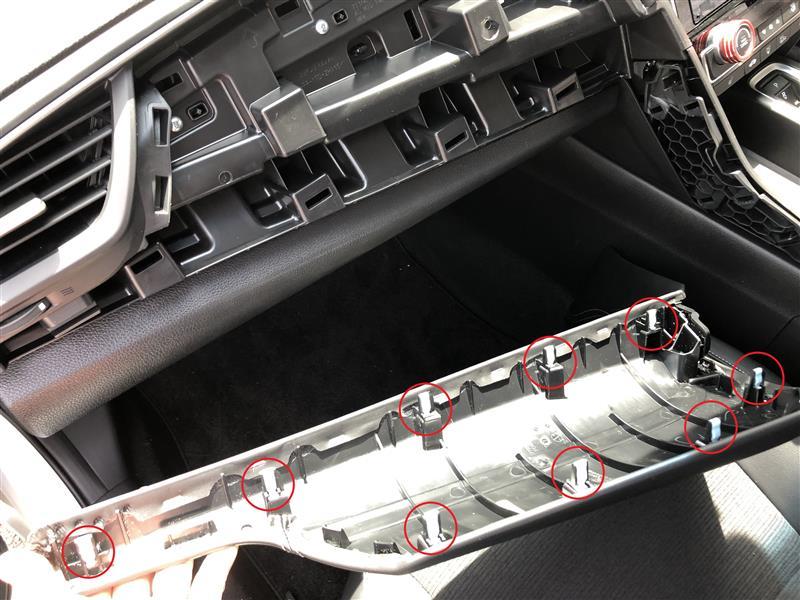
Interior panels can conceal wiring, air ducts, electronic modules, and safety equipment. A loose glove-box panel or trim piece may seem harmless, yet some components can interfere with pedals, obstruct controls, or detach while the car is moving.
Recall campaigns involving dashboards and interior fittings may also relate to airbags or other critical systems, so identifying the exact affected part is essential.
Start with a visual check of the dashboard, glove box, door trim, and lower panels. Look for missing fasteners, unusual gaps, sharp edges, or components that obstruct access to controls. Avoid pulling firmly on a loose panel because clips and hidden electrical connectors can break. Compare the observed issue with the wording in the official recall notice.
If the manufacturer explicitly authorizes an owner to reinstall a removable accessory or fit a supplied trim component, use the specified procedure. Some simple panels attach with designed clips, while others require special tools or a precise installation sequence. A panel that snaps into place may still be incorrectly aligned or inadequately secured.
Never remove dashboard panels around airbags or seat-belt pretensioner wiring unless the official procedure specifically authorizes that work and you have the required training. Airbag systems contain components that can cause serious injury if handled incorrectly. Disconnecting the battery is not a universal safeguard, because vehicle-specific procedures and waiting periods may apply.
For recalls involving airbag covers, instrument panels, electrical harnesses, or structural mounts, arrange the manufacturer-approved repair.
A professional can determine whether hidden parts have been damaged and whether additional checks are needed. Afterward, confirm that the recall is recorded as completed and that all controls, warning lights, and interior fittings operate as intended.
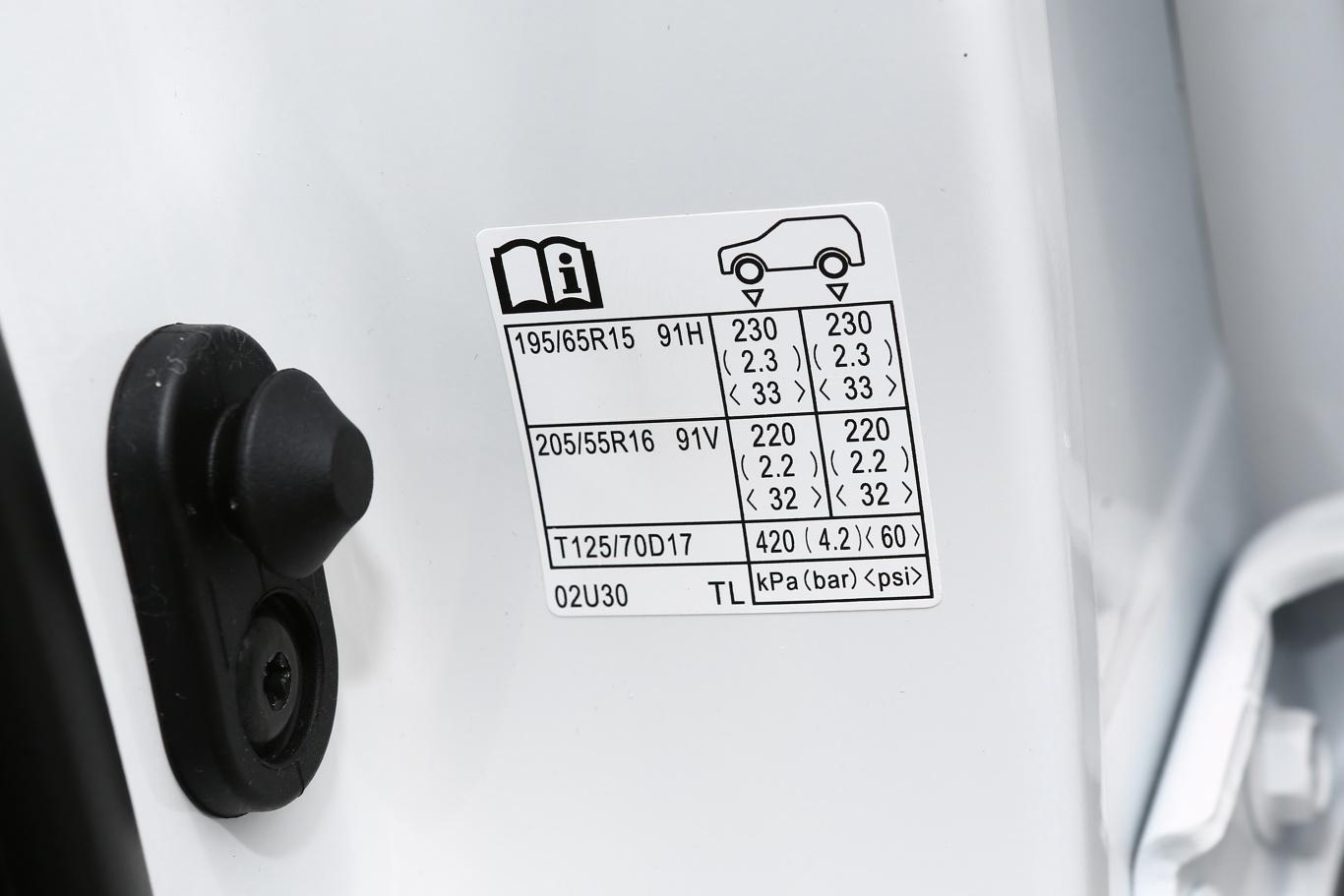
8. Tire Pressure Labels and Owner-Replaceable Information Stickers
Vehicle labels communicate information that drivers need for safe operation and maintenance. These can include tire pressure specifications, load limits, airbag warnings, and other required details.
Incorrect labels can cause confusion, particularly when they display inaccurate tire pressures or weight ratings. Some manufacturer campaigns address missing or incorrect labels, but not every labeling correction is a safety recall.
Owners can inspect the door jamb, fuel door, and other specified locations for the labels described in the owner’s manual. Check whether information is legible and whether a label appears damaged, missing, or inconsistent with the vehicle documentation.
Do not rely on the maximum pressure printed on a tire sidewall as a replacement for the vehicle’s recommended cold tire pressure.
When a recall calls for a replacement label and expressly allows owner installation, the manufacturer may provide the correct sticker and location instructions. The replacement must contain the approved information and be placed where required. Handwritten numbers or a label copied from a similar vehicle are not suitable substitutes for manufacturer-approved information.
Pay particular attention to tire pressure, seating capacity, and load-related details. Incorrect information can affect maintenance decisions and the way a vehicle is loaded. If the notice concerns a certification label or information that requires a dealer to verify the vehicle configuration, arrange the specified service rather than attempting to recreate the label yourself.
After installation, make sure the label is readable, securely attached, and located as directed. Keep any correspondence showing that the correction was completed. This is a relatively simple task when the manufacturer permits it, but the accuracy of the replacement information is more important than the ease of applying the sticker.
9. Software Updates for Eligible Vehicle Systems
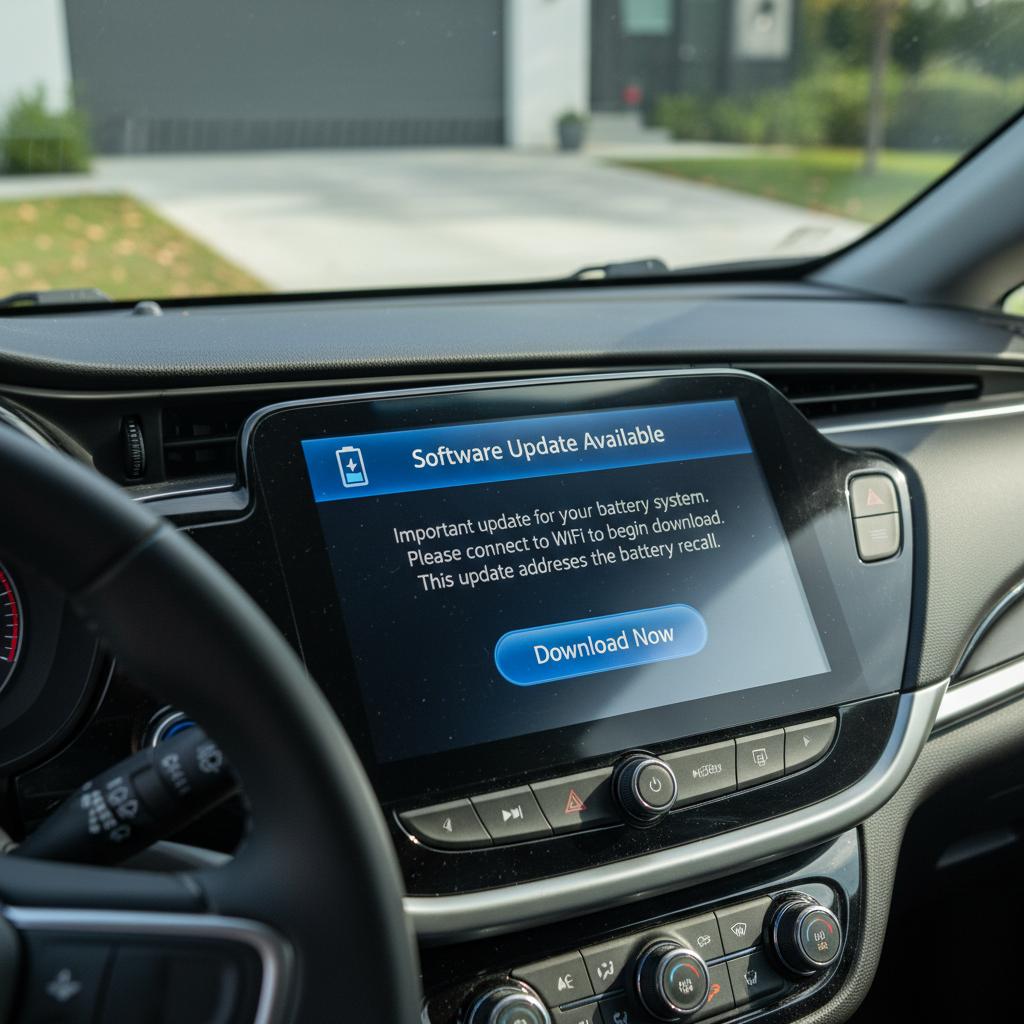
Modern vehicles use software to manage infotainment systems, instrument displays, powertrain functions, cameras, and some driver-assistance features. Software defects can cause unexpected warnings, system failures, or performance problems. Certain recalls are remedied through a software update, and some manufacturers can deliver eligible updates remotely without requiring a dealership visit.
The first step is to identify the affected system and confirm whether the manufacturer offers an owner-installed or over-the-air remedy. A routine infotainment update is not necessarily the same as a safety recall update.
The official notice should specify the defect, the required correction, and whether an appointment or dealer visit is necessary.
If an approved update is available remotely, read the instructions before starting. Park in a suitable location, ensure the vehicle has the required battery charge or power supply, and maintain the connectivity conditions specified by the manufacturer. Some updates take considerable time, and interrupting the process can leave a system unavailable until the update is completed.
Do not download unofficial firmware, modify vehicle control software, or use third-party files to attempt to clear a recall warning. Software intended for a different model, hardware configuration, or production version can create new faults. Updates affecting braking, steering, airbags, or powertrain controls require particular care and should only be performed through the approved process.
After installation, follow any instructions for restarting the system or confirming the update version. Check whether the manufacturer provides a completion confirmation and whether the recall status has been updated.
If the update fails, the system displays an error, or the notice requires dealer programming, contact the manufacturer rather than repeatedly attempting the installation.
10. Recalled Accessories and Removable Vehicle Equipment
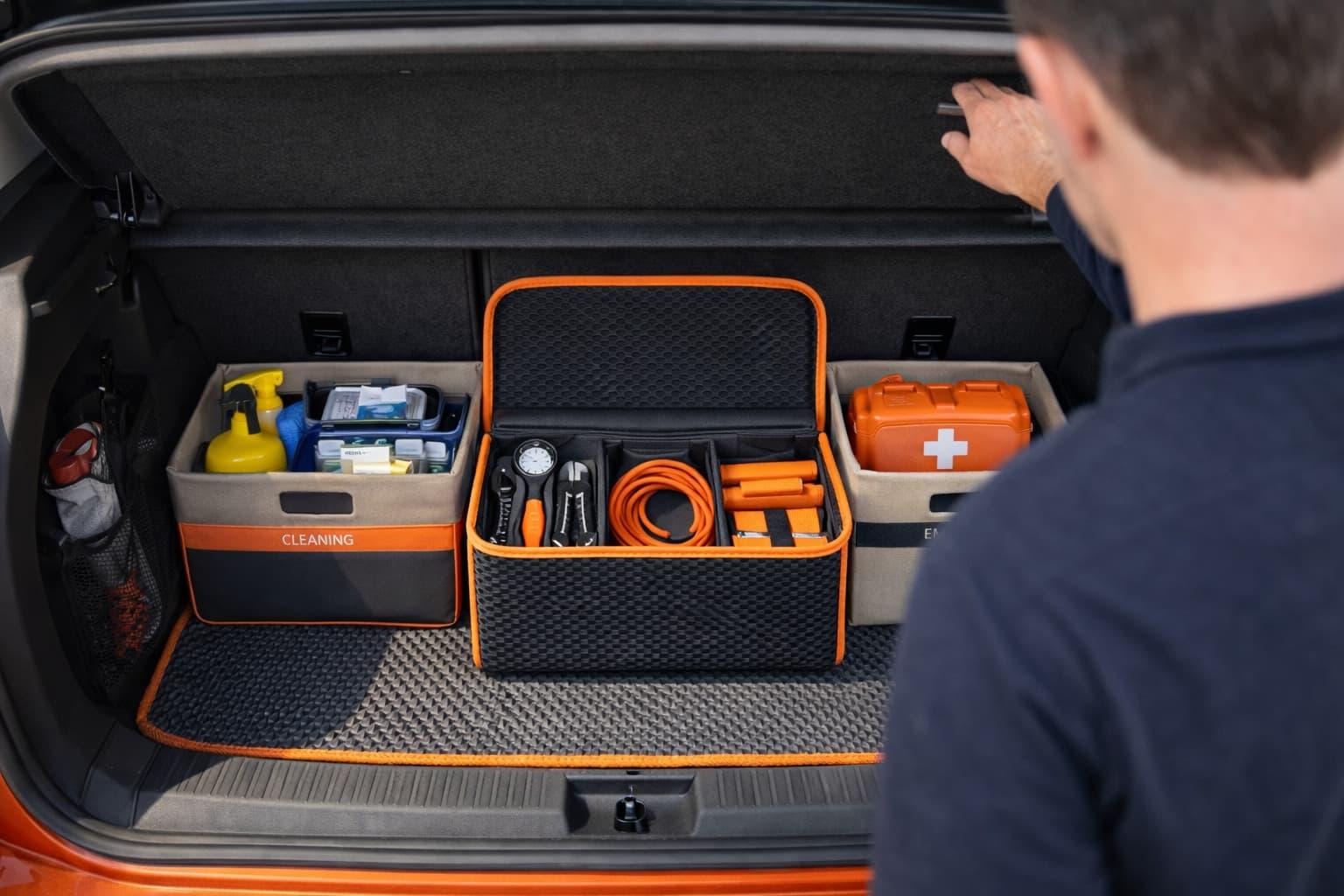
Not every recall involves a permanent vehicle component. Some campaigns concern accessories or equipment supplied for use with a vehicle, such as cargo accessories, removable storage components, or other items that could create a hazard if used incorrectly. The precise scope depends on the product, the defect, and the manufacturer’s instructions.
Owners should begin by checking the recall notice for the exact accessory name, part number, and affected production range. Similar-looking products may have different mounting systems or safety characteristics. If the notice identifies an accessory currently fitted to the vehicle, stop using it until the manufacturer explains the appropriate corrective action.
In some cases, the approved interim measure may be to remove the affected accessory or stop using it. If the manufacturer expressly directs owners to remove a detachable item, follow the supplied procedure and store the item away from children and pets. Removal may reduce immediate exposure to the hazard, but it does not necessarily complete the formal recall process.
Other accessories may require replacement hardware, revised mounting points, or inspection by a technician. Cargo carriers and externally mounted equipment can be subject to significant wind forces and vibration. Improvised fasteners or modifications can compromise their attachment and create hazards for other road users.
Once the approved correction is available, arrange for the replacement or repair specified by the manufacturer. Retain receipts, instructions, and correspondence for your records. If the accessory is covered by a separate equipment recall, use the contact details in that notice rather than assuming the vehicle dealership automatically handles every aspect of the campaign.