
Modern car safety sensors play an important role in protecting drivers, passengers, and pedestrians on the road. These systems help vehicles detect nearby objects, maintain safe distances, warn drivers about potential collisions, and support features such as automatic emergency braking and lane departure alerts.
However, their performance can be affected by everyday conditions that drivers may not notice. Dirt, heavy rain, damaged components, poor maintenance, and electronic faults can all influence how these technologies operate. Understanding what interferes with car safety sensors helps drivers recognize warning signs, maintain reliable safety features, and make informed decisions when problems arise.
1. Dirt, Dust, and Road Debris
Dirt and dust are among the most common factors that affect modern car safety sensors. Vehicles frequently travel through construction zones, unpaved roads, dusty parking areas, and busy streets where airborne particles settle on exterior surfaces.
When dirt collects around radar sensors, cameras, or ultrasonic detectors, it can reduce their ability to identify nearby vehicles, pedestrians, and obstacles accurately. Even a thin layer of grime may affect certain systems, depending on sensor placement and design.
Front-facing cameras are particularly sensitive to obstructions around the windshield and grille. Many vehicles use cameras mounted near the rear-view mirror to recognize lane markings, traffic signs, and vehicles ahead.
Dust, dried mud, or road residue on the glass can interfere with the camera’s view. Drivers may notice lane departure warnings becoming unreliable or forward collision alerts appearing less frequently than expected.
Radar sensors are generally less sensitive to ordinary dirt than optical cameras, but heavy deposits can still cause problems. These units are commonly installed behind the front grille, within the bumper, or at the rear corners of the vehicle.
Thick mud, accumulated snow, or debris covering the sensor’s intended transmission area can affect its ability to detect objects and estimate their distance.
Regular cleaning can help prevent these issues, provided it follows the vehicle manufacturer’s instructions. Drivers should pay attention to sensor locations when washing their cars, particularly around bumpers, grilles, mirrors, and camera lenses.
A soft cloth and suitable cleaning solution are often sufficient for accessible surfaces. High-pressure water should not be directed at sensitive components unless the manufacturer confirms that this is safe.
2. Heavy Rain, Snow, and Fog
Weather conditions can affect the ability of modern safety systems to interpret their surroundings. Heavy rainfall reduces visibility, creates reflections on road surfaces, and leaves water droplets on camera lenses and windshields.
These conditions can make it harder for cameras to identify lane markings, recognize pedestrians, or distinguish moving objects from the surrounding environment. The resulting limitations depend on the vehicle’s technology and the severity of the weather.
Snow presents additional challenges because it can accumulate over sensors and block their operating areas. Snow packed into the front grille may interfere with radar detection, while ice covering a camera lens can obscure important visual details.
In freezing conditions, slush thrown up by other vehicles may quickly coat the lower bumper, making a recently cleaned sensor ineffective within minutes of driving.
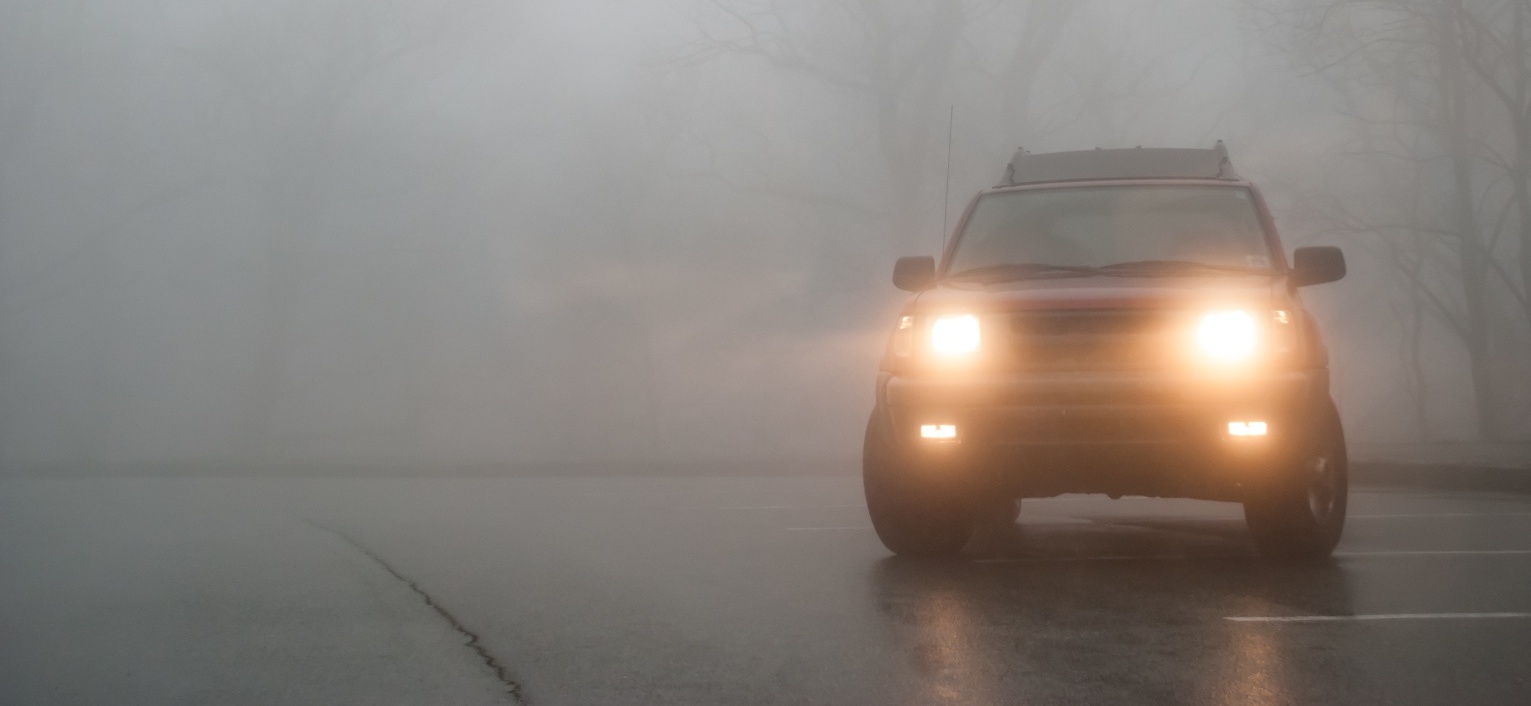
Fog can reduce the distance at which a driver can see clearly and may also affect camera-based detection. When contrast becomes poor, lane markings, roadside objects, and pedestrians may be harder for image-processing systems to recognize. Radar may continue to detect certain vehicles through conditions that limit cameras, but this does not mean every safety function remains fully effective during dense fog.
Drivers should remember that different sensor technologies respond differently to changing weather. Cameras rely on usable visual information, radar transmits and receives radio waves, and ultrasonic sensors use sound waves to measure nearby distances.
Rain, snow, ice, and moisture can influence these technologies in different ways. A vehicle may therefore disable one assistance feature while allowing others to continue operating.
Before driving in severe weather, clean accessible sensor areas and remove accumulated snow or ice according to the owner’s manual. Increase following distance, reduce speed, and avoid relying on automatic braking or lane assistance as a substitute for careful driving.
If a dashboard message reports limited sensor performance, treat the warning seriously and adjust your driving to the conditions.
3. Damaged Windshields and Camera Lenses
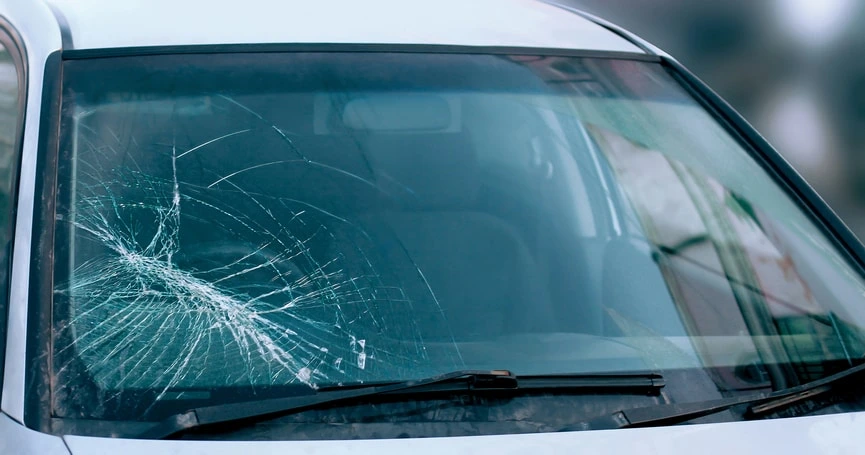
Windshield damage can interfere with safety systems that depend on cameras positioned near the top of the glass. Small chips, cracks, scratches, and cloudy areas may distort the images captured by these cameras.
The effect depends on the damage’s location and severity. A crack directly within the camera’s field of view can be especially concerning because it may affect the visual information used for collision warnings and lane-keeping assistance.
Replacing a windshield requires particular care when a vehicle has advanced driver assistance systems. The replacement glass must meet the manufacturer’s specifications, including the optical properties needed by the camera.
Glass that differs in thickness, clarity, or other relevant characteristics may affect how the camera interprets road conditions. A visually acceptable replacement is not necessarily suitable for every camera-equipped vehicle.
Camera calibration is another important consideration following windshield replacement. Depending on the vehicle, technicians may need to perform static calibration in a workshop, dynamic calibration during a controlled drive, or a combination of both.
This process aligns the camera’s interpretation of its surroundings with the vehicle’s actual position and dimensions. Skipping required calibration can leave certain assistance functions operating inaccurately.
Damage to external camera lenses can cause similar difficulties. Rear-view cameras, surround-view cameras, and side-mounted cameras may become scratched through careless cleaning, minor collisions, or contact with abrasive materials.
A damaged lens can produce blurred images, glare, or distorted views. Drivers who notice a sudden reduction in image quality should arrange an inspection rather than assume the problem is limited to the display screen.
Prompt repairs help preserve both visibility and sensor performance. If a crack spreads across the windshield or interferes with the camera’s viewing area, consult a qualified repair professional.
After any work involving the windshield, camera mounting points, or sensor brackets, confirm whether calibration is required. The owner’s manual and manufacturer-approved repair procedures provide the most reliable guidance for the specific vehicle.
4. Poorly Installed Accessories and Aftermarket Modifications
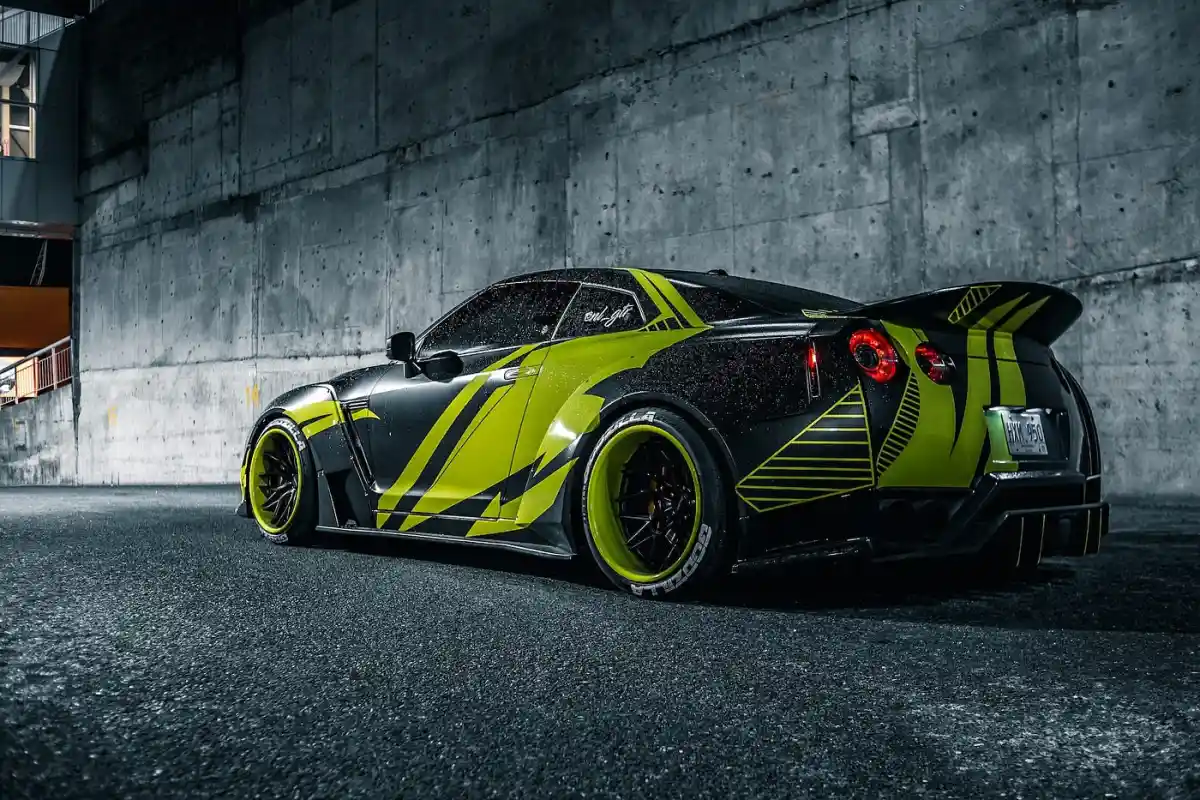
Vehicle accessories can unintentionally block the sensors designed to support driver assistance. Front bumper guards, decorative grille covers, number plate frames, and aftermarket body kits may cover areas used by radar or ultrasonic equipment.
Even when an accessory appears small, its position can affect how a sensor transmits signals or receives information from nearby objects. Compatibility should always be checked before installation.
Dash cameras and other devices mounted near the rear-view mirror can obstruct forward-facing cameras if positioned incorrectly. Some vehicles have a clearly defined area around the factory camera housing that must remain unobstructed.
Mounting a recording device, toll tag, sunshade attachment, or decorative item in this area may reduce the camera’s field of view or introduce reflections that interfere with image recognition.
Aftermarket window tinting can also affect camera-based systems when film is applied to glass used by the sensors. The impact depends on the film’s optical properties, its placement, and the vehicle’s design.
Tinting that appears clear to the human eye may still change the amount or quality of light reaching a camera. Drivers should ask a qualified installer to verify compatibility before modifying sensor-related glass.
Changes to the suspension, wheel size, ride height, or bumper structure may affect sensor alignment. Radar units and cameras are designed to operate at specific positions and angles relative to the road.
If a modification changes the vehicle’s geometry, the sensors may interpret distances, lanes, or object positions incorrectly. Manufacturer guidance should be reviewed before making alterations that could influence these components.
Choose accessories that are approved for the exact make, model, and equipment configuration. Installation instructions should identify any areas that must remain clear and any calibration procedures that may be necessary.
If safety warnings appear after an accessory is fitted, have the vehicle inspected rather than removing components at random. A trained technician can establish whether the accessory, its installation, or an unrelated fault is responsible.
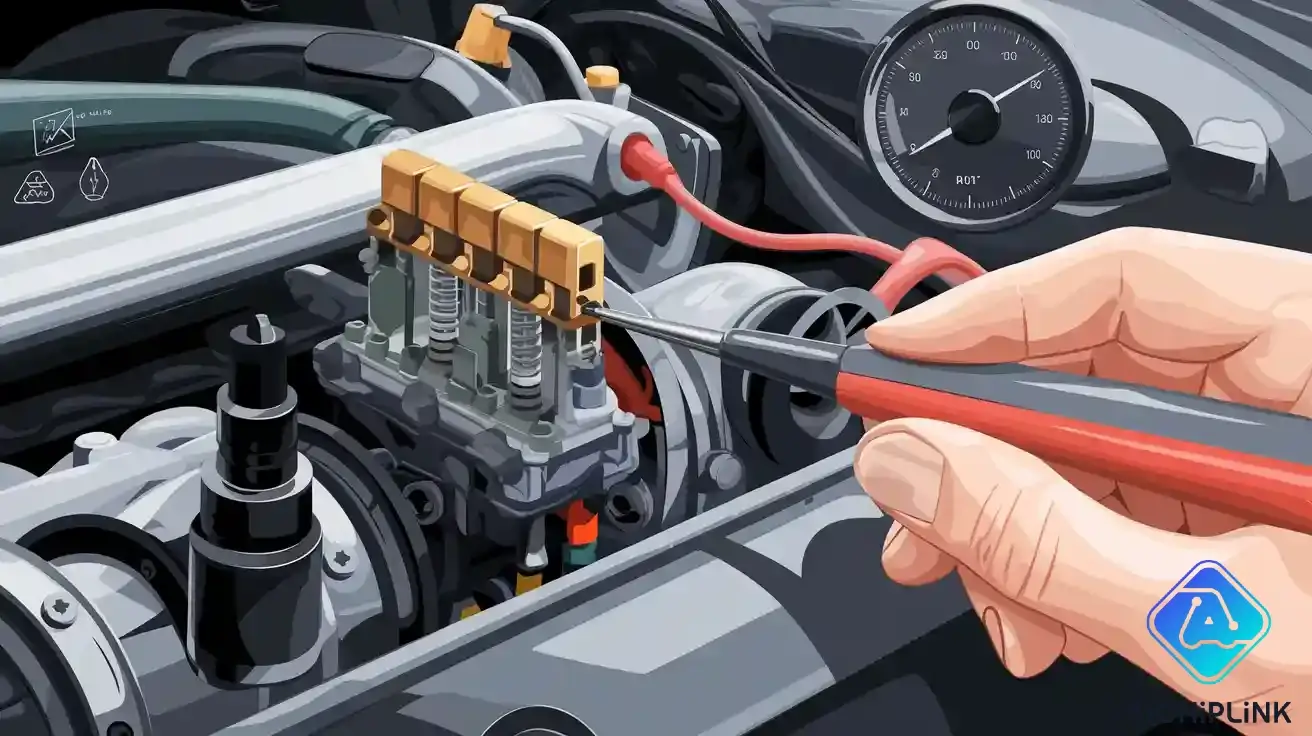
5. Incorrect Sensor Calibration
Modern car safety sensors rely on accurate positioning to measure distances and interpret surrounding traffic. Calibration establishes the relationship between a sensor’s readings and the vehicle’s actual location, direction, and dimensions.
When that relationship is incorrect, the system may misjudge where an obstacle is located or how quickly a nearby vehicle is approaching. The sensor may still function electronically while delivering information that is not sufficiently accurate.
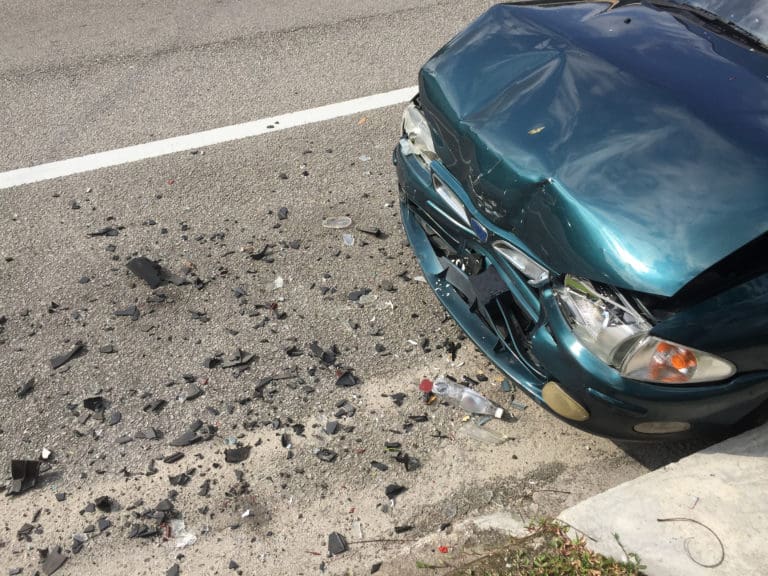
A front-end collision can disturb sensor alignment even when the visible damage appears minor. Radar units mounted behind a bumper may shift slightly after an impact, while camera brackets can move during repairs.
Such changes may affect automatic emergency braking, adaptive cruise control, or forward collision warnings. A vehicle should be inspected after a collision if the manufacturer’s repair procedures identify possible sensor damage or misalignment.
Wheel alignment and suspension repairs can also influence certain assistance systems. Lane-keeping features depend on understanding the vehicle’s orientation relative to lane markings, while some systems use information from steering and wheel sensors.
Following significant mechanical repairs, the manufacturer may specify checks or calibration procedures. Not every alignment requires camera calibration, so technicians should follow the requirements for the particular model.
Calibration may be necessary after windshield replacement, bumper removal, suspension work, or replacement of a sensor or control module. Procedures vary between vehicles.
Some require specialized targets positioned at exact distances and heights, while others use approved road-driving procedures under controlled conditions. The process should be carried out with suitable equipment and the correct technical information rather than improvised methods.
Drivers should watch for unusual warnings, unexpected braking interventions, inconsistent distance readings, or lane assistance that behaves differently from before. These symptoms do not prove that calibration is the cause, but they justify professional diagnosis.
Correct calibration helps restore the intended performance of driver assistance features and ensures that repaired components communicate reliably with the vehicle’s other electronic systems.
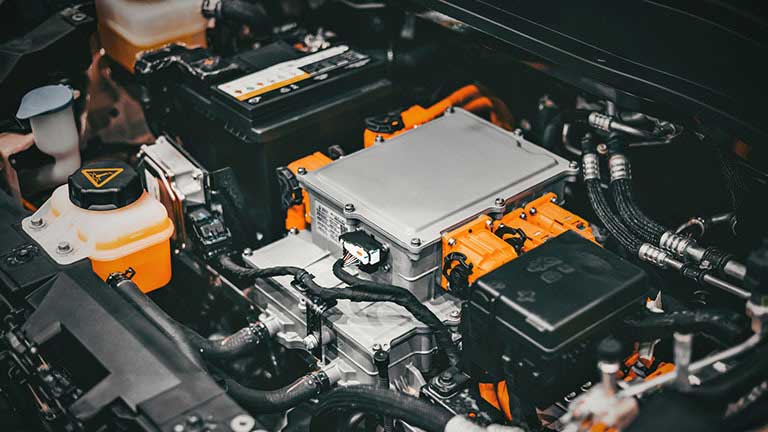
6. Electromagnetic Interference and Electronic Faults
Modern vehicles contain numerous electronic systems that communicate through wiring, control modules, and wireless technologies.
Radar sensors, parking detectors, cameras, and other assistance components depend on reliable electrical connections and correctly processed signals. Faults in this electronic environment can affect system performance, trigger warning messages, or cause certain functions to become unavailable until the problem is diagnosed.
Electromagnetic interference is a potential concern when electrical equipment produces signals that affect nearby electronic components.
Automotive systems are designed and tested to manage normal electromagnetic conditions, but faulty equipment, unsuitable modifications, or poorly installed electronics may introduce unwanted interference. The actual effect depends on the equipment involved, its location, the frequency of its emissions, and the vehicle’s design.
Poorly installed accessories can introduce electrical problems even when they do not directly block a sensor. Aftermarket lighting, audio equipment, tracking devices, and other electrical additions may cause issues if they are wired incorrectly or connected to unsuitable circuits.
Improper grounding, damaged wiring, and electrical noise can contribute to faults that require careful diagnosis. Correct installation and compatible components help reduce these risks.
Internal electronic failures can produce symptoms similar to physical sensor obstruction. A radar unit may stop communicating with its control module, a camera may lose its power supply, or a damaged connector may interrupt the transfer of information.
The dashboard may display a general assistance-system warning without identifying the exact cause. Diagnostic equipment can help technicians identify stored fault codes and determine which component needs attention.
Drivers should avoid attempting electrical repairs without the necessary knowledge and equipment. Disconnecting wiring, installing unapproved devices, or replacing modules without diagnosis can introduce further faults.
If warnings appear after an accessory is installed, explain the timing of the problem to a qualified technician. A systematic inspection of wiring, connections, software, and sensor operation is more reliable than replacing parts based on guesswork.
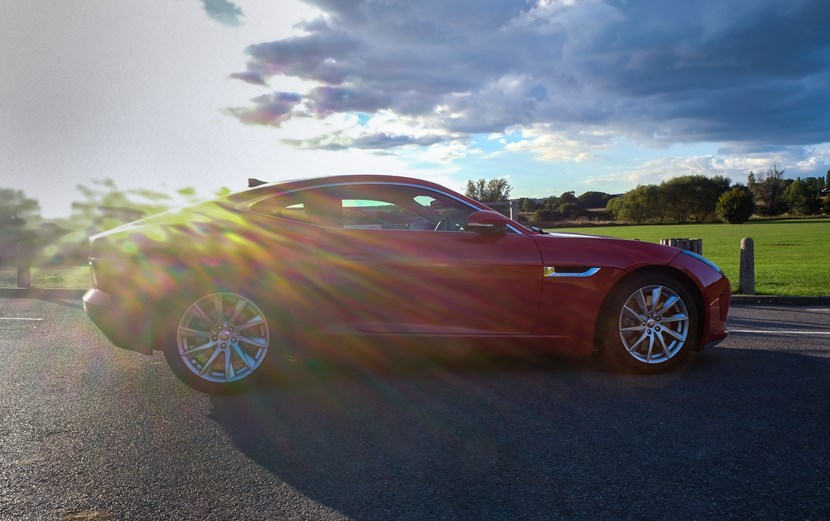
7. Extreme Temperatures and Direct Sunlight
Temperature changes can influence the performance of automotive electronics and the materials surrounding them. Modern sensors are engineered to operate within specified environmental limits, but intense heat or severe cold can place additional demands on their components.
In certain conditions, the vehicle may limit or temporarily disable a safety feature to protect equipment or prevent unreliable readings.
High temperatures can affect components located behind the grille, within bumpers, or near the windshield. Direct sunlight may also create challenging visual conditions for cameras, particularly when glare reduces contrast or creates bright reflections.
Camera-based systems need sufficient image detail to identify vehicles, lane markings, and pedestrians. The extent of the effect depends on the camera’s design and the processing technology used by the vehicle.
Cold weather introduces a different set of challenges. Ice can form over camera lenses, moisture may freeze around sensor housings, and snow can accumulate in areas that need to remain clear. Very low temperatures can also affect battery performance and other electrical systems.
If the vehicle experiences low-voltage conditions, some driver assistance functions may become temporarily unavailable until the electrical system operates within the required range.
Rapid changes in temperature may contribute to condensation on glass or camera covers. Moisture trapped on an optical surface can blur images, create haze, or reduce contrast. Some sensor housings are designed to limit these effects, but the protection varies between models. Persistent condensation inside a camera housing may indicate a sealing problem that requires professional inspection.
Parking in a shaded or covered area can reduce prolonged exposure to intense sunlight, while allowing the vehicle to warm up or cool down appropriately may help during temperature extremes.
Remove snow and ice from the relevant sensor areas before driving. If an assistance feature becomes unavailable in extreme weather, consult the dashboard message and owner’s manual. Seek service if the problem continues after normal operating conditions return.
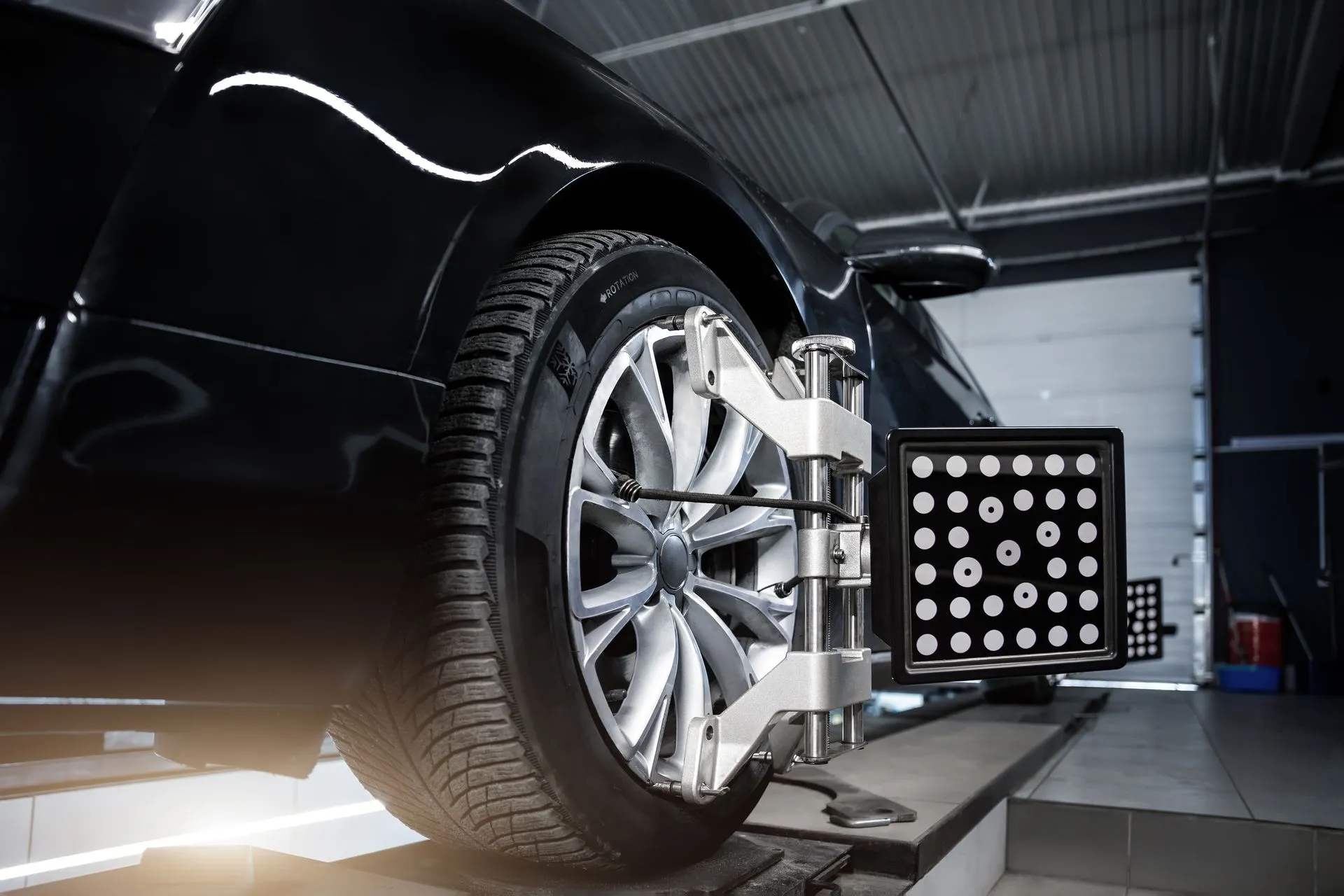
8. Worn Tires, Suspension Problems, and Vehicle Alignment
Tires and suspension components influence the way a vehicle moves, steers, and responds to the road. While they do not usually block a sensor directly, their condition can affect the information used by certain driver assistance systems.
Modern vehicles combine input from cameras, radar, wheel-speed sensors, steering-angle sensors, and other components to estimate movement and support stability and collision prevention features.
Incorrect tire pressure can change handling, braking performance, and the vehicle’s response during sudden maneuvers. Uneven tire wear may indicate alignment problems, damaged suspension parts, or inconsistent inflation.
These conditions can influence how reliably the vehicle follows its intended path. Systems designed to help maintain lane position or control vehicle stability depend on the car responding predictably to steering and braking inputs.
Wheel alignment is especially important after suspension repairs, severe pothole impacts, or other incidents that change the position of the wheels.
Incorrect alignment may cause the vehicle to pull to one side or travel at an angle relative to the steering wheel. Depending on the vehicle, these changes may affect the interpretation of camera data or require checks of steering-angle information and related systems.
Worn shock absorbers, damaged control arms, loose suspension joints, and other mechanical faults can affect vehicle stability. Excessive movement over bumps may also change the angle at which a body-mounted sensor points toward the road.
Sensor systems are designed to accommodate normal movement, but damaged components can push the vehicle beyond its expected operating conditions and compromise the performance of related assistance features.
9. Software Glitches and Outdated System Updates
Modern car safety systems depend on software to interpret sensor readings, identify potential hazards, and decide when warnings or interventions are appropriate.
Cameras and radar units provide raw information, while electronic control modules process that information according to programmed rules. A software fault can disrupt communication, trigger false warnings, or make a safety feature temporarily unavailable even when the physical sensor is undamaged.
Manufacturers may release software updates to address known faults, improve compatibility, correct processing errors, or refine system performance.
Depending on the vehicle, updates may be installed during a workshop visit or delivered through an approved over-the-air process. Not every update changes safety sensor behavior, so drivers should rely on manufacturer notices and recommendations rather than assume that every available update is essential.
Communication problems between electronic control modules can also affect driver assistance features. A camera, radar unit, braking controller, and vehicle network may need to exchange information before a function can operate.
If one module stops responding or sends invalid data, the system may deactivate a feature as a precaution. A warning message may identify the affected system without explaining the underlying cause.
Software-related symptoms can be difficult to distinguish from hardware problems. An intermittent warning could arise from a loose connector, a failing sensor, a communication fault, or a software issue.
Restarting the vehicle may temporarily clear certain messages, but this does not establish that the underlying problem has been resolved. Repeated warnings should be investigated using the manufacturer’s diagnostic procedures.