

Hot weather can put extra stress on a vehicle, making existing mechanical issues easier to notice and creating new maintenance challenges. High temperatures affect engine cooling, battery performance, tire pressure, air conditioning, and several other essential systems.
Drivers may experience sluggish starts, unusual smells, overheating, or reduced comfort during summer journeys. Understanding these warning signs can help prevent costly repairs and unexpected breakdowns.
This article explains nine common car problems that become more noticeable in hot weather, why they occur, which symptoms deserve attention, and how regular maintenance can help keep your vehicle running reliably throughout the hottest months of the year.

1. Engine Overheating
Engine overheating is among the most serious car problems drivers may encounter during hot weather. A vehicle’s engine produces considerable heat while running, and its cooling system must remove that heat to maintain a safe operating temperature.
When outdoor temperatures rise, the cooling system may have less opportunity to release excess heat, particularly during slow traffic, long journeys, or steep climbs. A vehicle with a healthy cooling system should still operate safely in warm conditions, but an existing fault can become much more apparent during summer.
Drivers should pay attention to the temperature gauge, dashboard warning lights, and unusual steam coming from beneath the bonnet.
Several issues can contribute to an overheating engine. Low coolant levels, leaks in hoses, a damaged radiator, a faulty thermostat, or a malfunctioning cooling fan can prevent heat from escaping efficiently. A worn water pump may also restrict coolant circulation, allowing temperatures to climb during normal driving.
In some vehicles, a blocked radiator or a buildup of deposits inside the cooling system reduces its ability to transfer heat. These problems may remain unnoticed during cooler months because the engine has less difficulty maintaining its temperature. Once the weather becomes hotter, the same mechanical weaknesses can produce visible symptoms.
Drivers may notice the temperature gauge rising when the car is stationary or moving slowly through congested roads. The air conditioning may seem less effective, the engine may lose power, or a warning light may appear on the dashboard. In severe cases, steam can escape from the engine compartment, accompanied by a sweet smell from leaking coolant.
Continuing to drive an overheating vehicle can damage the cylinder head, head gasket, or other expensive engine components. Ignoring repeated temperature warnings can turn a relatively straightforward repair into a major mechanical problem.
Preventive maintenance is the most effective way to reduce the risk of engine overheating. Check the coolant level when the engine is completely cold and inspect the ground beneath the vehicle for signs of leakage. Have damaged hoses, worn belts, and faulty cooling fans repaired promptly.
The radiator and cooling system should also receive attention according to the manufacturer’s service recommendations. Always use the correct coolant specification and mixture for your vehicle rather than relying on plain water as a permanent solution. Never remove the radiator cap or coolant reservoir cap while the system is hot, because pressurised coolant can cause serious burns.
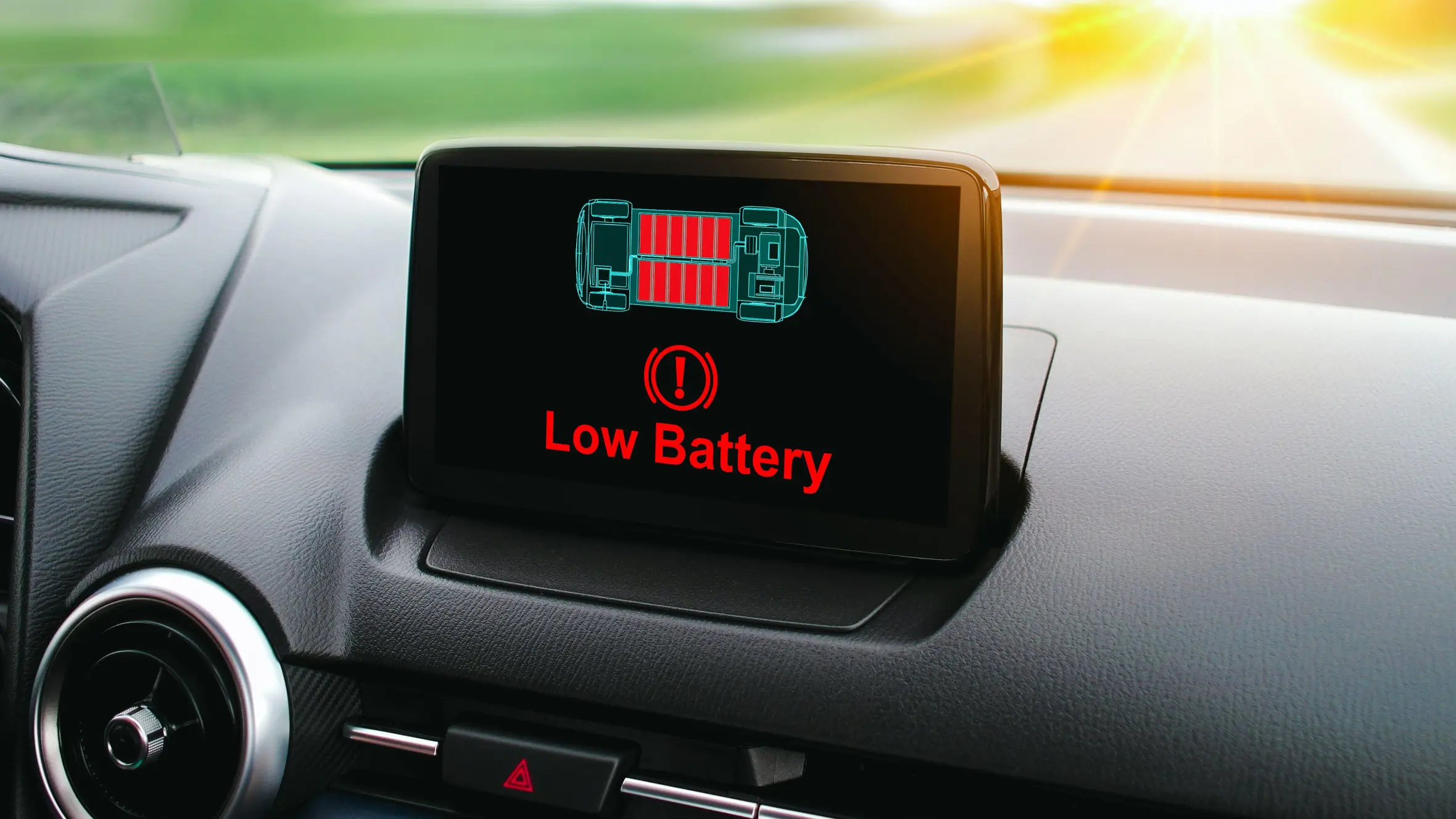
2. Weak Car Battery Performance
Car batteries can become less reliable during periods of extreme heat, even though many drivers associate battery trouble mainly with winter. High temperatures accelerate chemical reactions inside a battery, which can increase internal degradation and shorten its service life.
Heat can also contribute to electrolyte loss in certain battery designs, particularly when the battery is ageing or the charging system is not working correctly. A battery that performs adequately during mild weather may begin showing weakness during a hot spell. The problem can become more noticeable after repeated short trips, extended parking in direct sunlight, or frequent use of electrical accessories.
One of the first warning signs is a slow or hesitant engine start. The starter motor may turn more slowly than usual, or the vehicle may require several attempts before starting. Some drivers notice flickering dashboard lights, electrical accessories that behave inconsistently, or a battery warning indicator.
These symptoms do not always mean the battery itself has failed. A faulty alternator, loose battery connections, corroded terminals, or a parasitic electrical drain can create similar problems. Proper testing helps identify the actual cause rather than replacing components unnecessarily.
Battery condition is especially important before long summer journeys. Air conditioning, cooling fans, infotainment systems, phone chargers, and other electrical equipment can increase demand on the vehicle’s charging system.
The alternator normally supplies electrical power while the engine runs and recharges the battery, but a damaged charging system may struggle to maintain the correct voltage. If the battery is already weak, repeated starting attempts and heavy electrical demand can expose the problem. Vehicles with start-stop technology may also display warnings or temporarily disable automatic engine shutdown when battery condition is poor.
Drivers can reduce battery-related problems through regular inspection and testing. Check the battery terminals for corrosion, make sure connections are secure, and look for swelling, cracks, or signs of leakage. A professional battery test can assess its condition before the hottest part of the year.
If the battery is several years old, ask a technician whether replacement is advisable based on its measured performance and the manufacturer’s recommendations. Keep the battery clean, and ensure that any protective covers or ventilation arrangements required by the vehicle are correctly installed.
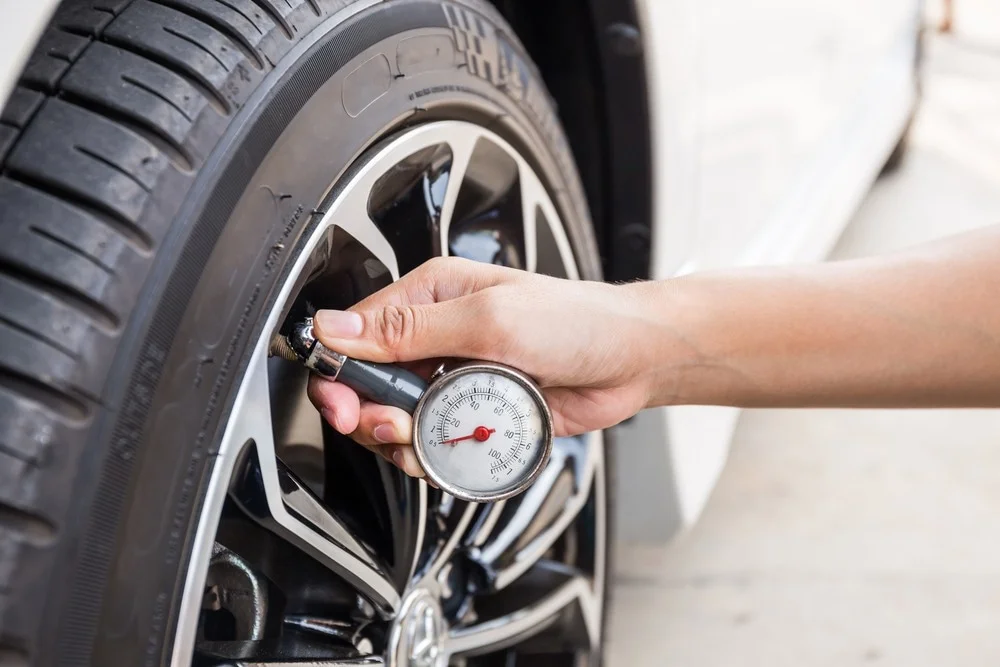
3. Increased Tire Pressure and Tire Damage
Tire pressure naturally rises as the air inside a tire warms up. Hot weather, extended driving, direct sunlight, and high road temperatures can all contribute to changes in tire temperature and pressure. This makes regular tire checks especially important during summer.
However, drivers should not release air simply because the pressure reading is higher immediately after a journey. Vehicle manufacturers specify recommended tire pressures for cold tires, and those values should guide maintenance decisions. Checking pressure under the correct conditions helps ensure that tires provide suitable grip, handling, and load-carrying capacity.
Incorrect tire pressure can affect safety, comfort, and fuel consumption. Underinflated tires flex more as they rotate, creating additional heat that can increase the risk of tire damage, particularly at highway speeds or under heavy loads.
Overinflated tires may reduce the contact area in certain conditions and make the ride harsher, while also increasing susceptibility to damage from road impacts. Both situations can compromise handling. The effects become more important during hot weather, when tires already experience elevated temperatures during normal operation.
Tire damage can also become more apparent when roads are hot. Worn tread, ageing rubber, sidewall cracks, previous puncture repairs, and internal structural damage can all increase the risk of failure.
Heat does not automatically make a healthy tire unsafe, but it can add stress to a tire that is already damaged or incorrectly inflated. Long highway journeys, overloaded vehicles, and sustained high speeds can increase this stress further. Drivers should never assume that a tire is safe simply because it appears properly inflated.
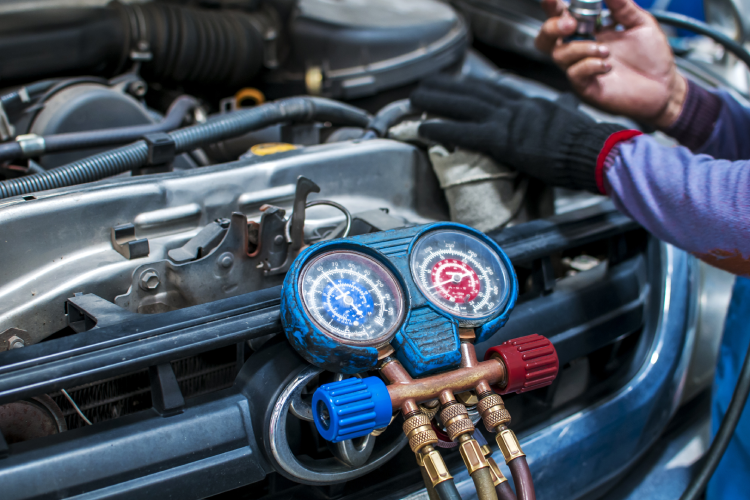
4. Air Conditioning Problems
A properly functioning air conditioning system is essential for comfort during hot-weather driving, especially in areas where temperatures remain high for extended periods. When outside temperatures rise, drivers expect the cabin to cool quickly, but an ageing or poorly maintained system may struggle to meet that demand.
Weak airflow, warm air from the vents, unpleasant smells, or unusual noises can indicate that something needs attention. The system may appear adequate during mild weather, yet its limitations become obvious when the cabin heats up under direct sunlight. These symptoms should not automatically be attributed to the weather alone.
Several faults can affect air conditioning performance. Low refrigerant levels caused by a leak may reduce cooling capacity, while a failing compressor can prevent the system from circulating refrigerant correctly. A blocked cabin air filter can restrict airflow, and a dirty condenser may struggle to release heat effectively.
Electrical faults, damaged pressure sensors, and malfunctioning cooling fans can also interfere with performance. Since these components work together, an accurate diagnosis is important. Simply adding refrigerant without investigating a possible leak may provide only temporary improvement.
Cabin temperature can also rise because of problems that are not directly related to the refrigerant circuit. A faulty blend-door actuator may prevent cooled air from reaching the vents, while a clogged evaporator drain can contribute to moisture accumulation. An ageing cabin filter may allow dust and debris to restrict ventilation.
Drivers might notice that cooling improves when the vehicle is moving but becomes weaker in stationary traffic. This pattern can sometimes point to insufficient airflow through the condenser or a cooling-fan issue, though a technician should confirm the cause.
Regular servicing can help maintain efficient air conditioning. Replace the cabin air filter at the intervals recommended by the manufacturer, and keep the front of the condenser clear of excessive debris without damaging its delicate fins.
If the system produces warm air, makes unusual mechanical noises, or develops a persistent unpleasant odour, arrange an inspection. Refrigerant handling requires appropriate equipment and training, so avoid releasing refrigerant into the atmosphere or attempting an unqualified recharge.
A workshop can check system pressures, inspect for leaks, and determine whether the compressor and associated components are operating correctly.
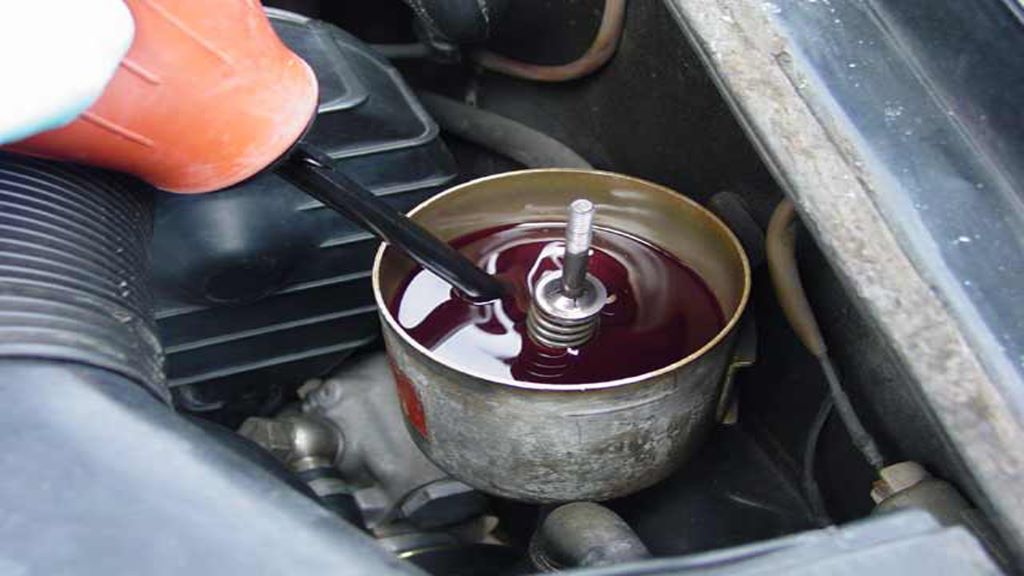
5. Engine Oil and Other Fluid Problems
Engine oil performs several essential functions, including lubrication, cooling, cleaning, and protection against wear. During hot weather, engine components and the oil itself can reach higher operating temperatures, particularly during extended journeys, heavy traffic, or demanding driving conditions.
Modern engines are designed to manage these temperatures when maintained correctly, but low oil levels or degraded oil can reduce the margin of protection. Drivers may notice increased engine noise, warning lights, or signs of leakage during summer. These symptoms deserve attention because insufficient lubrication can cause severe damage.
Oil level is particularly important when a vehicle regularly travels long distances or operates in stop-and-go traffic. Some engines consume small amounts of oil during normal operation, while others may develop leaks as seals and gaskets age. If the level falls below the recommended range, moving engine components may not receive adequate lubrication.
Excessive oil consumption can also indicate worn internal components or a fault that requires professional diagnosis. Waiting until the oil warning light appears is not a suitable maintenance strategy, since certain warnings indicate dangerously low oil pressure rather than simply a low level.
Engine oil is not the only fluid affected by high operating temperatures. Transmission fluid, power steering fluid in hydraulic systems, brake fluid, and coolant each serve different purposes and require appropriate maintenance.
Transmission fluid helps lubricate and cool internal components, while brake fluid transfers hydraulic pressure through the braking system. Overheated or degraded transmission fluid may contribute to abnormal shifting, and contaminated brake fluid can compromise braking performance under demanding conditions.
Different vehicles use different systems, so owners should follow the manufacturer’s instructions instead of assuming that every fluid needs the same treatment.
6. Reduced Brake Performance
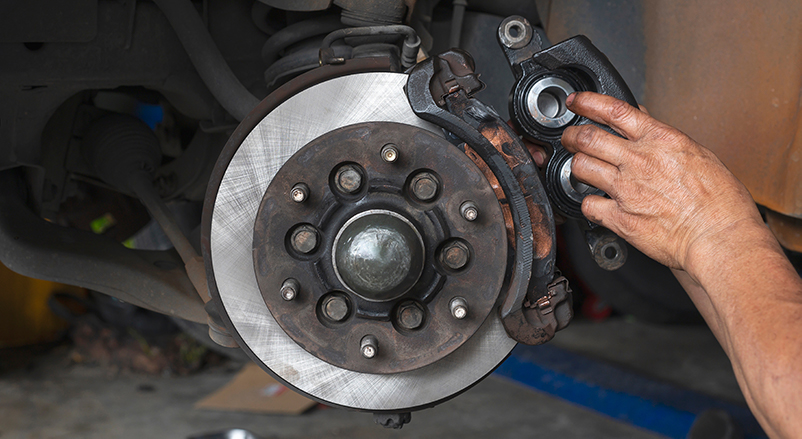
Brakes generate heat whenever a vehicle slows down. During hot weather, that heat may be more difficult to dissipate during repeated braking, particularly on steep descents, in congested traffic, or when carrying heavy loads.
A well-maintained braking system is designed to withstand normal operating conditions, but worn components or demanding driving can expose weaknesses. Drivers may notice a change in pedal feel, unusual noises, vibration, or a burning smell after repeated stops. These symptoms should not be dismissed as ordinary summer effects, particularly if braking performance appears to deteriorate.
Brake fade is a reduction in braking effectiveness caused by excessive heat. Depending on the circumstances, it can occur when brake pads and discs become too hot or when the braking system’s hydraulic fluid is affected by high temperatures. A soft or unusually long-travel brake pedal may indicate a serious problem.
Worn pads, damaged discs, sticking calipers, and contaminated brake fluid can increase the likelihood of poor performance. High ambient temperatures alone do not normally cause a healthy braking system to fail, but they can add to the thermal demands placed on it.
Driving habits influence brake temperatures considerably. Repeatedly pressing the brake pedal while descending a long hill can generate substantial heat, especially in a heavily loaded vehicle. Following other vehicles too closely may also encourage frequent, unnecessary braking.
Drivers who carry passengers, luggage, or equipment should ensure that the vehicle remains within its permitted load limits. Proper tire condition matters as well, because braking performance depends on the interaction between the tires and the road surface, not just the brake components.

7. Cracked Belts and Deteriorating Rubber Hoses
Rubber components play an important role in a vehicle’s operation. Drive belts transfer power to accessories, while hoses carry coolant and other fluids between essential components. Heat, age, vibration, and exposure to contaminants can gradually weaken these parts.
During summer, the deterioration may become more noticeable as the engine compartment experiences high temperatures during repeated journeys. A belt or hose that has been ageing for months may finally show obvious symptoms when the vehicle is exposed to demanding conditions.
A worn drive belt may produce squealing noises, visible cracks, fraying, or signs of glazing. Depending on the vehicle’s design, a failed belt can affect the alternator, water pump, air conditioning compressor, or other accessories.
The consequences vary because some vehicles use separate belts for different systems, while others rely on a shared accessory belt. If the belt drives the water pump, failure may lead to rapid overheating. If it drives the alternator, the battery may stop receiving adequate charging power.
Coolant hoses face a different set of challenges. Repeated heating and cooling can cause rubber to harden, soften, swell, or develop cracks. Clamps may loosen, and connections can begin leaking as components age. A small leak might leave a coloured residue around a connection or create a sweet coolant smell after driving.
More serious failures can release coolant quickly, causing the engine temperature to rise. Hoses should not be judged by appearance alone, since internal deterioration may not always be visible from the outside.
8. Fuel Delivery and Starting Difficulties
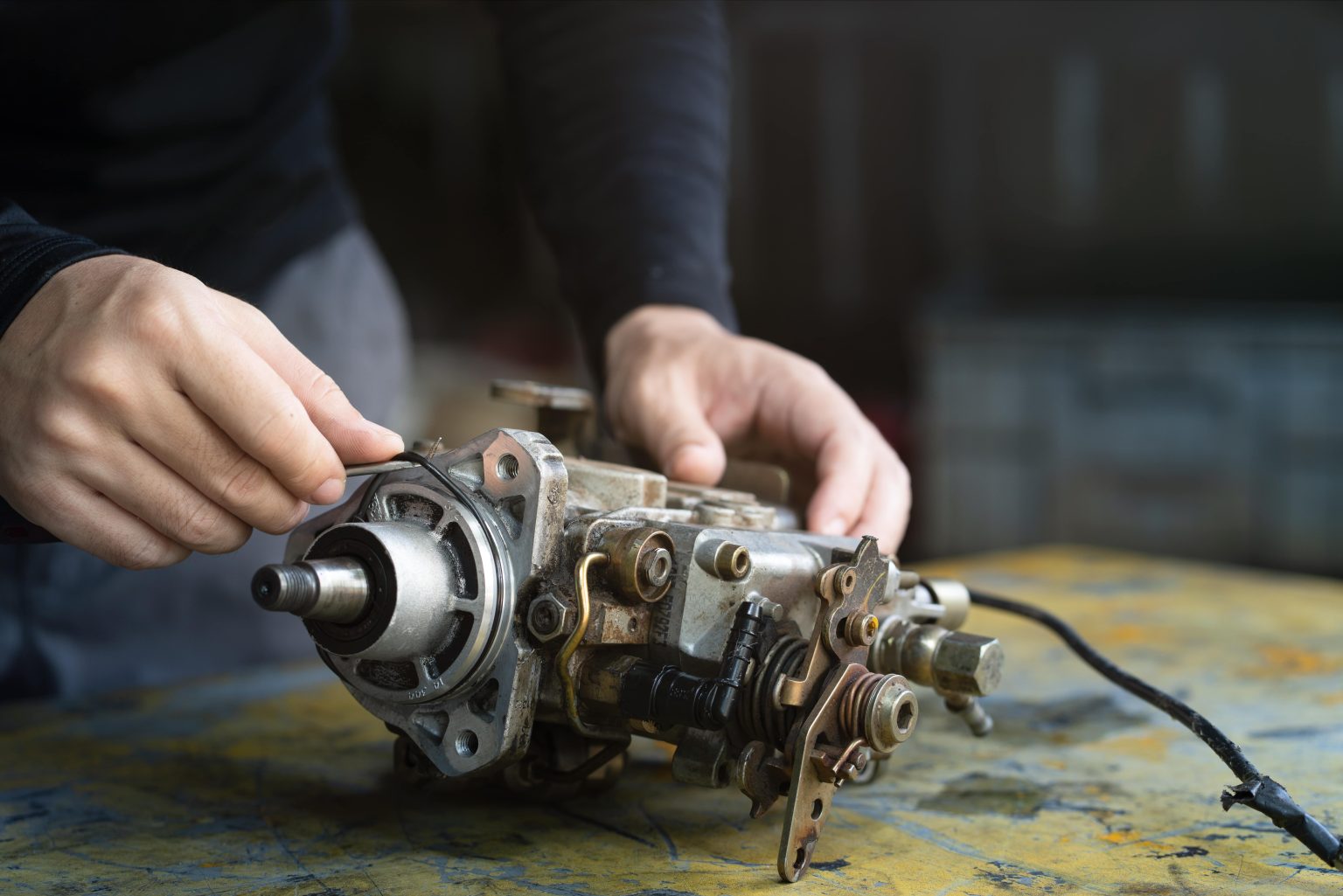
Hot weather can sometimes make fuel-related problems more noticeable, particularly in older vehicles or those with an existing fault in the fuel system. Petrol evaporates readily, and high temperatures can contribute to vapour formation under certain operating conditions.
In susceptible vehicles, this may interfere with fuel delivery and cause hesitation or starting difficulties. Modern fuel-injected cars generally have systems designed to manage fuel pressure and vapour emissions, so hot weather should not automatically be blamed whenever an engine struggles to start. The vehicle’s age, design, fuel type, and mechanical condition all influence the likely cause.
Drivers may notice that an engine starts normally when cold but struggles after a short stop following a long journey. Other symptoms can include hesitation during acceleration, rough idling, or intermittent loss of power.
These signs may result from several different faults, including a weak fuel pump, a failing sensor, ignition problems, restricted fuel flow, or an issue with the engine management system.
In some older petrol vehicles, heat-related vapour formation may be involved. Accurate diagnosis is necessary because replacing fuel-system components without confirming the fault can be expensive and ineffective.
Fuel pumps and associated electrical components operate under conditions that can become demanding during hot weather. A failing pump may struggle to maintain the required fuel pressure, while poor electrical connections can become more problematic as components heat up.
Low fuel levels can also reduce the cooling effect that fuel provides to certain in-tank pump designs, depending on the vehicle. This does not mean drivers must keep the tank completely full, but routinely running the tank close to empty is an avoidable habit when fuel delivery is already unreliable.
9. Overworked Cooling Fans and Electrical Systems
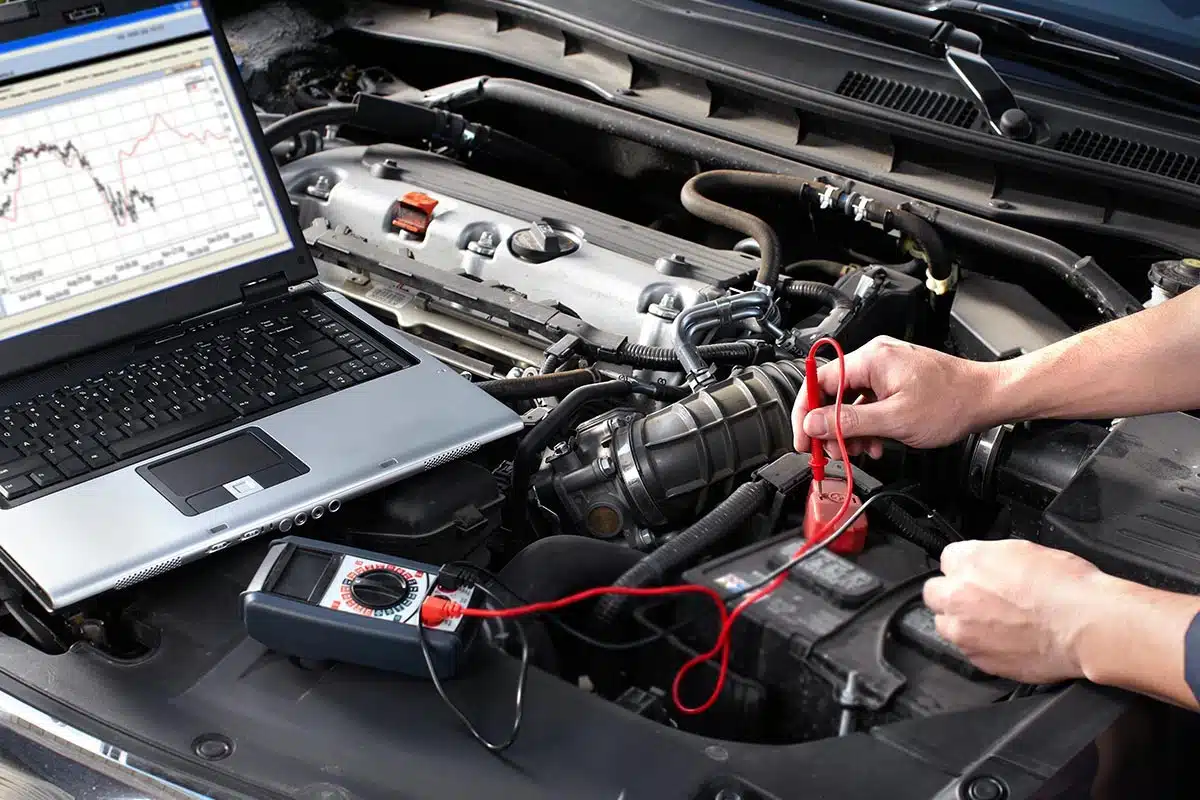
A vehicle’s electrical system supports many functions that become especially important during hot weather. Cooling fans, air conditioning equipment, engine sensors, charging components, and cabin ventilation may all operate more frequently when temperatures rise.
The additional workload can make existing electrical weaknesses easier to identify. Drivers may notice dim headlights, unusual fan noises, fluctuating dashboard displays, intermittent warning lights, or an air conditioning system that performs inconsistently. These symptoms can have different causes, so a careful inspection is preferable to assuming that the heat alone is responsible.
Cooling fans help move air through the radiator and condenser, particularly when the vehicle is stationary or moving slowly. If a fan motor is weak, a relay fails, wiring becomes damaged, or a temperature sensor provides incorrect information, airflow may be insufficient.
The engine temperature can then rise in traffic even if it remains normal at higher speeds. Air conditioning performance may also decline because the condenser cannot release heat effectively without suitable airflow. In some vehicles, fan operation changes with engine temperature and air conditioning demand, so the exact behaviour depends on the system design.
Electrical faults can also affect the alternator and charging circuit. The alternator supplies electrical power while the engine runs and maintains battery charge under normal conditions. A worn alternator, loose connection, damaged ground cable, or failing voltage regulator may cause unstable voltage.
Under heavier electrical demand, these weaknesses can become more obvious. The battery warning light, unusual electrical behaviour, or repeated starting problems should prompt testing of both the battery and charging system. Replacing the battery alone may not solve a problem caused by faulty charging components.
