
Buying a used minivan with 120,000 miles on the odometer can be a smart way to save money, provided you choose a model with a strong reliability record and a well-documented service history.
Families need dependable transportation, comfortable seating, practical storage, and affordable maintenance. At this mileage, the vehicle’s condition matters just as much as its brand or model year.
Some minivans can deliver many more years of service with proper care, while others may bring expensive repairs. This guide examines five minivans worth considering and five that deserve extra caution before purchase.
5 Minivans That Are Worth Buying at 120,000 Miles
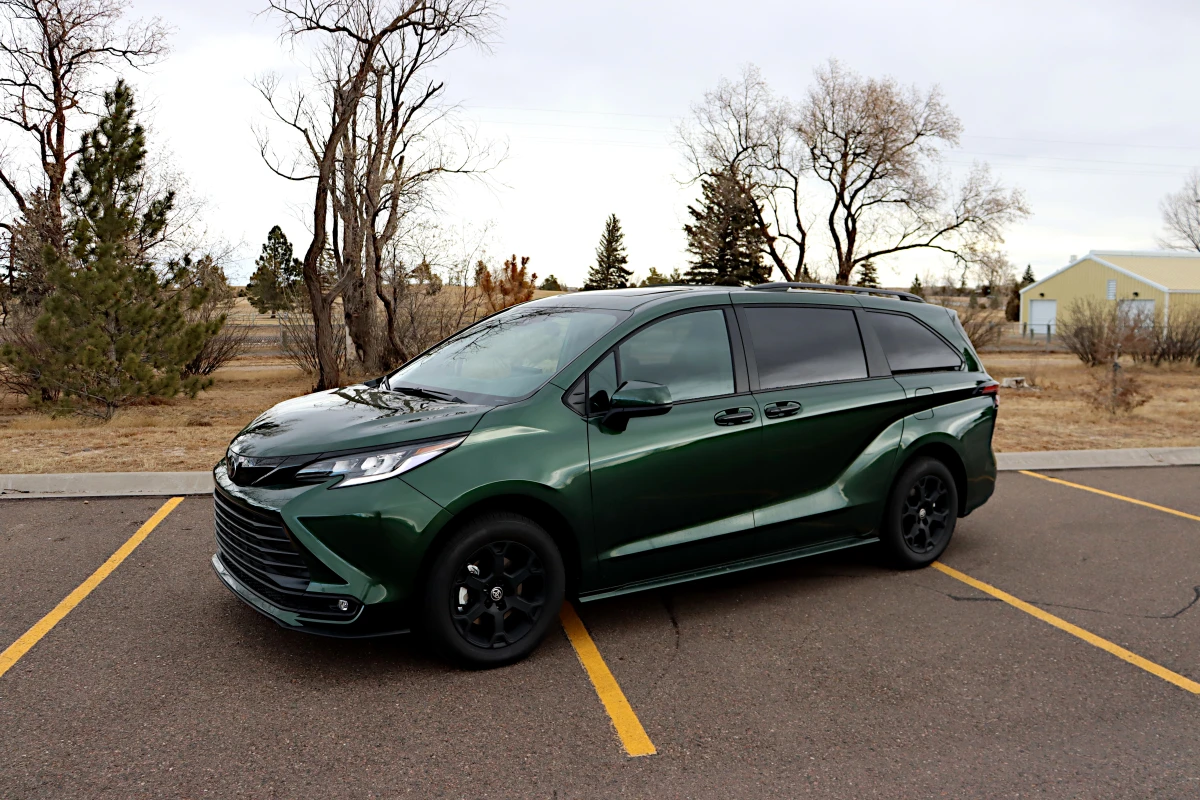
1. Toyota Sienna
The Toyota Sienna is a strong candidate for buyers seeking a used minivan with 120,000 miles. Its reputation for long-term durability, practical interior design, and dependable powertrains makes it appealing to families who want to avoid the high cost of a newer vehicle. A well-maintained Sienna can continue serving a family for years, provided its major components remain in good condition.
Many Sienna models from this period use Toyota’s 3.5-liter V6 engine, which delivers useful power for highway driving, family trips, and carrying heavy loads.
The engine has a generally solid durability record, but routine oil changes, cooling system maintenance, and prompt attention to warning lights remain essential. Buyers should also check for oil leaks, unusual engine noises, and signs of overheating during a test drive.
Transmission condition deserves particular attention when evaluating a high-mileage Sienna. The automatic transmission should engage gears smoothly without slipping, harsh shifts, or delayed responses.
Take the vehicle on city streets and highways to assess its behavior at different speeds. Any shuddering, fluid leakage, or unexplained vibration should prompt further inspection by a qualified mechanic before you negotiate a price.
Maintenance requirements vary by model year. Certain Sienna engines use a timing chain, while earlier generations may have a timing belt that requires scheduled replacement. Verify the exact engine and its service requirements using the vehicle identification number.
Power sliding doors, air conditioning, suspension components, and wheel bearings should also be checked because repairs to aging convenience features can increase ownership expenses.
A Toyota Sienna with 120,000 miles is worth serious consideration when it has consistent service records, a clean title, and no significant accident damage. Favor examples with documented fluid changes and completed maintenance rather than vehicles with unusually low prices and incomplete histories.
Before purchasing, obtain an independent inspection and check outstanding recalls. These precautions help distinguish a well-cared-for family van from an expensive repair project.

2. Honda Odyssey
The Honda Odyssey is another sensible option for shoppers considering a minivan with 120,000 miles. It offers a roomy cabin, comfortable seating, useful storage, and a strong V6 engine. Its family-friendly layout works well for school transportation, long commutes, and holiday travel. A properly serviced example can remain practical long after its original warranty expires.
The 3.5-liter V6 provides responsive acceleration, particularly when the vehicle carries several passengers. Honda’s engines from this period have a strong reputation, but condition and maintenance matter more than the badge on the grille.
Look for oil leaks, coolant loss, misfires, and signs of neglected servicing. A smooth idle and consistent acceleration are encouraging, but neither replaces a professional mechanical assessment.
Transmission checks are especially important. Different Odyssey model years use different automatic transmissions, and their reliability concerns are not identical. During the road test, pay attention to rough gear changes, slipping, delayed engagement, and warning lights.
Some versions also have engine-management features that can contribute to oil consumption or vibration. Ask the seller about previous transmission repairs and any recurring engine problems.
The timing belt is a major maintenance item on applicable Odyssey engines. Buyers should request a dated invoice showing when the belt, tensioner, and water pump were last replaced, as recommended as part of the service.
If the service is overdue or undocumented, include the potential cost in your purchase budget. Inspect the power sliding doors, rear air conditioning, brakes, and suspension for additional signs of wear.
A used Odyssey can be a rewarding purchase when the service history is complete, and the transmission behaves correctly under different driving conditions. Prioritize examples with documented timing-belt service and evidence of regular oil changes.
Avoid assuming that every Honda will last indefinitely without expensive repairs. At 120,000 miles, an independent inspection can uncover problems that a brief dealership test drive might miss.
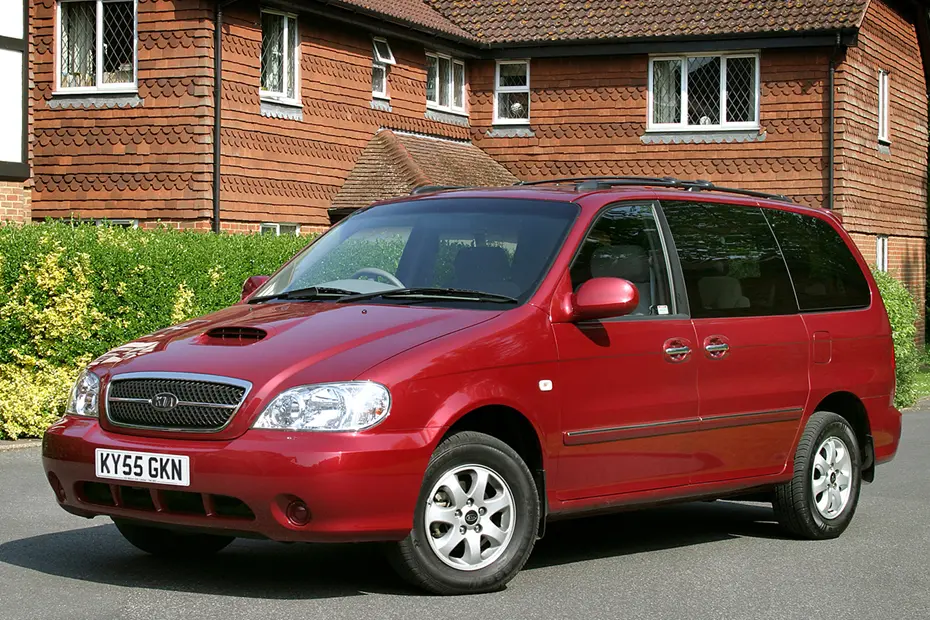
3. Kia Sedona
The Kia Sedona deserves consideration from buyers seeking a spacious used minivan without paying the premium often attached to a comparable Toyota or Honda. Later Sedona models offer comfortable seating, useful cargo capacity, and a well-equipped cabin. Their purchase prices can make them attractive to families who want practical transportation while keeping money available for future maintenance.
Many Sedonas from these years use a 3.3-liter V6 engine paired with an automatic transmission. The powertrain provides adequate performance for everyday family duties and highway journeys.
Its long-term condition still depends on consistent servicing, suitable engine oil, and proper cooling system care. Check for leaks, rough running, overheating, and evidence of neglected maintenance before deciding that a particular vehicle is worth buying.
The automatic transmission should receive careful attention during the inspection. Test acceleration from a complete stop, gradual speed changes, and highway cruising.
Gear changes should feel predictable, without persistent shuddering or slipping. Ask whether the transmission fluid has been serviced according to the manufacturer’s requirements. If the seller cannot explain the maintenance history, have a mechanic evaluate the transmission before making a commitment.
Sedona buyers should also examine power sliding doors, air conditioning, electrical controls, and suspension components. These systems face considerable use in vehicles that transport children and several passengers daily.
Inspect the seats, seat belts, door tracks, and cargo area for damage or signs of water intrusion. A clean interior can indicate careful ownership, but mechanical evidence and service documents provide stronger reasons for confidence.
A well-maintained Kia Sedona with 120,000 miles may represent excellent value for families willing to research the exact model year. Compare the asking price with the expected cost of upcoming maintenance, including tires, brakes, fluids, and any overdue engine service.
Verify whether any remaining warranty coverage applies to that particular vehicle and owner. A pre-purchase inspection is essential, especially if the van has changed hands several times.
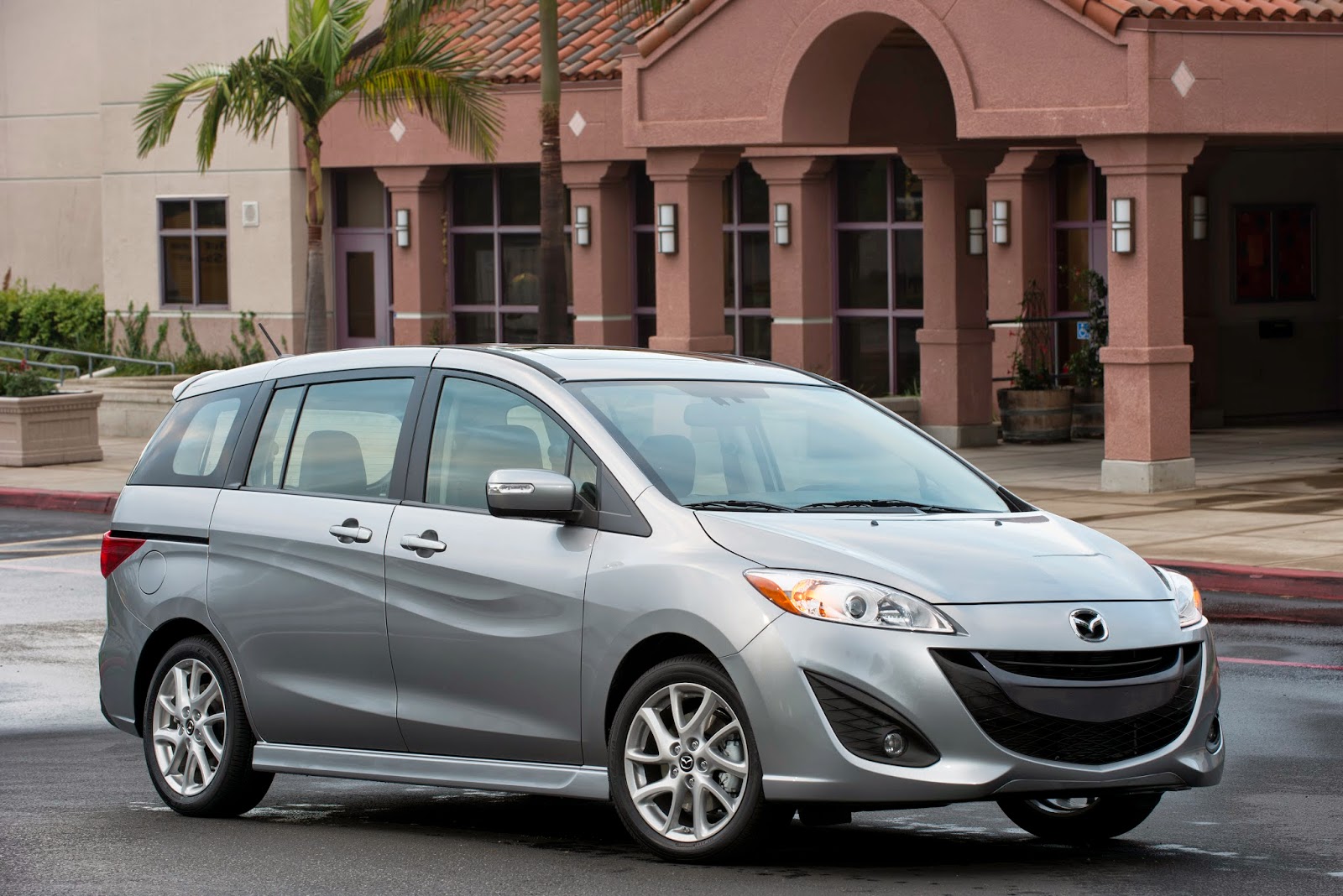
4. Mazda5
The Mazda5 is worth considering for buyers who need three rows of seating but prefer a smaller vehicle. Its compact dimensions make parking and urban driving easier than in many full-size minivans. The sliding rear doors improve access in tight spaces, while the flexible cabin offers useful passenger and cargo arrangements for smaller families.
Later Mazda5 models use a 2.5-liter four-cylinder engine paired with an automatic transmission in the United States. The simpler layout and smaller body can appeal to owners who do not need the power or interior volume of a larger V6 minivan. Still, a 120,000-mile example requires a close assessment of engine condition, transmission behavior, fluid leaks, and cooling system performance.
During a test drive, listen for suspension clunks over bumps and check for steering vibration at highway speeds. Examine the automatic transmission for delayed engagement or harsh shifts, and make sure the engine accelerates smoothly.
Rust deserves special attention, particularly in regions where winter road salt is common. Inspect the underbody, suspension mounting points, brake lines, and body seams for corrosion that could make repairs uneconomical.
The Mazda5’s compact interior is useful, but it cannot match the third-row space or cargo capacity of a Toyota Sienna or Honda Odyssey. Buyers should test all seats with the intended passengers and check whether luggage fits comfortably. Sliding-door operation, air conditioning, seat mechanisms, and electrical controls also deserve a functional check. Parts availability and repair costs may vary by location because the model is less common than larger rivals.
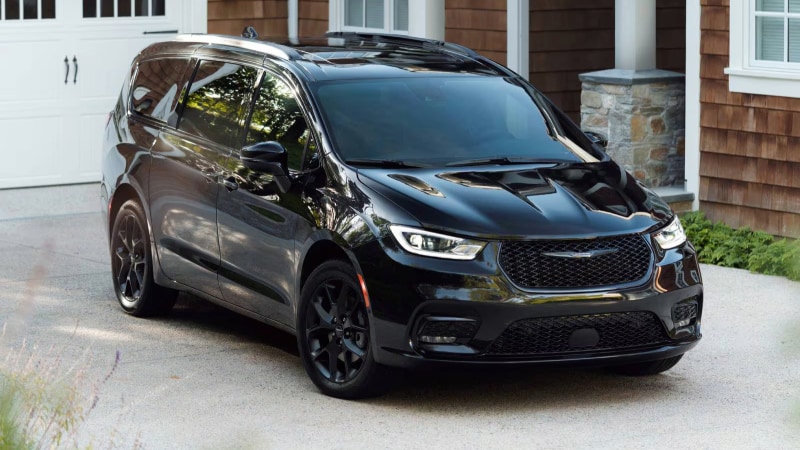
5. Chrysler Voyager
The Chrysler Voyager from 2020 to 2021 is another option for buyers searching for a practical used minivan with around 120,000 miles. It offers a spacious cabin, comfortable seating, and useful storage for family transportation.
Positioned as a more affordable alternative to the Chrysler Pacifica, the Voyager provides many of the features drivers need for daily commuting, school runs, and long-distance journeys. However, its maintenance history deserves close attention at this mileage.
These model years use a 3.6-liter Pentastar V6 engine paired with a nine-speed automatic transmission. The engine provides sufficient power for carrying passengers and luggage, while the transmission supports relaxed highway driving.
Buyers should inspect the engine for oil leaks, coolant loss, unusual noises, and rough idling. Checking the cooling system and reviewing records of routine oil changes can help identify whether the previous owner followed a sensible maintenance schedule.
The nine-speed automatic transmission should be tested carefully during a road test. Gear changes should feel reasonably smooth, without persistent hesitation, harsh engagement, or unexplained vibrations.
Ask whether the transmission has received the maintenance recommended for its specific configuration and whether any software updates or repairs have been performed. A qualified mechanic can scan the vehicle for stored diagnostic trouble codes and investigate symptoms that may not appear during a brief drive.
Inspect the sliding doors, air conditioning, infotainment system, electrical controls, and seating mechanisms. The Voyager’s practical interior is a major advantage for families, but faulty convenience features can add to ownership expenses.
Check the suspension, brakes, tires, and underbody for wear, and look for evidence of previous collision repairs. Verify the vehicle’s recall status using its vehicle identification number and review any available repair invoices.
5 Minivans to Approach With Caution at 120,000 Miles
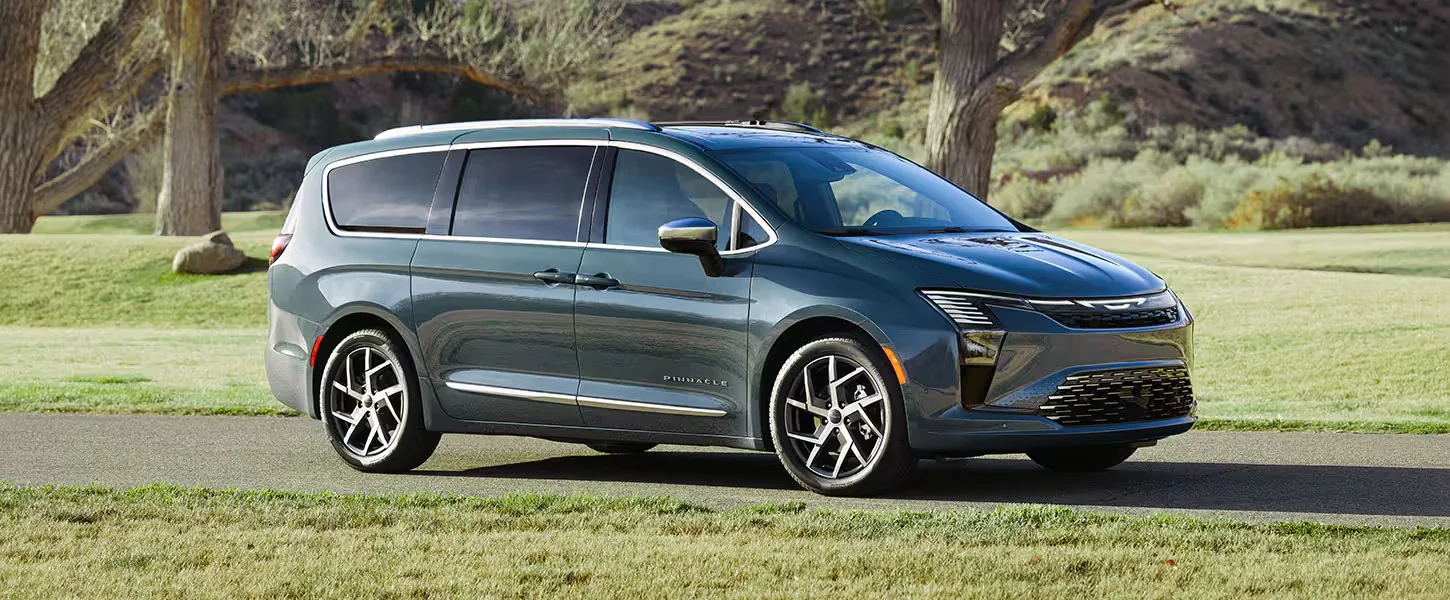
1. Chrysler Pacifica
The Chrysler Pacifica offers a modern cabin, comfortable ride, and versatile seating. However, early examples from the 2017 and 2018 model years deserve additional caution when shopping at 120,000 miles. Some owners have reported electrical faults, engine problems, transmission concerns, and unexpected stalling. These reports do not mean every Pacifica is unreliable, but they justify a careful evaluation.
The standard 3.6-liter V6 provides useful power, yet some early vehicles have experienced problems involving engine operation, cooling, and related components. Check for warning lights, rough idling, coolant loss, oil leaks, and unexplained reductions in power.
Ask whether the vehicle has experienced stalling or repeated check-engine warnings. A seller’s explanation should be supported by repair invoices rather than verbal assurances alone.
Transmission behavior is another important concern. The van should accelerate smoothly and change gears predictably under light and moderate throttle. Hesitation, shuddering, harsh engagement, or warning messages deserve professional diagnosis.
Modern vehicles can store fault codes even when a dashboard warning light is not currently illuminated. A mechanic with suitable diagnostic equipment can help identify developing issues before they become expensive repairs.
Electrical equipment also needs a comprehensive inspection. Test the infotainment display, backup camera, power sliding doors, locks, windows, climate controls, and driver assistance features where fitted.
Confirm that the battery and charging system work properly. Check the vehicle’s recall history and ask whether previous software updates or component replacements were completed. A combination of small electrical faults can become costly when several systems require attention.
An early Pacifica should only make the shortlist if its price reflects its condition and the seller supplies credible maintenance records. A comprehensive inspection is especially important when the van has a history of stalling, repeated warning lights, or unresolved transmission issues.
Buyers who need predictable family transportation may prefer a better-documented alternative. A clean inspection and completed repairs can improve the outlook, but they cannot guarantee trouble-free ownership.
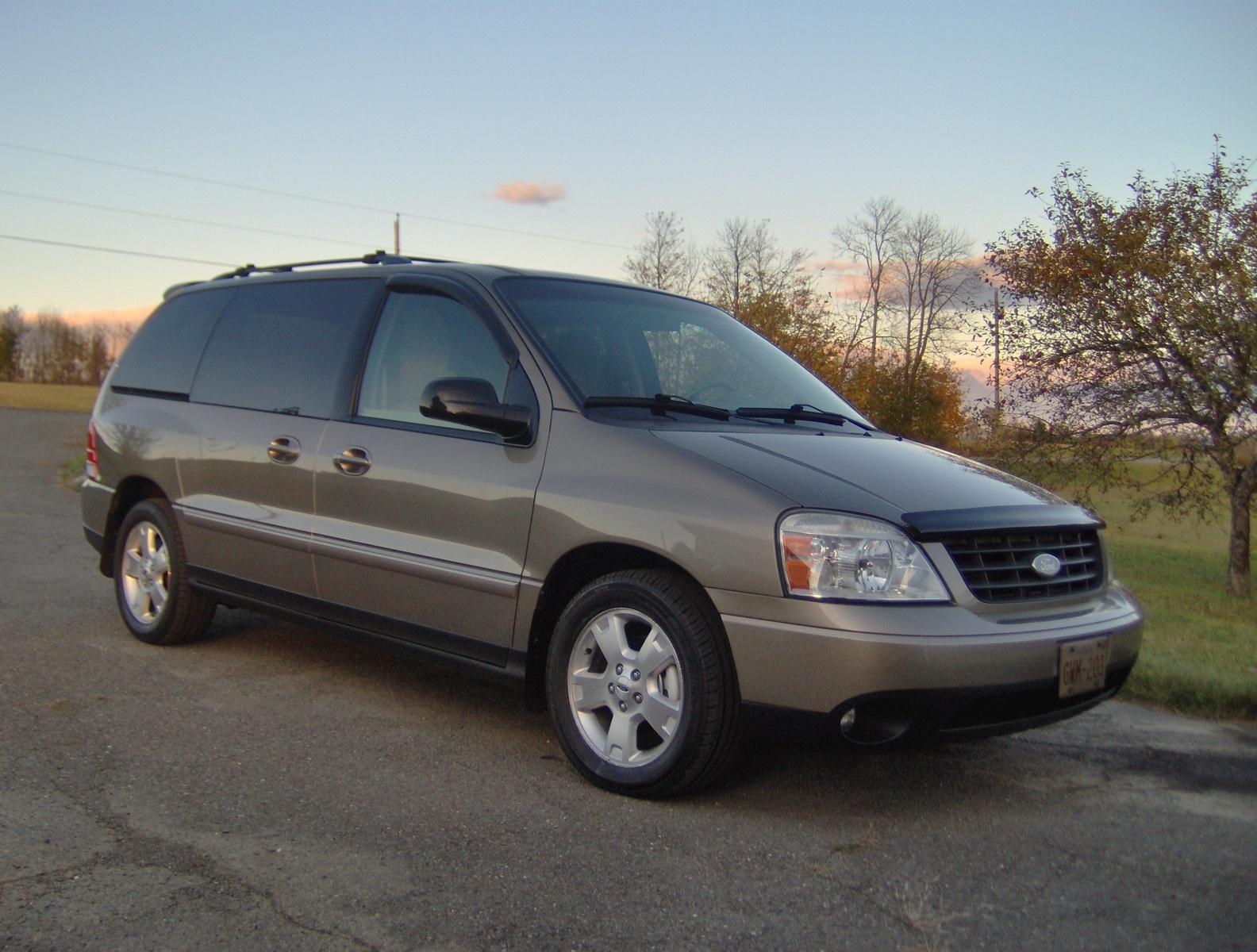
2. Ford Freestar
The Ford Freestar is an older minivan that requires particular caution at 120,000 miles. Even a vehicle with relatively modest mileage may have decades of age-related wear.
Rubber seals, wiring, suspension bushings, cooling components, and interior mechanisms can deteriorate with time. Buyers should judge the vehicle by its current condition and repair history rather than assuming a low asking price makes it economical.
The Freestar’s V6 engine can continue running well when maintained, but age-related problems can make repairs increasingly difficult to justify. Inspect for oil leaks, coolant seepage, overheating, misfires, and unusual engine noises.
Ask about previous engine repairs and check whether the cooling system has been serviced. A neglected vehicle may require several repairs close together, making it more expensive than a newer, better-maintained competitor.
The automatic transmission is a major area for caution. The Freestar has a history of transmission-related concerns, and a high-mileage example should be examined for slipping, delayed engagement, rough shifts, or fluid leaks.
A brief trip around the block is not sufficient. Test the van when cold and after it reaches normal operating temperature, and obtain a specialist assessment if the transmission behaves inconsistently.
Age can also affect safety-related equipment and the vehicle’s structural condition. Examine brake lines, suspension components, tires, steering parts, seat belts, and airbag warning lights.
Check for corrosion underneath the van, particularly if it has spent years in a region with salted winter roads. Confirm that applicable safety recalls have been addressed. An older vehicle can look attractive on the outside while hiding serious problems beneath the body.
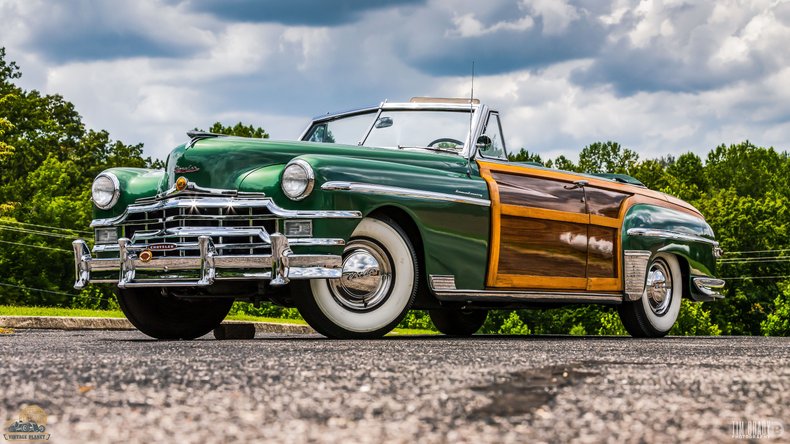
3. Chrysler Town & Country
The Chrysler Town & Country offers a spacious cabin and practical seating arrangements, but certain model years from 2008 through 2012 warrant caution when they reach 120,000 miles.
Age, electrical complexity, and drivetrain wear can combine to create substantial repair bills. A low purchase price should not distract buyers from investigating the vehicle’s maintenance record and present mechanical condition.
These minivans commonly use V6 engines, including the 3.8-liter unit in some earlier examples and the 3.6-liter Pentastar in later versions. Each engine has different maintenance requirements and potential failure points.
Buyers should check for coolant leaks, oil leaks, overheating, rough running, and unusual noises. Confirm which engine is fitted and ask for documentation covering major repairs and scheduled services.
Electrical problems deserve particular attention on these vehicles. Faults involving the Totally Integrated Power Module, where equipped, have been associated with symptoms affecting electrical functions and vehicle operation.
Not every van develops these issues, but intermittent starting problems, malfunctioning lights, erratic accessories, or unexplained warning messages should not be dismissed. Have a qualified mechanic scan the vehicle and investigate recurring electrical symptoms.
Transmission condition is equally important. A van that slips, hesitates when selecting drive or reverse, or shifts harshly may require costly attention. Check for fluid leaks and ask whether previous transmission work has been performed.
Test the sliding doors, seat-folding mechanisms, power windows, heating, and air conditioning. A full inspection should also include suspension wear, braking performance, tire condition, and any signs of water intrusion.
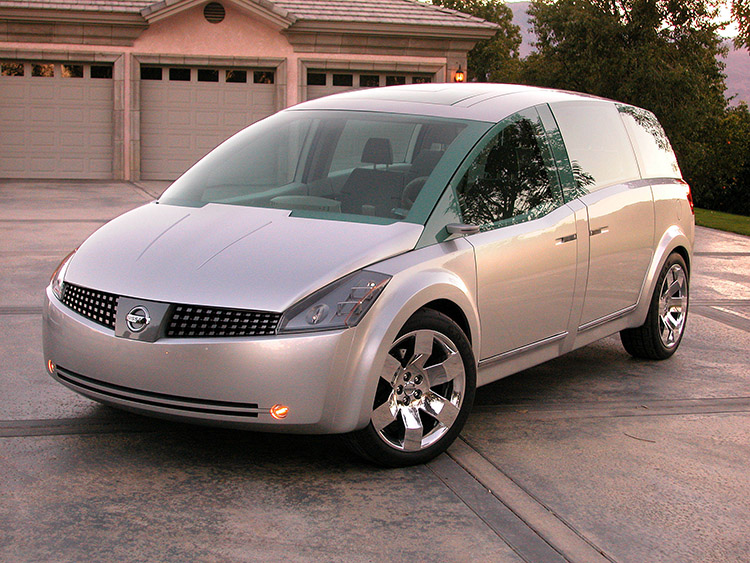
4. Nissan Quest
The Nissan Quest from the 2004 to 2009 period deserves careful consideration before purchase at 120,000 miles. It offers a distinctive cabin layout and comfortable seating, yet age and transmission condition can create meaningful ownership risks. Older examples may be inexpensive to buy, but buyers should evaluate the cost of potential repairs alongside the initial asking price.
These Quest models use V6 engines, and a well-maintained engine may continue operating effectively at high mileage. Nevertheless, check for oil consumption, fluid leaks, overheating, rough idle, and reduced acceleration.
Ask the seller about previous cooling system work and engine repairs. Inspect service records for consistent oil changes and investigate any evidence that the vehicle has been driven for long periods with warning lights illuminated.
The continuously variable transmission fitted to the later generation of this Quest is a major concern to investigate. Transmission problems can produce whining, shuddering, slipping, overheating, or reduced acceleration. Repair or replacement can be expensive relative to the value of an older minivan. Any unusual behavior should be assessed by a mechanic familiar with Nissan transmissions before the buyer agrees to purchase the vehicle.
Buyers should also examine the air conditioning, power doors, dashboard controls, suspension, brakes, and underbody. Older family vehicles often accumulate wear from years of passengers, cargo, and repeated short trips.
Look for rust, damaged wiring, water leaks, and signs of previous accident repairs. Check the vehicle history for title issues and verify that the odometer reading is consistent with available maintenance documents.
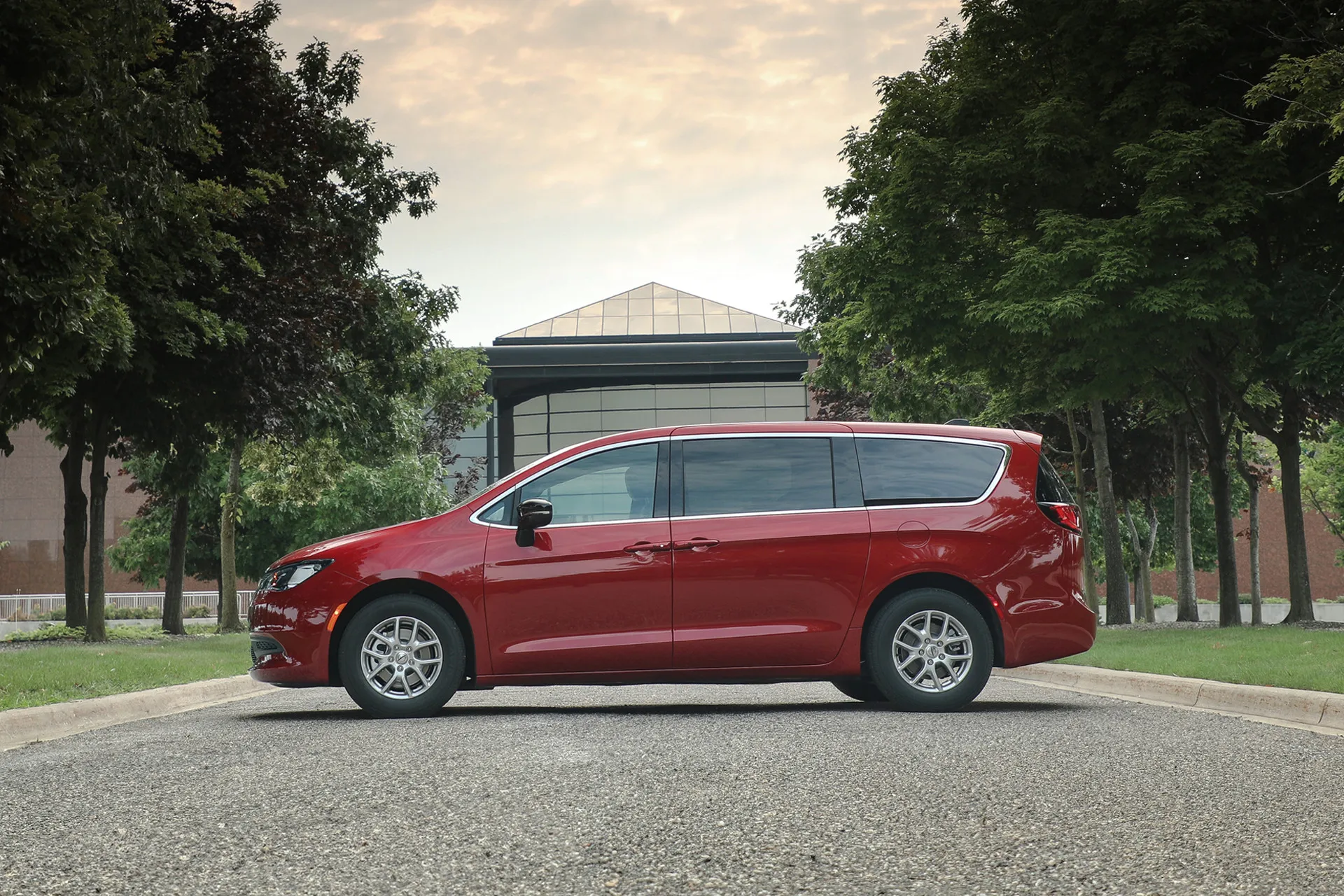
5. Dodge Grand Caravan
Earlier Dodge Grand Caravan models from 2008 through 2012 deserve more caution than later examples when shopping at 120,000 miles. Their spacious interiors and affordable used prices remain appealing, but age, electrical faults, and drivetrain wear can increase ownership costs. Buyers should not assume that a familiar nameplate guarantees the same durability across different generations or model years.
Engine options and mechanical details vary during this period, so the first step is identifying the exact powertrain. Depending on the year and engine, maintenance requirements and common trouble spots differ.
Inspect the engine for oil leaks, overheating, misfires, and abnormal noises. Review invoices for previous repairs and verify that recommended servicing has been completed. A neglected engine can require expensive work even when it starts easily.
Electrical problems and failures involving body-control components deserve attention on these older vans. Test the dashboard instruments, lights, windows, locks, power doors, and climate controls.
Investigate any unexplained battery drain, intermittent starting issue, or warning light. Electrical faults can be difficult to diagnose when symptoms appear inconsistently, so a proper scan and circuit testing may be necessary before estimating repair costs.
Transmission performance must also be assessed carefully. Look for delayed gear engagement, slipping, harsh shifts, or fluid leaks during a thorough road test.
Check for suspension clunks, steering vibration, worn tires, and brake problems. Underbody corrosion is particularly important on vehicles driven in snowy regions. A combination of drivetrain wear and structural rust can make a cheap minivan uneconomical to repair.