Choosing the right car for snowy roads can make a major difference in safety, comfort, and driving confidence during winter. Some vehicles are engineered to handle slippery surfaces, deep snow, and freezing temperatures, while others struggle when road conditions become challenging.
Ground clearance, drivetrain design, tire quality, and electronic traction systems all influence winter performance. Understanding these differences helps drivers make smarter decisions when buying a vehicle or preparing for cold weather. This guide examines five cars well suited to snowy conditions and five models that require extra care when winter weather arrives.
5 Cars Built for Snow
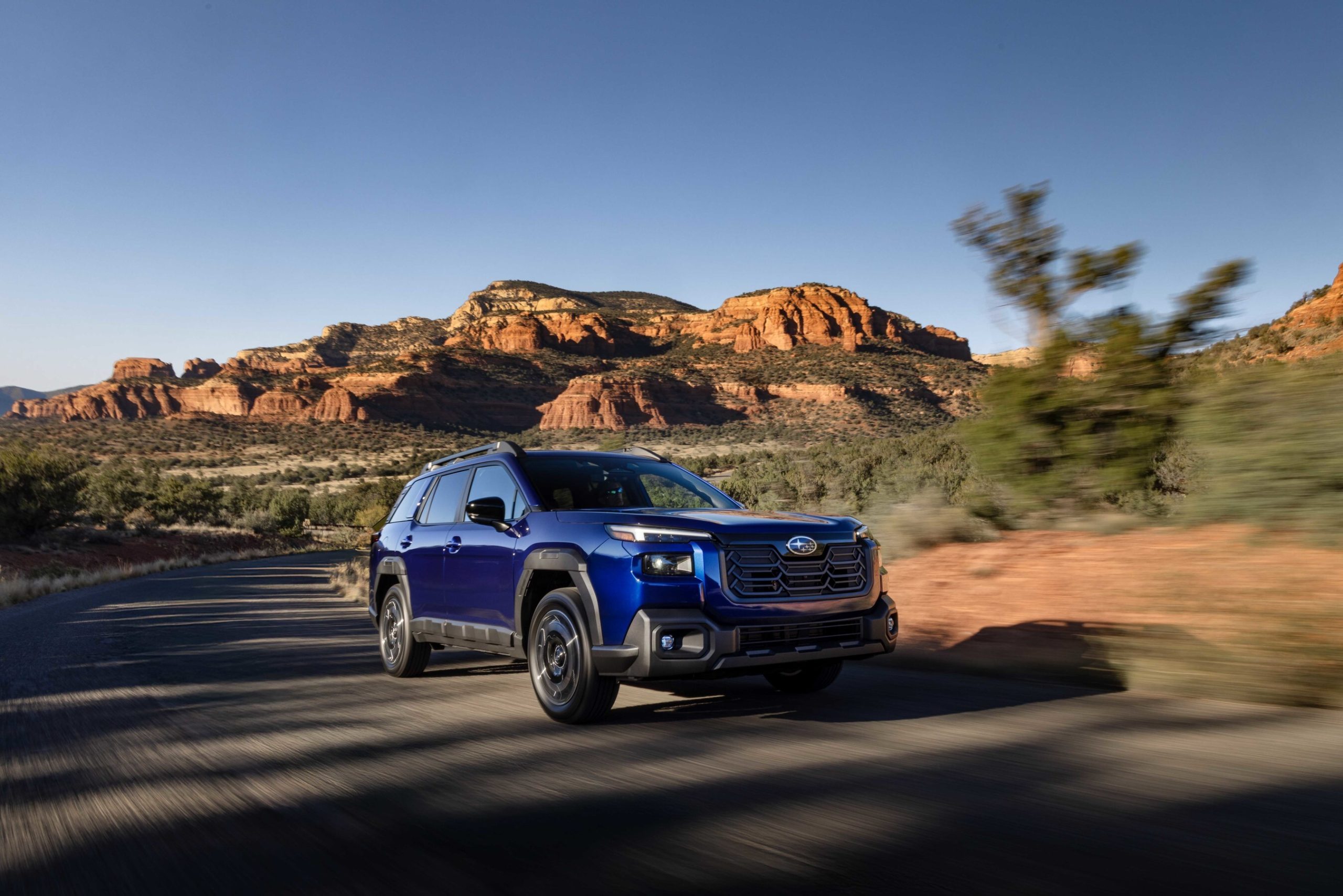
1. Subaru Outback: A Practical Choice for Snowy Roads
The Subaru Outback has earned a strong reputation among drivers who regularly face harsh winter weather. Its standard symmetrical all-wheel-drive system on most markets and trims helps distribute engine power between the front and rear wheels, improving traction when one end of the vehicle encounters a slippery surface.
The Outback also offers generous ground clearance compared with conventional passenger cars, which can be particularly useful when driving through fresh snow, poorly cleared streets, or rural roads. Its wagon-like shape provides practical cargo space for winter equipment, groceries, luggage, and emergency supplies. For families living in regions with long winters, the Outback combines everyday convenience with useful cold-weather capability.
Another advantage is its balanced design. Rather than focusing entirely on off-road performance, the Outback aims to remain comfortable on paved roads while offering additional ability on rough surfaces. Its suspension helps absorb uneven pavement, frozen road imperfections, and small bumps caused by packed snow.
Depending on the model year and trim, drivers may also benefit from selectable driving modes, stability control, and traction management features that help regulate wheelspin. These systems can be useful when accelerating away from snowy intersections or navigating a slippery driveway. However, electronic assistance cannot replace good judgment, and sudden steering or heavy acceleration can still cause the vehicle to lose grip.
The Outback’s ground clearance is particularly valuable when snow accumulates along the edges of roads. Many ordinary sedans have low front bumpers and underbody components that can scrape against compacted snow or become obstructed by deeper drifts.
The Outback sits higher, reducing the likelihood of minor snow-related contact under suitable conditions. This does not make it a dedicated snowplow or an unstoppable off-road vehicle.
Deep, wet snow can still overwhelm its tires, and snow packed beneath the chassis can affect movement. Drivers should assess the depth of snow before proceeding rather than relying entirely on the vehicle’s dimensions.
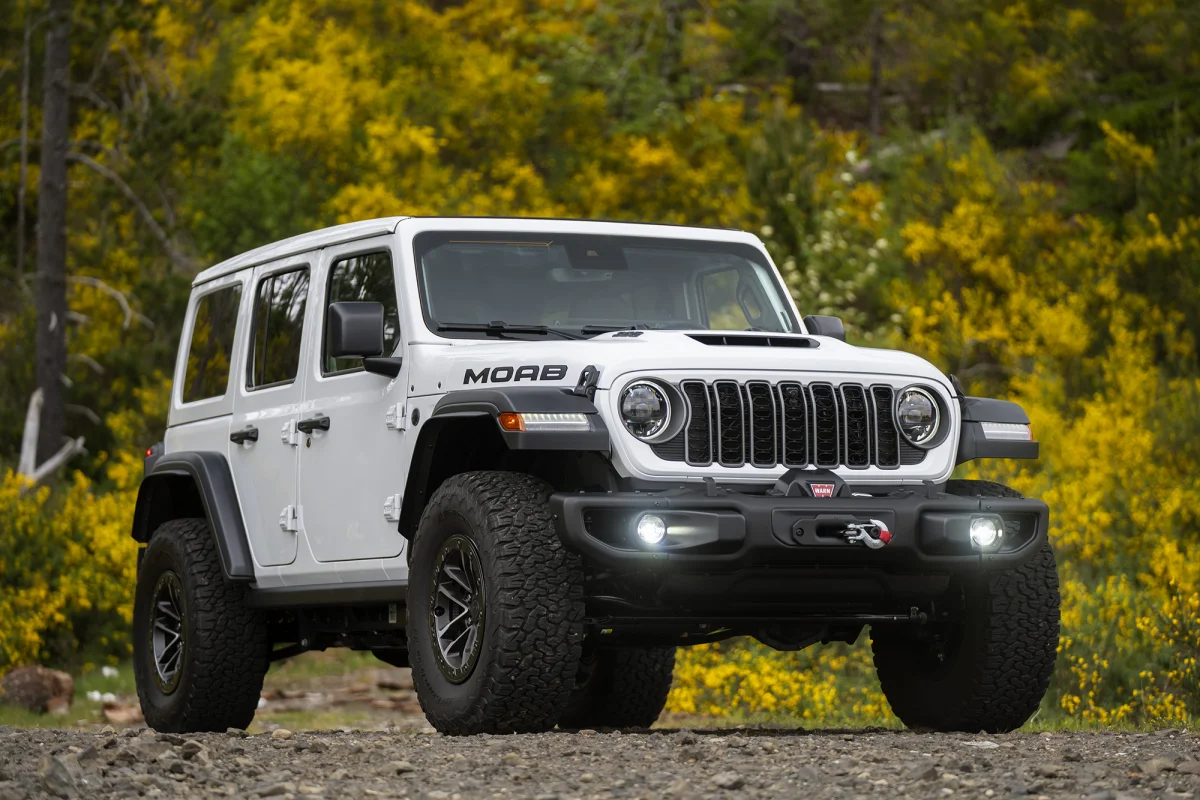
2. Jeep Wrangler: Designed for Difficult Terrain
The Jeep Wrangler is widely recognized for its off-road construction, high ground clearance, and available four-wheel-drive systems. These characteristics can make it particularly capable in deep snow and on unmaintained roads. Unlike a typical family sedan, the Wrangler is built to handle uneven terrain, steep approaches, and surfaces that demand greater clearance.
Certain trims feature specialized off-road equipment, including low-range gearing and terrain-focused tires. Such hardware can be valuable when moving slowly through deep snow or navigating a steep, snow-covered trail. The vehicle’s rugged design makes it a strong candidate for drivers who encounter more demanding winter conditions than ordinary city streets.
Four-wheel drive is a major part of the Wrangler’s appeal. Depending on the configuration, the system can send power to both axles to help the vehicle move when individual wheels encounter loose or slippery surfaces. Low-range gearing, available on appropriate models, helps provide controlled movement at low speeds on difficult terrain.
This is useful when climbing a snowy incline, moving through deep accumulation, or carefully descending a rough track.
Drivers must understand the specific four-wheel-drive system installed in their vehicle, since operating instructions and restrictions vary by model and configuration. Using the wrong setting on dry pavement can cause unnecessary mechanical stress in some part-time systems.
Ground clearance is another strength. Snow can build up in the middle of unplowed roads, creating ridges that catch the underside of low vehicles. A Wrangler’s elevated body and off-road-focused design can reduce this problem. Its approach and departure angles can also help when negotiating uneven entrances or snow-covered slopes.
These features are useful in rural communities, mountainous areas, and locations where road maintenance is inconsistent. Still, no amount of clearance guarantees safe travel through deep snow. Snow can conceal rocks, drainage channels, fallen branches, or other obstacles that pose a risk even to rugged vehicles.
The Wrangler’s weaknesses become more apparent during routine winter commuting. Depending on the version and equipment, its ride can feel firmer and less refined than that of a road-focused crossover. Its shape may also produce more wind noise, and fuel consumption can be relatively high compared with smaller vehicles.
Large off-road tires are not necessarily the best choice for icy pavement, either. Aggressive tread patterns can help in loose snow, but tire construction and rubber compounds matter greatly on ice. A quality winter tire designed for the vehicle’s size and load rating may deliver more dependable road traction than a tire selected purely for its rugged appearance.
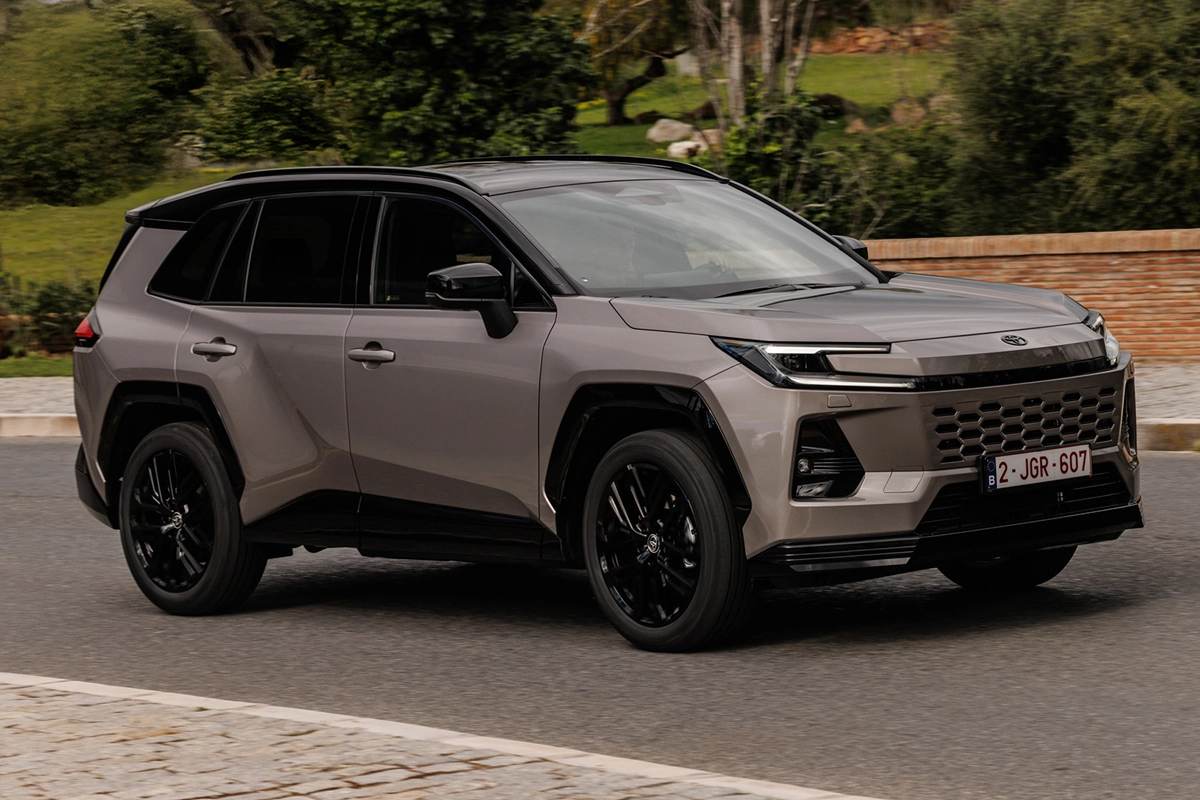
3. Toyota RAV4 AWD: A Sensible Winter Family SUV
The Toyota RAV4 is a popular compact SUV that can serve families well in regions with regular snowfall. Available all-wheel-drive configurations provide additional traction when roads become slippery, while its raised ride height offers more clearance than most traditional sedans.
The RAV4 is designed primarily for everyday road use, making it suitable for school runs, commuting, shopping, and longer journeys. Its size is manageable in city traffic, yet the cabin and cargo area provide useful room for passengers and winter gear. For many drivers, that combination makes it a practical alternative to a larger, more expensive off-road vehicle.
Different RAV4 model years and trims offer different drivetrain technologies. Some versions use conventional all-wheel-drive arrangements, while others employ electronically controlled systems designed to adjust power distribution as driving conditions change. Selected versions also provide terrain or snow-related driving modes.
These features can help manage wheelspin when pulling away from a snowy stop or moving along a road with patches of slush. Drivers should consult the owner’s manual to understand the exact operation of their model’s systems. An AWD badge alone does not reveal how a particular vehicle behaves under every winter condition.
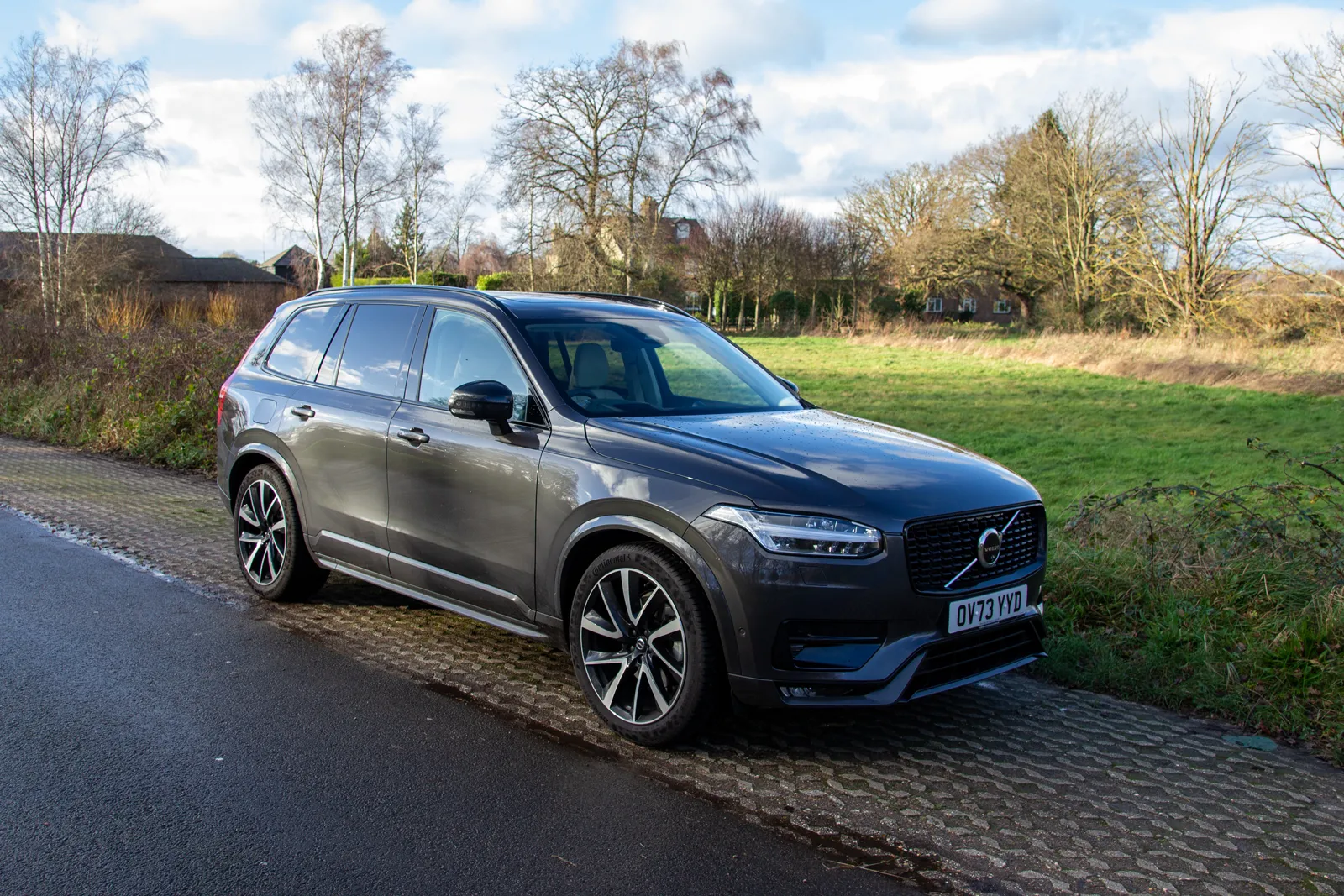
4. Volvo XC90: Comfort and Confidence in Cold Weather
The Volvo XC90 is a luxury SUV designed to carry families in comfort while offering available all-wheel drive. Its larger body, raised seating position, and sophisticated driver-assistance features make it attractive to people who travel long distances in winter.
The XC90’s AWD versions can distribute power to improve acceleration on slippery surfaces, helping the driver pull away more confidently when snow covers the road. Its spacious cabin also accommodates passengers, luggage, and cold-weather equipment. These characteristics make it suitable for winter journeys where comfort, room, and stable road manners matter as much as raw traction.
The XC90’s electronic stability and traction systems are important parts of its winter capability. When the wheels begin to lose grip, these systems can help limit excessive wheelspin and manage vehicle movement. Depending on model year and specification, the SUV may include selectable driving settings that adjust how the drivetrain responds.
Such features are useful when road surfaces alternate between wet pavement, packed snow, and slush. Drivers should remember that electronic systems work within the limits of available tire grip. If a vehicle enters a turn too quickly on ice, stability assistance cannot always prevent a slide.
A comfortable driving position and well-equipped cabin can also make winter journeys less tiring. Cold-weather trips often involve reduced visibility, longer stopping distances, and extended periods behind the wheel.
Features such as heated seating, available heated steering-wheel functions, climate control, and windshield-related heating options vary by trim and market, but can improve comfort in cold conditions.
The XC90’s size and weight can make it feel substantial on the road, yet these attributes do not automatically improve braking. Inertia remains a physical factor, and a heavy SUV may require considerable distance to stop on a slippery surface.
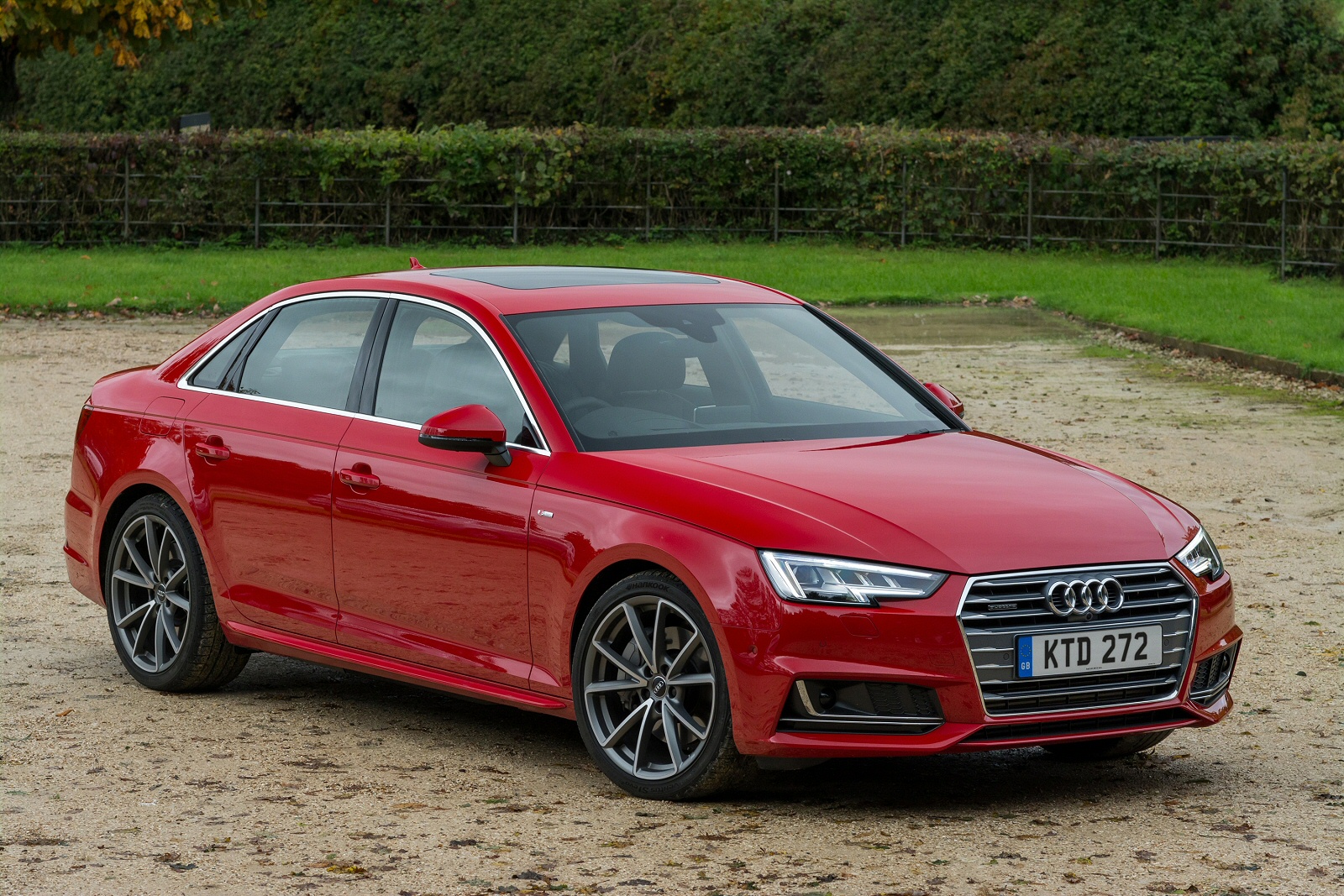
5. Audi A4 Quattro: A Winter-Ready Sedan
The Audi A4 Quattro demonstrates that winter capability is not limited to SUVs. Equipped with an appropriate version of Audi’s Quattro all-wheel-drive system, the A4 can offer useful traction on snow-covered roads while retaining the lower center of gravity and road-focused handling associated with a sedan.
Its drivetrain helps distribute power to maintain forward movement when individual tires encounter slippery patches. For drivers who prefer a conventional car over a tall crossover, the A4 can provide a practical balance of winter traction, comfortable highway manners, and precise steering.
The benefits of AWD are most noticeable when accelerating from a stop on snow or climbing a slippery incline. By helping more than two wheels contribute to propulsion, the system can reduce the likelihood of one driven wheel spinning excessively. This can make it easier to leave a snowy parking space or join traffic on a cold morning.
The exact behavior depends on the A4’s model year and drivetrain configuration, since Quattro technology has evolved over time. Drivers should verify the specifications of the particular vehicle rather than assuming every model uses identical hardware.
The sedan’s lower ride height creates a limitation in deeper snow. While this can contribute to stable road behavior under normal conditions, it means the front bumper and underbody have less room above the ground than those of a raised SUV.
Fresh snow can quickly become a problem if it accumulates beyond the vehicle’s available clearance. Snow ridges left by plows may also catch the underside when crossing an intersection or entering a driveway. The A4 is therefore better suited to cleared or regularly maintained roads than to deep, unplowed routes.
5 Cars That Are Not Ideal for Snow
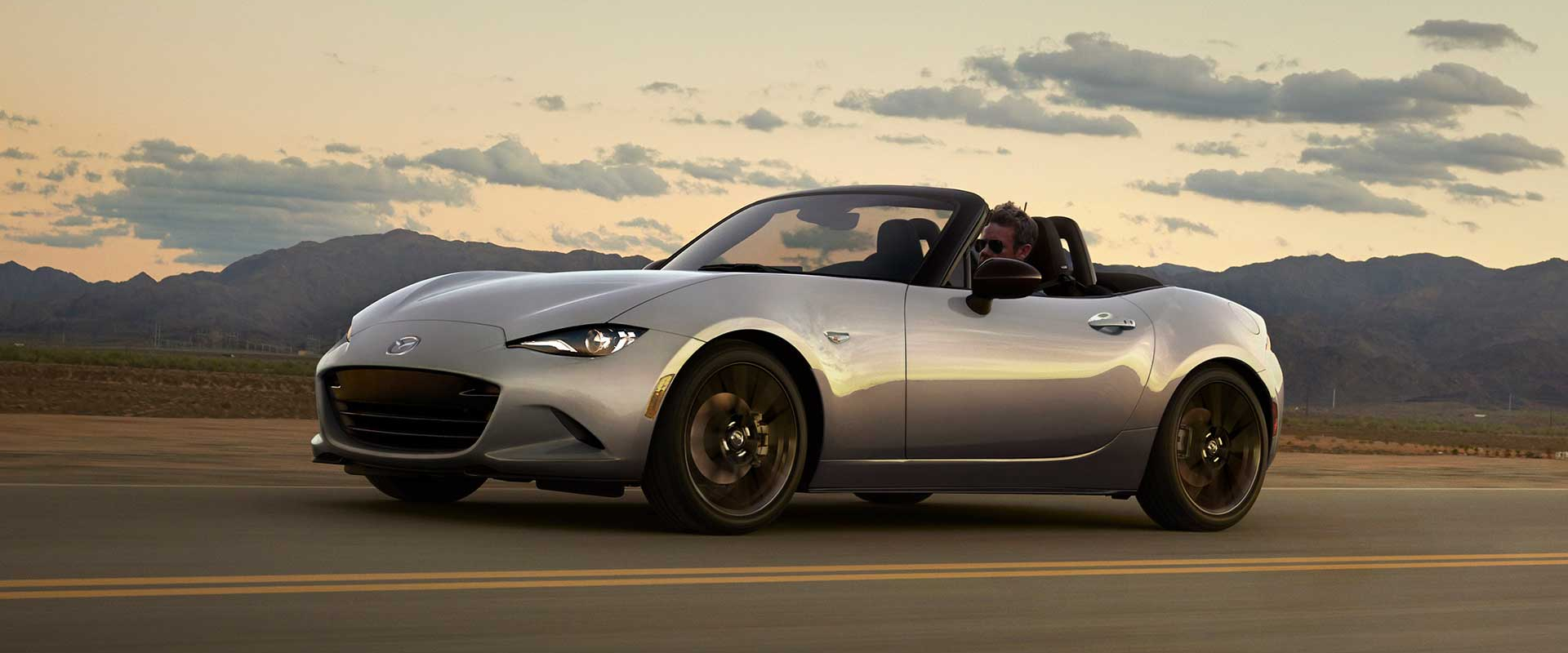
1. Mazda MX-5 Miata: Fun on Dry Roads, Challenging in Snow
The Mazda MX-5 Miata is celebrated for its lightweight construction, responsive steering, and enjoyable handling on winding roads. Those qualities make it an excellent choice for enthusiastic driving in suitable conditions, but winter weather presents several challenges.
Its low ground clearance limits the depth of snow it can cross, and its compact body provides little room to move through deep accumulation. Many versions use rear-wheel drive, which requires careful throttle control on slippery surfaces. The Miata is not inherently incapable of winter driving, yet its design priorities differ considerably from those of a dedicated winter vehicle.
Rear-wheel drive can make a car more sensitive to excessive acceleration on snow and ice. When the rear tires lose traction, the back of the car may begin to slide outward, especially if the driver applies power aggressively while turning. Electronic stability control can help manage some situations, but it cannot overcome the physical limits of tire grip.
The Miata’s light weight may be helpful in some circumstances, but it also means that tire pressure, tread condition, and the quality of the road surface have a noticeable influence on how the car behaves. Gentle inputs become especially important during winter driving.
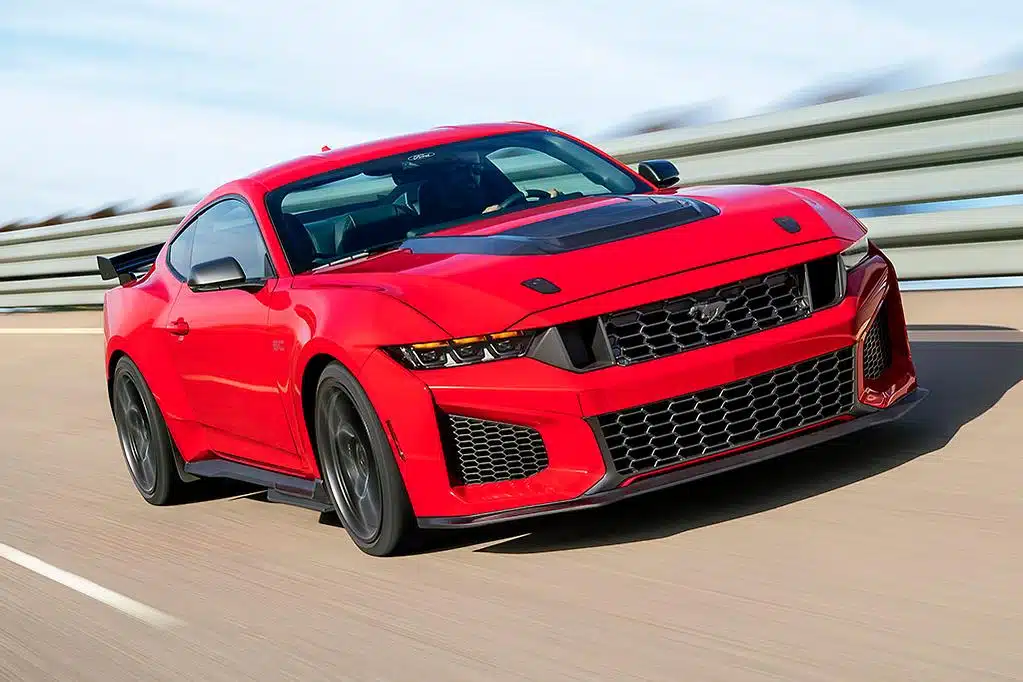
2. Ford Mustang: Powerful Performance With Winter Limitations
The Ford Mustang is known for its strong engines, rear-wheel-drive configurations, and performance-focused character. Those features make it exciting on dry pavement, yet they can demand extra care when snow covers the road. Powerful acceleration can overwhelm the available traction of the rear tires, causing wheelspin when the driver presses the accelerator too quickly.
On an icy surface, even a modest amount of throttle may be enough to disturb the car’s balance. The Mustang can be driven in winter under appropriate conditions, but it is not the easiest choice for drivers who regularly face heavy snowfall.
Rear-wheel drive is a key consideration. The engine sends power to the rear wheels in many Mustang versions, and those tires must both help propel the vehicle and maintain lateral grip while cornering. If the rear wheels begin spinning during a turn, the car can become harder to control.
Modern traction control and stability systems can reduce some of these risks by limiting engine power and applying braking selectively. However, these technologies are assistance features, not substitutes for sensible speeds and smooth driving. Drivers should avoid abrupt acceleration, sudden lane changes, and sharp steering movements.
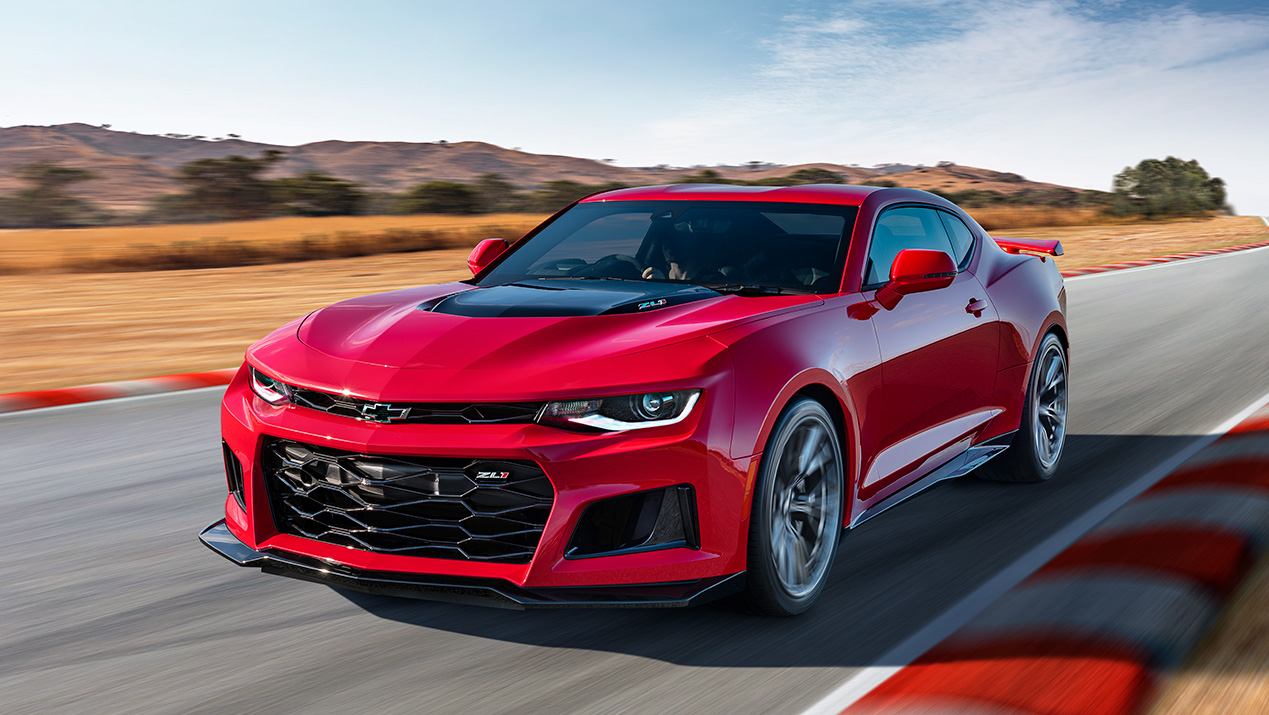
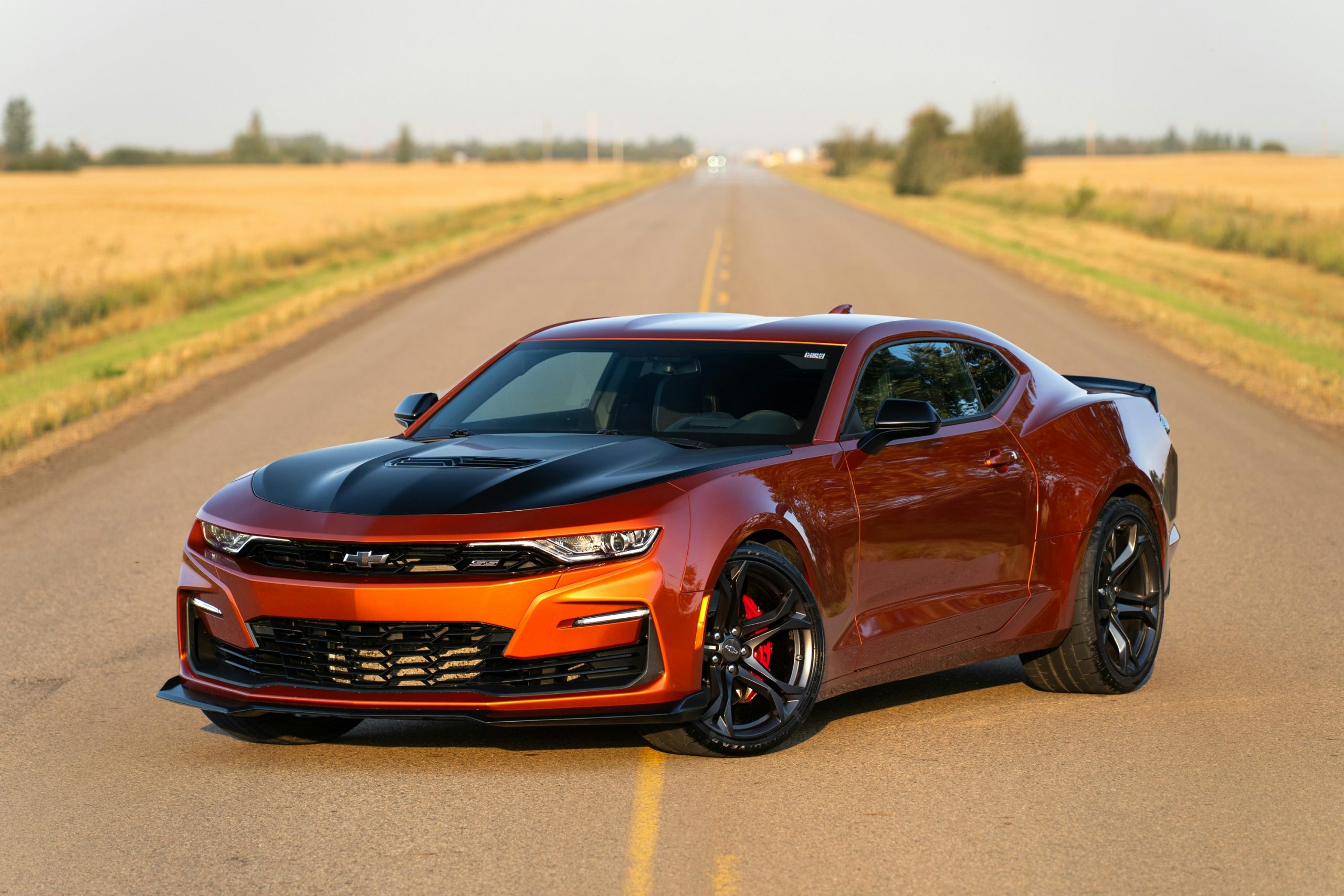
3. Chevrolet Camaro: A Sports Car That Needs Careful Winter Preparation
The Chevrolet Camaro shares several winter-driving challenges with other low, performance-oriented coupes. Its available engines deliver strong acceleration, and many versions use rear-wheel drive. On dry roads, these characteristics contribute to responsive handling and an engaging driving experience.
When snow and ice reduce available grip, however, the same performance can make throttle control more demanding. A driver who accelerates too hard from a stop or applies power during a tight turn may cause the rear tires to lose traction. The Camaro can be operated in winter with suitable equipment, but it requires a careful approach.
Traction-control and stability-control systems are useful safety features on slippery surfaces. They can reduce wheelspin and help correct certain forms of instability by adjusting engine output or applying braking force to individual wheels. Their effectiveness depends on the situation, tire condition, and available road grip.
These systems cannot guarantee that a car will remain on its intended path when entering a corner too quickly on ice. Drivers should maintain a generous safety margin, reduce speed before turns, and avoid sudden inputs. Winter driving rewards consistency more than aggressive acceleration.
Like many sports coupes, the Camaro has less ground clearance than a typical SUV. This makes it vulnerable to deep snow and frozen ridges that form when plows clear roadways. The lower front end may scrape when entering a driveway, while snow beneath the car can create additional resistance.
Drivers should avoid using the vehicle to cross deep snowbanks or unplowed routes. Even if the tires can gain traction, the chassis may prevent further movement. Clearing the route first and choosing roads suited to the car’s dimensions can help reduce the risk of getting stuck or damaging the bodywork.
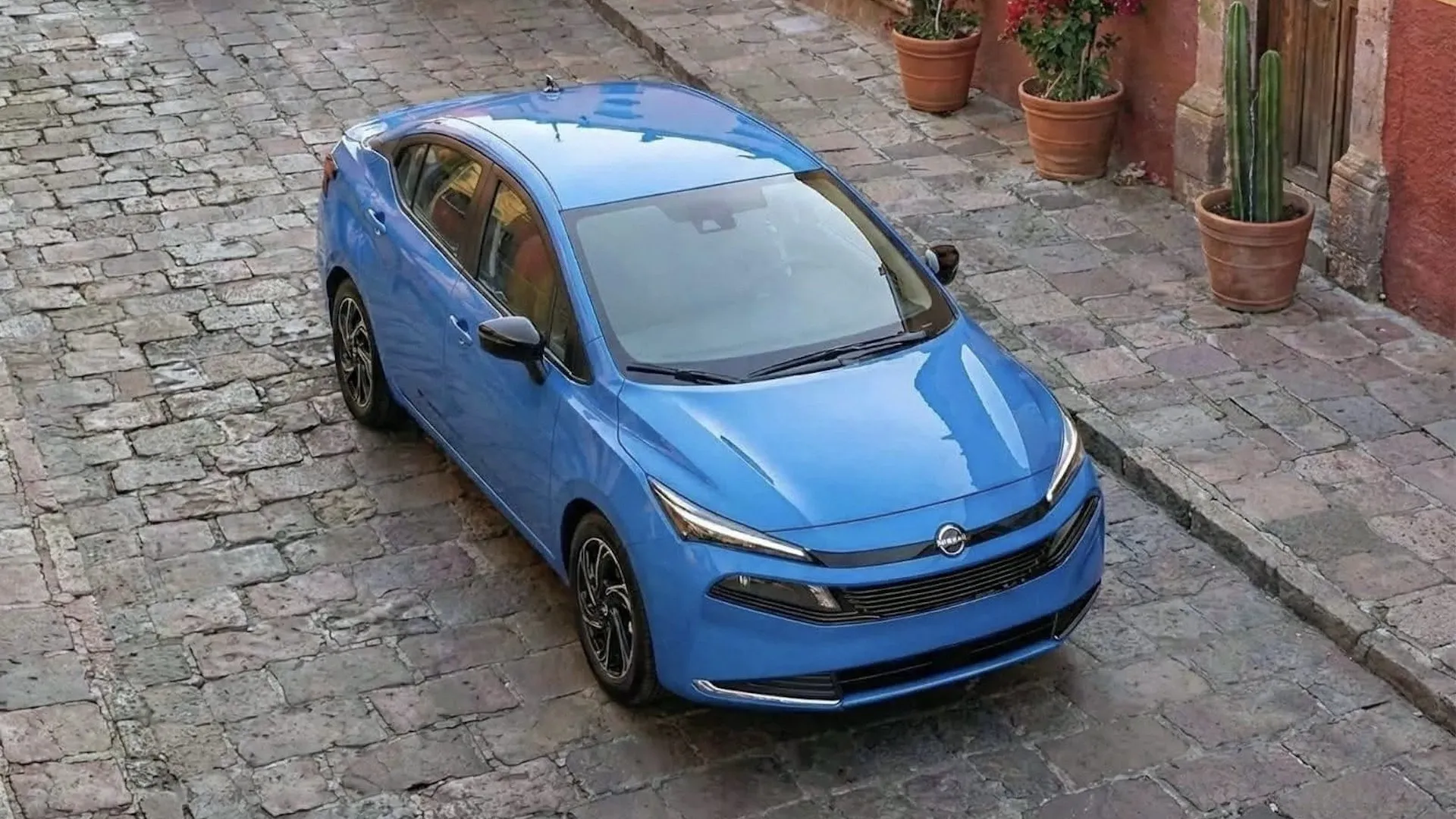
4. Nissan Versa: An Economical Car With Limited Snow Clearance
The Nissan Versa is designed to provide affordable transportation, good fuel economy, and convenient everyday mobility. Its compact dimensions make it easy to maneuver and park in crowded urban areas. However, many Versa versions are front-wheel drive and sit relatively low compared with crossovers or off-road-focused vehicles.
Front-wheel drive can perform reasonably well in ordinary winter conditions, so the Versa should not automatically be classified as unsafe in snow. Its main disadvantages appear when snowfall becomes deep, road surfaces become heavily iced, or drivers expect it to cross unplowed routes.
Front-wheel drive offers useful advantages on slippery roads because the engine’s weight is positioned above the driven front wheels in many conventional layouts. This can help those tires maintain traction when moving away from a stop.
Nevertheless, a front-wheel-drive car can still struggle when accelerating uphill on ice or turning on a poorly maintained surface. If the front tires lose grip, steering response and forward movement can both suffer. Smooth acceleration and suitable tires are essential, and drivers should not assume that a compact sedan’s lighter size makes it immune to winter hazards.
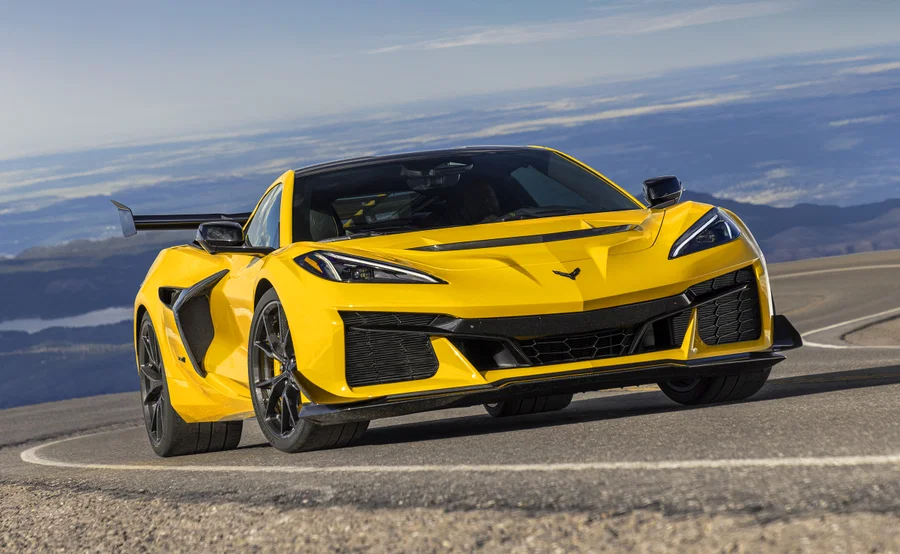
5. Chevrolet Corvette: A Low Sports Car Best Suited to Cleared Roads
The Chevrolet Corvette is built around performance, sharp handling, and powerful acceleration rather than deep-snow travel. Its low stance, aerodynamic bodywork, and performance-focused tires can make winter conditions difficult to manage.
The Corvette’s capabilities vary by generation, and newer models may use different engine layouts and drivetrains from earlier versions. Even so, the central challenge remains similar: a low sports car offers limited clearance when snow accumulates on the road. Drivers who encounter frequent heavy snowfall may find it impractical as their sole vehicle.
The Corvette’s performance tires deserve particular attention. Many versions are supplied with tires designed to provide high grip in warm weather, and certain performance compounds are unsuitable for very cold temperatures. As the rubber becomes less flexible, traction can deteriorate on cold pavement, snow, and ice.
High engine output can then make it easier for the driven tires to spin under acceleration. Winter-rated tires suitable for the particular Corvette can improve cold-weather capability, but owners must confirm compatibility with the car’s wheel sizes, suspension, and braking systems. Some specialized tire setups can limit available winter options.