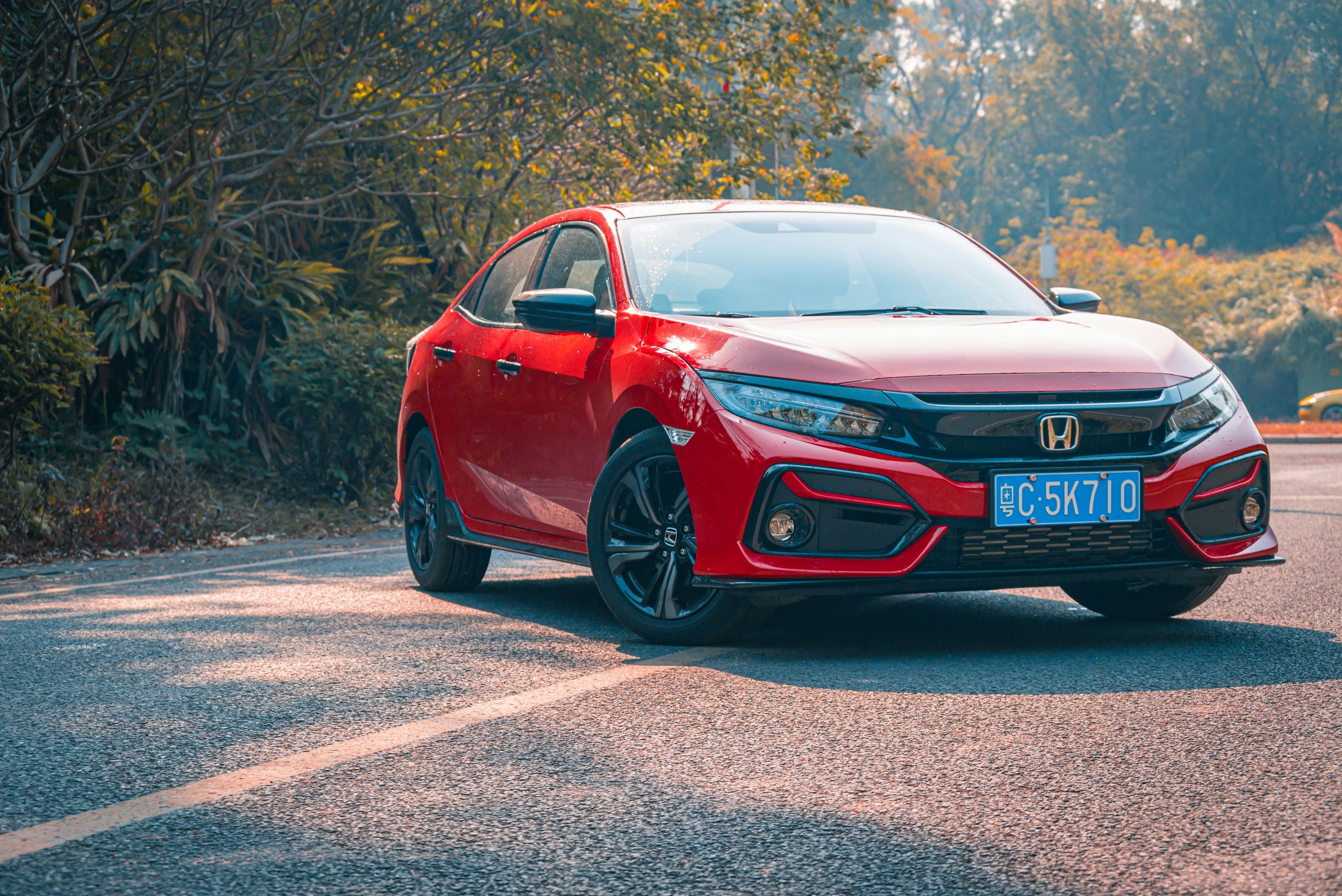
The Honda Civic has earned a strong reputation for fuel efficiency, practical design, and dependable everyday performance. Across ten generations, the compact car has changed from a lightweight economy hatchback into a sophisticated vehicle offering advanced driver assistance, improved crash protection, and hybrid powertrains.
Comparing Honda Civic generations by miles per gallon (MPG) and safety ratings helps buyers identify the right balance between running costs and occupant protection. This guide examines key model years, EPA fuel economy estimates, Insurance Institute for Highway Safety (IIHS) evaluations, and important differences that matter when buying a new or used Civic.
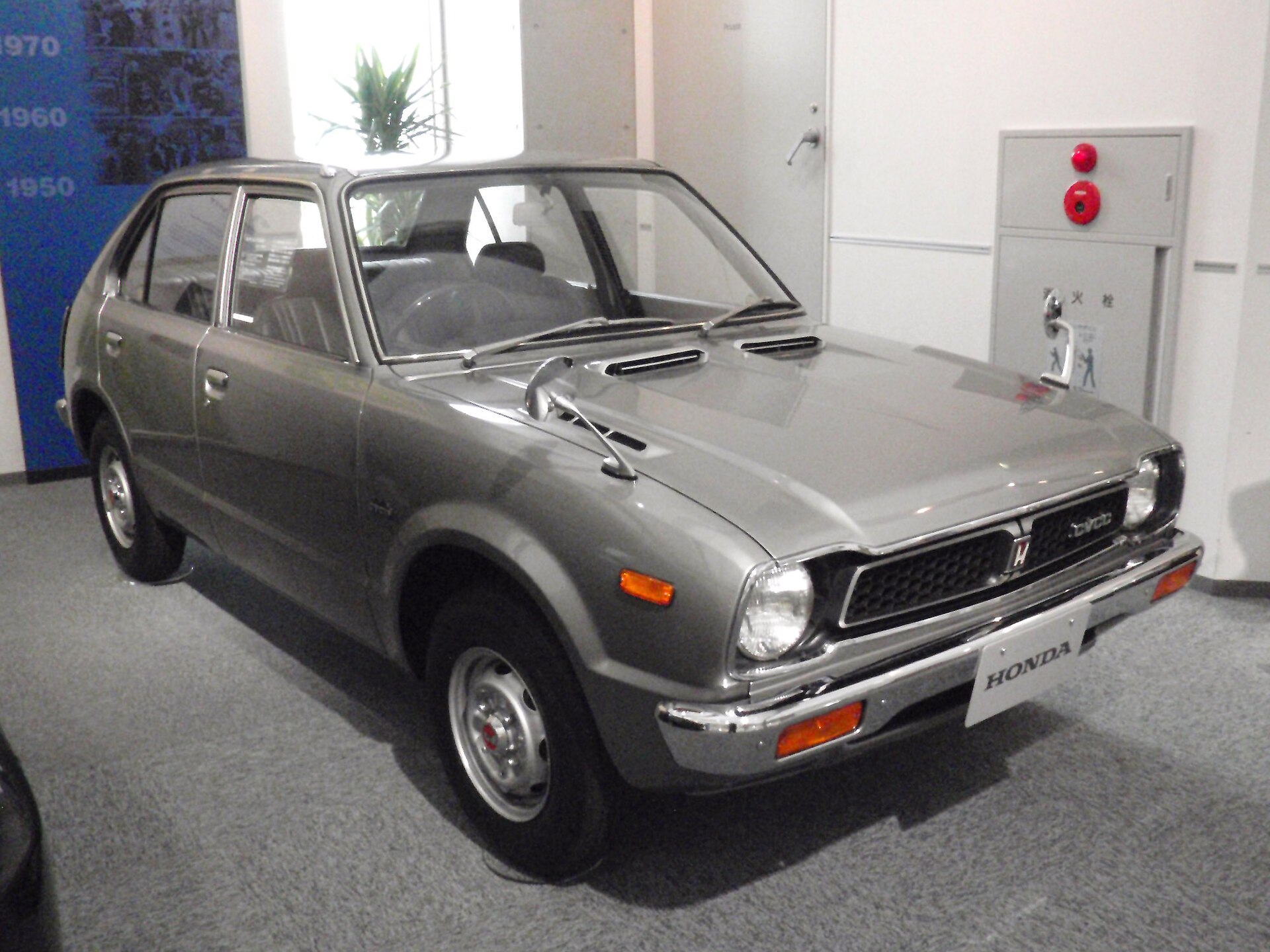
1. First-Generation Honda Civic (1973 to 1979)
The first-generation Honda Civic established the model’s reputation as a practical, economical small car. Introduced in 1973, it featured compact dimensions, a lightweight construction, and a small four-cylinder engine.
The design suited drivers who wanted affordable transportation during a period of rising fuel prices. Its straightforward engineering also made it relatively simple to maintain compared with many larger vehicles available at the time.
Fuel economy was a defining advantage. Early Civic models offered impressive efficiency for their era, and Honda introduced its CVCC engine technology in 1975. CVCC stands for Compound Vortex Controlled Combustion, a combustion design that helped the engine meet emissions requirements without relying on a conventional catalytic converter in its original U.S. implementation.
EPA historical data identifies the 1975 Civic as a particularly efficient gasoline vehicle, reporting an estimated real-world figure of 28.3 MPG under the methodology used in its long-term automotive trends analysis.
From a modern perspective, that number should not be compared directly with a current Civic’s EPA window-sticker rating. Testing methods, engine technology, vehicle weight, and emissions requirements have changed substantially. Original ratings varied by engine, transmission, and model year.
A surviving first-generation Civic may return different mileage because of engine wear, carburetor condition, ignition tuning, tire selection, and restoration quality.
Safety is the major limitation for buyers considering this generation today. Its body structure, restraint systems, and available occupant-protection equipment predate modern crashworthiness standards.
These vehicles were not evaluated by IIHS under its current testing procedures, so giving them a modern rating of Good, Acceptable, Marginal, or Poor would be inaccurate. The lack of a current rating does not indicate how well or poorly a vehicle performed in a crash test. It simply means comparable test results are unavailable.
The first-generation Civic makes the most sense for classic-car collectors and enthusiasts who value historical significance, low weight, and mechanical simplicity. It is less suitable as a primary family vehicle for drivers who regularly travel at highway speeds or prioritize advanced crash protection.
Before buying one, inspect the chassis for corrosion, verify the condition of the brakes and suspension, and confirm that replacement parts are available. Its historical fuel economy remains noteworthy, but modern safety expectations favor newer generations.
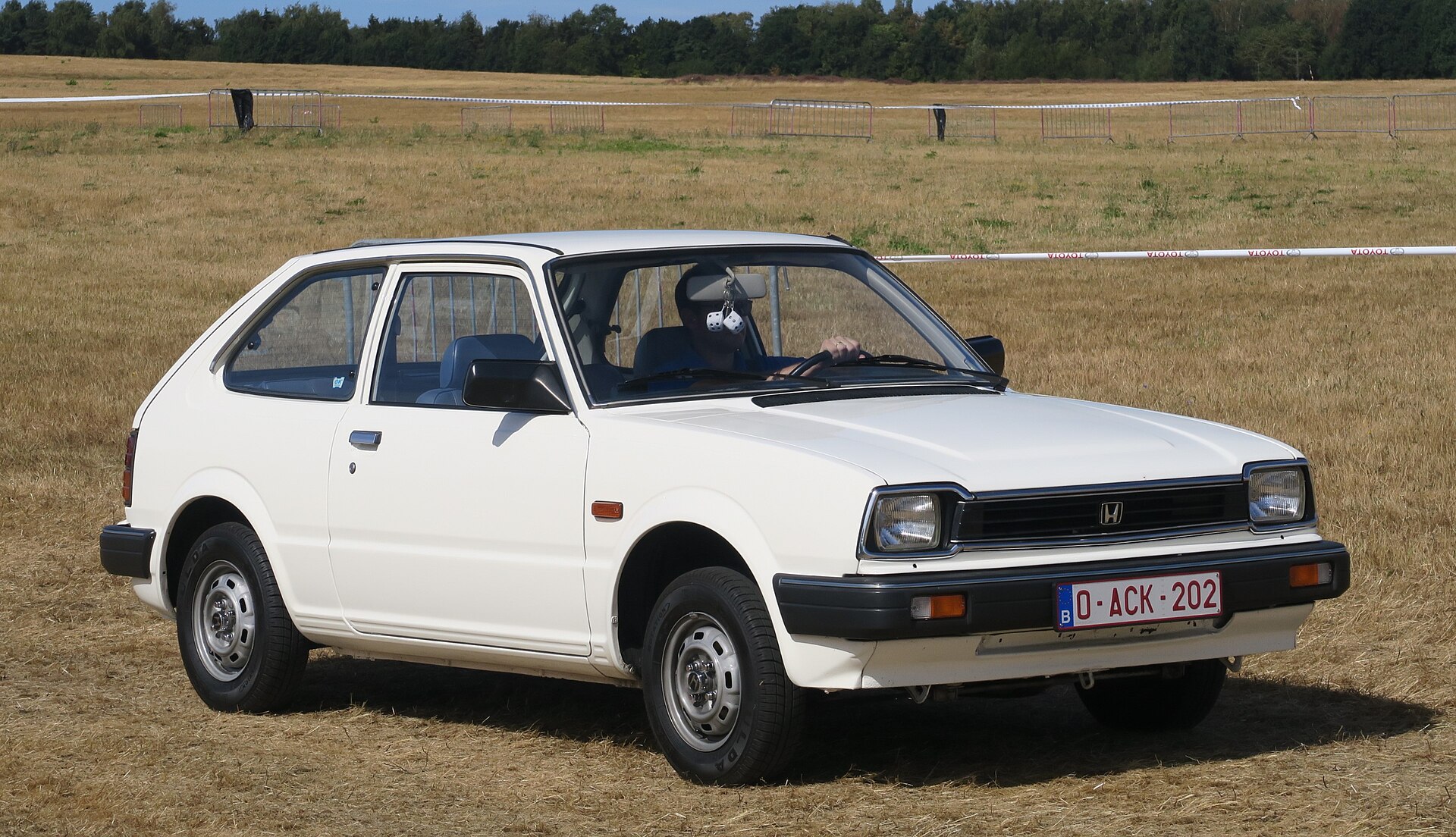
2. Second-Generation Honda Civic (1980 to 1983)
The second-generation Civic arrived with a larger body, a longer wheelbase, and additional body styles. Honda expanded the range to include sedan and wagon configurations in the U.S. market, giving customers more flexibility than the original hatchback-focused lineup.
The design retained the lightweight character that helped the Civic appeal to budget-conscious drivers while offering more passenger and cargo practicality.
Fuel economy remained a central selling point. Depending on the engine, transmission, and model year, these Civics could deliver strong mileage by early-1980s standards.
The available 1.3-liter and 1.5-liter engines balanced modest output with relatively low fuel consumption. Buyers seeking the best efficiency generally benefited from lighter configurations and careful driving, while automatic transmissions and heavier body styles could produce different results.
EPA figures for this period should be checked against the exact vehicle specification rather than quoted as a single generation-wide number. Modern databases may show historical ratings using revised calculations, and these can differ from original advertising or contemporary estimates.
On a vehicle now more than four decades old, maintenance condition often matters as much as the original rating. Carburetor adjustments, fuel delivery, compression, and wheel alignment can influence the results a driver sees.
Safety standards were still far removed from present-day expectations. The Civic’s basic body design and occupant restraints did not incorporate the complete range of modern side-impact protection, advanced airbags, or electronic crash-avoidance systems.
Current IIHS protocols cannot be applied retroactively without testing the vehicle, and a historical crashworthiness comparison should not be presented as an official rating. Structural rust and previous collision repairs also create serious concerns when inspecting an example from this era.
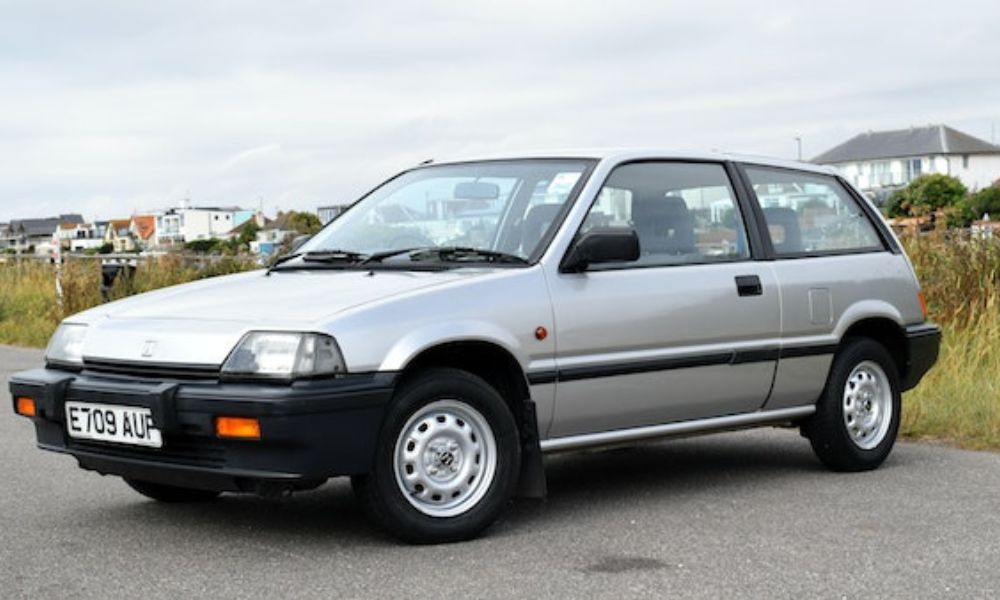
3. Third-Generation Honda Civic (1984 to 1987)
The third-generation Civic brought a more angular design, updated packaging, and greater variety across the range. Honda continued offering hatchbacks and sedans, while the Civic family also included the sporty CRX.
These models appealed to drivers looking for a small, economical vehicle with more responsive handling. Improvements to chassis design and suspension engineering helped establish a foundation for the Civic’s increasingly broad appeal.
Fuel economy remained competitive because the car retained compact dimensions and relatively small engines. Depending on the specific model, drivers could choose configurations focused on efficiency or stronger performance.
Lightweight hatchbacks generally had an advantage over heavier versions, while transmission choice affected both acceleration and consumption. The most appropriate MPG figure therefore depends on the original engine and gearbox, not simply the generation’s production dates.
Honda’s development during this period illustrates how efficiency can improve through careful engineering rather than engine size alone. Better combustion, gearing, aerodynamic design, and reduced mechanical losses all influence fuel use. However, modern EPA figures should not be assigned to every third-generation Civic.
Buyers researching a particular car should consult the official historical fuel economy database, using the model year and drivetrain details to obtain the closest available comparison.
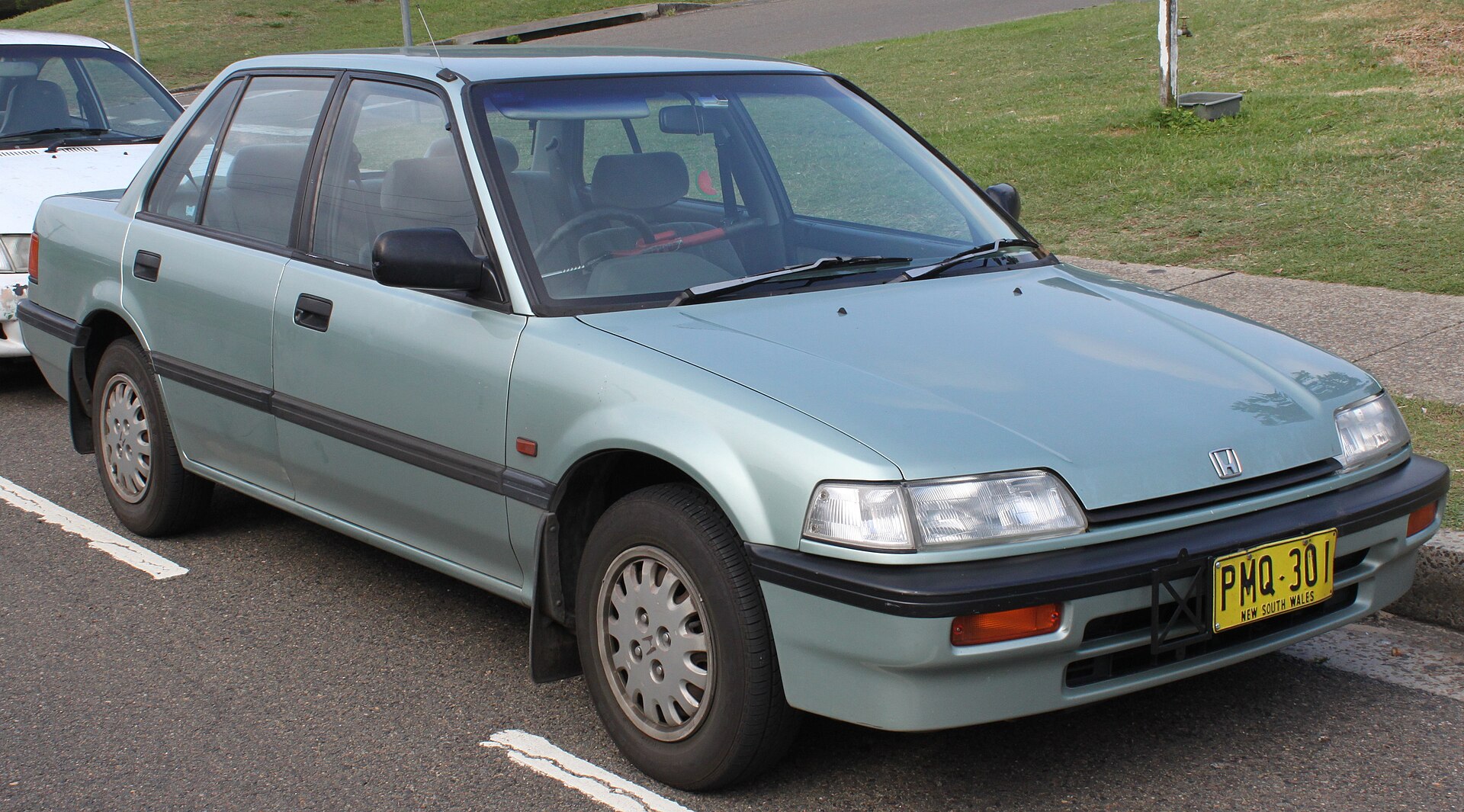
4. Fourth-Generation Honda Civic (1988 to 1991)
The fourth-generation Civic represented a major engineering step, with a redesigned chassis and sophisticated double-wishbone suspension.
Honda offered several body styles, including hatchbacks and sedans, along with the CRX in the broader Civic family. The model combined compact proportions with responsive handling, strengthening its reputation among drivers who wanted economical transportation without giving up driving enjoyment.
Efficient engine choices helped the fourth generation remain competitive in a market increasingly attentive to fuel costs. Some configurations emphasized modest power and low consumption, while sportier versions delivered stronger acceleration.
MPG figures differed according to the engine, transmission, and body style. A lightweight manual-transmission model could produce a different result from a heavier automatic version, so buyers should avoid relying on a single advertised number for the entire generation.
The late-1980s Civic demonstrates the value of matching the vehicle to its intended use. A small engine may perform efficiently during steady cruising, but fuel consumption can rise during frequent acceleration or extended high-speed driving.
Today, these cars are also affected by decades of wear, aging rubber components, fuel-system problems, and possible engine modifications. A well-maintained original car is more likely to deliver predictable performance than one with unknown mechanical history.
Safety remained a significant gap compared with current compact cars. Modern airbags, comprehensive side-impact protection, electronic stability systems, and automatic emergency braking were not available in the same integrated form seen in recent Civics.
IIHS ratings under contemporary protocols are not available for this generation in a directly comparable format. Buyers should therefore distinguish its historical engineering quality from its ability to protect occupants in modern traffic conditions.
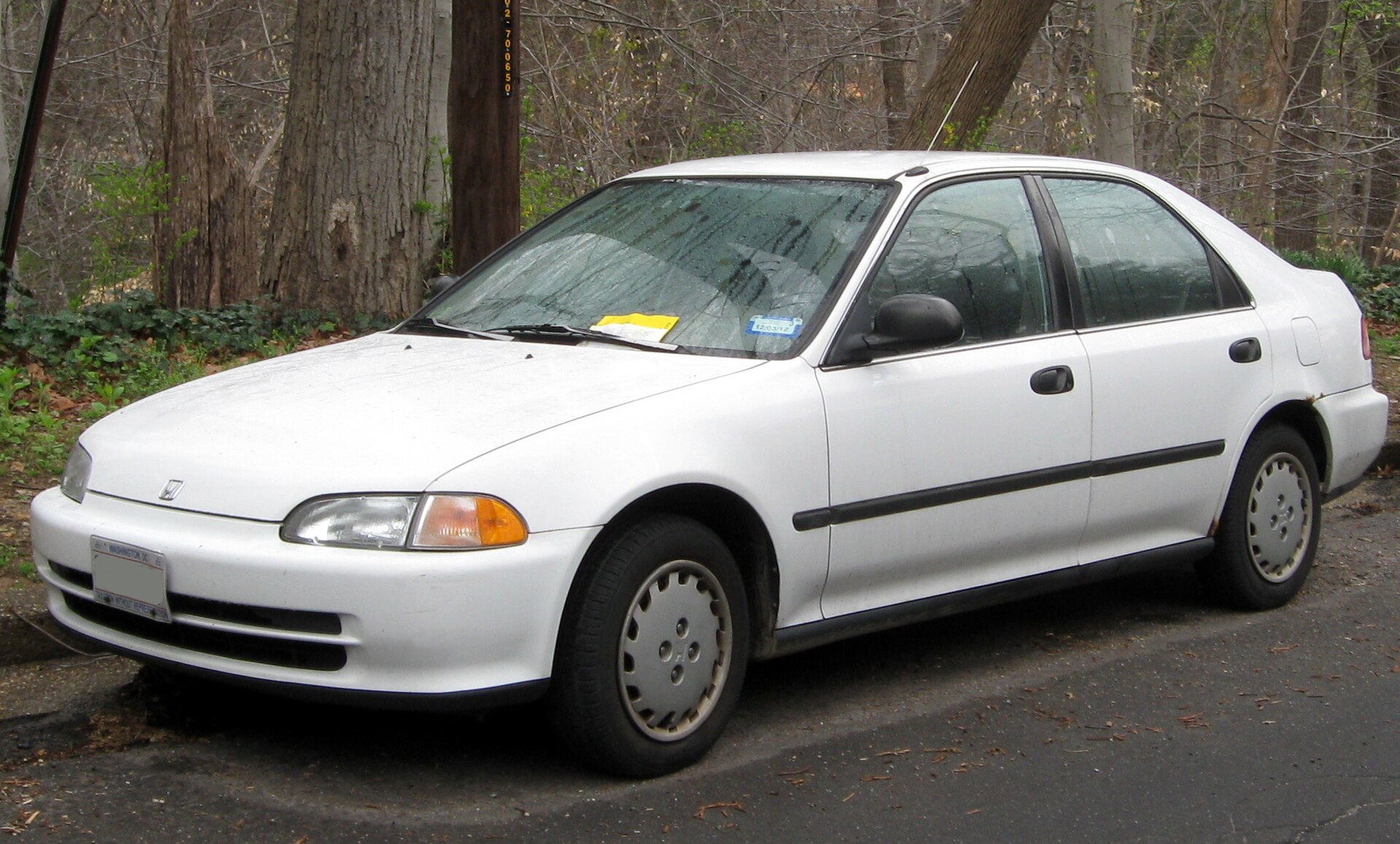
5. Fifth-Generation Honda Civic (1992 to 1995)
The fifth-generation Civic introduced a rounded exterior design and continued Honda’s focus on lightweight construction. Hatchbacks, sedans, and coupes expanded the range’s appeal, while different engine options gave buyers a choice between economy and performance.
This generation also became popular among enthusiasts because its compact chassis, broad aftermarket support, and responsive engines made it suitable for modifications.
Fuel efficiency was particularly impressive in selected models. Honda offered economy-focused configurations, including the Civic VX, which used VTEC-E technology to prioritize efficient combustion under suitable operating conditions.
The VX is often remembered for its ability to achieve exceptional mileage relative to other gasoline cars of its era. However, the fuel economy of a VX should not be attributed to every fifth-generation Civic, especially performance-oriented versions with different engines and gearing.
When researching MPG, buyers should distinguish between original EPA ratings, adjusted historical estimates, and current real-world fuel consumption.
The EPA’s long-term trends analysis lists the 1995 Civic among the gasoline vehicles achieving strong efficiency under its historical methodology. That figure is useful for understanding the model’s reputation, but it is not interchangeable with a modern window-sticker rating or a guaranteed result for an individual used car.
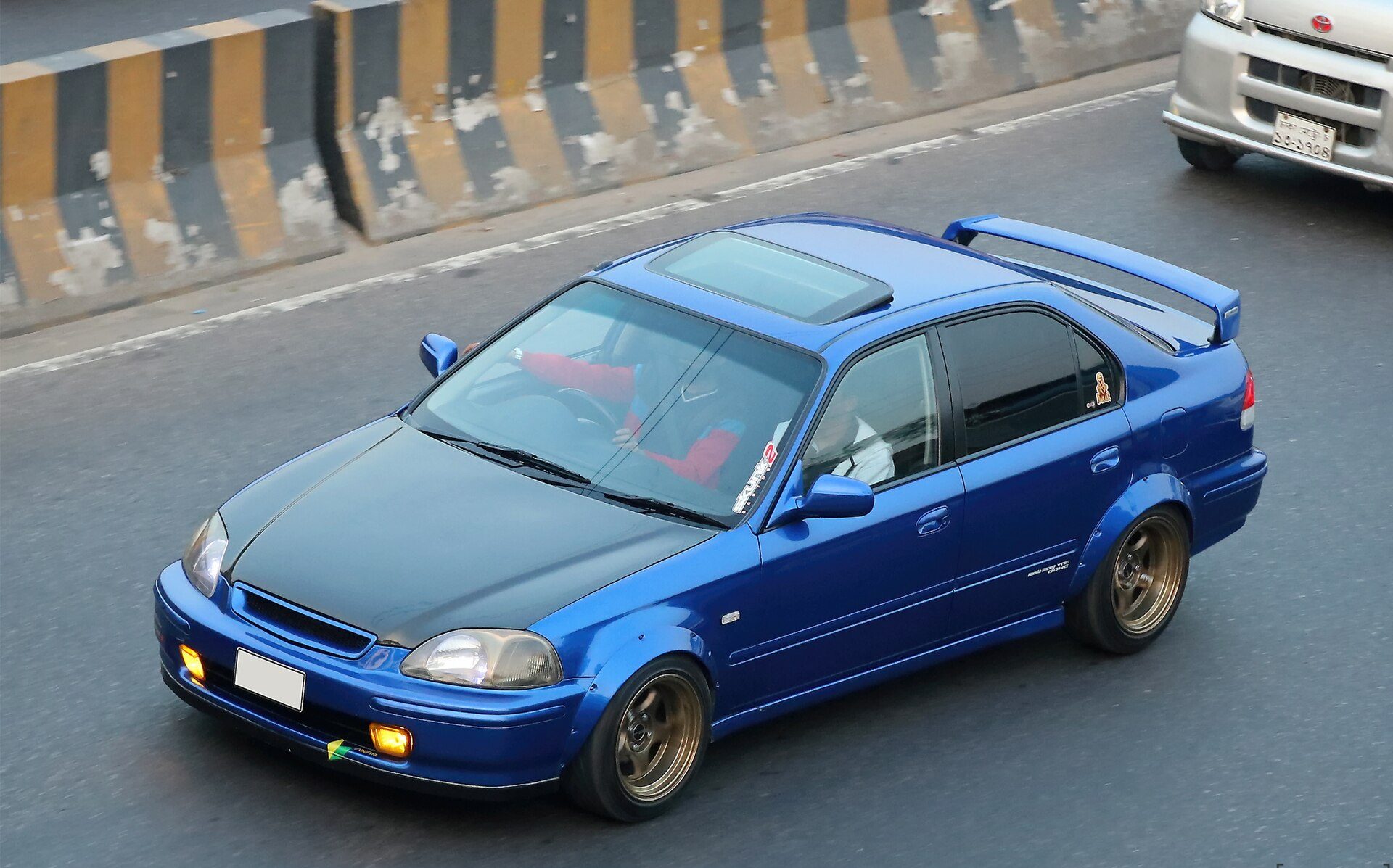
6. Sixth-Generation Honda Civic (1996 to 2000)
The sixth-generation Civic refined the formula with updated styling, revised engines, and a range of configurations for different driving needs. Honda continued offering sedans, coupes, and hatchbacks, while specialized versions targeted efficiency or alternative fuels.
The generation maintained a reputation for manageable ownership costs, helped by relatively simple mechanical systems and widespread familiarity among independent repair shops.
Fuel economy varied widely across the range. The Civic HX used efficiency-focused engineering, including VTEC-E on applicable configurations, to reduce fuel consumption. Honda also introduced the Civic GX, which ran on compressed natural gas in the U.S. market.
These models demonstrate that the Civic’s fuel-saving approach extended beyond conventional gasoline engines. However, specialized versions may require parts, fueling infrastructure, or maintenance knowledge that is less widely available today.
For ordinary gasoline versions, the engine, transmission, and body style determine the appropriate EPA comparison. A manual-transmission economy model will not necessarily achieve the same mileage as an automatic coupe or a vehicle equipped for stronger performance.
Used examples also face age-related challenges such as deteriorated seals, worn sensors, clogged fuel injectors, and cooling-system problems. A current fuel economy test drive can help identify issues, but a mechanic’s inspection provides a more complete picture.
Safety equipment became more developed through the late 1990s, but the sixth generation still belongs to a period before modern crash-prevention systems became common.
Its body structure and restraint technology should not be judged using ratings published for a recent Civic. IIHS protocols now assess crash scenarios and accident-avoidance technology that did not form part of the original vehicle’s design. An absence of a directly comparable rating is not evidence that the car passed or failed a particular modern test.
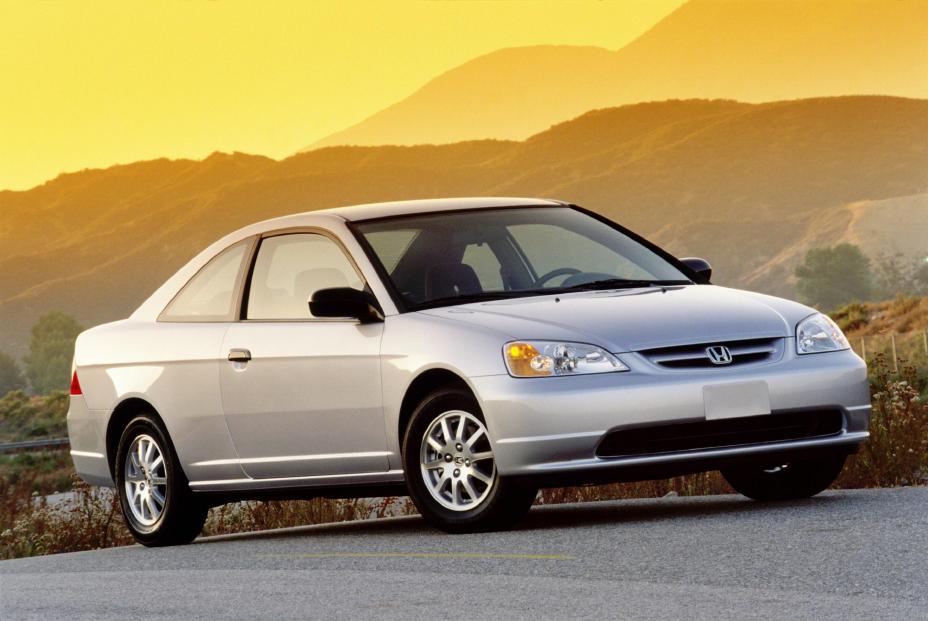
7. Seventh-Generation Honda Civic (2001 to 2005)
The seventh-generation Civic adopted a taller cabin and a more upright design, improving passenger space and everyday usability. Honda offered sedans and coupes, while a hatchback joined the U.S. lineup later in the generation.
The range included economical gasoline engines and a Civic Hybrid introduced for the 2003 model year. This expansion gave customers more ways to balance purchase cost, cabin practicality, and fuel consumption.
The Civic Hybrid added electric assistance to a gasoline engine, allowing the powertrain to reduce fuel use in suitable driving conditions.
Honda’s early hybrid system used an integrated motor arrangement rather than the more powerful, independently driven hybrid architecture found in some newer vehicles. Its mileage advantage depended on the driving cycle, battery condition, and maintenance. Conventional gasoline Civics remained practical choices for buyers who preferred a simpler powertrain.
Fuel economy differed considerably between gasoline, performance, and hybrid versions. A hybrid’s EPA rating should never be used to describe every seventh-generation model.
For a used hybrid, battery health is especially important because a degraded battery can affect efficiency and drivability, while replacement costs may change the vehicle’s financial appeal. A specialist inspection and a review of available service history can help buyers understand whether an older hybrid remains a sensible purchase.
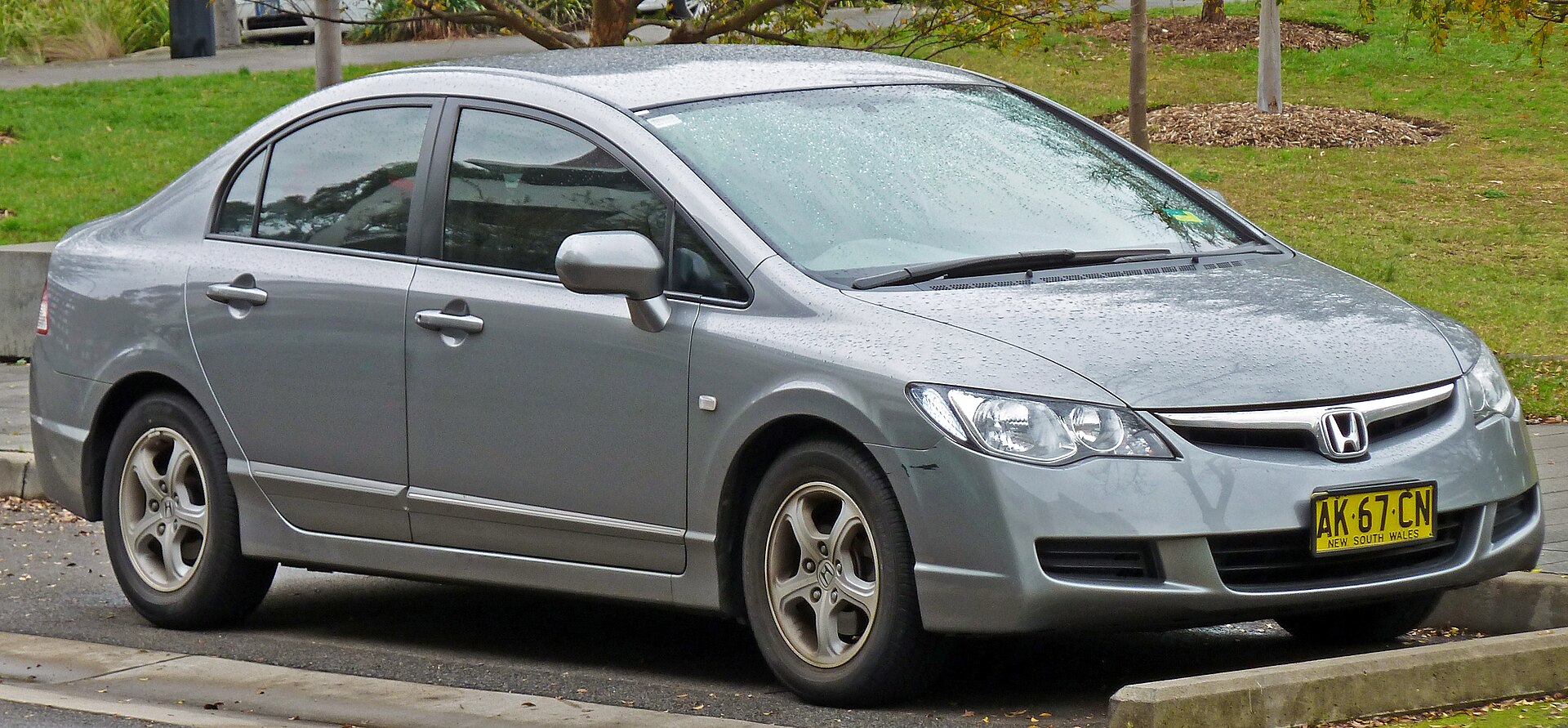
8. Eighth-Generation Honda Civic (2006 to 2011)
The eighth-generation Civic brought a distinctive exterior design, a futuristic dashboard, and a more modern driving experience. Honda offered sedan and coupe body styles in the United States, along with conventional gasoline and hybrid powertrains.
The cabin’s two-tier instrument layout gave the model a recognizable appearance, while its compact footprint continued to make parking and city driving relatively convenient.
The gasoline lineup included engines designed to provide a practical balance between power and fuel consumption. EPA mileage depended on engine size, transmission, body style, and trim.
The Civic Hybrid added electric motor assistance and regenerative braking, which recovered some energy during deceleration. These systems could reduce fuel use in stop-and-go traffic, but their benefits depended on battery performance, temperature, and driving habits.
A used eighth-generation Civic should be evaluated using the exact EPA record for its model year and drivetrain. Differences between a base sedan, a coupe, a hybrid, and a performance-focused Si model can be meaningful.
Real-world fuel economy can also change with maintenance quality and operating conditions. Buyers should pay attention to engine temperature, cooling-system health, transmission behavior, and evidence of neglected service, since mechanical problems may reduce efficiency.
Safety technology and crash protection continued to improve, with more sophisticated restraint systems and structural engineering than earlier generations. Still, the generation predates the widespread integration of today’s advanced driver-assistance systems.
Modern IIHS ratings cannot be assumed from historical performance, and the absence of a current rating does not establish a crash-test grade. Equipment also varies by model year and trim, making a direct inspection of airbags, stability control, and other fitted features important.
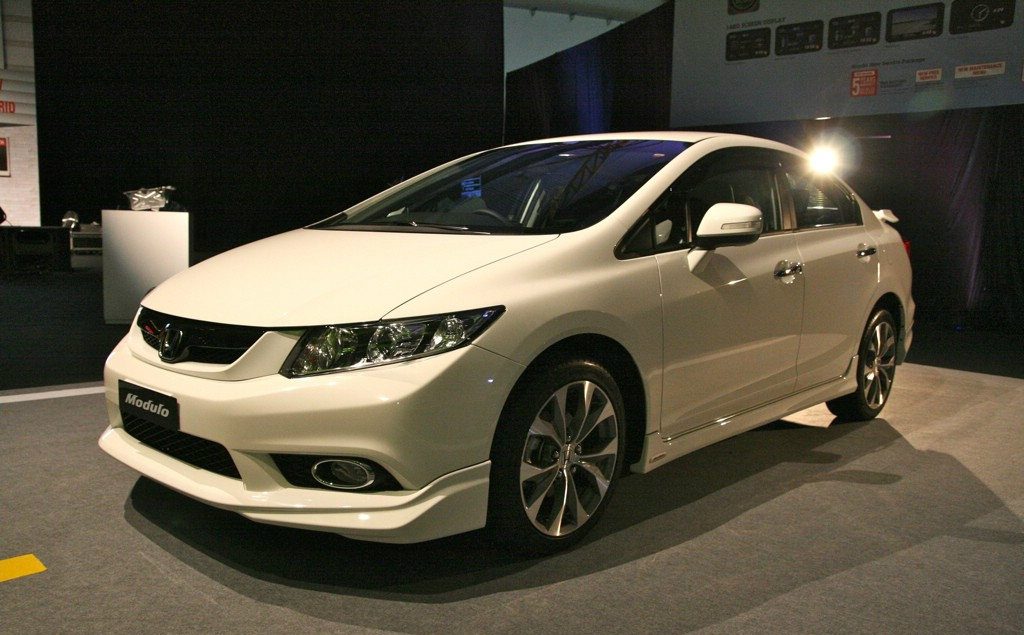
9. Ninth-Generation Honda Civic (2012 to 2015)
The ninth-generation Civic continued Honda’s emphasis on affordability and efficient transportation, while offering a more conventional cabin layout than its predecessor.
The range included sedans, coupes, and performance variants, with engine choices varying by year and trim. Honda revised the model during its production run, responding to criticism of the initial interior and materials with updates intended to improve the ownership experience.
Fuel economy depended on the chosen powertrain. The 1.8-liter gasoline engine served as a common choice for everyday driving, while the Si used a larger, performance-oriented engine and generally prioritized power over maximum MPG.
The Civic Hybrid and later HF versions targeted lower fuel consumption. As a result, a single MPG figure cannot accurately describe the entire generation, and buyers should check the relevant EPA listing before comparing individual cars.
The ninth generation also illustrates why published efficiency figures and actual ownership costs are not identical. A vehicle that performs well on a highway test cycle may return lower mileage during short trips, heavy congestion, or repeated cold starts.
Tire condition, wheel alignment, engine maintenance, and driving style all influence results. When shopping for a used example, a realistic fuel budget should use expected driving conditions rather than the most favorable number found in a specification sheet.
Safety equipment became more comprehensive, but it remained less advanced than the systems available in recent Civics. Airbags, stability control, and other features varied with model year and trim.
IIHS evaluations must be checked against the specific vehicle and the test criteria in effect at the time. A rating from an older crash protocol should not be interpreted as proof of equivalent performance in a current test involving updated side-impact forces or rear-passenger protection.
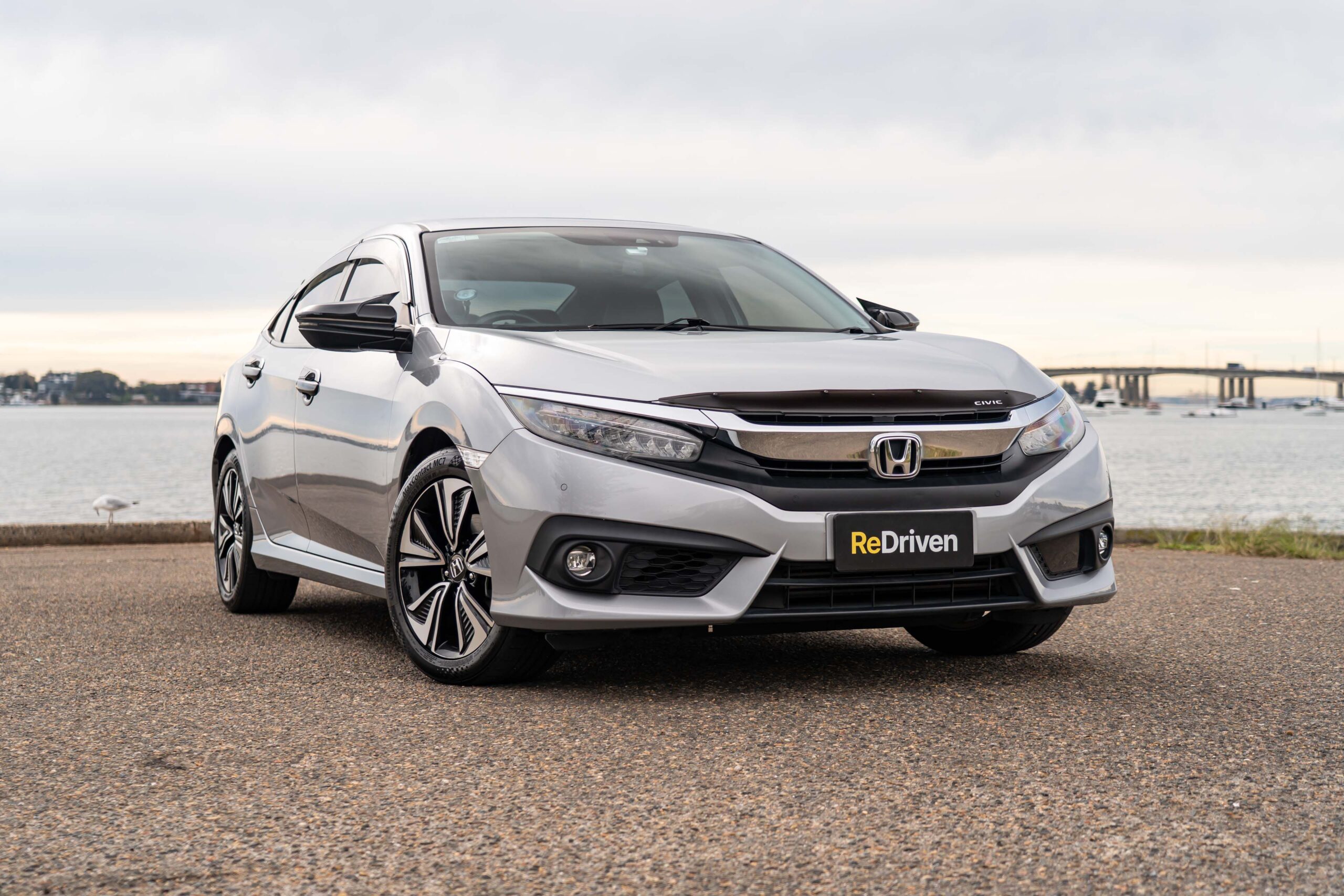
10. Tenth-Generation Honda Civic (2016 to 2021)
The tenth-generation Civic marked a major redesign, with a lower stance, a wider body, and a more modern platform. Honda expanded the lineup with sedan, coupe, and hatchback variants, along with conventional gasoline and performance models.
Many versions offered turbocharged engines, bringing stronger torque at relatively low engine speeds. The result was a Civic that could feel more powerful without requiring a large displacement engine.
EPA fuel economy improved through a combination of turbocharging, transmission development, and aerodynamic refinement. The available 1.5-liter turbocharged engine delivered a different balance of power and efficiency from the naturally aspirated 2.0-liter engine.
Transmission choice mattered, too, because continuously variable transmissions and manual gearboxes behaved differently across driving conditions. Representative combined ratings for ordinary gasoline versions commonly fell in the low-to-mid 30 MPG range, but exact figures depend on the model year and configuration.
This generation also became more attractive to buyers who wanted modern convenience features alongside fuel efficiency. Depending on the trim and year, the Civic offered infotainment upgrades, driver-assistance technologies, and improved cabin comfort.
Honda Sensing availability and included functions varied across the range, so shoppers should confirm the actual equipment rather than assume every tenth-generation model has the same safety package. A well-equipped example can provide a more modern driving experience than an older Civic.
Safety performance improved substantially compared with early generations, supported by updated structural engineering and a broader range of available collision-avoidance technology. However, IIHS ratings can differ by model year, body style, headlights, and specific crash-test protocol.
Buyers should consult the IIHS entry for the exact model being considered, especially when comparing sedan and hatchback versions or vehicles built before and after a mid-generation update. The distinction between an award and an individual test grade is also important.