

In 2011, the National Highway Traffic Safety Administration introduced tougher vehicle safety ratings that changed how Americans compared cars.
The updated program placed greater emphasis on crash protection, rollover resistance, and performance in different collision scenarios. As a result, earning five stars became more challenging, and familiar vehicles faced a stricter assessment of their safety features.
Understanding these changes helps buyers interpret older crash test results and recognize the difference between a car’s reputation and its tested performance. This article examines ten vehicles through the lens of the 2011 transition, highlighting important distinctions and limitations in historical ratings.
5 Cars That Kept Strong Safety Credentials Under the Tougher Standards
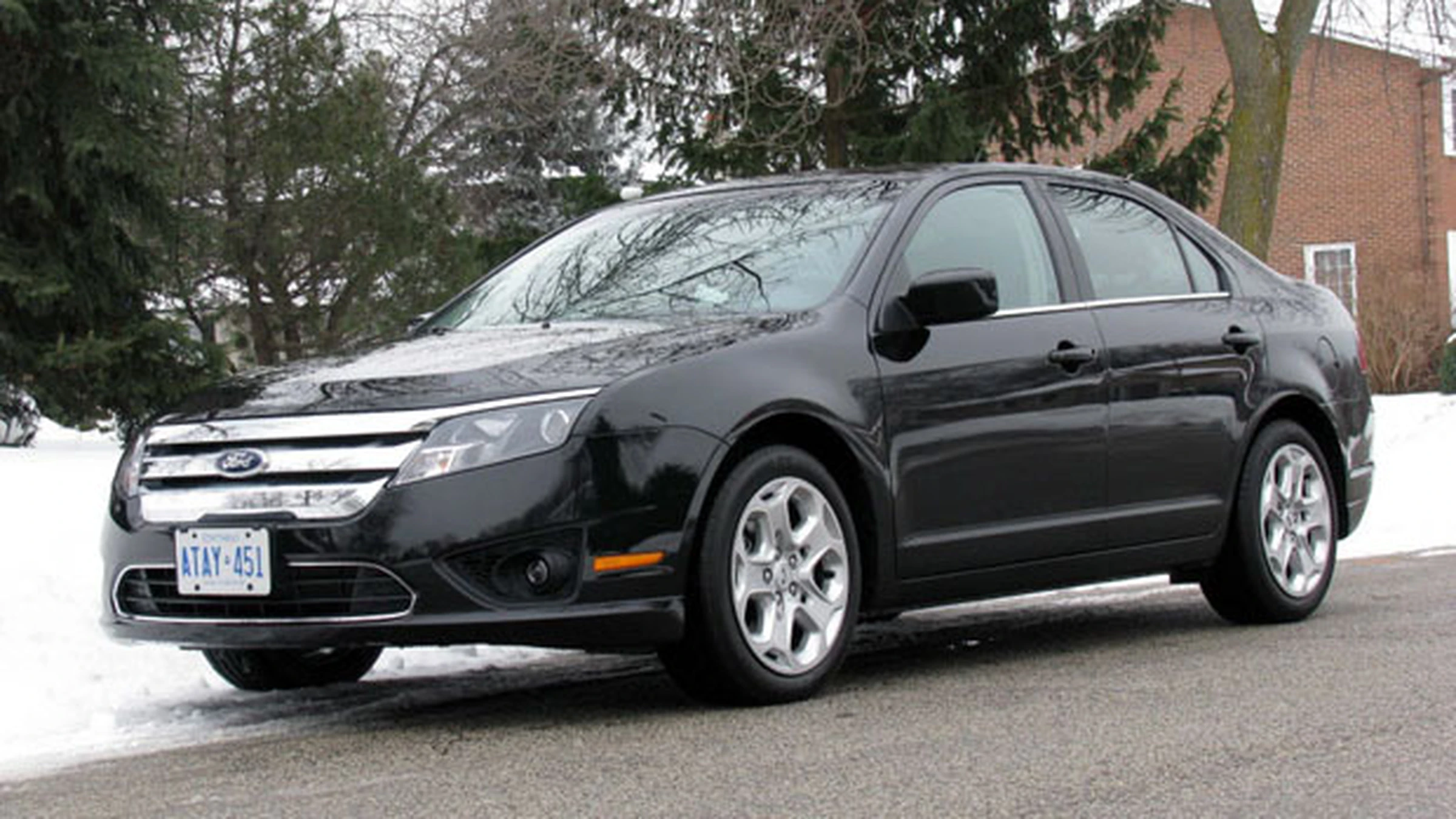
1. Ford Fusion (2011)
The 2011 Ford Fusion represented the family sedan segment at a time when buyers expected comfort, fuel efficiency, and dependable crash protection from a single vehicle.
Its contemporary design included a reinforced passenger compartment, front airbags, side-impact protection, and stability control. These features reflected the growing importance of protecting occupants during different kinds of collisions rather than focusing exclusively on frontal impacts.
Ford offered the Fusion with several powertrain choices, including four-cylinder and V6 engines. Buyers could also choose a hybrid version. Safety equipment varied by configuration and package, so shoppers researching a used Fusion should check the precise model and equipment rather than assume every example has identical protection.
The redesigned federal rating system made it more important to examine several crash scenarios together. Frontal collisions remained important, but side-impact performance and rollover resistance also influenced how vehicles were evaluated.
This broader approach helped buyers understand that a strong result in a single test did not tell the complete story about crash protection.
The Fusion’s competitive safety design made it a relevant model to consider when studying the period’s transition. Its structural engineering, restraint systems, and available electronic stability control reflected the industry’s movement toward more comprehensive occupant protection.
However, these features alone cannot establish that every 2011 Fusion retained five stars under every category of the revised NHTSA program.
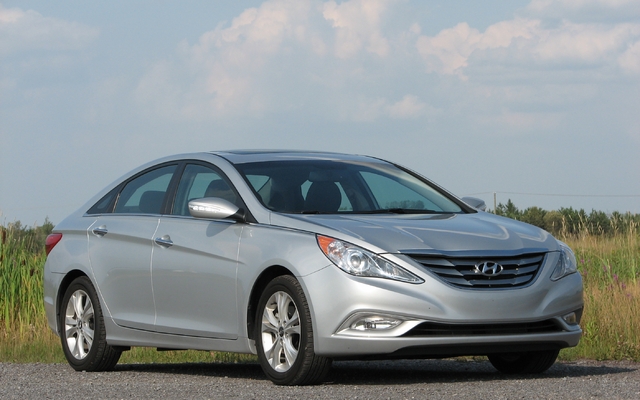
2. Hyundai Sonata (2011)
The redesigned 2011 Hyundai Sonata arrived with a striking exterior, a spacious cabin, and a stronger competitive position against established family sedans.
Its engineering reflected a period when automakers were investing heavily in body structure, passenger restraints, and electronic safety systems. The model attracted attention for offering modern equipment at a price that appealed to many household budgets.
Occupant protection depended on the combined performance of the cabin structure, airbags, seat belts, and other restraint components. Airbags can reduce injury risk, but they work alongside properly fitted seat belts rather than replacing them. The vehicle’s design therefore needs to be considered as a coordinated safety system, not simply as a list of individual features.
The 2011 testing changes made side collisions and rollover protection particularly important topics for buyers comparing family sedans.
The revised program also used a more demanding scoring framework, making it harder for manufacturers to rely on favorable results from a narrow range of crash tests. Ratings needed to be read in the context of the specific protocol used.
The Sonata is a useful example of how a newer generation of family car could combine contemporary styling with safety-focused engineering. Yet a model’s reputation, equipment list, or strong performance in a separate safety assessment cannot substitute for its exact NHTSA results. Ratings can also differ across model years as equipment and vehicle structures change.
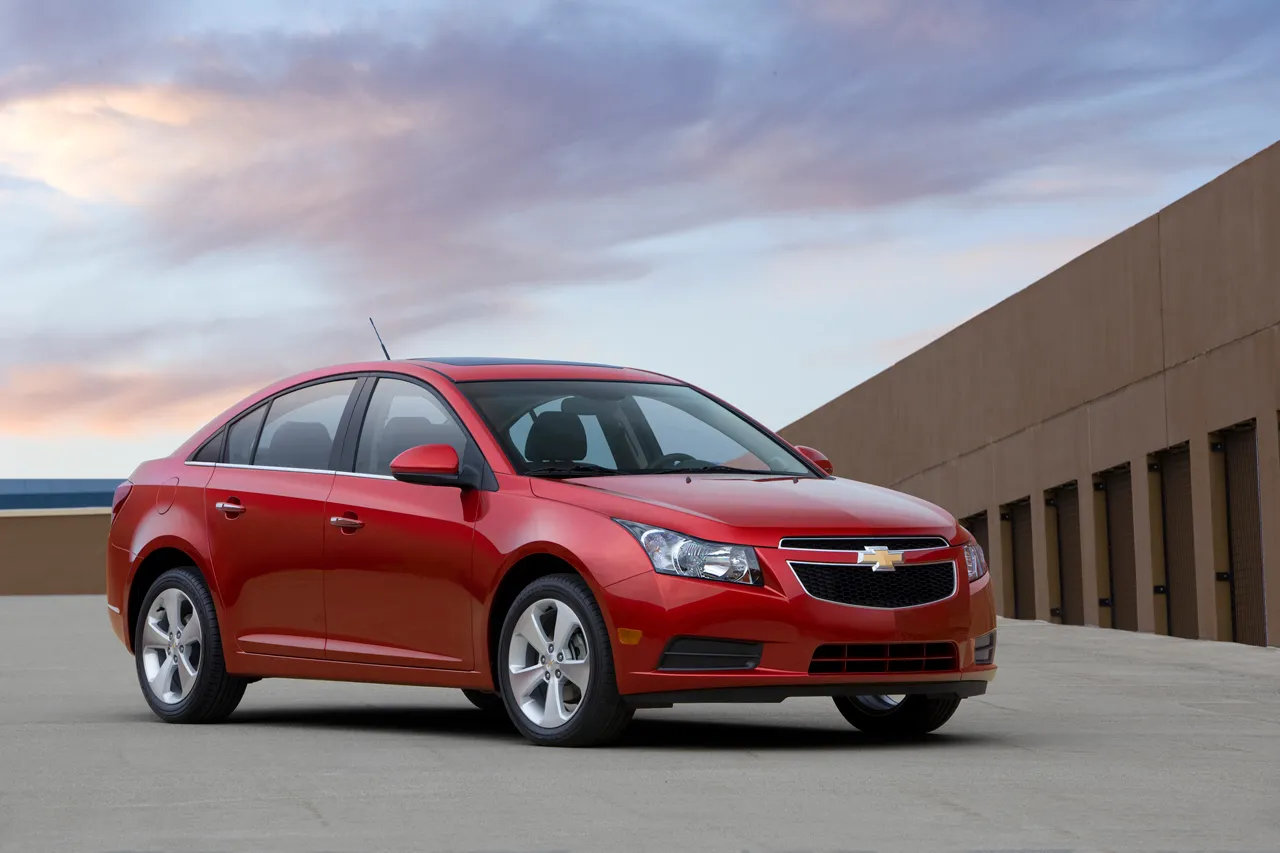
3. Chevrolet Cruze (2011)
The 2011 Chevrolet Cruze entered the compact sedan market with a modern platform and a focus on refinement, economy, and passenger protection.
Compact cars were changing rapidly during this era as manufacturers worked to improve structural strength and offer safety equipment previously associated with larger, more expensive vehicles. The Cruze reflected this shift toward more sophisticated small-car engineering.
Its safety package included airbags and a reinforced body structure, while equipment availability depended on trim and configuration.
Electronic stability control was becoming an increasingly important feature across the industry because it can help drivers maintain control during certain emergency maneuvers. Such technology complements, rather than replaces, sound tires, careful driving, and appropriate speed.
The new NHTSA approach was relevant to compact vehicles because size alone did not determine a car’s performance. Engineers had to consider how the vehicle protected occupants in several crash conditions. Ratings also helped consumers compare cars within a segment where purchase price, fuel economy, and passenger space often influenced decisions as much as safety equipment.
The Cruze deserves consideration in a historical review of the period because it represented the renewed effort to make compact sedans competitive on safety as well as operating cost.
Still, it would be misleading to state that the model kept five stars across every revised category without confirming the applicable federal test record. A vehicle can achieve different results across separate tests.
Anyone considering a used Chevrolet Cruze should verify the specific car’s safety ratings, installed equipment, maintenance records, and outstanding recalls. It is also important to examine the tires, brakes, seat belts, and airbags for damage or signs of substandard repairs. Strong results in standardized crash tests do not guarantee the same level of protection in an older vehicle that may have deteriorated or sustained damage.
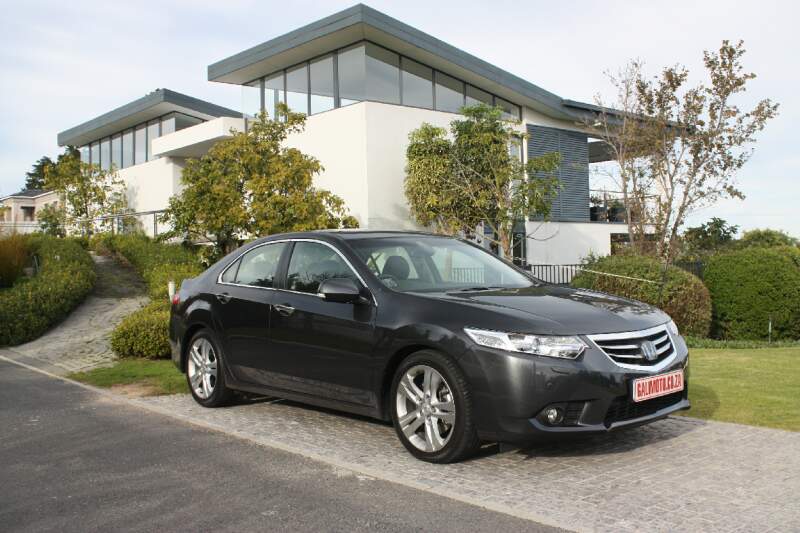
4. Honda Accord (2011)
The 2011 Honda Accord occupied an important position in the midsize sedan market, with a long-standing reputation for practical transportation and well-developed engineering.
Buyers often considered it alongside the Ford Fusion, Toyota Camry, and Hyundai Sonata. Safety comparisons during this period required more than brand reputation, since the revised federal program introduced additional challenges for vehicles seeking the highest rating.
The Accord’s design incorporated a passenger safety structure and multiple restraint systems intended to manage crash forces. Frontal airbags, side-impact airbags, and seat belt systems worked together to reduce injury risk.
Exact equipment and performance depended on body style, trim, and model configuration, making it essential to check the relevant version rather than rely on a broad model name.
Under the 2011 framework, NHTSA considered frontal crash protection, side crash performance, and rollover risk in its star-rating program.
This created a more comprehensive picture of vehicle safety than a single frontal test could provide. A sedan might perform strongly in one type of impact and receive a different result in another, depending on its structure and restraints.
The Accord is therefore a useful reference point for understanding why buyers should distinguish strong engineering from a confirmed five-star rating. Its established position in the market did not exempt it from the new evaluation requirements. Any claim about retaining a particular star score needs to match the exact model year and the relevant NHTSA test record.
For a used Accord, examine the federal crash-test information for the exact version, then check for recalls and evidence of collision repairs.
A repaired vehicle may not perform as it did when new if structural work or airbag replacement was carried out incorrectly. Maintenance, tire condition, and working restraints all matter when evaluating the protection an older sedan can provide.
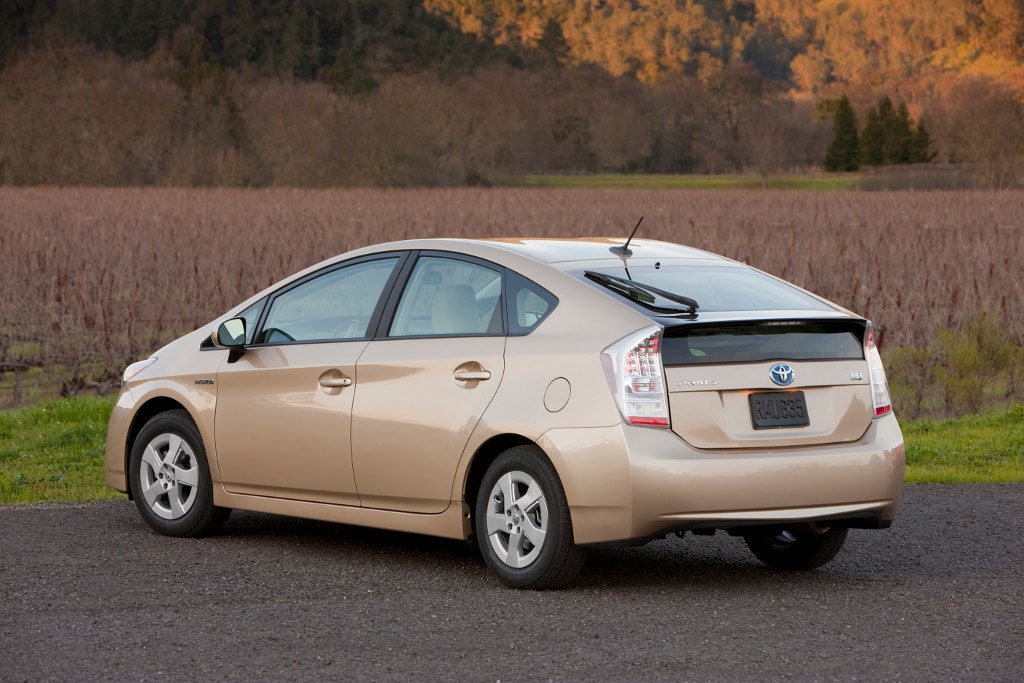
5. Toyota Prius (2011)
The 2011 Toyota Prius showed how hybrid technology had become part of mainstream family transportation. Its appeal centered on fuel economy, practical passenger space, and reduced fuel consumption in suitable driving conditions.
As with conventional cars, its safety depended on the vehicle’s structure and restraint systems, not simply on its hybrid powertrain or environmental credentials.
Hybrid vehicles introduce additional engineering considerations because they contain high-voltage electrical components and battery systems.
Manufacturers design these systems with protective measures intended to reduce electrical hazards during normal operation and after certain collisions. Proper servicing by qualified technicians is important, especially following an accident that may have affected high-voltage components.
The updated NHTSA program encouraged consumers to assess several aspects of crash protection at once. The Prius therefore belongs in a discussion of vehicles from the transition period, but its fuel-saving reputation should not be confused with a particular federal crash score. Efficiency and safety are separate qualities, and both need to be evaluated using suitable evidence.
Vehicle configuration matters here as well. Equipment, manufacturing details, and ratings may vary by model year or version, and a used example may have been repaired or modified since leaving the factory. A rating recorded for a particular configuration should not be automatically transferred to every Prius bearing the same model name.
Prospective buyers should confirm the Prius’s exact crash-test record and review the condition of its hybrid system. A pre-purchase inspection should include the brakes, tires, suspension, warning lights, and evidence of prior collision damage.
Buyers can then weigh fuel economy against the vehicle’s age, maintenance needs, and verified safety information instead of relying on a blanket five-star claim.
5 Cars That Did Not Automatically Retain Five Stars Under the Tougher Standards
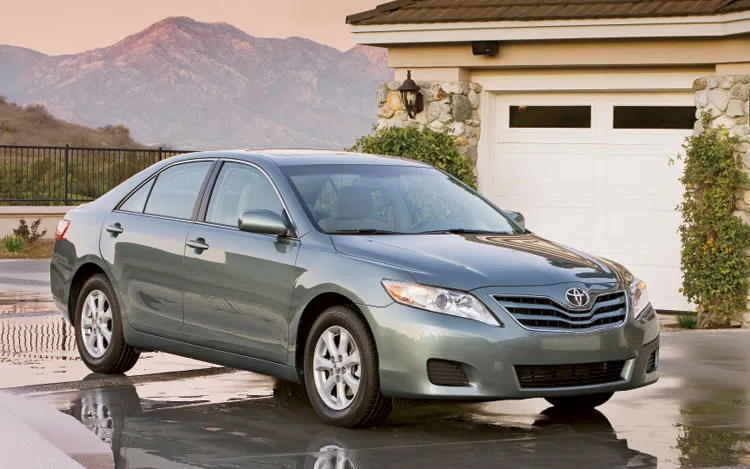
1. Toyota Camry (2011)
The 2011 Toyota Camry was a familiar choice for families seeking a midsize sedan with a comfortable cabin and straightforward daily operation. Its popularity made crash-test comparisons particularly useful for buyers deciding between established models. However, sales success and a strong public reputation could not guarantee the highest score under a newly revised federal testing system.
The Camry’s protective features included airbags and a passenger compartment designed to manage crash forces. Equipment could vary with trim and optional packages, so buyers should confirm what was fitted to the vehicle they intend to purchase. Safety technology available on a particular version may not be present on a lower trim or an older example.
The 2011 NHTSA program changed the basis on which new vehicles received star ratings. Consequently, a score from an earlier year was not a direct substitute for a rating obtained under the new protocol. Differences in test procedures and scoring meant that even familiar vehicles had to be evaluated using the appropriate results.
This distinction is especially important when discussing a model such as the Camry, which spans many generations and has been sold with different equipment over time. A result for a later redesign cannot reliably describe the 2011 model, and a result from a previous testing framework cannot be assumed to carry over unchanged.
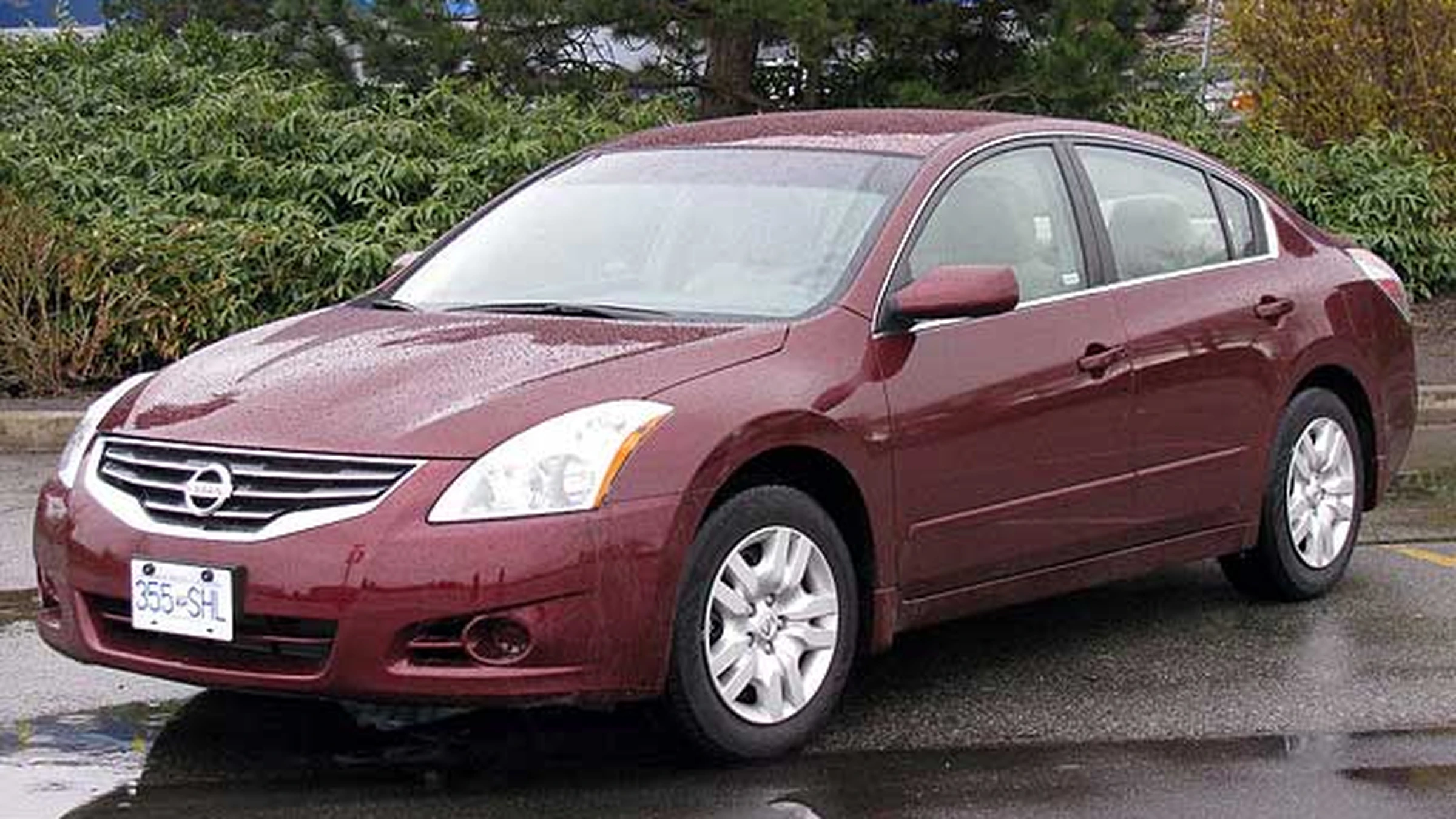
2. Nissan Altima (2011)
The 2011 Nissan Altima competed in the same crowded midsize sedan market as the Camry and Accord. It offered everyday practicality, a choice of powertrains, and a design aimed at drivers who wanted a balance of comfort and responsive handling. Safety comparisons were important because many shoppers viewed these cars as long-term family purchases.
Crash protection depends on the way the passenger compartment responds to impact, how restraints manage occupant movement, and how well the vehicle performs in different collision configurations. Airbags are a key component, but they cannot eliminate injury risk. Seat belt use and correct seating position remain essential for both front and rear passengers.
The updated federal rating program made comparisons more demanding by broadening the evaluation and changing the scoring process. A vehicle with a favorable earlier rating might not receive the same score under a different protocol.
This shift did not automatically indicate a decline in the vehicle’s safety. Instead, it reflected a change in the testing criteria used to evaluate its crash performance.
For the Altima, a responsible historical comparison requires a record for the exact 2011 model and body style. Results from a coupe, sedan, or different model year should not be mixed together without checking whether their structures and equipment match. General statements about the Altima’s safety cannot replace the specific results.
Used-car buyers should examine maintenance records, recall history, and any evidence of accident damage. If the Altima has been involved in a collision, the quality of repairs and the condition of the airbag system deserve special attention. The original crash score is useful, but the condition of the individual vehicle also influences its present-day safety.
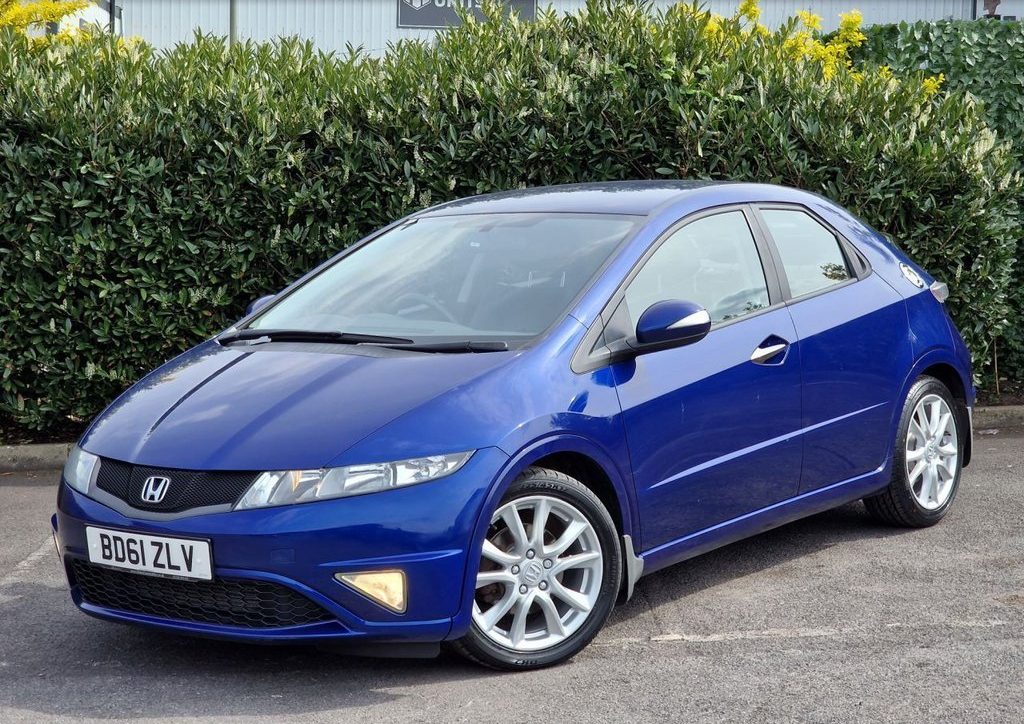
3. Honda Civic (2011)
The 2011 Honda Civic served drivers who wanted compact dimensions, relatively economical operation, and dependable everyday transportation. Its smaller footprint made it attractive for city driving and commuting.
As safety standards developed, compact cars faced growing expectations to provide strong occupant protection without sacrificing the affordability that made them popular.
The Civic used a body structure and restraint systems designed to protect occupants during crashes. Its precise safety equipment depended on the model and trim, and shoppers should not assume that all versions offered the same features. Optional equipment, manufacturing differences, and changes between model years can affect the way a specific vehicle should be evaluated.
NHTSA’s revised ratings introduced a more demanding comparison for new vehicles beginning with model year 2011. This matters when comparing a Civic with a predecessor that received a score under the earlier system. The two star ratings may have been generated using different procedures, so they cannot automatically be treated as equivalent measurements.
A lower number of stars under a revised program would not, by itself, prove that a car had worse crash protection than an older model with a higher score.
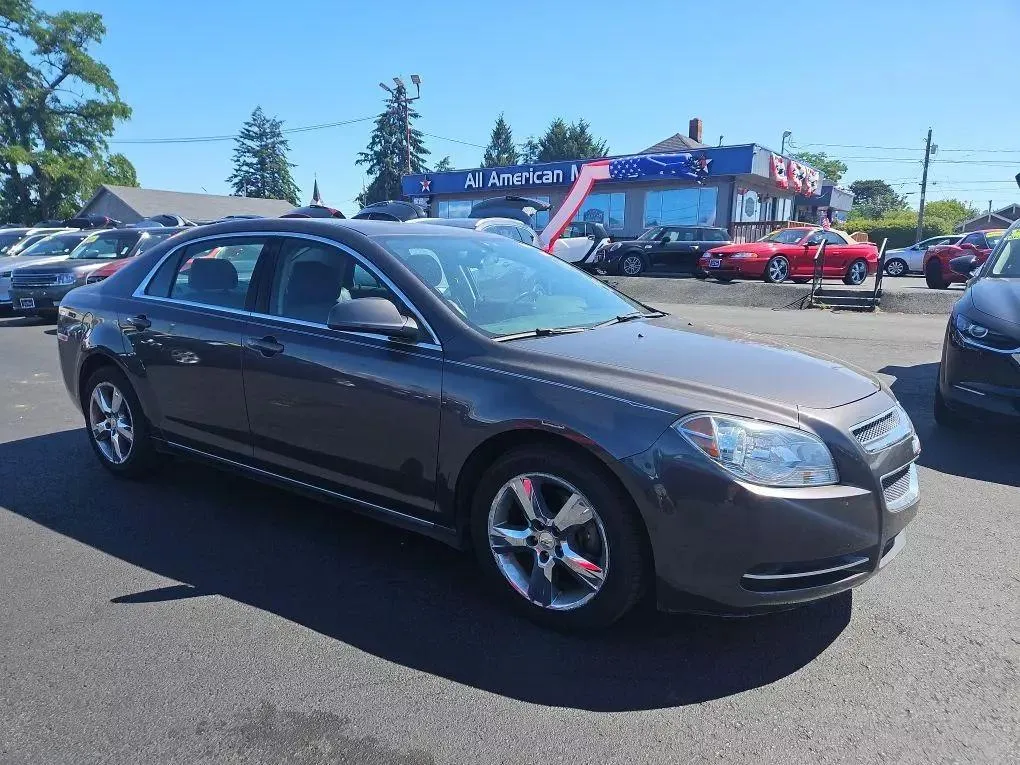
4. Chevrolet Malibu (2011)
The 2011 Chevrolet Malibu represented General Motors in the competitive midsize sedan category. Its cabin space, familiar layout, and range of features made it relevant to shoppers comparing domestic and imported family cars.
Like its competitors, the Malibu needed to meet the safety requirements applicable to its model year while remaining attractive on price and running costs.
Occupant protection involves several interacting elements, including the body structure, seat belts, airbags, and restraint calibration. Electronic stability control can also help reduce the risk of certain loss-of-control incidents.
The presence of these features is useful information, but a complete evaluation requires crash-test results and confirmation that the equipment is functioning properly.
The revised NHTSA program made it harder to interpret older ratings without considering the testing method. A Malibu rated under a previous protocol could not simply be assigned the same result under the new system. The revised process gave buyers a more demanding standard for comparing vehicles, but it also required more care when reading historical safety data.
That is why the 2011 Malibu should be assessed using its exact federal record rather than a general statement that it either kept or lost five stars. Body style, trim, and production details can matter when determining which results apply. A reliable comparison must distinguish verified test results from assumptions based on the model’s reputation.
For a used Malibu, check the NHTSA rating and recall record before purchase. An independent mechanic can inspect the braking system, tires, suspension, seat belts, and evidence of previous repairs.
A well-maintained vehicle with no unresolved safety defects is a better prospect than a neglected example, regardless of what its original star rating showed.
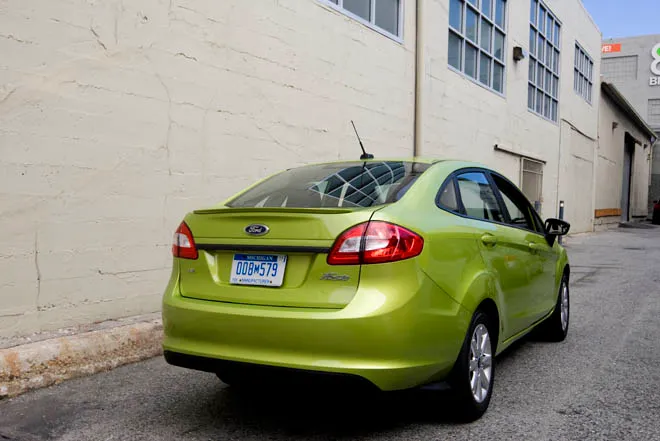
5. Ford Fiesta (2011)
The 2011 Ford Fiesta brought a small, fuel-efficient option to buyers who wanted a car suited to crowded streets and routine commuting. Its compact size and lower operating costs were important selling points. However, smaller vehicles still had to demonstrate adequate occupant protection, and consumers needed to understand the crash ratings applicable to their specific model.
The redesigned NHTSA program made direct comparisons with previous model years more complicated. A star score earned under the older framework did not guarantee the same score under the revised process. The updated system was designed to provide a more demanding assessment, which meant shoppers needed to pay attention to the date and methodology behind each rating.
The Fiesta is a useful example of why historical star ratings need context. A claim that it retained five stars, or failed to do so, should be supported by the relevant model-year results. Without that evidence, assigning it to a definitive pass-or-fail group would create a false impression of certainty and could mislead used-car shoppers.
Anyone considering a 2011 Fiesta should check the precise NHTSA record, review recalls, and arrange an inspection for collision damage or poor repairs. Tire quality, brake condition, functioning restraints, and careful driving all contribute to real-world risk. A federal crash score is a useful starting point, not a guarantee of protection in every possible accident.
