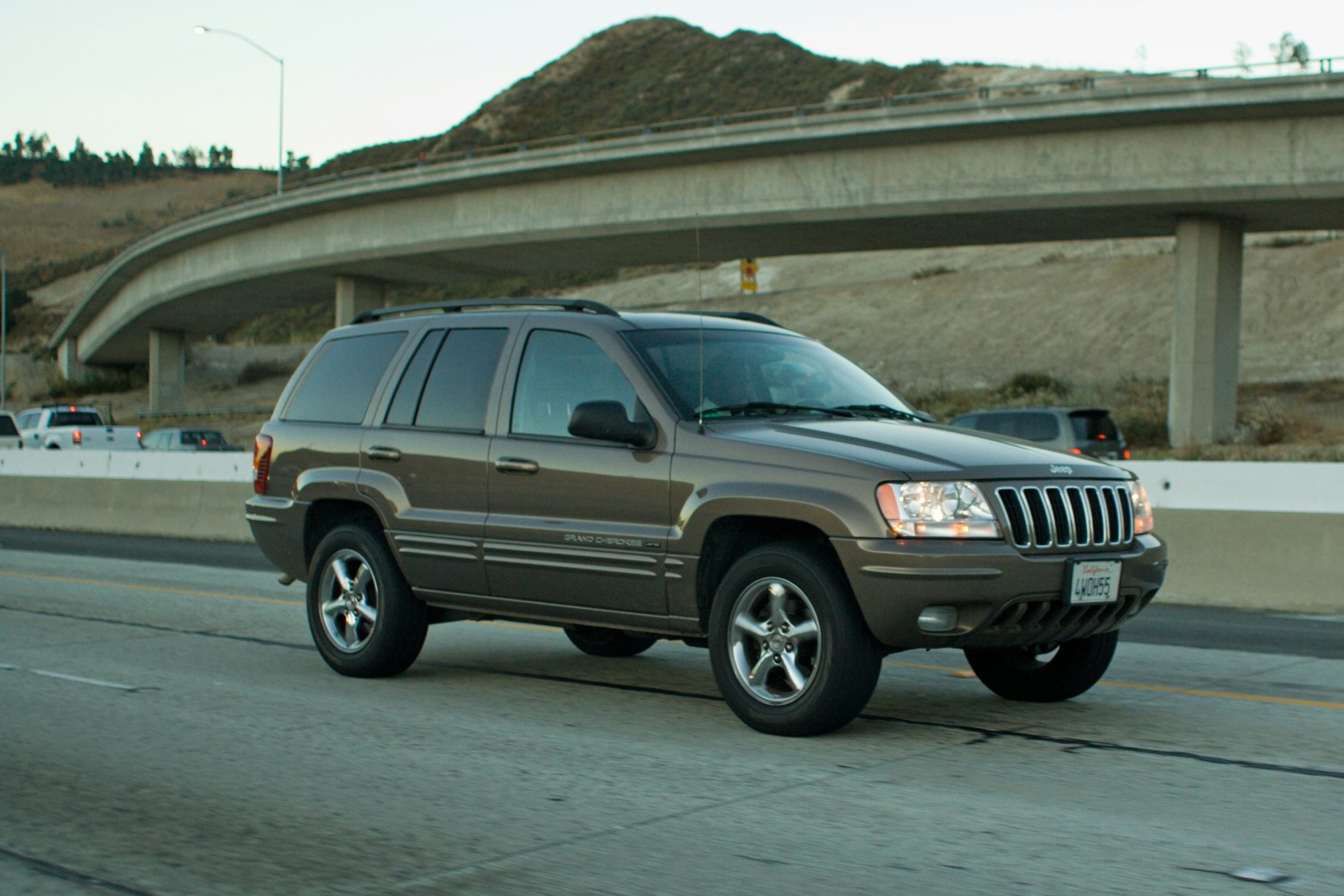
The Jeep Grand Cherokee has spent decades combining everyday comfort, strong engine options, distinctive styling, and genuine off-road ability. Since its debut in 1993, this midsize SUV has evolved from a rugged family vehicle into a sophisticated model offering premium interiors, advanced driver assistance, and electrified powertrains.
Each generation has brought meaningful improvements, yet some have delivered a more satisfying balance of durability, performance, practicality, and value than others. This ranking examines the major versions of the Jeep Grand Cherokee, considering their historical importance, driving experience, technology, ownership costs, and lasting appeal to enthusiasts and families.
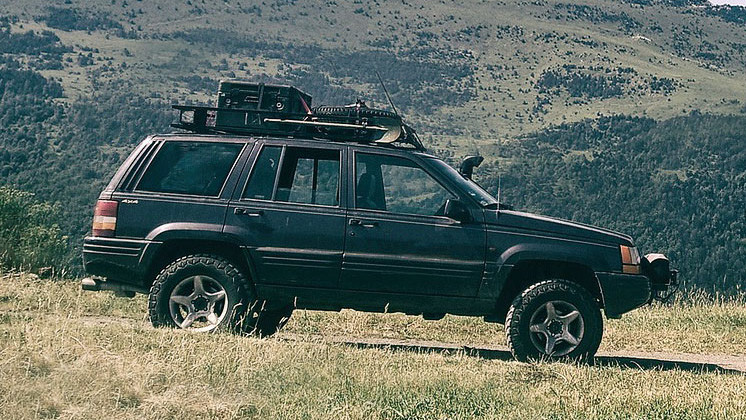
8. First-Generation Jeep Grand Cherokee ZJ (1993 to 1995)
The original Jeep Grand Cherokee deserves recognition for establishing the character that would define the nameplate for decades. Introduced for the 1993 model year after its public debut in Detroit in January 1992, the ZJ offered a more polished alternative to traditional utility vehicles without abandoning the strengths associated with Jeep.
Its upright body, seven-slot grille, squared headlights, and relatively compact proportions gave it a distinctive appearance. The design felt rugged without appearing excessively agricultural, helping the Grand Cherokee appeal to families who wanted an SUV capable of handling commuting, road trips, and outdoor adventures.
Engine choices played an important role in its early popularity. The 4.0-liter inline-six became especially respected for its straightforward engineering and strong low-speed pulling ability. Buyers seeking more power could choose V8 engines, including the 5.2-liter unit.
These options gave the Grand Cherokee a broad appeal, from practical daily drivers to buyers who wanted greater towing capability and stronger acceleration. Four-wheel-drive systems also made it useful on unpaved roads, snow-covered surfaces, and challenging trails when equipped with suitable tires.
The ZJ introduced a more car-like driving experience than many older utility vehicles. Its coil-spring suspension helped provide a comfortable ride, while the cabin offered a familiar seating position and practical controls.
The interior did not possess the screen-filled technology found in modern SUVs, yet its relatively straightforward layout remains appealing to drivers who prefer physical switches and uncomplicated equipment. Its exterior dimensions also made it easier to maneuver than many contemporary full-size sport utility vehicles.
Age is the major drawback when considering an early ZJ today. Even examples with desirable engines may suffer from deteriorating rubber components, cooling-system problems, worn suspension parts, electrical faults, and corrosion.
Maintenance records matter considerably, especially when the vehicle has spent years in regions with road salt or humid conditions. Buyers should examine the chassis, brake lines, cooling system, transmission operation, and four-wheel-drive components before purchasing. Replacement parts remain available through specialist suppliers, but restoration work can quickly exceed the price of an inexpensive vehicle.
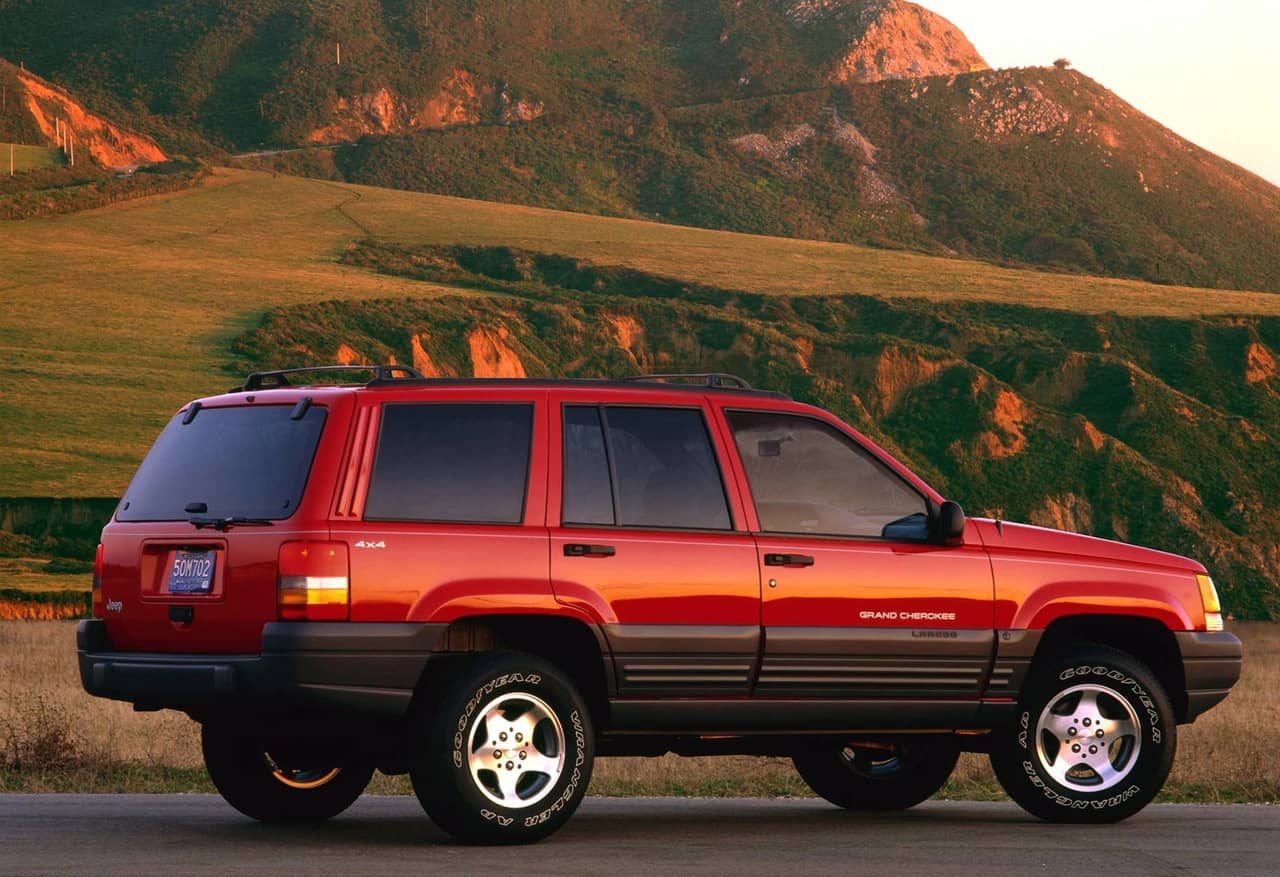
7. Refreshed First-Generation Jeep Grand Cherokee ZJ (1996 to 1998)
The later ZJ models improved the original formula through revised styling, updated equipment, and additional powertrain choices. By the second half of the 1990s, the Grand Cherokee had become an established competitor in the growing SUV market.
Updated exterior details helped the vehicle retain its familiar rugged character while making it appear more finished. Higher trim levels offered additional comfort features, giving buyers a stronger reason to choose the Grand Cherokee over a basic utility vehicle. Its shape remains instantly recognizable to enthusiasts who appreciate classic American SUV design.
The 4.0-liter inline-six continued to serve as a compelling choice for drivers who valued uncomplicated performance. Its broad torque delivery suited ordinary traffic and moderate off-road use, while the available V8 engines provided more effortless acceleration.
The standout model was the 1998 Grand Cherokee 5.9 Limited, which used a 5.9-liter V8 producing approximately 245 horsepower. It delivered unusually strong performance for a luxury-oriented SUV of its era and has since become a sought-after version among collectors and Jeep enthusiasts.
Comfort remained a central strength. The ZJ combined a relatively soft ride with a seating position that gave the driver a clear view of the road. Its cabin could accommodate families and their luggage without requiring the dimensions of a full-size SUV.
Four-wheel-drive configurations also provided useful traction in difficult weather, while the available equipment varied by trim and drivetrain. These qualities made the refreshed model versatile enough for school runs during the week and recreational driving on weekends.
However, a late-production ZJ is still an older vehicle, and its condition should carry more weight than its odometer reading alone. Cooling-system health, transmission behavior, suspension wear, oil leaks, and electrical accessories all deserve careful inspection.
V8 models may involve higher fuel and maintenance expenses than the six-cylinder versions. The 5.9 Limited is particularly interesting as a performance collectible, but an original, well-maintained example can command a premium that makes it less practical as an ordinary used SUV.
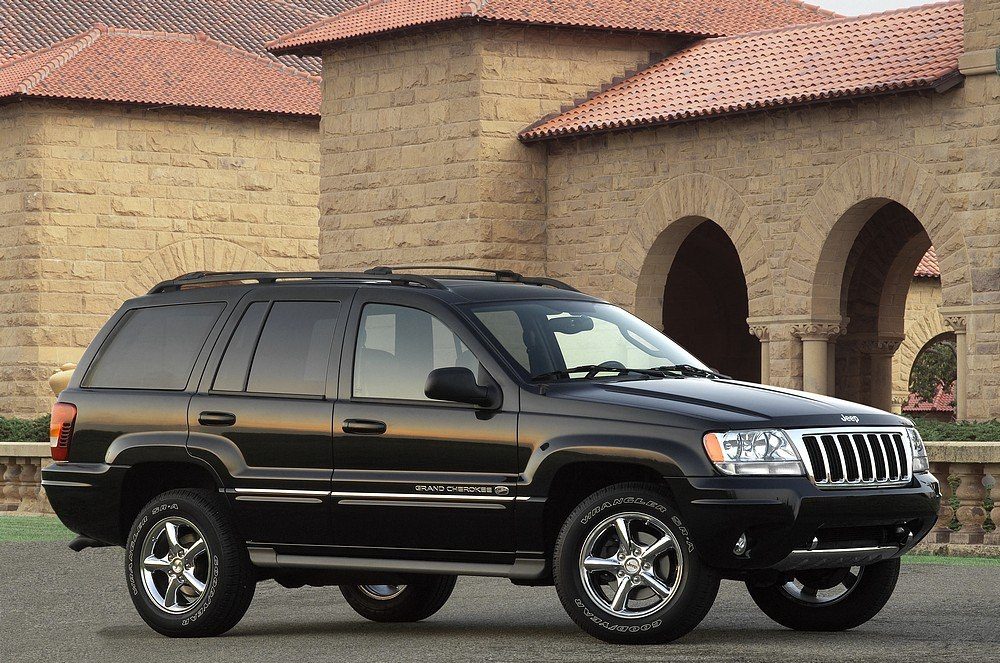
6. Second-Generation Jeep Grand Cherokee WJ (1999 to 2004)
The second-generation WJ represented a substantial step forward in the Grand Cherokee’s development. Introduced for 1999, it retained the familiar midsize SUV proportions while receiving revised exterior styling, a redesigned cabin, and mechanical improvements.
The body looked smoother and more contemporary than the ZJ, while the interior offered a more integrated dashboard and improved passenger comfort. Jeep preserved the model’s recognizable identity instead of replacing its rugged character with a purely road-focused design. That continuity helped the WJ appeal to established owners while attracting buyers looking for a more refined family SUV.
Engine options included the familiar 4.0-liter inline-six and the newer 4.7-liter PowerTech V8. The six-cylinder engine remained popular for its straightforward character, while the V8 delivered stronger acceleration and greater flexibility when carrying passengers or towing suitable loads.
Depending on the model year and market, buyers could also find diesel variants. The revised powertrain lineup gave customers more choice, though engine selection should be matched to the intended use and expected maintenance budget.
Jeep also improved the WJ’s four-wheel-drive technology. Available Quadra-Trac II and Quadra-Drive systems offered different approaches to distributing power and maintaining traction, depending on configuration. The suspension retained a solid axle at both ends, which appealed to drivers who valued articulation and traditional off-road hardware.
This arrangement could handle uneven terrain effectively, while the vehicle’s cabin and road manners made it suitable for ordinary family use. Proper tires and a correctly functioning drivetrain remain essential for safe performance away from paved roads.
The WJ is not free from age-related concerns. Cooling-system faults, worn suspension components, electrical issues, and transmission problems can appear on neglected examples. The 4.7-liter V8 requires particular attention to cooling-system condition and service history, since overheating can lead to expensive engine damage.
Four-wheel-drive components also deserve inspection because repairs may be costly if previous owners ignored warning signs. Buyers should check for fluid leaks, abnormal noises, rust, and evidence of poorly executed modifications before committing to a purchase.
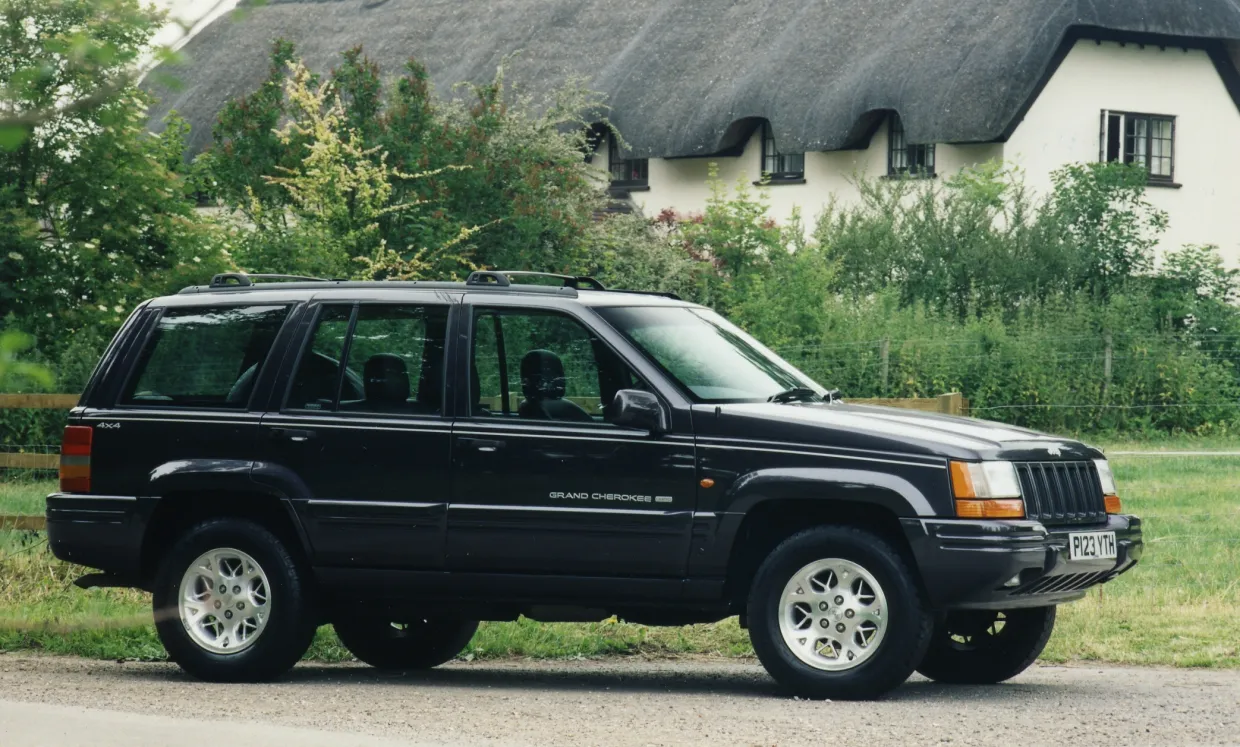
5. Third-Generation Jeep Grand Cherokee WK (2005 to 2010)
The third-generation WK introduced a more modern design and a significant change in the Grand Cherokee’s engineering. Launched for 2005, it featured a revised body, an updated interior, and independent front suspension paired with a solid rear axle.
The change improved its road manners while retaining useful off-road capability. Its wider stance and more assertive front styling gave it a stronger presence than earlier models. Inside, the cabin became more contemporary, with improved seating and convenience equipment that reflected changing customer expectations.
The engine lineup offered a broad range of performance. Depending on model year and market, buyers could choose V6, V8, and diesel engines. The 5.7-liter HEMI V8 became a major attraction, delivering strong acceleration and useful towing performance when properly equipped.
The diesel option appealed to drivers who valued torque and long-distance efficiency, though its suitability depends on the market, emissions equipment, and local maintenance support. As with any used SUV, the precise engine and transmission combination should be verified before purchase.
The most memorable version was the Grand Cherokee SRT8. Its 6.1-liter HEMI V8 produced 420 horsepower, supported by upgraded brakes, suspension tuning, and performance-focused tires.
The result was a family-sized SUV with sports-car-like acceleration for its time. The SRT8 was not designed to replace a dedicated off-road model, but it demonstrated how far the Grand Cherokee platform could stretch beyond its traditional role. It remains an appealing choice for enthusiasts who prioritize sound, speed, and muscular styling.
Everyday usability improved, but age still affects the WK. Buyers should inspect the transmission, suspension, cooling system, air-conditioning equipment, and electronic accessories. HEMI-powered models can deliver rewarding performance, yet fuel consumption and maintenance expenses are higher than those of less powerful versions.
Performance trims may also have experienced hard driving or modifications, so a thorough inspection is especially important. A service history that documents fluid changes and previous repairs is more valuable than a low asking price alone.
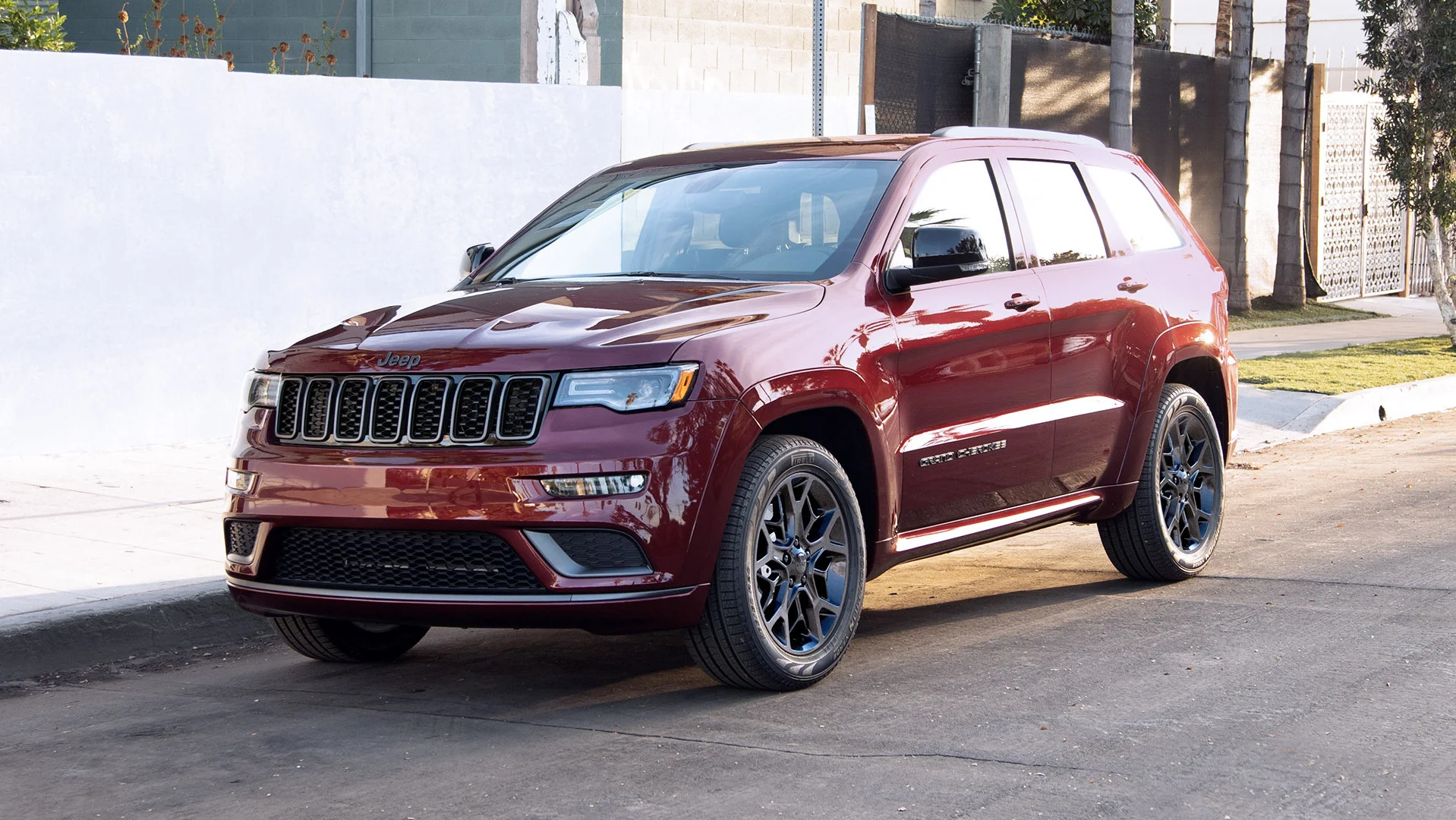
4. Fourth-Generation Jeep Grand Cherokee WK2 (2011 to 2013)
The fourth-generation WK2 marked a major turning point for the Grand Cherokee. Introduced for the 2011 model year, it brought more sophisticated exterior styling, a more upscale cabin, and a stronger focus on road comfort. Its proportions remained recognizably Jeep, but the body looked more sculpted and substantial.
The interior used better materials in higher trims, while improved sound insulation helped make long journeys more relaxing. This generation established the foundation for a long production run and helped the Grand Cherokee compete more convincingly with premium midsize SUVs.
Engine choices made the WK2 particularly versatile. The 3.6-liter Pentastar V6 offered a useful balance of power and fuel consumption, while the 5.7-liter HEMI V8 delivered stronger acceleration and towing capability. A diesel option was available in certain markets and model years.
Four-wheel-drive systems varied by trim, with more sophisticated configurations offering improved traction management. Depending on the equipment selected, the WK2 could serve as a comfortable highway cruiser, a capable towing vehicle, or a serious off-road SUV.
The suspension and steering helped create a more composed driving experience than that of earlier Grand Cherokees. Available Quadra-Lift air suspension could adjust ride height, improving access and clearance in appropriate driving conditions.
Higher trims added features such as leather upholstery, heated and ventilated seats, premium audio, and additional convenience equipment. These upgrades gave the Grand Cherokee a more luxurious character without removing its practical strengths. Families could enjoy a quiet cabin on long journeys, while outdoor enthusiasts could still choose configurations suited to rough terrain.
Early WK2 models require careful inspection because the generation’s technology and mechanical complexity introduced additional potential repair costs. Buyers should check the operation of the transmission, electronic controls, infotainment equipment, and four-wheel-drive system.
Air suspension, when fitted, needs particular attention because leaks or compressor problems can lead to expensive repairs. Service history is especially important on vehicles with high mileage or extensive towing use. A pre-purchase inspection by a mechanic familiar with Jeep products can reveal problems that are difficult to identify during a short test drive.
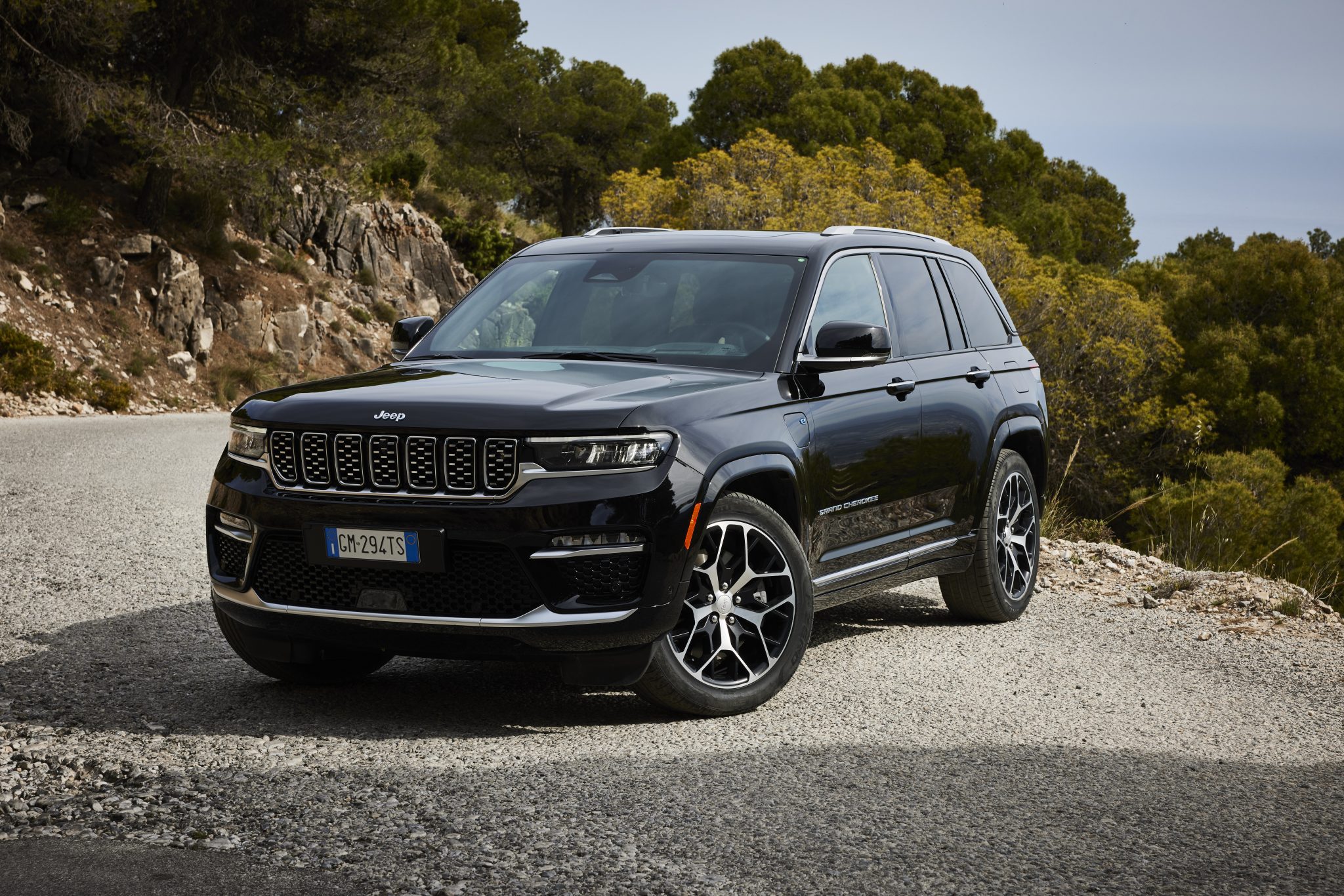
3. Updated Fourth-Generation Jeep Grand Cherokee WK2 (2014 to 2021)
The updated WK2 takes third place because years of development helped turn an already strong SUV into a more complete package. The 2014 refresh introduced revised front styling, updated lighting, a redesigned interior presentation, and an eight-speed automatic transmission across the lineup.
The changes improved the vehicle’s appearance and driving experience while keeping its familiar proportions. Later model years added further technology, equipment, and trim variations. This long production period gave Jeep time to refine the formula and offer versions tailored to different buyers.
Engine selection remained a key strength. The 3.6-liter V6 suited drivers who wanted respectable performance without moving to a V8, while the 5.7-liter HEMI provided greater power and towing ability. High-performance SRT models used a 6.4-liter V8, and the range-topping Trackhawk introduced a supercharged 6.2-liter V8 producing 707 horsepower in its original specification.
These performance models delivered extraordinary acceleration for an SUV, though they came with substantial fuel, tire, brake, and servicing expenses. The diesel option in selected markets also appealed to long-distance drivers.
Off-road enthusiasts received an especially compelling choice with the Trailhawk. Depending on model year, it offered features such as specialized four-wheel-drive hardware, an electronic rear differential, adjustable air suspension, all-terrain tires, and protective skid plates.
This equipment helped the Grand Cherokee handle demanding trails more confidently than a conventional road-focused crossover.
At the same time, its comfortable seating, useful cargo area, and refined highway manners made it practical for ordinary driving. Buyers should confirm the exact equipment fitted to an individual vehicle, since availability varied by year and market.
The refreshed WK2 is not automatically trouble-free. Some vehicles may experience electronic faults, transmission complaints, air-suspension problems, or issues associated with particular engines and model years. The 3.6-liter V6, HEMI V8, diesel, and supercharged V8 each have different service requirements, so maintenance costs can vary considerably.
A used example should be checked for open recalls, warning lights, fluid leaks, accident repairs, and evidence of neglected servicing. High-performance models deserve additional scrutiny because aggressive use can accelerate wear on brakes, tires, and suspension components.
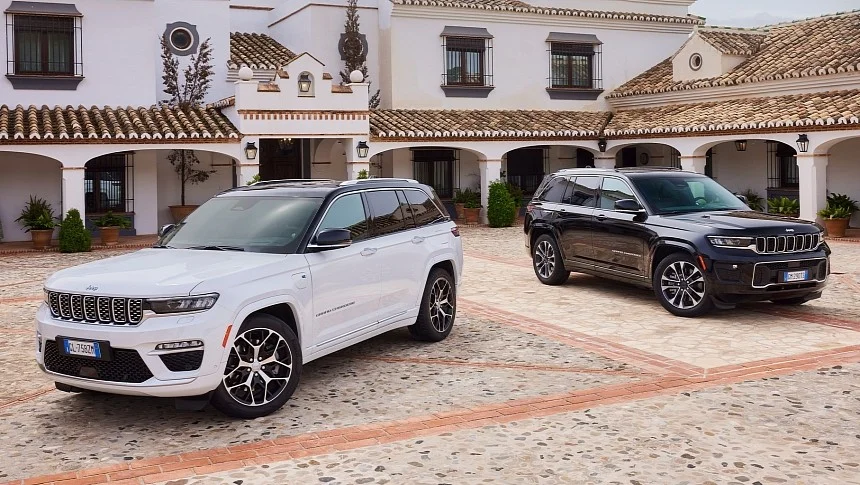
2. Fifth-Generation Jeep Grand Cherokee WL (2022 to Present)
The fifth-generation WL brings the Grand Cherokee into a more technology-focused era. Its redesigned body has cleaner lines, a wider-looking stance, and a more sophisticated front fascia. The cabin offers a modern dashboard layout, digital displays, available premium materials, and a greater range of comfort features.
Jeep also introduced the longer Grand Cherokee L, which adds a third row of seating. This gives families a choice between the standard two-row SUV and a larger version with additional passenger capacity. The result is a broader lineup than earlier generations offered.
Powertrain availability depends on the market and model year. In the United States, the lineup has included the 3.6-liter Pentastar V6, a 5.7-liter HEMI V8 in selected earlier configurations, and the 4xe plug-in hybrid.
The 4xe combines a turbocharged four-cylinder engine with electric motors and a rechargeable battery, allowing certain trips to be completed using electric power when the battery is charged. Its appeal depends on driving patterns, charging access, and local electricity and fuel costs. Buyers should confirm current availability because engines and trims can change between model years.
Technology is a major advantage. Depending on configuration, the WL offers large infotainment displays, smartphone integration, advanced driver assistance, a digital instrument cluster, and premium audio systems. Higher trims focus on comfort with upgraded upholstery, adjustable seating, and additional convenience equipment.
Four-wheel-drive systems remain available, and selected models retain equipment suited to more demanding terrain. These features make the latest Grand Cherokee attractive to drivers who want a premium daily vehicle without giving up the ability to travel beyond well-maintained roads.
Newer technology brings some trade-offs. Complex infotainment systems, driver assistance sensors, hybrid components, and electronically controlled suspension equipment can require specialist diagnosis when problems occur.
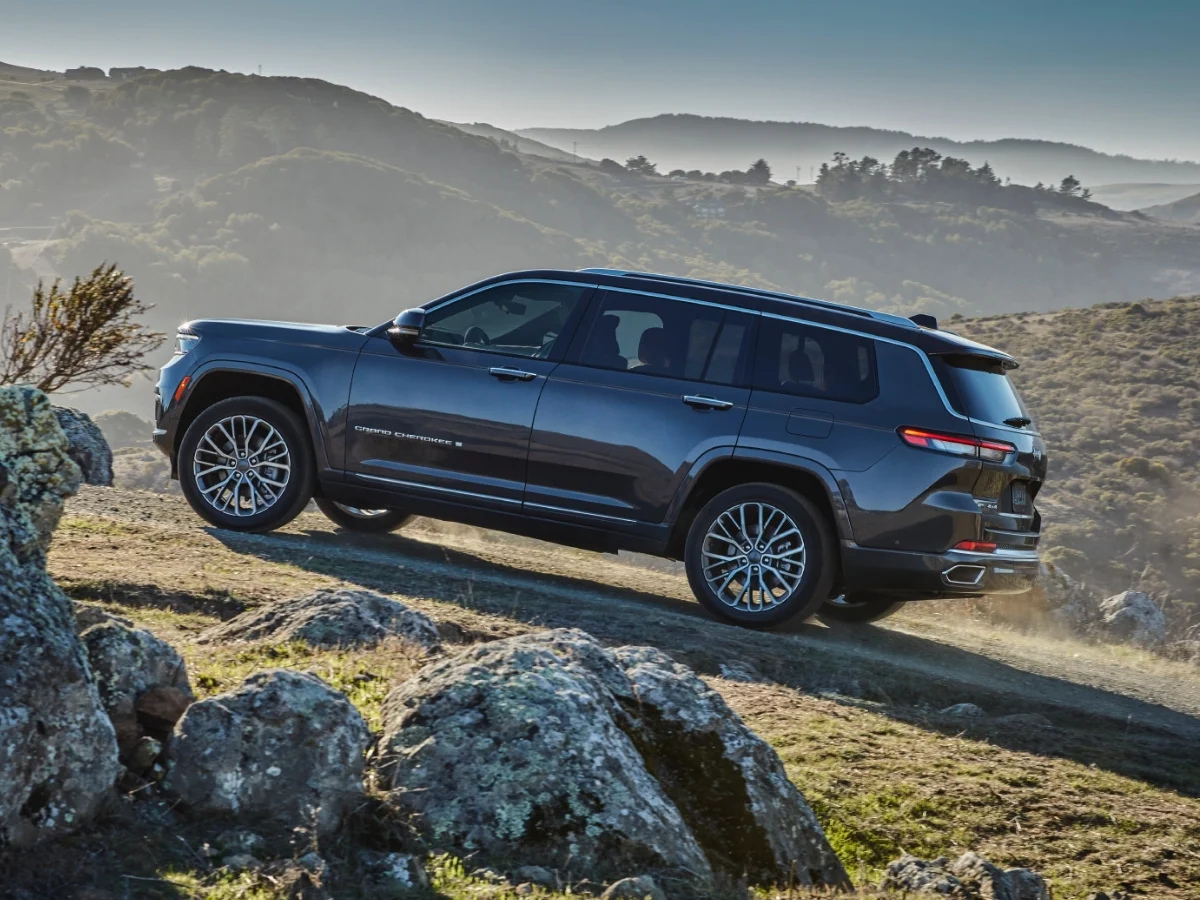
1. Jeep Grand Cherokee L (2021 to Present)
The Jeep Grand Cherokee L takes the top position in this ranking because it expands the familiar Grand Cherokee formula to serve families who need additional seating without moving to a full-size SUV. Introduced for the 2021 model year, the L features a longer body, a stretched wheelbase, and three rows of seats.
Its exterior maintains the fifth-generation model’s premium appearance, while the longer proportions create more room for passengers. The design retains the upright character associated with Jeep, making it recognizable as a Grand Cherokee rather than a conventional minivan or people carrier.
Passenger accommodation is the biggest advantage. The Grand Cherokee L can seat up to seven people, depending on configuration, and offers easier access to the third row than a typical two-row SUV. The longer body also helps provide a practical layout for family travel, school transportation, and weekend trips.
Cargo capacity depends on how many seats are occupied, but folding the rear rows creates additional room for luggage and larger items. Buyers should test the third row in person because passenger comfort and available luggage space vary with seating arrangements.
The powertrain lineup provides a useful range of choices. The 3.6-liter Pentastar V6 has served as a mainstream option, delivering sufficient performance for ordinary family use. Selected earlier model years also offered the 5.7-liter HEMI V8, which provided stronger acceleration and additional towing capability when properly equipped.
Four-wheel-drive systems are available on appropriate trims, and higher specifications can include premium upholstery, advanced infotainment, driver assistance, and adjustable air suspension. Engine availability changes by model year, so buyers should check the specifications of the exact vehicle rather than assume every trim offers the same equipment.
The Grand Cherokee L also carries some disadvantages. Its longer body makes it less maneuverable in tight parking spaces than the standard two-row model, while the extra weight can affect fuel consumption and driving response. Advanced electronics and optional air suspension may add to repair costs as the vehicle ages.
Families considering a used example should inspect the transmission, suspension, infotainment system, safety equipment, and maintenance records. Checking recall completion and warranty coverage is particularly important when buying a newer vehicle with complex electronic systems.