
Many car engines run reliably beyond 100,000 miles, yet certain designs require expensive maintenance as mileage climbs. Timing belts, cooling systems, oil consumption, valve mechanisms, and internal wear can turn an otherwise dependable vehicle into a costly repair project.
Knowing which engines deserve extra attention between 80,000 and 100,000 miles helps owners plan maintenance, inspect used cars, and avoid unexpected breakdowns.
This guide examines ten engine families associated with significant mileage-related service needs, explains the components that deserve inspection, and outlines practical steps that can help protect long-term reliability without assuming every engine will develop the same problems.
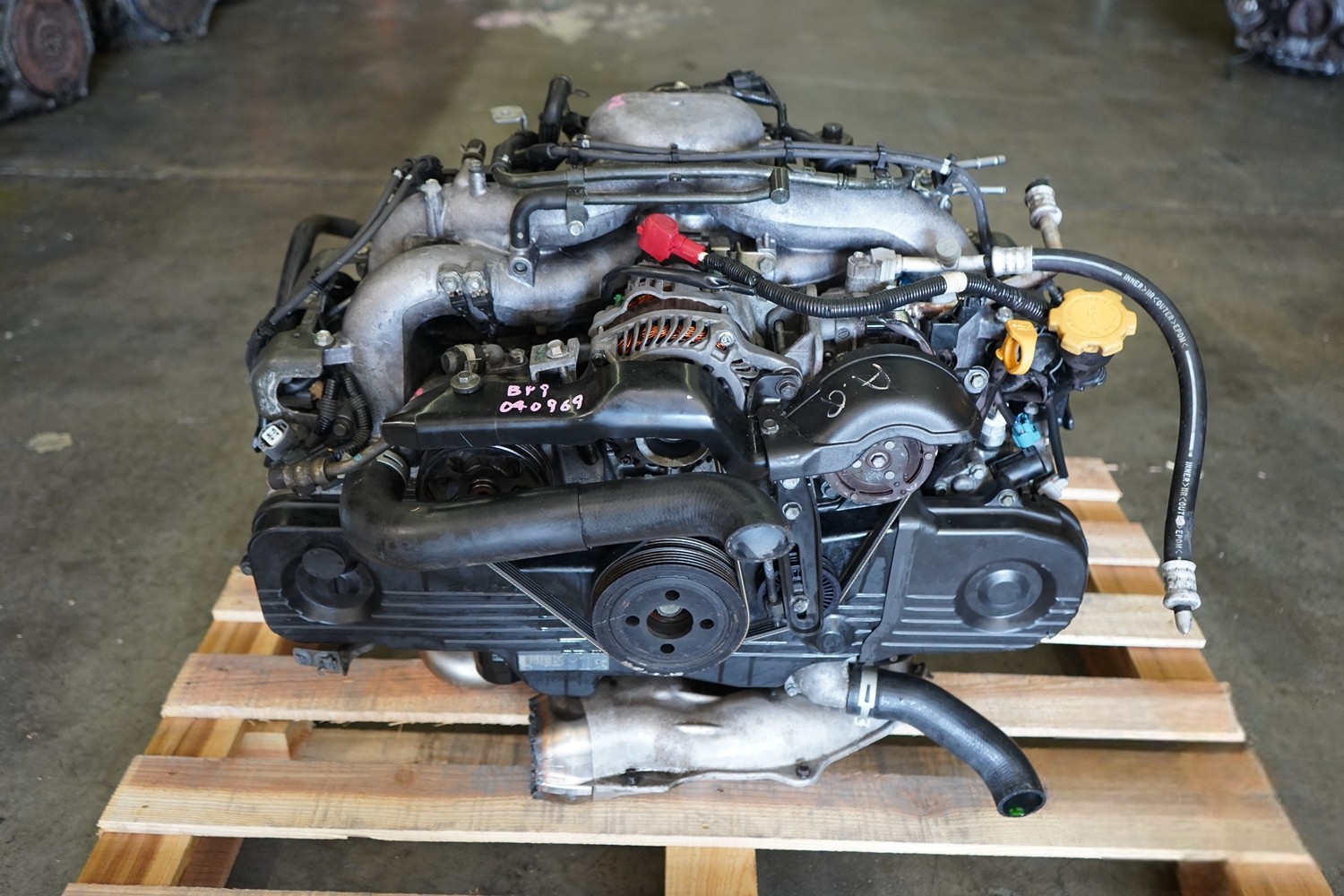
1. Subaru EJ25 2.5-Liter Boxer Engine
The Subaru EJ25 is a horizontally opposed four-cylinder engine found in numerous Subaru models, including the Forester, Outback, Legacy, and Impreza. Its compact layout and low center of gravity contribute to Subaru’s distinctive driving characteristics.
However, certain EJ25 versions require careful maintenance as mileage increases, particularly when the vehicle has experienced overheating, neglected coolant changes, or extended oil service intervals. Owners shopping for a used Subaru should identify the exact engine code and production year before estimating future repair costs.
A major maintenance consideration is the timing belt fitted to many EJ25 variants. Unlike a timing chain, a rubber timing belt has a defined replacement interval that depends on the engine and model year.
Many belt-equipped Subaru engines have historically required replacement around 100,000 miles, with some schedules specifying a lower mileage or time limit. Waiting until the belt visibly deteriorates is poor maintenance practice because internal damage can occur if a belt breaks on an interference engine. The correct service schedule should always determine the replacement date.
When replacing the timing belt, technicians commonly inspect or replace related components, including the tensioner, idler pulleys, and water pump when appropriate. Since access requires substantial labor, addressing worn supporting parts during the same repair can reduce the chance of paying for similar labor twice.
Coolant condition, radiator performance, thermostat operation, and signs of leakage also deserve attention. These checks matter because overheating can cause serious damage to the cylinder heads and head gaskets, particularly on engines that have already experienced cooling-system problems.
Head-gasket concerns deserve a more precise explanation. Some earlier EJ25 versions developed a reputation for external coolant or oil leakage around the head-gasket area. However, the problem does not affect every EJ25 equally, and later versions differ in construction and service history.
Warning signs include unexplained coolant loss, persistent overheating, oil contamination, or coolant leaks near the cylinder heads. A professional diagnosis should establish the actual cause before major repairs are authorized.
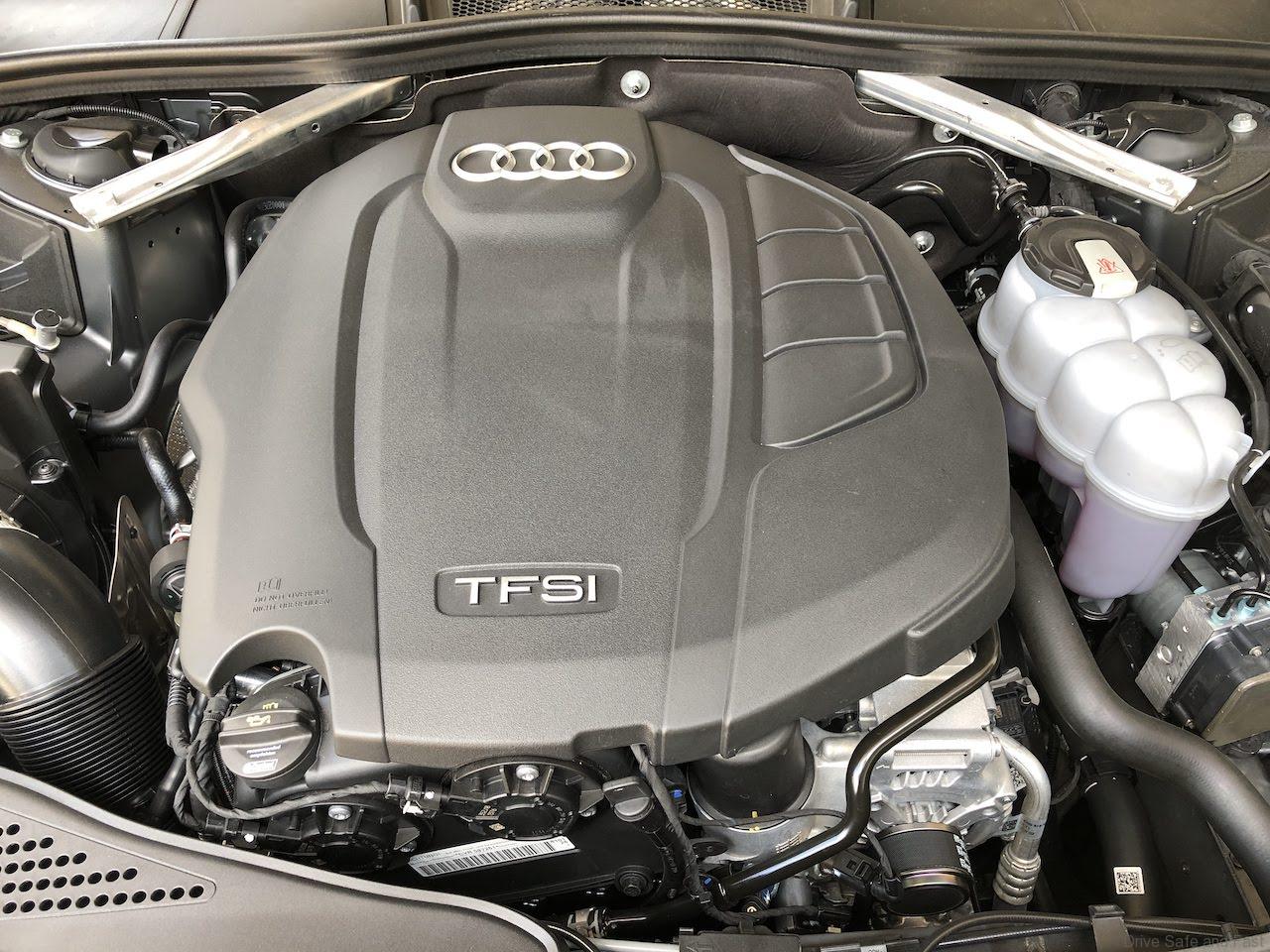
2. Volkswagen and Audi 2.0 TSI/TFSI Engines
Volkswagen and Audi have used several generations of turbocharged 2.0-liter gasoline engines across vehicles such as the Golf GTI, Passat, Tiguan, A3, A4, and Q5. These engines offer strong performance and useful torque, but their maintenance requirements vary considerably by generation.
Some earlier versions developed issues involving timing-chain tensioners, oil consumption, or crankcase ventilation systems. Buyers must identify the engine code and model year because different versions can have significantly different service histories.
Timing-chain equipment deserves particular attention on affected versions. A stretched chain or failing tensioner can disturb valve timing and create serious engine damage if the problem progresses. Cold-start rattling, persistent timing-related fault codes, or abnormal camshaft timing readings warrant prompt investigation.
Not every chain-equipped engine needs replacement at 90,000 miles, and mileage alone cannot establish that a chain has failed. A qualified technician should assess the symptoms and relevant diagnostic information before recommending repairs.
Oil consumption is another issue reported in certain engine variants. Excessive oil use can result from several causes, including piston-ring problems, valve-stem seals, external leaks, or crankcase ventilation faults. Owners should record how much oil the engine consumes between changes and inspect for leaks.
Repeatedly adding oil without identifying the underlying cause can conceal a developing mechanical problem. A formal oil-consumption test may help distinguish normal usage from a condition requiring further diagnosis.
Cooling-system components also deserve inspection as the odometer approaches six figures. Depending on the engine generation, plastic coolant housings, water pumps, hoses, and associated seals may develop leaks. Turbocharger-related plumbing and ventilation components can add complexity to diagnosis.
Coolant residue, a sweet smell, falling reservoir levels, or unexplained temperature changes should prompt inspection. Preventive replacement should follow the condition of the components and the manufacturer’s guidance rather than an arbitrary universal mileage figure.
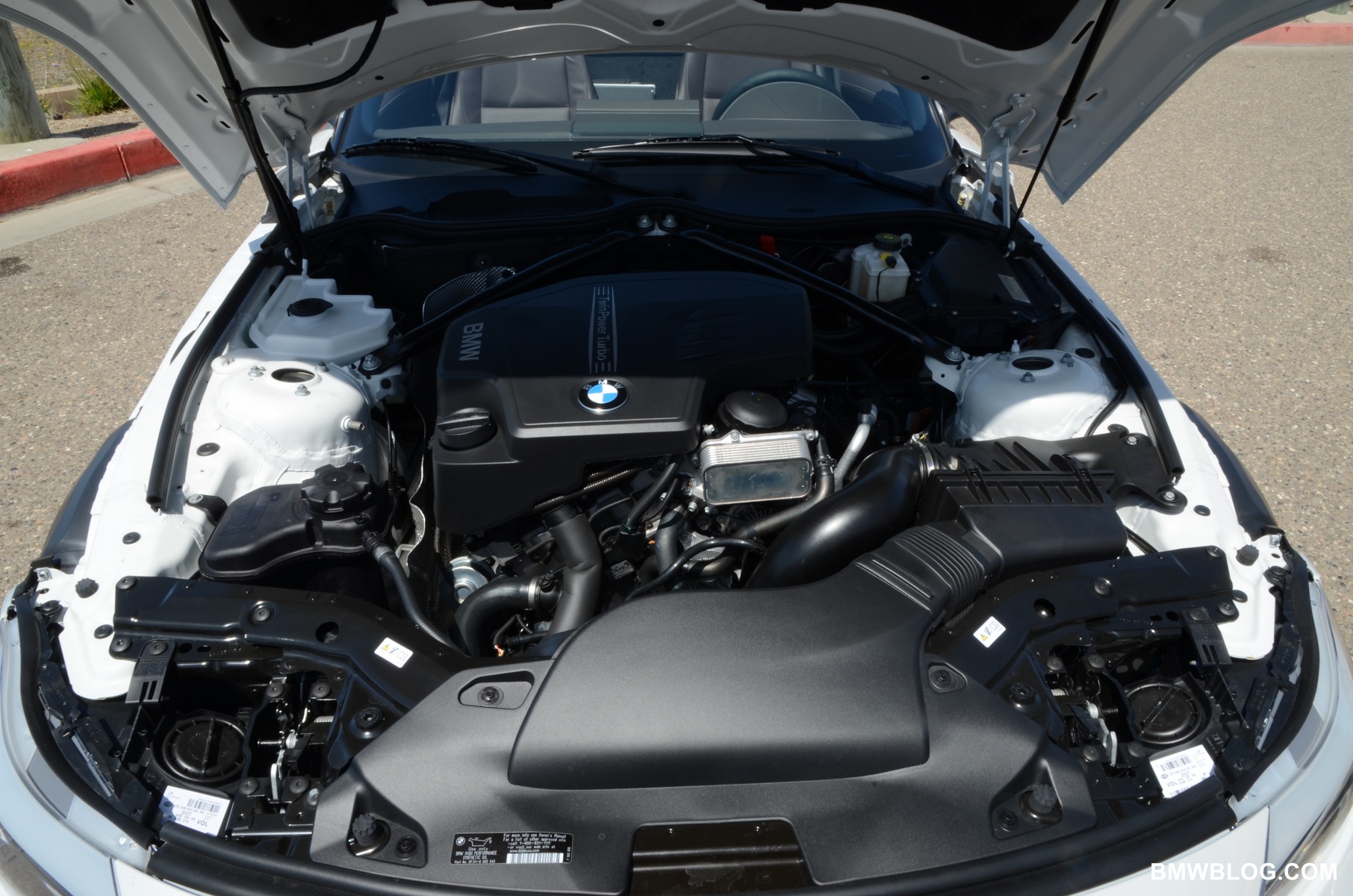
3. BMW N20 2.0-Liter Turbocharged Engine
BMW’s N20 four-cylinder turbocharged engine appeared in several vehicles, including selected 3 Series, 5 Series, X1, X3, and Z4 models. It delivers responsive performance and strong low-speed torque, but certain production versions became known for timing-chain and oil-pump-drive-chain concerns.
These issues are especially relevant to used vehicles whose service histories are incomplete. Exact production dates and engine revisions matter because BMW introduced changes over the engine’s production life.
The timing-chain system is the primary concern on affected examples. Wear in the chain guides or related components can create abnormal noises and timing irregularities. In severe cases, failure can cause major internal engine damage.
Owners should take persistent rattling, relevant warning lights, or diagnostic timing faults seriously. A quiet engine is not absolute proof that every component is healthy, so professional inspection may be justified when a particular production version has a documented service history of chain-related concerns.
The oil-pump-drive system also deserves attention on applicable engines. If the drive chain or associated components fail, the engine may lose oil pressure, creating a potentially catastrophic situation. An oil-pressure warning should never be ignored or treated as a routine maintenance reminder.
Drivers should stop the engine safely when the warning indicates insufficient oil pressure and arrange proper diagnosis before restarting. Continuing to drive under low-oil-pressure conditions can transform a repairable fault into extensive internal damage.
Other areas worth inspecting include oil-filter housing seals, valve-cover components, cooling-system parts, and turbocharger plumbing. Oil leaks may leave residue around the engine or create burning-oil odors when fluid reaches hot surfaces.
A cooling-system leak can cause overheating, while neglected oil changes may accelerate wear in the turbocharger and lubrication system. These symptoms do not automatically mean the engine requires a rebuild, but they justify investigation before mileage-related wear progresses.
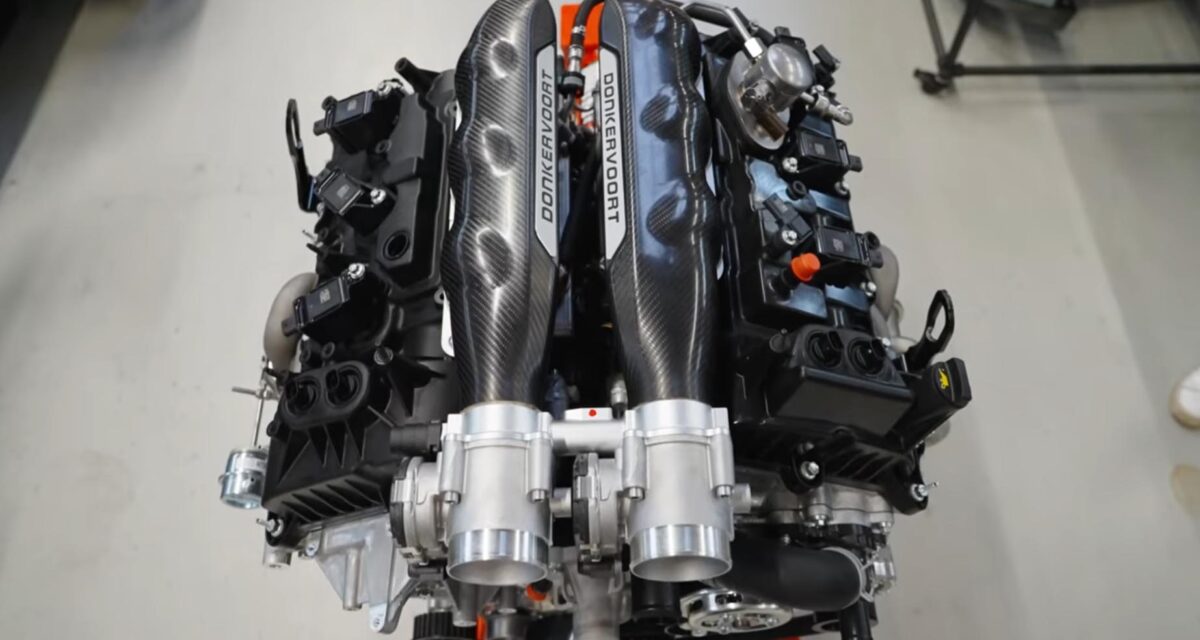
4. Ford 3.5-Liter EcoBoost V6
Ford’s 3.5-liter EcoBoost V6 powers several vehicles, including certain F-150 trucks, Explorer SUVs, and other models. Its twin-turbocharger arrangement provides strong power and towing capability, but the engine’s design creates several systems that deserve attention as mileage rises.
Maintenance requirements differ between generations, so a vehicle’s production year, engine identification, and service history should guide any repair plan. The 80,000-mile mark is a sensible point for closer inspection, not an automatic overhaul deadline.
Timing-chain wear has been reported on some versions, and related concerns can involve chain guides, tensioners, or variable valve timing components. Symptoms may include rattling during startup, timing-related fault codes, or rough engine operation.
However, similar noises can arise from other sources, making diagnosis essential. A technician should verify the source of the noise and check the engine’s timing data before recommending a major repair. A timing-chain replacement can involve significant labor because of the engine’s packaging and component arrangement.
Turbocharger health is another consideration. Oil supply, lubrication quality, heat management, and the condition of associated pipes influence turbocharger durability.
Drivers should investigate unusual whistling, smoke, loss of boost, or unexpected changes in power. These symptoms may also arise from charge-air leaks, ignition problems, or sensor faults. Replacing a turbocharger without testing the surrounding system can lead to unnecessary expense and may leave the original problem unresolved.
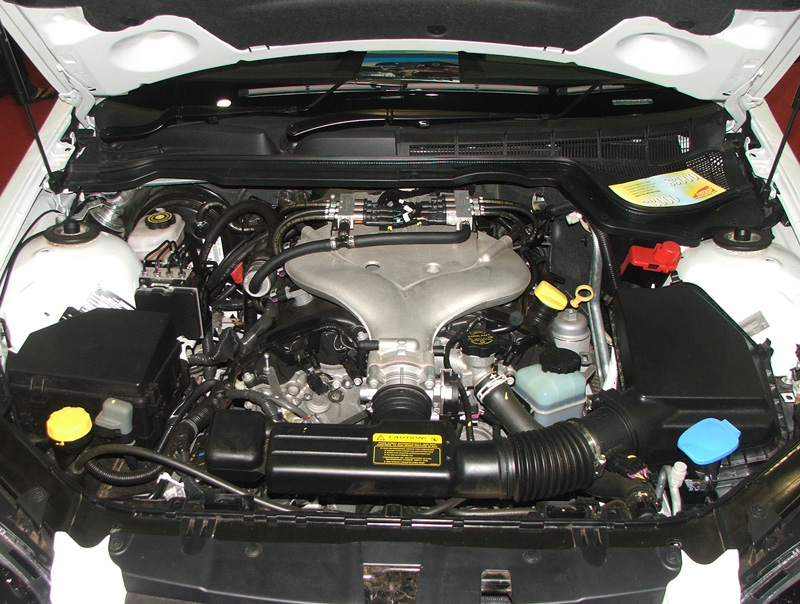
5. General Motors 3.6-Liter High Feature V6
General Motors has used several versions of its 3.6-liter V6 in vehicles from Chevrolet, Cadillac, Buick, and GMC. Applications include selected Malibu, Traverse, Camaro, CTS, and Acadia models.
These engines provide smooth power and practical performance, yet certain generations have experienced timing-chain wear, oil-consumption concerns, and cooling-system problems. The specific engine code is essential because not every 3.6-liter variant shares the same weaknesses or repair requirements.
Timing-chain service is a particularly important subject for certain earlier engines. Some versions experienced accelerated chain wear associated with lubrication conditions, operating patterns, or maintenance history.
Extended oil-change intervals can contribute to deposits and inadequate lubrication, potentially affecting timing components. Warning signs may include rough running, reduced performance, a check engine light, or camshaft and crankshaft correlation codes. Proper diagnosis helps distinguish chain wear from sensor faults or other problems.
A timing-chain repair can be labor-intensive because several components must be accessed within the engine. Depending on the variant, technicians may inspect chain guides, tensioners, sprockets, and associated timing components during the repair.
Replacing only an isolated part without assessing the surrounding system may not provide a durable solution. The decision should be based on measured wear, diagnostic findings, and the applicable service procedures rather than a blanket recommendation for every vehicle approaching 90,000 miles.
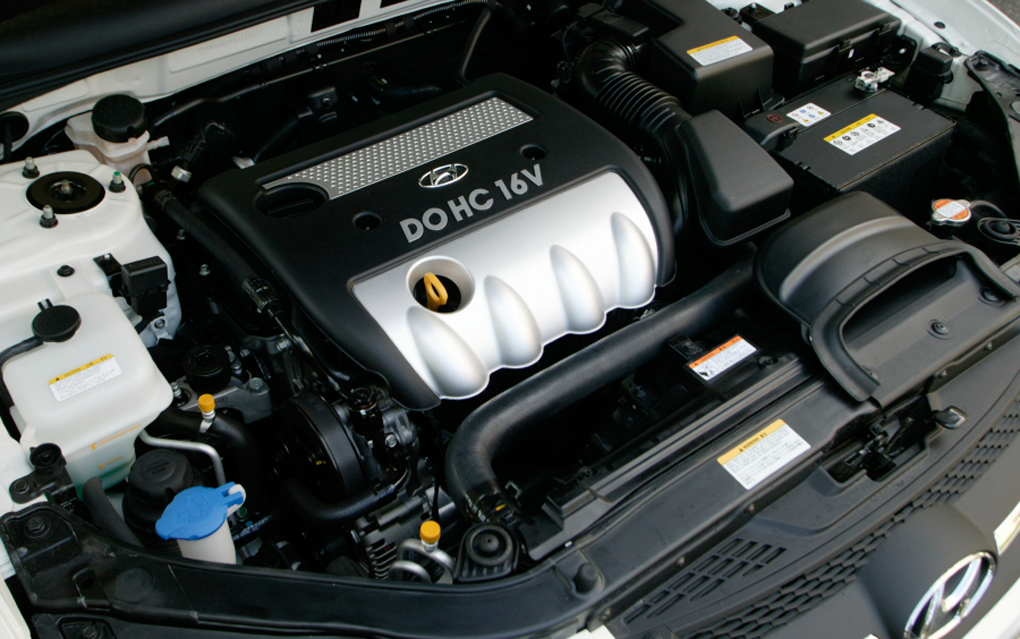
6. Hyundai and Kia 2.4-Liter Theta II Engines
Hyundai and Kia used various 2.4-liter Theta II engines in vehicles such as the Sonata, Santa Fe, Optima, and Sorento. Certain engines became the subject of extensive investigations, recalls, warranty extensions, and other manufacturer actions related to internal engine damage.
The exact coverage depends on the vehicle, production details, jurisdiction, and applicable campaign requirements. Anyone purchasing a used example should verify the vehicle identification number with an authorized dealer rather than assuming every engine has identical exposure.
Connecting-rod bearing wear is a significant concern associated with certain affected engines. These bearings support the crankshaft’s movement, and inadequate lubrication or damage can result in knocking, reduced oil pressure, or engine failure.
Some failures occur without enough advance warning to make mileage-based maintenance a complete safeguard. Unusual metallic knocking, an oil-pressure warning, or sudden changes in engine behavior warrant immediate attention. Continuing to drive with suspected internal bearing damage can worsen the failure.
Oil quality and oil-level monitoring remain important. Owners should use the correct oil specification, follow the maintenance schedule, and keep records of every service. Regular checks can identify falling oil levels, but clean oil alone cannot guarantee that internal components are free from damage.
Some underlying defects require specific inspections, software updates, repairs, or engine replacement under applicable manufacturer programs. A general workshop inspection may not establish eligibility for a special campaign, so dealer verification can be valuable.
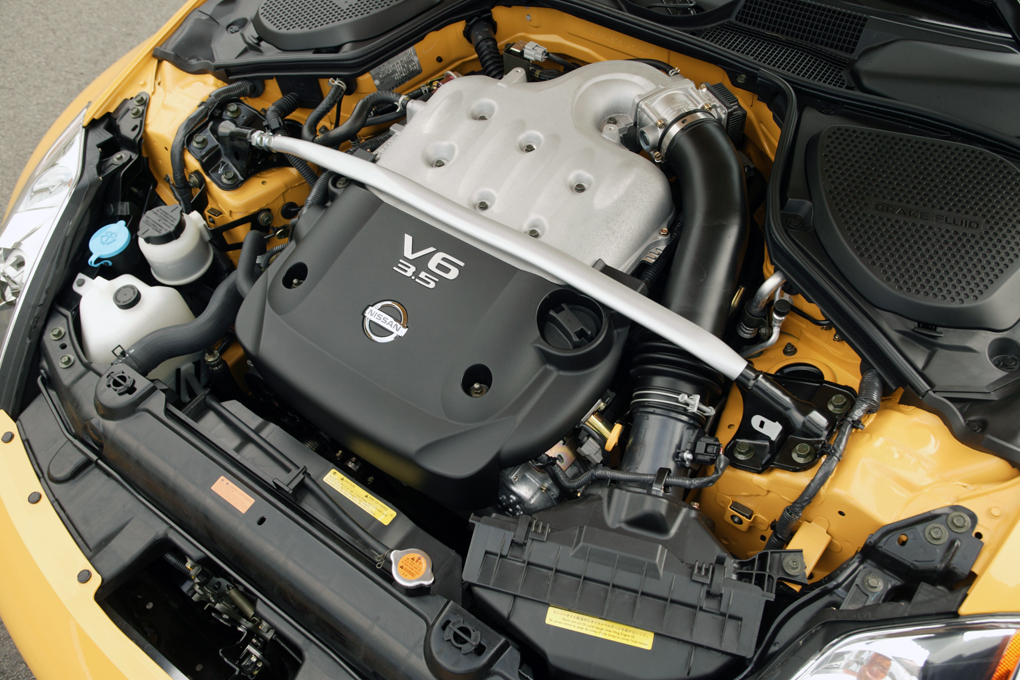
7. Nissan 3.5-Liter VQ35 V6
Nissan’s VQ35 family has powered numerous vehicles, including versions of the Altima, Maxima, Murano, Pathfinder, 350Z, and Infiniti models. The engine has a long production history, and different versions use different components and configurations.
Many examples have achieved substantial mileage with regular maintenance, but individual engines can develop oil-consumption problems, cooling-system faults, sensor failures, or other age-related issues. Identifying the exact engine variant is essential before planning significant work.
Timing-system maintenance depends on the specific VQ35 version. Many use timing chains rather than a scheduled replacement belt, meaning owners should not automatically budget for a routine belt change.
However, chains, tensioners, guides, and variable valve timing components can wear or malfunction under certain conditions. Abnormal rattling, timing-related codes, or persistent performance changes warrant investigation. A chain-driven design does not mean the timing system will last indefinitely without maintenance.
Oil consumption should be monitored carefully, particularly on engines with a history of excessive consumption or internal wear. Low oil levels can damage bearings and other lubricated components. Owners should check for external leaks and record how much oil is required between scheduled services.
Blue exhaust smoke, frequent top-ups, or oil-related warning lights justify further testing. A compression test or leak-down test may help evaluate internal condition when a technician suspects cylinder sealing problems.
Cooling-system inspection is equally important on older VQ35-powered vehicles. Radiators, hoses, thermostats, fans, and water pumps can deteriorate with age and heat exposure.
A cooling fan that fails to operate correctly may contribute to overheating in traffic, while a leaking radiator can gradually lower coolant levels. Regular coolant inspection and appropriate fluid replacement reduce avoidable risks. Because vehicle layouts differ, the service procedure should be selected for the exact model rather than the engine family alone.
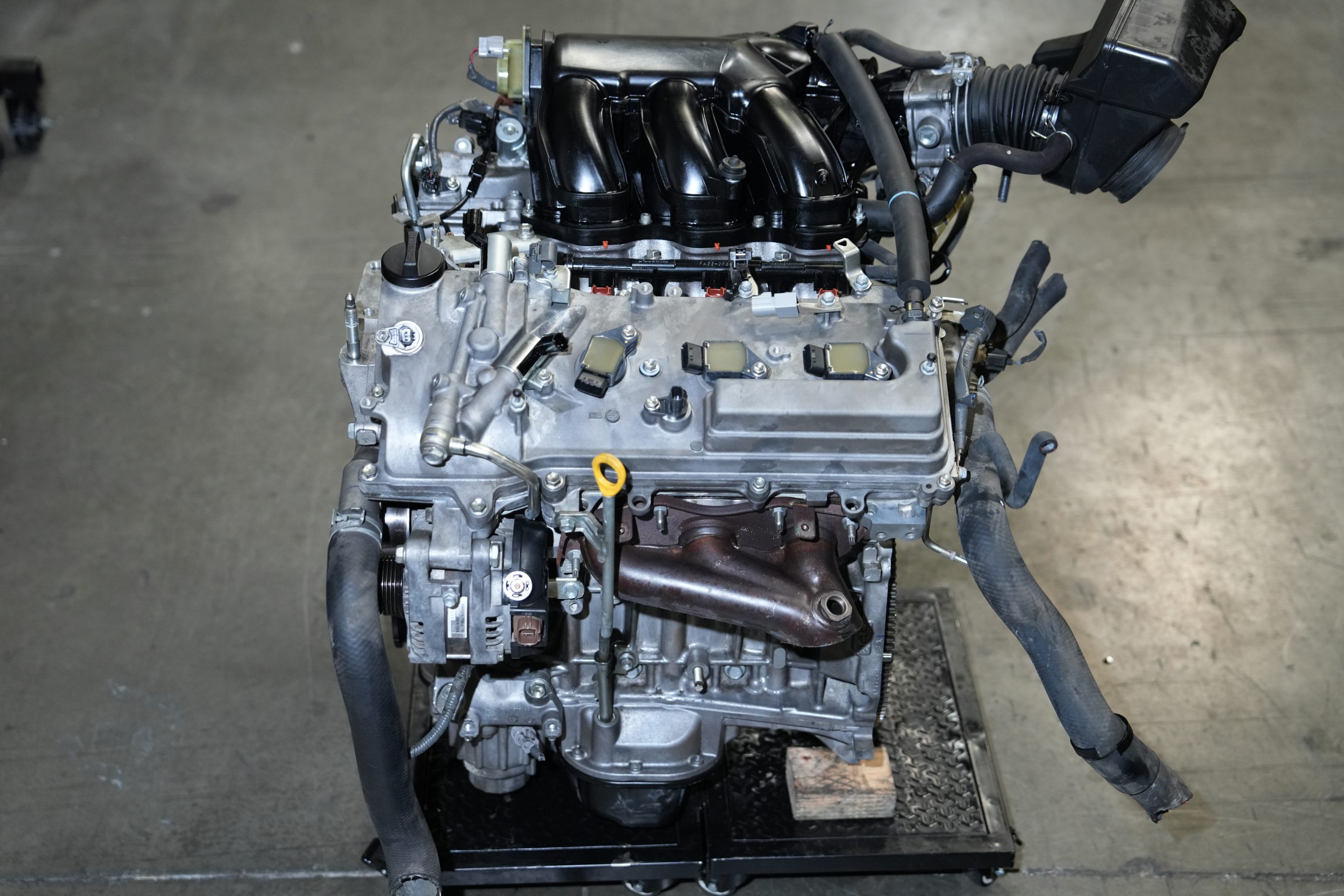
8. Toyota 3.5-Liter 2GR-FE V6
Toyota’s 2GR-FE is a 3.5-liter V6 used in numerous Toyota and Lexus vehicles, including selected Camry, Avalon, Highlander, RAV4, Sienna, and Lexus applications. It has a generally strong reputation for durability, yet age, mileage, driving conditions, and maintenance quality still influence repair needs.
Certain production versions have specific concerns involving oil lines, water pumps, seals, or other components. Owners should distinguish these known service considerations from claims that every engine needs a major rebuild before 100,000 miles.
Some earlier applications used an oil supply line design that could develop leaks, and Toyota introduced updated components for relevant vehicles. The exact part and repair requirements depend on the application and production details.
An oil leak near a hose or line should be investigated quickly because reduced oil levels can threaten internal engine components. Drivers should also look for oil residue beneath the vehicle and monitor the dipstick. Checking for applicable service information can help establish whether an updated component has already been installed.
Water-pump leakage is another potential maintenance concern. Warning signs include coolant residue, falling coolant levels, or evidence of fluid near the pump area. Some pumps can be replaced without major internal engine work, but access and labor costs vary by vehicle.
A cooling-system pressure test can reveal leaks that may not be visible during a routine inspection. Replacing the water pump at 90,000 miles is not always necessary, as the decision should depend on its condition and the manufacturer’s recommended maintenance schedule.
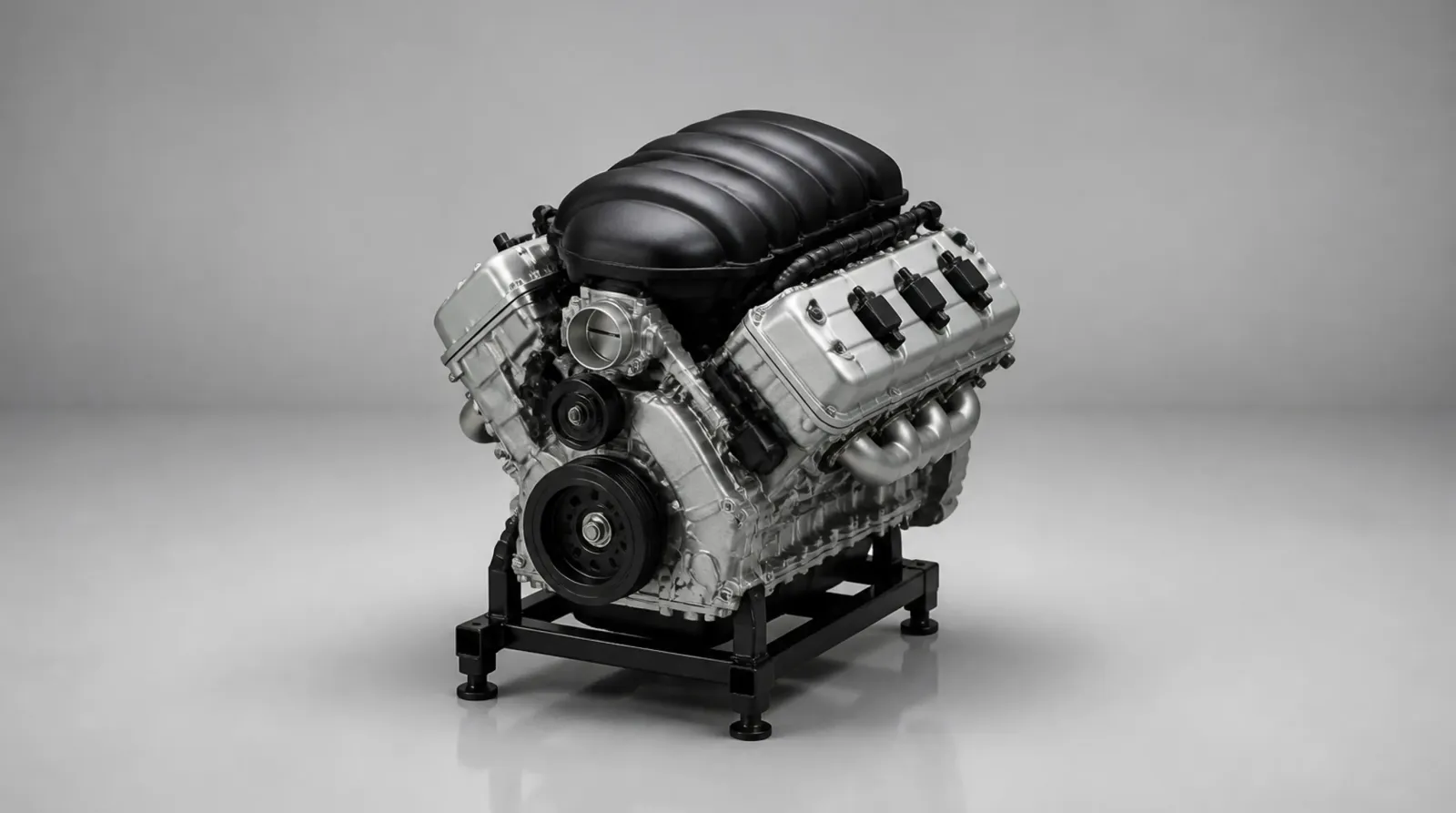
9. Chrysler 3.6-Liter Pentastar V6
The Chrysler 3.6-liter Pentastar V6 appears in a broad range of vehicles, including the Jeep Wrangler, Grand Cherokee, Chrysler 300, Dodge Charger, Challenger, and minivans.
It offers useful power and widespread parts availability, but certain versions have experienced problems involving oil-filter housing assemblies, cooling-system components, and valvetrain hardware. These issues vary by year and application. A careful inspection near 100,000 miles can reveal leaks or developing faults before they lead to expensive secondary damage.
Oil-filter housing and oil-cooler assemblies deserve particular attention on applicable versions. Depending on the design, plastic housings or seals can crack or leak, allowing oil to accumulate around the top of the engine or travel into surrounding areas.
Drivers may notice an oil smell, residue near the intake area, or a gradual reduction in oil level. Because the housing can be difficult to access, replacement costs may include substantial labor. Updated replacement designs may be available for certain applications.
Cooling-system components also require periodic inspection. Water pumps, hoses, thermostats, and radiator connections can deteriorate with age, causing coolant loss or temperature instability. Ignoring a small leak can result in overheating, which may damage cylinder heads or other internal parts.
A pressure test and visual inspection can help locate the source. Owners should avoid opening a hot cooling system because pressurized coolant can cause serious burns.
Some Pentastar engines have also experienced valvetrain problems involving rocker arms, lash adjusters, or related components. A persistent ticking noise, especially when accompanied by performance changes or diagnostic faults, deserves professional attention.
Not every ticking sound signals imminent failure, since injectors and other normal operating components can produce noise. However, a technician should determine whether the sound originates in the valvetrain before damage progresses. Prompt diagnosis may prevent a relatively contained repair from becoming more extensive.
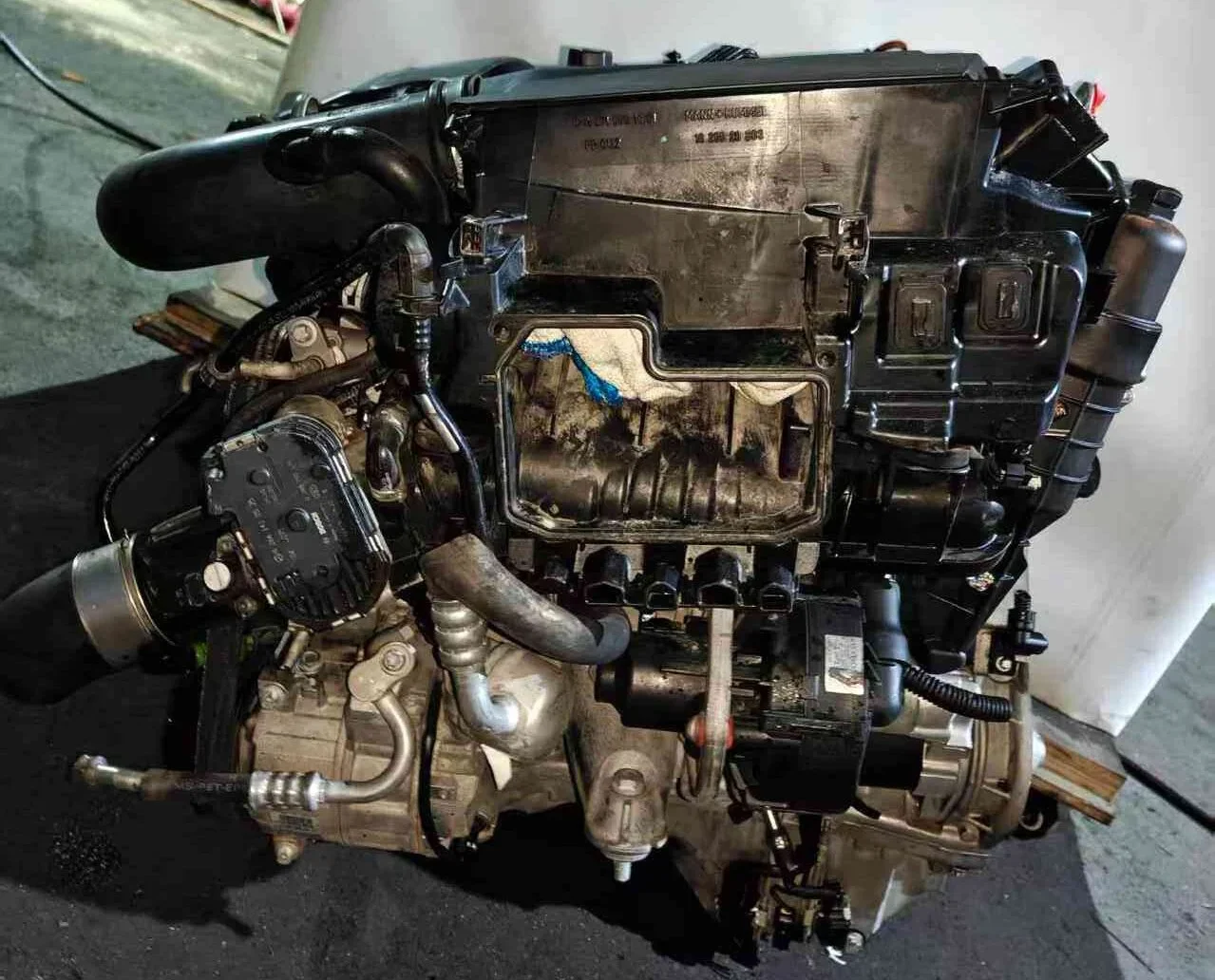
10. Mercedes-Benz M271 1.8-Liter Supercharged or Turbocharged Engine
Mercedes-Benz’s M271 engine family includes several 1.8-liter four-cylinder versions used in selected C-Class, E-Class, and other models. Depending on the version, these engines use supercharging or turbocharging and different timing-system arrangements.
Some earlier examples developed timing-chain wear and associated camshaft timing problems. Because the M271 designation covers multiple configurations, model year, engine code, and production details must be confirmed before applying any repair recommendation.
Timing-chain condition is a central consideration on relevant versions. Chain stretch, guide wear, or tensioner problems can affect valve timing and may create startup rattling or fault codes. In severe cases, the engine can suffer substantial internal damage if timing is lost.
A technician may need to inspect timing marks, assess camshaft adjustment values, and examine relevant components. Mileage alone cannot establish that the chain requires replacement, but unexplained timing symptoms should not be ignored.
Camshaft adjusters and associated timing components can also contribute to poor running or abnormal noises on applicable engines. Problems may produce warning lights, difficult starting, or reduced performance.
These symptoms can overlap with sensor or ignition faults, so accurate diagnosis is important before replacing expensive mechanical parts. Repair procedures may involve substantial labor because the components are integrated into the engine’s timing arrangement. Correct parts selection is essential because revisions differ across applications.
Turbocharged versions also require attention to lubrication, charge-air plumbing, and cooling performance. Oil leaks, damaged hoses, or failing ventilation components can affect operation and create further maintenance needs. Owners should use the correct manufacturer-approved oil specification and avoid extending service intervals without justification.
Regular inspections can identify leaks and abnormal noises before they develop into more expensive repairs. Service records are especially useful because prior timing-system work may substantially change the maintenance outlook.
