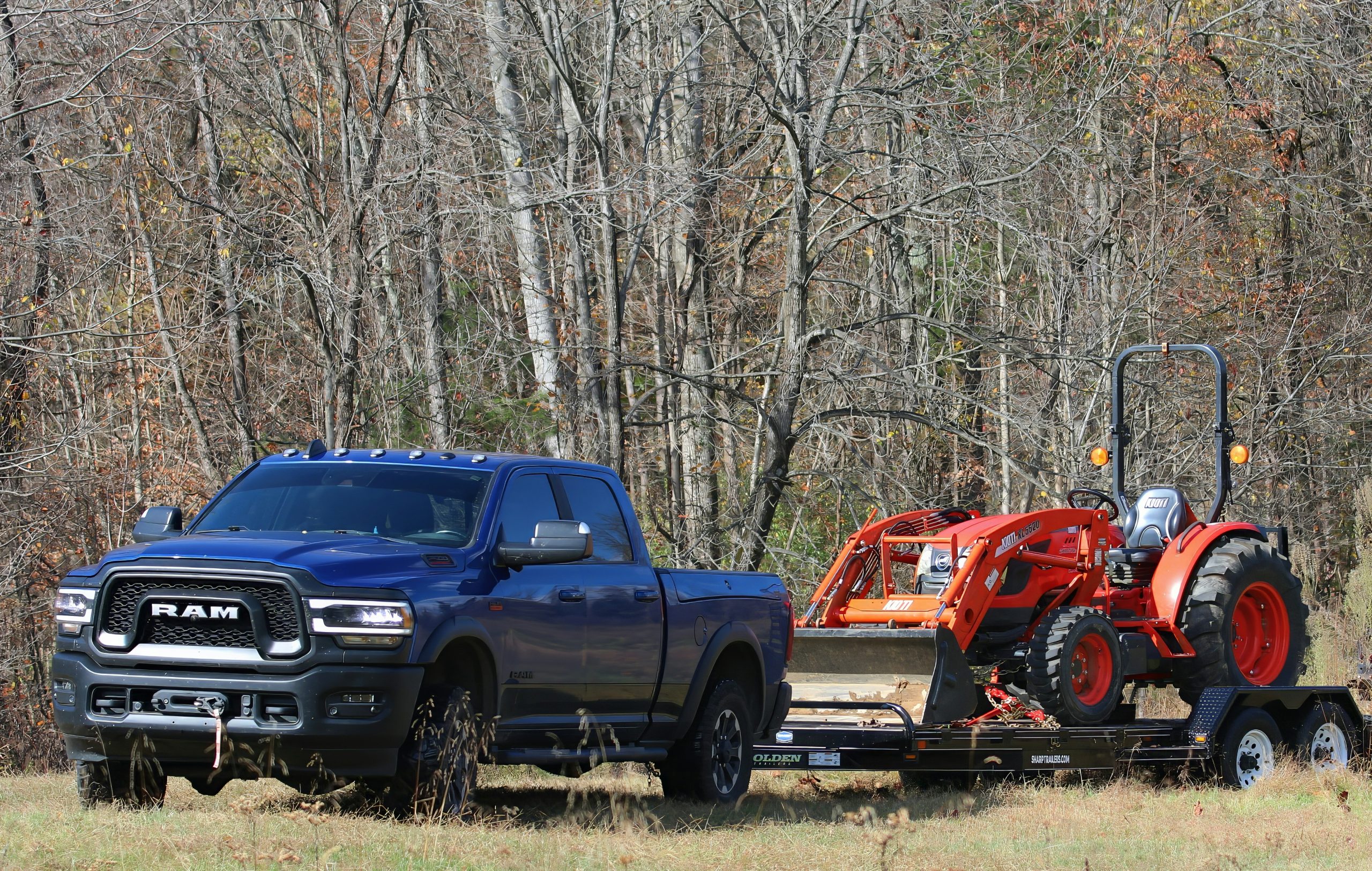
Cold winter mornings can put extra strain on a vehicle, especially when temperatures fall below freezing for several hours. Starting an engine in such conditions may take longer, increase fuel consumption during warm-up, and place additional stress on certain components.
An engine block heater offers a practical solution by warming the engine coolant or surrounding metal before the vehicle starts. However, not every car needs this equipment.
Modern engines, efficient heating systems, and electric powertrains can change the equation considerably. Understanding which vehicles benefit most helps drivers spend wisely, protect their engines, and prepare for winter with greater confidence.
Five Block Heaters Worth Fitting
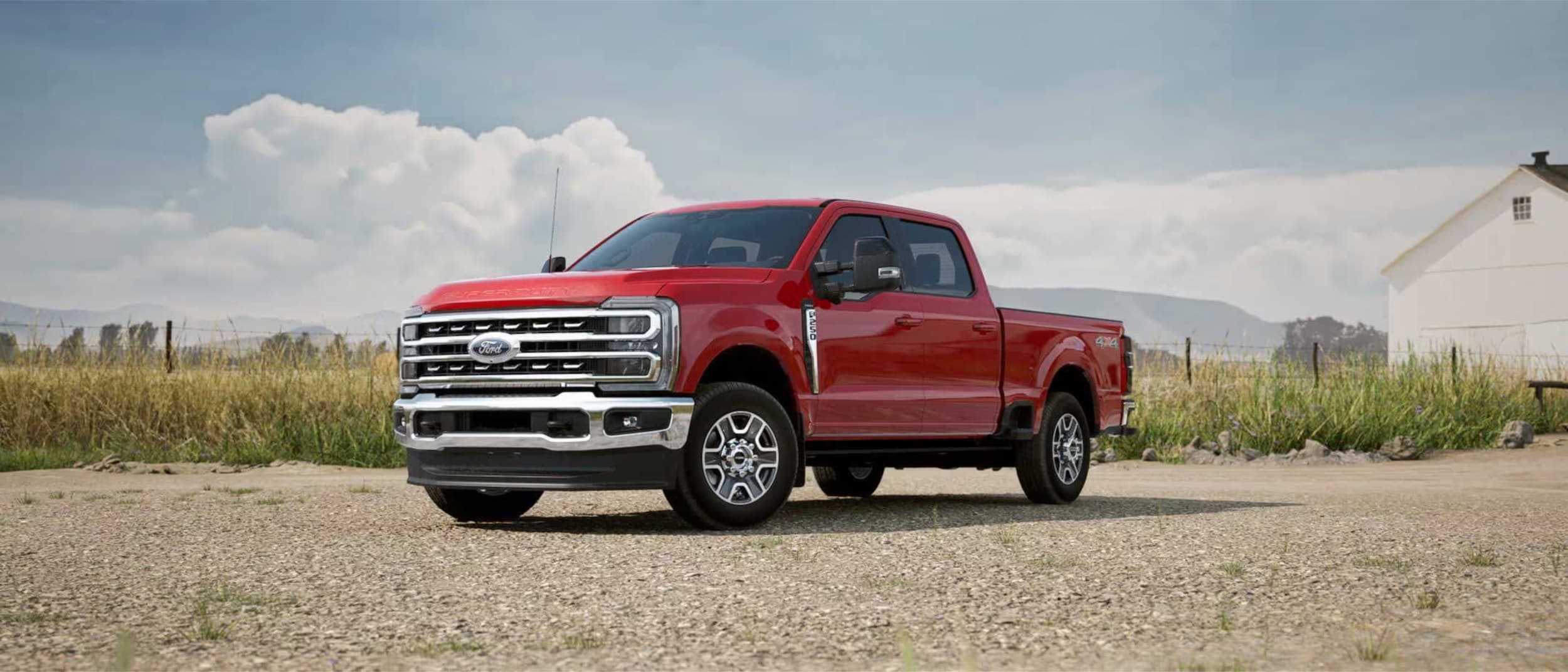
1. Ford F-250 Super Duty
The Ford F-250 Super Duty is built for demanding work, including towing, hauling equipment, and travelling across rural areas where winter temperatures can become severe. Depending on the model year and engine configuration, buyers may encounter gasoline or diesel powertrains.
Diesel versions deserve particular attention because diesel fuel ignition depends on heat generated through compression. When temperatures drop sharply, cold engine components, thickened oil, and reduced battery performance can make starting more difficult. A compatible block heater can help prepare the engine before ignition, making the morning start less demanding in genuinely cold conditions.
The benefit becomes more noticeable for owners who leave their trucks outside overnight. A vehicle parked in an unheated garage experiences different conditions from a truck exposed to freezing winds for eight or ten hours. Cold weather can reduce battery output while increasing the resistance an engine encounters during cranking.
Diesel engines may also require additional assistance from their glow plugs or intake heating systems, depending on their design. A block heater does not replace these factory systems, but it can complement them when temperatures fall below the range in which ordinary cold starts remain comfortable.
For owners who tow trailers, operate ploughing equipment, or carry heavy loads, a reliable start can be particularly important. Work vehicles often follow demanding schedules, and a failed morning start can interrupt an entire day.
Preheating the engine may also allow cabin heat to become available sooner after driving begins, depending on the vehicle’s heating system and the amount of time spent warming the engine. These advantages are most relevant in regions with sustained subzero weather, rather than places that experience only occasional chilly mornings.
Installation should match the exact truck configuration. Ford has offered different engine options and factory equipment packages across model years, so the correct heater and installation procedure must be confirmed through the owner’s manual or an authorised parts supplier.
Some trucks may already have a factory-installed heater or a suitable provision for one. Owners should check before purchasing aftermarket equipment. A professionally installed, compatible system is preferable to a universal solution that may not fit correctly or meet the manufacturer’s requirements.
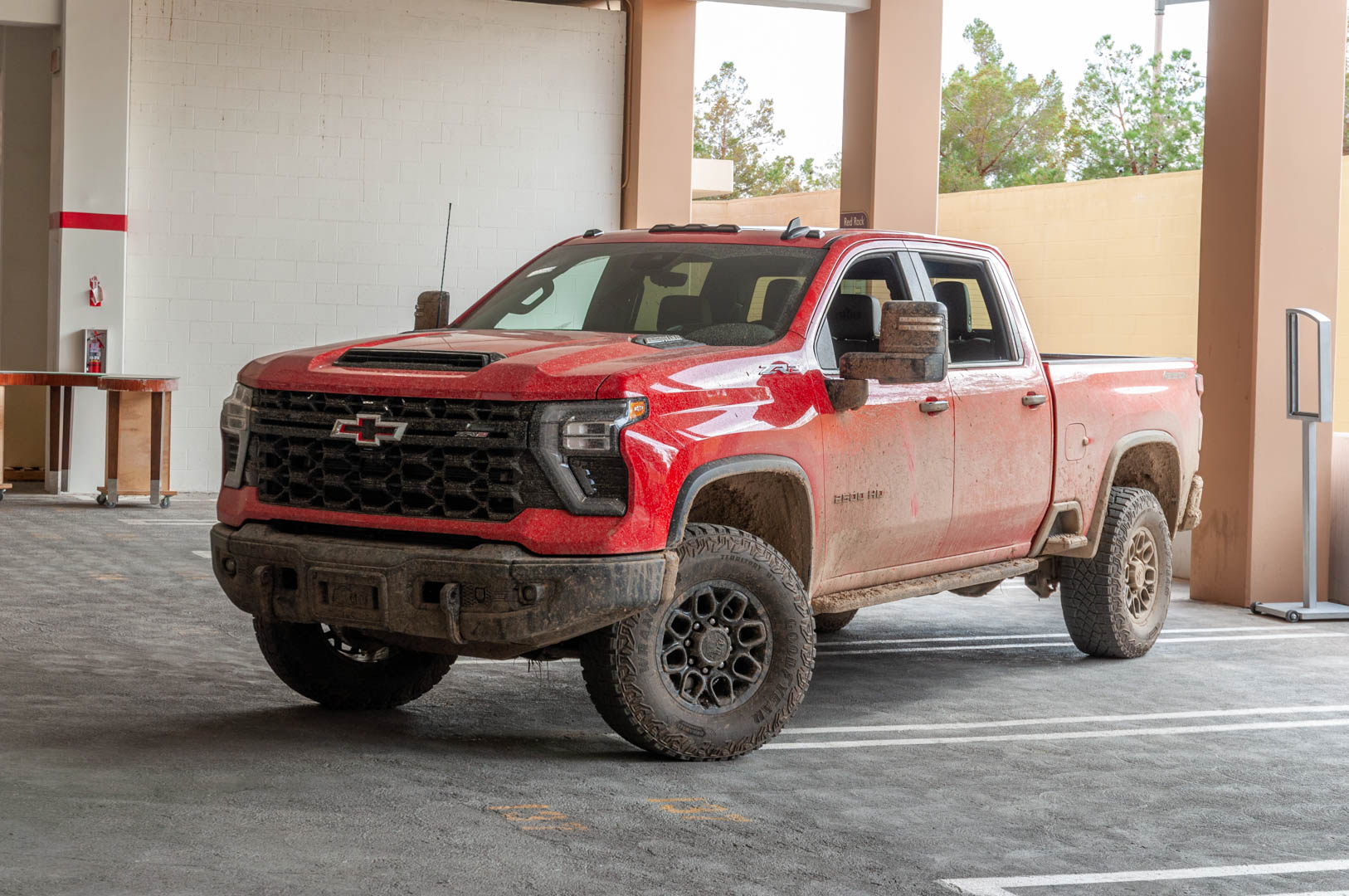
2. Chevrolet Silverado 2500HD
The Chevrolet Silverado 2500HD is a heavy-duty pickup designed for demanding jobs, including commercial transport, agricultural work, and recreational towing. Certain configurations use diesel engines that can benefit from preheating during severe winter conditions.
Cold starts become more challenging when engine oil thickens, battery output falls, and internal components remain at very low temperatures. A suitable block heater can raise engine temperature before the first crank, helping reduce the difficulty associated with starting a cold diesel engine.
The truck’s working role often makes winter reliability more important than it is for an occasional-use passenger car. A contractor may need to reach a job site early, while a farmer might have to transport supplies regardless of the weather.
In these situations, the ability to prepare the engine before departure can provide practical value. It is particularly useful when the vehicle remains outside overnight and temperatures stay well below freezing for extended periods.
Owners should remember that a block heater is only part of a complete winter maintenance plan. The battery must remain in good condition, the charging system should operate correctly, and the vehicle needs the correct oil grade for its engine and climate.
Diesel models may also rely on glow plugs, intake heating, or other factory cold-start equipment. Keeping these systems in good working order is essential because preheating cannot compensate for worn batteries, faulty sensors, or neglected maintenance.
Before fitting a heater, check the truck’s model year, engine specification, and factory equipment. Some versions may support an original-equipment heater, while others require a particular approved accessory.
A qualified technician can verify compatibility and ensure that electrical connections, coolant passages, and mounting arrangements meet the vehicle’s requirements. Using the wrong component can create leaks, electrical problems, or unnecessary repair costs. It is also worth checking whether a previous owner has already installed a heater.
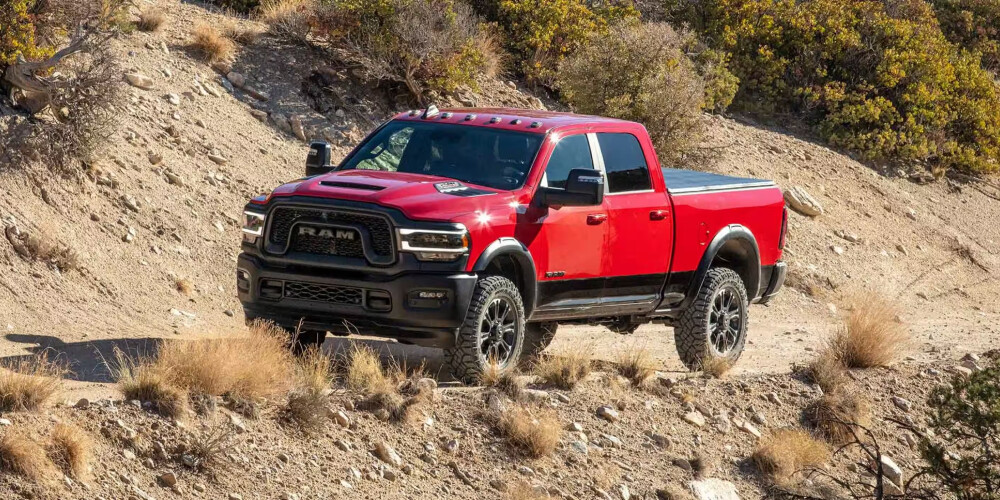
3. Ram 2500
The Ram 2500 is another heavy-duty pickup that can benefit from engine preheating in cold climates, particularly in diesel configurations. Owners often choose this truck for towing, construction work, farm duties, and long-distance travel with heavy loads.
Such uses can require dependable starting early in the morning, even after a night of freezing temperatures. A compatible block heater warms selected engine components or coolant, depending on the system’s design, reducing the temperature difference the engine must overcome during startup.
Diesel engines can be especially sensitive to prolonged cold because they depend on compression heat to ignite fuel. Modern diesel vehicles include systems designed to assist starting in low temperatures, but these systems still operate alongside the effects of cold oil, battery limitations, and low ambient temperatures.
An engine heater can help create more favourable starting conditions before the vehicle is driven. The degree of improvement depends on the engine, the temperature, and the amount of time the heater operates.
Owners who park outside may receive more benefit than those who store their trucks in a heated building. A vehicle exposed to subzero air for an entire night loses heat gradually, leaving its engine and lubricants cold by morning.
Preheating can reduce this effect, especially when the heater is used according to the manufacturer’s instructions. A timer can help limit unnecessary operating hours, while a suitable outdoor-rated electrical connection reduces the risk associated with improvised extension leads.
The correct equipment matters because Ram 2500 models have been sold with different engines and configurations over the years. Buyers should consult the relevant owner’s manual, verify the engine code, and confirm whether the truck already includes a factory heater.
If an aftermarket unit is required, installation should follow the manufacturer’s specifications. Electrical safety is particularly important because the system may remain connected outdoors in wet, snowy, or icy conditions. Damaged cables and unsuitable connections should never be ignored.

4. Chevrolet Colorado Diesel
Diesel work trucks used in colder regions can be strong candidates for block heaters, particularly when they operate far from urban services. A midsize pickup may be smaller than a heavy-duty truck, but it can still face challenging starting conditions when its diesel engine remains exposed to freezing temperatures overnight.
The precise case depends on the vehicle’s market, model year, and engine availability. Not every Chevrolet Colorado has been offered with a diesel engine, so buyers must verify the actual powertrain rather than assuming all versions have the same needs.
A diesel vehicle parked outdoors can lose engine heat for hours before the next journey. When the driver starts it in the morning, the battery must supply enough current to turn the engine while the fuel and engine components remain cold.
Low temperatures also affect diesel fuel behaviour, making appropriate winter fuel and maintenance important in very cold regions. An engine block heater can address part of this problem by warming the engine before startup, but it cannot resolve unsuitable fuel, a weak battery, or a malfunctioning injection system.
5. Ford F-350 Super Duty
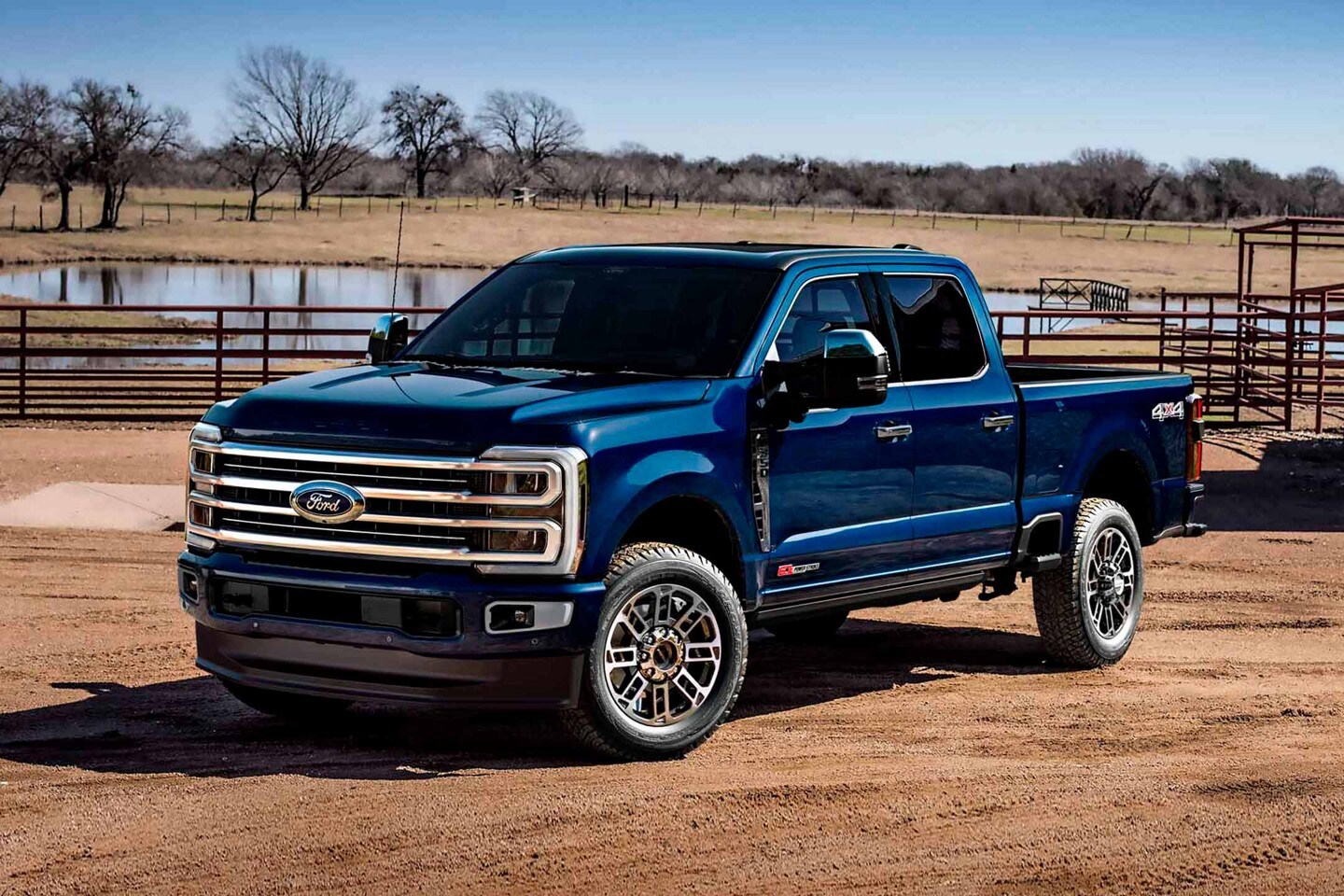
The Ford F-350 Super Duty is designed for demanding jobs that require substantial towing capacity, dependable performance, and the ability to operate in challenging weather. Diesel-equipped versions can benefit from a compatible engine block heater when temperatures remain well below freezing for extended periods.
Cold weather can make engine oil thicker, reduce battery performance, and increase the effort required to start a diesel engine. Preheating the engine before ignition can help address these challenges, making a block heater a worthwhile consideration for owners who regularly face harsh winters.
For drivers who use their F-350 for construction, farming, snow removal, or heavy trailer towing, dependable morning starts can make a significant difference. Work schedules often begin early, when temperatures are at their lowest, and vehicles may remain parked outdoors throughout the night.
A block heater warms selected engine components before startup, helping the engine start under more favourable conditions. It may also help the engine reach its operating temperature sooner after departure, depending on the heating system and surrounding conditions.
Five Cars That Usually Need No Block Heater
1. Toyota Corolla
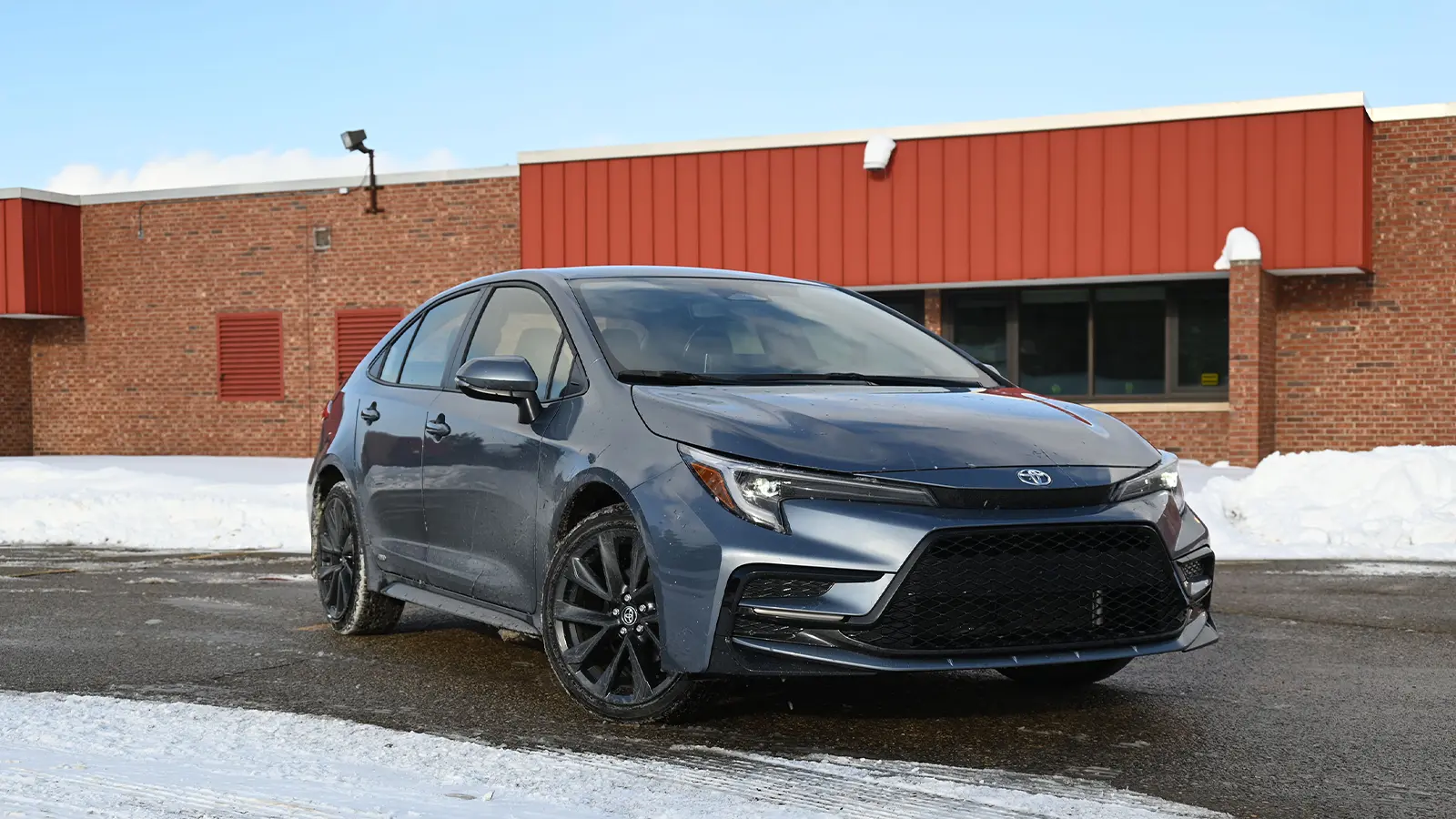
The Toyota Corolla is a compact passenger car designed for practical everyday transportation. Most modern petrol-powered Corolla models do not require an engine block heater in climates where winter temperatures remain moderate or only occasionally fall below freezing.
Their engines are designed to start under a range of normal weather conditions, provided the battery, ignition system, fuel supply, and maintenance schedule are in good shape. For many drivers, fitting a block heater would add cost and complexity without producing a noticeable improvement in everyday use.
Modern engine management systems help regulate fuel delivery and ignition during cold starts. Sensors monitor relevant operating conditions, allowing the engine control unit to adjust how the engine runs as temperatures change.
The exact technology varies by model year and powertrain, but the general objective is to maintain reliable operation without requiring external preheating in ordinary winter conditions. A healthy battery and the correct engine oil remain important because cold weather can still reduce electrical performance and increase mechanical resistance.
Drivers should not interpret this as a guarantee that every Corolla will start easily in every climate. Extremely low temperatures can challenge any conventional combustion engine, especially when the car remains outdoors for extended periods.
A vehicle with an ageing battery, unsuitable oil, or an underlying mechanical fault may struggle even when temperatures are not particularly severe. In regions where deep freezes are common, owners should follow Toyota’s specific cold-weather guidance and investigate whether an approved heater is recommended for their version.
Routine maintenance generally provides more value than adding a heater where one is not needed. Battery testing, clean electrical connections, appropriate oil, and timely replacement of worn ignition components all contribute to dependable starts.
Drivers should also make sure that the charging system works correctly and that the vehicle receives the correct grade of fuel. These straightforward measures help maintain normal cold-weather performance without introducing additional electrical equipment.
2. Honda Civic
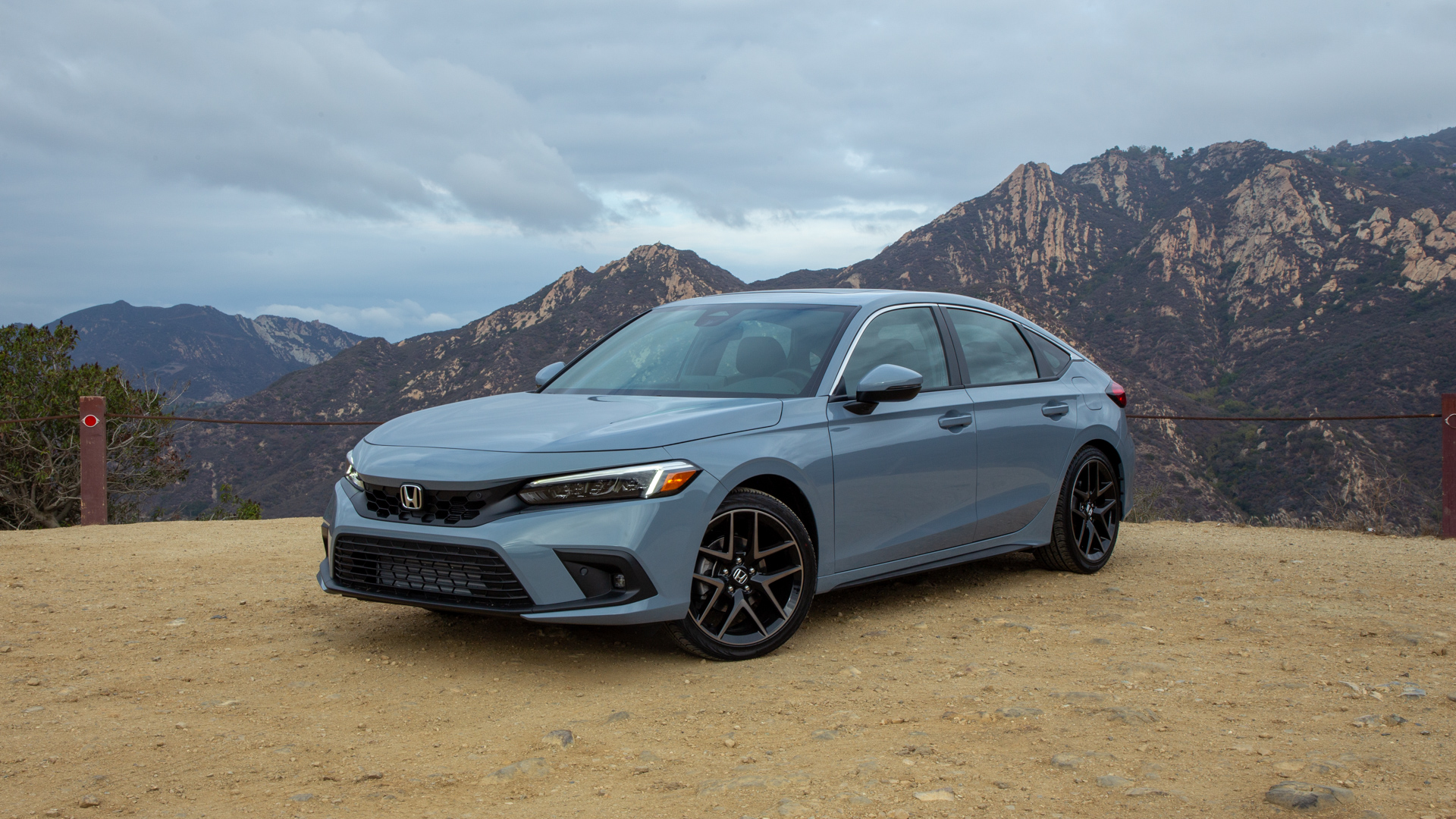
The Honda Civic is another popular compact car that usually operates without a block heater in ordinary winter conditions. Most petrol-powered versions are engineered for dependable everyday starting, and their standard engine management and electrical systems are sufficient for many climates.
Owners who experience occasional frost generally have little reason to install extra heating equipment when the vehicle starts normally and receives appropriate maintenance. The decision changes when the car regularly faces severe cold, but such conditions should be assessed separately.
A modern Civic uses electronic controls to manage engine operation under changing conditions. Cold starts require adjustments to fuel delivery and other operating parameters, allowing the engine to run while its components gradually warm.
This process is part of normal vehicle operation. A block heater can reduce the engine’s initial cold state, but the additional benefit may be small when temperatures are only slightly below freezing and the vehicle already starts reliably.
Battery health remains a key consideration. Cold weather can reduce the amount of electrical energy a battery can deliver, and an older battery may become unreliable during winter. Drivers should pay attention to slow cranking, warning lights, and other signs that the electrical system needs attention.
Replacing a weak battery or correcting a charging problem is generally a better first step than installing a heater to compensate for a separate fault.
The Civic has been sold in different generations and powertrain configurations, so specific cold-weather advice may vary. Hybrid versions, where available, have different operating characteristics from conventional petrol models.
Owners should consult the handbook for their particular car, especially if they live in a region with prolonged subzero temperatures. Correct engine oil, suitable maintenance intervals, and a sound cooling system help support reliable operation throughout the year.
3. Toyota Prius Hybrid
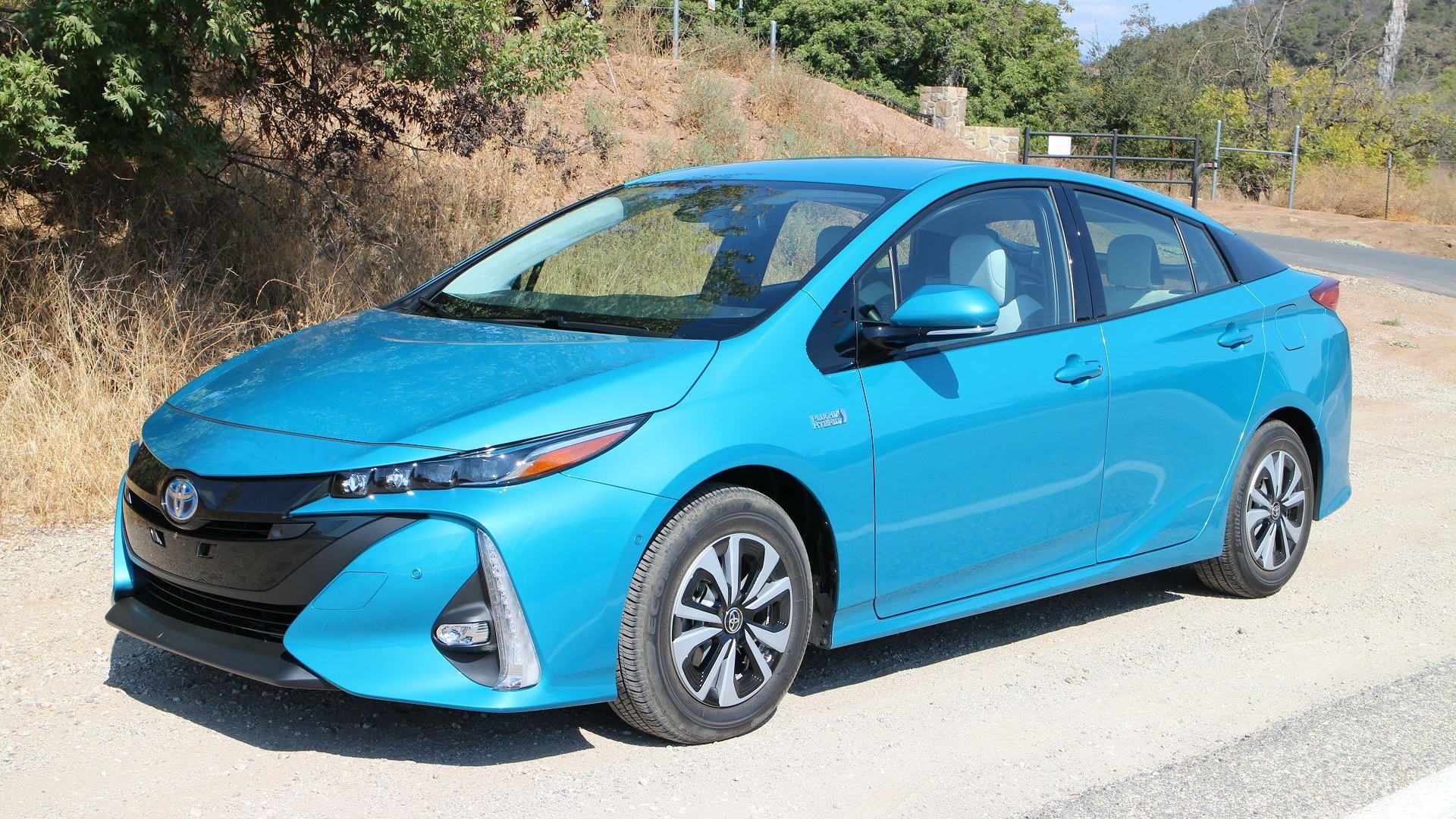
The Toyota Prius combines a petrol engine with an electric motor and a hybrid battery to improve efficiency during everyday driving. This arrangement changes how the powertrain operates compared with a conventional petrol-only vehicle.
Depending on driving conditions, the hybrid system may move the car using electric power for short periods or start the engine when additional power or heat is required. As a result, fitting a traditional engine block heater is not automatically necessary for drivers in ordinary winter climates.
The Prius still contains a combustion engine, so cold weather can affect its operation. Engine oil thickens at low temperatures, battery performance can change, and the vehicle may run its petrol engine to support cabin heating or other system demands. Hybrid technology does not eliminate these effects.
However, the car’s control systems manage the interaction between the engine and electric motor, and many owners can rely on the factory design without adding an external heater.
The hybrid battery is distinct from the conventional low-voltage battery used for vehicle systems. Both are affected by operating conditions in different ways, and cold weather may influence the efficiency of the hybrid system.
Maintaining the vehicle according to Toyota’s schedule is therefore important. Owners should monitor battery-related warnings, use the correct fluids, and address unusual starting or running behaviour rather than assume that an engine heater will resolve every winter concern.
4. Hyundai Elantra
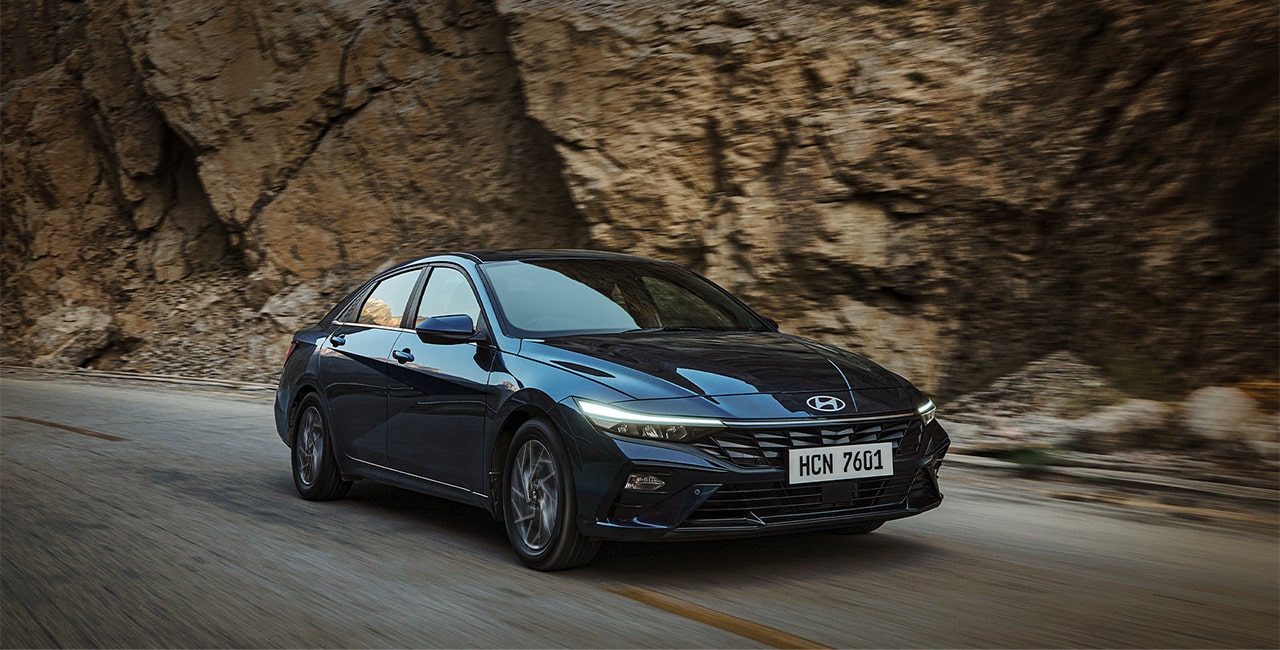
The Hyundai Elantra is a compact sedan that generally does not require a block heater for normal winter use in moderate climates. Its petrol engine and electronic management systems are designed to handle routine cold starts when the vehicle is maintained correctly.
For owners who experience occasional frosty mornings rather than prolonged periods of extreme cold, adding an engine heater may offer little practical benefit. The factory equipment is usually sufficient for ordinary driving conditions.
As with other modern petrol cars, cold weather changes the way the engine behaves immediately after startup. The engine control system adjusts operation to help maintain stable running while the components warm.
Drivers may notice higher initial fuel consumption or a change in engine sound during this period, depending on the model. Such behaviour can be normal, but persistent rough running, warning lights, or repeated starting difficulties deserve inspection rather than being dismissed as winter effects.
Battery condition is especially important when temperatures fall. A battery that performs adequately during summer may struggle after a cold night, particularly if it is old or the vehicle is used mainly for short journeys.
Short trips may not provide enough time to replace the energy used during starting. Checking the battery before winter and ensuring that the charging system operates correctly can reduce the likelihood of inconvenient failures without requiring a block heater.
Different Elantra generations and engine options may have different recommendations, particularly in markets where winter conditions are more severe. Owners should use the correct oil specification and follow the maintenance schedule in their handbook.
If the vehicle regularly remains outdoors in very low temperatures, checking local manufacturer guidance is sensible. An approved heater may be useful in particular circumstances, but it should not be assumed necessary for every car bearing the Elantra name.
5. Tesla Model 3
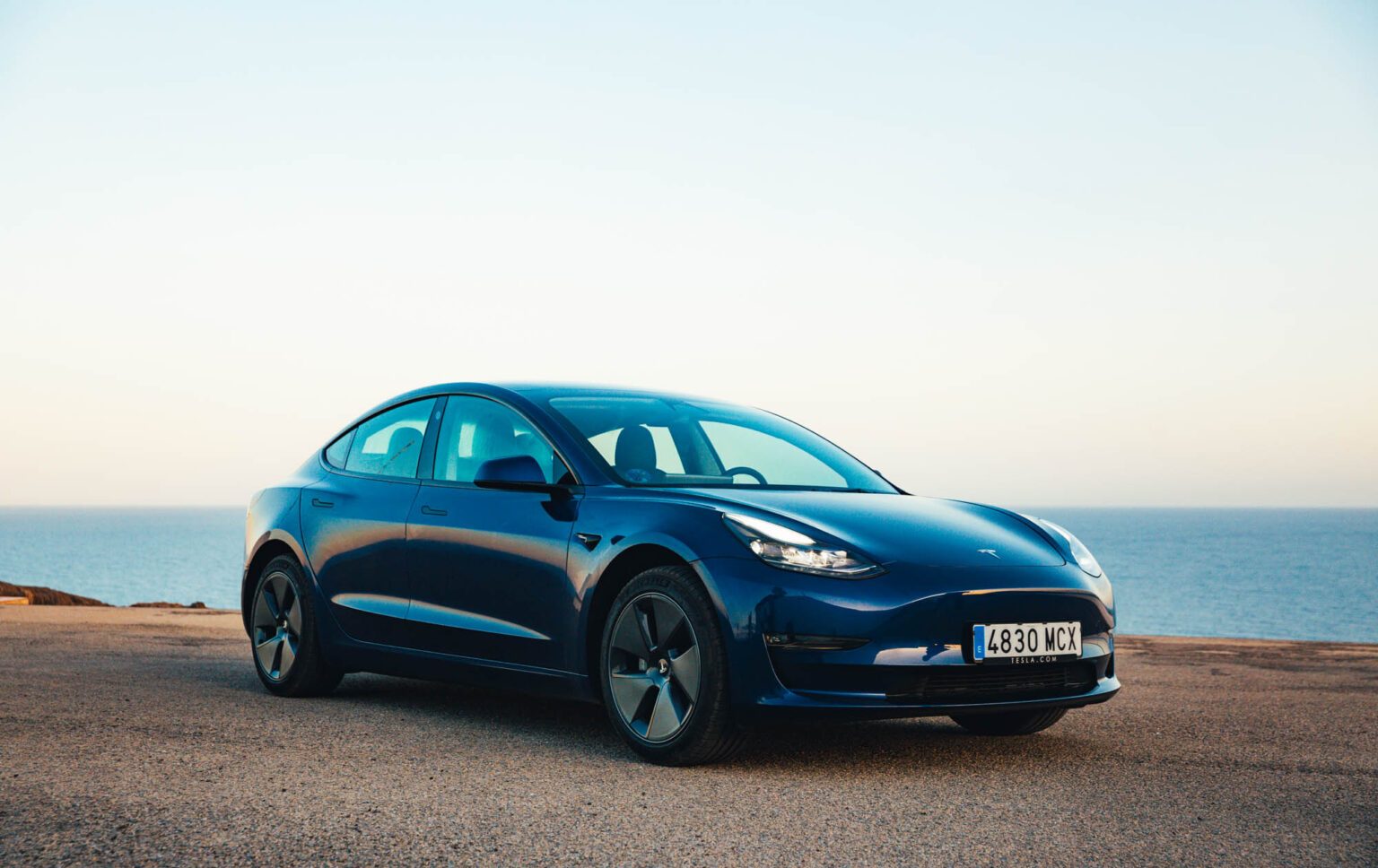
The Tesla Model 3 is a battery-electric car, so it does not have a conventional petrol or diesel engine that needs preheating before starting. For this reason, a traditional engine block heater is unnecessary.
Instead, winter preparation focuses on the traction battery, cabin heating, charging arrangements, and temperature management systems. This makes the Model 3 fundamentally different from the combustion-powered vehicles discussed earlier, even though cold weather can still influence its performance and energy consumption.
Lithium-ion batteries operate differently at low temperatures, and cold conditions can temporarily reduce available power, regenerative braking capability, and charging speed. The vehicle uses thermal management and battery-conditioning functions to help manage these effects.
When the battery is cold, the car may limit certain functions until temperatures reach a suitable range. Owners may also notice reduced driving range because cabin heating and battery conditioning require energy, while low temperatures affect battery performance.
Preconditioning is therefore more relevant than fitting an engine heater. Depending on the model, software version, and settings, owners may be able to prepare the cabin and battery before departure while the vehicle is connected to a charger.
This can improve comfort and help reduce the amount of stored energy used for initial heating. Drivers should follow Tesla’s instructions for battery conditioning and charging, particularly when preparing for a long journey or charging in very cold weather.
Charging habits matter in winter. A vehicle that is plugged in at home can often be prepared more conveniently than one that must rely entirely on public charging after sitting outdoors.
Owners should plan for longer charging stops when conditions warrant them and allow the car’s systems to manage battery temperature as designed. Exact behaviour varies with battery temperature, software, driving conditions, and charger capability, so drivers should use the vehicle’s displayed guidance rather than rely on a fixed estimate.