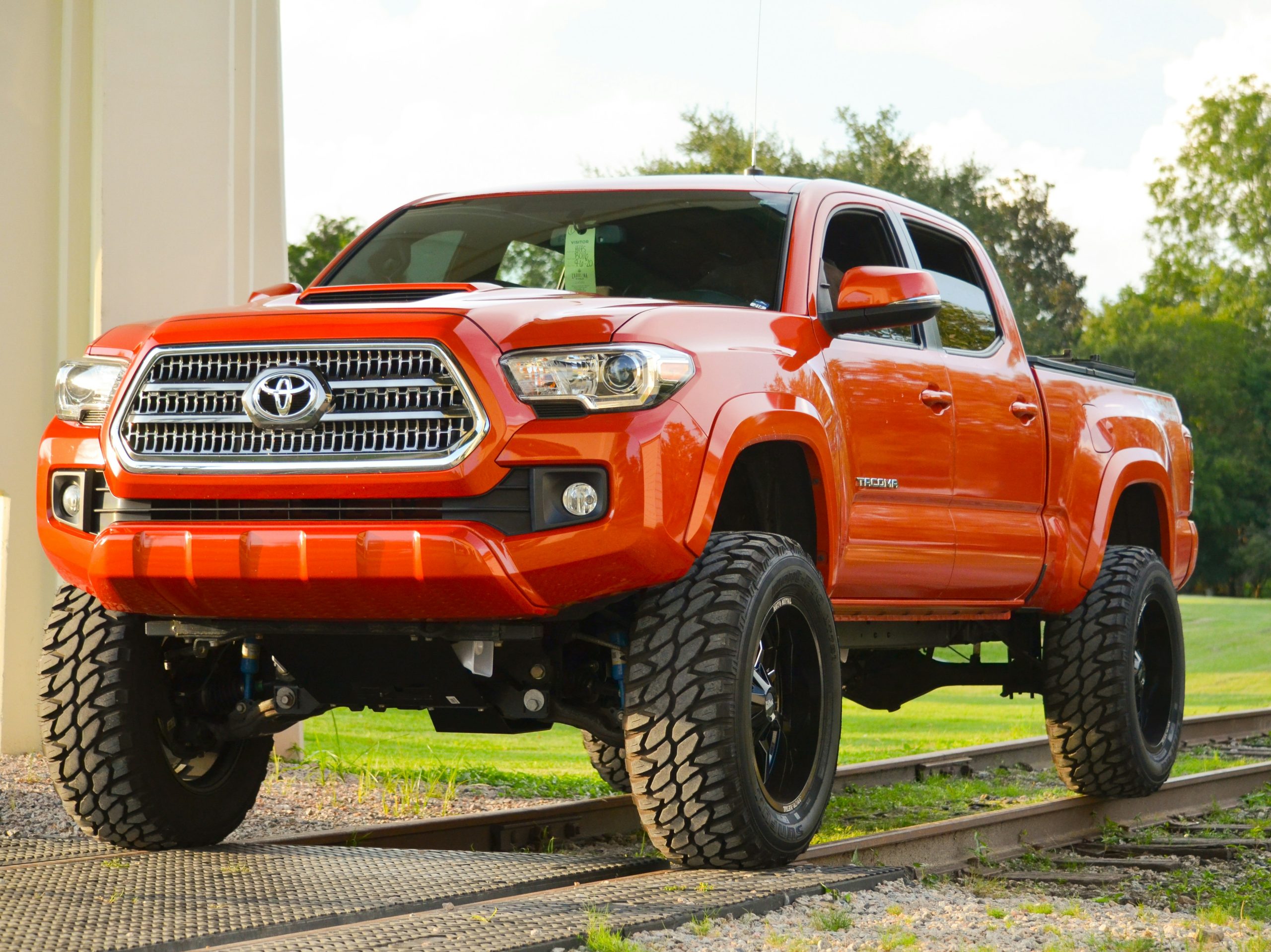
Buying a used car in the United States can save thousands of dollars, but the right choice depends on more than the asking price. Some vehicles retain their value because of proven reliability, affordable maintenance, strong resale demand, and practical features.
Others command surprisingly high prices without offering enough benefits to justify the extra cost. Understanding which used cars deserve a premium and which may be overpriced helps buyers negotiate confidently and avoid costly mistakes.
From dependable Japanese sedans to popular SUVs and pickup trucks, this guide compares ten vehicles worth evaluating before making your next used car purchase.
Five Used Cars Worth Paying a Premium For
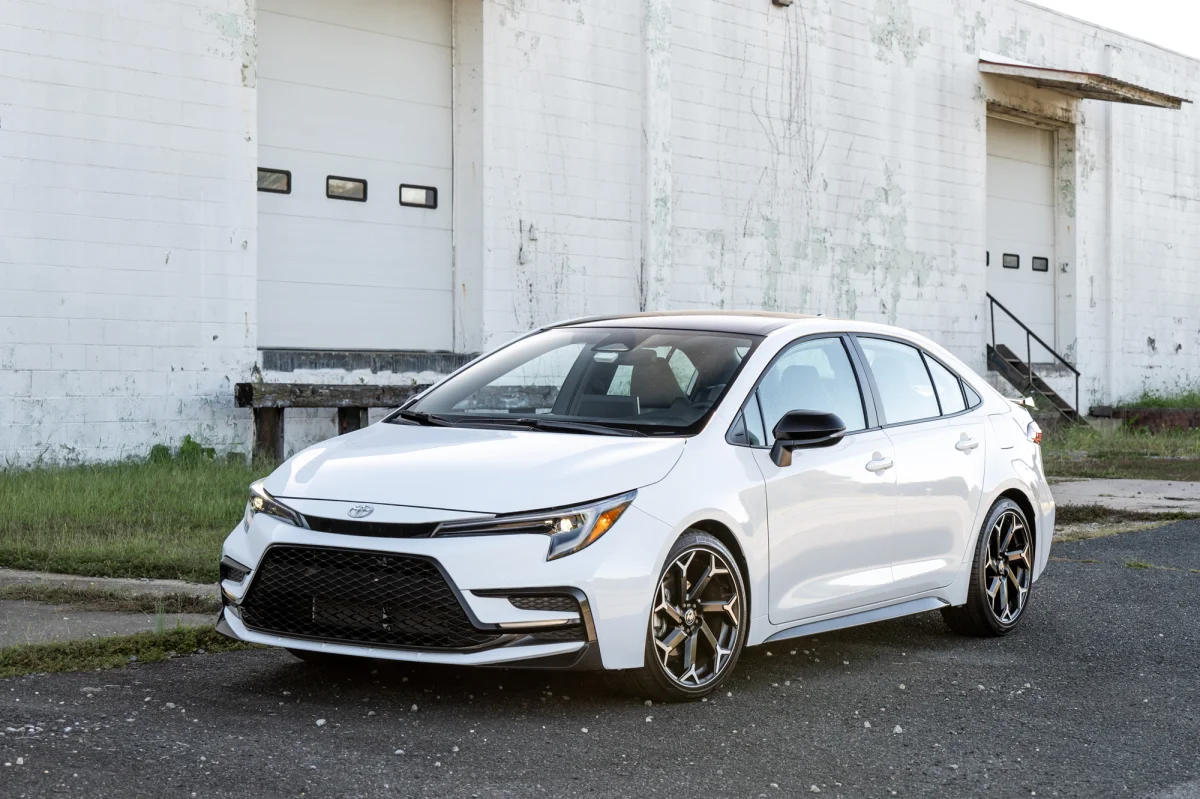
1. Toyota Corolla: Affordable Reliability for Everyday Driving
The Toyota Corolla has earned a strong reputation among American drivers who want straightforward transportation without expensive surprises. Its compact dimensions make it easy to park, its fuel economy helps control commuting costs, and its simple operating characteristics suit first-time buyers, students, and small families.
Many model years offer comfortable seating, useful safety features, and an uncomplicated driving experience. Buyers who prioritize practical ownership over flashy styling may find that a clean Corolla offers better long-term value than a less expensive car with an uncertain history.
Toyota’s reputation for durability contributes to the Corolla’s strong resale demand. Buyers frequently look for used examples because they want a vehicle with a proven track record rather than an unfamiliar model that happens to carry a lower sticker price.
This demand can keep asking prices higher than those of comparable compact sedans. Paying somewhat more for a well-maintained Corolla can be reasonable when its service records, mileage, accident history, and mechanical condition support the price.
Fuel efficiency adds to its financial appeal. Depending on the model year, engine, transmission, and driving conditions, many Corolla versions deliver economical fuel consumption that makes daily commuting less expensive.
Hybrid versions can reduce fuel use further, especially in stop-and-go traffic, but their purchase price, battery condition, and repair history deserve careful attention. Buyers should compare the expected fuel savings with the additional upfront cost instead of assuming that every hybrid automatically represents the better deal.
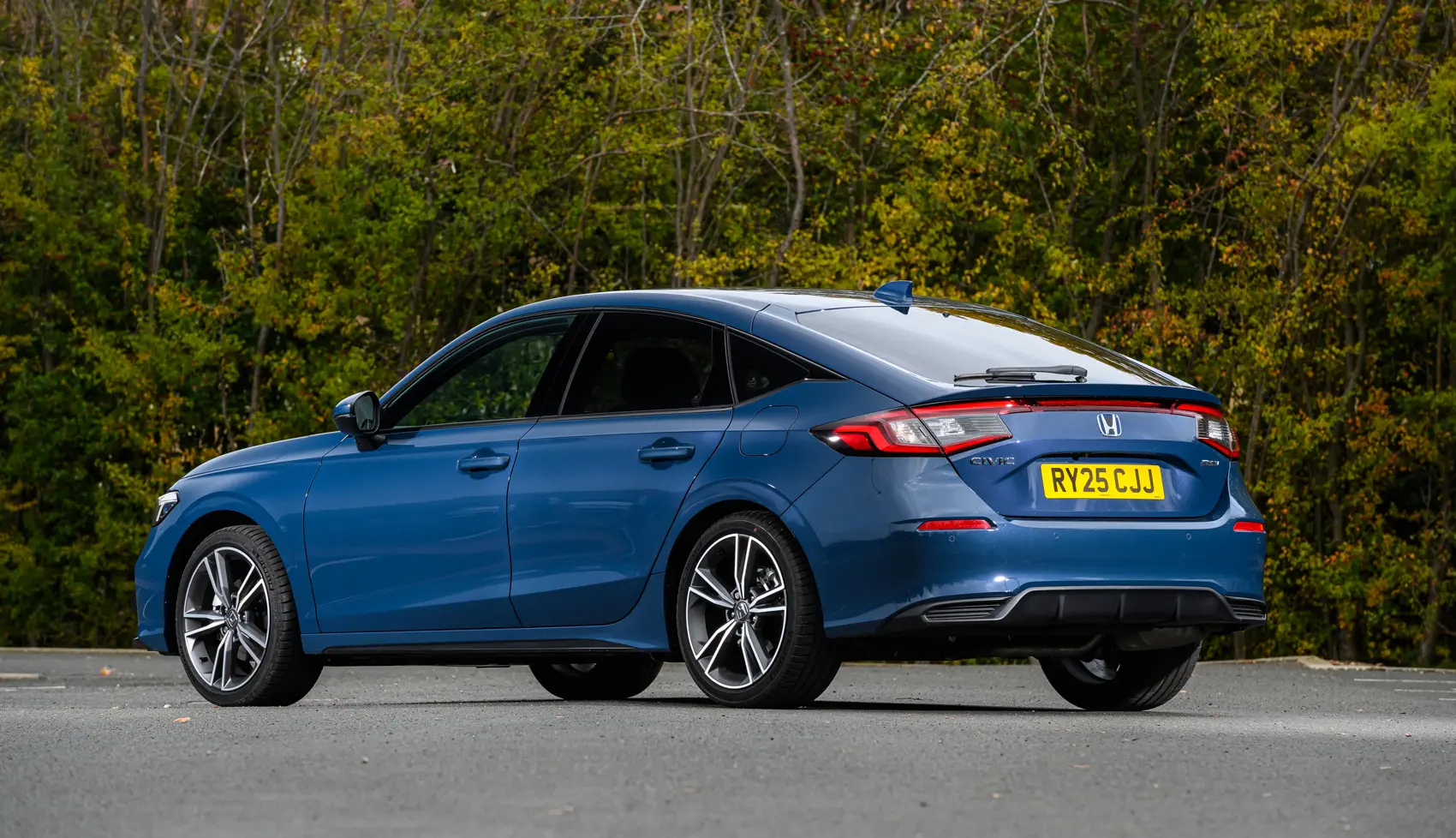
2. Honda Civic: A Well-Rounded Compact Car
The Honda Civic is a compelling used-car choice for drivers who want efficiency, everyday comfort, and responsive handling. Available in several body styles and trim levels across different generations, the Civic can suit commuters, young professionals, and small households.
Its cabin is generally designed around practical controls and useful storage, while many recent versions provide smartphone integration and driver-assistance features. A well-kept Civic can justify a higher asking price when it offers a better combination of condition, equipment, and documented maintenance than cheaper alternatives.
Resale demand is a major factor behind the Civic’s used-market pricing. Shoppers often compare it directly with the Corolla, Hyundai Elantra, Mazda3, and other compact cars. When a Civic is priced slightly above similar alternatives, that difference may be justified by its condition, features, and expected ownership experience.
However, popularity can also encourage sellers to set unrealistic prices. Buyers should compare actual listings and, where available, recent transaction estimates instead of accepting a seller’s claim that the vehicle is worth more because it is a Honda.
Driving characteristics are another advantage. Many Civic generations balance easy urban maneuvering with confident highway behavior, and certain trims provide stronger acceleration or a more engaging driving experience. Buyers should remember that equipment varies significantly by year.
A newer base model may have modern safety technology but fewer comfort features than an older higher trim. Checking the exact equipment list helps prevent paying extra for features that the vehicle does not actually include.
Mechanical checks should reflect the specific generation and powertrain. Certain Civic years use different engines, automatic transmissions, turbocharged powertrains, or hybrid systems, each with its own inspection requirements. Ask for maintenance records and check whether applicable recalls have been completed.
Listen for unusual engine noises, assess transmission behavior during a road test, and inspect for fluid leaks or signs of previous crash repairs. A model’s good reputation does not eliminate the need for an individual vehicle inspection.
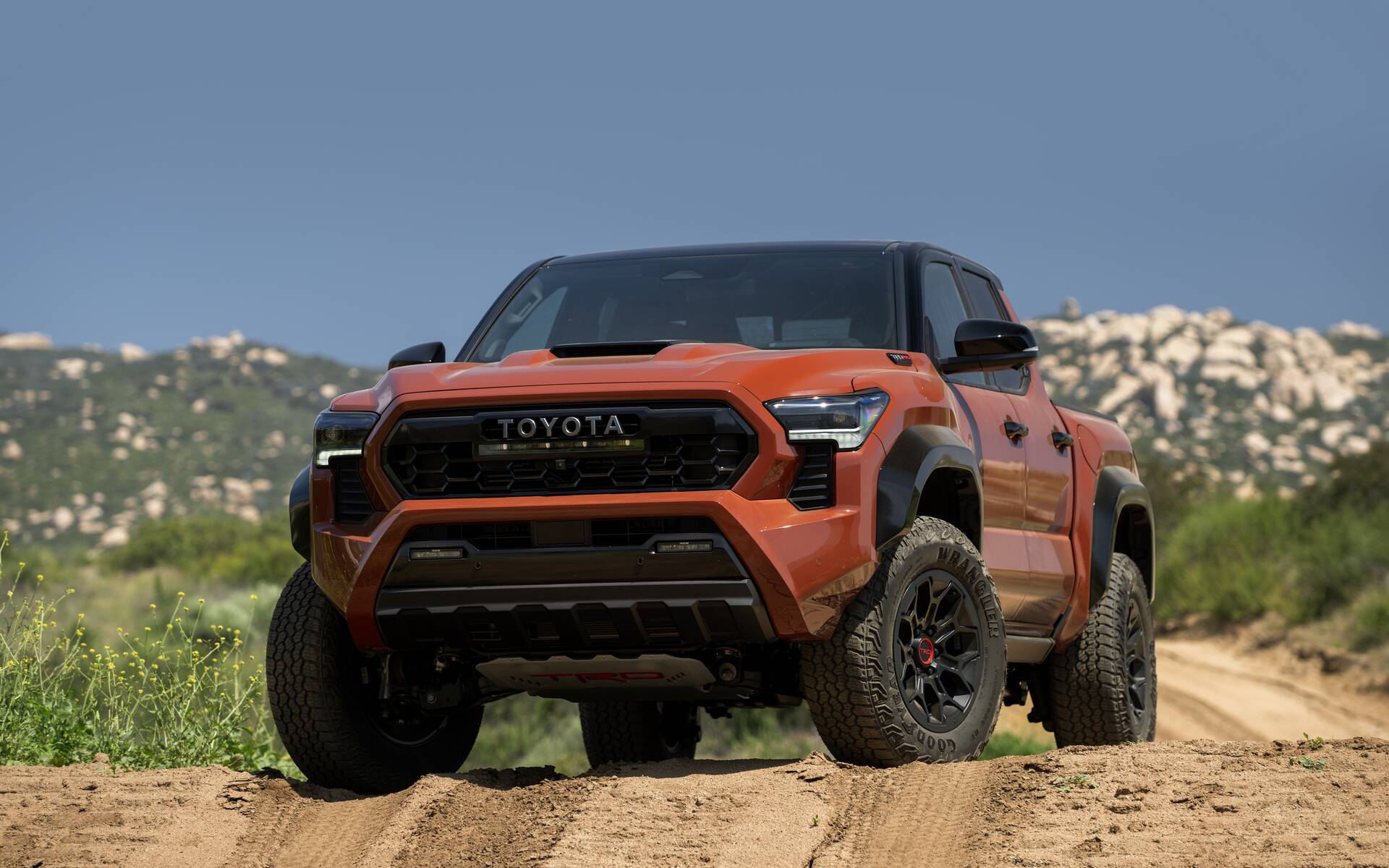
3. Toyota Tacoma: A Pickup That Holds Its Appeal
The Toyota Tacoma is especially attractive to American buyers who need a midsize truck for recreation, light work, hauling, or travel on rough roads. Its available configurations have included different cab styles, bed lengths, drivetrains, and off-road-oriented trims.
This flexibility helps the Tacoma appeal to contractors, outdoor enthusiasts, and drivers who want truck utility without moving to a full-size pickup. Well-maintained examples can command high used prices because demand for capable midsize trucks remains substantial.
Tacoma resale values have often been strong compared with those of many competing pickups. That can make an older truck look expensive beside newer vehicles with more modern cabins or better equipment. Still, a used Tacoma may be worth a premium when its frame, suspension, drivetrain, and service history are in good condition.
Buyers should pay particular attention to corrosion in regions that use road salt, including the frame and underbody. Rust can turn a seemingly attractive bargain into an expensive repair project.
Capability should be matched to actual needs. Some Tacoma versions are equipped for serious off-road use, while others are better suited to everyday driving and occasional hauling. Four-wheel drive, specialized suspension components, protective equipment, and off-road tires can increase purchase and maintenance costs.
Drivers who rarely leave paved roads may be better served by a less expensive two-wheel-drive configuration or a different vehicle altogether. The most capable trim is not automatically the most economical choice.
The truck’s age and generation also affect the value calculation. Earlier models can have simpler equipment, while newer generations may offer improved driver assistance, connectivity, and cabin features.
Engines, transmissions, towing limits, and payload ratings vary by model year and configuration, so buyers should verify the manufacturer’s specifications for the exact vehicle. Never assume that every Tacoma has the same towing capacity or that a truck advertised as ready for work has been maintained for heavy use.
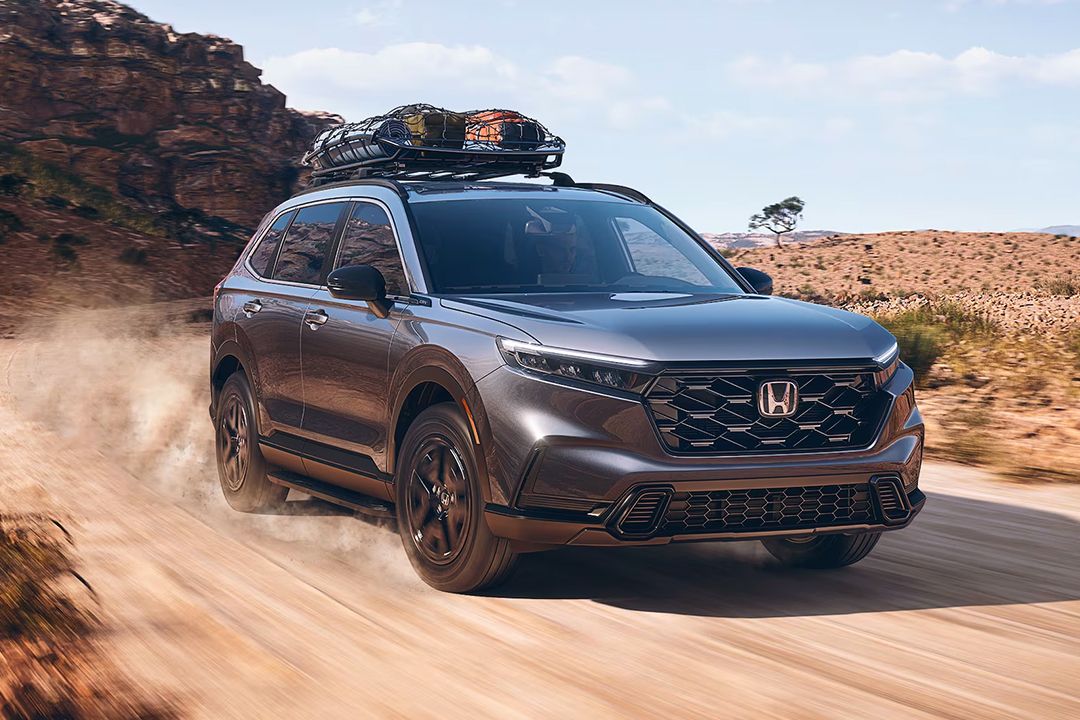
4. Honda CR-V: Practical Space for Families
The Honda CR-V is a practical choice for American households that need passenger space, cargo flexibility, and manageable driving dimensions. Its elevated seating position appeals to many drivers, while its rear seats and cargo area support grocery trips, school runs, and weekend travel.
Depending on the generation and trim, buyers may find useful safety technology, comfortable seats, and efficient powertrains. These qualities make the CR-V a sensible used SUV for people who want a family vehicle without the fuel consumption and parking demands of a larger model.
Used CR-V prices can remain firm because compact SUVs attract a wide range of buyers. Families, commuters, retirees, and small business owners may all value its versatile layout.
Paying extra for a newer, well-maintained example can be reasonable if it includes meaningful improvements in safety equipment, comfort, or fuel economy. Yet shoppers should compare it with rivals such as the Toyota RAV4, Mazda CX-5, Subaru Forester, and Hyundai Tucson before assuming that the Honda deserves the highest price in its class.
Powertrain differences are important. Some CR-V generations use naturally aspirated engines, while others offer turbocharged engines or hybrid systems. Performance, fuel consumption, maintenance requirements, and equipment vary by year.
Buyers should check the service schedule and any model-specific concerns relevant to the exact engine and transmission. Hybrid shoppers should review warranty coverage and battery-system condition, while drivers considering an all-wheel-drive model should confirm that the system is functioning properly and has received the required maintenance.
A thorough cabin and mechanical inspection can reveal how the vehicle has been used. Look for worn seat bolsters, damaged cargo trim, lingering odors, uneven tire wear, and signs of water intrusion. Family vehicles may accumulate substantial mileage through daily commuting and road trips, so mileage alone cannot tell the complete story.
A high-mileage CR-V with consistent servicing can be a better purchase than a low-mileage example with incomplete records or unresolved mechanical problems.
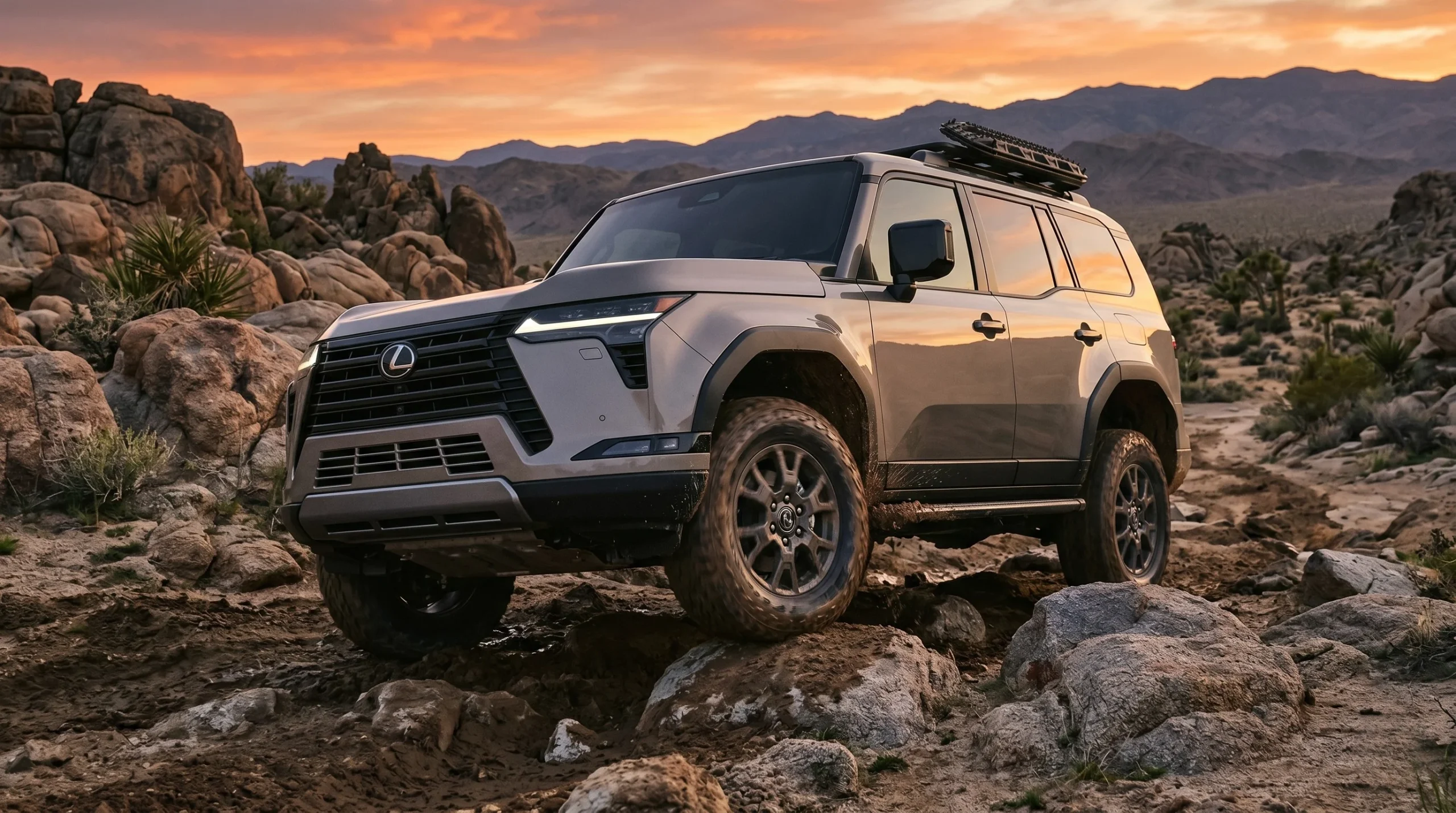
5. Lexus GX: Luxury With Serious Utility
The Lexus GX appeals to drivers who want a premium cabin combined with substantial off-road capability. Depending on the generation, the GX has offered body-on-frame construction, four-wheel-drive hardware, and a powerful engine suited to demanding driving conditions.
Its combination of luxury features and rugged engineering separates it from many car-based luxury crossovers. For buyers who actually need that blend of comfort and capability, a well-maintained GX can be a worthwhile used purchase.
Lexus vehicles benefit from the brand’s reputation for build quality and customer satisfaction, helping some models retain substantial resale value.
The GX can be particularly appealing in regions where buyers value four-wheel drive, towing utility, and access to outdoor recreation. However, high resale values do not make every listing a bargain. Older GX models may cost more than some newer crossovers that offer better fuel economy, newer infotainment systems, and more contemporary driver-assistance technology.
Ownership expenses deserve serious attention. Many GX versions use large engines and substantial components that can consume more fuel than smaller SUVs. Tires, brakes, suspension repairs, and specialized drivetrain maintenance may also cost more than routine servicing for a compact family vehicle.
A low purchase price can be misleading if the vehicle needs expensive work soon after delivery. Buyers should estimate annual fuel use, insurance, registration, and maintenance before committing to a premium-priced example.
The exact generation makes a significant difference. Older GX vehicles may offer a simpler cabin and proven mechanical design, while newer versions can provide updated safety features and improved technology.
Some used examples may have been driven extensively off-road or used for towing, so examine the underbody, suspension, wheels, and cooling system carefully. Confirm the service history, inspect for leaks, and arrange an independent evaluation from a mechanic familiar with Lexus vehicles and four-wheel-drive systems.
Five Used Cars That Can Be Overpriced
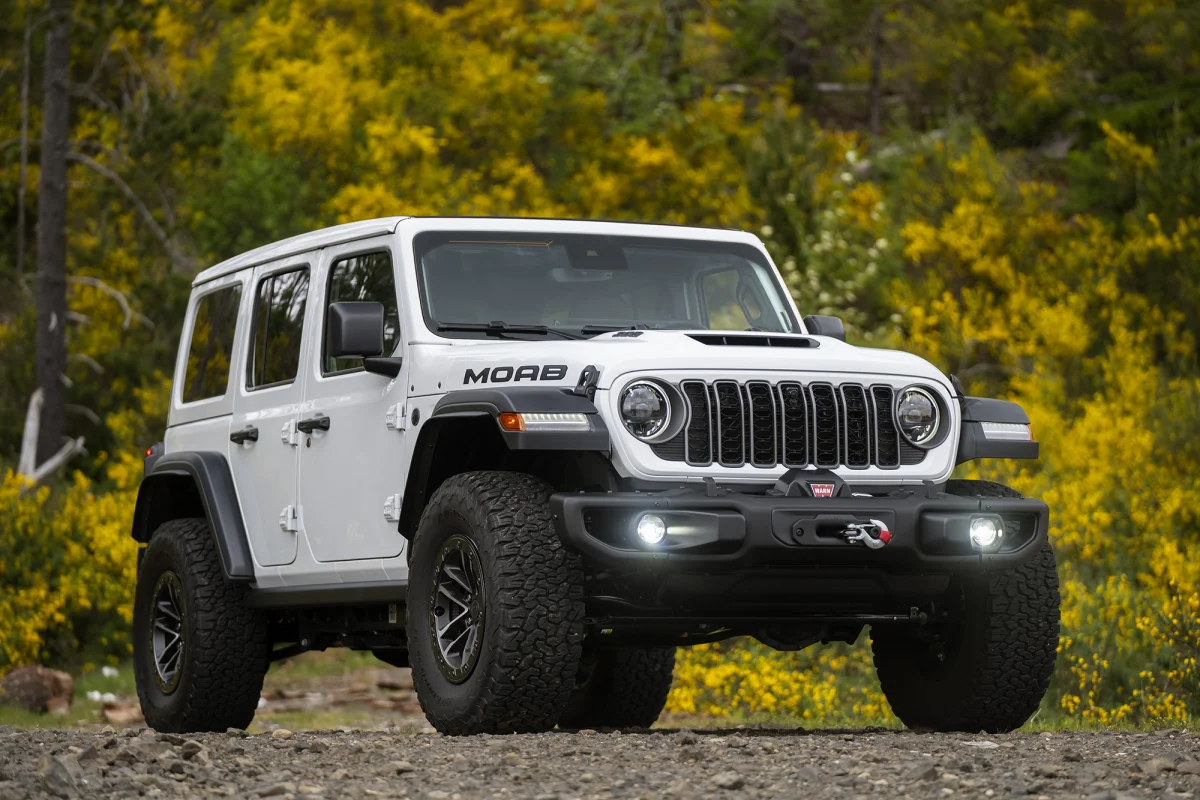
1. Jeep Wrangler: Iconic Style at a High Cost
The Jeep Wrangler has a distinctive design, removable roof and door options on many versions, and genuine off-road capability. These features create a loyal customer base that is willing to pay more for the experience. The Wrangler can be an excellent choice for enthusiasts who regularly use its trail-focused hardware. The problem arises when buyers pay an inflated price for an older model that will spend nearly all its time on paved roads.
A Wrangler’s specialized design involves trade-offs. Road noise, ride comfort, aerodynamics, and fuel economy may be less appealing than those of a conventional compact or midsize SUV.
Handling and cabin refinement also differ from what many family-car shoppers expect. If your daily routine involves long highway commutes, school pickups, and city parking, a Honda CR-V or Toyota RAV4 may offer a more comfortable experience for less money.
Modifications can further complicate the purchase. Lift kits, oversized tires, aftermarket bumpers, and engine modifications may look appealing, but they do not automatically increase resale value. Poorly installed equipment can affect steering, suspension wear, braking, and reliability.
A heavily modified Wrangler should receive a detailed inspection, and buyers should check whether changes comply with applicable state rules and insurance requirements.
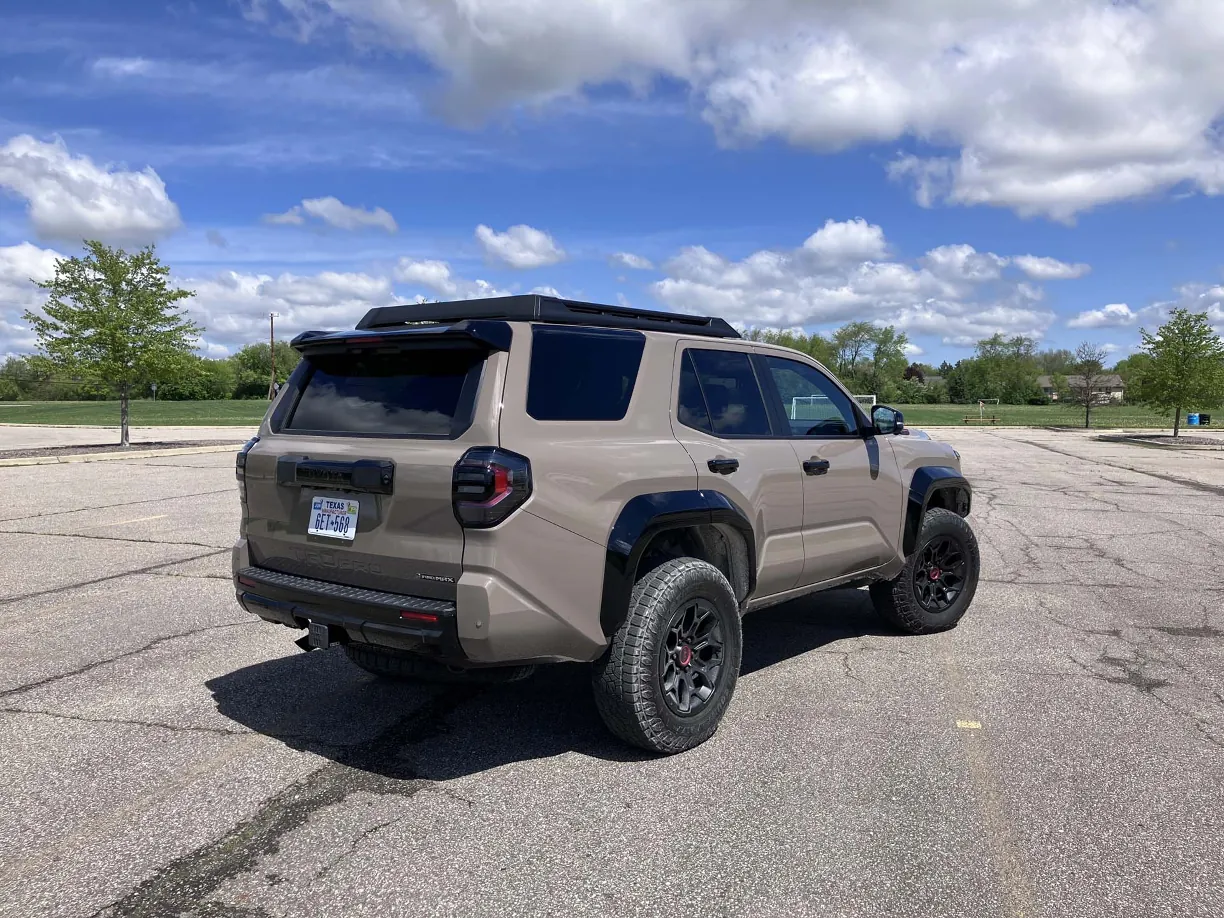
2. Toyota 4Runner: A Strong Reputation With a Price Tag to Match
The Toyota 4Runner is known for its truck-based construction, off-road ability, and substantial used-market demand. Many buyers value its rugged character and the availability of versions equipped for outdoor recreation. Those qualities can support a high resale price, particularly for well-maintained examples.
However, shoppers may find themselves paying a large sum for an older SUV whose technology, fuel economy, and driving refinement fall short of newer alternatives.
Fuel consumption is a major consideration for many older 4Runner models. Their truck-based construction and powertrain configurations can make them less economical than compact crossovers.
For drivers who cover long distances every week, fuel costs may erase the appeal of a seemingly dependable used vehicle. Calculate expected annual mileage and local fuel prices before deciding whether the 4Runner’s capabilities justify its ongoing expenses.
Cabin technology is another potential weakness. Depending on the year and trim, an older example may lack the current connectivity, active safety features, and convenience equipment available in newer SUVs.
A newer competing crossover may provide better road manners, more modern infotainment, and lower operating costs for a similar purchase price. Buyers should identify which features are genuinely important before paying extra for the Toyota badge.
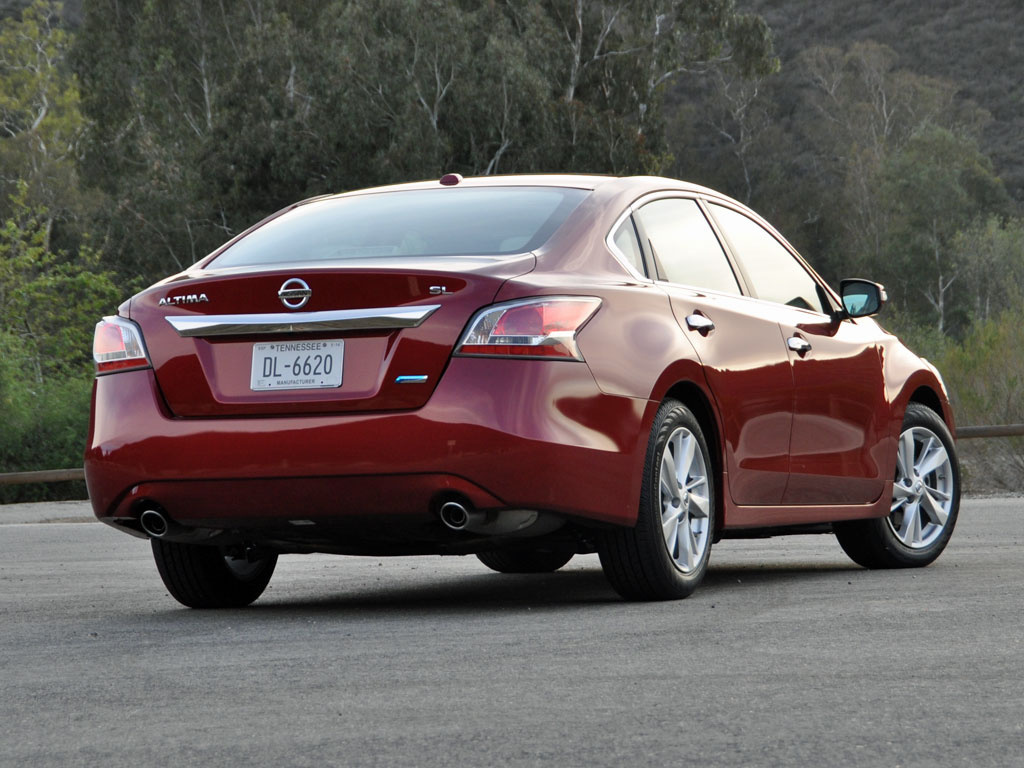
3. Nissan Altima: A Low Sticker Price Can Hide Extra Risk
The Nissan Altima often attracts shoppers looking for a spacious sedan at a competitive price. Many versions provide comfortable seating, practical trunk space, and useful highway performance. Because used Altimas can be priced below some popular rivals, they may appear to offer excellent value. Still, the purchase price alone does not tell the full story, particularly when comparing model years with different powertrains, maintenance records, and reliability histories.
Certain Altima model years equipped with continuously variable transmissions have drawn owner complaints and reliability concerns. This does not mean every Altima has a failing transmission, and the risk varies by year, vehicle history, and maintenance.
However, buyers should research the specific model year and check whether the transmission has been serviced according to the applicable maintenance schedule. A low-priced example with poor documentation may carry more financial uncertainty than a slightly more expensive competitor.
A proper road test is essential. Pay attention to hesitation, shuddering, unusual whining, delayed engagement, or inconsistent acceleration.
These symptoms do not establish a diagnosis by themselves, but they warrant professional evaluation before purchase. Ask for repair invoices and service records, and have a qualified mechanic inspect the vehicle. If the seller refuses an independent inspection, consider moving on to a better-documented car.
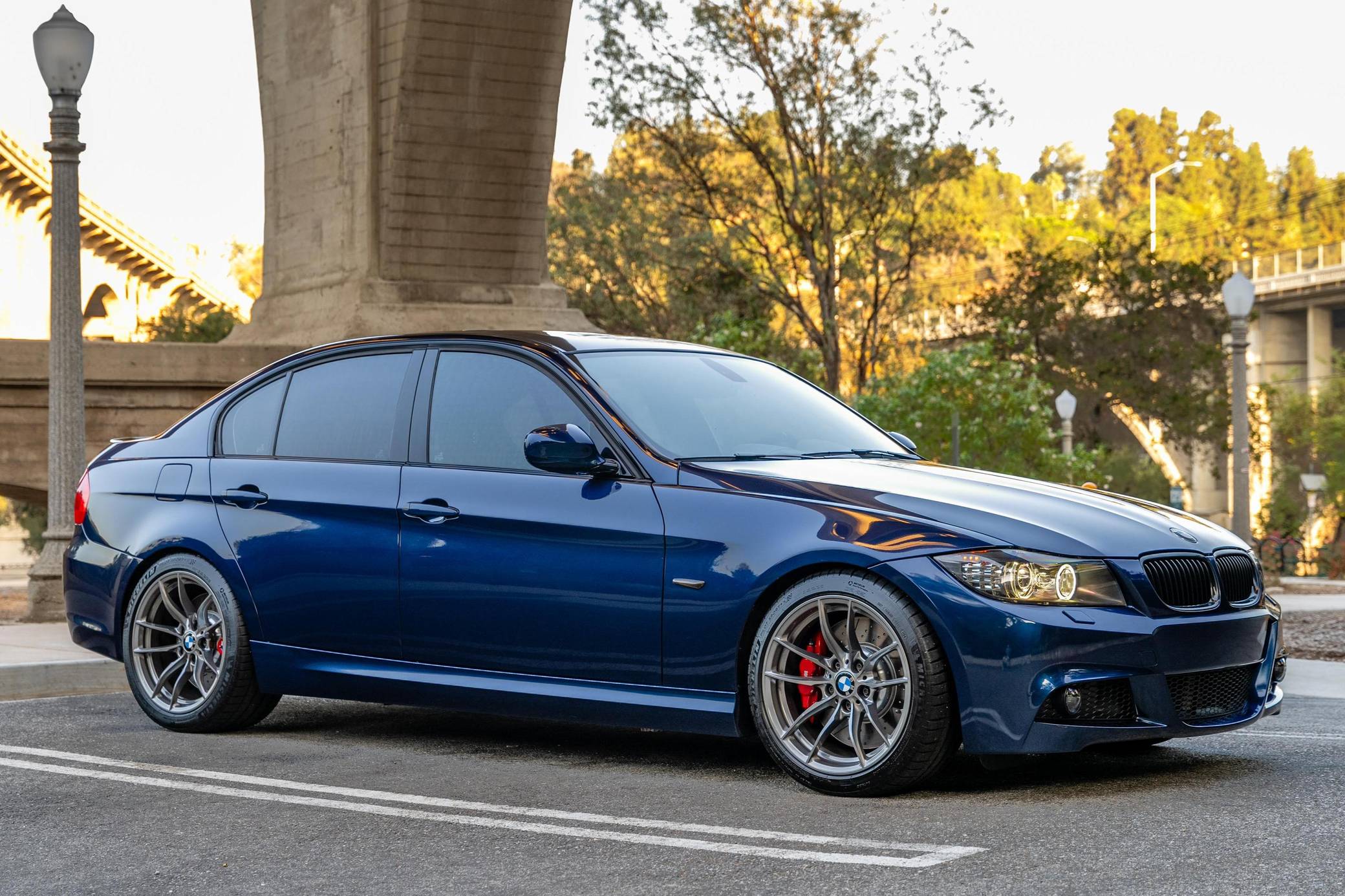
4. BMW 3 Series: Luxury Depreciation Does Not Eliminate Repair Costs
The BMW 3 Series appeals to drivers who value responsive handling, strong engine performance, and a premium cabin. Many generations offer an enjoyable driving experience that differs from mainstream compact and midsize sedans.
Depreciation can make a used BMW appear surprisingly affordable compared with its original sticker price. Yet a low purchase price does not mean that parts, specialist labor, or long-term maintenance will cost as little as they do for an ordinary commuter car.
The biggest mistake is buying an older luxury sedan without budgeting for upkeep. Cooling-system components, suspension parts, oil leaks, electrical equipment, and other repairs may become relevant depending on the generation and engine.
These issues are not universal across every 3 Series, so buyers should identify the exact engine and model year before researching common faults. A vehicle that has been maintained carefully by a knowledgeable owner can be a better prospect than a newer example with neglected service.
Repair records should carry considerable weight. Look for invoices showing routine servicing and any major work already completed. Ask about oil-change intervals, cooling-system maintenance, transmission servicing where applicable, and previous warning lights.
An inspection by a mechanic experienced with BMW vehicles can help identify upcoming expenses and estimate whether the asking price leaves enough room in your budget for repairs.
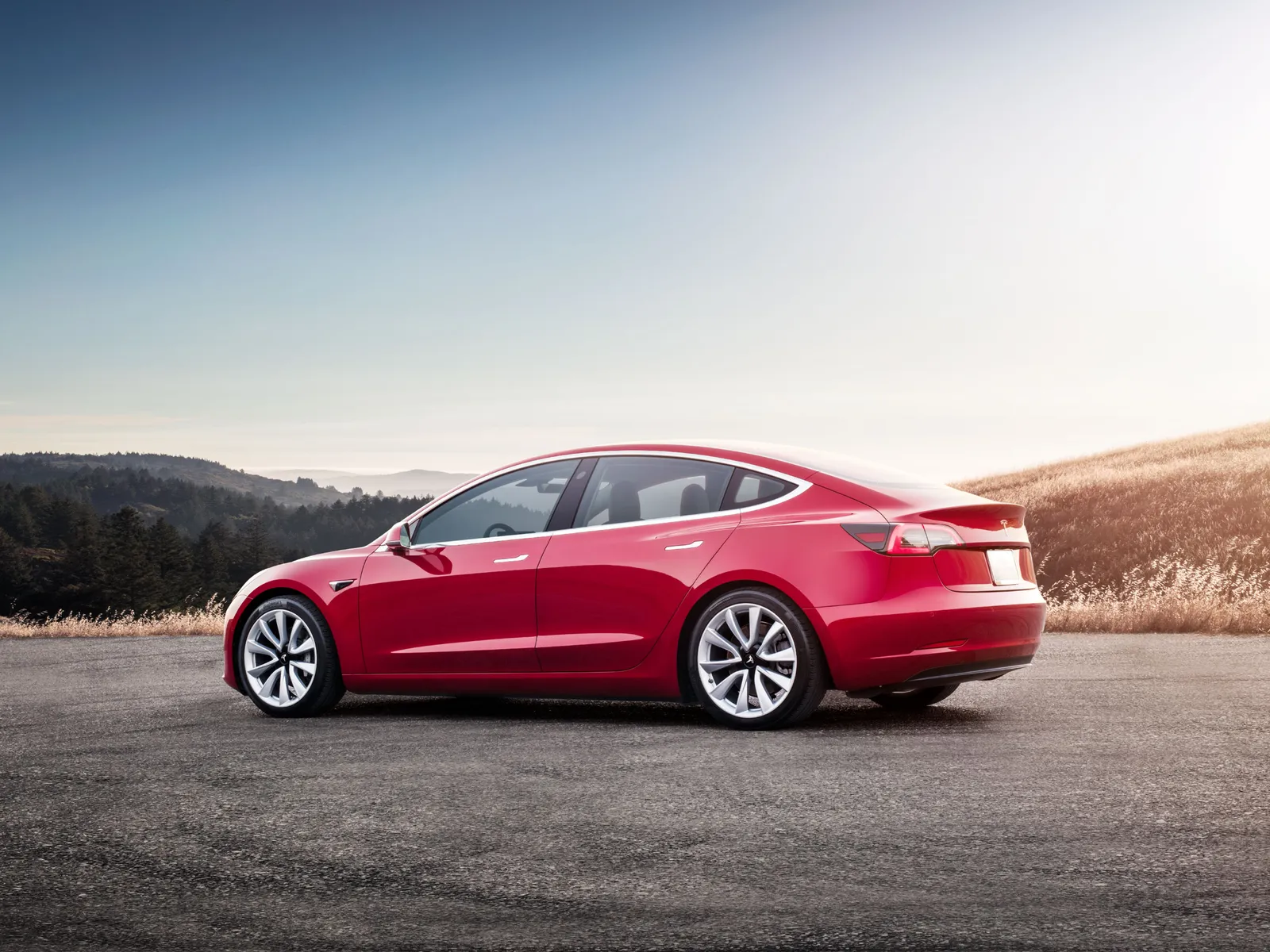
5. Tesla Model 3: Technology and Price Volatility Matter
The Tesla Model 3 attracts buyers who want an electric vehicle with quick acceleration, a minimalist cabin, and access to a charging ecosystem that varies by location and vehicle configuration. Used examples can provide a lower-cost entry into electric driving than a new model.
However, resale prices for electric vehicles can shift significantly with new-car pricing, incentives, financing offers, and changes in consumer demand. A listing that looks reasonable compared with the car’s original sticker price may not be competitive with current alternatives.
Battery condition and warranty coverage deserve close attention. Modern traction batteries are designed for long service lives, but usable range can change over time and battery-related repairs can be expensive.
Ask about the vehicle’s reported range, charging history where available, warranty status, and any battery or drive-unit repairs. A range estimate alone does not establish battery health because temperature, driving speed, wheel choice, and climate-control use affect how far the car can travel.
Charging access should influence the purchase decision. Owners with reliable home charging may find electric driving convenient and economical, particularly if electricity prices are favorable. Drivers who depend on public charging can face different costs, waiting times, and route-planning requirements.
Compare local electricity rates with gasoline prices, and consider the availability of chargers near home, work, and regular travel routes. Fuel savings should be calculated using your actual driving habits rather than general claims about electric vehicles.
Technology and repair considerations also affect value. Software features, driver-assistance packages, interior equipment, wheel size, and charging compatibility can vary between model years and versions. Confirm which features are included with the specific vehicle, since not every advertised capability is necessarily active or transferable to a new owner.
Inspect the tires, suspension, bodywork, charging equipment, and cabin electronics, and review the vehicle’s history for accident damage or poorly repaired structural components.