
Buying a vehicle involves more than comparing prices, fuel economy, styling, and performance. Warranty coverage also plays an important role because it protects owners against certain repair costs after purchase. Some American-market automakers provide generous powertrain protection, extended basic coverage, and additional benefits for electric vehicle batteries.
These offers can make a meaningful difference to long-term ownership expenses. Understanding manufacturer warranty terms helps buyers compare vehicles with confidence, identify coverage limitations, and choose a brand that supports its products through dependable after-sales protection and clearly defined repair commitments.
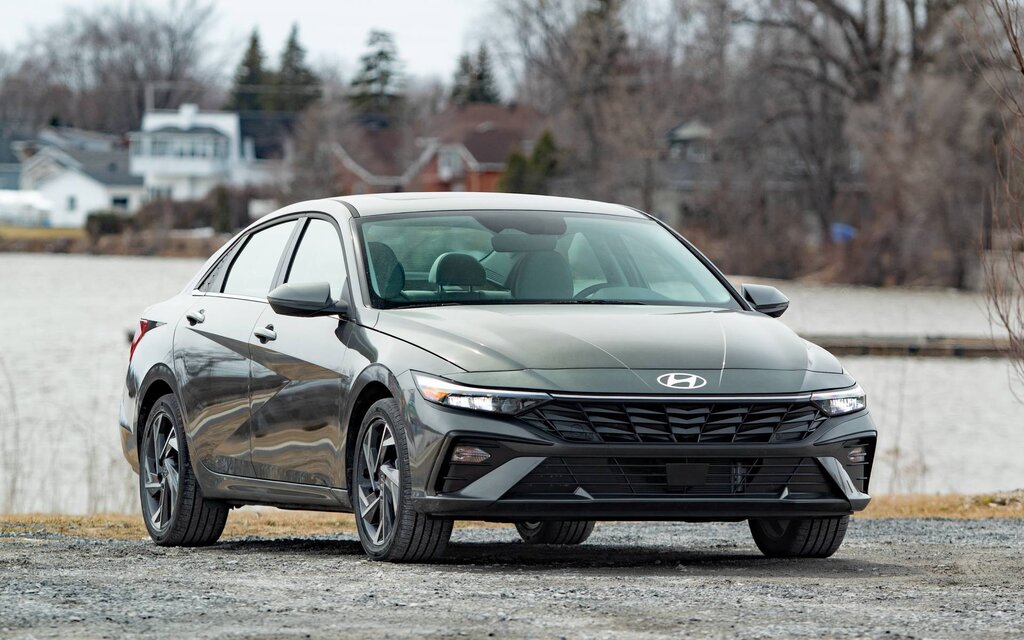
1. Hyundai: 10-Year Powertrain Warranty Coverage
Hyundai has built a strong reputation in the American automotive market through competitive pricing, modern vehicle technology, and extensive manufacturer warranty protection. Its warranty program is particularly attractive to buyers who want long-term powertrain coverage.
The company’s well-known 10-year or 100,000-mile powertrain limited warranty provides protection for qualifying original owners against covered defects in major engine and transmission components. This coverage places Hyundai among the leading manufacturers for extended powertrain protection in the United States.
The standard new vehicle limited warranty from Hyundai generally covers five years or 60,000 miles, whichever comes first. This coverage protects eligible vehicle components against defects in materials or workmanship under the manufacturer’s warranty conditions.
For buyers who plan to keep their cars for several years, the five-year basic warranty provides a useful period of protection beyond the shorter coverage offered by several competing manufacturers.
Hyundai’s 10-year or 100,000-mile powertrain warranty applies to eligible original retail owners. It generally covers important mechanical components, including the engine, transmission, and transaxle.
However, the extended powertrain coverage does not automatically transfer in full to subsequent private owners. For most used vehicles, the powertrain warranty is reduced to five years or 60,000 miles from the original in-service date, subject to the applicable terms.
Electric vehicle buyers can also benefit from separate battery protection. Hyundai provides high-voltage battery warranty coverage on eligible electric models, with terms depending on the vehicle and model year.
This distinction matters because an electric vehicle’s battery warranty is separate from its basic vehicle warranty and powertrain coverage. Buyers should review the specific warranty booklet to understand battery capacity requirements, exclusions, and mileage restrictions before completing a purchase.
For customers considering the Elantra, Sonata, Tucson, Santa Fe, Palisade, or Ioniq range, Hyundai deserves serious consideration. Its combination of five-year basic protection and extended powertrain coverage can help reduce concerns about expensive mechanical repairs.
Buyers should remember that scheduled maintenance, normal wear items, accidental damage, and improper vehicle use are generally not covered. The final warranty terms should always be checked against the particular model and model year.
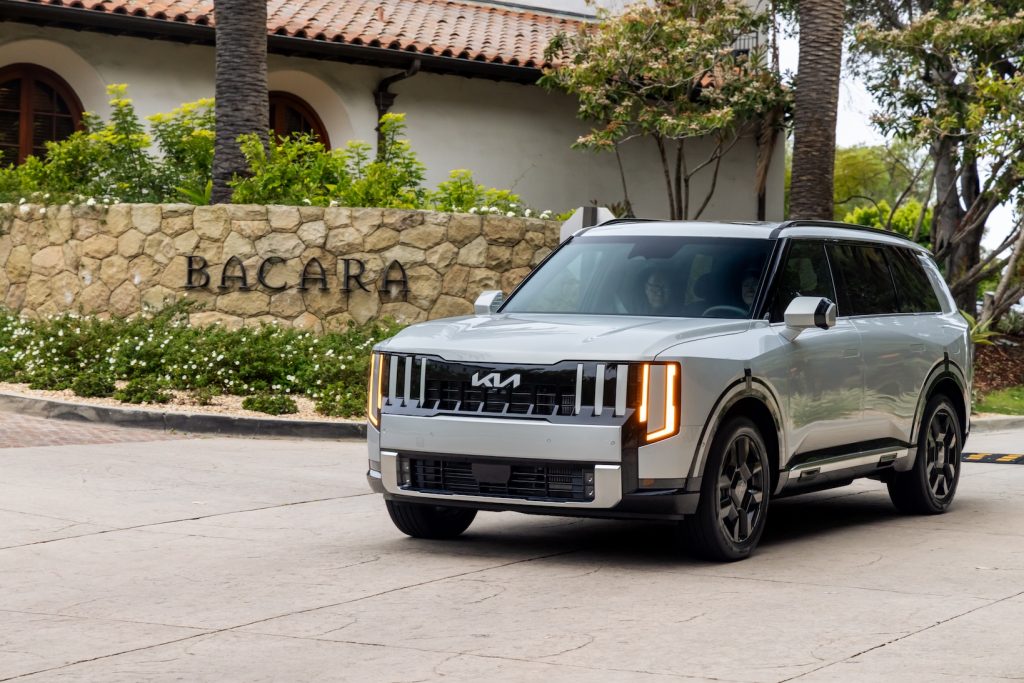
2. Kia: Extensive Factory Warranty Protection
Kia is another major manufacturer known for offering lengthy warranty protection in the United States. Its new vehicle warranty program is particularly appealing to customers who value extended coverage for essential mechanical components.
Eligible original owners generally receive a 10-year or 100,000-mile limited powertrain warranty. This coverage is a major selling point for the brand and helps distinguish Kia from automakers that provide shorter powertrain protection periods.
Kia’s basic limited warranty generally lasts five years or 60,000 miles, whichever comes first. It covers qualifying defects in materials and workmanship across many vehicle components.
This period provides a considerable level of protection during the early years of ownership. For customers purchasing a new vehicle, the basic warranty can provide reassurance against certain unexpected manufacturing-related repair expenses.
The 10-year or 100,000-mile powertrain warranty covers eligible engine, transmission, and related drivetrain components. However, this longer protection is generally reserved for the original retail purchaser.
When a qualifying Kia changes hands through a private sale, the powertrain warranty normally reverts to the applicable five-year or 60,000-mile coverage from the original in-service date. Buyers of used Kia vehicles should verify the remaining warranty rather than assume the original coverage continues unchanged.
Kia also provides separate warranty protection for electric vehicle components. High-voltage battery coverage varies by model and model year, with certain vehicles receiving extended protection.
This is particularly relevant for customers considering the EV6, EV9, or other electrified models. Battery coverage should be evaluated separately from the basic warranty because its duration, mileage limit, and capacity-related conditions may differ.
The brand’s warranty package makes models such as the Forte, K4, K5, Sportage, Sorento, Telluride, and EV9 attractive to buyers who prioritize long-term ownership protection. However, warranty coverage does not eliminate every maintenance or repair expense.
Routine servicing, brake wear, tire replacement, cosmetic damage, and other excluded items remain the owner’s responsibility. Reading Kia’s official warranty documentation is the best way to understand the exact protection attached to a particular vehicle.
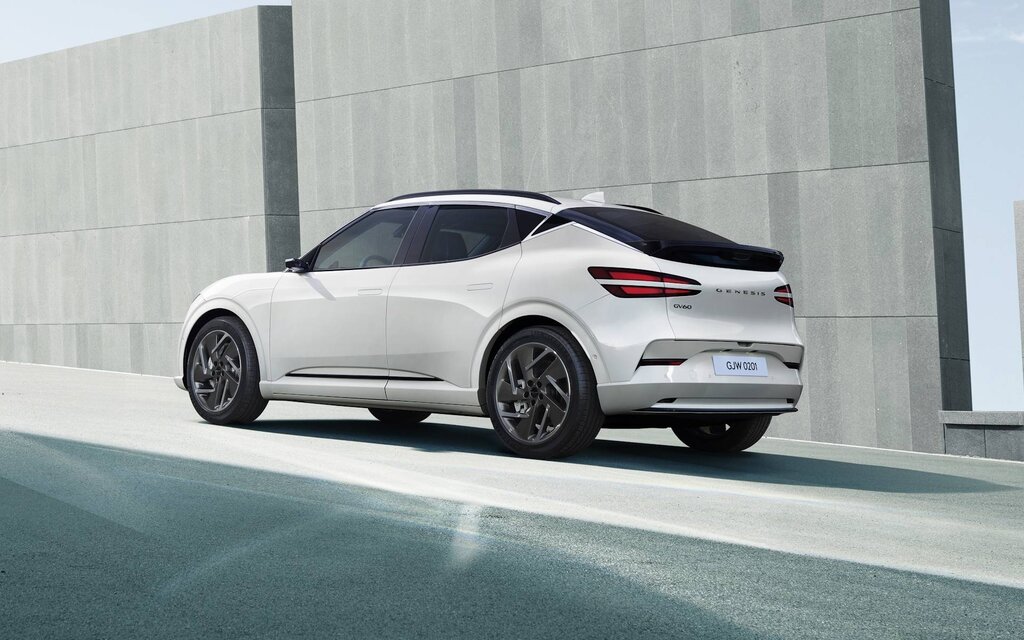
3. Genesis: Premium Vehicles With Extended Warranty Terms
Genesis is Hyundai Motor Group’s luxury automotive brand, competing with established premium manufacturers in the American market. Its warranty program is particularly attractive because it combines luxury vehicle ownership with substantial factory protection.
Eligible original owners generally receive a 10-year or 100,000-mile powertrain limited warranty. This extended coverage applies to qualifying major mechanical components and gives Genesis a strong position among premium vehicle manufacturers.
The Genesis new vehicle limited warranty generally provides five years or 60,000 miles of basic coverage. This protection covers eligible defects in materials and workmanship across numerous vehicle systems.
Premium buyers often expect strong after-sales support, and Genesis addresses this expectation through a warranty package that extends beyond the basic coverage offered by many luxury competitors.
The extended powertrain warranty generally protects qualifying engine, transmission, and drivetrain components for 10 years or 100,000 miles for the original retail owner. As with Hyundai and Kia, the extended powertrain benefit has ownership restrictions.
Subsequent owners generally receive the shorter applicable coverage rather than the complete original-owner warranty. This distinction can affect resale value and should be considered when purchasing a pre-owned Genesis.
Genesis also offers separate coverage for hybrid and electric vehicle components where applicable. Its electric lineup includes models such as the Electrified G80 and GV60, which have high-voltage battery systems requiring specific warranty provisions.
Battery protection is not identical to basic vehicle coverage, so customers should check the applicable model-year booklet for capacity guarantees, mileage limits, and other conditions.
For buyers interested in luxury sedans and SUVs, Genesis provides an appealing balance of premium equipment and extended mechanical protection.
The G70, G80, G90, GV70, and GV80 offer different levels of luxury and performance, while the warranty program provides a common ownership benefit across eligible models. Customers should also review roadside assistance, complimentary maintenance, and other benefits separately because these services have their own eligibility rules and coverage periods.
4. Mitsubishi: Long-Term Protection for Original Owners
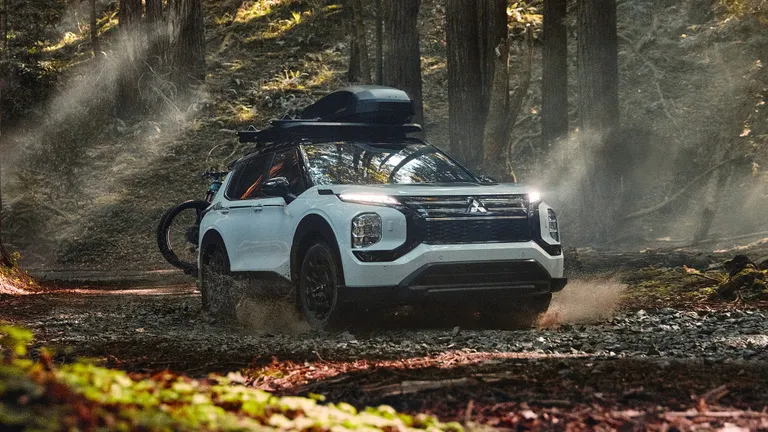
Mitsubishi has maintained a competitive position in the American warranty market through its extended powertrain protection. Eligible original retail owners generally receive a 10-year or 100,000-mile powertrain limited warranty.
This coverage is particularly relevant for customers who intend to keep their vehicles for a long period. It protects qualifying major mechanical components and can provide additional reassurance when comparing Mitsubishi vehicles with competitors.
The company’s basic new vehicle limited warranty generally covers five years or 60,000 miles, whichever comes first. This protection applies to eligible factory-related defects in covered vehicle components. A five-year basic warranty gives owners more time to address qualifying manufacturing problems than the three-year coverage offered by several mainstream brands.
Mitsubishi’s extended powertrain warranty generally includes covered engine, transmission, and drivetrain components. However, the 10-year or 100,000-mile benefit is intended for qualifying original retail owners.
Subsequent owners typically receive the applicable five-year or 60,000-mile powertrain coverage, calculated from the original in-service date. Customers purchasing used Mitsubishi vehicles should request warranty documentation to confirm the remaining protection.
The Outlander lineup also includes electrified options, making battery warranty information important for buyers interested in plug-in hybrid technology. Mitsubishi provides separate coverage for qualifying hybrid and electric vehicle components.
These provisions can include high-voltage battery protection, subject to specific model-year conditions. Buyers should distinguish between the general vehicle warranty and the separate battery coverage before evaluating the long-term cost of ownership.
Mitsubishi’s warranty structure makes the Outlander, Outlander Sport, and Eclipse Cross worth considering for customers who prioritize extended factory support.
The 10-year powertrain provision is particularly attractive when the vehicle remains with its original qualifying owner. Still, warranty coverage has exclusions, and regular servicing remains essential. Owners should follow the manufacturer’s maintenance schedule and retain service records to support any future warranty claims.
5. Infiniti: Longer Powertrain Coverage in the Luxury Segment
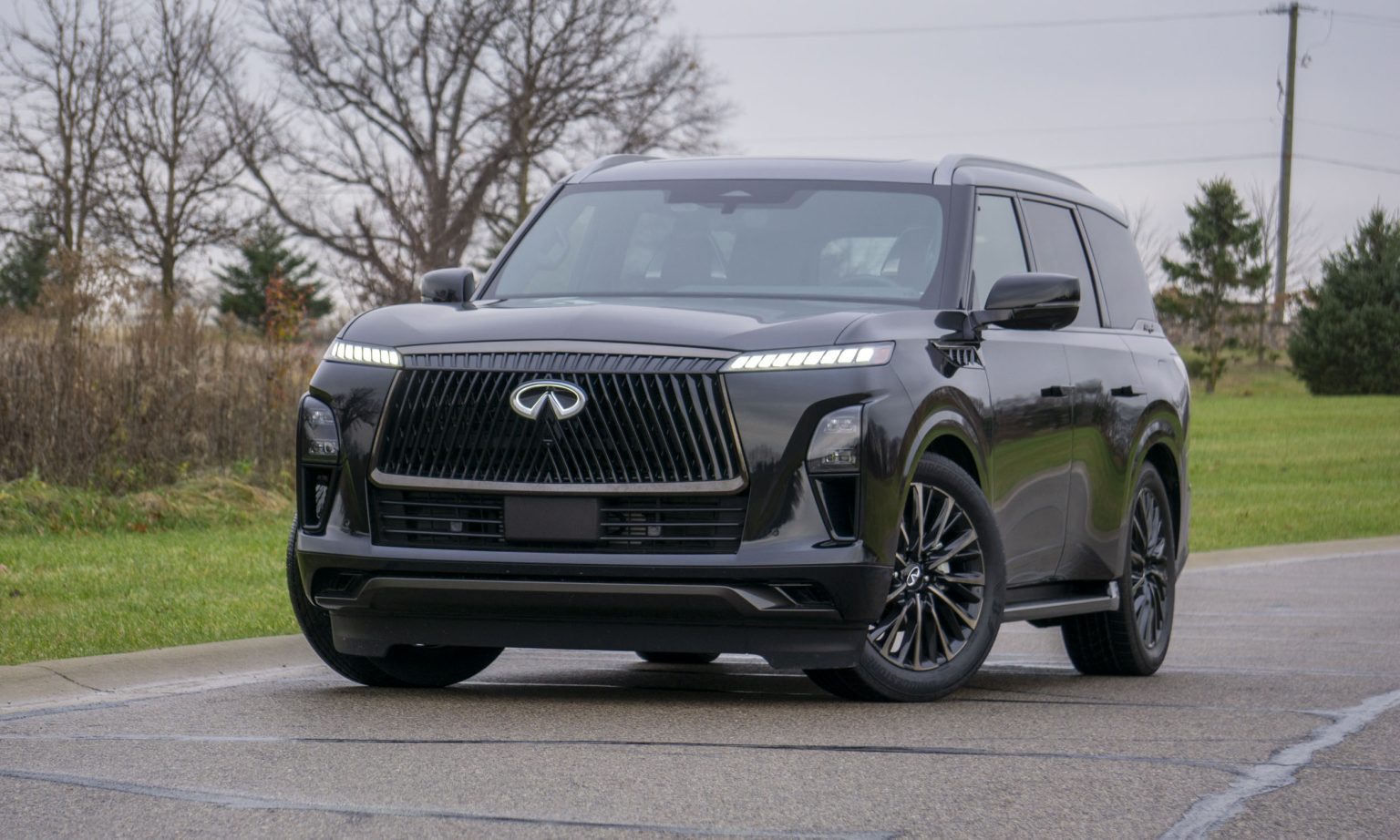
Infiniti is Nissan’s luxury vehicle division and provides a warranty package designed to support its premium cars and SUVs. Its factory coverage includes a four-year or 60,000-mile basic warranty and a six-year or 70,000-mile powertrain limited warranty.
These terms give Infiniti an advantage over several premium manufacturers that offer shorter powertrain coverage. For customers purchasing a new luxury vehicle, the longer mechanical protection can be a valuable ownership benefit.
The basic warranty generally covers qualifying defects in materials and workmanship for four years or 60,000 miles, whichever occurs first. This protection includes eligible factory-installed vehicle components, subject to the manufacturer’s conditions. It gives buyers a reasonable period to identify and address covered manufacturing issues after purchasing a new Infiniti.
The six-year or 70,000-mile powertrain warranty covers eligible engine, transmission, and drivetrain components. This extended period can be useful because major mechanical repairs may become more expensive as vehicles age.
However, the warranty does not cover routine maintenance, ordinary wear, or damage resulting from improper use. Customers should also understand that the mileage and time limits work together, with coverage ending when either limit is reached.
Infiniti customers can choose from several luxury SUVs and sedans, including the QX50, QX55, QX60, and QX80, depending on the current model lineup.
These vehicles offer different levels of passenger space, performance, and equipment. Buyers should review the warranty booklet for their chosen model because component-specific provisions, corrosion coverage, and roadside assistance can follow different terms.
6. Cadillac: Extended Powertrain Coverage for Luxury Buyers
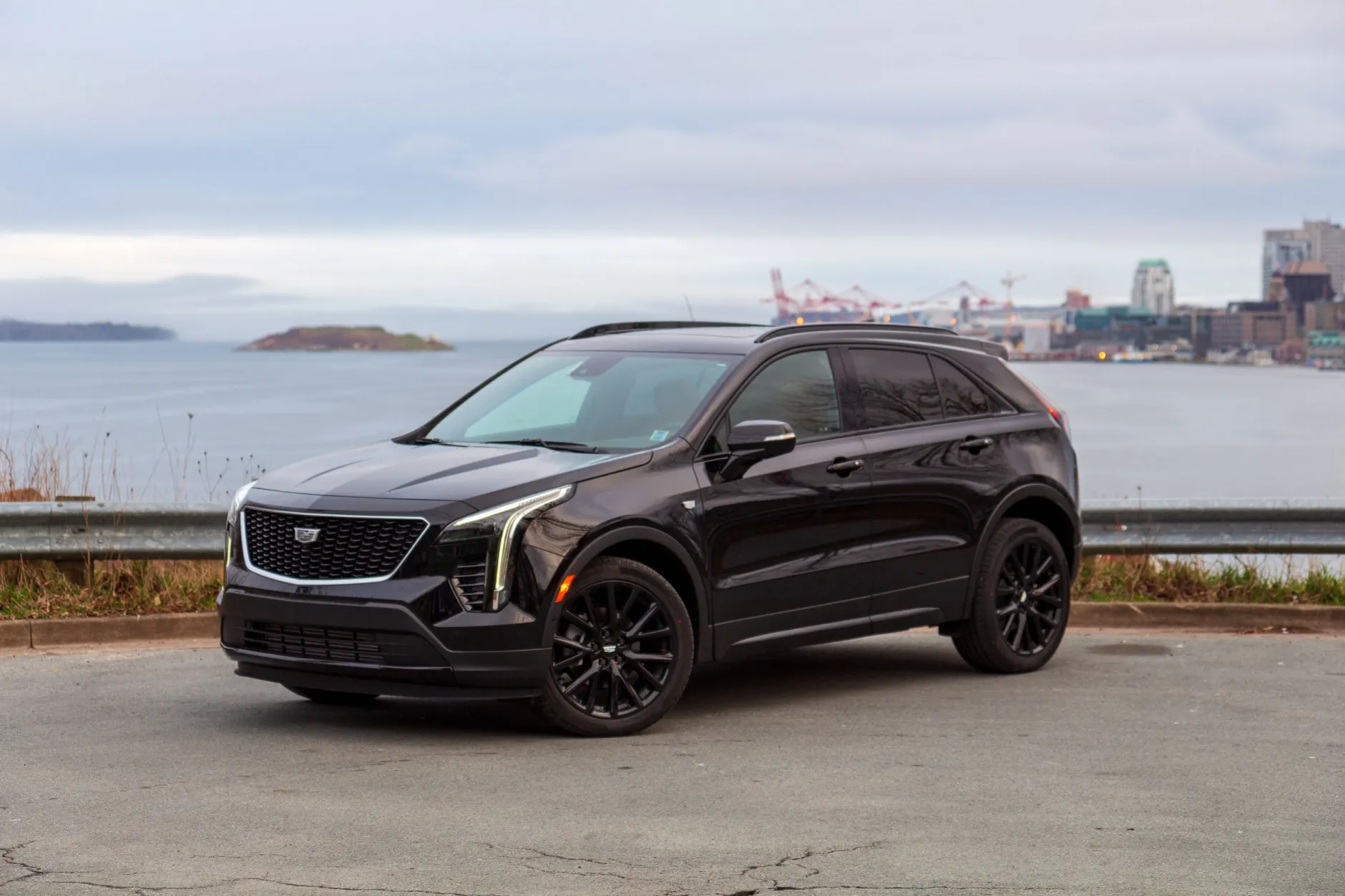
Cadillac is a well-established American luxury automaker offering a factory warranty package that provides solid protection for new vehicle buyers. Its new vehicle limited warranty generally includes four years or 50,000 miles of bumper-to-bumper coverage and six years or 70,000 miles of powertrain protection.
These terms make Cadillac competitive among premium manufacturers, particularly for buyers who want extended coverage for major mechanical components.
The four-year or 50,000-mile bumper-to-bumper warranty protects qualifying vehicle components against defects in materials and workmanship. This coverage is broader than the powertrain warranty because it can apply to eligible electrical, mechanical, and other factory-installed systems.
However, the term bumper-to-bumper does not mean every vehicle component is covered without restrictions. Wear items, maintenance services, accidental damage, and specified exclusions remain outside the protection.
Cadillac’s six-year or 70,000-mile powertrain limited warranty covers eligible engine, transmission, and drivetrain components. This protection is particularly important for customers purchasing larger luxury SUVs, where major mechanical repairs can involve significant expenses. The warranty period is measured from the original in-service date, and coverage ends when either the time or mileage limit is reached.
Electric vehicle customers considering the Cadillac Lyriq and other electric models should also review the separate battery warranty. High-voltage batteries have their own coverage terms, which can extend beyond the standard basic vehicle warranty.
These provisions are especially important because battery repairs and replacements can be expensive. The exact coverage, capacity requirements, and mileage restrictions depend on the model and applicable warranty documentation.
7. Rivian: Strong Battery and Electric Drivetrain Warranties
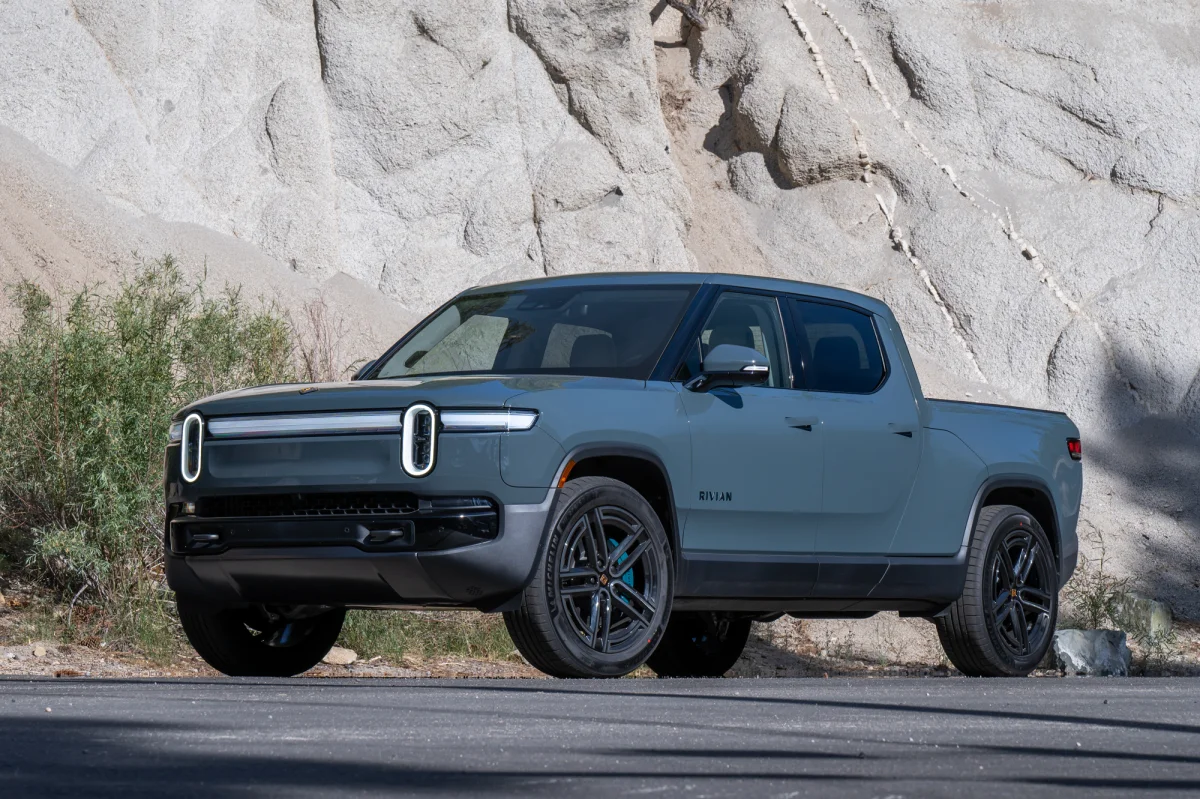
Rivian is an American electric vehicle manufacturer known for its electric pickup trucks and SUVs. Its warranty structure differs from traditional automakers because electric vehicles use battery packs and electric drive units instead of conventional engines and transmissions.
Rivian provides a comprehensive limited warranty that generally lasts five years or 60,000 miles. This gives new owners protection against qualifying manufacturing defects during the early years of vehicle ownership.
The company’s battery and drivetrain warranty is particularly important when evaluating its vehicles. Depending on the model, battery configuration, and applicable warranty terms, Rivian provides coverage of up to eight years and 175,000 miles for qualifying high-voltage battery and drive unit components.
Other configurations can have different mileage limits. Buyers should therefore confirm the exact coverage attached to the R1T or R1S they intend to purchase.
Battery warranty protection is particularly valuable because the battery pack represents a major component of an electric vehicle’s cost. Rivian’s coverage includes specific conditions relating to battery performance and qualifying defects.
It is important to understand that battery capacity naturally changes with use and age. Normal degradation is not automatically treated as a manufacturing defect, and any capacity-related claim must meet the manufacturer’s stated warranty requirements.
Rivian’s warranty provisions also address other vehicle components through separate coverage categories. These can include corrosion protection, restraint systems, and additional electrical equipment.
Each category may have its own duration, mileage limits, and exclusions. Customers should examine the warranty guide rather than assume that the longest battery warranty applies to the entire vehicle.
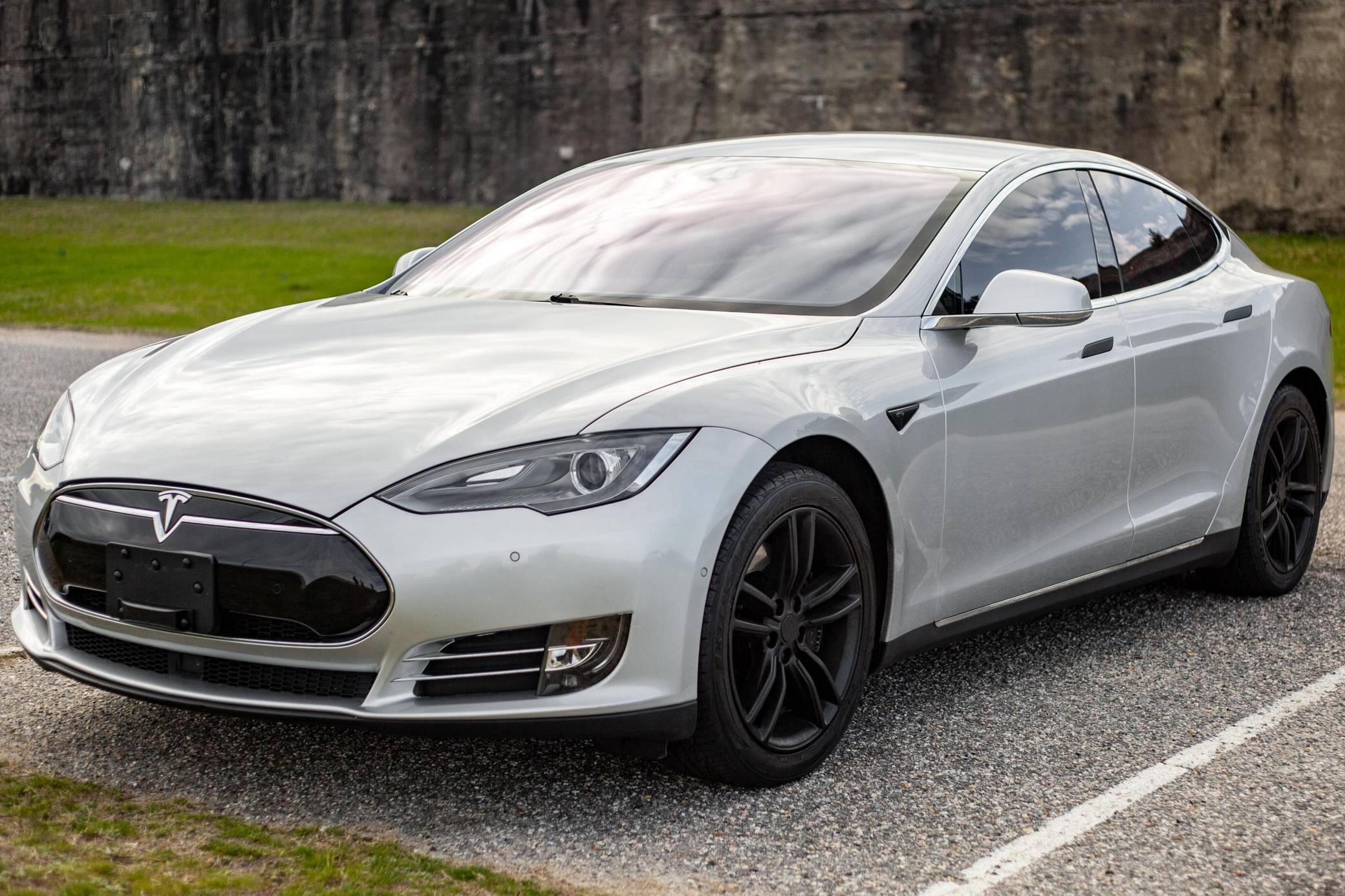
8. Tesla: Extended Battery Protection Across Electric Models
Tesla has played a major role in expanding electric vehicle adoption in America. Its warranty structure includes a basic vehicle limited warranty and separate coverage for the battery and drive unit.
The basic limited warranty generally lasts four years or 50,000 miles, whichever comes first. This provides coverage for qualifying defects in materials and workmanship during the initial ownership period.
Tesla’s battery and drive unit warranty can extend to eight years, with mileage limits depending on the vehicle. For example, certain Model 3 and Model Y configurations have an eight-year or 100,000-mile battery and drive unit warranty, while other versions receive higher mileage limits.
Some Model S and Model X configurations have coverage of up to eight years or 150,000 miles. The exact limit depends on the model and battery configuration.
Battery capacity is a particularly important consideration for electric vehicle owners. Tesla’s battery warranty includes a minimum capacity retention requirement during the applicable coverage period. Certain eligible vehicles have a 70 percent minimum battery capacity retention guarantee, subject to the specific warranty terms.
This provision helps distinguish qualifying excessive battery capacity loss from normal changes associated with age, charging patterns, and vehicle usage.
Tesla also provides separate provisions for corrosion and other covered vehicle components. These protections do not necessarily match the duration of the battery and drive unit warranty.
Owners should review the current warranty documentation for their model because coverage can vary by vehicle type, production period, and market. Software features, connectivity services, and paid subscriptions should not be confused with physical vehicle warranty protection.
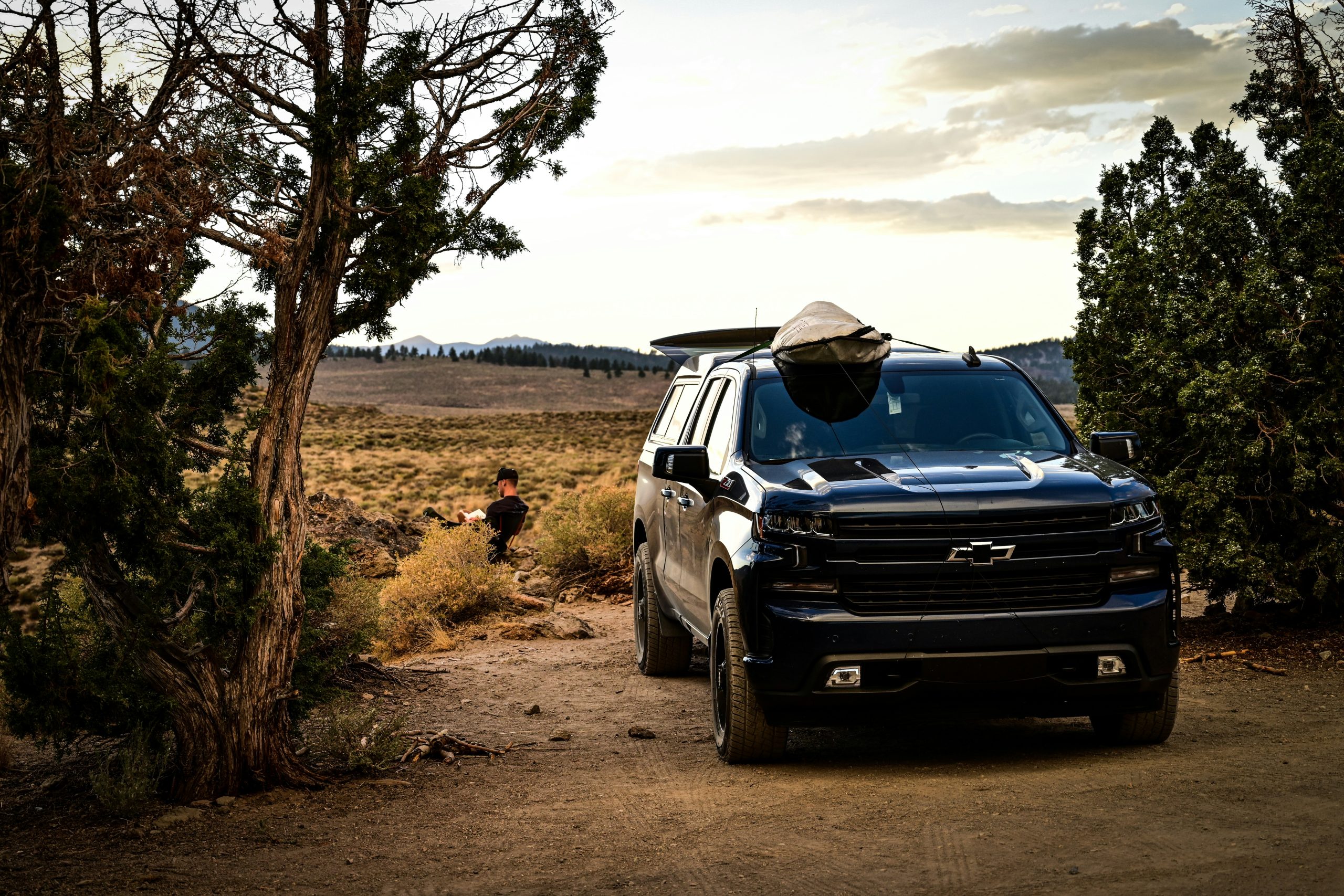
9. Chevrolet: Practical Factory Warranty Coverage
Chevrolet is a major American vehicle brand with a broad range of cars, SUVs, trucks, and electric vehicles. Its standard new vehicle warranty generally includes three years or 36,000 miles of bumper-to-bumper protection and five years or 60,000 miles of powertrain coverage.
While these terms are shorter than the extended warranties offered by Hyundai, Kia, and Mitsubishi, they provide meaningful protection for qualifying defects.
The three-year or 36,000-mile bumper-to-bumper warranty covers eligible factory defects affecting many vehicle components. It is designed to address problems caused by manufacturing or workmanship rather than normal wear and tear.
Customers should understand that items such as tires, brake pads, and scheduled maintenance generally have separate coverage rules or are excluded from the basic warranty.
Chevrolet’s five-year or 60,000-mile powertrain warranty generally covers qualifying engine, transmission, and drivetrain components. This is particularly relevant for truck and SUV buyers because these vehicles may experience demanding operating conditions.
The coverage provides additional protection after the basic bumper-to-bumper warranty ends, provided the vehicle remains within the applicable powertrain limits.
Electric Chevrolet models require separate attention because their battery systems have their own warranty provisions. Vehicles such as the Equinox EV, Blazer EV, and Silverado EV have high-voltage battery coverage that generally extends to eight years or 100,000 miles, subject to applicable conditions.
This longer period is separate from the standard basic warranty and is particularly relevant when comparing electric models with gasoline-powered alternatives.
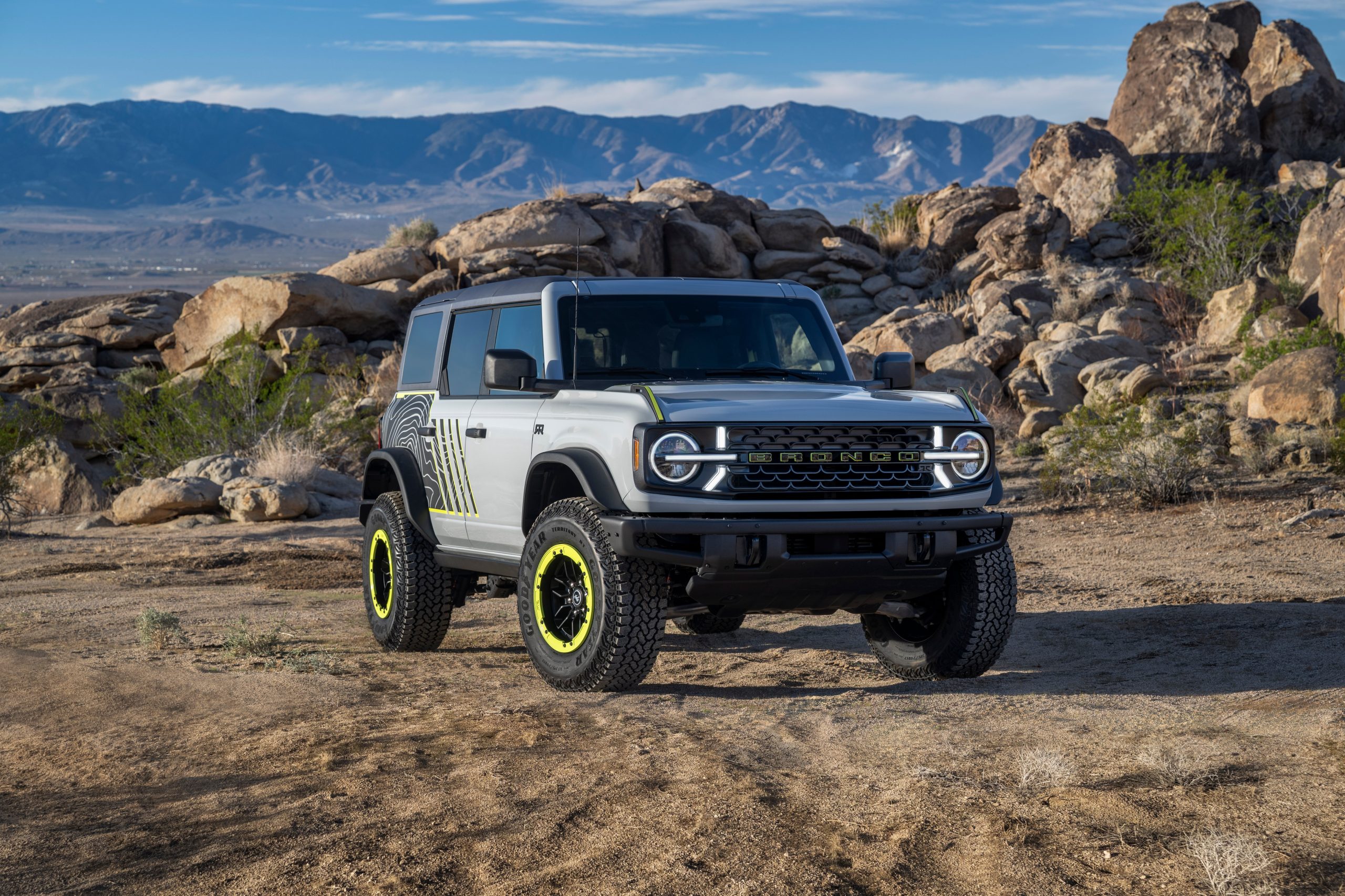
10. Ford: Balanced Warranty Coverage for Cars, Trucks, and SUVs
Ford is another major American automaker with a broad selection of vehicles and a well-established warranty program. Its standard new vehicle limited warranty generally provides three years or 36,000 miles of bumper-to-bumper protection.
The powertrain limited warranty typically lasts five years or 60,000 miles. These terms offer buyers a defined period of protection against qualifying manufacturing defects and major mechanical failures.
The basic warranty covers eligible factory-installed components that experience defects in materials or workmanship. This can include certain mechanical, electrical, and other vehicle systems.
However, coverage is subject to exclusions and maintenance requirements. Owners should understand the difference between manufacturing defects and damage caused by accidents, misuse, modifications, or insufficient maintenance.
Ford’s five-year or 60,000-mile powertrain warranty generally covers eligible engine, transmission, and drivetrain components. This coverage is particularly relevant to customers purchasing vehicles such as the F-150, Explorer, Bronco, and other models intended for everyday driving or demanding use.
Since major powertrain repairs can be expensive, the extended protection provides additional reassurance during the early years of ownership.
Ford electric and hybrid vehicles have separate coverage provisions for their high-voltage batteries and related components. Eligible electric models, including the Mustang Mach-E and F-150 Lightning, generally receive eight years or 100,000 miles of high-voltage battery coverage, subject to applicable conditions.
Certain hybrid and plug-in hybrid vehicles may also receive extended battery protection. Buyers should check the warranty booklet for their specific vehicle and state of registration.
