Winter can be tough on your car, especially when cold temperatures, icy roads, snow, and freezing rain become part of your daily routine. Many drivers focus on reaching their destination safely but overlook small habits that gradually damage their vehicles.
From starting the engine and driving immediately to ignoring tire pressure and skipping regular maintenance, certain winter driving practices can lead to expensive repairs.
Understanding these mistakes can help protect your engine, battery, brakes, and tires throughout the colder months. Here are ten common winter driving habits that can shorten your car’s lifespan and increase maintenance costs.
1. Driving Immediately After Starting a Cold Engine
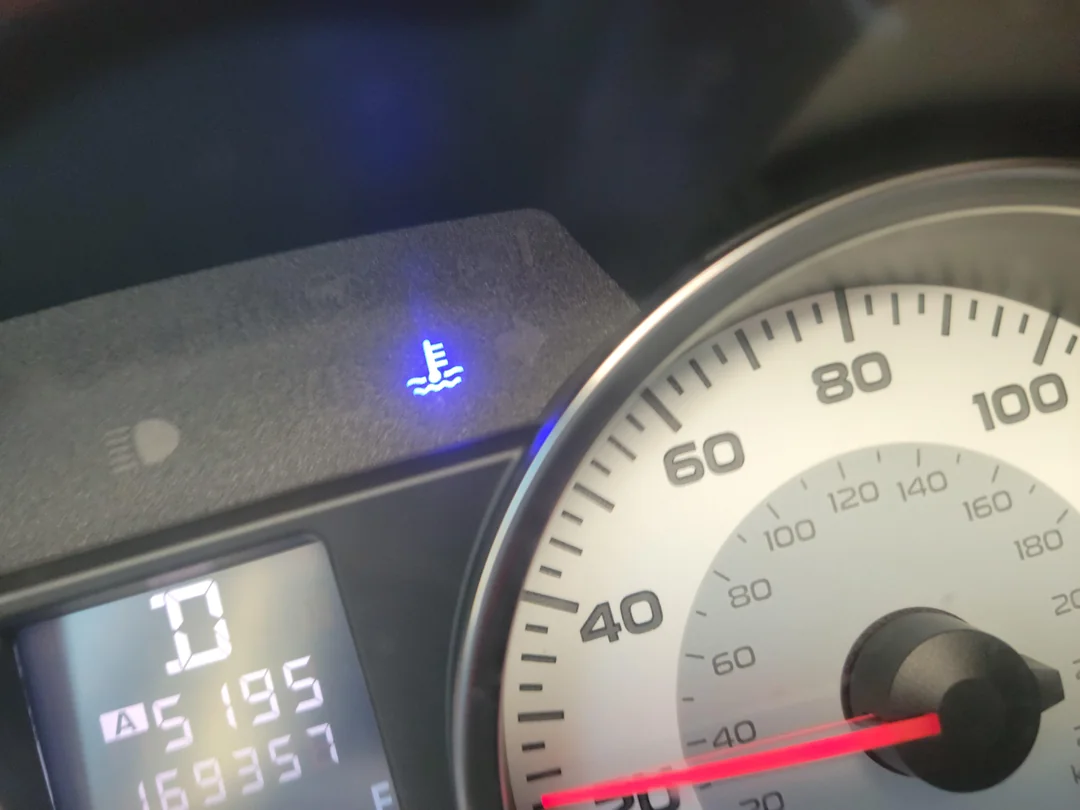
Starting your car on a freezing winter morning and immediately driving away is a habit that can contribute to unnecessary engine wear. When temperatures drop, engine oil becomes thicker and flows more slowly through internal components.
The oil needs a short period to circulate properly after the engine starts. Driving aggressively before lubrication reaches all the necessary areas can increase friction between moving parts, particularly when the engine is still cold.
Many modern vehicles are designed to start and operate efficiently without requiring several minutes of stationary idling. However, that does not mean you should start the engine and immediately accelerate hard.
A brief pause allows the engine to stabilize, while gentle driving during the first few minutes helps bring the vehicle up to its normal operating temperature. This approach is generally more practical than leaving the car running for an extended period.
Cold engine oil can place additional stress on components such as bearings, pistons, and other moving parts. These components depend on consistent lubrication to function properly. When the engine is cold, oil circulation and operating clearances differ from their normal conditions.
Repeatedly demanding high performance before the engine warms up can contribute to premature wear over time, particularly in vehicles that already have high mileage or inconsistent maintenance histories.
A common mistake is pressing the accelerator repeatedly while waiting for the engine to warm up. Revving a cold engine does not make the process significantly safer or more effective.
Instead, it increases engine speed while the oil and other fluids are still adjusting to low temperatures. Drivers should allow the idle speed to settle naturally and avoid unnecessary acceleration during the initial moments after starting the vehicle.
2. Ignoring Tire Pressure During Cold Weather
Tire pressure is frequently overlooked during winter, even though temperature changes can significantly affect the amount of air pressure inside a tire. As outside temperatures fall, the air inside the tires contracts, causing pressure to decrease.
This means tires that were properly inflated during warmer months may become underinflated when winter arrives. Driving with incorrect tire pressure can affect handling, braking performance, fuel efficiency, and tire lifespan.
Underinflated tires create additional rolling resistance, which forces the engine to work harder to move the vehicle. This can increase fuel consumption and generate extra heat within the tires during longer journeys.
The tire sidewalls also experience greater flexing than intended, increasing the risk of uneven tread wear and damage. On wet, snowy, or slippery roads, reduced tire pressure can make vehicle control less predictable.
Overinflating tires is not a suitable solution either. Some drivers believe adding extra air during winter improves traction, but excessive pressure can reduce the tire’s contact patch with the road.
This may affect grip and make the vehicle feel less stable, particularly when driving across uneven surfaces. Following the manufacturer’s recommended tire pressure is more important than experimenting with different inflation levels.
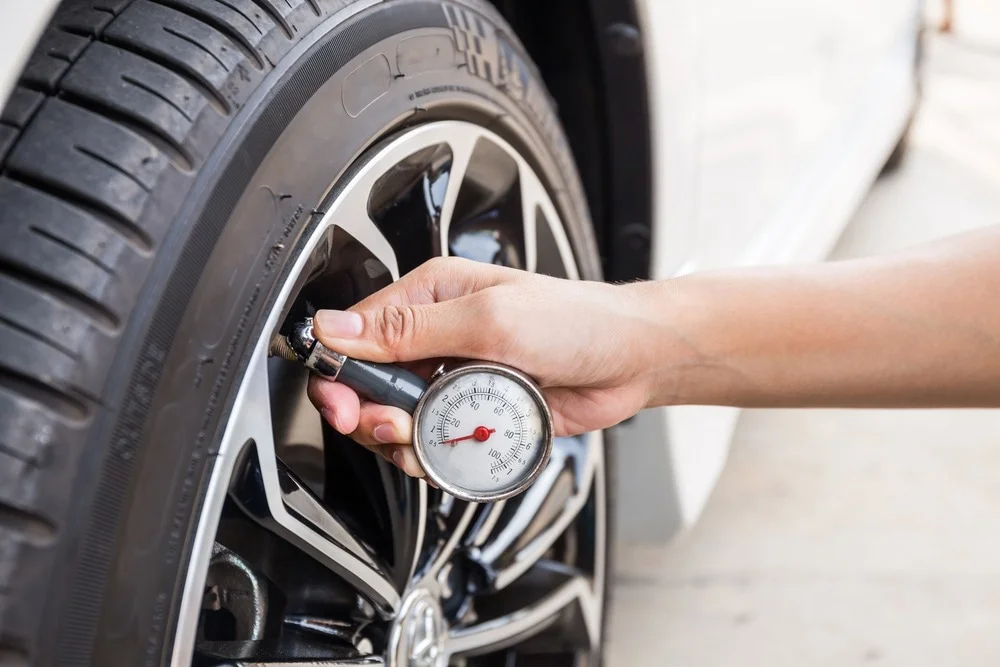
Drivers should check tire pressure regularly using a reliable pressure gauge, preferably when the tires are cold. The recommended pressure can usually be found on the sticker inside the driver’s door or in the owner’s manual.
It is important to follow the manufacturer’s specified value rather than the maximum pressure printed on the tire sidewall. Checking all four tires, along with the spare where applicable, helps prevent unexpected problems.
3. Using the Brakes Too Aggressively on Slippery Roads
Sudden braking is particularly damaging to driving safety during winter because cold weather can make road surfaces slippery and unpredictable. Snow, black ice, frost, and freezing rain reduce the friction available between tires and the road.
When drivers apply the brakes sharply, the tires may struggle to maintain traction. This can cause the vehicle to slide, increasing the likelihood of collisions and placing additional strain on the braking system.
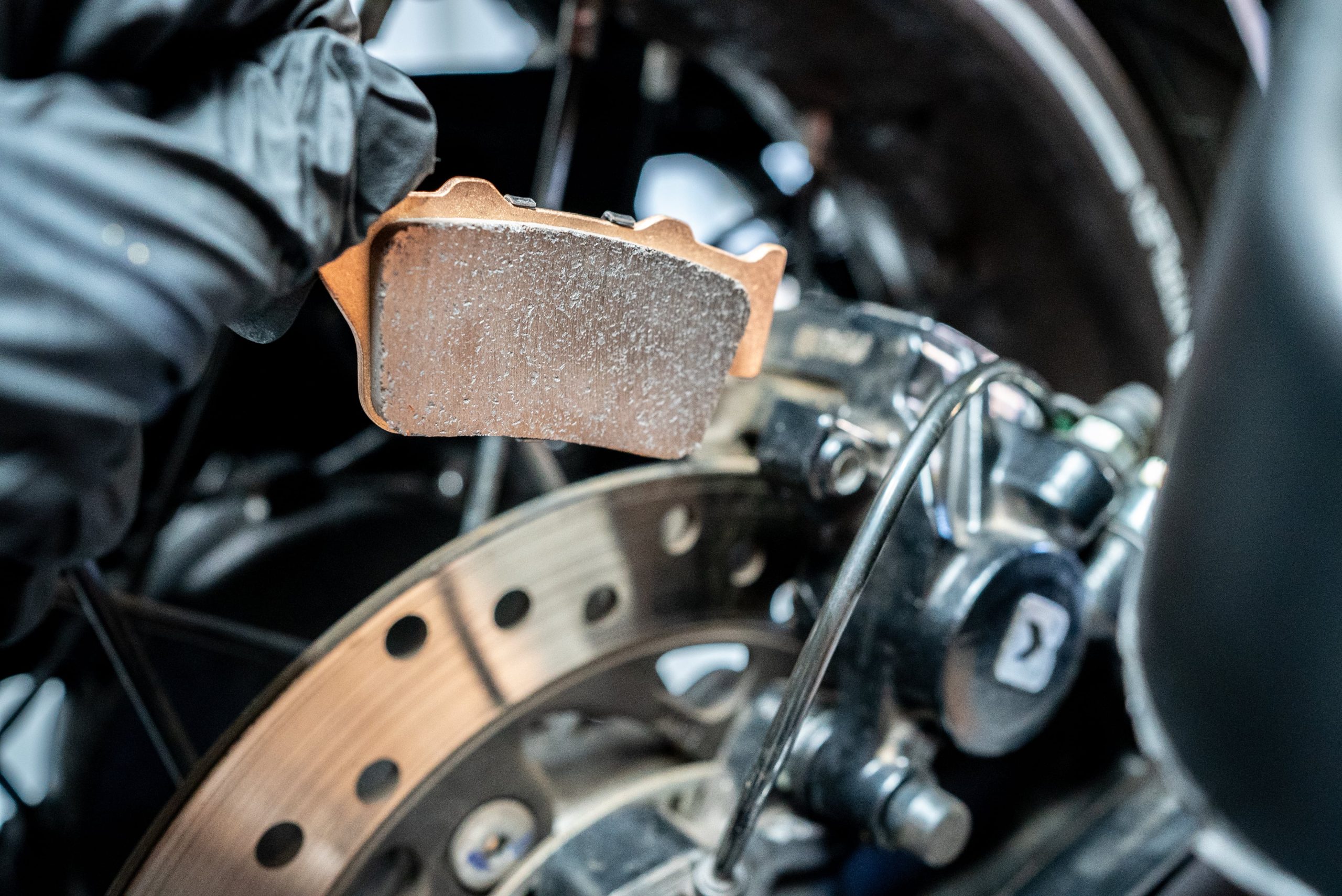
Repeated hard braking also creates unnecessary heat within brake components. Brake pads and rotors are designed to handle normal operating temperatures, but frequent aggressive stops can accelerate wear.
Sudden braking may also contribute to uneven rotor temperatures and vibration under certain conditions. When combined with poor tire condition or neglected brake maintenance, these problems can become more noticeable during winter driving.
Another common mistake is following the vehicle ahead too closely. On dry roads, drivers sometimes become accustomed to stopping at relatively short distances. Winter conditions change this equation because stopping distances can increase substantially on slippery surfaces.
If traffic suddenly slows down, a driver without enough following distance may need to apply the brakes aggressively, potentially losing control.
A safer approach is to anticipate traffic conditions and reduce speed before reaching intersections, curves, and congested areas. Smooth braking allows the tires to maintain better contact with the road.
Vehicles equipped with anti-lock braking systems should be operated according to the manufacturer’s guidance. If ABS activates during an emergency stop, drivers generally need to maintain firm, steady pressure on the brake pedal rather than repeatedly pumping it.
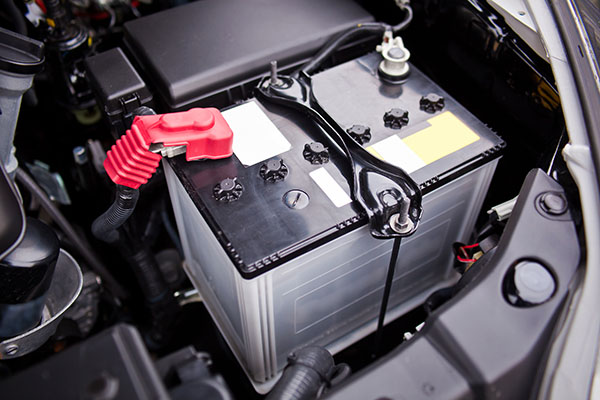
4. Neglecting the Car Battery During Winter
Winter temperatures can be especially challenging for car batteries. Cold weather slows the chemical reactions that allow a battery to produce electrical energy, reducing its available starting power.
At the same time, cold engines require more effort to turn over because engine oil becomes thicker. This combination places additional demands on the battery, making older or weakened units more likely to fail during winter mornings.
Many drivers wait until their vehicles refuse to start before paying attention to battery condition. Unfortunately, batteries rarely fail at a convenient moment.
Slow engine cranking, dim headlights, flickering dashboard lights, and repeated starting difficulties can indicate that the battery needs testing. Ignoring these warning signs may leave you stranded in an inconvenient or potentially dangerous location during extremely cold weather.
Another damaging habit is repeatedly attempting to start an engine that refuses to turn over. Holding the ignition key or pressing the start button continuously can drain the battery and place additional strain on the starter motor.
If the vehicle does not start after a reasonable attempt, pause and investigate the cause instead of repeatedly trying. A battery that is already weak may become completely discharged through repeated unsuccessful attempts.
Drivers should also avoid leaving headlights, interior lights, entertainment systems, or other electrical accessories switched on when the engine is not running.
Modern vehicles may have systems designed to reduce unnecessary electrical consumption, but these features cannot eliminate every risk of battery discharge. Frequent short trips can also prevent the charging system from replacing the energy used during engine starts, especially when the vehicle operates in cold weather.
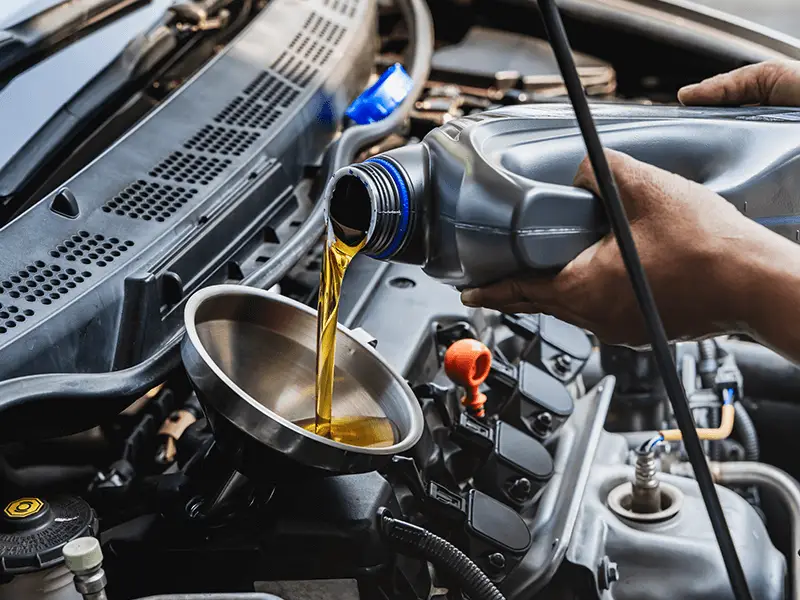
5. Ignoring Engine Oil and Other Essential Fluids
Engine oil plays a vital role in protecting internal components, reducing friction, and carrying heat away from important engine parts. During winter, using the wrong oil viscosity can make cold starts more difficult and affect how efficiently the lubricant circulates.
Oil that is too thick for the manufacturer’s specifications may not flow as effectively during cold conditions. This can increase friction and place additional stress on engine components during startup.
Some drivers continue using the same oil throughout the year without considering the manufacturer’s recommendations for their vehicle and climate. However, different engines require specific oil grades and specifications.
Modern synthetic oils are often designed to provide suitable performance across a wide range of temperatures, but the correct choice depends on the vehicle’s design. Always consult the owner’s manual before changing oil viscosity or selecting a replacement product.
Coolant is equally important because it helps regulate engine temperature and protects the cooling system from freezing. Using an incorrect coolant mixture or ignoring coolant levels can create serious problems.
If coolant freezes, it can expand and damage components such as the radiator, hoses, and engine passages. Even in regions where temperatures rarely reach freezing levels, using the correct coolant specification helps protect the engine from corrosion and overheating.
Windshield washer fluid is another frequently forgotten item. Ordinary water may freeze inside the washer reservoir, hoses, or spray nozzles when temperatures become extremely low.
Frozen washer fluid can leave the windshield dirty and reduce visibility when road spray, mud, and salt accumulate. Drivers in cold climates should use washer fluid with a temperature rating appropriate for local winter conditions and regularly check that the system operates correctly.

6. Driving Through Deep Snow and Puddles at High Speed
Driving too quickly through deep snow, slush, or large puddles can expose your vehicle to unnecessary mechanical damage. Snow can hide potholes, road debris, and uneven surfaces that are difficult to identify from the driver’s seat.
Hitting these obstacles at high speed can damage tires, wheels, suspension components, and the underside of the vehicle. What appears to be an ordinary patch of snow may conceal a serious road hazard.
Large puddles create a separate risk because water can enter areas that are not designed to handle deep submersion. Driving quickly through standing water increases the likelihood of water splashing into the engine air intake.
In severe cases, water entering the cylinders can cause hydrolock, a condition that may lead to catastrophic engine damage. The depth of the water and the vehicle’s intake position determine the level of risk.
Water can also reach electrical connectors, sensors, and other vulnerable components. Although many modern vehicles have protective seals and weather-resistant electrical systems, these protections are not designed to make every part waterproof.
Repeated exposure to excessive moisture can contribute to corrosion and electrical faults. Driving through contaminated winter slush may also expose the vehicle’s underside to road chemicals and abrasive debris.
Speed is a major factor in these situations. The faster a vehicle enters deep water or snow, the greater the chance of losing control or striking hidden obstacles.
Drivers should reduce speed before reaching flooded sections and avoid crossing water when its depth or current is uncertain. Never assume that another vehicle’s successful passage means the route is safe for your car.

7. Forgetting to Wash Road Salt and Winter Dirt Off the Car
Road salt is commonly used in colder regions to reduce ice formation and improve road safety. However, the same material can gradually damage vehicles when it remains on metal surfaces.
Salt and moisture create conditions that encourage corrosion, particularly around the underbody, wheel arches, suspension components, brake lines, and exposed metal fittings. Drivers who rarely wash their vehicles during winter may allow corrosive deposits to accumulate for weeks.
The exterior paintwork also needs attention. Salt, sand, mud, and other road contaminants can settle on painted surfaces. When these particles are rubbed against the body during cleaning or everyday use, they may contribute to scratches and dullness.
Dirt can also collect around door seals, window edges, and trim pieces. Regular cleaning helps prevent excessive buildup and makes it easier to identify developing paint or bodywork problems.
The underside of a vehicle is particularly vulnerable because drivers rarely see how much dirt and salt accumulate there. Water and road chemicals can become trapped around protective panels, wheel wells, and structural seams.
Over time, corrosion may affect metal components and weaken protective coatings. In areas where roads are heavily salted, ignoring underbody cleaning can contribute to expensive long-term maintenance issues.
Washing a vehicle during winter requires some planning. Whenever possible, choose a period when temperatures allow water to drain and dry without immediately freezing.
Use a suitable car shampoo and clean the wheel arches, door openings, and lower body panels carefully. A car wash with an underbody rinse can be useful for removing deposits from areas that are difficult to reach with ordinary washing equipment.
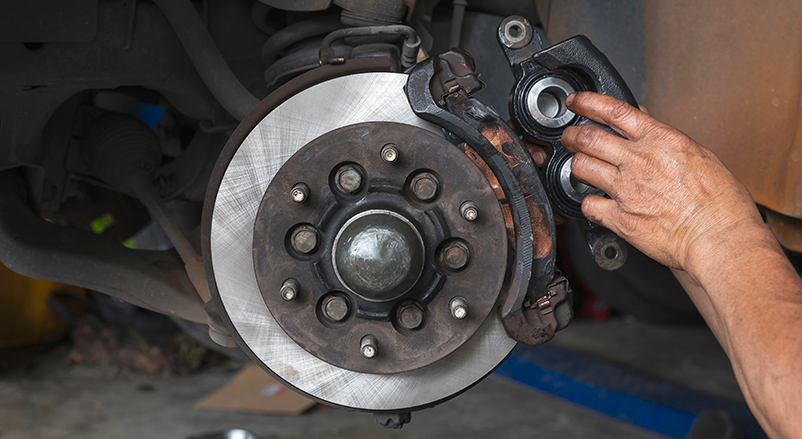
8. Using the Parking Brake Incorrectly in Freezing Conditions
The parking brake is an essential safety feature, but freezing weather can create problems when moisture reaches certain components. In vehicles with mechanical parking brake cables, water can enter the cable housing or collect around moving parts.
When temperatures fall below freezing, this moisture may freeze and prevent the parking brake from releasing normally. Drivers may then experience difficulty moving the vehicle after it has been parked overnight.
Repeatedly forcing a vehicle to move when the parking brake is stuck can damage brake components. Excessive force may place unnecessary strain on the parking brake mechanism, cables, brake shoes, or related hardware.
Driving with a partially engaged parking brake can also create friction and excessive heat, which may accelerate wear. Unusual resistance, burning smells, or warning lights should never be ignored.
Some drivers respond to freezing conditions by avoiding the parking brake entirely. However, this is not a universally safe solution.
Parking on an incline without properly securing the vehicle can allow it to roll, potentially causing an accident. The correct parking procedure depends on the vehicle’s transmission, parking brake design, parking location, and the manufacturer’s instructions.
For an automatic transmission, drivers should generally use the parking brake when appropriate, then select Park according to the owner’s manual. In a manual transmission, the recommended procedure may involve engaging a suitable gear alongside the parking brake.
When parking on a slope, wheel positioning and appropriate wheel restraints may provide additional security. These steps help prevent unintended vehicle movement.
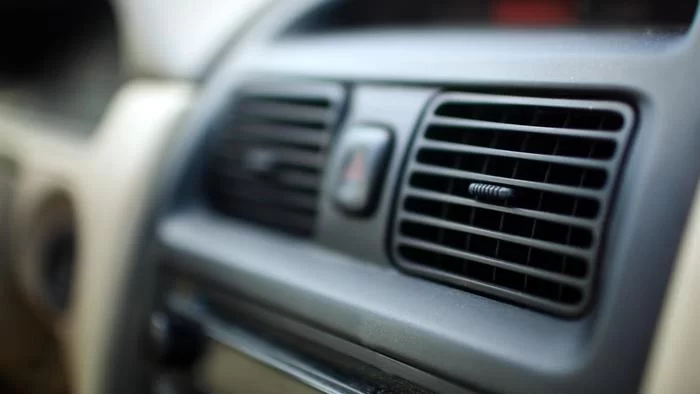
9. Running the Heater and Electrical Accessories Without Proper Battery Care
Winter driving often requires the use of several electrical features, including the cabin heater fan, heated seats, heated mirrors, rear-window defroster, headlights, and windshield wipers. These systems improve comfort and visibility, but they also increase the electrical demand placed on the vehicle.
When the engine is running, the alternator generally supplies electrical power and helps recharge the battery. However, problems can arise when the charging system is weak, or the vehicle is used mainly for short journeys.
Leaving electrical accessories running while the engine is switched off can gradually discharge the battery. This is particularly problematic during winter because cold temperatures already reduce battery performance.
A vehicle that starts normally in warmer weather may struggle to start after several hours of unnecessary electrical consumption. Drivers who regularly use accessories without monitoring battery condition may experience repeated starting difficulties.
Short journeys create another challenge. Starting the engine requires a significant amount of electrical energy, and the alternator needs sufficient operating time to replace what the starter consumed.
If most trips last only a few minutes, the battery may not receive enough charging time, particularly when multiple electrical systems are operating. Over time, this pattern can contribute to a weak or undercharged battery.
The heater itself is not usually the main cause of battery failure in a properly functioning vehicle. The cabin heating system generally uses engine heat, while the blower fan consumes electrical power.
The bigger concern is the combined demand from multiple accessories, particularly when the engine is not running or the charging system is unable to meet demand. Drivers should understand how their vehicle manages electrical loads instead of assuming every accessory operates independently.
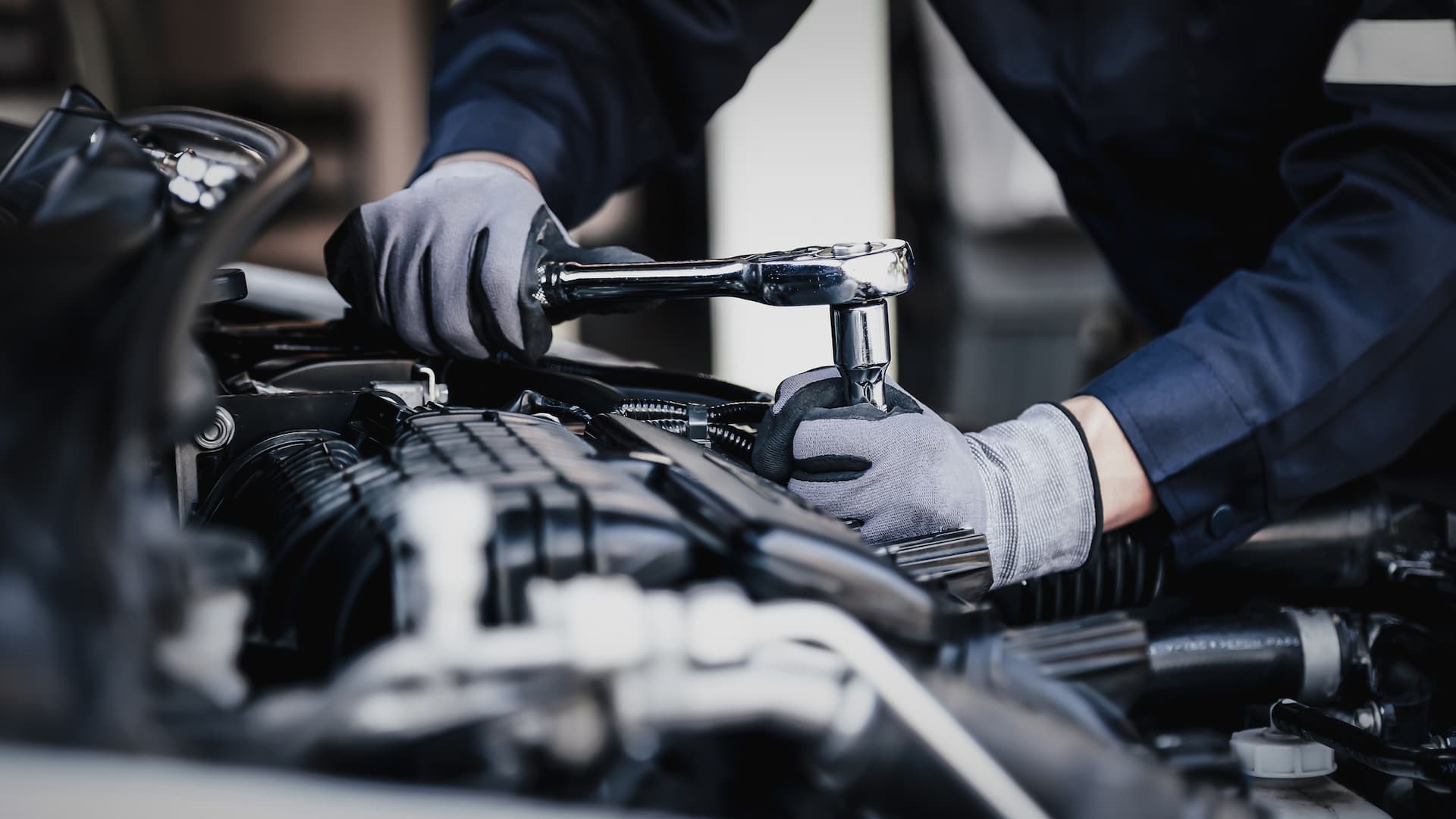
10. Skipping Winter Vehicle Inspections and Preventive Maintenance
Skipping routine maintenance is a costly winter driving habit because colder conditions can expose mechanical problems that may have gone unnoticed during warmer months. Small issues involving tires, brakes, hoses, belts, batteries, and fluids can become more serious when temperatures fall.
A vehicle that appears to operate normally in mild weather may struggle when cold starts, slippery roads, and increased electrical demand become part of everyday driving.
Tires deserve particular attention before winter because tread depth and rubber condition directly affect traction. Worn tires may struggle to maintain grip on wet or icy surfaces.
Drivers in regions that experience regular snowfall should consider suitable winter tires where appropriate. In milder climates, high-quality tires designed for local weather conditions can still provide reliable performance when maintained correctly.
The braking system should also be inspected because winter driving often involves wet roads, road debris, and sudden changes in traction. Brake pads, rotors, brake fluid, hoses, and parking brake components all contribute to safe operation.
If any part of the system shows signs of damage or excessive wear, repairs should not be postponed. A properly functioning braking system becomes particularly important when stopping distances increase.
Other components that deserve seasonal attention include the windshield wipers, defroster, lights, battery, cooling system, and suspension. Damaged wiper blades may leave streaks that interfere with visibility, while faulty headlights can make it harder for other road users to see your vehicle.
Weak suspension components can affect handling and tire wear. A complete inspection helps identify these concerns before they lead to breakdowns or expensive repairs.