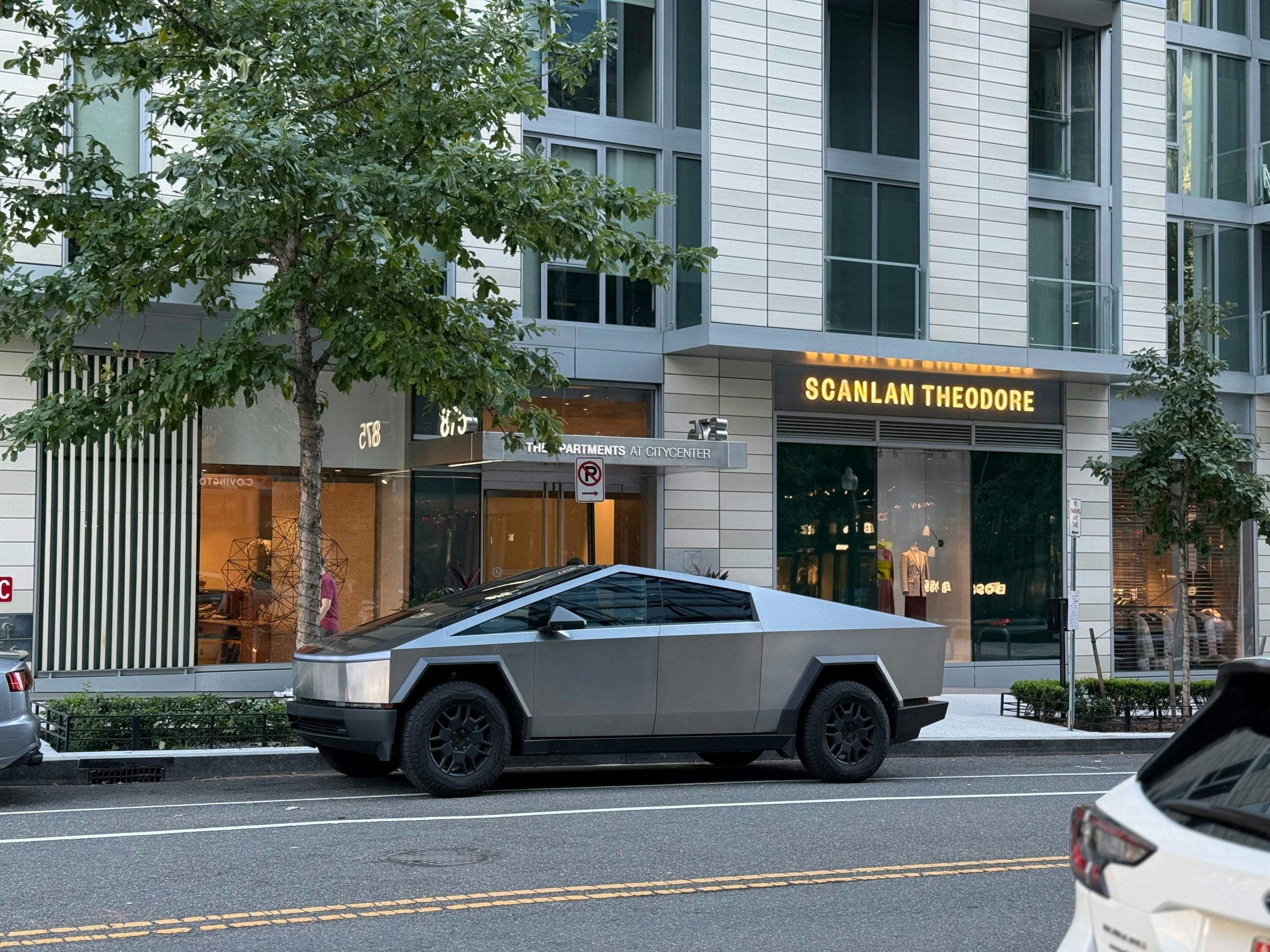
Pickup trucks combine durability, versatility, towing capability, and everyday practicality, making them appealing to drivers who need a vehicle for both work and personal activities. However, these advantages can come with an added expense, as insuring a powerful truck may result in higher premiums.
Certain pickup models cost more to insure because of their purchase prices, expensive replacement parts, advanced technology, engine performance, repair requirements, and theft risks. Understanding which trucks may increase insurance costs can help buyers make informed decisions before visiting a dealership.
Here are nine pickup trucks that can put additional pressure on your insurance budget and why insurers may charge more.
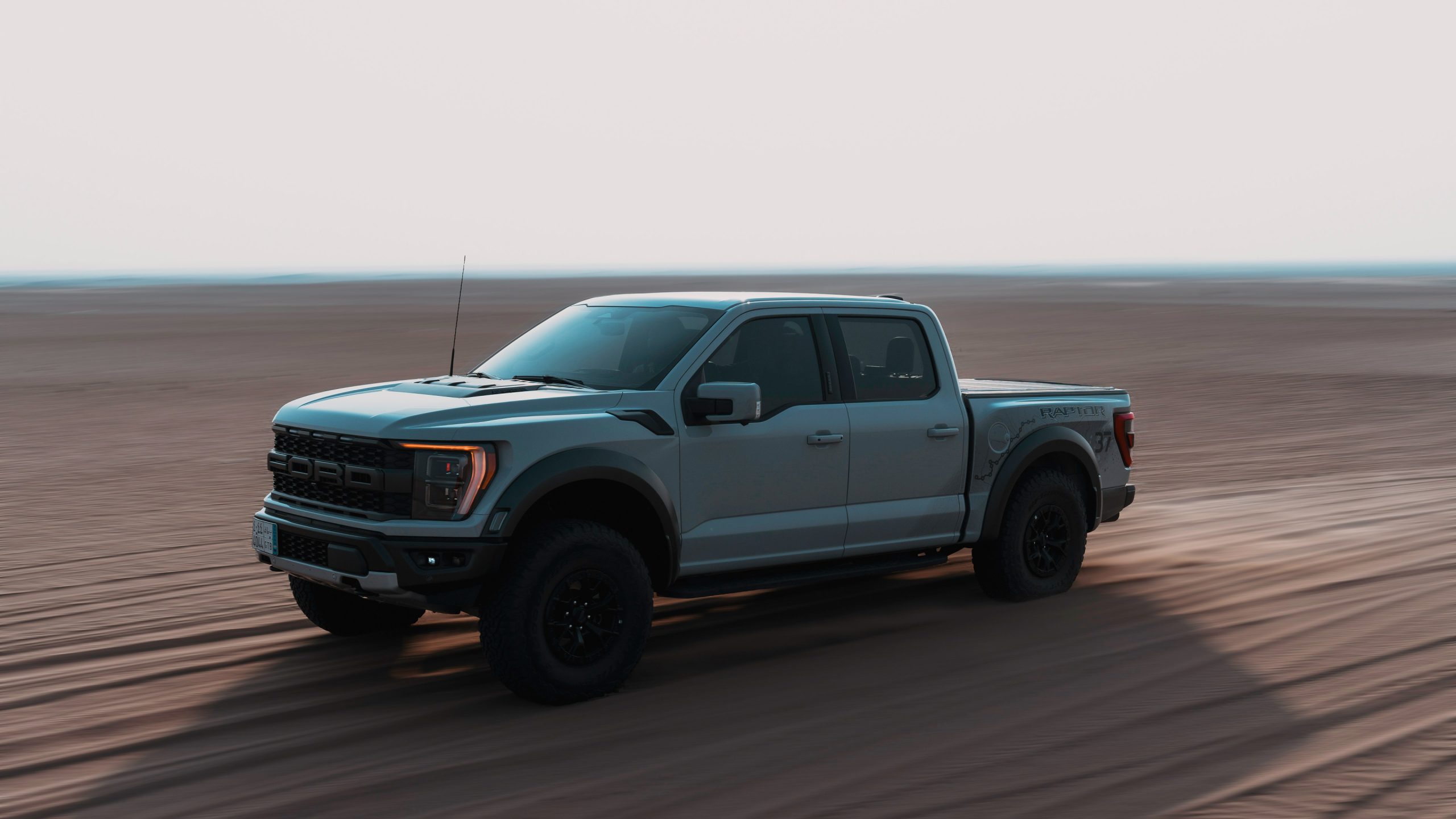
1. Ford F-150 Raptor
The Ford F-150 Raptor has developed a strong reputation among pickup enthusiasts who want serious off-road performance, aggressive styling, and impressive engine power.
Built for challenging terrain, this high-performance truck features specialized suspension components, powerful engines, reinforced body elements, and advanced driving technology. Its combination of performance and premium equipment makes it considerably different from a standard work-oriented pickup.
Buyers attracted to its capabilities should understand that the same features that make the Raptor desirable can also influence insurance premiums. Insurers consider the vehicle’s replacement value, repair expenses, performance characteristics, and potential accident costs when calculating coverage prices.
One important factor behind the Ford F-150 Raptor’s insurance expense is its purchase price. Depending on the model year, configuration, optional equipment, and market conditions, a Raptor can cost substantially more than an ordinary F-150.
Higher vehicle values generally increase the potential financial responsibility of an insurance company after a serious accident or total loss. Comprehensive coverage also needs to account for the truck’s value if it is stolen or damaged by events such as storms, falling objects, or vandalism. Owners who finance their vehicles usually need broader insurance protection, which can further increase their monthly expenses.
Repair costs are another consideration for Raptor owners. Its specialized suspension system, performance components, large wheels, and unique exterior equipment may require more expensive replacement parts than those found on basic pickup models.
A collision involving its front-end components, lighting systems, or body panels can result in a substantial repair estimate. Modern vehicles also contain sensors, cameras, and electronic equipment that require professional calibration after certain repairs.
When replacement parts are expensive or repairs take longer, insurers may face higher claim expenses, which can influence premiums for vehicles within similar risk categories.
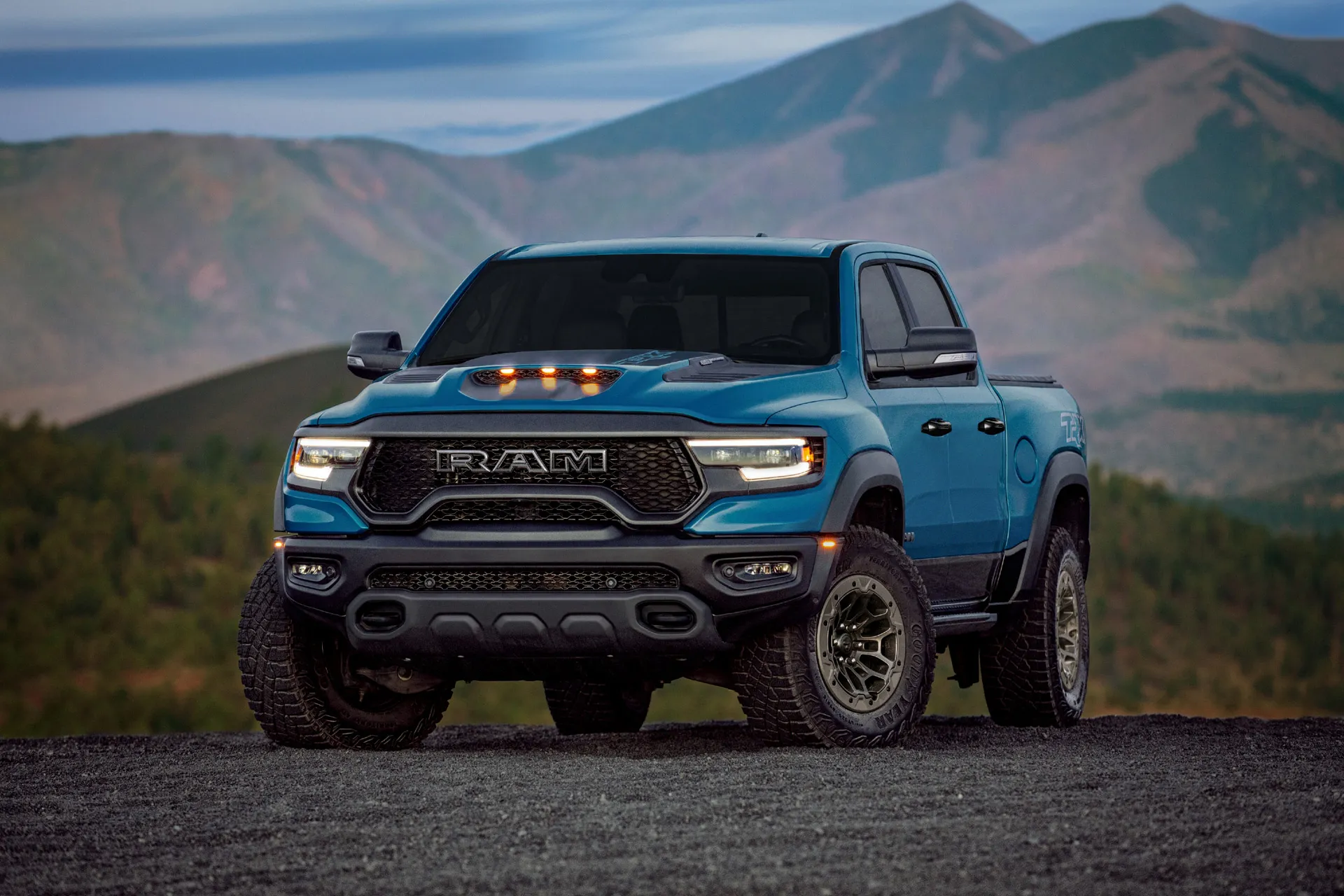
2. Ram 1500 TRX
The Ram 1500 TRX is a high-performance pickup designed for drivers who want extraordinary power and off-road capability. Its supercharged V8 engine, specialized suspension, wide body, and aggressive exterior make it stand out from traditional full-size trucks.
The vehicle was designed to deliver powerful acceleration while handling demanding driving conditions. These characteristics contribute to its appeal among performance enthusiasts, but they can also make insurance more expensive. Insurers evaluate performance, vehicle value, repair requirements, and accident statistics when estimating the financial risk associated with covering a particular model.
The TRX’s powerful engine is an important part of its insurance profile. High-performance vehicles may encourage more spirited driving, which can increase the possibility of speeding incidents, loss of control, and expensive collisions. Insurance companies generally assess the potential severity of claims rather than simply looking at horsepower.
A truck capable of producing substantial power may have higher repair and replacement costs following an accident. However, the final premium depends on the driver’s experience, location, age, driving record, and chosen policy rather than engine specifications alone.
Another expense comes from the TRX’s specialized components. Its suspension, braking equipment, tires, drivetrain, and performance-related parts are designed to handle demanding conditions. Replacing damaged components can cost more than repairing standard equipment found on conventional pickups.
The truck’s large dimensions may also require additional attention during body repairs. If an accident damages several expensive systems simultaneously, the total claim can become substantial. Insurance providers take these potential repair expenses into consideration when developing rates for vehicles with specialized engineering.
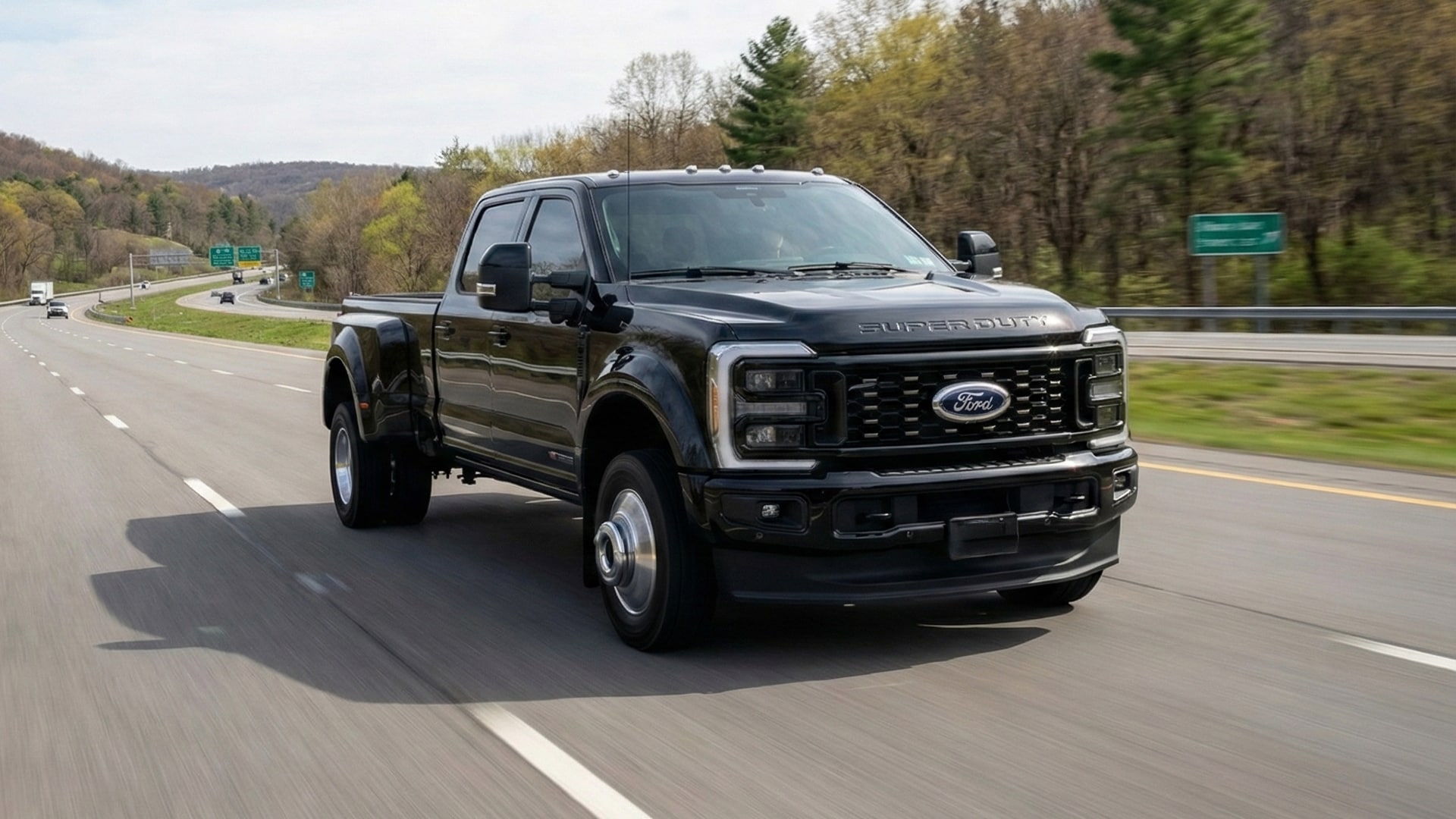
3. Ford F-450 Super Duty
The Ford F-450 Super Duty is built for demanding jobs that require substantial towing and hauling capability. It is commonly associated with commercial applications, heavy equipment transportation, large trailers, and recreational towing.
Its heavy-duty construction, powerful engine options, advanced towing technology, and substantial dimensions distinguish it from ordinary pickup trucks. These capabilities make it valuable for professionals and businesses, but they can also introduce additional insurance considerations. The truck’s intended use, vehicle value, operating environment, and equipment requirements all contribute to the cost of obtaining appropriate coverage.
One reason the F-450 may carry higher insurance expenses is its replacement value. Heavy-duty pickups can be expensive to purchase, particularly when equipped with premium interiors, advanced towing packages, specialized bodies, and additional technology.
If the truck is involved in a major accident, the insurer may need to cover substantial repair costs or the vehicle’s insured value. Replacement parts for heavy-duty models can also be more expensive than components used in smaller pickups. The total financial exposure associated with a serious claim can therefore be considerable.
The truck’s weight and dimensions create further considerations. Operating a large pickup requires greater attention when navigating busy roads, parking areas, construction sites, and narrow streets. Accidents involving heavy vehicles can result in expensive property damage.
Towing a large trailer introduces additional responsibilities because the driver must manage the combined vehicle weight, braking requirements, and road conditions. Insurers may evaluate these characteristics alongside the driver’s experience and the vehicle’s intended use when calculating an appropriate premium.
Commercial use is particularly important when insuring the Ford F-450. A truck used for construction, transportation, landscaping, or equipment delivery may require a commercial auto policy rather than ordinary personal coverage.
Commercial policies can include different liability limits, business-use classifications, and coverage options for specialized equipment. Owners who regularly transport valuable tools or machinery should also investigate whether those items are covered separately. Providing inaccurate information about how the truck is used can create serious coverage problems when filing a claim.
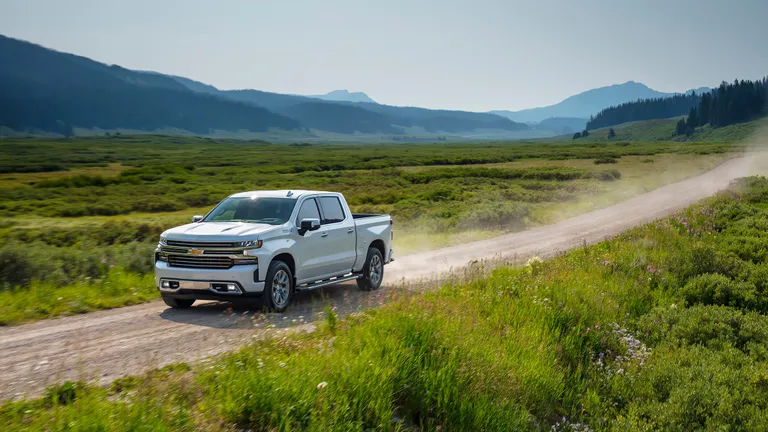
4. Chevrolet Silverado 1500 High Country
The Chevrolet Silverado 1500 High Country combines full-size pickup capability with a premium interior and advanced convenience features. It is designed for buyers who want a comfortable daily vehicle without giving up towing, hauling, and utility functions.
Depending on the model year and configuration, it may include sophisticated driver assistance systems, premium seating, advanced infotainment, and expensive exterior equipment. These features improve the ownership experience, but they can also contribute to higher insurance expenses.
Insurers consider the cost of repairing or replacing the truck’s equipment when calculating potential claim amounts.
The High Country trim is generally positioned above more basic Silverado configurations. Its higher purchase price can increase the amount of insurance required to protect the vehicle.
Comprehensive and collision coverage are particularly important for owners who want protection against theft, weather damage, vandalism, and accidental collisions. If the truck is financed or leased, the lender will usually require specific coverage levels. Owners should understand that a premium trim can produce higher insurance costs even when its engine is similar to that of a less expensive Silverado.
Modern safety and convenience technology can also influence repair expenses. Cameras, radar sensors, parking assistance equipment, electronic displays, and advanced lighting systems may require specialized repairs after a collision.
Even a relatively minor accident involving a bumper or windshield can lead to additional calibration expenses when electronic components are affected. These systems provide valuable assistance to drivers, but replacement parts and qualified repair services can increase the cost of restoring the vehicle after an incident.
The Silverado High Country’s size and intended use are additional factors. Full-size pickups are often used for family transportation, work, recreational towing, and long-distance travel. Greater annual mileage can increase exposure to road incidents, while regular towing introduces extra responsibilities.
Drivers must also ensure that their policy accurately reflects business use, trailer requirements, and any modifications. An insurance company may apply different terms depending on how frequently the truck is driven and the type of activities it supports.
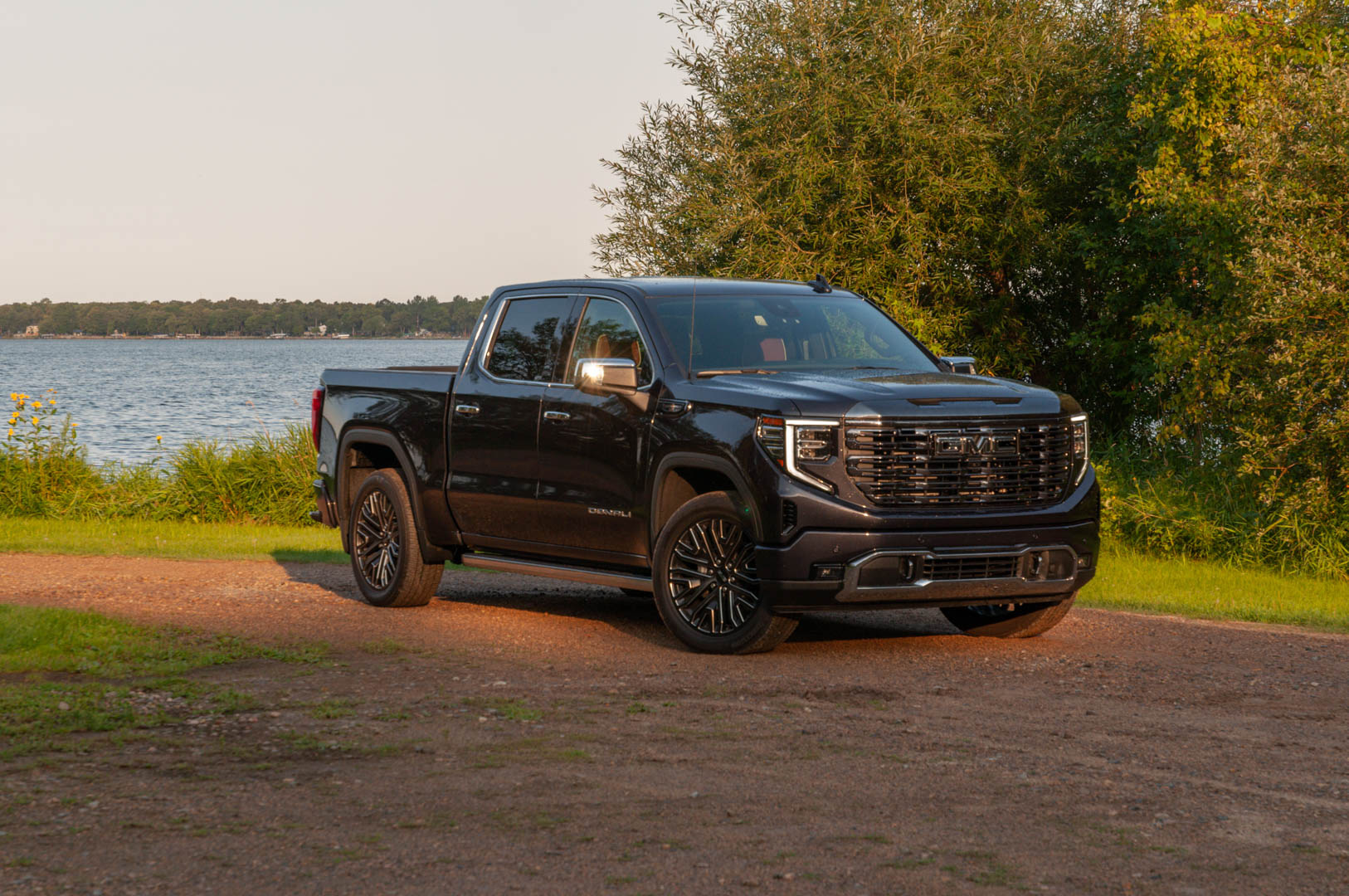
5. GMC Sierra 1500 Denali Ultimate
The GMC Sierra 1500 Denali Ultimate is a premium pickup that combines traditional truck utility with luxury-oriented features. Its sophisticated cabin, advanced technology, distinctive exterior design, and powerful engine options make it attractive to drivers who expect comfort alongside practical capability.
This upscale positioning can also affect insurance prices. Luxury pickups often have higher replacement values than standard work trucks, and their specialized components may require more expensive repairs. Insurance providers evaluate these financial considerations when estimating the potential cost of covering a vehicle.
The purchase price is a major factor behind the Denali Ultimate’s insurance profile. This trim includes premium materials, advanced equipment, and design features that distinguish it from entry-level Sierra models.
A higher insured value can result in higher comprehensive and collision premiums because the insurer may face greater financial responsibility after a major loss. Owners should also consider depreciation when choosing coverage. The vehicle’s current market value, rather than its original showroom price alone, is generally relevant when calculating a standard total-loss settlement.
Its premium interior creates additional repair considerations. High-quality seating materials, electronic controls, large infotainment displays, and specialized cabin components may cost more to repair or replace than basic equipment.
Exterior features such as advanced lighting, cameras, and distinctive trim pieces can also increase the cost of accident repairs. Even a relatively small collision can become expensive when several interconnected components need replacement or professional calibration. These details help explain why luxury-oriented pickups may carry higher insurance costs than simpler configurations.
The Denali Ultimate also offers modern driver assistance technology. Systems designed to support lane awareness, parking, braking, and visibility can contribute to safer driving when used correctly.
However, these systems depend on sensors and electronic components that may require specialized service after an accident. Insurance companies consider both safety-related factors and repair expenses when assessing vehicles. A truck with advanced safety equipment may offer certain risk advantages, but expensive technology can increase the cost of individual claims.
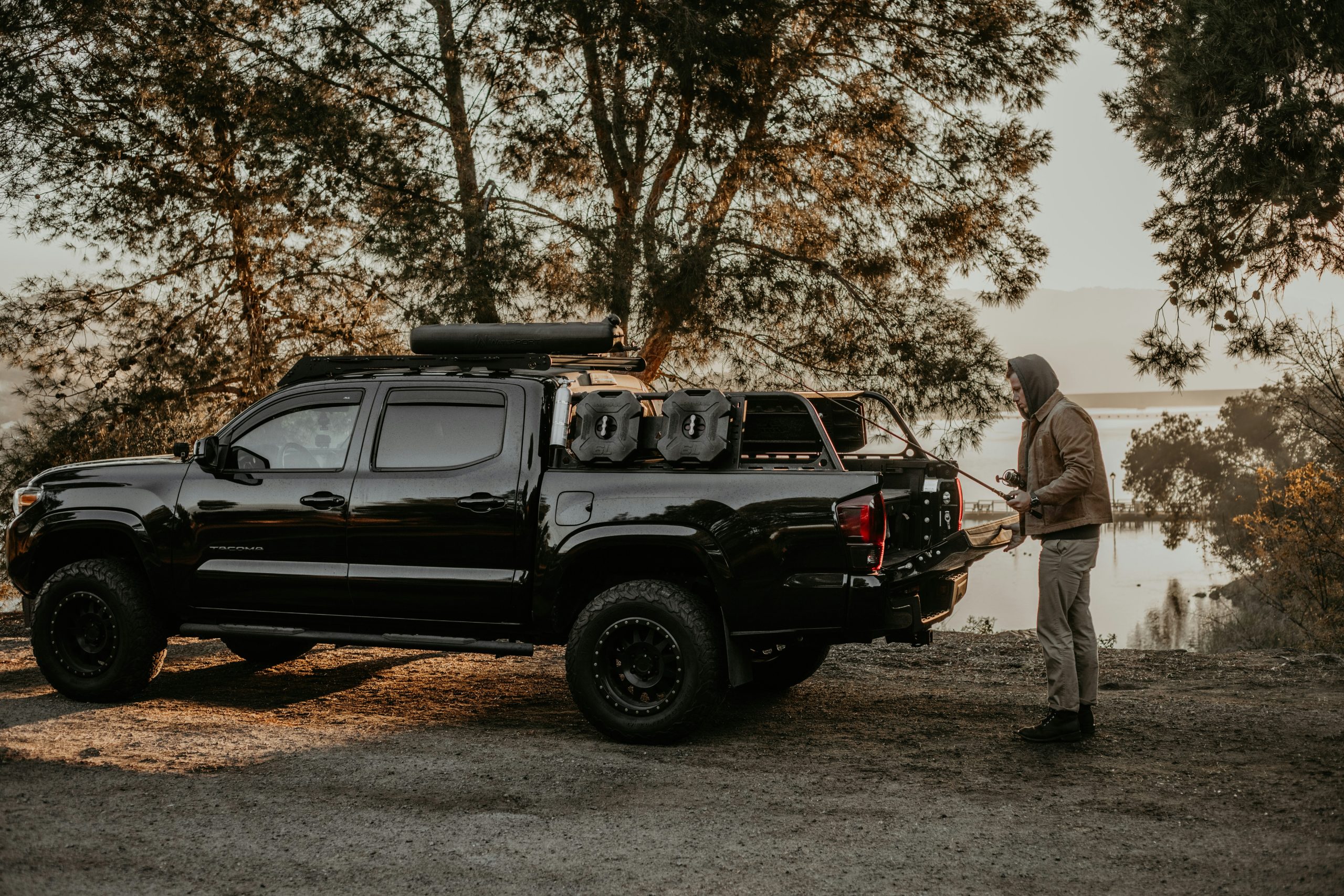
6. Toyota Tundra Capstone
The Toyota Tundra Capstone represents a premium version of Toyota’s full-size pickup lineup. It combines a powerful powertrain, upscale cabin materials, modern safety technology, and practical towing capability.
Its luxurious equipment and relatively high market position make it attractive to buyers who want a comfortable pickup for both everyday driving and demanding tasks. However, the same features that distinguish the Capstone from basic truck models can influence its insurance bill.
Vehicle value, repair costs, equipment levels, and replacement availability all play a role in determining the price of coverage.
The Capstone’s higher purchase price can increase the amount an insurer may need to pay following a major accident or total loss. Full-size luxury pickups generally require more expensive comprehensive and collision protection than older or lower-value vehicles.
Buyers who finance their trucks should pay particular attention to the insurance requirements included in their loan agreements. It is also sensible to compare the cost of insuring different Tundra trims before making a final purchase, since equipment and market values can vary considerably.
Advanced technology is another important consideration. The Tundra Capstone includes modern driver assistance features, digital displays, cameras, and electronic systems. These technologies provide convenience and help drivers monitor surrounding traffic conditions.
However, damaged sensors, electronic components, and camera equipment can require specialized replacement and calibration. A collision that appears minor from the outside may produce a more expensive repair estimate if hidden technology has been affected. This can influence the insurance costs associated with the model.
The truck’s intended use also matters. Some Tundra owners use their vehicles for daily commuting, while others regularly tow boats, trailers, or recreational equipment. Frequent highway driving and recreational use can expose a vehicle to different risks.
Towing also requires suitable equipment, careful weight management, and appropriate insurance protection. Owners should confirm that their policies provide the coverage they need for trailers and accessories. Business use should be disclosed accurately because it may require a different insurance arrangement.
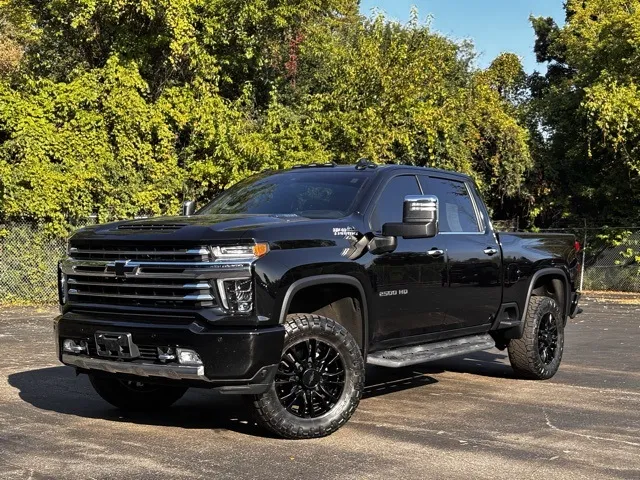
7. Chevrolet Silverado 2500HD High Country
The Chevrolet Silverado 2500HD High Country is a heavy-duty pickup developed for drivers who need additional towing and hauling capacity. It is commonly used for transporting heavy trailers, recreational vehicles, construction equipment, and work-related loads.
Its strong frame, powerful engine options, advanced towing systems, and premium interior distinguish it from lighter pickup models. These characteristics make the truck suitable for demanding tasks, but they can also increase insurance expenses. Its purchase price, operating purpose, vehicle weight, and specialized equipment all influence how insurers evaluate potential claims.
Heavy-duty trucks can be expensive to repair after significant damage. The Silverado 2500HD contains components designed to handle greater loads and demanding operating conditions.
Replacement parts for its drivetrain, suspension, braking systems, and body structure may cost more than those used in smaller pickups. If a collision affects multiple systems, the repair estimate can become substantial. Insurance companies consider these potential expenses when setting premiums, particularly for vehicles with higher replacement values and specialized construction.
Towing capacity introduces another important insurance consideration. A heavy-duty pickup may regularly transport large trailers, boats, or commercial equipment. Accidents involving a trailer can create complicated claims because damage may affect multiple vehicles, roadside property, and transported goods.
Owners should understand whether their existing policy covers trailer liability, physical damage, and the equipment being transported. Coverage varies by insurer, and separate policies may be necessary for certain commercial activities or high-value recreational trailers.
Commercial use can also increase the complexity of insuring this truck. Contractors, construction companies, transport operators, and other businesses may use the Silverado 2500HD as part of their daily operations.
These vehicles can require commercial auto coverage with suitable liability limits and business-use provisions. Companies should also consider employee driving arrangements and the protection of permanently installed equipment. Choosing personal insurance for a truck that is regularly used for business can create serious coverage gaps.
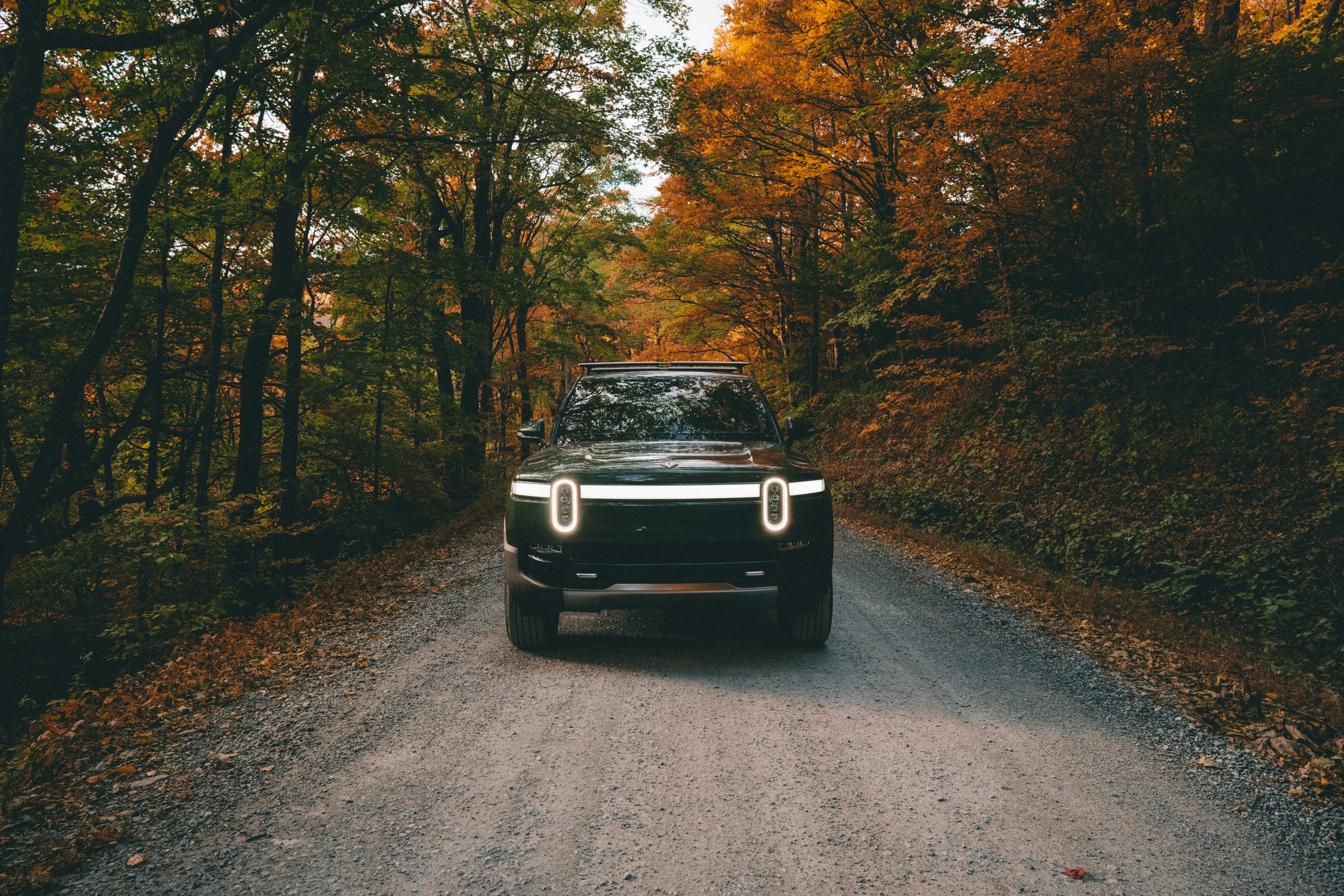
8. Rivian R1T
The Rivian R1T is an electric pickup designed to combine modern technology, impressive acceleration, and outdoor utility. Its electric powertrain, advanced electronic systems, distinctive design, and premium positioning make it different from conventional gasoline-powered trucks.
The vehicle attracts buyers interested in electric transportation without giving up pickup functionality. However, electric vehicle technology can create specific insurance challenges. Battery replacement costs, specialized repair facilities, advanced electronics, and the vehicle’s purchase price may all influence the amount owners pay for coverage.
The battery pack is among the most important components affecting potential repair expenses. Electric vehicle batteries are expensive and require specialized handling and repair procedures. If an accident damages the battery housing or related systems, the repair process may involve trained technicians and specialized equipment.
Depending on the extent of damage and the manufacturer’s repair procedures, restoring the vehicle can become expensive. Insurance companies consider these possible costs when estimating the financial risk associated with electric pickups.
The R1T also contains sophisticated technology throughout its design. Digital displays, cameras, sensors, electronic controls, and specialized body components contribute to its modern driving experience.
These features can improve convenience and support driver awareness, but repairs may require specialized diagnostic equipment. Some repair facilities may not have the necessary training or equipment to work on particular electric vehicle systems. Limited repair options in certain locations can affect repair times and claim costs, which may influence insurance pricing.
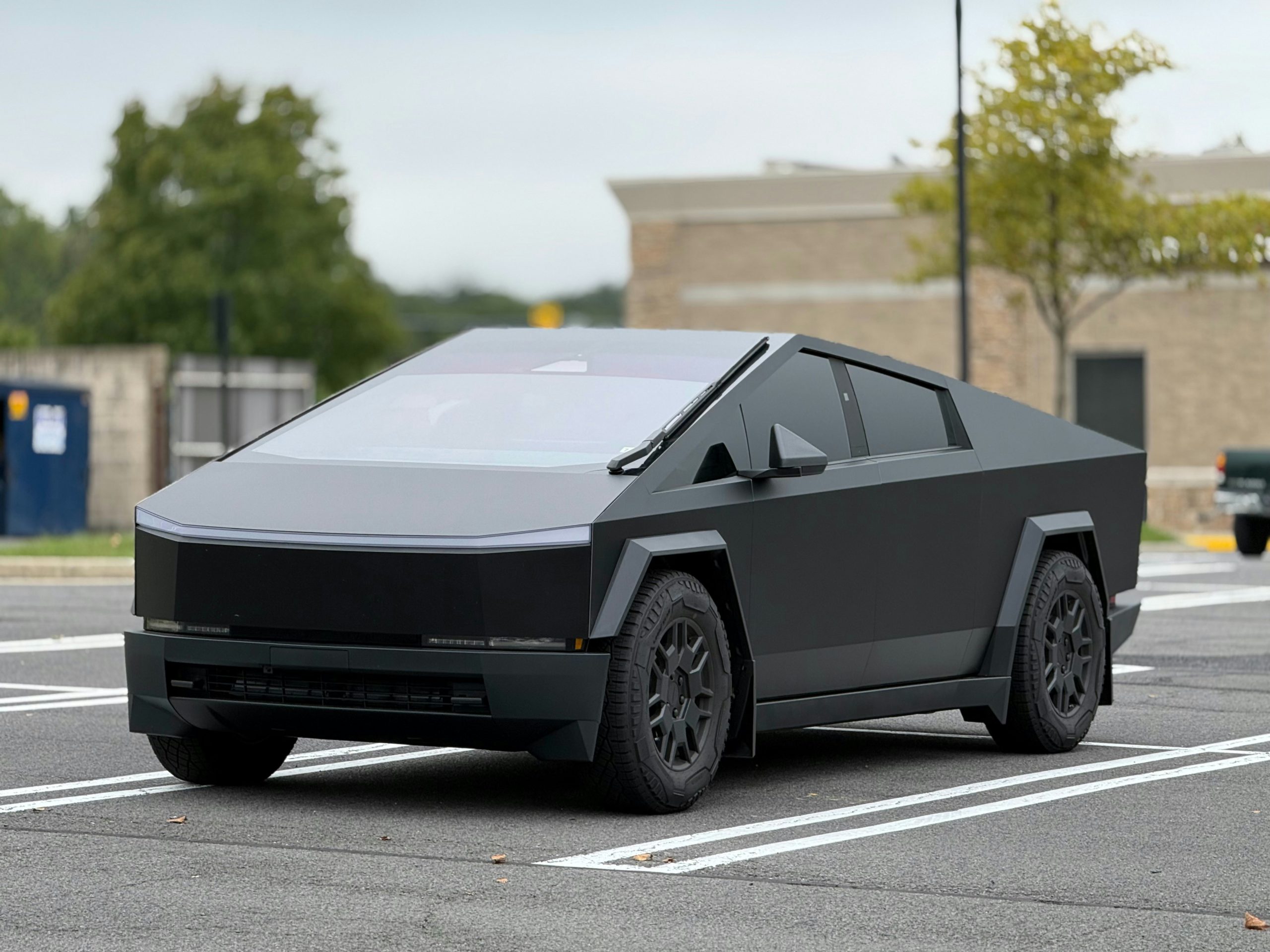
9. Tesla Cybertruck
The Tesla Cybertruck has attracted attention for its unusual exterior design, electric powertrain, advanced technology, and distinctive construction. Unlike conventional pickups, it uses a stainless-steel exterior structure and a highly recognizable angular body shape.
Its design makes it stand out in the electric vehicle market, but it also introduces unique insurance considerations. Vehicle value, specialized body repairs, electronic equipment, battery technology, and repair availability can all influence premiums.
Buyers should understand that insuring a technologically advanced pickup may involve different costs from covering a traditional gasoline-powered truck.
The Cybertruck’s exterior construction is an important factor in its repair profile. Its stainless-steel body panels and distinctive structural design may require specialized repair procedures. Not every body shop has the equipment or training needed to repair unusual vehicle materials and structures.
If the truck suffers exterior damage, owners may need to use an approved or specially equipped repair facility. Limited repair options can affect the time and cost involved in restoring the vehicle after an accident.
Its electric powertrain introduces additional considerations. Like other electric pickups, the Cybertruck contains a large battery system and specialized electrical components. Damage to these systems may require detailed inspections and trained technicians.
Repair expenses can vary significantly depending on the location and severity of the damage. Insurance providers evaluate the potential cost of replacing or repairing expensive components when determining coverage prices. Buyers should also examine how their policies handle battery-related damage and total-loss claims.