Winter weather can put extra pressure on a vehicle, making even short journeys challenging when temperatures drop and roads become icy. Preparing your car before the first snowfall helps prevent unexpected breakdowns, improves road safety, and keeps essential components working properly.
From checking the battery and replacing worn tires to inspecting the heating system and windshield wipers, a few timely repairs can make a significant difference.
Drivers who prepare early can avoid many cold-weather problems, protect their vehicles from winter damage, and enjoy greater confidence throughout the season. Here are ten important things to fix before winter arrives.
1. Check and Replace Worn Tires Before Winter
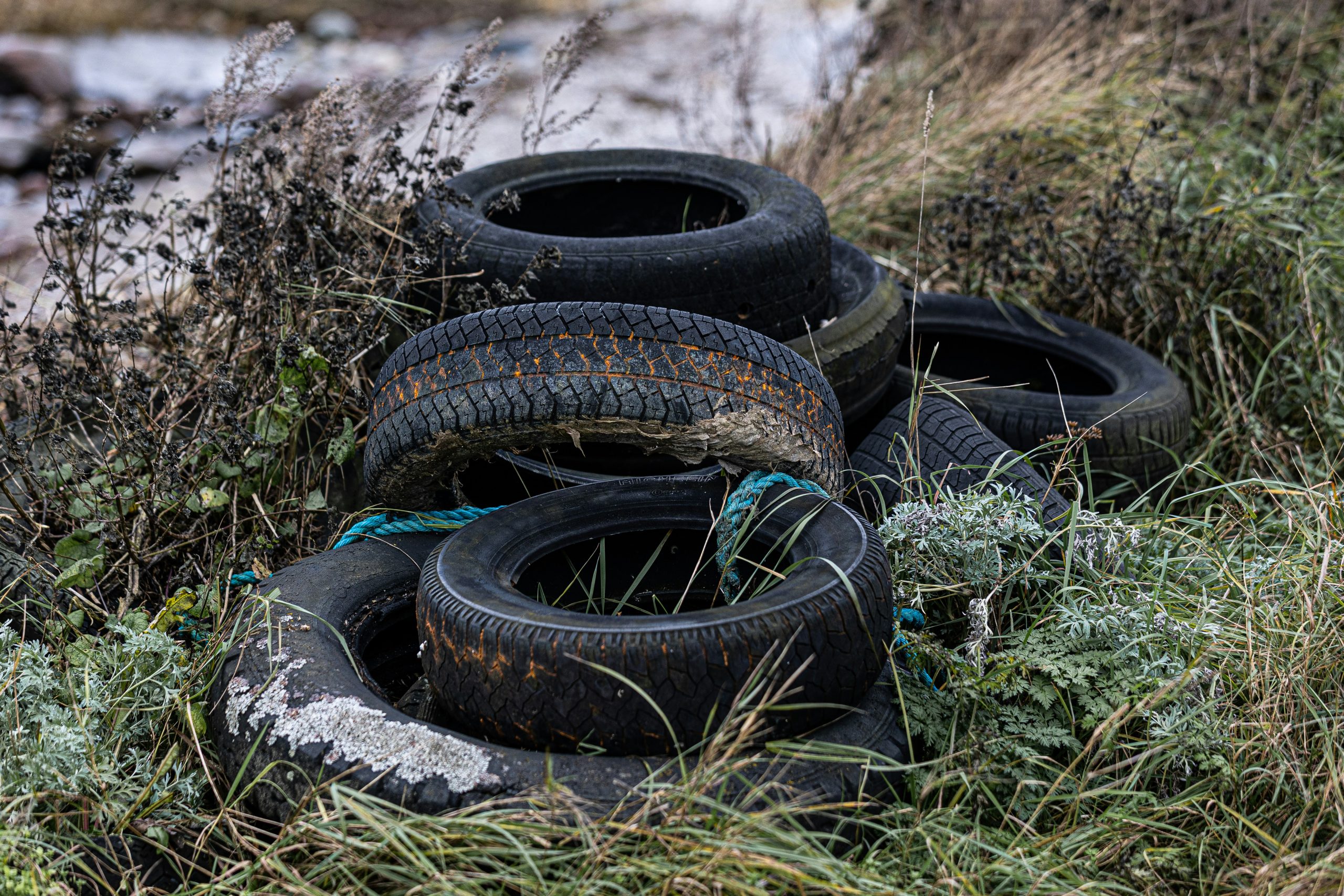
Tires play a major role in vehicle safety during winter because they provide the contact between your car and the road. Snow, ice, freezing rain, and cold temperatures can reduce available traction, making it harder to accelerate, turn, and stop.
Before the first snowfall, inspect all four tires for uneven wear, damaged sidewalls, cracks, and insufficient tread depth. Tires with worn tread cannot move water and slush away as effectively, which can increase the risk of losing control on wet or slippery roads. A professional inspection can help identify problems that might not be immediately visible.
Winter temperatures also affect tire pressure. Cold air causes tire pressure to decrease, which means tires that were properly inflated during warmer months may become underinflated when temperatures fall. Driving with incorrect pressure can affect handling, braking performance, fuel economy, and tire lifespan.
Check the recommended pressure in your vehicle owner’s manual or on the driver’s door placard rather than relying on the maximum pressure printed on the tire itself. Use a reliable pressure gauge and inspect the tires regularly throughout the colder months.
If you live in an area that experiences frequent snowfall, consider switching to dedicated winter tires. These tires use specialized rubber compounds designed to remain more flexible in low temperatures.
Their tread patterns are also developed to provide improved grip on snow and ice compared with many standard summer tires. All-season tires may be suitable in regions with mild winters, but they are not necessarily designed for severe snow conditions.
Choose tires according to your local climate, driving habits, and vehicle manufacturer’s recommendations.
Another important step is checking the spare tire. Many drivers inspect their four regular tires but forget that the spare may also lose pressure while sitting unused. A flat or damaged spare tire will not help during an emergency.
Check its inflation level, inspect its condition, and confirm that the jack and wheel-removal tools are available. If your vehicle uses a tire repair kit instead of a traditional spare, check its expiration date and make sure all required equipment is present.
2. Test the Car Battery and Charging System
A healthy car battery is essential during winter because cold temperatures make starting an engine more difficult. Low temperatures slow the chemical reactions inside a battery, reducing its ability to deliver electrical power.
At the same time, engine oil becomes thicker in cold weather, requiring more effort from the starter motor. These conditions can expose a weak battery that appeared perfectly reliable during warmer months. Having the battery tested before winter can help prevent the frustration of discovering a starting problem on a cold morning.
Begin by checking the battery’s age and physical condition. Most conventional car batteries have a service life that varies with climate, maintenance, driving patterns, and battery quality. Many last around three to five years, but some fail sooner or continue working longer.
Look for corrosion around the terminals, loose connections, damaged cables, and signs of leakage or swelling. If the battery case appears swollen or damaged, have it inspected by a professional and avoid handling it unnecessarily.
A battery voltage reading can provide useful information about its condition, but voltage alone does not reveal its full starting capacity. A professional battery load test or conductance test can assess whether it can deliver sufficient power under demanding conditions.
This is particularly useful if your vehicle has recently started slowly, the headlights appear unusually dim, or electrical accessories behave inconsistently. Early testing gives you time to replace a weak battery before temperatures become extremely low.
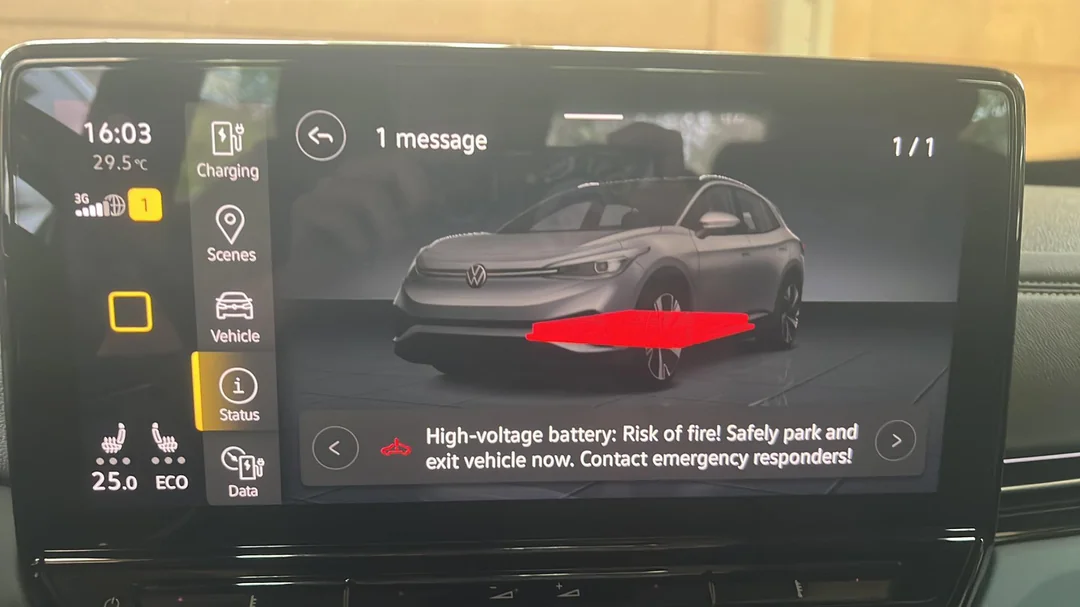
The charging system also deserves attention. Your alternator supplies electrical power while the engine is running and helps recharge the battery. A failing alternator can cause repeated battery problems, warning lights, dim lighting, and electrical malfunctions.
Ask a technician to test the charging system if your battery frequently loses charge or if the battery warning light appears on the dashboard. Replacing a battery without addressing a faulty charging system may only provide temporary relief.
3. Inspect the Heating System and Defroster
A properly functioning heating system is important for comfort and visibility during cold weather. When temperatures fall, a working heater helps keep the cabin warm and makes longer journeys more comfortable.
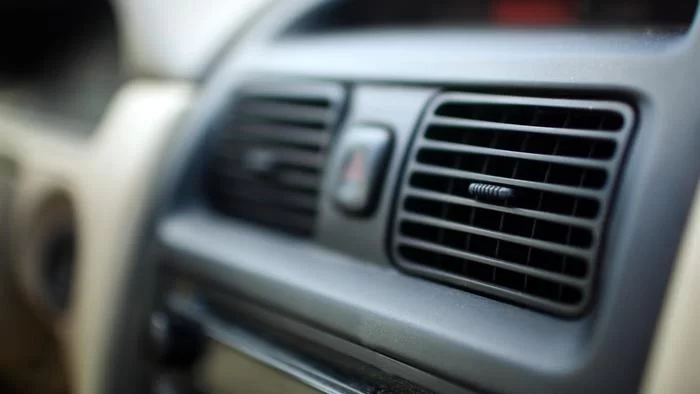
More importantly, the heating and ventilation system plays a major role in clearing condensation and frost from the windows. Poor visibility can quickly become dangerous when driving through snow, freezing rain, or fog. Before winter arrives, test the heating system and make sure it delivers warm air through the required vents.
Start the engine and allow it to reach its normal operating temperature before testing the heater. Check whether warm air reaches the cabin and whether the fan operates at different speed settings.
If the heater produces only cold air, takes unusually long to warm up, or makes strange noises, there may be an issue with the cooling system, thermostat, heater core, or ventilation controls. These components should be inspected by a professional rather than replaced without proper diagnosis.
The windshield defroster deserves special attention. It directs warm or conditioned air toward the windshield to help remove moisture and improve visibility. A malfunctioning defroster can leave the glass fogged, especially when several passengers are inside the vehicle.
Test both front and rear defrosters if your vehicle has them. Check whether the airflow reaches the correct areas and whether the rear-window heating elements work properly. Any broken electrical connections or damaged heating elements should be repaired before winter driving becomes necessary.

4. Replace Old Windshield Wipers and Check Washer Fluid
Windshield wipers become particularly important during winter because snow, road salt, dirt, and freezing rain can quickly cover the glass. Worn wiper blades may leave streaks, skip across the windshield, or fail to remove water properly.
This reduces visibility and makes driving more stressful in difficult weather. Before the first snowfall, inspect both front wiper blades and the rear wiper if your vehicle has one. Replace blades that have cracked rubber, loose connections, damaged edges, or inconsistent wiping performance.
Wiper blades naturally deteriorate over time due to sunlight, heat, dust, and repeated contact with the windshield. Their condition may worsen when exposed to freezing temperatures. Even if the blades appear acceptable during dry weather, they may perform poorly when clearing wet snow or slush.
Choose replacement blades that match your vehicle’s specifications and are suitable for your local winter conditions. Some drivers prefer winter-specific wiper blades because their construction helps reduce snow and ice buildup around moving components.
Washer fluid is equally important. Ordinary summer washer fluid may freeze when temperatures fall, potentially damaging the washer reservoir, pump, or connecting lines. Before winter, replace unsuitable fluid with a winter-rated windshield washer solution designed for the lowest temperatures expected in your region.
Check the product label for its freezing protection rating and follow the manufacturer’s instructions. Never assume that adding a small amount of winter fluid to a nearly full reservoir of summer fluid will provide adequate protection.
5. Check Engine Coolant and Antifreeze Protection
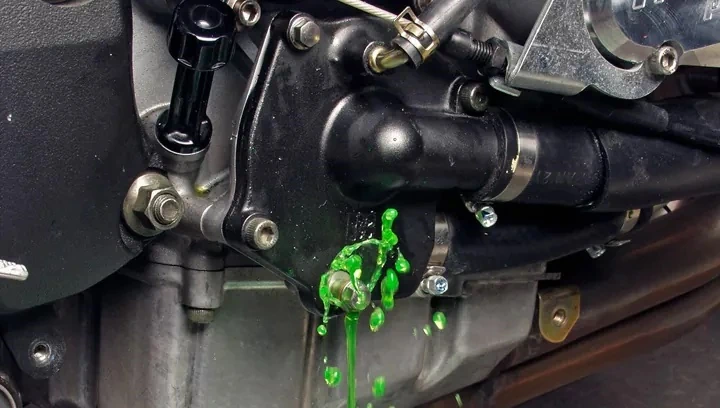
Engine coolant is essential for regulating engine temperature throughout the year. During winter, it also helps prevent the cooling system from freezing. If the coolant mixture is incorrect or its protective properties have weakened, extremely low temperatures can cause ice formation inside the cooling system.
Frozen coolant can expand and damage components such as the radiator, hoses, engine block, or heater core. Checking coolant condition before winter helps reduce the risk of expensive mechanical damage.
Begin by checking the coolant level in the expansion reservoir when the engine is completely cool. The fluid should normally sit between the minimum and maximum markings. If the level is consistently low, look for signs of leakage around hoses, radiator connections, the water pump, and the reservoir.
Do not simply keep adding coolant without identifying the cause of repeated fluid loss. A cooling system that cannot maintain its proper level may eventually lead to overheating, even in cold weather.
The antifreeze concentration also matters. Different vehicles require different coolant formulations and mixtures, so always follow the manufacturer’s recommendations.
Many cooling systems use a mixture of antifreeze and distilled water, often around 50:50, but the correct ratio depends on the coolant specification and expected operating conditions. A technician can use an appropriate coolant tester to check freeze protection. This provides a more reliable assessment than judging coolant condition by color alone.
Avoid mixing different coolant types unless the manufacturer specifically permits it. Coolants can contain different additive packages, and incompatible products may cause deposits, reduced corrosion protection, or cooling-system problems.
Check your owner’s manual before purchasing replacement coolant. If the coolant is old, contaminated, or due for replacement, arrange a complete service using the correct product and procedure. Never remove the radiator cap while the engine is hot because pressurized coolant can cause severe burns.
6. Inspect the Brakes and Brake Fluid
Reliable brakes are essential in every season, but winter driving places additional demands on the braking system. Snow-covered roads, ice, slush, and freezing rain can significantly reduce tire grip. This means drivers need a braking system that responds consistently and smoothly.
Before the first snowfall, have the brake pads, rotors, calipers, hoses, and other important components inspected. Any existing braking problem should be repaired before driving conditions become more difficult.
Listen for warning sounds when applying the brakes. Squealing, grinding, or scraping noises can indicate worn brake pads, damaged rotors, or other mechanical problems. A vibrating brake pedal or steering wheel may suggest uneven rotor surfaces or other faults.
If the vehicle pulls to one side during braking, the system may have uneven braking force or a problem involving a caliper, tire, or suspension component. These symptoms deserve prompt professional attention.
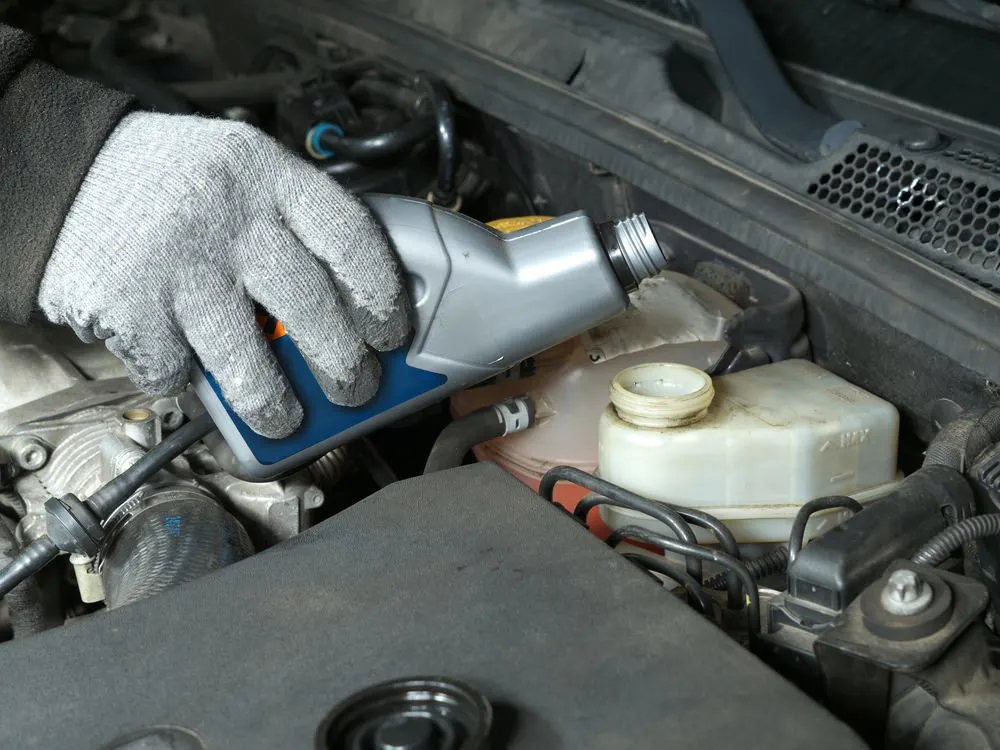
Brake fluid should also be checked. This fluid transfers force from the brake pedal to the braking components at each wheel. Over time, many brake fluids absorb moisture from the surrounding air.
Excess moisture can lower the fluid’s boiling point and contribute to internal corrosion. Follow the vehicle manufacturer’s recommended replacement schedule and use the specified fluid type. Simply topping up the reservoir is not a substitute for diagnosing a leak or replacing contaminated fluid.
The anti-lock braking system, commonly called ABS, is particularly useful when braking on slippery surfaces. It helps prevent the wheels from locking during hard braking, allowing the driver to maintain greater steering control.
Check the dashboard for ABS warning lights and arrange a diagnostic inspection if the warning remains illuminated. Vehicles equipped with electronic stability control and traction control should also be checked for warning indicators that suggest system faults.
7. Examine Belts, Hoses, and Engine Components
The engine compartment contains several rubber and mechanical components that must function properly during winter. Belts drive important accessories, while hoses carry coolant and other fluids through different systems.
Temperature changes, age, vibration, and general wear can cause these components to deteriorate. A belt or hose that appears slightly damaged may fail when exposed to additional stress. Inspecting these parts before the first snowfall can help prevent breakdowns and avoid unexpected repair costs.
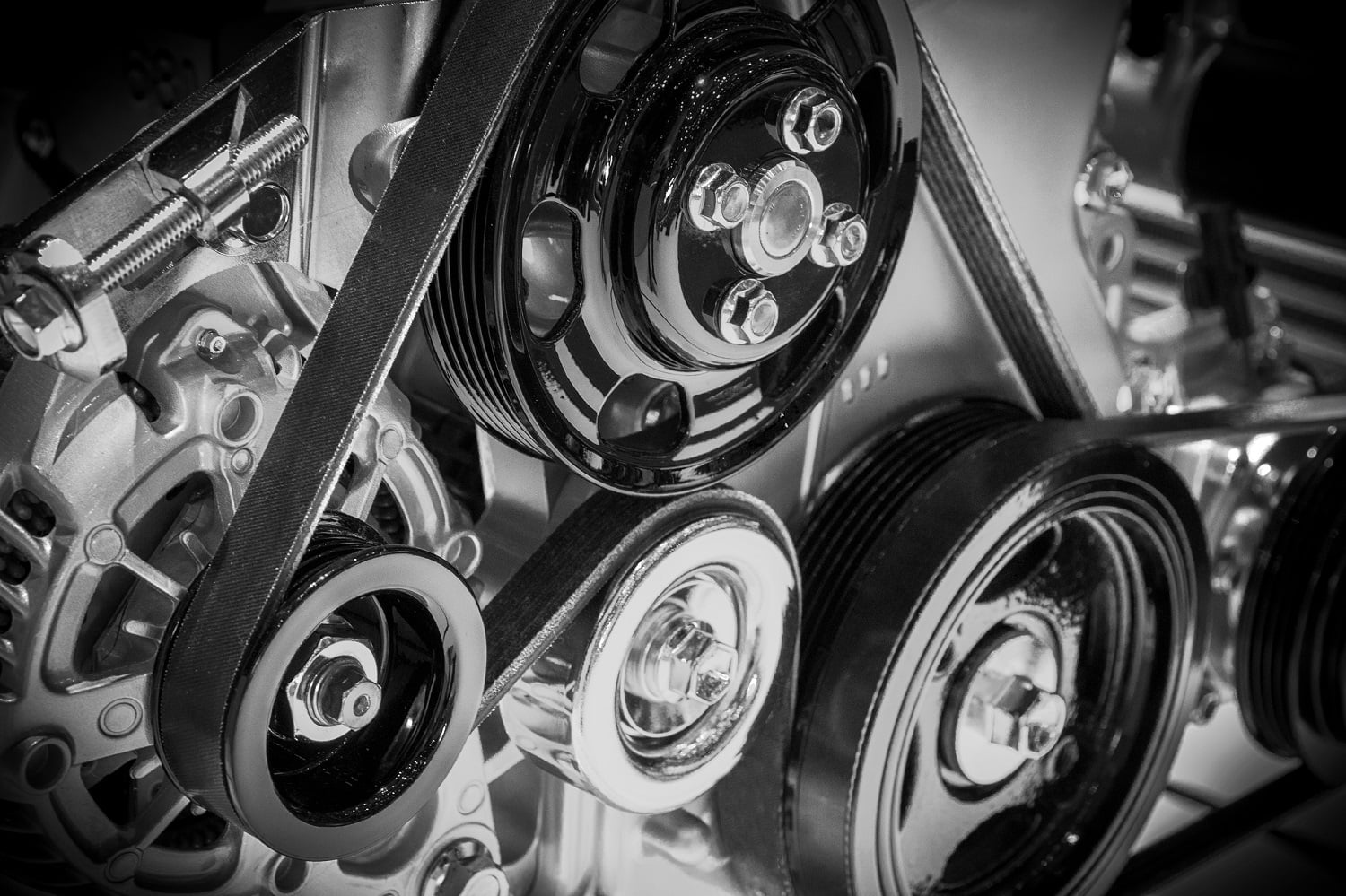
Start by checking the serpentine belt, which commonly drives accessories such as the alternator, water pump, and air-conditioning compressor, depending on vehicle design. Look for cracks, fraying, missing sections, glazing, or unusual wear.
A damaged belt may slip, produce squealing sounds, or stop driving essential accessories. Some modern vehicles use belt designs that do not show obvious cracks before failure, so follow the manufacturer’s inspection and replacement schedule.
Coolant hoses should be examined for bulges, cracks, leaks, and soft or unusually hard sections. A damaged hose can split under pressure and allow coolant to escape.
This may cause the engine to overheat or leave the vehicle stranded. Pay attention to the connections near the radiator, engine, and coolant reservoir. If a hose feels unusually soft, swollen, or brittle, have it evaluated by a qualified technician rather than waiting for it to fail.
The engine oil should also be checked before winter. Oil becomes thicker at lower temperatures, which can make cold starts more demanding. Use the viscosity grade and specification recommended in your owner’s manual.
Modern engines often require particular synthetic or manufacturer-approved oils, so choosing a product based only on price or general winter claims is not advisable. Change overdue oil and filters to support proper lubrication and help protect internal engine components during cold starts.

8. Check Exterior Lights and Electrical Connections
Winter days are often shorter, and snowfall, fog, and cloudy conditions can reduce visibility. Working exterior lights help drivers see the road and make their vehicles easier for other road users to notice.
Before winter begins, inspect the headlights, taillights, brake lights, turn signals, reverse lights, and hazard warning lights. A burned-out bulb or faulty connection can create a safety risk, particularly when driving in poor visibility.
Start by switching on each lighting function and checking its operation. Ask someone to stand outside the vehicle while you test the brake lights and turn signals. If you are alone, use a safe reflective surface or another suitable method to check the lights.
Replace faulty bulbs with the correct type specified by the manufacturer. Some modern vehicles use LED lighting assemblies that require specialized repair rather than a simple bulb replacement.
Headlight clarity is another important consideration. Plastic headlight lenses can become cloudy, yellowed, or scratched over time. This reduces the amount of light reaching the road and can make night driving more difficult.
If the lenses are hazy, consider a suitable restoration service or replacement when necessary. Also check the headlight alignment because incorrectly aimed beams may reduce visibility or cause glare for oncoming drivers.
9. Inspect the Heating, Exhaust, and Cabin Air Systems for Leaks
A vehicle’s exhaust and cabin ventilation systems deserve careful attention before winter. Exhaust components carry combustion gases away from the engine and release them outside the vehicle. If the exhaust system develops a leak, harmful gases can potentially enter the passenger compartment.
Carbon monoxide is particularly dangerous because it is colorless and odorless. A damaged exhaust system should never be ignored, especially when drivers are more likely to keep their windows closed during cold weather.
Inspect the exhaust system for unusual noises, visible damage, rust, loose hangers, and signs of leakage. A louder-than-usual exhaust sound may indicate a damaged pipe, muffler, or connection.
Rust can weaken metal components and create openings that allow exhaust gases to escape. A qualified technician can inspect the system safely using suitable equipment and determine whether a repair or replacement is required.
Cabin air quality is also important. Dust, leaves, moisture, and debris can accumulate around ventilation openings and inside the cabin air filter housing.
A clogged filter may restrict airflow and affect the performance of the heating and defrosting system. Replace the filter according to the maintenance schedule or sooner if it is heavily contaminated. Make sure the air intake area near the windshield is clear of leaves and other debris.
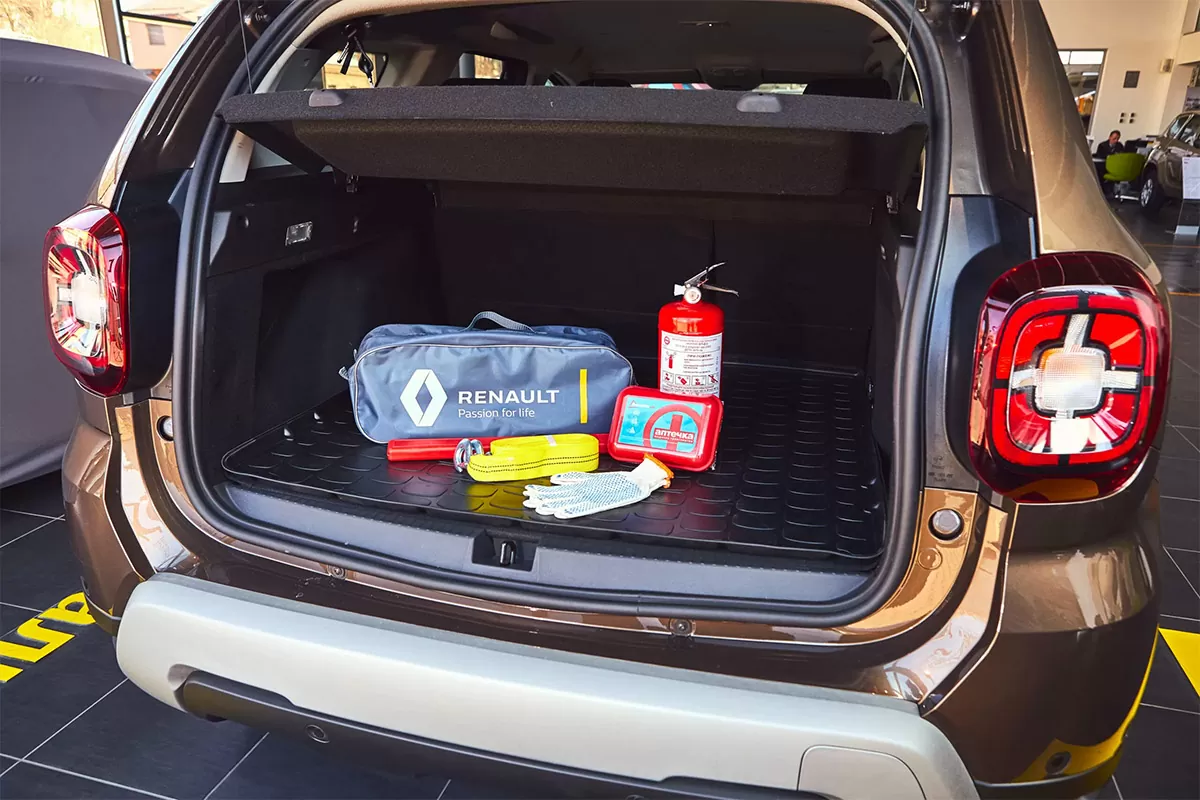
10. Prepare a Winter Emergency Kit and Check Essential Accessories
Even a well-maintained vehicle can experience unexpected problems during winter. Snowstorms, icy roads, traffic delays, mechanical failures, and poor visibility may leave drivers waiting for assistance.
Keeping an emergency kit inside the car provides useful supplies when a journey does not go according to plan. Before the first snowfall, check the equipment you already have and add anything important that is missing. Store the items in a secure location where they can be reached easily.
A basic winter emergency kit should include a flashlight, spare batteries, a first-aid kit, reflective warning equipment, a phone charger, and warm clothing.
A blanket, gloves, a hat, and suitable footwear can provide protection if you need to wait outside the vehicle. Keep drinking water and non-perishable snacks available for longer journeys. Check stored food and batteries regularly, replacing anything that has expired or become damaged.