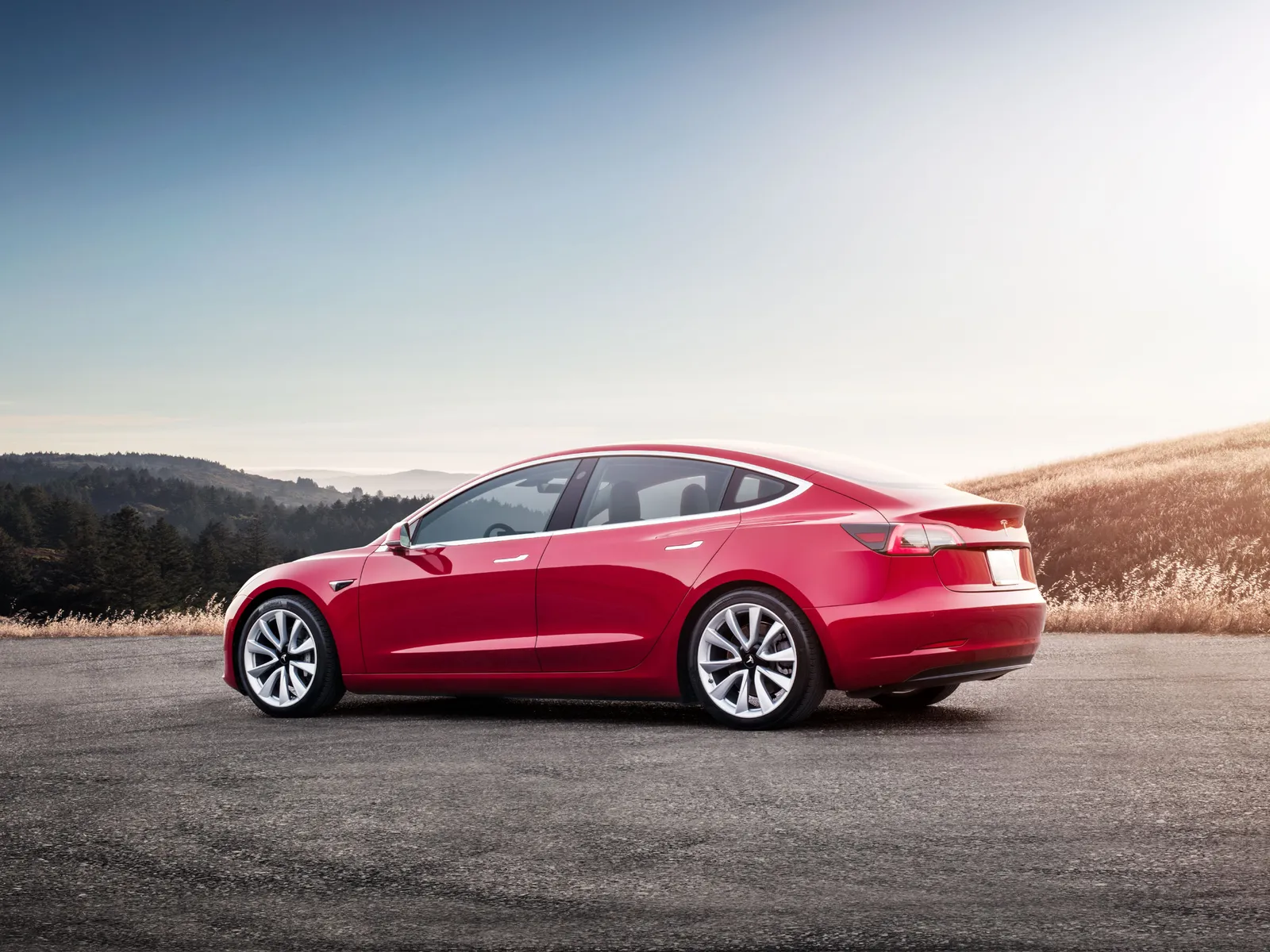
Rising gasoline prices have changed how drivers think about their next vehicle purchase. With gas staying above $4 per gallon in many parts of the United States, electric vehicles have gained attention from budget-conscious shoppers.
Used EVs, in particular, offer an appealing combination of lower purchase prices, reduced fuel expenses, and modern driving features. Several models that once seemed expensive or difficult to justify have become practical choices in the secondhand market.
From affordable city cars to longer-range family vehicles, these eight used electric cars deserve attention from buyers seeking dependable transportation and meaningful savings.
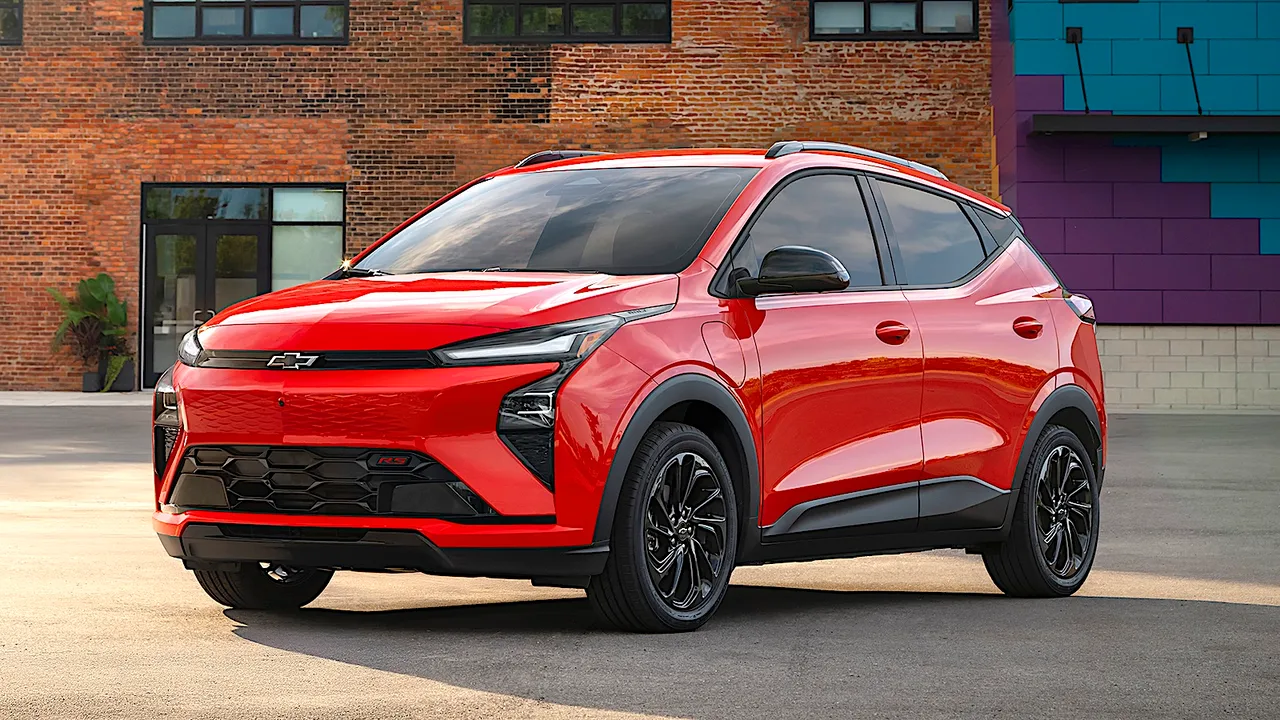
1. Chevrolet Bolt EV: An Affordable Electric Car With Impressive Range
The Chevrolet Bolt EV has become an attractive option for shoppers searching for an affordable used electric vehicle. Its relatively compact design, practical interior, and useful driving range make it suitable for everyday transportation.
For drivers spending considerable money at gasoline stations, switching to a Bolt can offer noticeable savings over time. The vehicle was designed for ordinary commuting rather than luxury driving, which helps explain its continued appeal among practical buyers. Its small footprint also makes parking and navigating crowded urban streets easier.
One major advantage of the Bolt EV is its driving range. Depending on the model year and configuration, many versions offer approximately 238 to 259 miles of EPA-estimated range when new. That distance is sufficient for most daily commutes, grocery trips, school runs, and regular local journeys.
Buyers considering an older example should check the battery’s condition, charging performance, and applicable recall history. Actual range depends on weather, driving habits, battery condition, and the use of heating or air conditioning. These factors matter when purchasing any secondhand electric car.
The interior is straightforward and functional, with seating for five and useful cargo space for a small hatchback. Its infotainment system provides smartphone connectivity on supported model years, while the dashboard layout keeps essential information accessible.
The Bolt is not designed to compete with expensive luxury electric vehicles, but it offers many features that everyday drivers appreciate. Its relatively small dimensions make it particularly convenient for apartment residents, urban commuters, and households that need an economical second vehicle.
Running costs can make the Bolt especially appealing when gasoline prices remain elevated. Electricity rates vary by location, but charging at home is generally less expensive than purchasing gasoline for an equivalent amount of driving.
Owners may also benefit from fewer routine maintenance requirements because electric motors do not require oil changes, spark plugs, or traditional exhaust-system servicing. However, tires, suspension components, brakes, cabin filters, and other ordinary vehicle parts still require attention. Prospective buyers should compare local electricity rates before calculating their expected savings.
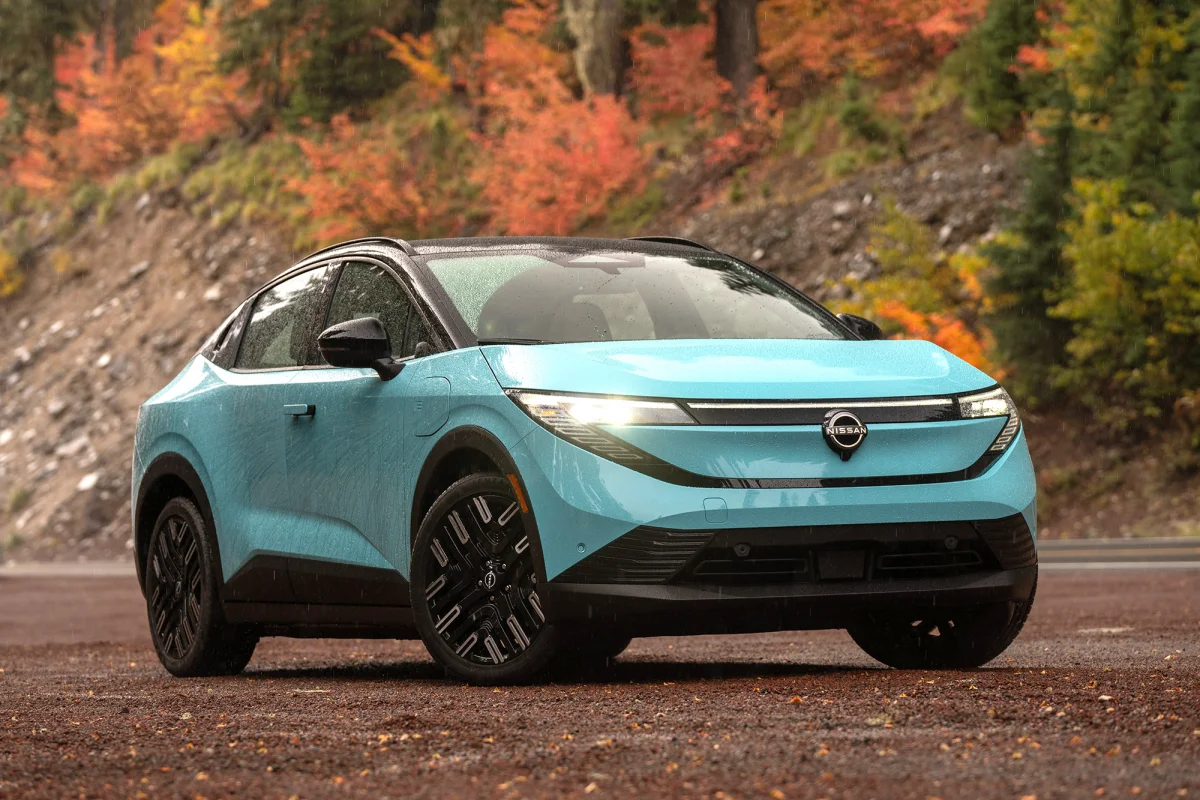
2. Nissan Leaf: A Budget-Friendly Choice for Daily Commuting
The Nissan Leaf has maintained a recognizable position in the affordable electric vehicle market. As an early mass-market EV, it helped introduce electric driving to buyers who wanted something less complicated than a traditional gasoline vehicle.
Used examples can be particularly appealing because depreciation has made many older models accessible to shoppers with limited budgets. When gasoline prices remain high, the Leaf offers a straightforward way to reduce dependence on fuel stations. Its compact dimensions and easy driving characteristics suit daily urban transportation.
Driving range varies considerably across Leaf model years and battery configurations. Earlier versions generally provide shorter ranges, while later models offer improved battery capacities and longer distances between charges.
Some versions have EPA-estimated ranges around 150 miles, while certain later configurations approach 226 miles when new. Buyers should avoid assuming that every used Leaf provides the same range. Battery degradation, climate, charging habits, and vehicle age can significantly affect real-world performance. A battery health report is particularly useful when evaluating an older example.
The Leaf offers a comfortable cabin with a practical layout and relatively simple controls. Its elevated seating position provides good visibility, while the hatchback body makes carrying groceries, luggage, and everyday household items convenient.
Depending on the model year, drivers may find features such as automatic climate control, smartphone connectivity, driver assistance technology, and heated seating. The vehicle’s quiet operation can make routine commutes more relaxing. Its accessible design also helps drivers who prefer a familiar driving experience rather than a complicated collection of digital controls.
Charging compatibility deserves careful attention before purchasing a Leaf. Many versions use the CHAdeMO connector for DC fast charging, while most newer public charging networks increasingly emphasize CCS and NACS connections.
Public charging availability therefore depends on the buyer’s location and the equipment installed at individual stations. Home charging is often the most convenient arrangement.
Owners should confirm which charging cables are included and whether the vehicle can connect to the charging equipment they intend to use. This small amount of research can prevent inconvenience after purchase.
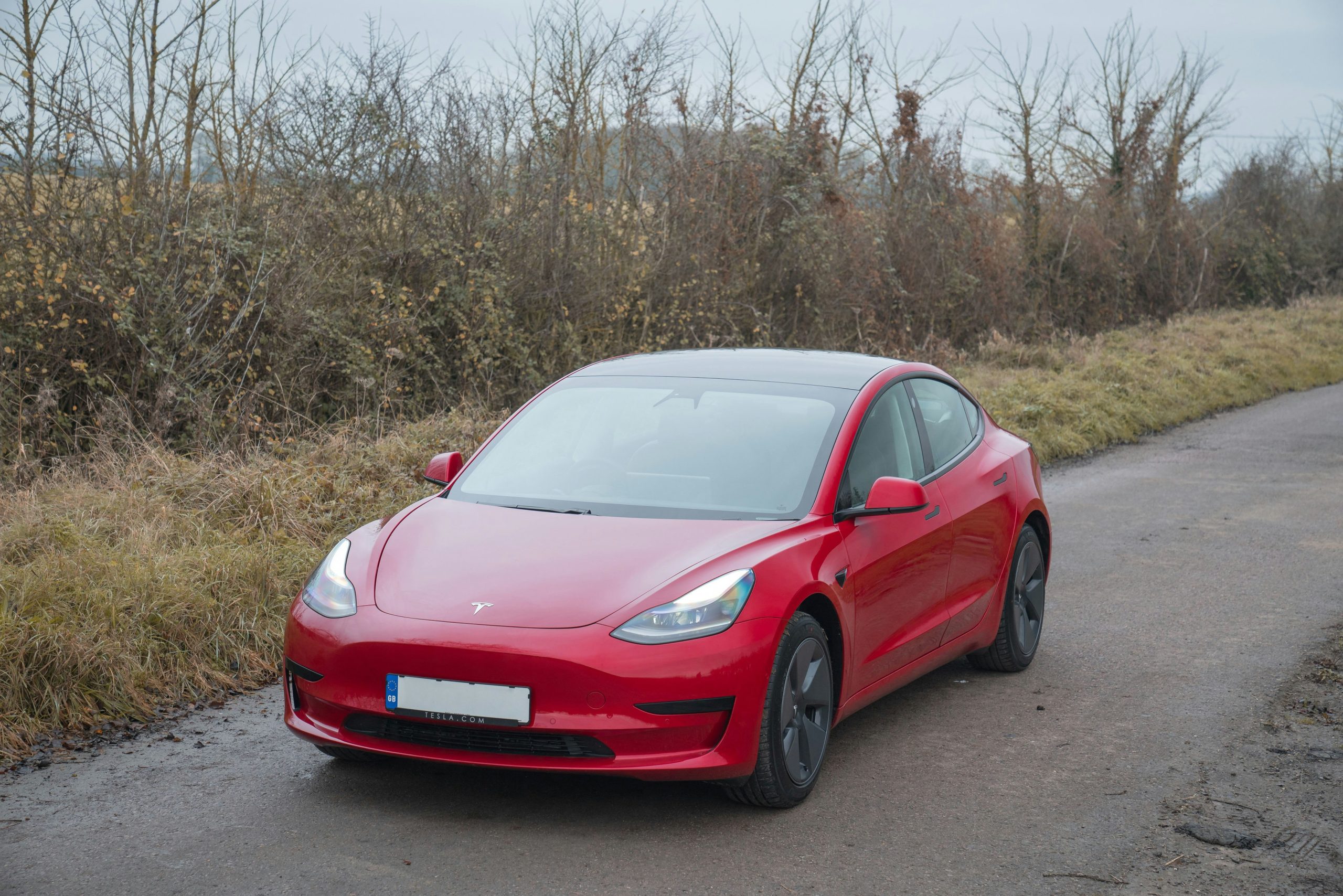
3. Tesla Model 3: A Used Electric Sedan With Strong Everyday Appeal
The Tesla Model 3 has become a popular choice among used EV shoppers looking for a combination of range, performance, and technology. Its original positioning in the premium electric sedan category made it appealing to drivers interested in modern features and quick acceleration.
As more vehicles entered the secondhand market, depreciation created opportunities for buyers who previously considered a new Model 3 too expensive. High gasoline costs have strengthened the financial argument for considering a used electric sedan, particularly among people who commute frequently.
Range is a major selling point. Depending on the model year, battery configuration, and trim, the Model 3 has offered EPA-estimated ranges extending from approximately 220 miles to more than 350 miles when new. This makes it suitable for a wider variety of driving requirements than many older entry-level electric cars.
Buyers should check the original specification rather than relying on a seller’s general description. Battery age, wheel selection, software estimates, temperature, and driving conditions all influence the distance available on a full charge.
The Model 3 also offers strong acceleration and responsive handling. Its low-mounted battery contributes to a low center of gravity, helping the sedan feel stable during cornering. The cabin features a minimalist dashboard dominated by a central touchscreen, which controls many vehicle functions.
Some buyers appreciate this clean approach, while others prefer conventional buttons and physical controls. Interior materials and ride comfort vary by production year, so sitting inside the exact vehicle before purchasing is worthwhile.
Tesla’s charging network has historically been an important advantage for long-distance EV travel. Depending on the vehicle’s production year, market, and charging configuration, owners may have access to Tesla Superchargers and other compatible charging options.
Buyers should verify current charging access, connector compatibility, and any account-related requirements before making a decision. The vehicle’s software features can also differ according to its age and equipment. A used Model 3 should be checked for software restrictions, warranty coverage, and any outstanding service campaigns.
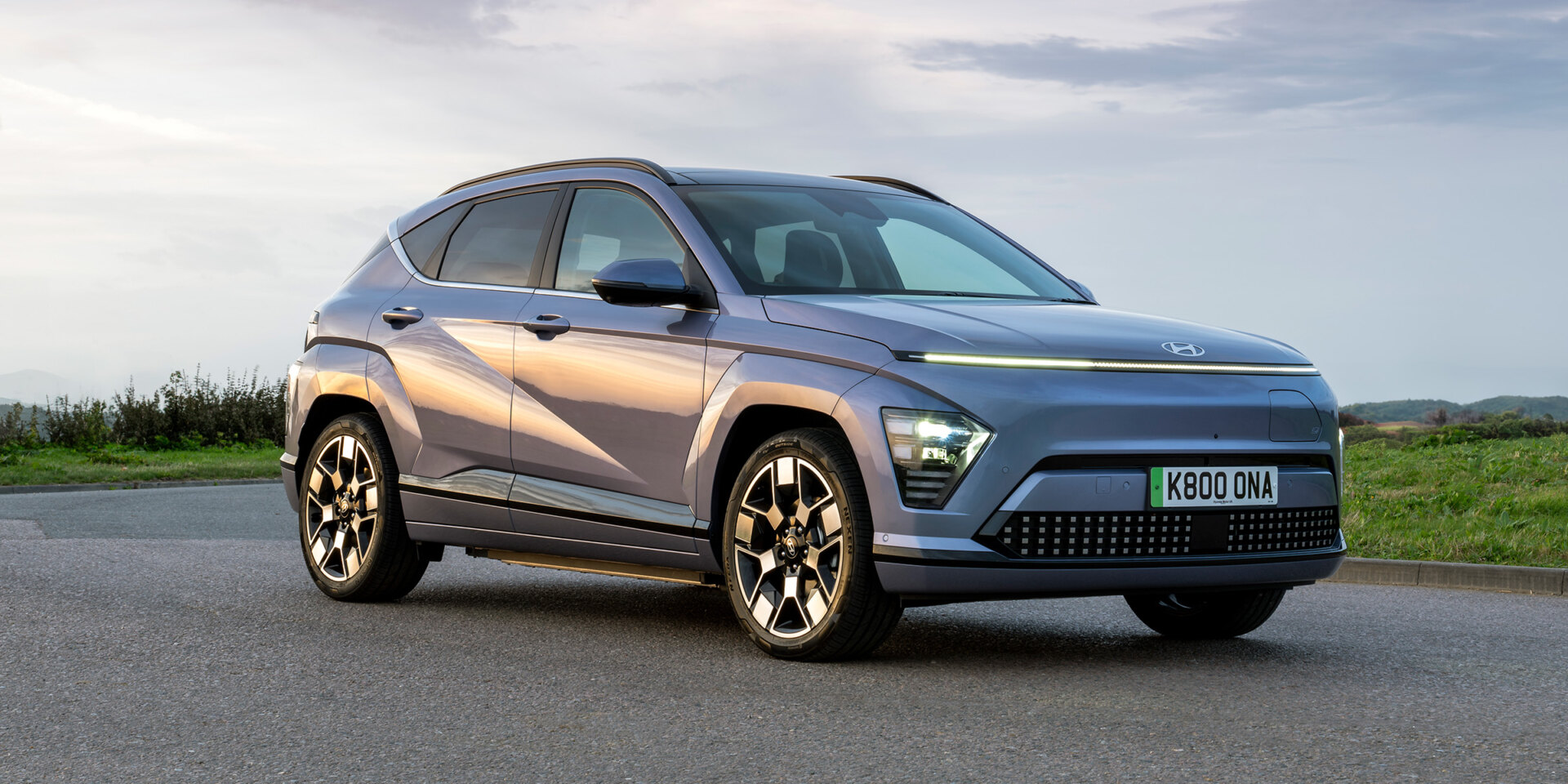
4. Hyundai Kona Electric: A Practical Small SUV With Useful Range
The Hyundai Kona Electric appeals to buyers who want the efficiency of an electric car with the higher seating position of a small SUV. Its compact exterior makes it manageable in busy cities, while the cabin provides useful passenger space for everyday family transportation.
As gasoline expenses increase, a used Kona Electric can offer an appealing alternative to conventional compact crossovers. It provides an approachable driving experience without requiring buyers to move into a large or expensive electric vehicle.
Driving range is among its strongest features. Earlier versions offered EPA-estimated ranges around 258 miles, while the redesigned generation introduced improvements to comfort, technology, and practicality. Exact specifications vary according to model year, trim, and battery configuration.
This range makes the Kona Electric useful for commuting, shopping, and many weekend journeys. Buyers should remember that EPA estimates represent standardized testing conditions. Highway speeds, cold temperatures, heavy acceleration, and battery age can reduce the distance achieved during normal use.
Inside, the Kona Electric offers a comfortable driving position and a practical dashboard arrangement. Depending on the year and trim, equipment can include touchscreen infotainment, smartphone integration, heated front seats, adaptive cruise control, and other driver assistance systems.
The cabin is designed around daily usability rather than luxury. Rear passenger space and cargo capacity are reasonable for a compact SUV, though larger families may prefer a more spacious vehicle. Buyers should examine the actual seating arrangement and storage space to make sure it suits their needs.
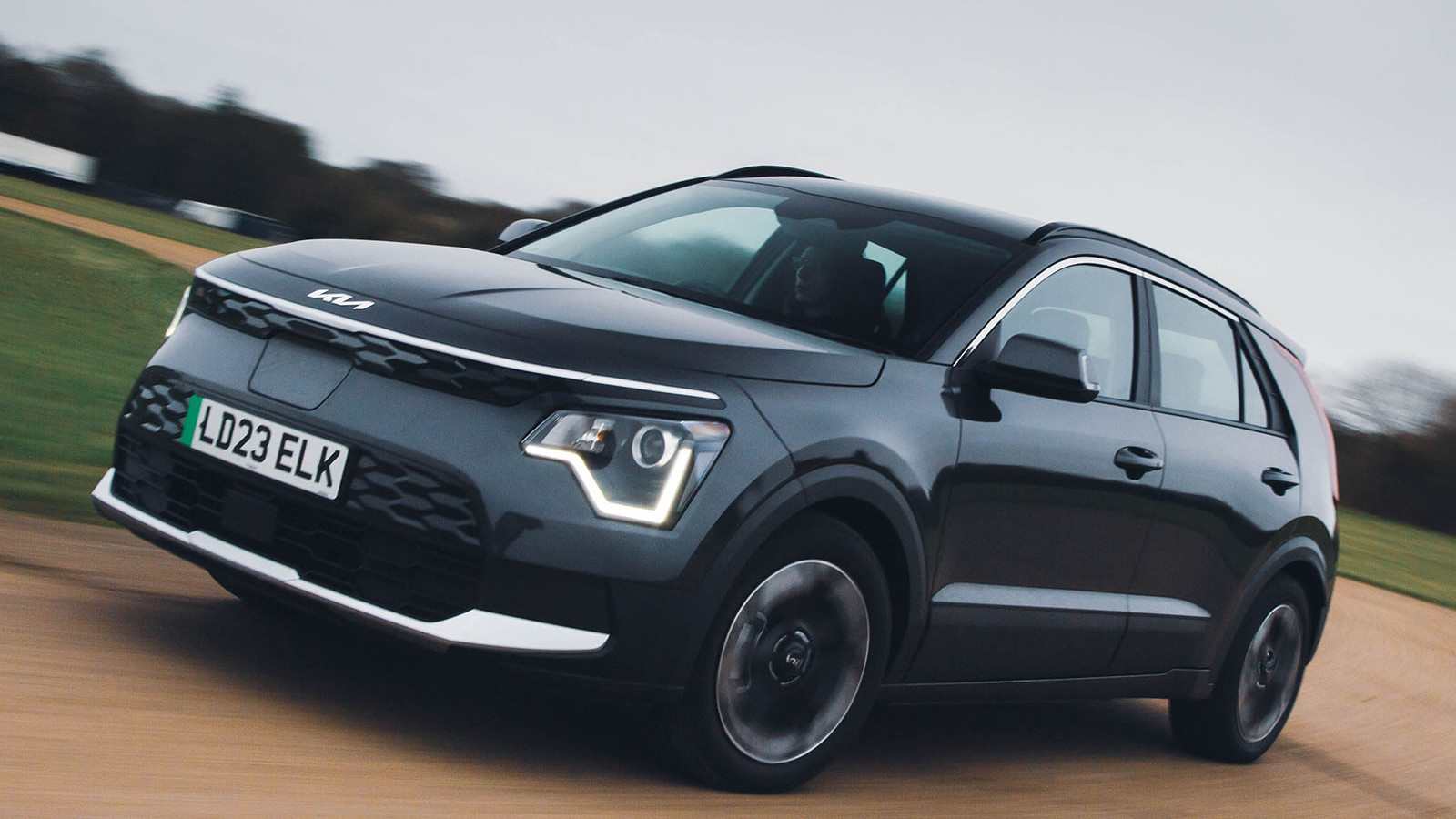
5. Kia Niro EV: A Comfortable Electric Crossover for Families
The Kia Niro EV has attracted attention from shoppers seeking a practical electric vehicle with family-friendly features. Its crossover shape offers a comfortable seating position and useful cabin space without the bulk of a larger SUV.
For people moving away from gasoline-powered vehicles, the Niro EV provides a familiar layout and straightforward driving experience. Used examples can be particularly interesting because buyers gain access to a well-equipped electric vehicle at a lower purchase price than many new alternatives.
Range is an important advantage. Earlier Niro EV models offered an EPA-estimated range of approximately 239 miles when new, while later versions received design and equipment updates. The exact range depends on the model year and configuration.
This distance makes the vehicle suitable for regular commuting and many regional journeys. Buyers should examine the battery’s condition and review the vehicle’s estimated range under different driving conditions. A dashboard range prediction should not be treated as a guaranteed distance because it changes according to recent driving behavior.
The cabin is designed with passenger comfort in mind. Front seats generally provide a relaxed driving position, and the rear seating area is useful for carrying children or adult passengers on everyday journeys. Depending on trim, buyers may find heated seats, a touchscreen system, smartphone connectivity, advanced safety features, and convenient storage areas.
The cargo area is suitable for groceries, shopping bags, and ordinary luggage. Families should check the boot dimensions and rear-seat arrangement before purchase, especially if they regularly transport child seats or larger items.
The Niro EV also offers the advantages associated with electric powertrains. Instant torque provides responsive acceleration in city traffic, while the quiet motor creates a more peaceful cabin experience. Regenerative braking can help recover energy when slowing down, and several driving modes allow drivers to adjust the vehicle’s behavior.
Charging at home can reduce the need for frequent public charging stops. Nevertheless, owners should compare local electricity rates and check whether their parking arrangement supports the installation of suitable charging equipment.
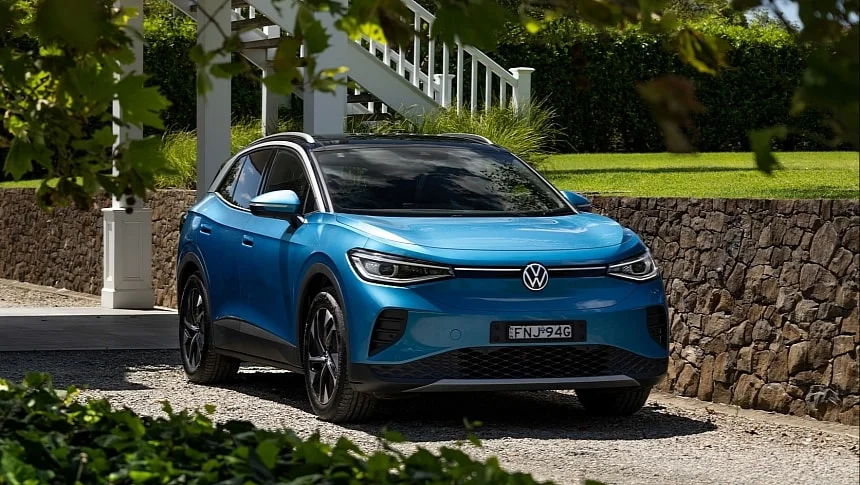
6. Volkswagen ID.4: A Roomier Electric SUV at a Better Used Price
The Volkswagen ID.4 entered the market as a practical electric SUV aimed at drivers who wanted more interior room than a traditional compact EV could provide. Its secondhand appeal has grown as more examples have become available and used-car prices have adjusted.
For families facing expensive gasoline bills, the ID.4 offers a useful alternative to conventional gasoline crossovers. Its familiar SUV proportions, comfortable cabin, and available driving range make it relevant to people considering their first electric family vehicle.
Different versions of the ID.4 offer different battery sizes, motors, and driving ranges. Depending on the model year and configuration, EPA-estimated range when new has generally fallen within approximately 200 to 275 miles.
Certain versions feature rear-wheel drive, while others offer all-wheel drive for additional traction. Buyers should compare the exact trim rather than assuming every ID.4 has identical performance. Battery condition, tire selection, climate, and driving speed all affect actual range.
Interior space is a major advantage. The ID.4 provides a spacious cabin, comfortable seating, and a useful cargo area for family luggage and shopping. Its flat-floor electric platform helps create a roomy passenger environment.
Depending on the trim and production year, equipment can include a panoramic glass roof, heated seating, digital displays, smartphone integration, and driver assistance technology. The infotainment interface and touch-sensitive controls may take some adjustment, so prospective buyers should test the system before purchasing.
Charging performance depends on the battery configuration and model year. The ID.4 supports home AC charging and DC fast charging, making it suitable for drivers who need flexibility. However, public charging speed is affected by battery temperature, charging-station output, and the vehicle’s current state of charge.
Some early production vehicles also received software updates and service attention. Buyers should verify that applicable updates and recalls have been completed. It is also sensible to test the charging port and confirm that the vehicle connects successfully to compatible equipment.
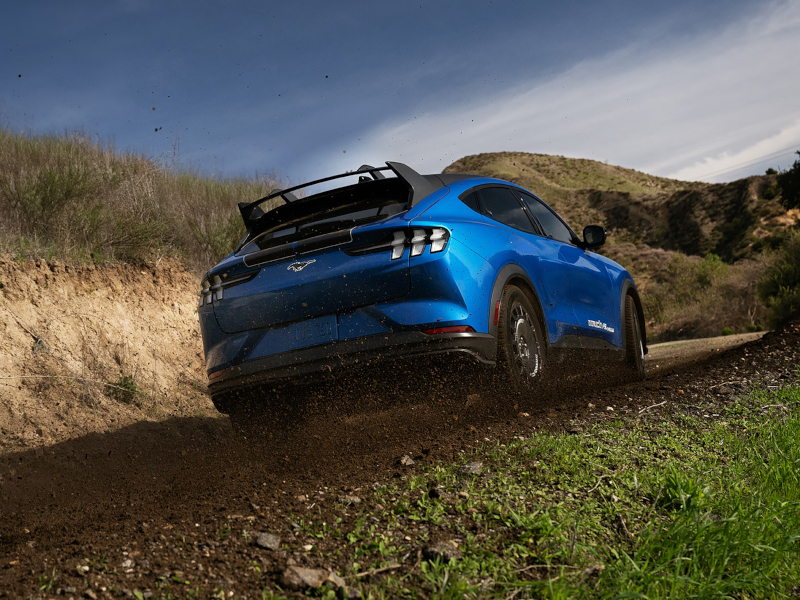
7. Ford Mustang Mach-E: Electric Performance With SUV Practicality
The Ford Mustang Mach-E brings a different character to the used electric vehicle market. Its styling draws inspiration from the Mustang name, while its body offers the convenience of a five-door electric crossover. This combination appeals to shoppers who want something more distinctive than an ordinary family SUV.
As the secondhand market develops, used Mach-E models have become relevant to drivers seeking performance, modern technology, and a practical interior without paying the full price of a new electric vehicle.
The Mach-E is available in several configurations, with differences in battery size, power output, and drivetrain. Depending on the model year and trim, EPA-estimated range when new can extend from roughly 210 miles to more than 300 miles.
Extended-range versions are particularly attractive for people who regularly travel longer distances. Some trims offer all-wheel drive, while others prioritize efficiency through rear-wheel drive. Buyers should compare the exact specifications and consider how much range they genuinely need for their normal journeys.
Performance is another strong point. Electric motors deliver immediate torque, allowing the Mach-E to accelerate quickly and respond smoothly in everyday traffic. Higher-performance GT versions offer stronger acceleration and a sportier driving character.
The cabin provides comfortable seating, a large central touchscreen, digital driver information, and useful storage. Rear-seat space is suitable for many families, while the cargo area offers practical flexibility. The front storage compartment available on many versions provides additional space for smaller belongings.
Charging convenience is an important part of owning a Mach-E. The vehicle supports home charging and compatible public fast-charging stations. Charging speeds and connector arrangements depend on the specific model year, market, and equipment.
Owners should check the charging network available along their usual routes before committing to a purchase. They should also verify software updates, charging-system operation, battery warranty, and any outstanding service campaigns. These checks are especially important when purchasing a vehicle with advanced electronic features.
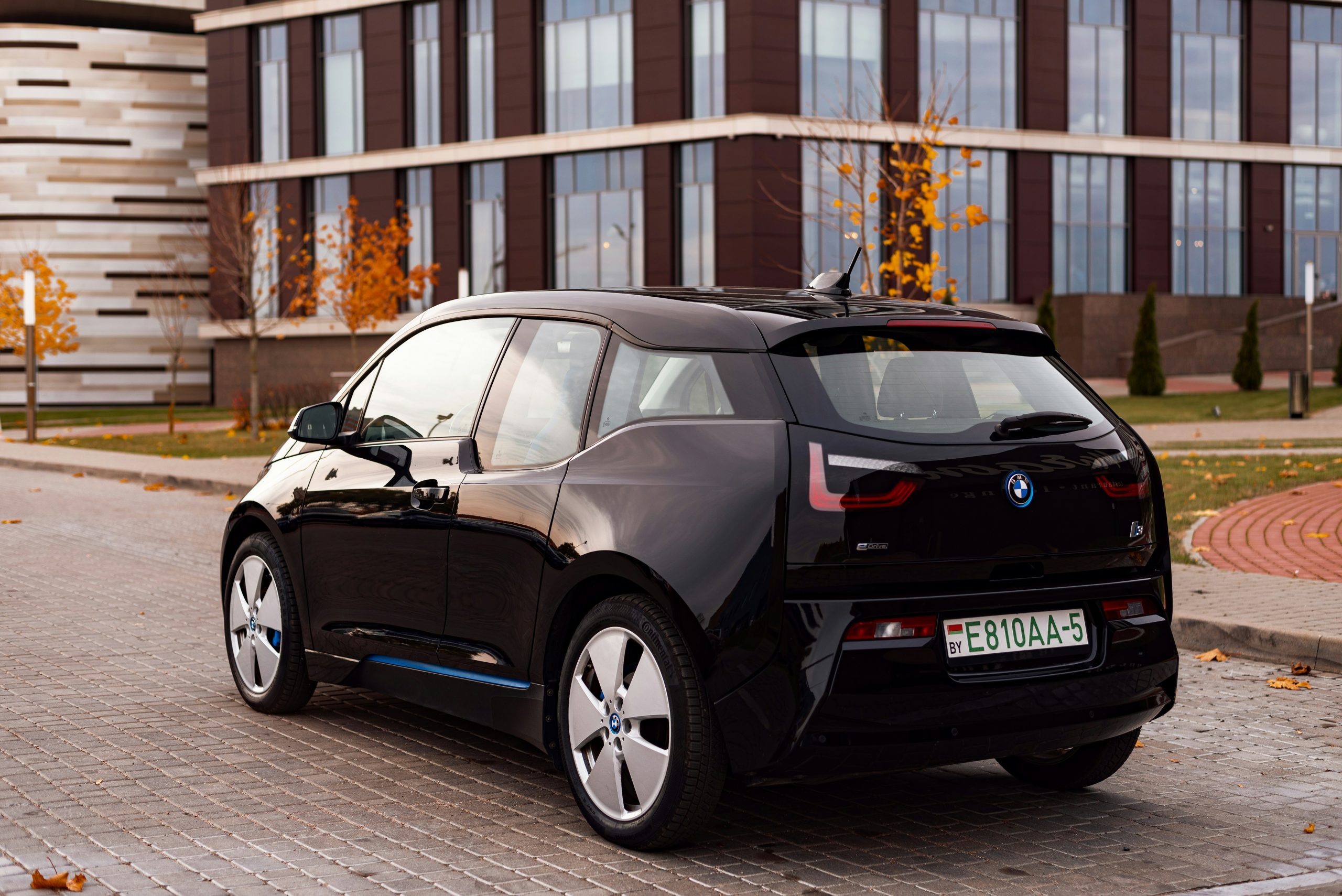
8. BMW i3: A Distinctive City EV With Lower Used-Car Prices
The BMW i3 stands apart from many other used electric vehicles because of its distinctive appearance and unusual construction. Its compact dimensions, upright cabin, and lightweight carbon-fiber-reinforced passenger structure give it a different character from conventional hatchbacks.
The i3 was developed primarily for urban transportation, making it especially appealing to drivers who spend most of their time navigating crowded streets. As used prices have changed, it has become an interesting option for shoppers looking for an affordable premium-branded electric car.
Range depends heavily on the production year and battery configuration. Earlier examples generally have shorter driving ranges, while later models offer larger battery capacities and improved EPA estimates. Certain later versions approach approximately 153 miles of EPA-estimated range when new.
This is less than many newer electric vehicles, but it may be sufficient for people with short commutes and regular access to charging. Buyers should examine battery health carefully because the remaining usable range is especially important in an older vehicle.
The interior gives the i3 a premium and unusual feel. Its materials include sustainable and recycled elements, and the dashboard design emphasizes simplicity. The vehicle’s tall cabin provides good visibility, while its compact exterior makes parking relatively easy.
Rear-hinged rear doors provide convenient access to the back seats, though their operation requires the front doors to be opened first. The small rear seating area and limited cargo capacity mean that larger families may find the vehicle less convenient than a conventional compact SUV.
Certain BMW i3 models were offered with a range extender, a small gasoline engine that generates electricity when the battery charge becomes low. This version can provide additional flexibility for drivers who occasionally travel beyond the vehicle’s electric range. However, the range extender adds mechanical components that require their own maintenance.
Buyers should understand the differences between the fully electric model and the range-extender version before making a decision. A qualified technician should inspect the battery, charging system, engine components where applicable, and vehicle electronics.