
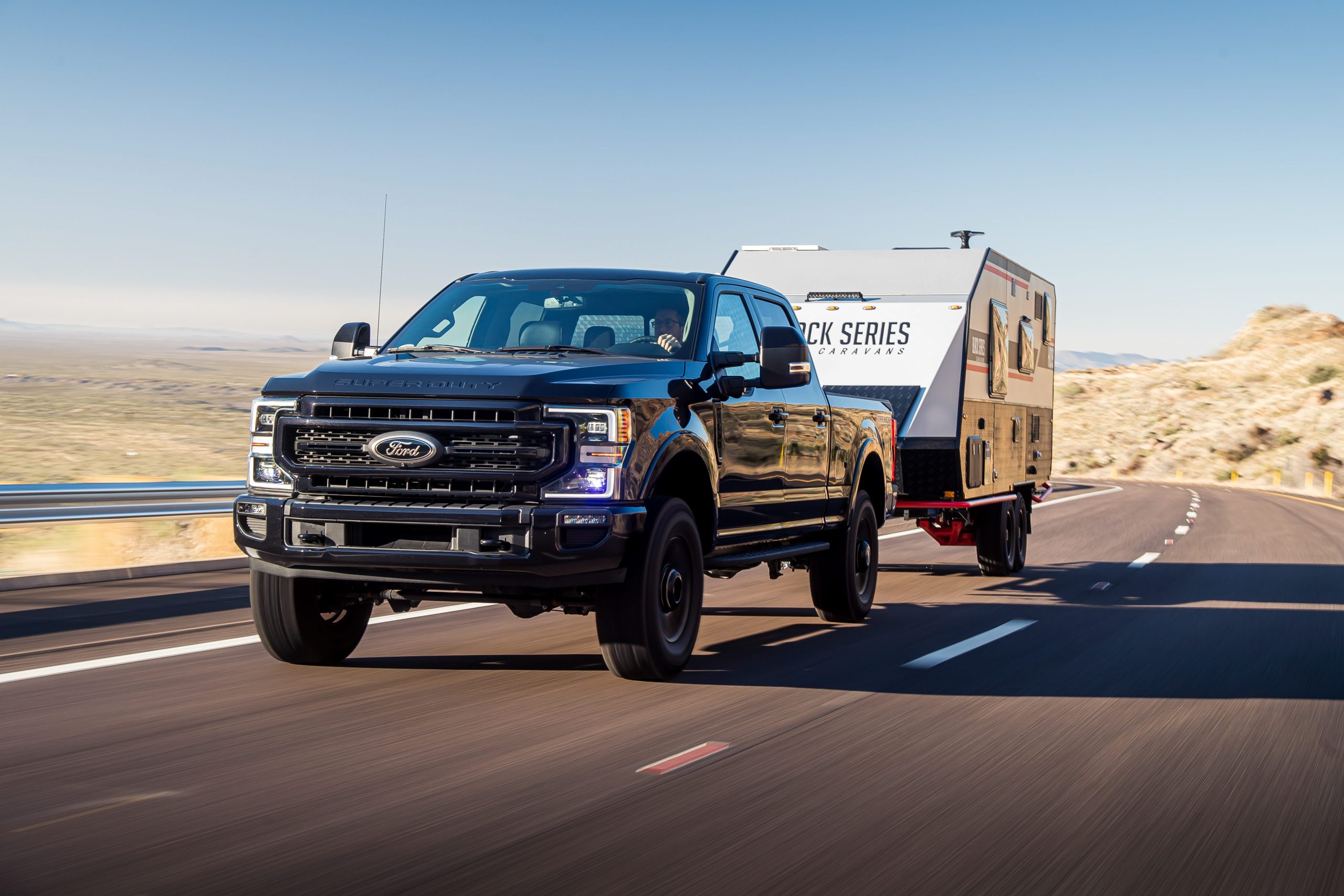
Rising diesel prices are creating serious challenges for the commercial trucking industry, leaving dealerships struggling to move certain diesel-powered trucks from their lots.
As fuel costs climb, buyers are becoming increasingly cautious about purchasing vehicles that promise power but demand expensive daily operation. Fleet operators, independent truckers, and small business owners are reconsidering their budgets, while dealerships face growing pressure to offer discounts and incentives.
Some diesel trucks are proving particularly difficult to sell because of their fuel consumption, maintenance expenses, and changing market preferences. Here are eight diesel trucks dealers are reportedly finding harder to move.
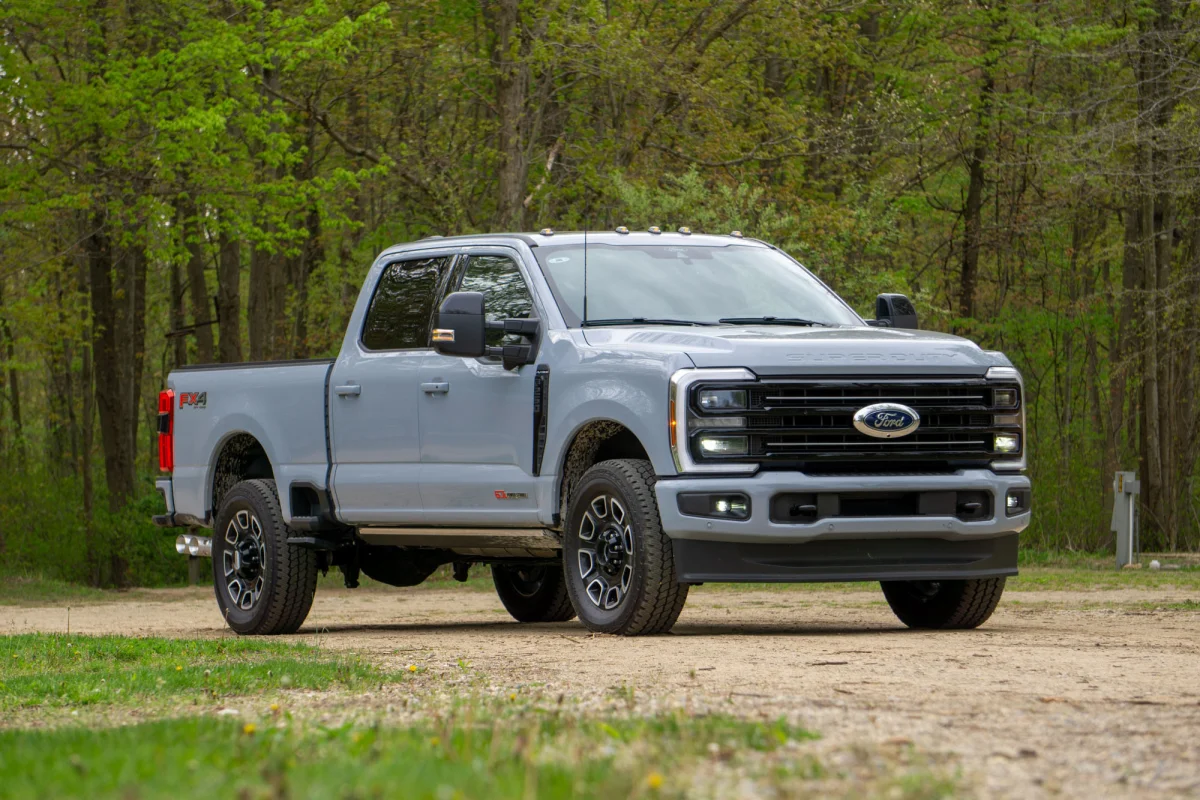
1. Ford F-250 Super Duty Diesel
The Ford F-250 Super Duty has long been a popular choice among contractors, agricultural businesses, construction companies, and drivers who need serious towing capability.
Equipped with a powerful Power Stroke diesel engine, this heavy-duty pickup offers impressive torque, substantial payload capacity, and the ability to handle demanding workloads. However, when diesel prices rise sharply, the cost of operating such a powerful truck becomes a major consideration. Buyers who previously prioritized performance are increasingly calculating how much fuel they will need every week.
The F-250’s diesel engine is designed for demanding applications, but that capability comes with additional ownership expenses. Drivers who regularly tow heavy trailers or transport construction equipment may find the fuel consumption justified.
However, people who primarily use their trucks for commuting, shopping, or occasional weekend projects might struggle to justify the higher operating costs. A diesel-powered heavy-duty pickup can be an expensive choice when its full capabilities are rarely needed.
Another challenge is the initial purchase price. Diesel-equipped Super Duty models generally cost more than comparable gasoline-powered versions. When buyers are already concerned about fuel expenses, the higher upfront investment can make the decision even more difficult.
Financing costs, insurance, maintenance, and registration add further pressure to ownership budgets. As a result, some customers may begin considering less expensive gasoline alternatives rather than committing to a diesel truck.
Dealerships may also face challenges when particular F-250 configurations remain on their lots for extended periods. Trucks equipped with premium packages, oversized wheels, luxurious interiors, and powerful diesel engines can carry substantial price tags.
Although these features appeal to a specific customer base, they may discourage buyers who are primarily searching for an affordable work vehicle. Dealers sometimes need to adjust pricing or provide attractive financing incentives to generate interest.
Nevertheless, the F-250 remains an important truck for people who genuinely need heavy-duty performance. Businesses that operate regularly, tow substantial loads, or work in demanding environments may continue purchasing it despite rising fuel prices.
Its resale potential also depends on mileage, maintenance history, configuration, and regional demand. The challenge is not necessarily that the truck has become undesirable, but that higher operating expenses are making buyers more selective about when and why they purchase one.
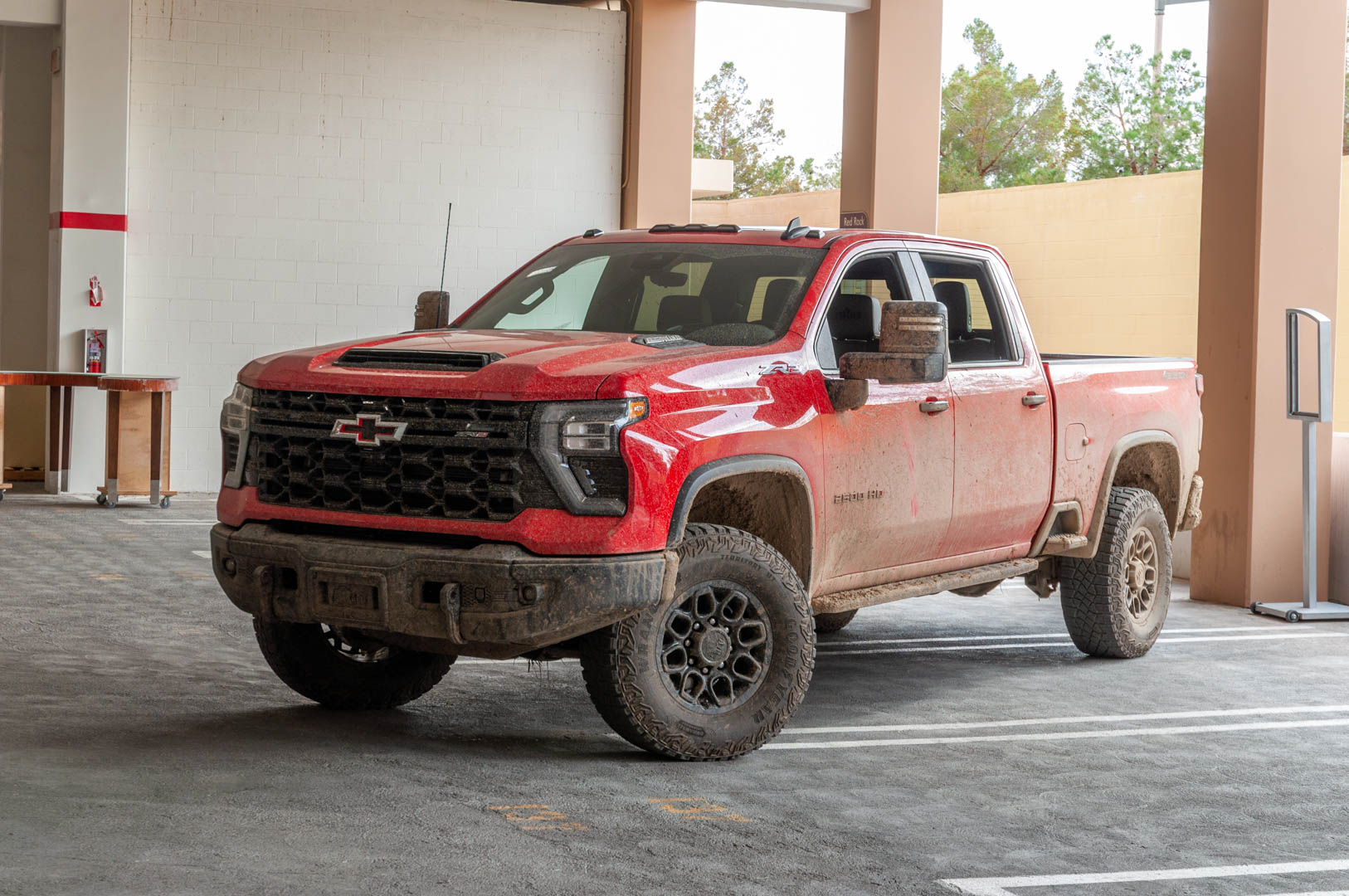
2. Chevrolet Silverado 2500HD Duramax
The Chevrolet Silverado 2500HD Duramax is another heavyweight in the diesel pickup market. Known for its impressive towing performance, powerful engine, and comfortable cabin, the truck attracts recreational users and professional operators alike.
Its diesel powertrain is particularly appealing to people who regularly haul equipment, transport livestock, or pull large recreational trailers. However, when diesel prices reach unusually high levels, even loyal Chevrolet customers may reconsider whether they need such a powerful truck.
Fuel consumption becomes a particularly important issue for Silverado 2500HD owners who spend considerable time on highways and work sites. Although diesel engines can deliver strong efficiency under certain operating conditions, heavy loads and demanding driving conditions can significantly increase fuel consumption.
Drivers who frequently tow trailers may find themselves visiting fuel stations more often than expected. Consequently, the cost of operating the truck can become a significant concern.
Maintenance expenses also influence purchasing decisions. Diesel trucks require specialized servicing, and certain repairs can become expensive as vehicles accumulate mileage.
Components associated with modern diesel emissions systems, fuel delivery, and engine management can require professional attention. Buyers considering a used Silverado 2500HD may therefore pay closer attention to service records, warranty coverage, and previous operating conditions before making a purchase.
For dealerships, the combination of a high purchase price and expensive fuel can create a challenging sales environment. Some customers may arrive interested in a Duramax-powered Silverado but leave after comparing it with a gasoline-powered model.
Others may decide to postpone their purchase until fuel prices stabilize. This hesitation can create additional pressure on dealers holding expensive diesel inventory, especially when several similar trucks are available nearby.
Despite these difficulties, the Silverado 2500HD Duramax remains a compelling option for buyers with genuine heavy-duty requirements. Its towing capabilities, strong torque, and comfortable driving experience continue to attract customers who depend on their trucks professionally.
However, occasional users may find a smaller pickup or gasoline-powered heavy-duty alternative more economical. Dealers may need to emphasize practical benefits rather than simply promoting horsepower and towing figures.
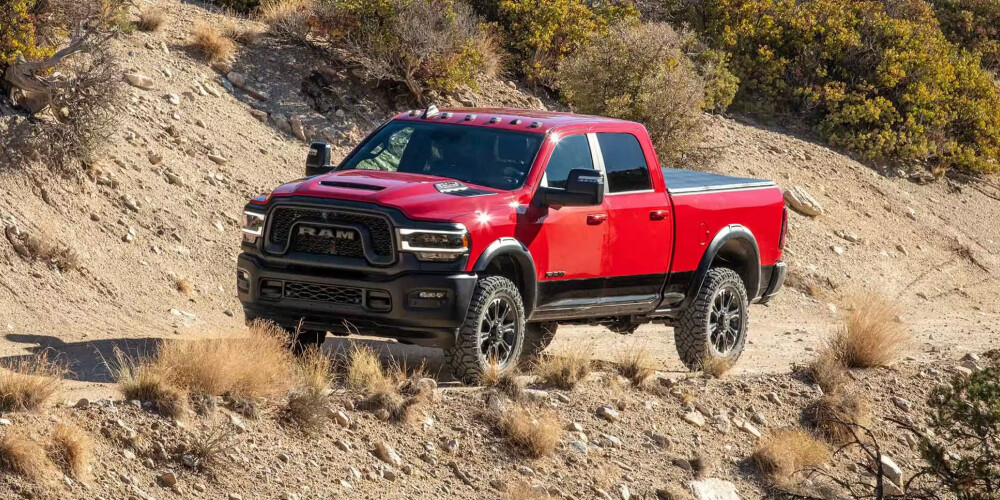
3. Ram 2500 Cummins Diesel
The Ram 2500 equipped with the Cummins diesel engine has developed a strong reputation among truck enthusiasts and commercial operators. Its powerful engine, substantial torque output, and heavy-duty construction make it attractive to people who regularly tow trailers and transport heavy equipment.
Many owners appreciate the engine’s reputation for durability and its ability to perform under demanding conditions. Nevertheless, increasing diesel prices can change the purchasing calculations for customers who previously considered this truck an obvious choice.
One major concern is that buyers often underestimate the total cost of owning a heavy-duty diesel pickup. The purchase price is only one part of the financial commitment. Fuel, maintenance, tires, insurance, and unexpected repairs can increase expenses considerably.
When diesel becomes more expensive, customers may begin questioning whether the truck’s additional performance is worth paying for, especially if their work does not require maximum towing capacity.
The Ram 2500 also competes in a market where customers have numerous alternatives. Gasoline-powered heavy-duty trucks can offer sufficient capability for many construction businesses, recreational users, and property owners.
Although they may not deliver the same low-speed torque characteristics as diesel engines, they can provide a lower initial purchase price. For buyers who tow occasionally rather than daily, the financial difference can become particularly attractive.
Dealerships holding premium Cummins-equipped models may encounter additional challenges because these vehicles frequently carry expensive optional equipment. Large touchscreen systems, upgraded seating, advanced towing packages, and luxury interiors increase the purchase price.
While such features attract certain buyers, they can make the truck difficult to position as an affordable commercial vehicle. Dealers may need to offer competitive trade-in values or financing arrangements to encourage customers.
However, the Cummins-powered Ram 2500 should not be considered an obsolete product simply because fuel prices increase. For professional operators who regularly travel with heavy loads, the truck can still provide substantial value.
Its usefulness depends on the buyer’s working requirements and annual mileage. Customers who carefully calculate operating costs may continue finding diesel ownership worthwhile, while occasional drivers may increasingly choose cheaper alternatives.
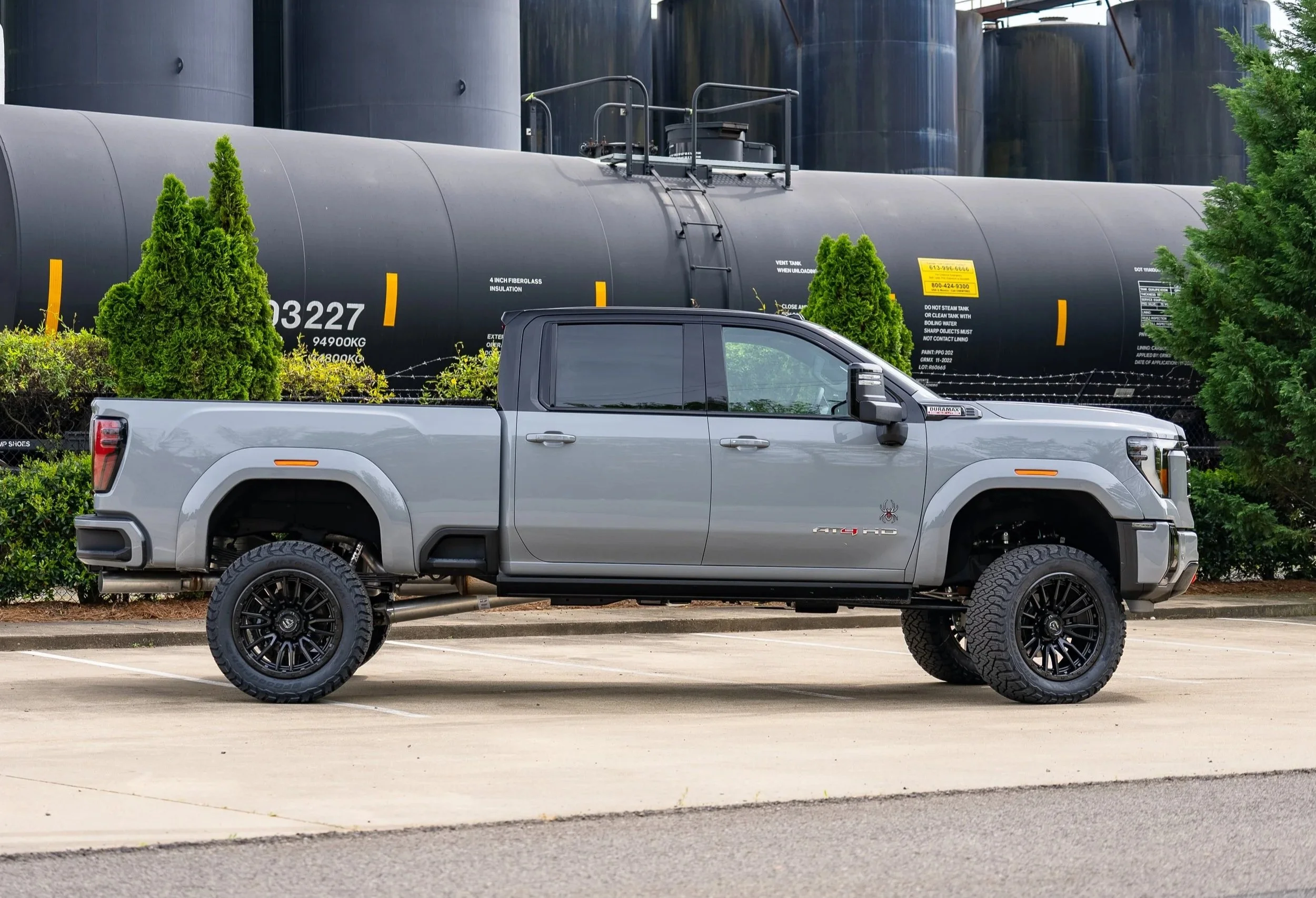
4. GMC Sierra 2500HD Duramax
The GMC Sierra 2500HD Duramax combines heavy-duty capability with a more premium approach to pickup truck ownership. It attracts buyers who want powerful towing performance without sacrificing interior comfort, technology, and convenience.
The truck is especially appealing to customers who use their vehicles for both professional responsibilities and personal travel. However, its premium positioning can become a disadvantage when higher diesel prices make customers more sensitive to long-term ownership expenses.
One challenge is the cost of purchasing a well-equipped Sierra 2500HD. Premium trim levels can become expensive, particularly when customers select the Duramax diesel engine and additional luxury packages.
Buyers must consider whether they genuinely need the capabilities associated with the vehicle. When fuel prices rise, customers who previously prioritized comfort and performance may begin comparing the Sierra with more affordable alternatives.
Operating expenses are another concern. Heavy-duty diesel pickups are designed to handle demanding work, but their fuel consumption can increase significantly when towing large trailers or carrying heavy loads.
For owners who drive long distances every day, even relatively small increases in fuel prices can produce substantial annual expenses. This can affect small business owners who operate with limited budgets and cannot easily pass additional costs to customers.
Dealership inventory can also become difficult to manage when several premium diesel trucks are available simultaneously. A Sierra 2500HD equipped with expensive options may appeal to a smaller group of buyers than a basic work-oriented model.
Dealers may therefore need to offer stronger incentives, promotional financing, or additional trade-in support. These strategies can help generate interest, although they may reduce profit margins.
The Sierra 2500HD nevertheless remains attractive to customers who value its combination of capability and refinement. Buyers who tow recreational vehicles, operate construction businesses, or travel with heavy equipment may continue seeing the diesel engine as a worthwhile investment.
The important distinction is between customers who need the truck’s full capabilities and those who simply want a large, impressive pickup. Rising fuel expenses make that distinction increasingly important.
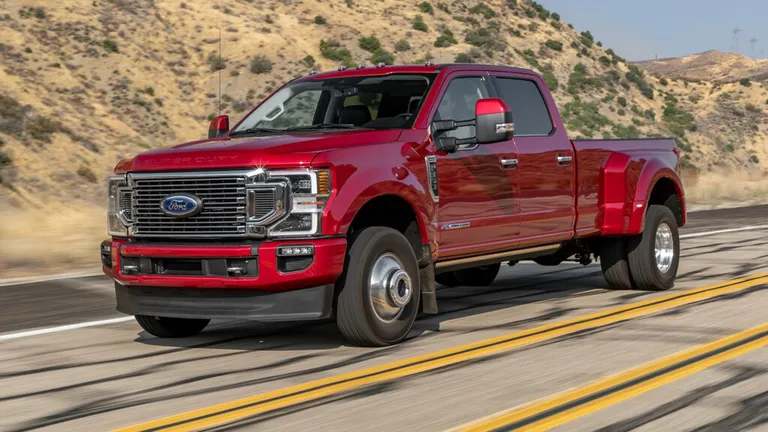
5. Ford F-350 Super Duty Diesel
The Ford F-350 Super Duty occupies an important position in the heavy-duty truck market. Designed for demanding commercial applications, it provides substantial towing and payload capabilities.
Businesses that operate large trailers, transport construction materials, or manage agricultural equipment often depend on trucks in this category. However, the F-350’s size, weight, and powerful diesel engine can make it an expensive vehicle to operate when fuel prices increase dramatically.
Unlike smaller pickups, the F-350 is often purchased for specific professional requirements. Its diesel engine provides the torque necessary for demanding towing applications, making it useful for operators who regularly transport substantial loads.
Unfortunately, those same demanding conditions can increase fuel consumption. Drivers who spend long hours on highways or frequently travel between job sites may notice fuel expenses becoming a much larger part of their operating budgets.
Another consideration is the initial investment. Diesel-powered F-350 models can be expensive, especially when equipped with premium trim levels and advanced towing technology.
Small businesses may hesitate to purchase a new vehicle when existing trucks remain operational. Instead of replacing an older truck immediately, some operators may choose to extend its service life until financial conditions improve.
For dealerships, selling an F-350 can require finding customers with specific commercial requirements. Unlike smaller consumer pickups, the F-350 has a narrower potential audience.
A buyer looking for an everyday family vehicle is unlikely to select such a large truck. Consequently, dealerships holding expensive diesel configurations may experience longer selling periods if local construction, agricultural, or commercial demand slows down.
Even so, the F-350 continues to serve an important purpose in industries that require serious hauling capability. Its usefulness cannot be measured by fuel consumption alone. Businesses must consider productivity, towing capacity, reliability, and the cost of alternative transportation.
When the truck generates sufficient revenue through professional work, higher diesel prices may remain manageable. However, buyers without demanding workloads may find the purchase increasingly difficult to justify.
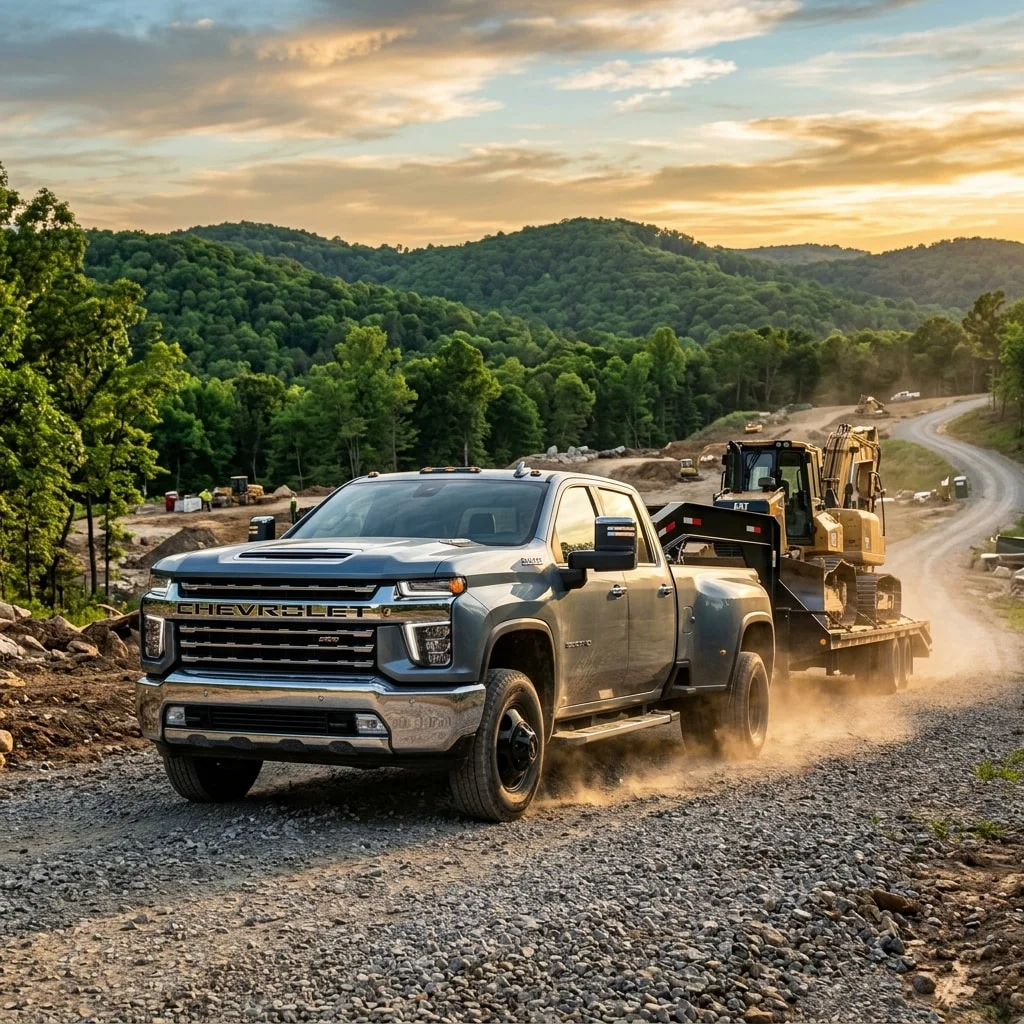
6. Chevrolet Silverado 3500HD Duramax
The Chevrolet Silverado 3500HD Duramax is designed for some of the toughest applications in the pickup segment. It provides substantial towing capacity and is commonly considered by businesses and individuals who need to transport large trailers, heavy equipment, and commercial loads.
Its powerful diesel engine is a major selling point, but it also creates a financial challenge when fuel prices rise. For customers operating on tight budgets, the cost of keeping such a vehicle running can become increasingly difficult to ignore.
One of the biggest concerns is the truck’s intended workload. A Silverado 3500HD is not generally purchased for casual transportation. Its capabilities are designed around demanding jobs, and those jobs often involve significant fuel consumption.
Drivers who regularly tow heavy trailers may experience much higher fuel expenses than someone operating a smaller pickup. As diesel prices increase, these costs can affect business profitability and household budgets.
Another issue involves the truck’s purchase and maintenance costs. Heavy-duty diesel vehicles contain sophisticated mechanical and emissions systems that require appropriate servicing.
While proper maintenance helps protect long-term performance, repair expenses can be substantial when specialized components need replacement. Potential buyers may become particularly cautious when considering used examples with high mileage or incomplete service histories.
Dealers may also find that the Silverado 3500HD appeals to a relatively limited audience. Buyers who need its capabilities may already have established commercial purchasing relationships or may be waiting for better economic conditions.
Meanwhile, customers who only require moderate towing capacity can often choose smaller and less expensive vehicles. This reduces the number of potential buyers willing to pay a premium for the 3500HD.
Nevertheless, the Silverado 3500HD Duramax remains a valuable tool for professional users. Its ability to handle demanding transportation tasks can make it more economical than purchasing multiple smaller vehicles.
For commercial operators, the relevant question is whether the truck’s productivity outweighs its operating expenses. If it generates enough income, the diesel engine can still make financial sense. Buyers who cannot fully utilize its capabilities, however, may increasingly look elsewhere.
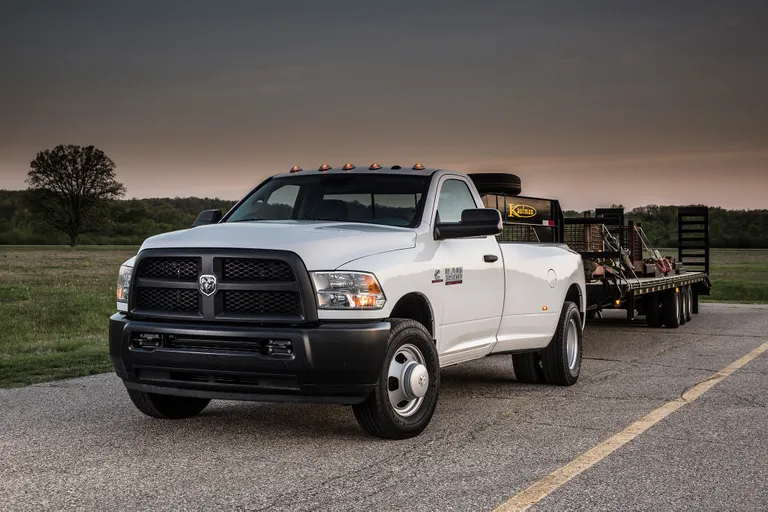
7. Ram 3500 Heavy Duty Cummins
The Ram 3500 Cummins diesel is built for customers who require serious towing and hauling performance. It is especially popular among people transporting large recreational trailers, commercial equipment, and heavy agricultural loads.
Its powerful diesel engine and heavy-duty construction make it suitable for demanding applications where smaller pickups may struggle. However, its considerable capabilities come with ownership costs that become more noticeable when diesel prices increase.
For many buyers, the biggest challenge is understanding how much fuel a truck of this size consumes during everyday operations. Heavy loads, frequent acceleration, highway speeds, and demanding driving conditions can significantly affect fuel economy.
Owners who regularly travel long distances may discover that fuel expenses represent a substantial portion of their monthly budget. This becomes particularly concerning for independent operators who must manage their own transportation costs.
The purchase price can create another barrier. A well-equipped Ram 3500 with the Cummins diesel engine can represent a major financial commitment. Customers must consider financing payments alongside fuel, maintenance, insurance, and other operating expenses.
Some buyers who previously considered upgrading may choose to delay their decision, particularly if their current vehicle remains reliable enough to handle existing responsibilities.
Dealerships may experience difficulty selling certain Ram 3500 configurations because their appeal is closely connected to specialized towing needs. A customer who does not regularly haul heavy loads may see little reason to purchase such an expensive vehicle.
Additionally, luxury-oriented versions may have price tags that place them outside the budgets of traditional commercial buyers. Dealers may respond with promotional financing, discounts, and trade-in offers to attract more customers.
Despite these challenges, the Ram 3500 remains a serious contender for demanding applications. Buyers who regularly tow heavy equipment or operate commercial transportation services may continue to prefer its capabilities.
Diesel ownership becomes less attractive when the truck spends most of its time driving without a meaningful workload. Therefore, the vehicle’s long-term value depends heavily on how effectively the owner uses its performance advantages.
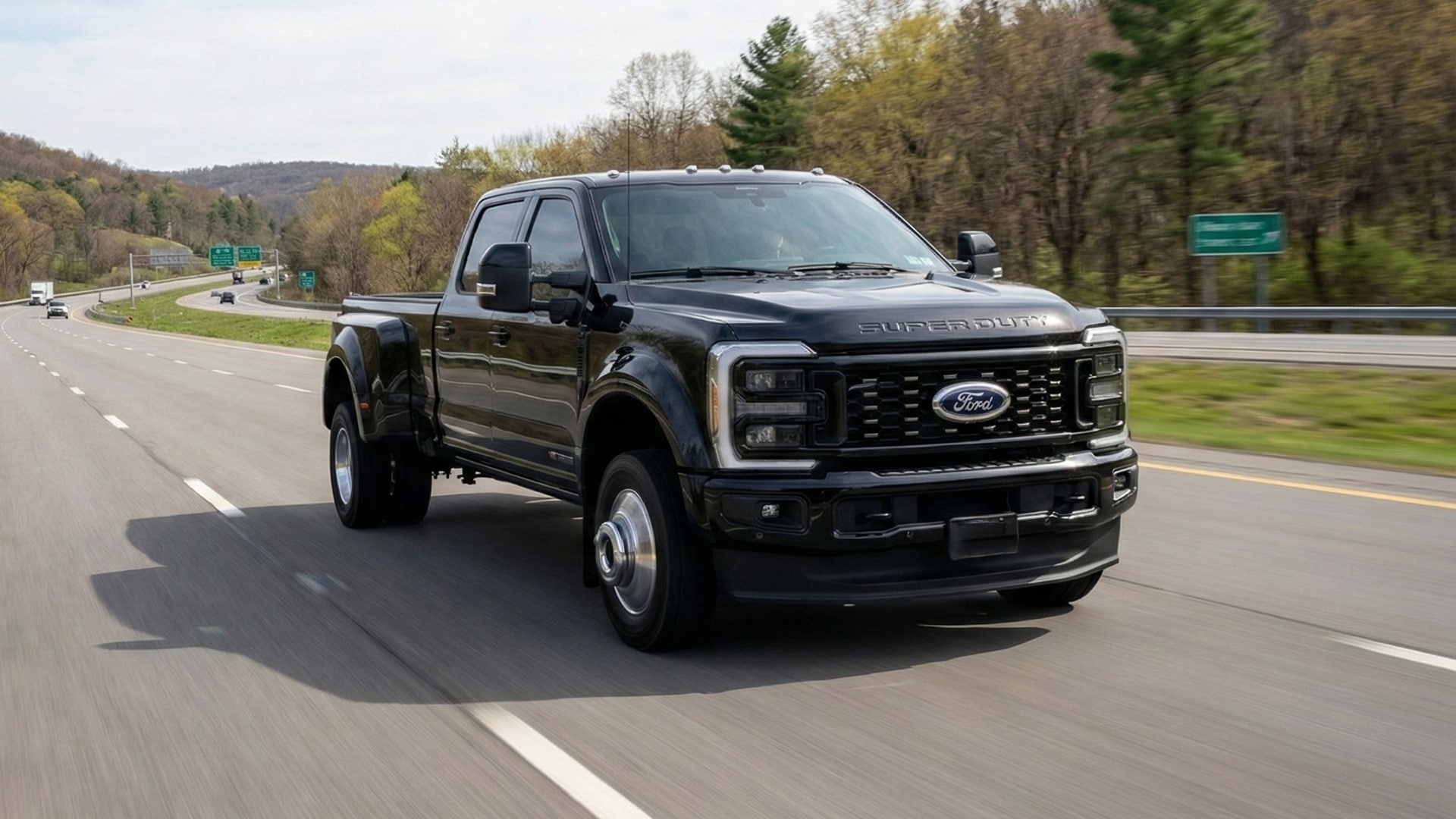
8. Ford F-450 Super Duty Diesel
The Ford F-450 Super Duty represents an especially specialized part of the heavy-duty pickup market. It is designed for customers who require substantial towing capability and commercial-grade performance.
Compared with ordinary pickups, the F-450 is built to manage demanding loads and challenging transportation requirements. Its powerful diesel engine makes it particularly attractive to professional operators, but its size and operating expenses can discourage buyers when fuel prices rise.
One of the biggest difficulties associated with the F-450 is that it offers far more capability than most ordinary drivers need. Its heavy-duty construction and specialized configuration make it suitable for commercial applications rather than everyday transportation.
Customers who primarily drive to work, visit shopping centers, or take occasional road trips may find the vehicle unnecessarily expensive. Higher diesel prices make this mismatch between capability and actual requirements even more obvious.
Fuel consumption is another important consideration. Heavy-duty trucks can use significant amounts of fuel, particularly when towing large trailers or operating under demanding conditions.
The F-450 is no exception. Businesses that depend on the truck may accept these expenses as part of their operations, but individual buyers may struggle to justify the cost. This can narrow the customer base available to dealerships.
The truck’s purchase price can also create obstacles. Specialized equipment, advanced towing features, premium interiors, and powerful diesel configurations can push prices considerably higher.
Potential buyers may compare the F-450 with smaller Super Duty models and conclude that a less expensive truck can handle most of their requirements. As a result, certain configurations may take longer to sell, particularly when economic uncertainty affects commercial purchasing decisions.
Nevertheless, the F-450 remains an important vehicle for operators who need its specific capabilities. Commercial towing businesses, specialized transport companies, and certain agricultural operations may continue relying on it.
Its value comes from the work it performs rather than its suitability for general transportation. For buyers who genuinely need its performance, rising diesel prices may be manageable. For everyone else, the financial commitment can be difficult to justify.
