
The automotive market changes quickly, and not every vehicle manages to win customers. Some cars lose popularity because of high prices, outdated designs, expensive maintenance, poor fuel economy, or stronger competition.
Even vehicles backed by established manufacturers can struggle when buyers find better alternatives elsewhere. Consumer preferences also change as technology, safety features, and ownership costs become more important.
This article examines ten vehicles that may face purchasing challenges, explains the factors behind their weaker appeal, and considers what potential buyers should know before making a decision in today’s competitive automotive marketplace.
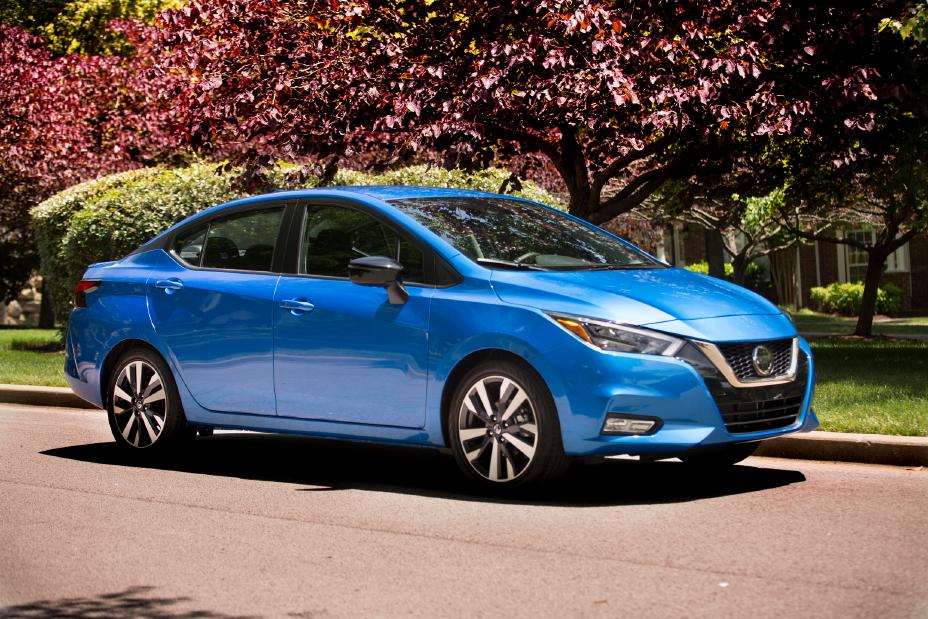
1. Nissan Versa
The Nissan Versa has traditionally appealed to budget-conscious drivers looking for affordable transportation. Its compact dimensions, reasonable fuel economy, and relatively accessible starting price have helped it attract first-time car buyers.
However, the entry-level sedan category has become increasingly challenging. Many consumers now prefer compact SUVs, crossovers, and slightly larger sedans that provide additional comfort and practicality. This change in buying habits creates pressure on inexpensive vehicles that depend heavily on affordability.
Buyers also compare interior quality, infotainment technology, safety equipment, and driving comfort before choosing an economical car. When competing models offer more features, the Versa can struggle to stand out.
Another concern involves the perception of inexpensive vehicles. Modern buyers increasingly expect even affordable cars to provide attractive interiors, comfortable seating, and advanced connectivity. The Versa focuses on delivering basic transportation rather than providing a premium experience.
Its cabin materials and presentation may feel modest compared with more expensive alternatives. Drivers who spend considerable time commuting may prefer vehicles with better sound insulation, more supportive seats, and additional convenience features.
These expectations influence purchasing decisions, particularly among younger customers who want technology and practicality in the same package.
Performance is also an important consideration. The Versa is designed primarily for everyday transportation rather than exciting driving experiences.
Its engine provides sufficient power for normal commuting, but drivers looking for quick acceleration or confident highway performance may find its capabilities limited. This does not make the vehicle unsuitable for ordinary driving.
However, buyers comparing several models may choose a stronger engine, smoother transmission, or more refined driving experience elsewhere. The growing availability of turbocharged compact cars and efficient hybrid alternatives has also changed expectations in this price category.
Ownership costs can influence the Versa’s appeal as well. Affordable purchase prices are attractive, but consumers increasingly evaluate insurance, fuel expenses, maintenance, depreciation, and resale value before buying.
A vehicle that appears inexpensive initially may not represent the best financial decision over several years. Buyers also consider dealership support and the availability of service facilities in their region. These factors become particularly important for people purchasing their first vehicle.
Nissan’s established dealer network helps in many markets, but local service quality and ownership experiences can differ considerably.
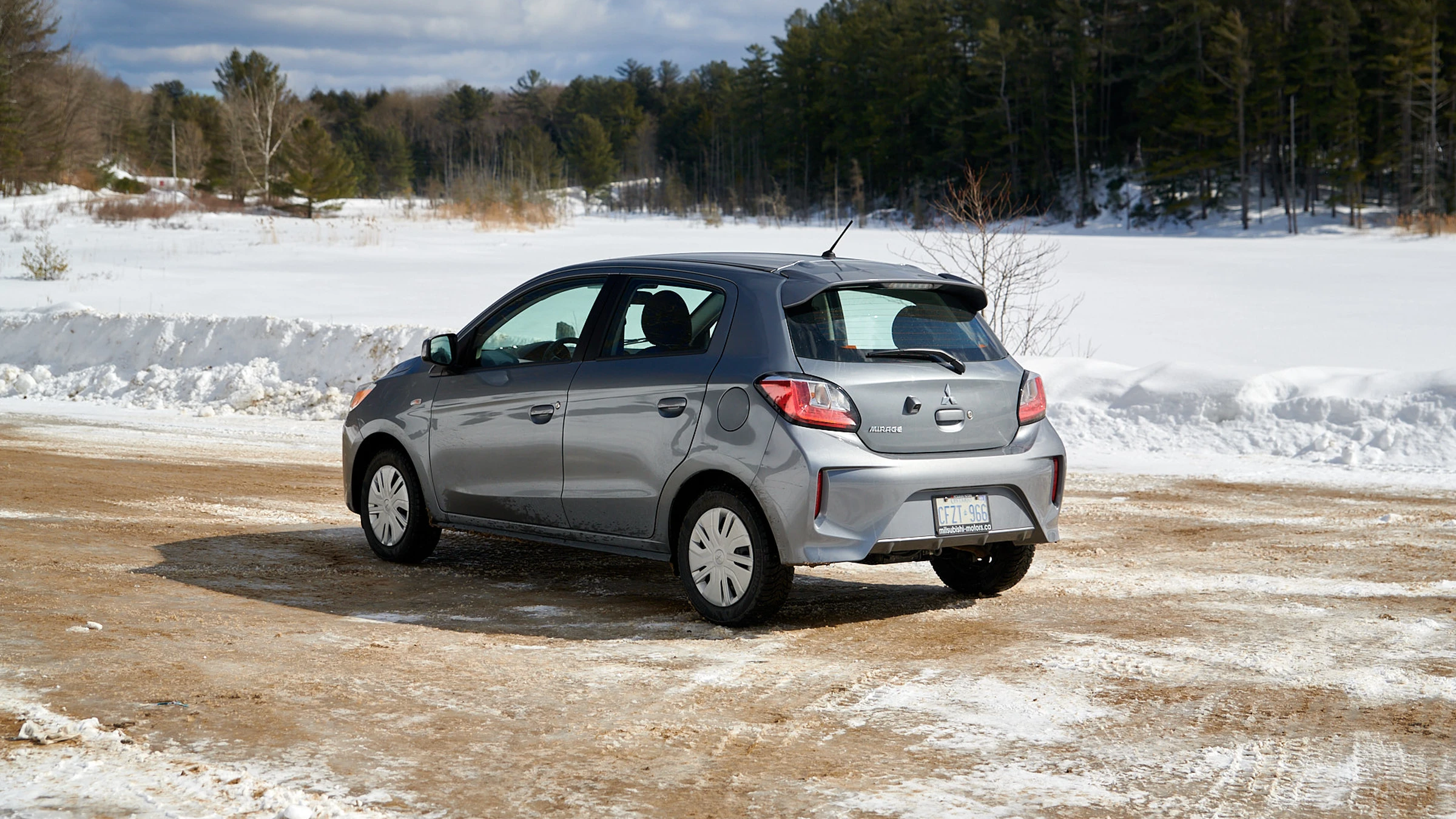
2. Mitsubishi Mirage
The Mitsubishi Mirage became known for its compact size, economical fuel consumption, and relatively low purchase price. It was developed for drivers who wanted straightforward transportation without spending heavily on a vehicle.
However, the small hatchback segment has experienced considerable pressure from crossovers and better-equipped compact cars. Consumers increasingly want vehicles that provide greater road presence, flexible cargo arrangements, improved cabin comfort, and modern technology.
These changing preferences have made inexpensive city cars less attractive to certain customer groups. The Mirage’s basic approach can appeal to budget buyers, but it has difficulty matching the broader appeal of larger alternatives.
Its engine performance has also attracted criticism. The Mirage was designed around efficiency rather than speed, and its modest power output reflects that objective. In busy urban environments, its compact dimensions can make parking and maneuvering easier.
However, drivers who frequently travel on highways may prefer a vehicle with stronger acceleration and greater confidence during overtaking. The driving experience can feel less refined when compared with more powerful hatchbacks. This difference matters to consumers who expect their daily vehicle to handle several driving conditions comfortably.
Interior quality is another consideration. Small cars must balance manufacturing costs, passenger comfort, and practicality. The Mirage offers basic cabin functionality, but its interior presentation can feel less sophisticated than newer competitors.
Buyers increasingly expect touchscreen systems, smartphone integration, improved seating materials, and useful storage solutions. A basic cabin may satisfy someone purchasing a low-cost commuter, but it can disappoint customers who spend long hours behind the wheel.
These preferences have encouraged manufacturers to improve the equipment available in even their smaller vehicles.
The vehicle’s market position also creates difficulties. When customers compare a small hatchback against entry-level sedans and compact SUVs, they may discover that the price difference is smaller than expected. A slightly more expensive vehicle could provide additional passenger space, improved comfort, or stronger performance.
This encourages buyers to stretch their budgets rather than select the cheapest available option. Financing arrangements, promotional discounts, and manufacturer incentives can further influence these decisions. As a result, the Mirage may face competition from vehicles that offer a more complete package.
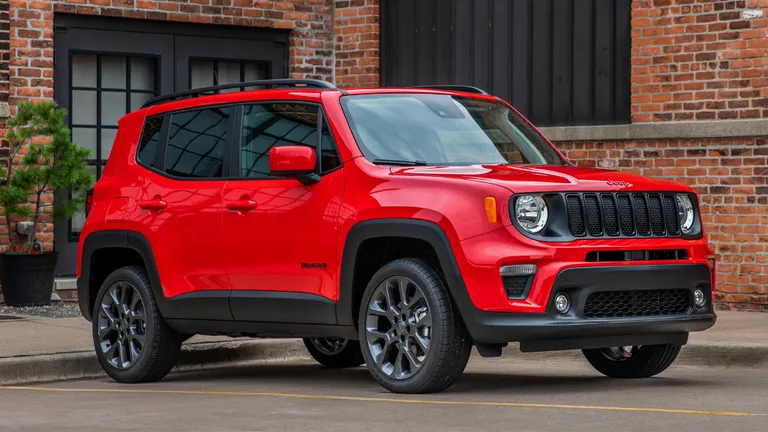
3. Jeep Renegade
The Jeep Renegade entered the market with a distinctive design and the recognizable styling associated with the Jeep brand. Its boxy appearance, upright seating position, and compact dimensions helped it attract buyers interested in a small SUV with personality.
However, the compact crossover segment has become crowded with vehicles offering modern interiors, efficient powertrains, and competitive pricing. Consumers now have numerous alternatives from established manufacturers. This competition makes it harder for the Renegade to maintain a strong position, particularly among customers who prioritize practicality and value instead of brand identity.
The exterior design remains a defining feature of the Renegade. Its recognizable headlights, traditional grille styling, and upright proportions separate it from many rounded crossovers. However, distinctive styling does not automatically guarantee strong purchasing demand.
Some customers appreciate its rugged appearance, while others prefer a cleaner and more contemporary design. Automotive styling preferences are subjective, and manufacturers must continually adjust their products to changing tastes. A vehicle with an unusual appearance may attract attention without necessarily convincing customers to complete a purchase.
Interior space and comfort also influence the buying decision. Compact SUVs are expected to provide flexibility for families, commuters, and people who regularly carry luggage. The Renegade offers useful versatility, but shoppers may compare its cabin dimensions and cargo capacity against competitors before choosing.
Some rival crossovers provide more generous rear-seat space or larger luggage areas. These differences can become important for families with children or drivers who frequently travel with passengers. Practical considerations often carry more weight than exterior styling once buyers begin comparing vehicles closely.
4. Chevrolet Malibu
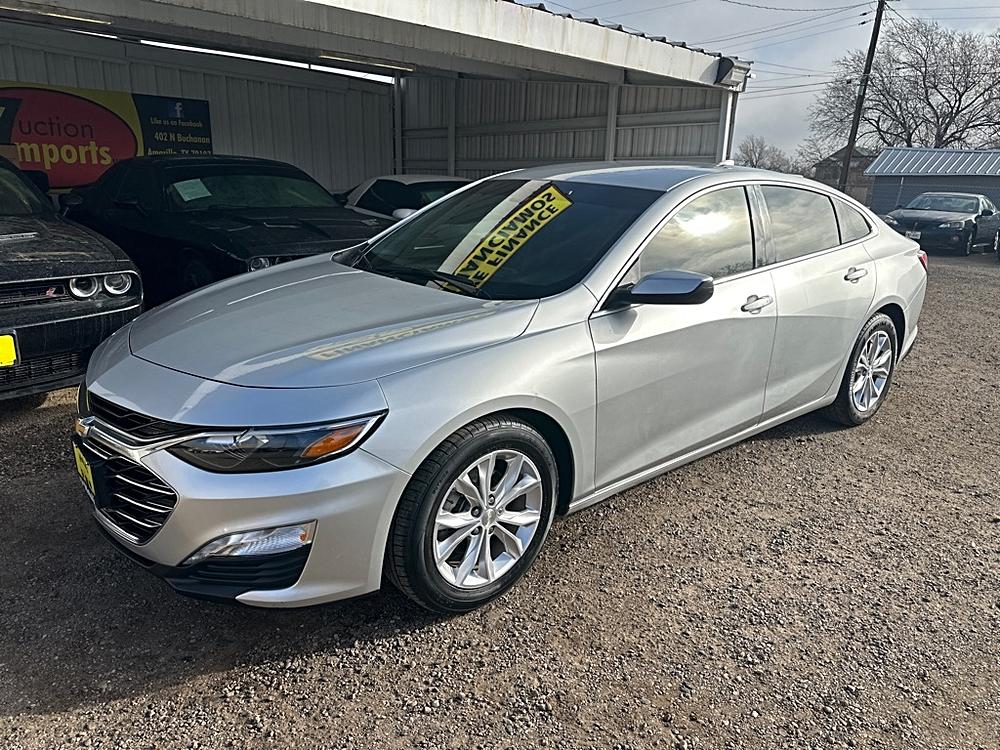
The Chevrolet Malibu represents a traditional midsize sedan category that has faced considerable pressure from the growing popularity of SUVs. For many years, family sedans were popular choices because they offered comfortable seating, reasonable fuel economy, and practical luggage capacity.
However, consumer interest has shifted toward vehicles with higher seating positions and more flexible cargo arrangements. This change has affected several established sedan nameplates. The Malibu illustrates how changing preferences can influence the commercial position of a vehicle even when it continues to provide a comfortable driving experience.
A major challenge for traditional sedans is competition from crossovers within similar price ranges. Buyers may compare a midsize sedan with an entry-level SUV and decide that the taller vehicle offers more versatility. Families often appreciate easier entry and exit, greater ground clearance, and flexible seating arrangements.
These characteristics are not essential for every customer, but they have become influential in the purchasing process. The Malibu’s conventional sedan shape can therefore limit its appeal among shoppers who want a vehicle that fits a wider range of everyday activities.
The Malibu has also faced questions about product freshness and technological competitiveness. Automotive buyers frequently examine infotainment displays, digital instrument clusters, driver-assistance equipment, and smartphone compatibility.
A model that receives fewer major updates can begin to appear less modern than recently redesigned competitors. Interior design and material quality are also important because customers expect a comfortable environment during daily commuting.
These expectations have increased across the midsize segment, making it more difficult for older vehicle designs to maintain their appeal.
5. Fiat 500X
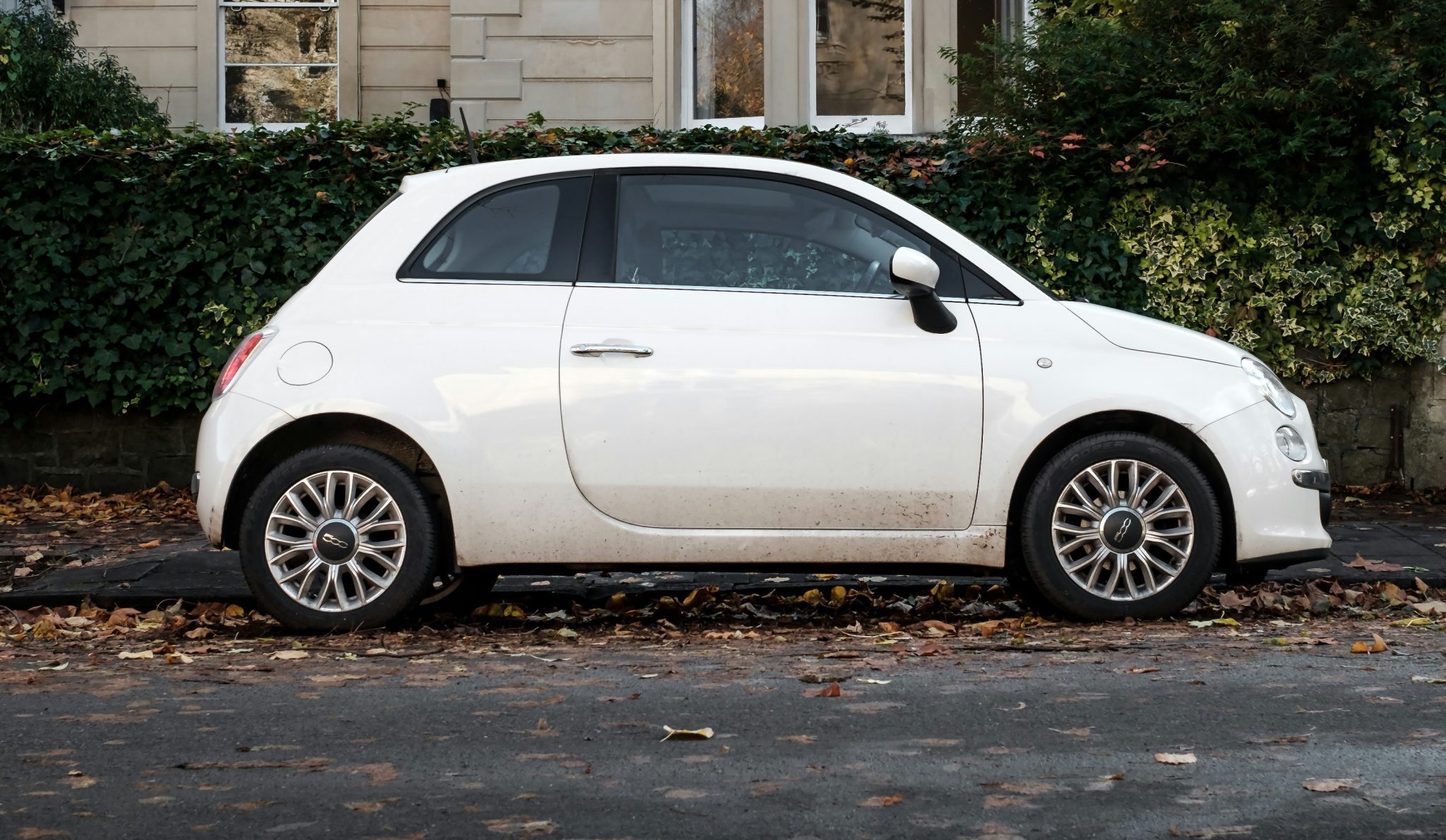
The Fiat 500X was designed to combine the recognizable personality of the Fiat 500 with the practicality of a compact crossover. Its distinctive styling helped it stand apart from more conventional small SUVs.
However, the crossover segment has become increasingly competitive, with manufacturers introducing vehicles that offer improved technology, efficient engines, and spacious interiors. Buyers who once considered the 500X for its appearance may now find more modern alternatives.
Its distinctive design remains an important selling point, but design alone cannot guarantee strong demand in a competitive market.
One challenge involves the balance between styling and practicality. The 500X has a characterful exterior, but customers purchasing a crossover often expect generous passenger space and flexible storage. Some competing models may provide better rear-seat accommodation or more usable cargo capacity.
These differences can matter considerably to families and people who regularly carry luggage. The vehicle’s compact dimensions can be useful in cities, but they may also limit its appeal among customers who want a more spacious family vehicle.
Technology has become another important factor in crossover purchasing decisions. Modern consumers often expect large infotainment displays, smartphone integration, digital convenience features, and advanced safety systems.
Older model years may not offer the same level of equipment or interface refinement found in newer rivals. The quality of the infotainment experience can influence daily satisfaction because drivers interact with these systems frequently. Manufacturers that update their technology regularly can gain an advantage when customers compare vehicles in showrooms.

6. Ford EcoSport
The Ford EcoSport gained attention by offering compact SUV styling in a relatively small package. Its elevated driving position, practical dimensions, and familiar Ford branding helped it attract customers in several markets. However, the compact SUV category has changed substantially.
Newer competitors have introduced more sophisticated interiors, improved safety equipment, better packaging, and updated powertrains. These developments have raised customer expectations. Vehicles that once appeared competitive can begin to feel dated when manufacturers do not introduce major improvements quickly enough.
The EcoSport’s exterior proportions have been a subject of mixed opinions. Its compact body makes it suitable for narrow roads and urban parking, but some buyers prefer larger-looking crossovers with more contemporary styling.
Exterior appearance plays an important role in vehicle selection, particularly in the SUV category. Customers often associate a larger and more substantial design with practicality and road presence. The EcoSport’s relatively small footprint may therefore appeal to urban drivers while attracting less interest from shoppers seeking a spacious family vehicle.
Interior packaging also affects its competitiveness. Small SUVs must provide comfortable passenger seating and useful cargo capacity without becoming difficult to maneuver. The EcoSport offers a practical driving position, but rear-seat comfort and luggage space may not satisfy every family.
Newer competitors often focus heavily on interior flexibility, storage compartments, and passenger convenience. These features can influence purchasing decisions because customers increasingly use their vehicles for commuting, shopping, weekend trips, and family responsibilities.
7. Toyota C-HR
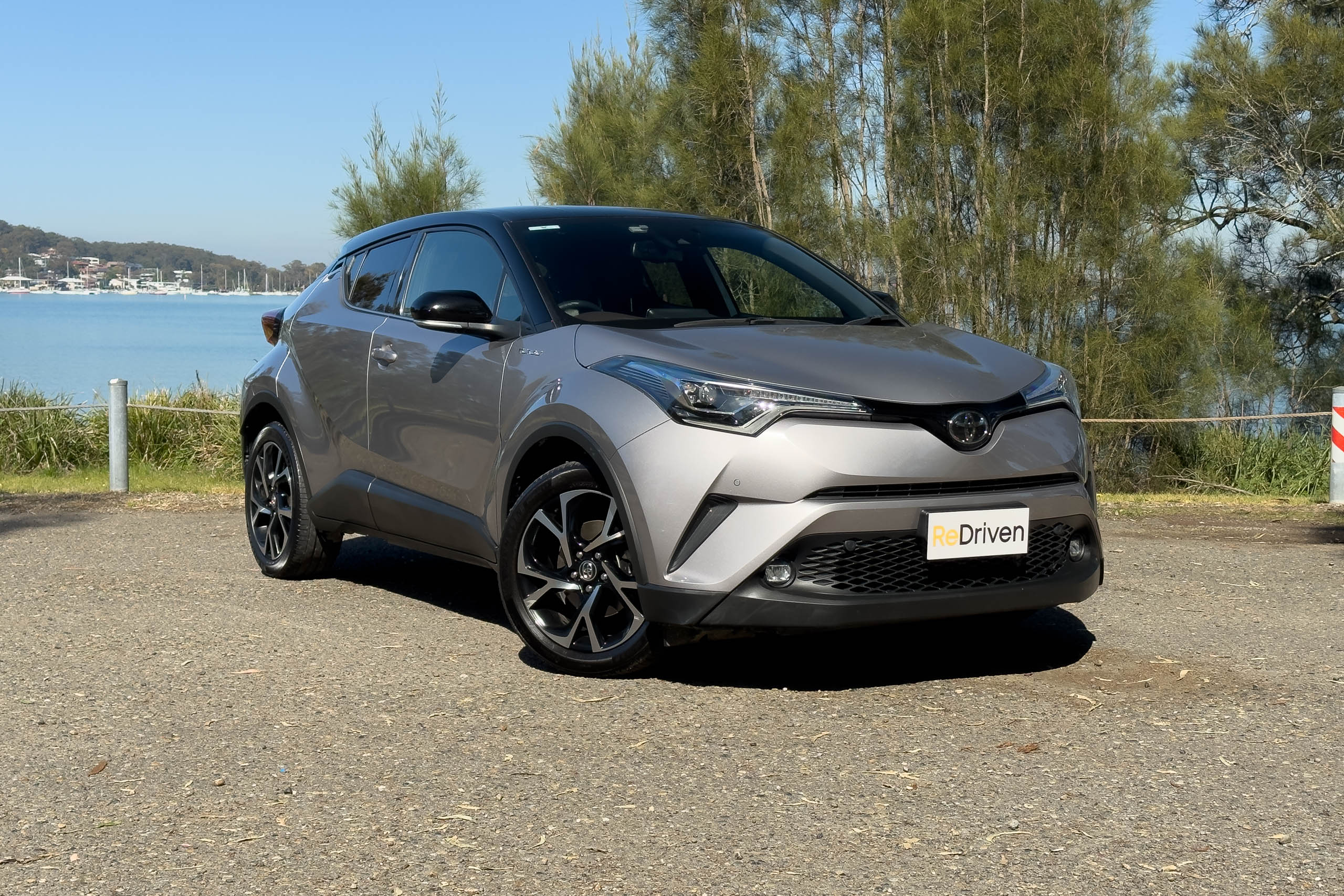
The Toyota C-HR attracted attention through its unusual exterior design and compact crossover format. Its sharply styled bodywork helped it stand apart from conventional family vehicles. Toyota’s reputation for reliability also contributed to customer interest.
However, the C-HR’s distinctive design comes with practical compromises that some shoppers may not appreciate. Its sloping roofline and styling priorities can affect rear visibility and the sense of space inside the cabin. Customers who prioritize practicality may prefer more conventional crossovers with larger windows and easier rear-seat access.
The rear passenger area is an important consideration. Families often evaluate rear-seat headroom, legroom, door openings, and visibility before purchasing a compact SUV. The C-HR’s design may make the rear cabin feel less open than that of some competing vehicles.
This can be particularly relevant for people who regularly carry adult passengers or young children. Buyers should sit in the rear seats and test the vehicle with their usual passengers before deciding. A stylish exterior may create a strong first impression, but daily comfort determines long-term satisfaction.
Cargo practicality also influences its appeal. Compact crossovers are often expected to accommodate shopping bags, travel luggage, sports equipment, and everyday household items. The C-HR provides a usable cargo area, but its shape and available space may not satisfy customers who need maximum storage capacity.
Vehicles with taller rear sections and more conventional body designs can offer greater flexibility. These differences become important when shoppers compare specifications rather than relying only on showroom appearance.

8. Dodge Journey
The Dodge Journey was developed as a family-oriented crossover offering useful passenger capacity and practical everyday transportation. Its larger body and available three-row seating configuration helped it attract buyers who needed additional space.
However, the automotive industry has changed significantly since the vehicle’s introduction. Modern family SUVs now provide updated safety systems, more sophisticated infotainment technology, improved fuel efficiency, and better interior packaging.
Compared with newer competitors, older Journey models can appear less advanced. This difference has affected the vehicle’s appeal among shoppers looking for contemporary family transportation.
Interior technology is a major factor behind the changing perception of older crossovers. Families increasingly expect convenient smartphone connectivity, modern touchscreen interfaces, multiple charging options, and useful driver-assistance systems.
The Journey’s equipment depends on its model year and trim level, but older versions may not provide the same technology experience as newer alternatives. Consumers who use navigation, music streaming, and smartphone applications regularly may prefer a vehicle with more advanced connectivity.
Technology can therefore influence purchasing decisions even when a vehicle offers sufficient seating space.
Fuel consumption is another important consideration. Larger vehicles generally require buyers to pay closer attention to running expenses, particularly when they use conventional gasoline engines. Families who travel frequently may calculate their expected fuel budget before choosing a crossover.
Modern competitors offer a wider variety of powertrain technologies, including hybrid systems in certain segments. These alternatives can appeal to customers looking to reduce fuel expenses. Buyers should compare real-world consumption figures rather than relying exclusively on manufacturer estimates.
9. Chevrolet Spark
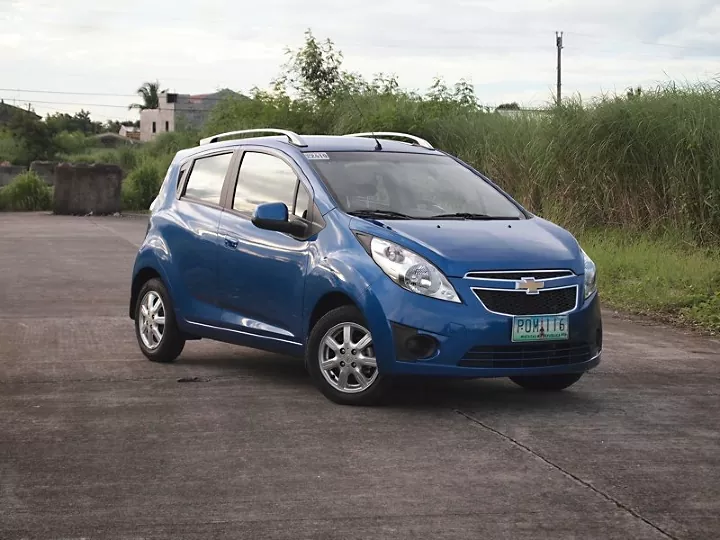
The Chevrolet Spark was developed for people who wanted an affordable, easy-to-drive city car. Its compact body, small turning circle, and economical operating characteristics made it useful for crowded urban environments. However, consumer demand for small hatchbacks has changed in several markets.
Many buyers now prefer compact SUVs and larger entry-level cars that offer additional space and a higher driving position. The Spark’s straightforward approach to transportation may appeal to budget-focused drivers, but it faces challenges when compared with vehicles offering more equipment and versatility.
Passenger comfort is an important factor for small hatchbacks. The Spark is designed primarily for urban use, and its compact dimensions help make parking easier. However, rear-seat passengers may have less space than they would in larger hatchbacks or compact sedans.
The luggage compartment is also limited compared with vehicles designed for family use. These restrictions are not necessarily problems for a single commuter or small household. They become more significant when buyers expect their vehicle to accommodate several passengers and substantial luggage regularly.
Technology and interior equipment also affect customer interest. Modern entry-level vehicles increasingly offer touchscreen displays, smartphone connectivity, digital convenience features, and additional safety equipment.
The Spark’s available features depend on the market and production year, and older models may not match newer competitors in these areas. Buyers who place considerable importance on technology may decide to spend more for a better-equipped vehicle. This creates a difficult position for small cars that rely primarily on affordability.
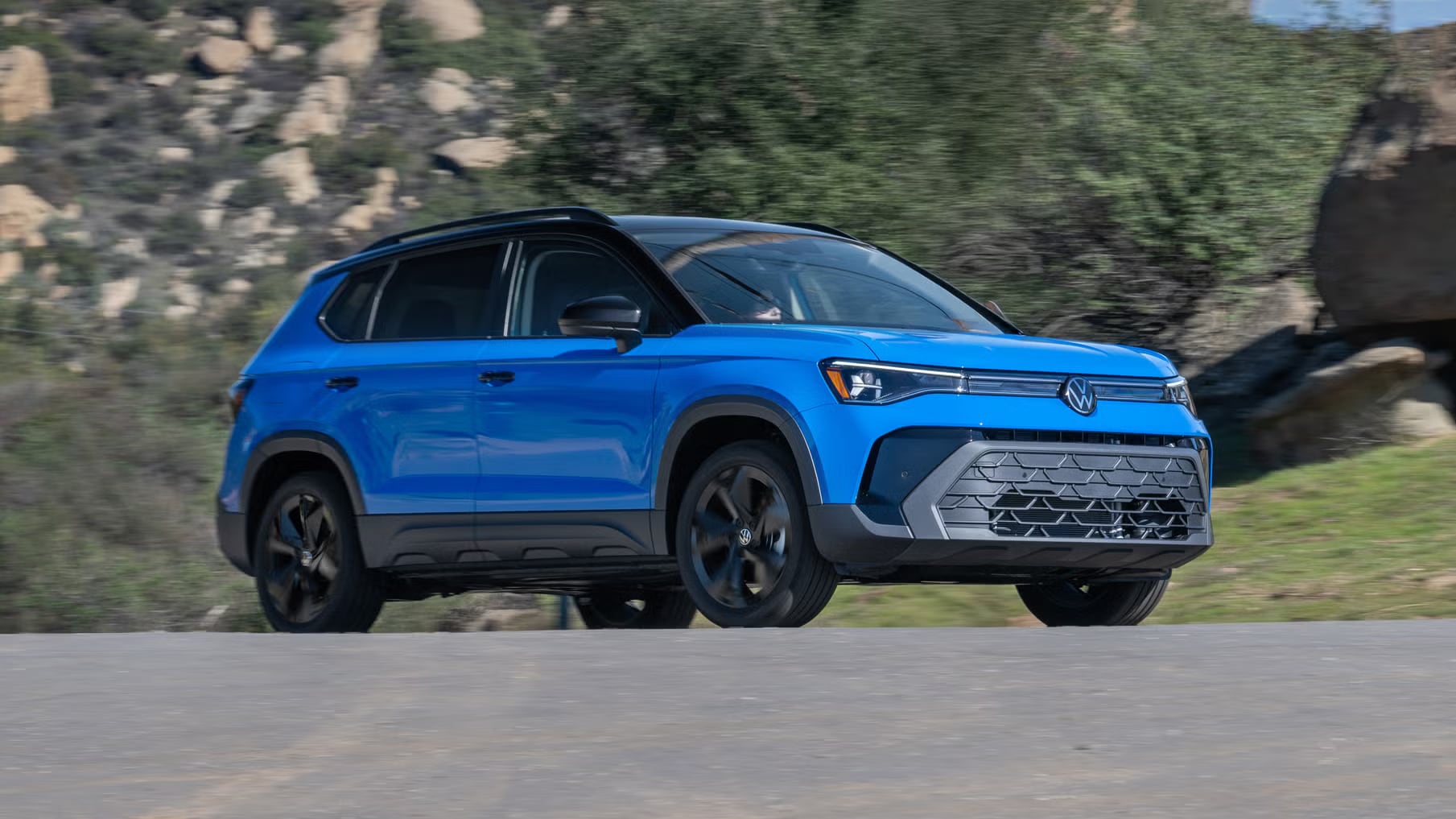
10. Volkswagen Taos
The Volkswagen Taos occupies a competitive position in the compact SUV category. Its relatively practical cabin, modern styling, and familiar Volkswagen design have helped it attract attention among shoppers looking for an everyday crossover.
However, the segment includes numerous alternatives from manufacturers with strong reputations and competitive pricing. Buyers can compare the Taos with vehicles offering different combinations of interior space, engine performance, fuel economy, and standard equipment. This competitive environment means that the Taos must provide a convincing balance of features and ownership value.
Pricing can influence the vehicle’s appeal. Compact SUV shoppers frequently compare monthly payments rather than considering only the manufacturer’s advertised starting price. Optional packages, higher trim levels, insurance, and financing costs can increase the final amount considerably.
When a vehicle becomes more expensive after adding desirable features, customers may consider larger or better-equipped competitors. This is particularly relevant for buyers working within a fixed household budget. A vehicle needs to justify its price through comfort, performance, safety, and long-term ownership benefits.
Powertrain characteristics also influence customer satisfaction. The Taos has been offered with turbocharged engine technology in various markets and model years. This approach can provide a useful combination of performance and efficiency, but the actual driving experience depends on the engine, transmission, and vehicle configuration.
Buyers should examine acceleration, low-speed behavior, highway refinement, and fuel consumption during a test drive. They should also review service requirements and warranty coverage. Powertrain reputation can vary between generations, making model-year-specific research important.
