

Older cars remain common on American roads, but emissions requirements can change as federal standards, state inspection programs, and local clean-air policies evolve for 2027. Drivers should understand which rules apply to vehicles already registered, rather than assume every new policy automatically makes an aging car illegal.
This guide explains ten important emissions rules and regulatory areas that may affect older vehicles in the United States. It also separates confirmed legal frameworks from state-specific changes, helping owners plan inspections, repairs, registration, and future vehicle decisions with fewer surprises and more confidence in 2027’s changing regulatory environment across the country today.
1. State Emissions Testing Requirements May Become More Important for Older Vehicles
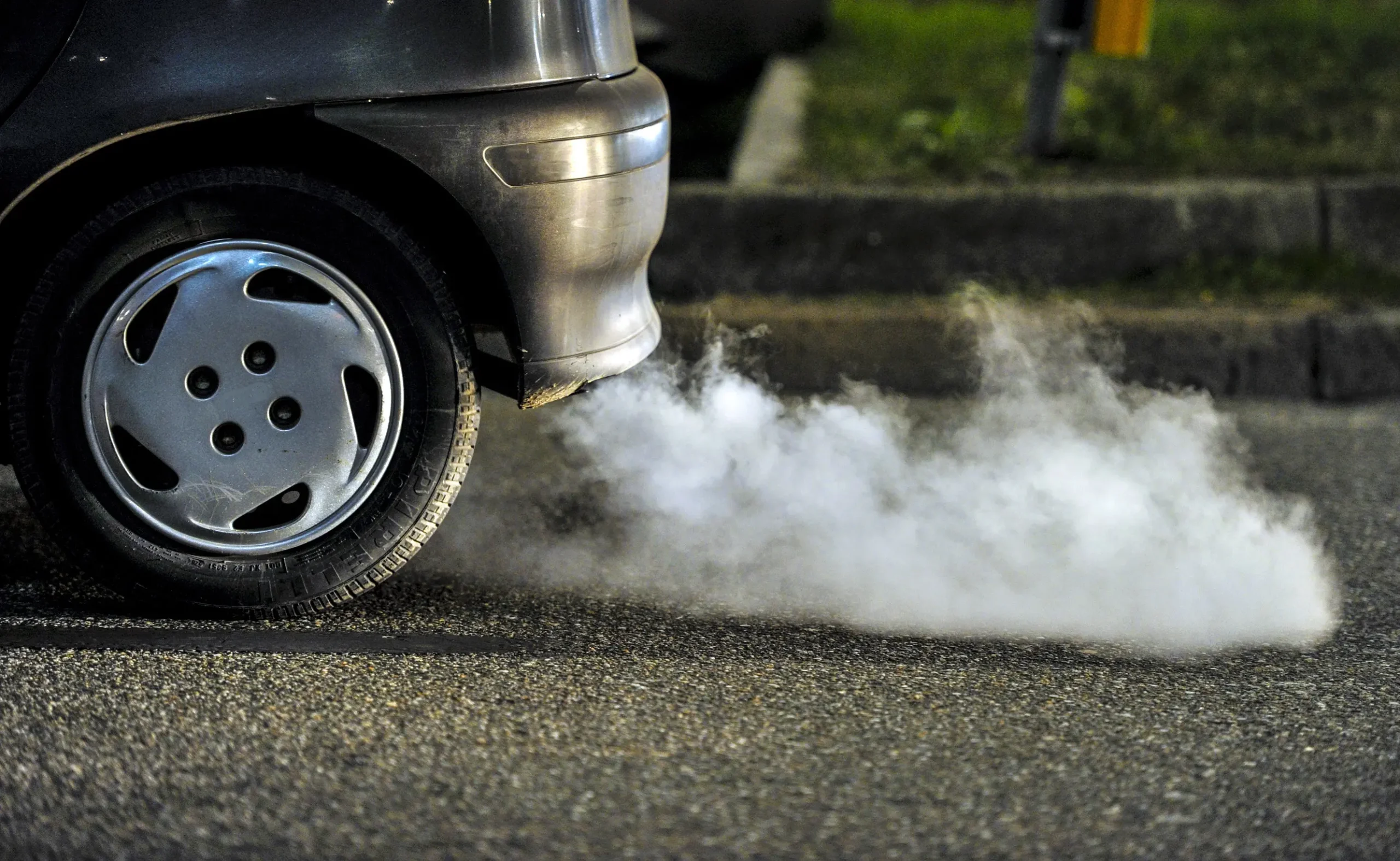
Older vehicles may face closer attention during emissions inspections in 2027, particularly in states and counties that operate established vehicle testing programs. These programs are designed to identify cars producing excessive air pollution.
The United States does not have a single nationwide emissions testing schedule for every privately owned vehicle. Individual states determine which vehicles require testing, how frequently inspections occur, and which exemptions apply.
In states such as California, New York, Massachusetts, and Illinois, emissions testing requirements can depend on the vehicle’s registration location, model year, fuel type, and applicable inspection program.
Older gasoline-powered vehicles may need to pass tailpipe testing, onboard diagnostic checks, or other approved inspection procedures. The exact testing method depends on state regulations and vehicle eligibility.
Drivers should not assume that an older vehicle automatically qualifies for an exemption. Some states exempt classic vehicles or cars above a particular age, while others maintain testing requirements for certain older models.
In 2027, owners should check their state’s latest inspection schedule before renewing registration. Changes to testing procedures or administrative requirements can affect when a vehicle needs an inspection.
Keeping inspection records, maintenance receipts, and previous emissions certificates can make the registration process easier. These documents may also help technicians identify recurring problems that affect emissions performance.
2. Check Engine Light and OBD-II Inspection Rules
The onboard diagnostics system, commonly known as OBD-II, plays an important role in modern vehicle emissions inspections. It monitors several engine and emissions-related components and identifies problems that could increase pollution.
Most gasoline-powered vehicles sold in the United States from the 1996 model year onward use OBD-II technology. Many inspection programs use this system instead of traditional tailpipe testing for eligible vehicles.
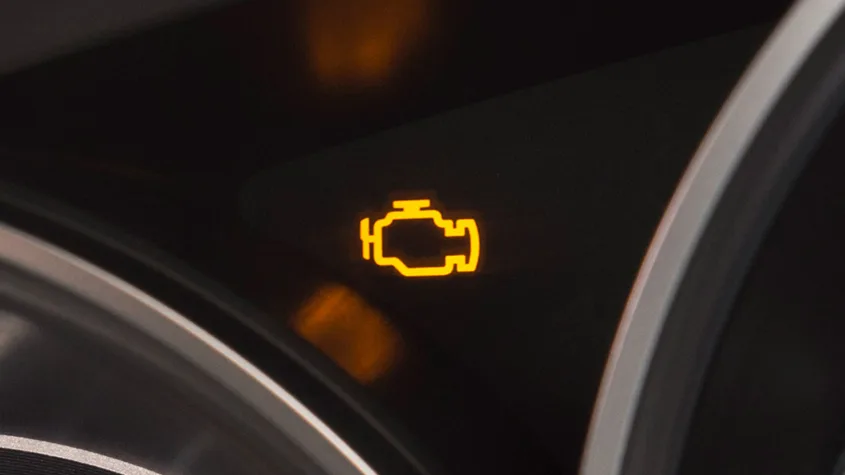
A check engine light can indicate an emissions-related problem involving the oxygen sensors, catalytic converter, evaporative emissions system, or other monitored components.
In 2027, existing OBD-II inspection requirements will continue to matter for older vehicles in jurisdictions that use electronic diagnostic testing. This does not mean every state will introduce a completely new diagnostic requirement.
A vehicle may fail an inspection when its malfunction indicator light remains illuminated or when required diagnostic information indicates an emissions problem. State procedures determine how these failures are handled.
Owners should avoid disconnecting the battery simply to hide a warning light before an inspection. Doing so can reset readiness monitors, which may cause the vehicle to receive an incomplete inspection result.
A qualified technician can read diagnostic trouble codes and identify the underlying issue. Repairing the actual problem is generally more effective than replacing parts without proper testing.
3. Catalytic Converter Compliance and Replacement Rules
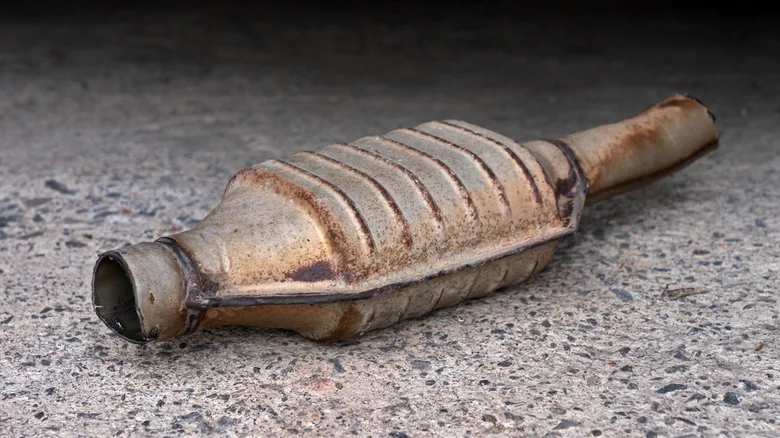
Catalytic converters are essential emissions-control components in gasoline-powered vehicles. They help reduce harmful pollutants from exhaust gases before those gases leave the vehicle’s exhaust system.
Older cars may experience catalytic converter deterioration because of high mileage, overheating, engine problems, physical damage, or contamination from other failing components.
Federal emissions requirements prohibit removing or rendering required emissions-control equipment inoperative. This prohibition applies to vehicles that were originally equipped with these systems.
When a catalytic converter needs replacement, vehicle owners must consider federal requirements and applicable state rules. The replacement part must meet the relevant legal requirements for the vehicle and its intended registration location.
California and several states that follow California emissions standards have additional requirements concerning aftermarket catalytic converters. Parts approved for use in other states may not be legal in these jurisdictions.
In 2027, drivers should pay attention to the difference between original equipment, federally compliant aftermarket parts, and California-approved replacement components. Choosing an unsuitable converter can create registration and inspection problems.
A failing catalytic converter should not be treated as an isolated issue without checking the engine. Misfires, excessive fuel consumption, and damaged oxygen sensors can contribute to premature converter failure.
Before purchasing a replacement, owners should confirm their vehicle’s model year, engine configuration, emissions certification, and state-specific requirements. This can help prevent unnecessary expenses and compliance difficulties.

4. California Emissions Standards and Their Impact on Older Cars
California has a separate emissions regulatory framework that gives the state authority to establish certain vehicle pollution standards under federal law. Its rules can also influence requirements adopted by other states.
The California Air Resources Board, commonly called CARB, oversees important vehicle emissions programs. Its regulations cover areas such as vehicle certification, emissions equipment, inspection requirements, and pollution reduction.
For older vehicles, California’s existing Smog Check program remains particularly important. Eligible vehicles generally need to pass inspections according to the state’s established testing schedule and exemption criteria.
California’s Advanced Clean Cars II program focuses on the transition toward zero-emission new vehicles. It does not automatically require existing gasoline-powered vehicles to be scrapped or converted to electric power in 2027.
This distinction matters because regulations targeting newly manufactured or newly sold vehicles do not necessarily apply retroactively to vehicles already registered and operating legally.
Owners relocating to California should pay particular attention to vehicle certification. A vehicle originally certified for another state’s emissions requirements may face additional registration considerations.
California also has specific restrictions on aftermarket emissions components. A repair that is acceptable under general federal requirements may still need a CARB-approved part.
Before buying an older vehicle from another state, check its emissions label, certification status, and eligibility for California registration. Confirming these details can prevent unexpected inspection expenses.
5. Federal EPA Emissions Standards and Older Vehicle Owners
The Environmental Protection Agency, or EPA, establishes federal vehicle emissions requirements under the Clean Air Act. These standards influence how automakers design, certify, and manufacture vehicles for the American market.
Federal emissions regulations scheduled for model year 2027 and later are particularly relevant to new vehicle manufacturing. They should not be confused with a blanket requirement for older cars to meet the same standards.
The EPA’s 2024 multipollutant emissions standards covered light-duty and medium-duty vehicles for model years 2027 through 2032. The regulatory framework was intended to reduce pollution from newly manufactured vehicles.
Policy changes and regulatory reconsideration can affect the implementation of federal standards. Therefore, owners should consult current EPA guidance before relying on proposed changes or earlier announcements.
For older gasoline and diesel vehicles, existing federal anti-tampering requirements remain important. Owners cannot legally remove required emissions equipment or install modifications that defeat emissions controls.
Federal law also prohibits certain aftermarket devices designed to bypass emissions systems. This includes equipment or software that interferes with required pollution-control functions.
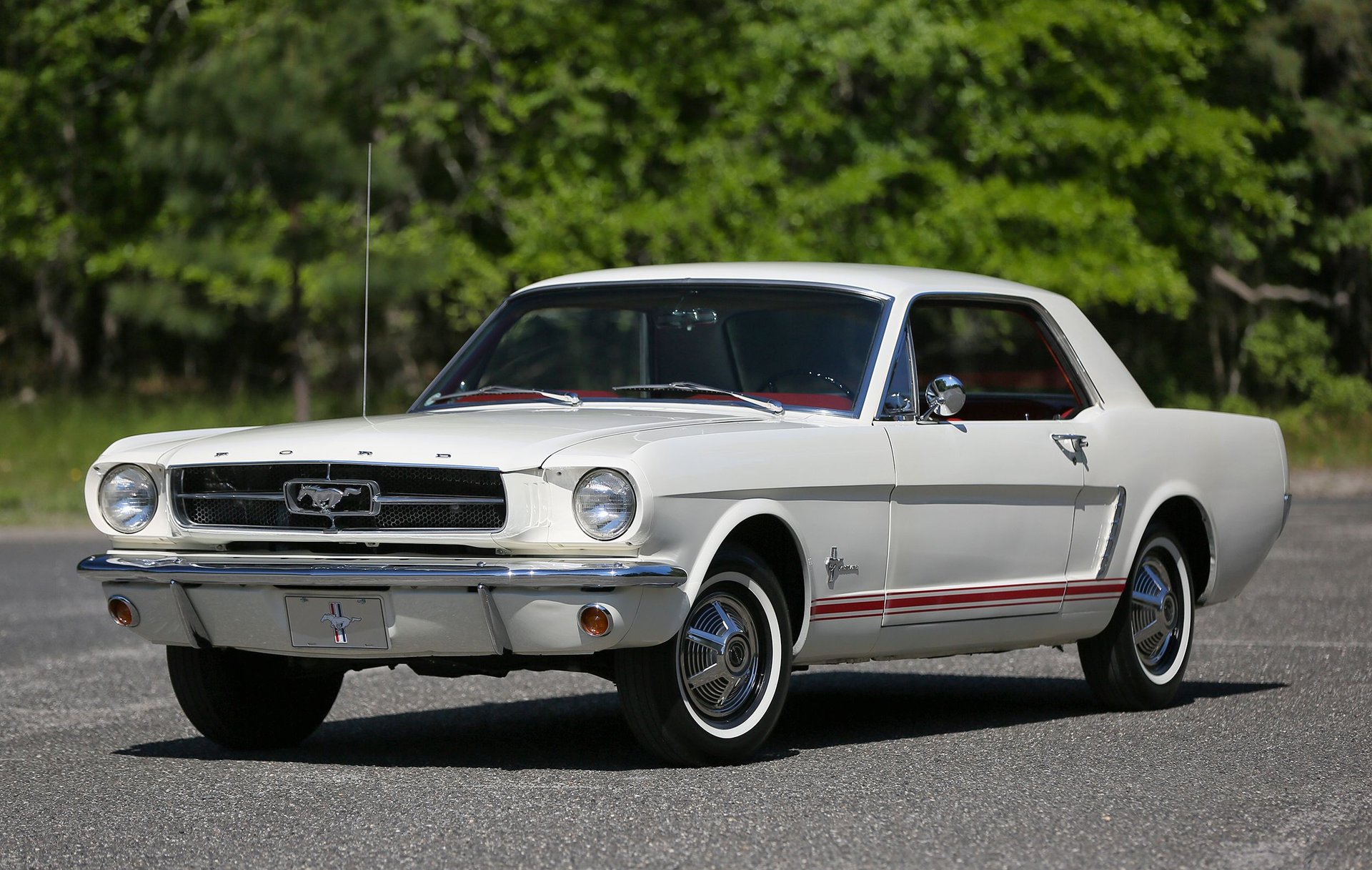
An older vehicle does not automatically become illegal because a newer federal emissions standard takes effect. Its compliance generally depends on the requirements applicable to its original certification and current operating circumstances.
Owners should focus on maintaining the emissions equipment originally installed on their vehicles. Proper repairs, compatible replacement parts, and regular maintenance remain important for continued compliance.
6. Diesel Vehicle Emissions and Smoke Inspection Requirements
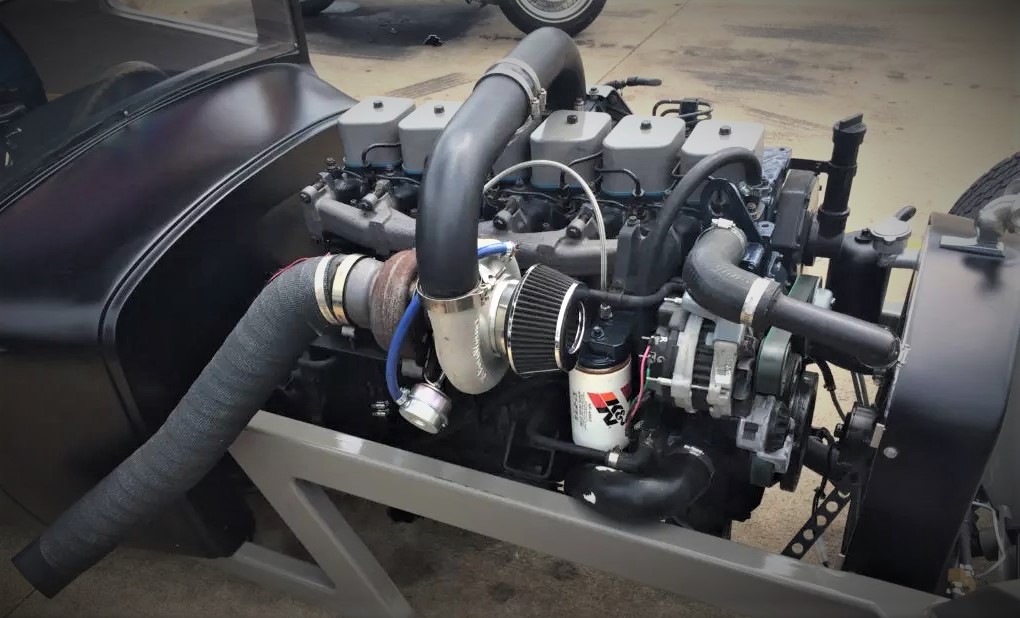
Diesel vehicles have different emissions-control systems from gasoline-powered cars. Their equipment may include diesel particulate filters, exhaust gas recirculation systems, selective catalytic reduction systems, and other pollution-control technologies.
Older diesel cars and trucks may develop emissions problems when these components become damaged, clogged, or improperly maintained. Such problems can increase particulate matter and nitrogen oxide emissions.
Some states operate separate diesel inspection programs, particularly for heavy-duty vehicles and vehicles registered in designated urban areas. Requirements depend on vehicle weight, fuel type, model year, and registration location.
A diesel vehicle may be subject to visual inspections, opacity testing, electronic diagnostics, or other approved procedures. Not every diesel passenger car is subject to the same testing requirements as a commercial truck.
In 2027, owners should pay attention to state and local diesel regulations rather than assuming all older diesel vehicles follow identical federal testing schedules.
Removing a diesel particulate filter or disabling a required selective catalytic reduction system can violate federal emissions tampering rules. Such modifications may also result in inspection failures.
Regular maintenance helps protect diesel emissions equipment. Drivers should follow the manufacturer’s service recommendations and address warning lights before they lead to more expensive component failures.
Commercial diesel operators should review applicable state inspection schedules and federal requirements separately. Rules for heavy-duty trucks can differ significantly from those governing privately registered passenger vehicles.
7. Vehicle Registration, Renewal, and Emissions Certification
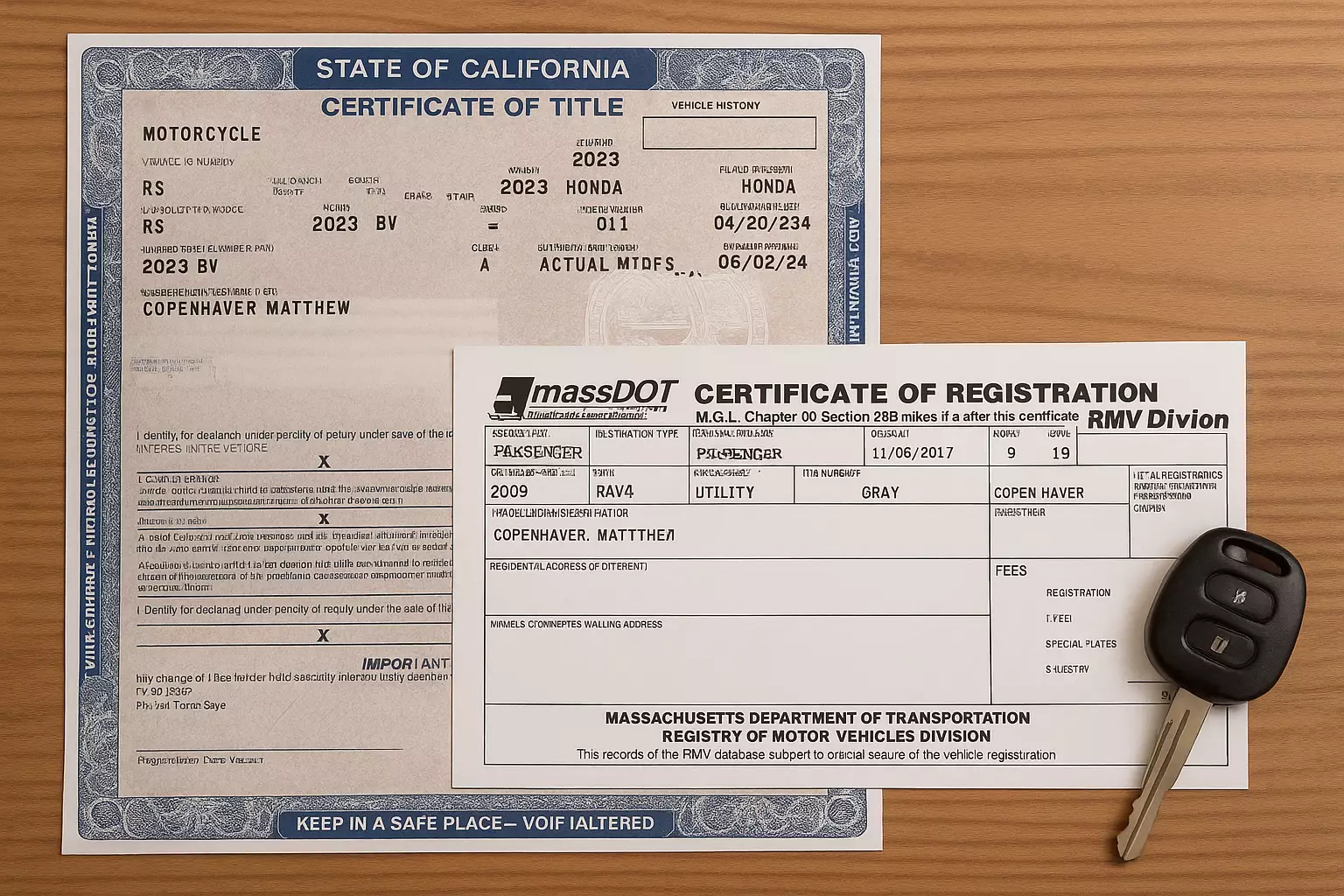
Vehicle registration and emissions compliance are closely connected in several parts of the United States. Some states require an eligible vehicle to pass an emissions inspection before its registration can be renewed.
For older car owners, this means an expired emissions certificate can create difficulties during the registration process. The specific consequences depend on state law and administrative procedures.
Certain states use electronic systems to communicate inspection results to their motor vehicle agencies. This allows registration authorities to verify whether a vehicle has satisfied applicable testing requirements.
In 2027, drivers should check whether their state has updated inspection deadlines, renewal procedures, or documentation requirements. Administrative changes can affect the process even when the basic emissions standards remain unchanged.
Vehicle owners who move between states should not assume their previous inspection certificate will automatically be accepted. Each state establishes its own registration and inspection rules.
Some older vehicles qualify for age-based exemptions, historical registration, or limited-use classifications. These benefits are not universal and may involve mileage limits or restrictions on everyday driving.
Drivers should keep proof of ownership, registration documents, inspection certificates, and repair records together. Having the correct paperwork available can help resolve registration questions more efficiently.
Before purchasing an older vehicle, buyers should check whether it can meet the emissions requirements of their intended registration state. This is especially important for vehicles imported from other states.
8. Aftermarket Engine Modifications and Exhaust System Restrictions
Many American drivers enjoy modifying older cars with aftermarket exhaust systems, engine components, performance chips, and intake upgrades. However, emissions compliance must remain part of any modification plan.
Federal law prohibits removing or disabling emissions-control equipment installed by the manufacturer. This applies to many modifications that interfere with a vehicle’s certified pollution-control systems.
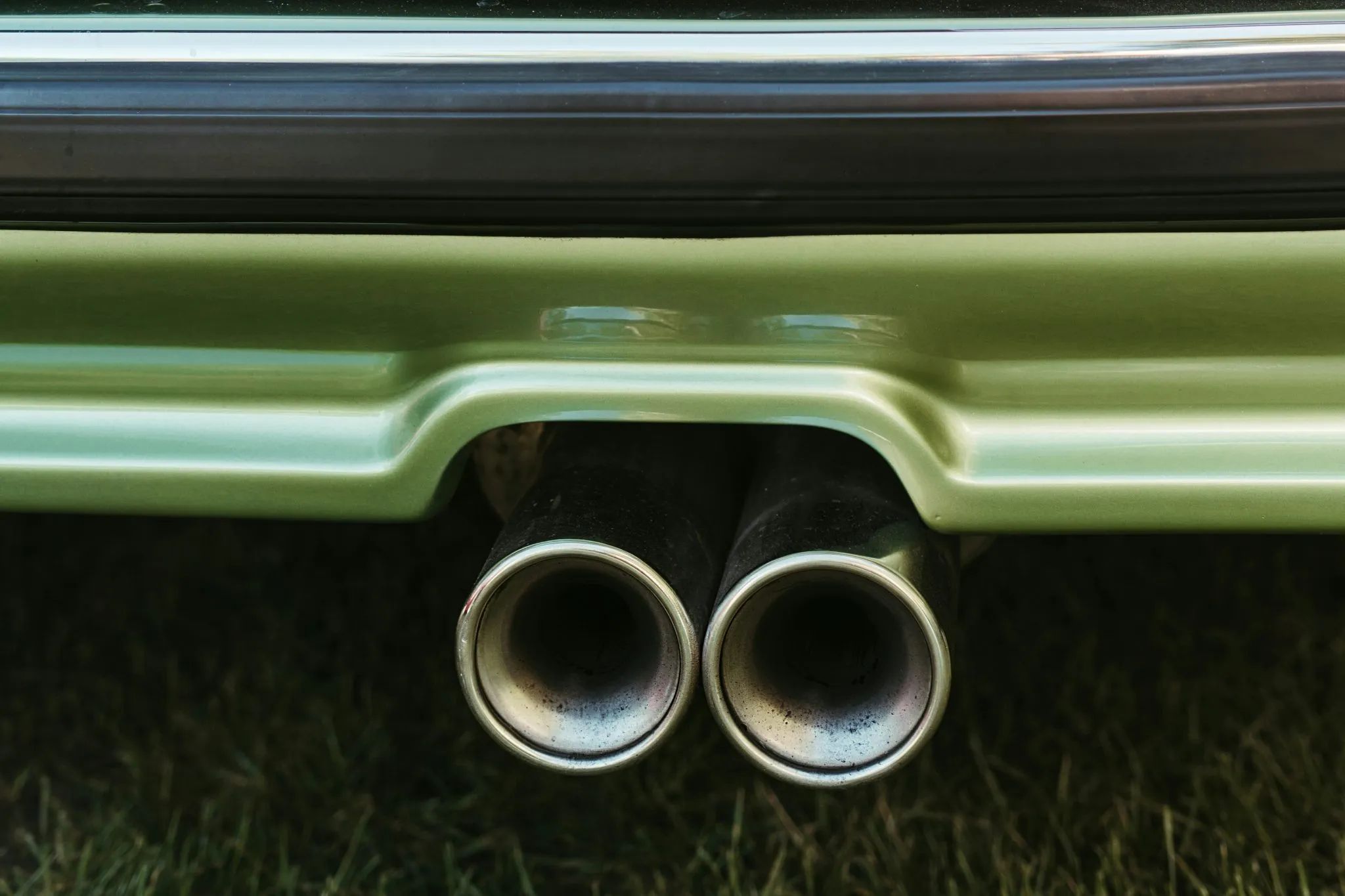
An aftermarket exhaust system is not automatically illegal. Its legality depends on its design, noise characteristics, emissions impact, and applicable federal and state requirements.
Some performance modifications can change engine calibration and increase harmful emissions. Changes involving oxygen sensors, catalytic converters, or electronic control modules deserve particular attention.
California maintains additional requirements for certain aftermarket performance parts. CARB Executive Orders can establish whether specific components are approved for use on eligible vehicles.
Older cars registered in other states may have different inspection requirements. However, federal anti-tampering restrictions still apply regardless of whether a particular vehicle undergoes regular emissions testing.
Before installing performance equipment, owners should confirm that the component is appropriate for their exact vehicle. Manufacturer documentation and emissions approval information can help establish compatibility.
A professional installation can also reduce the risk of exhaust leaks, warning lights, and inspection failures. Keeping original equipment available may help when a vehicle needs to be returned to its compliant configuration.
9. Low-Emission Zones and Local Driving Restrictions
Local governments and regional authorities can introduce transportation policies intended to reduce air pollution in busy urban areas. These policies may influence how certain vehicles are used within designated locations.
Low-emission zones are more common internationally than in the United States. American cities generally rely on a mixture of transportation planning, state emissions programs, federal air-quality requirements, and local initiatives.
Some US areas have introduced restrictions or incentives involving vehicle access, idling, parking, commercial fleets, and clean transportation. These policies do not necessarily create a nationwide ban on older gasoline cars.
Older vehicles may be affected when a local program targets particular vehicle categories, commercial operations, or high-pollution activities. The specific restrictions must be checked against the relevant local rules.
The federal Clean Air Act also establishes requirements for areas that do not meet national ambient air quality standards. States develop implementation plans to address pollution in these areas.
In 2027, owners who regularly drive into major metropolitan areas should monitor local transportation announcements. A rule affecting commercial diesel fleets may have very different consequences from a policy targeting private passenger vehicles.
Drivers should distinguish between emissions inspections, congestion charges, parking restrictions, and vehicle access policies. These are separate regulatory matters and may have different enforcement procedures.
Checking local government transportation websites before regular travel can help owners avoid unexpected restrictions. It is particularly useful for drivers operating older commercial vehicles in urban areas.

10. Classic Car Exemptions and Special Registration Rules
Classic and historic vehicles often receive different treatment under state emissions programs. Several states provide exemptions for qualifying vehicles based on age, registration classification, or intended use.
These exemptions are not identical across the country. A vehicle that qualifies for historical registration in one state may face different requirements after moving to another state.
Some jurisdictions establish age thresholds for emissions inspection exemptions. Others use specific historical vehicle classifications or limit exemptions to vehicles driven occasionally.
Owners should not assume that a classic vehicle is automatically exempt from every emissions-related law. Federal anti-tampering requirements and certain equipment rules may still apply.
A vehicle’s original emissions equipment can also matter. Restoring a classic car with its required pollution-control components can help preserve compliance and avoid unnecessary legal complications.
Historical registration may involve restrictions on daily transportation, commercial use, or annual mileage. Drivers should understand these conditions before applying for a special registration category.
In 2027, classic car owners should review their state’s current exemption requirements rather than relying on information from previous years. Rules and administrative procedures can change.
Maintaining original documentation, restoration records, and proof of the vehicle’s model year can make exemption applications easier. Owners should confirm eligibility with their state motor vehicle agency.
