

A quieter cabin can significantly improve comfort behind the wheel, especially on lengthy highway drives, daily commutes, and extended road trips. Lower noise levels make conversations easier, enhance audio quality, and create a more relaxing environment for both drivers and passengers.
Consumer Reports (CR) evaluates vehicle performance across several areas, including interior noise, ride comfort, and highway refinement. Its road tests help buyers understand how well vehicles control wind, tire, engine, and road sounds.
This guide examines 10 vehicles known for quiet cabins in the US market, explains decibel measurements, and discusses the features that contribute to a peaceful driving experience.
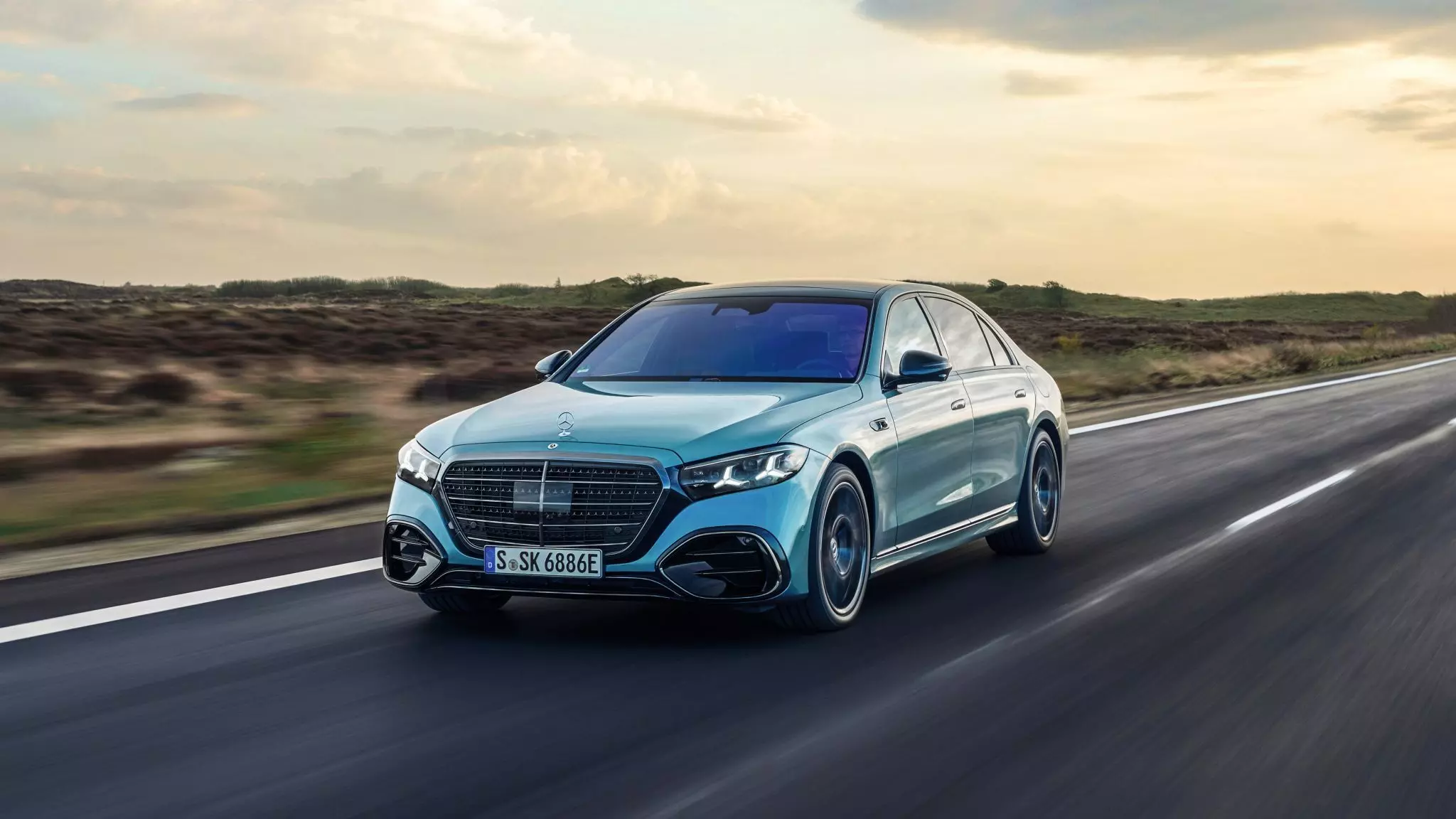
1. Mercedes-Benz S-Class: A Benchmark for Luxury Cabin Quietness
The Mercedes-Benz S-Class has a longstanding reputation for delivering an exceptionally refined driving experience. It is designed for buyers who value passenger comfort, advanced technology, and reduced cabin disturbance.
Its cabin uses extensive sound insulation to limit unwanted noise from the engine compartment, road surface, and surrounding traffic. These materials help create a more relaxing environment during extended journeys.
Acoustic glass is available on certain configurations and helps reduce outside noise entering through the windows. The effectiveness of this feature depends on the vehicle’s specification and equipment package.
The suspension system also contributes to the quiet experience. By controlling vibrations and absorbing road imperfections, the S-Class helps prevent harsh impacts from disturbing passengers.
Engine refinement is another important characteristic. Mercedes-Benz engineers work to reduce vibration and mechanical noise, especially during steady-speed driving.
The cabin layout emphasizes comfort, with carefully designed seating, premium materials, and a passenger-focused environment. These features complement the vehicle’s noise-control engineering.
For US buyers seeking a luxury sedan with excellent sound isolation, the S-Class deserves consideration. However, its position as the quietest vehicle in Consumer Reports testing should not be assumed without checking the specific CR road-test results.
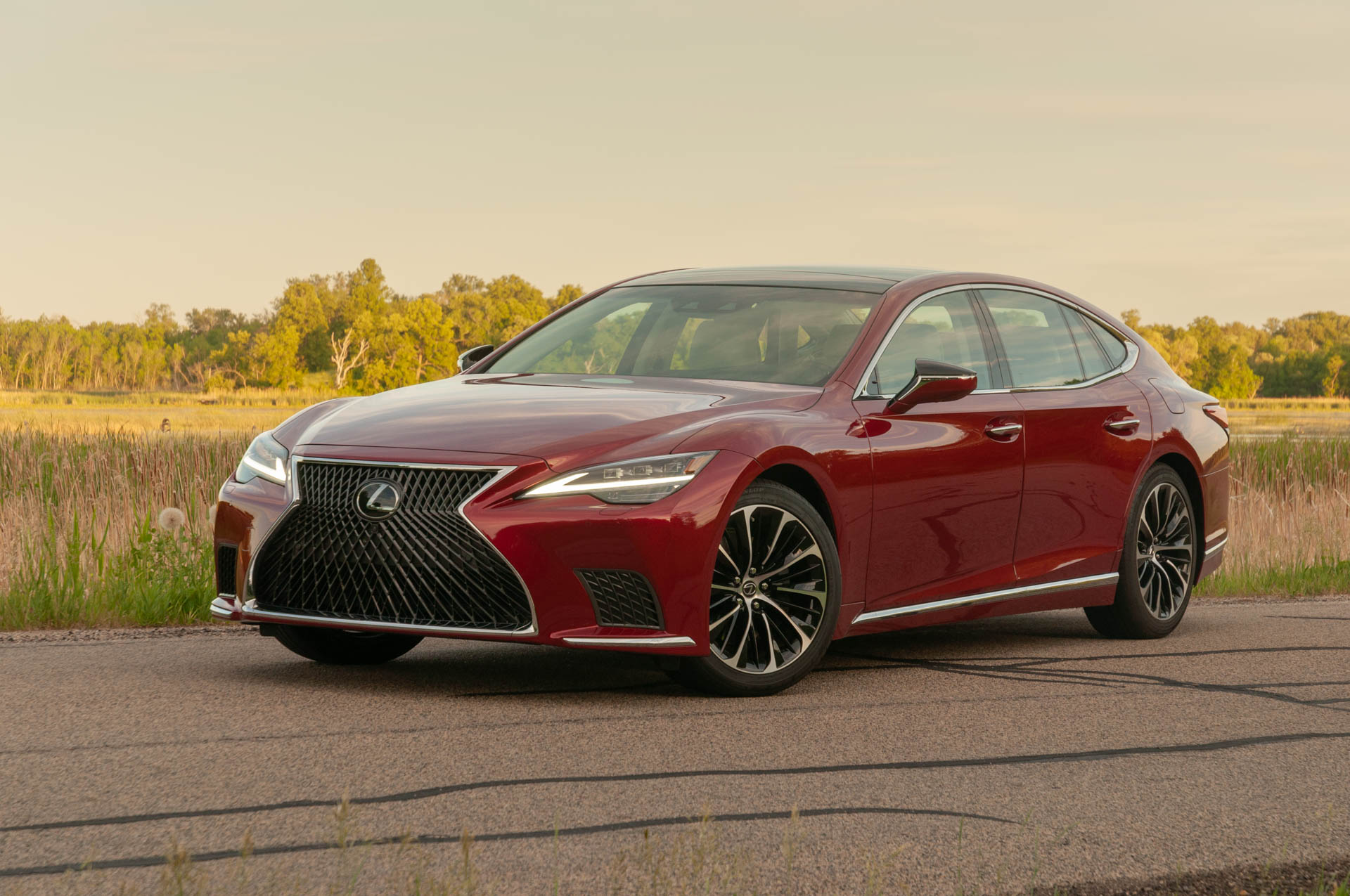
2. Lexus LS: Japanese Engineering Focused on a Peaceful Cabin
The Lexus LS is known for combining traditional luxury with a strong focus on passenger comfort. Its cabin design emphasizes smooth operation and reduced mechanical disturbance.
Lexus has invested heavily in cabin insulation and vibration control. The LS benefits from carefully engineered body structures that help reduce the transmission of unwanted sounds.
Its door construction and window sealing also contribute to sound isolation. These details help limit disturbances from surrounding traffic and wind.
The suspension system is designed to provide a composed ride. On smoother highways, this helps maintain a comfortable atmosphere for drivers and passengers.
Engine refinement is another important part of the LS experience. The powertrain is engineered to deliver smooth acceleration without excessive mechanical harshness.
Interior materials contribute to the sense of refinement. Soft surfaces, carefully fitted trim, and well-designed seating make the cabin feel more comfortable during long journeys.
For buyers comparing quiet luxury sedans in the United States, the Lexus LS is a strong candidate. Its reputation for refinement makes it worth including in a quiet-cabin comparison, even though an exact CR decibel ranking needs independent confirmation.
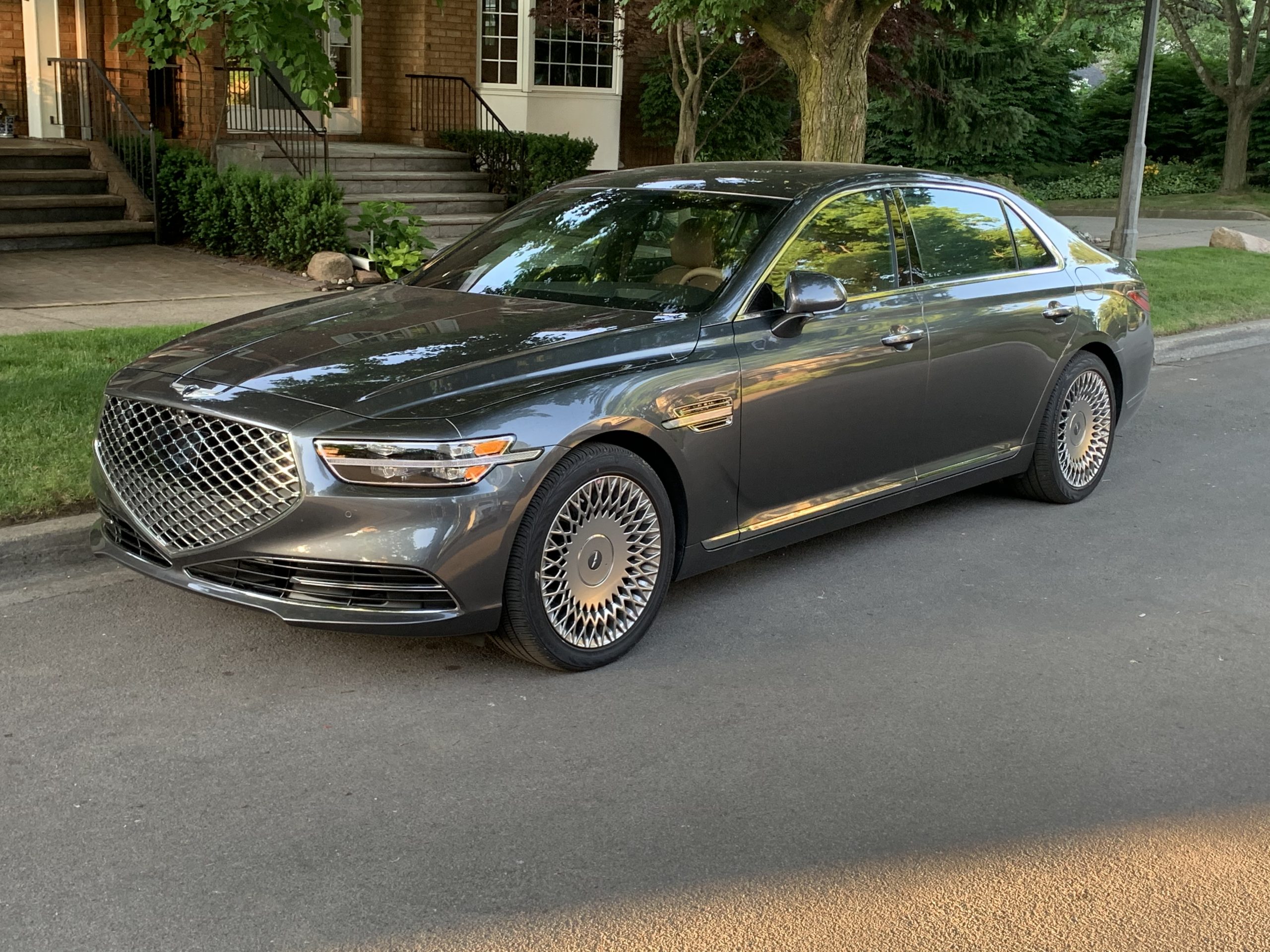
3. Genesis G90: Luxury Comfort With Strong Noise Isolation
The Genesis G90 represents the premium end of the Genesis lineup. It combines spacious seating, advanced technology, and engineering intended to provide a comfortable driving environment.
A major part of its appeal is the attention given to cabin isolation. The vehicle uses sound-absorbing materials and carefully designed body structures to reduce unwanted noise.
Its exterior design also supports aerodynamic efficiency. Managing airflow around the body helps limit wind disturbance, particularly during highway driving.
The suspension system is engineered to absorb road imperfections. This helps reduce the vibrations and impacts that can make a cabin feel noisy.
The G90 offers a spacious interior with comfortable seating. Rear passengers benefit from the vehicle’s emphasis on ride quality and passenger convenience.
Powertrain refinement also plays an important role. Smooth engine operation and transmission behavior help create a more relaxed experience during acceleration and cruising.
For US consumers comparing full-size luxury sedans, the Genesis G90 offers a compelling alternative to established European and Japanese competitors. Its cabin design makes it a worthwhile candidate for a quiet-vehicle shortlist.
4. BMW 7 Series: Refined Highway Performance
The BMW 7 Series combines performance engineering with premium passenger comfort. It is designed for drivers who want responsive handling without sacrificing highway refinement.
Its cabin incorporates sound insulation and structural engineering intended to limit outside disturbances. These measures help create a more controlled interior environment.
Wind management is particularly important in a large luxury sedan. The 7 Series uses an aerodynamic body design to manage airflow around the windshield, mirrors, and exterior panels.
The suspension system helps control road impacts and vibrations. Depending on the configuration, available suspension technology can improve ride comfort over uneven surfaces.
Engine and transmission refinement also influence cabin sound. Smooth gear changes and controlled engine operation help maintain a relaxed driving experience.
The interior includes premium seating, advanced infotainment, and carefully selected materials. These elements contribute to a comfortable environment during both short commutes and longer trips.
For buyers in the American luxury market, the BMW 7 Series is a strong option to consider when quietness and performance are equally important. Actual CR noise scores should be checked by model year and powertrain.
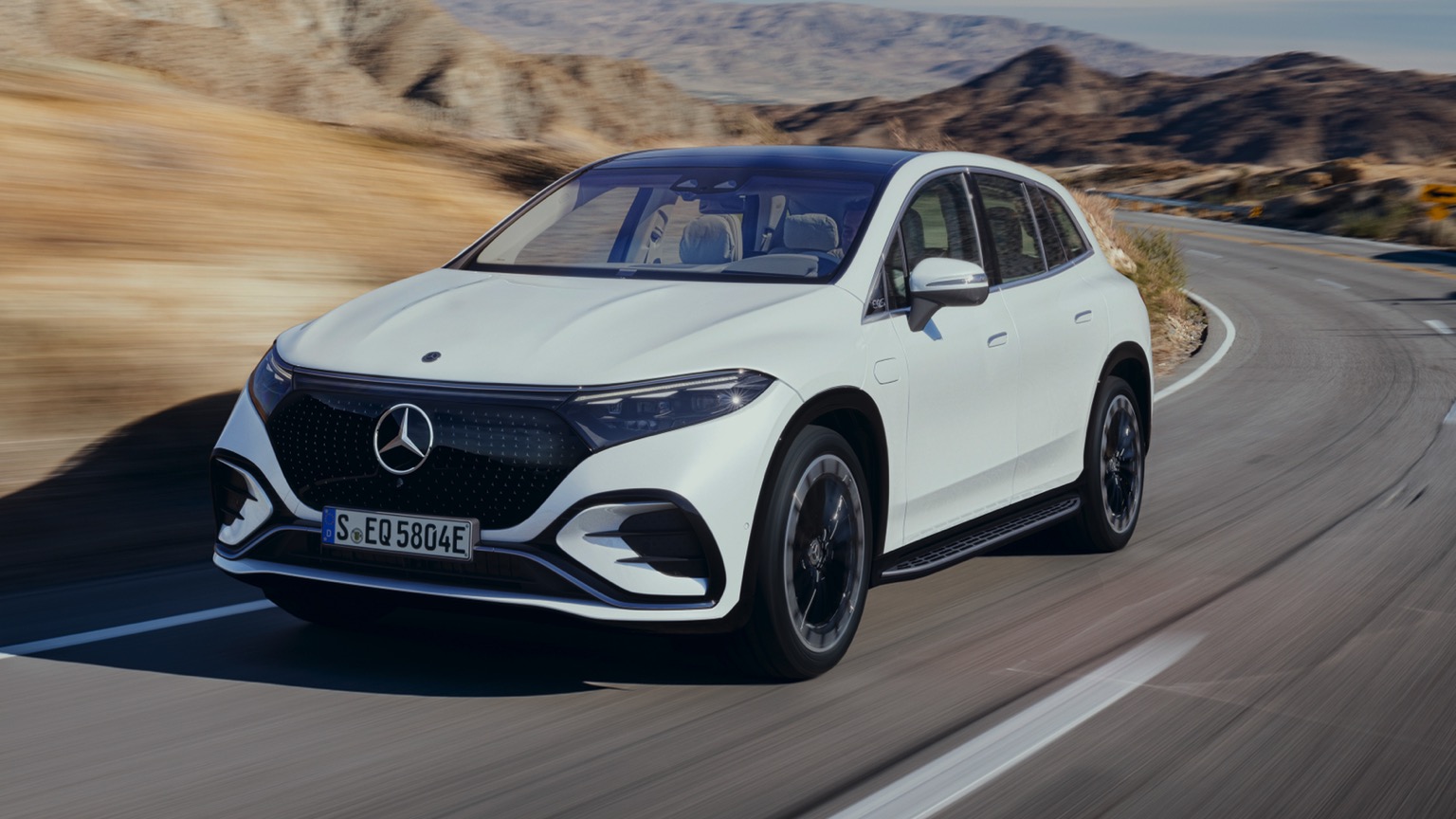
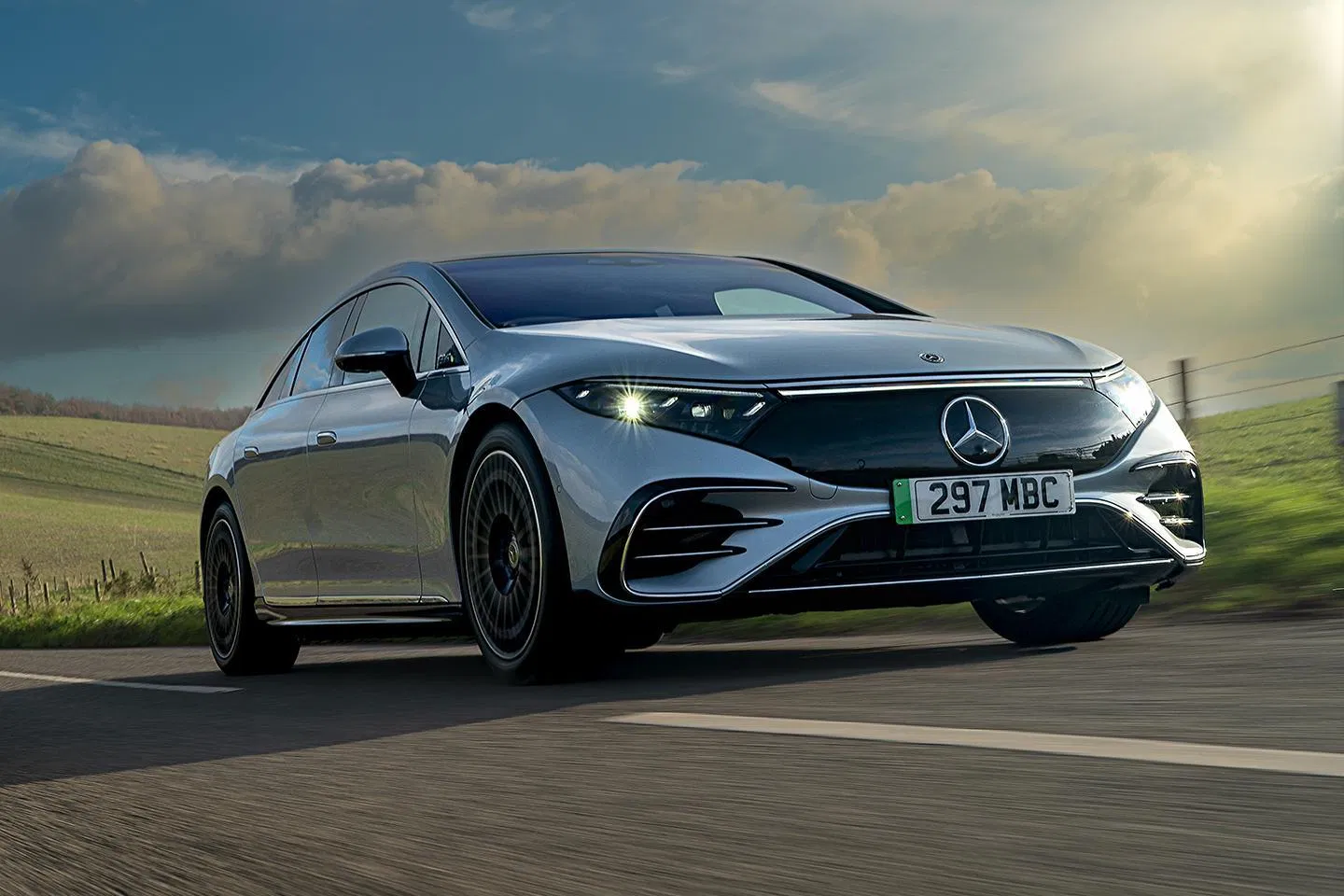
5. Mercedes-Benz EQS: Electric Luxury With Reduced Powertrain Noise
The Mercedes-Benz EQS offers an electric driving experience with an emphasis on passenger comfort. Its electric powertrain eliminates the conventional engine sounds associated with gasoline-powered vehicles.
Electric propulsion can make low-speed driving particularly quiet. Without a traditional combustion engine operating continuously, fewer mechanical sounds reach the cabin.
However, electric vehicles are not automatically silent. Tire noise, wind resistance, suspension movement, and road-surface vibrations remain important sources of interior sound.
The EQS features an aerodynamic exterior design. Its streamlined shape helps manage airflow and can reduce wind-related disturbances at highway speeds.
Cabin insulation further supports the vehicle’s comfort-focused design. Materials and structural components help prevent external sounds from entering the passenger compartment.
The vehicle’s suspension and electric drivetrain contribute to a smooth driving experience. The absence of traditional engine vibration can make acceleration feel particularly refined.
For American buyers considering a premium electric sedan, the EQS deserves attention. It is important to compare its actual highway noise performance rather than relying only on the assumption that electric propulsion guarantees a quieter cabin.
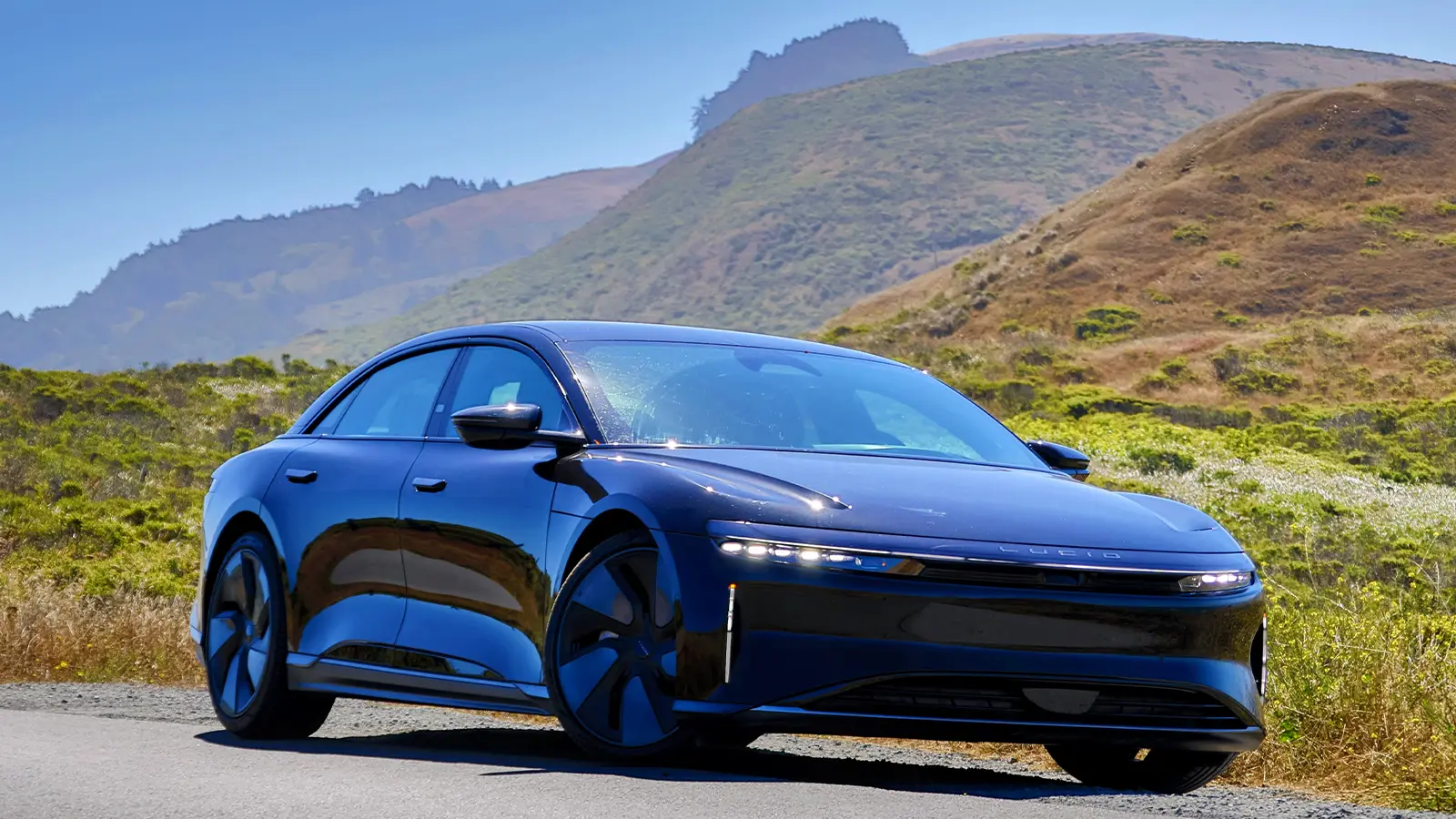
6. Lucid Air: Aerodynamic Design and Electric Refinement
The Lucid Air is a premium electric sedan developed with a strong focus on efficiency, performance, and passenger comfort.
Its aerodynamic body design helps manage airflow around the vehicle. Effective aerodynamics can reduce wind disturbance, which is particularly important during highway travel.
The electric powertrain removes conventional combustion-engine noise. This allows other cabin sounds to become more noticeable, making tire selection and insulation especially important.
Lucid’s interior design emphasizes a spacious and modern environment. The cabin offers a premium atmosphere intended to support comfortable daily driving.
The vehicle’s structural engineering and sound-management features help control unwanted vibration. These characteristics contribute to its luxury-oriented positioning.
At higher speeds, the quality of the tires and the condition of the road can still influence cabin noise. Buyers should consider wheel and tire specifications when comparing different versions.
The Lucid Air is worth considering for US buyers interested in an electric vehicle with premium refinement. Its quietness should be assessed through actual road testing rather than powertrain design alone.
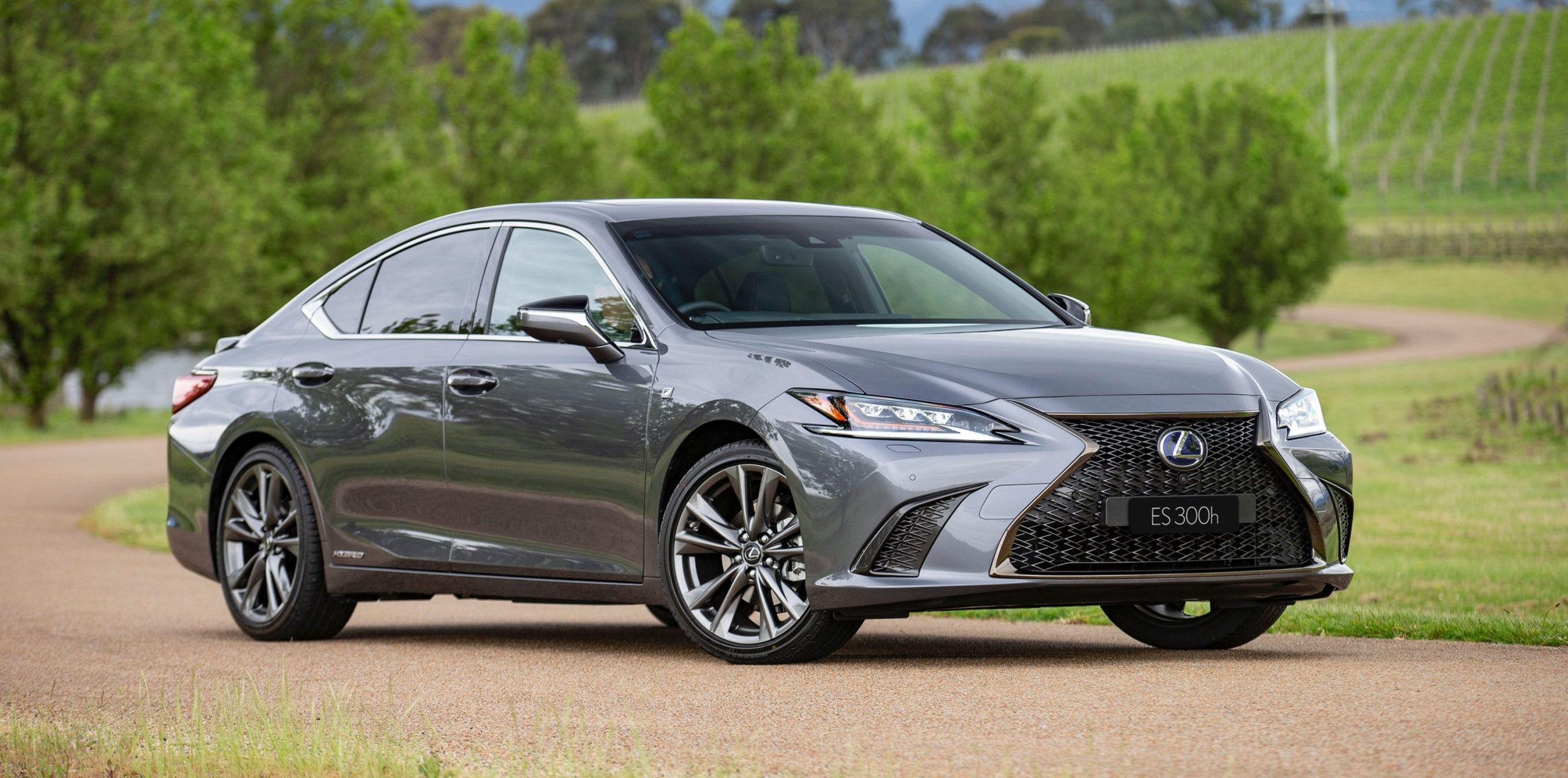
7. Lexus ES: Comfortable Luxury for Everyday Driving
The Lexus ES is a popular choice for buyers seeking a comfortable luxury sedan without moving into the full-size segment.
Its cabin design focuses on reducing unnecessary noise and creating a relaxing environment. Sound insulation, door sealing, and carefully designed interior components contribute to this experience.
The ES is particularly suited to everyday commuting. Its comfortable seating and smooth driving characteristics make it practical for urban roads and longer highway journeys.
Depending on the selected powertrain, engine behavior can influence cabin noise. Hybrid versions offer the possibility of quieter operation during certain low-speed driving conditions.
Road noise remains dependent on tire design, wheel size, and pavement quality. Buyers should avoid assuming that every ES configuration delivers identical noise performance.
The suspension is designed to provide a comfortable ride. By reducing harsh impacts, it can also limit the transmission of unwanted vibrations into the passenger compartment.
For American drivers looking for a refined sedan at a lower price point than the largest luxury models, the Lexus ES is a sensible candidate. It balances comfort, usability, and cabin refinement.
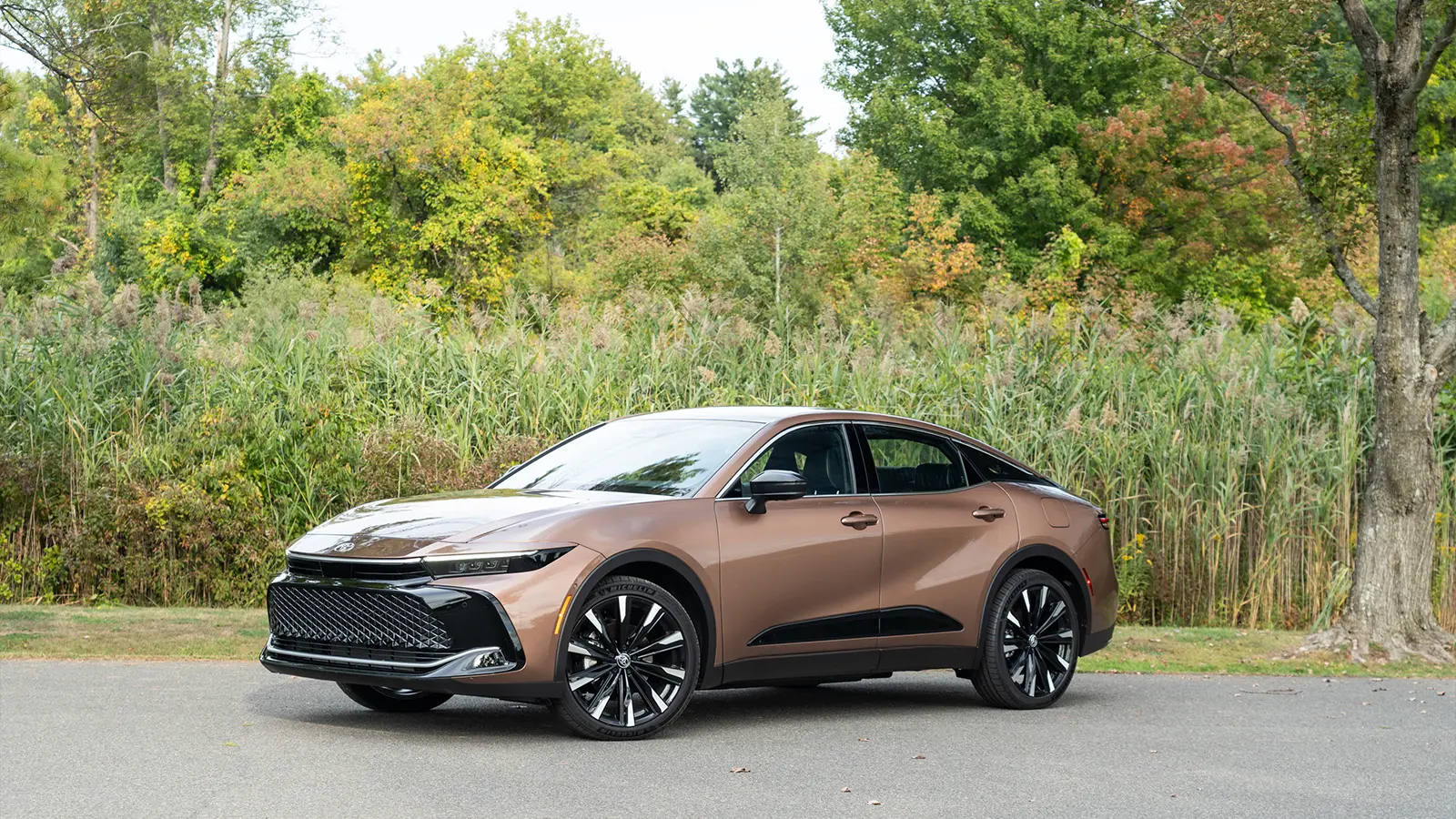
8. Toyota Crown: Modern Design With a Comfort-Oriented Cabin
The Toyota Crown brings a different approach to comfortable transportation. Its raised sedan design combines traditional car proportions with features associated with crossover vehicles.
The cabin is designed around everyday comfort. Seating, interior materials, and passenger space contribute to a more relaxed driving experience.
Hybrid powertrain technology can reduce engine operation under certain conditions. At low speeds, electric operation may make the vehicle feel particularly quiet.
Toyota has placed a strong emphasis on ride comfort and cabin refinement. Its suspension setup is designed to absorb bumps and smooth out road imperfections, helping deliver a more comfortable experience during everyday driving.
Wind noise remains relevant because the vehicle’s body shape and exterior dimensions influence airflow. Door sealing and window construction also affect how much sound reaches passengers.
Tire selection can make a noticeable difference. Larger wheels and certain performance-oriented tires may introduce additional road noise compared with comfort-focused alternatives.
The Toyota Crown is worth considering for buyers who want a practical hybrid sedan with premium features. Its real-world highway noise performance should be compared with direct road-test measurements.
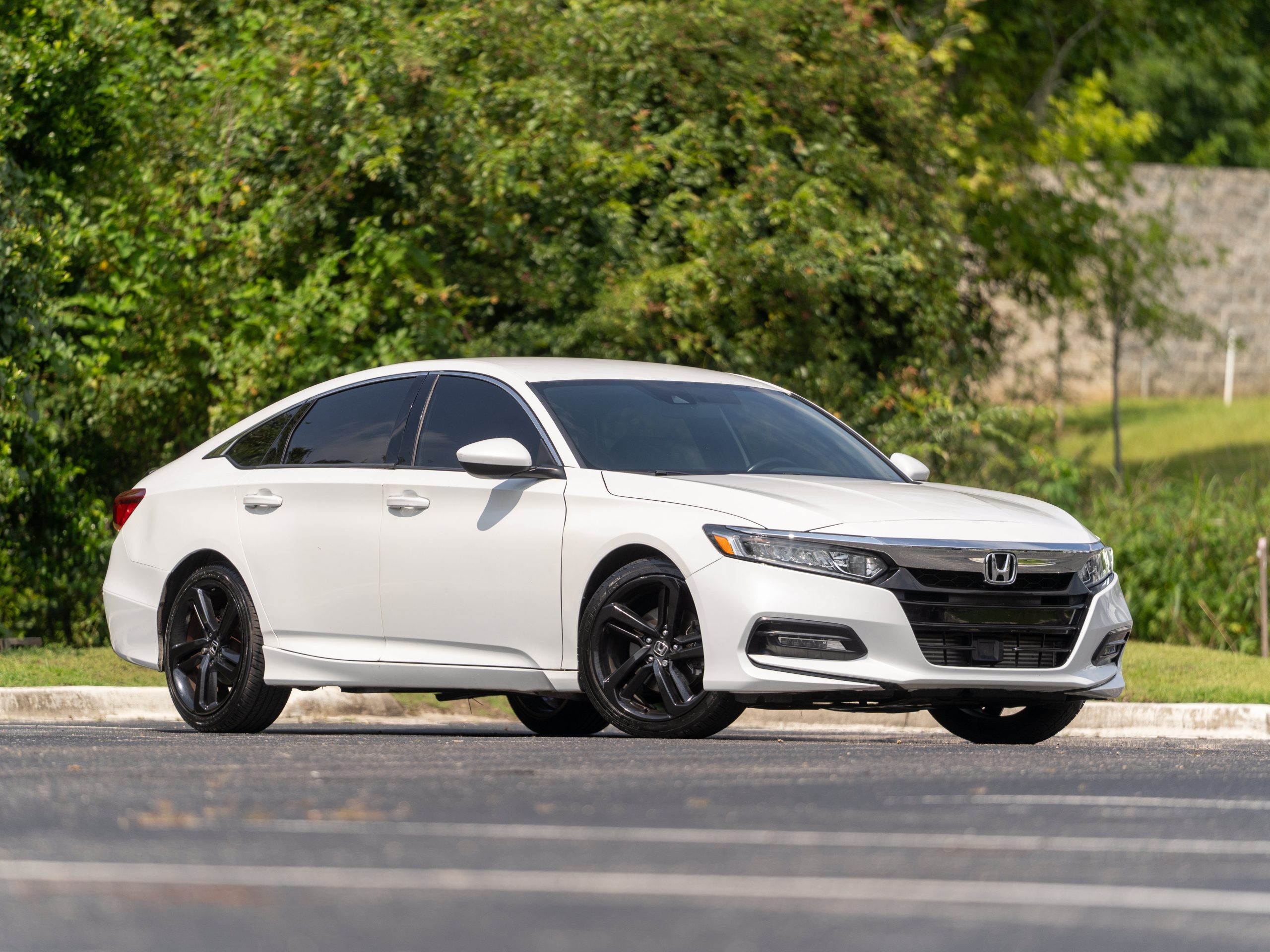
9. Honda Accord: A Mainstream Sedan With Impressive Comfort
The Honda Accord is a mainstream sedan that offers a combination of practicality, comfort, and efficient powertrain choices.
Its cabin is designed to support daily commuting and longer journeys. Seating comfort, dashboard layout, and passenger space contribute to its everyday usability.
The Accord’s cabin insulation helps reduce unwanted road and mechanical sounds. This is particularly important for drivers who spend considerable time on highways.
Hybrid versions provide an additional benefit through their ability to operate using electric power under certain conditions. This can reduce engine-related noise during some driving situations.
However, road and tire noise remain present. Their intensity depends on the road surface, tire condition, vehicle speed, and selected wheel configuration.
The suspension system helps maintain a comfortable ride while managing road imperfections. This contributes to a more relaxed experience for passengers.
For US buyers who do not want to pay luxury-car prices, the Honda Accord deserves consideration. It demonstrates that a comfortable, relatively quiet cabin does not always require a full-size luxury vehicle.
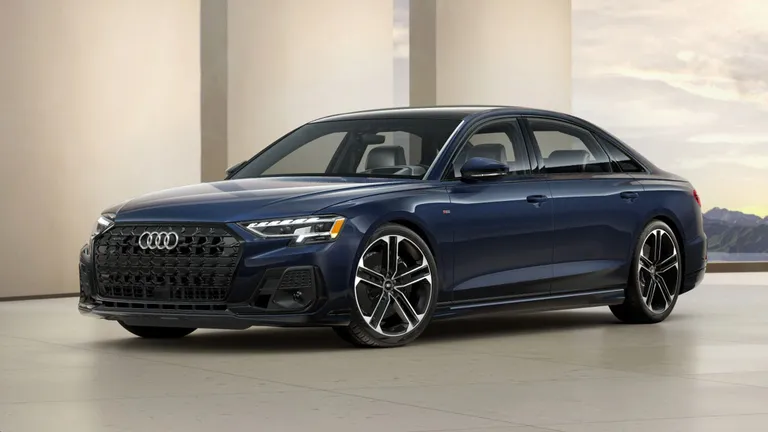
10. Audi A8: European Luxury and Advanced Cabin Engineering
The Audi A8 has traditionally competed in the premium full-size sedan category. Its engineering focuses on comfort, technology, and refined highway performance.
The cabin uses insulation and carefully designed structural components to help control external sound. These features support a comfortable environment for passengers.
Its exterior design is shaped to manage airflow around the vehicle. Good aerodynamic performance can help reduce wind-related cabin disturbance.
Depending on the model and equipment, advanced suspension systems can improve ride comfort. By controlling body movement and absorbing uneven road surfaces, they help reduce harshness.
Engine refinement is another consideration. The powertrain is engineered to deliver smooth acceleration and controlled mechanical sound.
The A8 also emphasizes passenger comfort through premium seating and a spacious interior. These features make it suitable for drivers who frequently travel long distances.
For American luxury-car shoppers, the Audi A8 is a vehicle worth examining in a cabin-noise comparison. Buyers should confirm current US availability, model-year specifications, and the relevant Consumer Reports testing information before making a purchase decision.
