Buying an SUV involves more than comparing showroom prices. Fuel expenses, insurance premiums, depreciation, maintenance, repairs, financing, and registration fees all contribute to the actual cost of owning and operating a vehicle.
For American drivers, understanding the total cost per mile provides a practical way to compare different SUV models and make informed purchasing decisions. Using the ownership-cost approach associated with AAA’s Your Driving Costs methodology, this article ranks ten popular SUVs across small, medium, and large SUV categories.
It examines their major expenses, operating characteristics, and long-term affordability to help buyers understand what ownership may really cost.
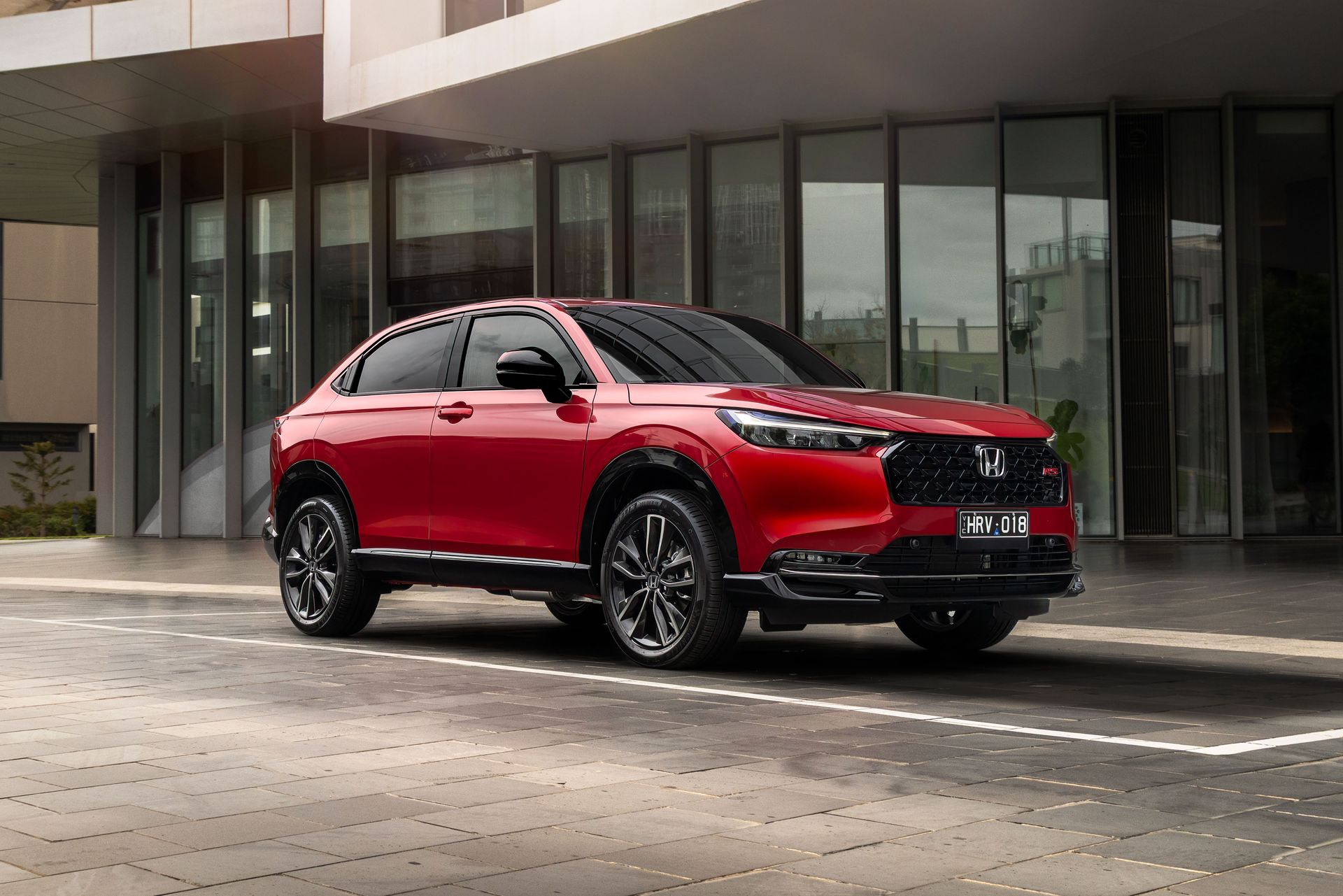
1. Honda HR-V: Small SUV Category
The Honda HR-V earns the first position because it offers a practical combination of compact dimensions, everyday efficiency, and relatively accessible ownership expenses. Its smaller footprint makes parking and urban transportation easier, while its interior provides useful passenger and cargo space for a compact SUV.
Fuel consumption is an important advantage for drivers who regularly commute. The HR-V uses a four-cylinder engine and a continuously variable transmission in its conventional gasoline configuration. Its efficiency helps limit fuel expenditure compared with heavier SUVs equipped with larger engines.
Maintenance expenses should also be considered when evaluating long-term affordability. Routine servicing includes engine oil changes, filters, brake inspections, tire rotations, and other manufacturer-recommended procedures. Following the maintenance schedule can help reduce the possibility of avoidable repairs.
Depreciation remains a significant expense because every new vehicle loses value as it ages and accumulates mileage.
Honda models have generally maintained competitive resale demand, which can help support their used-market values. Actual depreciation varies according to model year, condition, mileage, and regional demand.
Insurance premiums depend on the driver’s record, location, coverage level, and insurer. The HR-V’s relatively modest size and purchase price may help keep premiums manageable compared with larger, more expensive SUVs. However, individual insurance quotations are necessary for accurate budgeting.
Replacement tires are another ownership consideration. Compact SUVs generally use smaller tires than large utility vehicles, potentially reducing replacement expenses.
Selecting tires that meet the manufacturer’s specifications can also support safe handling, braking, and fuel efficiency.
For buyers prioritizing affordable daily transportation, the HR-V presents a strong starting point. Its combination of manageable operating expenses, useful interior space, and practical dimensions makes it a sensible candidate for drivers seeking a relatively economical SUV.
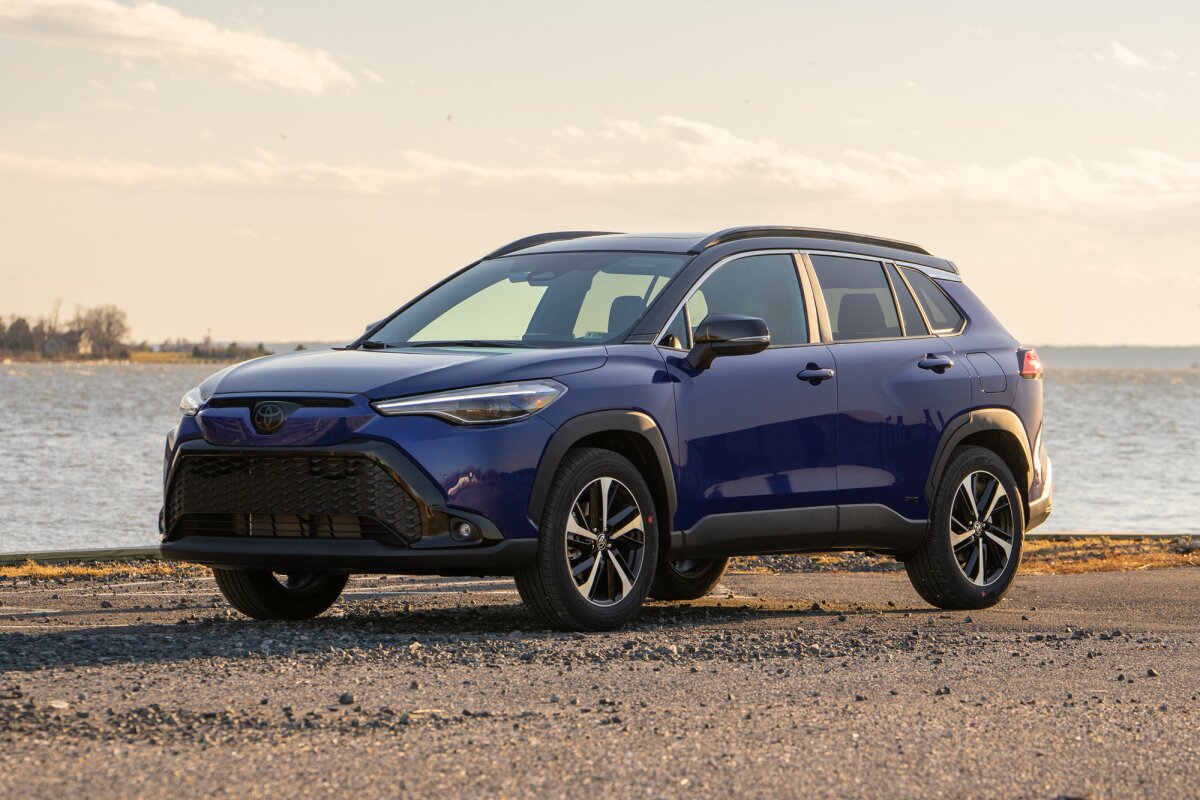
2. Toyota Corolla Cross: Small SUV Category
The Toyota Corolla Cross ranks second because its compact design and efficient powertrain options make it attractive to cost-conscious American households. It shares its general design philosophy with Toyota’s popular compact passenger vehicles, emphasizing practicality, straightforward operation, and everyday reliability.
The gasoline version offers a conventional engine configuration, while hybrid versions provide an alternative for drivers seeking improved fuel economy. Hybrid models can be particularly attractive for people who regularly encounter congested traffic or spend considerable time driving through urban areas.
Fuel savings can reduce the operating cost per mile over an extended ownership period. However, buyers should compare the hybrid’s additional purchase price with expected fuel savings before making a decision. The financial benefit depends on annual mileage, fuel prices, and ownership duration.
Toyota vehicles have traditionally attracted substantial used-market interest. Strong demand can support resale values, reducing the financial impact of depreciation. However, resale performance is not guaranteed, and market conditions can change according to vehicle availability and consumer preferences.
Maintenance requirements include regular servicing, fluid inspections, tire care, and brake-system checks. Hybrid configurations also include additional electrical components and battery systems.
These systems are designed for long-term operation, but buyers should understand applicable warranties and potential repair expenses.
Insurance and registration costs vary considerably across American states. A Corolla Cross may be less expensive to insure than a larger premium SUV, but its exact premium depends on the driver’s profile and vehicle specifications. Comparing several insurance quotations is recommended.
The Corolla Cross is particularly suitable for commuters and smaller families who value fuel economy and predictable ownership expenses. Its practical cabin, compact dimensions, and available hybrid configuration make it a competitive choice in the small SUV category.
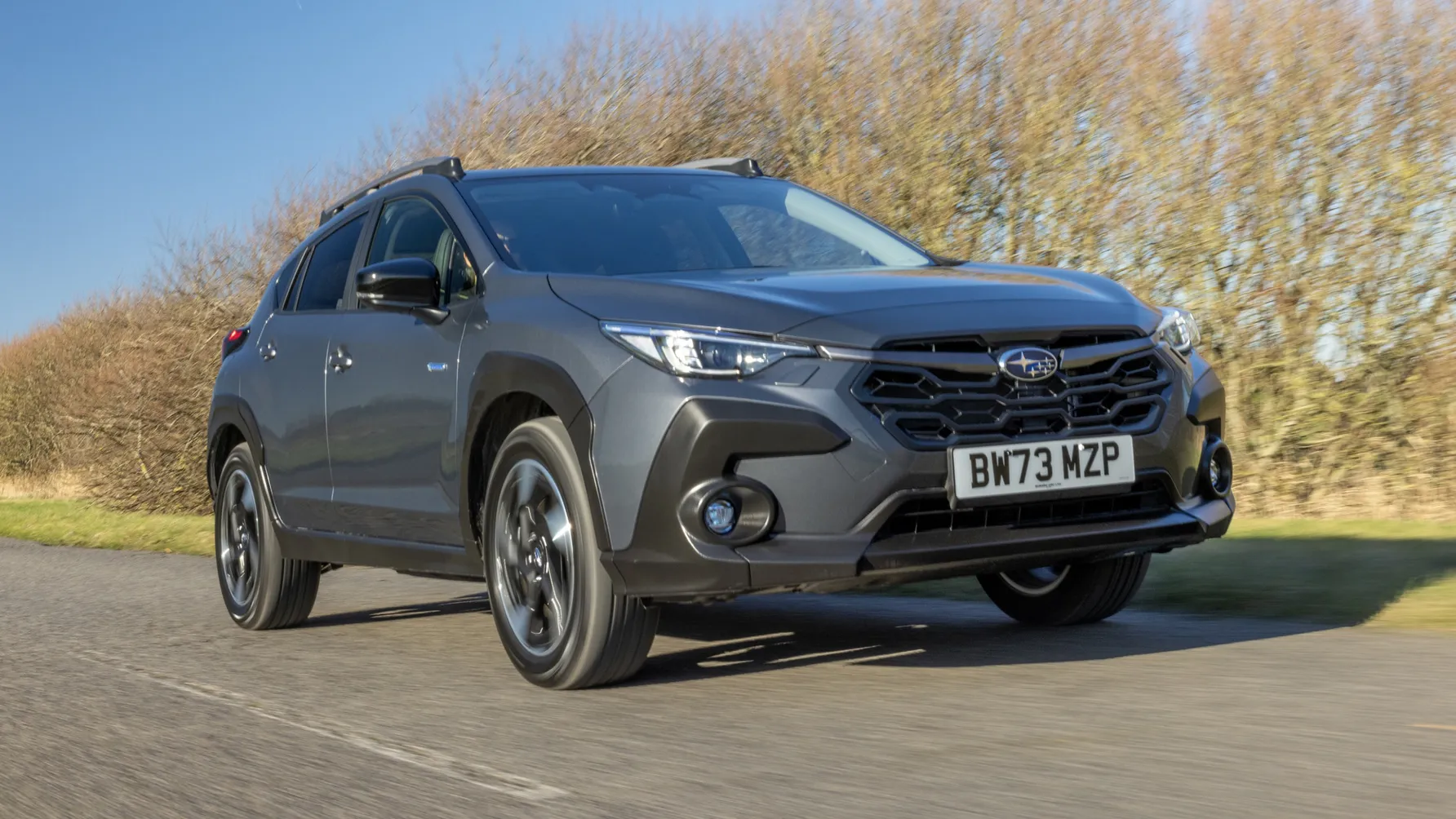
3. Subaru Crosstrek: Small SUV Category
The Subaru Crosstrek takes third place because it combines compact SUV practicality with standard all-wheel-drive capability in its US-market configurations. This feature makes it appealing to drivers who regularly encounter rain, snow, gravel roads, or other challenging driving conditions.
Its all-wheel-drive system can provide additional traction in appropriate driving conditions. However, this capability comes with mechanical complexity and may contribute to higher fuel consumption than some comparable front-wheel-drive competitors. Buyers should consider whether they genuinely need all-wheel drive.
The Crosstrek’s fuel economy is competitive for its vehicle class, but engine selection and model year influence actual results. Driving speed, road conditions, tire pressure, weather, and passenger load also affect fuel consumption. Real-world mileage can differ from official EPA estimates.
Routine maintenance is an essential part of ownership. Subaru recommends scheduled inspections and servicing according to the specific vehicle’s maintenance guide. Maintaining the drivetrain, brakes, tires, and fluids can help preserve performance and reduce unexpected repair expenses.
Depreciation can influence the Crosstrek’s long-term financial position. Demand for compact all-wheel-drive vehicles may support resale interest in regions with winter weather. However, used-car values vary according to mileage, condition, local demand, and competing models.
Tire expenses deserve attention because all-wheel-drive vehicles generally require compatible tires with closely matched tread depths. Replacing tires in accordance with manufacturer recommendations can increase maintenance costs compared with certain front-wheel-drive alternatives.
The Crosstrek is a reasonable choice for drivers who need additional traction without moving into a larger SUV category. Its ownership expenses may be higher than those of some two-wheel-drive competitors, but its capabilities can justify the additional expenditure for suitable driving conditions.
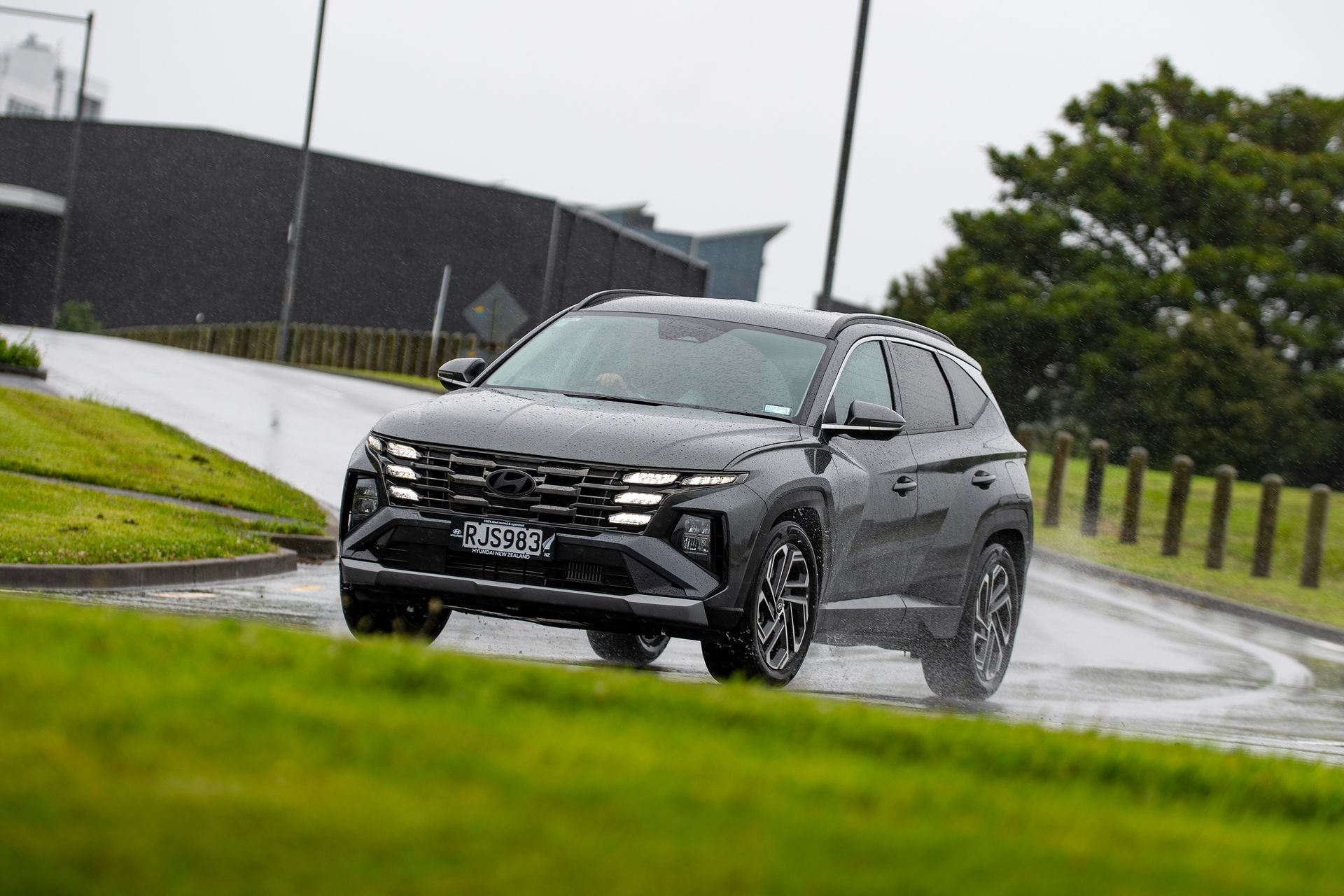
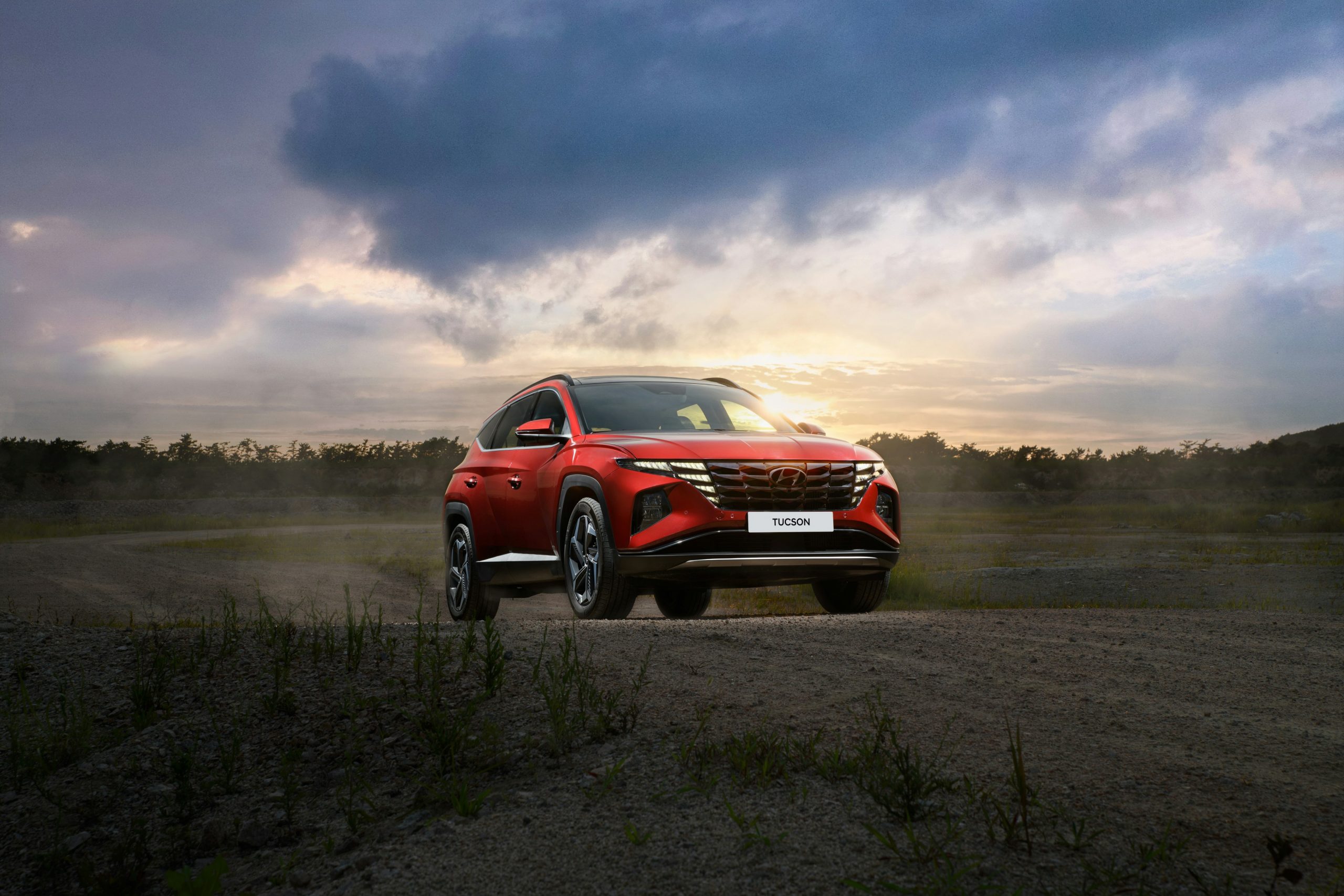
4. Hyundai Tucson: Medium SUV Category
The Hyundai Tucson ranks fourth because it provides generous interior space, modern equipment, and several powertrain choices within the medium SUV segment. It appeals to households that need more passenger and cargo capacity than a small SUV can comfortably provide.
Its gasoline versions offer conventional operation, while hybrid and plug-in hybrid variants provide alternatives for buyers interested in reducing fuel consumption. The best financial choice depends on the difference in purchase price, driving distance, electricity availability, and local fuel costs.
Hyundai’s warranty coverage is a relevant ownership consideration in the United States. Eligible original owners can receive substantial powertrain warranty protection, subject to the manufacturer’s terms and conditions. Warranty coverage can help reduce certain qualifying repair expenses during the ownership period.
However, warranty protection does not eliminate routine maintenance costs. Owners remain responsible for scheduled services, tires, brakes, and other items excluded from warranty coverage. Understanding the maintenance schedule helps establish a realistic long-term budget.
Depreciation is another factor. The Tucson competes in a popular market segment containing vehicles from Toyota, Honda, Ford, and other manufacturers. Used-market demand, vehicle condition, mileage, and equipment can influence its eventual resale value.
Insurance expenses can be higher than those associated with smaller SUVs because the Tucson is a larger vehicle with a higher replacement value. Advanced safety technology, repair costs, location, and individual insurance history may also affect premiums.
For families seeking a comfortable and well-equipped SUV without moving into a large vehicle, the Tucson offers a useful balance. Its available hybrid configurations make it particularly interesting for drivers who want additional fuel efficiency while retaining medium SUV practicality.
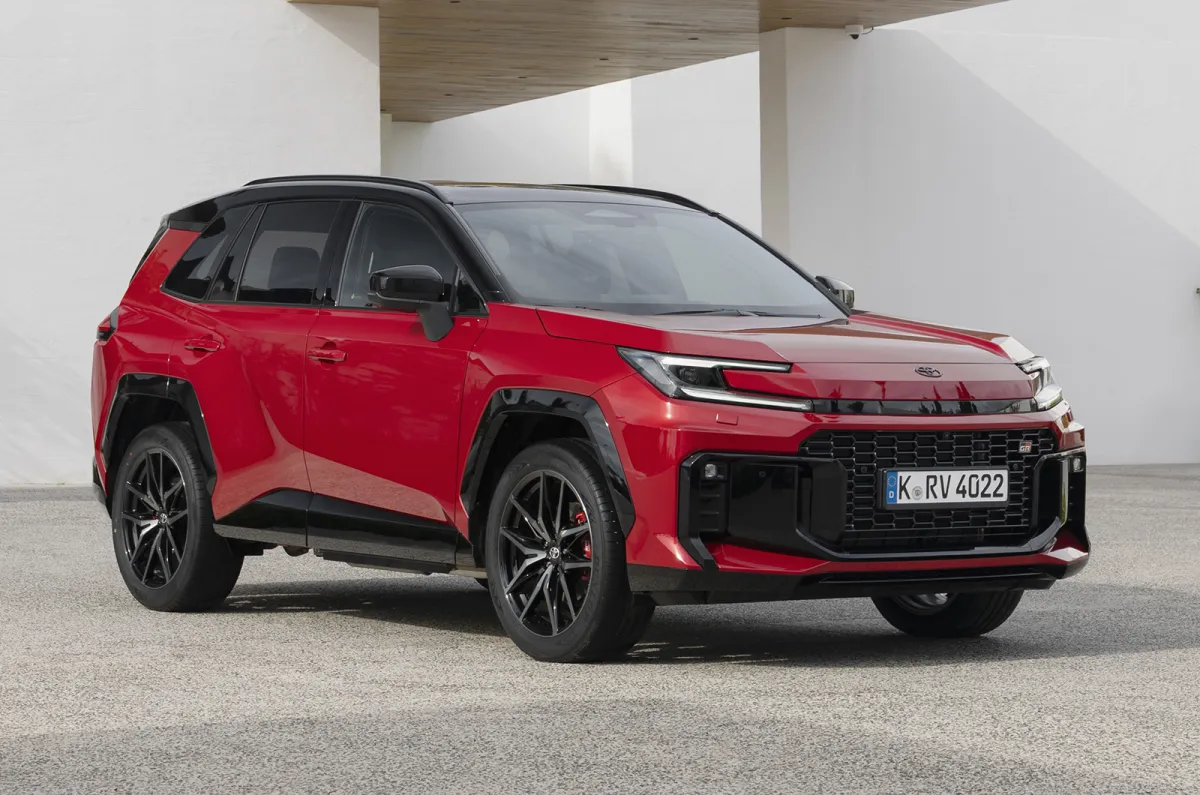
5. Toyota RAV4: Medium SUV Category
The Toyota RAV4 ranks fifth because of its established position in the American compact crossover market. It offers practical passenger accommodation, useful cargo capacity, and several powertrain choices that appeal to different driving requirements.
Its gasoline configuration provides conventional SUV operation, while hybrid versions can reduce fuel consumption. The hybrid system is especially relevant for people who drive frequently in stop-and-go traffic, where conventional engines may consume more fuel.
Toyota’s resale reputation can contribute positively to long-term ownership economics. Strong demand for used RAV4 models may help limit depreciation, particularly for well-maintained examples with reasonable mileage. However, purchase price and resale value should always be assessed together.
Maintenance expenses include routine engine servicing, inspections, tire replacement, and brake-system care. Hybrid versions have additional electrical components, but regenerative braking can reduce conventional brake-pad wear under certain driving conditions.
The RAV4’s insurance costs depend on the specific trim, vehicle value, driver profile, and coverage selected. Higher-priced configurations can cost more to insure, while safety features may influence quotations differently across insurance providers.
Tire selection also affects running expenses. Larger wheels and premium tire specifications can increase replacement costs. Buyers who prioritize affordability should compare standard and optional wheel configurations before purchasing.
The RAV4 is suitable for households seeking a versatile vehicle that can handle commuting, shopping, family transportation, and highway travel. Its combination of available hybrid technology, practical dimensions, and resale appeal makes it a competitive mid-size SUV.
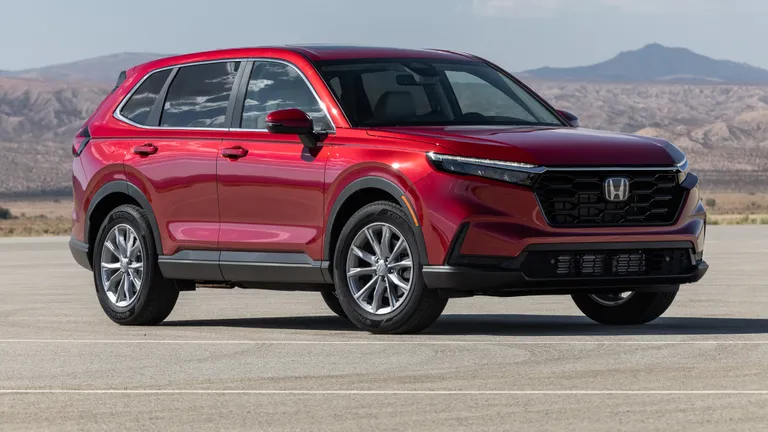
6. Honda CR-V: Medium SUV Category
The Honda CR-V occupies sixth place due to its spacious cabin, comfortable ride, and practical design. It has long competed in the American medium SUV segment, attracting families who need a vehicle for daily transportation and regular highway journeys.
Gasoline and hybrid versions offer different approaches to operating costs. Hybrid models can reduce fuel consumption, particularly in urban driving, while conventional versions may have a lower initial purchase price depending on trim and market conditions.
Depreciation plays an important role in the CR-V’s ownership calculation. Honda’s established reputation and broad customer base can support used-market interest. However, resale value is influenced by model year, mileage, vehicle condition, and changes in market demand.
Maintenance costs generally involve scheduled servicing, brake inspections, tire rotations, and replacement of consumable components. Following recommended service intervals can help maintain reliability and reduce the risk of expensive problems caused by neglected maintenance.
Insurance premiums can vary substantially between CR-V trims. Higher equipment levels and more expensive replacement parts may affect repair costs and insurance quotations. Drivers should compare comprehensive and collision coverage options before purchasing.
The CR-V’s interior space makes it attractive to households that regularly carry passengers or luggage. Its comfortable seating and flexible cargo area can also make it suitable for longer journeys.
For buyers who prioritize everyday comfort and practicality, the CR-V offers a balanced ownership proposition. Its purchase price may be higher than that of smaller SUVs, but its passenger accommodation and available hybrid technology can provide meaningful benefits.
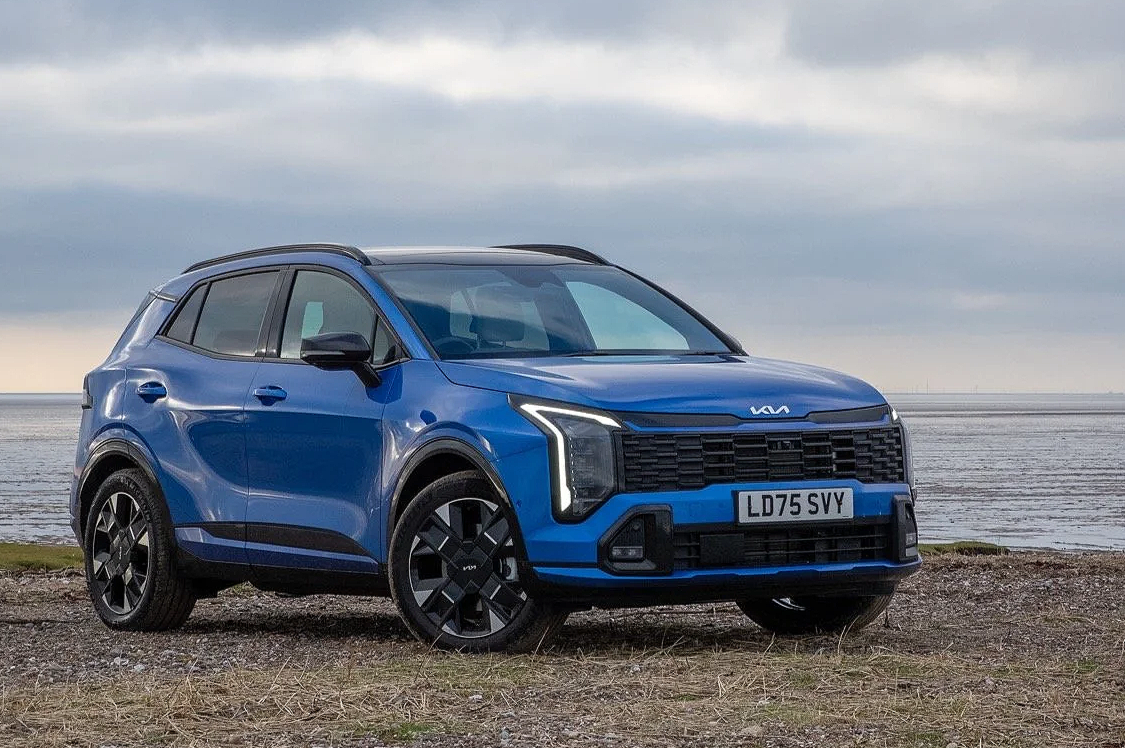
7. Kia Sportage: Medium SUV Category
The Kia Sportage ranks seventh because it offers extensive equipment, contemporary styling, and several engine choices. Its competitive feature package can attract buyers who want a medium SUV with modern technology and a comfortable interior.
Available gasoline and hybrid configurations have different purchase and operating expenses. Hybrid versions may provide fuel savings, but their higher initial prices need to be considered when calculating total cost per mile.
Kia’s warranty program is an important consideration for American buyers. Eligible original owners receive substantial warranty coverage under specified conditions. This can provide financial protection against certain covered mechanical failures during the applicable warranty period.
Regular maintenance remains necessary regardless of warranty coverage. Owners should account for oil changes, inspections, tires, brake components, and scheduled servicing. Costs can also vary according to the chosen dealership or independent repair facility.
Depreciation may have a considerable effect on long-term expenses. The Sportage competes in a crowded segment where Toyota, Honda, Hyundai, Subaru, and other manufacturers attract buyers. Resale performance depends on demand, vehicle condition, and pricing.
Insurance premiums reflect vehicle value, repair expenses, safety equipment, and the driver’s personal circumstances. Buyers should obtain quotations for their preferred trim rather than relying on general estimates for the model.
The Sportage is a practical option for families who want a feature-rich medium SUV. Its available hybrid technology and warranty protection can make it appealing, but buyers should compare purchase prices, fuel savings, and expected resale values before deciding.
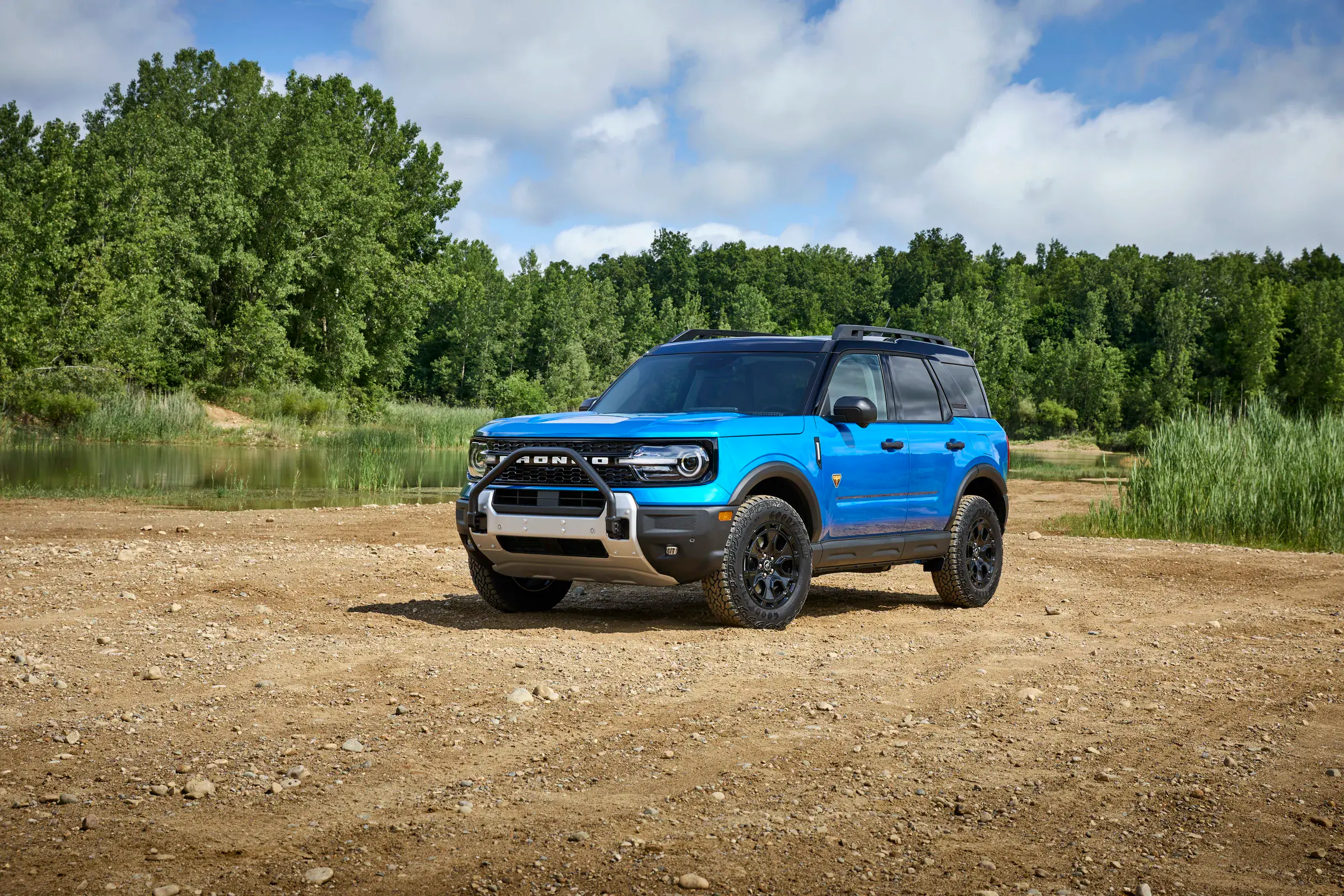
8. Ford Bronco Sport: Small SUV Category
The Ford Bronco Sport ranks eighth because its rugged styling and standard four-wheel-drive capability across the US model lineup provide versatility beyond conventional urban crossovers. It appeals to buyers who value outdoor activities and occasional travel on unpaved roads.
Its engine configurations offer different performance and fuel consumption characteristics. Buyers choosing a more powerful version should expect fuel expenses to reflect its engine output and driving requirements.
The vehicle’s drivetrain and specialized components can influence maintenance expenses. Owners should follow Ford’s maintenance recommendations, particularly when using the vehicle frequently on rough roads or in demanding conditions.
Depreciation depends on the popularity of the model, trim availability, mileage, and vehicle condition. Distinctive styling can attract particular buyers in the used market, but resale performance remains uncertain and should not be treated as guaranteed.
Insurance costs may reflect the Bronco Sport’s purchase price, equipment, repair requirements, and driver profile. Buyers should also check coverage for accessories and any modifications intended for outdoor use.
Tires can represent a meaningful expense, especially for versions equipped with larger or more specialized tires. Drivers who regularly use rough roads may experience different tire wear patterns from those who primarily travel on paved highways.
The Bronco Sport makes sense for buyers who value additional traction and outdoor versatility. However, drivers whose primary concern is minimizing cost per mile may find a conventional front-wheel-drive compact SUV more economical.
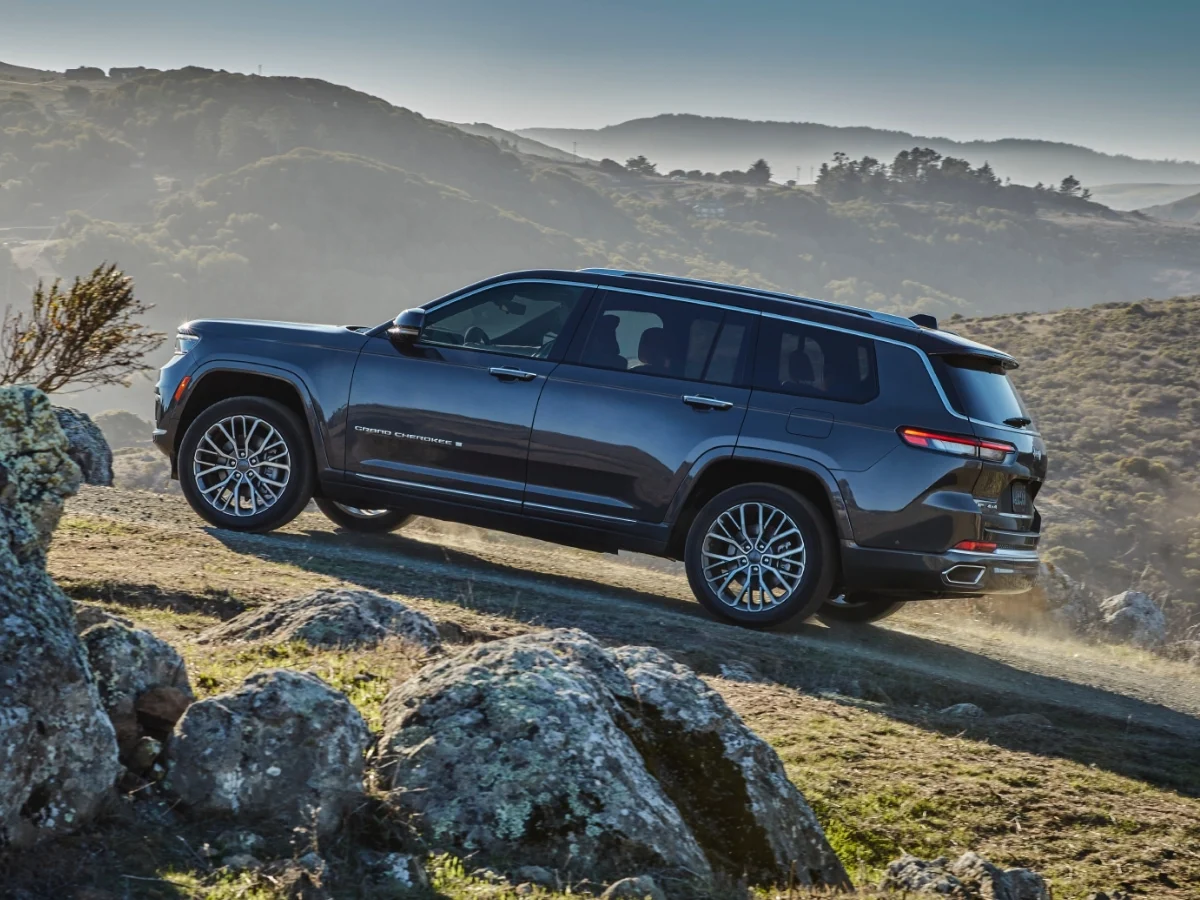
9. Jeep Grand Cherokee: Medium SUV Category
The Jeep Grand Cherokee ranks ninth because it offers a more premium experience, stronger available engines, and greater capability than many conventional medium SUVs. Its larger dimensions and higher equipment levels can increase ownership expenses.
Fuel consumption is a major consideration. Certain engine configurations require more fuel than compact crossover alternatives, particularly during city driving. Buyers should compare EPA ratings for the exact model year, engine, and drivetrain before purchasing.
Maintenance expenses can also be higher because of the vehicle’s mechanical complexity and available equipment. Suspension components, drivetrain systems, larger tires, and advanced electronics may contribute to repair expenses as the vehicle ages.
Depreciation represents a substantial part of the ownership calculation. The Grand Cherokee’s original purchase price and resale value can differ significantly between trims. Expensive versions may experience greater dollar depreciation even when their percentage loss is similar to that of less expensive vehicles.
Insurance costs generally depend on replacement value, repair expenses, safety equipment, and driver-specific factors. Higher-priced configurations may require larger insurance budgets than entry-level compact SUVs.
The Grand Cherokee offers advantages for households seeking a more substantial vehicle. Its available four-wheel-drive systems and towing capabilities can support specific transportation needs, but these features add complexity and may increase operating expenses.
For drivers who prioritize comfort, capability, and premium equipment, the Grand Cherokee can justify its higher ownership cost. However, it is less suitable for buyers whose main objective is achieving the lowest possible expense per mile.
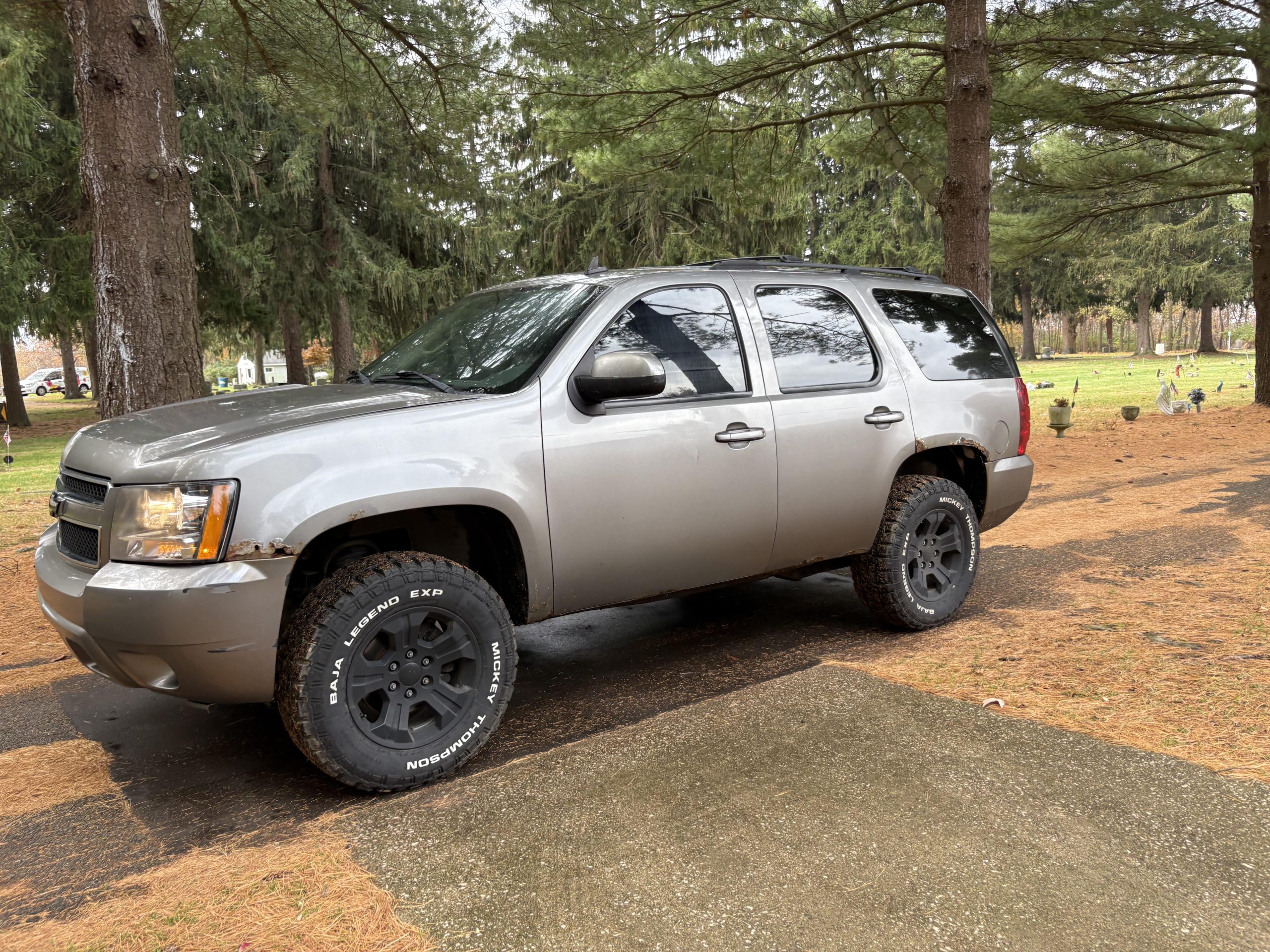
10. Chevrolet Tahoe: Large SUV Category
The Chevrolet Tahoe takes tenth place because its large size, powerful engine options, and extensive passenger capacity create substantial ownership expenses. It serves households that require more interior room, towing capability, or full-size SUV practicality.
Fuel consumption is a particularly important consideration. The Tahoe’s weight and engine options generally require more fuel than smaller SUVs. Drivers who cover considerable annual mileage may notice a significant difference in fuel expenditure.
Purchase price and depreciation also contribute to its cost per mile. Full-size SUVs typically require a larger initial financial commitment. Their resale values depend on mileage, engine configuration, equipment, regional demand, and vehicle condition.
Maintenance expenses can be higher because of larger tires, heavier braking components, and more substantial mechanical systems. Replacement parts and labor requirements may also increase the cost of servicing compared with smaller utility vehicles.
Insurance premiums are another major consideration. A vehicle with a higher replacement value can require more expensive coverage. The exact premium depends on the owner’s driving history, location, selected coverage, and insurer.
The Tahoe’s strongest advantage is its ability to accommodate passengers and cargo while providing substantial towing capability in appropriately equipped configurations. These features can be valuable for larger households and people who regularly transport equipment.
For buyers who genuinely require full-size SUV capacity, the Tahoe provides a practical solution. However, its higher purchase price, fuel consumption, and maintenance requirements make it a less economical choice for ordinary commuting.