
Buying a vehicle in the United States involves more than comparing its sticker price and fuel economy. Monthly loan payments, interest rates, insurance premiums, maintenance, and fuel expenses all influence the true cost of ownership.
For some expensive vehicles, the finance charge alone can exceed what owners spend on gasoline or electricity each month. AAA’s vehicle ownership research and Experian’s automotive finance data help explain this financial imbalance.
By examining vehicle prices, typical borrowing costs, and estimated energy expenses, buyers can better understand why financing a vehicle may become a larger expense than keeping it running.
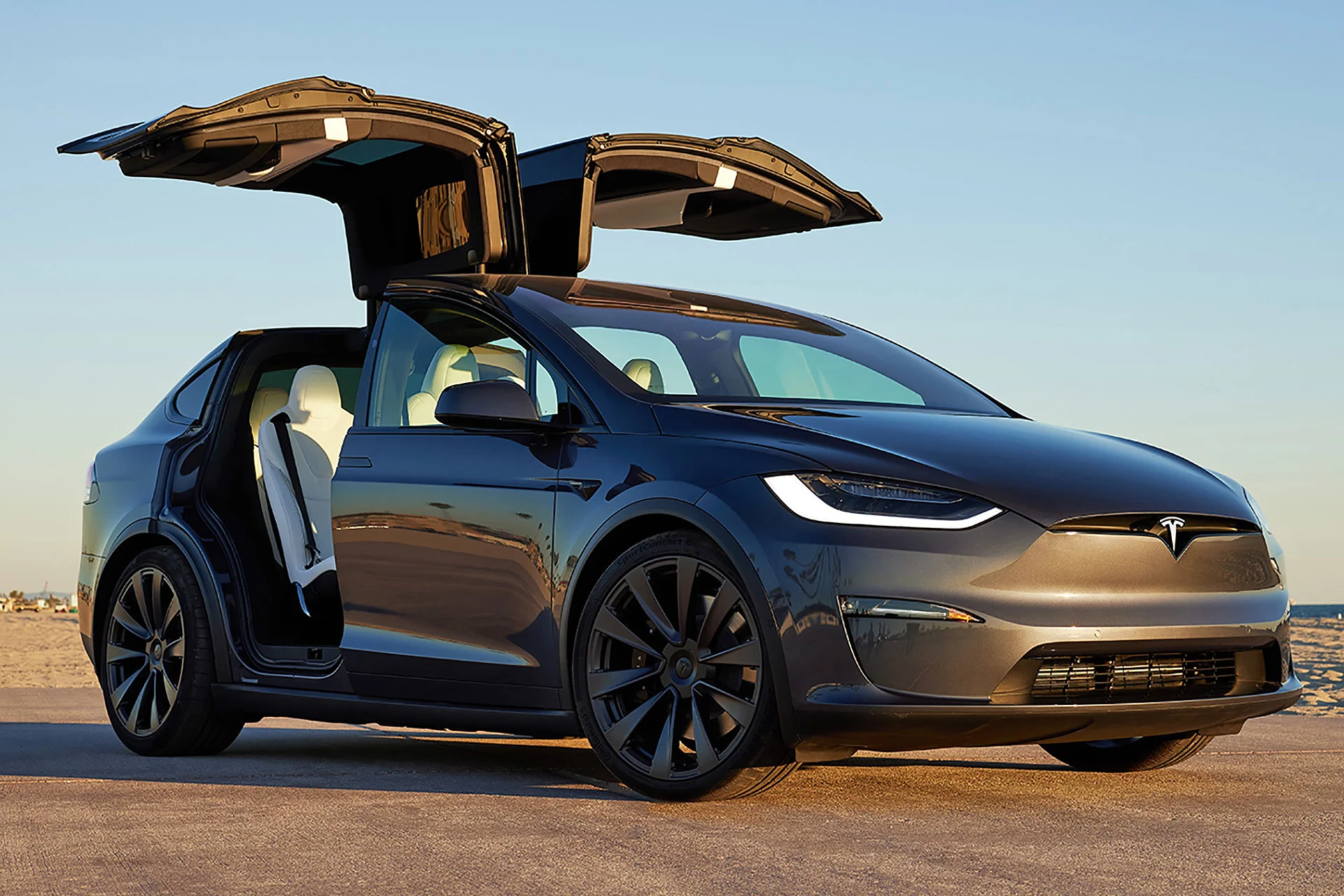
1. Tesla Model X
The Tesla Model X is a premium electric SUV with a relatively high purchase price. Its technology, interior features, performance, and electric powertrain appeal to buyers seeking a luxury vehicle without a traditional gasoline engine.
Depending on configuration and purchase incentives, its transaction price can represent a substantial financing commitment. Buyers who make smaller down payments may need to borrow tens of thousands of dollars, increasing their exposure to interest charges.
Using an illustrative purchase price of $85,000, a 10% down payment leaves approximately $76,500 to finance. At a 6.5% APR over 72 months, the estimated total interest is approximately $16,000.
Spread across the loan period, that represents an average interest expense of roughly $222 per month. The actual interest portion begins higher and declines as the borrower pays down the outstanding principal.
Electricity expenses are generally lower than gasoline expenses for comparable large SUVs. Depending on annual mileage, residential electricity rates, charging efficiency, and public charging use, monthly charging costs might fall around $50 to $100.
This difference illustrates why the Model X can have a finance charge that exceeds its monthly energy bill. Owners who charge primarily at home may experience a particularly noticeable gap between borrowing expenses and operating energy costs.
However, electricity is not the only operating expense. Insurance, tires, repairs, registration, and depreciation can significantly increase ownership costs. Buyers should also consider the availability of charging facilities before making a purchase decision.
For prospective buyers, comparing the interest rate with the expected charging budget offers a useful starting point. A larger down payment, competitive financing offer, and shorter loan term can help reduce the total borrowing expense.

2. Rivian R1S
The Rivian R1S is a full-size electric SUV designed for families, outdoor activities, and long-distance travel. Its spacious cabin, multiple seating rows, and electric performance make it a premium alternative to traditional gasoline-powered sport utility vehicles.
Its purchase price can place it in a higher financing category than many mainstream family SUVs. Buyers may need substantial loans, particularly when choosing additional equipment or premium configurations.
For an illustrative purchase price of $78,000, a 10% down payment would leave approximately $70,200 to finance. At 6.5% APR over 72 months, estimated total interest would approach $14,700.
That produces an average monthly interest expense of approximately $204. The amount charged in the first month would be higher because the outstanding loan balance would initially remain close to the original financed amount.
The R1S uses electricity rather than gasoline. Monthly charging expenses depend on mileage, driving conditions, electricity rates, and the amount of charging completed at public stations.
For a household driving approximately 1,000 miles per month, charging costs could be substantially lower than the interest expense under the financing assumptions used here. Actual results vary with energy consumption and local utility rates.
This makes the R1S a useful example of how a vehicle can have relatively manageable energy expenses but substantial borrowing costs. Buyers should pay attention to the total loan amount instead of focusing exclusively on the advertised monthly payment.
The financial picture also includes insurance, tire replacement, maintenance, and depreciation. Evaluating these categories alongside electricity and financing provides a more realistic estimate of the vehicle’s long-term affordability.

3. GMC Hummer EV
The GMC Hummer EV is a large electric vehicle built around distinctive styling, substantial performance capabilities, and an expensive equipment package. Its size and positioning place it among the more expensive electric vehicles available to American consumers.
The purchase price can create a significant borrowing requirement. Buyers selecting higher-priced versions may face particularly large loans, especially when they finance accessories and optional equipment through the vehicle transaction.
Consider an illustrative purchase price of $100,000. With a 10% down payment, the financed amount becomes $90,000. A 72-month loan at 6.5% APR would generate approximately $18,900 in total interest.
The average monthly interest expense would therefore be approximately $263. This figure represents the total estimated interest divided by 72 months, not a fixed monthly interest payment.
The Hummer EV consumes substantial electricity because of its size and weight. Its energy expenses can exceed those of smaller electric vehicles, particularly during frequent highway driving or extensive use of energy-intensive features.
Even with relatively high electricity consumption, monthly charging expenses may remain below the average financing interest under the example loan conditions. Local electricity prices and driving distance can change this comparison considerably.
Potential buyers should also consider the cost of specialized tires, insurance, repairs, and vehicle depreciation. A large electric vehicle can have operating expenses that extend well beyond its electricity consumption.
The Hummer EV demonstrates how an expensive purchase can create a borrowing burden that remains significant even when gasoline is completely removed from the ownership budget. Buyers should calculate the complete cost before committing to a long repayment period.
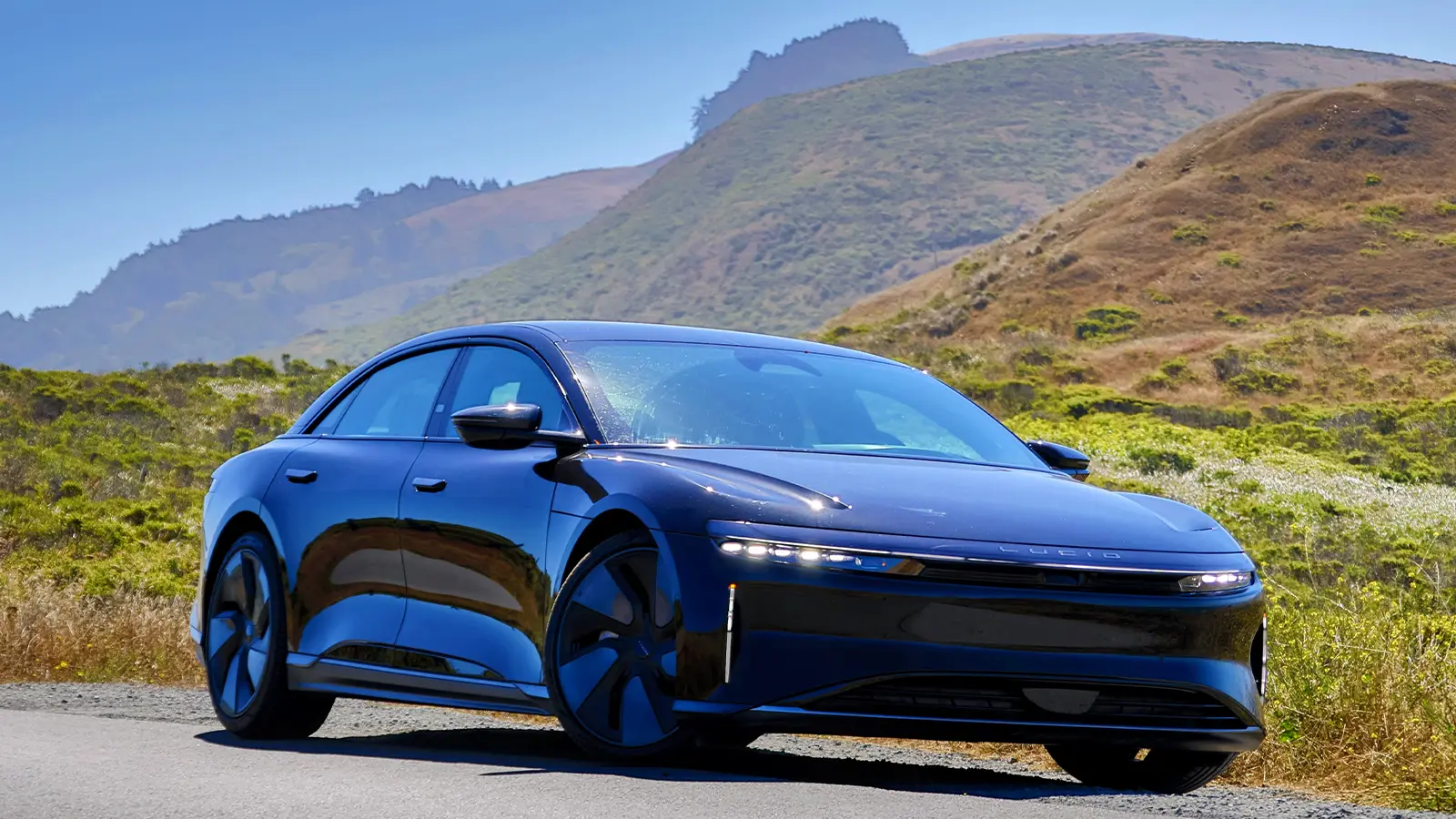
4. Lucid Air
The Lucid Air is a premium electric sedan known for its long-range configurations, refined interior, and performance-focused engineering. Its luxury positioning can result in a considerably higher purchase price than that of conventional family sedans.
The financial commitment depends on the selected trim, available incentives, dealer arrangements, and final transaction price. Higher-priced configurations can require substantial borrowing, particularly when buyers choose limited options or additional packages.
For an illustrative purchase price of $90,000, a 10% down payment leaves $81,000 to finance. At 6.5% APR over 72 months, the approximate total interest would be $17,000.
The average monthly finance charge would be approximately $236. The initial interest expense would be higher than the average because interest is calculated on the remaining loan balance.
Electricity costs for the Lucid Air depend on the version selected, driving distance, charging efficiency, and local electricity rates. Owners who primarily charge at home may have relatively modest monthly energy expenses.
A driver covering approximately 1,000 miles monthly could spend substantially less on electricity than the average monthly interest amount in this financing example. Frequent public charging at higher rates may narrow the difference.
The comparison highlights the importance of separating vehicle operating expenses from financing expenses. A highly efficient electric sedan can still be expensive to own when its purchase price requires a large loan.
Insurance, replacement tires, maintenance, and depreciation should also be included in the budget. These expenses can influence the financial decision more than small differences in monthly charging costs.
For buyers considering the Lucid Air, obtaining several financing quotations is important. A lower APR can reduce total interest substantially, particularly when the original financed balance is high.

5. Porsche Taycan
The Porsche Taycan combines electric propulsion with the performance characteristics associated with the Porsche brand. Its purchase price can increase considerably depending on the selected configuration, performance equipment, and optional features.
A higher transaction price usually means a larger financing requirement. Buyers who select premium configurations may borrow significantly more than consumers purchasing conventional electric sedans.
For an illustrative purchase price of $110,000, a 10% down payment leaves $99,000 to finance. At 6.5% APR over 72 months, estimated total interest reaches approximately $20,800.
That produces an average monthly finance charge of around $289. The first month’s interest would be higher, followed by progressively smaller amounts as the outstanding principal declines.
The Taycan uses electricity, and its charging expenses depend on driving distance, electricity rates, and charging conditions. Performance-oriented driving can increase energy consumption compared with more moderate driving patterns.
A household that charges mainly at home may spend considerably less on electricity than the average monthly finance charge. The difference can become particularly noticeable when the purchase price is high and the annual mileage remains relatively modest.
However, the vehicle’s ownership expenses include more than charging. Insurance, performance tires, maintenance, and depreciation can represent significant financial commitments for luxury electric car owners.
Prospective buyers should compare the total amount payable under different loan offers. A longer repayment term may reduce the scheduled monthly installment but can increase total borrowing expenses.
The Taycan illustrates how financing can become a major part of the ownership budget for luxury electric vehicles. Buyers should establish a realistic spending limit before selecting a configuration.
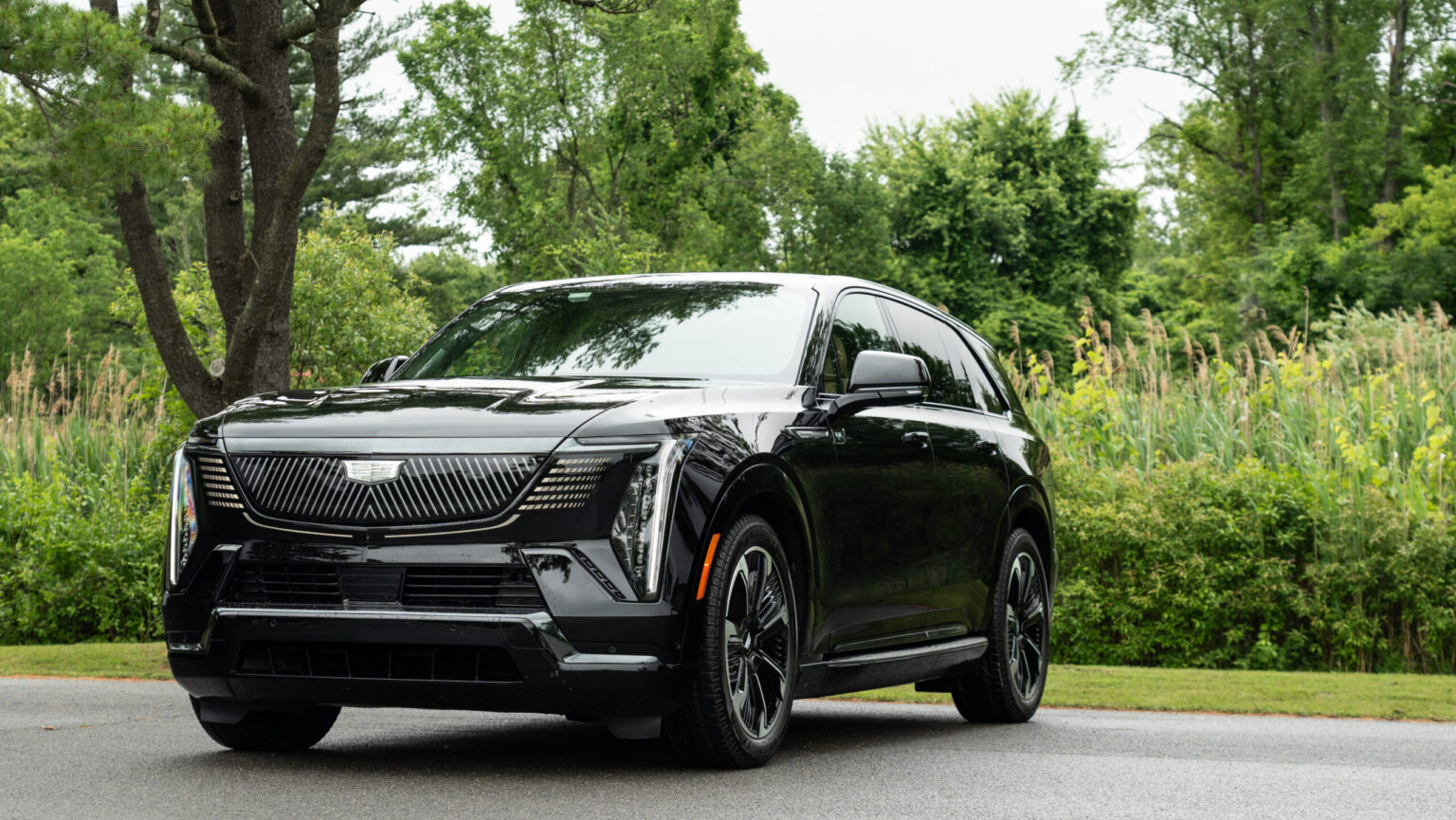
6. Cadillac Escalade IQ
The Cadillac Escalade IQ brings the large luxury SUV format into the electric vehicle market. Its spacious interior, premium equipment, and advanced technology place it in an expensive category.
The purchase price is an important factor when calculating its financing expenses. A buyer who chooses a higher-priced configuration may need to arrange a substantial loan even after providing a significant down payment.
Using an illustrative purchase price of $130,000, a 10% down payment results in a financed balance of $117,000. At 6.5% APR over 72 months, estimated total interest would be approximately $24,500.
The average monthly finance charge would be approximately $340. This amount is an estimate of total interest spread evenly across the repayment period, rather than the actual interest charged in every billing cycle.
The Escalade IQ uses electricity, but its large dimensions and substantial weight influence energy consumption. Drivers covering long distances may experience higher charging expenses than owners of smaller electric sedans.
Even so, home charging can cost substantially less than operating a comparable large gasoline-powered luxury SUV. Under certain driving and electricity-price conditions, the monthly energy bill may remain below the average finance charge.
Buyers should remember that charging expenses are not the complete operating budget. Insurance, tires, repairs, depreciation, and registration charges can increase the annual cost of ownership.
The Escalade IQ shows how luxury vehicle pricing can create a considerable gap between financing expenses and energy consumption. A careful comparison of loan offers is particularly important for buyers considering this price category.
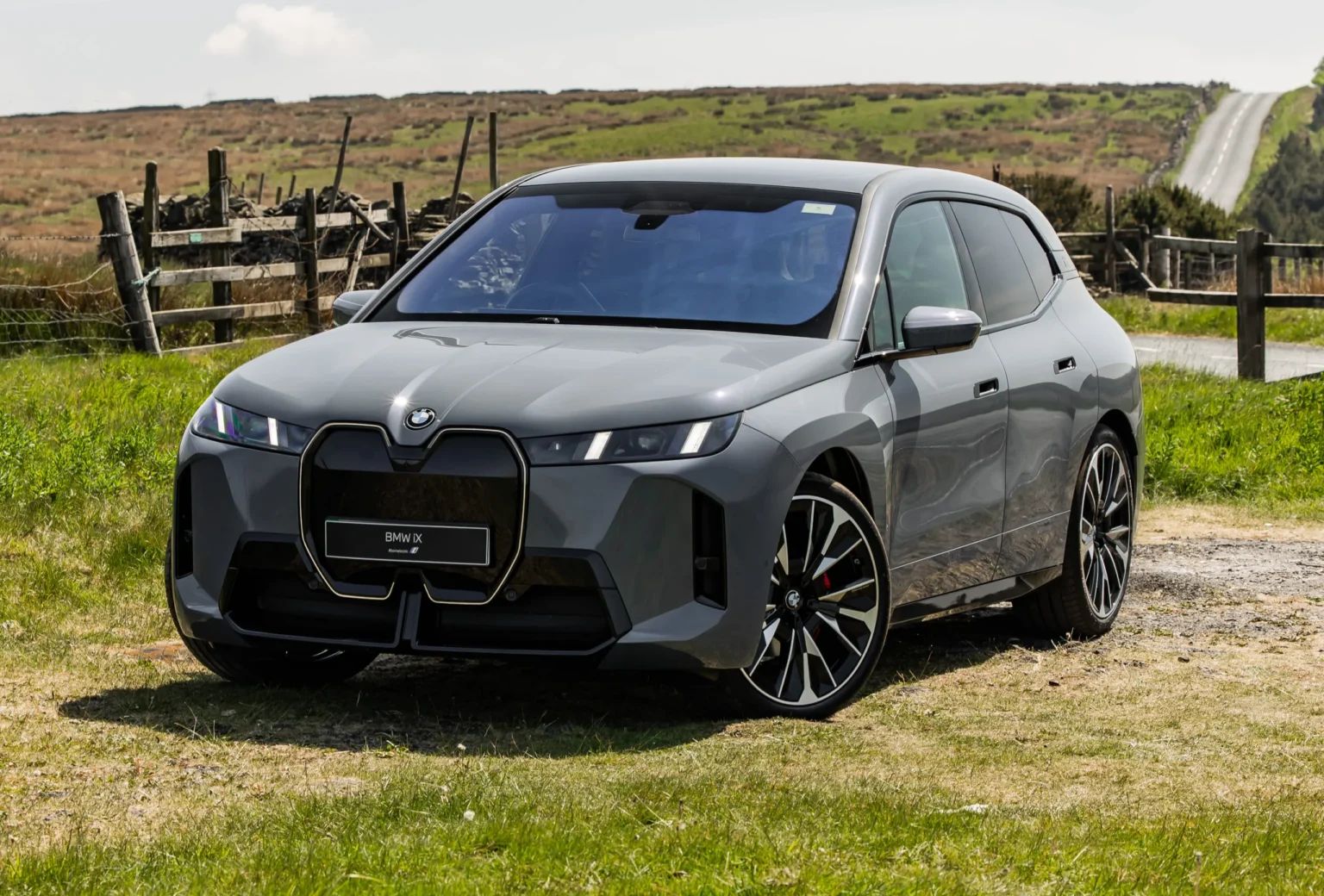
7. BMW iX
The BMW iX is a premium electric SUV that combines modern styling, advanced technology, and a spacious cabin. Its price and equipment level place it above many mainstream electric crossovers.
The vehicle’s financing cost depends on the selected version, negotiated transaction price, down payment, and creditworthiness. Buyers choosing expensive configurations may face a significant interest commitment throughout the repayment period.
For an illustrative purchase price of $90,000, a 10% down payment leaves $81,000 to finance. A 6.5% APR over 72 months would generate approximately $17,000 in total interest.
This works out to an average monthly finance charge of approximately $236. The initial monthly interest would be higher because the loan balance would be at its largest near the beginning of repayment.
Electricity costs depend on the distance covered each month, the efficiency of the selected configuration, and the local utility rate. Drivers who complete most charging at home may keep their energy budgets relatively low.
For some households, monthly charging expenses can remain comfortably below the estimated financing interest. However, frequent highway journeys and expensive public charging can increase the energy bill.
The iX also carries ownership expenses associated with luxury vehicles. Insurance premiums, tires, maintenance, depreciation, and repair costs should be considered when assessing affordability.
Consumers should examine the full financing agreement rather than relying on a monthly payment advertised by a dealership. Understanding the APR, loan duration, fees, and total interest helps prevent unexpected financial pressure.
The BMW iX demonstrates how premium electric SUVs can generate substantial financing costs while maintaining relatively predictable energy expenses for drivers who primarily charge at home.
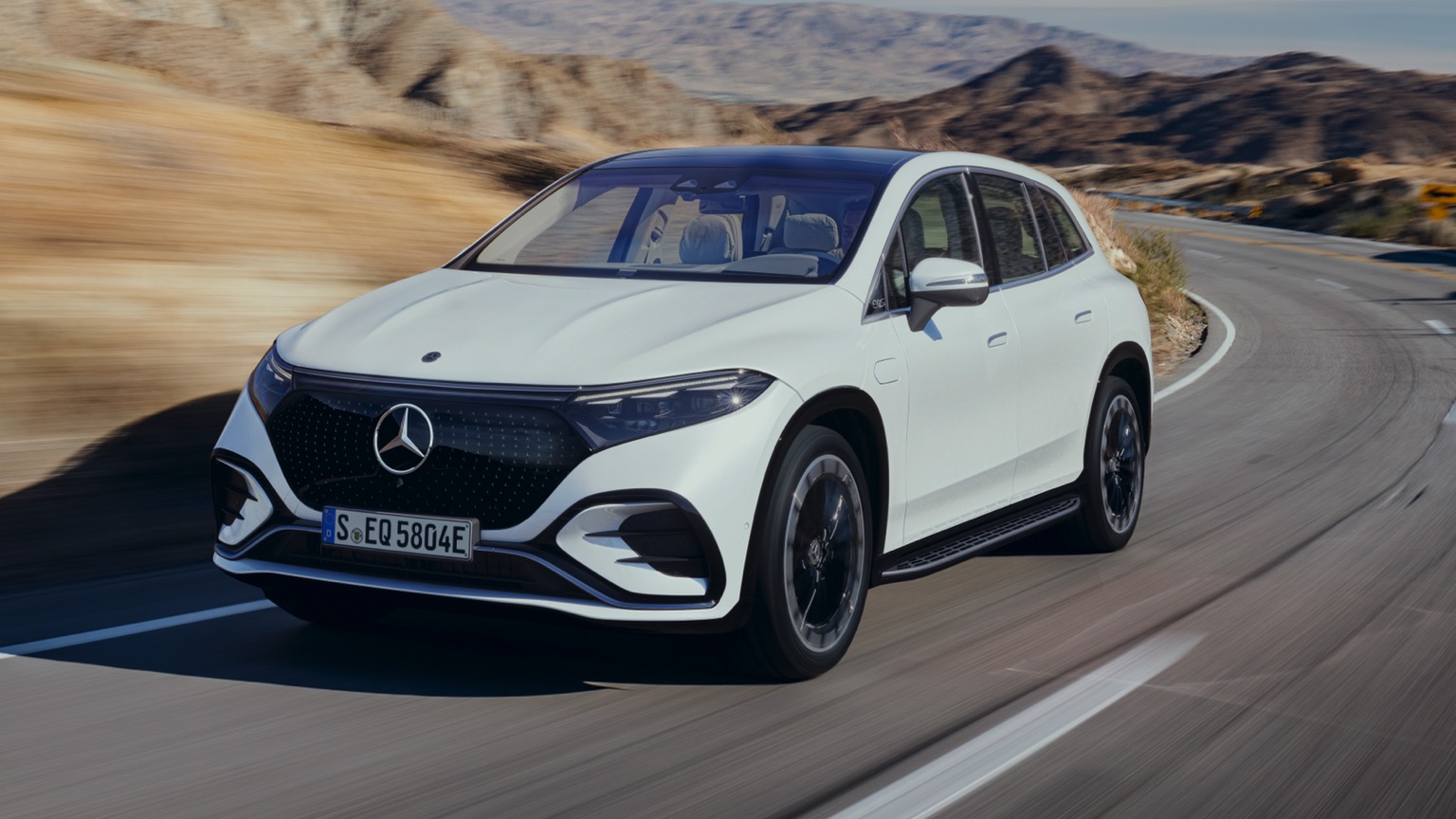
8. Mercedes-Benz EQS SUV
The Mercedes-Benz EQS SUV is designed for customers seeking a high-end electric SUV with a spacious interior and premium technology. Its positioning within the luxury market can make the purchase financially demanding.
Depending on the configuration and final transaction price, the amount borrowed may be considerably higher than the financing requirement for a mainstream family vehicle. Buyers should calculate the loan before adding optional equipment.
For an illustrative purchase price of $110,000, a 10% down payment leaves $99,000 to finance. At a 6.5% APR over 72 months, total estimated interest would approach $20,800.
The average monthly finance charge would be approximately $289. This amount highlights the borrowing expense associated with a relatively expensive electric vehicle.
Charging costs vary according to electricity prices, driving conditions, and monthly mileage. Residential charging generally offers a different cost structure from using commercial charging stations, where prices can be higher.
The monthly electricity bill may remain below the estimated finance charge for households with moderate driving requirements. High mileage and expensive charging locations can narrow that financial gap.
Other expenses include insurance, tires, maintenance, registration, and depreciation. Luxury electric SUVs can require substantial budgets even when their energy costs are relatively manageable.
Buyers should compare the financing terms offered by banks, credit unions, and manufacturer-supported lenders. Different APRs can produce meaningful changes in total interest over a six-year repayment period.
The EQS SUV provides a clear example of how premium vehicle pricing can make borrowing costs more significant than monthly energy consumption.
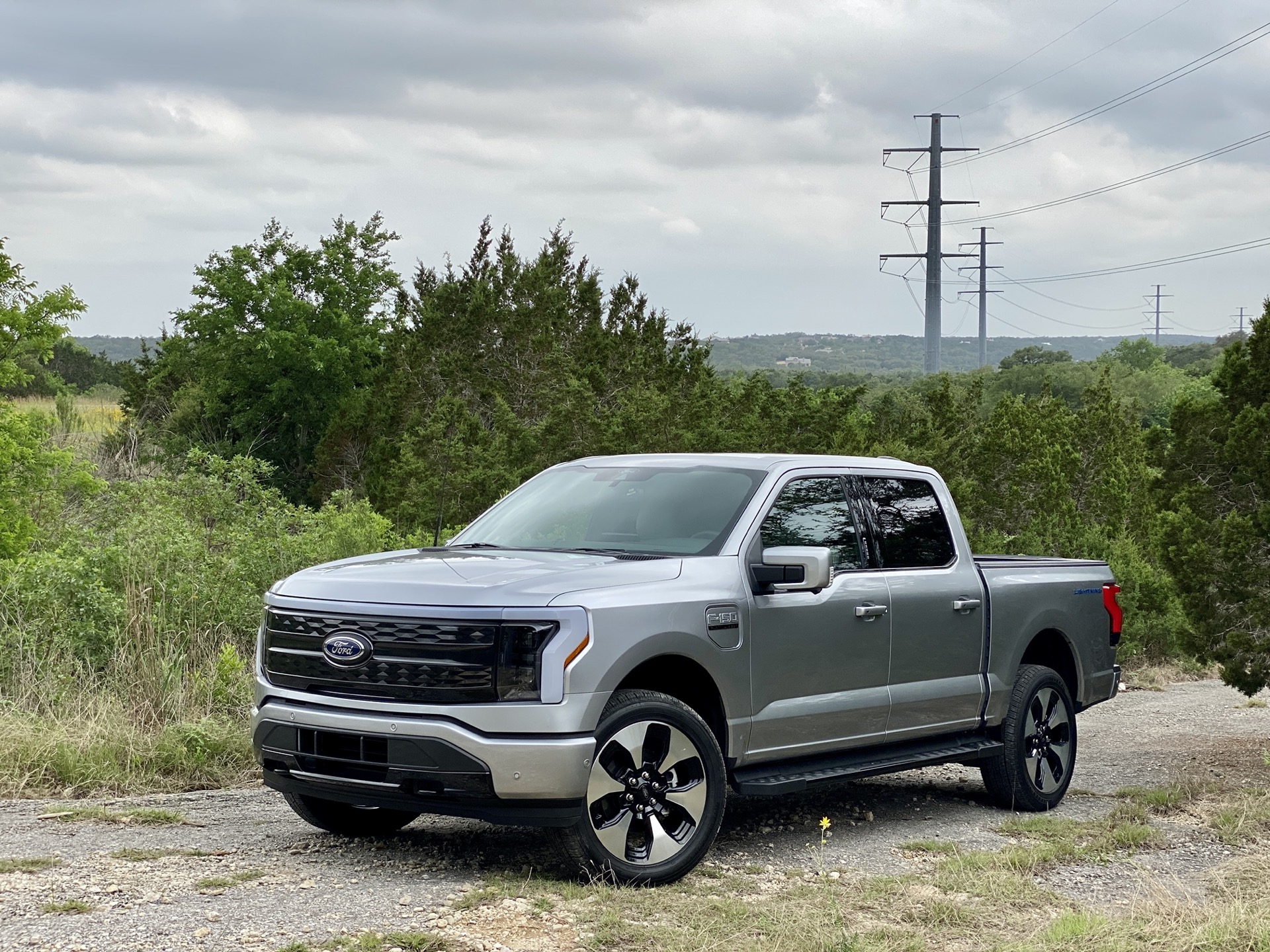
9. Ford F-150 Lightning
The Ford F-150 Lightning brings electric power to the popular full-size pickup segment. Its practical design, spacious cabin, and electric powertrain appeal to consumers who want a pickup without relying on gasoline.
Its purchase price depends on the configuration, equipment, availability, and transaction terms. Buyers financing a premium version may need to borrow a substantial amount.
Consider an illustrative purchase price of $75,000. A 10% down payment leaves approximately $67,500 to finance. With a 6.5% APR over 72 months, the total interest would be approximately $14,100.
The estimated average monthly finance charge would be around $196. This is the average interest expense across the loan, not the complete monthly installment.
Electricity consumption depends on driving distance, payload, towing, weather, and driving style. Heavy loads and frequent towing can increase energy requirements, making the monthly charging budget higher.
For regular commuting and moderate everyday driving, electricity costs may remain below the average monthly interest expense. Home charging can help owners manage energy expenses more effectively.
Pickup owners should also consider insurance, tire replacement, maintenance, and depreciation. Buyers who regularly tow or carry heavy loads should calculate energy consumption using their actual working conditions.
The Lightning shows how financing expenses can compete with energy costs even in a practical pickup. The comparison becomes especially relevant for buyers who drive moderate monthly distances.
A realistic ownership budget should include both personal and business-related vehicle use where applicable. This allows buyers to understand the actual financial commitment rather than focusing solely on fuel savings.
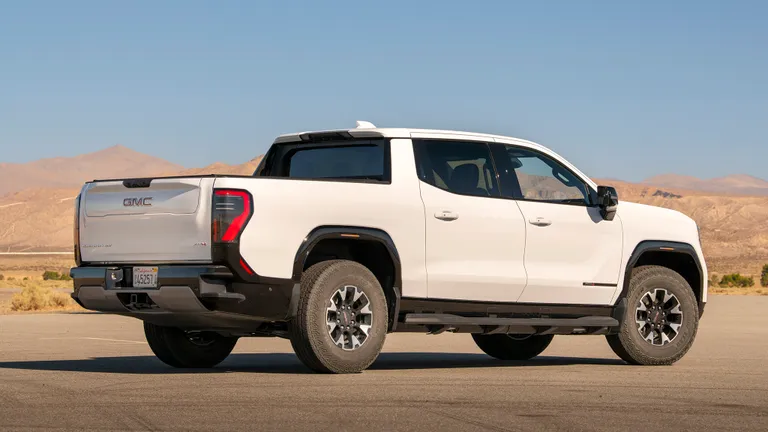
10. GMC Sierra EV
The GMC Sierra EV is a premium electric pickup designed for consumers who want the size and capability of a full-size truck with electric propulsion. Its luxury-oriented versions can carry substantial purchase prices.
The final transaction amount depends on the chosen trim, equipment, incentives, and dealership pricing. A high purchase price can increase the loan balance and the total interest paid over several years.
Using an illustrative purchase price of $100,000, a 10% down payment leaves $90,000 to finance. At 6.5% APR over 72 months, the estimated total interest would be approximately $18,900.
That translates into an average monthly finance charge of approximately $263. The actual interest amount will decline throughout the loan as the borrower reduces the principal balance.
The Sierra EV’s electricity requirements depend on its configuration, driving distance, payload, and towing activity. Owners who regularly use the truck for demanding work may spend more on charging than those using it primarily for commuting.
Home charging can help maintain lower energy expenses for households with predictable driving schedules. Under moderate usage conditions, the monthly electricity bill may remain below the average finance charge.
Other ownership expenses deserve attention. Insurance, replacement tires, maintenance, depreciation, and registration can add significantly to the total cost of keeping a premium electric pickup.
Consumers should compare the purchase price with their actual transportation needs. Paying for additional capability that is rarely used can make an already expensive vehicle difficult to justify financially.
The Sierra EV demonstrates why the relationship between finance charges and energy costs matters. A lower electricity bill does not automatically make a high-priced vehicle affordable when borrowing expenses remain substantial.