
Car insurance costs vary significantly across the United States, with some states offering much more affordable coverage than others. Drivers looking to reduce their insurance expenses often compare state averages, coverage requirements, traffic conditions, accident rates, and insurance regulations before choosing a policy.
According to the type of state-level comparisons featured by Insurify, several states consistently stand out for their relatively affordable auto insurance markets.
Understanding where insurance tends to cost less can help drivers make informed decisions, compare available policies, and identify practical ways to save money without sacrificing essential financial protection.

1. Maine
Maine is frequently recognized as one of the most affordable states for car insurance in the United States. Its relatively low population density, smaller urban centers, and comparatively moderate traffic conditions contribute to a favorable insurance environment.
Many drivers benefit from less congestion than motorists experience in heavily populated states. These conditions can reduce certain accident risks and help insurers manage claims expenses.
Rural communities make up a substantial part of Maine’s geography. Drivers in smaller towns often experience different traffic conditions from those living in major metropolitan areas. Fewer vehicles on many rural roads can mean less congestion during everyday travel.
However, rural driving also presents challenges, including wildlife crossings, changing weather, and longer distances between destinations.
Maine’s climate plays an important role in determining driving risks. Winters can bring snow, freezing rain, and icy roads, creating hazardous conditions for motorists.
Drivers must prepare their vehicles for seasonal changes and maintain appropriate tires. Safe winter driving habits can reduce accident risks and help prevent costly insurance claims.
Insurance companies consider several factors when calculating premiums in Maine. These include driving history, vehicle type, age, location, annual mileage, and selected coverage limits. A driver with a clean record and a reliable vehicle may receive more competitive quotes than someone with recent accidents or traffic violations.
The state’s insurance requirements also influence the policies drivers purchase. Maine requires motorists to carry liability coverage and certain additional protections, including uninsured and underinsured motorist coverage. Drivers should understand these requirements before comparing policies to make sure their selected insurance meets state regulations.
2. Vermont
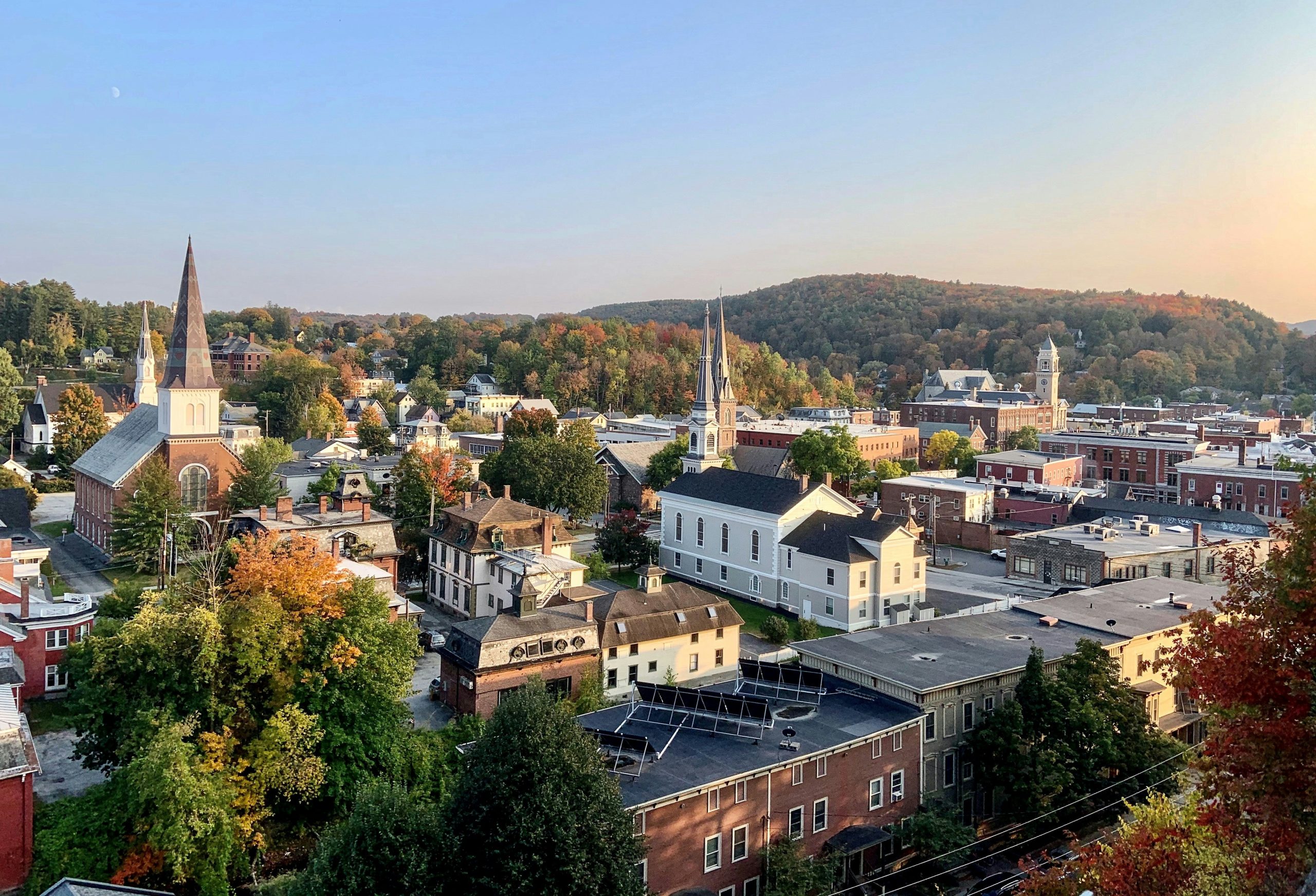
Vermont is another state commonly associated with affordable car insurance. Its smaller population, rural communities, and comparatively limited traffic congestion contribute to a different insurance environment from that of large metropolitan states. Many motorists travel through quieter communities and less busy roads, which can influence accident frequency and insurance claim patterns.
The state’s geography includes mountains, forests, small towns, and winding country roads. These conditions provide scenic driving routes but also require careful attention. Narrow roads, sharp turns, and changing elevations can create challenges, particularly for drivers unfamiliar with rural conditions.
Winter weather is an important consideration for Vermont motorists. Snowfall, ice, and freezing temperatures can make travel difficult for several months each year.
Drivers should maintain their vehicles, check tire conditions, and allow additional stopping distance when road surfaces become slippery.
Vermont’s relatively small population can influence insurance market conditions. Traffic density is an important factor in assessing accident exposure, and less congestion may reduce certain risks. However, insurance companies also consider vehicle theft, repair expenses, weather-related damage, and the cost of medical claims.
A driver’s personal profile remains important when calculating premiums. Insurance providers typically review age, driving experience, claims history, credit-based insurance information where permitted, and vehicle characteristics. These factors help companies estimate the likelihood and potential cost of future claims.
Vermont motorists should compare different coverage options before selecting a policy. State minimum coverage may satisfy legal requirements, but it may not provide enough financial protection after a serious accident.
Higher liability limits and additional coverage can offer greater security for drivers with valuable assets.
Drivers can also lower their expenses through practical measures. Maintaining a clean driving record, asking about available discounts, bundling eligible insurance policies, and reviewing coverage annually can help identify savings. These steps are useful even in states where average premiums are already relatively low.
3. Idaho
Idaho has developed a reputation as a relatively affordable state for automobile insurance. Its population distribution, road networks, and comparatively moderate traffic conditions help distinguish its insurance market from those of more densely populated states.
Many residents commute through smaller cities and suburban communities rather than navigating extremely congested metropolitan areas.
Boise is among Idaho’s largest population centers, while many other communities have considerably smaller populations. Insurance expenses can differ between these locations because insurers consider local accident statistics, theft patterns, traffic conditions, and claim costs.
Living in a rural community does not automatically guarantee a lower premium, but location can influence the final quote.
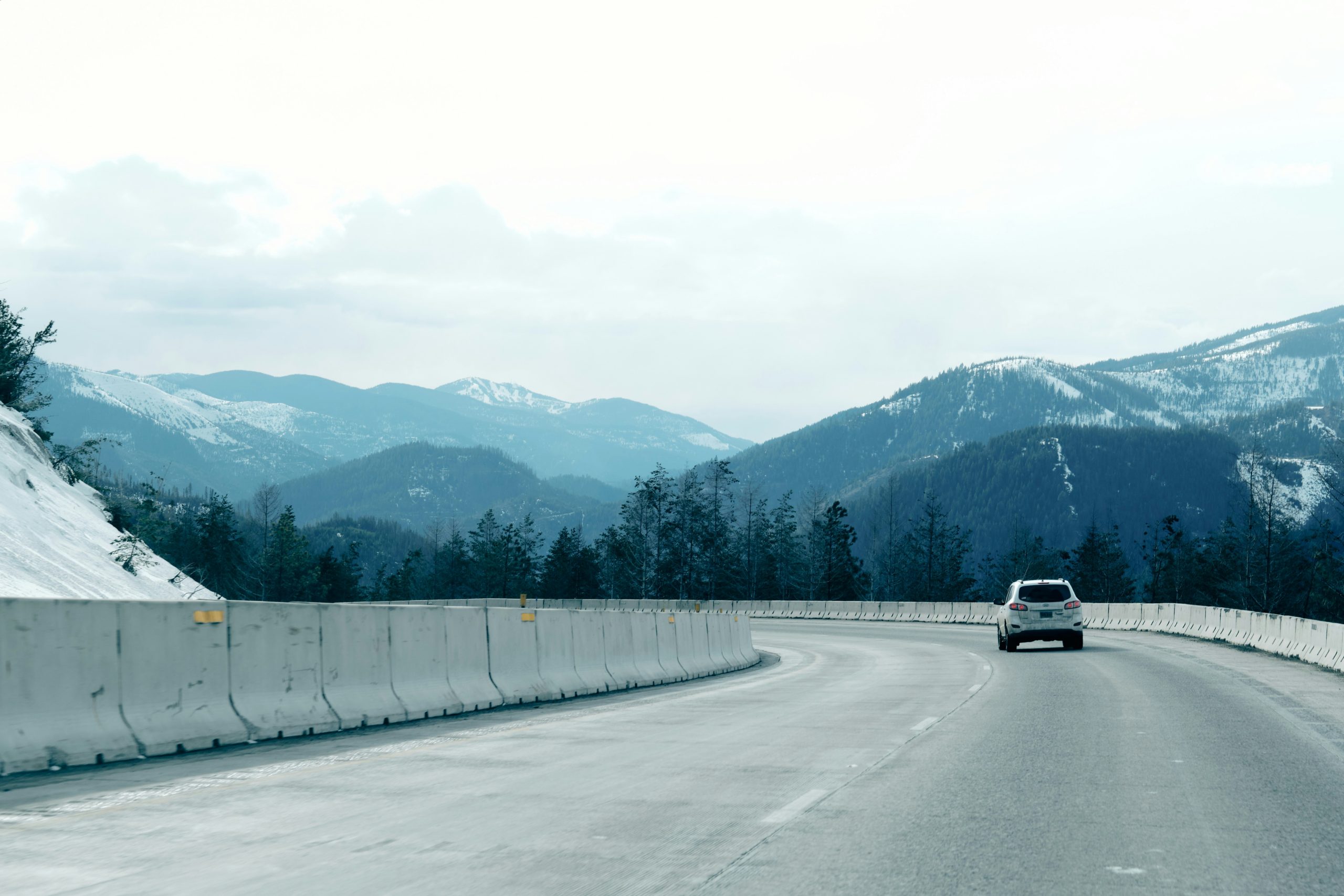
The state’s road conditions vary considerably. Motorists may encounter highways, mountain roads, agricultural routes, and residential streets during everyday travel. Each environment creates different driving risks. Drivers should adjust their speed and maintain appropriate following distances according to road and weather conditions.
Idaho experiences seasonal weather changes that can affect driving safety. Snow and ice create additional hazards in mountain communities and northern parts of the state.
Rain, reduced visibility, and wildlife crossings also require attention. Maintaining tires, brakes, headlights, and windshield wipers helps drivers prepare for changing conditions.
Insurance providers generally consider more than a vehicle’s registration location. Driving history, age, vehicle value, annual mileage, and selected deductibles can significantly affect premiums. A driver with several years of safe driving experience may receive a better quote than a motorist with recent violations.
Comparing insurance companies is especially useful for Idaho residents who want to control their annual expenses.
Each provider may evaluate risk differently and offer different discounts. Obtaining multiple quotes allows drivers to compare liability limits, collision coverage, comprehensive protection, and deductibles.
Idaho’s relatively affordable insurance environment can make it an attractive state for budget-conscious motorists. However, low premiums should not be the only consideration when selecting a policy.
Drivers should examine the insurer’s reputation, claims service, financial strength, and policy exclusions before making a final decision.

4. Ohio
Ohio is another state that frequently appears in discussions about affordable car insurance. Its insurance market serves a diverse population spread across major cities, suburban communities, and rural areas. This geographical variety creates different driving conditions and insurance risks across the state.
Cities such as Columbus, Cleveland, and Cincinnati have busier roads and higher traffic volumes than many smaller Ohio communities. Urban drivers may face greater exposure to congestion, parking-related incidents, and vehicle theft. These conditions can influence local insurance premiums.
Rural Ohio presents a different driving environment. Many motorists travel along state highways, county roads, and agricultural routes. Traffic may be lighter in these areas, but drivers must remain alert for farm equipment, changing road surfaces, and animals crossing roadways.
Ohio’s weather also influences driving conditions. Winter storms, snow, ice, and heavy rainfall can increase accident risks. Drivers should prepare their vehicles for seasonal changes and avoid unnecessary travel during severe weather. Defensive driving practices are particularly important when road visibility and traction are limited.
Insurance companies use several personal factors to determine premiums in Ohio. These include driving history, vehicle model, age, location, coverage choices, and previous claims.
Depending on the insurer and applicable regulations, other rating factors may also influence the final price.
Motorists can explore discounts to reduce their insurance expenses. Common opportunities include safe-driver discounts, multi-vehicle discounts, bundling home and auto policies, and qualifying student discounts.
Some insurers also offer telematics programs that evaluate driving habits, such as braking patterns and mileage.
Ohio’s relatively competitive insurance market gives drivers opportunities to compare different providers. However, the cheapest available policy may not provide adequate financial protection. Motorists should examine coverage limits, deductibles, exclusions, and customer service before choosing an insurer.
5. New Hampshire
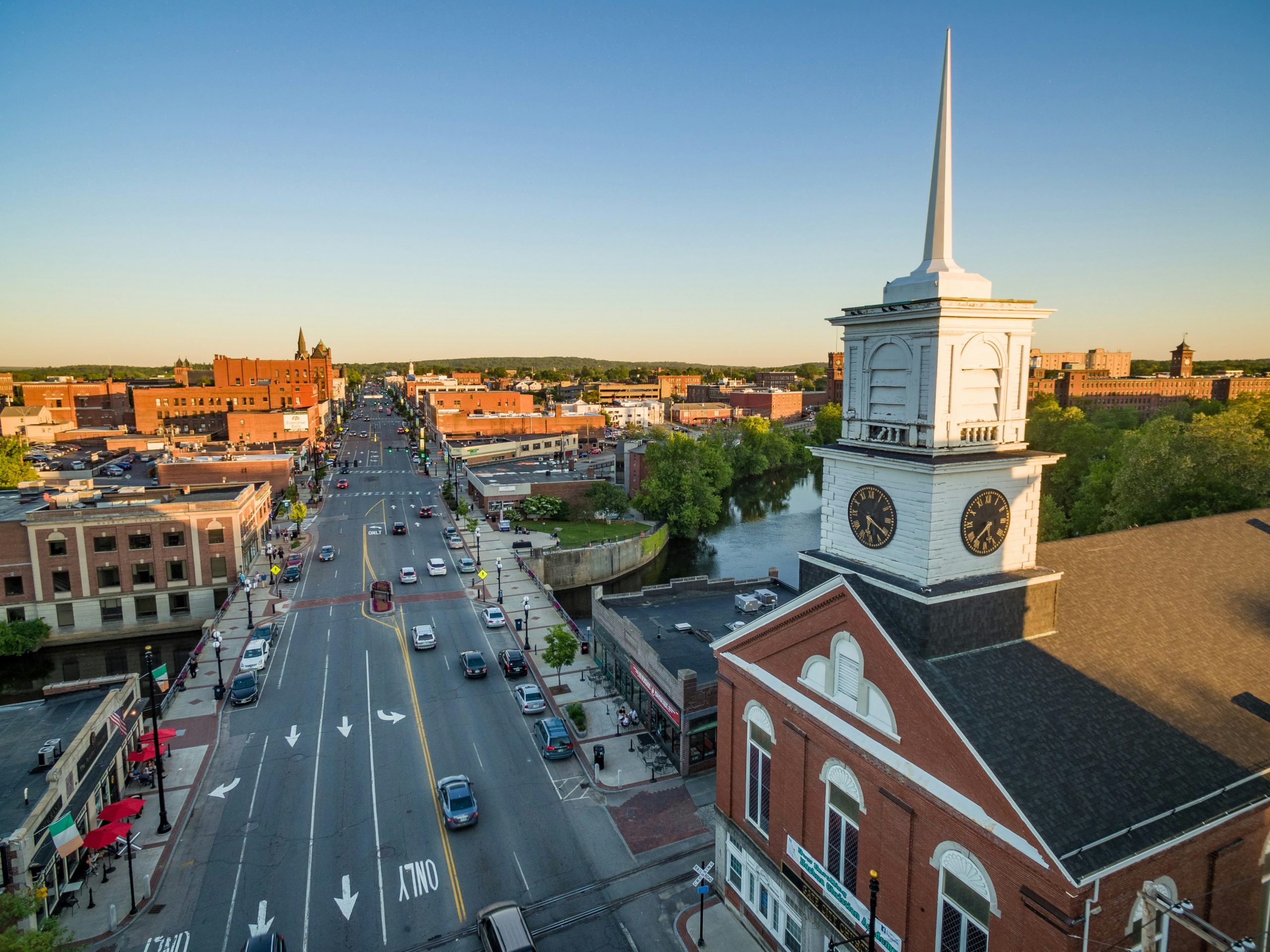
New Hampshire has several characteristics that can support relatively affordable automobile insurance costs. Its smaller population, lower traffic density in many communities, and relatively compact geography influence the driving environment. Many residents travel through suburban and rural areas where congestion is less intense than in larger metropolitan regions.
The state has no general compulsory auto insurance requirement for every registered vehicle in the same way many other states do, but motorists must demonstrate financial responsibility under applicable law.
Drivers involved in certain incidents may face requirements to provide proof of financial responsibility. Purchasing appropriate insurance remains an important way to manage potential financial losses.
New Hampshire’s weather creates seasonal driving challenges. Snow, freezing temperatures, and icy roads can make winter travel dangerous. Motorists should prepare for winter conditions by checking tire tread, maintaining brakes, and ensuring their vehicles have properly functioning lights and heating systems.
Tourism also contributes to changing traffic patterns. Popular destinations, mountain routes, and recreational areas can experience increased vehicle activity during certain seasons.
Drivers traveling through unfamiliar locations should pay attention to speed limits, road signs, and changing traffic conditions.
Insurance premiums depend on individual circumstances rather than state averages alone. A motorist’s driving record, vehicle type, age, location, and coverage preferences all influence pricing. Drivers with a history of accidents or serious traffic violations may face higher premiums.
New Hampshire residents should consider the financial risks of driving without insurance. Even when legal circumstances allow a motorist to operate without a traditional policy, an accident can create substantial expenses. Liability for property damage, medical bills, and legal costs can place considerable pressure on personal finances.
Comparing policies from several insurers can help motorists find suitable protection. Drivers should review liability limits, collision and comprehensive coverage, uninsured motorist protection, and deductibles. A carefully selected policy can provide valuable financial security while keeping insurance expenses manageable.

6. Wisconsin
Wisconsin is regularly included among states with relatively affordable auto insurance markets. Its combination of smaller cities, suburban neighborhoods, and rural communities creates a varied driving environment.
Compared with states that have extremely dense metropolitan populations, many Wisconsin communities experience less traffic congestion.
Milwaukee is the state’s largest city and has different insurance considerations from smaller communities. Urban drivers may encounter heavier traffic, more frequent parking challenges, and different vehicle theft risks. These local conditions can influence premiums and make location an important part of insurance pricing.
Wisconsin’s winter climate requires particular attention from motorists. Snowfall, icy roads, and freezing temperatures can increase the likelihood of collisions. Drivers should prepare for winter travel by checking tires, maintaining safe stopping distances, and avoiding sudden braking on slippery surfaces.
Rural motorists face their own challenges. Deer crossings, agricultural vehicles, limited lighting, and longer travel distances can affect driving safety. Comprehensive coverage may be worth considering for drivers concerned about animal collisions, vehicle theft, falling objects, and certain weather-related losses.
The state has mandatory automobile insurance requirements. Drivers generally need liability coverage, uninsured motorist coverage, and underinsured motorist coverage that meet applicable minimum limits. Understanding these requirements helps motorists avoid legal problems and select appropriate protection.
Wisconsin residents can reduce premiums by maintaining a good driving history and reviewing available discounts. Some insurers provide savings for multiple vehicles, policy bundling, safe driving, and certain vehicle safety features. Eligibility varies by company, so motorists should ask about specific opportunities.
A competitive insurance market gives Wisconsin drivers opportunities to compare coverage and pricing. Rather than focusing entirely on the monthly premium, motorists should assess the policy’s financial protection, deductibles, claims process, and exclusions. These details matter when an unexpected accident occurs.

7. Iowa
Iowa is another state that can offer comparatively affordable automobile insurance. Its relatively low population density and extensive rural areas contribute to driving conditions that differ from those found in large metropolitan states.
Many residents use personal vehicles for commuting, shopping, work, and travel between smaller communities.
Des Moines is the state’s largest city, with busier roads and higher traffic volumes than many surrounding towns. Local traffic patterns, vehicle theft statistics, and accident frequency can influence insurance pricing. Drivers living outside major population centers may encounter different premium estimates.
Agricultural activity is an important part of Iowa’s economy and road network. Motorists frequently share roads with tractors, combines, trucks, and other farm equipment. These vehicles may travel at lower speeds and require additional space. Drivers should remain patient and avoid unsafe passing maneuvers.
Weather conditions can also influence driving risks. Iowa experiences thunderstorms, heavy rainfall, snow, ice, and occasional severe storms. These conditions can create hazardous roads and increase the possibility of vehicle damage. Comprehensive insurance may help protect against certain non-collision events, subject to policy terms.
Insurance companies evaluate a range of personal and vehicle-related factors. A driver’s age, record, annual mileage, location, vehicle model, and selected coverage limits can influence the premium. The insurer may also consider other legally permitted rating information.

8. Indiana
Indiana is frequently considered a relatively affordable state for car insurance. Its combination of urban centers, suburban communities, and rural roads creates a broad insurance market. Many motorists benefit from less traffic congestion than drivers experience in some of the country’s largest metropolitan areas.
Indianapolis is the state’s largest city and has a different risk profile from smaller Indiana communities. Traffic volume, accident frequency, vehicle theft, and repair costs can affect local premiums. Drivers in busy urban areas may therefore receive different quotes from motorists living in quieter towns.
The state’s highway network supports travel between cities and surrounding communities. While highways can make commuting more convenient, they also expose motorists to higher-speed traffic. Maintaining safe distances, following speed limits, and staying alert are important for reducing collision risks.
Indiana experiences seasonal weather changes that affect driving safety. Rain, snow, ice, and fog can create difficult road conditions. Motorists should prepare their vehicles for seasonal travel and adjust their driving behavior according to visibility and road conditions.
State law requires drivers to maintain financial responsibility, generally through automobile liability insurance. Indiana’s minimum requirements should be checked before purchasing a policy because legal compliance is essential.
Drivers may also consider higher liability limits to protect themselves against expenses that exceed minimum coverage.
Indiana motorists can explore several ways to lower their premiums. Maintaining a clean driving record, comparing insurance providers, choosing an appropriate deductible, and asking about discounts can help reduce costs. Some companies offer savings for safe driving programs and bundled insurance policies.

9. North Carolina
North Carolina has historically maintained a competitive automobile insurance environment. Its population includes residents of large cities, suburban developments, coastal communities, and rural regions. This geographical variety creates different driving patterns and insurance needs throughout the state.
Charlotte and Raleigh have experienced population growth and increased traffic activity. Motorists in these metropolitan areas may encounter longer commutes, congested roads, and more frequent interactions with other vehicles. These conditions can influence insurance risk assessments and local premiums.
The state also has extensive rural road networks. Drivers may encounter winding roads, agricultural vehicles, limited street lighting, and wildlife crossings.
Maintaining an appropriate speed and remaining alert can help reduce accident risks in these environments.
North Carolina’s coastal areas face additional weather-related considerations. Tropical storms, hurricanes, heavy rainfall, and flooding can damage vehicles. Comprehensive coverage may help with certain weather-related losses, but drivers should carefully review exclusions and deductibles, particularly for flood damage.
Insurance regulations are another important part of the state’s market. North Carolina has established minimum financial responsibility requirements for motorists. Drivers should confirm the current mandatory coverage limits and consider whether additional liability protection is appropriate for their financial circumstances.
The state has a regulated automobile insurance system that differs in some respects from the rating structures used elsewhere. This regulatory environment influences how insurers establish and offer coverage. As a result, comparing premiums across states requires more than simply examining population size or traffic density.
10. Virginia
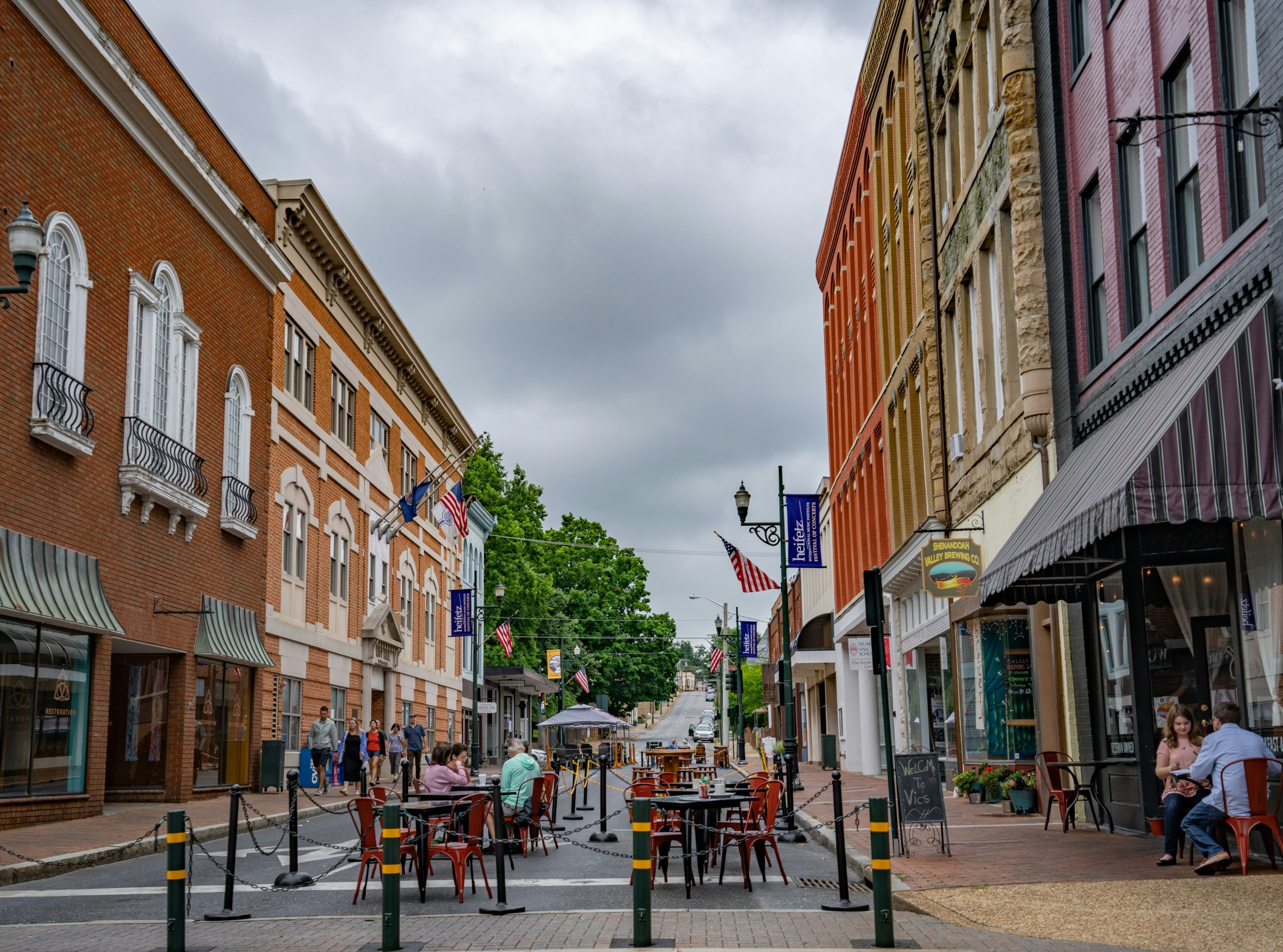
Virginia is another state worth including in discussions about relatively affordable car insurance. Its insurance market serves a wide range of motorists, from residents of densely populated Northern Virginia to drivers living in smaller towns and rural communities.
Premiums can differ considerably depending on the location and individual risk profile.
Northern Virginia has significant commuter traffic due to its proximity to Washington, D.C. Drivers in this region may experience congestion, longer travel times, and busy highways. These conditions can influence accident exposure and insurance pricing compared with quieter parts of the state.
Other areas of Virginia have less congested road networks. Smaller communities and rural locations may offer different driving conditions, but motorists still face risks such as wildlife crossings, changing road surfaces, and limited visibility at night. Safe driving practices remain essential regardless of location.
Weather conditions can vary throughout the state. Winter storms, heavy rain, and occasional icy roads create additional challenges. Coastal areas may also experience severe storms and flooding. Comprehensive coverage can protect against certain covered events, depending on policy language and exclusions.
Virginia has specific insurance and financial responsibility laws that drivers must understand. Legal requirements can change, so motorists should check current state guidance before deciding whether their existing policy provides sufficient coverage.
Carrying appropriate liability insurance can protect personal finances after an accident.
Drivers can compare insurance companies to find policies that balance price and protection. Important considerations include liability limits, deductibles, collision coverage, comprehensive coverage, and uninsured motorist protection. A lower monthly payment may not represent better value if the policy offers inadequate coverage.